


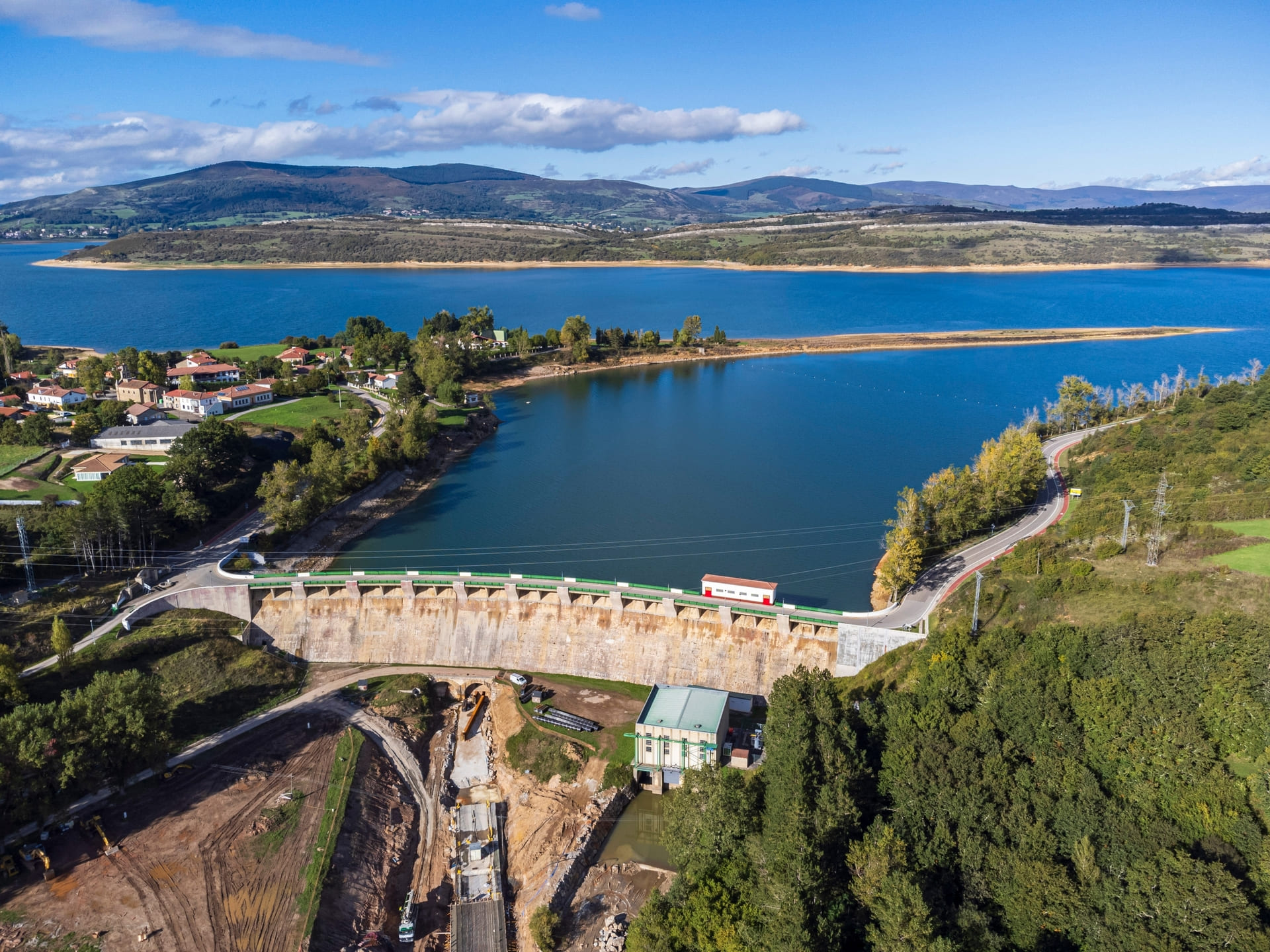
 Ebro Reservoir Dam, Cantabria
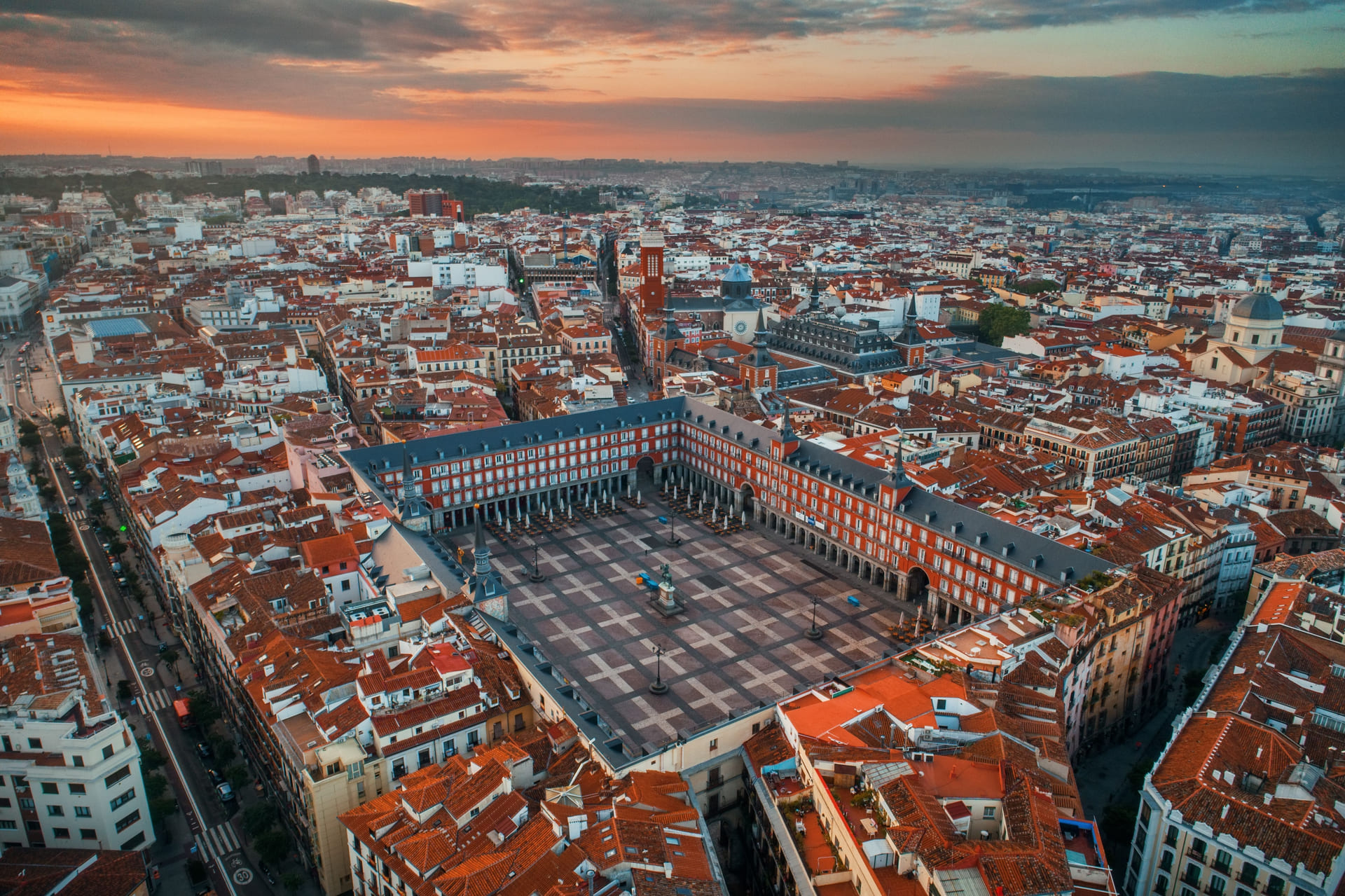 Madrid, Spain
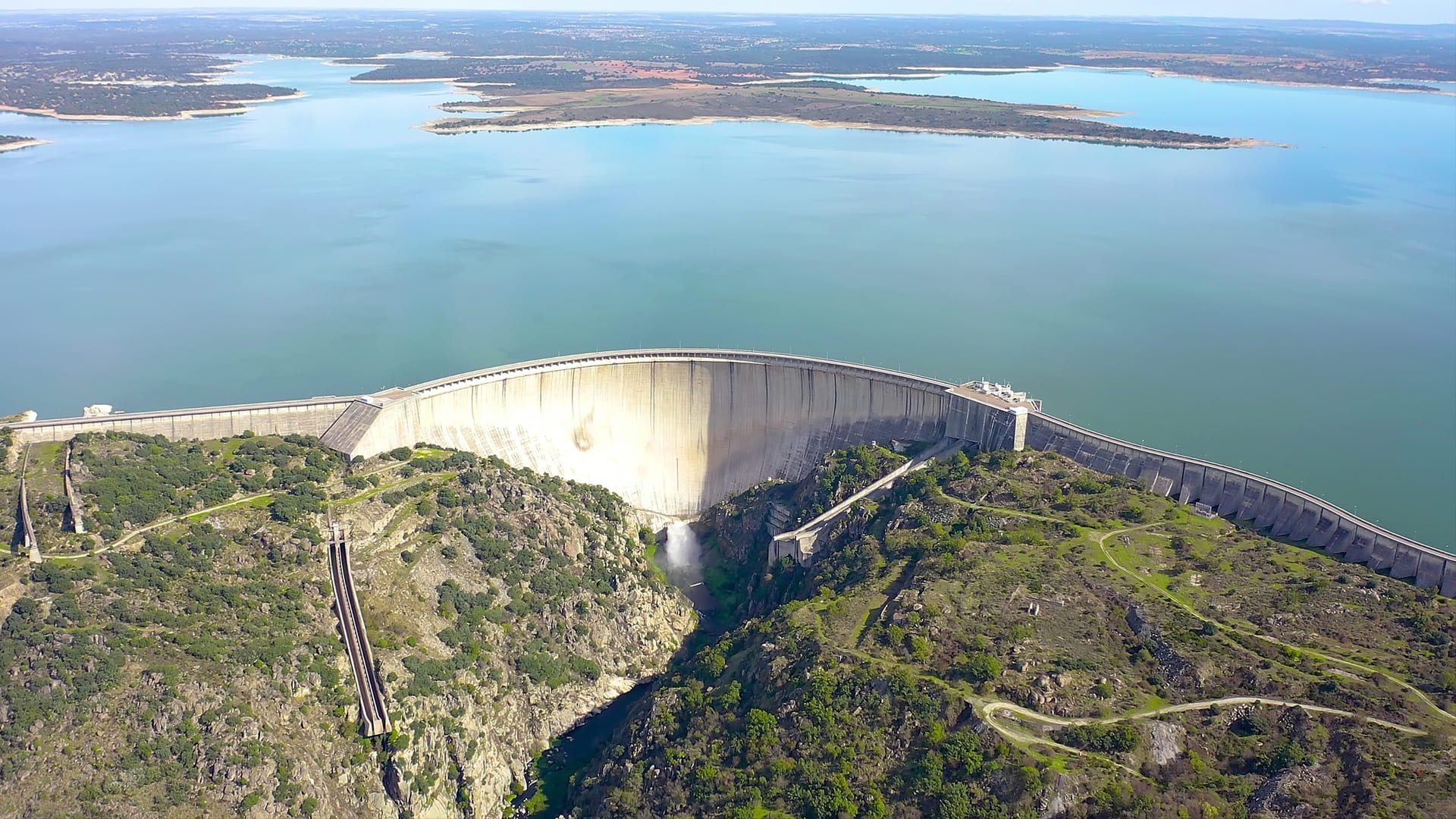 Almendra Dam, Castile and León
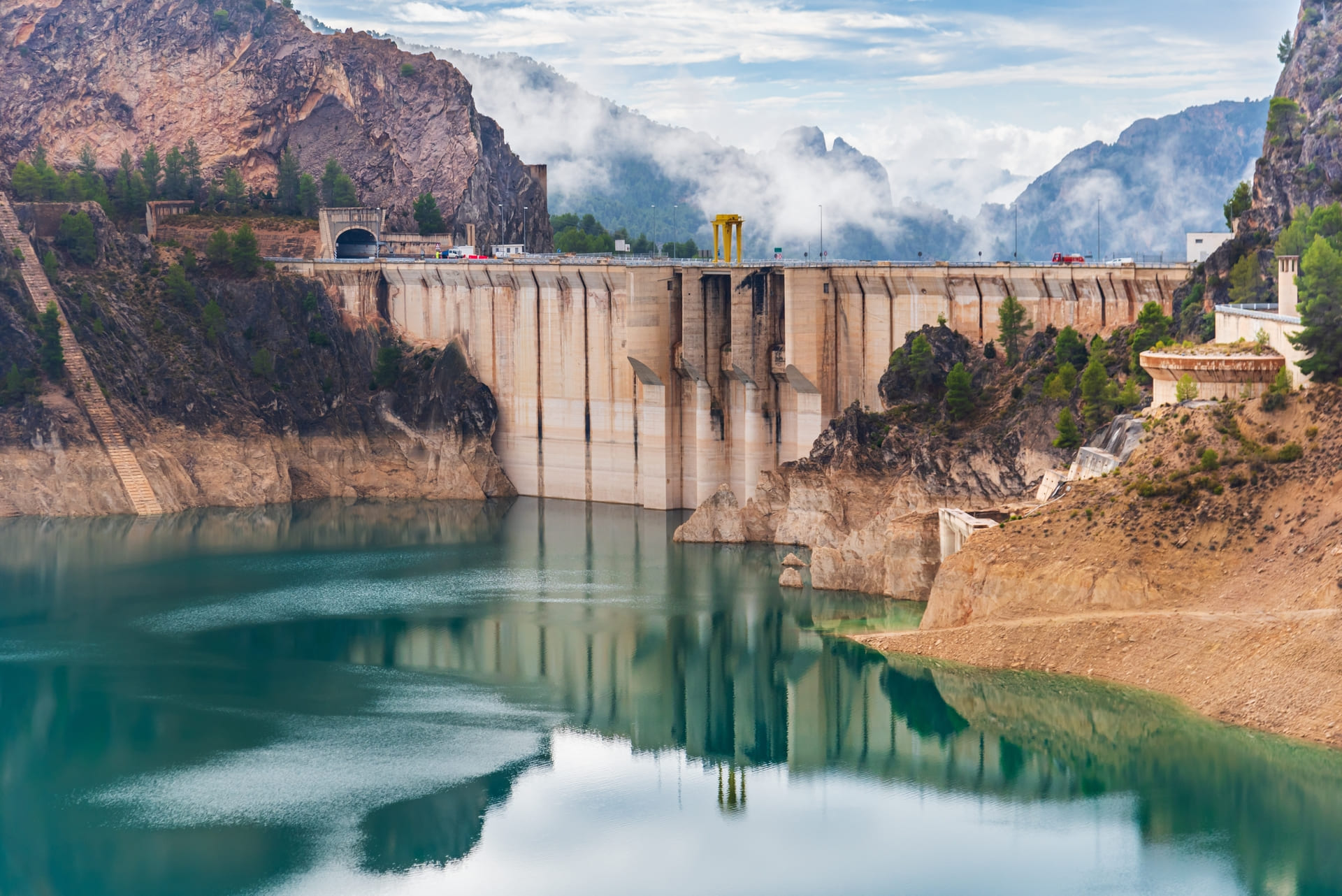 Contreras Dam in Cuenca
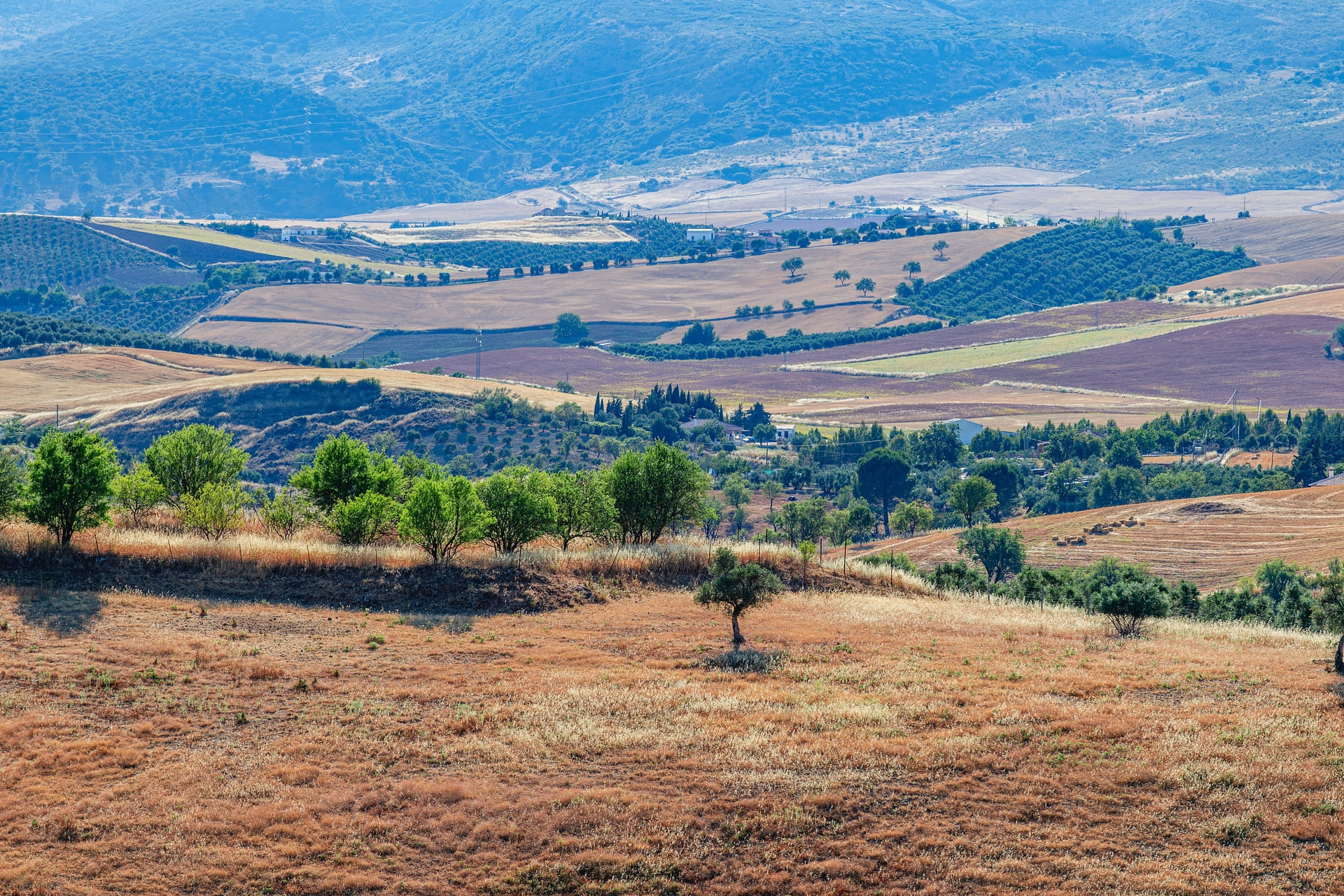 Rural landscape in Andalusia
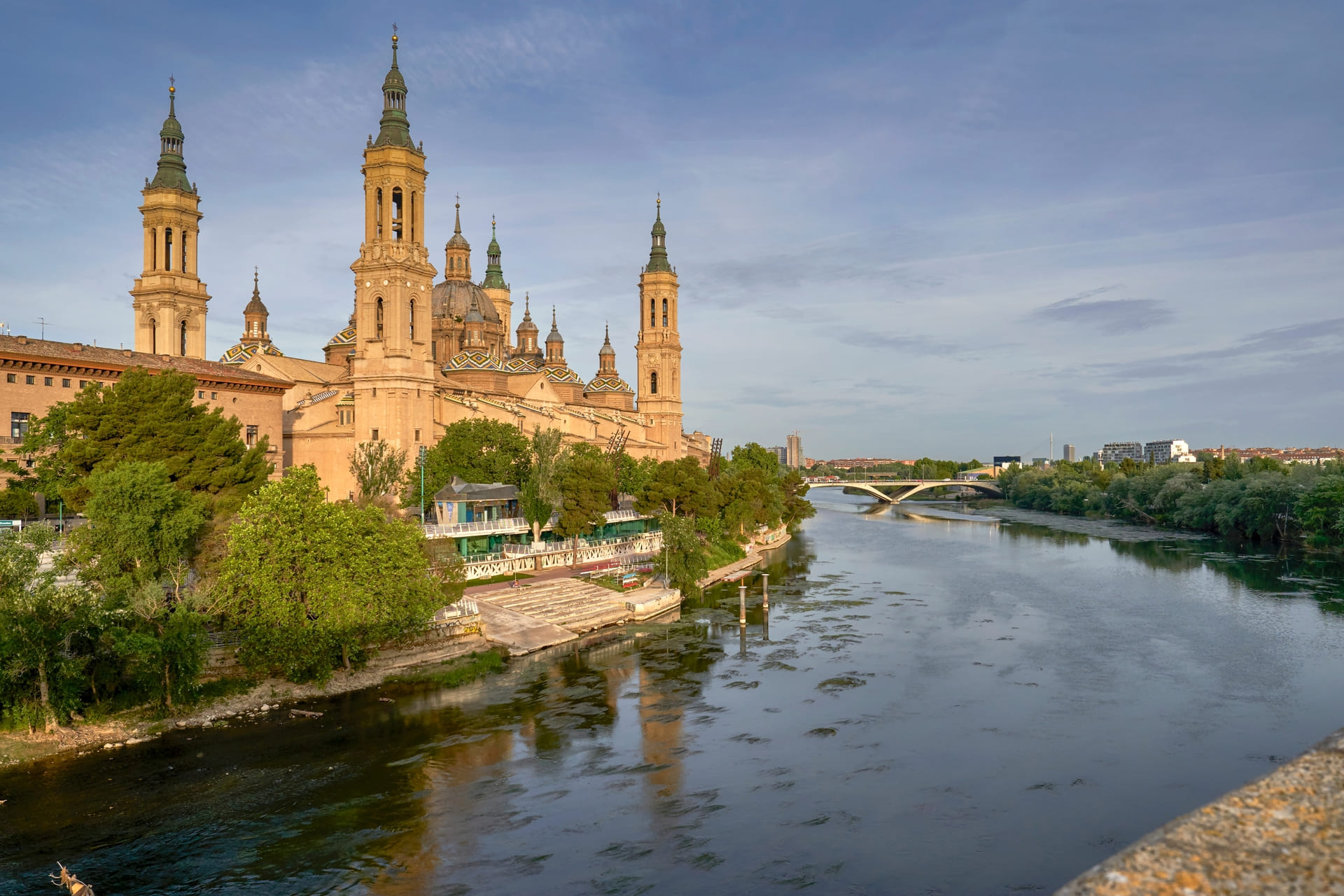 Ebro River in the city of Zaragoza
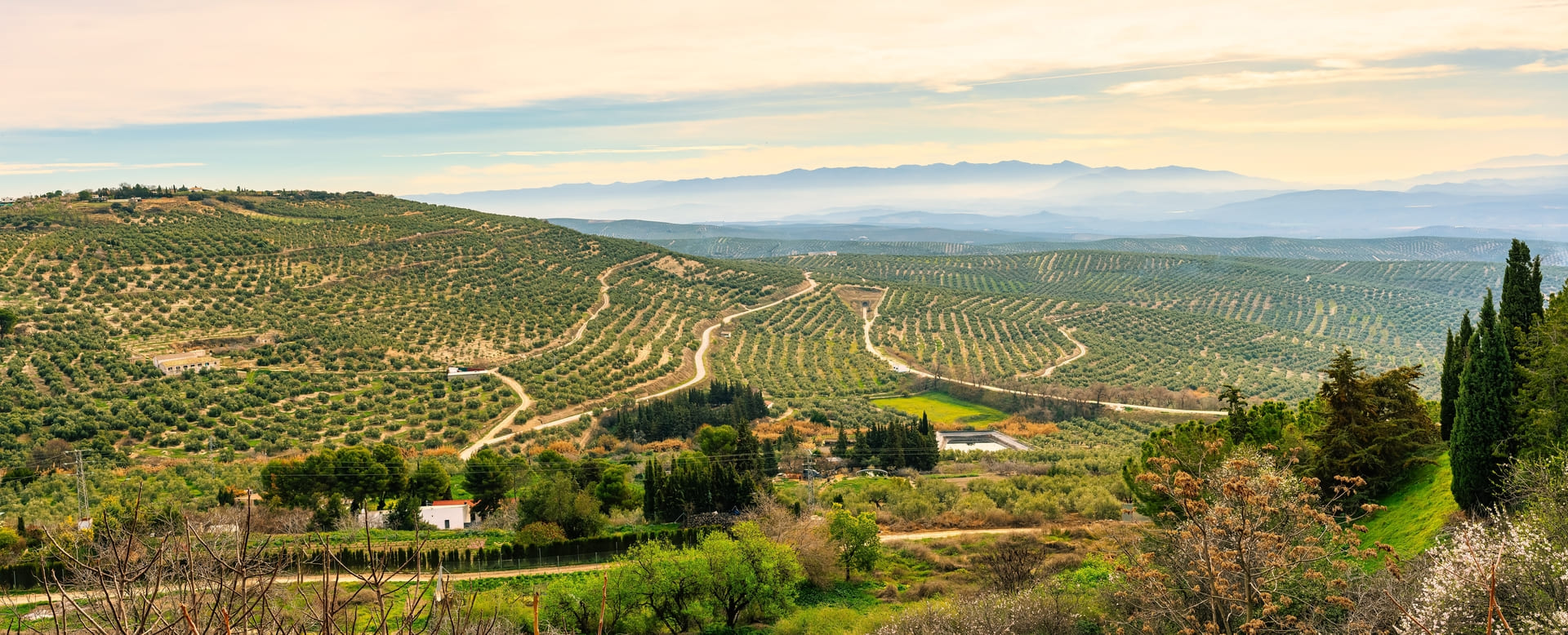 Olive groves near Jaén, Andalusia
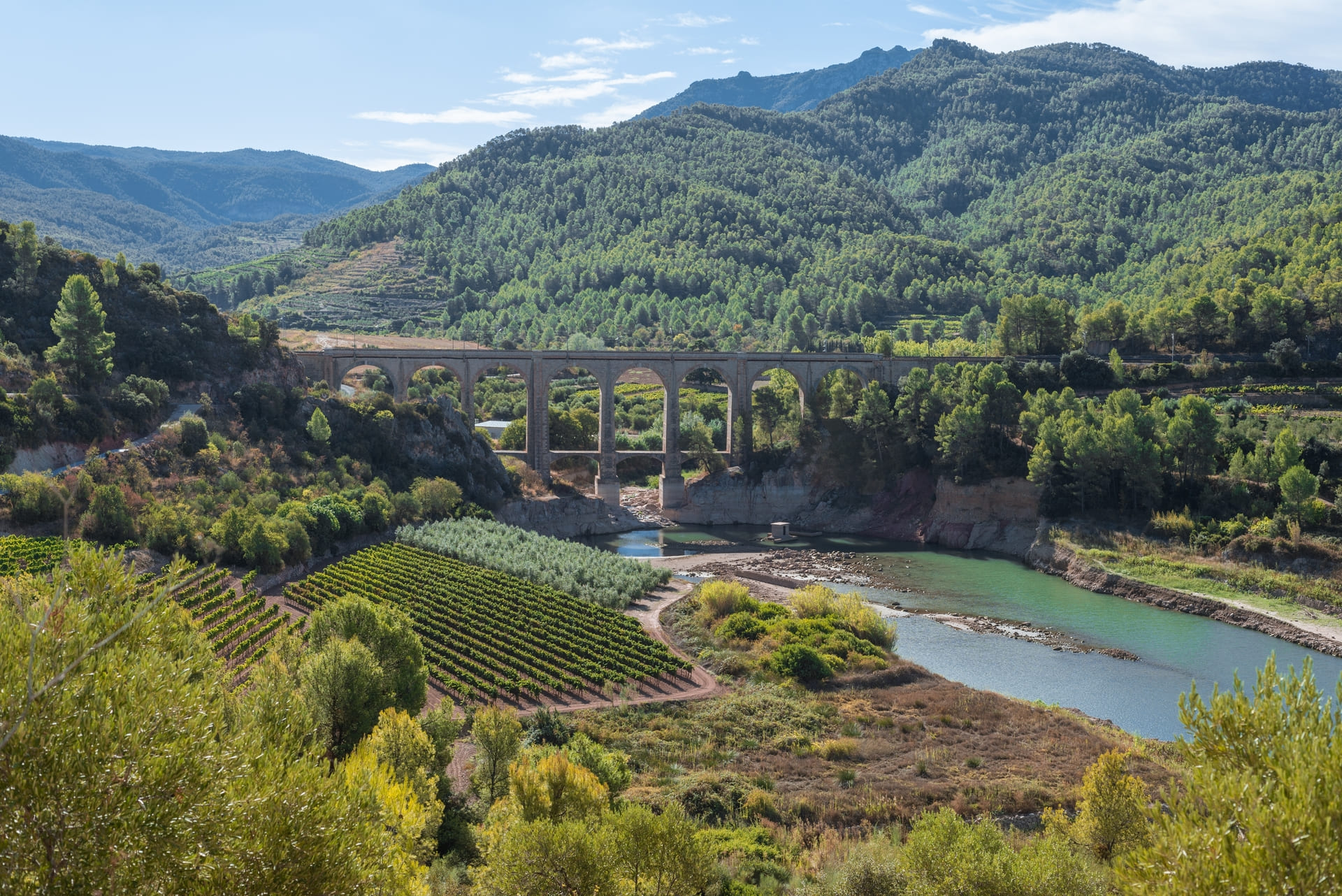 Els Guiamets Reservoir, Catalonia
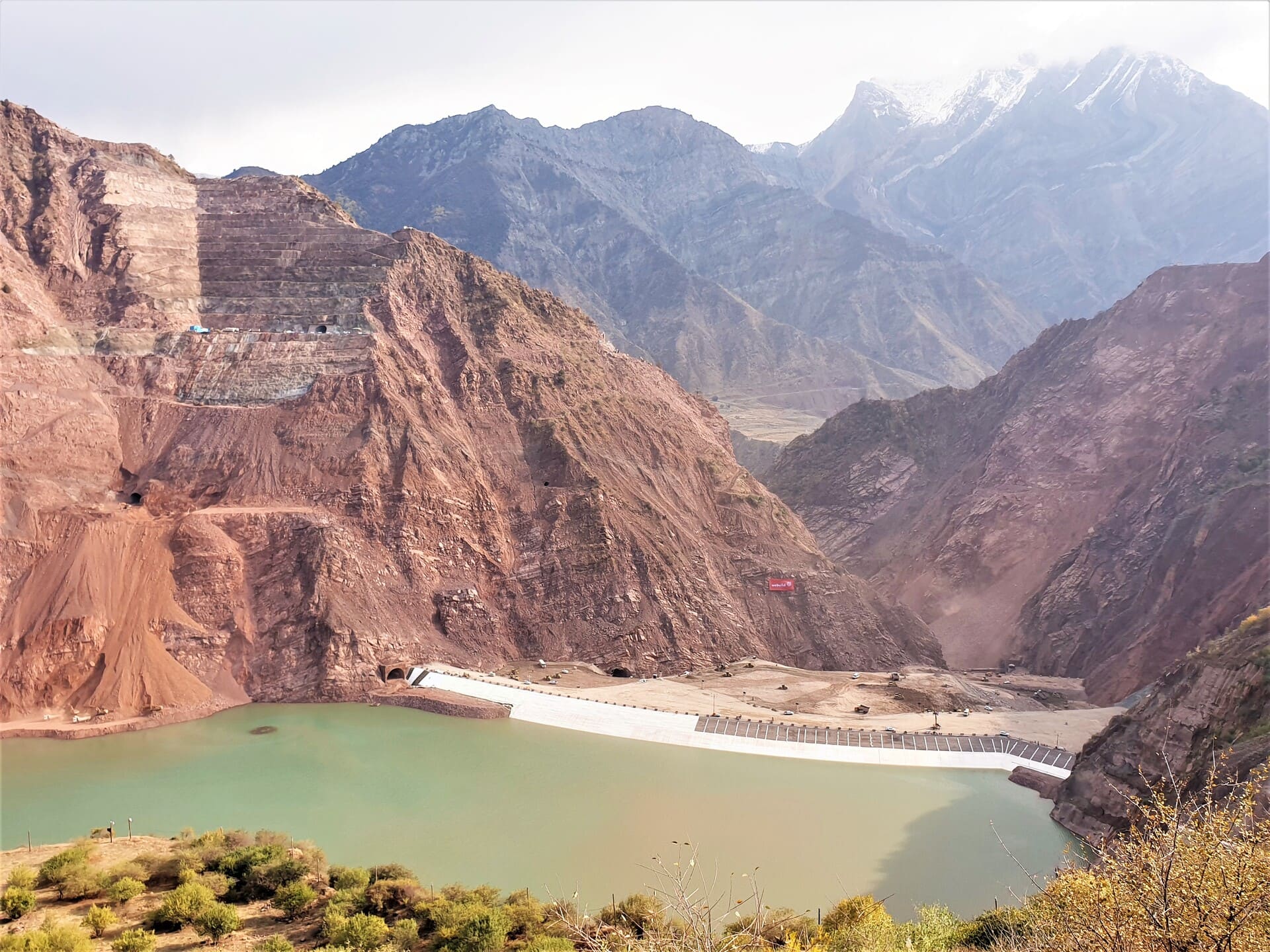 Rogun Dam construction site, Tajikistan
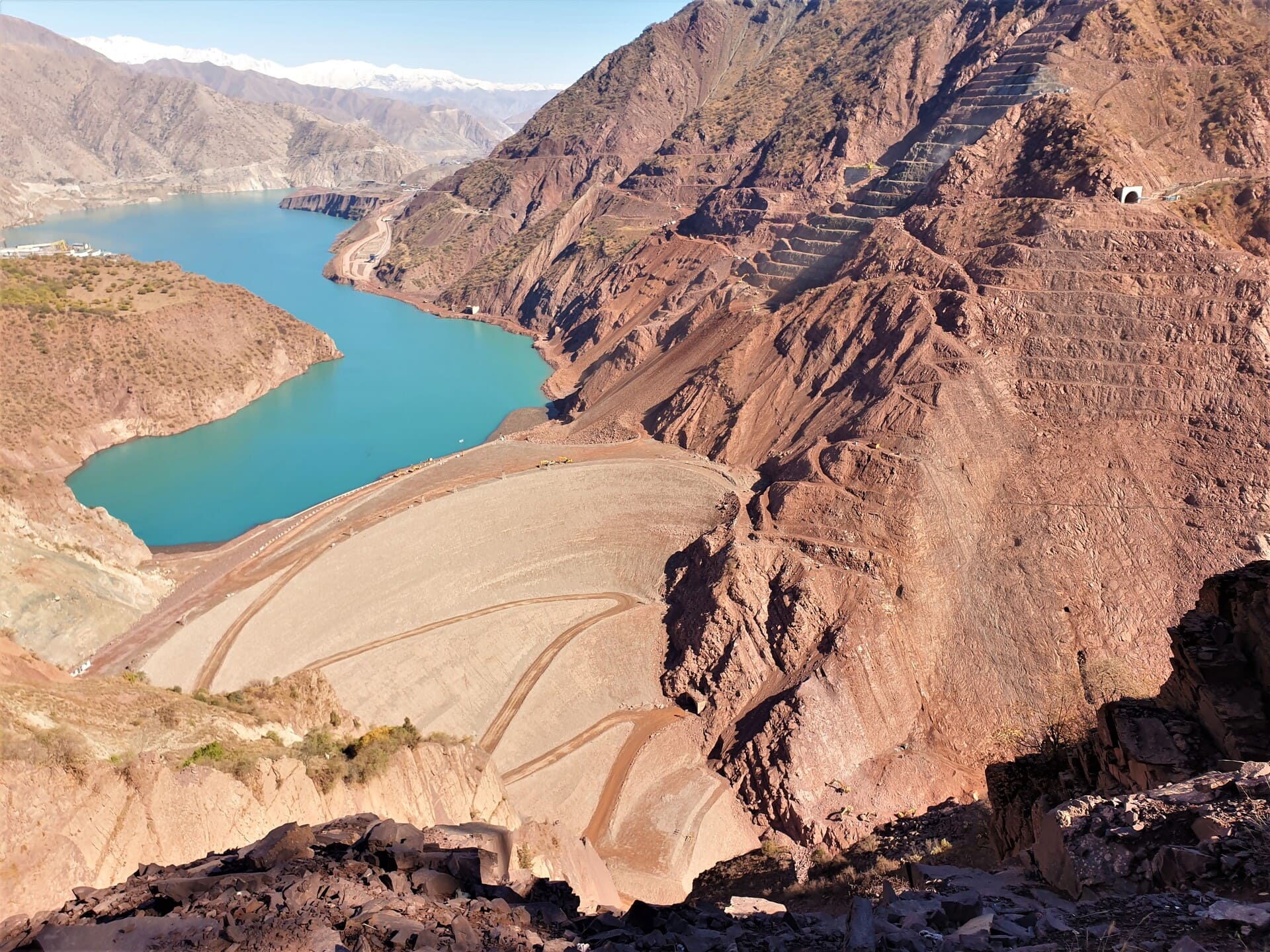 Rogun Dam construction site, Tajikistan
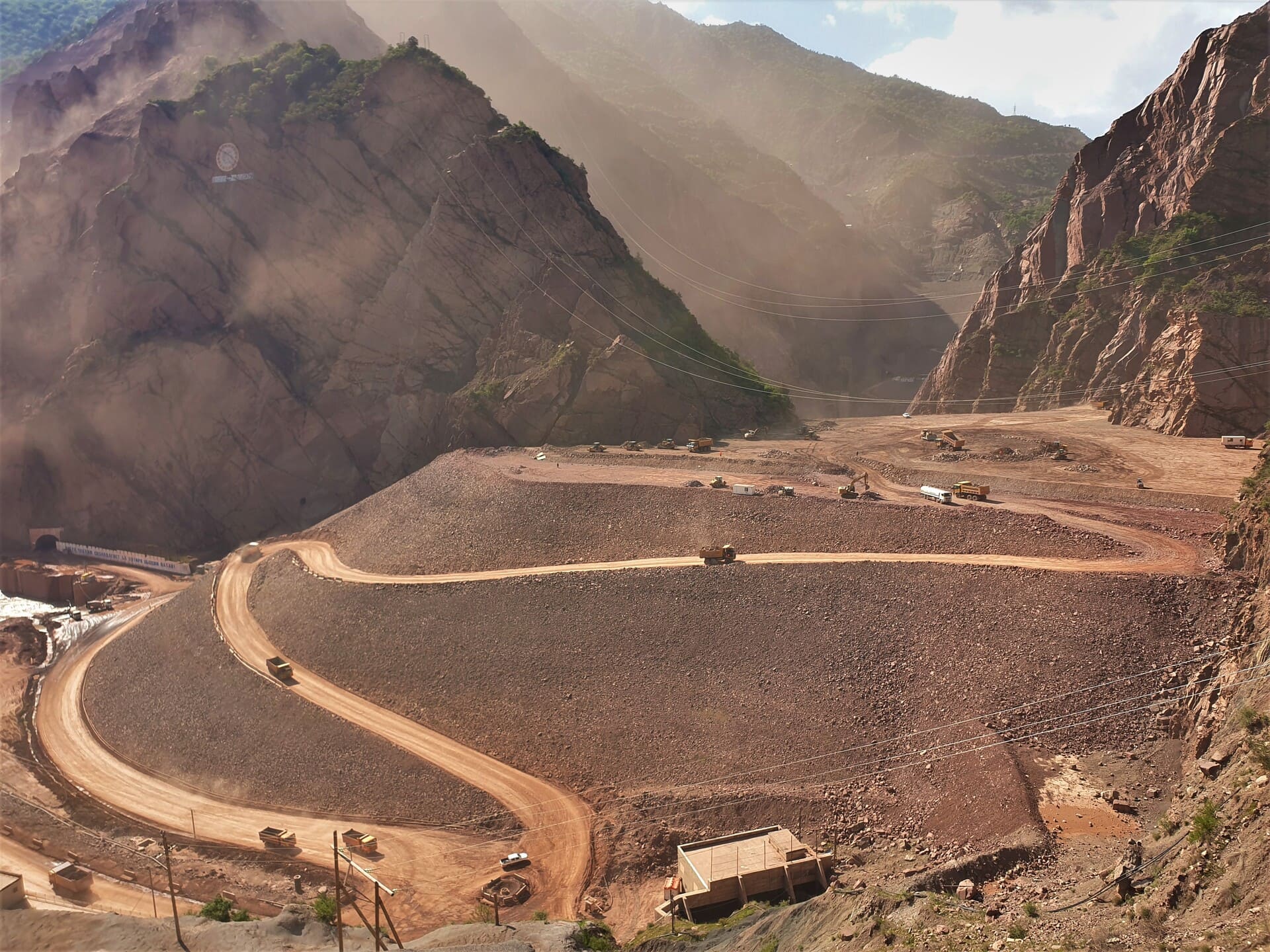 Rogun Dam construction site, Tajikistan
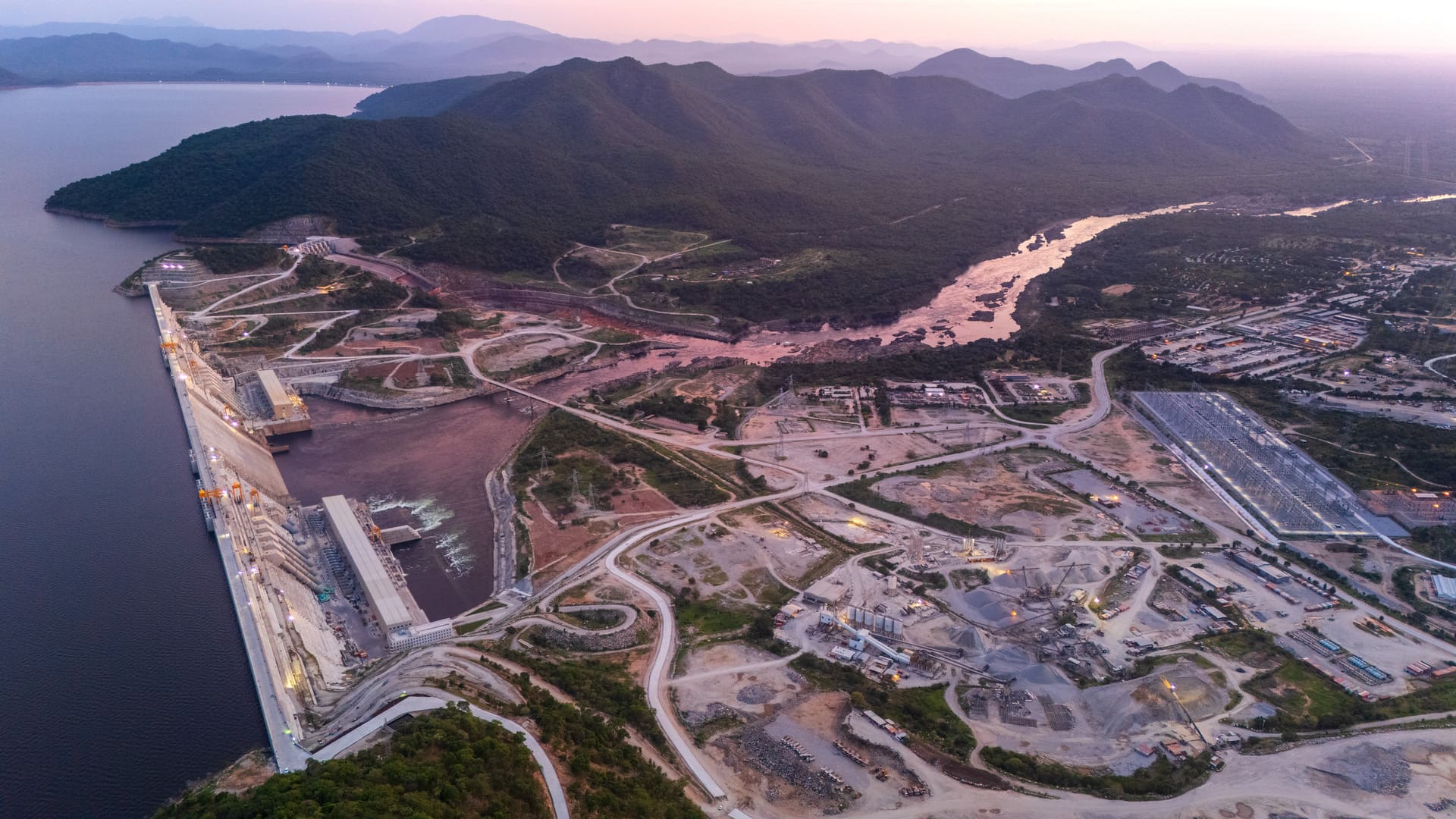 GERD hydroelectric project, Ethiopia
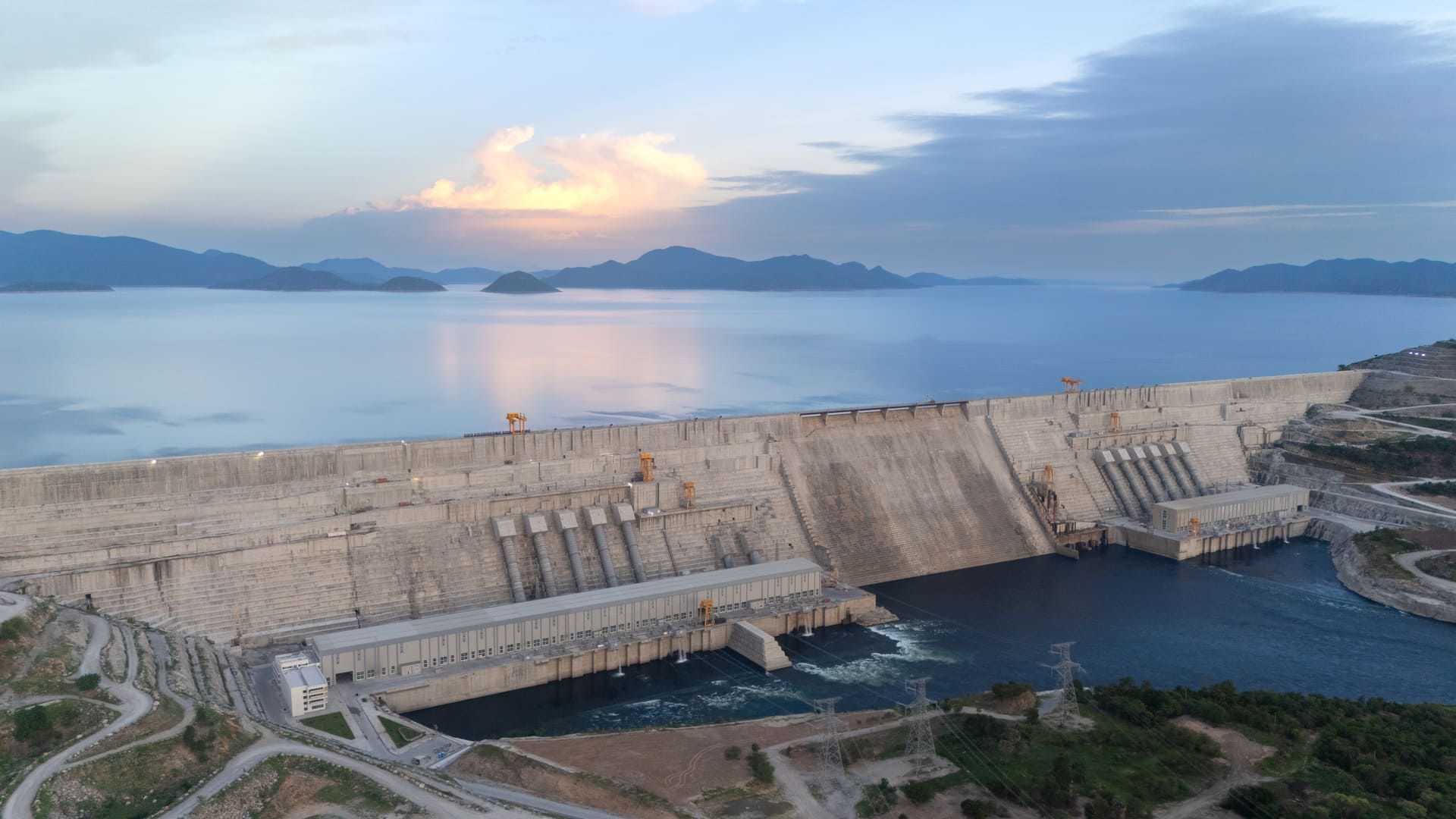 GERD hydroelectric project, Ethiopia
- From Spain to the rest of the world, the climate crisis is bringing dams back to the centre of the debate as strategic infrastructure for water management, energy storage and territorial security.
- With nearly 1,300 artificial reservoirs, Spain is strengthening its water system to cope with increasingly frequent droughts and to guarantee reserves for cities, agriculture and energy.
- Globally, hydropower remains the leading renewable energy source: it produces around 14% of the world’s electricity and exceeds 1,400 gigawatts of installed capacity.
- From the Blue Nile to major global hydroelectric power plants, Webuild contributes to the construction of dams that combine clean energy and sustainable water management.
- The GERD dam in Ethiopia is capable of doubling the country’s national energy production.
read more

In recent years, Spain has become one of Europe’s most advanced laboratories for managing the water crisis. The country, historically accustomed to living with long periods of drought, is now facing a challenge amplified by climate change: increasingly irregular rainfall, more frequent heatwaves and a growing demand for water.
It is not only an environmental issue. The stability of entire economic systems is also at stake. From Andalusia to Catalonia, the reduction in water resources has already affected agriculture and urban water management, with restrictions on consumption and extraordinary measures to guarantee water supply for populations and productive activities.
In this context, Spain is strengthening a strategy that combines new technologies, infrastructure and water resource planning.
Alongside the development of desalination plants and the reuse of wastewater, large artificial reservoirs continue to play a central role. The country has nearly 1,300 reservoirs and hydroelectric dams, a network that makes it possible to regulate water flows, mitigate the effects of water scarcity and ensure reserves during periods of scarce rainfall.
In addition to the infrastructure already in operation, Spain is reinforcing its water management strategy through a broad programme of public investment. In 2023 the government approved the new cycle of National Hydrological Plans, which define water policy until 2027 and envisage around €22.8 billion in investment to improve water resource management, modernise existing water infrastructure and increase resilience to climate change.
The plan includes interventions on reservoirs and dams, measures to enhance the safety of hydraulic infrastructure and new infrastructure development for river regulation.
At the same time, Madrid is also investing in hydropower and energy storage. The country has launched funding programmes for the development of hydroelectric plants and pumped storage facilities, with the objective of reaching 22.5 gigawatts of storage capacity by 2030, integrating existing reservoirs with new energy systems and improving the efficiency of the electricity grid.
Hydropower: The Global Role of Dams in the Energy Transition
Worldwide, hydropower continues to be one of the pillars of the energy transition. Despite the growth of wind and solar energy, hydroelectric power remains the largest clean energy source globally.
According to the International Energy Agency, hydroelectric power plants generate around 4,500 terawatt-hours of energy each year, equal to roughly 14% of the world’s electricity. Global installed capacity now exceeds 1,400 gigawatts, a level that makes hydropower the leading renewable technology in the global energy system.
It is not only a question of the amount of energy produced, because dams also play a fundamental role in the stability of electricity grids.
Unlike intermittent renewable energy sources such as solar and wind, hydroelectric power plants can rapidly modulate production and provide storage and balancing services. It is no coincidence that more than 90% of global energy storage capacity is linked to pumped-storage hydropower plants. For this reason many national energy strategies continue to include new hydropower projects or the upgrading of existing water infrastructure.
Water Management: Hydroelectric Dams as Water Security Infrastructure
The combination of the climate crisis and growing water demand is bringing the role of large water infrastructure projects back to the centre of the global debate.
According to many water management experts, the challenge of the coming decades will not only be to produce sustainable energy but also to guarantee water security for societies. In this sense hydroelectric dams represent a key instrument for managing increasingly extreme natural cycles, characterised by alternating long periods of drought and intense rainfall.
This is precisely the situation observed in many Mediterranean countries, including Spain. Climate variability makes it necessary to store water in times of abundance so that it can be distributed when rainfall decreases. Dams therefore become an infrastructure of territorial resilience, capable of supporting agricultural demand as well as the massive demand coming from urban and industrial settlements.
Webuild's Contribution to the Construction of Large Hydroelectric Power Plants
In this global scenario, the infrastructure sector has developed increasingly advanced expertise in the design and construction of dams, reservoirs and hydroelectric power plants.
Among the international players in this sector is the Webuild Group, a global leader in the hydro sector, which throughout its history has contributed to the construction of over 300 dams and hydropower plants worldwide, from major African dams to the Rogun Dam, currently under construction in Tajikistan and destined to become the tallest dam in the world.
One of the most emblematic examples is the Grand Ethiopian Renaissance Dam (GERD) on the Blue Nile, the largest hydroelectric project in Africa, inaugurated in September 2025. The project is capable of doubling the country’s energy production and therefore represents a strategic initiative for Ethiopia’s energy security and for the development of the entire region, with an installed capacity set to make the country one of the continent’s leading producers of renewable energy.
Infrastructure projects of this scale demonstrate how dams are not only energy infrastructure but also instruments of economic and social transformation. In addition to producing clean energy, these works make it possible to regulate water flows, support agriculture, improve access to water and strengthen communities’ resilience to climate change.