


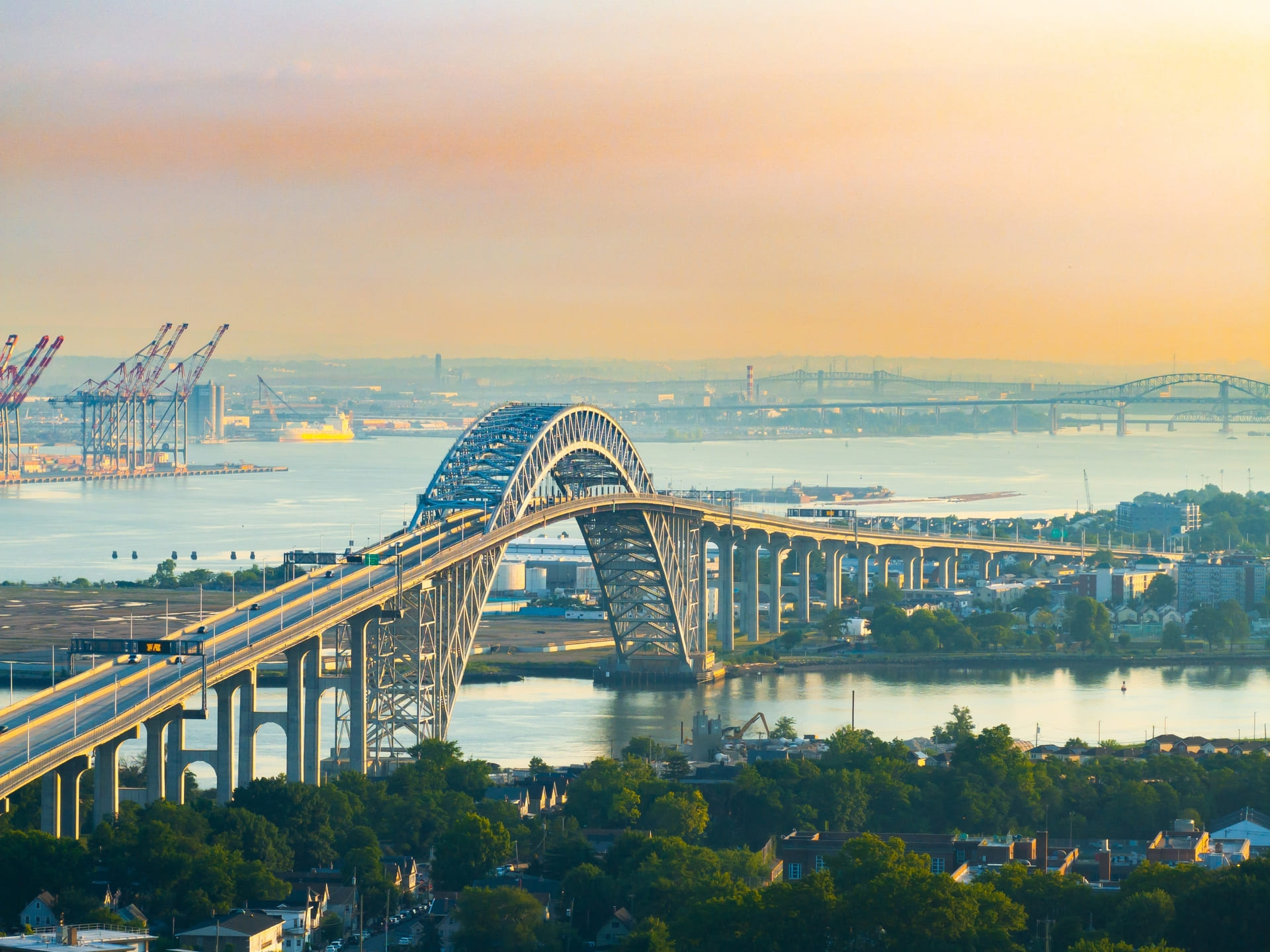
 Bayonne Bridge, New York City
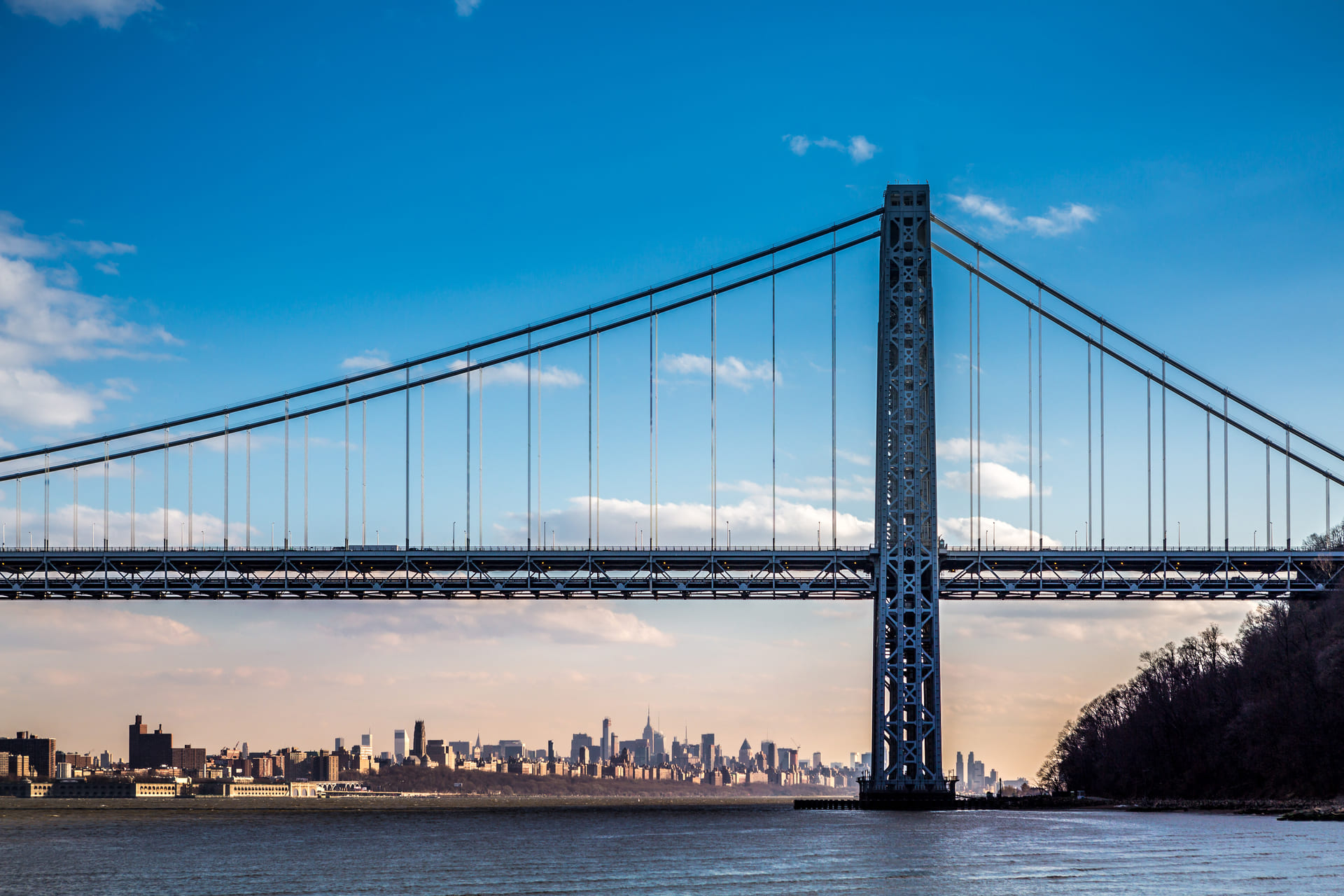 George Washington, New York City
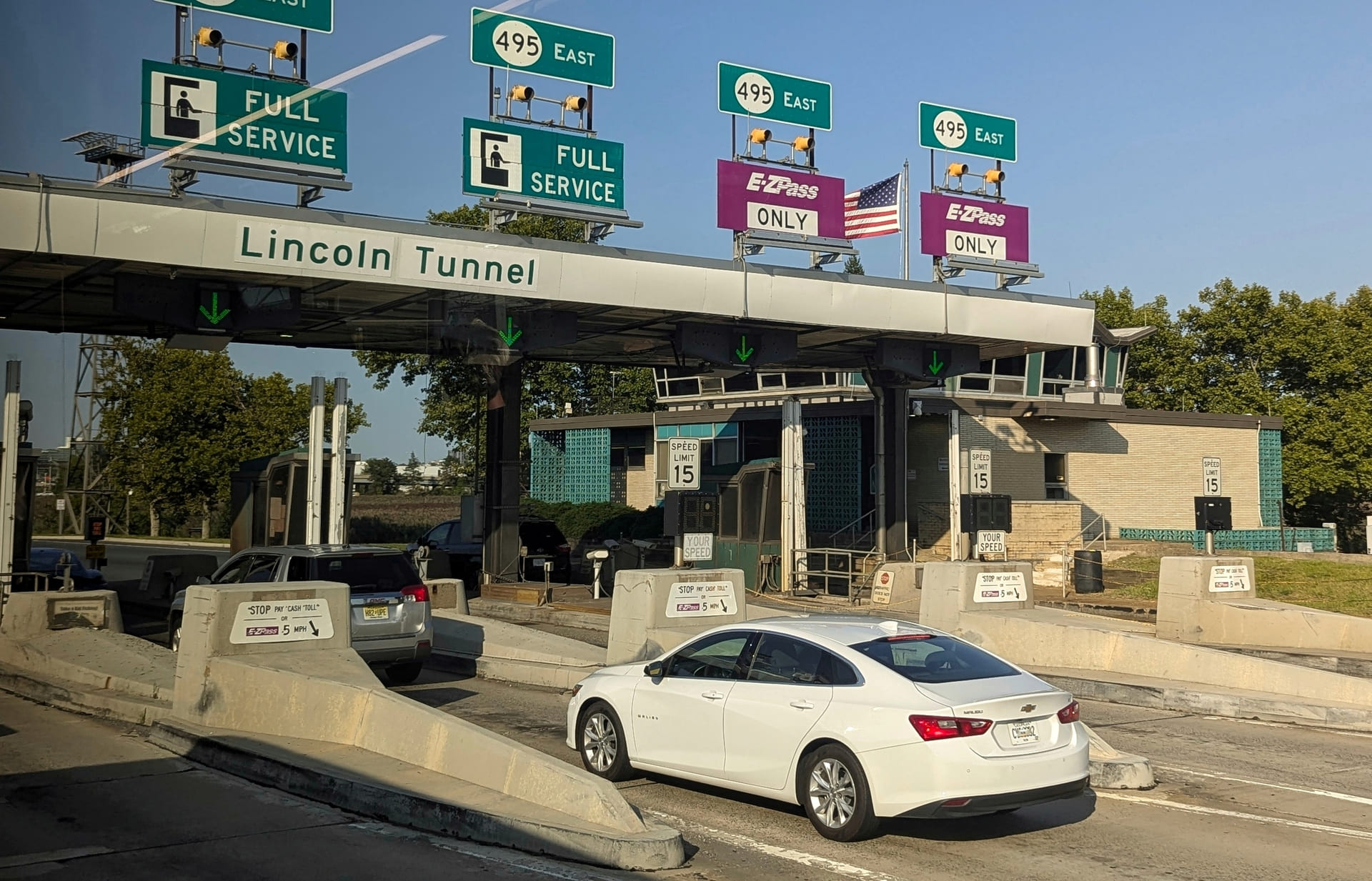 Lincoln Tunnel, New Jersey
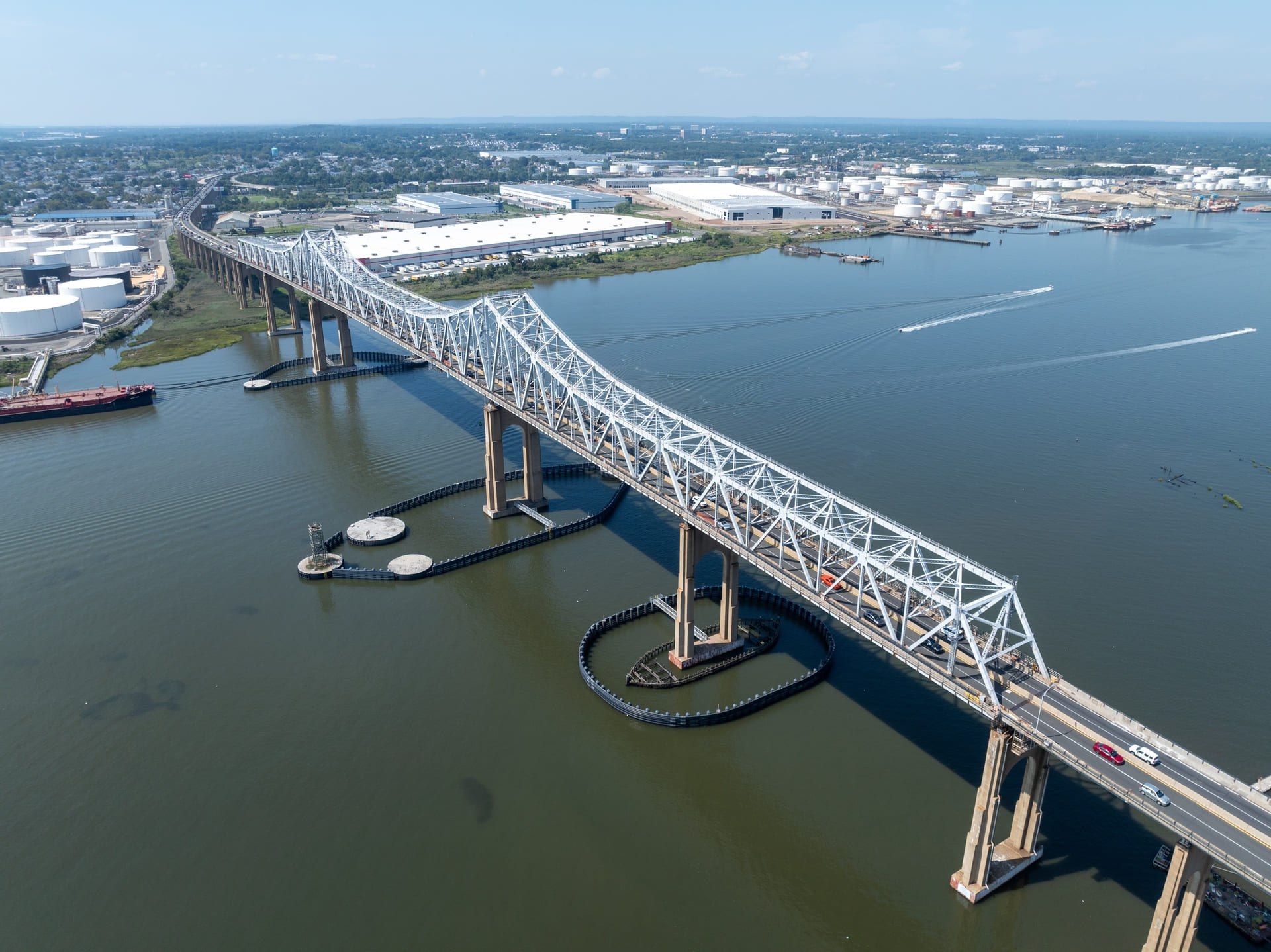 Outerbridge Crossing, New Jersey
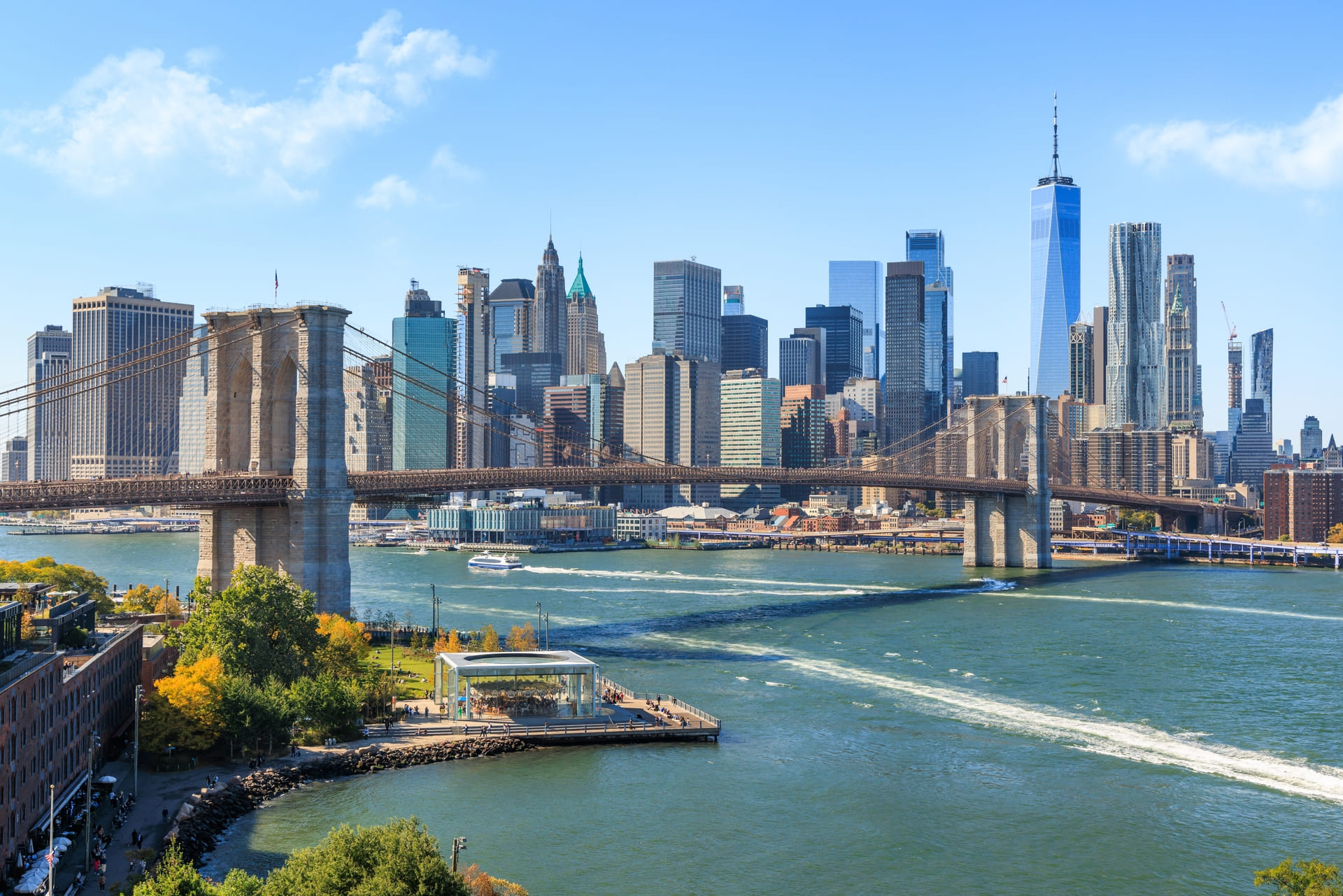 New York skyline
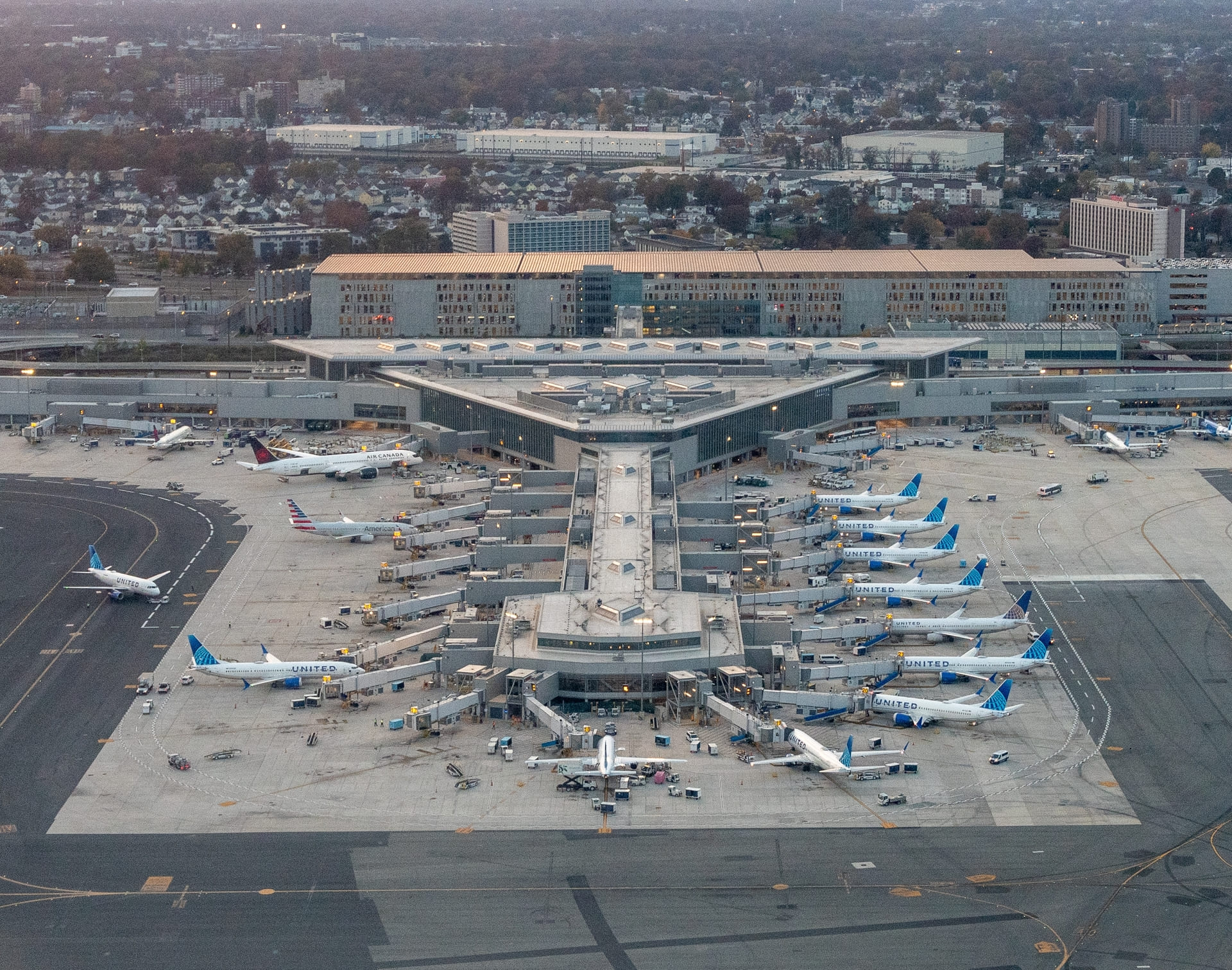 Newark-Liberty airport, New Jersey
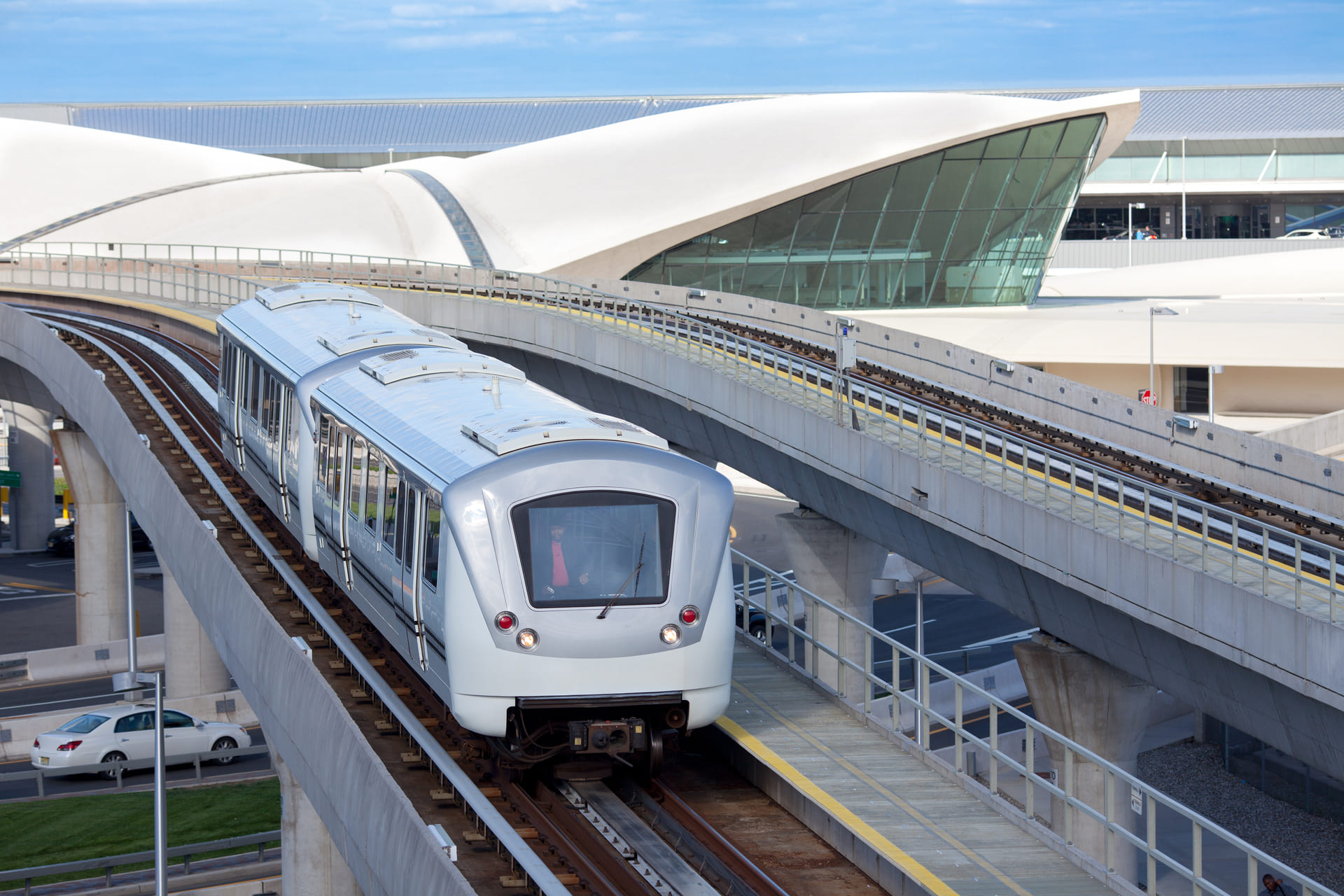 Airtrain at John F. Kennedy international airport
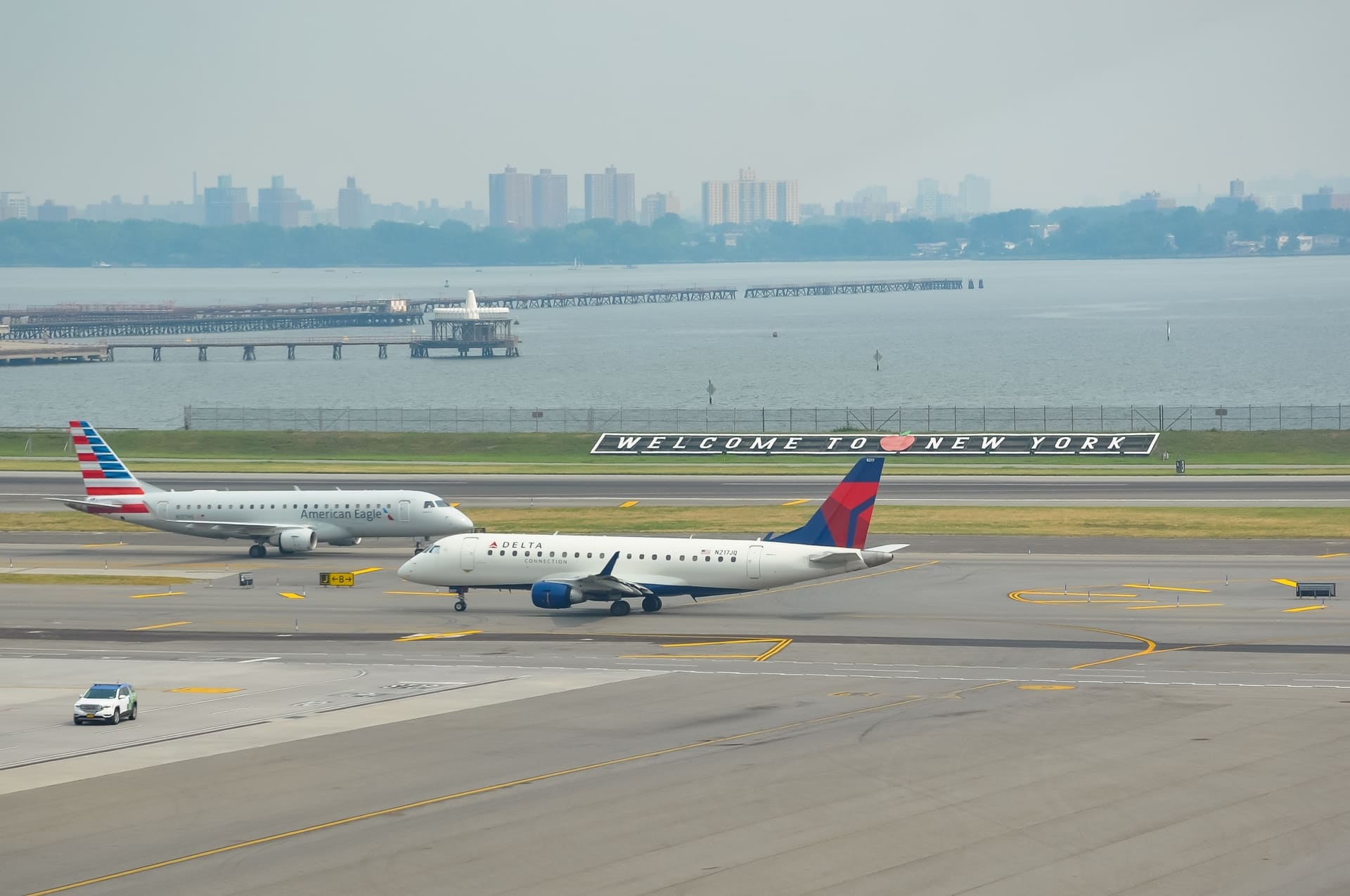 LaGuardia Airpoirt, New York City
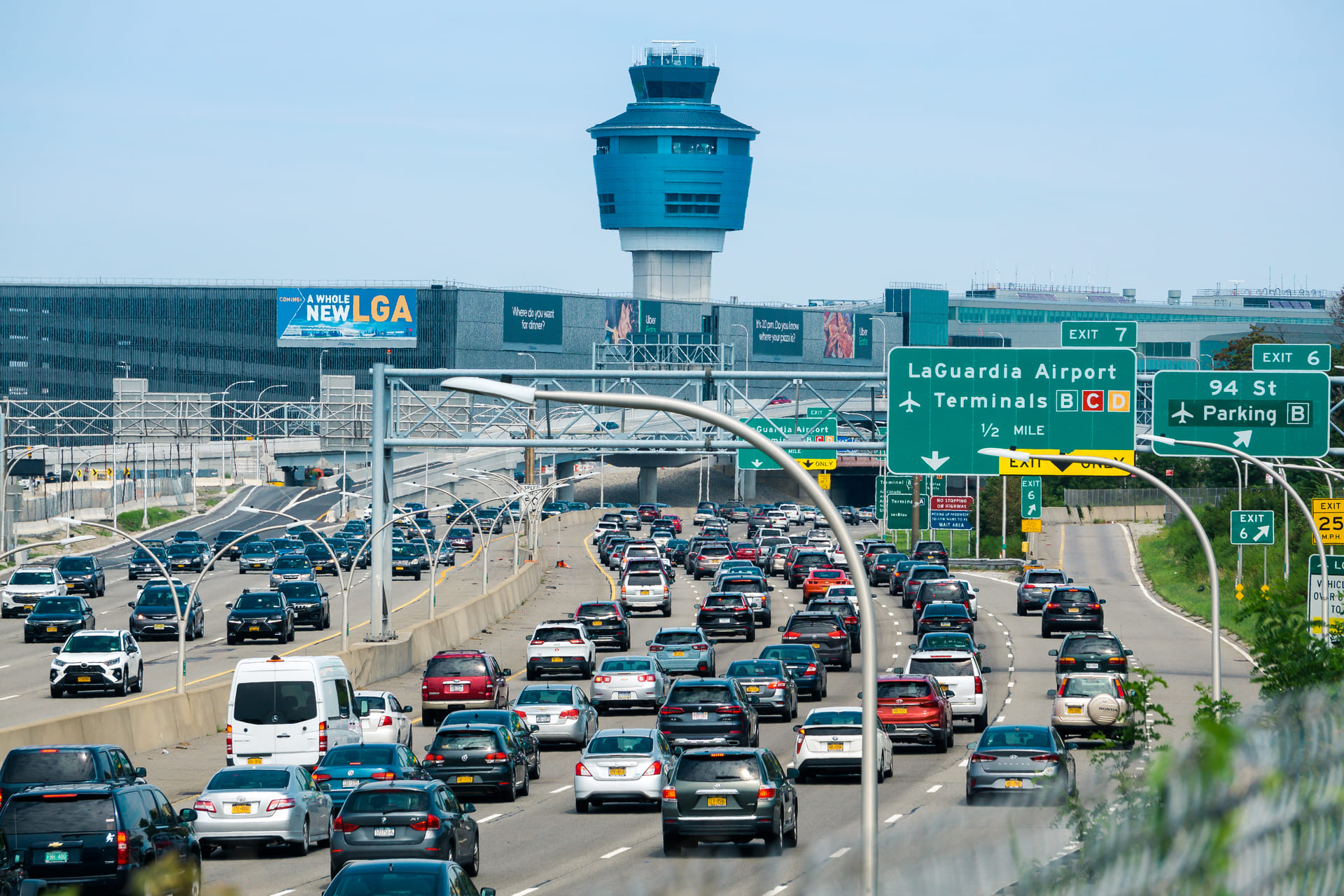 LaGuardia Airpoirt, New York City
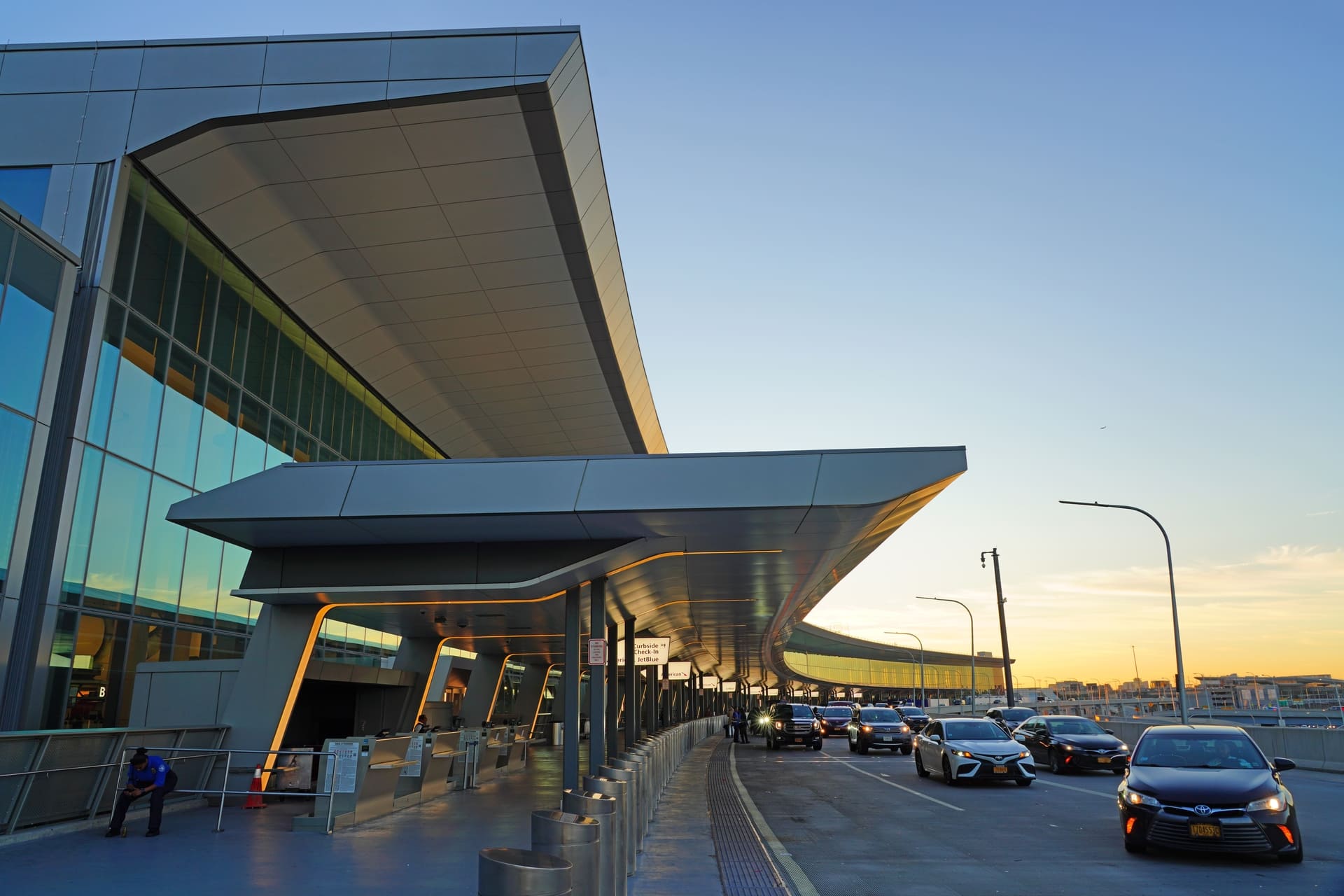 LaGuardia Airpoirt, New York City
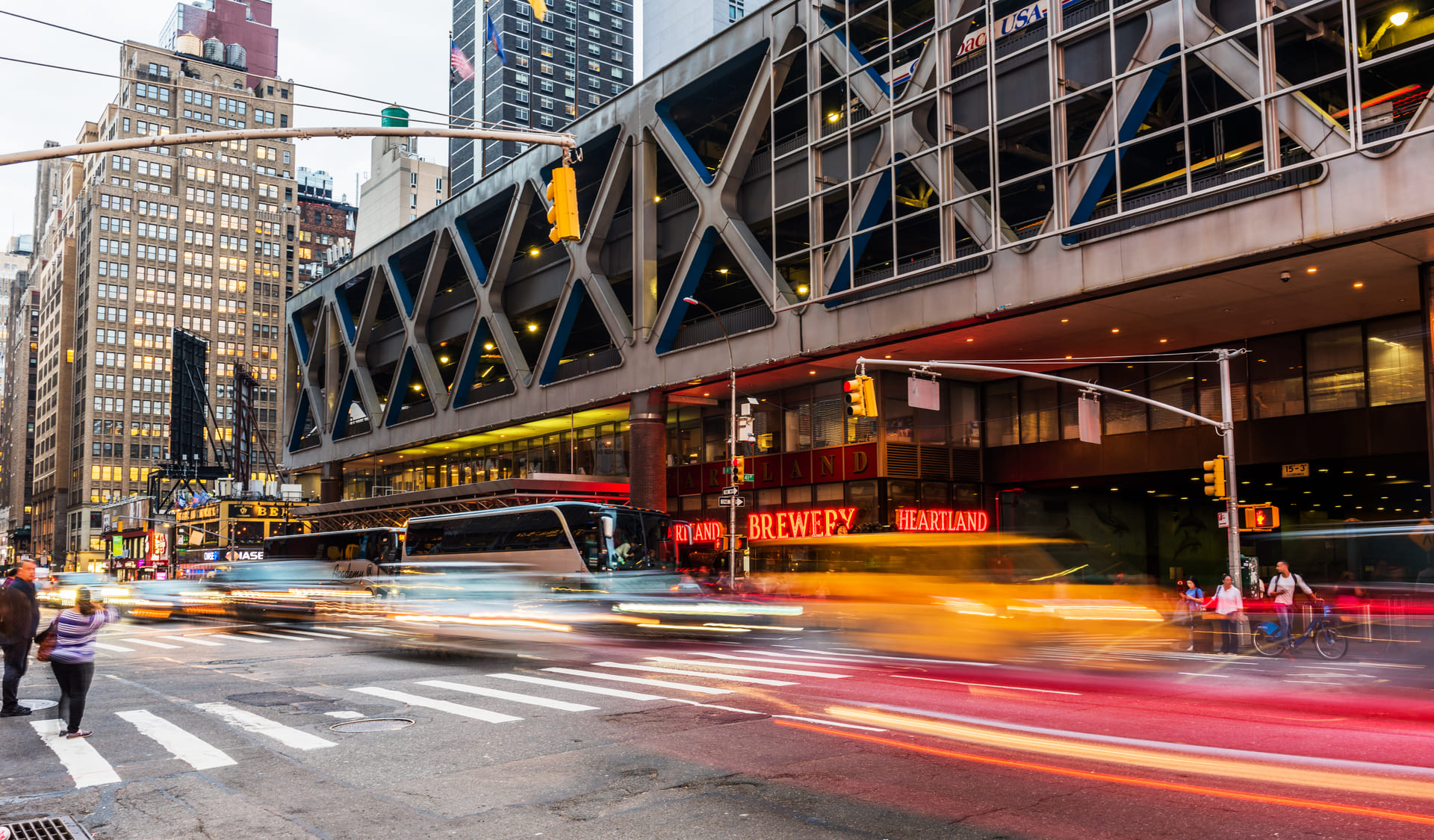 Midtown Bus Terminal, New York City
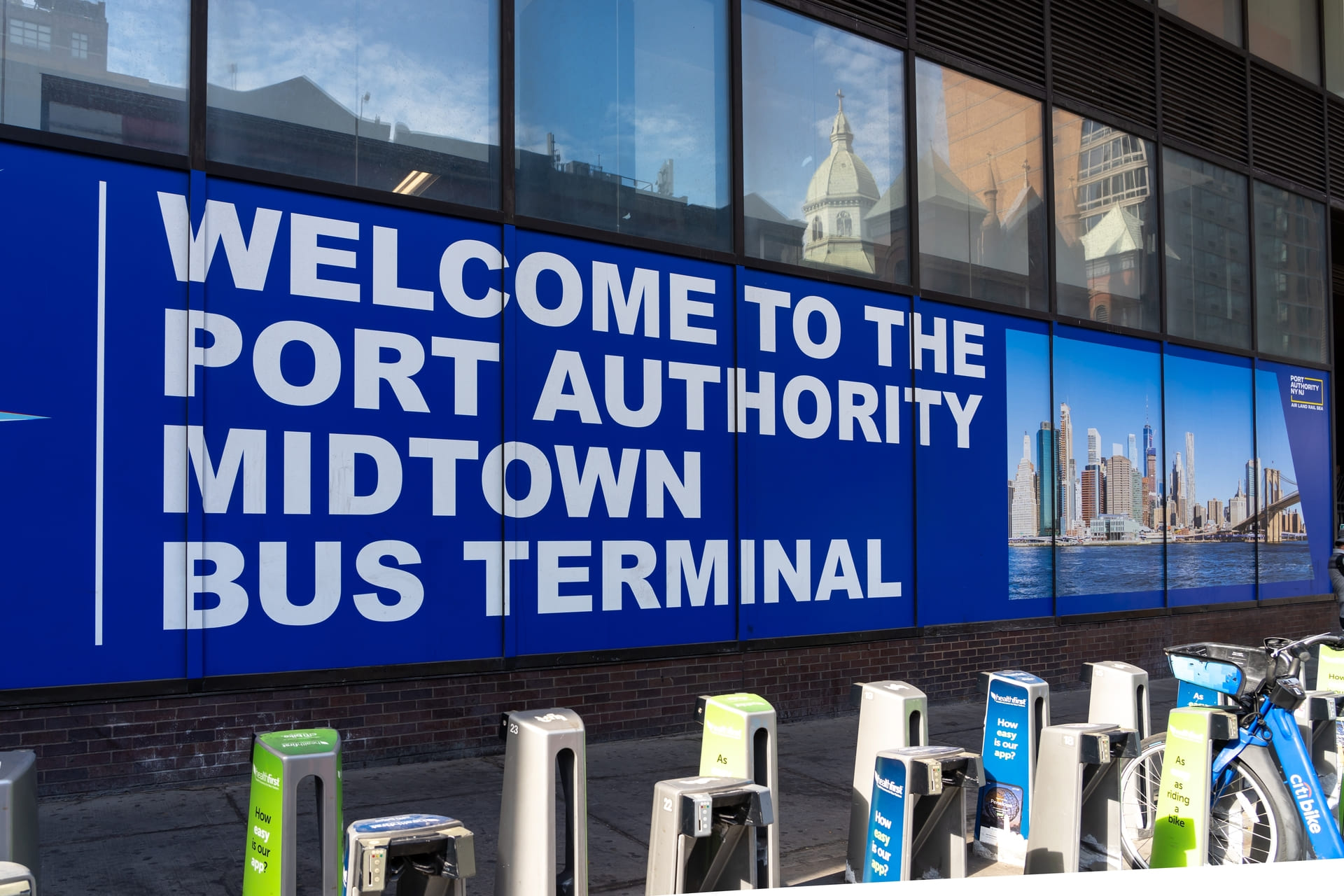 Midtown Bus Terminal, New York City
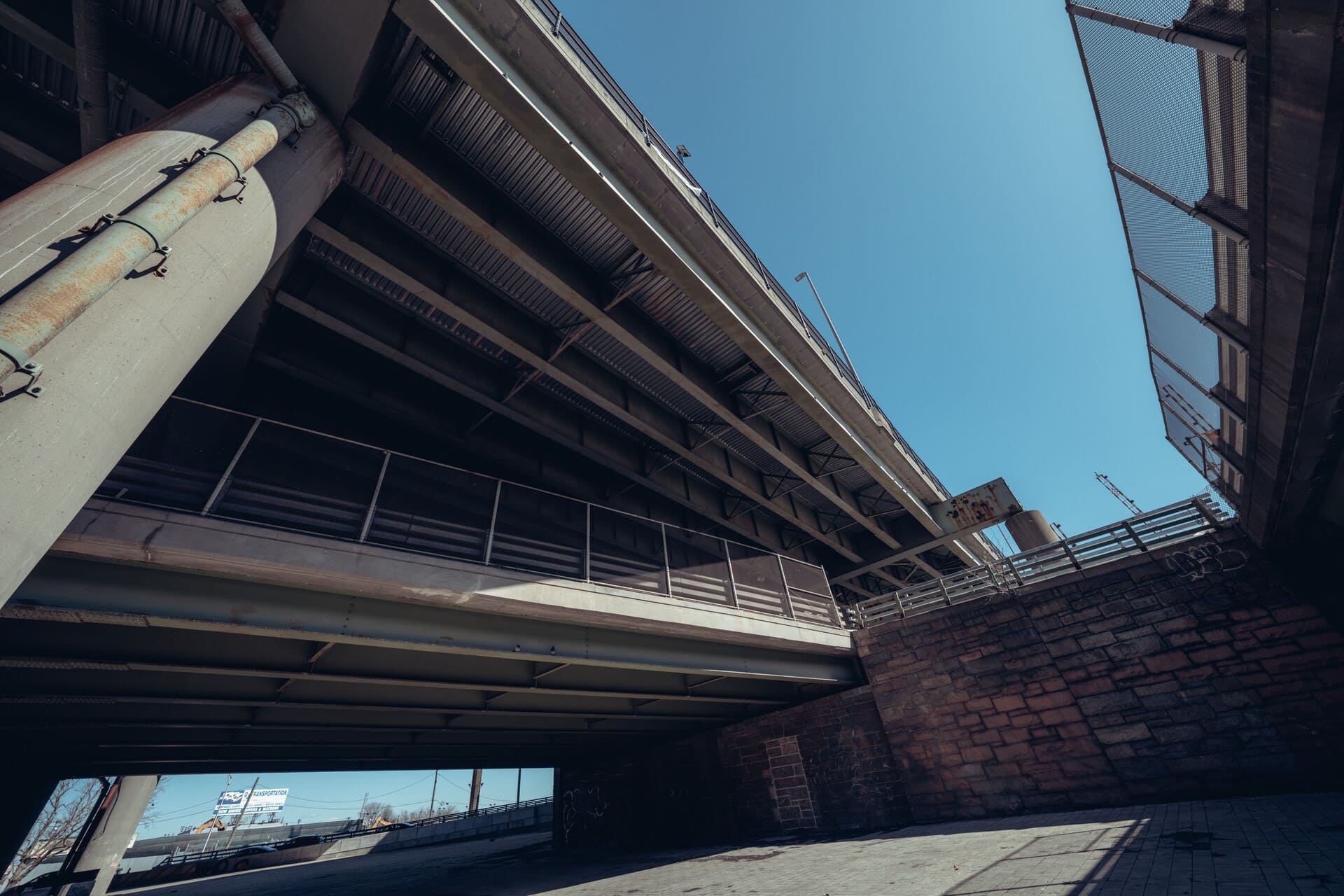 Unionport Bridge, New York City
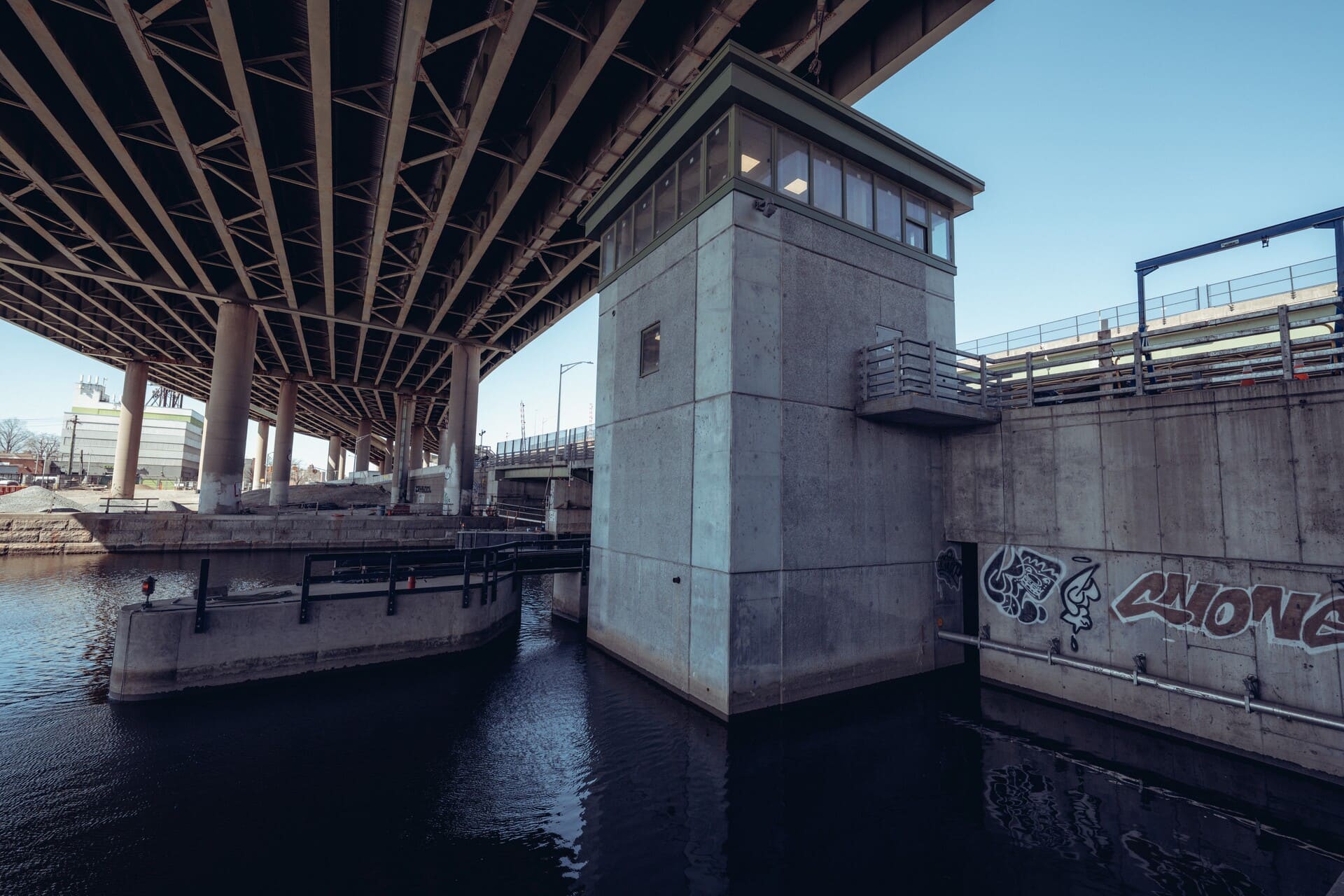 Unionport Bridge, New York City
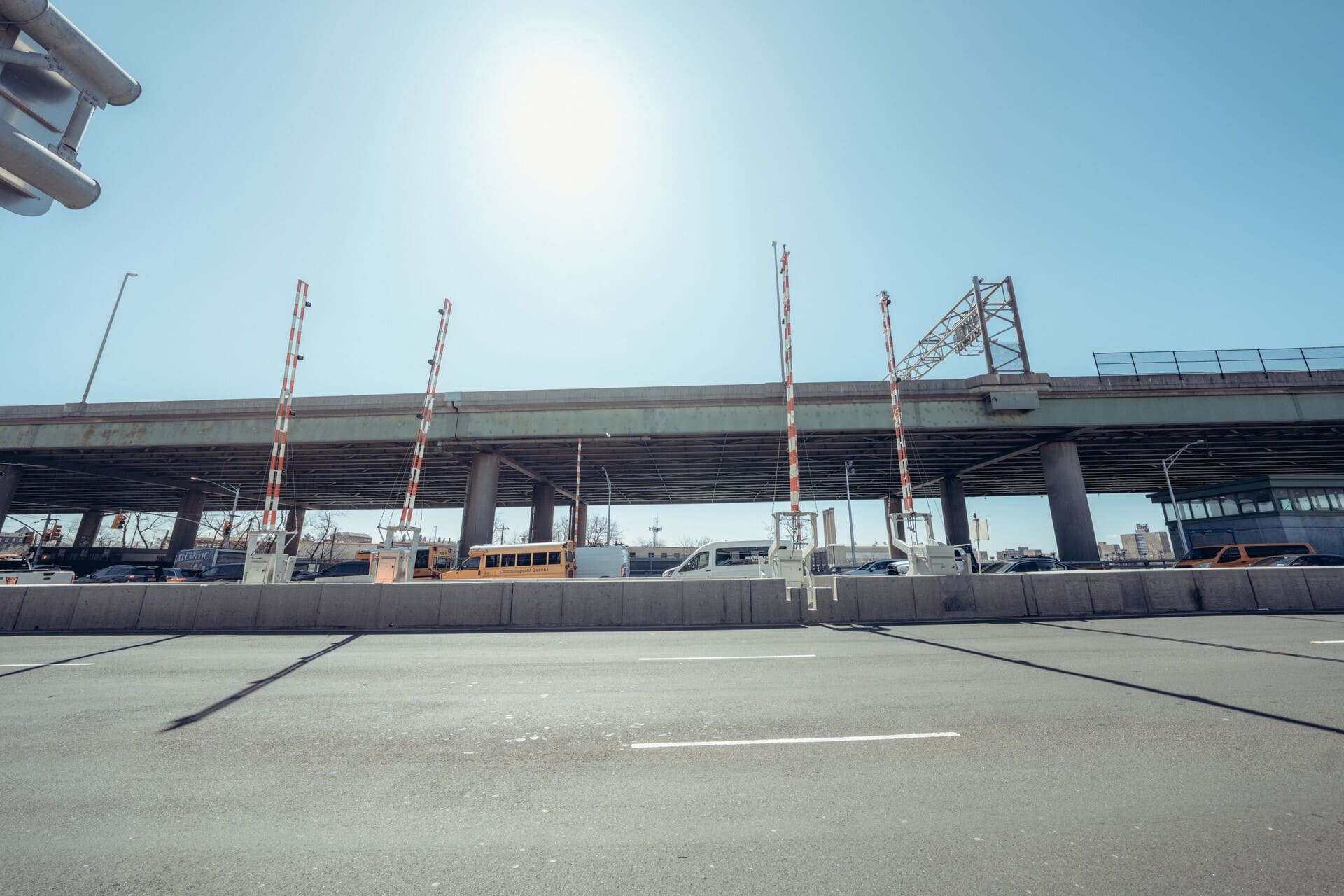 Unionport Bridge, New York City
- The Port Authority of New York and New Jersey proposes another plan to invest $45 billion in transportation infrastructure renewal
- The plan will complete infrastructure projects under a previous plan, and initiate work on others to strengthen a vast network of ports, airports, bridges, tunnels and bus terminals
- The Authority says investment is essential to ensure infrastructure keeps pace with growth, climate resiliency and security needs
- Manhattan’s Midtown Bus Terminal is one of the projects whose work will be completed under the new plan, while work on Terminal A at LaGuardia Airport is set to start
- Other projects that emulate efforts to adjust to the times include the Unionport Bridge and Long Beach International Gateway
read more

There is the Midtown Bus Terminal in downtown Manhattan, the biggest in the United States and the busiest in the world. But at 75 years of age, it is undergoing a replacement.
Then there is Terminal A at LaGuardia Airport in Queens, with its main building a heritage site for its Art Deco style. The smallest of the airport’s three terminals, it is also set for a major upgrade as it has come to show its age of 85 years.
The bus and air terminals are but two pieces of infrastructure in New York City that are undergoing a major overhaul thanks to an ambitious multi-billion-dollar investment by the Port Authority of New York and New Jersey.
The Authority is the agency responsible for the airports, ports, bridges, tunnels and mass transit services that ensure the transport of hundreds of millions of people and goods every year in one of the most important economic regions in the world.
Infrastructure Development: Big Ambition for the Big Apple
With its 2017-2025 plan coming to a close, the Authority is proposing its successor for the next 10 years, dubbing it “A Decade of Big Ambition”.
With a budget of $45 billion, it aims to complete projects already underway like the Midtown Bus Terminal, and start new ones as it modernises and expands its vast network of transportation infrastructures.
“The proposed (plan) aims to continue delivering a transformation not seen in a generation, reinforcing the Port Authority’s central role in the movement of people and goods across air, land, rail, and sea,” it said in announcing the latest plan on November 13, details of which will be voted for approval by the board of directors in December after public consultation.
Growth, Resilience and Security for Public Transport Infrastructure
“The plan funds (the) completion of ongoing megaprojects while launching the next wave of critical infrastructure projects to strengthen regional mobility and economic competitiveness,” it said, adding that it expected more than 50,000 jobs to be created, generating significant economic activity across the region that straddles the U.S. states of New York and New Jersey.
“Sustained investment in the region’s critical assets is essential to ensure infrastructure keeps pace with growth, climate resiliency, and security needs,” it said.
Beyond Midtown Bus Terminal and LaGuardia Airport: All Replacement and Renewal Projects
Apart from the Midtown Bus Terminal, other infrastructural projects to be completed include the rehabilitation of the Lincoln Tunnel Helix, an elevated spiral roadway built in 1937 in New Jersey; and a hub and a rail service upgrade at John F. Kennedy Airport.
There is also the George Washington Bridge, whose rehabilitation is 60 percent complete. Meanwhile, the Bayonne Bridge was raised to allow for the passage of next-generation ships to the port terminals of New York and New Jersey, the busiest on the East Coast.
Among the new transportation infrastructure to be launched under the next plan proposed by the Authority is LaGuardia’s Terminal A, the replacement of Terminal B at Newark Liberty Airport International Airport; and the rehabilitation of the Outerbridge Crossing, a 98-year-old cantilever bridge connecting New Jersey and State Island.
Infrastructure renewal is a constant activity in major cities as they seek to keep up with the growing – and changing – demands of their economies.
Critical Infrastructure Projects for Freight Transport: Raising Bridges
The Unionport Bridge is another example. A bascule bridge stretching over the Westchester Creek along the Bruckner Expressway in the Bronx, it was recently replaced with the help of Lane, the U.S. subsidiary of the Webuild Group.
Much like the Bayonne Bridge, the Gerald Desmond Bridge at the Port of Long Beach in California was replaced by the Long Beach International Gateway, the highest cable-stayed bridge in the United States. Build by a group including Webuild, its span is 15 metres high in order to allow for the passage of those enormous cargo vessels.