


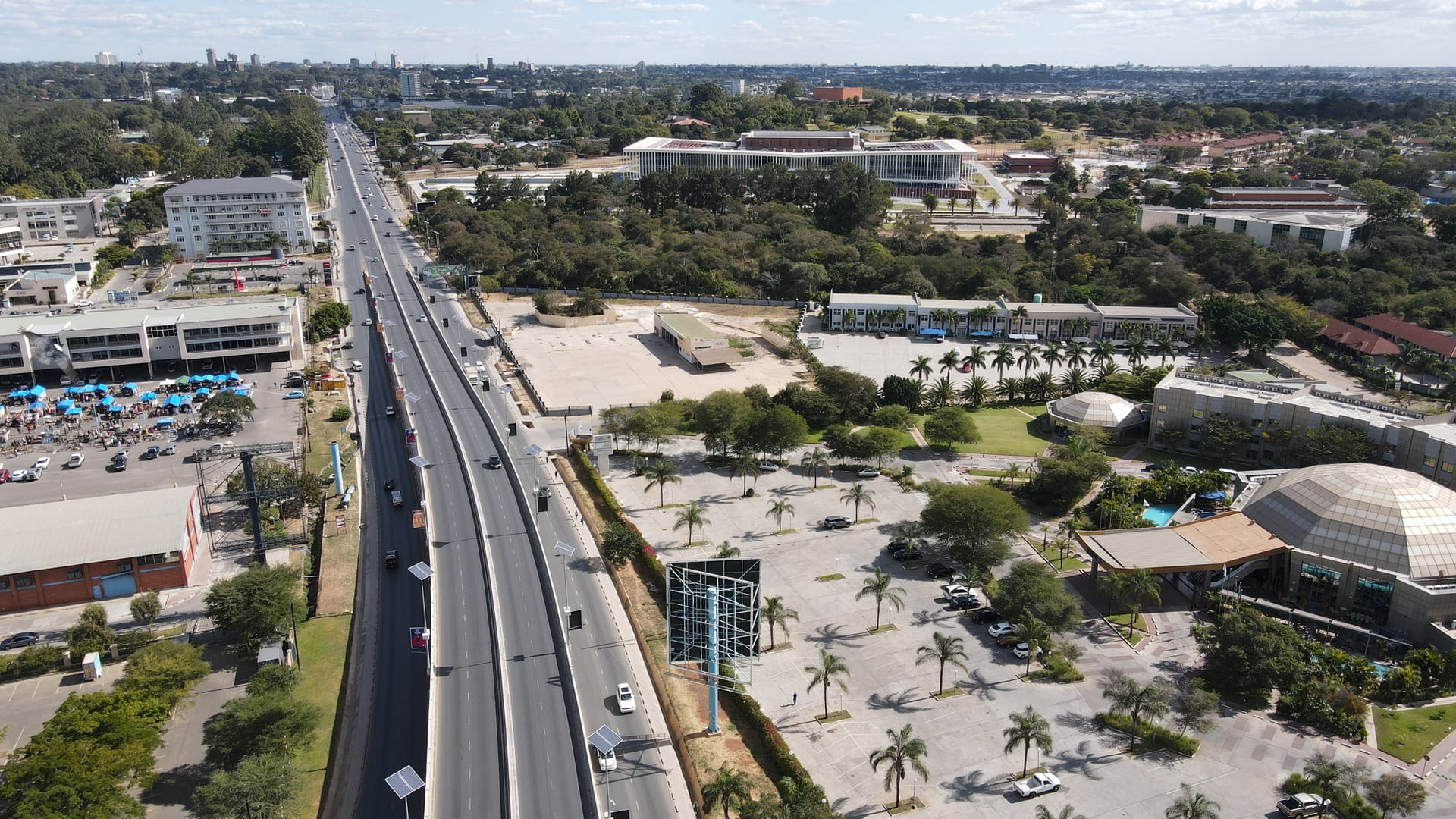
 Lusaka, capital of Zambia
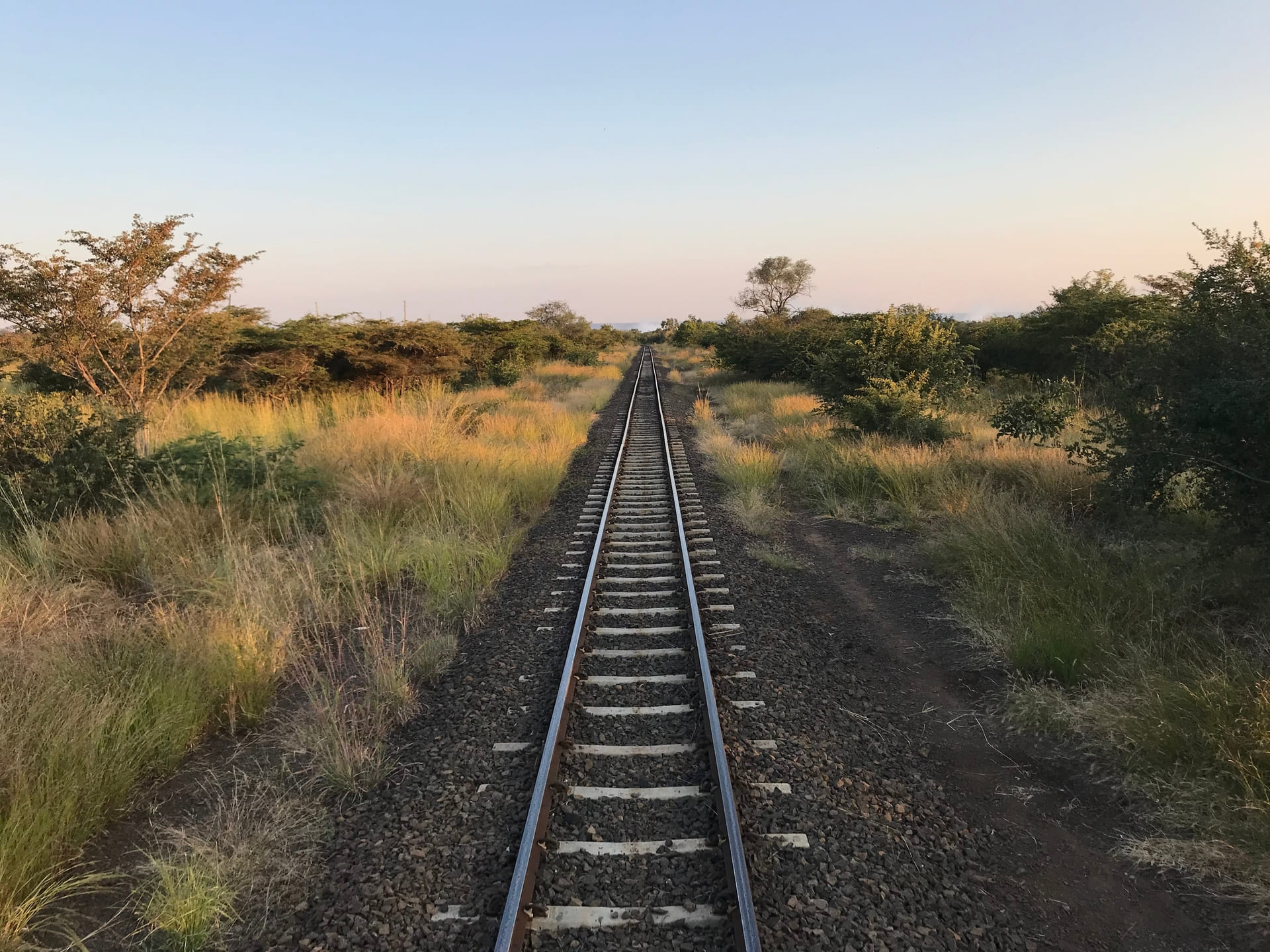 Zambia Railways and Royal Livingstone Express
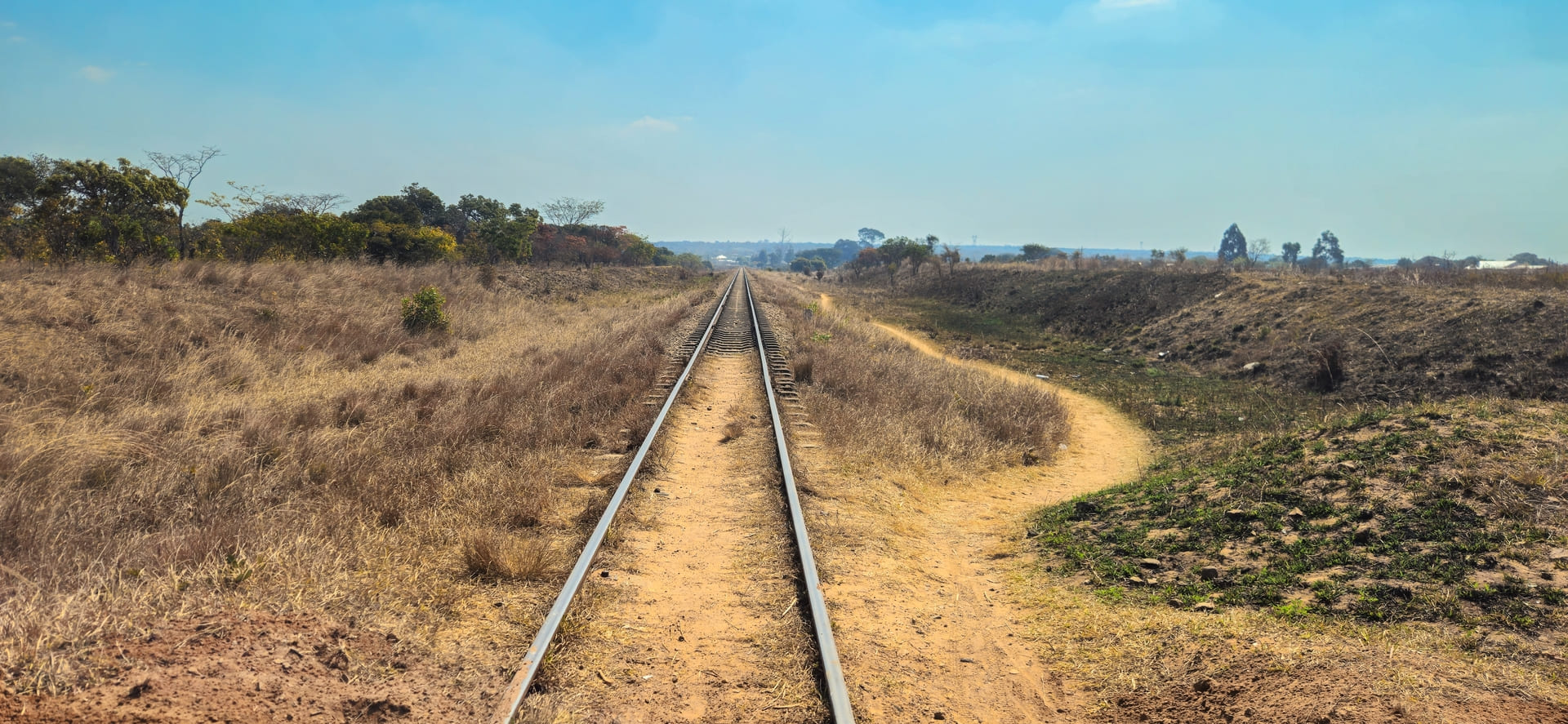 Railways in Zambia
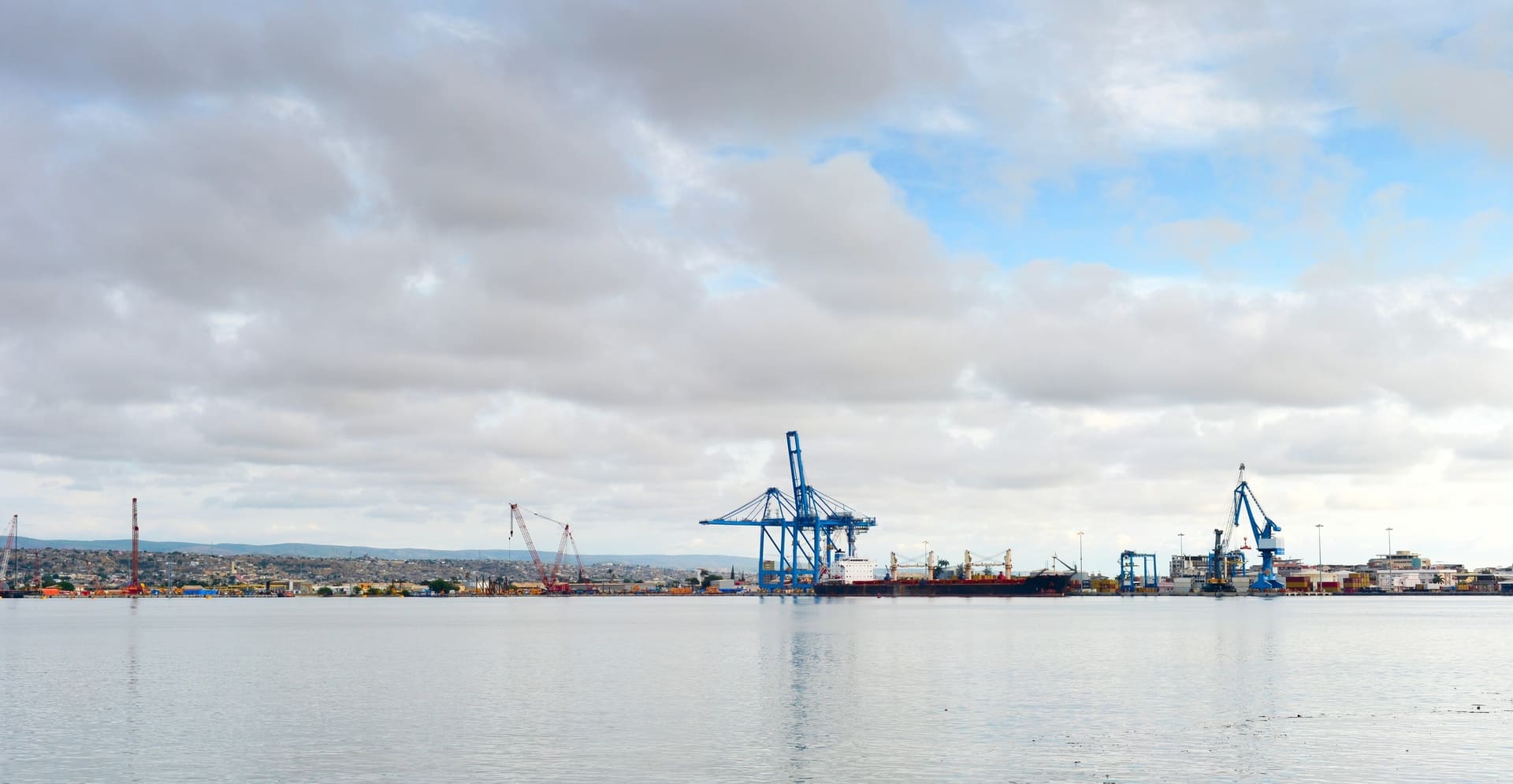 Port of Lobito, Angola
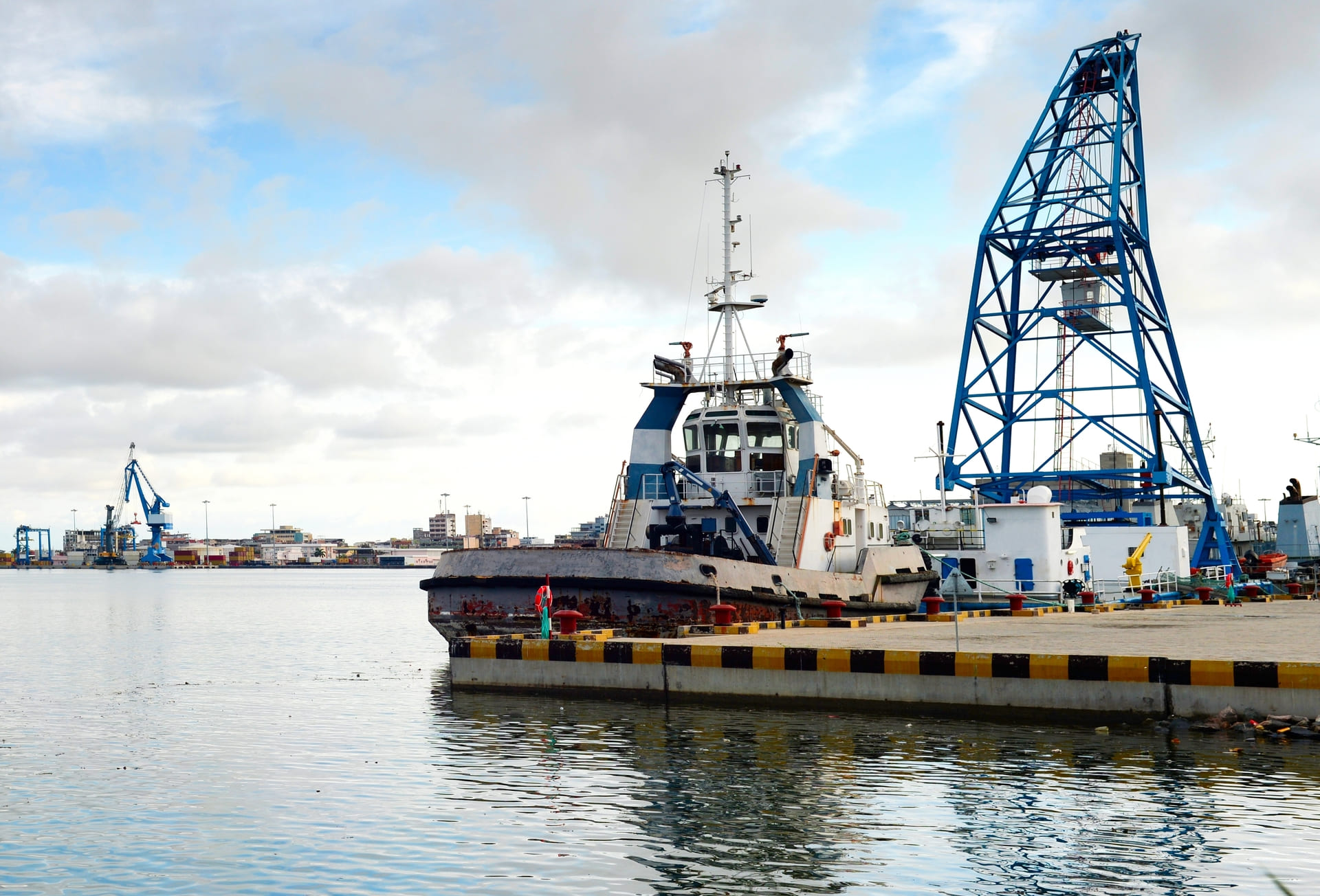 Port of Lobito, Angola
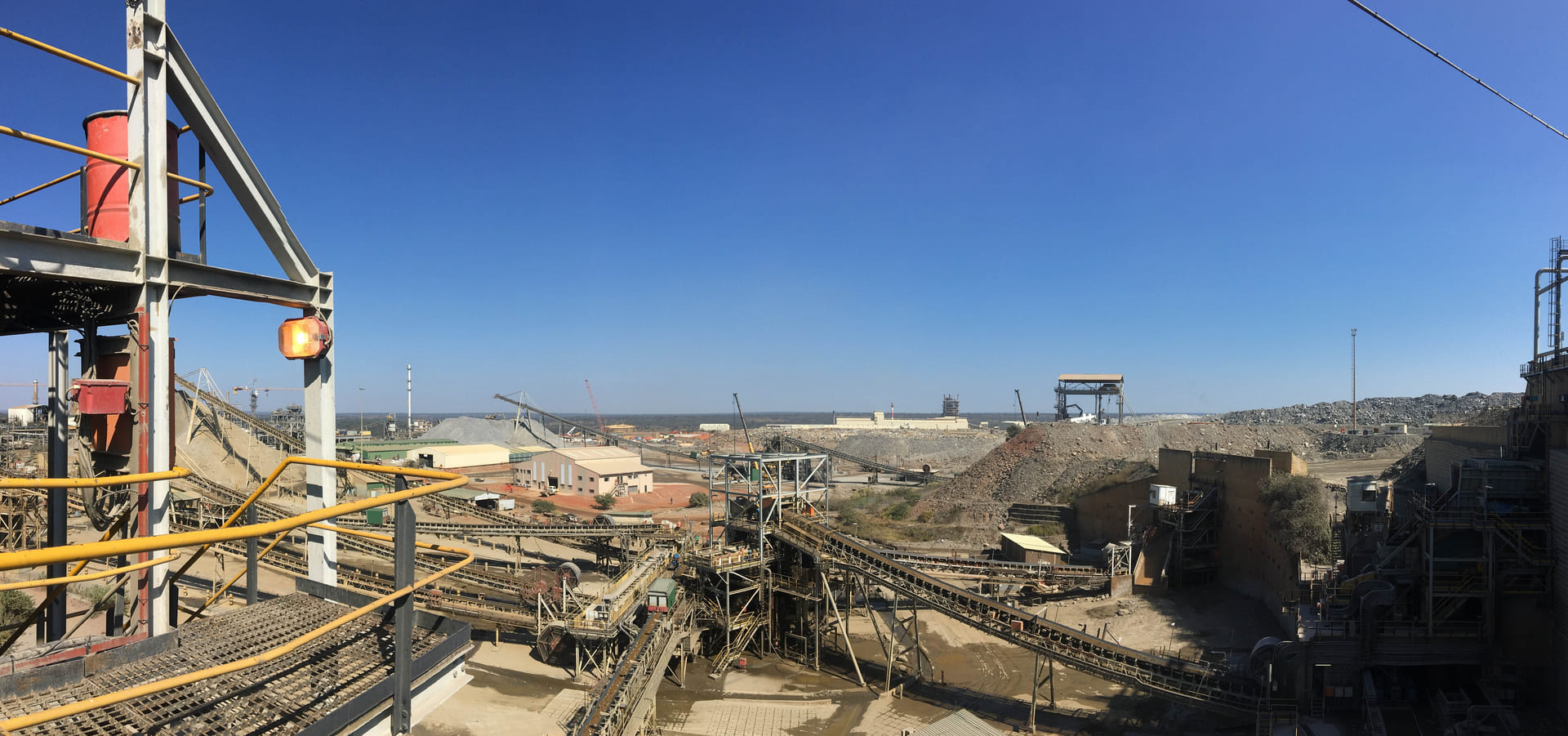 Kansanshi copper and gold mine, Zambia
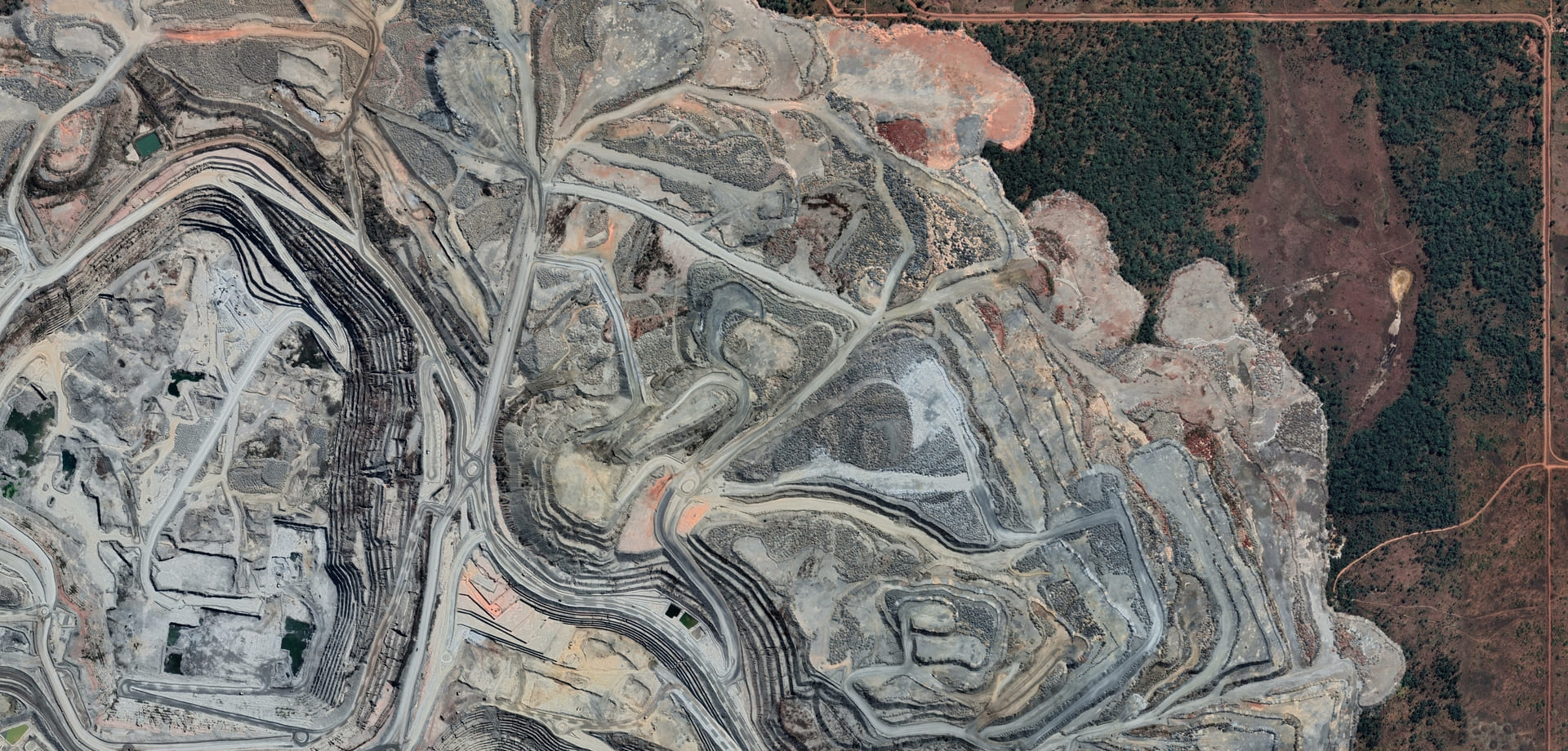 Kansanshi copper and gold mine, Zambia
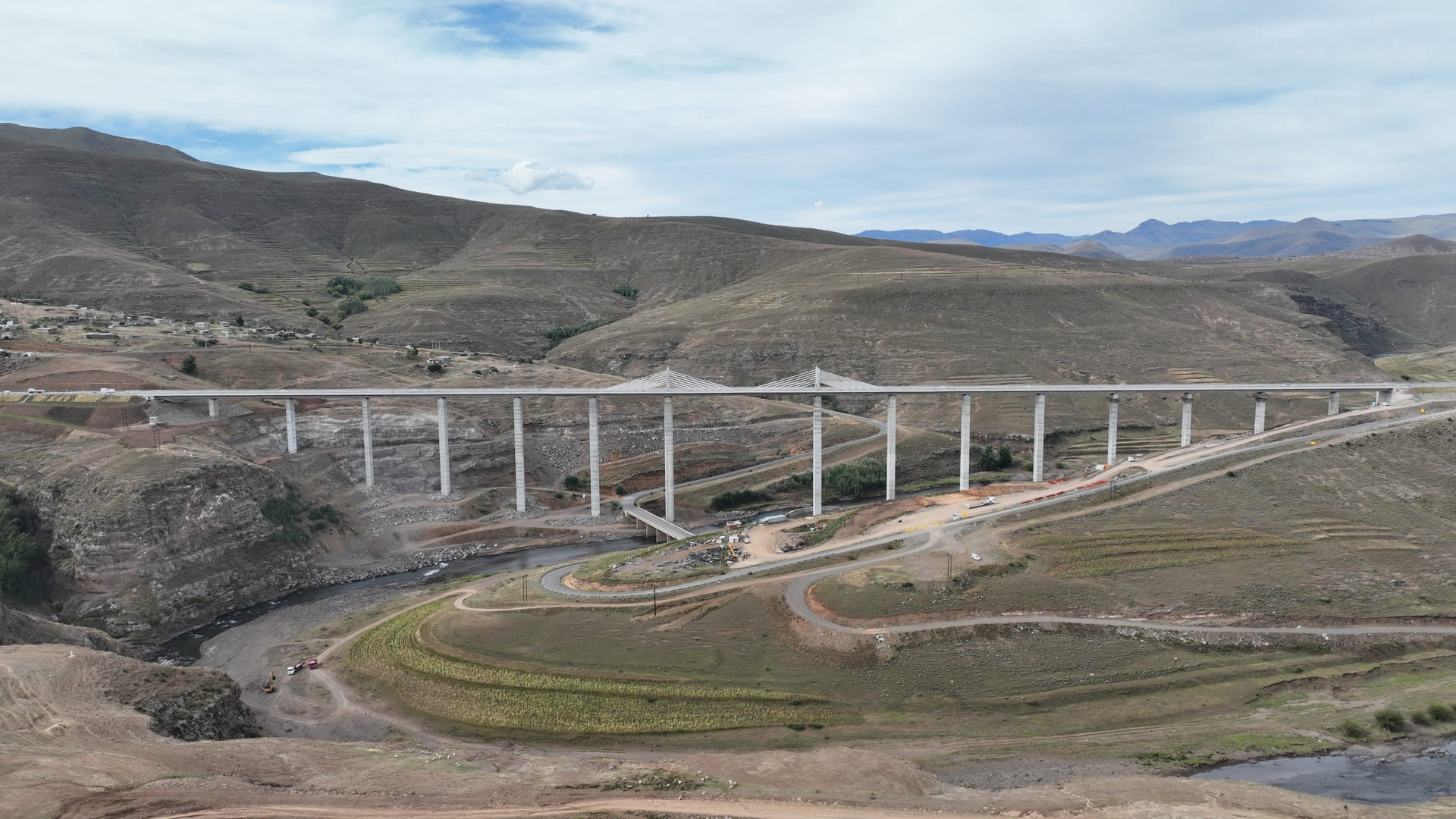 Webuild project in Africa: Senqu bridge, Lesotho
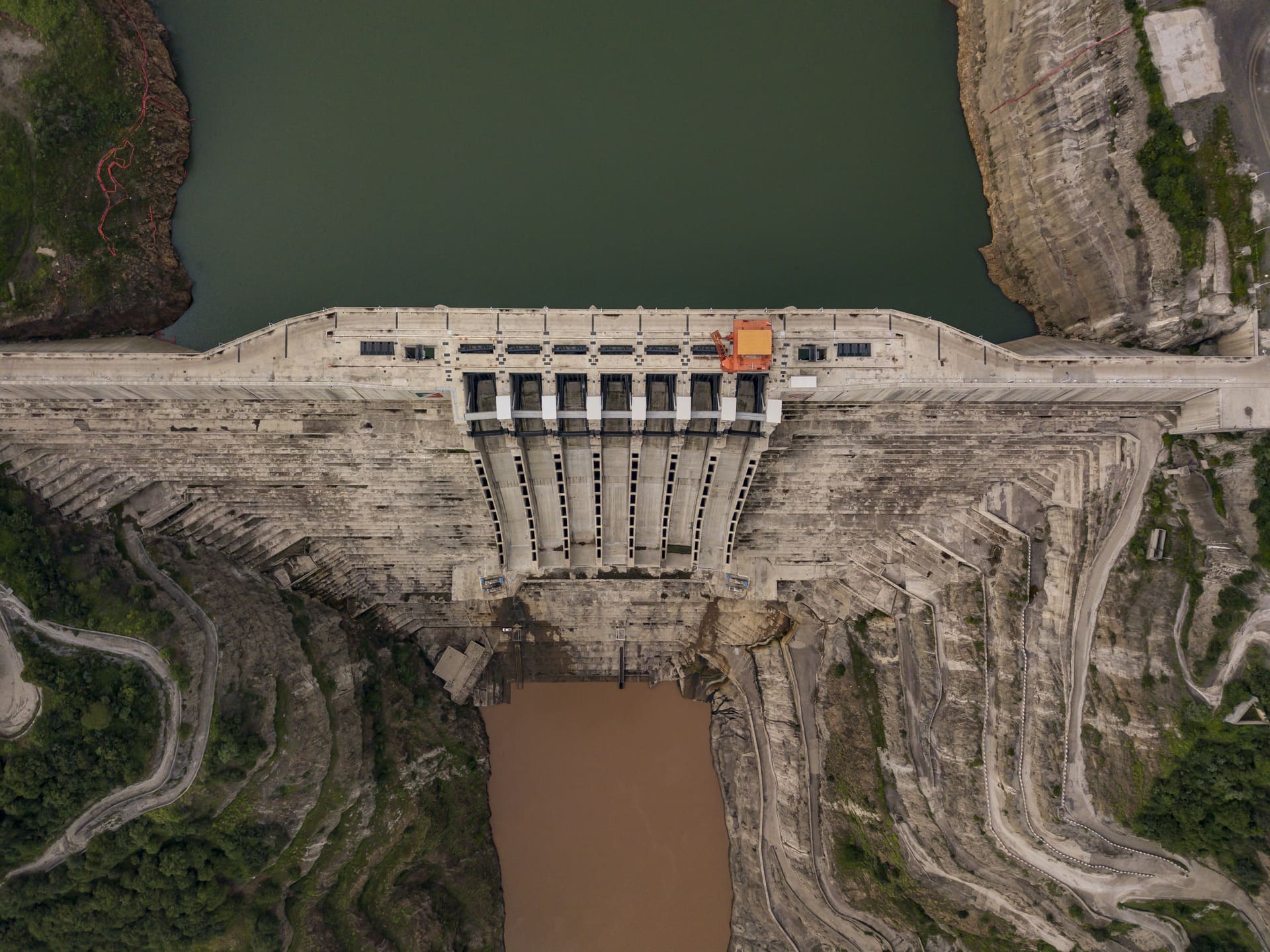 Webuild project in Africa: Gibe III, Ethiopia
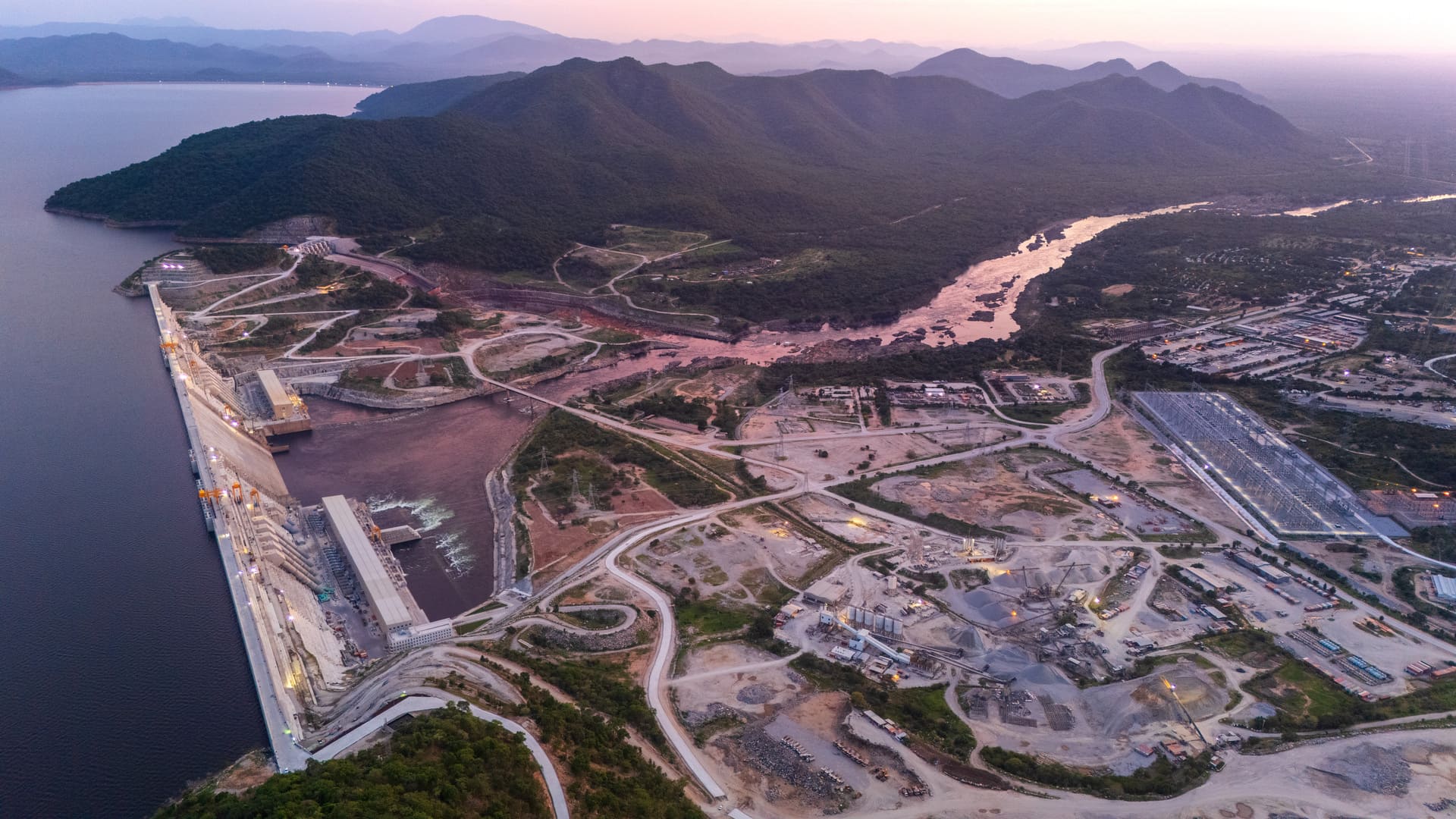 Webuild project in Africa: GERD, Ethiopia
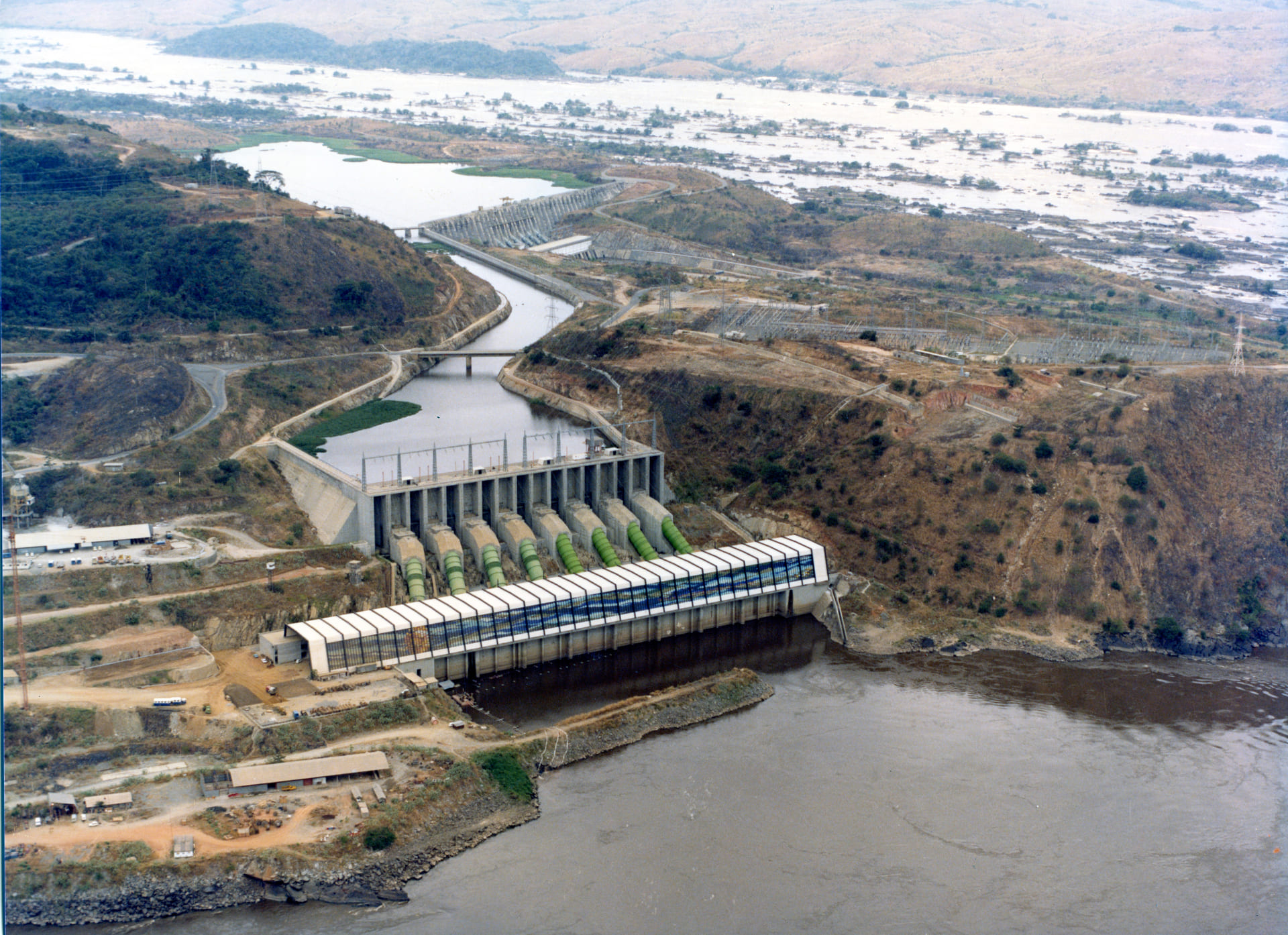 Webuild project in Africa: Inga I and II, Congo
- Zambia has a challenging time exporting its critical minerals because it must rely on neighbouring countries to have access to ports
- The southern African country uses more trucks than trains to send its minerals to ports because its lack of a developed railway network
- The proposed Zambia Lobito Railway, part of the wider Lobito Corridor project, will allow the country to have direct access to a port on the Atlantic Coast
- The railway will stretch for more than 800 kilometres between the Copperbelt region in Zambia’s northwest and the Port of Lobito in Angola
- The railway is expected to unlock billions of dollars in economic value along the corridor, creating jobs and alleviating poverty

Whatever Zambia has to offer, the world will take it. That is because the southern African country sits on one of the largest known deposits of copper and cobalt – two of the most sought-after minerals in manufacturing. They fall within the category of critical minerals because they are used in everything from smartphones to solar panels to batteries to power lines.
More Trucks Than Rail Freight: Logistics Challenges in Zambia
But it is a challenge for Zambia to get them to market. Located in the continent’s interior, it is far from any coast. So it has to rely on neighbouring countries like Tanzania to have the critical minerals shipped to the rest of the world.
It uses fleets of trucks to get them to Dar es Salaam and other ports that face the Indian Ocean, but freight transport takes a relatively long time and involves high costs.
Zambia also uses rail freight, but less often given how it still has to use trucks to get the minerals to the stations. Besides, the railways — like the ports — are located in other countries like the Democratic Republic of Congo (DRC).
Of the little railway that Zambia does have, not much can be done with it: its railway density stands at 2.83 kilometres per 1,000 square kilometres, compared to a global average of about 23, according to the African Development Bank Group (ADBG).
Sending its critical minerals to the Atlantic Coast is an even greater endeavour. Not only does Zambia not have a rail connection with Angola, but the few roads that it has crossing the border are unpaved and poorly serviced. They are also prone to flooding.
This lack of infrastructure reflects the extreme poverty afflicting Zambia. Despite the enormous potential of its mineral deposits, the country remains one of the poorest in the world. According to a 2025 report by the World Bank, more than half of the population — some 12.6 million — lives on less than USD2.15 a day.
Lobito Corridor: A Cross-Border Railway Between Zambia and Angola
This explains the importance of the latest announcement concerning the development of the Lobito Corridor, formally known as the Lobito Integrated Economic Corridor Development Project, one of the most ambitious in Africa.
Within this multifaceted project is the Zambia Lobito Railway, an 830-kilometre link between Copperbelt, the country’s mining region, and the Port of Lobito in neighbouring Angola on the Atlantic Ocean.
After hosting an international tender, the Africa Finance Corporation (AFC), the lead sponsor and developer of the railway, announced in late October it had selected the preferred bidders to build it.
For Lot 1B, which covers the Zambian section of the railway, the Africa Finance Corporation chose a consortium led by Italy’s Webuild. The lot covers more than 500 kilometres of the railway between the mining city of Chingola in northwestern Zambia and the Angolan border to the west. It would include 22 bridges and viaducts, and eight stations.
The other lot, assigned to another bidder, would have the railway proceed into Angola for 279 kilometres to connect with the Benguela Railway at Luacano. This railway has been operating for decades, bringing minerals from the DRC to Lobito.
The Benefits of the New Rail Freight Line for the Supply Chain
So with this new railway, Zambia would stand to benefit from the port on the Atlantic Coast as much as the Democratic Republic of Congo.
“(The) comparative advantage is driven by shorter distances, fewer border crossings, improved infrastructure conditions, and a more sustainable operating model,” according to the African Development Bank Group in an appraisal of the project published in May.
Once completed, the railway will reduce transit times for goods from the Copperbelt to international markets from 16 to 7 days.
Billions in Economic Opportunity: The Impact of the Railway
The Zambia Lobito Railway is expected to unlock billions of dollars in economic value through new opportunities for trade, industry and agriculture along the corridor between Zambia and Angola, creating jobs and alleviating poverty. Webuild has the figure at $3 billion.
“By reducing logistics costs and improving access to global markets, the railway will strengthen regional integration and enable African economies to process their resources locally,” said Africa Finance Corporation in the statement announcing the result of the tender, expressing its preference for having the critical minerals treated locally rather than somewhere else in the world. In this way, more value can be added to their export.
“Africa’s growing market needs infrastructure that connects our resources to production, our producers to consumers, and our people to opportunity,” AFC Chief Executive Samaila Zubairu said. “Working with our partners, we are building the foundations for African economies to produce more, trade more and retain more of the value they create.”
It will definitely help Zambia’s ambitions for the coming years. Its mining sector, which produced approximately 890,000 tonnes of copper in 2025, has the potential to boost production significantly towards its target of three million tonnes per year by 2031, with the potential of a six- to 10-fold increase in export revenues over the next decade, according to a recently published report by the Zambian government.
A New Route to the West: Italy’s Recognition Through the Mattei Plan for Africa
Among the other partners supporting the project is the Mattei Plan for Africa, an Italian government initiative to strengthen investment and economic partnerships with African countries. It views the Zambia Lobito Railway as a flagship project to be encouraged.
“The corridor will help local economies to develop,” read a government statement. “It will… open up a route towards the west, providing an alternative to the traditional outlets onto the Indian Ocean.” The railway project is also being supported by the United States and the European Union.