


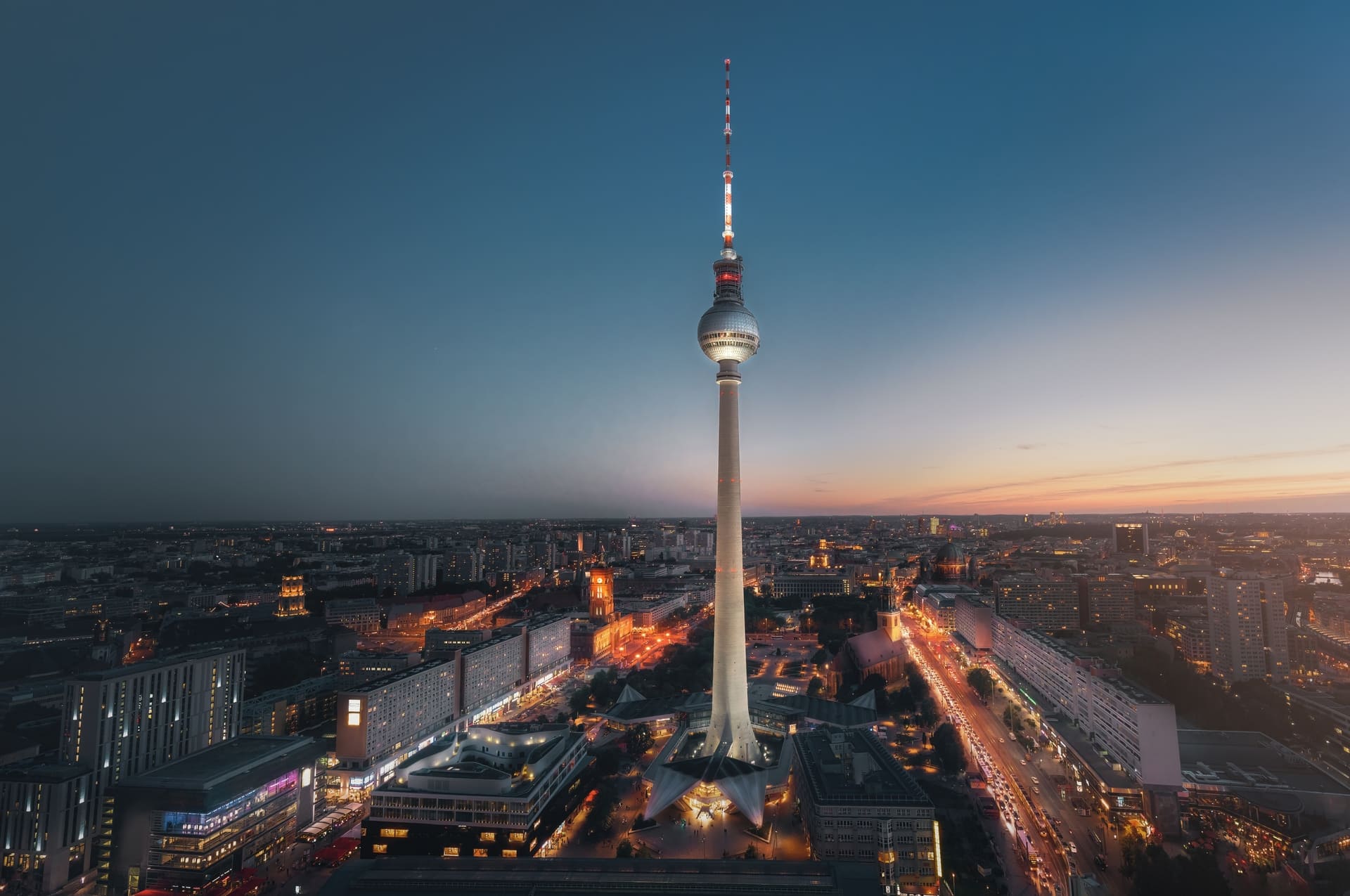
 Berlin, Germany
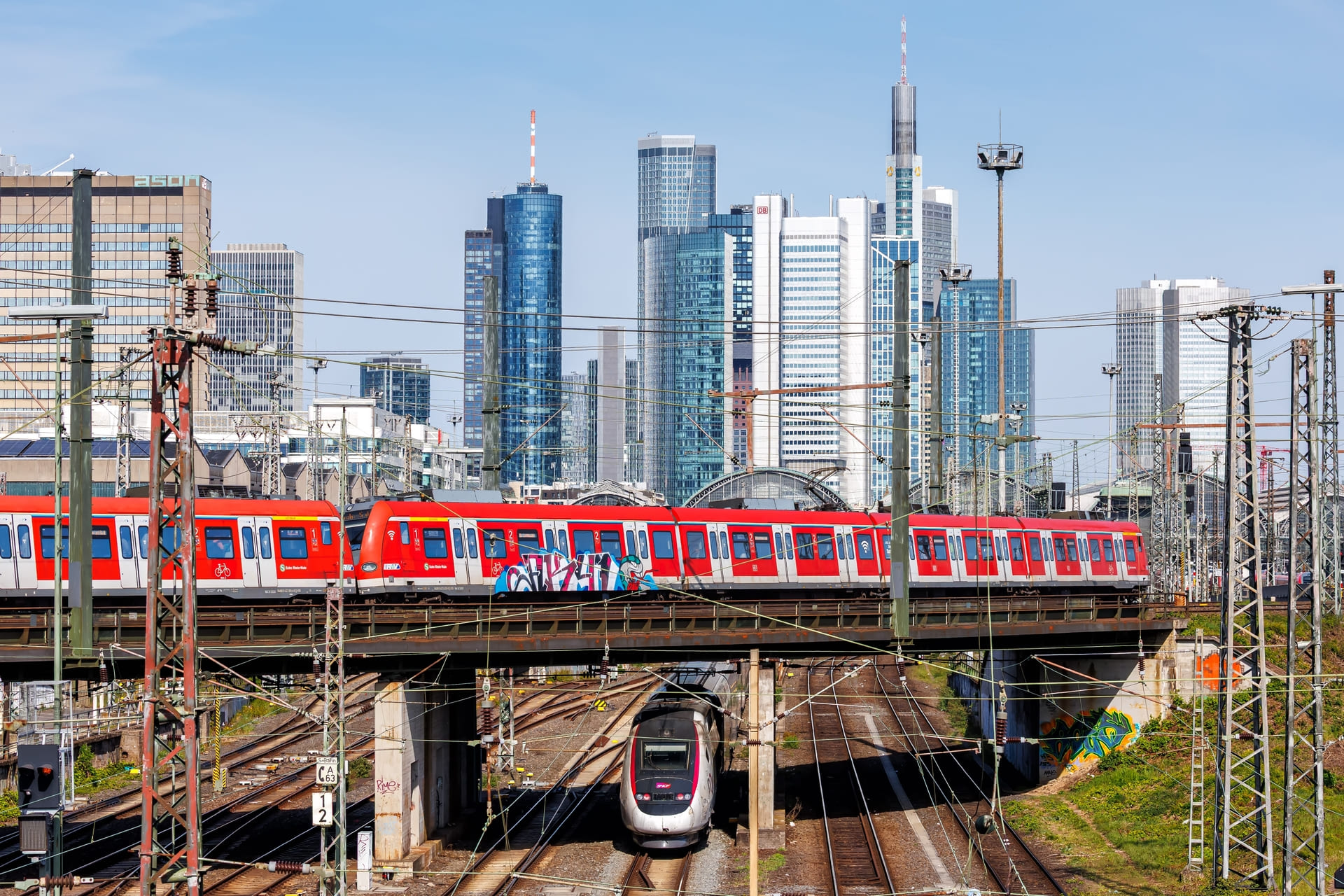 Frankfurt, Germany
 Turin-Milan high-speed railway, Italy
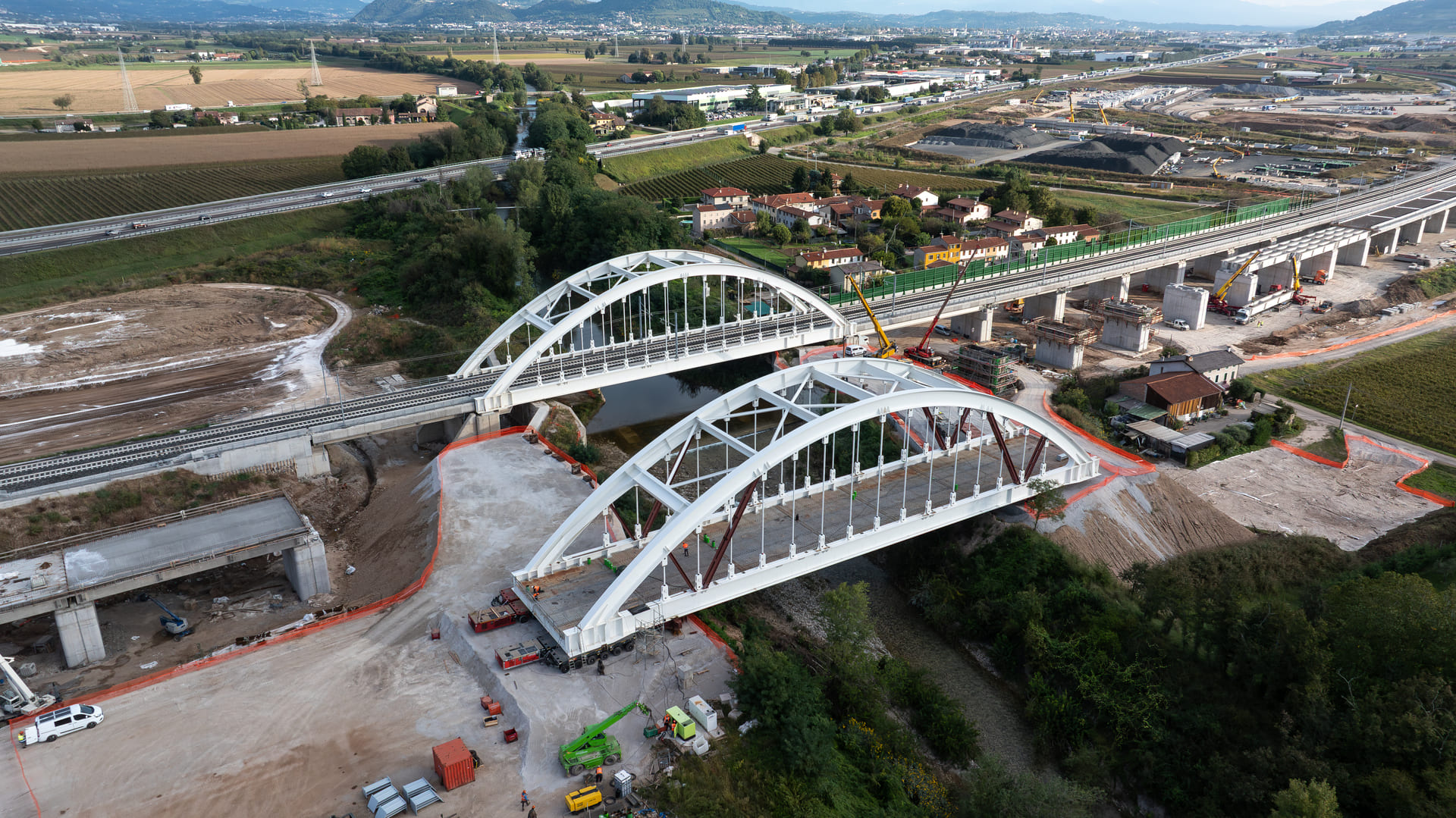 Verona-Padua high-speed railway construction site, Italy
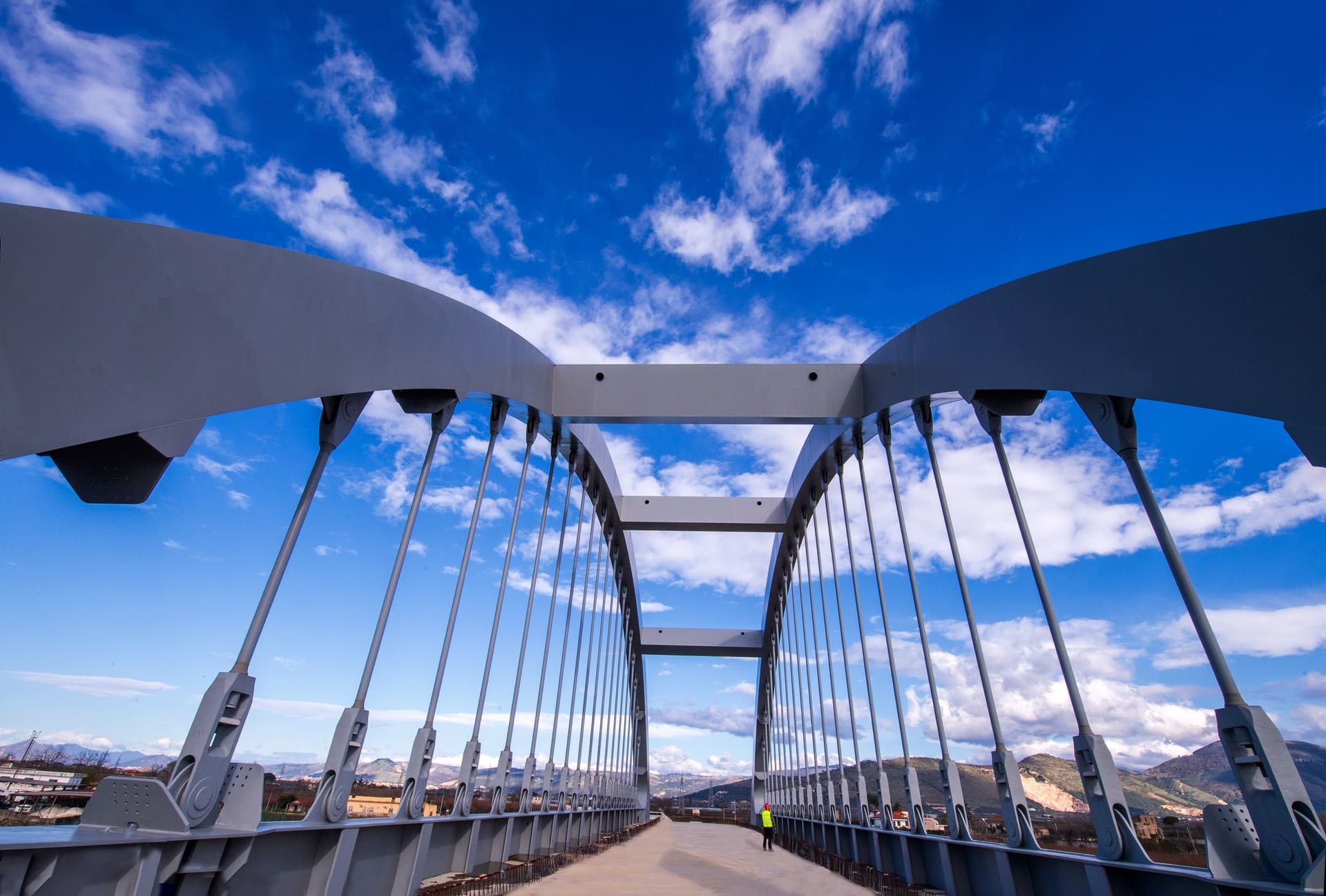 Naples-Bari high-speed railway construction site, Italy
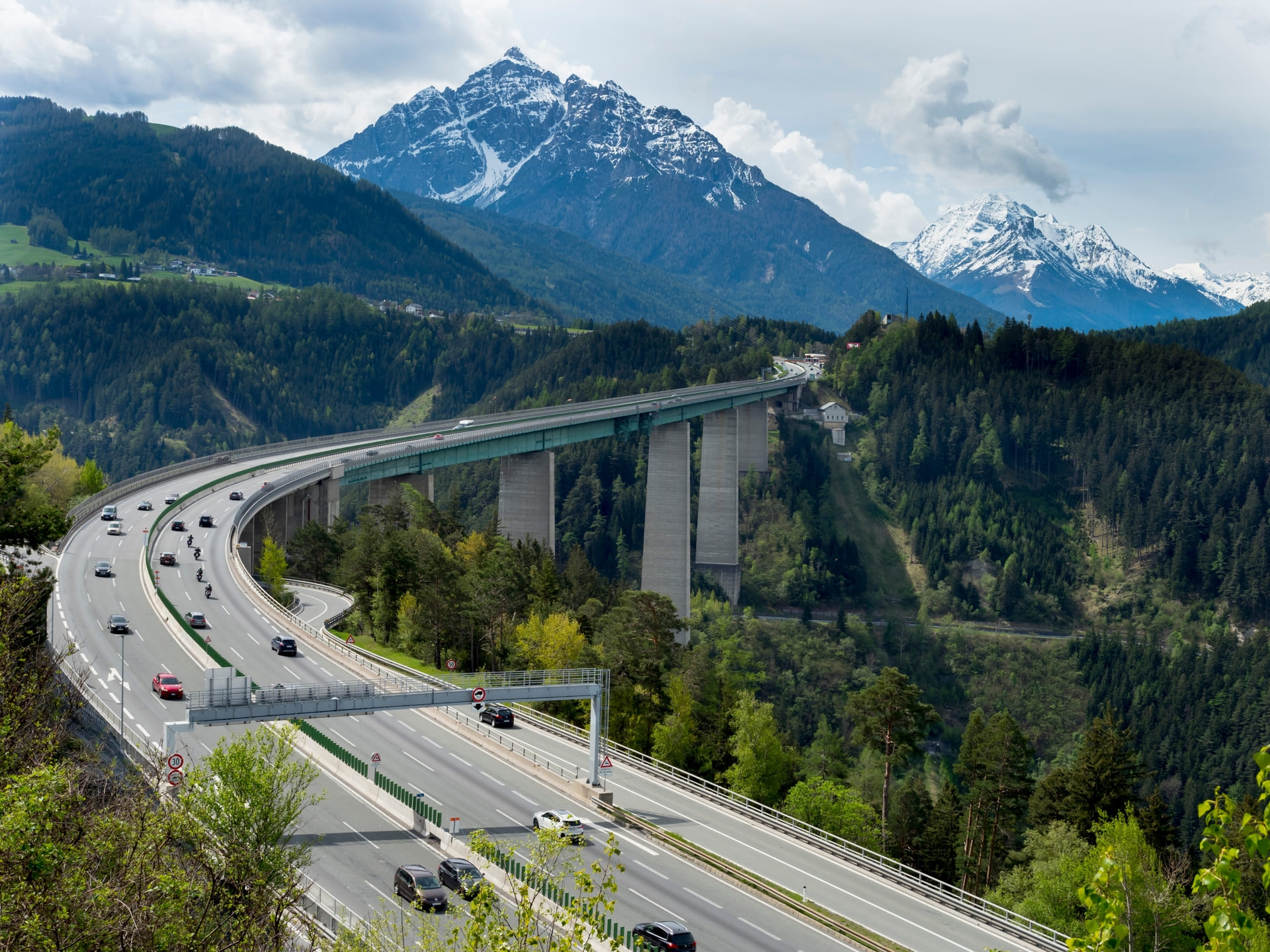 Brenner motorway, Austria
 European Commission, Bruxelles
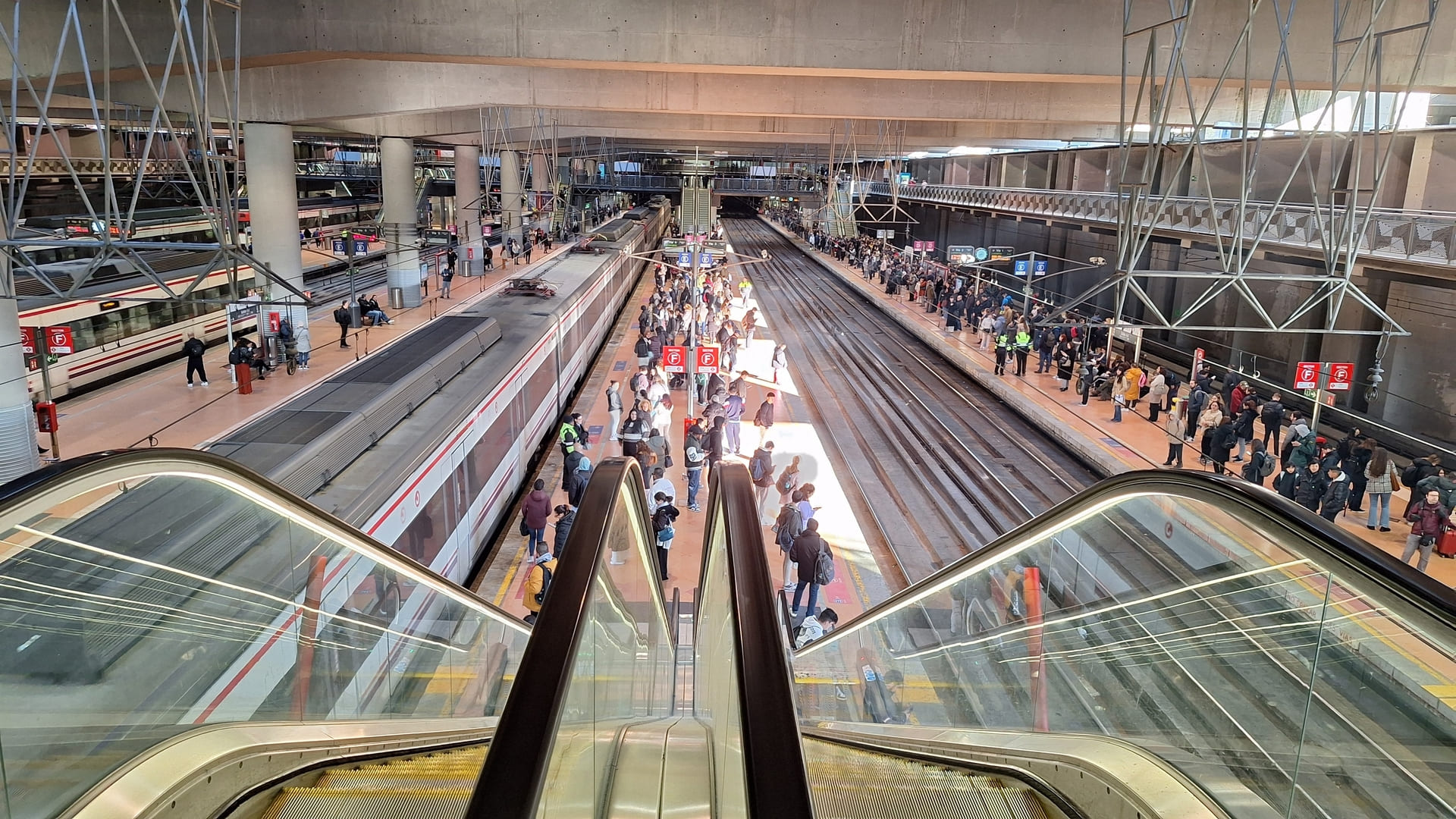 Atocha station in Madrid, Spain
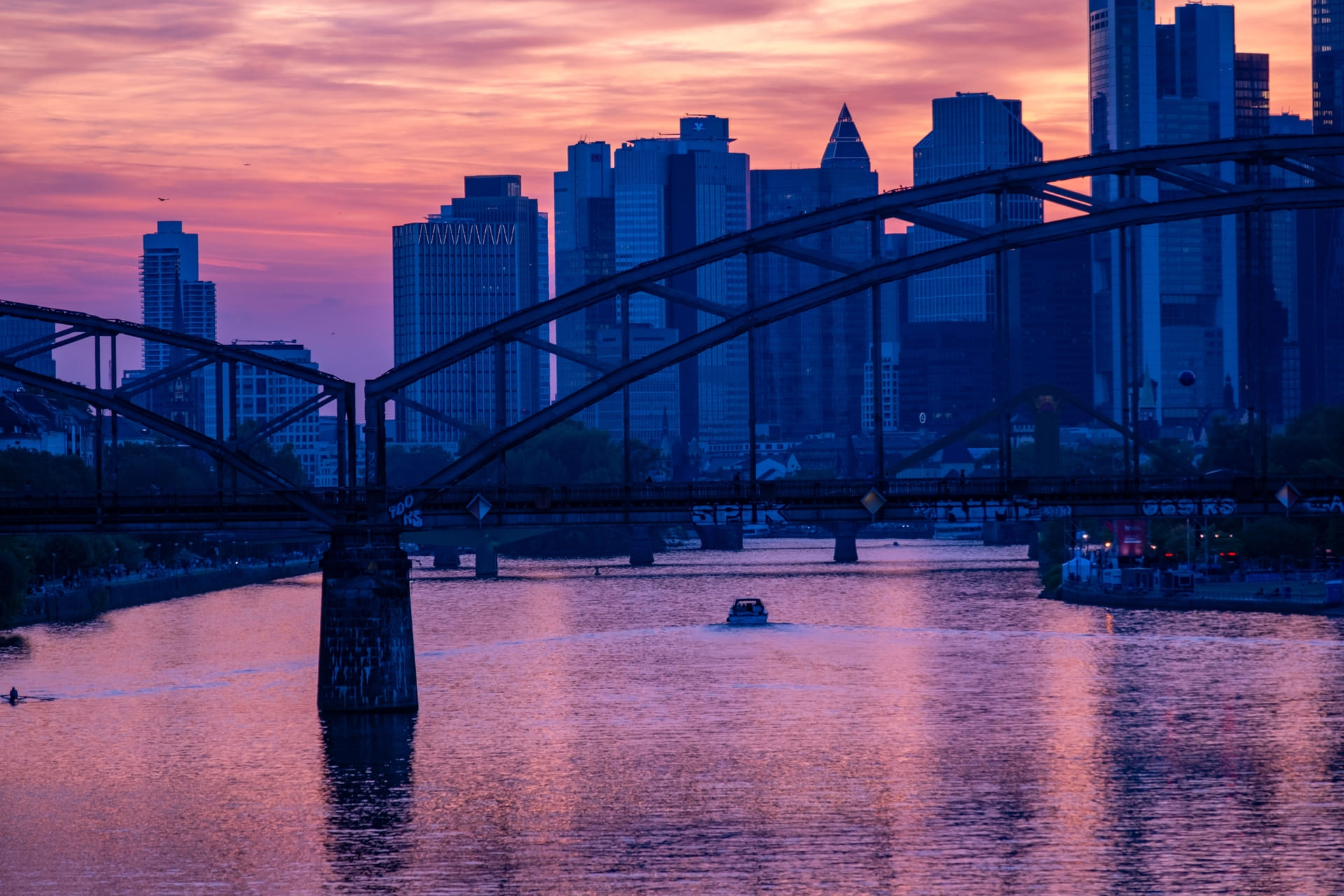 Meno River in Frankfurt, Germany
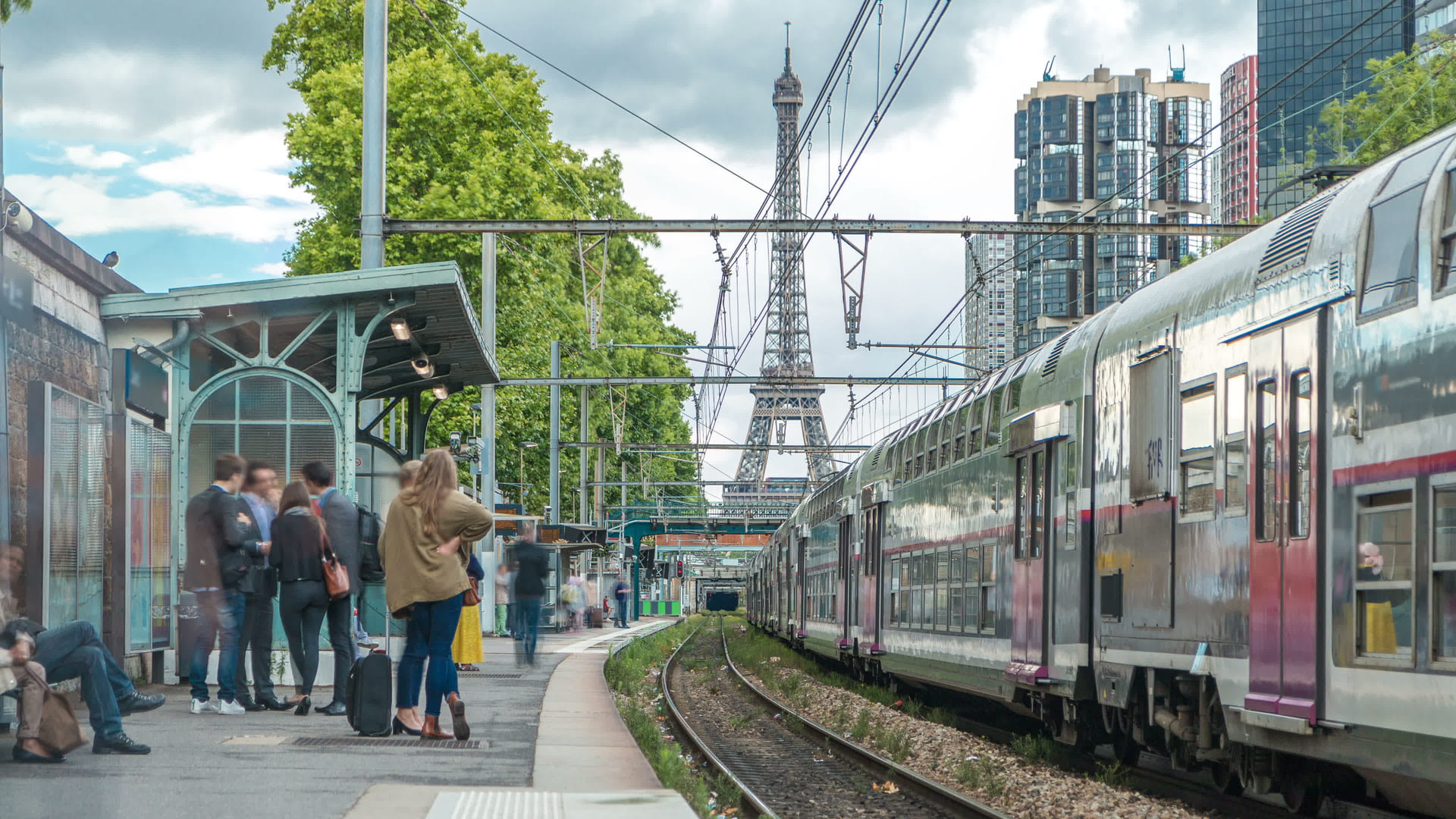 Javel train station, Paris
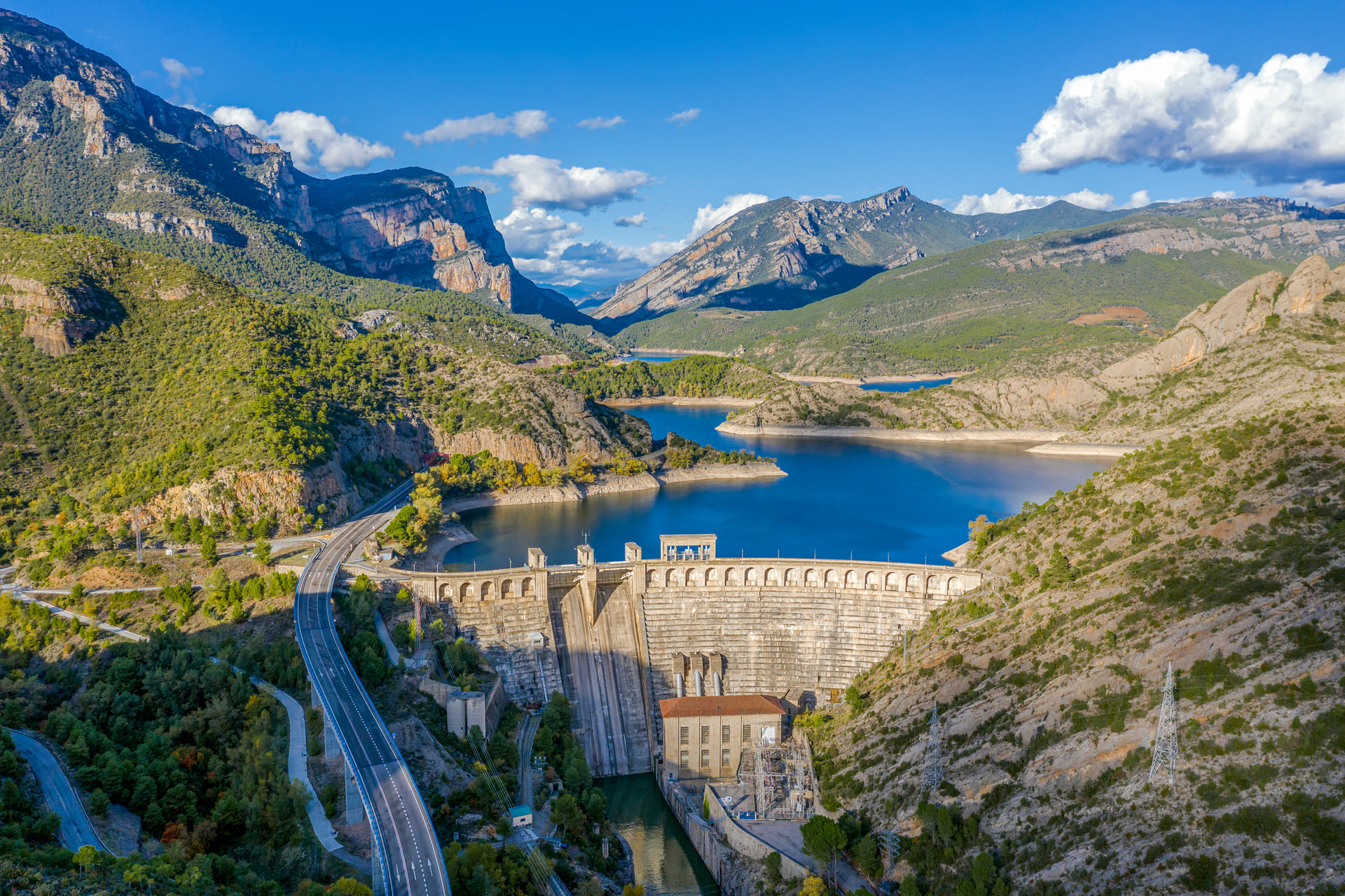 Dam at Segre River in Oliana, Spain
- In the new post-Trump global landscape, Europe stands at a historic crossroads: to redefine its economic identity or accept a marginal position on the world stage
- At the Geoeconomy Talk organised by RCS Academy, the debate on new alliances and on the risks to European competitiveness placed infrastructure, energy, water and critical technologies at the heart of the discussion
- Massimo Ferrari (Webuild) highlights the “alarm bell” of the Draghi Report: capital flight, high energy costs, infrastructure delays and a technological transition that must be guided by a shared vision
- From the giant hydroelectric battery Snowy 2.0 to the TEN-T corridors, the world is racing towards more integrated energy and logistics systems designed with a long-term vision
- The continent’s true challenge lies in turning infrastructure into instruments of strategic independence, choosing today the role Europe intends to play in the global economy of the 21st century
read more

Every era has its defining turning point. For Europe, the present moment coincides with an unprecedented global shift: protracted conflicts, energy instability, new geopolitical alliances and assertive industrial policies. Emerging economies are advancing at remarkable speed, the United States is rewriting the rules of global trade, and technology is reshaping the distances between nations.
It is within this context that the seventh edition of the Geoeconomy Talk, organised by RCS Academy, sought to outline a map of the world to come. The 2025 edition, dedicated to “New Economic Scenarios and Global Alliances,” placed a crucial question centre stage: what role will Europe be able to play in the new post-Trump equilibrium?
During the round table on infrastructure investment, Massimo Ferrari, General Manager of the Webuild Group (a global leader in complex infrastructure building), recalled that Europe is facing a watershed moment. “Europe is at a historic crossroads,” Ferrari stated, “and must heed the wake-up call sounded by the Draghi Report if it is to rediscover the identity required to confront the new global challenges based on its own values and to maintain the competitiveness of its production system.”
Among the clearest warning signs is the vast outflow of capital: 500 billion euros have left the EU in just one year in search of markets offering greater liquidity, leaner governance and swifter innovation.
“The urgency to act,” Massimo Ferrari stressed, “is confirmed by the data emerging from the world of finance: while the total value of global public equity markets is around 125 trillion dollars, in Italy that figure is less than 1 trillion. To attract investment, expected returns are not enough. Investors go where conditions are most favourable, choosing markets with high liquidity, solid governance and strong cybersecurity guarantees.”
“Europe must converge on common rules as quickly as possible and accelerate decisively, because the role of Artificial Intelligence (AI) in selecting information and in making decisions about which assets to invest in has now become crucial, and Europe must ride, not endure, this new historical trajectory.”
Infrastructure Development as the Cornerstone of the New Geoeconomic Order
On the path Europe must pursue to regain centrality within the global geopolitical landscape, infrastructure development remains pivotal. Infrastructure today is no longer merely physical works, but strategic assets underpinning national security, energy autonomy, industrial competitiveness and climate resilience.
In his remarks, Massimo Ferrari underscored this point: “Long-term investments in the sector must converge on those infrastructures that support the major global megatrends such as urbanization and the energy transition, as well as on emerging sectors where Webuild is already delivering major strategic works for states, especially in high-speed rail sector, urban mobility with subways, and energy production with dams and hydropower plants.”
The continent’s ability to provide enterprises and citizens energy with affordable and sustainable energy, fast connections, access to critical technologies, and intelligent management of resources such as water and digital networks depends on this type of infrastructure.
In the post-Trump world, where the United States is massively investing in technological transition and national production, and China continues to expand its networks and integrated supply systems, Europe must respond with a shared vision and a new decision-making speed.
Hydropower Plants, Water and Urban Mobility: The Frontiers of Global Competition
Global dynamics clearly show what the three strategic pillars of the next decade will be: energy, water and urban transport.
Energy (including hydroelectric energy) remains the first and most urgent challenge. Europe is grappling with high costs and a rapid transition that requires stronger grids, more interconnections and advanced storage systems. In this context, Webuild’s General Manager cites the example of Snowy 2.0, the major facility the Group is building in Australia, with a capacity of 350,000 megawatts. It is a ‘mega-battery’ powered by a pumped-storage hydroelectric power plant, designed to meet peak-demand periods, a flagship project that exemplifies the scale toward which many countries are now moving.
Then there is the question of water resources, which is becoming as strategically significant as energy, while technologies such as water desalination remain only marginally developed in many European countries. In Italy, the use of desalinization, the construction of desalination plants that treat seawater and transform it into drinkable desalinated water, stands at under 8%, far below Spain’s 40%.
Urban mobility, meanwhile, is the backbone of a continent striving to remain competitive. The completion of the Trans-European Transport Network (TEN-T) — backed by 345 billion euros in estimated investment by 2040 — is not merely an infrastructure programme but an economic and industrial policy initiative on a European scale.
Against this backdrop, Massimo Ferrari emphasised the importance of European investment in the TEN-T Networks, which encompass many of the major projects Webuild is delivering in Italy: from the Brenner Base Tunnel to high-speed rail projects including the Single Project Terzo Valico dei Giovi–Genoa Junction, the Verona–Padua line, the Naples–Bari corridor and the Salerno–Reggio Calabria route, all the way to the high-capacity Palermo–Catania–Messina axis in Sicily.
Beyond Infrastructure Building: The Urgency of Deciding the Future
The central issue arising from the Geoeconomy Talk concerns Europe’s ability to act as a single system rather than as a patchwork of different countries and policies. Without a shared vision, no continent can compete in a world that is now outpacing its own bureaucracy.
“Europe must decide now what it wants to be,” Massimo Ferrari concluded. The message is unequivocal: infrastructure, energy, water and technology are the terrain on which the continent’s geopolitical role will be determined.
The choice is not simply about what to build, but about the future Europe chooses to imagine. And it is on this ground, between political vision and industrial capability, that it will be decided whether Europe will be a protagonist or a spectator in the new global order.