


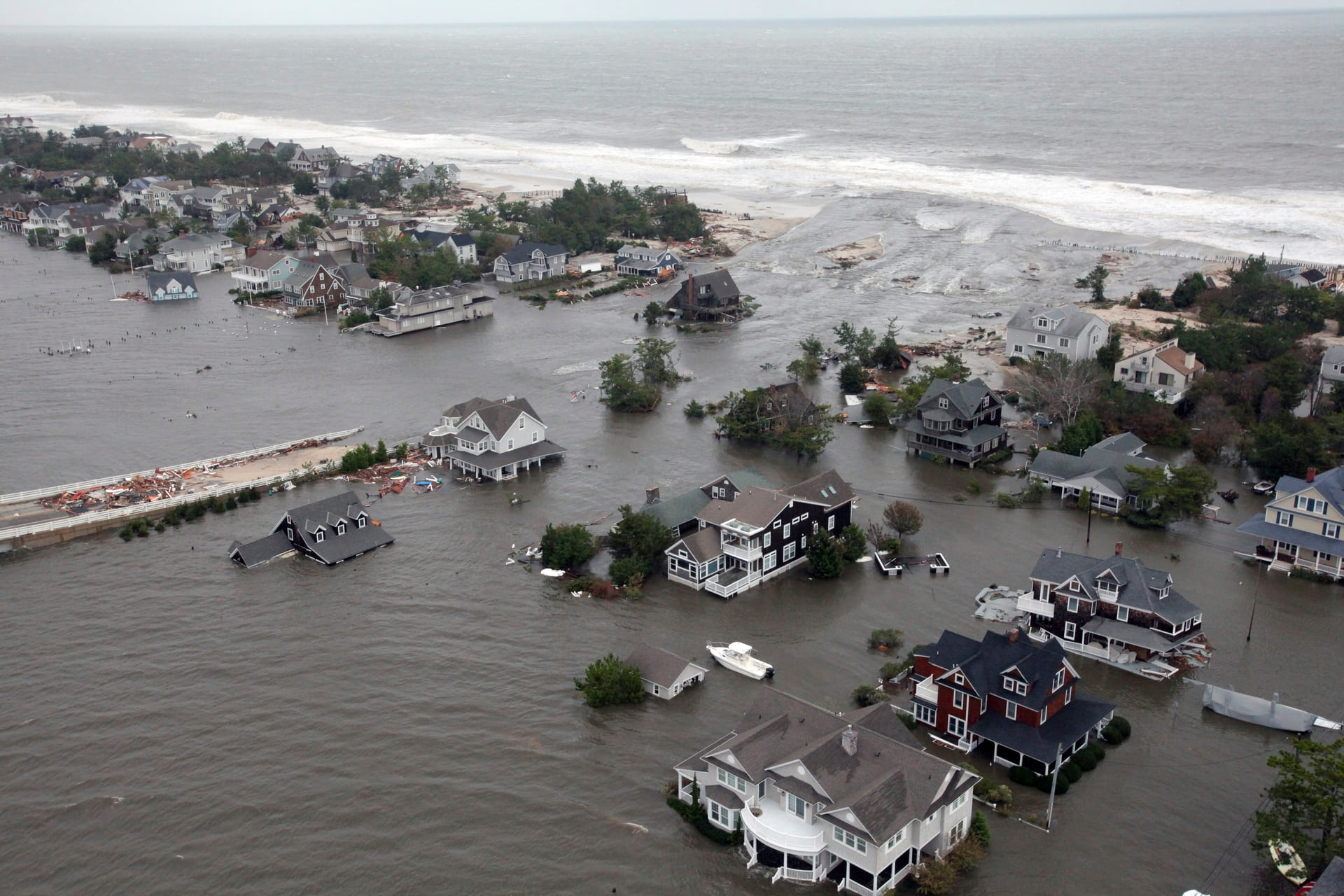
 Damage caused by Hurricane Sandy, New Jersey
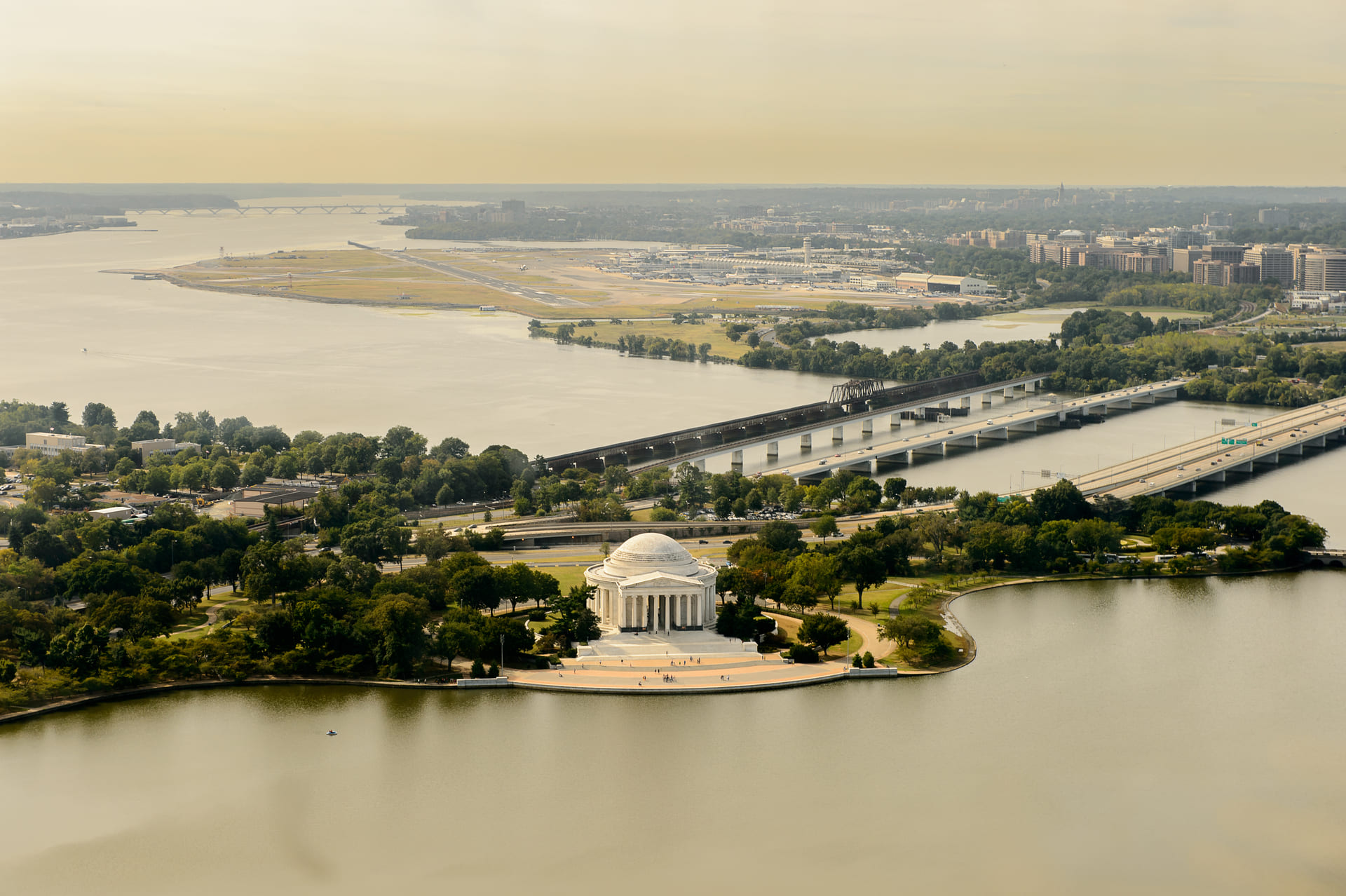 Aerial view of Washington DC
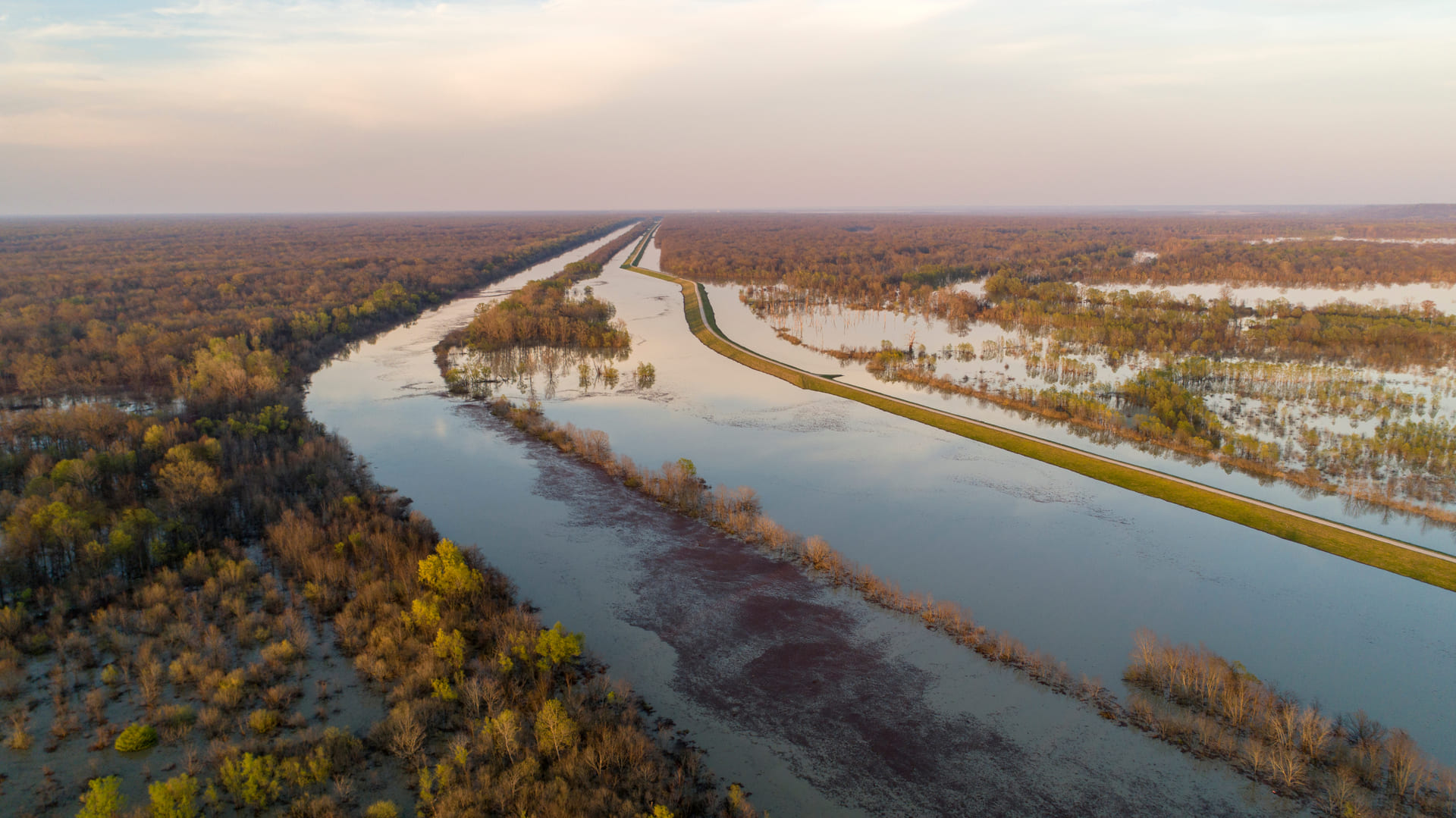 Mississippi River flooding near Vicksburg, MS
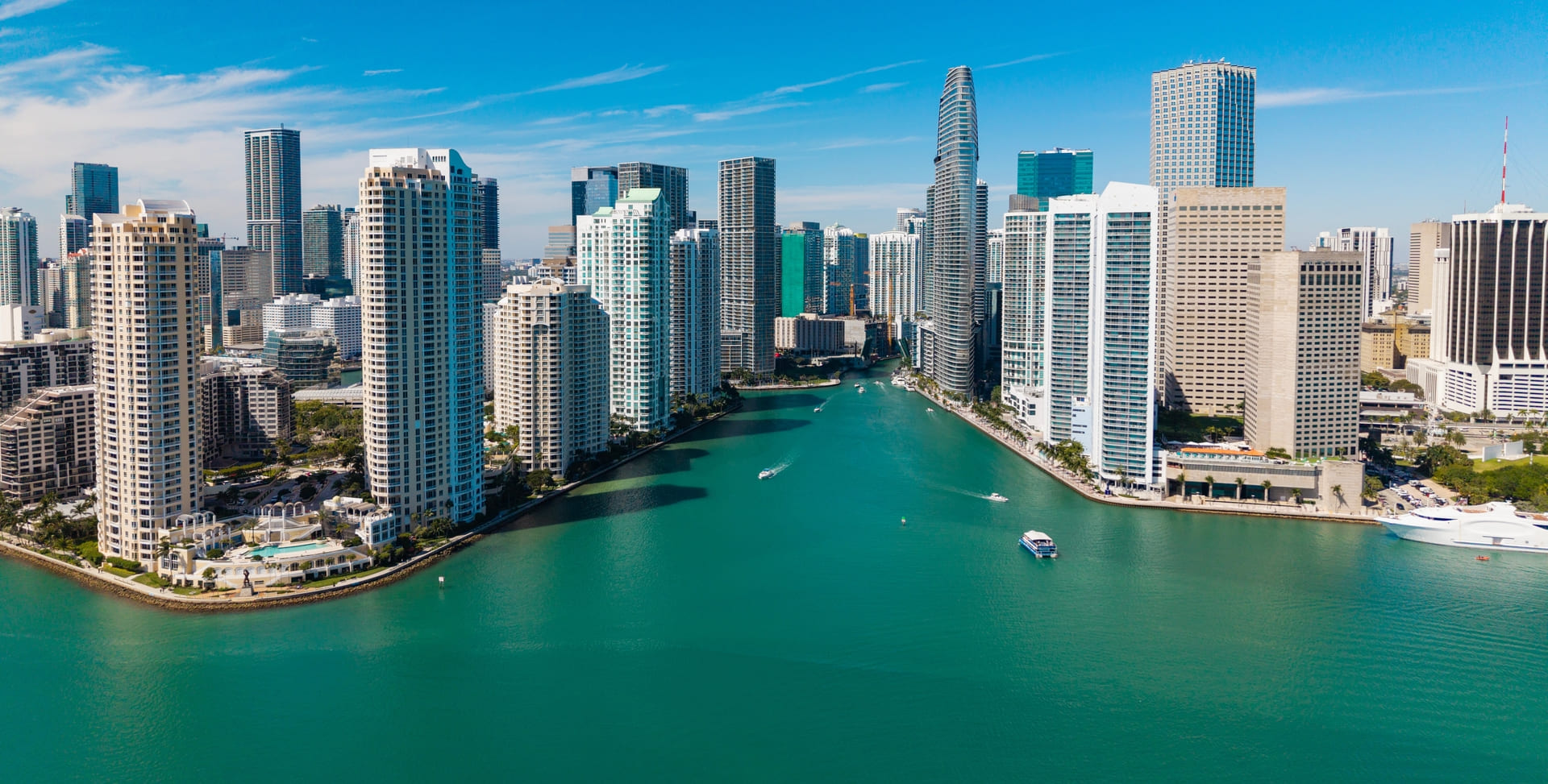 Miami waterfront
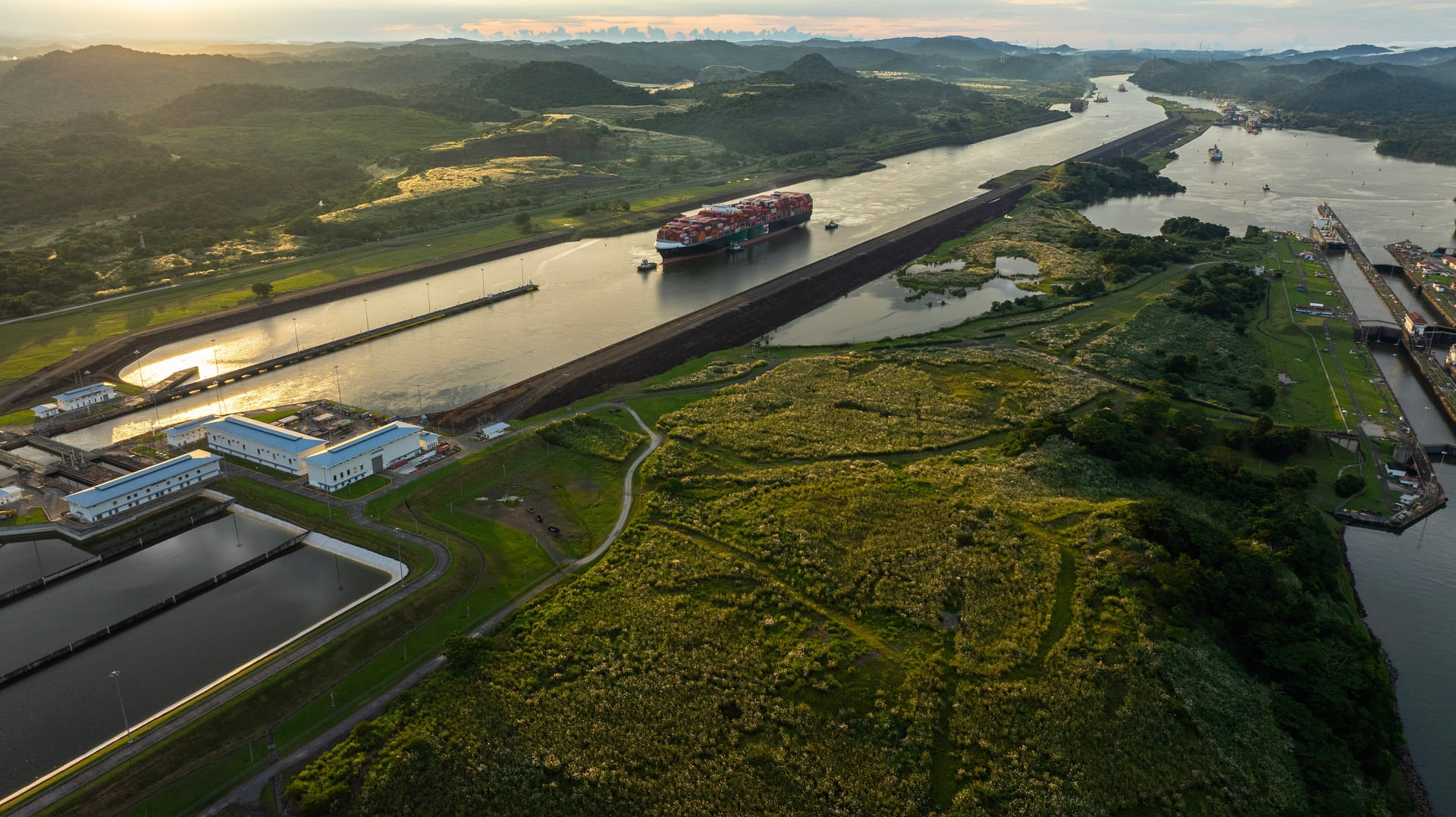 The new Panama Canal
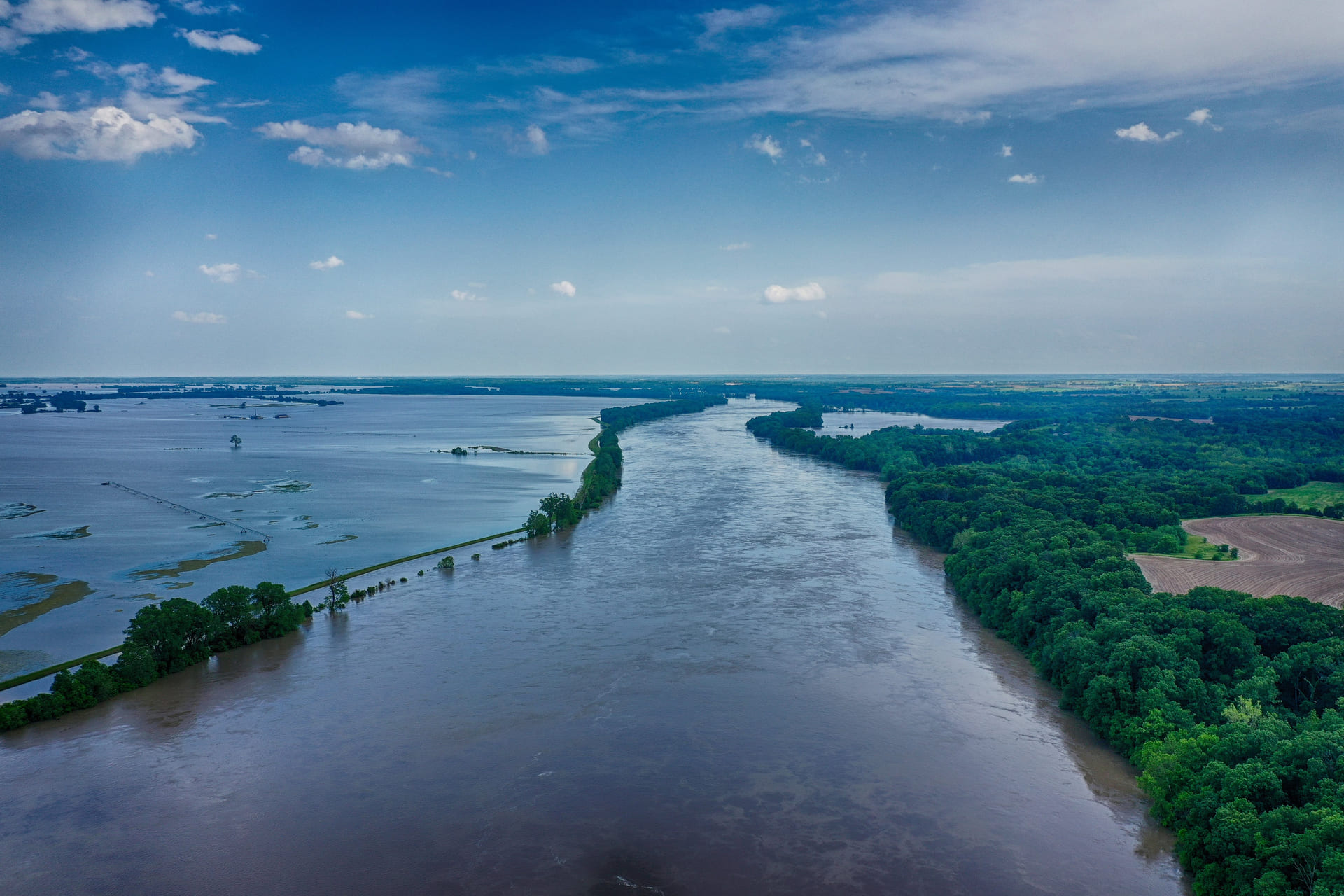 Midwest flooding, USA
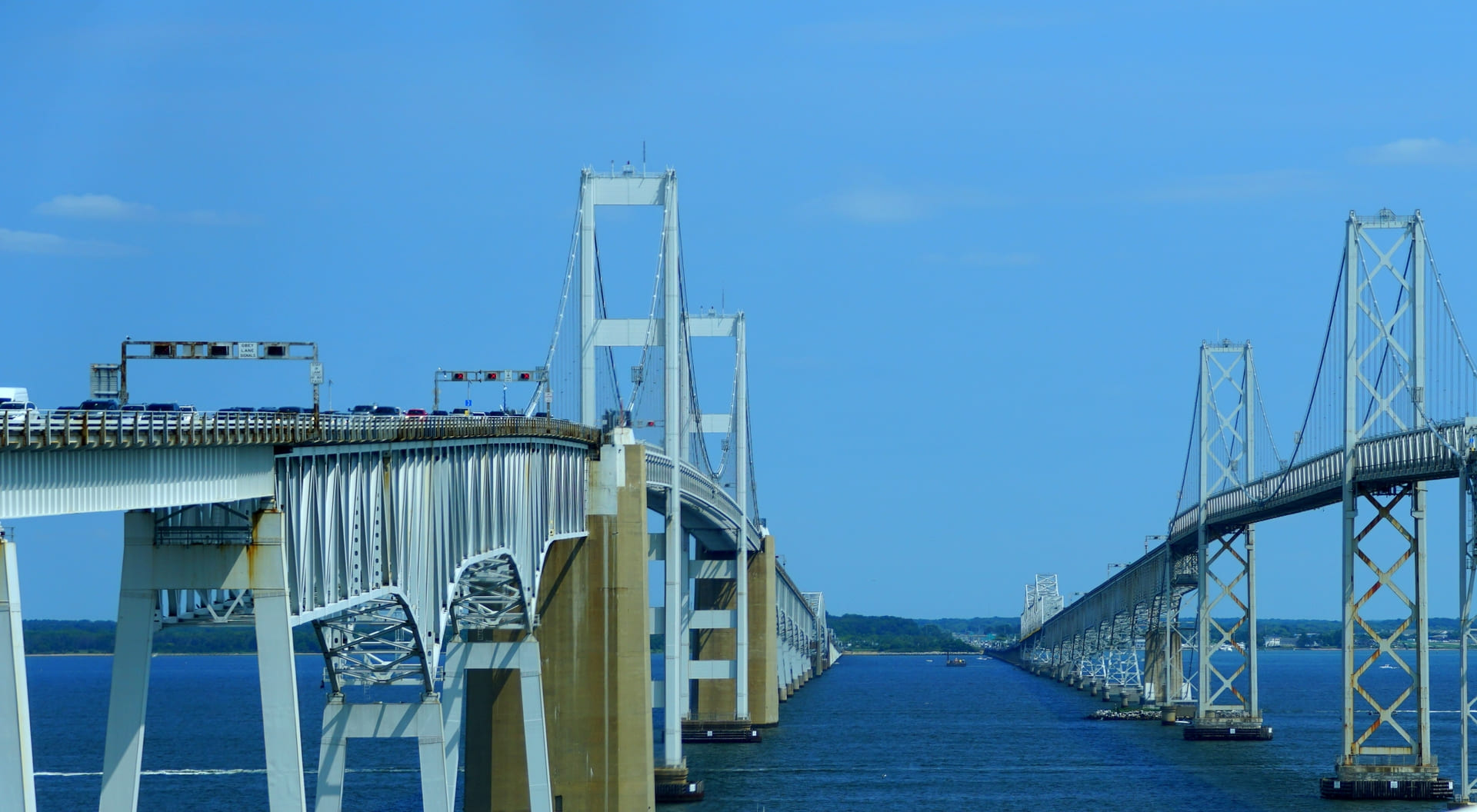 View of Route 301 on Harry W. Nice Memorial Bridge
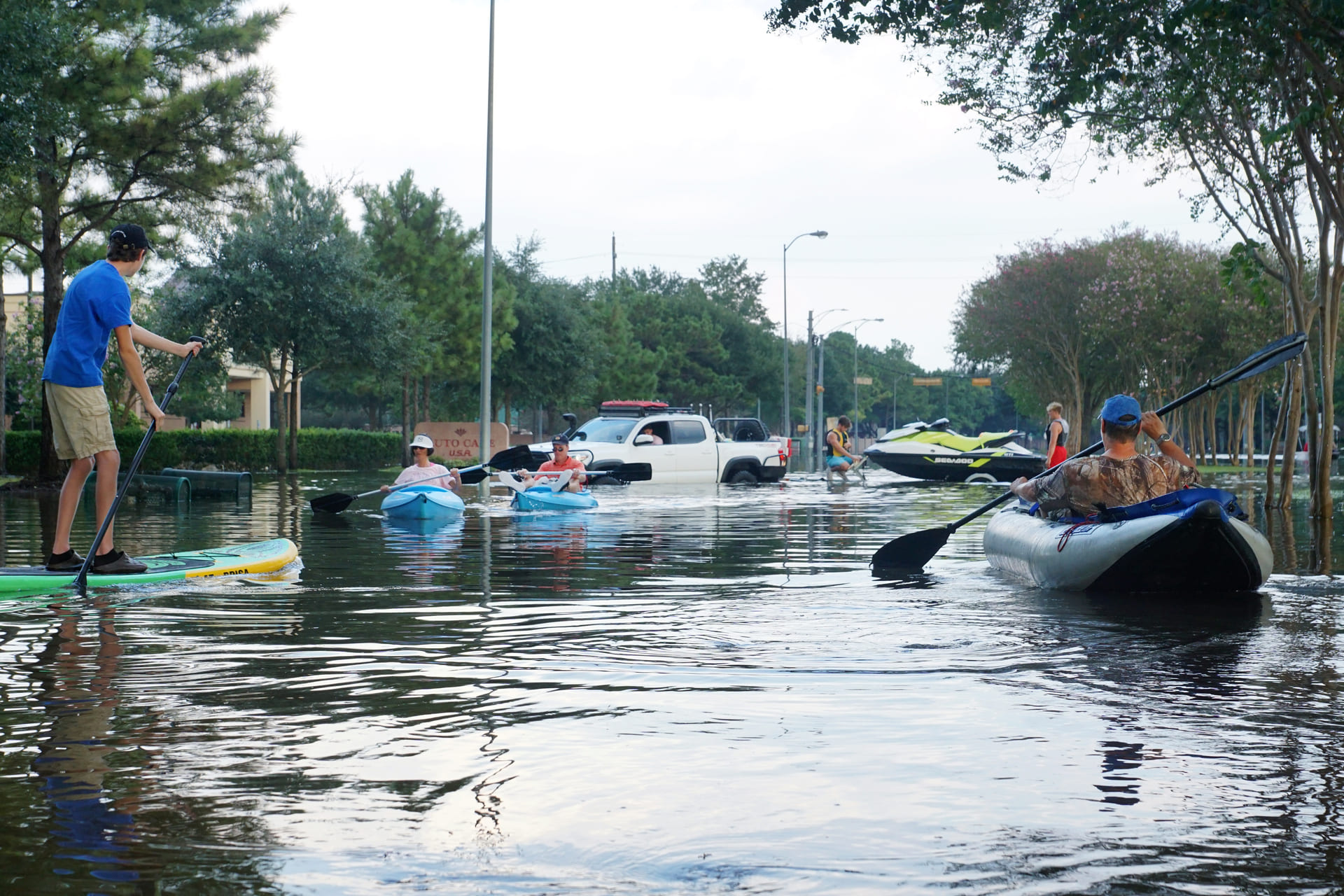 Flooded roads of the city in Texas
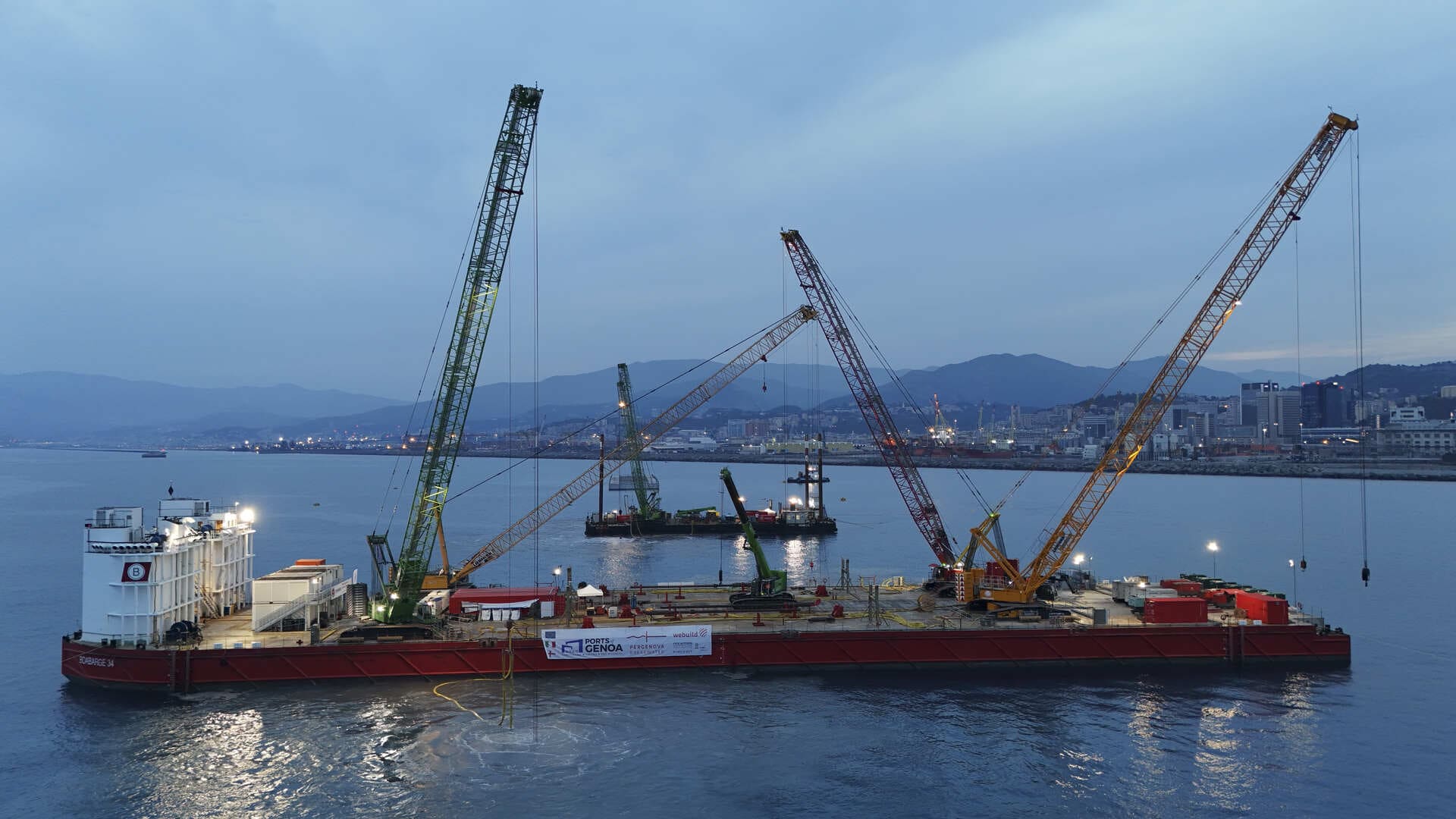 Construction site of the Genoa's New Breakwater
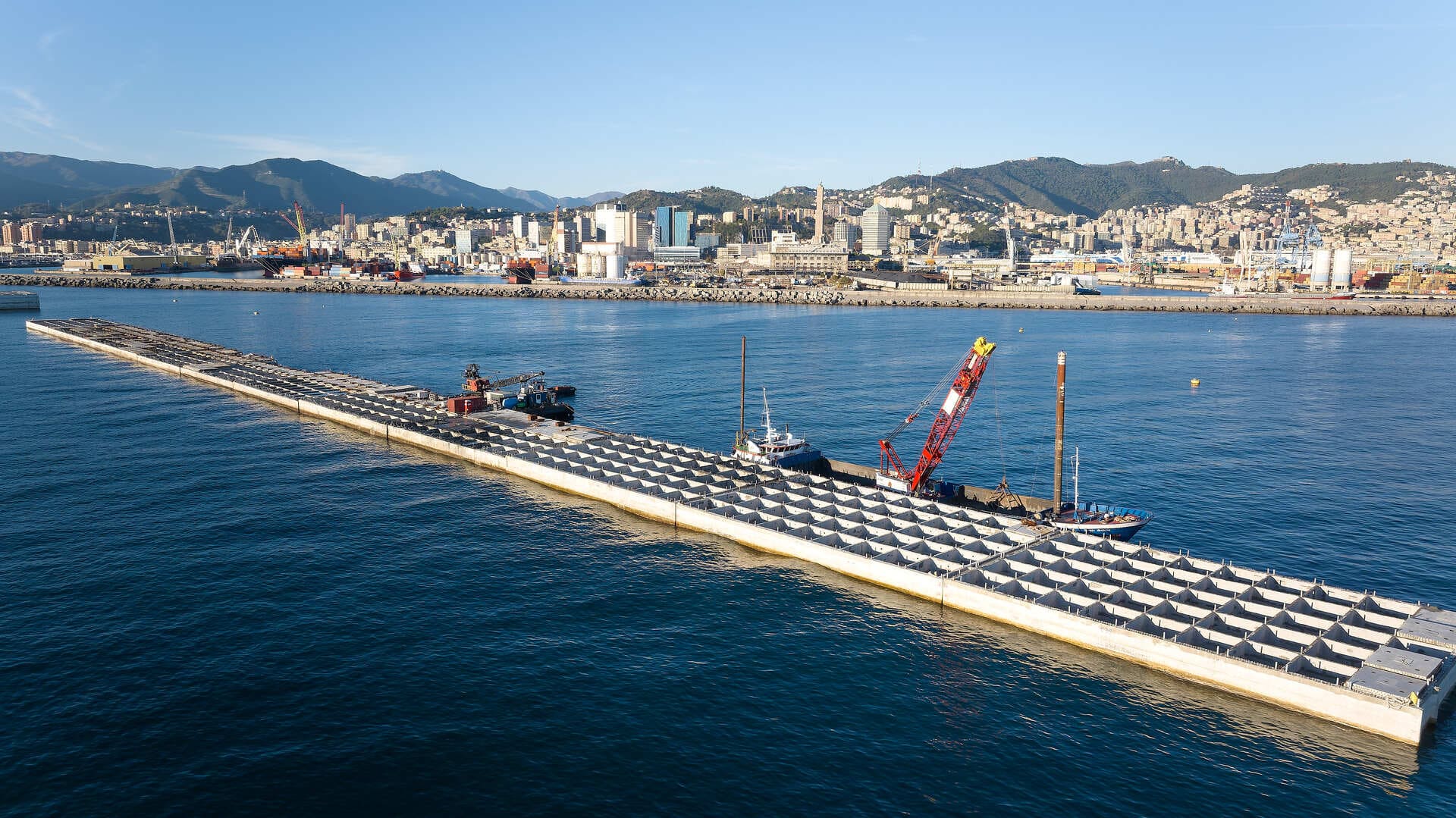 Construction site of the Genoa's New Breakwater
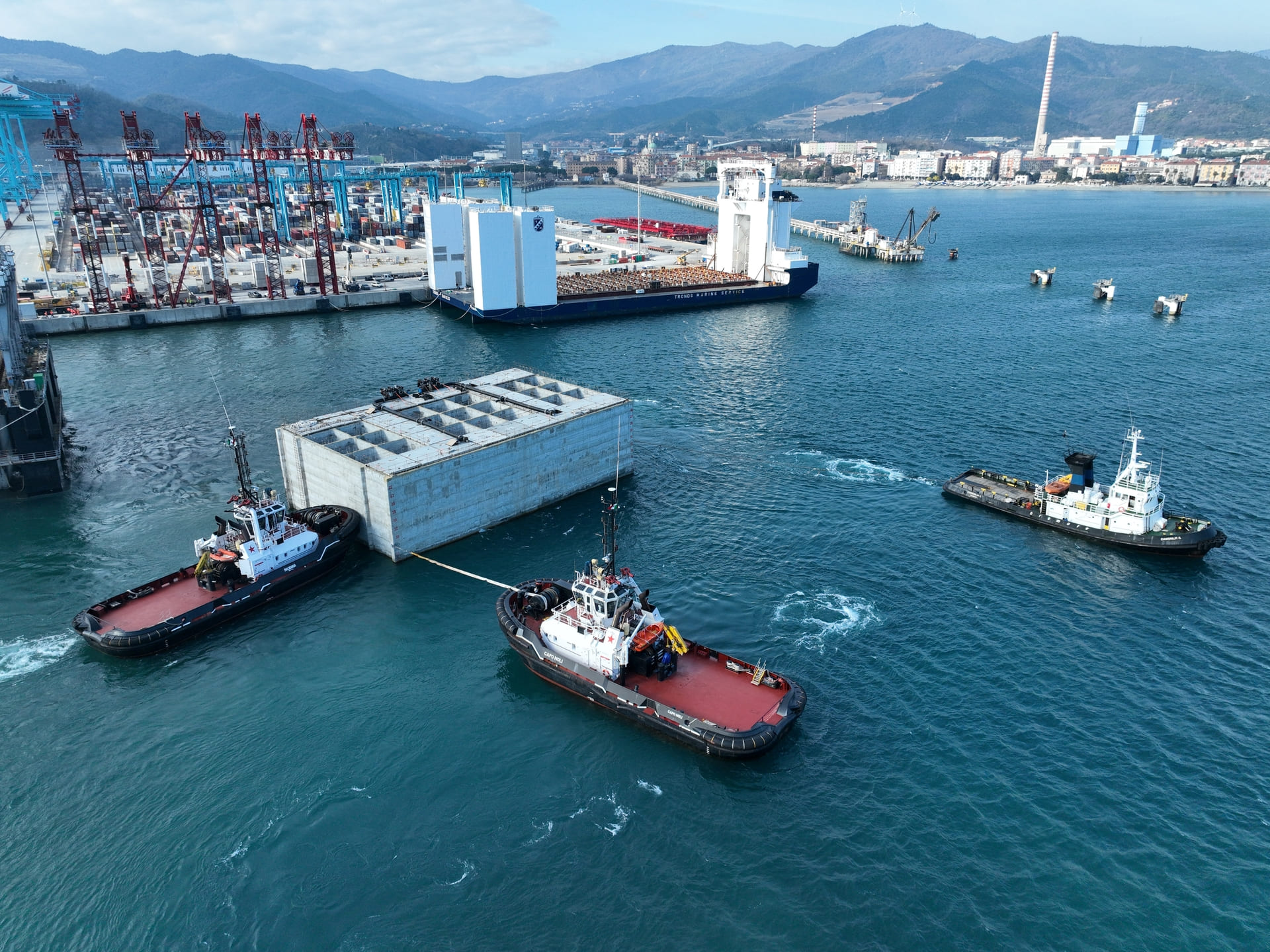 Construction site of the Genoa's New Breakwater
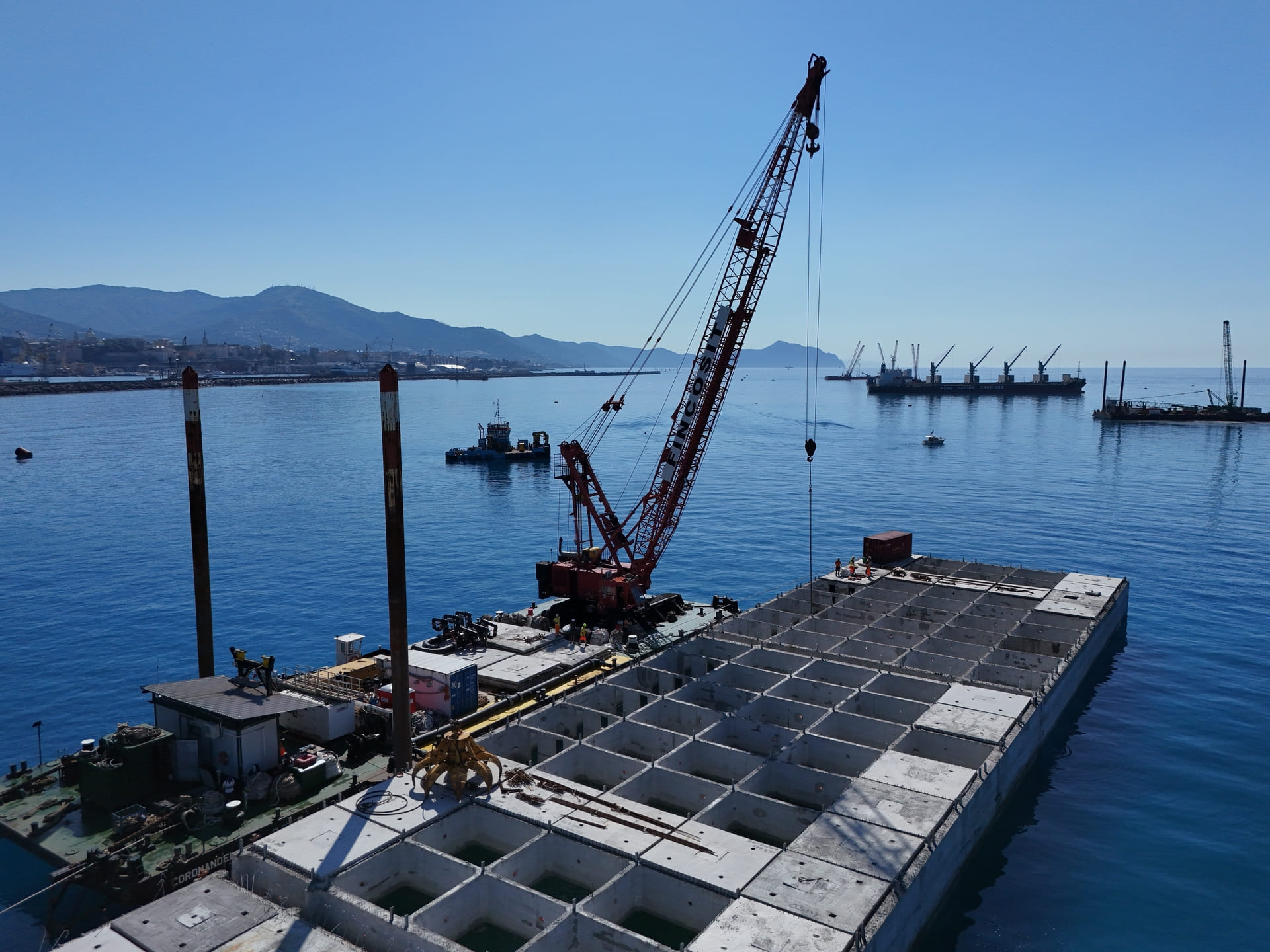 Construction site of the Genoa's New Breakwater
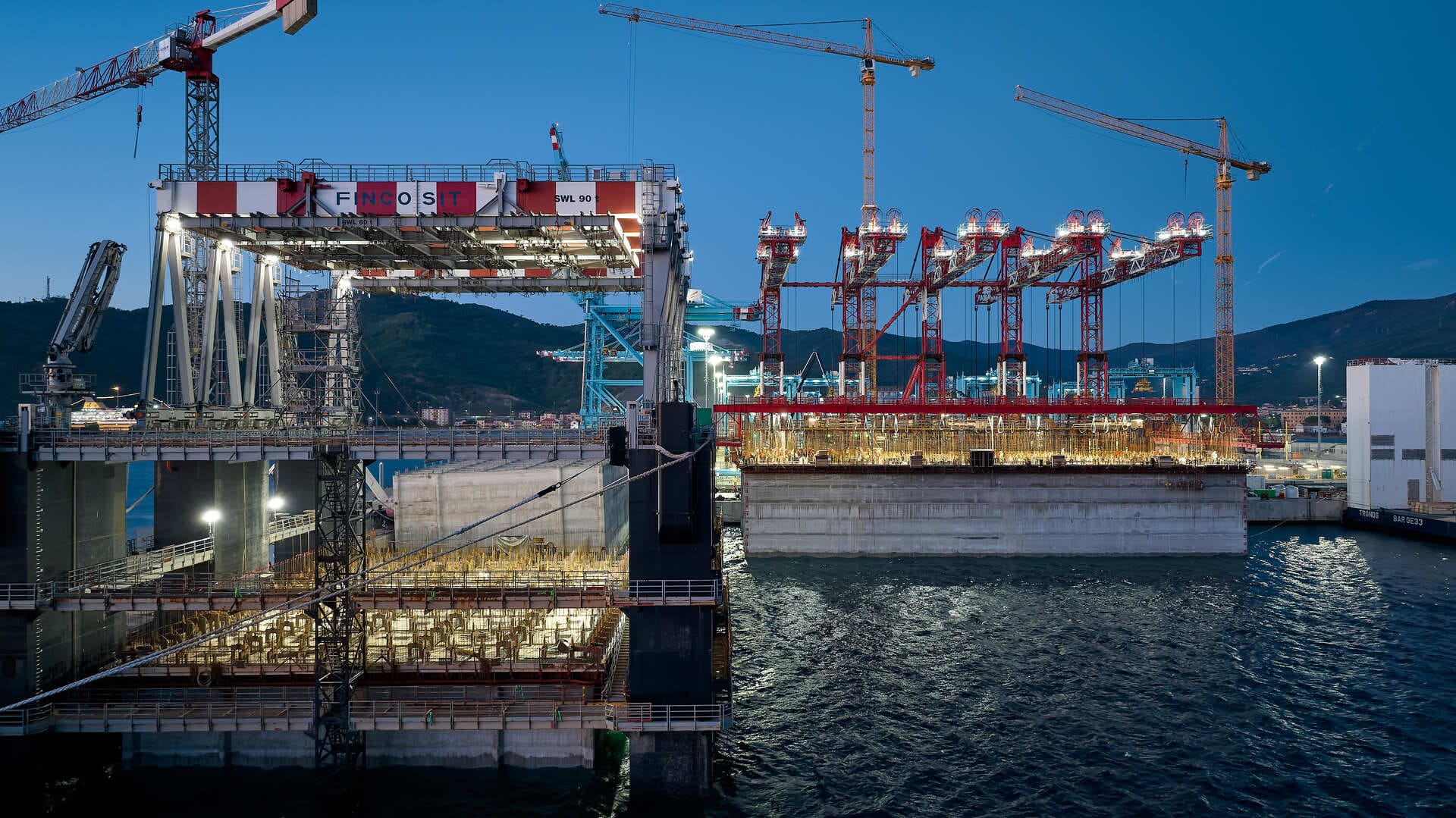 Construction site of the Genoa's New Breakwater
- With a marine jurisdiction covering 8.8 million square kilometres, the oceans are for the United States a true infrastructural extension, crucial to the economy, security and quality of life
- Extreme climate events such as the hurricanes of 2024 have accelerated the launch of concrete policies and infrastructure development investments
- Breakwaters, floodwalls and flood-protection systems are key responses to safeguarding coastal cities, port infrastructure and strategic transport networks
- From Norfolk to Miami, US programmes focus on targeted interventions to strengthen urban waterfronts, ports and coastal bulkheads
- From the New Outer Breakwater in Genoa to the expansion of the Panama Canal, through to desalination plants and urban sewer systems, the Webuild Group brings an advanced model of water infrastructure to the global stage

The United States has jurisdiction over 3.4 million square miles of ocean, equivalent to a “blue” surface area of around 8.8 million square kilometres. This vast maritime domain, comparable to the combined land area of all 50 states, is not merely a natural and environmental setting, but a critical infrastructural component for transport and energy, trade, tourism and fisheries, supply chains and national security, with direct implications for the country’s economic and social life.
These dimensions, mapped by the National Research Council in the study Critical Infrastructure for Ocean Research and Societal Needs in 2030, published as far back as 2011 but recently back in the spotlight, increasingly point to the need for a strategic plan to move from mapping to action, investing in infrastructure development capable of ensuring greater coastal resilience.
After the 2024 Hurricanes: Research on Rising Ocean Levels and Floodwalls
Fifteen years on from that study, the picture shows only targeted interventions with limited resources, but momentum has begun to build, particularly in the wake of the devastating 2024 hurricane season.
So far these have been modest steps, such as the initiative announced in early December 2025 by the National Oceanic and Atmospheric Administration (NOAA), allocating USD 2.9 million to research projects on the management of coastal areas threatened by rising ocean water levels.
In addition to this investment, there are major individual local projects that are now moving forward, such as the Norfolk Coastal Storm Risk Management programme launched ten years ago by the city of Norfolk, Virginia, home to the largest naval base in the world. The city’s Planning Commission has just approved the start of the implementation phase of the floodwall, a complex USD 2.6 billion plan involving the construction of containment walls and flood-protection systems.
Flood Barriers Keep Florida Safe from Rising Sea Levels
Overall, coastal programmes awaiting approval or currently being rolled out focus on protecting residential areas and coastal roads, as well as strengthening port defences.
In Florida, for example, significant emphasis is being placed on so-called bulkhead upgrades, the reinforced coastal retaining walls that line ports, urban waterfronts, navigable canals and service infrastructure. In this context, in 2025 PortMiami secured around USD 20 million in state funding for the Berth 10 Resiliency Project, specifically designed to protect the areas most exposed to the sea.
For infrastructure contractors, the “blue frontier” implies a step change in scale: moving from expertise in building individual infrastructural projects to the ability to orchestrate complex systems where land and sea converge. Knowing how to work with concrete and steel is no longer enough: today it requires marine geotechnical expertise, coastal logistics planning, climate and operational risk management, and an integrated approach combining visible and invisible infrastructure.
Consequences of Climate Change: Infrastructure Embraces Environmental Sustainability
In the face of growing risks driven by climate change, infrastructure construction is taking on an increasingly strategic role, both in protecting communities and in making sustainable use of a precious resource such as water.
This is the challenge that calls for the experience of groups with a long track record in maritime and coastal construction. In Italy, for example, Webuild is working on the New Outer Breakwater in Genoa, one of the deepest breakwaters in the world, where concrete caissons are built offshore and installed in highly aggressive environmental conditions, integrating advanced engineering solutions for durability and resilience in the marine environment.
Globally, infrastructural projects delivered by Webuild, such as the expansion of the Panama Canal, demonstrate how managing major waterways demands complex, reliable infrastructure with performance levels exceeding the original design specifications. And where the sea meets the need for drinking water, desalination plants—such as those built by subsidiary Fisia Italimpianti in Saudi Arabia, the United Arab Emirates and Oman—show how coastal systems can turn a natural challenge into a strategic asset for the communities.
It is also worth noting that “blue” resilience often extends beyond the coastline, along rivers and water networks, where extreme events and rising sea levels put historic infrastructure under strain, as happened in Washington, D.C., following torrential rainfall. Thanks to the Clean Rivers/Clear Water project, led by Lane Construction (Webuild Group) for the segment of the project involving the Anacostia River (Anacostia River Tunnel), the city has equipped itself with one of the largest sewer system and wastewater management upgrades ever carried out in the United States.