


 Second Track Project, Slovenia
 Second Track Project, Slovenia
 Second Track Project, Slovenia
 Second Track Project, Slovenia
 Second Track Project, Slovenia
 Second Track Project, Slovenia
 Second Track Project, Slovenia
- Slovenia is replacing an old railway between the Port of Koper and a transport hub in Divača with the so-called Second Track to improve rail freight transport into central Europe.
- The route plays an important role in three transport corridors of the Trans-European Transport Network (TEN-T), conceived to have more people and freight travel on rail rather than road.
- Built nearly 70 years ago, the old railway can no longer handle the growing volume of freight transport, leading to major bottlenecks.
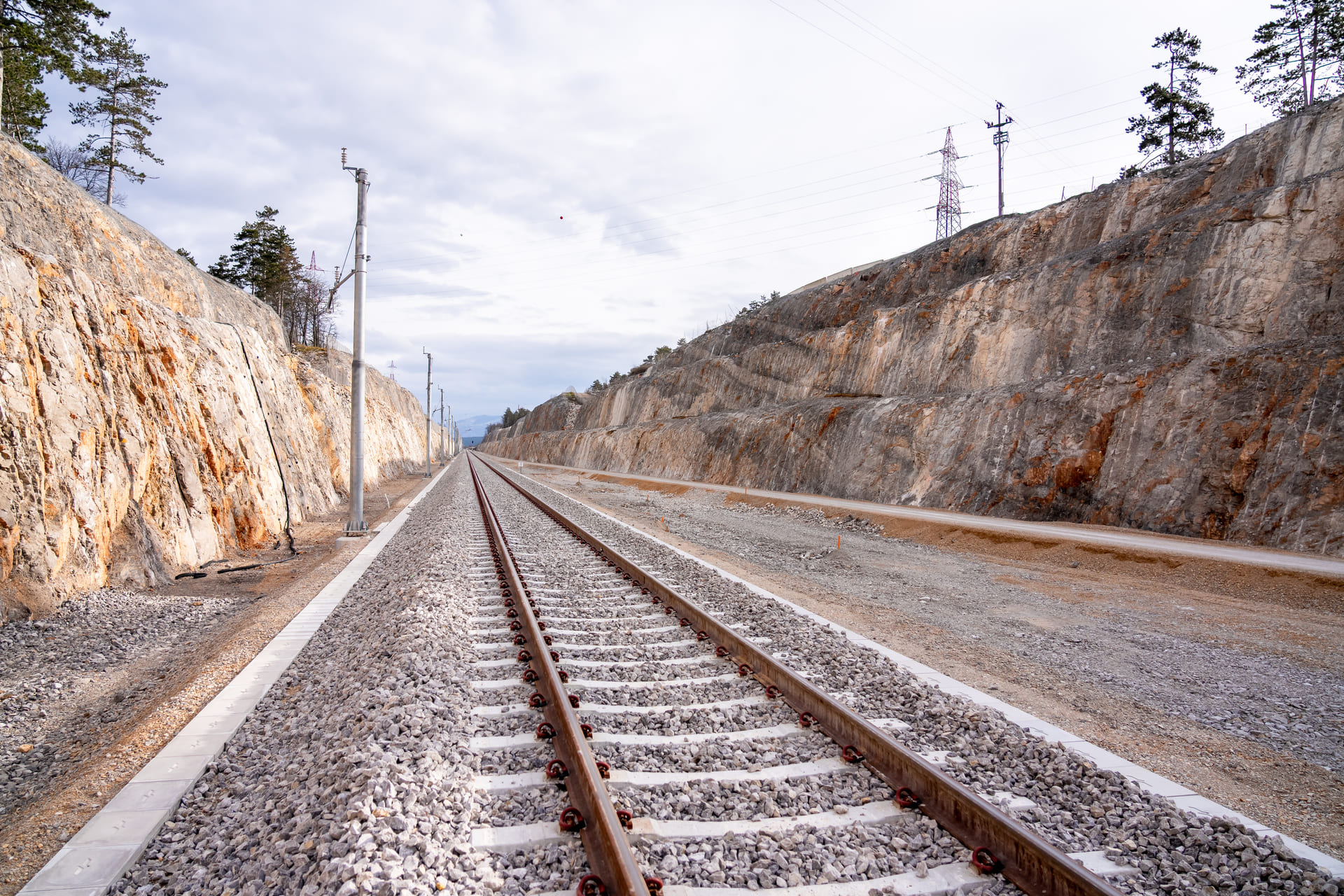
- The first rail line of the Second Track completed its first trial run in March, while the second rail line running parallel to the first is 60 percent complete.
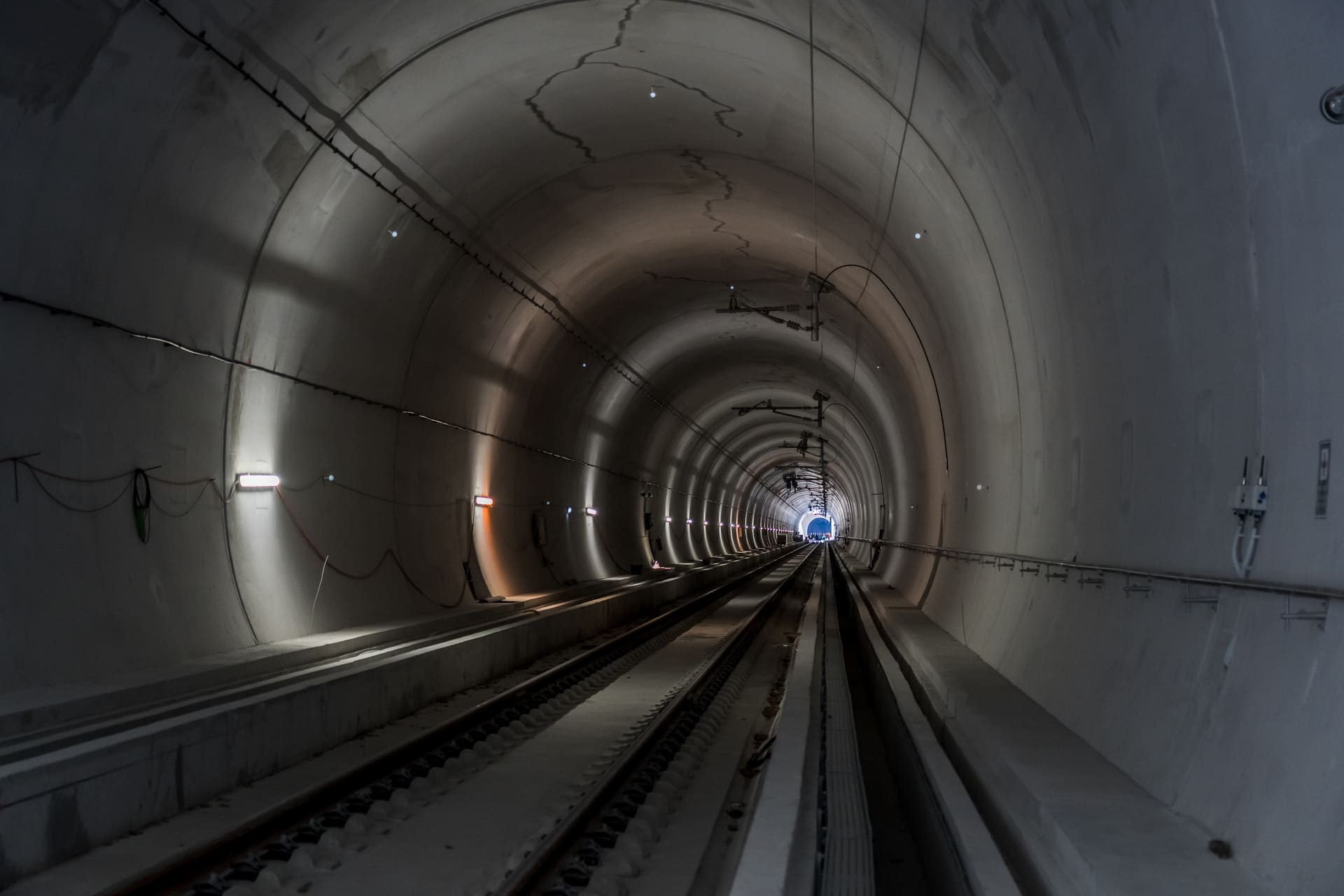
- Given how it runs mostly through tunnels under the country’s mountainous terrain, the Second Track is described by local news outlets as a smaller version of the Brenner Base Tunnel.


There is an old railway in Slovenia that faces the prospect of losing its original purpose. Along its tortuous route of 44.6 kilometres, trains haul freight from the Port of Koper on the Adriatic Coast to Divača, a transport hub in the country’s mountainous interior, before moving deeper into eastern and central Europe.
Apart from the country’s road network, this railway is the only link that Koper, Slovenia’s sole commercial port on the Adriatic, has to the rest of the continent. In fact, two-thirds of the cargo that arrives there is intended for central Europe – not Slovenia.
A Strategic Railway Connection for Three TEN-T Corridors
Its importance to the European Union (EU) is such that it belongs to not one but three corridors of the Trans-European Transport Network (TEN-T). There is the Baltic-Adriatic Corridor that runs between Poland and Slovenia, the Western Balkans-Eastern Mediterranean Corridor between Austria and Greece, and the Mediterranean Corridor, which connects central Europe with the Iberian Peninsula.
Overseen by the European Commission (EC), the TEN-T network was designed to encourage greater use of rail rather than road for passenger and freight transport, thereby making it safer, more efficient and more sustainable – all the while reducing CO2 emissions.
The European Commission is forging ahead with TEN-T’s expansion. Other transport corridors under development include the Scandinavian-Mediterranean Corridor, a major section of which is the Brenner Base Tunnel. Running under the Alps between Italy and Austria, it will be the longest rail tunnel in the world at more than 60 kilometres.
This groundbreaking project, which will link the Italian city of Fortezza with the Austrian city of Innsbruck via high-speed rail, is being carried out by an international consortium of companies that includes the Webuild Group, a leading Italian civil infrastructure group.
Koper–Divača: A Rail Line on the Brink
Built nearly 70 years ago, the Koper-Divača railway connection has outlived its usefulness. It has always been problematic, but its shortcomings have come to the fore as its single track cannot handle the growing traffic– let alone abide by the latest safety standards. Bottlenecks have become so severe that they compromise Slovenia’s role within the TEN-T.
“Growing demand from freight users… is causing… delays in the core network and hinders freight transport to and from the port,” reads a page on the European Commission’s website about the difficulties.
Saturation is only one of the problems faced by train operators. There is the 26-degree gradient, too.
The incline from the port to the interior is so steep that it forces freight trains to use two locomotives to pull the carriages.
Then, on a decline, their operators have to brake carefully to temper the speed of the cars to avoid wheels from overheating. The risk of a fire is present. So is that of a derailment, as described in an October 2025 article in the weekly newspaper, NeDeljski.
The trains also face the danger of landslides as they follow the windy railway line inland.
The Second Track Comes into Operation
So the Second Track, an infrastructure project partly financed by European Union funds, could not have come soon enough. After six years of construction at a cost of slightly more than €1 billion, the first of two of its railway lines is set to come into operation.
And once the second rail line is done, the old railway will be relegated to the service of cyclists: the track between Koper and Prešnica, a town halfway to Divača, will be removed and a bicycle path put in its place.
How the Two New Railway Lines Will Strengthen the European Union
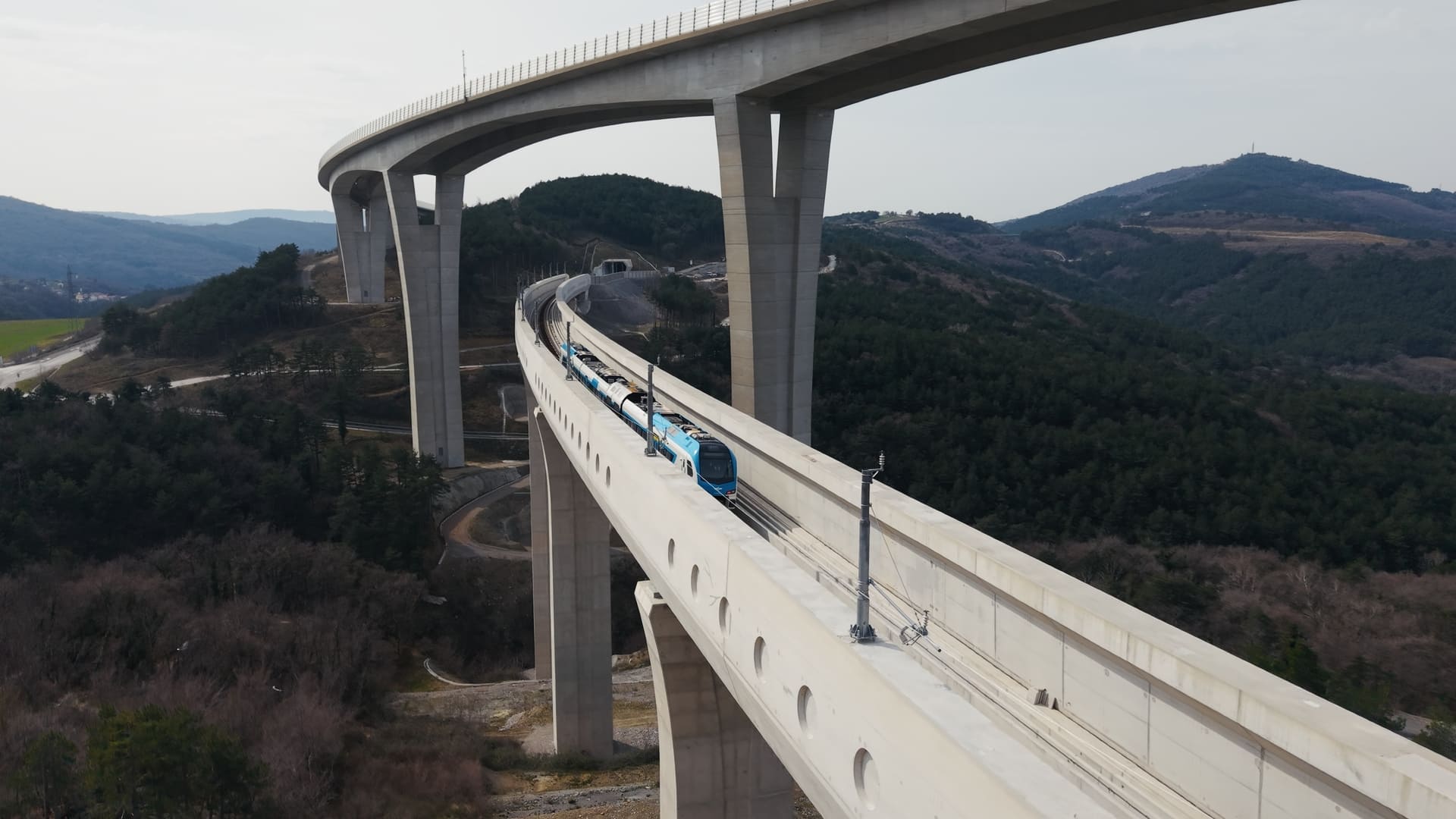
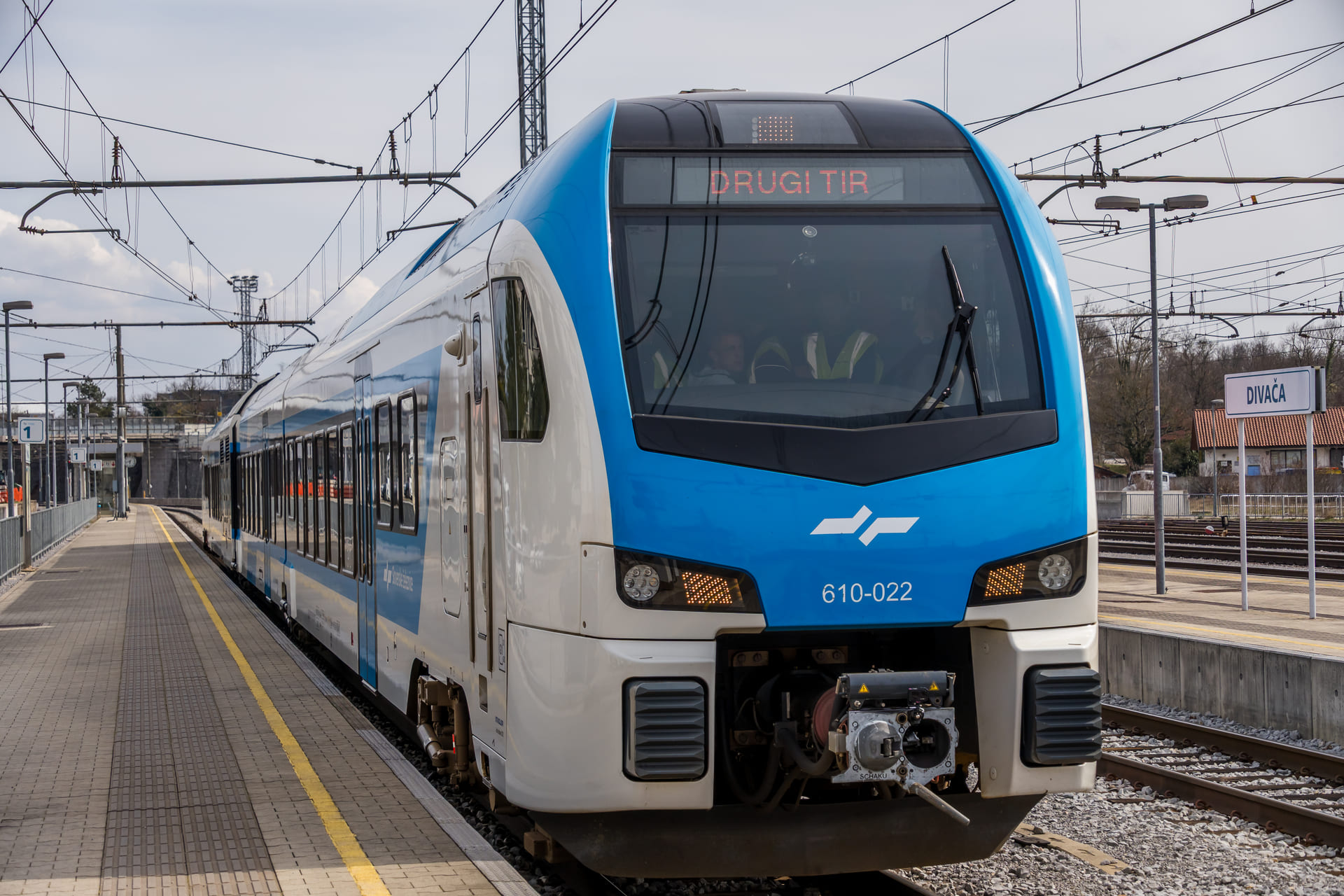
On March 11, the Second Track marked an important milestone as a train with Slovenian Prime Minister Robert Golob aboard completed the first trial run along the new route.
“Today we celebrate a great success for our country,” announced Minister of Infrastructure Alenka Bratušek. “The Second Track … means better accessibility, faster travel, and greater traffic safety. It represents significant developmental and connectivity potential for Slovenia, for the Port of Koper, and for the neighbouring countries that cooperate with it. In doing so, we are strengthening the economy of the European Union.”
The rail transport project, whose construction is being overseen by 2TDK, a state-owned company, will enable trains to travel more than three times as fast, nearly tripling the route’s throughput capacity.
And by significantly reducing road traffic and bottlenecks, it is expected to help cut CO2 emissions by nearly 50,000 tonnes per year, according to the European Investment Bank, which is behind the EU financing.
Railway in Slovenia: The Scaled-Down Version of the Brenner Tunnel
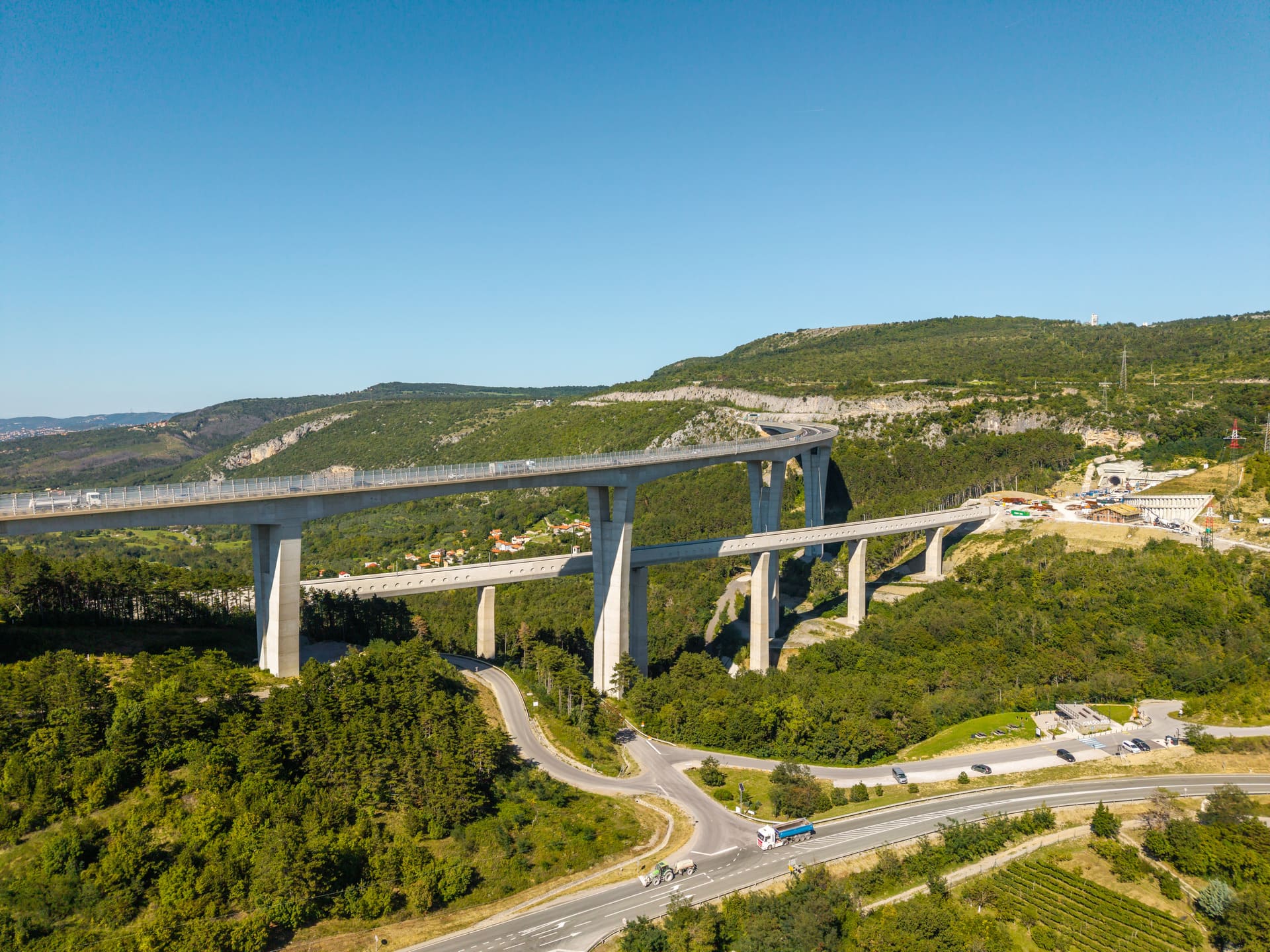
At less than 30 kilometres in length, the Second Track follows a much shorter route between Koper and Divača.
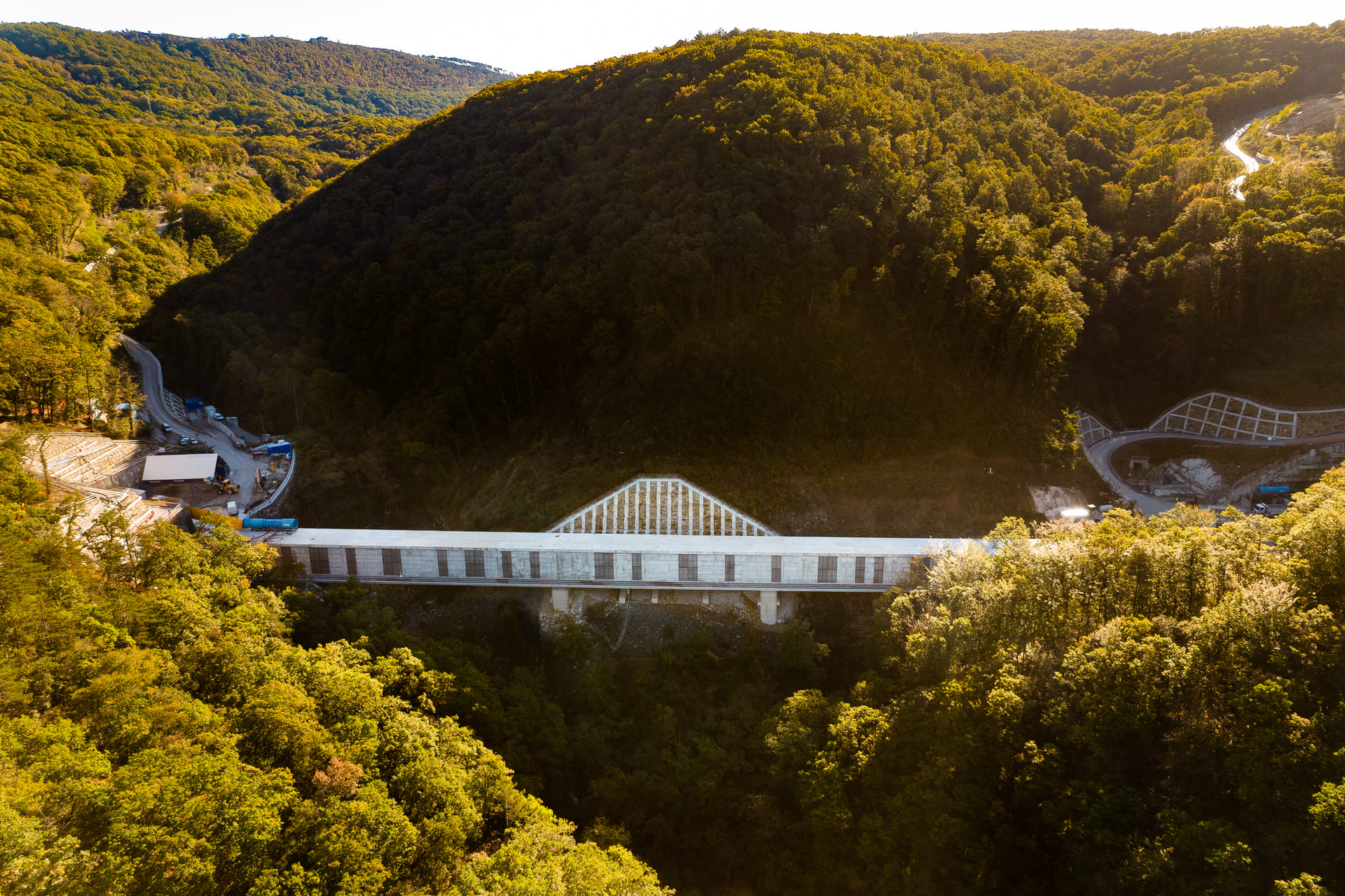
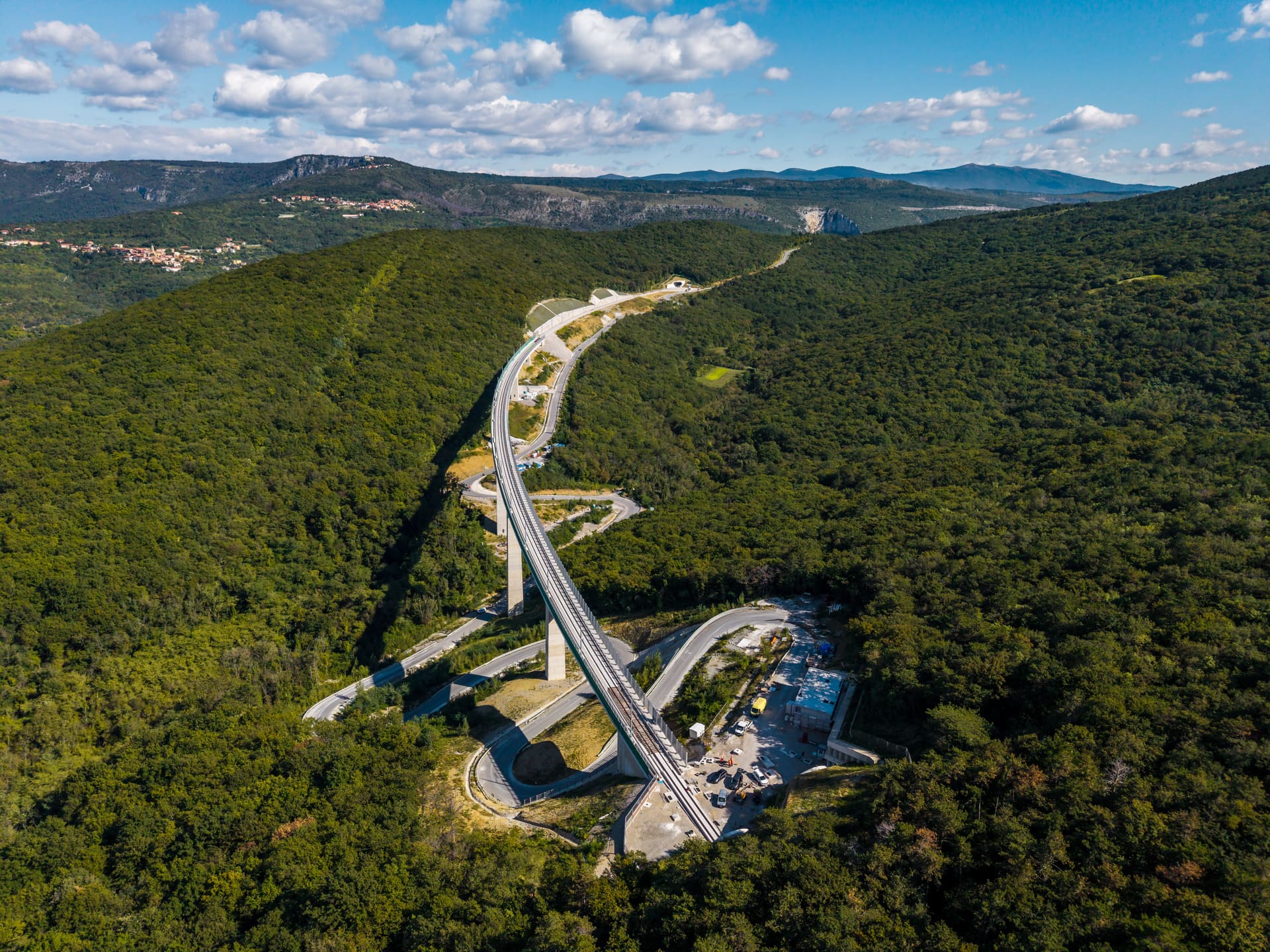
Its first rail line runs for 27.1 kilometres through seven tunnels and across three viaducts. One of these tunnels is the longest in Slovenia at 6.7 kilometres. Meanwhile, the second rail line, which will run parallel to the first one, is 60 percent complete. Like the first line, nearly all of it will be underground: 20.95 of its 26.95 kilometres, passing through six tunnels and across two viaducts and a bridge.
Local news reports have described the Second Track as a smaller version of the Brenner Base Tunnel. The improvements will be substantial. With both lines of the Second Track up and running, the number of trains able to travel between Koper and Divača will rise from 90 to 252 per day.
Travelling at speeds of 120 kilometres per hour, freight trains will complete the journey in 30 rather than 110 minutes. Passenger trains will travel a little faster at 160 kilometres per hour, arriving at destination in 17 rather than 45 minutes.
Increasing rail freight transport, the Second Track will contribute to having slightly more than half a million fewer freight vehicles on Slovenia’s highways per year in 2030, according to 2TDK’s website. By 2040, there will be nearly one million fewer freight vehicles per year.