


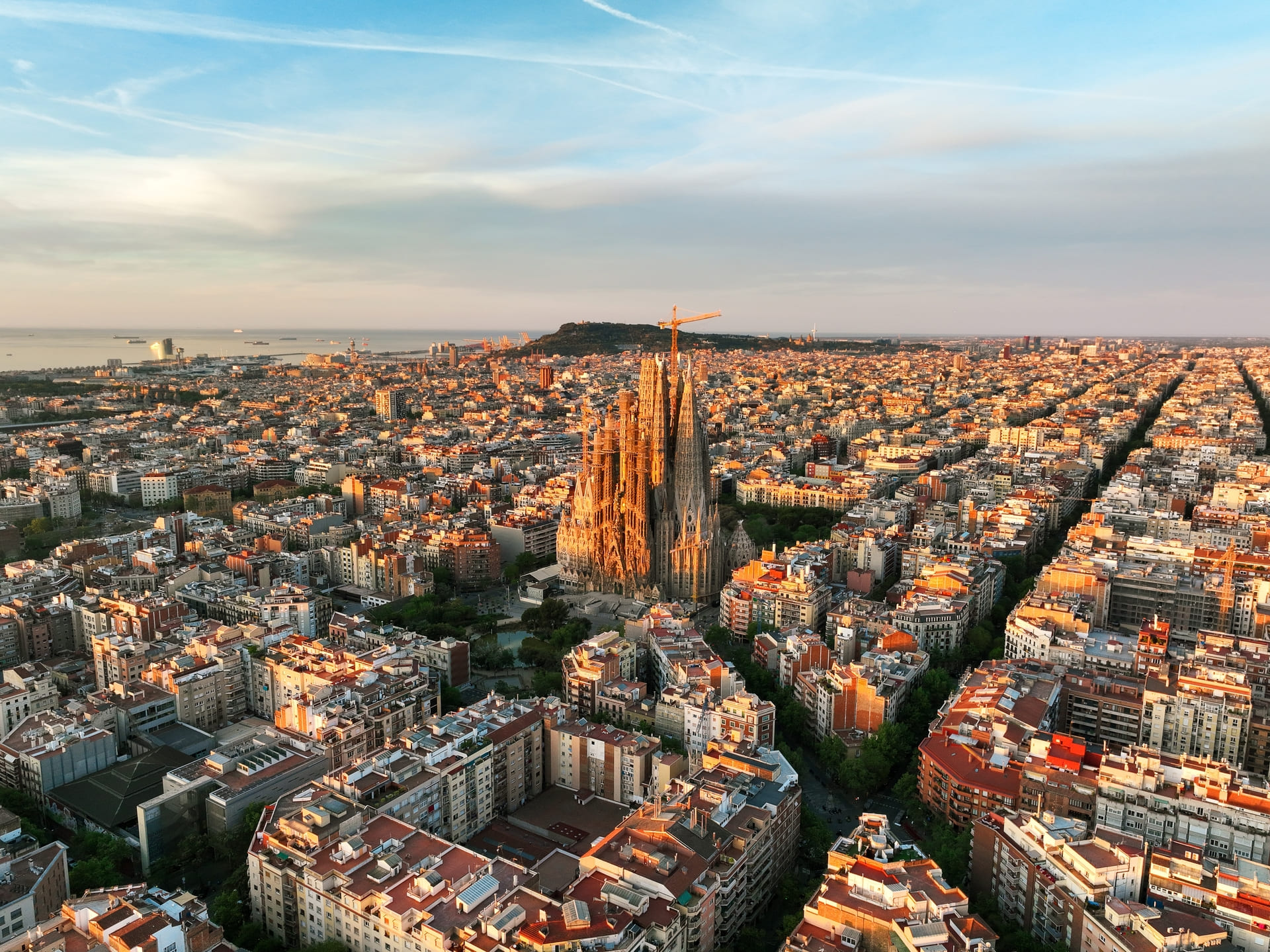
 Aerial view of Barcelona, Spain
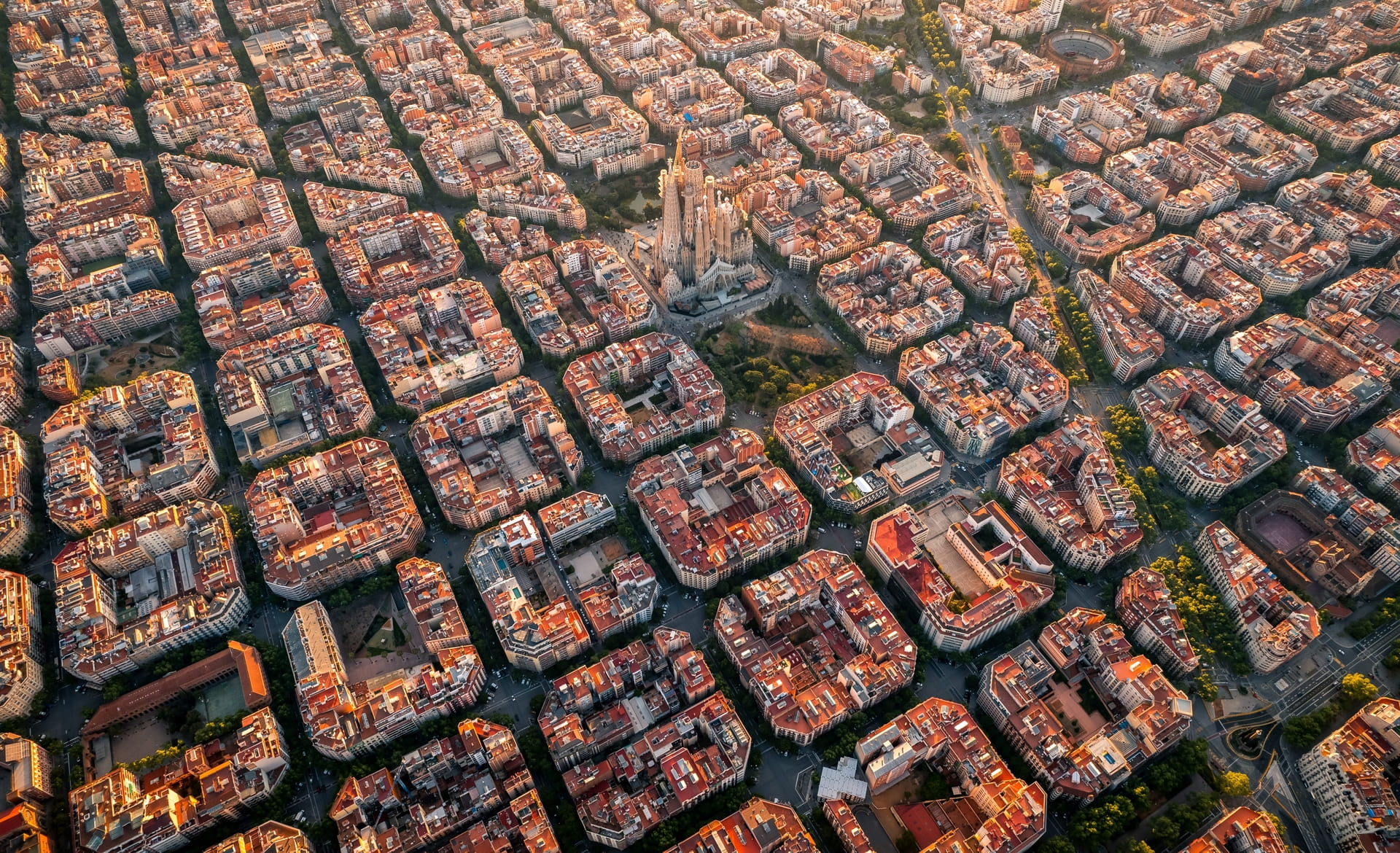 Aerial view of Barcelona, Spain
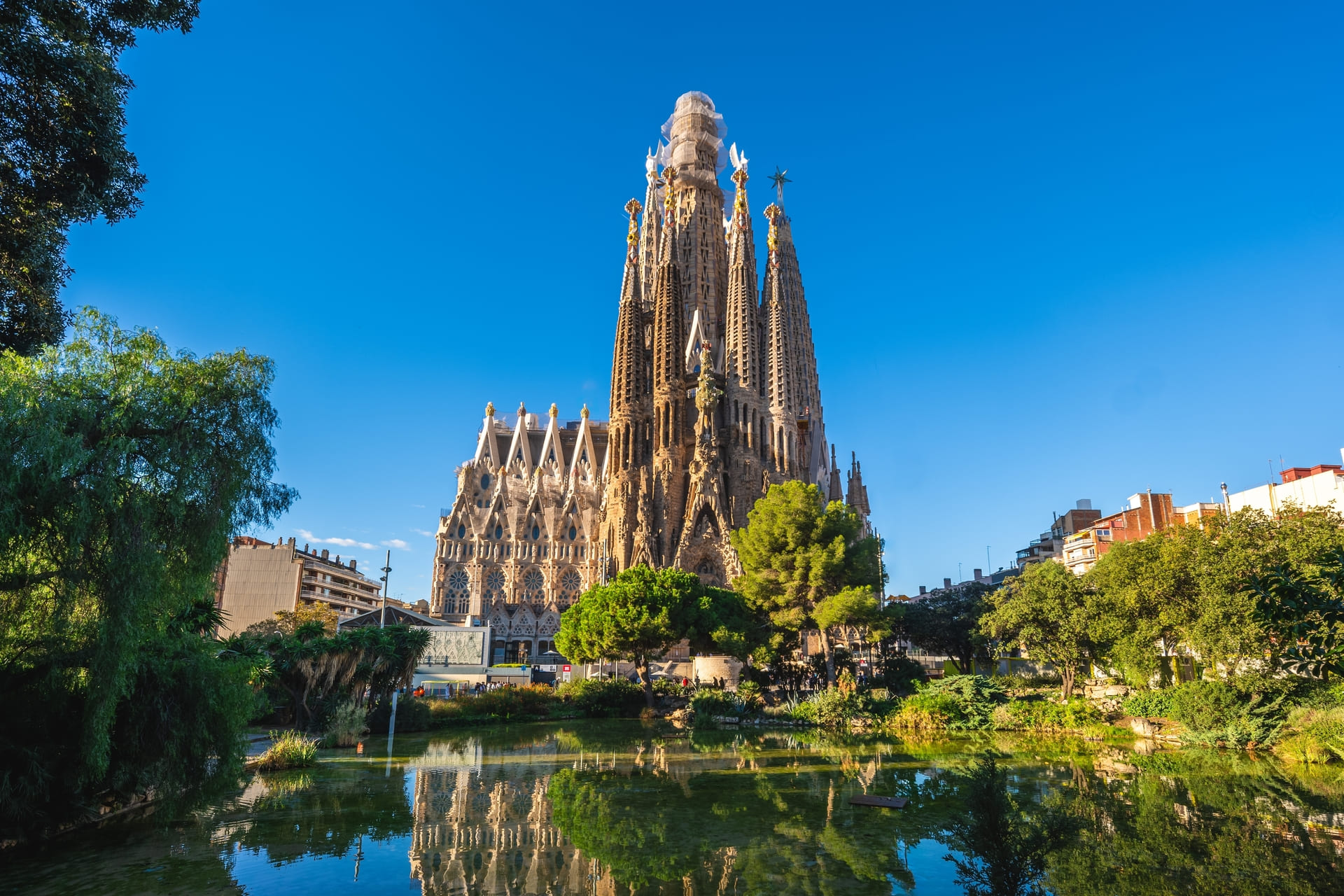 Sagrada Familia, Barcelona
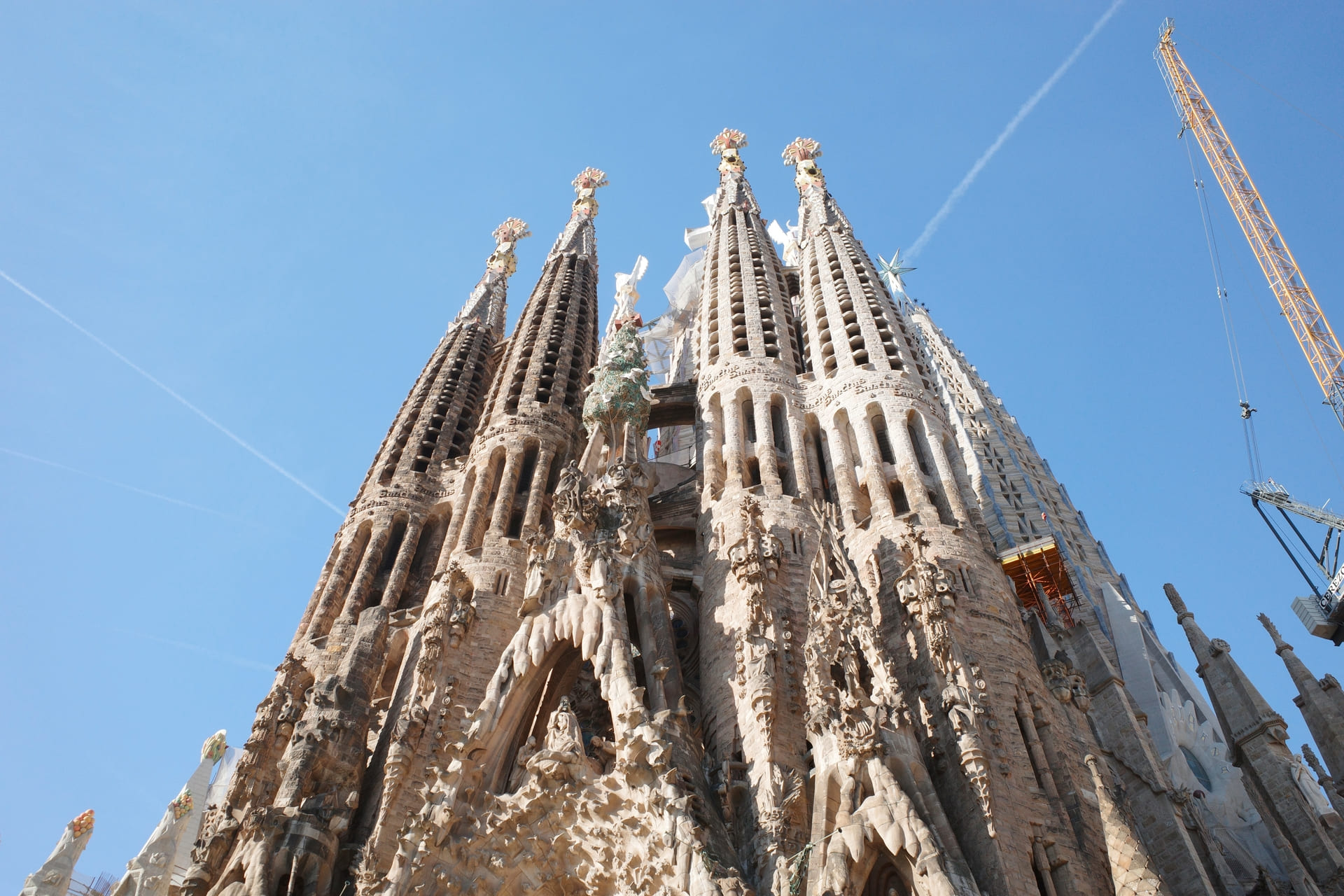 Sagrada Familia, Barcelona
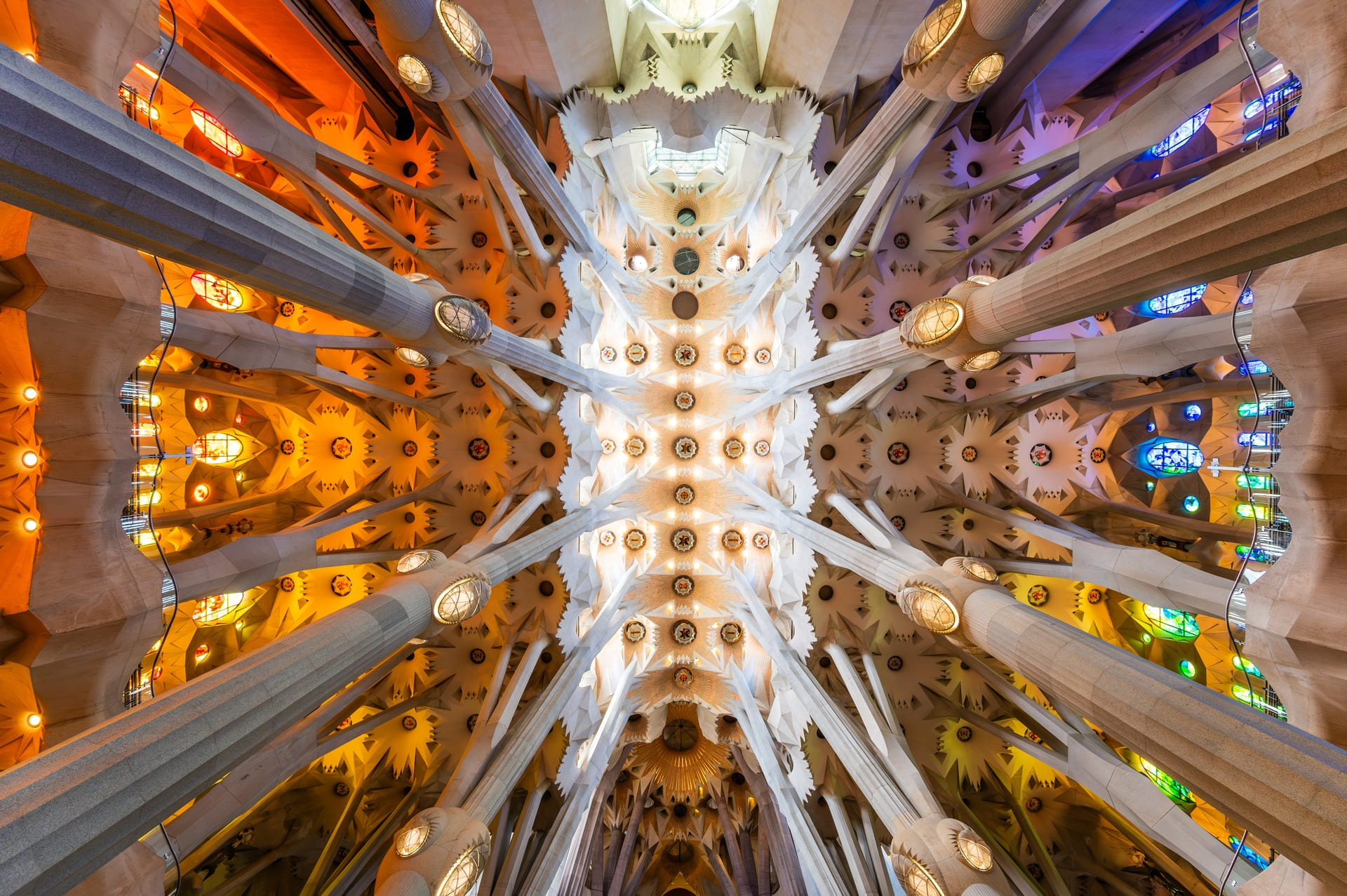 Interior of the Sagrada Familia, Barcelona
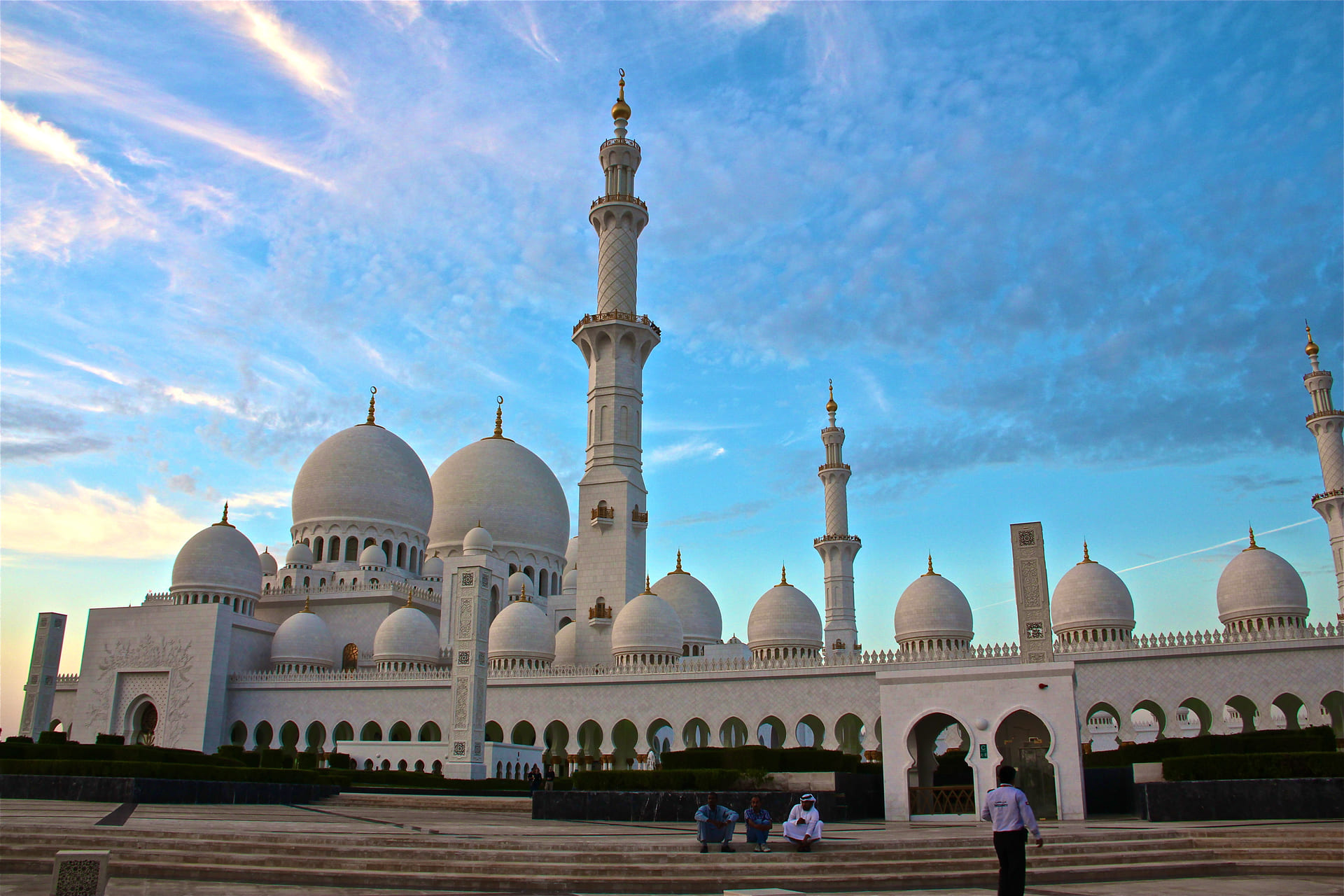 Sheikh Zayed Grand Mosque in Abu Dhabi
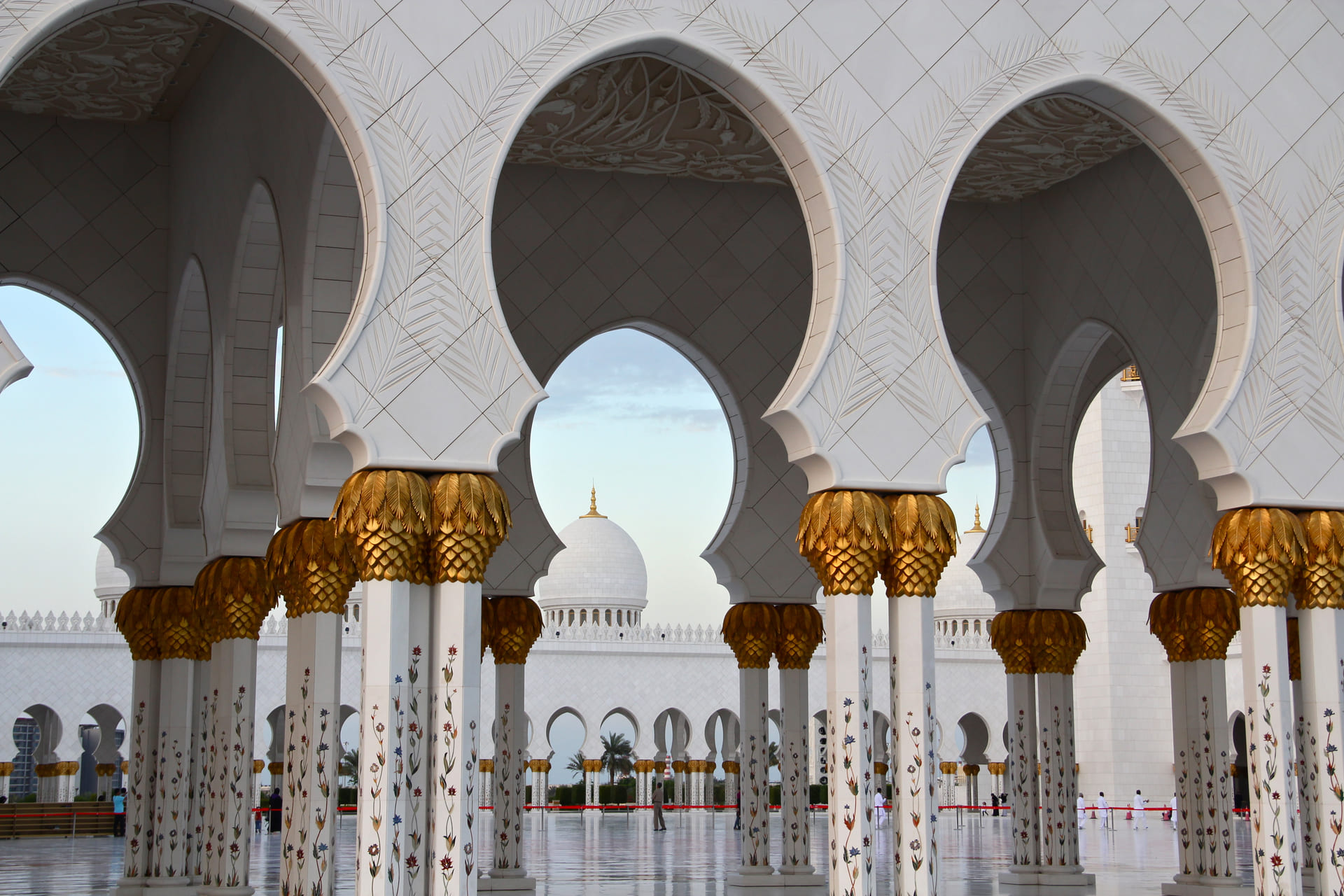 Sheikh Zayed Grand Mosque in Abu Dhabi
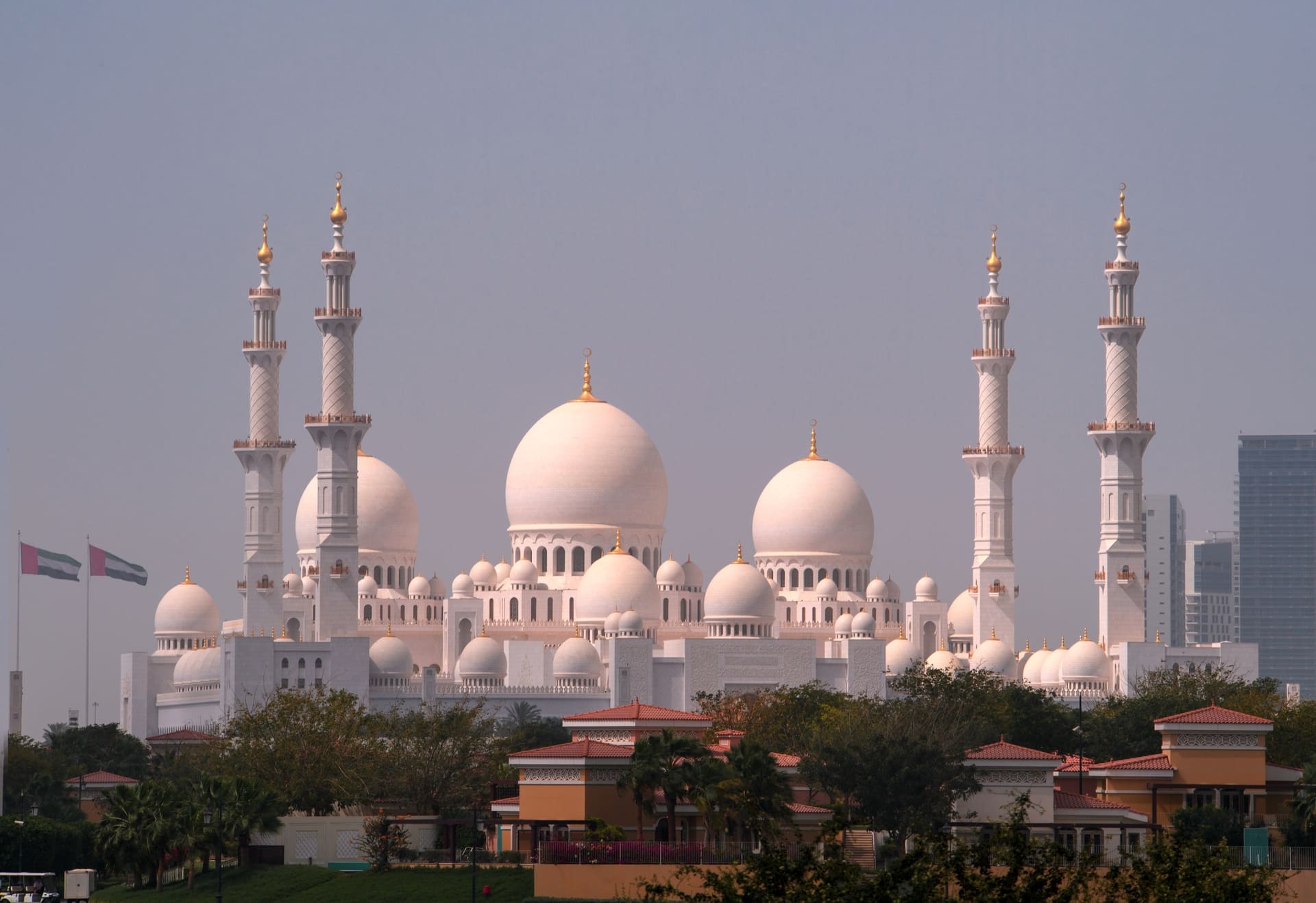 Sheikh Zayed Grand Mosque in Abu Dhabi
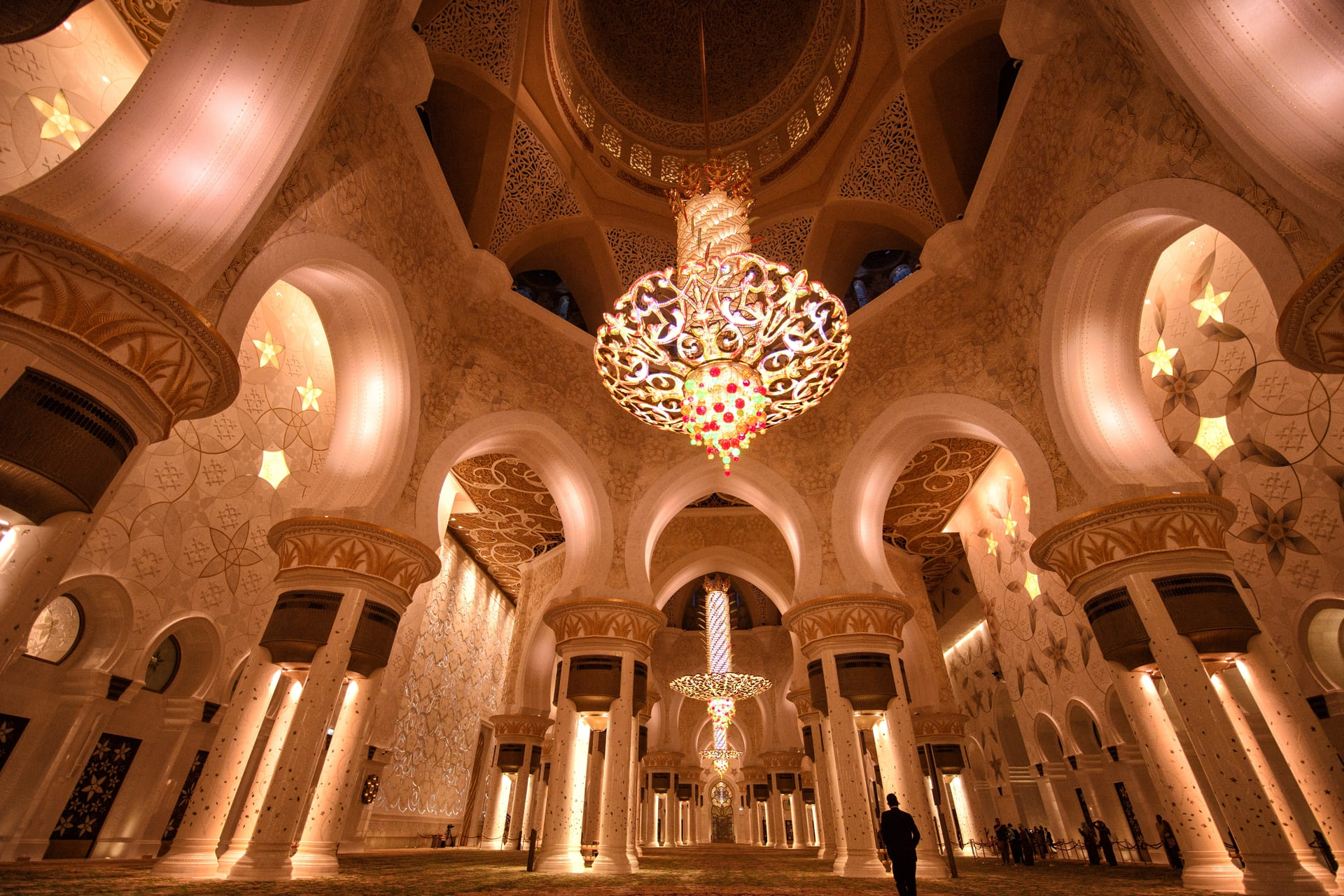 Interior of the Sheikh Zayed Grand Mosque in Abu Dhabi
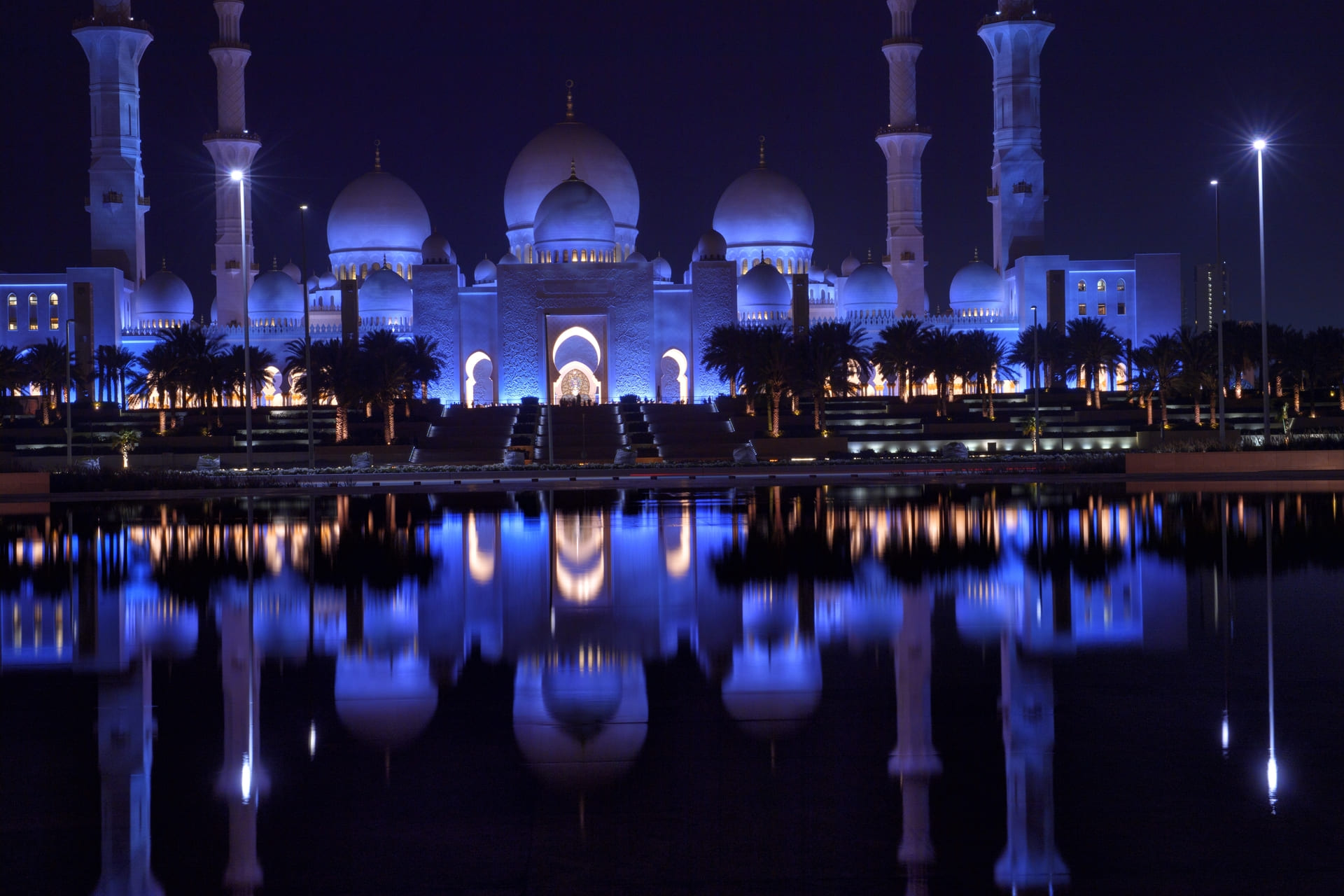 Sheikh Zayed Grand Mosque in Abu Dhabi
- Generations of artists, artisans and architects have worked on the Sagrada Família in Barcelona for more than a century to realise the vision of the late architect, Antoni Gaudí.
- On 10 June, Pope Leo XIV will inaugurate the Tower of Jesus Christ, the latest tower to be completed, making the Sagrada Família the tallest church in the world.
- Another example of collaboration to build a temple of faith with inspiring architecture includes the Sheikh Zayed Grand Mosque in Abu Dhabi.
- Webuild was part of the international consortium that oversaw the construction of the Sheikh Zayed mosque, the third largest in the world.
read more

Soaring above the rooftops of Barcelona, the Sagrada Família is a prime example of how form and function can be one and the same thing, conspiring together to evoke a sense of awe before the splendour and mystery of the divine.
The basilica dominates the skyline of the capital of Catalonia, much like, as noted in a recent article by The Guardian newspaper, the Eiffel tower in Paris or the Empire State building in New York.
But the Sagrada Família, which refers to the Holy Family of Nazareth – Jesus, Mary and Joseph – is still under construction.
Even though generations of artists, artisans and architects have been working on it for more than 100 years, its beautiful magnificence is still not fully formed. So whenever the vision of the church’s late architect, Antoni Gaudí, comes closer into view, it is cause for celebration.
The Inauguration of Pope Leo XIV, One Hundred Years after Gaudí’s Death
On June 10, Pope Leo XIV will inaugurate what is known as the Tower of Jesus Christ. The last of a set of six towers, it was completed in October 2025. At its pinnacle is a four-sided steel and glass cross, making the Sagrada Família the tallest church in the world at 172.5 metres.
The event will come 16 years after this Catholic church itself was consecrated by Pope Benedict XVI. It will also mark the 100th anniversary of Antoni Gaudí’s death.
Sagrada Família in Barcelona: Why It Is among the UNESCO World Heritage Sites
One of the most famous churches in the world, the Sagrada Família in Barcelona is recognised for its unusual architectural style – let alone the length of time it is taking to complete it. As explained on the official website, the church is considered a masterpiece of Catalan Modernism, a variant of Art Nouveau.
But even that description does not do it justice. The basilica also incorporates Gothic elements in its arches and overall structure, alongside the organic lines developed by Gaudí: columns reminiscent of tree trunks, surfaces criss-crossed by geometric patterns inspired by nature, and sinuous forms that appear to have been shaped by the wind.
“The Sagrada Família is a one-of-a-kind temple,” reads the website.
Cutting-edge Construction Techniques: Gaudí and Reinforced Concrete
Another feature of the Sagrada Família is how its construction began with the introduction of building materials and techniques that were advanced for their time, adds the website. Antoni Gaudí, for example, used reinforced concrete, a technology that was still relatively uncommon in those days but would go on to revolutionise modern architecture.
Work on the church began in 1882. When Gaudí died in 1926, only one tower had been completed. Although a century has since passed, work is not expected to finish for a decade at the earliest.
Beyond Spain: Major Collective Projects in Religious Architecture
Given the generations of workers who have dedicated themselves to realise Antoni Gaudí’s vision following his death, the Sagrada Família in Spain is the quintessential example of a collaborative effort. In fact, Gaudí’s work is actually based on a design by Francisco de Paula del Villar, his predecessor on the project. Gaudí obviously changed it radically, but the original idea was not his own.
Contemporary examples of this kind of collaboration to build religious architecture projects can be found elsewhere in the world, such as the Sheikh Zayed Grand Mosque in Abu Dhabi, the third largest of the mosques on the planet.
It might have been intended for followers of the Muslim faith, but its construction brought together people from every creed imaginable. There were dozens of international contractors, including Italy’s Impregilo, a predecessor of Webuild, that came to help realise the project.
Conceived by the late Sheikh Zayed bin Sultan Al-Nahyan, founder of the United Arab Emirates (UAE), the mosque sits on raised ground 11 metres above sea level and 9.5 metres above street level so that it is visible from all directions – much like the intention behind the Sagrada Família in Barcelona and its soaring height.
The Sheikh Zayed mosque has four minarets, 82 domes and 1,400 columns. The main dome is the largest of its kind in the world: 85 metres high with a diameter of 32.8 metres. The space at the mosque dedicated to prayer covers 52,000 square metres, more than twice the 25,000 square metres at the Vatican in Rome.