


 Napoli Afragola High-Speed Railway Station
 Napoli Afragola High-Speed Railway Station
 Napoli Afragola High-Speed Railway Station
 Napoli Afragola High-Speed Railway Station
 Napoli Afragola High-Speed Railway Station
 Napoli Afragola High-Speed Railway Station
 Napoli Afragola High-Speed Railway Station
 Napoli Afragola High-Speed Railway Station
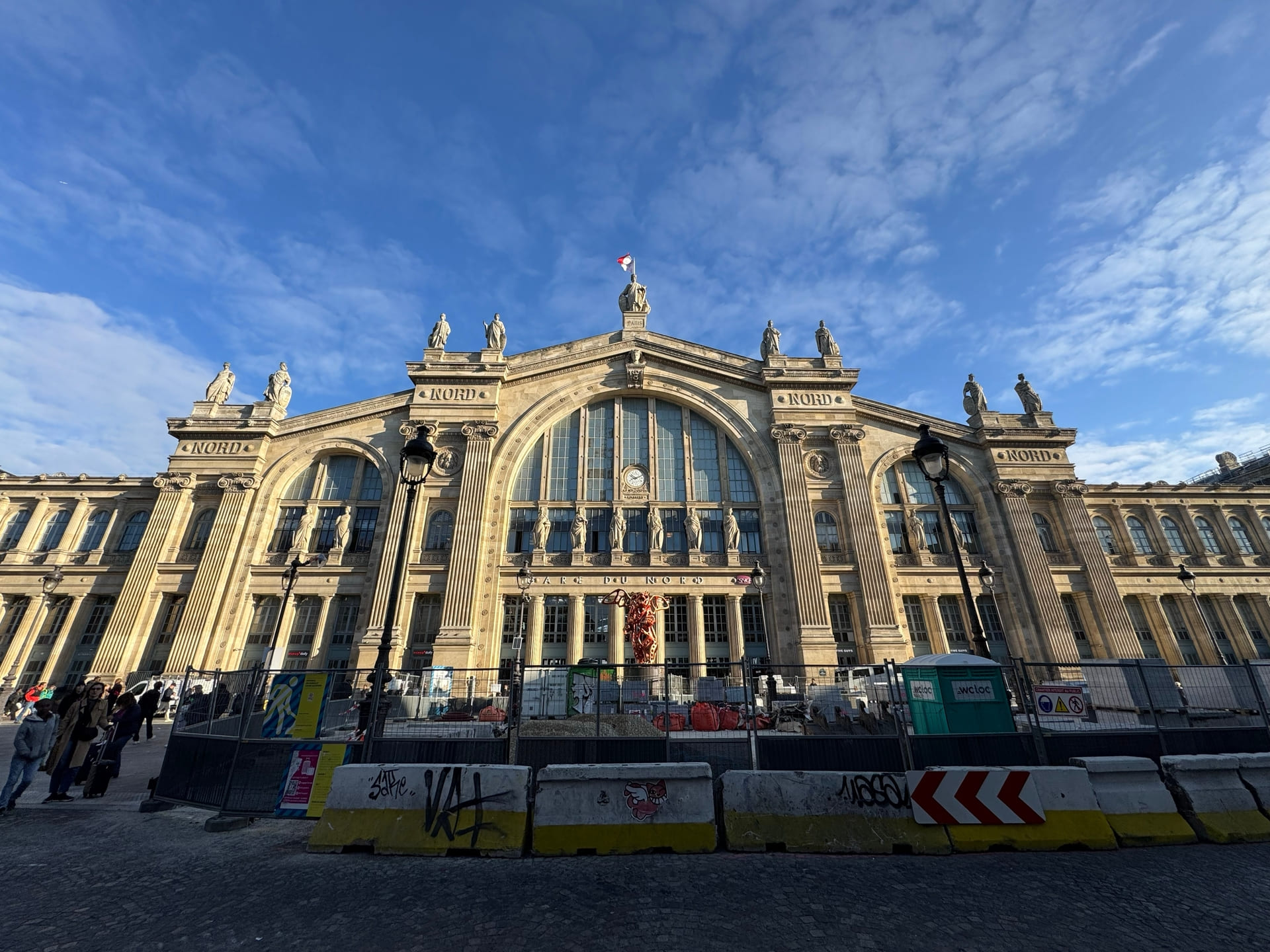 Gare du Nord, Paris
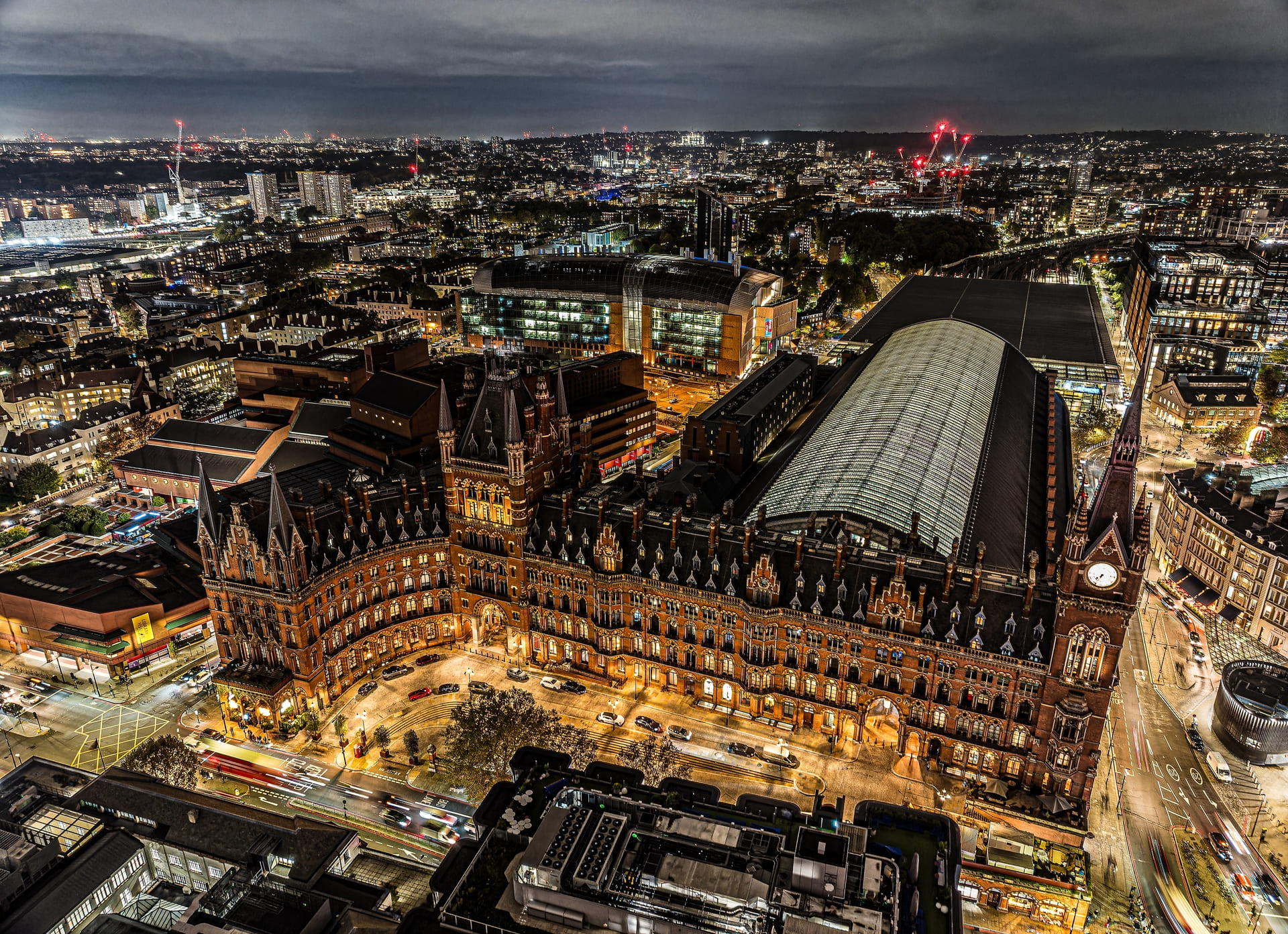 King's Cross Station, London
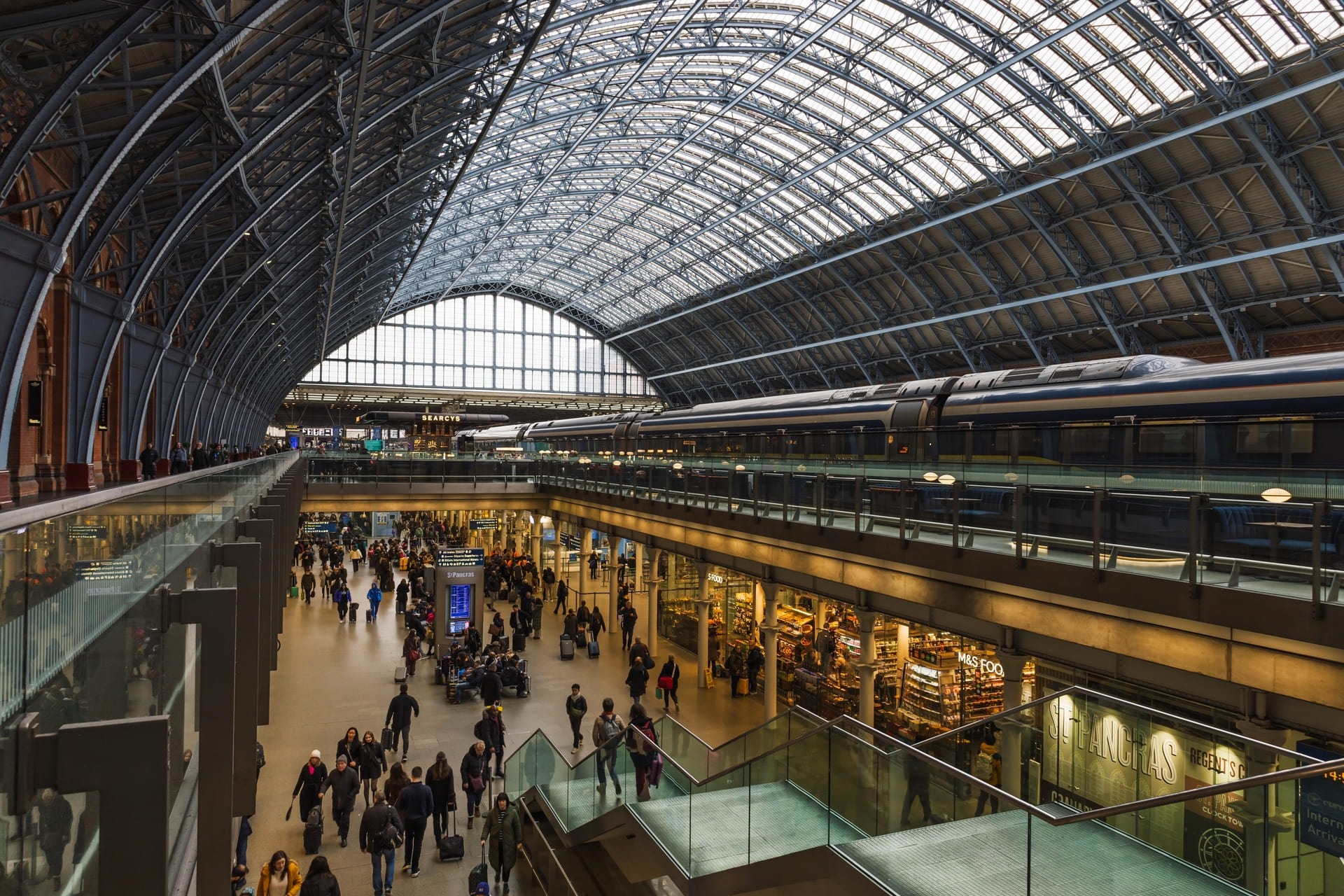 St. Pancras Station, London
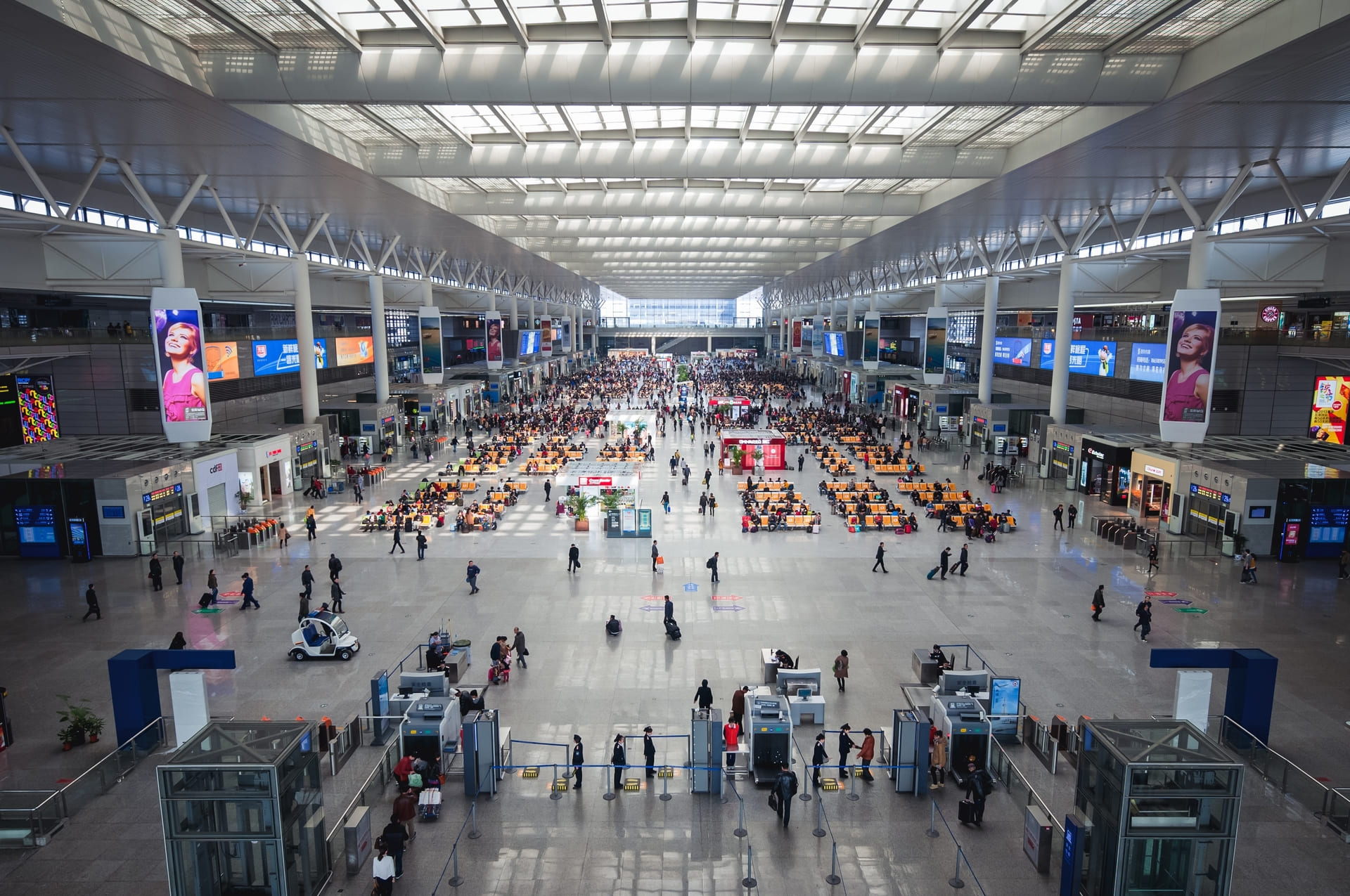 Shanghai Hongqiao Railway Station
- Major railway stations are becoming integrated intermodal hubs linking high-speed rail, metro systems, buses, and urban mobility.
- The Naples-Afragola High-Speed Station – designed by Zaha Hadid and delivered by the Webuild Group – will be reinforced by its future metro connection with Naples.
- According to the IEA, rail transport accounts for about 8% of global passenger mobility but generates just 2% of emissions from the transport sector.
- From London to Shanghai, new railway stations are turning into engines of urban regeneration and sustainability.
- Europe aims to double high-speed rail traffic by 2050 to support the continent's climate transition.

For decades, they were considered merely points of departure or arrival. Today, major railway stations are taking on a completely different role: that of strategic hubs capable of connecting cities, regions, and diverse public transport systems.
The evolution of sustainable mobility, the growth of urban areas, and the need to reduce emissions are pushing rail transport back to the center of global infrastructure strategies. And along with the railways, stations are changing too, increasingly designed as intermodal hubs where high-speed trains, regional lines, metro systems, buses, airports, and urban mobility coexist within a single integrated ecosystem.
According to the International Energy Agency, rail transport currently accounts for about 8% of global passenger mobility but generates just 2% of emissions from the transport sector, confirming its status as one of the most sustainable options for mass transit. In major European metropolitan areas, millions of people use commuter rail, subways, and high-capacity lines every day to travel in and out of cities, reducing road traffic and urban congestion.
In Europe, according to data from the European Commission, over 80% of the population lives in urban or peri-urban areas – a figure that underscores the growing importance of building integrated public transport networks. In this scenario, railway stations are becoming true ‘urban gateways,’ capable of reshaping entire neighborhoods and driving new economic flows
Afragola Station: The Key Hub for High-Speed Trains in Italy
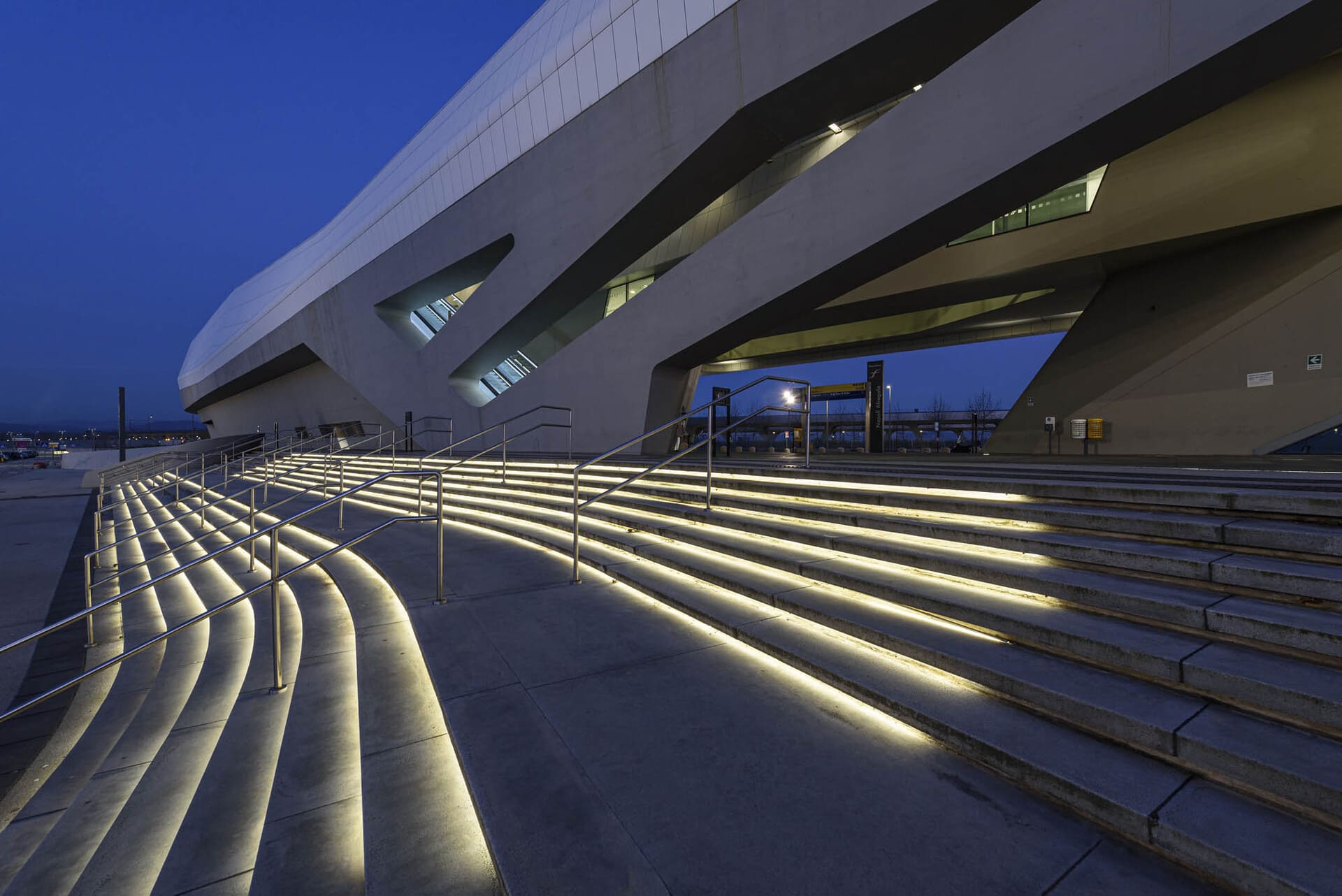
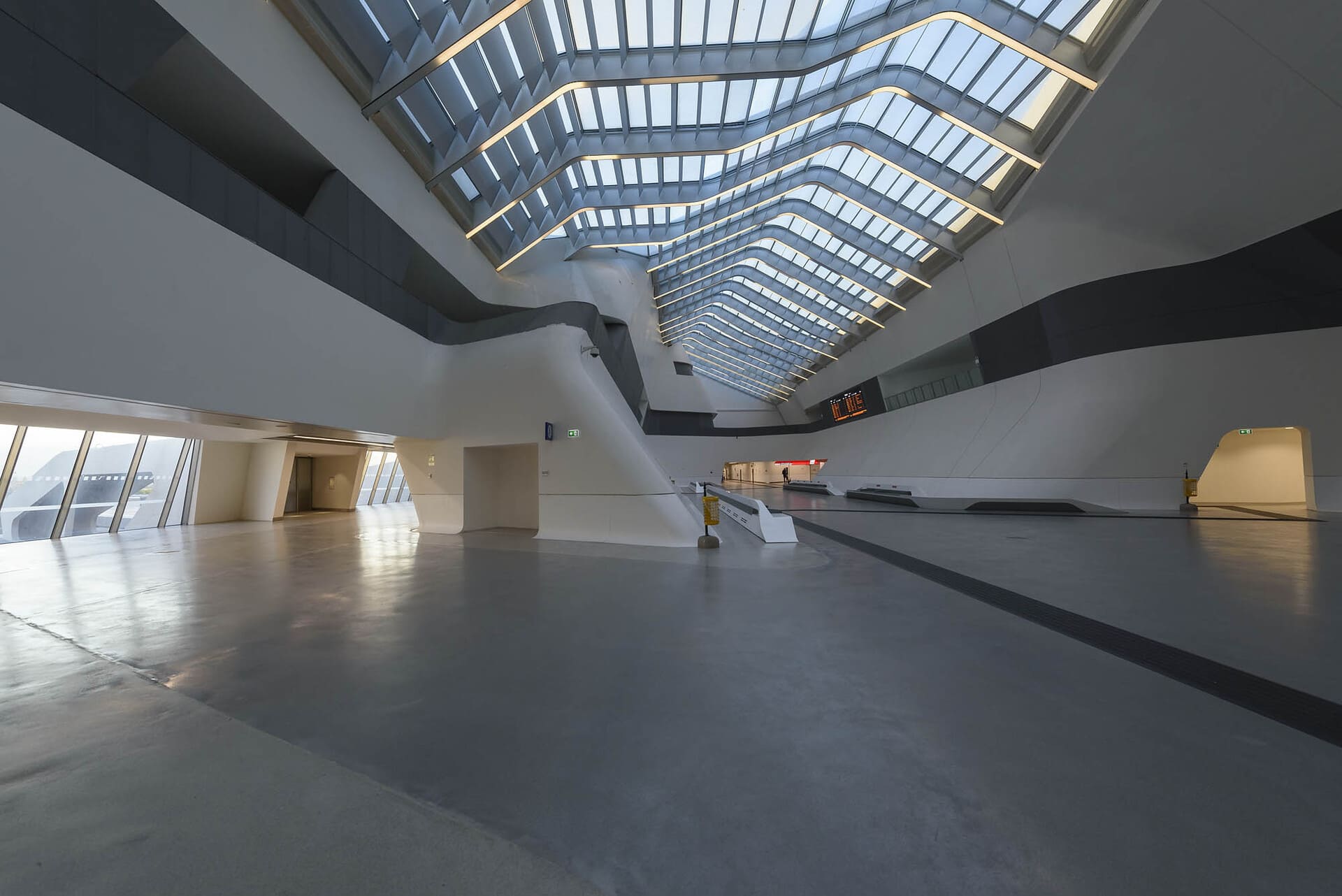
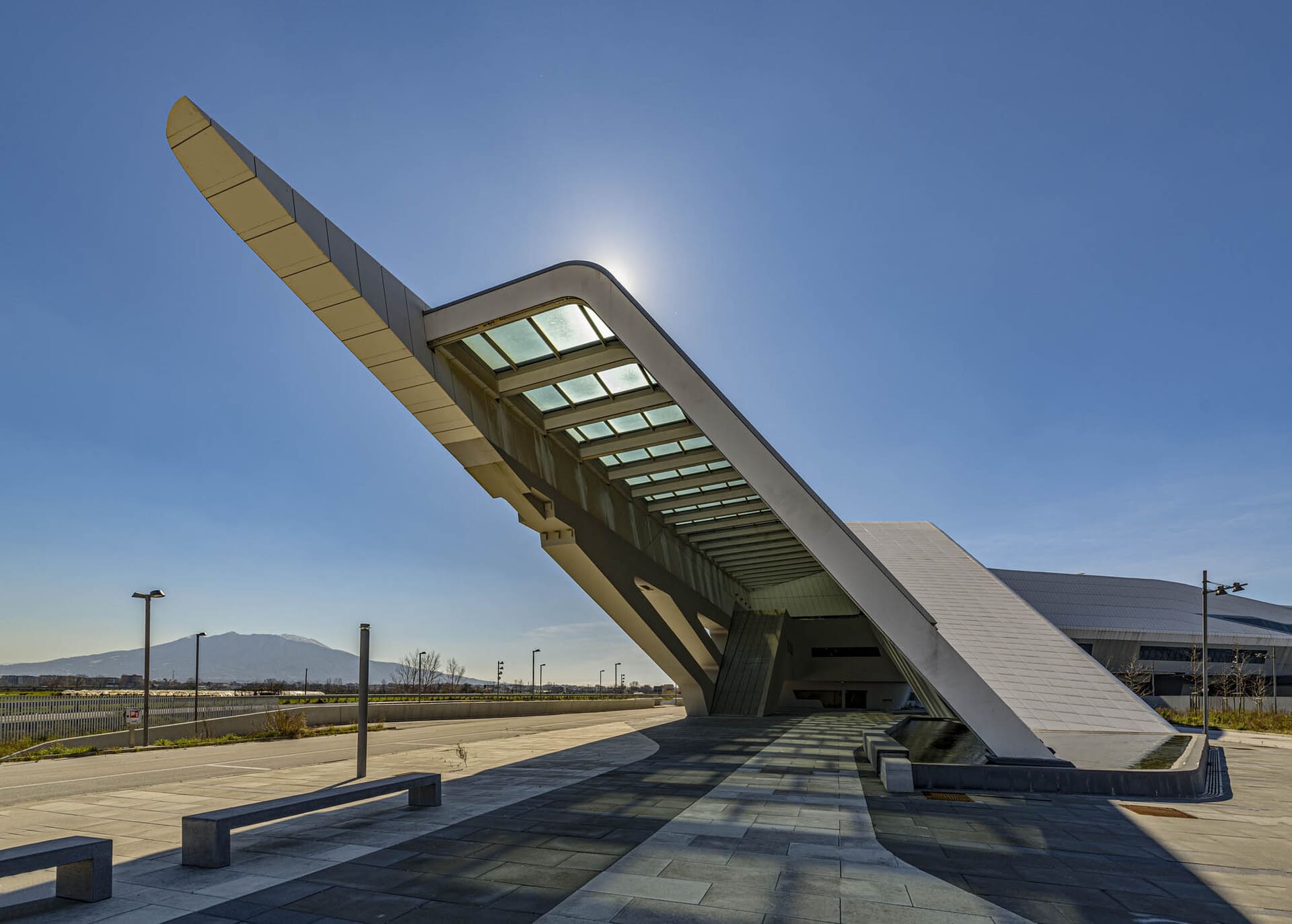
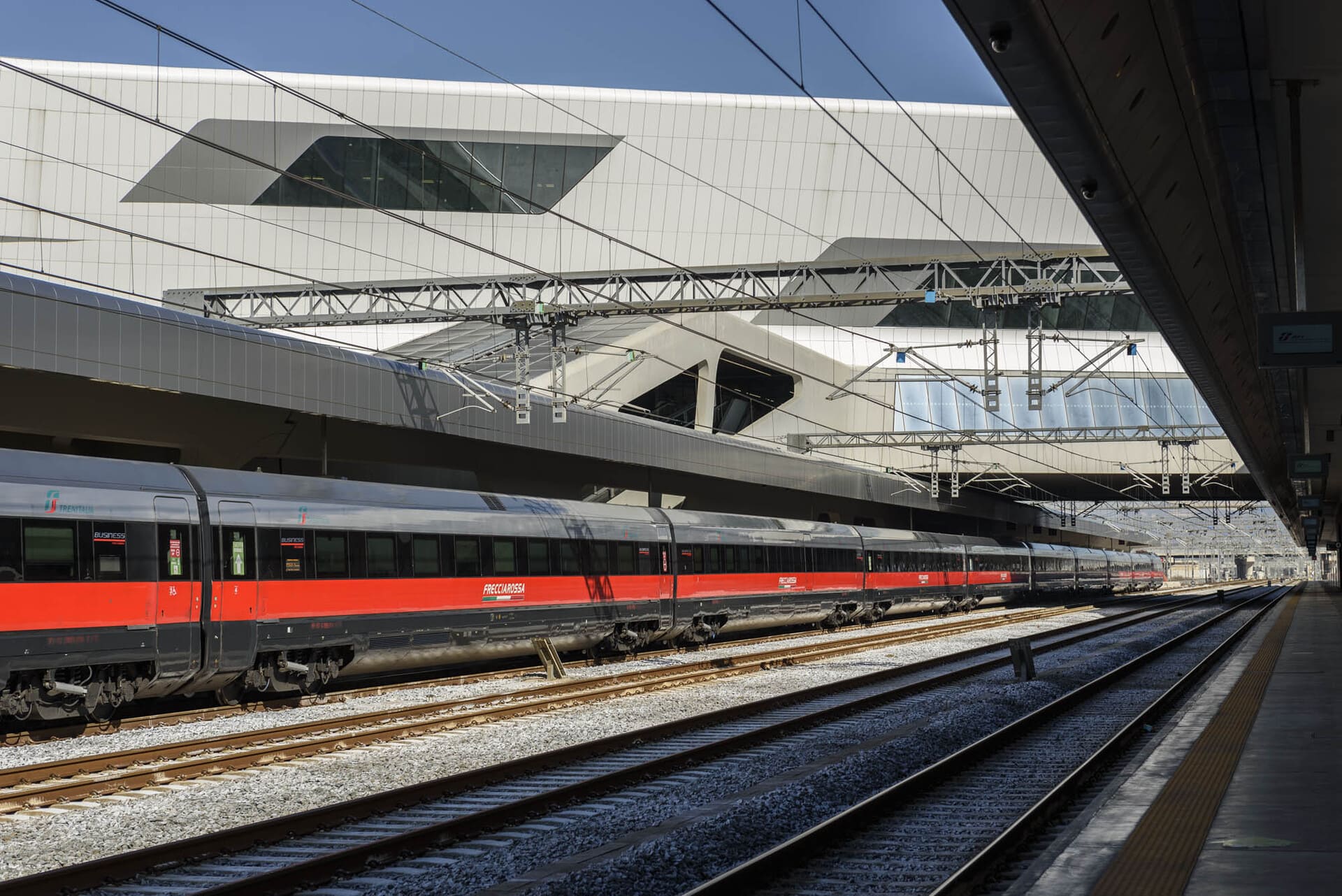
One of the most significant examples of this transformation is the Naples-Afragola High-Speed Station.
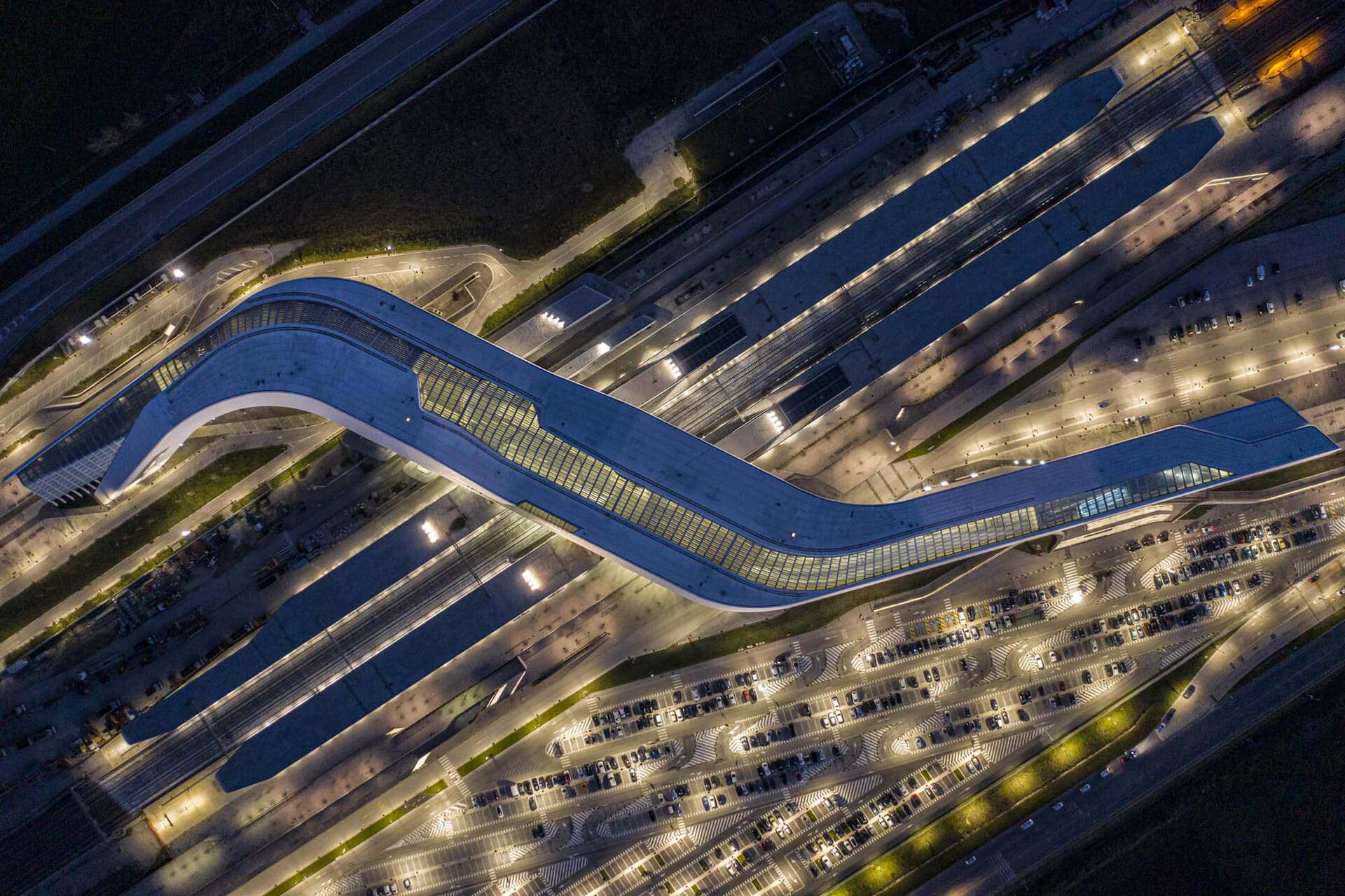
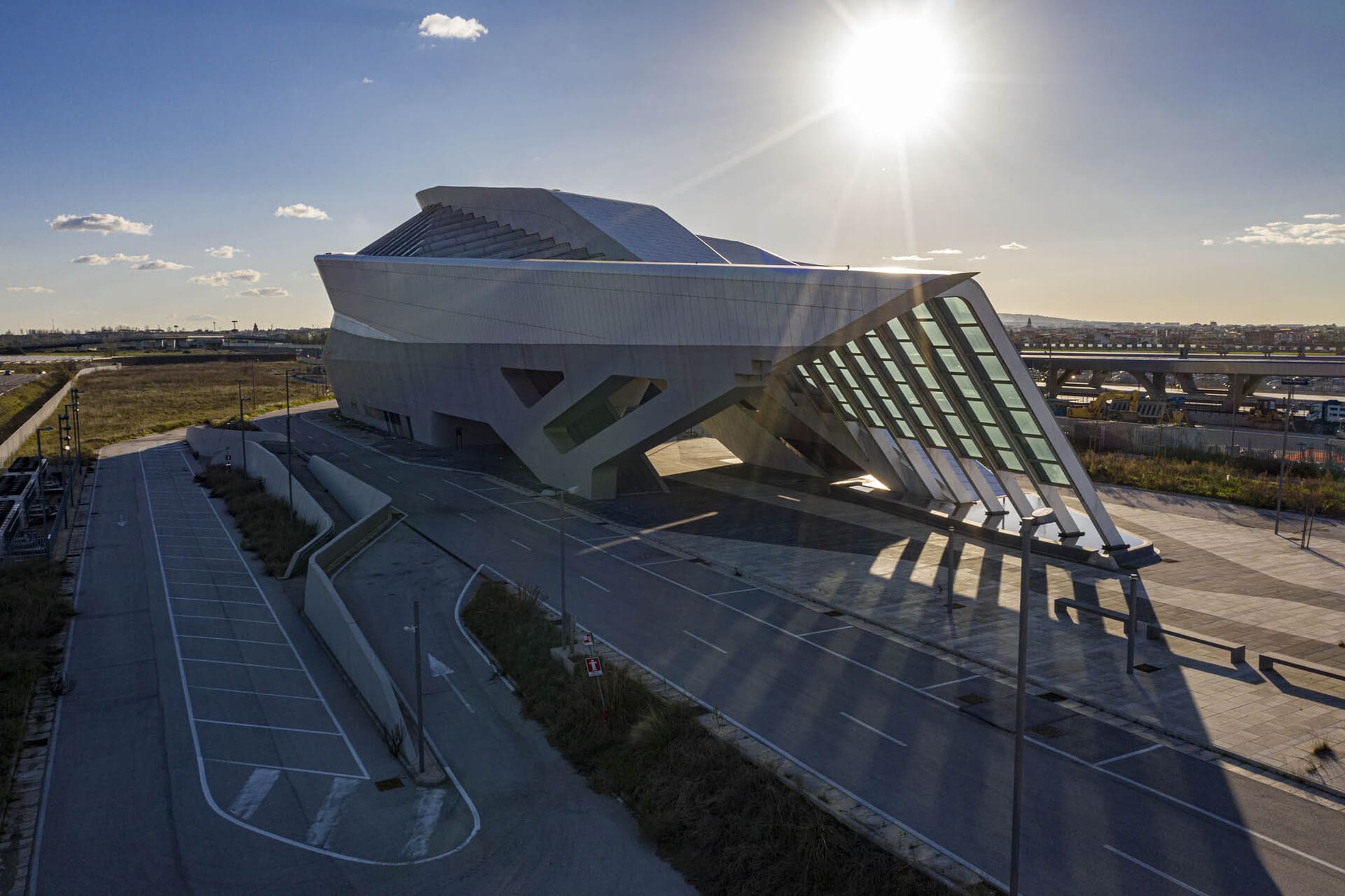
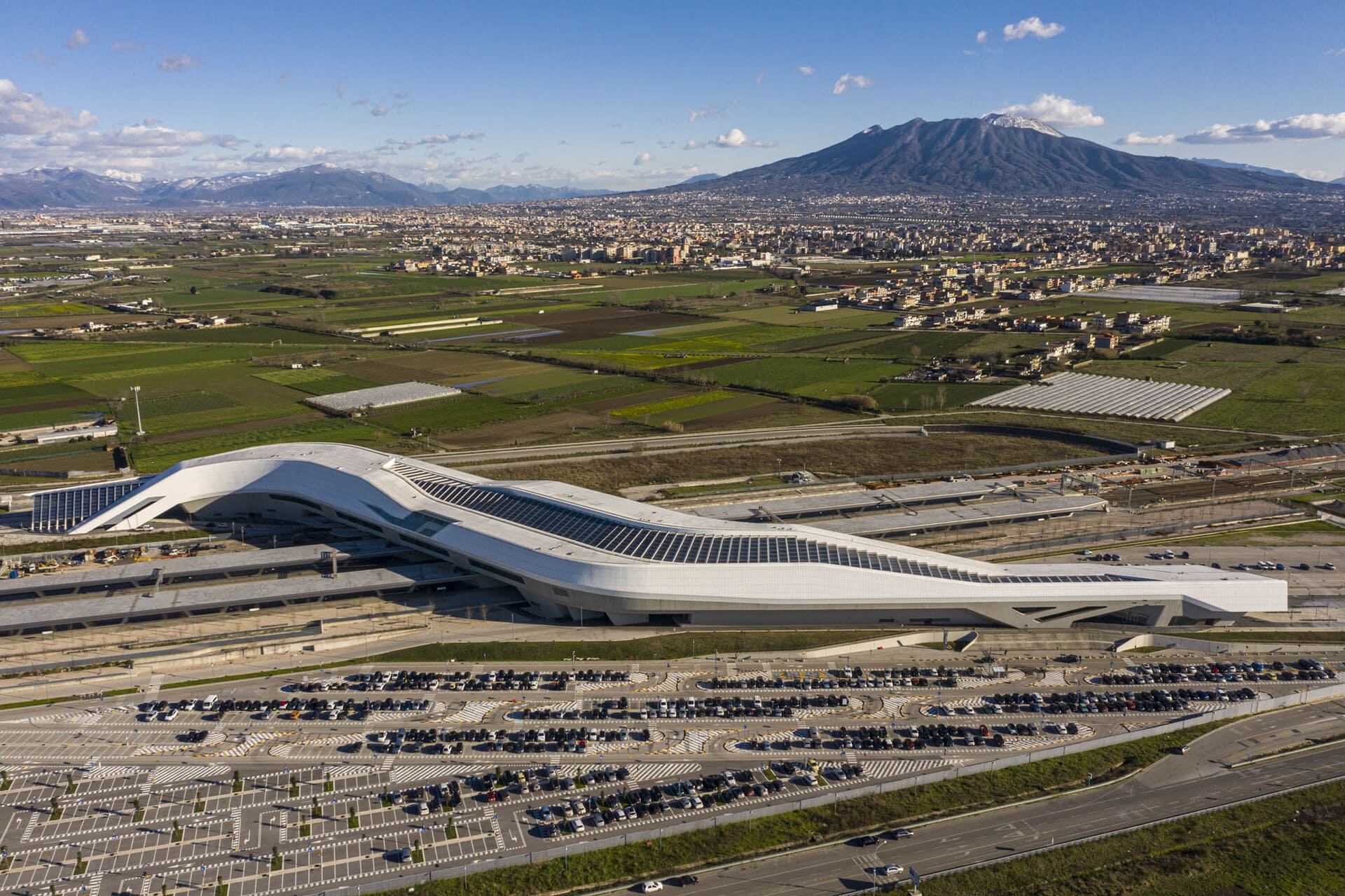
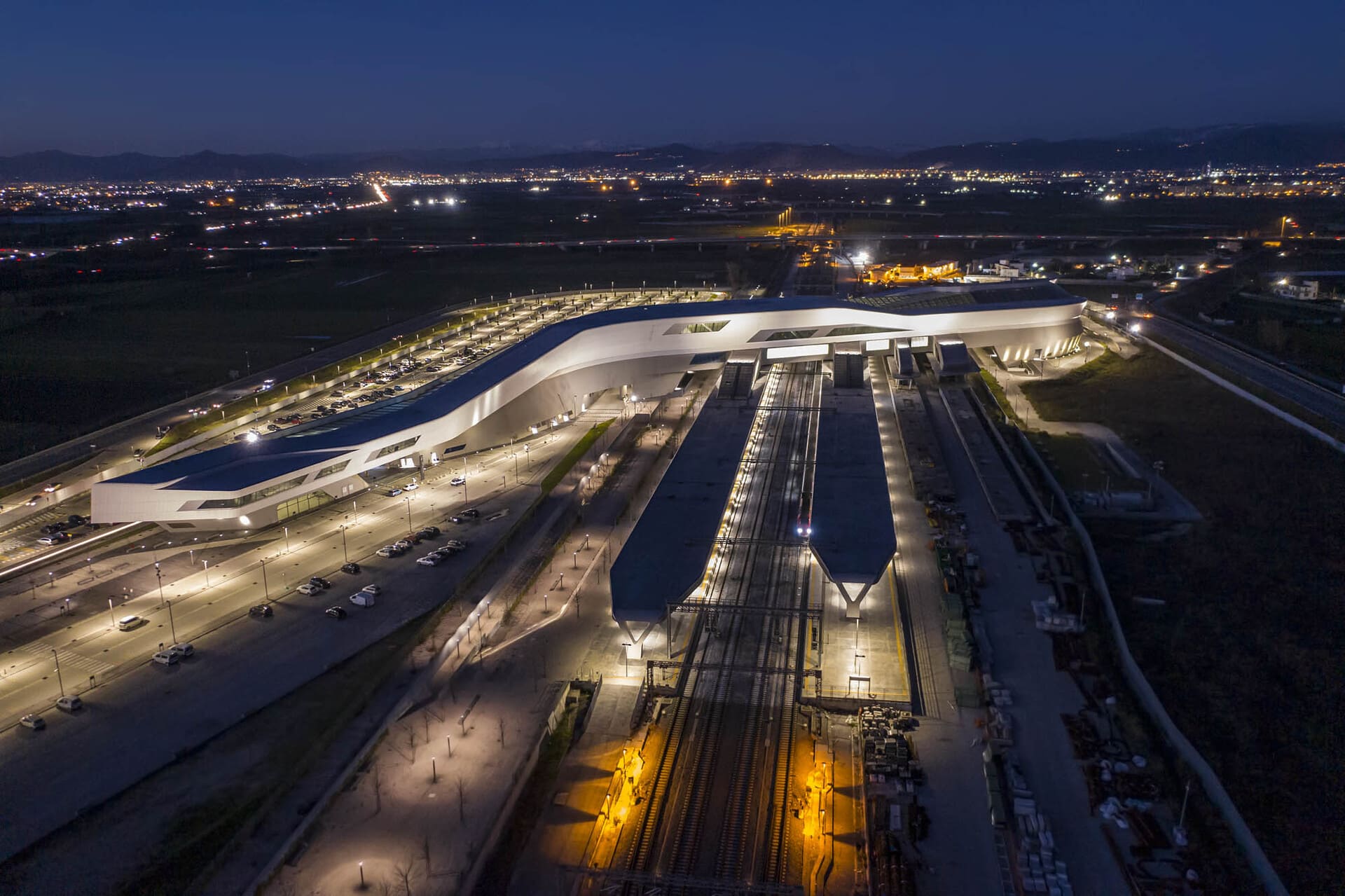
Designed by architect Zaha Hadid and delivered by the Webuild Group, the station stands along the Naples-Rome high-speed rail line and was conceived from the very beginning not merely as a railway stop, but as a major urban infrastructure destined to connect diverse territories within the Campania metropolitan area.
With its unique structure bridging the tracks like an inhabited bridge, the Afragola high-speed train station stands as a contemporary symbol of Italy’s new railway architecture. Every day, thousands of passengers from Southern Italy transit through this hub, drastically cutting travel times to Rome and the north of the country.
However, the station’s transformation is set to accelerate even further thanks to the future metro connection with Naples. The construction project for Line 10 – the new metro line – will indeed enable the integration of high-speed rail and urban mobility, transforming Afragola into one of the most important intermodal hubs in the Mezzogiorno region.
The underlying rationale is the same one now driving major international railway infrastructure projects: no longer isolated stations, but integrated systems capable of connecting fast national transport with local daily mobility networks.
From London and Paris to Shanghai: The Revolution of Rail Transport Hubs
The transformation of railway stations into multimodal hubs is currently a global trend.
In London, King’s Cross and St Pancras International have become the heart of one of the largest urban regeneration projects in the United Kingdom. In addition to connecting national, suburban, and metro lines – along with the Eurostar to continental Europe – the area surrounding the two stations has been completely redesigned with offices, universities, public spaces, and new residential neighborhoods.
In Paris, Gare du Nord – Europe’s busiest railway station – is at the center of a vast transformation plan destined to further integrate high-speed trains, regional lines, the urban metro, and airport services.
In Asia as well, major railway stations have become symbols of the mobility of the future. Tokyo Station and Shinjuku, traversed daily by millions of passengers, function as true underground cities where high-speed rail, suburban lines, subways, commerce, and urban services converge.
In China, Shanghai’s massive Hongqiao Station integrates high-speed rail, an international airport, metro lines, and intercity buses into a single system designed to manage hundreds of thousands of travelers per day.
Meanwhile, in the Gulf, the growth of rail and metro networks is redefining the role of stations within the Middle East’s new smart cities. Riyadh, where the Webuild Group contributed to the construction of the new metro’s Orange Line, aims to create a fully integrated network capable of reducing dependence on private cars in one of the region’s most sprawling cities.
Railway Stations: Between Sustainable Mobility and Urban Regeneration
The growth of railway hubs is not just about transport. Many of the new major train stations are designed as engines of urban regeneration, capable of transforming peripheral neighborhoods or abandoned industrial zones into new economic and social centers.
Modern railway infrastructure projects increasingly integrate commercial spaces, public services, green areas, bicycle lanes, and pedestrian connections. The station is no longer merely a transit point, but a new urban centerpiece.
It is a model that also targets environmental sustainability; in fact, according to the International Union of Railways (UIC), rail transport consumes up to six times less energy than road transport and produces significantly lower emissions than cars and aviation on medium-distance journeys.
For this reason, many governments are accelerating investments in rail networks and intermodal hubs, and the European Commission considers rail transport one of the strategic axes of the continent’s climate transition, aiming to double high-speed rail traffic by 2050.