


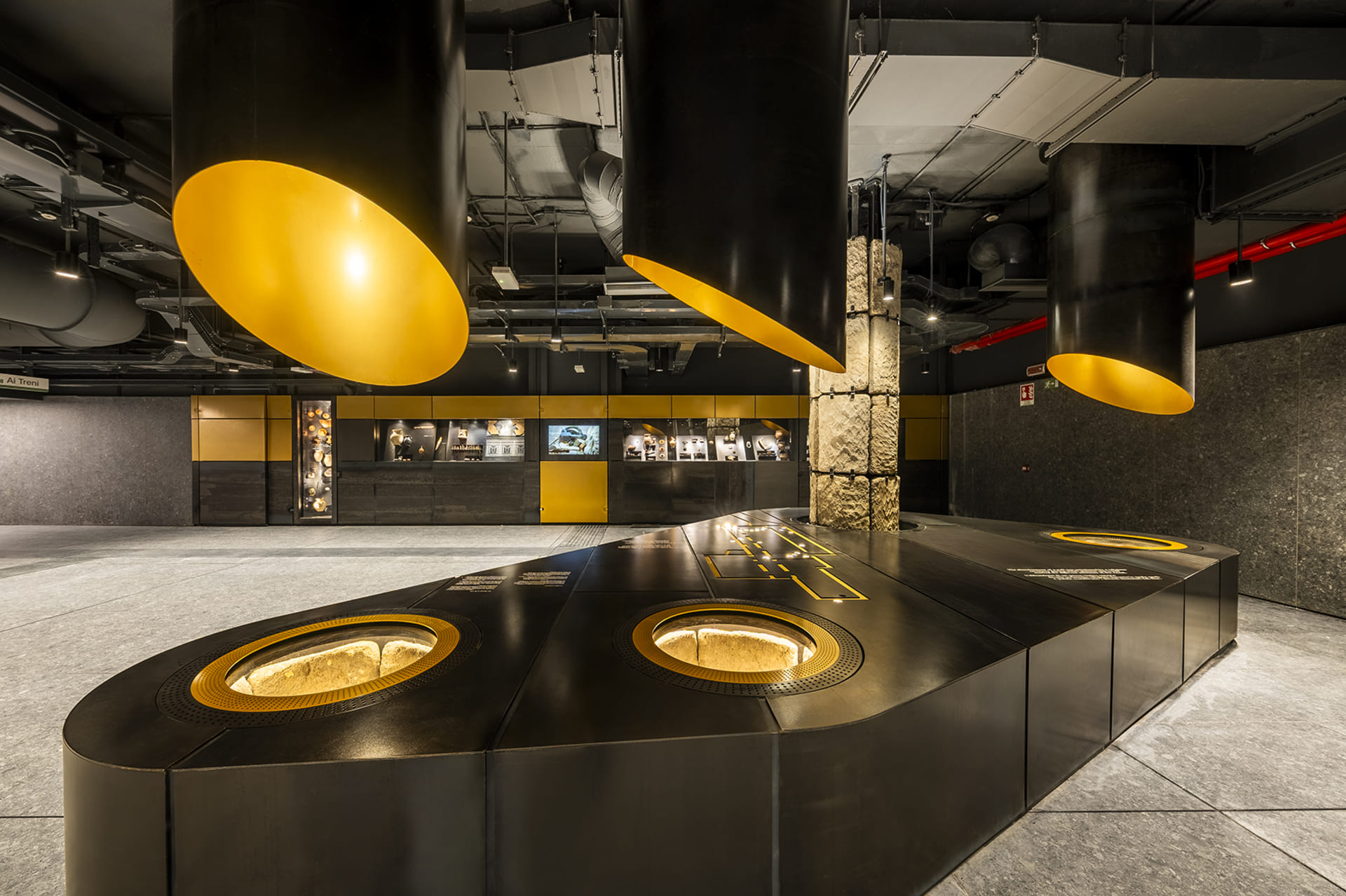
 Colosseo-Fori Imperiali station, Metro Line C, Rome
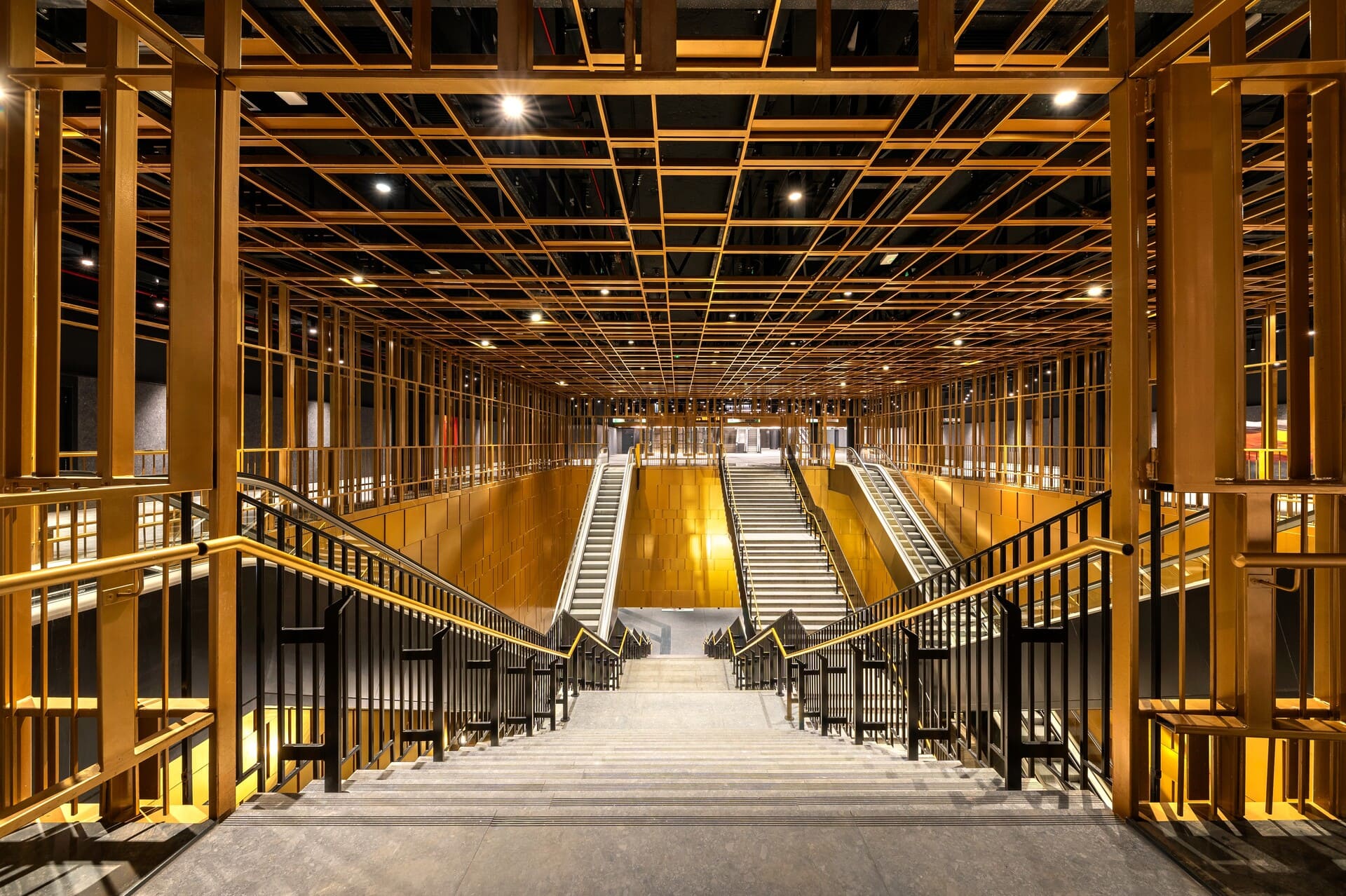 Colosseo-Fori Imperiali station, Metro Line C, Rome
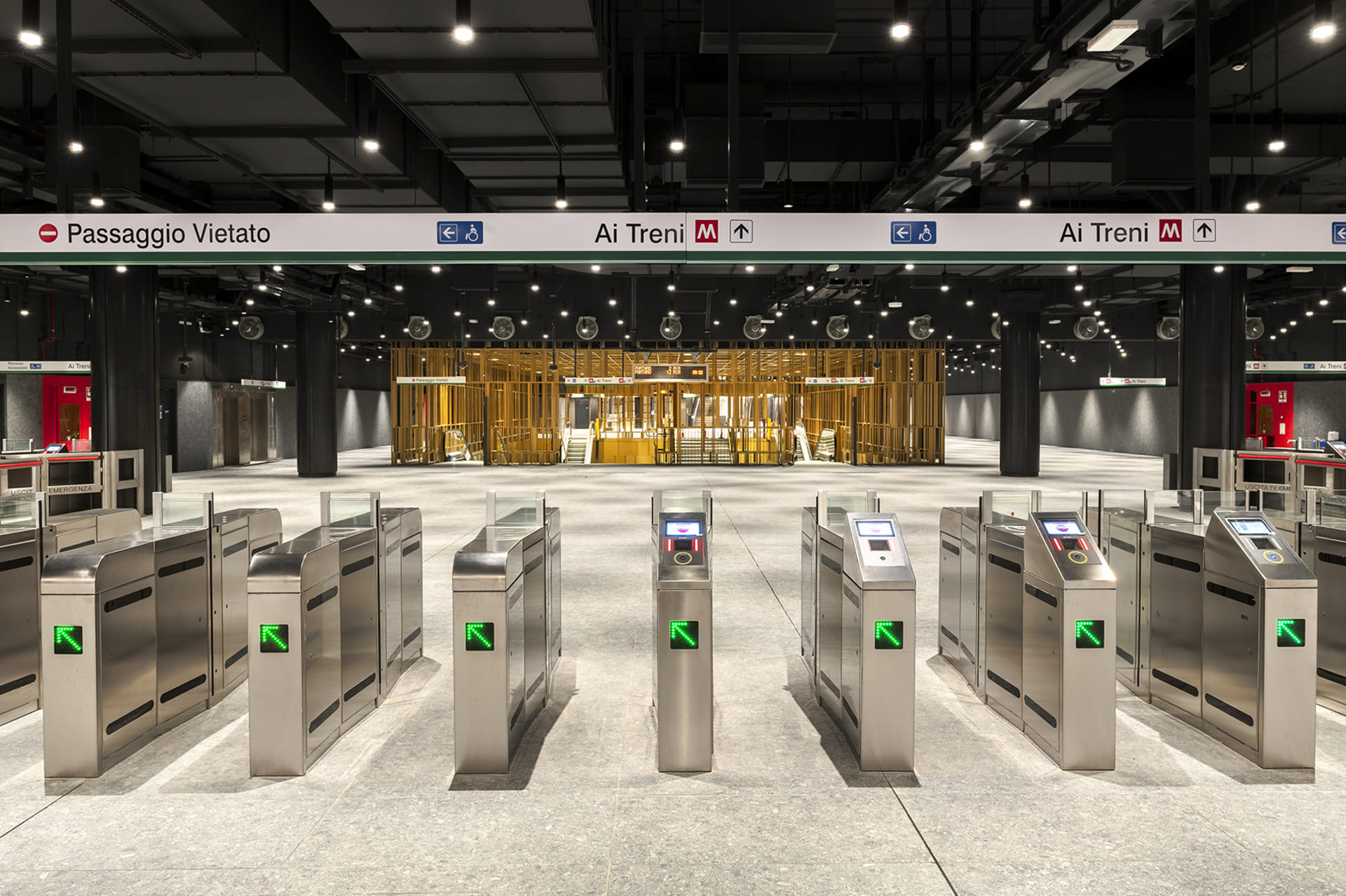 Colosseo-Fori Imperiali station, Metro Line C, Rome
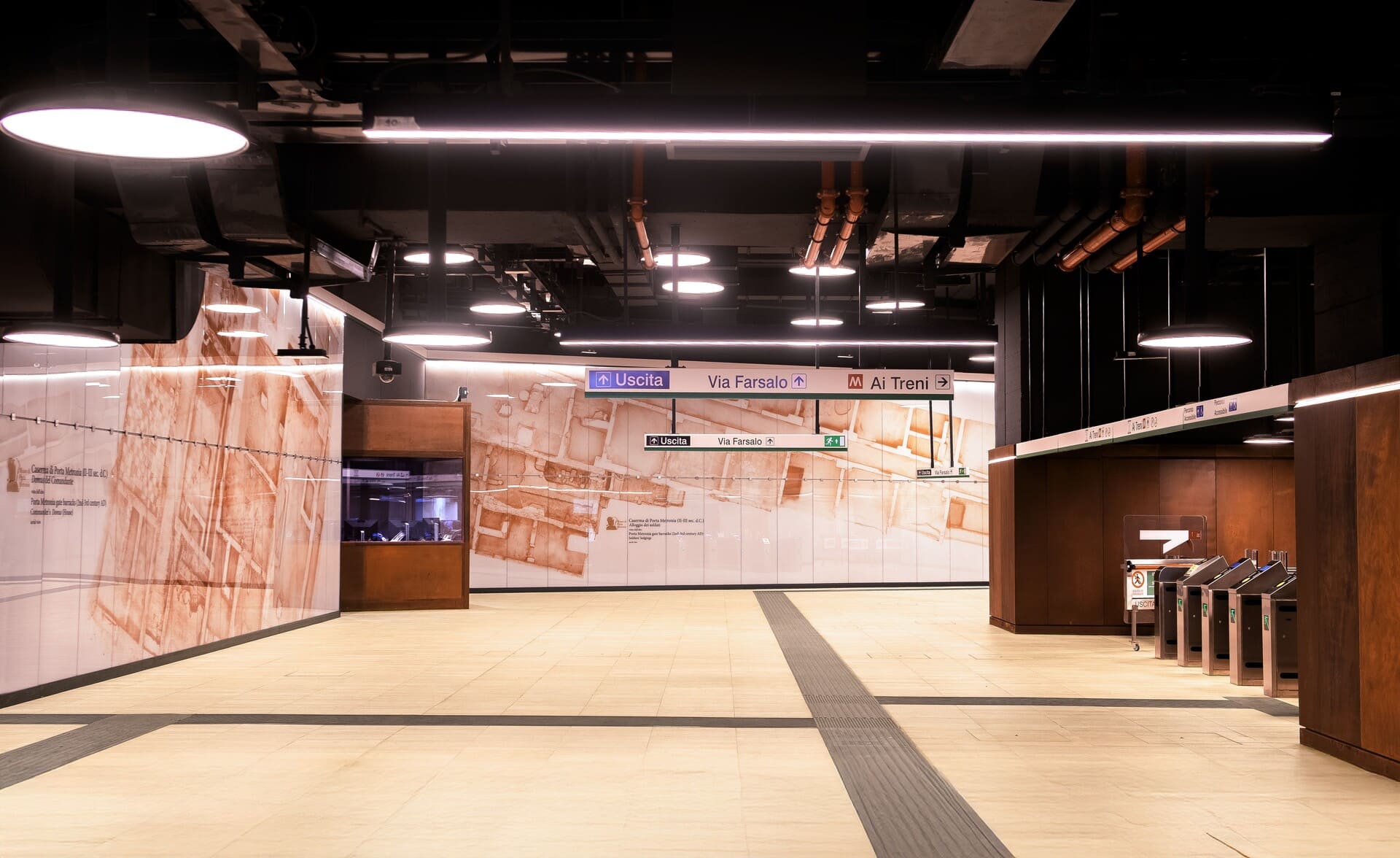 Porta Metronia station, Metro Line C, Rome
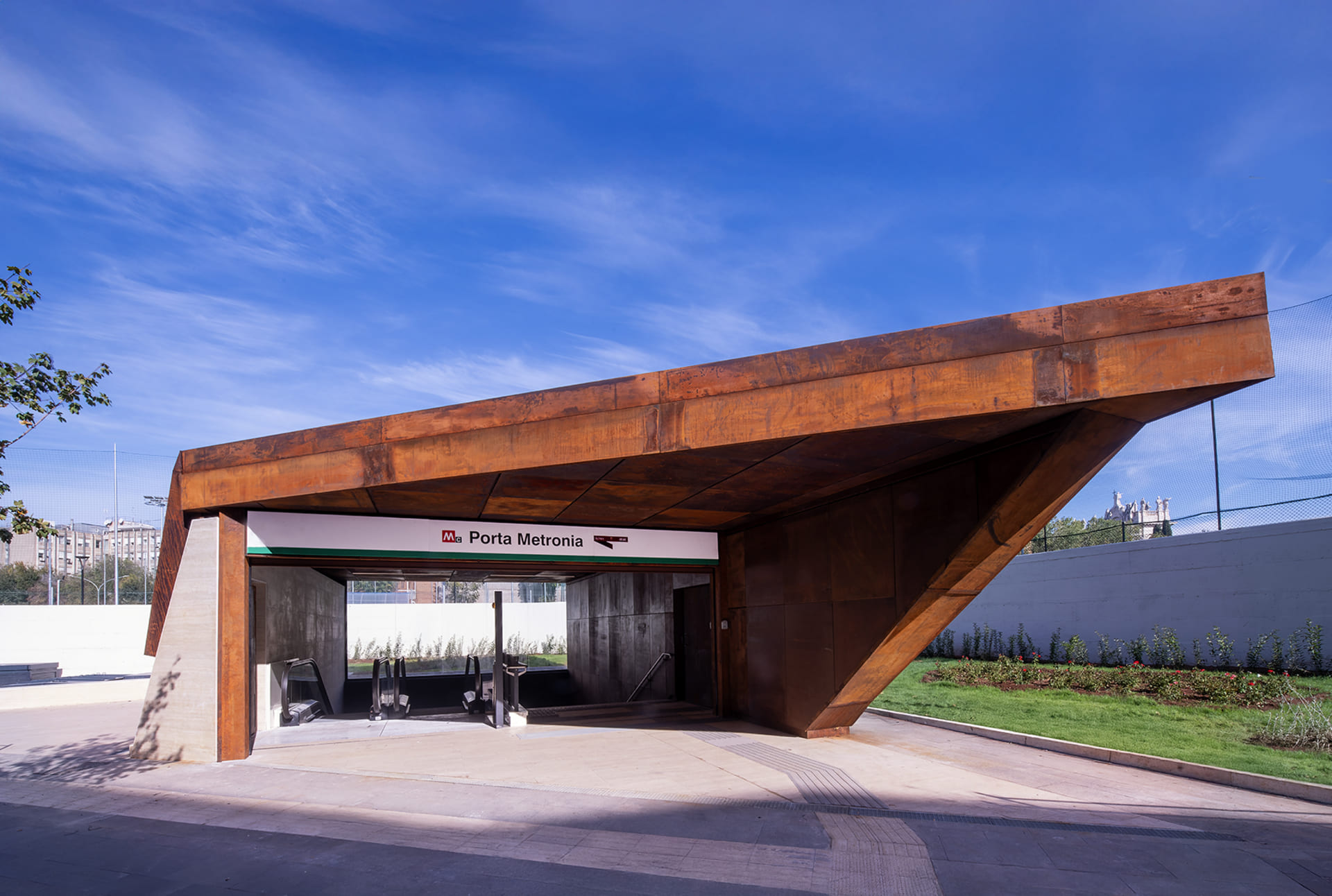 Porta Metronia station, Metro Line C, Rome
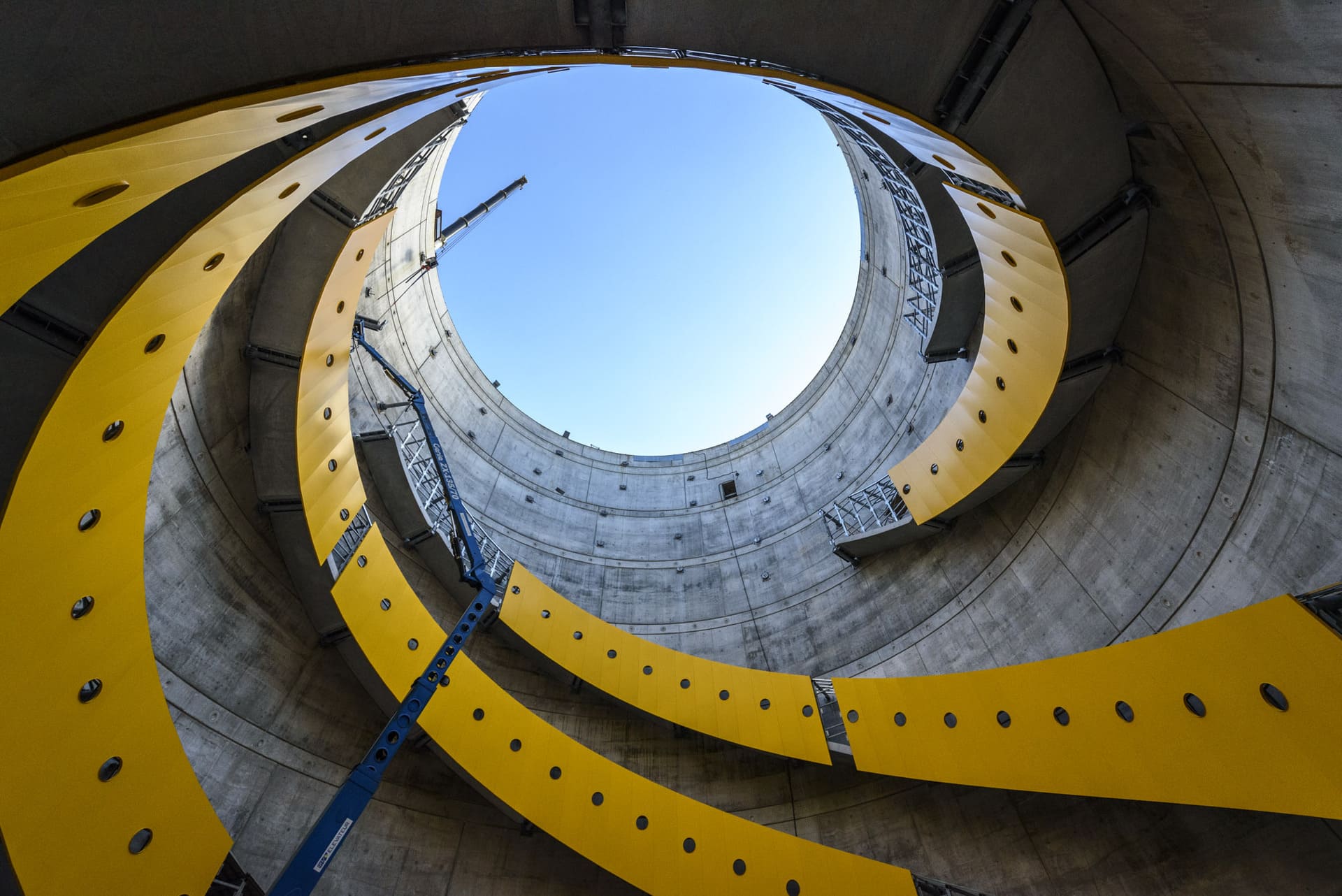 Capodichino station construction site, Naples
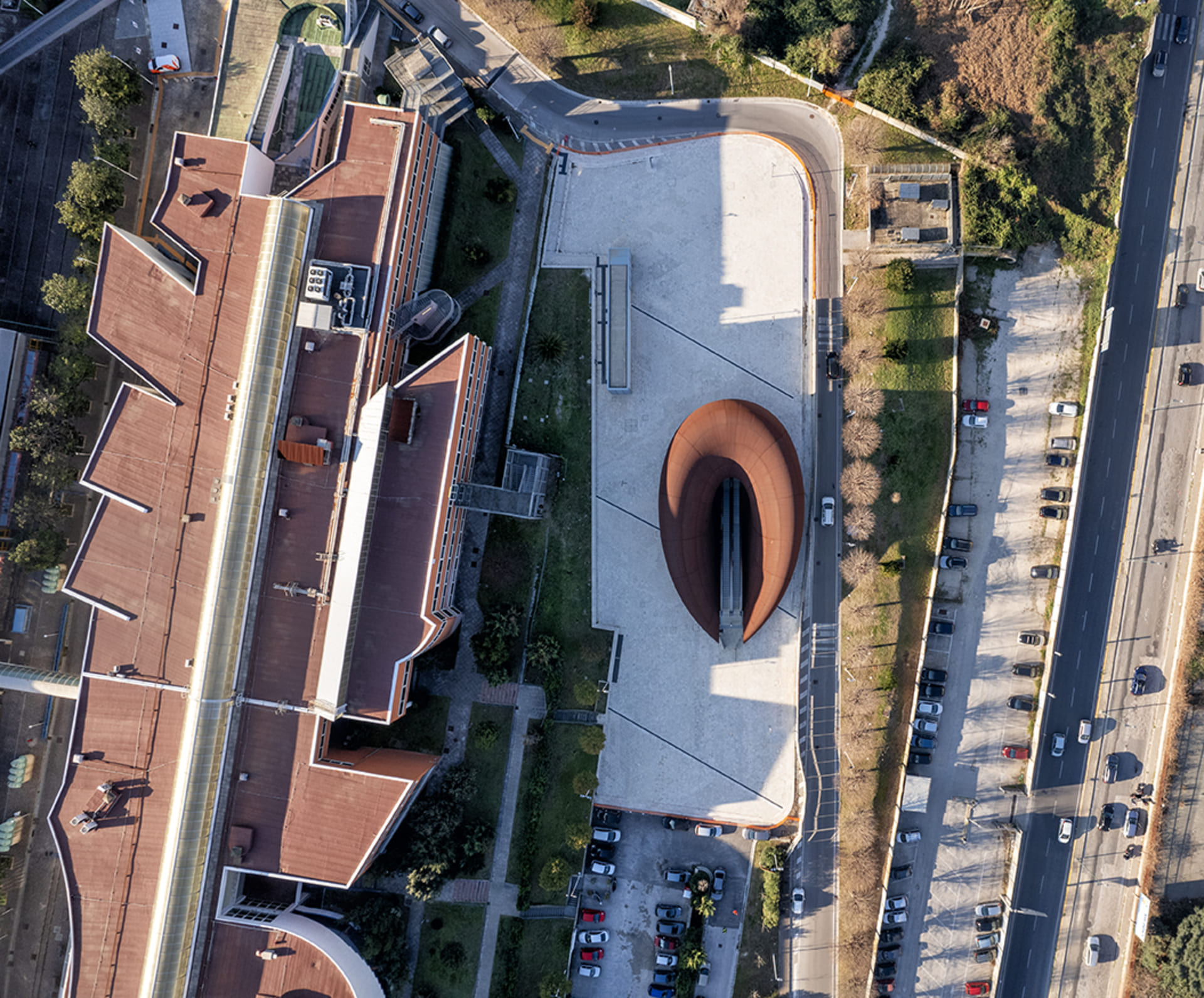 Monte Sant'Angelo station, Line 7, Naples
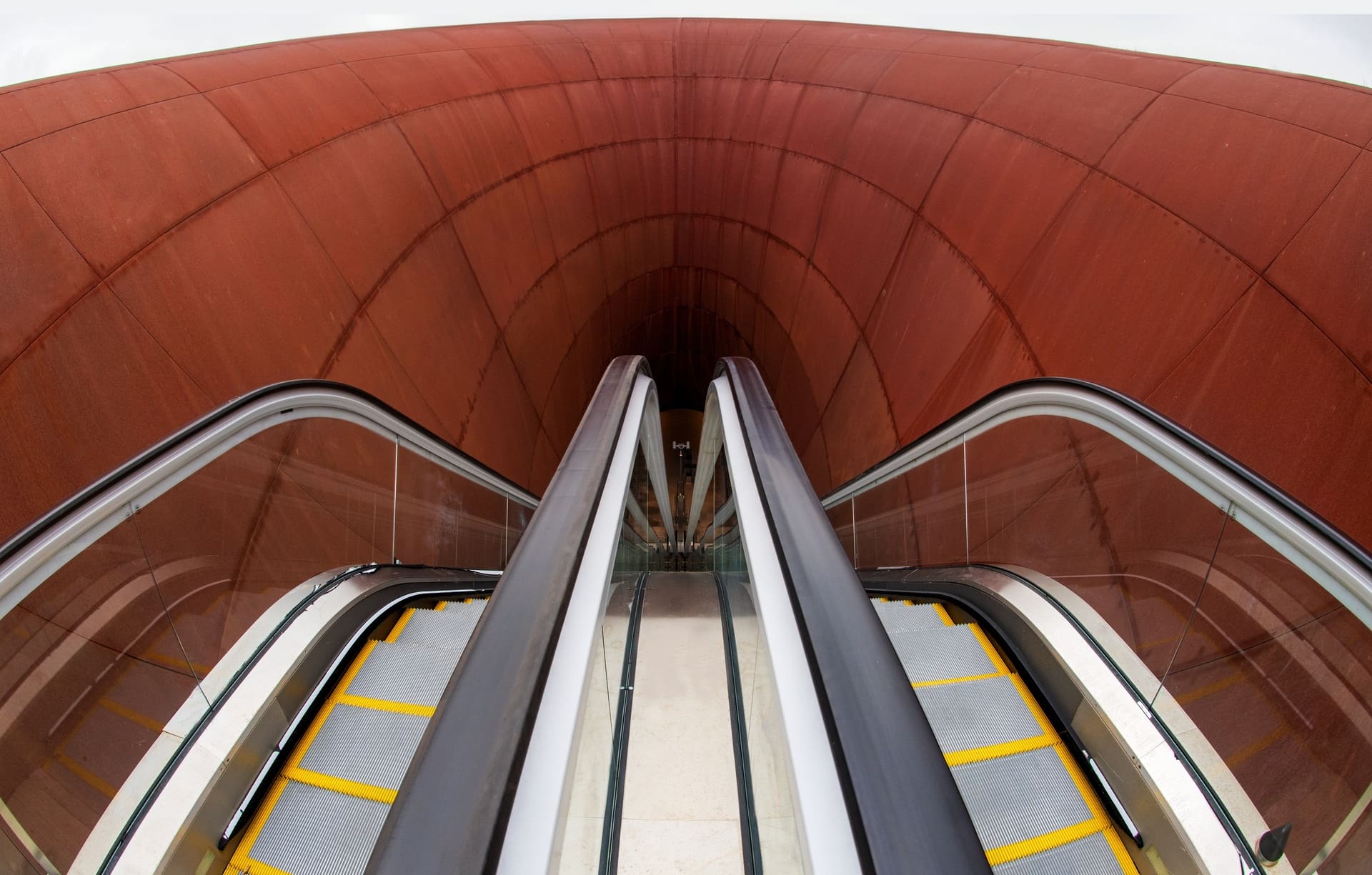 Monte Sant'Angelo station, Line 7, Naples
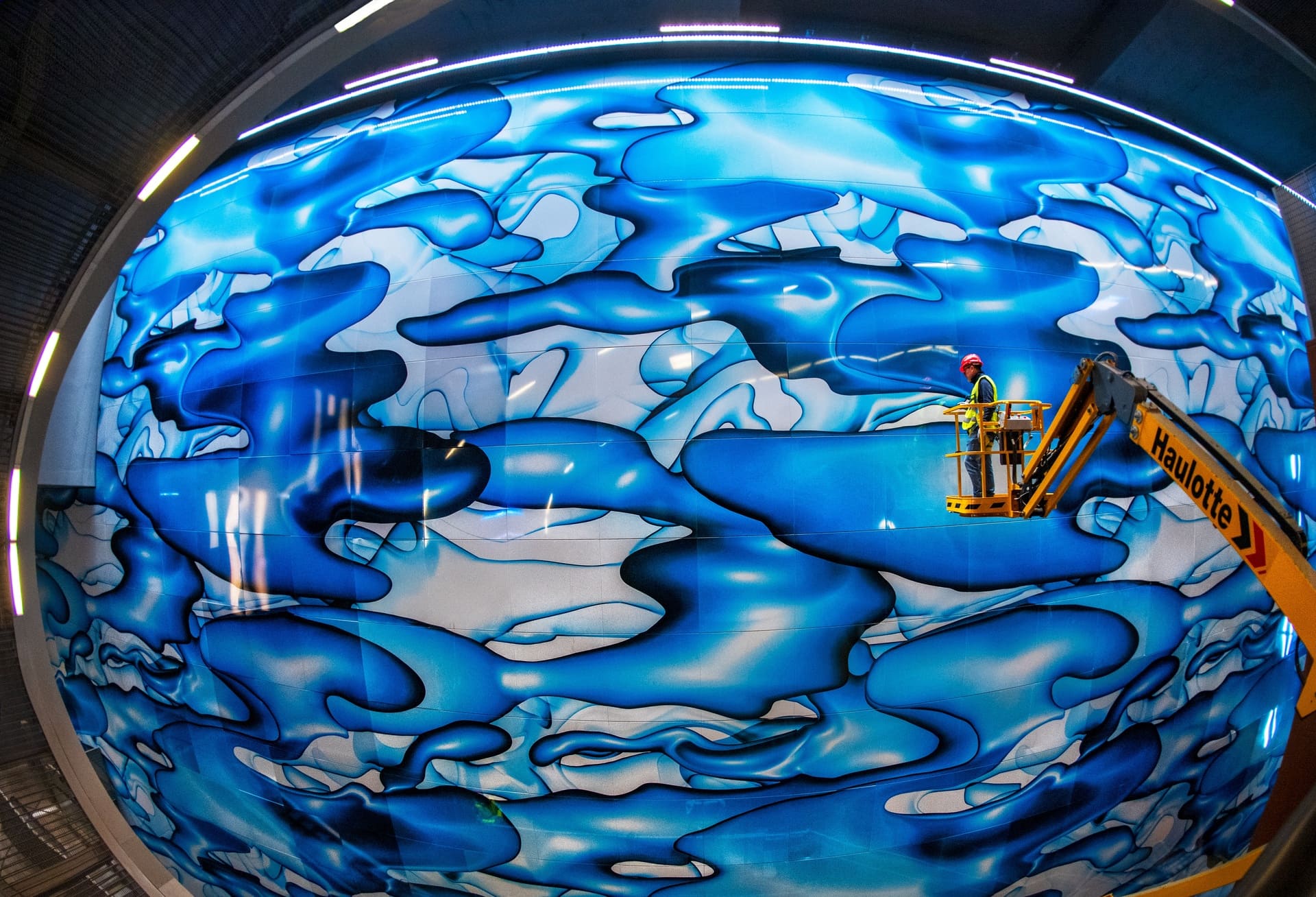 San Pasquale station, Line 6, Naples
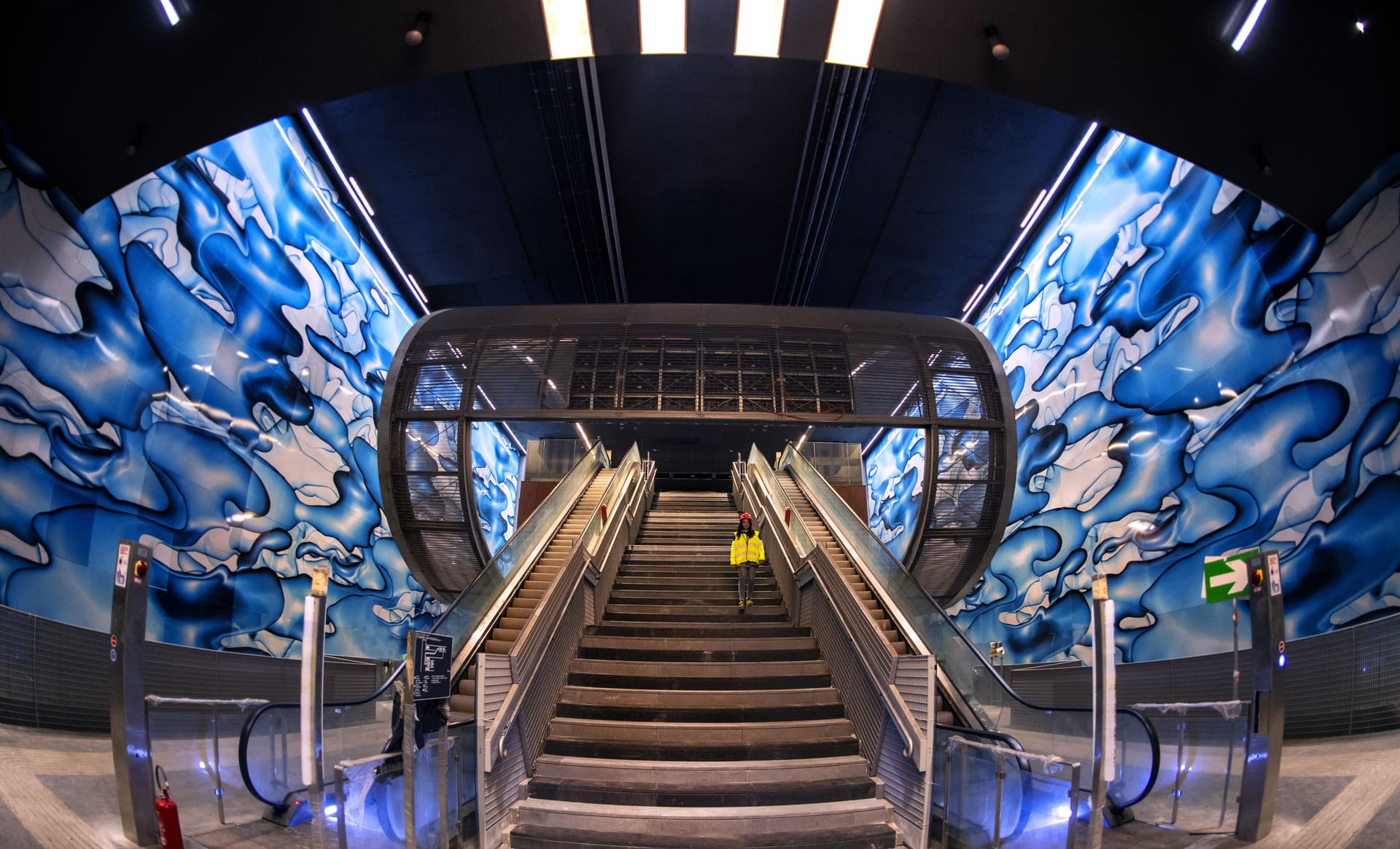 San Pasquale station, Line 6, Naples
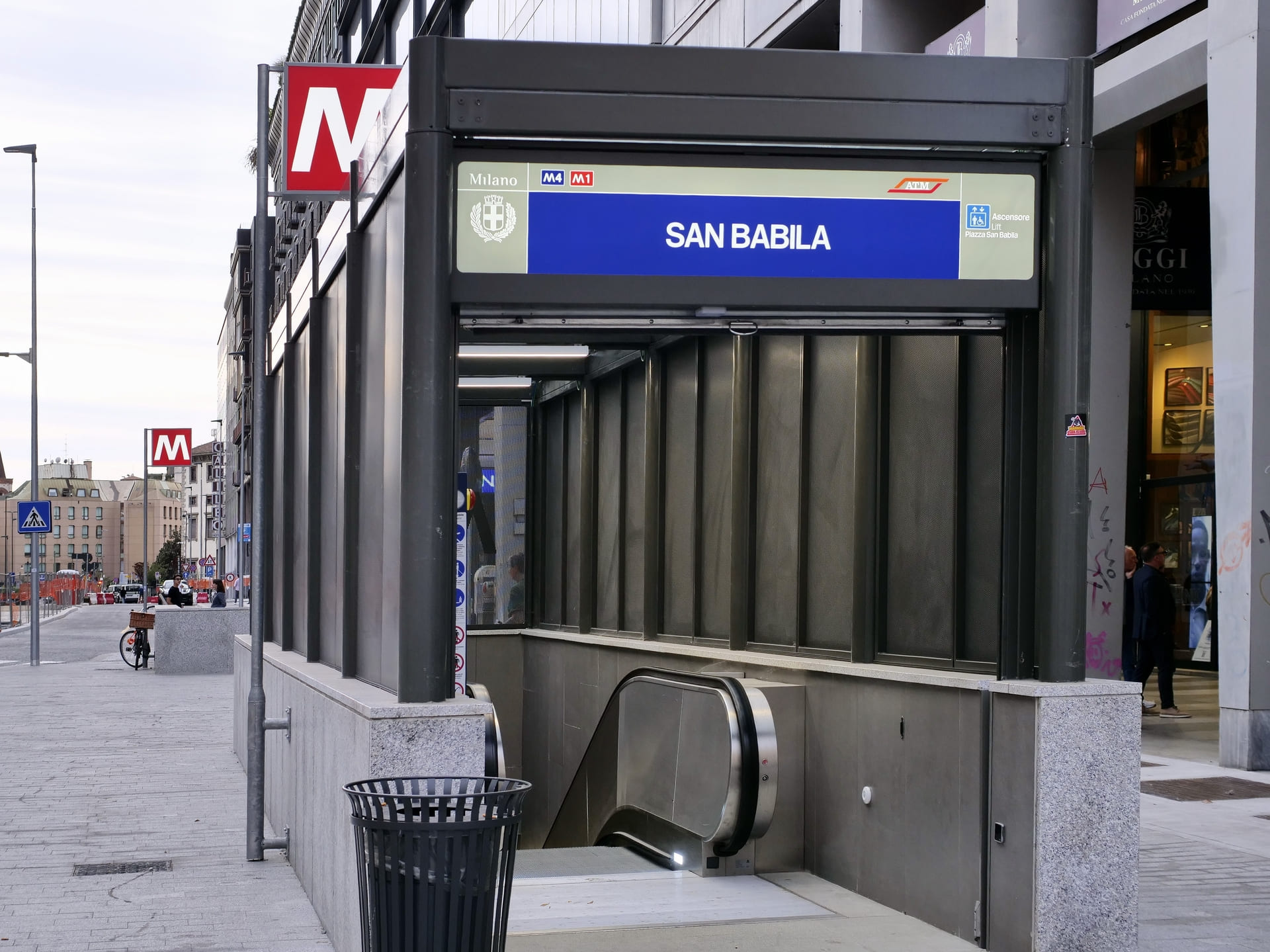 San Babila station, M4, Milan
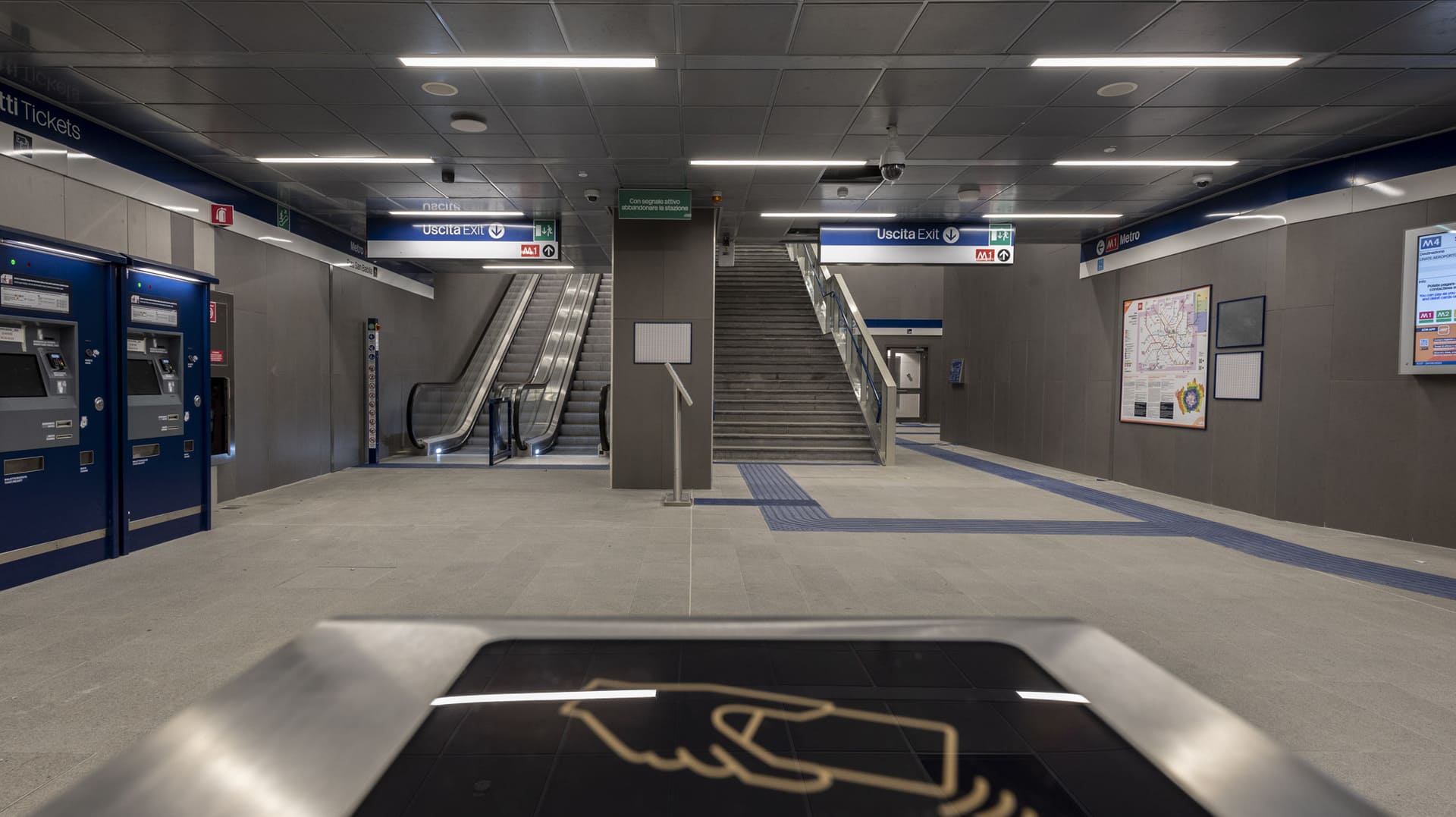 Interior of an M4 metro station, Milan
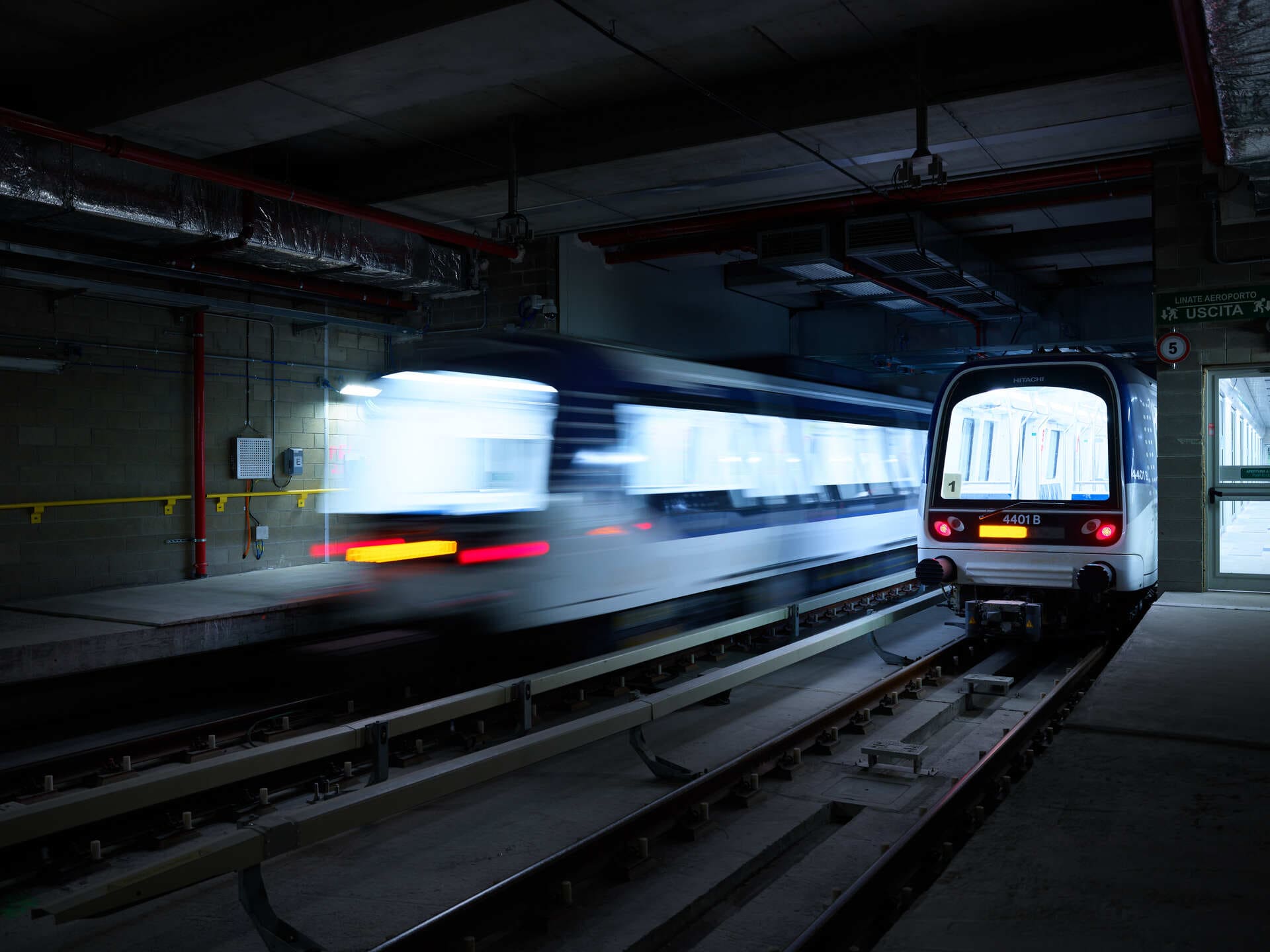 M4 Line, Milan
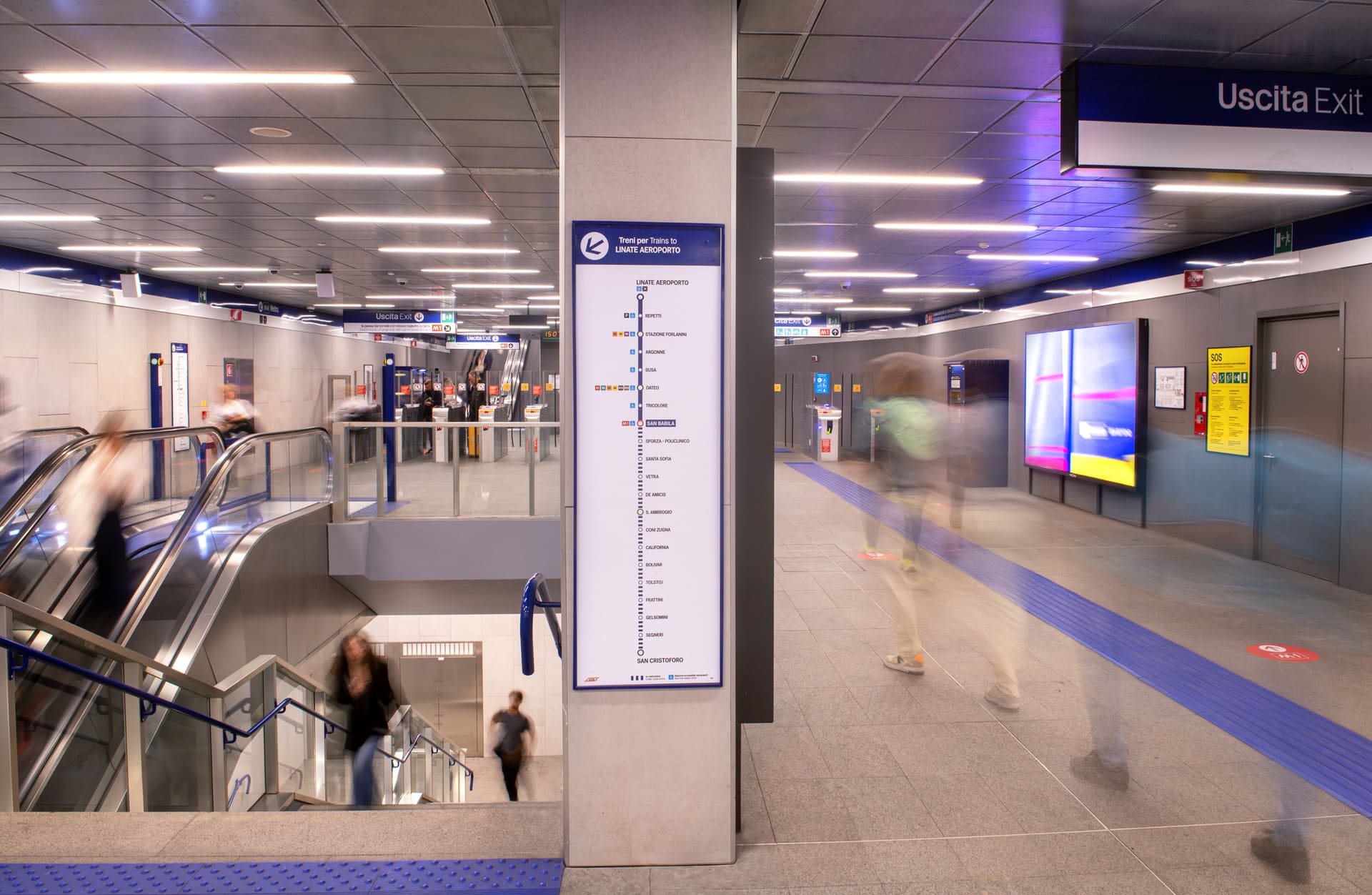 Interior of an M4 metro station, Milan
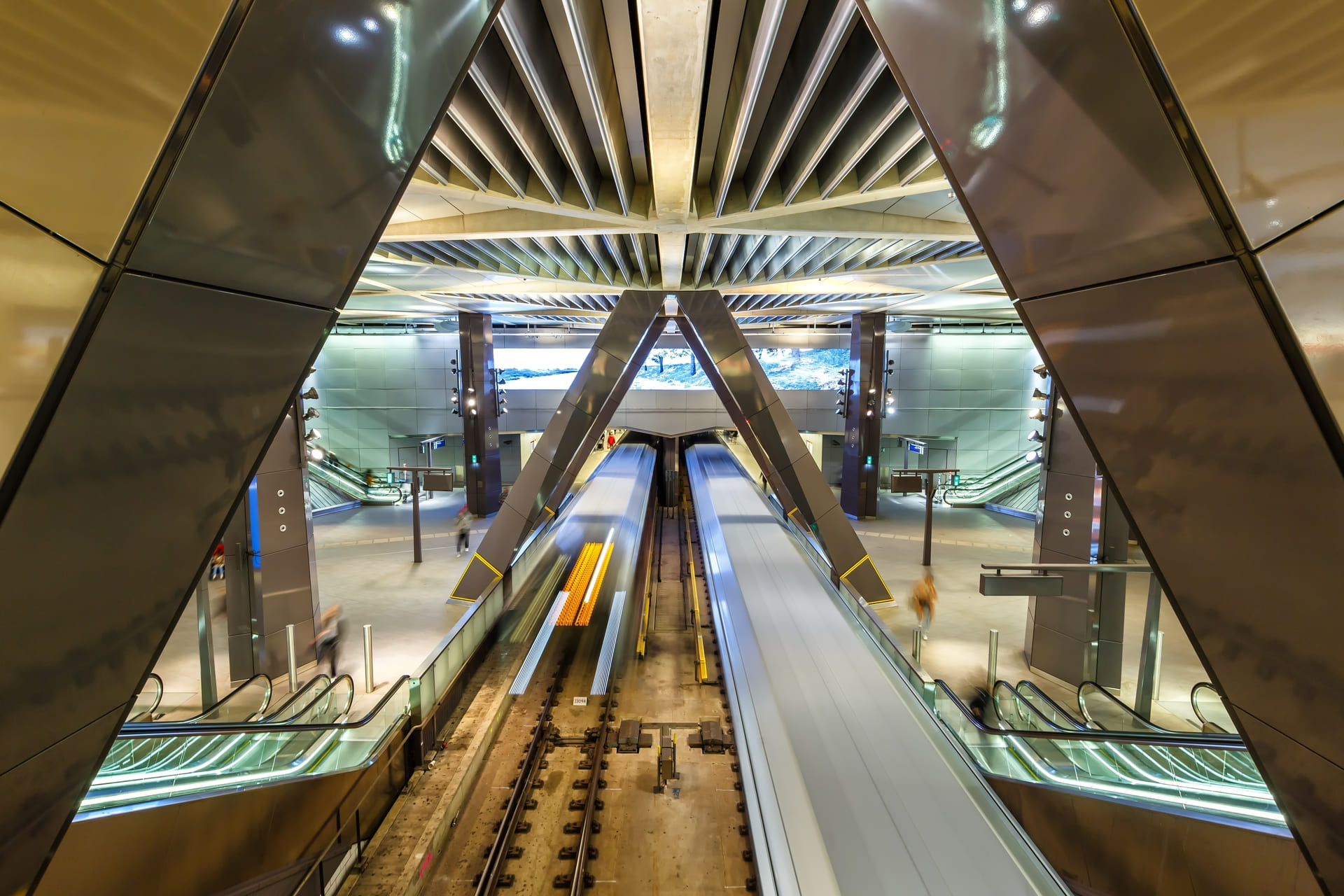 Metro underground station Centraal Station of Noord Zuidlijn, Amsterdam
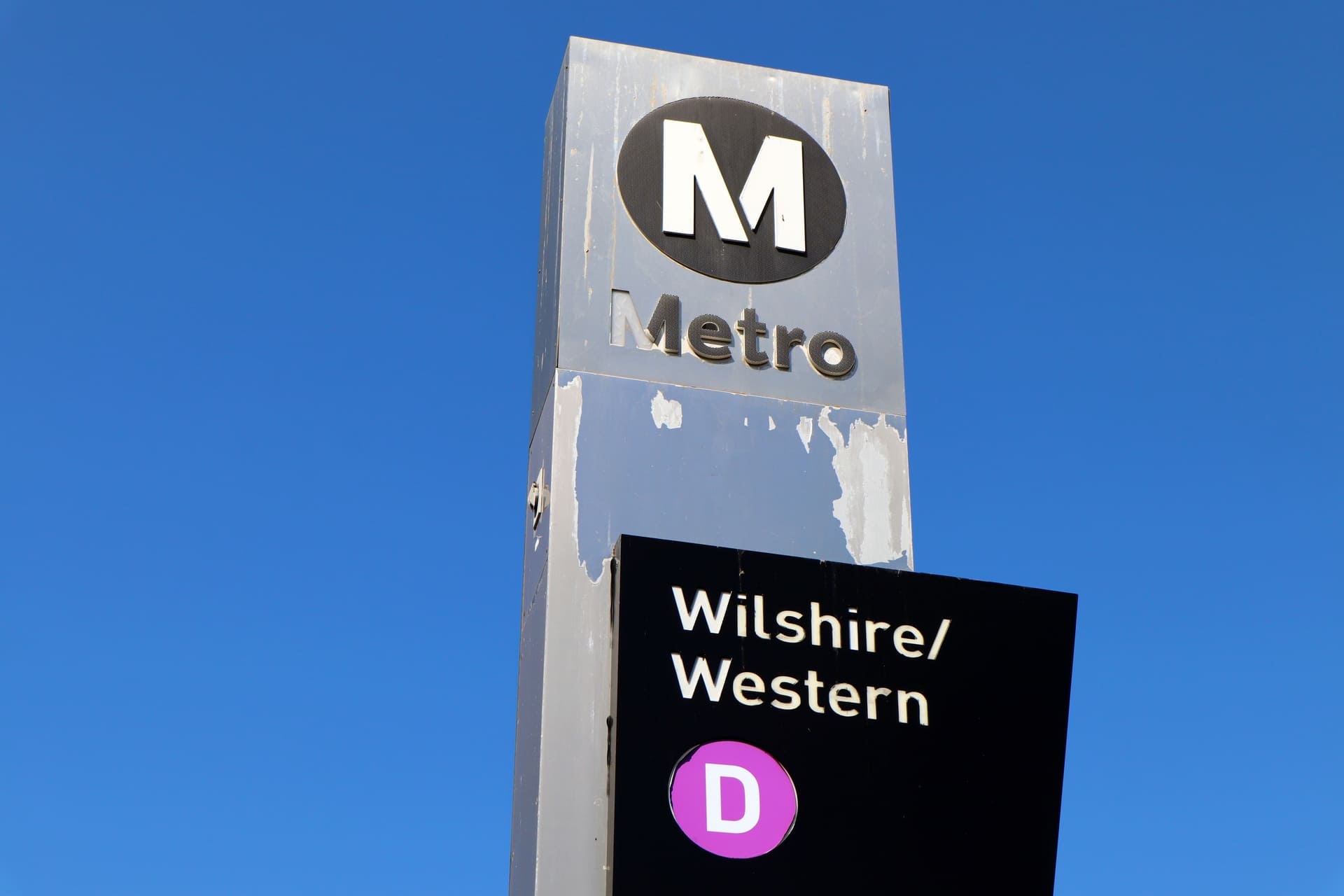 Metro D Line, Los Angeles
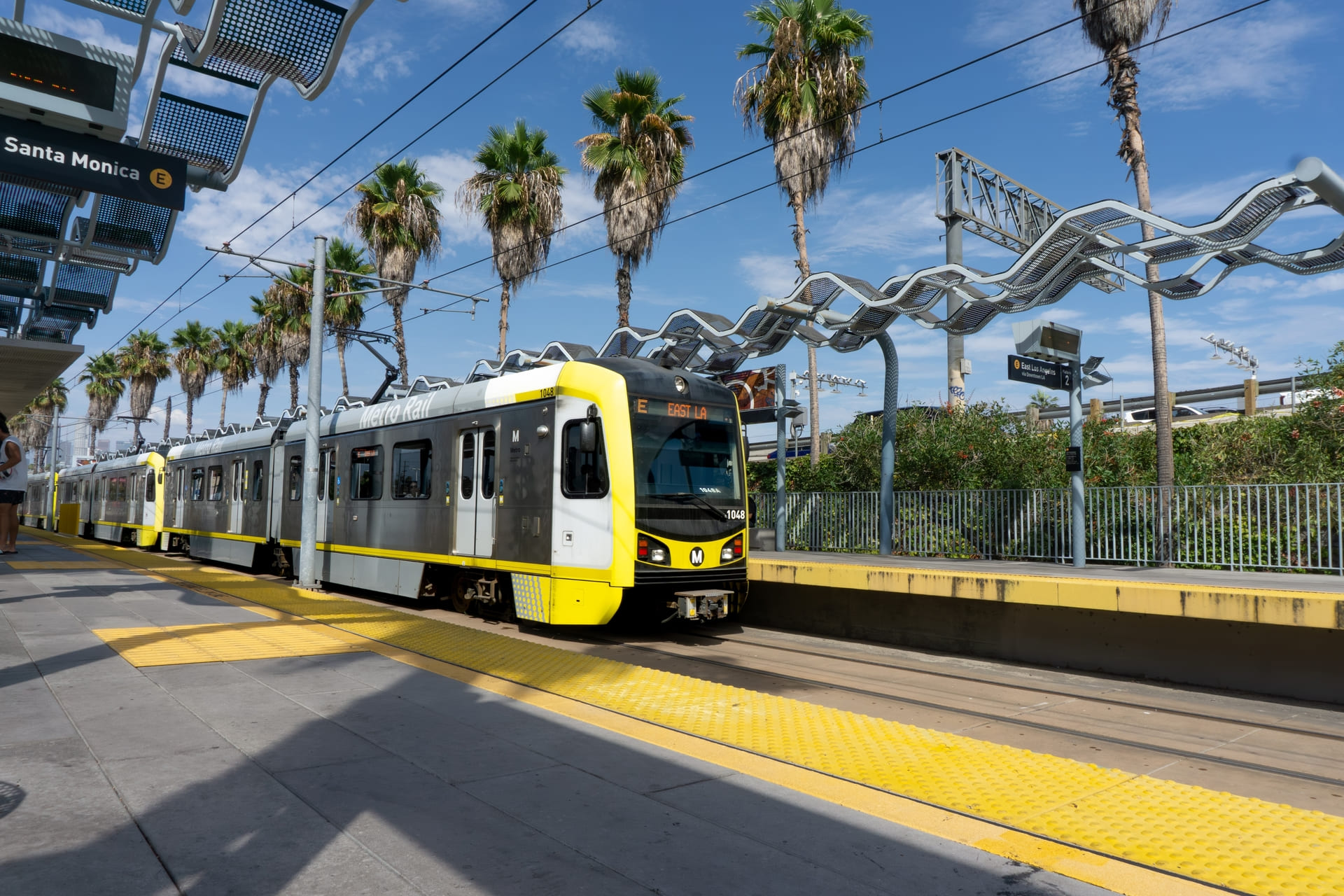 Los Angeles Metro
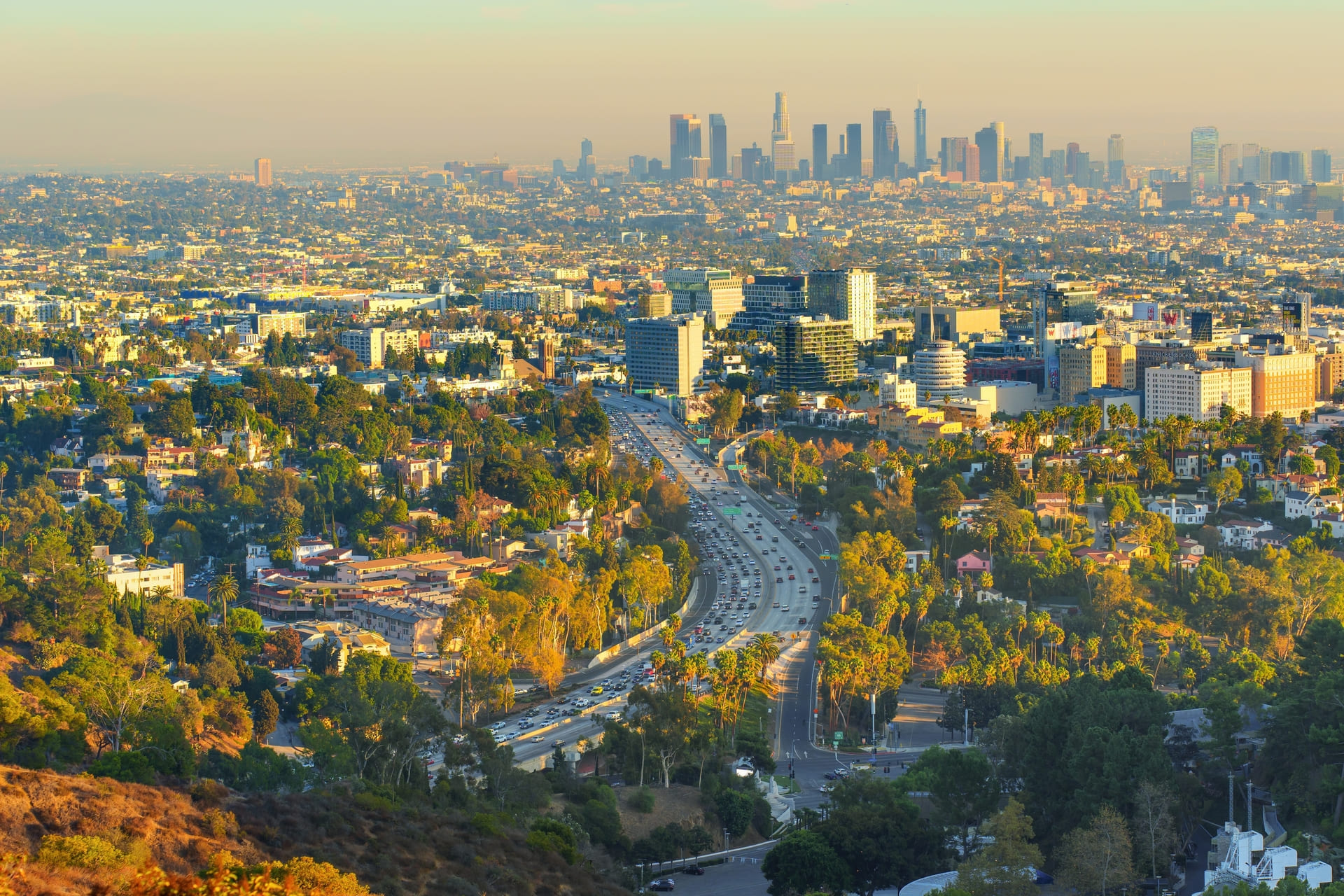 Aerial view of Los Angeles
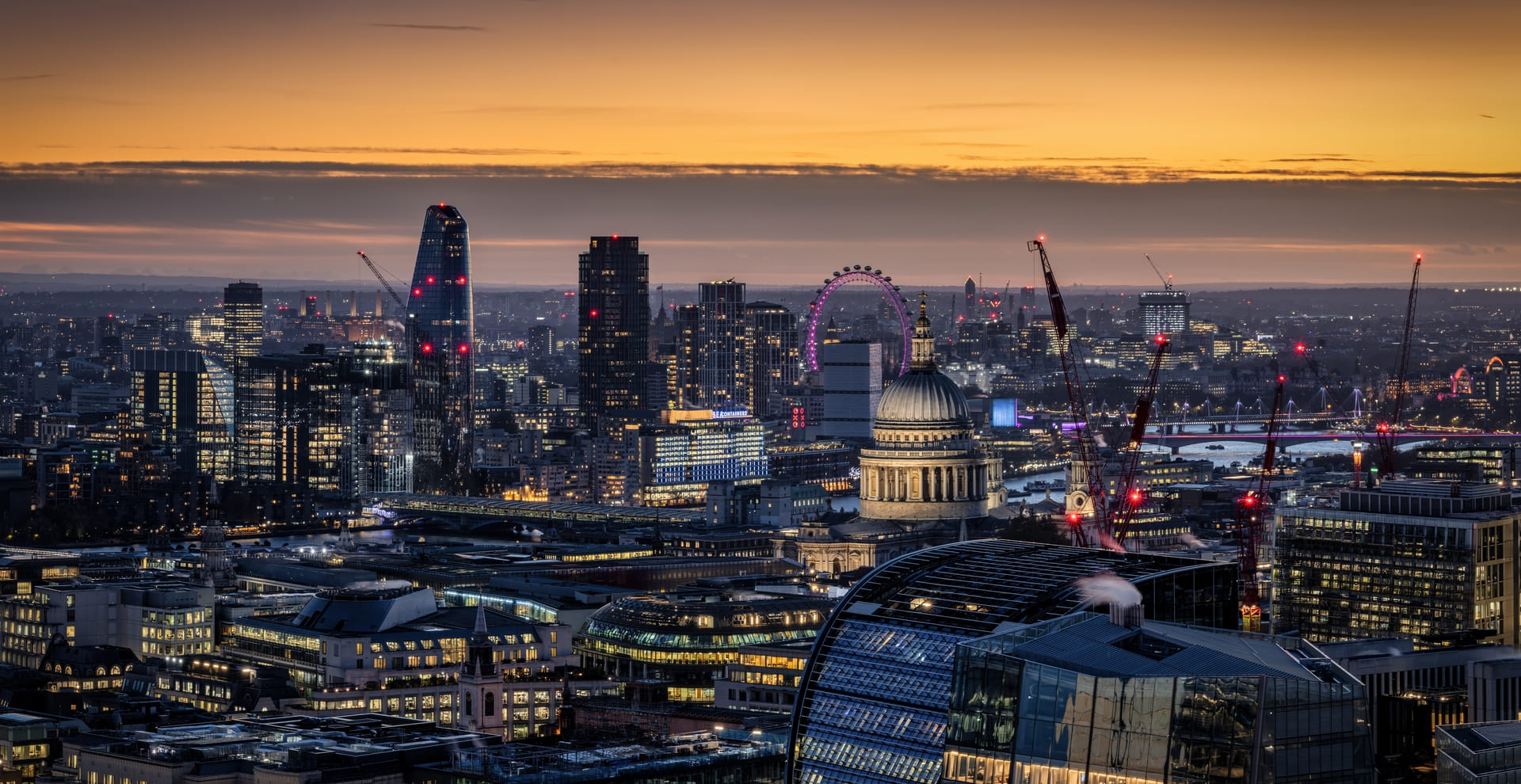 Aerial view of London
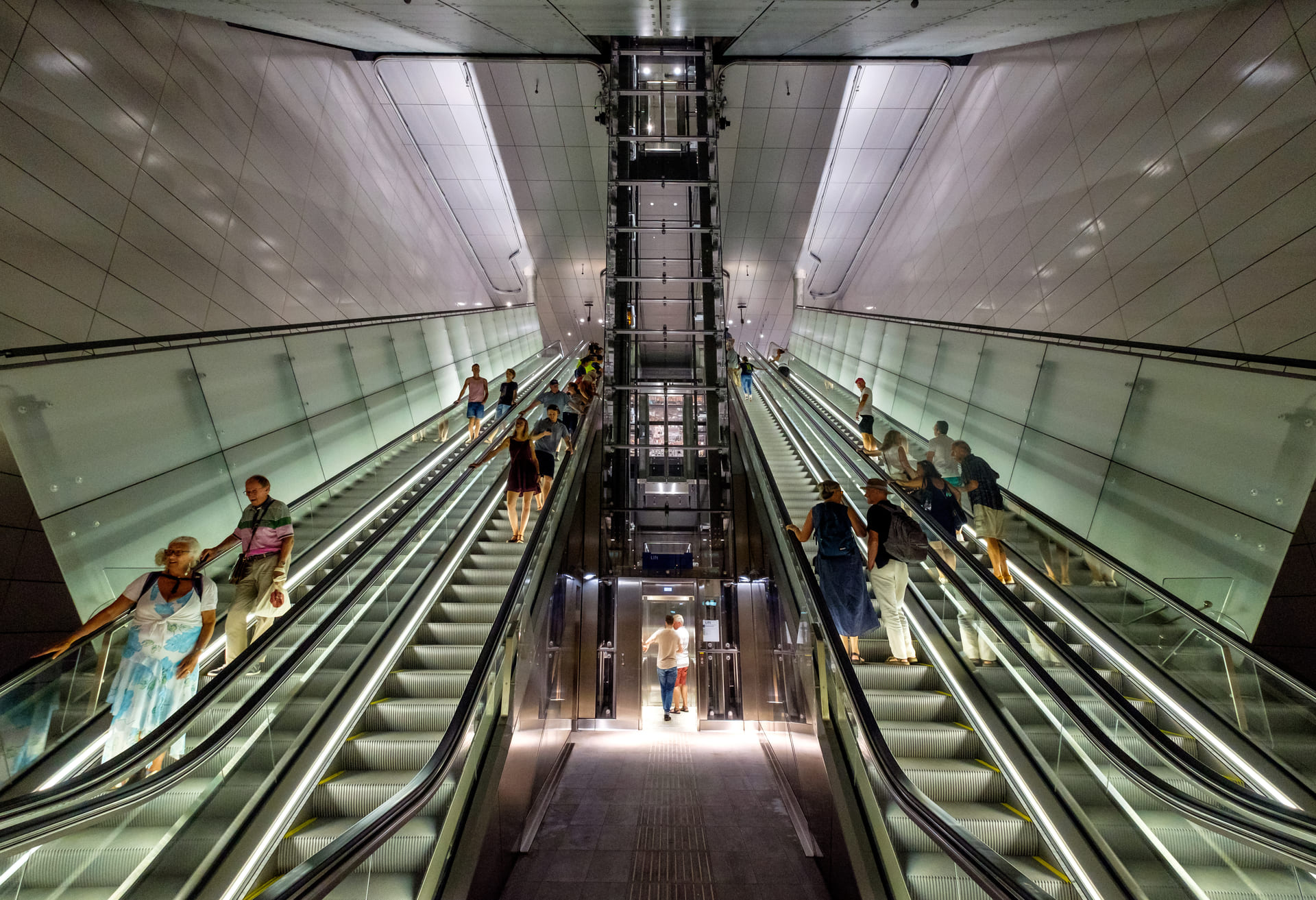 Elizabeth Line, London Underground
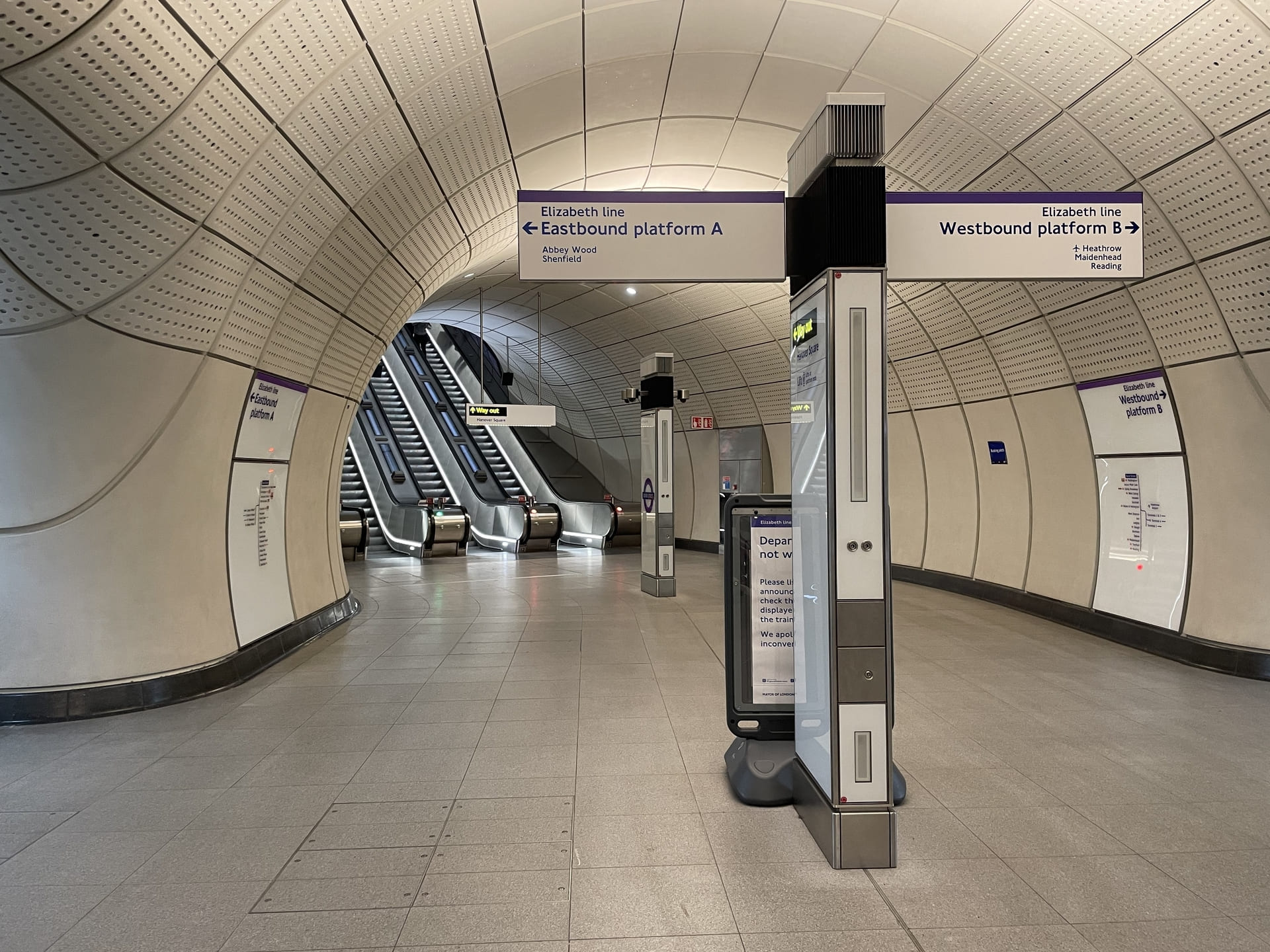 Elizabeth Line, London Underground
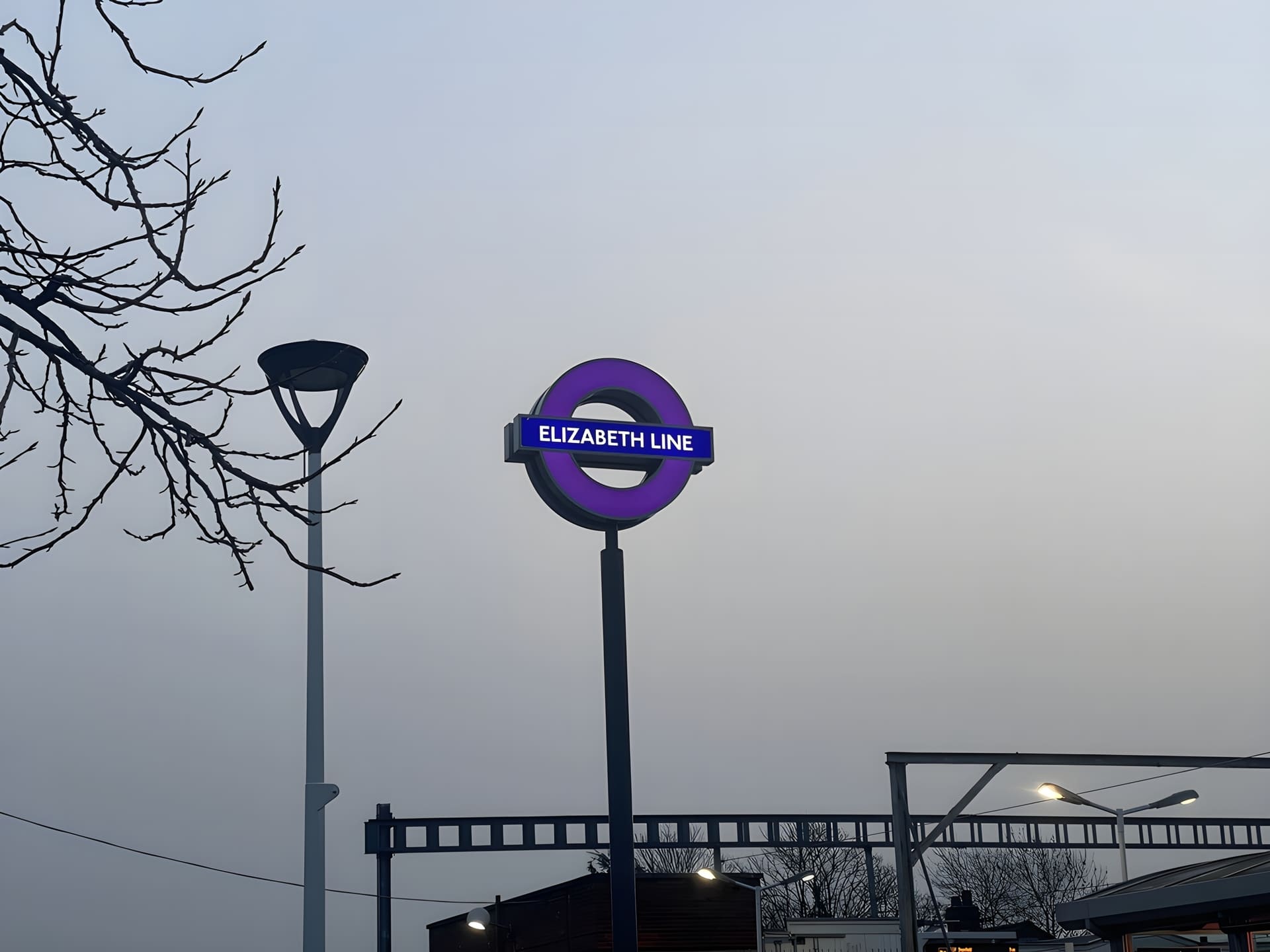 Elizabeth Line, London Underground
- In Los Angeles, the new D Line was built amidst natural gases, aquifers, and Ice Age fossils: one of the most complex underground challenges of recent years.
- From Amsterdam to Tokyo, major modern metro systems are often born under extreme conditions, balancing water, earthquakes, and increasingly dense cities.
- In Naples, engineers excavated below sea level, transforming the stations into a continuous dialogue between infrastructure and the marine landscape.
- To build Milan's M4, Webuild's technicians froze the ground down to -196 degrees, creating an ice barrier that protected buildings and tunnels.
- In Rome, the new Porta Metronia Station integrates a 3rd-century Roman barracks into an underground museum open to passengers.

Building a metro line almost always means confronting the underground, but in some of the world’s cities, digging is not enough: it requires defying water, ice, earthquakes, archaeological remains, and even gases rising from the depths of the Earth. It is an invisible battle fought dozens of meters beneath the streets, far from the eyes of citizens who, once the infrastructure project is completed, will only see bright metro stations and fast trains.
The latest example of this ongoing challenge comes from the Los Angeles metro. In May, the first section of the D Line extension was inaugurated – a new underground infrastructure built beneath Wilshire Boulevard, one of California’s busiest arteries.
Completing it required ten years of work, over 7,000 workers, and tunneling through unstable ground, aquifers, tar sands, and pockets of natural gas. During construction, workers had to halt operations hundreds of times due to gaseous emissions coming from the subsurface, and they unearthed over 500 Ice Age fossils, including a nearly intact mastodon skull.
Yet, this is just one example of how constructing a metro line stands as one of the most complex engineering challenges of our time.
From London Underground to Tokyo: When the Underground Becomes the Enemy
Every major city hides different obstacles. As for the London subway, during the construction of the Elizabeth Line, engineers had to navigate a labyrinth of underground infrastructure accumulated over more than two centuries of urbanization. In Amsterdam, the Noord/Zuidlijn was built beneath the city’s historic canals, digging through water-saturated ground while protecting centuries-old buildings founded on wooden piles.
In Singapore and Hong Kong, the main challenge is extreme urban density: tunnels and stations are constructed amidst foundations, utility networks, and skyscrapers that cannot tolerate the slightest movement. In Tokyo, on the other hand, excavations must coexist with one of the most seismically active territories on the planet.
In all these cases, the metro system represents far more than public transport infrastructure. It is a tour de force of contemporary engineering, capable of adapting to the most complex conditions while continuously ensuring the safety of the cities it crosses.
Naples Metro: Building Amidst the Sea
Among the most spectacular challenges faced in Europe is that of Naples, a city suspended between volcanoes, the sea, and a millennia-old historical stratification.
Here, building a metro line has often meant digging below sea level and beneath the water table. To construct several stations on Naples’ Line 1 and Line 6, it was necessary to rely on advanced ground consolidation and waterproofing techniques, creating genuine barriers against water and allowing crews to work safely at considerable depths.
The new San Pasquale Station on Line 6, delivered by the Webuild Group, embodies this very challenge. Located in the Chiaia district, it develops deep underground like a descent toward the sea.
Stretching one hundred meters long and thirty-five meters high, it was designed by architect Boris Podrecca as the wreck of an ancient vessel resting on the seabed. Blue walls evoking waves, metallic structures reminiscent of a sail, and large portholes transform the metro station into an imaginary journey into marine depths.
In this case, therefore, the underground battle waged against seawater was transformed by the architect into a distinctive feature of the metro station itself, choosing the sea as a travel companion for citizens and tourists taking the metro.
More broadly, the relationship between Naples’ subway and the sea is not merely symbolic. During the excavations of Municipio Station, also constructed by Webuild in the heart of the city’s port, ancient Rome shipwrecks emerged – a testament to how every engineering advancement can also turn into an archaeological discovery.
M4 Metro Line: Milan Metro Built within Ice
If Naples’ metro had to fight against water, the Milan underground chose to turn it into an ally. The construction of the M4 metro line – the metro system delivered by Webuild that connects Linate Airport to the city center in just a few minutes, and from there to the opposite side of the city – required a solution that seems to belong more to scientific research than to traditional construction: artificial ground freezing.
To build the connections between stations and tunnels without compromising the stability of the buildings above, engineers used liquid nitrogen at temperatures as low as minus 196 degrees Celsius. The ground was literally transformed into ice, creating a stable and waterproof temporary barrier that allowed excavation to proceed in total safety.
This technique was applied particularly at the most delicate points along the M4 metro line, where the tunnels pass just a few meters from the foundations of historic buildings in the city center. An invisible intervention for those walking on the surface, but fundamental to enabling the realization of one of contemporary Milan’s most important infrastructure projects.
It is no coincidence that the M4 metro line has been dubbed the “ice line” by many observers, a definition that perfectly captures the level of innovation required to build a subway in the heart of one of Europe’s most densely populated cities.
Rome’s Metro C Line: Where Every Excavation Becomes a Journey into Ancient Rome
If there is one city in the world where building a metro line requires a continuous negotiation between past and future, that city is Rome.
The new Porta Metronia Station on Metro Line C – the driverless line built by the Metro C consortium led by Webuild and Vianini Lavori – represents perhaps one of the world’s most advanced examples of integrating archaeology with modern infrastructure.
During excavations beneath Piazzale Ipponio, a Roman military barracks spanning over 1,300 square meters emerged, complete with mosaics, frescoes, and a commander’s domus – a discovery defined by archaeologists as one of the most significant in recent decades.
The discovery could have permanently halted the infrastructure project, but instead, it became an opportunity to redesign it. Much like what happened at Abu Simbel in the 1960s – when temples were relocated to prevent them from being submerged by the waters of the Nile – the archaeological complex was dismantled, cataloged, and preserved, only to be subsequently repositioned inside the metro station.
Today, Porta Metronia is not merely a metro station, but an underground museum integrated into the public transport system.
Subways as a Laboratory of the Future
From Los Angeles’ metro to Rome’s Line C, from Amsterdam to Milan underground, new metro systems thus tell the story of a profound transformation in urban engineering. It is no longer enough to dig tunnels and build stations; instead, it is necessary to engage in a dialogue with increasingly dense cities, protect unique historical heritages, confront extreme geological conditions, and minimize the impact on people’s daily lives.
In this scenario, projects such as Rome’s Metro Line C, Milan’s M4 metro line, and the Naples metro network demonstrate how Italy has become one of the most advanced laboratories in the world for the realization of complex public transport infrastructure – projects where technology, archaeology, sustainability, and innovation coexist within the very same underground space.