


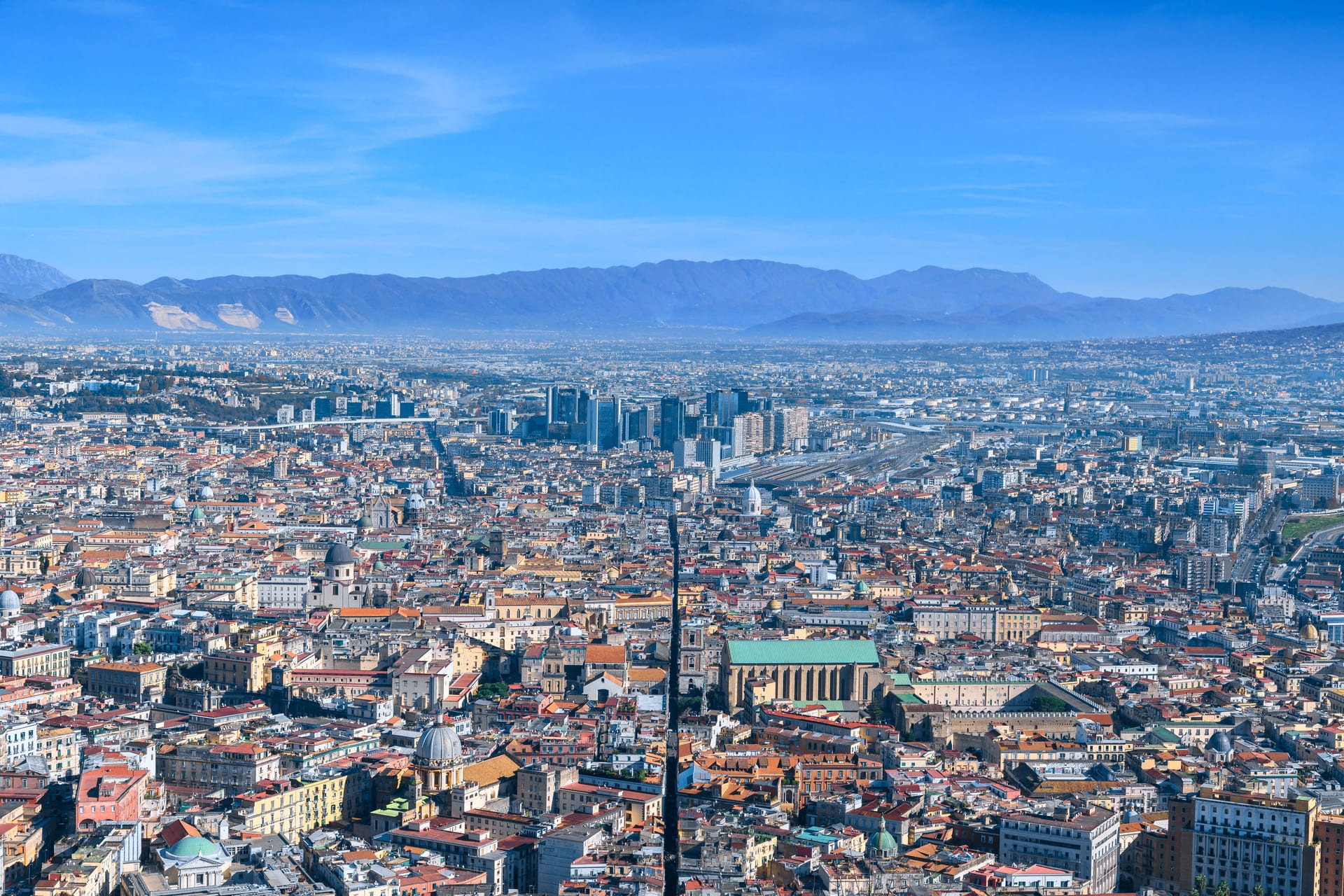
 Panorama of Naples
 Panorama of Naples
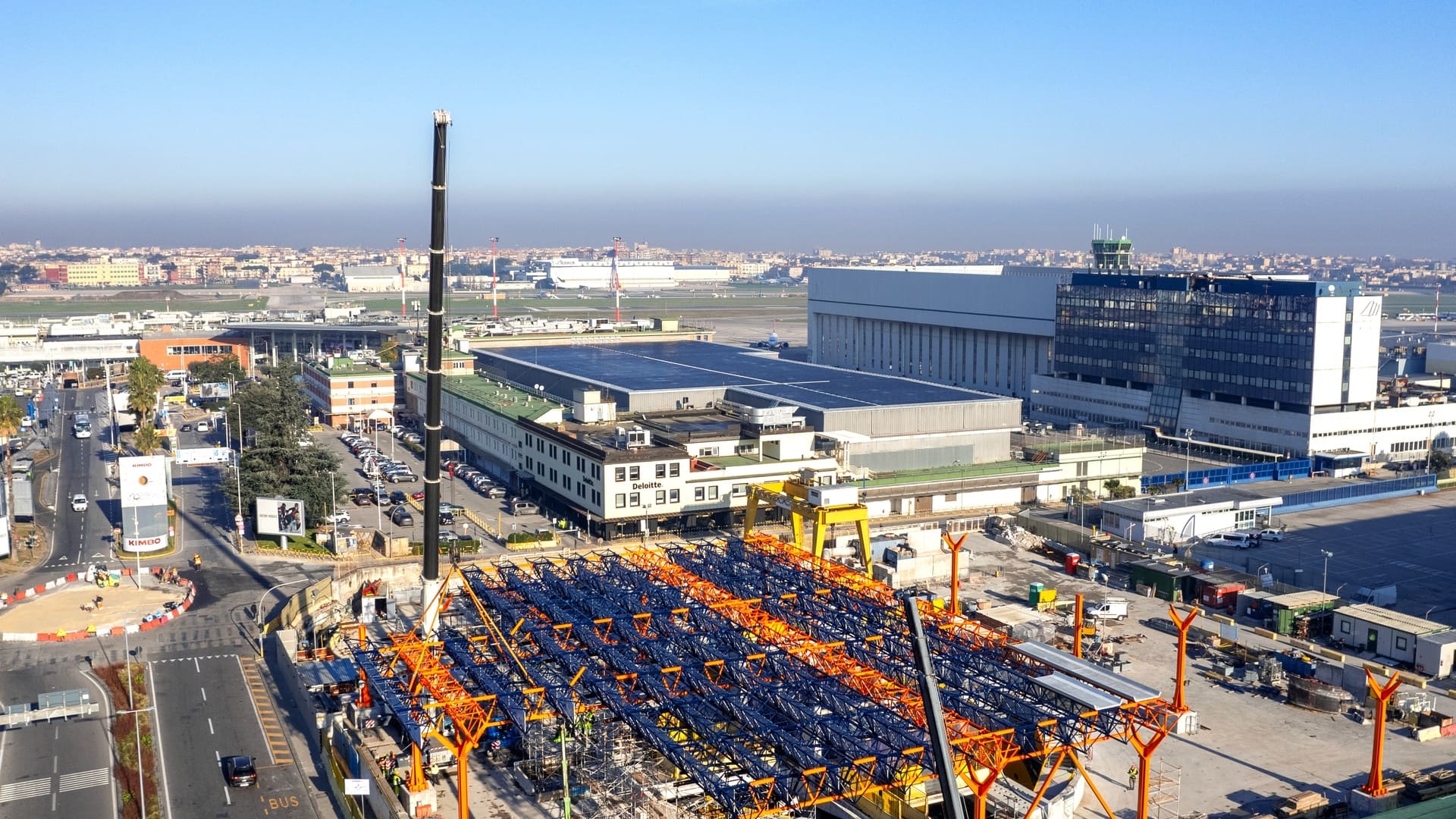 Capodichino Station construction site, Line 1
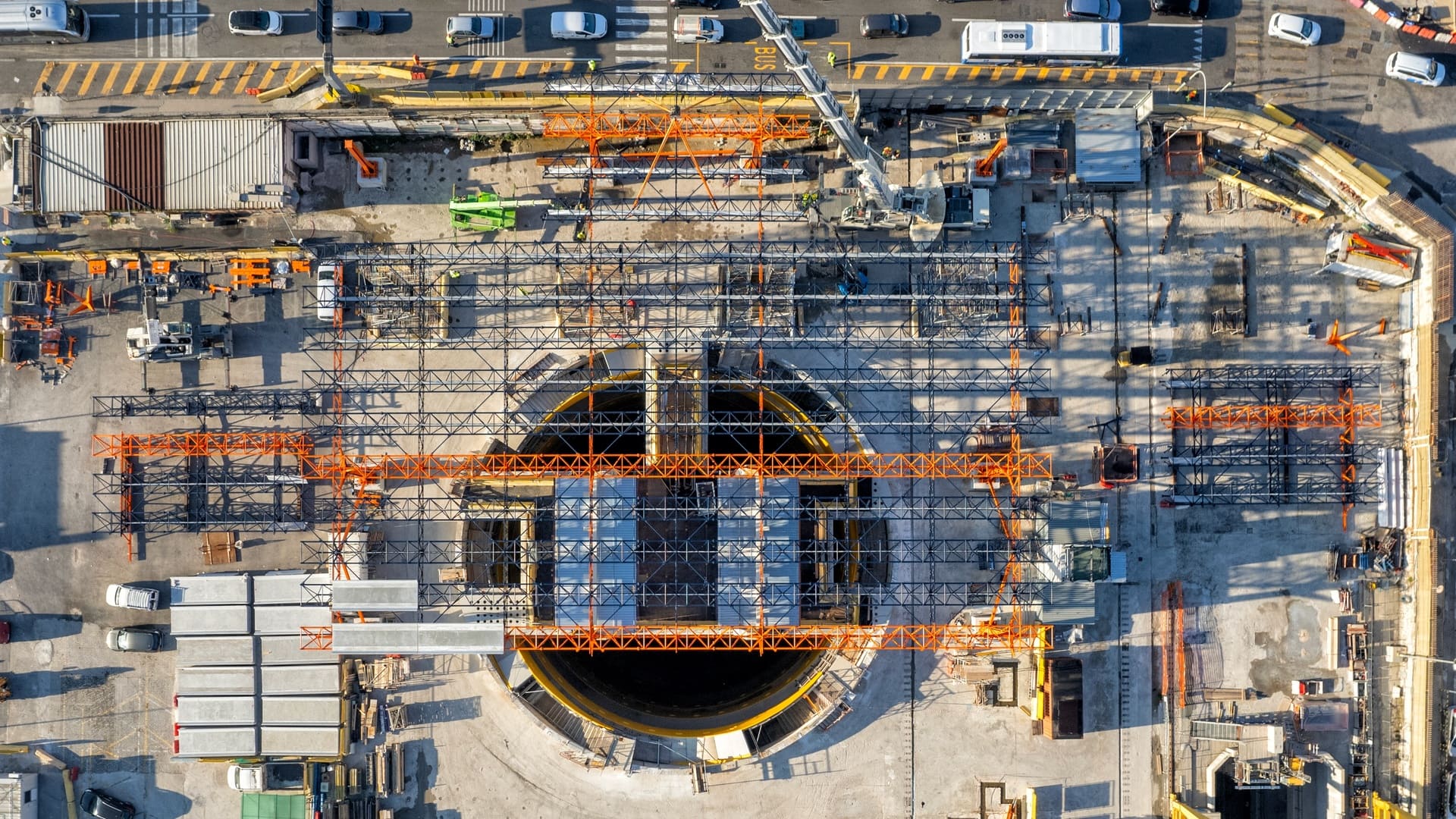 Capodichino Station construction site, Line 1
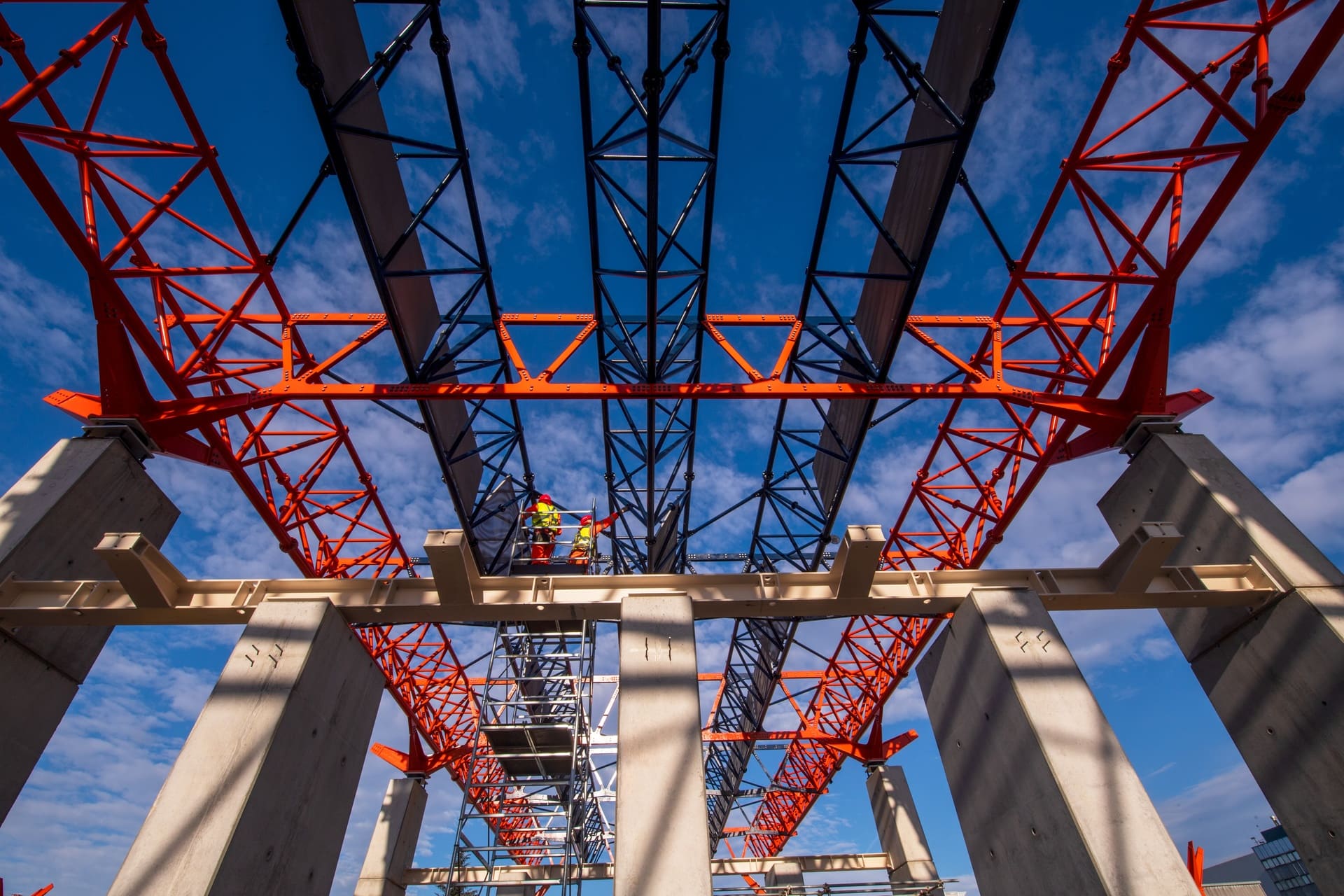 Capodichino Station construction site, Line 1
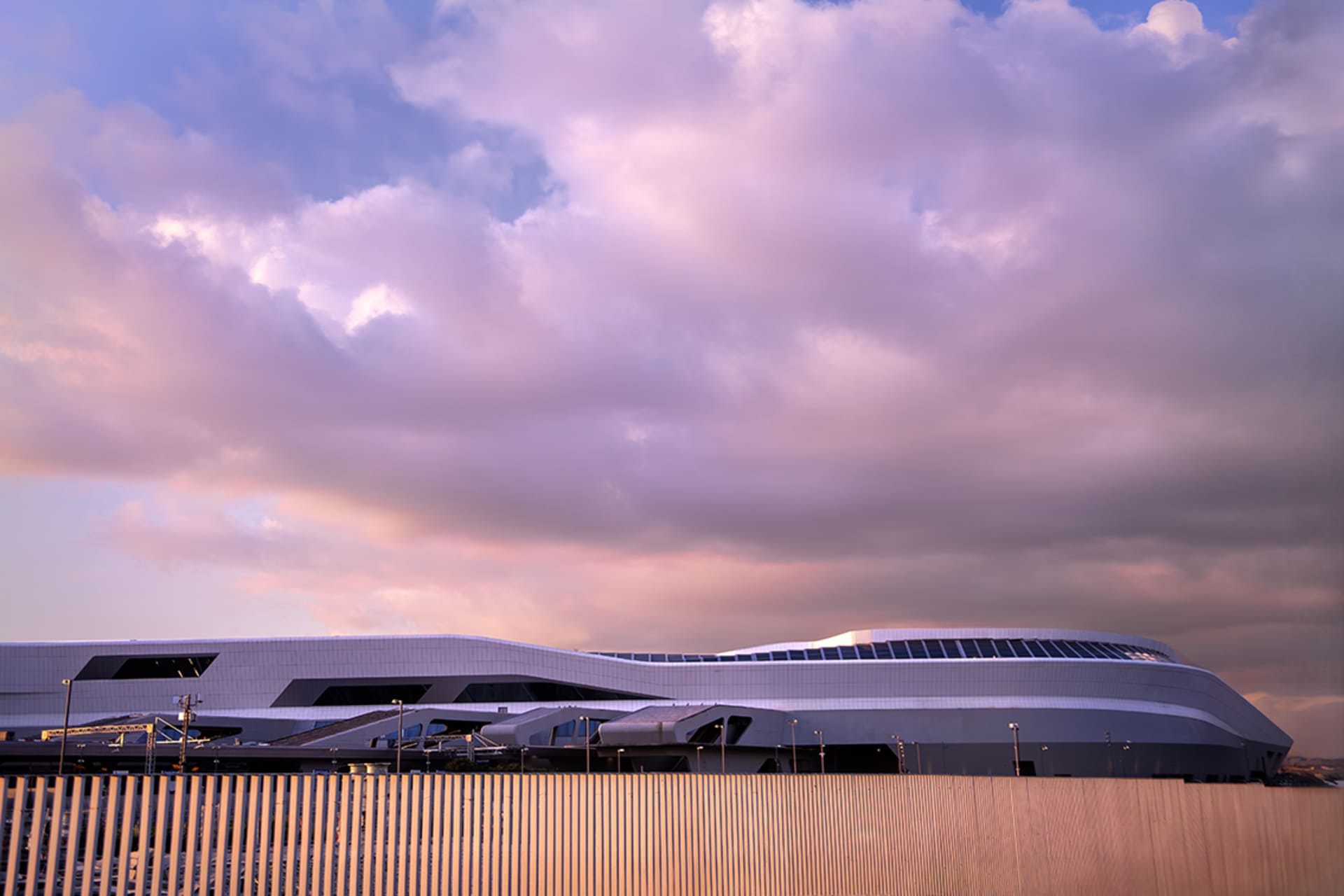 Napoli-Afragola High-Speed Station
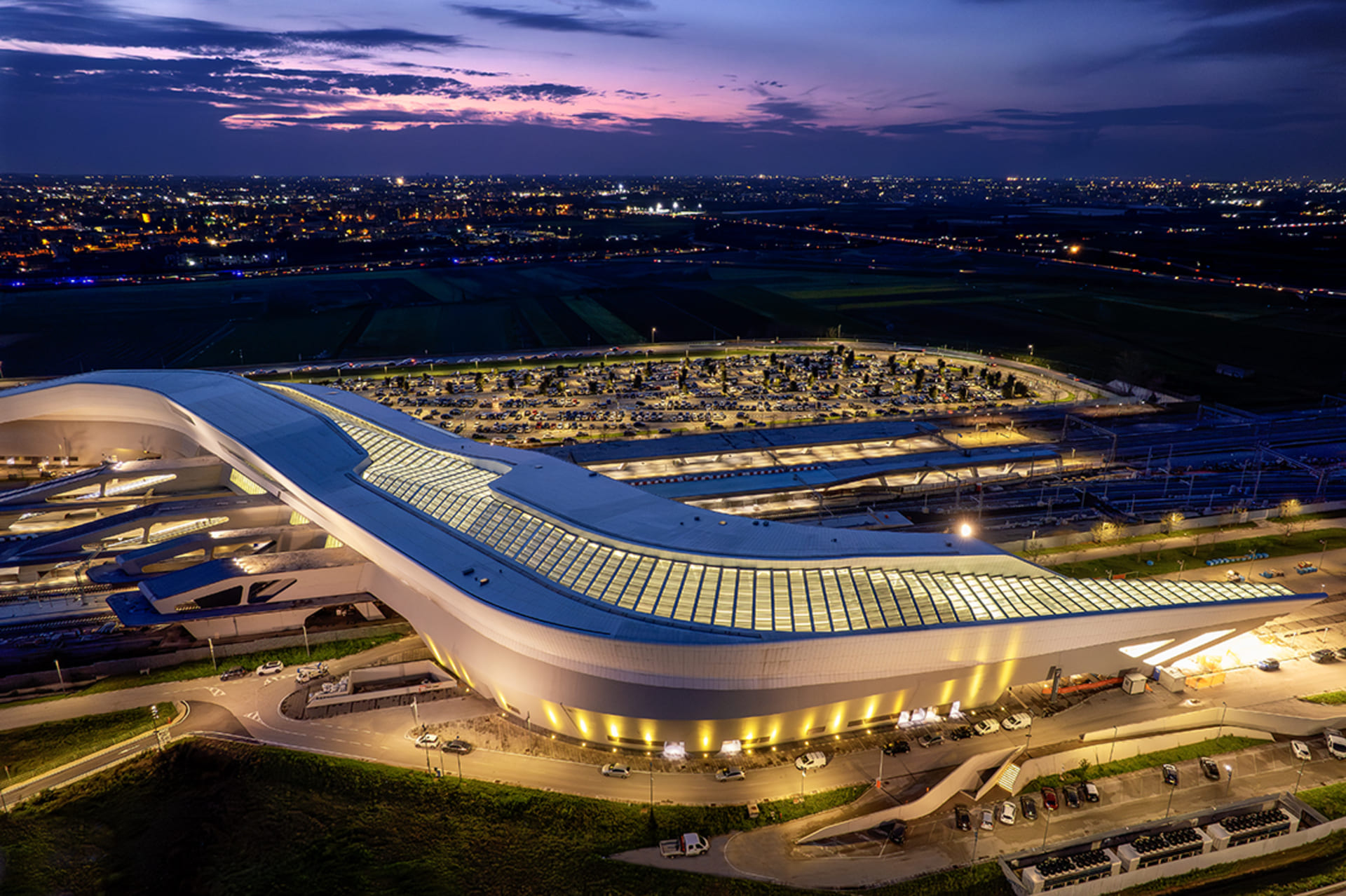 Napoli-Afragola High-Speed Station
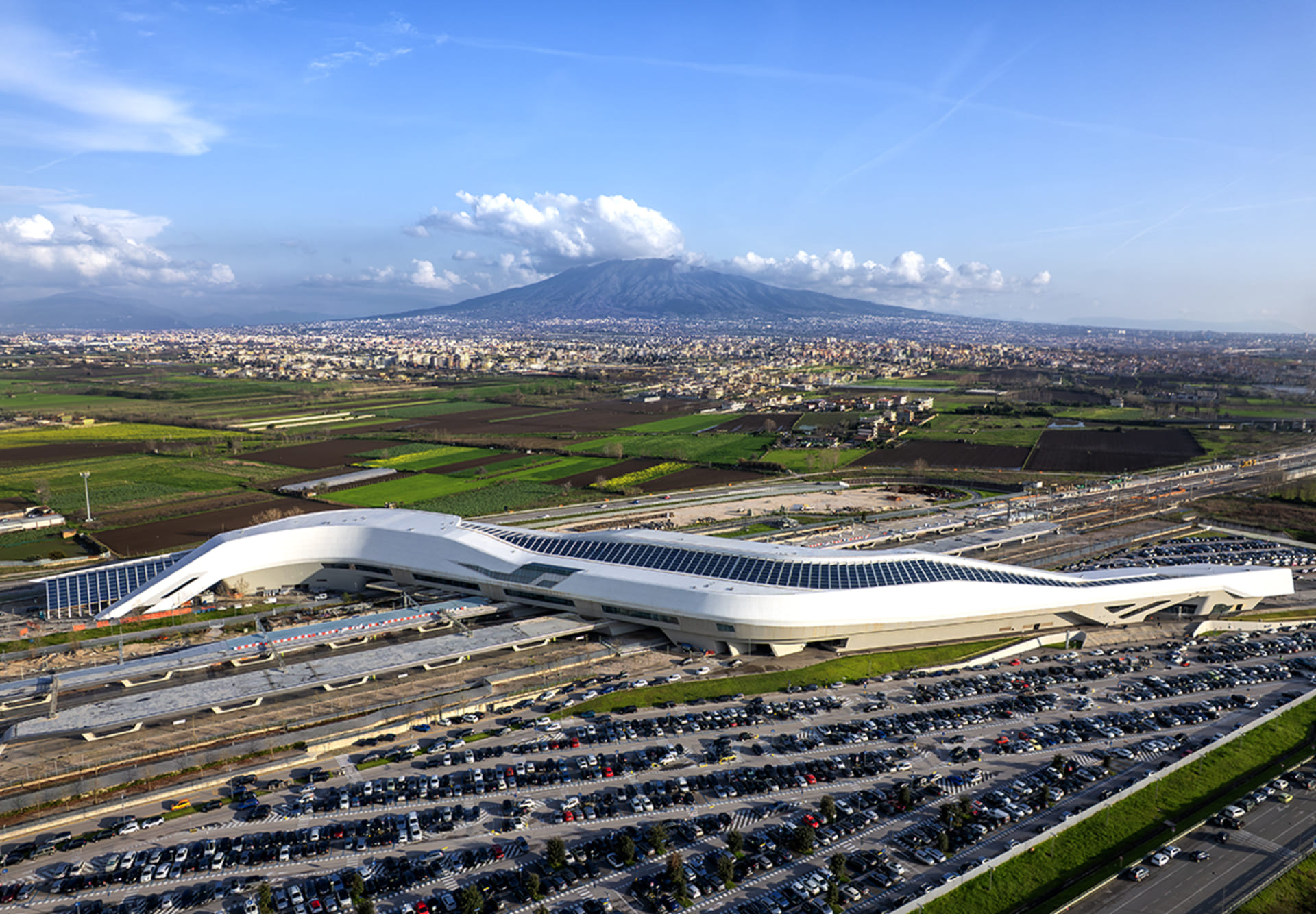 Napoli-Afragola High-Speed Station
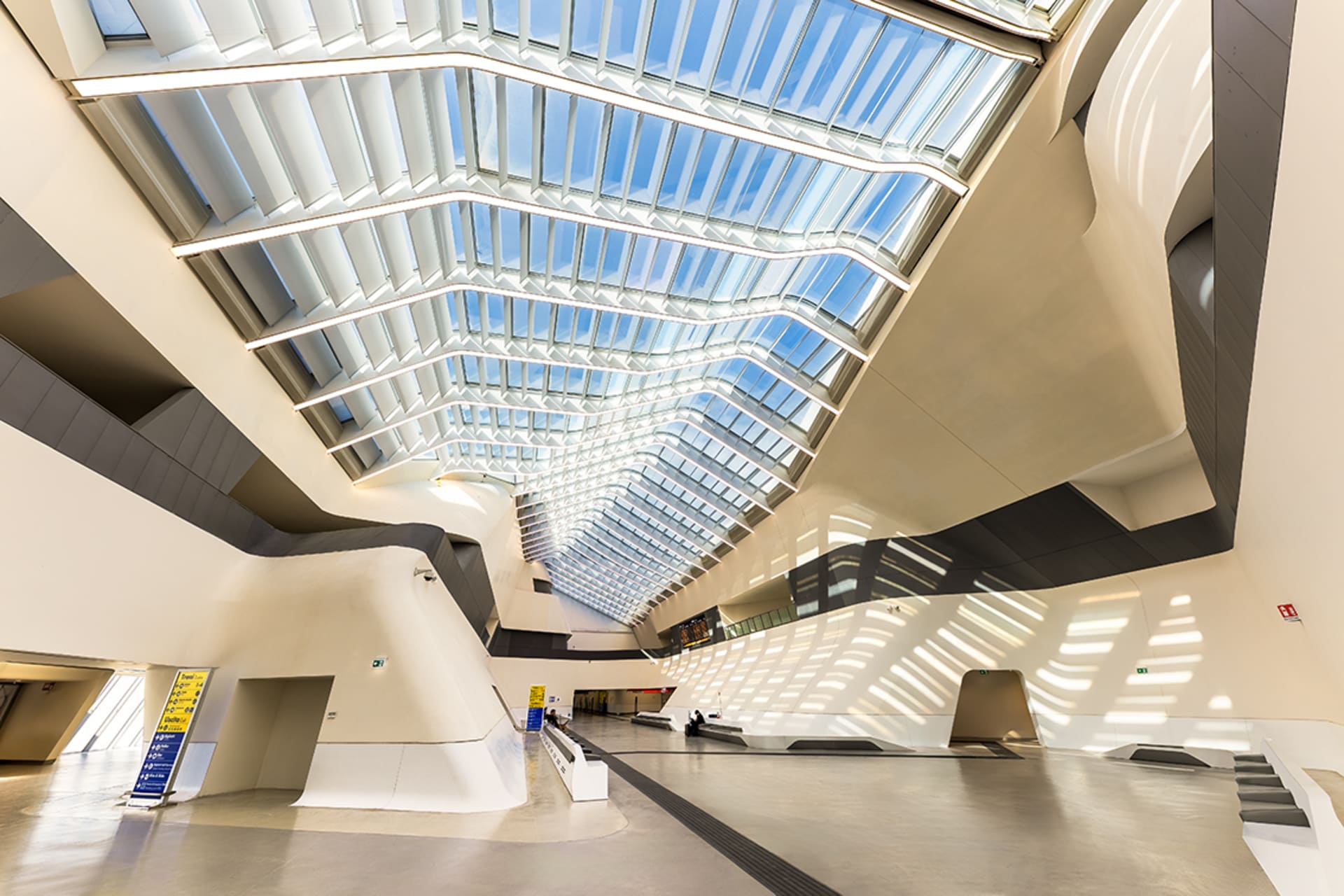 Napoli-Afragola High-Speed Station
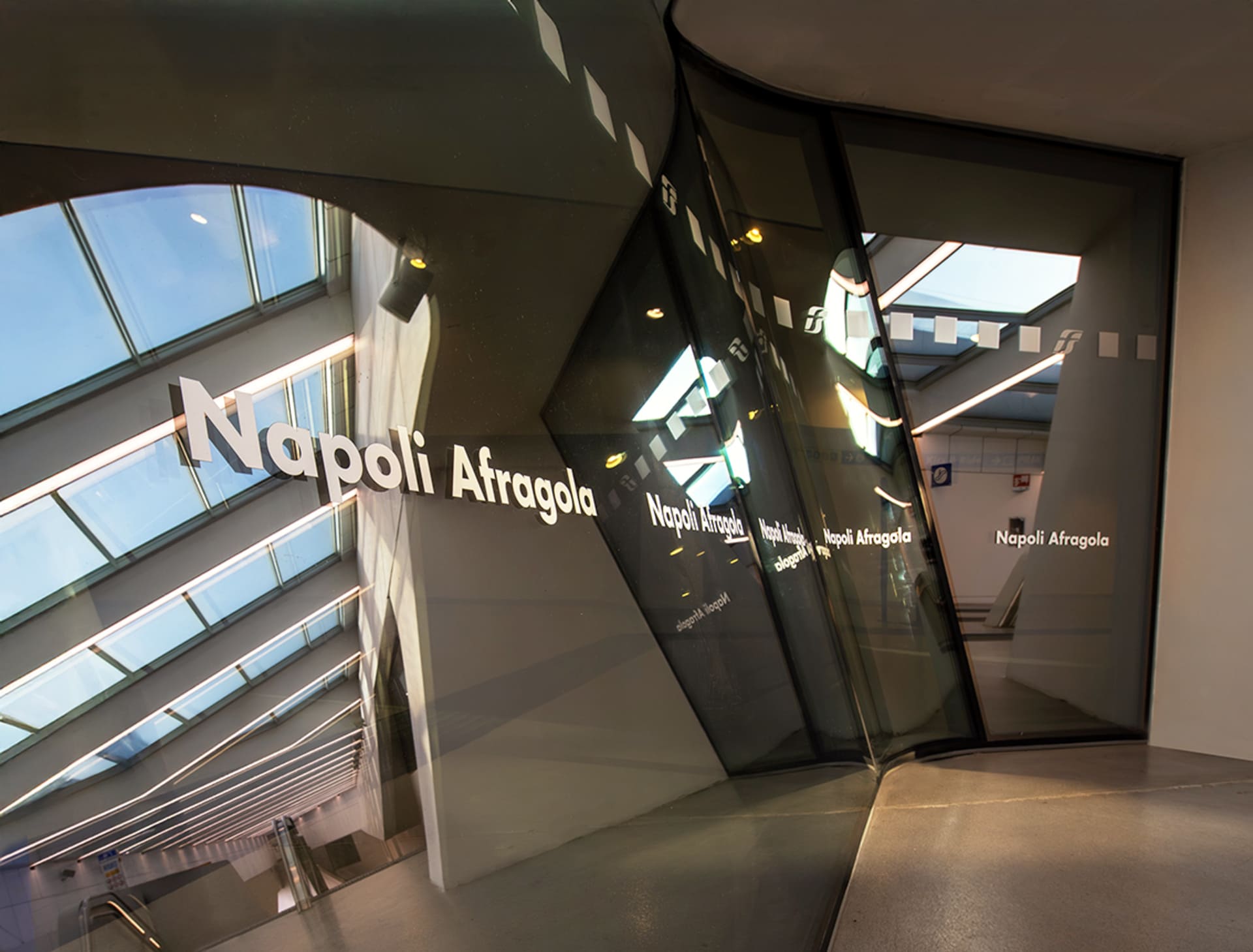 Napoli-Afragola High-Speed Station
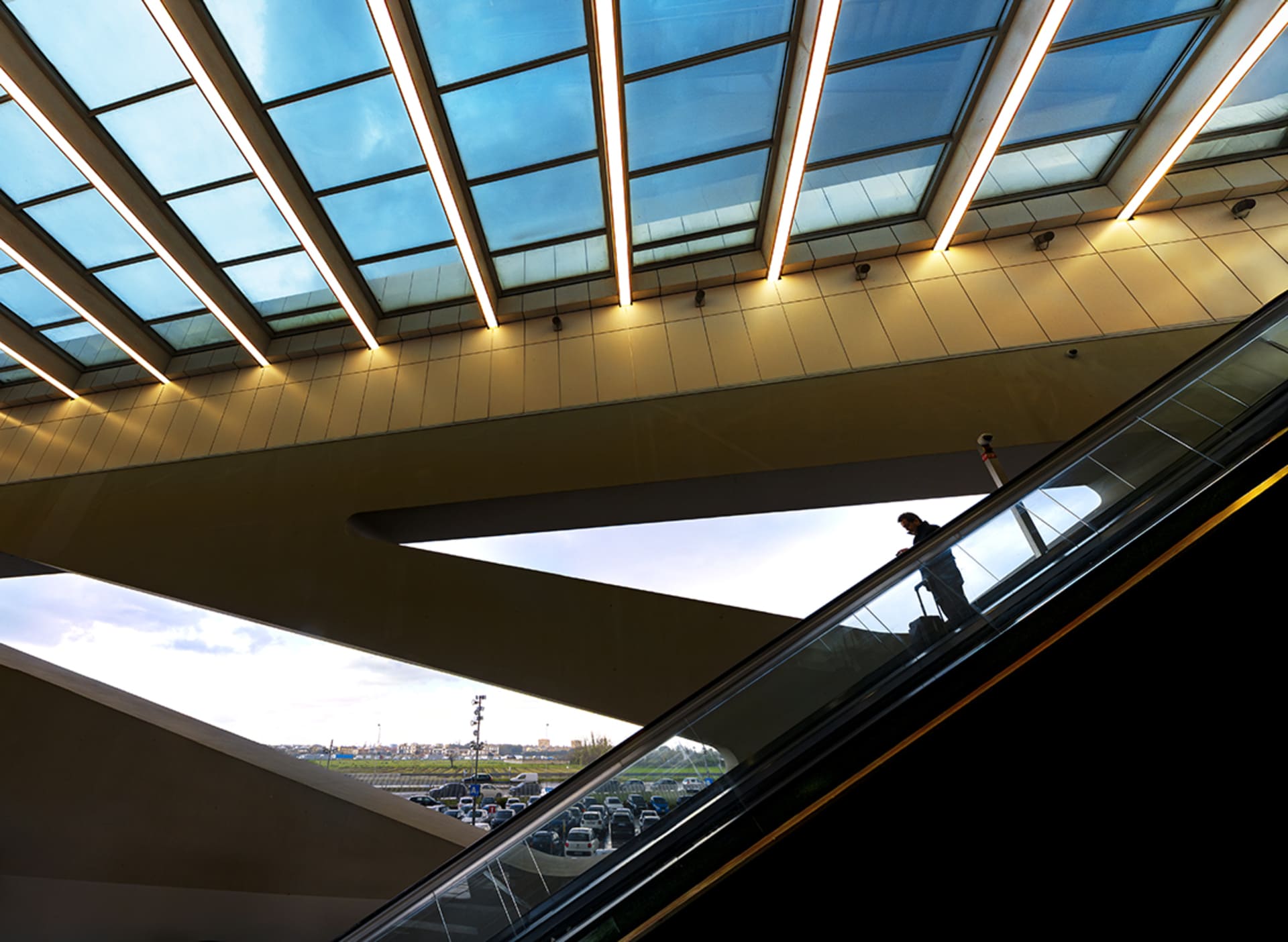 Napoli-Afragola High-Speed Station
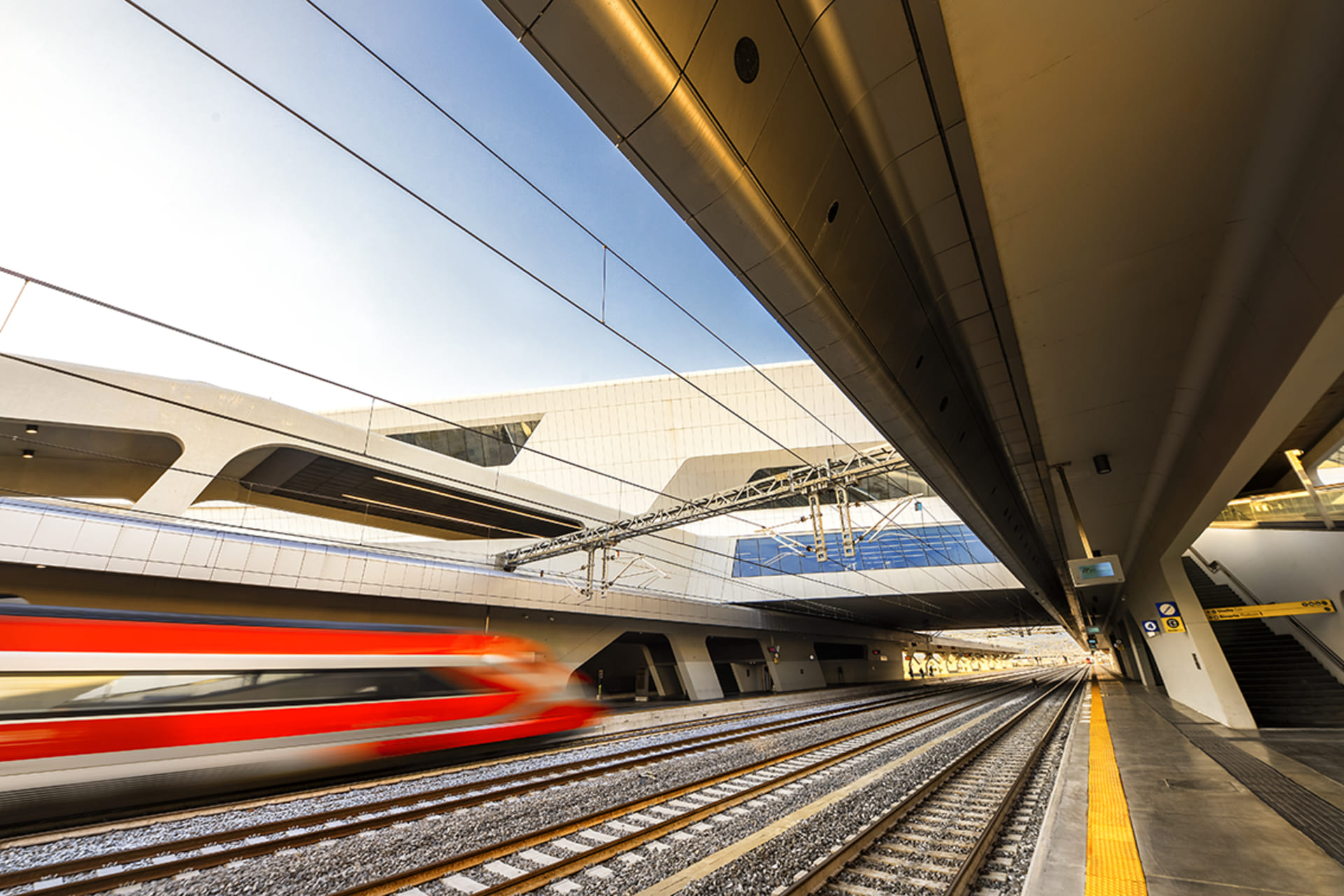 Napoli-Afragola High-Speed Station
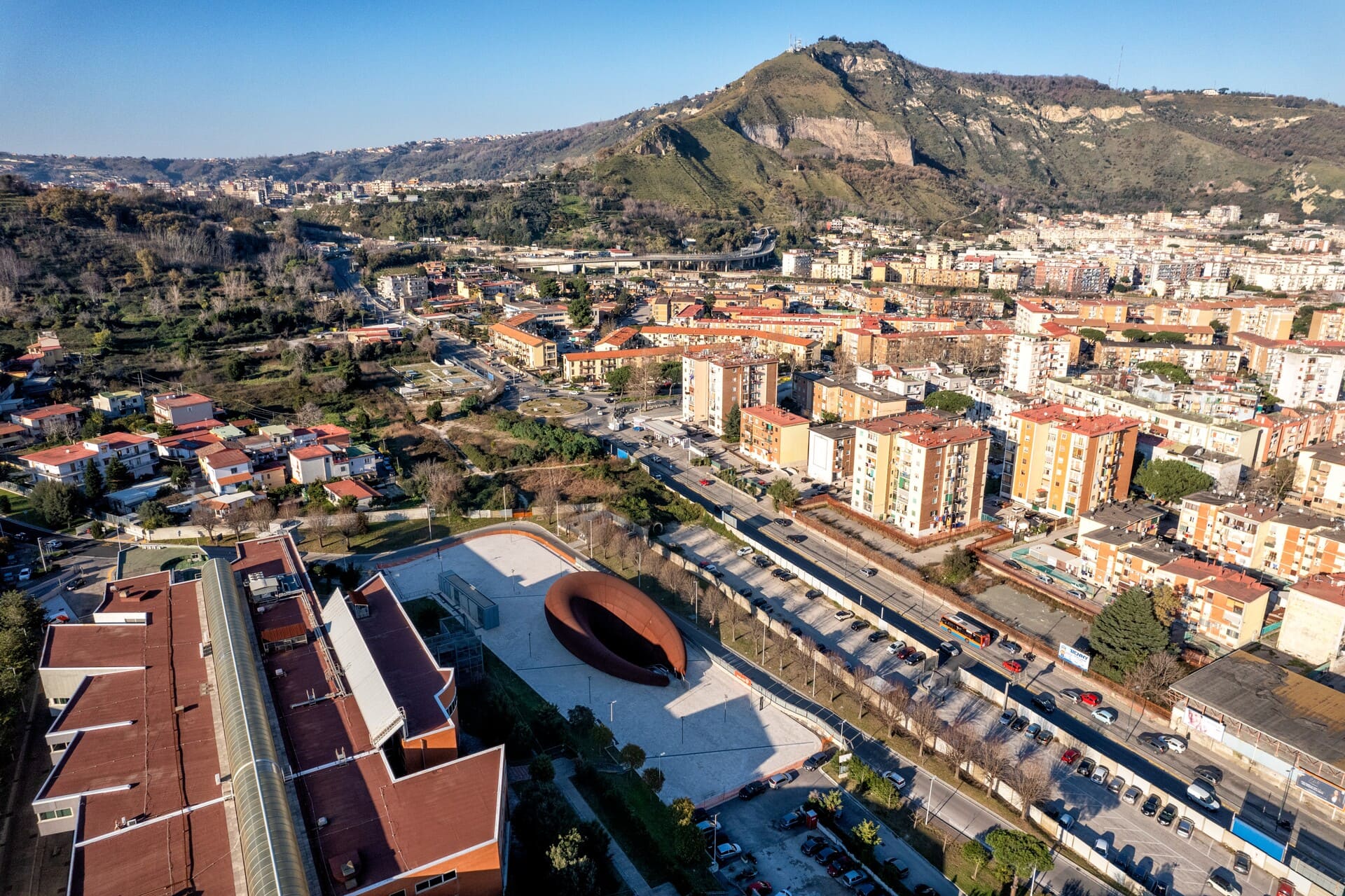 Monte Sant’Angelo Station, Line 7
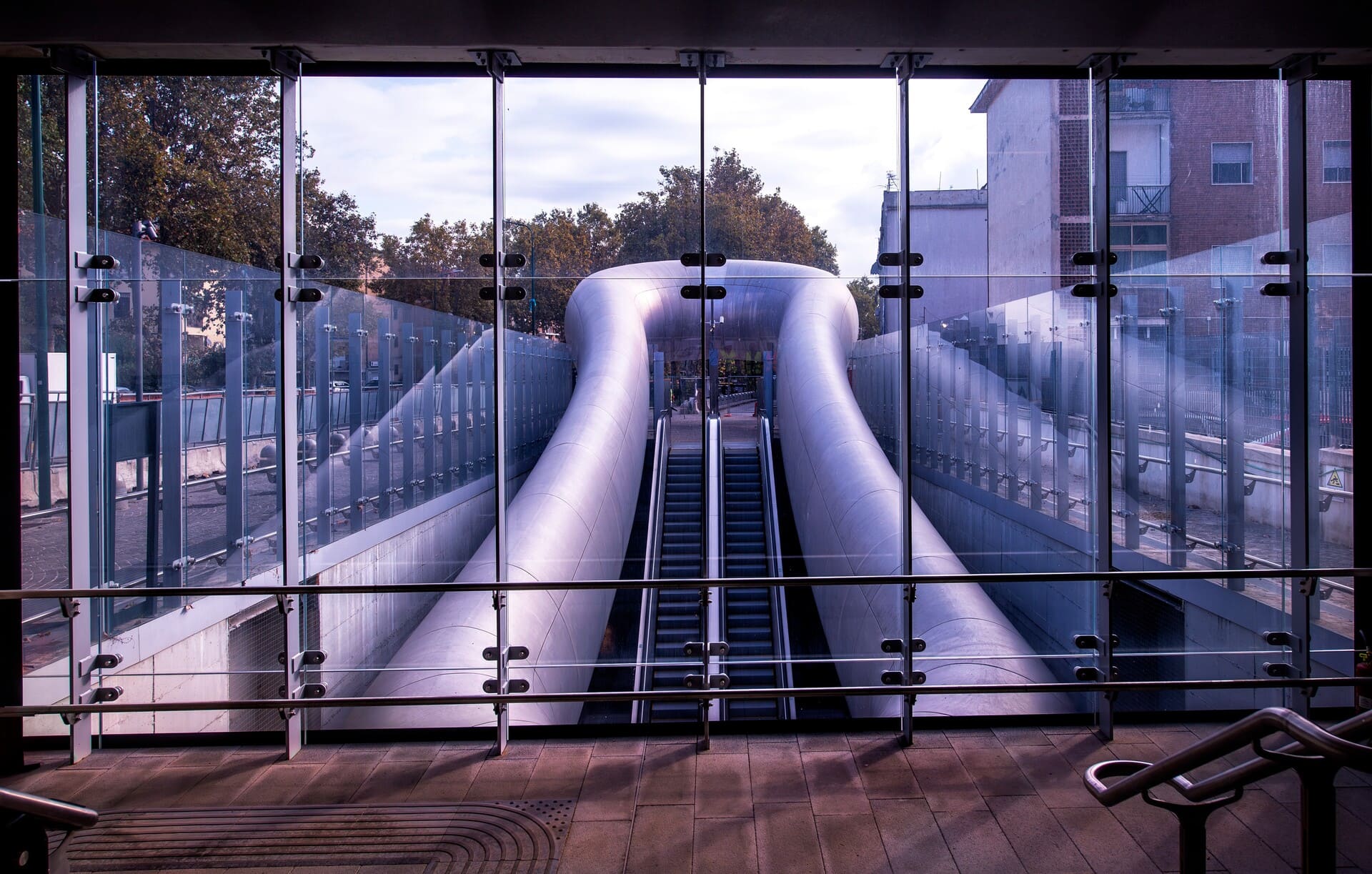 Monte Sant’Angelo Station, Line 7
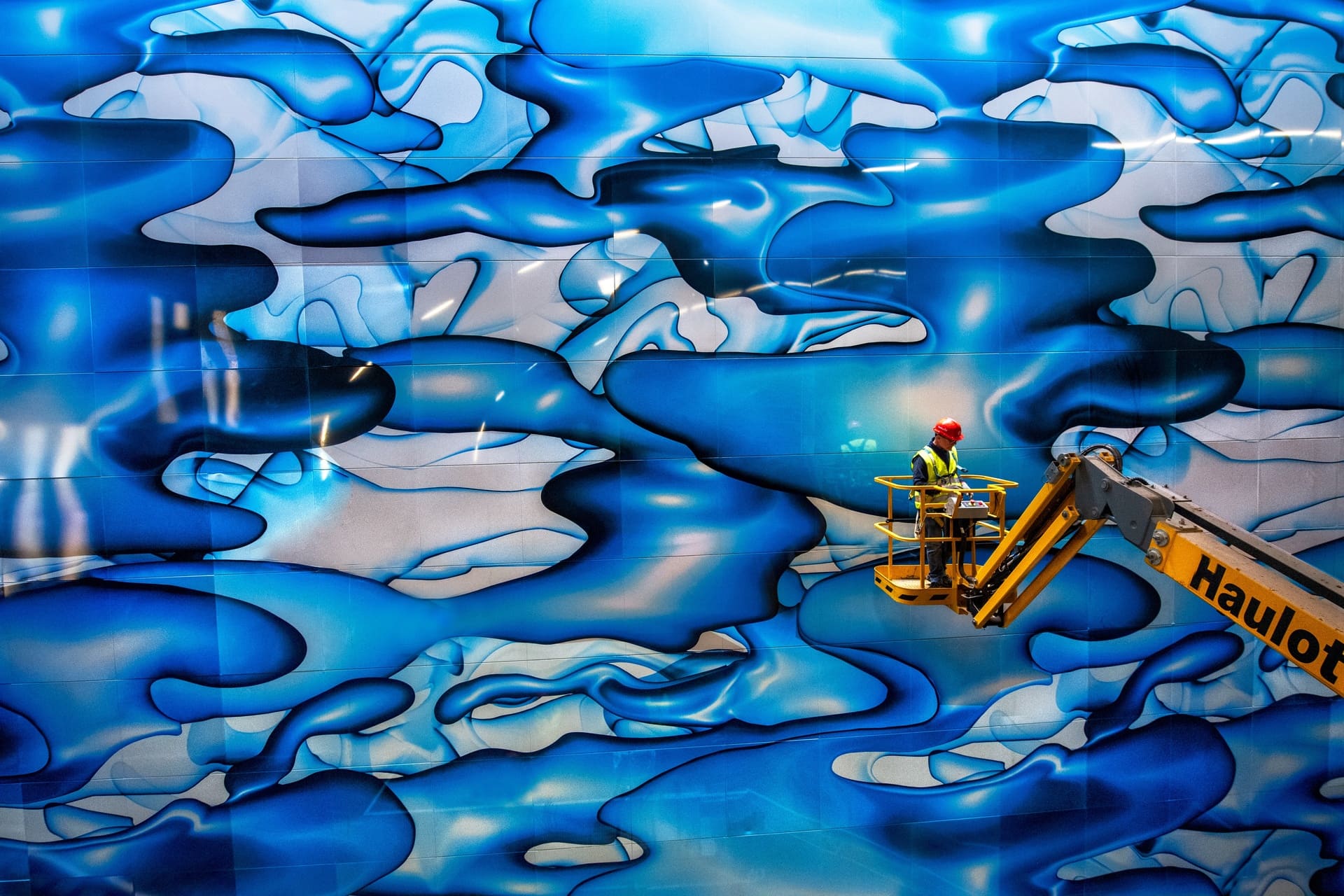 San Pasquale Station, Line 6
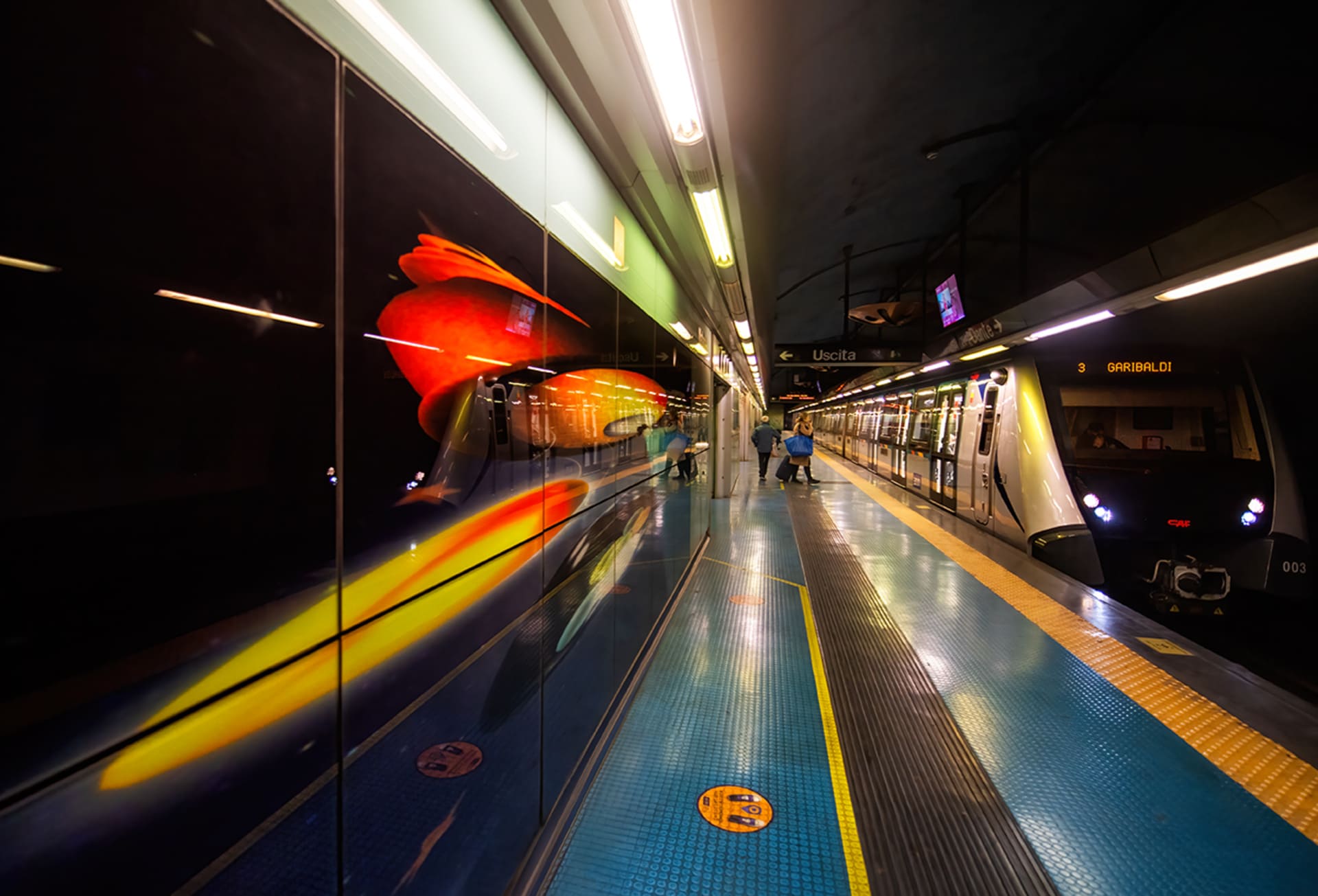 Materdei Station
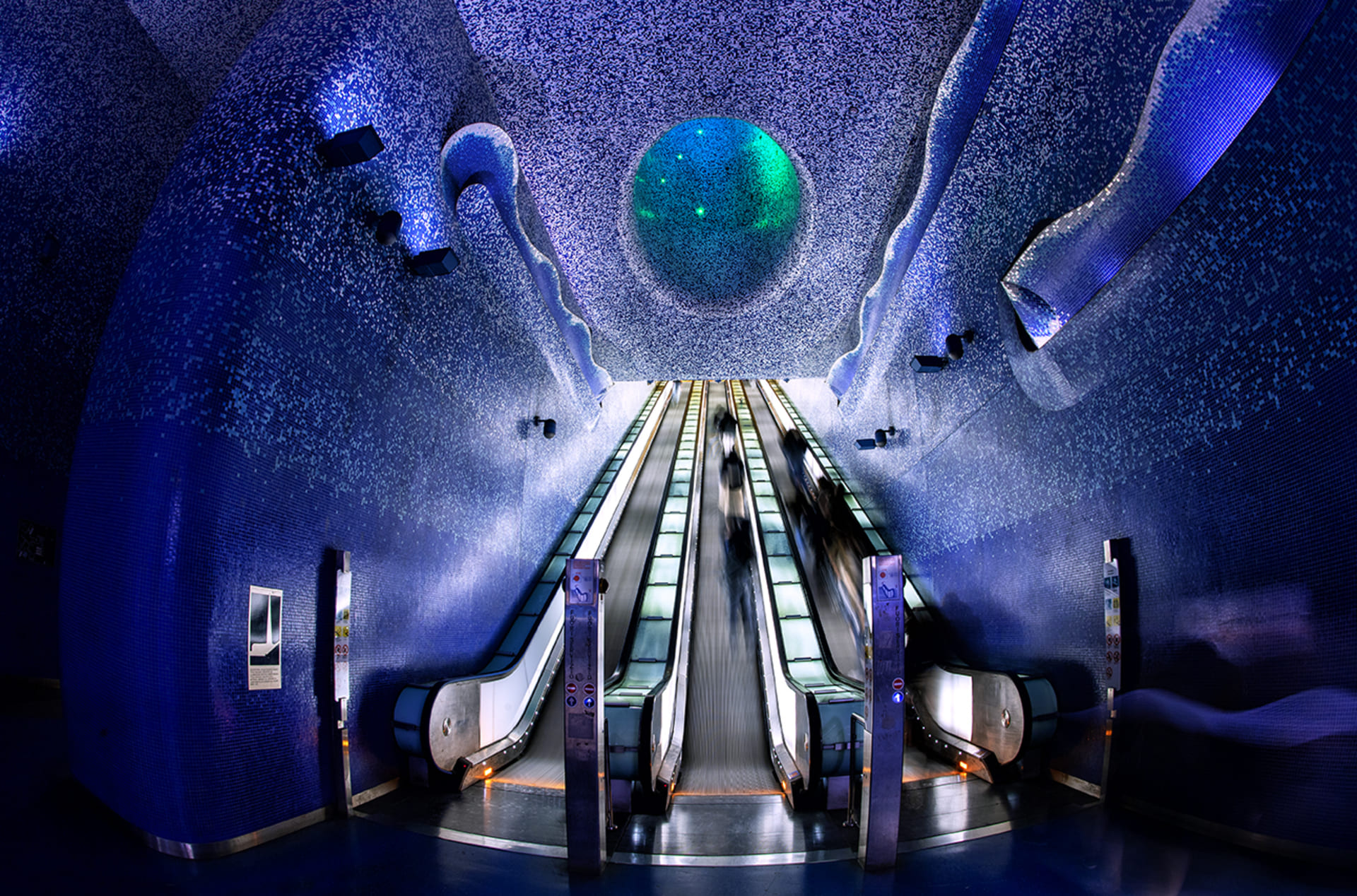 Toledo Station
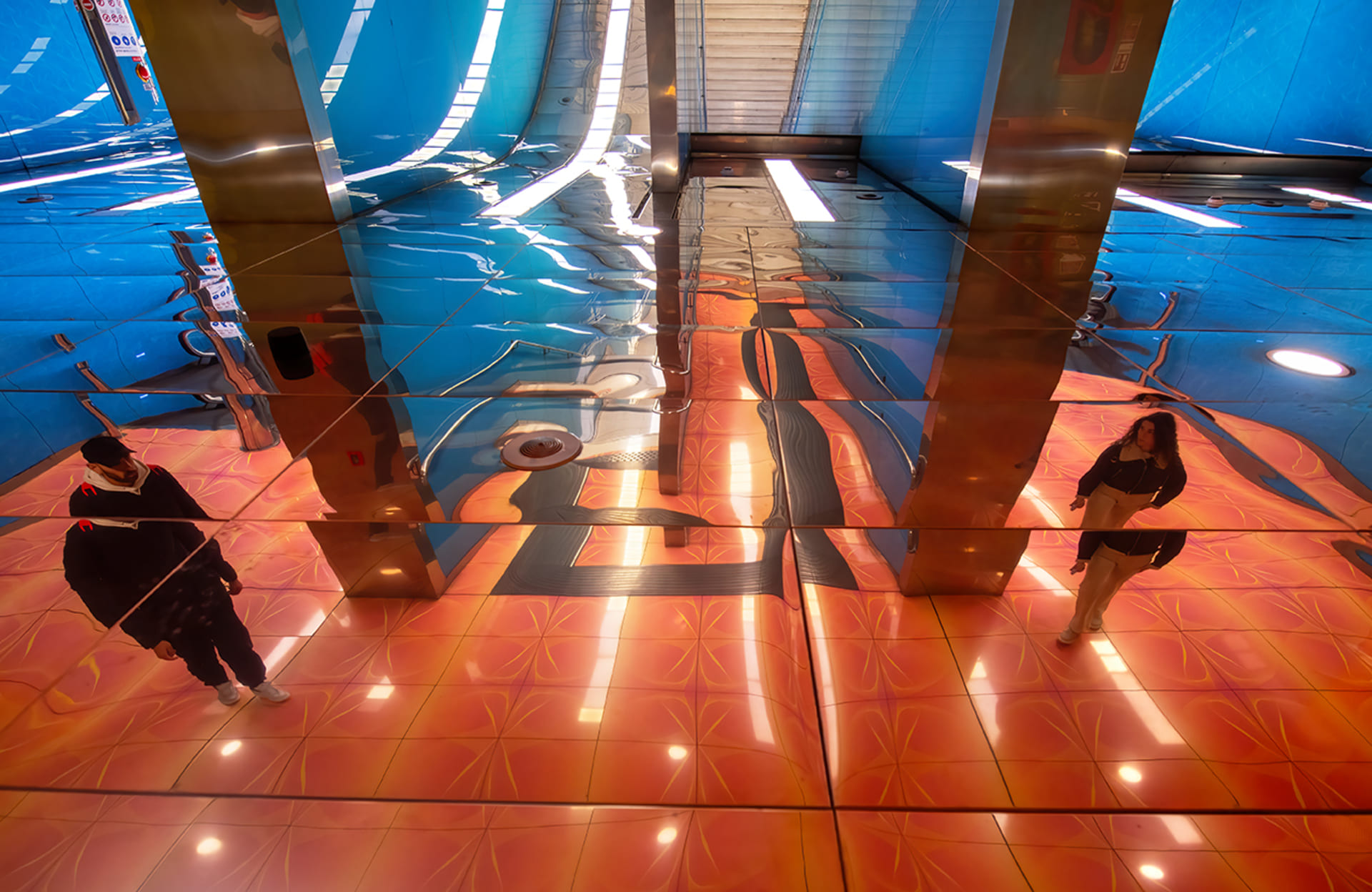 Università Station
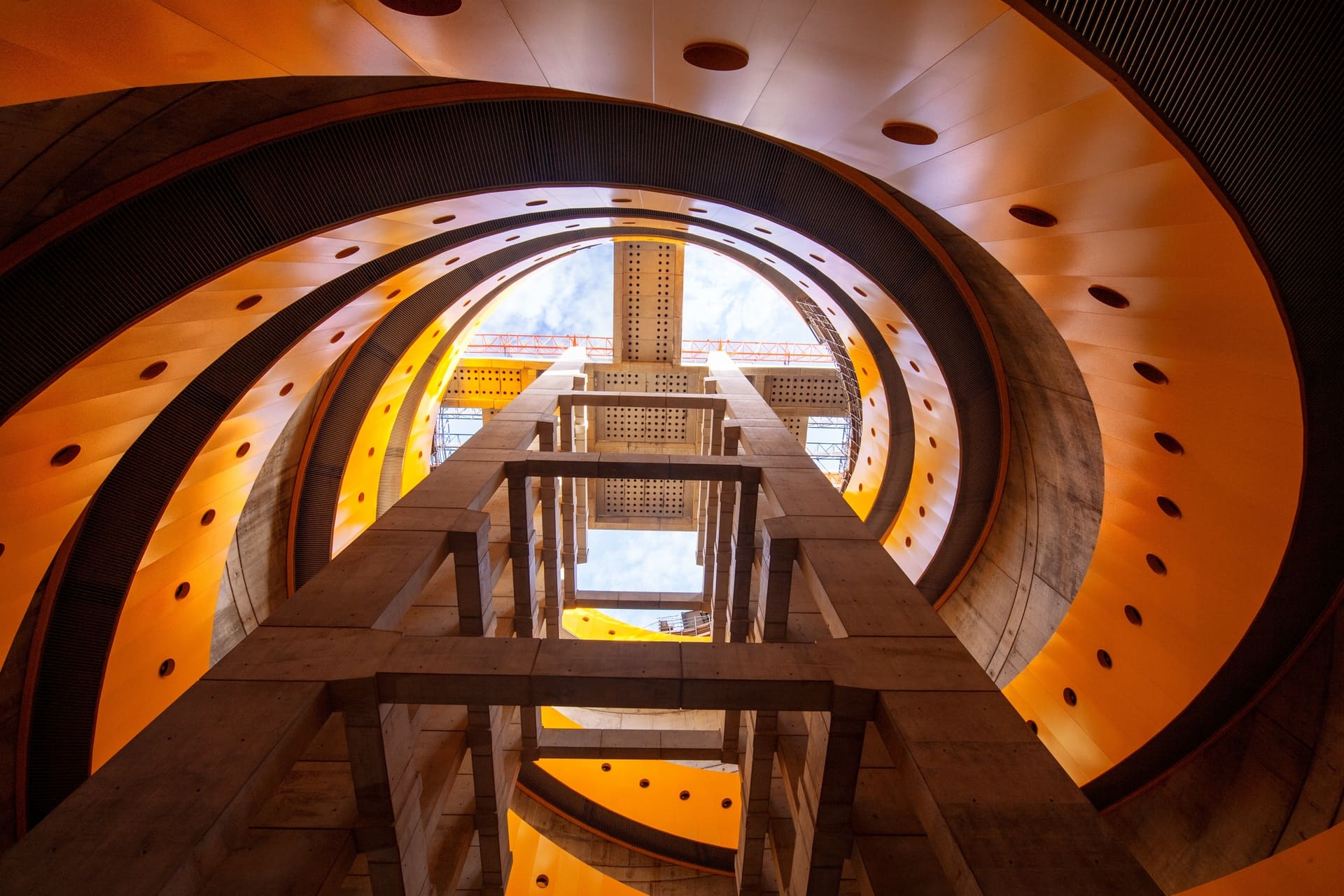 Capodichino Station construction site, Line 1
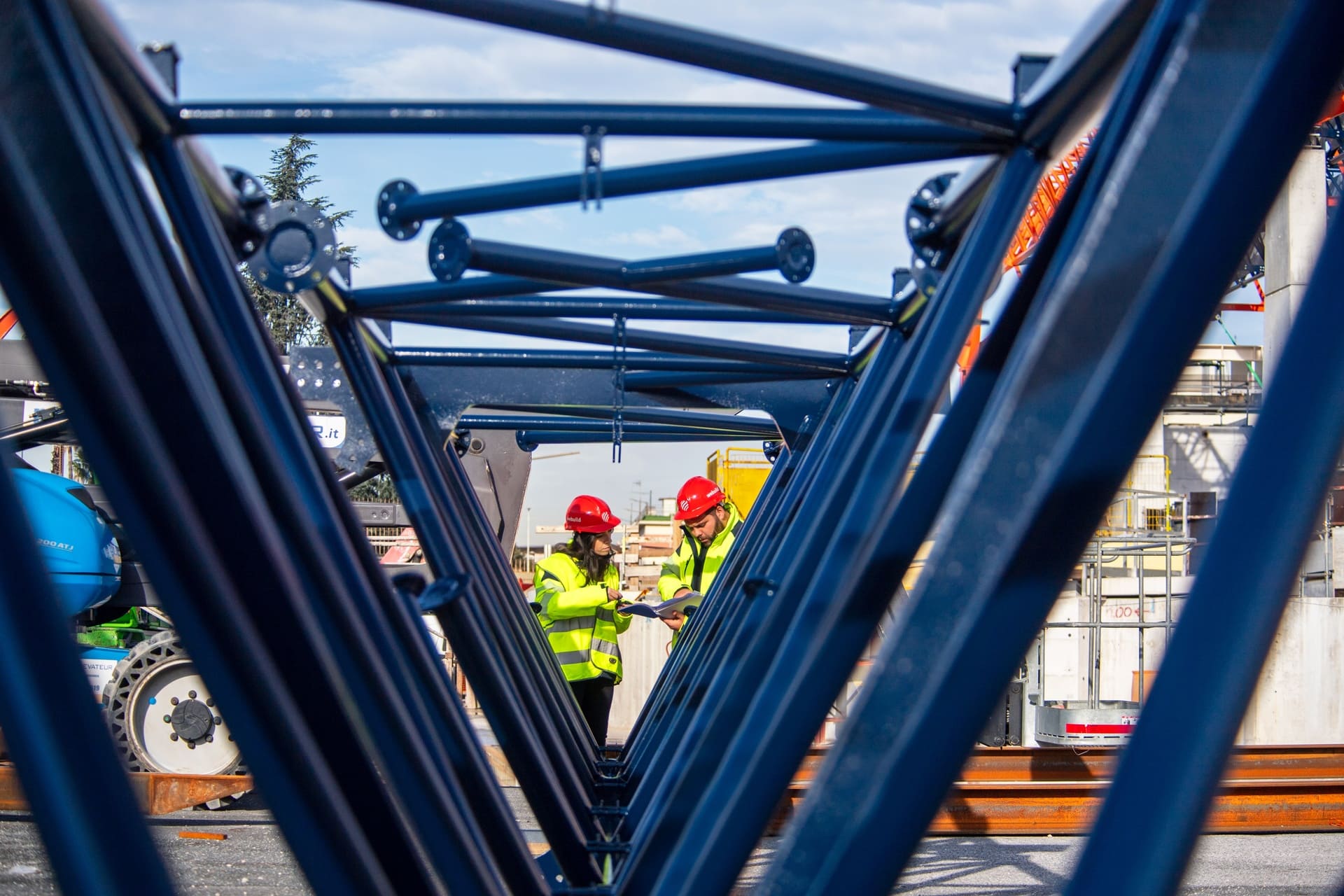 Capodichino Station construction site, Line 1
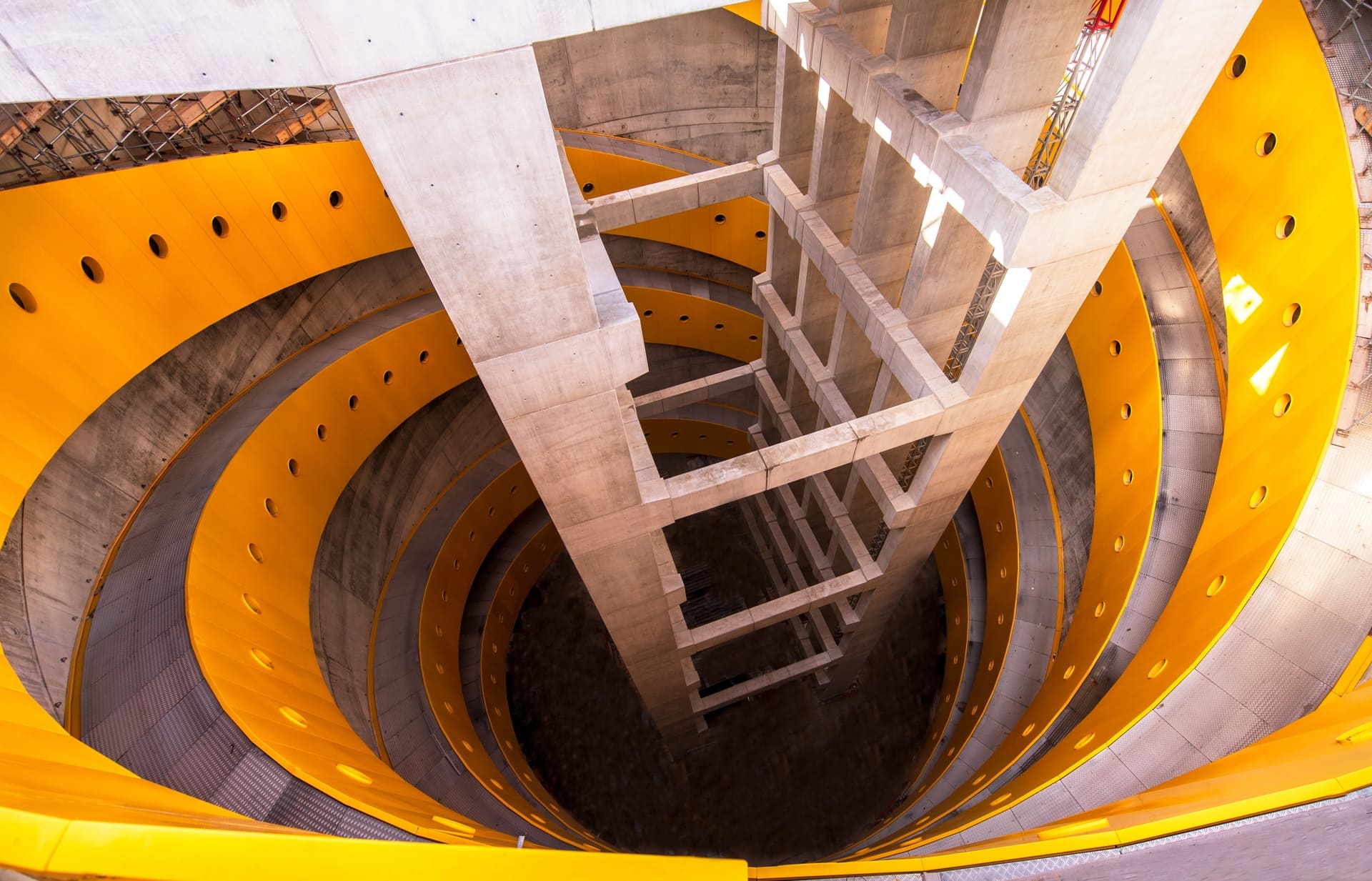 Capodichino Station construction site, Line 1
- The contract has been signed for the construction of Lot 1–Phase 1A of Line 10, awarded to a consortium led by Webuild
- Once completed, the new Naples Metro line will connect the Afragola high-speed railway station with the heart of the city in around 20 minutes, along a total route of 14 km with 12 stations
- The project will serve a densely populated area between Afragola, Casoria, Casavatore and Naples, offering a sustainable alternative to road traffic
- Naples Metro Line 10 will introduce driverless trains, marking a technological leap for Naples’ urban transport system
- Thanks to the new line, the high-speed rail station designed by Zaha Hadid will be integrated into the urban transport system, strengthening its role as a strategic node between Northern and Southern Italy
read more

Naples Metro Line 10, which will connect the Afragola high-speed railway station with the city, is no longer a dream. The contract for the construction of the infrastructure, financed by the Municipality of Naples and the Campania Region, has in fact been signed, marking the start of a project set to reshape urban mobility in the north-eastern area of the city and to strengthen the strategic role of Afragola station as an intermodal hub for Southern Italy.
The contract, worth approximately €660 million for Lot 1–Phase 1A, marks the operational launch of a public transport infrastructure that represents one of the most significant works for sustainable mobility in Southern Italy. It has been awarded to a consortium of companies led by the Webuild Group, which will deliver a 6.5-kilometre underground section with 7 stations—the first step in an overall metro line of 14 kilometres and 12 stations—capable of linking central Naples with Afragola in around 20 minutes.
Naples Metro: A New Transport System Linking Afragola Station and the City Centre
Line 10 is designed to respond to a concrete need: to connect densely populated areas, currently heavily dependent on road traffic, with the heart of the city and the national rail network. The route will run through Afragola, Casoria, Casavatore and Naples, serving a catchment area of over 650,000 residents and offering a new alternative for fast, integrated and sustainable mobility.
However, the real change in scale lies in the role of Afragola high-speed railway station. Designed by star architect Zaha Hadid, this infrastructure is already a key node along the high-speed rail corridor. With Line 10, the station will cease to be an isolated hub and will become the city’s metropolitan gateway, directly connected to the urban transportation system.
The main interchange is planned at Di Vittorio station, where Line 10 will connect directly with Metro Lines 1 and 11, creating a fundamental access point to the city centre and Capodichino Airport. Once completed, the new metro line will also reach the Piazza Principe Umberto area, enabling connections with Lines 1 and 2, the Circumvesuviana railway and the national and regional rail network at the Piazza Garibaldi hub in Naples, in addition to a direct link with the Napoli–Afragola High-Speed station. An interconnection with regional lines at Casoria-Afragola via the existing railway station is also planned.
In this way, the new infrastructure will create a multi-level transport system: metro, regional network and high-speed rail will be integrated into a single mobility framework—a model that not only reduces travel times but also reshapes the economic and social relationships between Naples and its hinterland.
Technology, Sustainable Mobility, and Jobs: Construction Sites as Drivers of Development
Naples Metro Line 10 will also be a project with a high technological content. For the first time, the city will have a fully automated, driverless metro, bringing it on par with Europe’s most advanced urban transport systems. The tunnels will be built using a mix of traditional excavation and next-generation TBMs, while construction techniques—such as the top-down method—will significantly reduce the impact of works on the urban fabric.
This impact will not be solely infrastructural. The first construction phase will generate around 700 jobs, rising to 1,500 upon completion, activating supply chains and skills across the territory.
At the same time, the project will include urban regeneration measures, with new squares, green areas and redesigned public spaces along the route, turning the metro into a tool not only for mass transit but also for renewal.
Naples, a Historic Laboratory for Rail Transport
Line 10 forms part of a tradition that makes Naples unique in the Italian context. As early as 1925, with the rail bypass—now Line 2—the city was experimenting with the country’s first underground urban rail transport system, anticipating the modern metro model by decades.
Since then, the development of the rail network has accompanied urban growth: from historic lines to Line 1, with its renowned Art Stations (many of which were built by the Webuild Group), through to more recent projects that integrate mobility, architecture and culture.
Along this path, Naples has transformed its metro into something more than a technical infrastructure: a transportation system capable of combining aesthetics, functionality and urban identity.
This is why the contract signing for Line 10 represents much more than the mere commencement of construction.
It signals the beginning of a new phase for Naples, in which smart mobility becomes a strategic lever to connect territories, attract investment and improve quality of life. With this infrastructure, the city strengthens its role as an advanced laboratory in rail transport, capable of innovating while building on its own history.