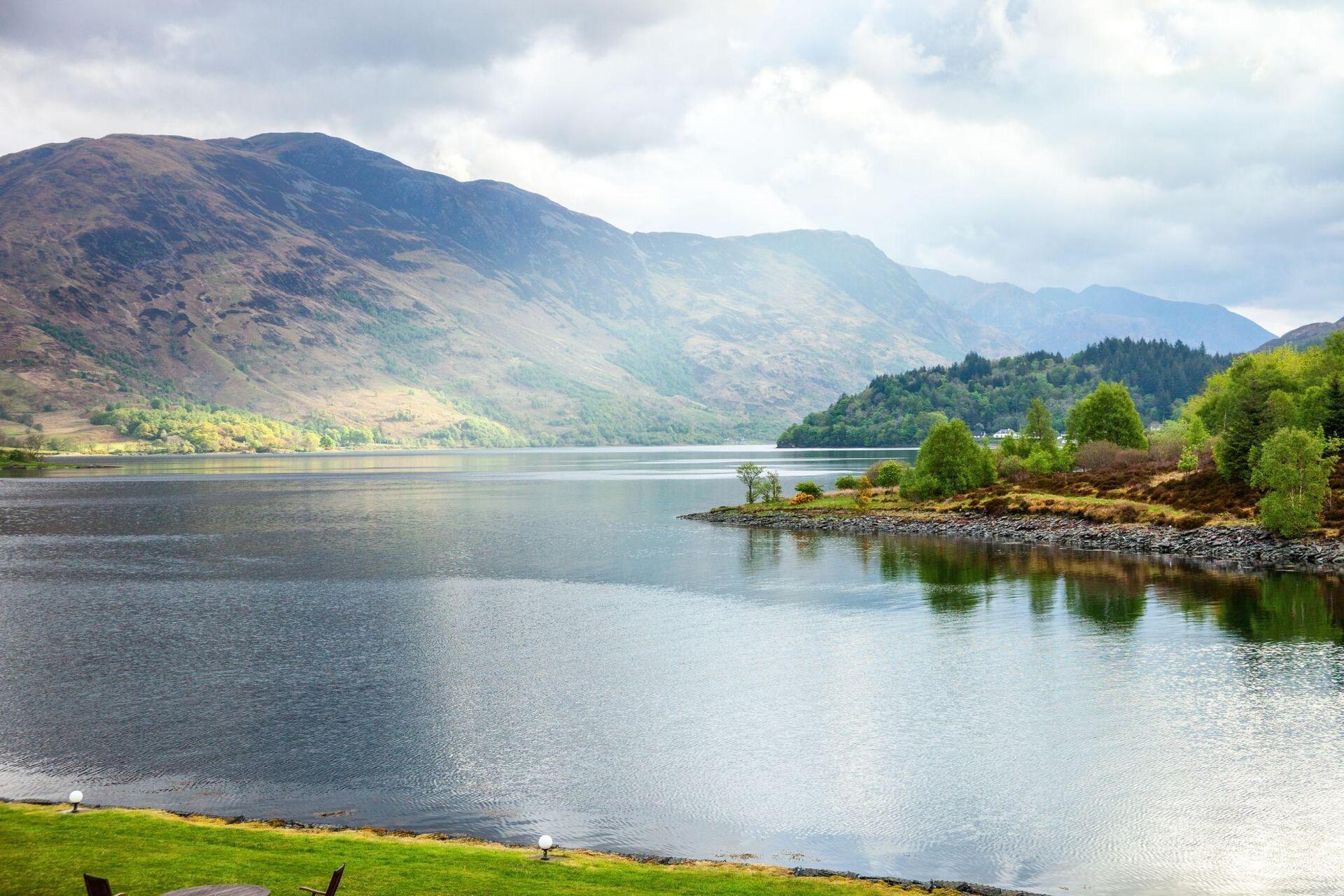


There are lakes that, over time, have seen a radical transformation in their relationship with the surrounding landscape, shifting from compromised or marginal resources into new environmental, urban, and energy hubs, thanks to engineering and infrastructural planning.
Through reclamation works, purification systems, ecological restoration initiatives, and major hydraulic projects, these basins have once again become central elements for community life, biodiversity, and local sustainable development.
In this regeneration process, water is not merely managed or protected, but reinterpreted as a strategic resource capable of forging new connections between the natural ecosystem, infrastructure, and human presence.
1 – Lake Mead, Las Vegas, United States
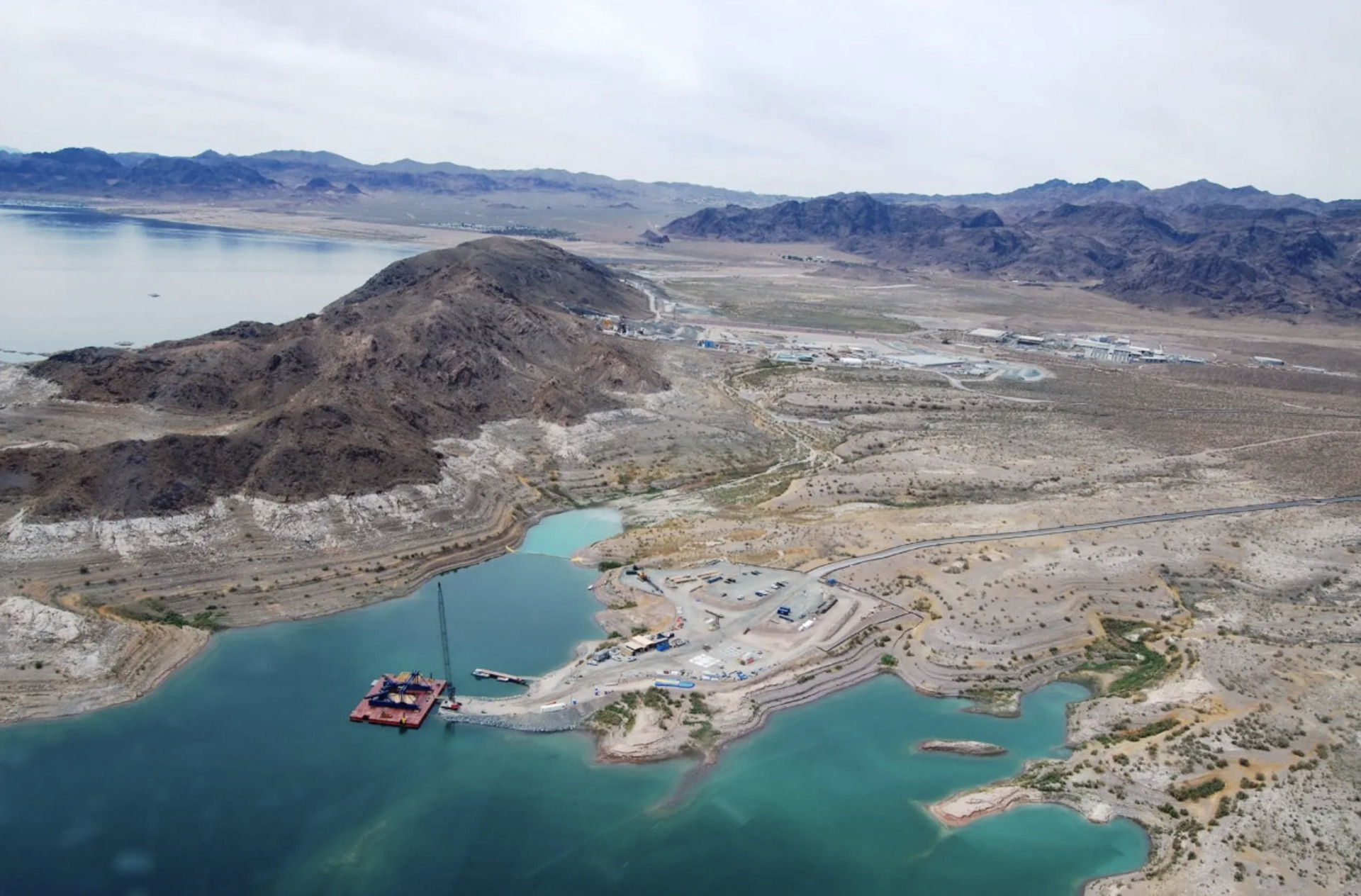
The Lake Mead intake hydraulic tunnel, built by the Webuild Group near Las Vegas in Nevada, represents one of the most advanced engineering projects ever undertaken to ensure the survival of a major reservoir and the water system that depends on it.
Designed to counter the progressive decline of water levels in Lake Mead – the largest reservoir in the United States – the project involved constructing a new water intake located more than 100 meters below the lake’s surface, connected to the mainland via a 4.6-kilometer-long underground tunnel.
Excavated under record-breaking pressure conditions using a TBM (Tunnel Boring Machine) custom-designed to operate beneath the lake bed, the system now guarantees a continuous water supply to the Las Vegas area affected by drought, transforming what began as an emergency infrastructure into a cornerstone of regional resilience.
2 – Lake Kariba, Zambia-Zimbabwe
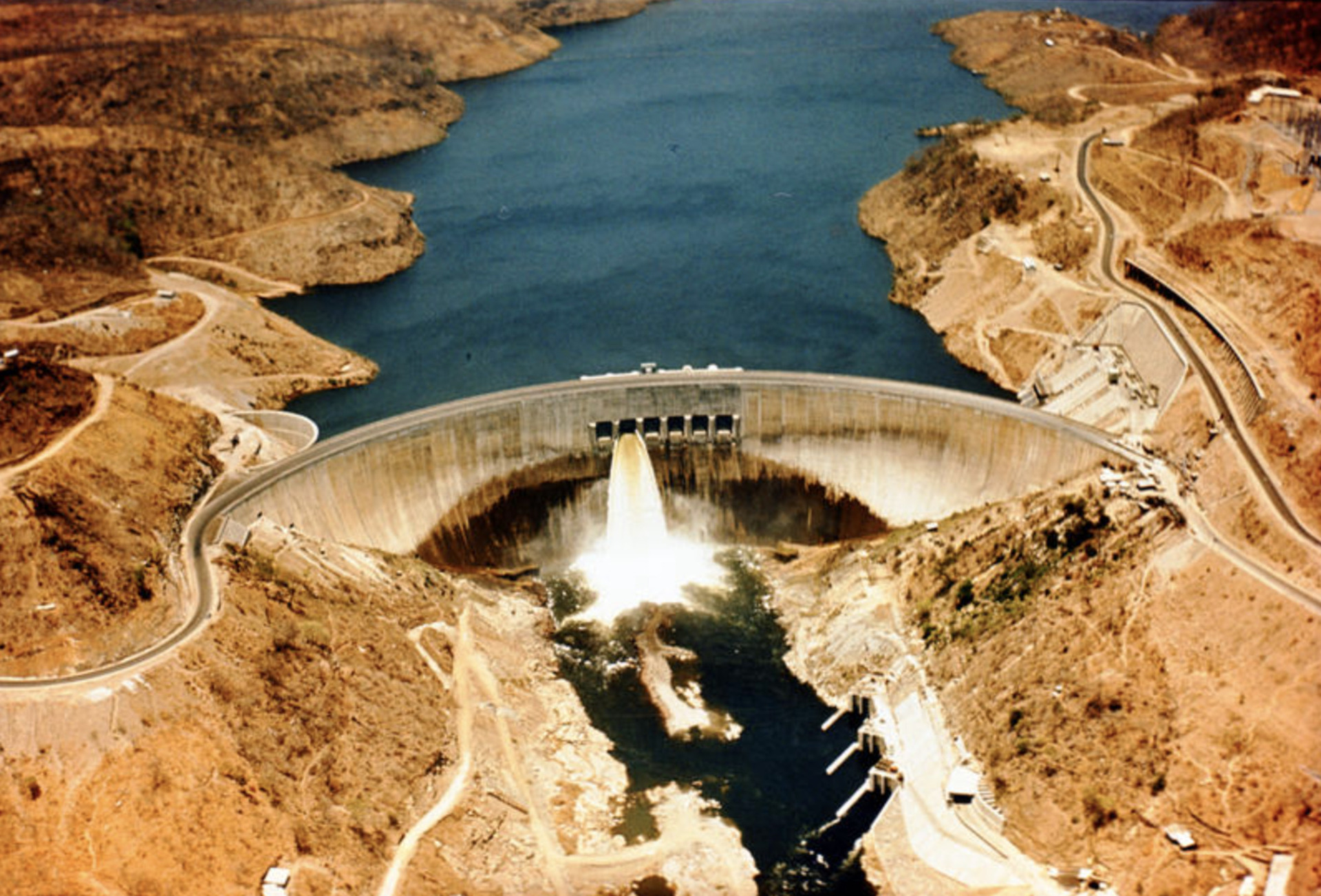
The Kariba Dam, a hydropower plant built with the contribution of the Webuild Group on the border between Zambia and Zimbabwe, is one of the most emblematic examples of how a major reservoir can be transformed into a strategic resource for the entire surrounding region.
Created by the construction of a dam on the Zambezi River, Lake Kariba is today one of the world’s largest man-made reservoirs and serves as an essential energy source for much of Southern Africa.
In this context, upgrading and modernization works at the hydropower plant have improved the power station’s production capacity, safety, and operational continuity, reinforcing the lake’s role as a vital piece of energy infrastructure for the region’s economic development and stability.
3 – The Great Lakes, United States-Canada
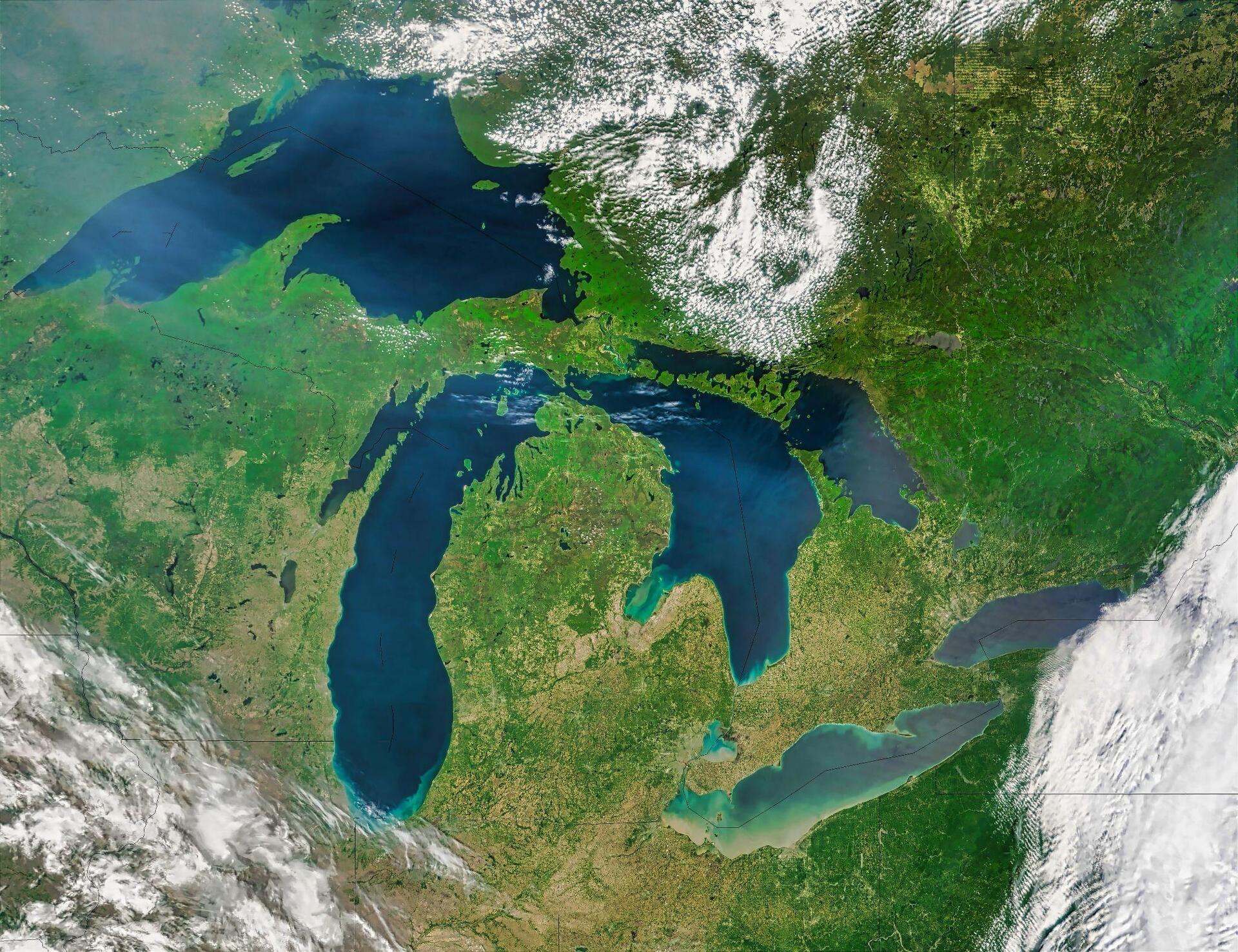
The Great Lakes system, spanning the United States and Canada, represents one of the most monumental examples of hydrological and territorial transformation on the planet. Here, five large freshwater basins – Lake Superior, Lake Michigan, Lake Huron, Lake Erie, and Lake Ontario – form an interconnected network that has, over time, redefined the geography, climate, and economy of the entire region.
Shaped by glacial action during the Pleistocene epoch, the Great Lakes now constitute the largest surface area of freshwater in the world and stand as a vital structural element for the lives of millions of people, serving simultaneously as a water resource, a major shipping route, and a strategic natural infrastructure for North America.
4 – De Groote Melanen, Netherlands
The case of Lake Groote Melanen in the Netherlands is a significant example of how a lake basin can be restored to a state of equilibrium through an integrated engineering approach based on a comprehensive analysis of the entire water system.
Originating in the 18th century from peat extraction activities, the lake progressively developed severe eutrophication, characterized by turbid waters, algal blooms, and an ecosystem dominated by fish species poorly suited to aquatic biodiversity.
To reverse this trend, a coordinated program of interventions was launched, combining nutrient load reduction, dredging, sediment capping, fish stock management, and shoreline renaturalization, with the goal of restoring clear and stable water conditions.
5 – Loch Leven, Scotland, United Kingdom
Loch Leven, in the heart of Scotland, represents one of Europe’s most significant case studies in the recovery and sustainable management of a lake under intense anthropogenic pressure. Here, decades of scientific monitoring have made it possible to reconstruct and guide the ecosystem’s regeneration process.
The basin, characterized by eutrophication caused by an excess of nutrients from agriculture and urban wastewater, has been progressively targeted with interventions aimed at reducing phosphorus loads, improving water quality, and restoring aquatic biodiversity.