


 Ohio River, Pennsylvania
 Pittsburgh, Pennsylvania
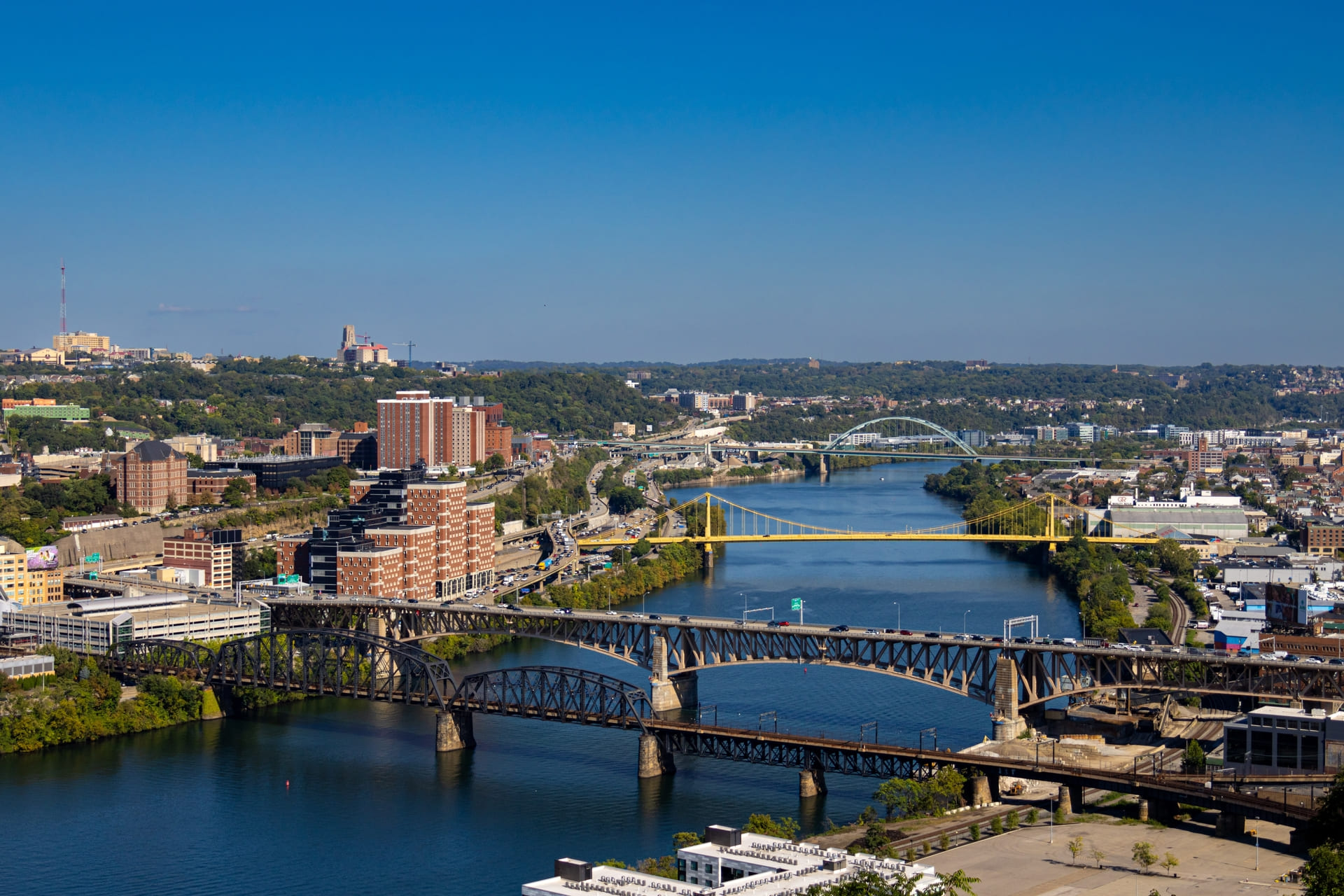 Pittsburgh, Pennsylvania
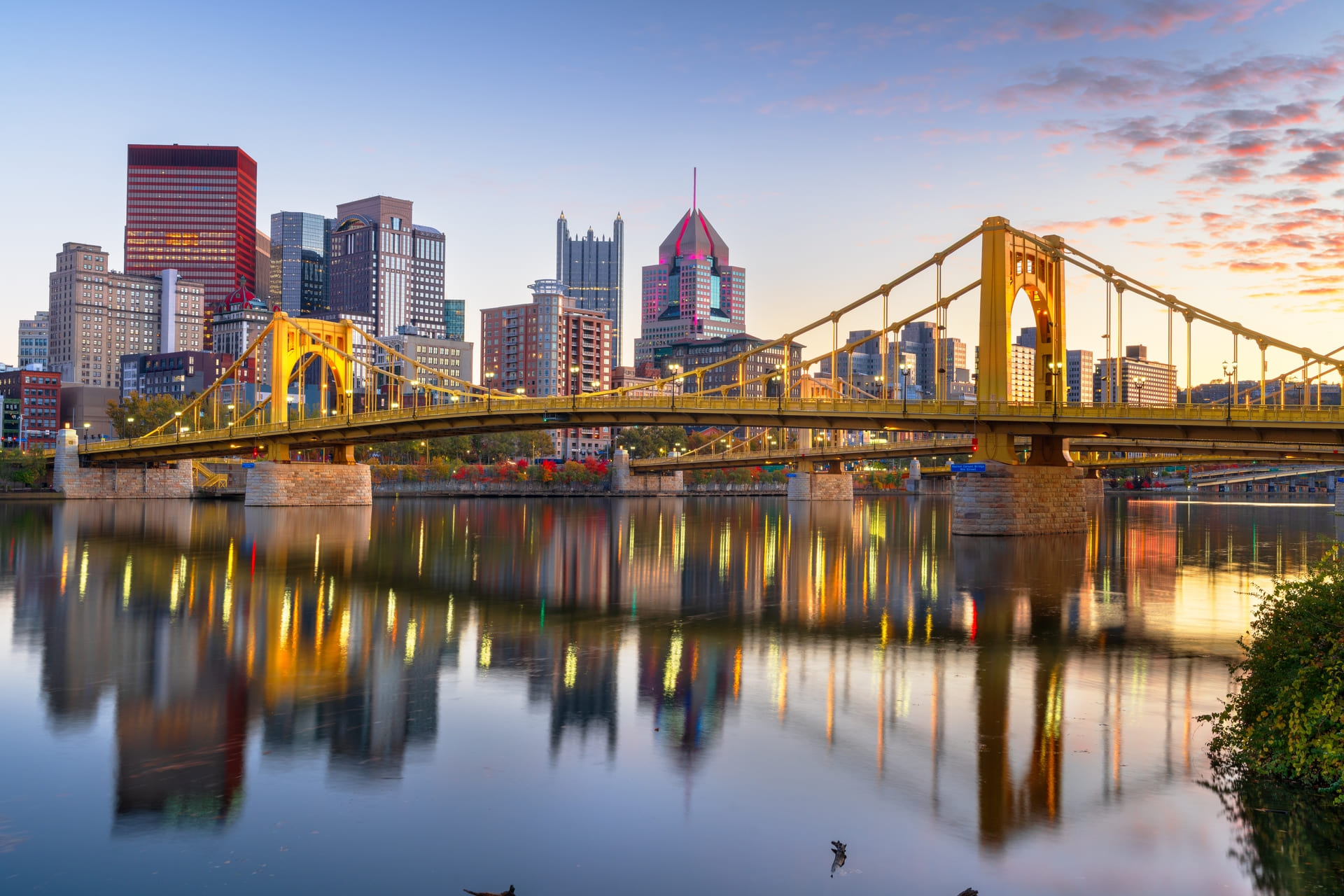 Pittsburgh, Pennsylvania
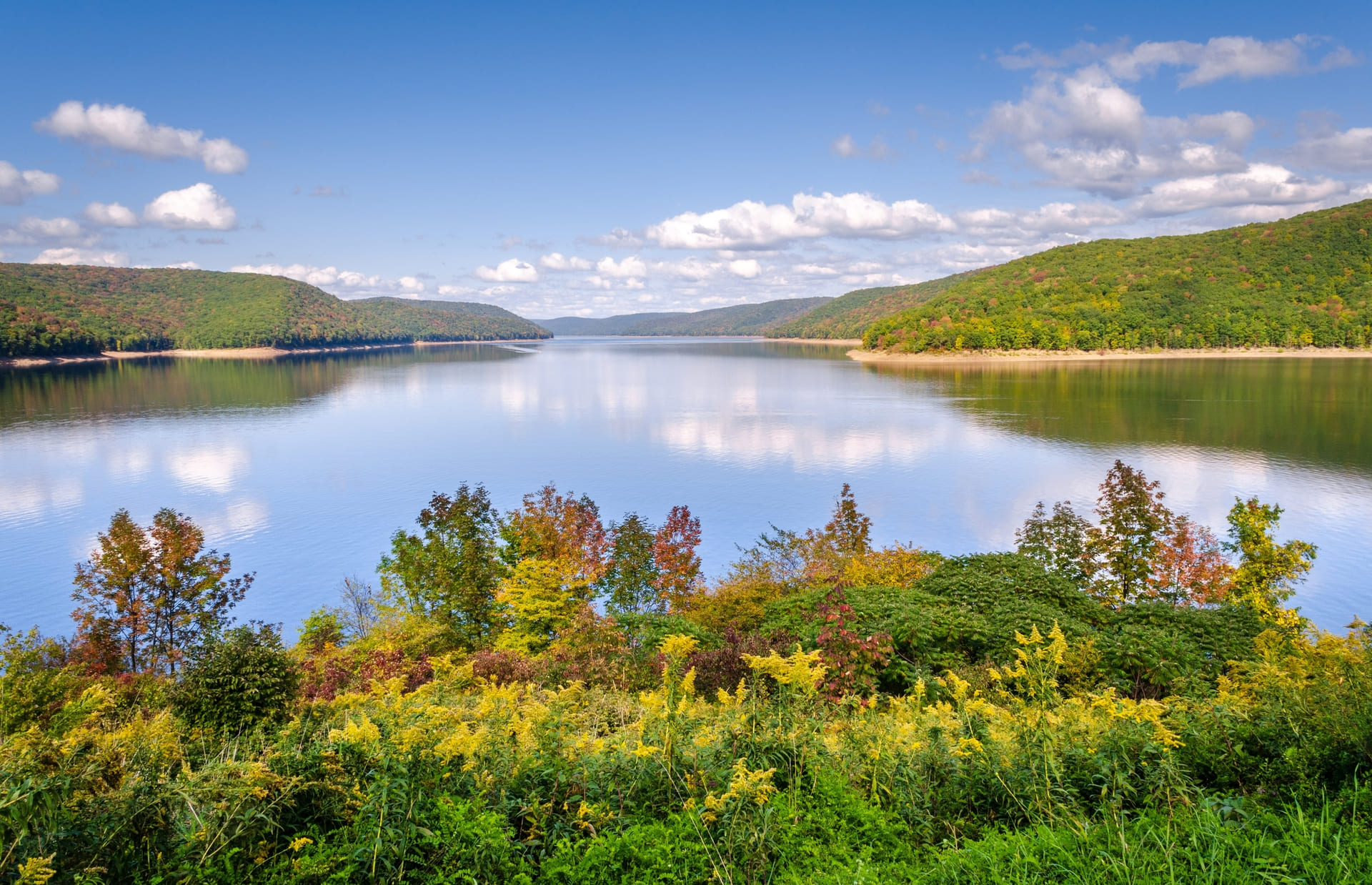 Allegheny National Forest , Pennsylvania
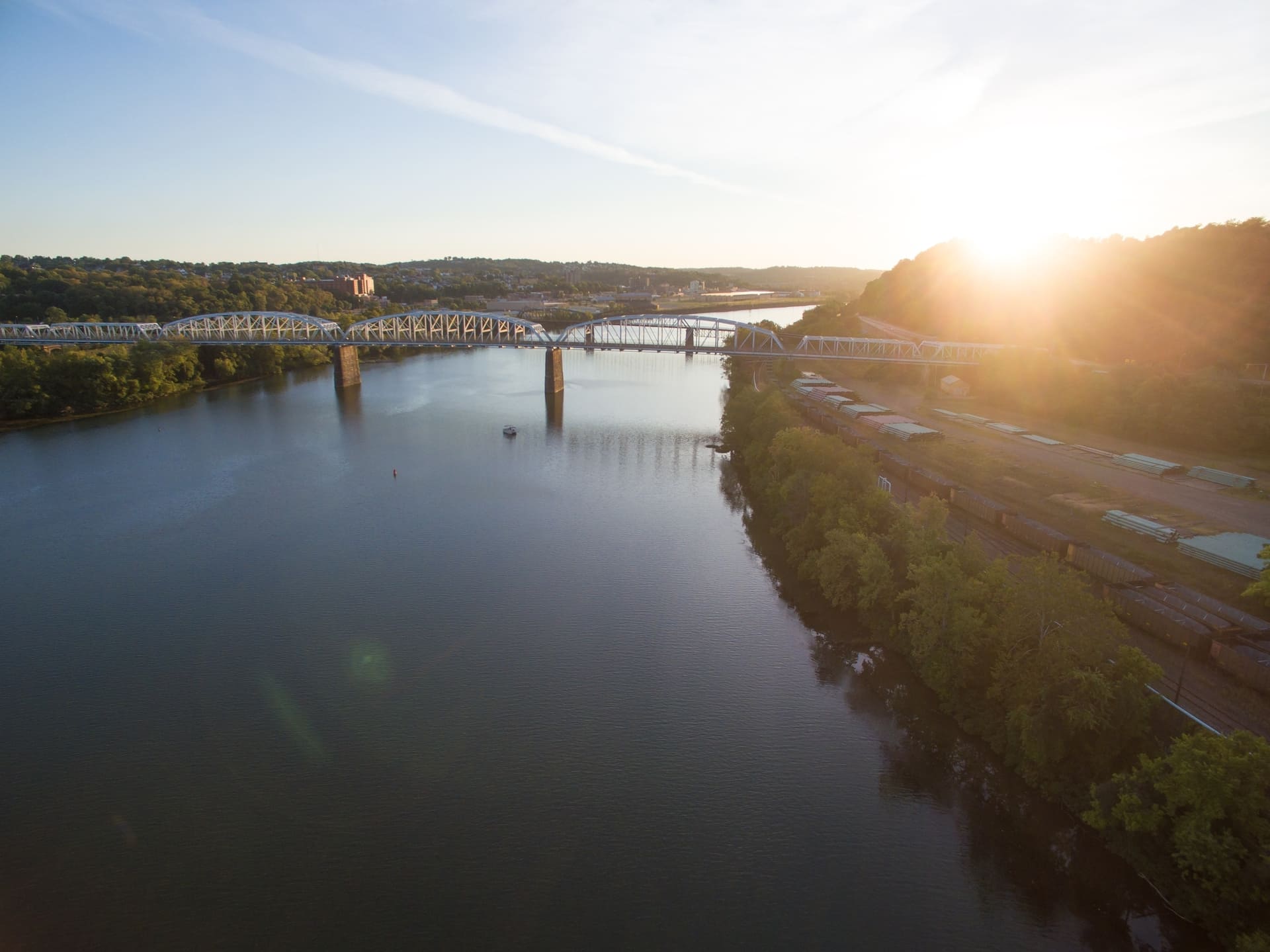 Monongahela river in Allegheny county, Pennsylvania
 Anacostia Clean Rivers, Washington DC
 Anacostia Clean Rivers, Washington DC
 Anacostia Clean Rivers, Washington DC
 Anacostia Clean Rivers, Washington DC
 Anacostia Clean Rivers, Washington DC
 Anacostia Clean Rivers, Washington DC
 Northeast Boundary Tunnel (NEBT), Washington DC
 Northeast Boundary Tunnel (NEBT), Washington DC
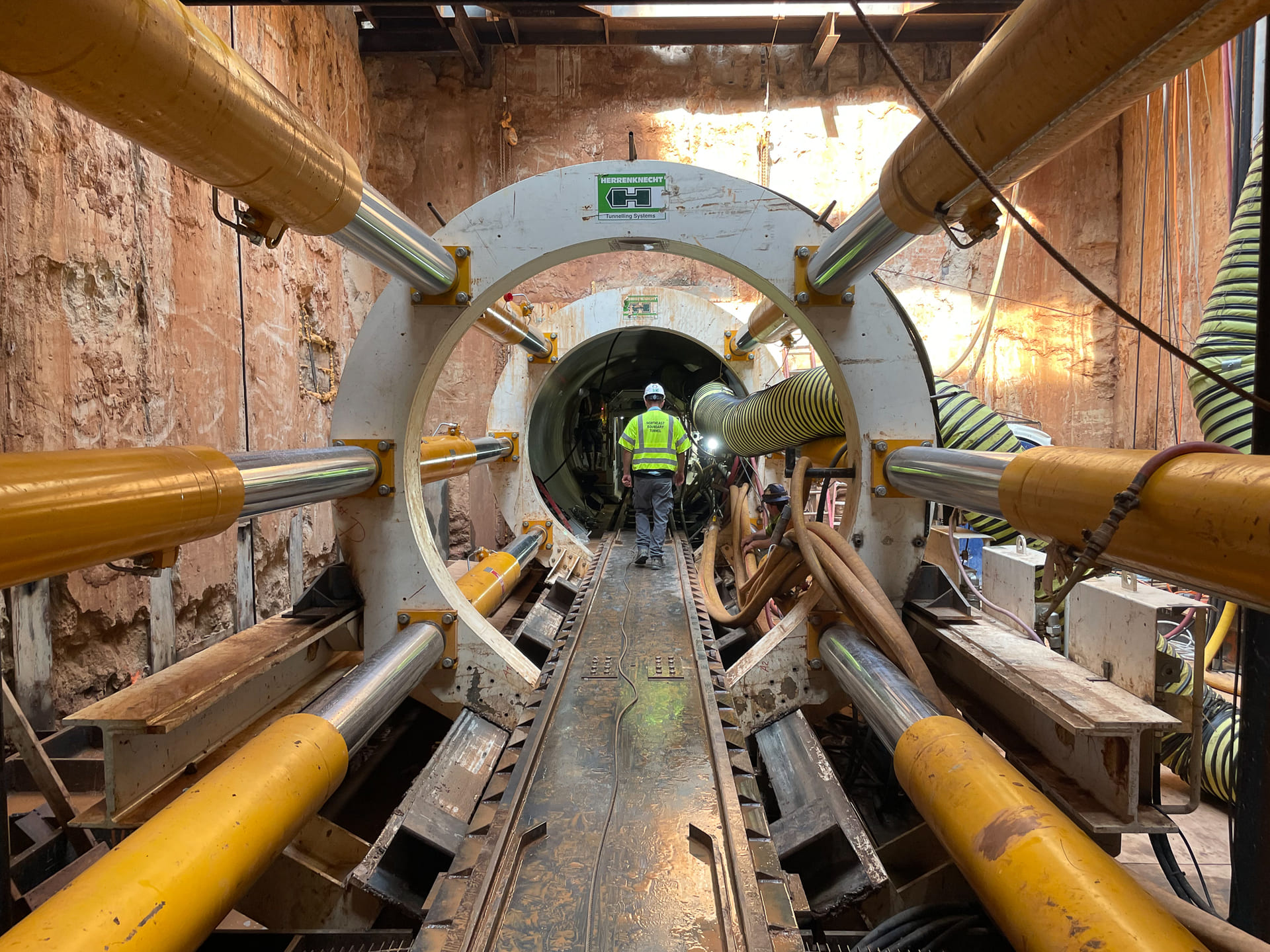 Northeast Boundary Tunnel (NEBT), Washington DC
- Allegheny County is extending its underground tunnel network to allow its stormwater and sewage treatment system to capture more of the water and raw sewage that usually enter and pollute its rivers during heavy rainfalls
- The additional kilometres of tunnels will enable Pittsburgh and other municipalities in the county to send more water and raw sewage to a plant for wastewater treatment before releasing them into its rivers
- After a heavy rainfall, the amount of combined water and raw sewage that enter the waterways untreated can force public officials to warn against water sports like swimming, kayaking and rowing for health reasons
- The Ohio River Tunnel will be the first of the three tunnels to be excavated, running 4.9 miles (7.9 kilometres) and more than 150 feet (45.72 metres) underground
- Water utilities elsewhere in the United States have adopted similar initiatives, such as Cleveland with the Dugway Storage Tunnel, which stores extra water and sewage until the treatment plant has the capacity to treat them

In its latest effort to clean up its waterways, Pennsylvania’s county of Allegheny, where Pittsburgh is the capital, is going underground.
It plans to extend the network of underground tunnels it has under its streets to allow its sewage and water treatment system to capture more of the stormwater and raw sewage that usually enter and pollute its rivers and tributaries during heavy rainfalls.
With the additional kilometres of tunnels, it will be able to send more of the water and raw sewage to a plant for treatment before letting them enter rivers like the Allegheny and Monongahela.
The county might still have to deal with the heavy metal toxins and other pollutants left by Pittsburgh’s industrial past, but it also has to manage the health risks posed by this untreated water and raw sewage.
Stormwater and Contamination by Bacteria: A Warning for Water Sports
After a heavy rainfall, the amount of combined water and raw sewage – known as combined sewer overflow, or CSO – that enter the city’s waterways can often force public officials to warn against water sports like swimming, kayaking and rowing because of the risk of contamination by bacteria.
In fact, the latest version of the Integrated Water Quality Monitoring and Assessment Report by the Department of Environmental Protection on the U.S. state identifies sewage overflows as one of the main causes of the deterioration in water quality in the Allegheny and Monongahela basins, due to the spread of pathogens such as E. coli.
This explains the determination of Allegheny County Sanitary Authority (ALCOSAN), the regional public utility, to reduce combined sewer overflow as much as possible, especially given the fact that Pittsburgh, which accounts for a quarter of the county’s residents, is located at the meeting point of three rivers, the third one being the Ohio River.
Combating Water Pollution: An Investment in Public Health
Under its Clean Water Plan, ALCOSAN will oversee the excavation of 16 miles (25.7 kilometres) of underground tunnels in order to reduce by 70 percent the volume of overflow in a typical year. That amounts to seven billion gallons (26.5 billion litres).
The plan is expected to generate $2.6 billion in economic output for Allegheny County, lead to $1.5 billion in generated capital investment and create 14,000 jobs. The county comprises more than 80 municipalities including Pittsburgh.
“Sewer infrastructure is not necessarily something you think about every day. But it’s a really important component to the health of the community and our daily lives,” Kimberly Kennedy, who is responsible for engineering and construction at ALCOSAN, told the Pittsburgh affiliate of CBS News in a recent news report.
Tunnel Construction: A Strategic Component of the Clean Water Plan
Under the Clean Water Plan, three tunnels and their related infrastructure will be built. The first is the Ohio River Tunnel, ORT.
Recently commissioned to a partnership between Lane Construction, the U.S. subsidiary of the Webuild Group, and Brayman Construction, the ORT will run for 4.9 miles (7.9 kilometres) and more than 150 feet (45.72 metres) underground. Its excavation will occur at the same time as the construction of a Wet Weather Pump Station at the existing water treatment plant. This water infrastructure handles the extra water and sewage that comes with heavy storms.
The Ohio River Tunnel will be 14-18 feet (4.3-5.5 metres) in diameter and have eight shafts along it. The tunnel will be connected to about 5 miles (8 kilometres) of deep tunnel interceptors that already exist.
“The (tunnels are) a critical component of the Clean Water Plan aimed at improving and protecting the water quality of the region’s streams and rivers,” reads ALCOSAN’s website.
Beyond Pittsburgh: Wastewater Treatment Plants in Washington, D.C., and Cleveland
The project launched in Pennsylvania is not an isolated case. In recent years, numerous cities across the United States have invested in large-scale water infrastructure to make their sewage treatment systems more resilient to extreme weather events, including flooding.
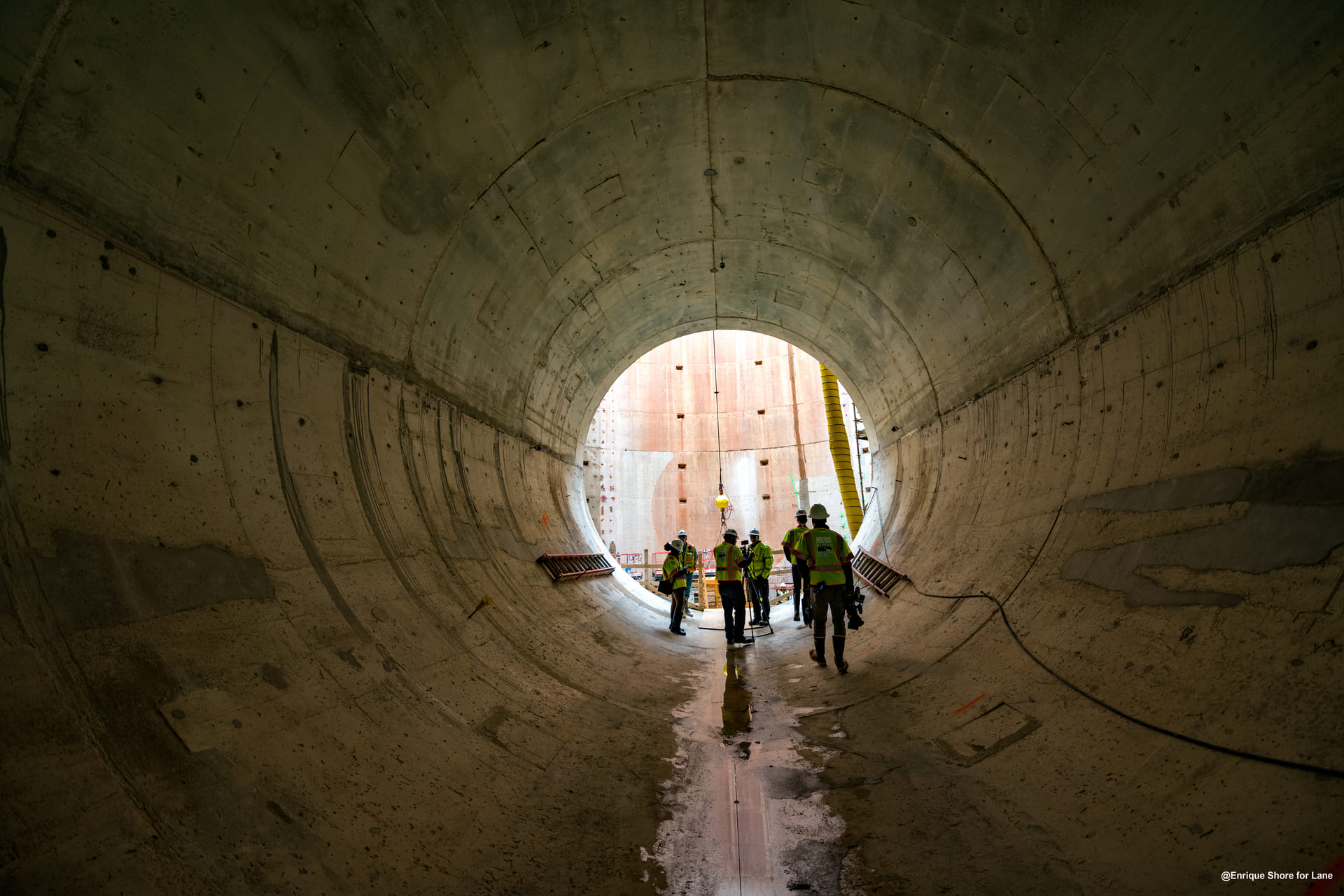
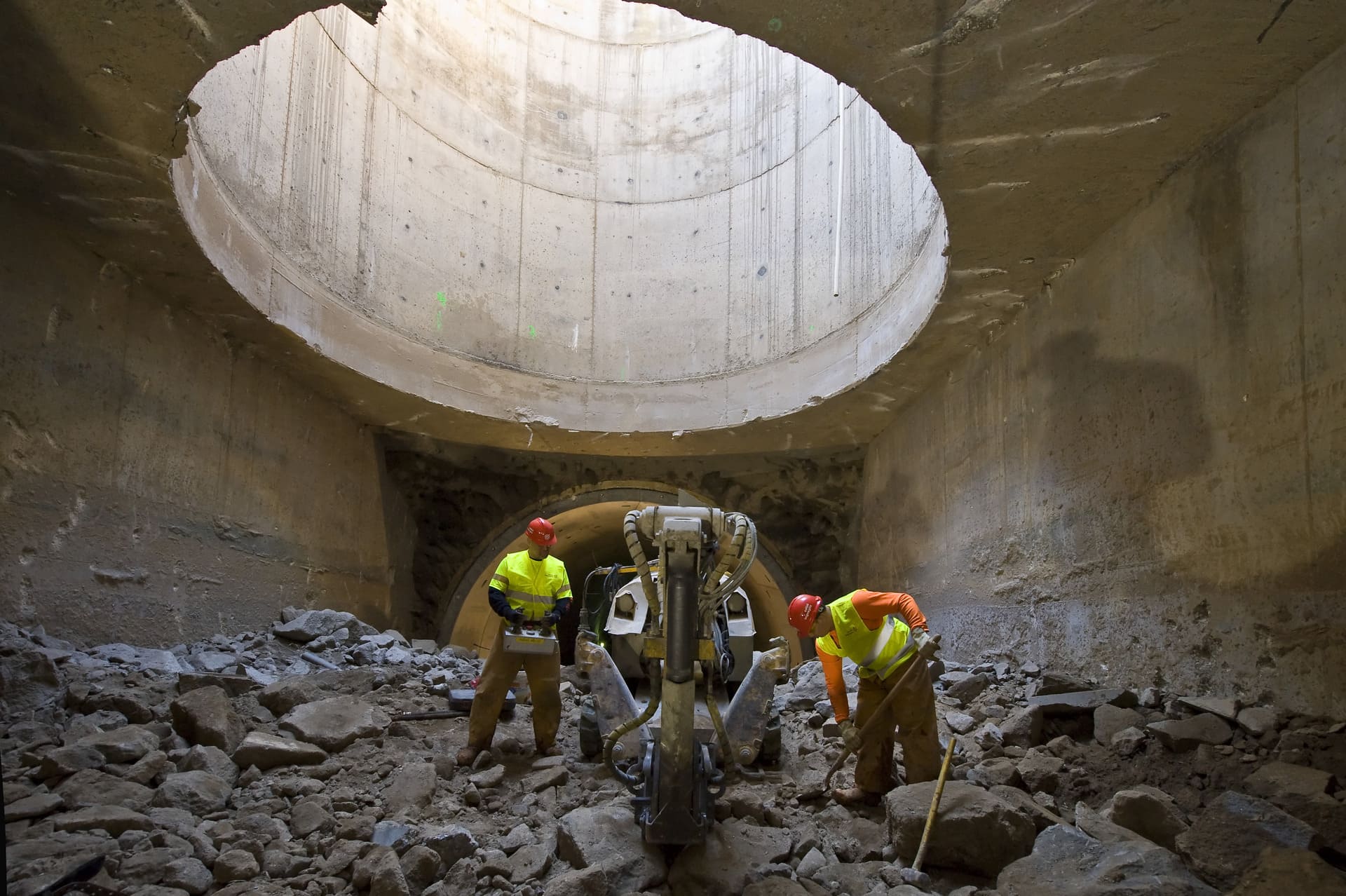
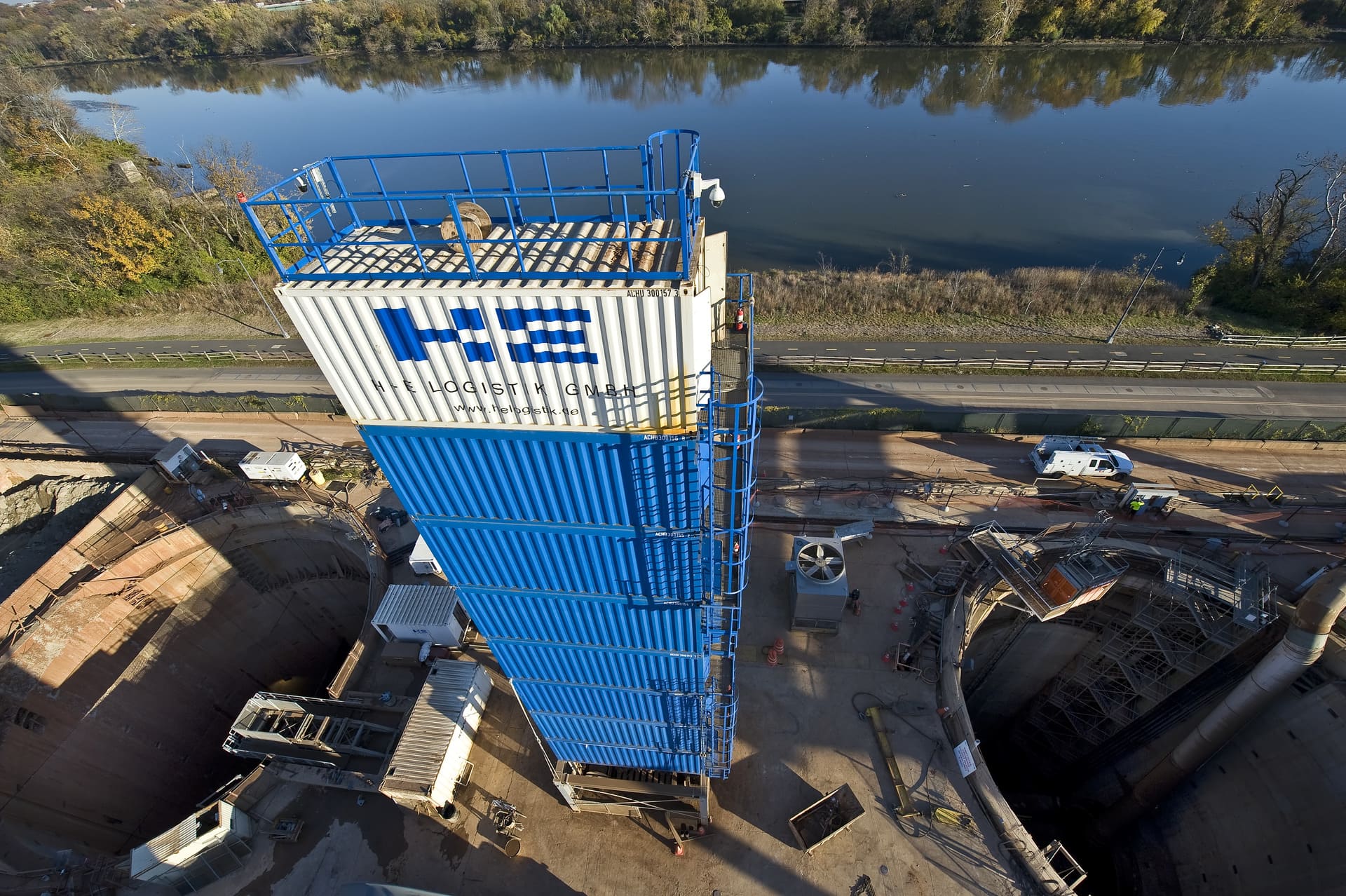
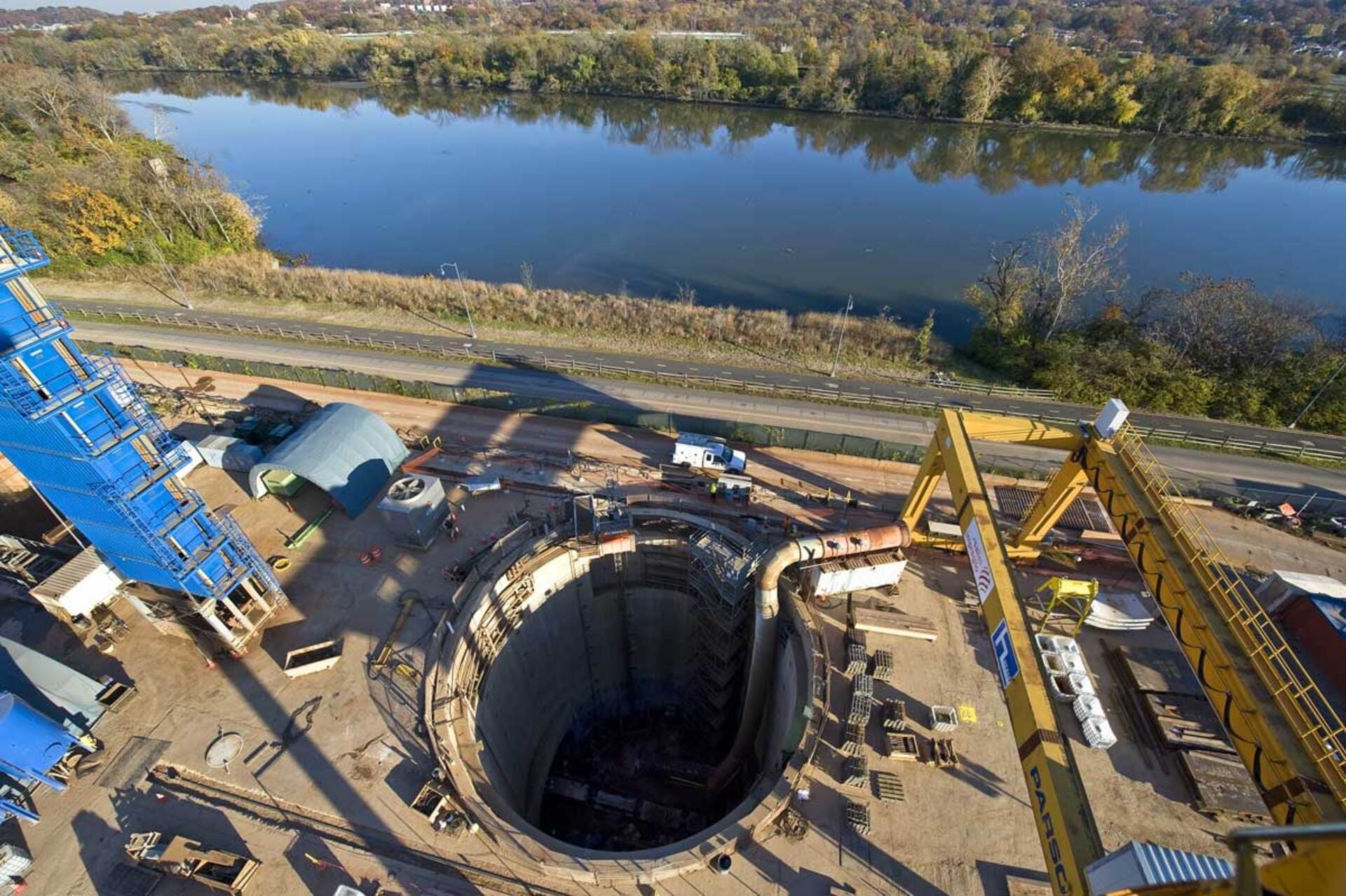
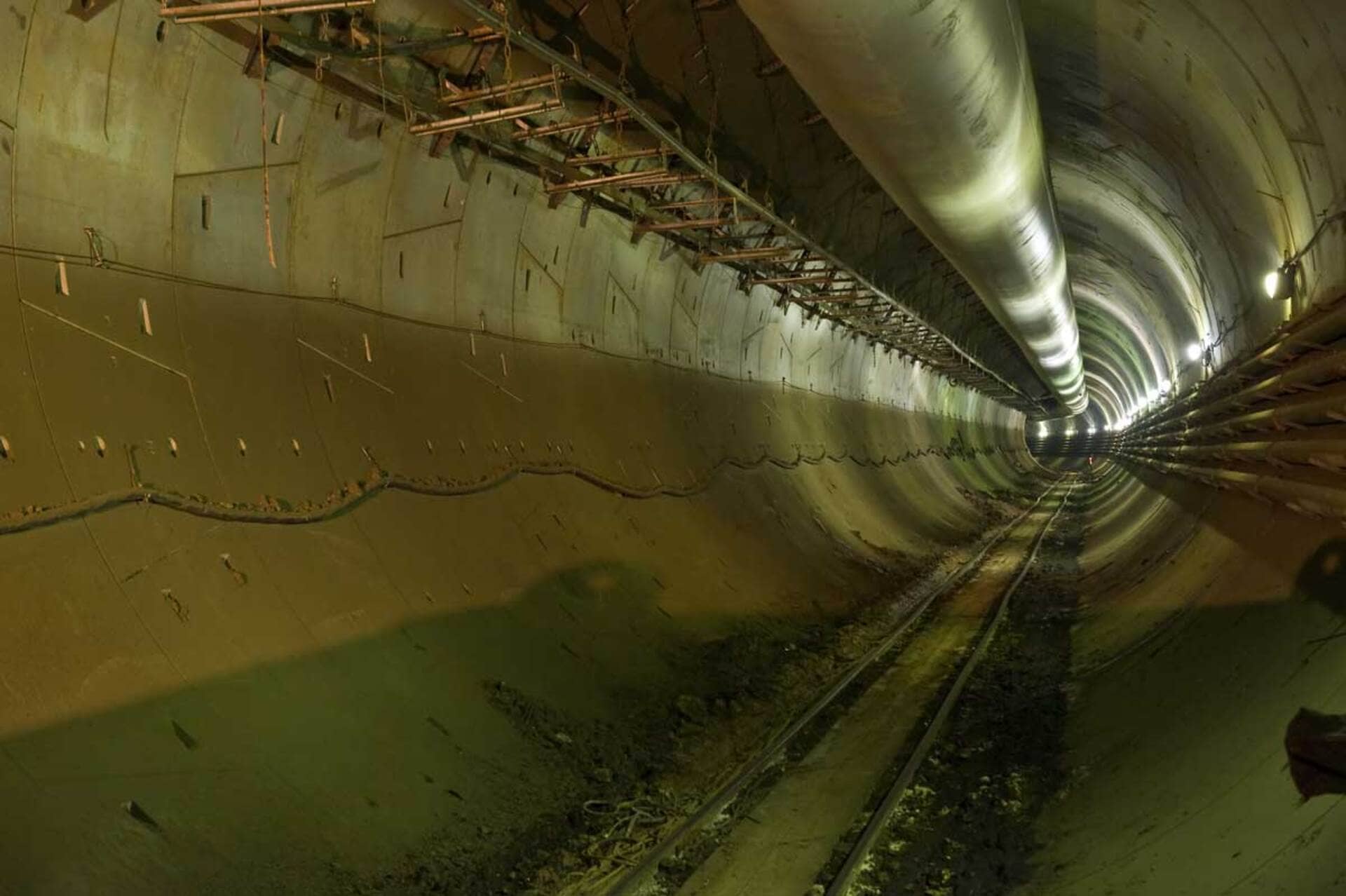
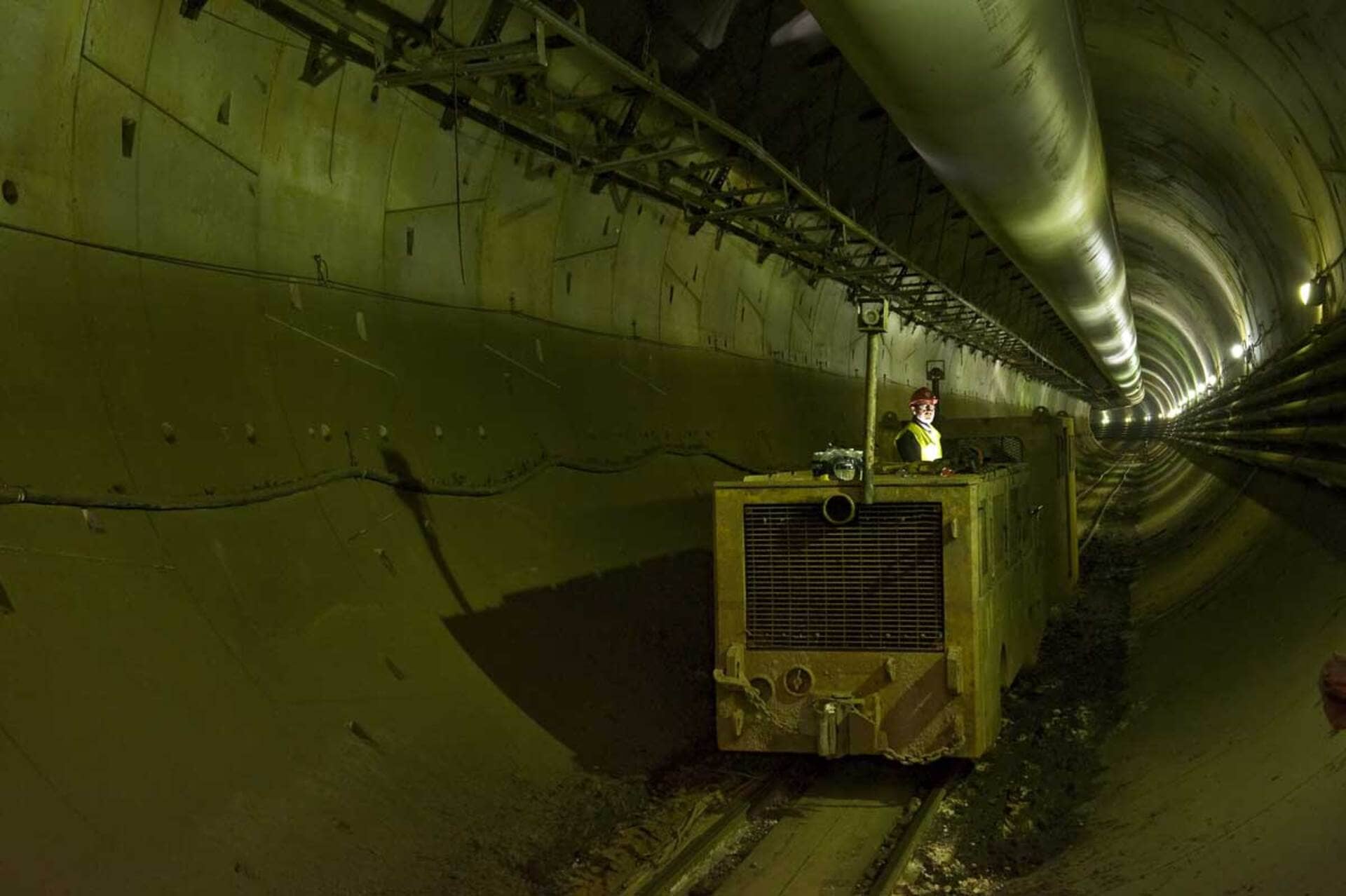
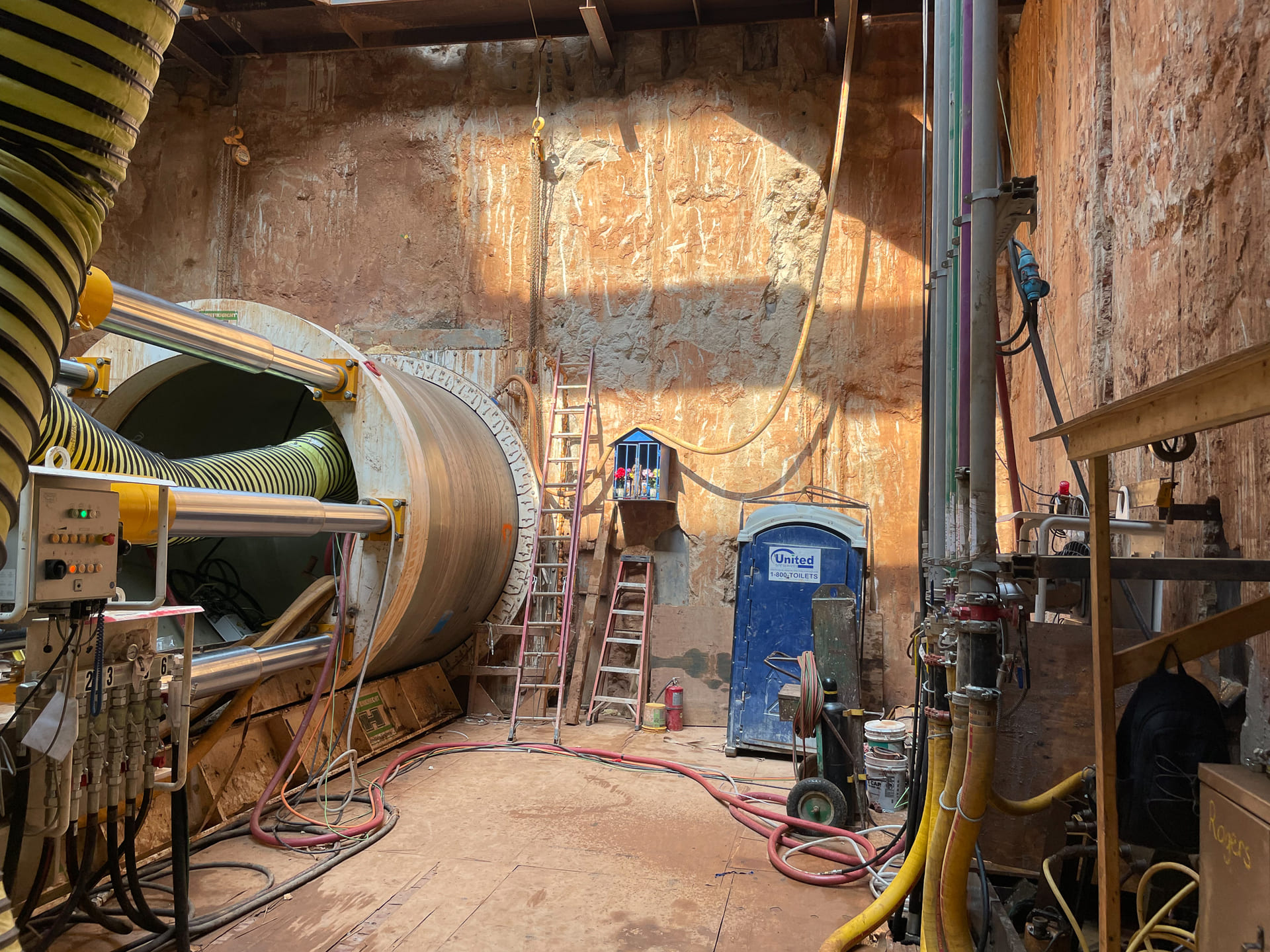
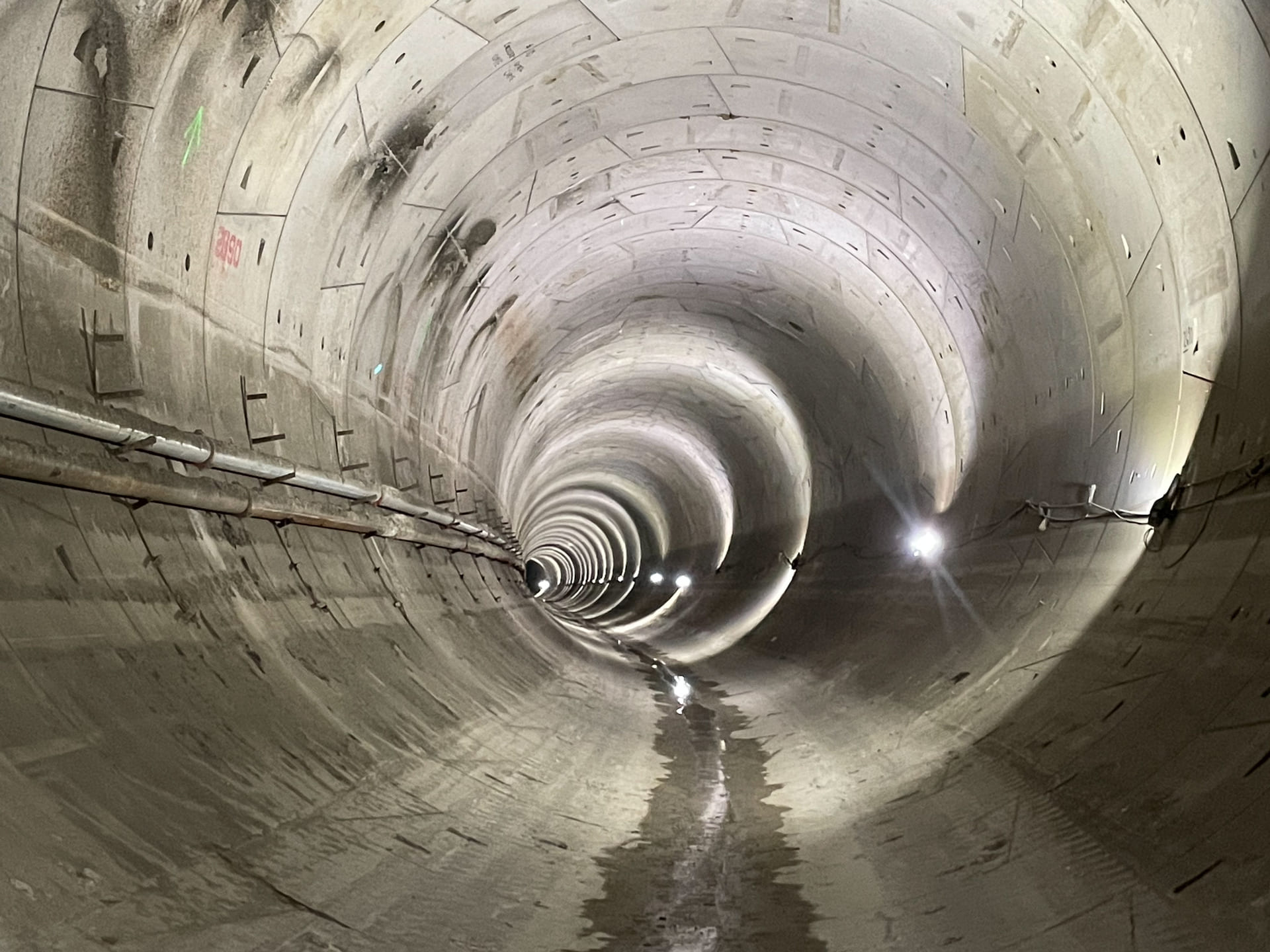
In Washington, D.C., the Northeast Boundary Tunnel and the Anacostia River Tunnel, both excavated by Lane, have increased the capacity of the city’s antiquated sewage system to absorb heavy rainfall.
In Cleveland, Ohio, the Dugway Storage Tunnel, also built by Lane, has helped keep Lake Erie clean by storing water and sewage until a water treatment plant has the capacity to treat them—a solution that has made it possible to significantly reduce the impact of overflow on the environment and improve the lake’s water quality.