


 The new Naples-Cancello section on the Naples-Bari HS/HC railway line
 The new Naples-Cancello section on the Naples-Bari HS/HC railway line
 The new Naples-Cancello section on the Naples-Bari HS/HC railway line
 The new Naples-Cancello section on the Naples-Bari HS/HC railway line
 The new Naples-Cancello section on the Naples-Bari HS/HC railway line
 The new Naples-Cancello section on the Naples-Bari HS/HC railway line
 The new Naples-Cancello section on the Naples-Bari HS/HC railway line
 The new Naples-Cancello section on the Naples-Bari HS/HC railway line
 The new Naples-Cancello section on the Naples-Bari HS/HC railway line
 The new Naples-Cancello section on the Naples-Bari HS/HC railway line
 The new Naples-Cancello section on the Naples-Bari HS/HC railway line
 The new Naples-Cancello section on the Naples-Bari HS/HC railway line
 The new Naples-Cancello section on the Naples-Bari HS/HC railway line
 The new Naples-Cancello section on the Naples-Bari HS/HC railway line
 The new Naples-Cancello section on the Naples-Bari HS/HC railway line
 The new Naples-Cancello section on the Naples-Bari HS/HC railway line
- The Naples-Cancello section has been inaugurated, marking the first segment of the future Naples-Bari high-speed/high-capacity line.
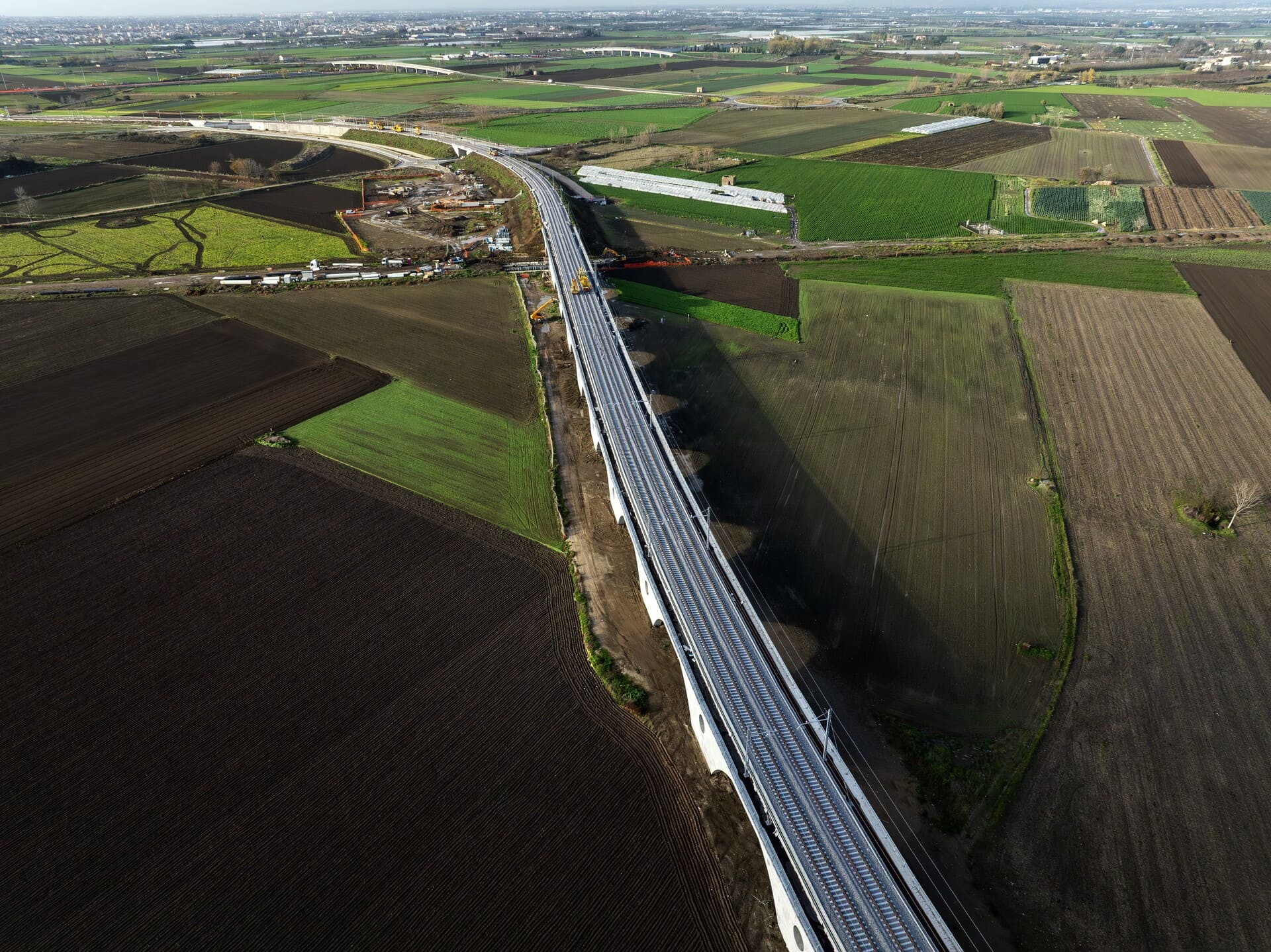
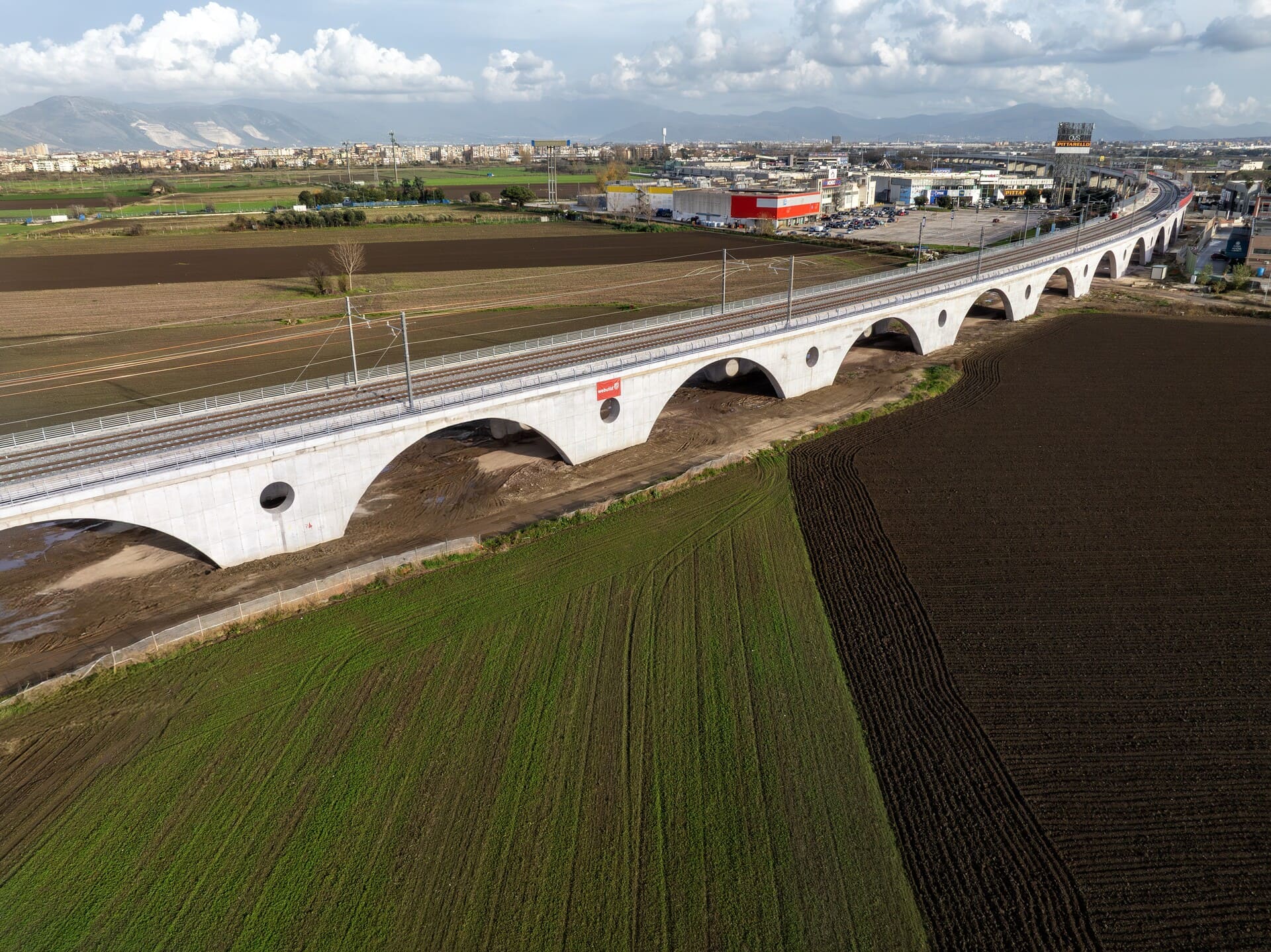
- The Naples-Cancello section extends for 15.6 kilometers and includes 4 viaducts, new stations, and urban redevelopment works.
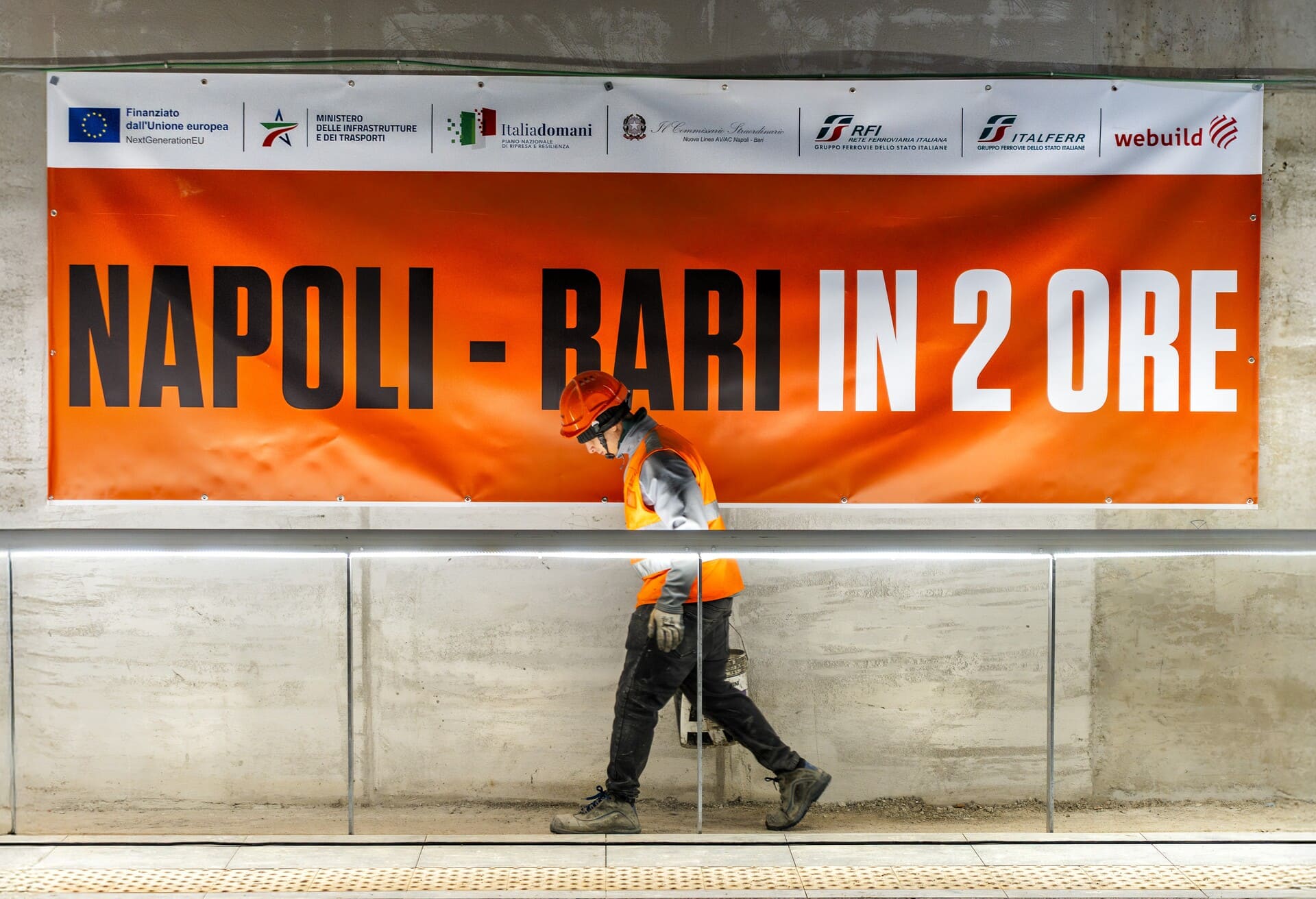
- Once the high-speed railway line is completed, travel time between Naples and Bari will drop from 4 hours to just 2 hours.
- The entire Naples-Bari high-speed rail line is part of the Scandinavian-Mediterranean Corridor of the European TEN-T network.
- According to estimates, this railway infrastructure project will generate €4.4 billion in added value and up to 62,000 jobs.
read more


The first direct train connecting Campania and Puglia leaves the Naples Afragola station and heads east. Outside the windows, the densely populated neighborhoods of the Naples metropolitan area, viaducts, new tracks, and freshly completed stations glide past.
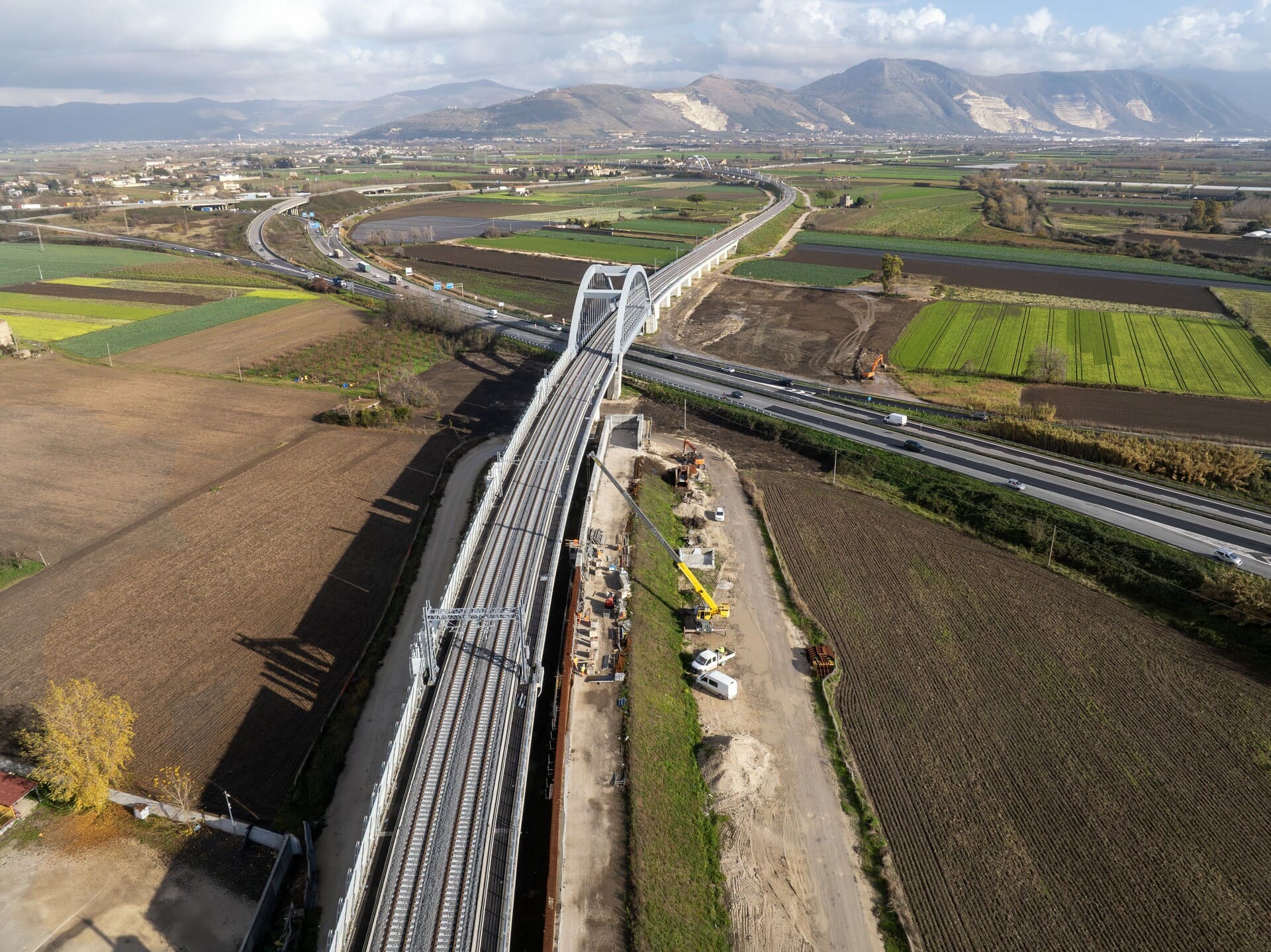
This is the inaugural journey made possible also thanks to the activation of the Naples-Cancello section, the lot that marks a primary turning point for the future Naples-Bari high-speed/high-capacity railway line. A 15.6-kilometer stretch that is worth much more than its length, because it represents the first piece of a revolution destined to change the way people move across the Mezzogiorno.
With the activation of the Naples-Cancello section, the new railway route connects directly to the national high-speed rail network via the Naples Afragola station, creating a faster connection between the Tyrrhenian and Adriatic backbones for the very first time. A milestone that produces immediate effects: starting today, Naples and Lecce are served without intermediate transfers in approximately five hours, while the journey between Naples and Bari drops to about three and a half hours – a first taste of what will happen once the entire infrastructure is completed.
Naples Afragola Station, the Gateway to Southern Italy Designed by Zaha Hadid
The Naples-Cancello section is the track that allows the future Naples-Bari railway line to enter the heart of the Italian railway system.
Indeed, this connection enhances the role of the Naples Afragola station as a national hub. Designed by starchitect Zaha Hadid, the station is destined to transform into the true “Gateway to the South”—the meeting point between the national high-speed rail network, regional services, and, in the future, the new Line 10 of the Naples metro, which will connect the railway junction with Campania’s capital and the northern metropolitan area.
It is an integrated system that will make traveling between cities, provinces, and regions much easier, reducing travel times and the dependence on road transport.
From New Viaducts to the Acerra Station: The Main Challenges of the Naples-Cancello Section
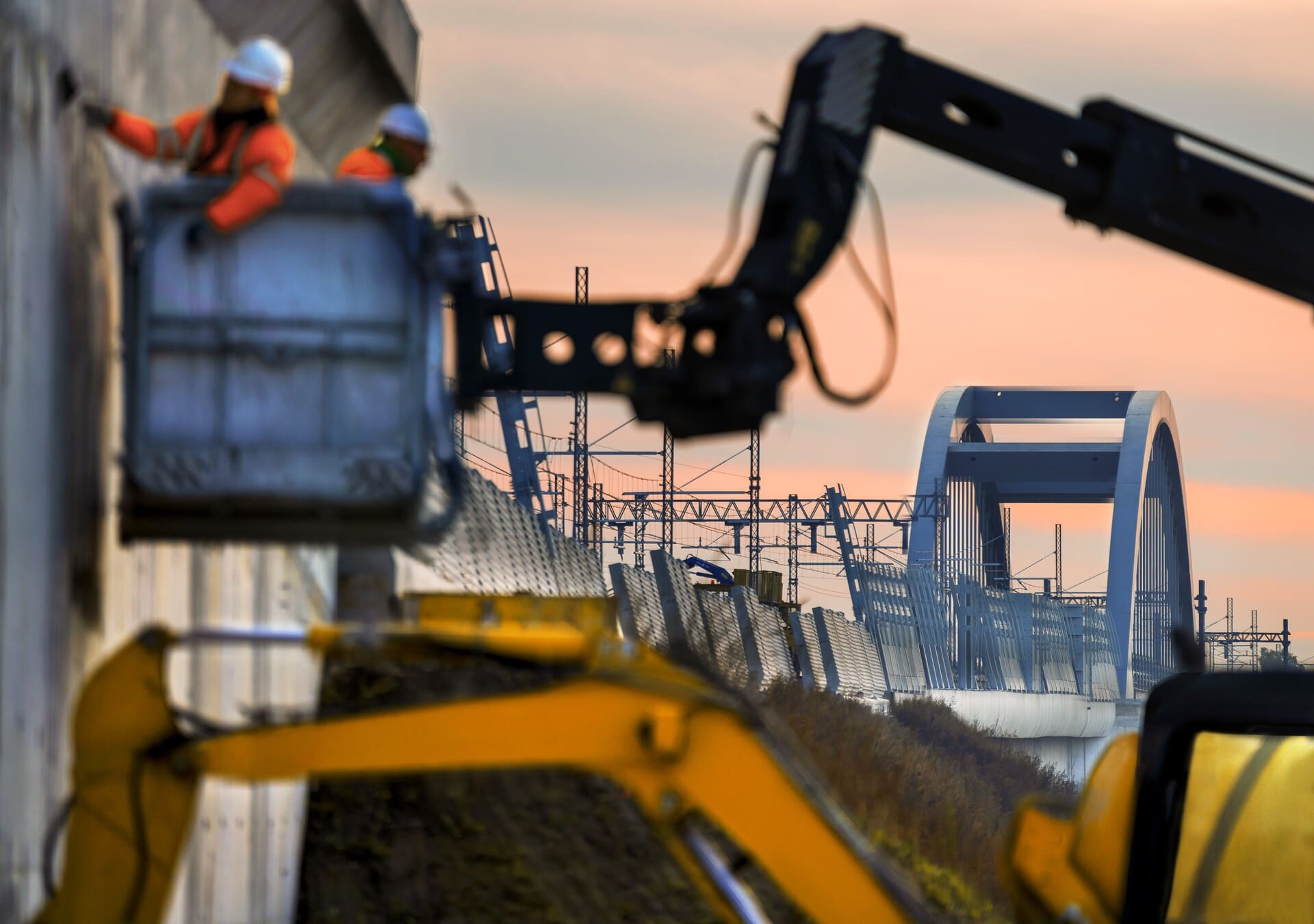
For Webuild, constructing the Naples-Cancello section meant operating in one of the most heavily urbanized and complex territories in Italy.
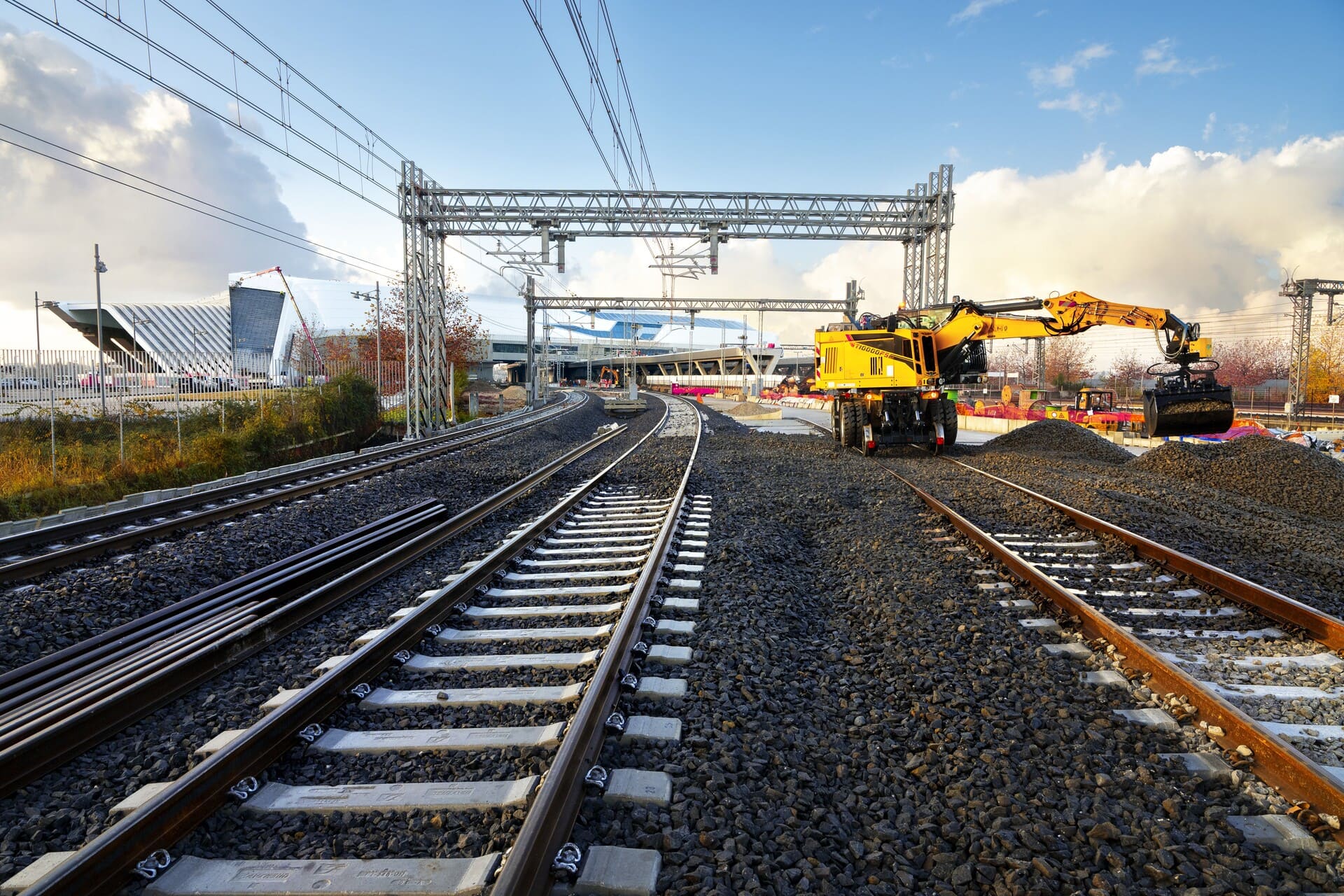
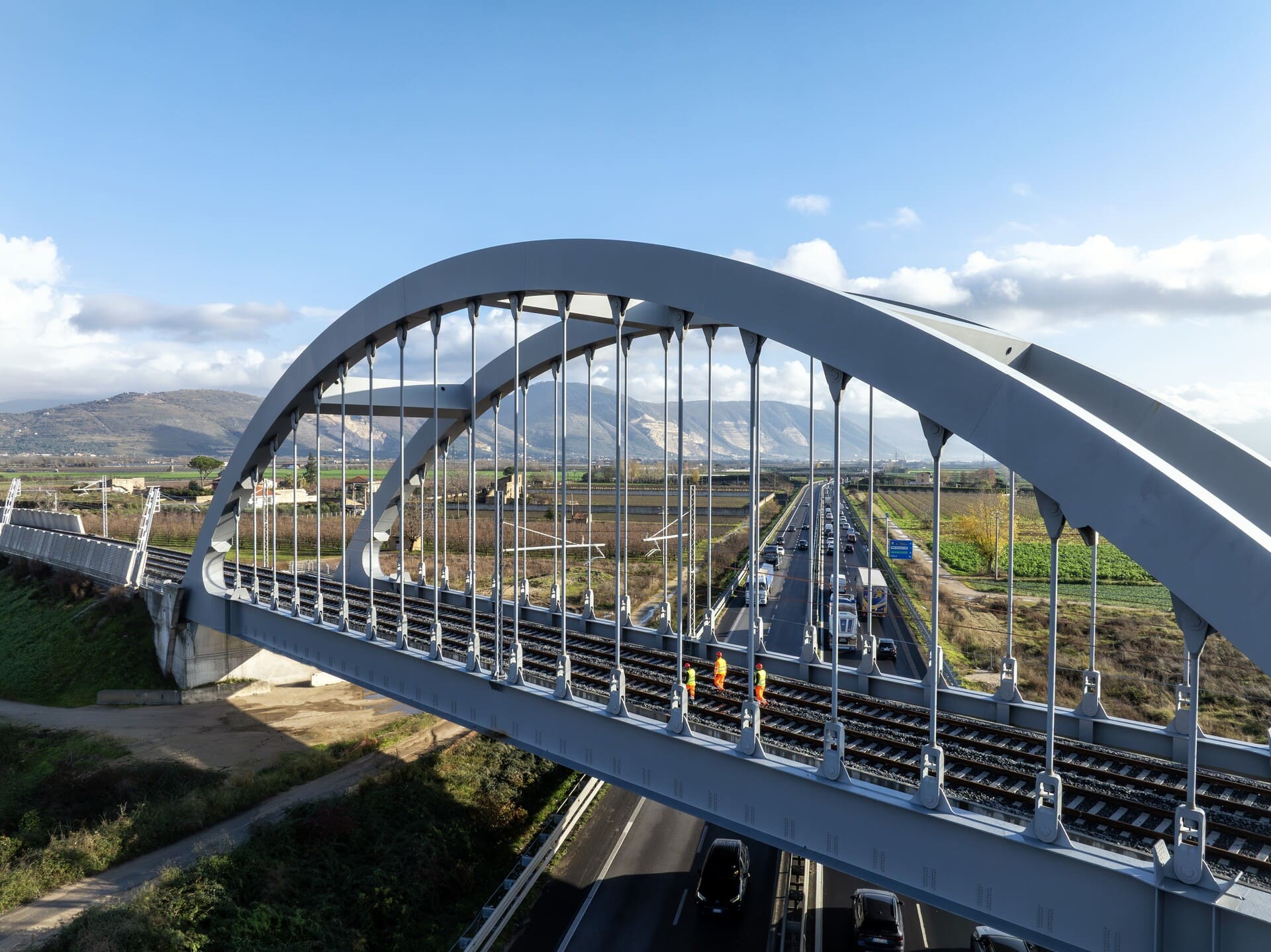
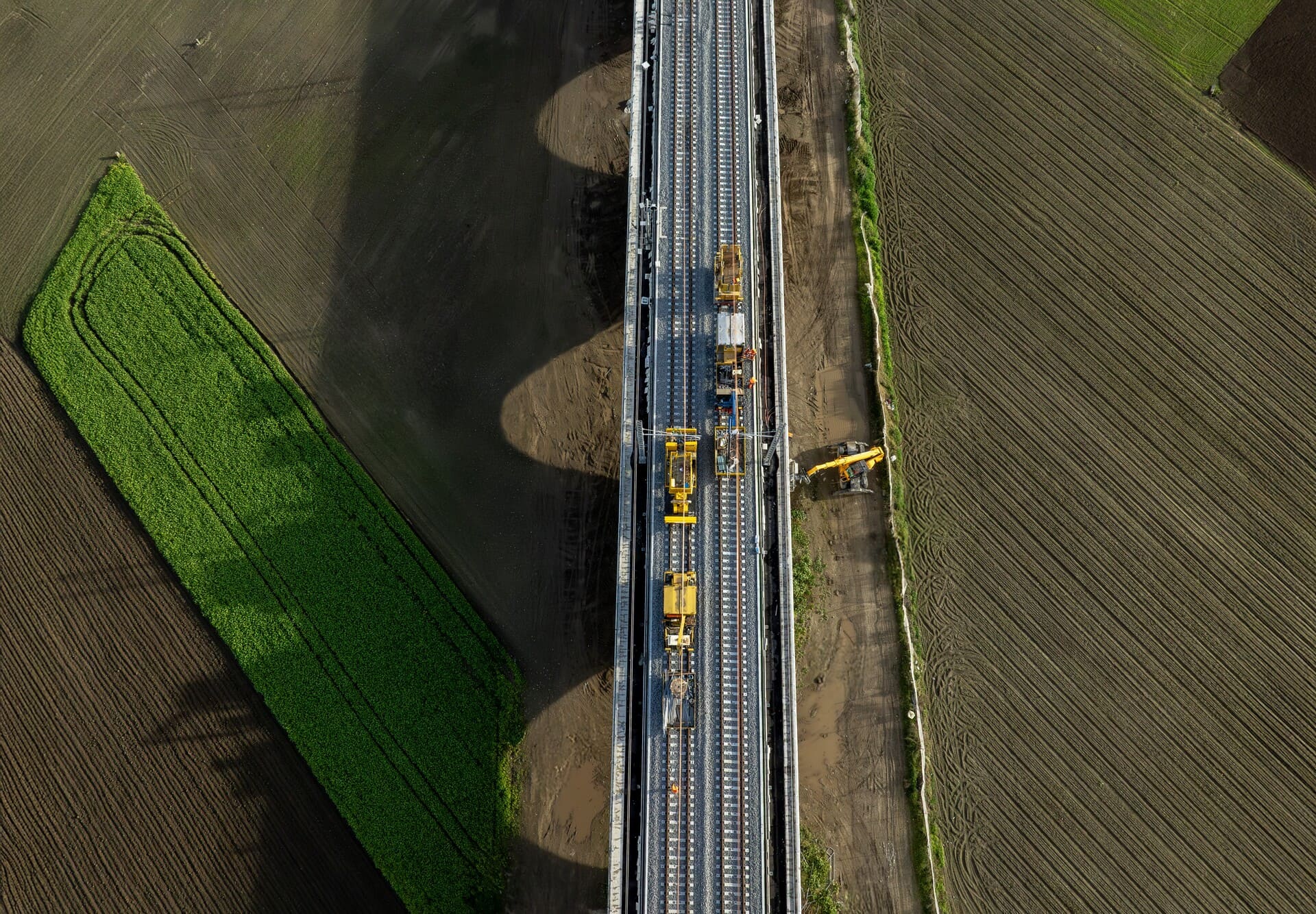
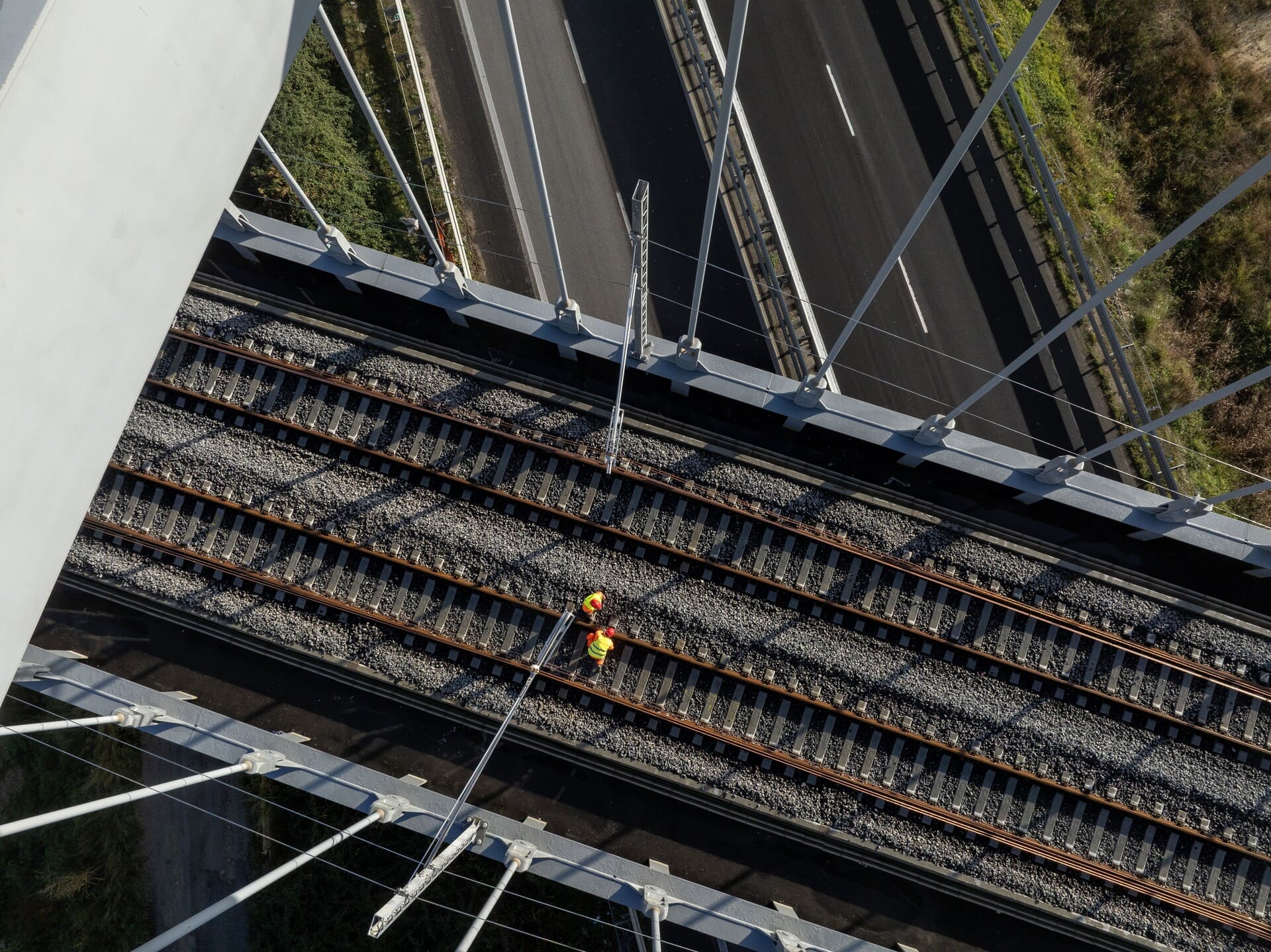
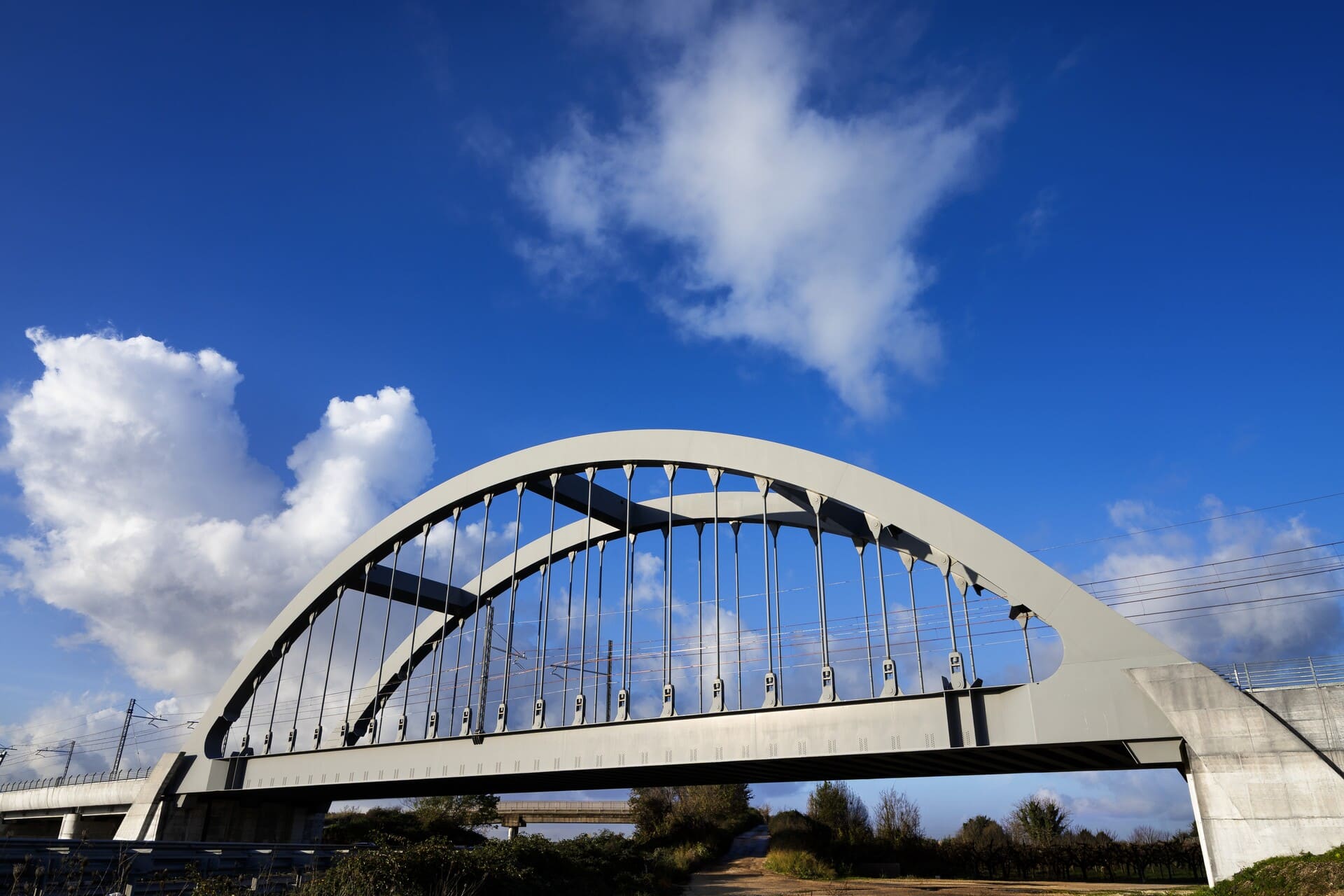
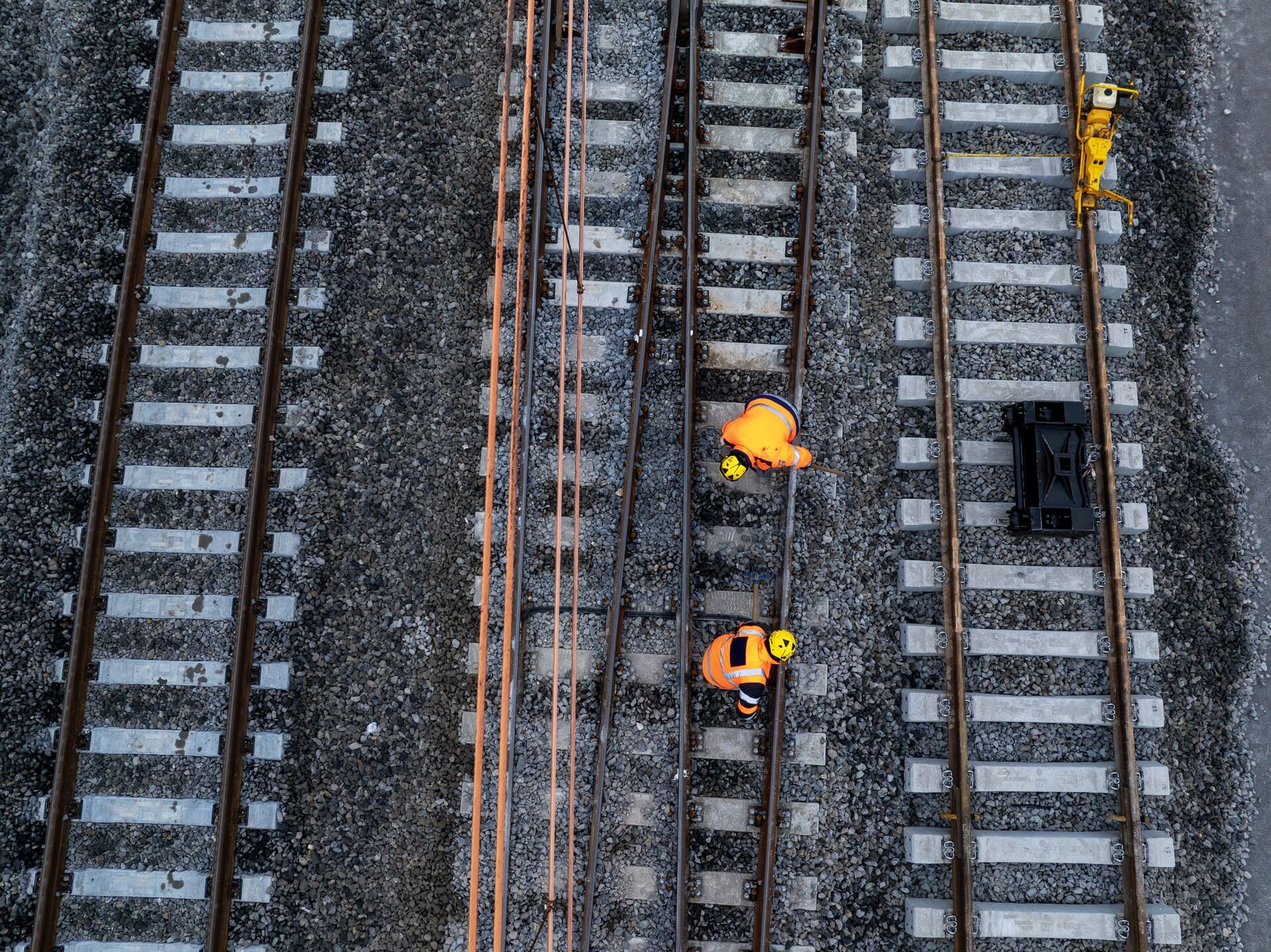
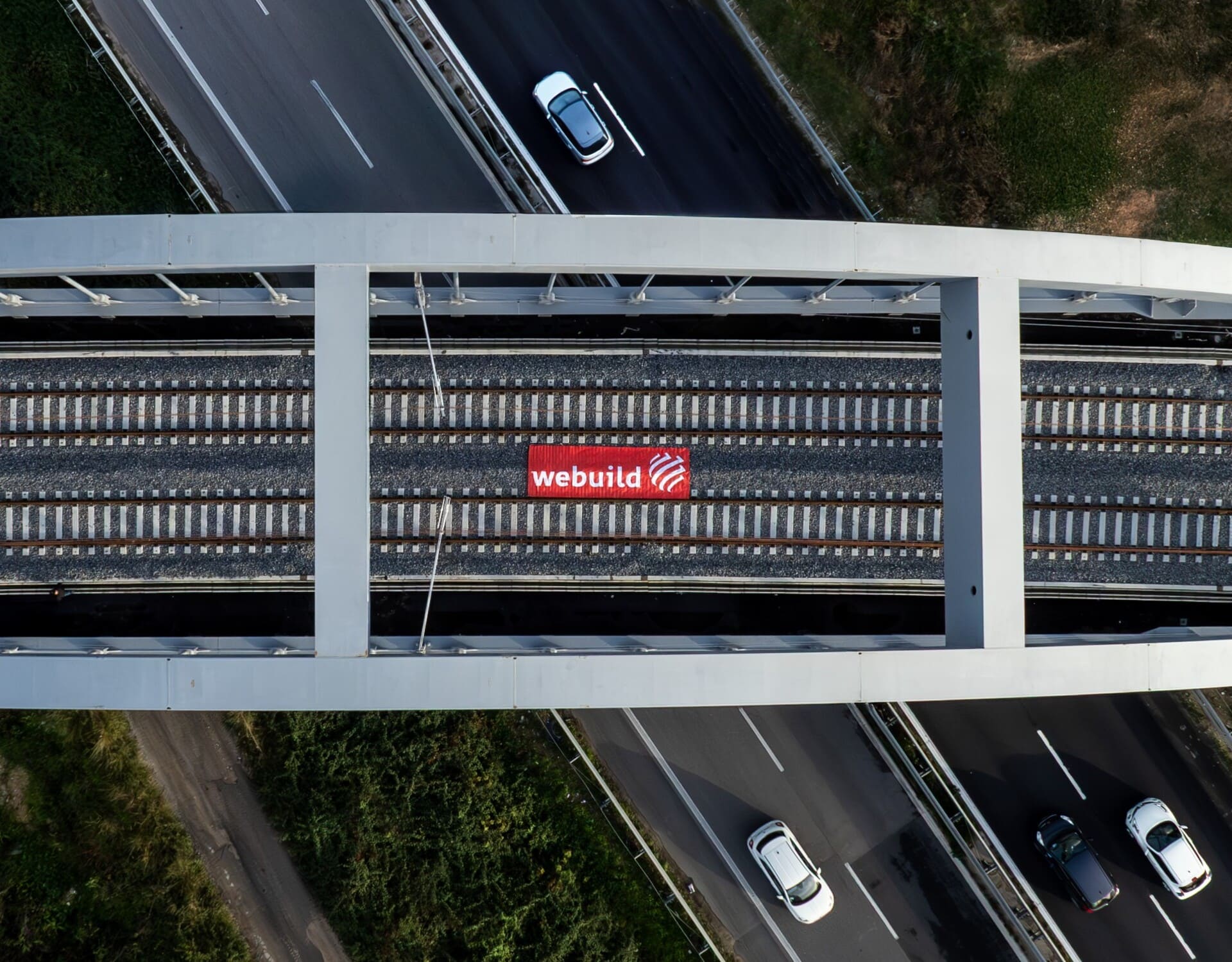
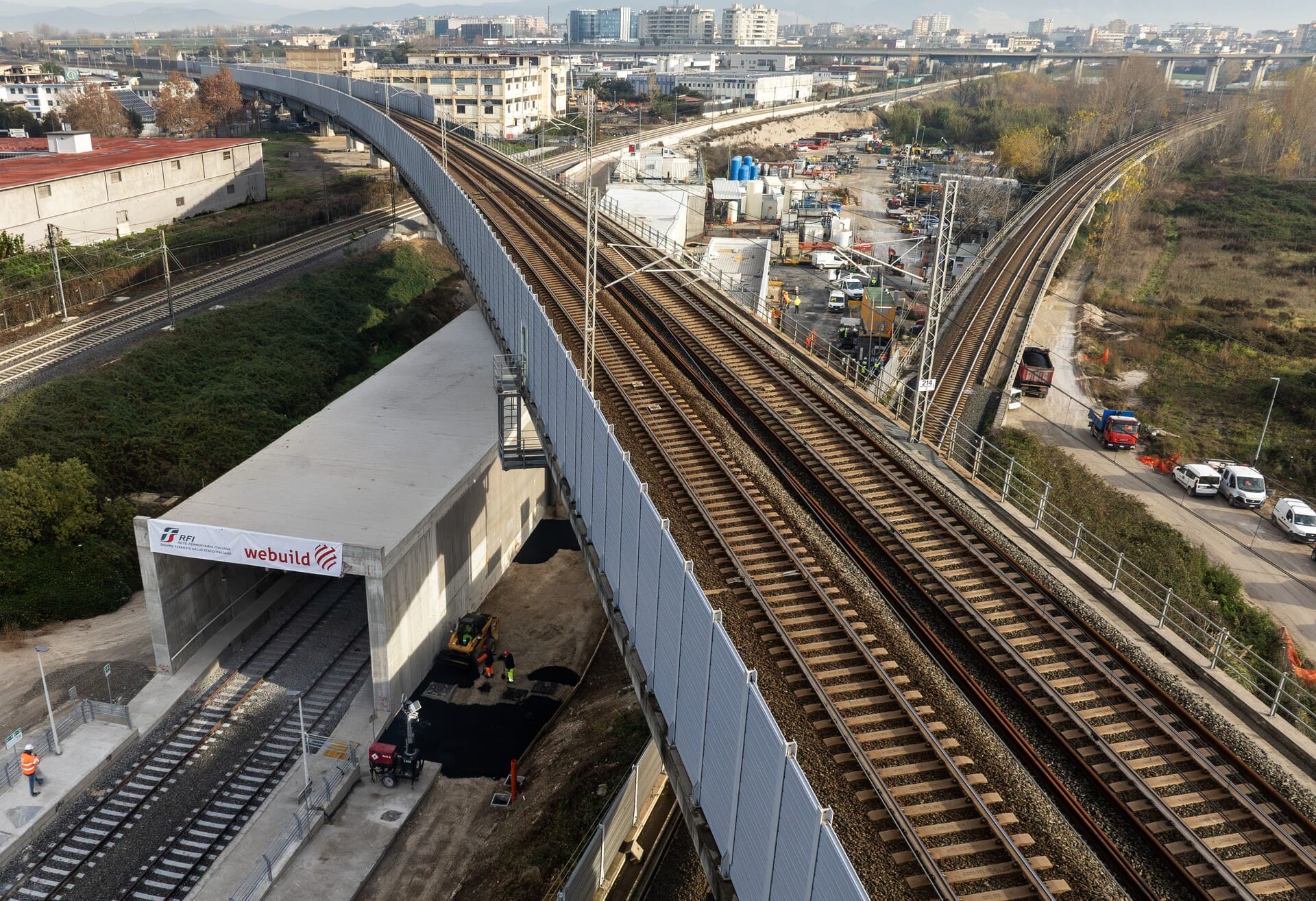
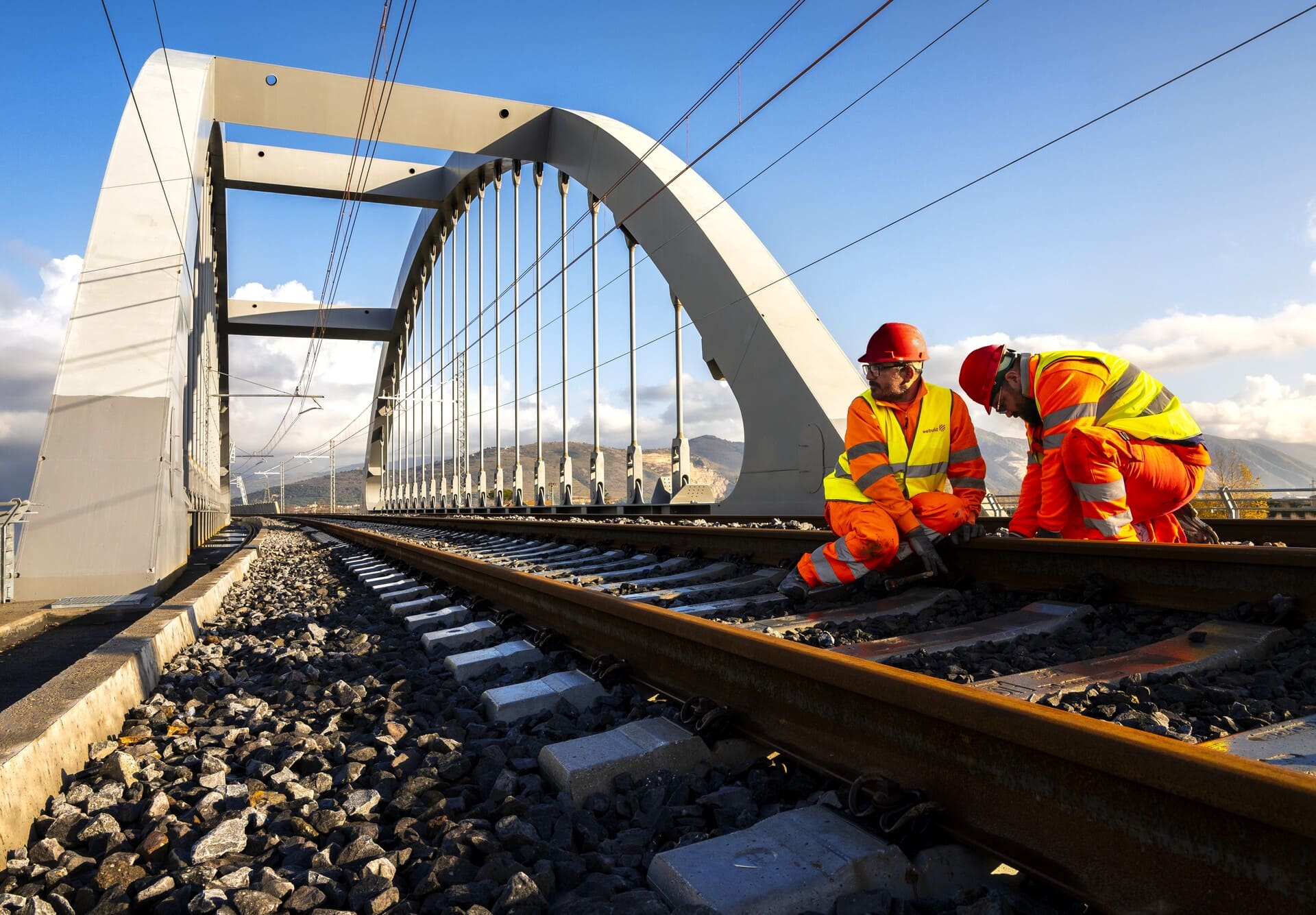
The project required the laying of over 60 kilometers of rails, utilizing approximately 65,000 railway sleepers and over 182,000 tons of ballast. Four new and imposing viaducts, with a total length of about four kilometers, allow the new railway infrastructure to cross over major local roads and limit the impact on the territory.
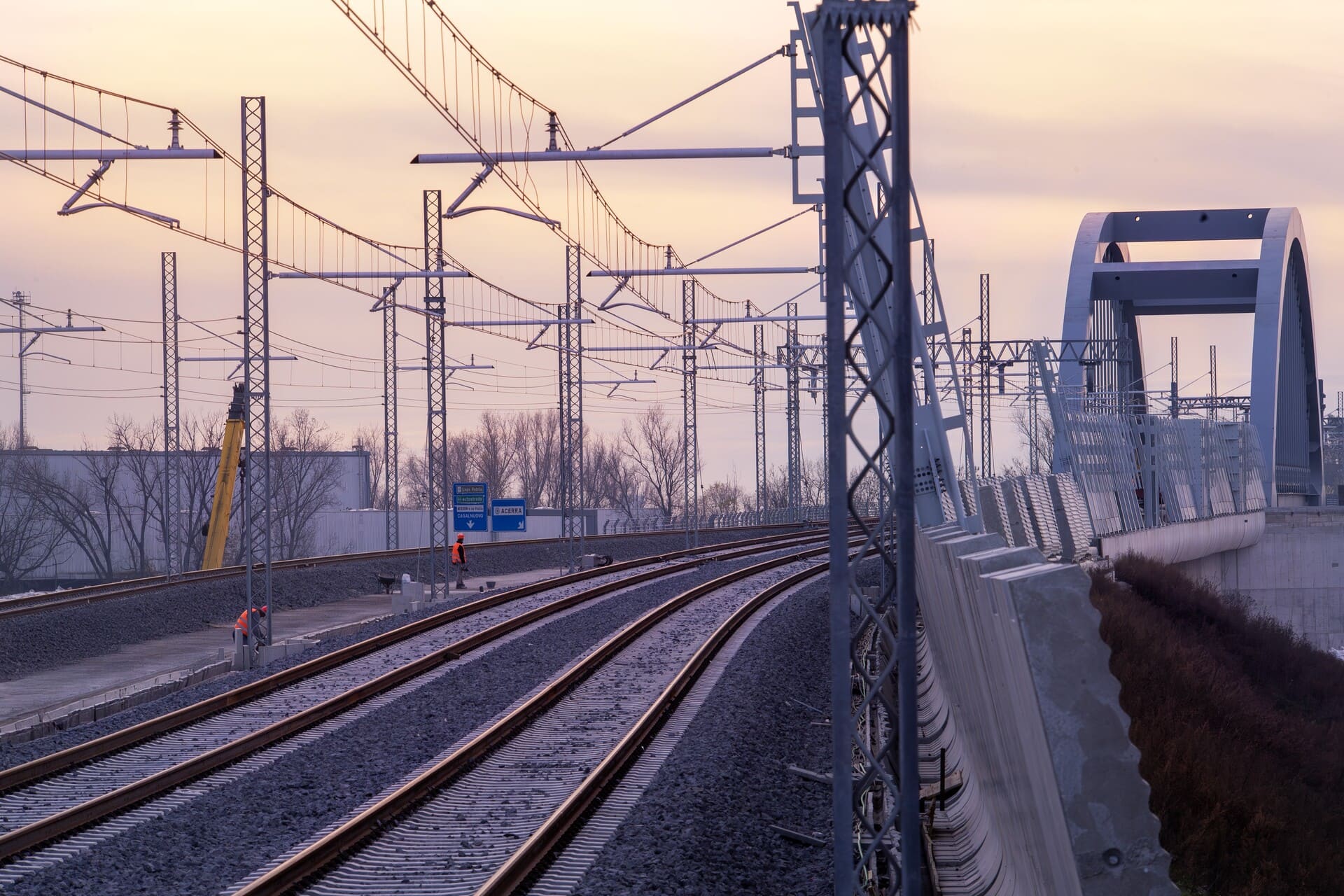
Concurrently, the new Acerra station came into operation alongside a series of urban regeneration works, including the elimination of level crossings and the construction of new road connections.
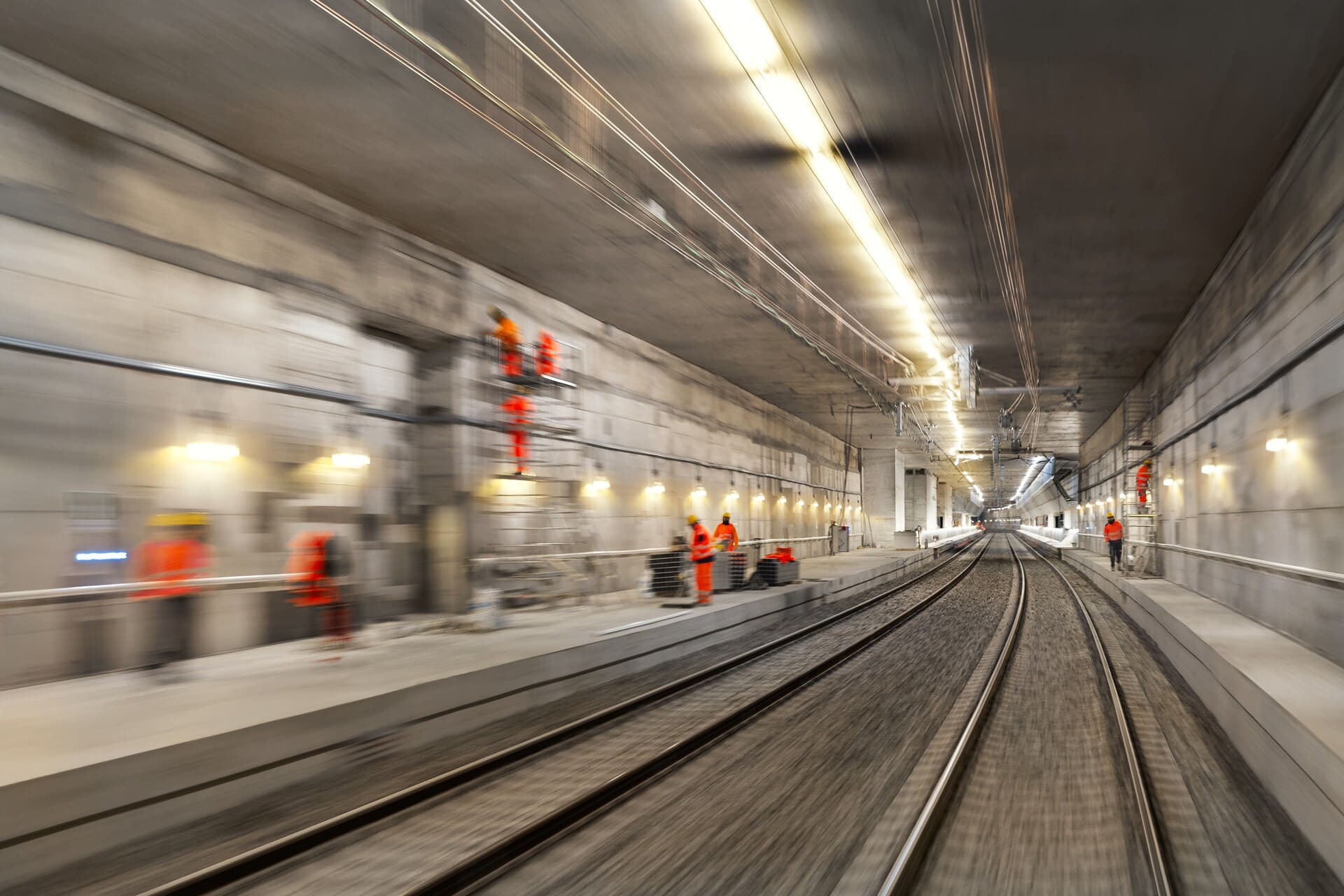
Among the most complex challenges faced during the construction of the section, the Casalnuovo tunnel stands out. Here, Webuild utilized an innovative hyperbaric excavation technique for the first time in Italy – a solution adopted in only a few cases across Europe.
For approximately 650 meters, the tunnel crosses through areas impacted by the presence of the water table. This is why compressed air was used to work safely and keep the excavation face dry, creating a controlled environment capable of counteracting water pressure.
This solution made it possible not only to complete the railway tunnel under particularly difficult conditions, but also to promote sustainability by reducing the environmental impact of the construction work.
Naples-Bari High-Speed Rail on the TEN-T: A Railway Corridor Connecting the Mediterranean
The Naples-Cancello section is only the first segment of a much broader project. The future Naples-Bari high-speed rail line will have a total length of 145 kilometers, with 15 tunnels, 25 viaducts, and 20 stations and stops distributed along the route.
The railway infrastructure is part of the Scandinavian-Mediterranean Corridor of the European TEN-T network, one of the strategic axes linking Northern Europe to the Mediterranean. Within this strategic design, Webuild is engaged on four lots that are part of the 21 projects the Group is carrying out in Southern Italy, with a total awarded value of over €16 billion.
When all works are completed, Naples and Bari will be connected in just two hours, compared to approximately four hours today. Rome and Bari will be reachable in three hours, while Lecce and Taranto will be only four hours away from the Capital – a transformation that will reshape the geography of travel times across the Mezzogiorno, bringing territories, people, and markets closer together.
High-Speed Train in Italy: Sustainable Mobility as a Driver of Development
The benefits of the new railway infrastructure do not only concern transport. According to a study conducted by SVIMEZ and RFI, the Naples-Bari high-speed railway line will be able to generate a total added value of approximately €4.4 billion and create up to 62,000 jobs through direct, indirect, and induced effects.
On the environmental sustainability front, the larger share of traffic shifted from road to rail will allow for a reduction in CO2 emissions of about 141,000 tons per year.
For this reason, the inaugural journey of the Naples-Cancello section does not merely represent the opening of a new railway stretch, but the beginning of a new era for mobility in Southern Italy. A journey that, kilometer after kilometer, is bringing closer together cities that for decades remained distant, and which today are finally beginning to travel at the same speed as the rest of Europe.