

Some infrastructure projects cannot be understood solely through their engineering scale or construction complexity, as their deepest value emerges from the impact they generate on the communities and territories in which they are built.
Large-scale hydropower and water projects, along with major connection and production works, are often developed to address essential needs such as access to resources, energy security, or the economic development of vast and often fragile regions.
In these cases, the construction of the infrastructure becomes part of a broader process of social and territorial transformation, directly affecting local balances and redefining living conditions, opportunities, and growth models at regional or national scale.
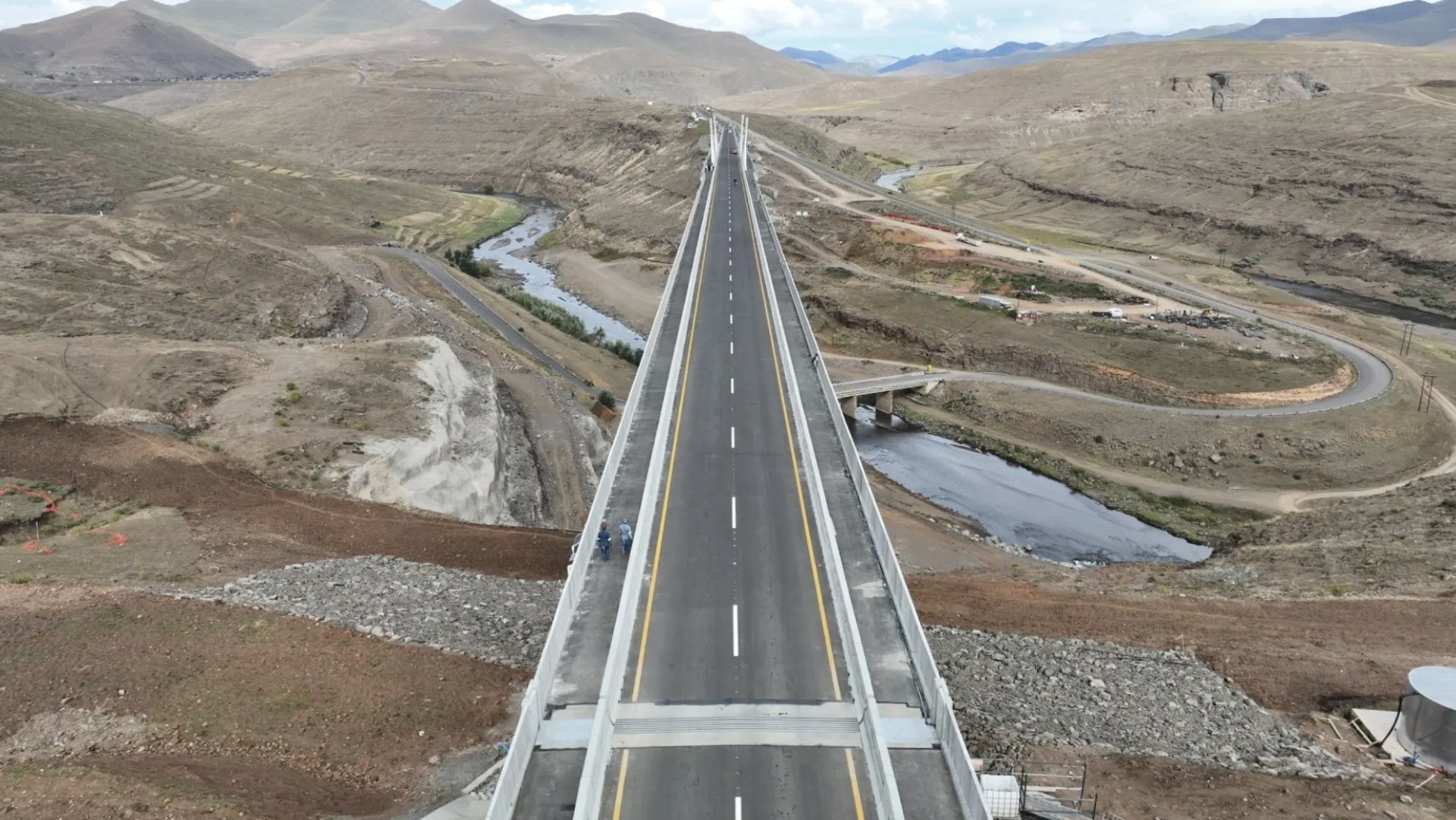
1 – Senqu Bridge, Lesotho
The Senqu Bridge in Lesotho, delivered with the contribution of the Webuild Group, is part of the Lesotho Highlands Water Project, one of the largest water transfer programs in Africa, designed to combine infrastructure development with large-scale social impact.
Stretching 825 meters with a central span of 100 meters, the bridge was conceived as a strategic structure to ensure continuity along the main road linking the mountainous communities of northeastern Lesotho with the capital, Maseru, in an area that will be affected by the future Polihali Dam reservoir.
Built in a geographically and climatically challenging environment, the Senqu Bridge project has helped prevent the isolation of numerous villages and preserved access to essential services.
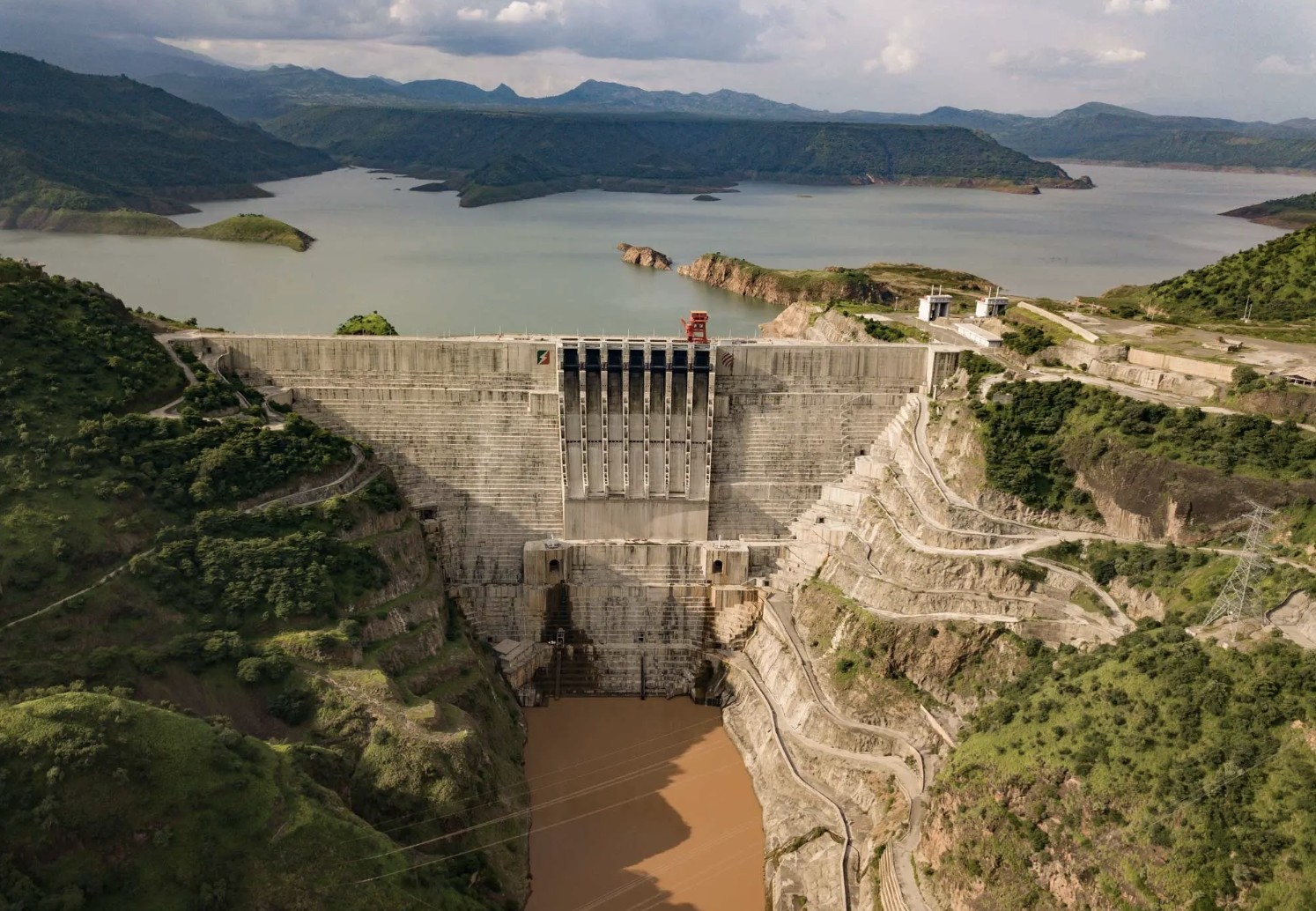
2 – Gibe III Hydropower Project, Ethiopia
The Gibe III hydropower project in Ethiopia is one of the country’s most significant energy developments and an intervention expected to have a profound impact on the economic and social growth of the entire region.
Located along the Omo River, the construction of the Gibe III dam marked a decisive step in transforming a remote area into a strategic hub for hydroelectric power production, aimed at expanding electricity access and supporting national industrial growth.
Delivered with the contribution of the Webuild Group, the Ethiopia dam goes beyond its infrastructural dimension and is part of a broader transformation process involving local communities and territories, reshaping the relationship between natural resources and social impact and contributing to a structural change in living conditions.
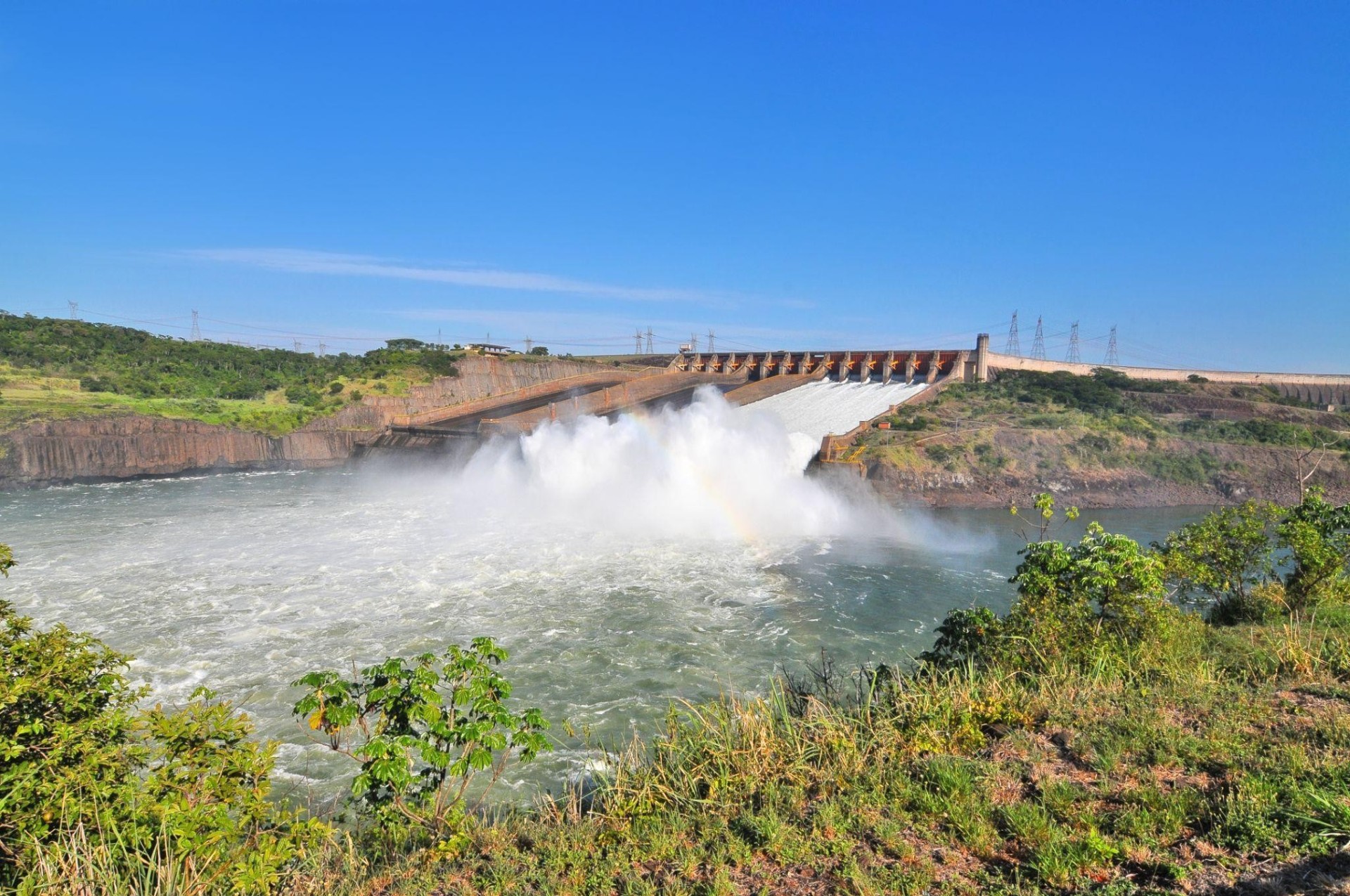
3 – Itaipú Dam, Paraná River, Brazil-Paraguay
The Itaipú Dam, built on the Paraná River on the border between Brazil and Paraguay, is one of the largest hydropower plants ever constructed and one of the energy projects with the greatest economic and social impact worldwide.
Developed through cooperation between the two countries, the Itaipú Dam was designed to harness one of South America’s most powerful water resources, converting it into hydroelectric power to support industrial and urban development across vast areas of the region.
Over more than a decade of construction, the infrastructure project also led to profound territorial changes, including the creation of a vast artificial reservoir and the reconfiguration of entire local communities.
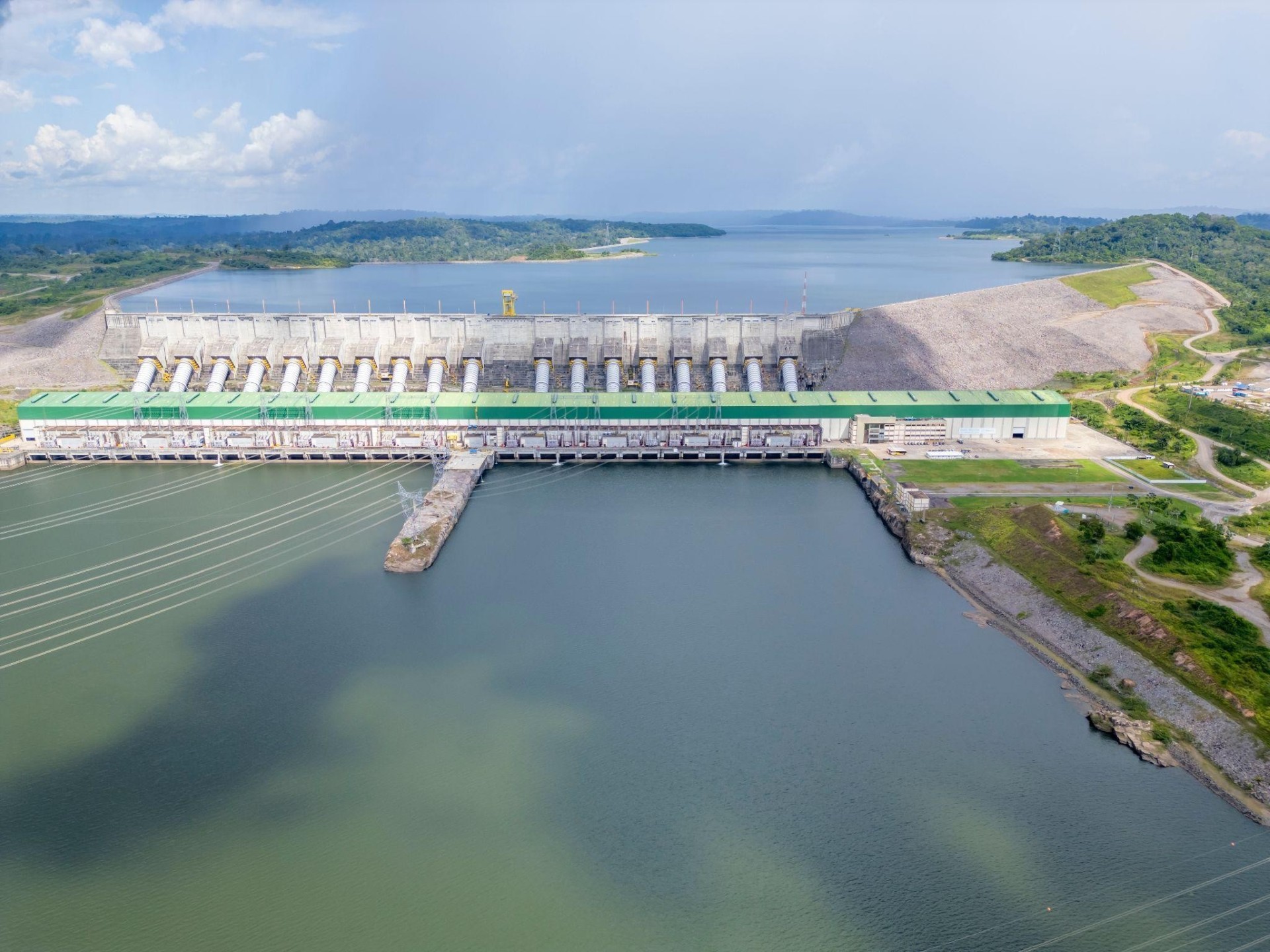
4 – Belo Monte Dam, Brazil
The Belo Monte Dam on the Xingu River in Brazil is one of South America’s most significant hydropower projects, designed to substantially increase the country’s energy capacity and meet its growing electricity demand.
Its construction involved extensive infrastructure works in a highly sensitive Amazonian environment, including a complex system of dams and canals designed to divert and regulate the Amazon river flows.
Beyond its energy function, the Belo Monte Dam has had a deep impact on the territory and local communities, becoming one of the most emblematic examples in Brazil of the relationship between large-scale infrastructure, economic development, and environmental protection.
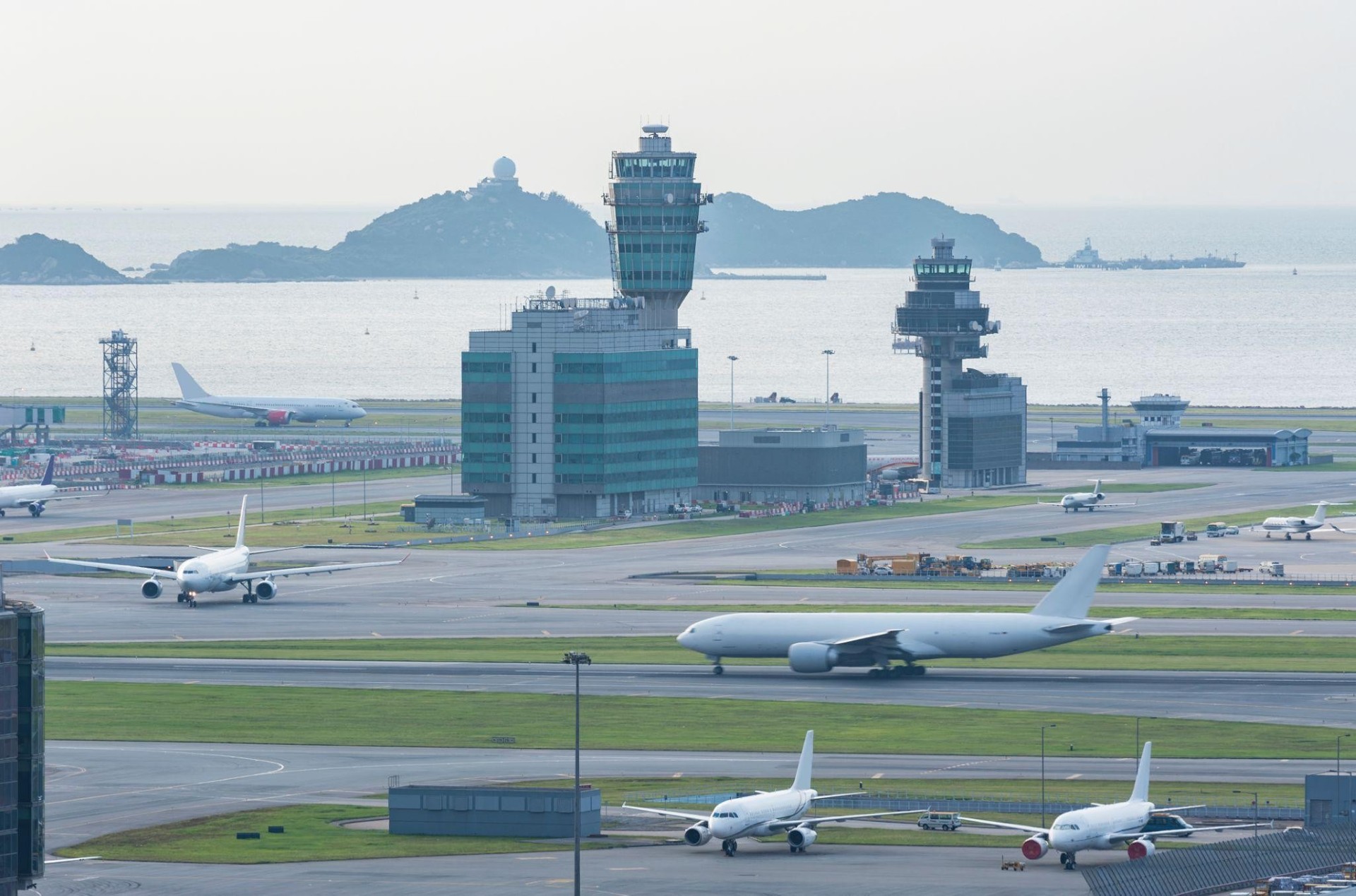
5 – Hong Kong International Airport
Hong Kong International Airport, built on the artificial island of Chek Lap Kok, is one of the world’s major airport infrastructure projects, designed to strengthen Hong Kong’s role as a global hub.
Opened in 1998, it replaced the former Kai Tak Airport through a major land reclamation project that significantly reshaped the area’s geography and greatly expanded the city’s international connectivity.
Beyond its infrastructural scale, the Hong Kong Airport construction has had a strong economic and social impact, contributing to job creation and reinforcing Hong Kong’s position as a strategic centre for global trade and mobility.