


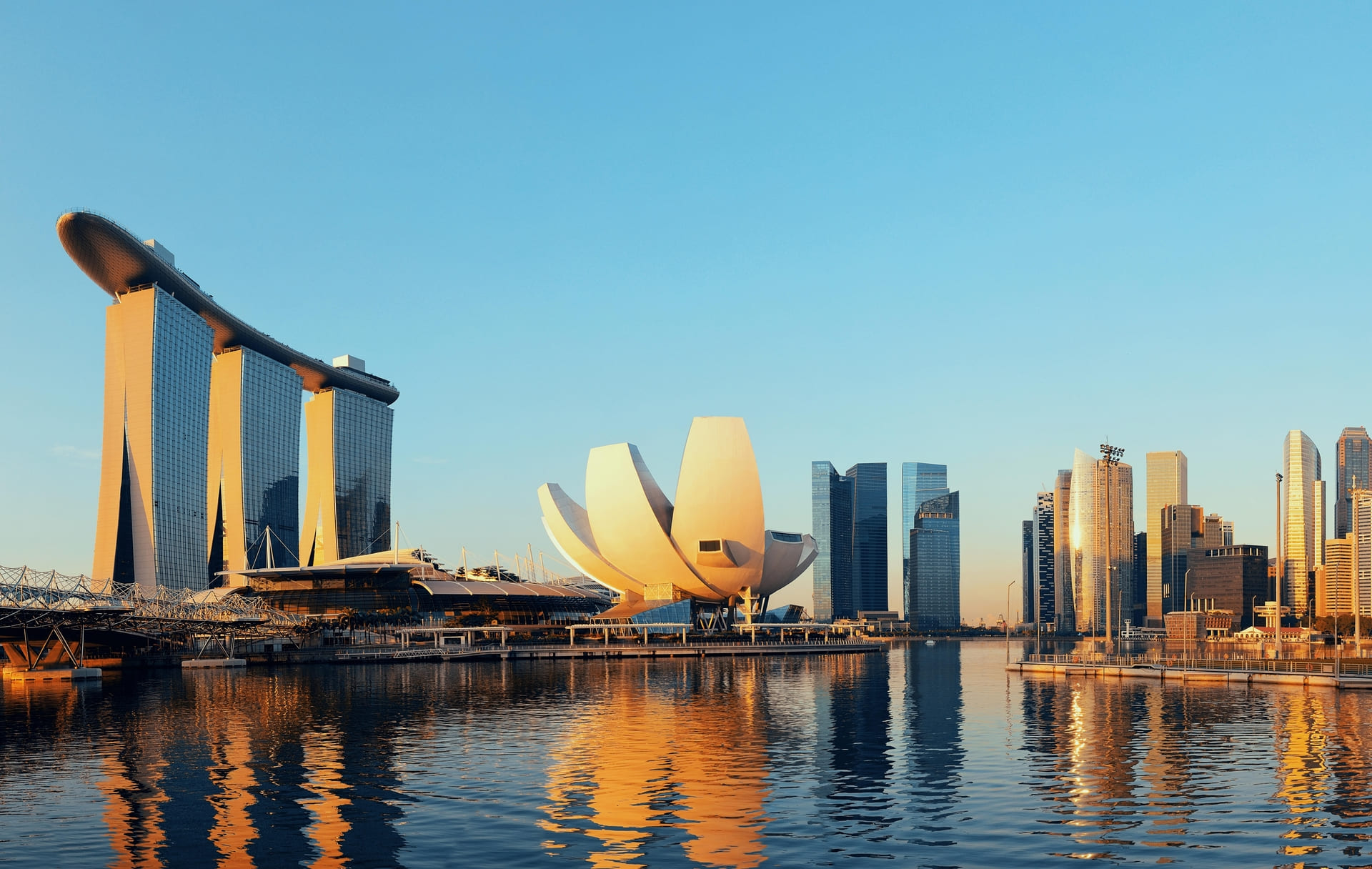
 Singapore skyline
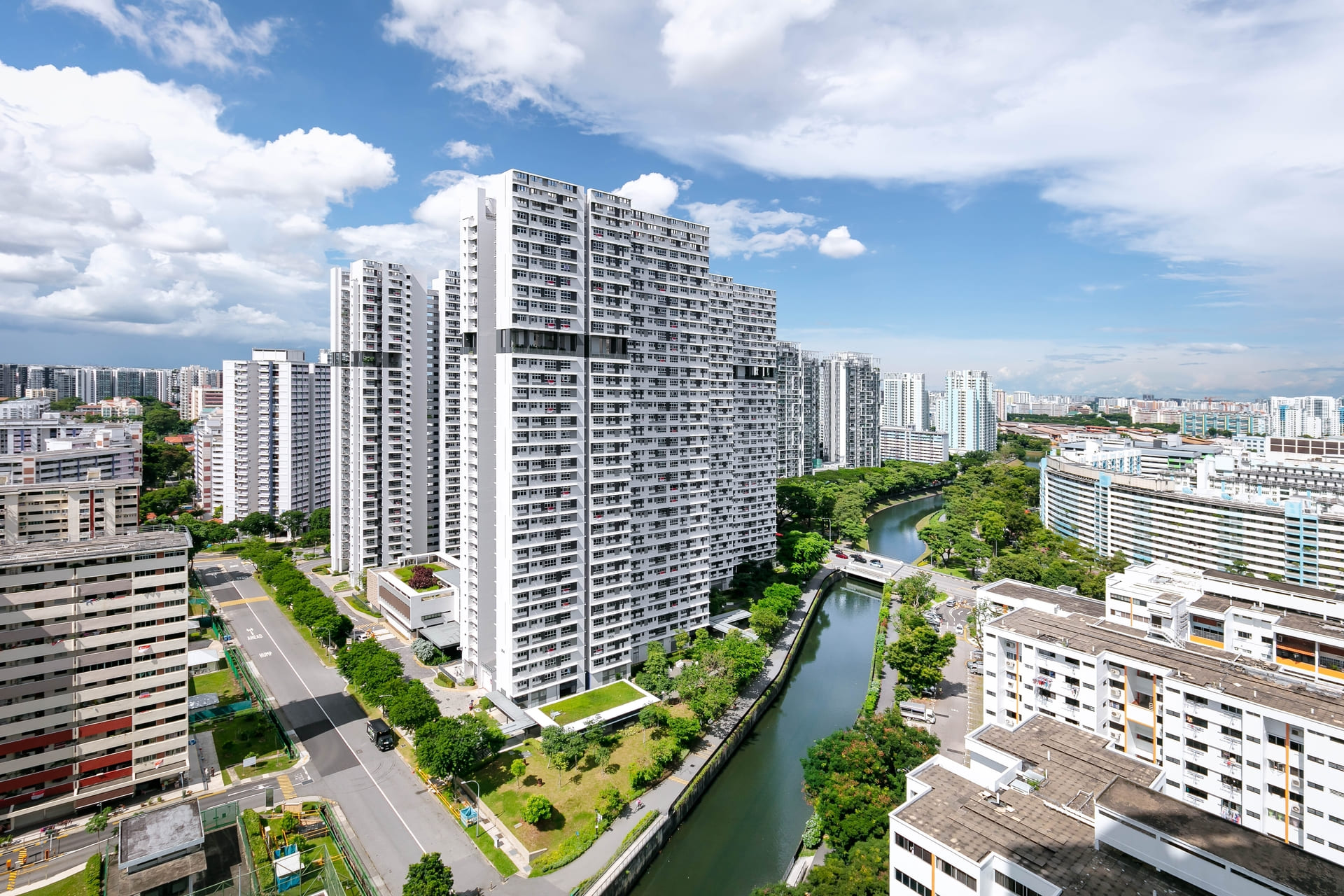 Singapore
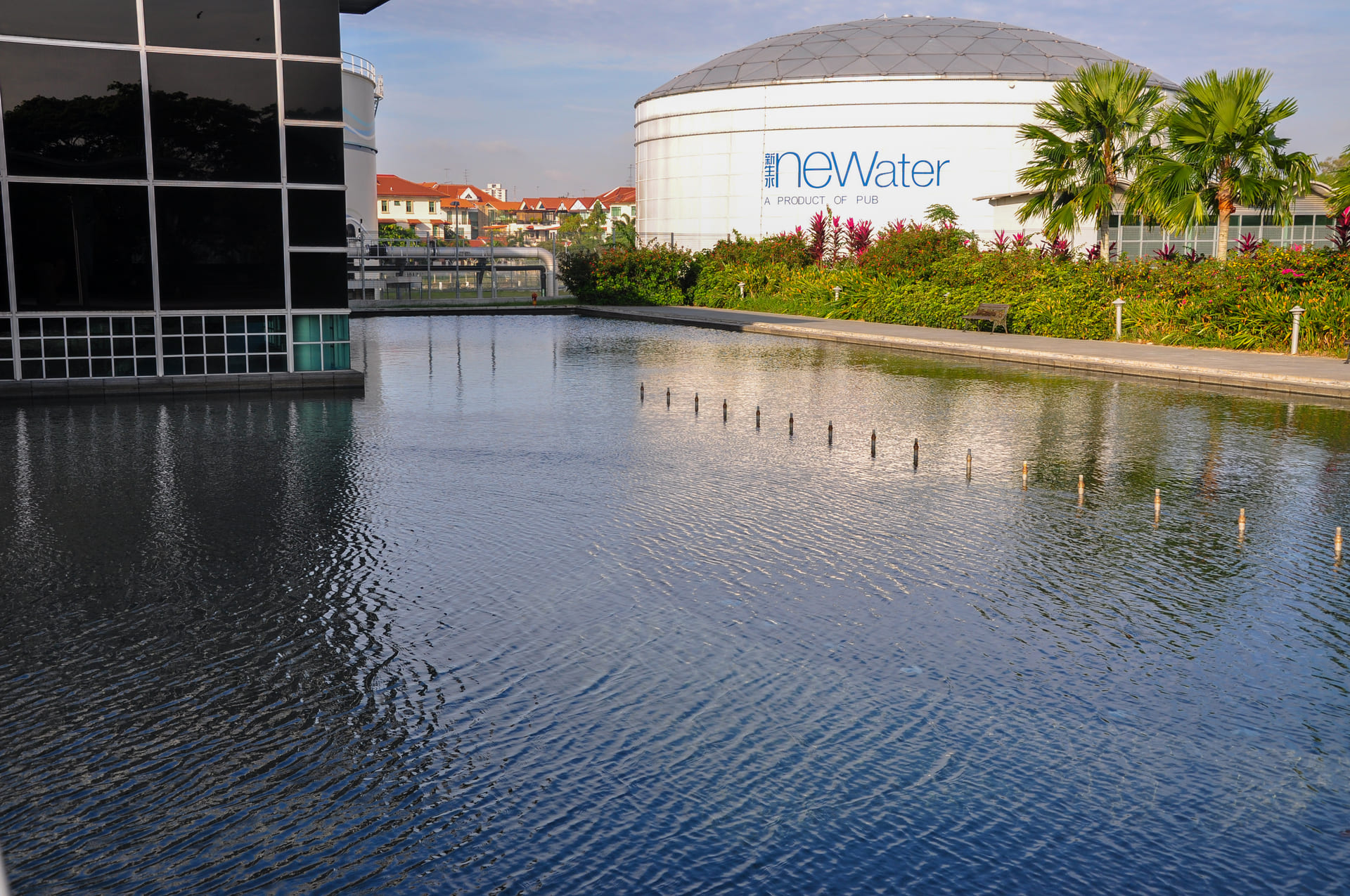 Newater water treatment plant
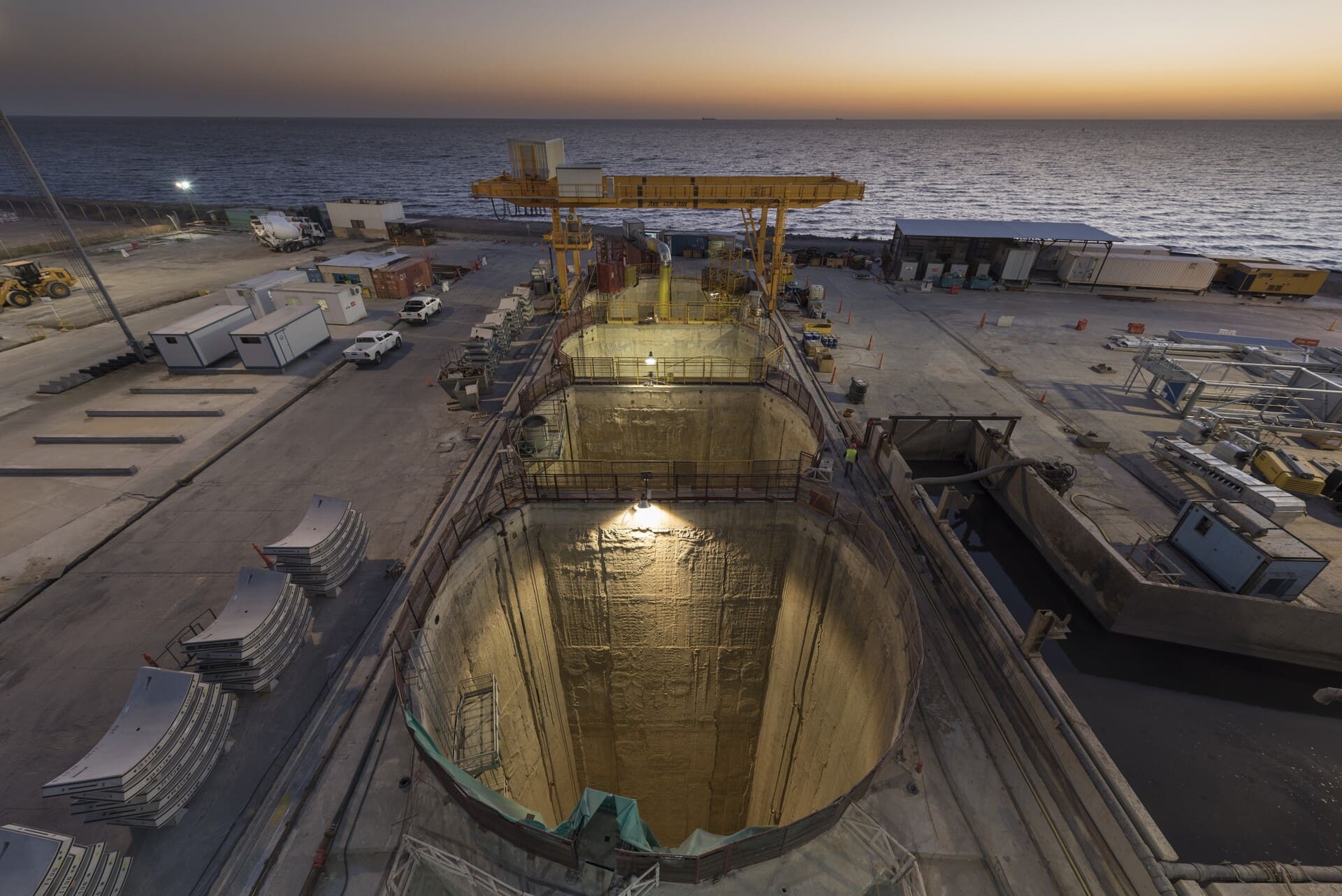 Riachuelo System, Argentina
 Riachuelo System, Argentina
 Riachuelo System, Argentina
 Riachuelo System, Argentina
 Riachuelo System, Argentina
 Riachuelo System, Argentina
 Riachuelo System, Argentina
 Anacostia River Tunnel, Washington D.C.
 Anacostia River Tunnel, Washington D.C.
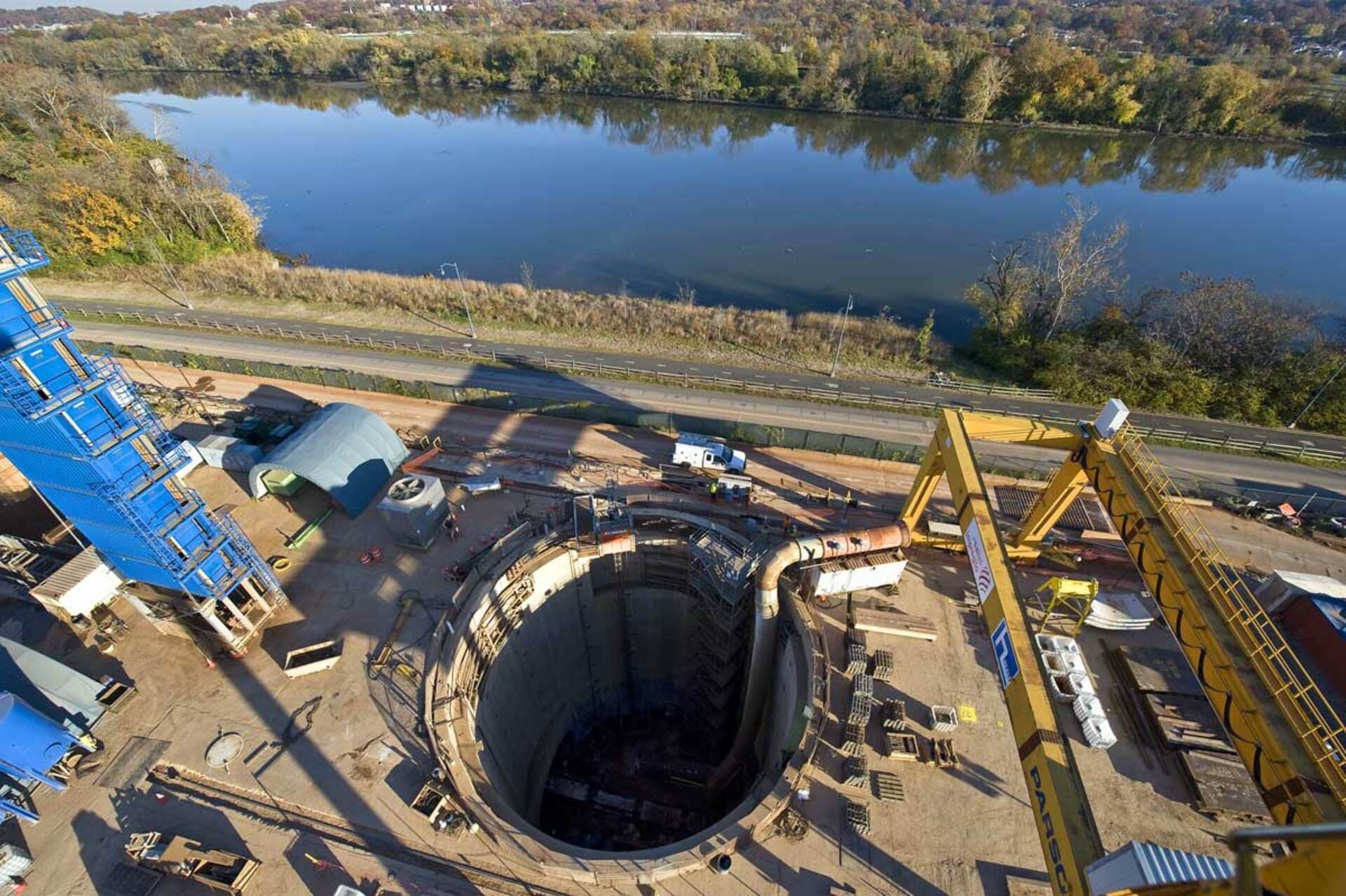 Anacostia River Tunnel, Washington D.C.
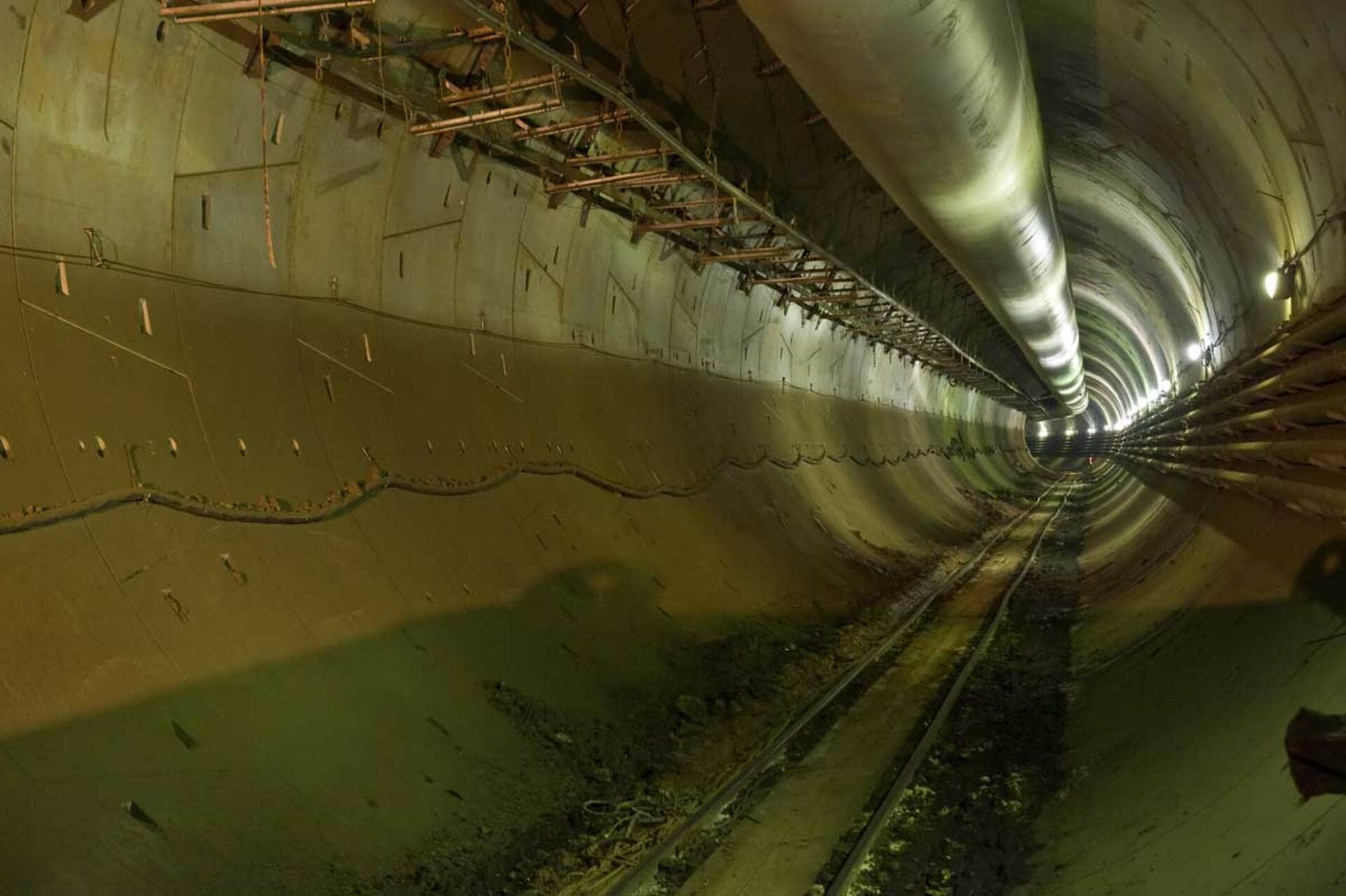 Anacostia River Tunnel, Washington D.C.
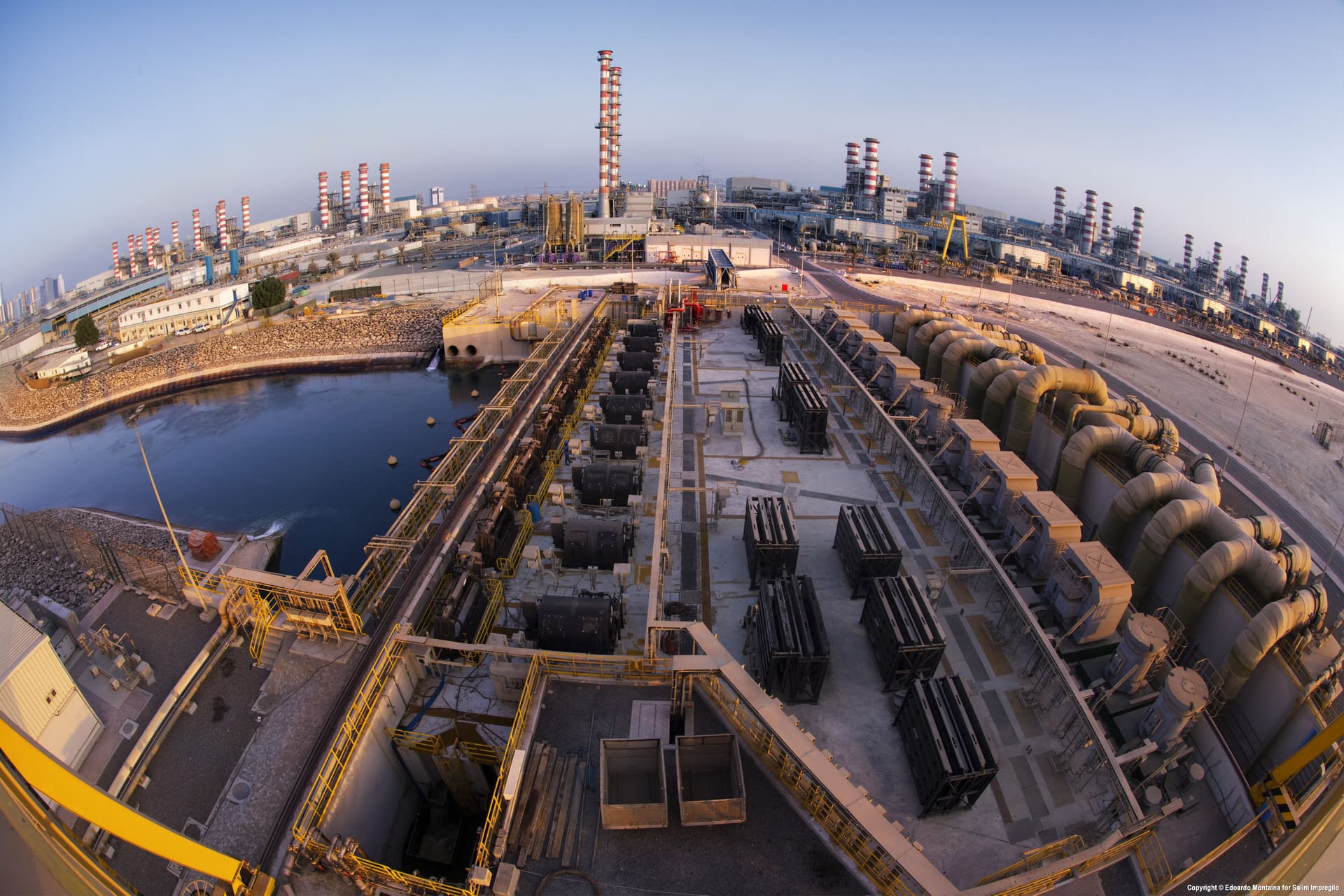 Jebel Ali M Desalination Plant, United Arab Emirates
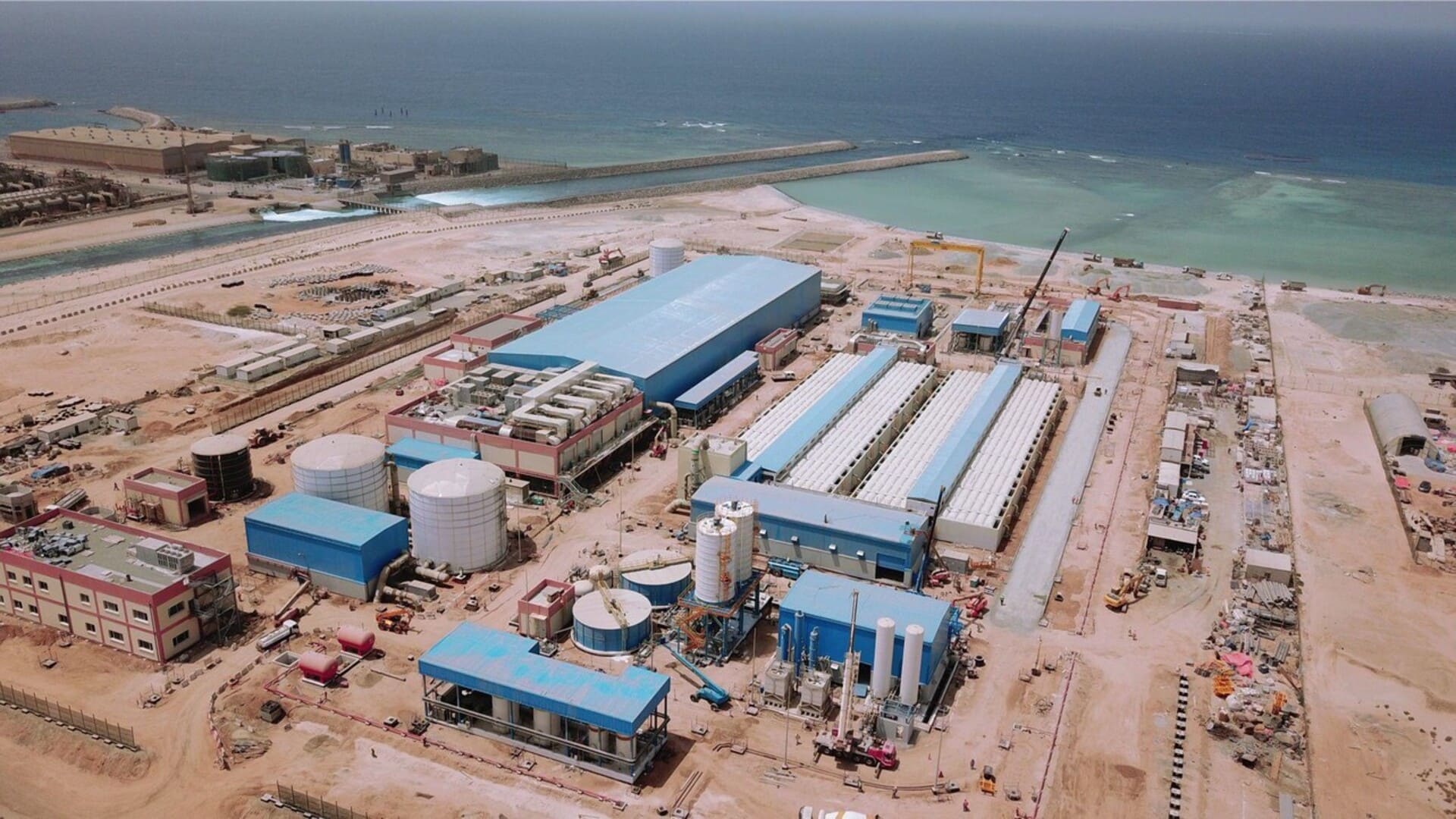 Shoaiba III Desalination Plant, Saudi Arabia
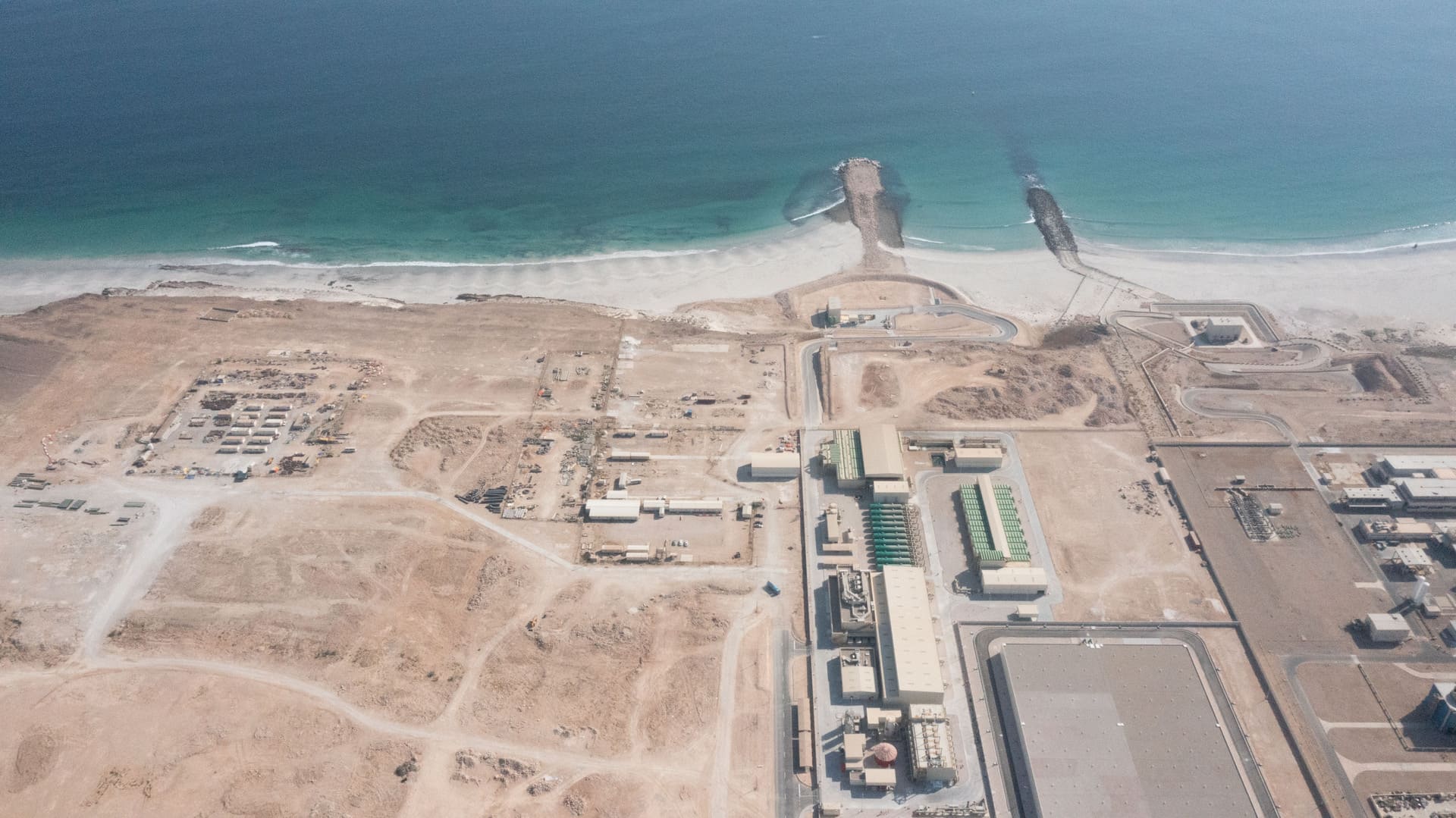 Salalah Independent Water Project, Oman
- Singapore collects rainwater across more than two-thirds of its territory and relies on a network of 17 reservoirs.
- In Washington, D.C., the Anacostia River Tunnel, built by Webuild, extends for 3.8 kilometers, with an internal diameter of approximately 7 meters and a depth of up to about 30 meters.
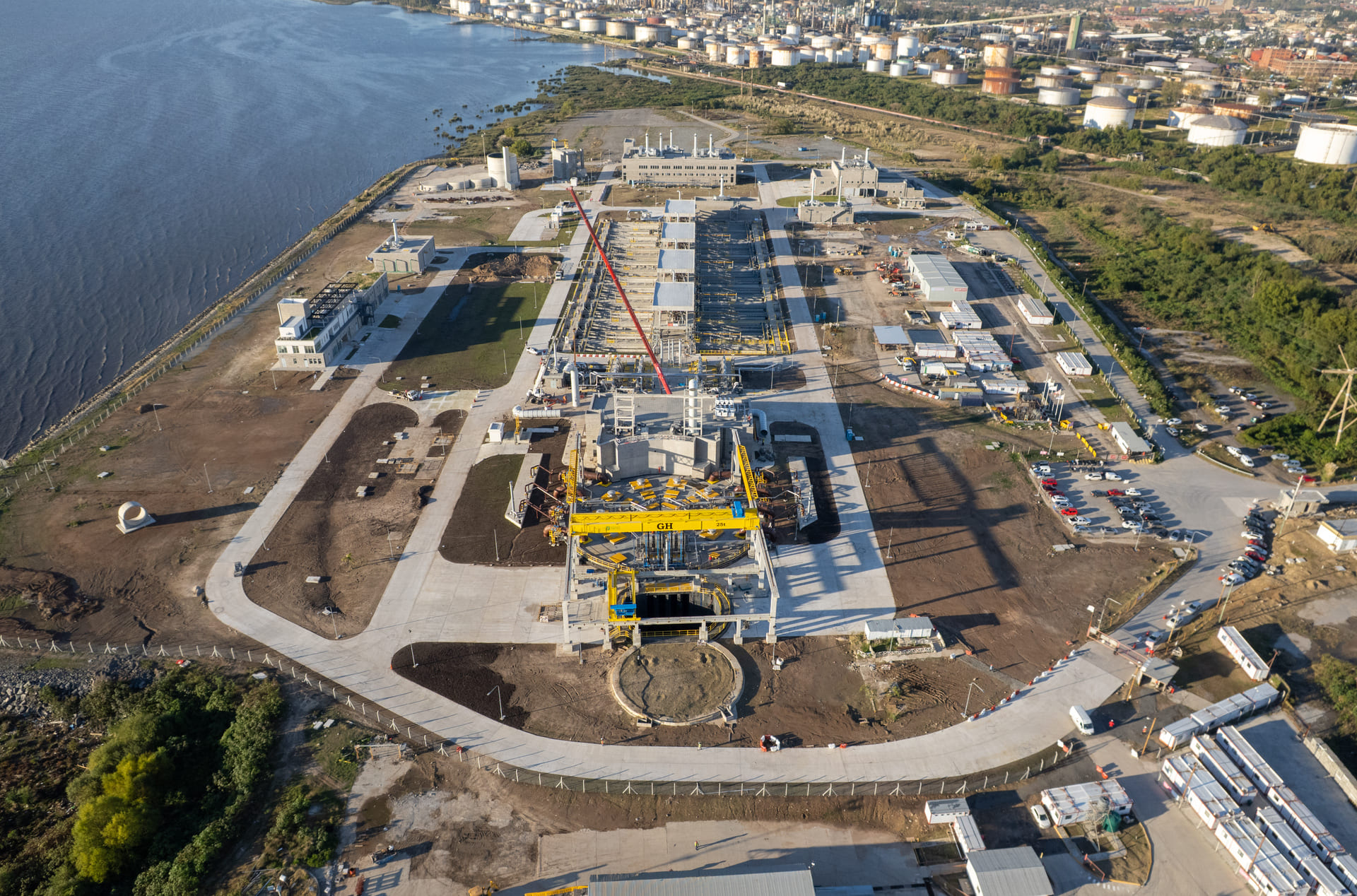
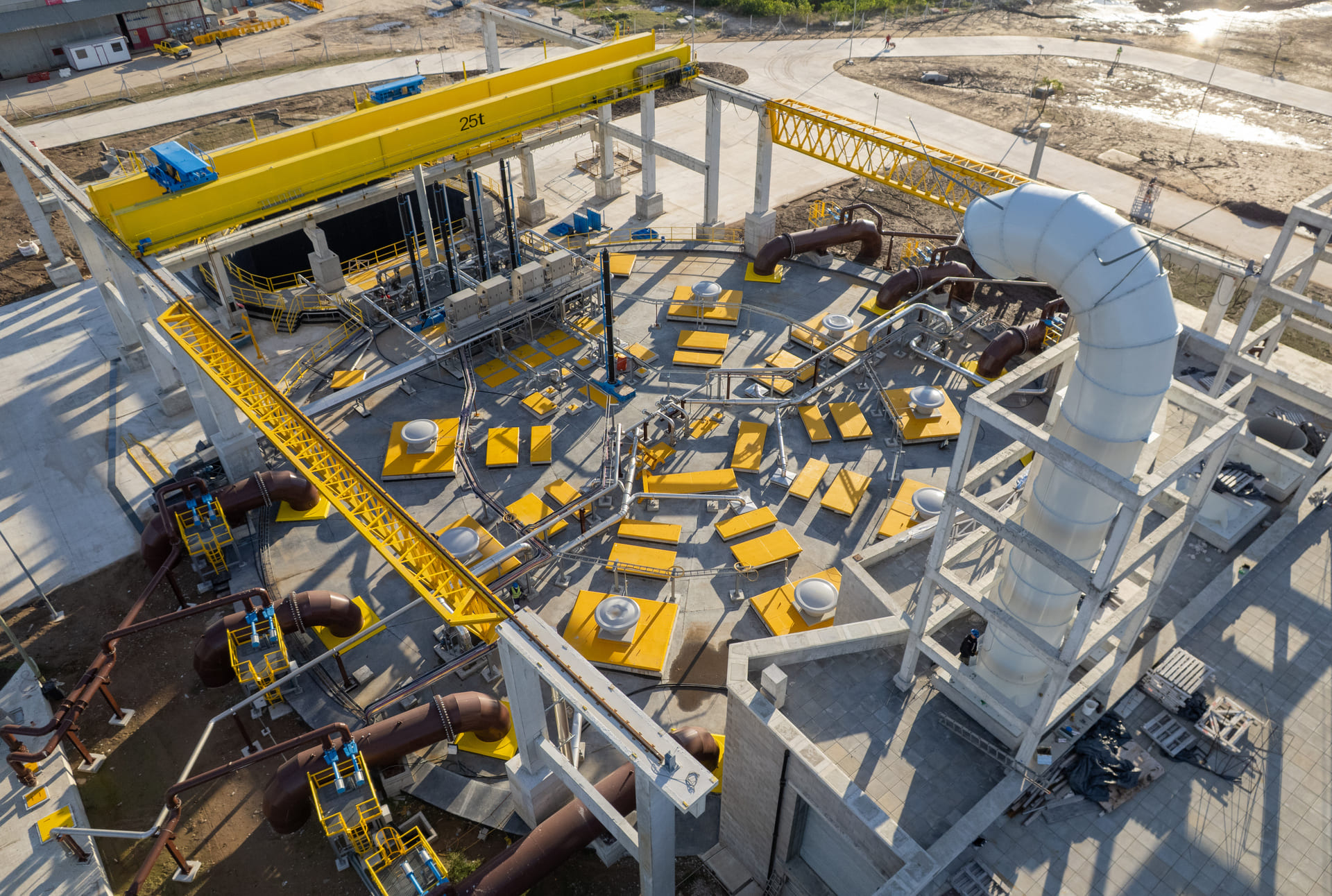
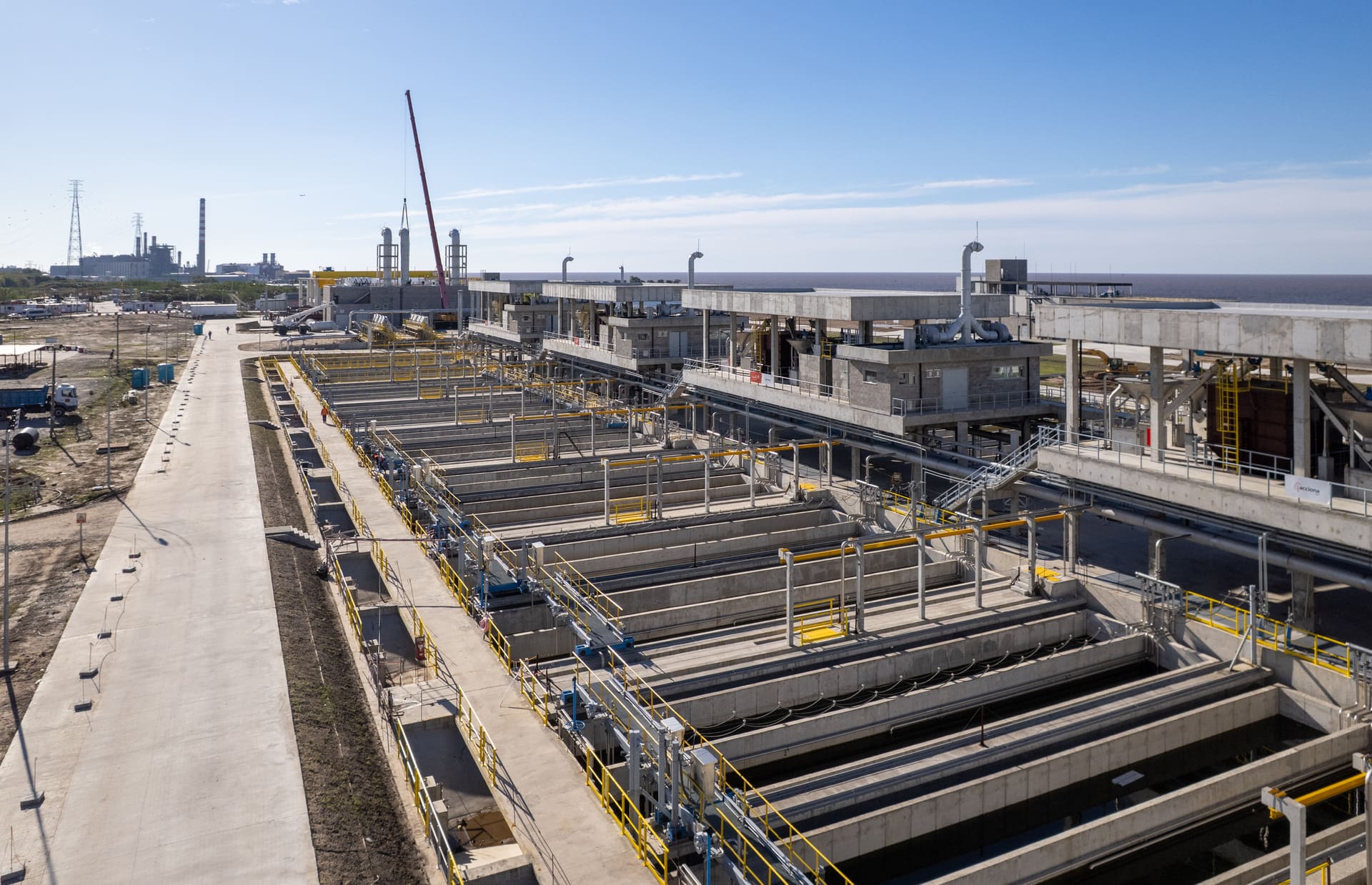
- The Riachuelo System in Buenos Aires can treat up to 2.3 million cubic meters of wastewater per day, delivering environmental and public health benefits to more than 4 million people.
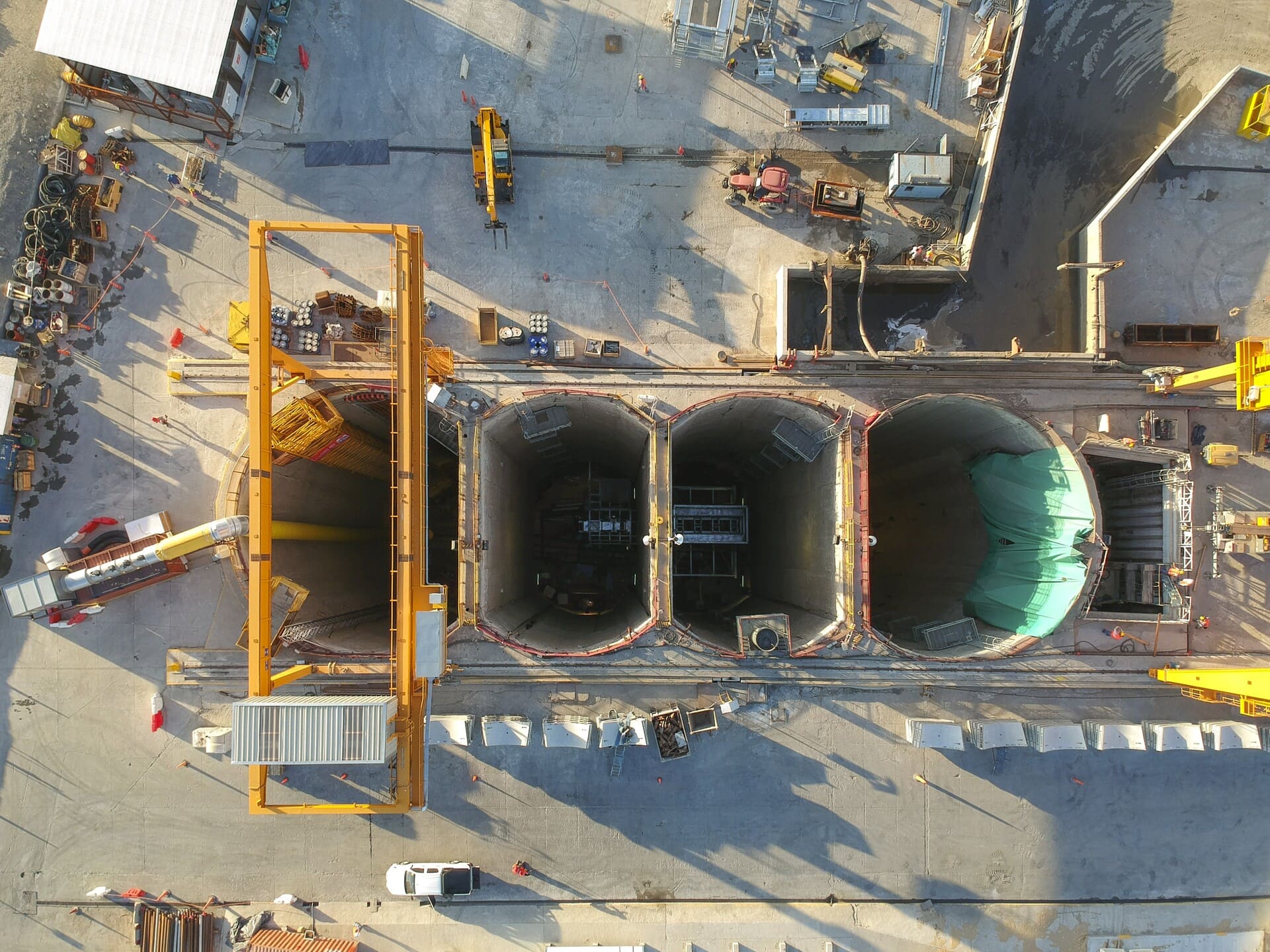
- Beneath the Río de la Plata runs the 12-kilometre underwater tunnel of the Riachuelo System, enabling the controlled discharge of treated water.
- The desalination plants completed and under construction by Fisia Italimpianti have a combined capacity of approximately 4.8 million cubic meters of water per day, enough to serve more than 20 million people.
Read more


In Singapore, rain never fails to bring water. Yet, for decades, it was one of the most difficult resources to guarantee—a paradox upon which the city-state grew: a tropical island hit by intense rainfall, but with little land available to collect and store fresh water, no major natural aquifers, and a population that expanded rapidly alongside one of Asia’s most advanced economies.
When Singapore gained independence in 1965, water security was therefore a strategic issue. A major portion of its water came from neighboring Malaysia, while urban and industrial development caused consumption to rise rapidly. From that vulnerability, one of the most advanced water management systems in the world was born.
Over sixty years, Singapore has built a true circular water infrastructure, turning every possible source into a resource. Rain, artificial reservoirs, imported water, purified wastewater, and seawater have all become parts of a single integrated system.
Today, the model relies on what PUB, the national agency responsible for water management, calls the “Four National Taps”: locally harvested water, imported water, NEWater produced from advanced wastewater treatment, and water generated through desalination. This diversification has allowed the city to progressively reduce its vulnerability and build one of the most sophisticated water security strategies in the world.
The City-State as a Giant Reservoir
The first step was to rethink the city itself. In Singapore, roads, canals, rivers, and artificial reservoirs are part of a network designed to collect rainwater and channel it toward water reserves. Today, more than two-thirds of the national territory is used as a catchment area for rainwater, and the system relies on 17 reservoirs.
It represents a paradigm shift in urban planning: water management infrastructure is not confined underground or to the margins of the city, but partially coincides with the city itself. The land becomes a machine capable of harvesting, transferring, treating, and reusing water.
However, the real revolution arrived when Singapore decided to close the loop. In 2002, NEWater was introduced—high-quality reclaimed water produced through advanced treatment processes. Used water is collected, purified, and subjected to further purification processes, yielding a resource that can be utilized by industry and, indirectly, even for drinking water supplies.
Indeed, during periods of water scarcity, NEWater can be injected into reservoirs, blended with raw water, and subsequently treated at water treatment plants. The quality of the reclaimed water has been evaluated by international experts and found to comply with the drinking water standards set by the World Health Organization and the U.S. Environmental Protection Agency.
In this way, water is no longer viewed as a single-use resource, but as a raw material that can continuously cycle back into the system.
Seawater as a New Resource Through the Introduction of Desalination
Three years after NEWater, in 2005, Singapore added another piece to its strategy by commissioning the country’s first desalination plant. Through reverse osmosis technology, seawater is forced through membranes capable of separating it from salts and other substances, transforming it into usable water.
Unlike rainfall, the availability of seawater does not depend on the seasons, and for an island like Singapore, it represents a potentially massive reserve that is, above all, resilient to the effects of water crisis.
However, the model continues to evolve. The challenge today is not merely to produce more water, but to do so while consuming less energy. NEWater and desalination are indeed weather-resilient sources, but they are also more energy-intensive than traditional ones.
For this reason, Singapore is investing in research into new technologies capable of fostering sustainability by reducing the energy footprint of the entire water cycle, even as national water demand is projected to nearly double by 2065.
It is here that the city-state’s story becomes a global story—because what Singapore understood before many other metropolises is that water can no longer be viewed simply as a public utility, but rather as one of the strategic infrastructure pillars upon which urban growth, human health, industrial security, and the ability to confront the impacts of climate change depend.
Not Only Singapore: Beneath Washington D.C., Tunnels Protect the Anacostia and Potomac Rivers
Thousands of kilometers away from Singapore, Washington D.C. faces a different challenge, yet one bound to the same core principle: water management means rethinking urban infrastructure.
In the capital of the United States, the issue arises mainly during the heaviest rainfalls. In certain areas of the city, the historic sewage system collects both wastewater and rainwater within the exact same system. When rain exceeds the network’s capacity, overflows can discharge directly into local waterways.
To tackle this issue, the Clean Rivers Project was created—a vast underground infrastructure program designed to intercept and manage excess water before it reaches the city’s rivers.
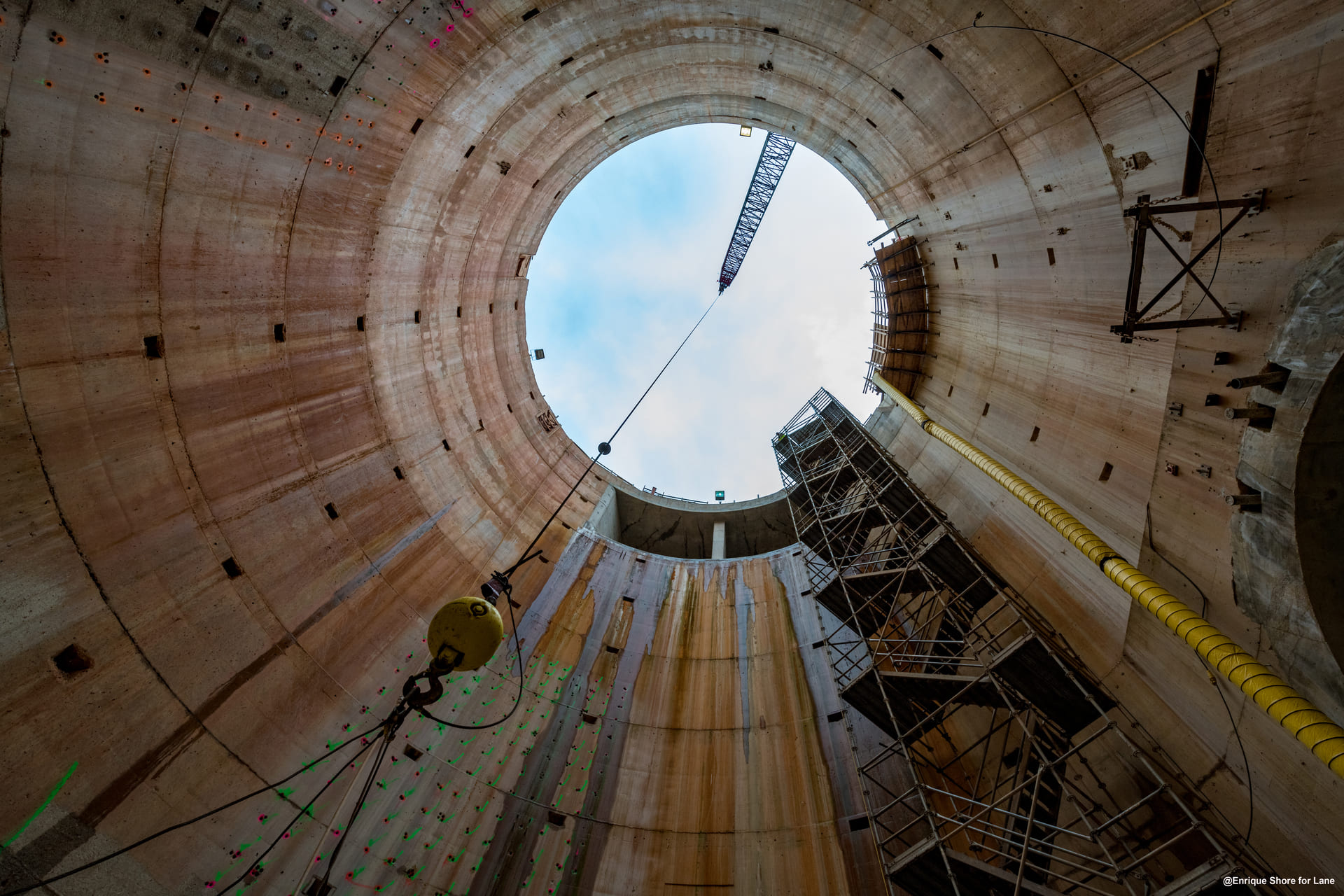
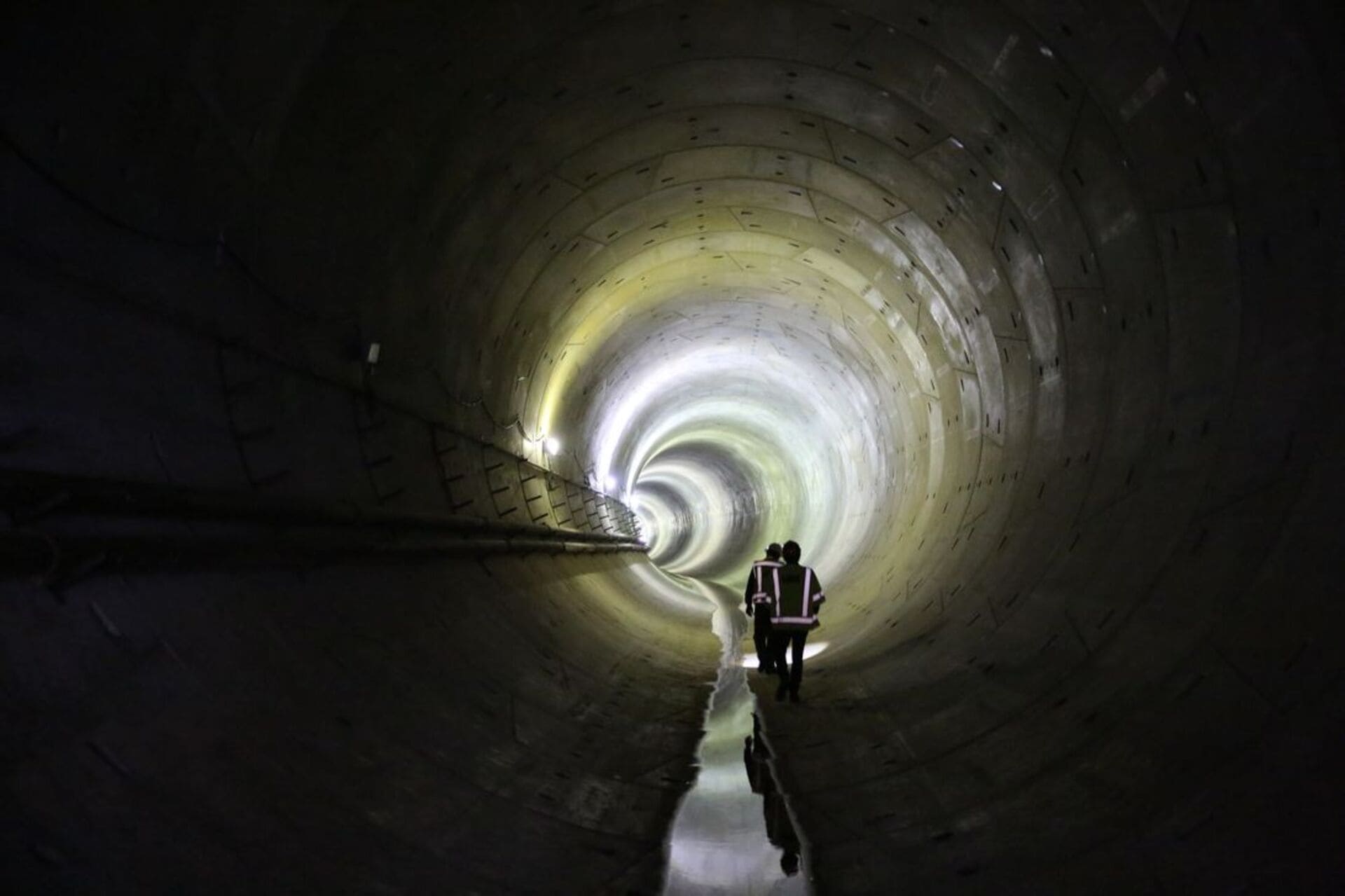
Webuild, through its U.S. subsidiary Lane, participated in the construction of strategic works within the program, including the Anacostia River Tunnel: a 3.8-kilometer tunnel with an internal diameter of about 7 meters, built at a depth of roughly 30 meters. Its function is to capture wastewater and convey it to treatment, thereby reducing discharges into the Anacostia and Potomac Rivers.
It is an almost entirely invisible infrastructure; yet, much like Singapore’s water networks, it fundamentally reshapes the relationship between the city and its water.
Water Treatment in Buenos Aires: The Revival of the Riachuelo
If the goal in Washington D.C. is to prevent heavy rainfall from overloading the sewer system, in Buenos Aires the great challenge has been the environmental restoration of one of Argentina’s most compromised waterways.
The Matanza-Riachuelo basin flows through one of the most densely urbanized and industrialized regions of the country. For decades, urban and industrial discharges contributed to transforming it into a symbol of water pollution.
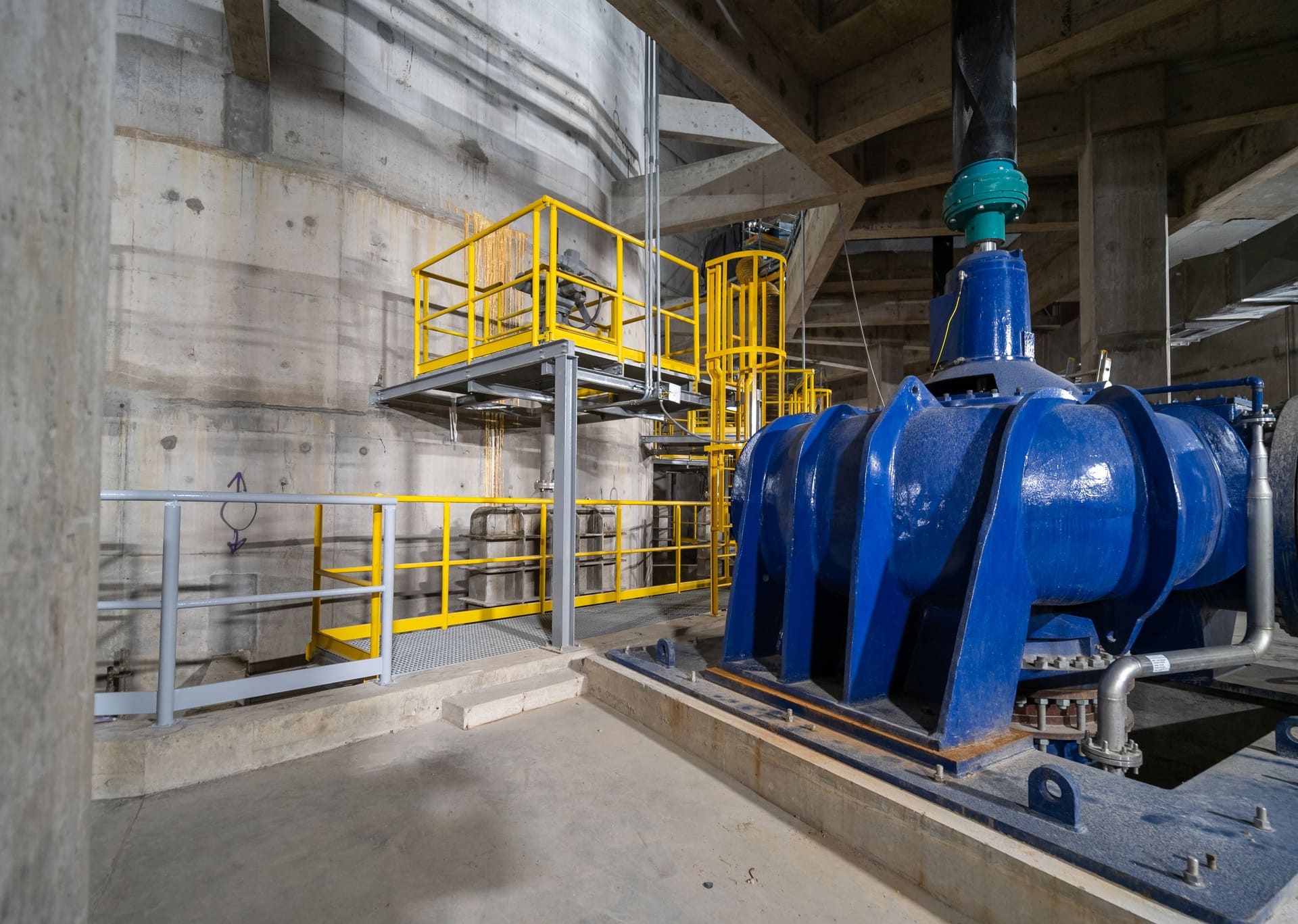
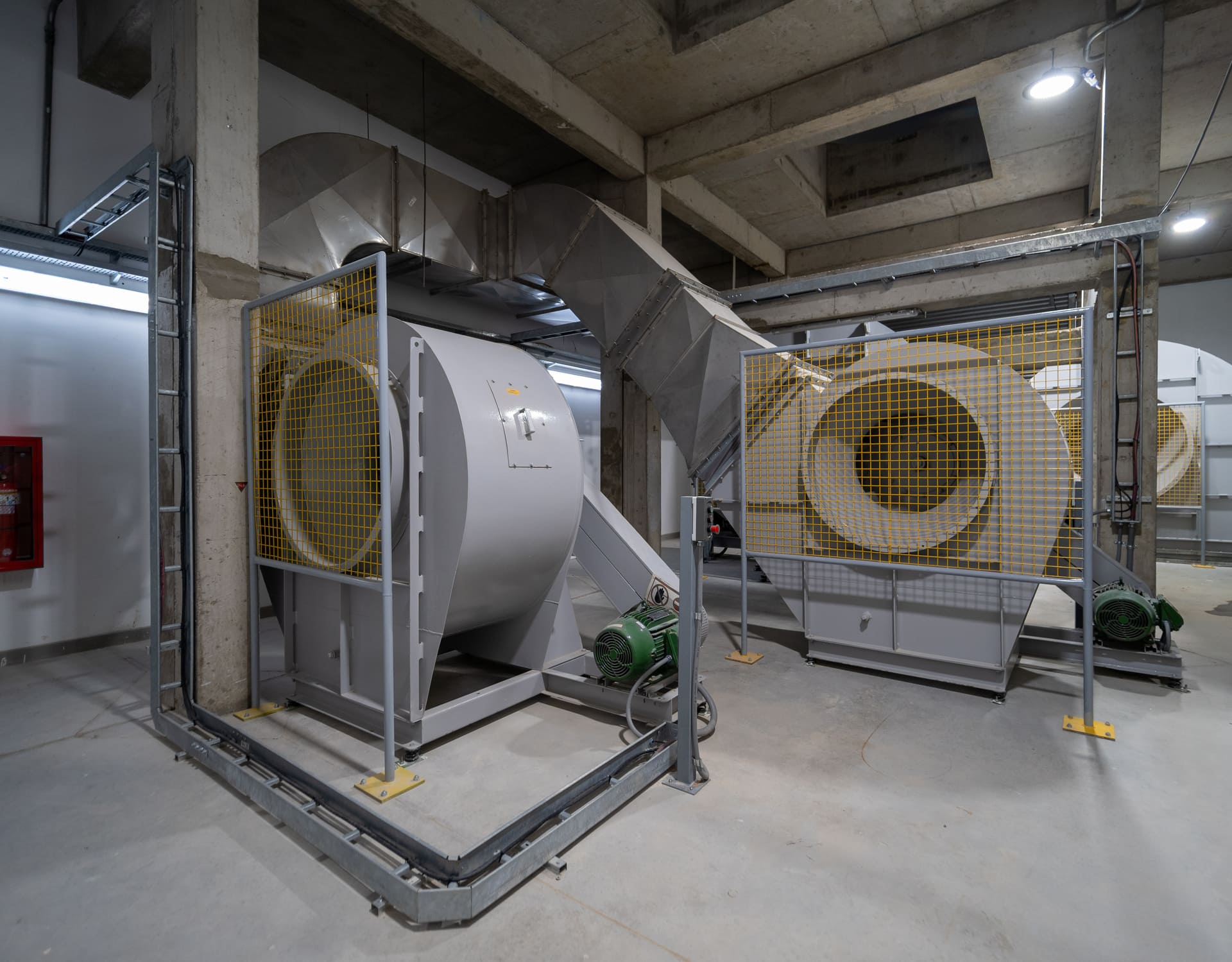
The Riachuelo System, which received support from the World Bank, represents one of the largest water sanitation projects ever constructed in Latin America. The system, which entered into operation in 2025, can treat up to approximately 2.3 million cubic meters of wastewater per day and serves 14 municipalities in the Buenos Aires area, delivering direct benefits to over 4 million people.
Webuild and Fisia Italimpianti completed two of the project’s three lots, which, among its most complex elements, included the construction of a 12-kilometer tunnel built roughly 40 meters beneath the bed of the Río de la Plata.
Drought in the Middle East: Where There Is No Water, Engineering Provides It
There is another frontier of water management that does not involve harvesting or purifying water, but rather generating what simply does not exist in sufficient quantities.
It is the daily challenge faced by many cities across the Arabian Peninsula, where population growth, economic development, and extreme climate conditions have transformed desalination into a strategic infrastructure essential for securing water supplies.
Operating as a global leader in this sector is Fisia Italimpianti, a Webuild Group company specializing in water treatment and desalination.
The company has constructed desalination plants primarily across various countries in the Peninsula, contributing to a total desalinated water production capacity in the order of millions of cubic meters per day. To date, Fisia’s completed and under-construction plants reach a total capacity of approximately 4.8 million cubic meters per day, serving a combined population of over 20 million people.
From Saudi Arabia to Oman, from the United Arab Emirates to Kuwait and Qatar, desalination has made it possible to turn the sea into a stable source of fresh water.