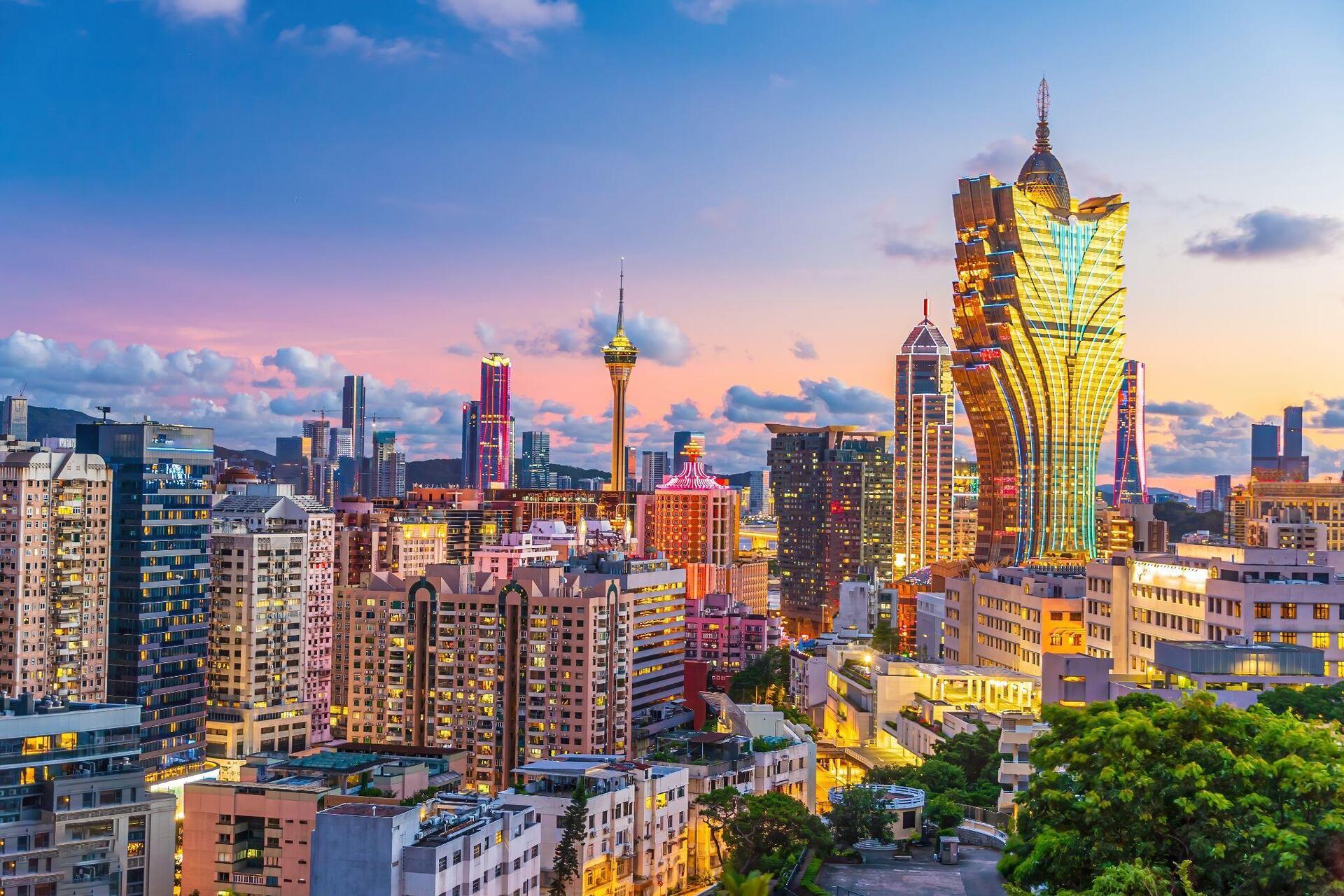


The world’s most visited cities are more than just tourist destinations: they are vast urban systems that must move millions of people, goods and services every day. In 2025 alone, the world’s top 100 city destinations welcomed approximately 702 million international arrivals.
Behind this ability to attract people lies an invisible network of infrastructure: airports, metro systems, railways, bridges and roads that enable cities to function and continue to grow. It is by looking at these connections that we can truly understand the scale and complexity of some of the most visited metropolises on the planet.
1 – Istanbul
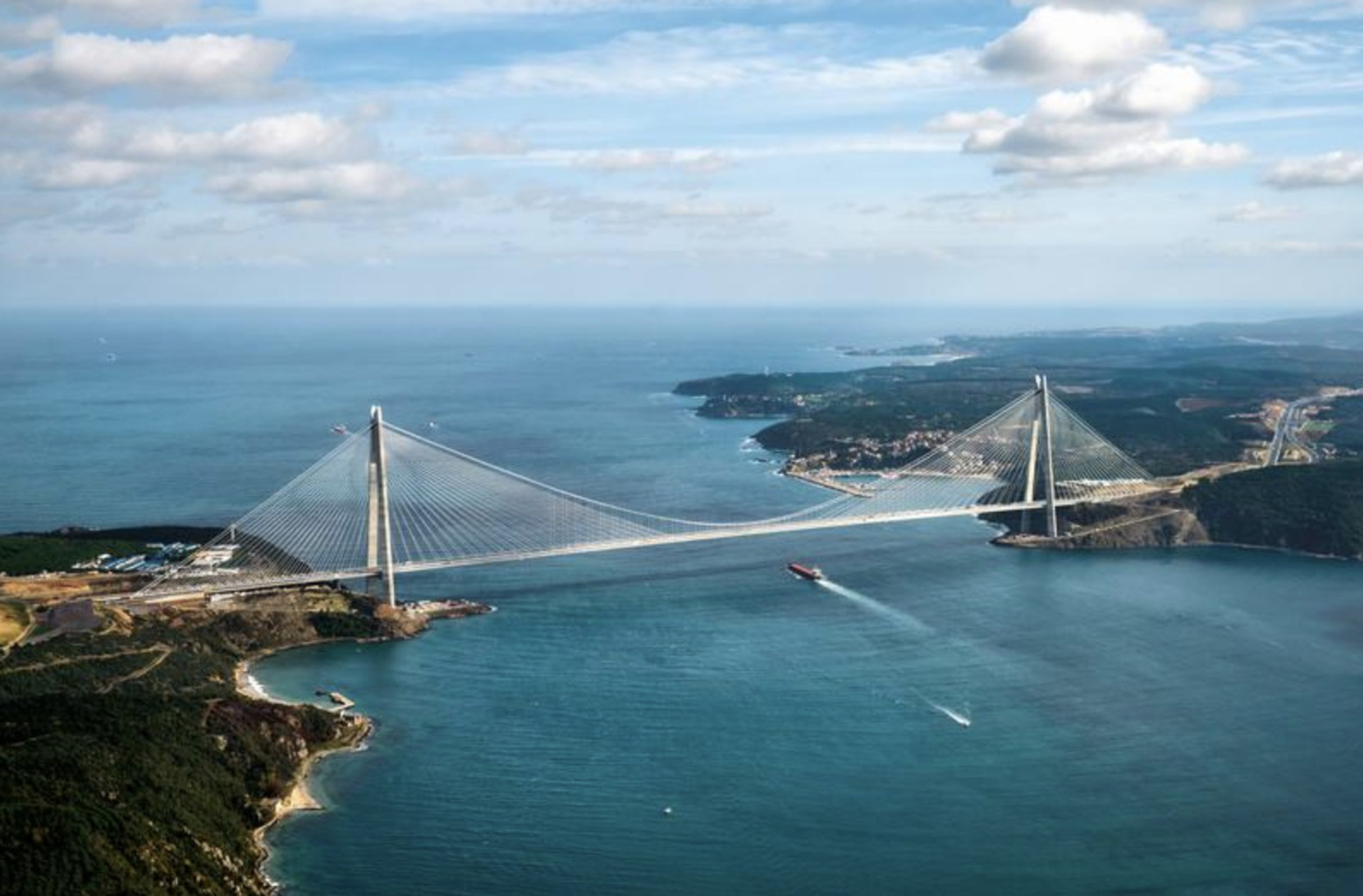
Straddling Europe and Asia, Istanbul faces the daily challenge of bringing two continents together. Helping make this possible is the Yavuz Sultan Selim Bridge, the Third Bosphorus Bridge, which connects the two sides of the Bosphorus strait while helping ease traffic congestion across the city.
Opened in 2016, the Third Bosphorus Bridge has become part of Istanbul’s skyline and a new corridor for people and goods. Its distinctive feature lies in its very structure, where road and railway run side by side, turning a crossing between continents into an even stronger connection.
Built with the contribution of Webuild, the Yavuz Sultan Selim Bridge was designed to support the growth of one of the world’s most dynamic and visited cities.
2 – Bangkok
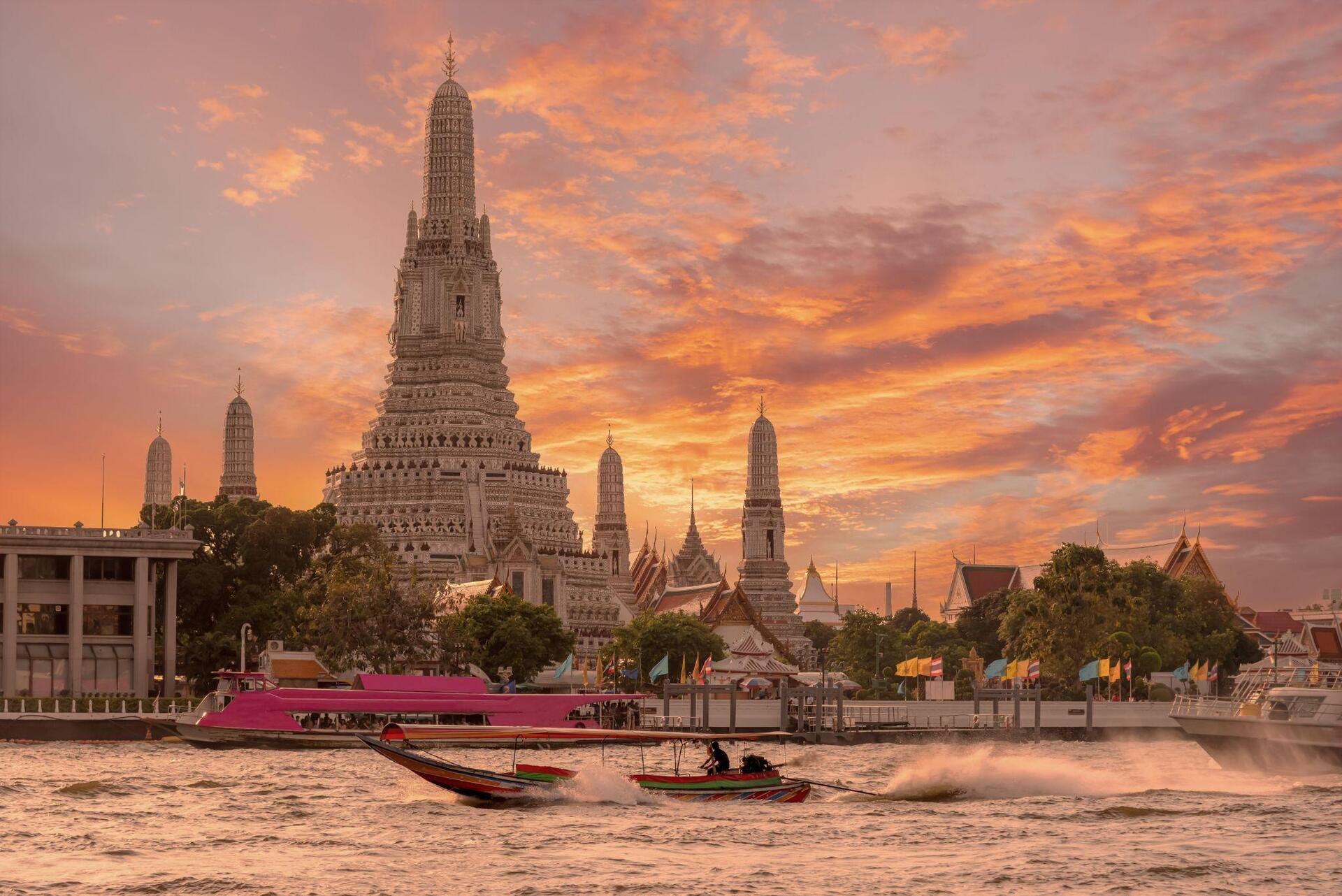
Bangkok is a city built on movement. In 2025, it was the world’s most visited urban destination by international arrivals, welcoming more than 30 million visitors: a flow that puts the metropolis’s ability to move people across a vast and densely populated urban area to the test every day.
Supporting this international scale is an increasingly integrated transport network, where the BTS Skytrain, MRT (the metro system), railways and Airport Rail Link converge to connect the city centre, outlying districts and major airports.
It is a system that illustrates how, in the world’s major tourism cities, infrastructure is not simply what enables people to get around, but one of the essential conditions that makes it possible to welcome millions of visitors every year.
3 – Hong Kong
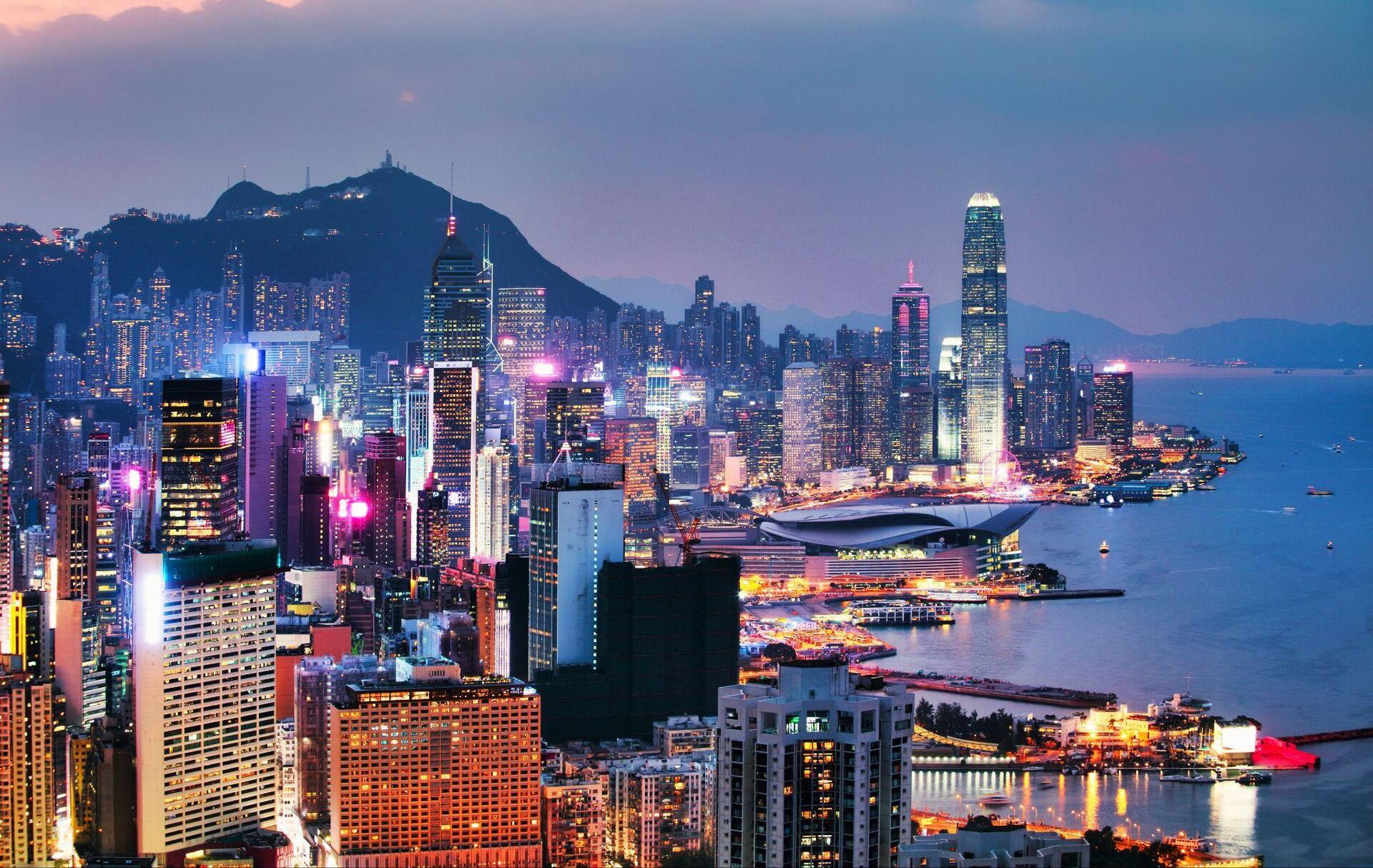
In Hong Kong, the airport is an integral part of the city itself. The Airport Express connects Hong Kong International Airport with the heart of the metropolis in just 24 minutes, providing a fast and direct link to the central district.
The line passes through some of the city’s key urban hubs, including Tsing Yi, Kowloon and Hong Kong Station, while also offering services designed to make the journey more seamless, such as in-town check-in.
More than just an airport railway, the Airport Express is therefore an essential part of the public transport network that allows one of Asia’s most visited and connected cities to function seamlessly.
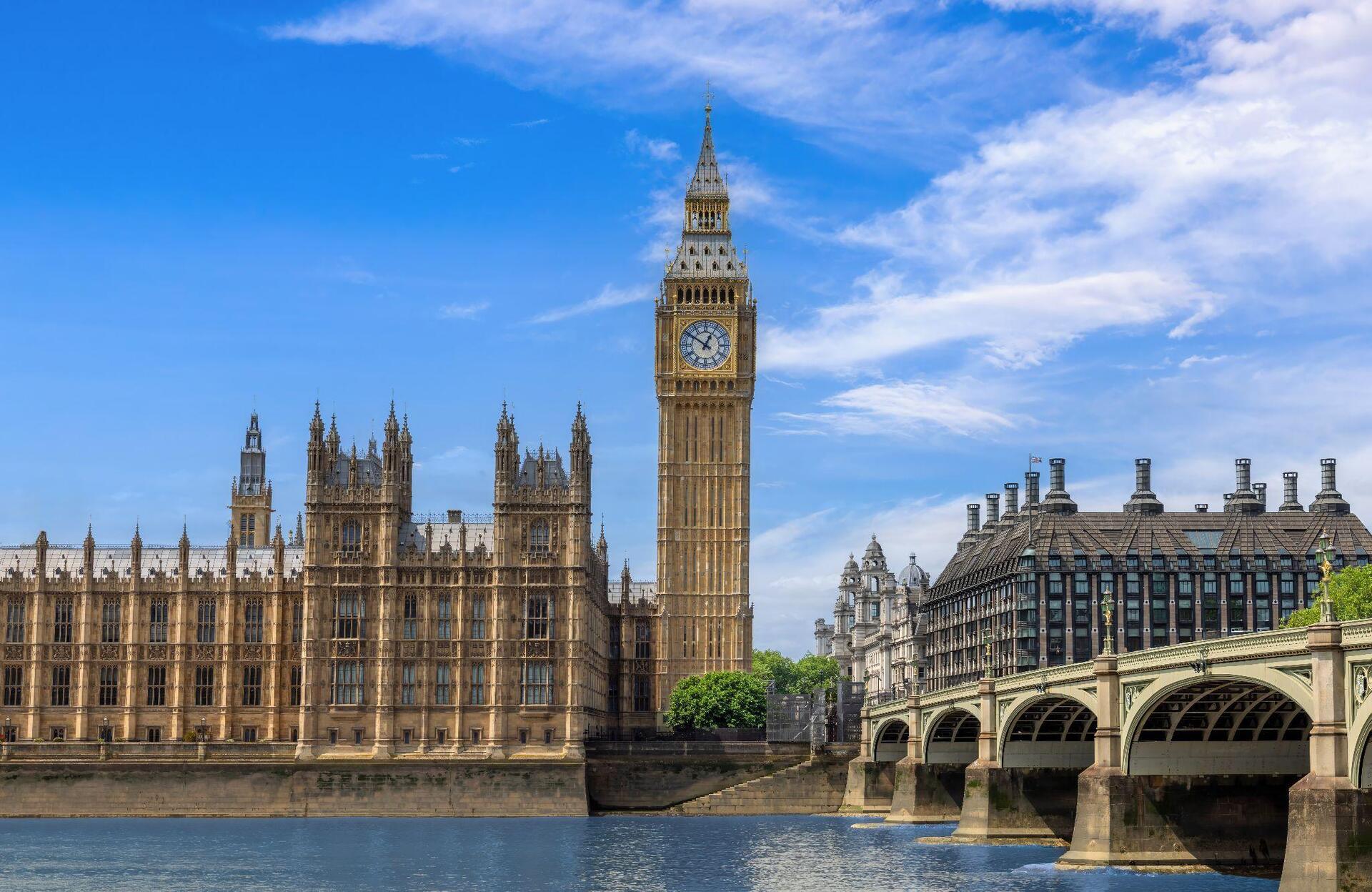
4 – London
In London, the journey begins long before reaching the city centre. The Elizabeth Line connects Heathrow Airport and the capital’s outer areas with some of its main urban hubs, including the West End, the City and Canary Wharf.
Opened in 2022, it is one of the most significant infrastructure projects delivered in London in recent decades, making mobility through the city easier and quicker.
Elizabeth Line’s strength lies precisely in its ability to bring together very different parts of the city within a single public transport network, supporting not only tourism but also everyday life and the city’s wider economic activity.
5 – Macau
Macau is a small city, but one that welcomes an enormous flow of visitors every year. In 2025, it recorded more than 40 million arrivals, an impressive figure given the limited size of its territory.
Making this constant movement possible is, above all, a network of connections that extends beyond the city’s borders: most visitors arrive by land, via links with nearby Zhuhai and Hong Kong.
Among these, the Hong Kong-Zhuhai-Macau Bridge has transformed Macau’s relationship with the other cities of the Greater Bay Area, making the city easier to reach and strengthening its role within one of Asia’s most dynamic regions.