

 TBM Refurbishment Plant, Terni
 TBM Refurbishment Plant, Terni
 TBM Refurbishment Plant, Terni
 TBM Refurbishment Plant, Terni
 TBM Refurbishment Plant, Terni
 Grand Paris Express construction site, Paris
 Grand Paris Express construction site, Paris
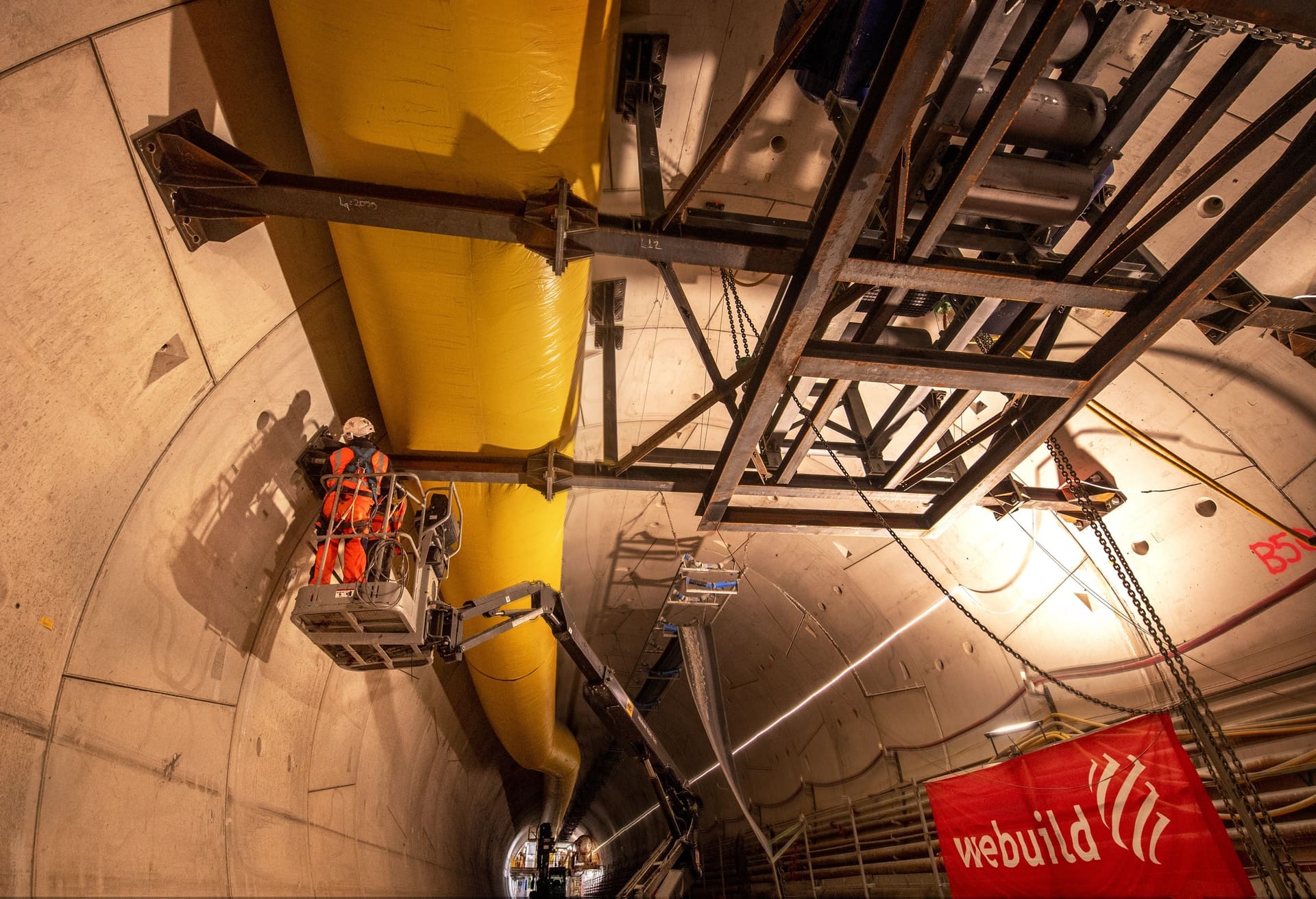 Grand Paris Express construction site, Paris
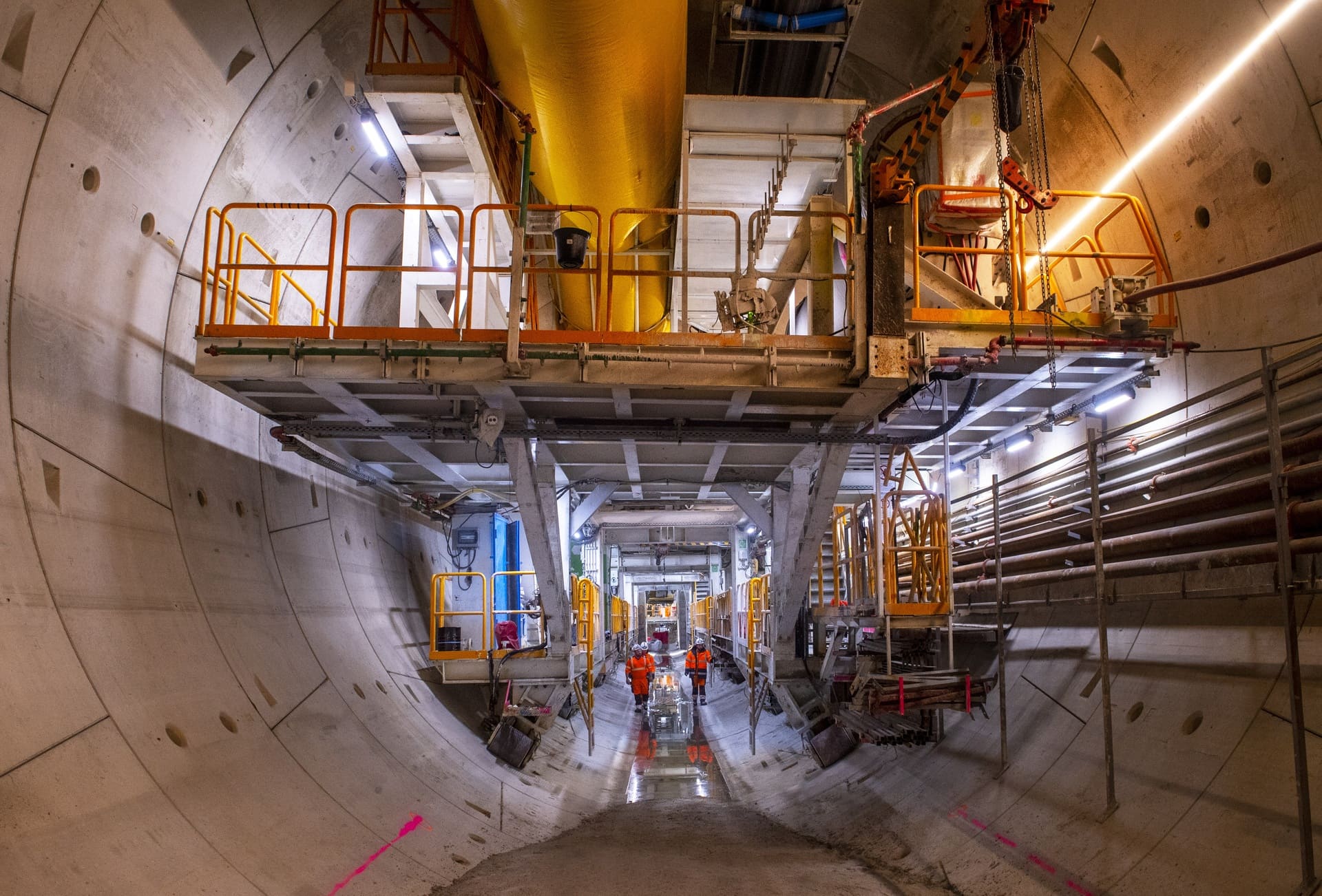 Grand Paris Express construction site, Paris
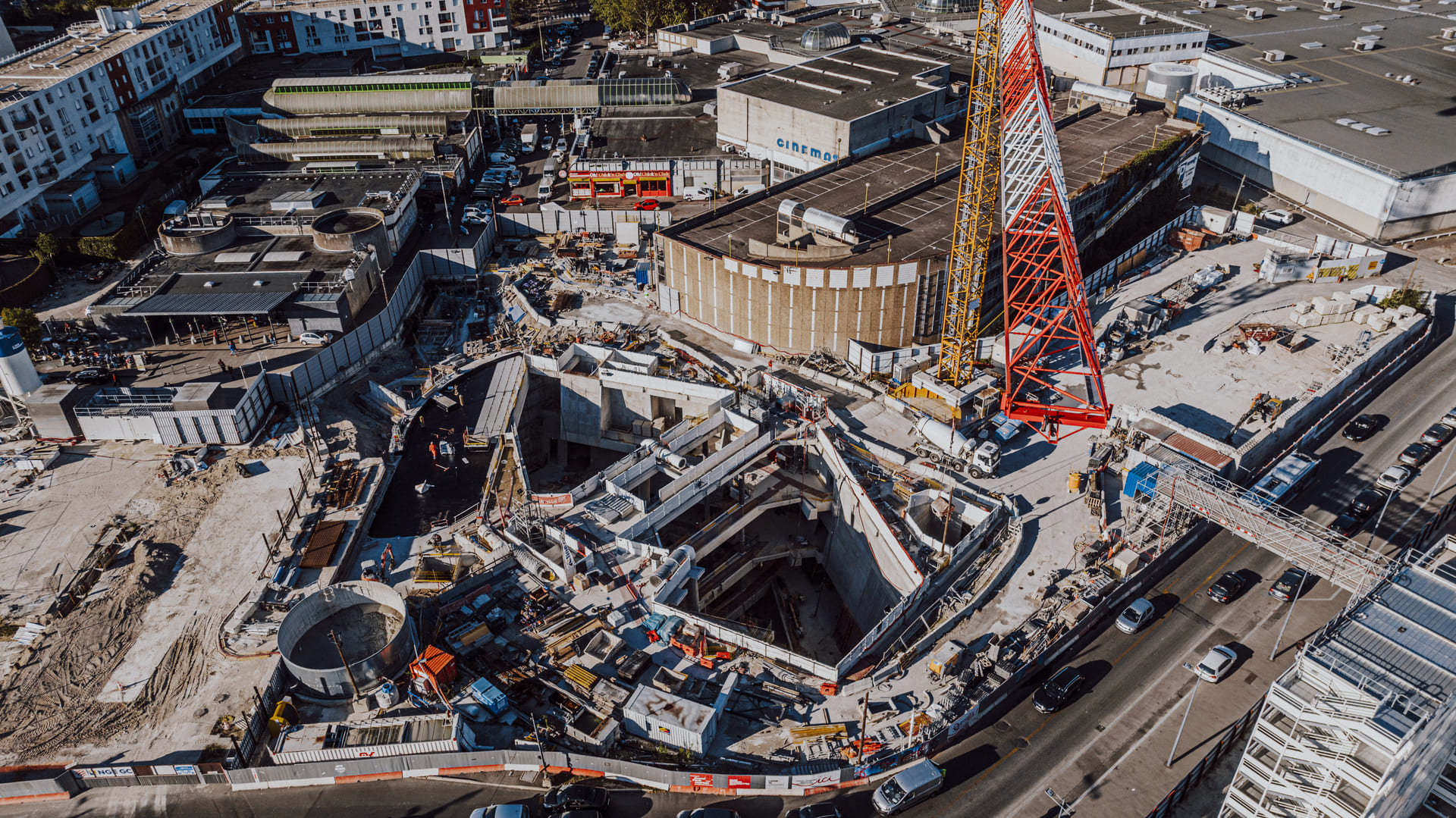 Grand Paris Express construction site, Paris
- A TBM refurbished by Webuild in Italy has arrived in Gennevilliers, on the outskirts of Paris, to be deployed in the construction of Line 15 West of the Grand Paris Express.
- The 2,000-tonne, 10-meter-diameter mechanical mole had previously excavated 5.8 kilometers of Line 16 and was fully refurbished by Webuild.
- The reconditioning saved approximately 12 months compared to building a new TBM, extending the machine's service life in accordance with a circular economy model.
- In Terni, Webuild is engaged in the refurbishment of TBMs through a system of interventions that enables the overhaul and technological upgrading of these massive tunnel boring machines.
- Today, over 60 Tunnel Boring Machines are designated for Webuild megaprojects worldwide, more than half of which are deployed in Italy.


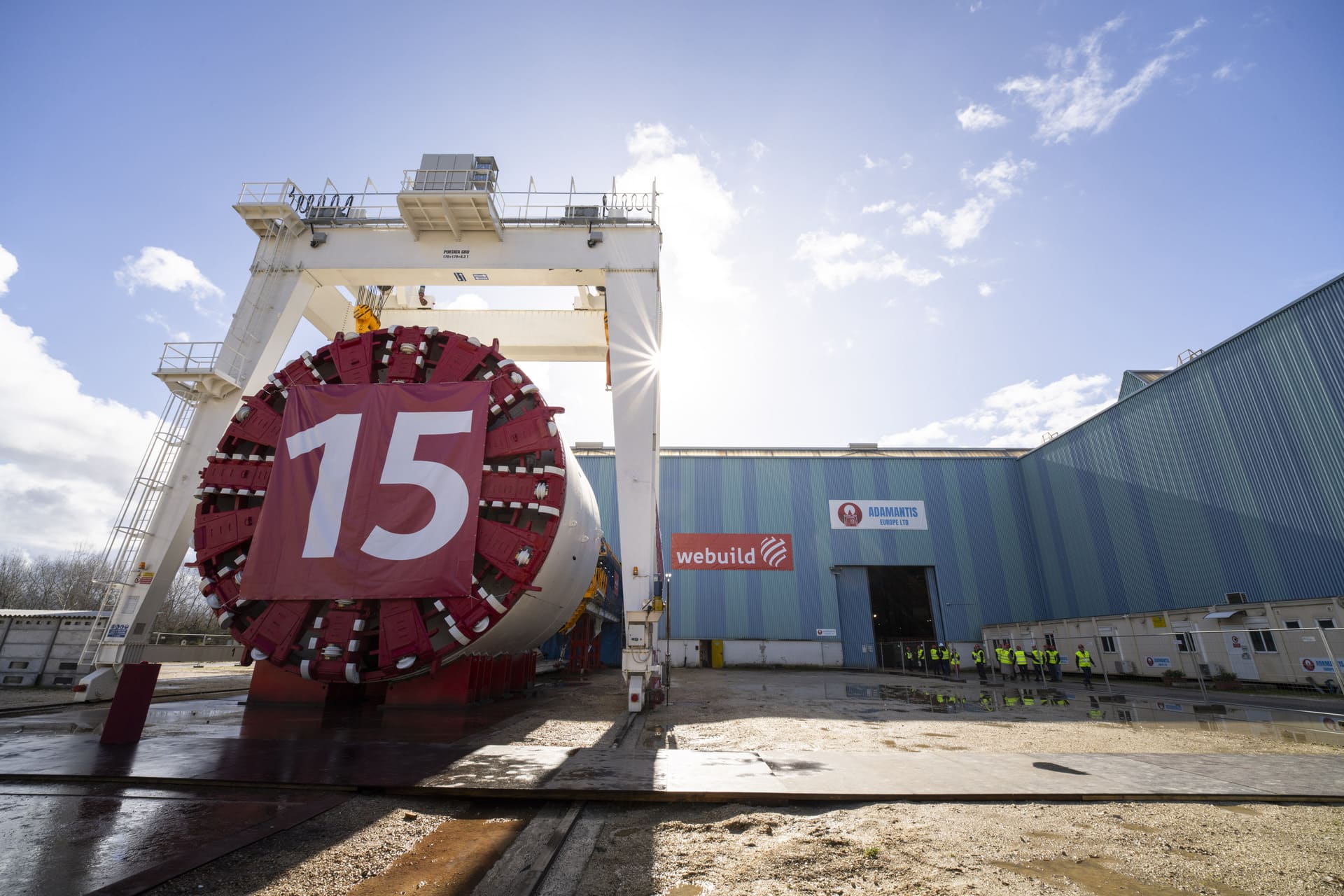
In the final days of August, a 2,000-tonne machine with a 10-meter-diameter cutterhead arrived in Gennevilliers, on the outskirts of Paris. It will excavate seven kilometers of tunnel for Line 15 West of the Grand Paris Express between Saint-Ouen-sur-Seine and Courbevoie, part of the new metro network that will serve the French capital. For this TBM, however, this is not its first journey underground.
The mechanical mole had already worked in the Parisian subsurface. In 2020, it was deployed on Line 16 of the Grand Paris Express, where it excavated 5.8 kilometers of tunnel between Aulnay Val Francilia and Sevran-Livry in the Seine-Saint-Denis department. Having completed that work, rather than being decommissioned, the Tunnel Boring Machine was transferred to Italy, fully refurbished by Webuild in Terni, and then brought back to France to undertake a new mission.
It is the second life of one of the most complex machines used in major infrastructure construction, and at the same time, a concrete example of the circular economy applied to tunneling.
A TBM Returns to Excavate the Grand Paris Express
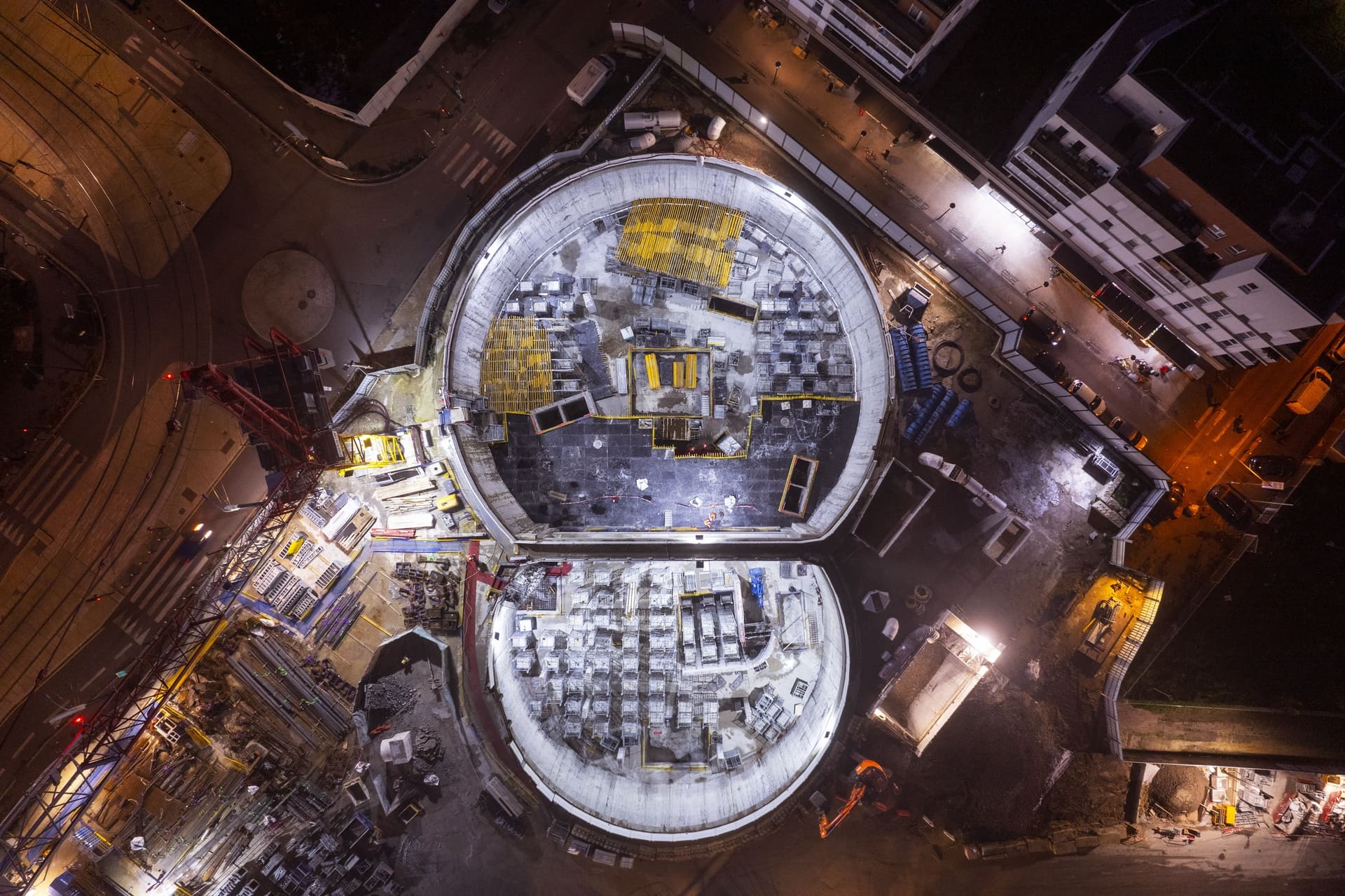
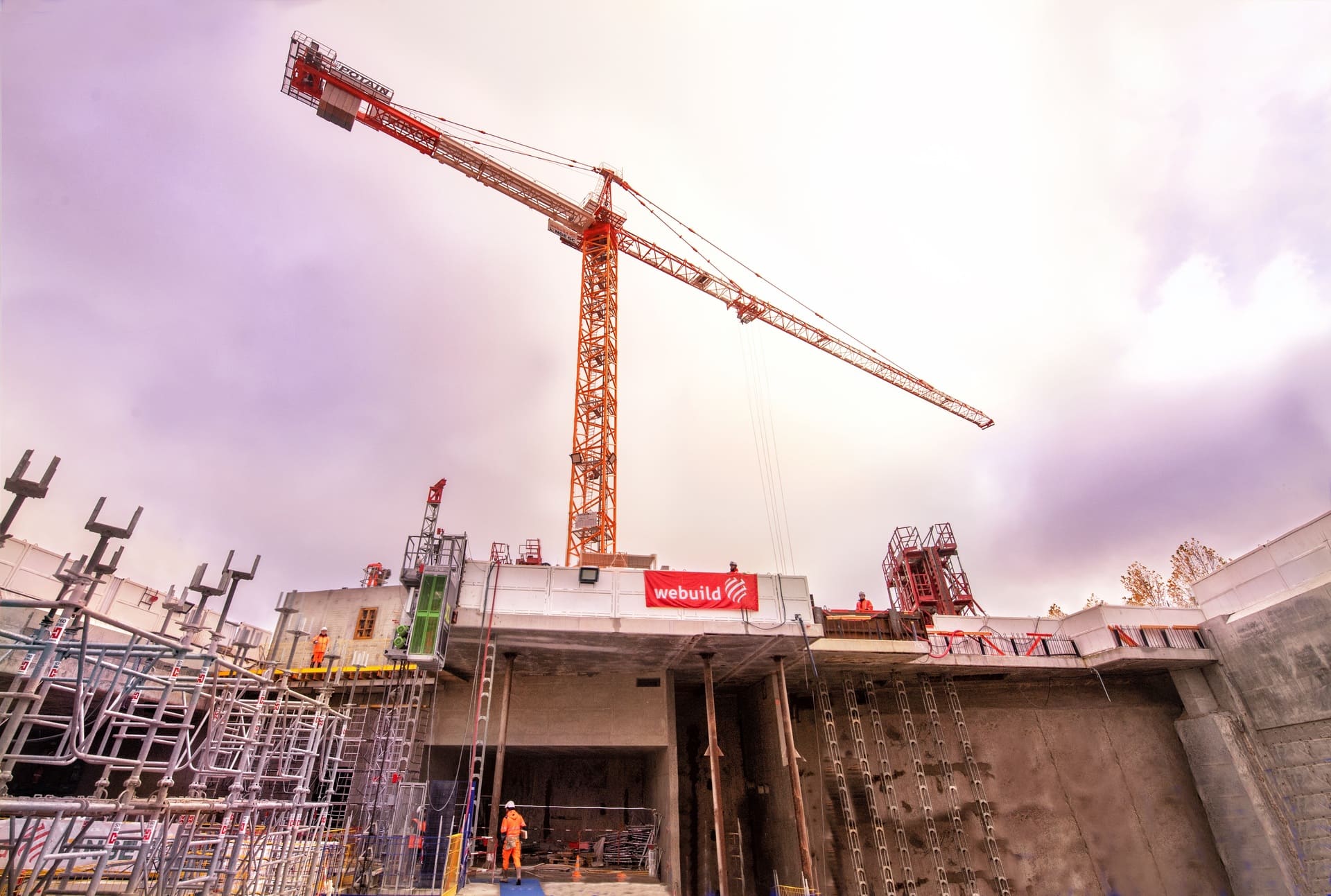
The TBM’s new destination is Lot 2 of Line 15 West, also known as “M2 Ouest”—constructed by Webuild together with NGE for the Société des grands projets—which involves building 7 kilometers of tunnel and four new stations, in addition to connections with the existing Paris metro network.
The Tunnel Boring Machine will launch from the Les Cabœufs service shaft in Gennevilliers and will operate in two phases. The first phase entails a 1.2-kilometer excavation toward Saint-Ouen-sur-Seine; subsequently, the machine will be deployed for another 5.8 kilometers heading toward Courbevoie.
It represents a new piece of the Grand Paris Express, one of the largest infrastructure transformations currently underway in Europe. Once in operation—expected by 2031—Line 15 West will help reshape mobility across the Paris metropolis, making it possible, among other benefits, to travel from Saint-Denis-Pleyel to La Défense in just 19 minutes.
The journey that brought the TBM to its new construction site also highlights the scale of the operation. To reach Gennevilliers, the machine traveled over 2,200 kilometers through a complex multimodal logistics chain. The twelve heaviest components, including the 170-tonne cutterhead, departed from the port of Civitavecchia in Italy and traveled using a combination of road, maritime, and river transport.
This approach aligns with the environmental strategy selected for the project. During excavation, 80% of the approximately 500,000 cubic meters of excavated material will be transported via river, avoiding the movement of roughly 64,000 trucks on the roads of Île-de-France. Furthermore, a large portion of the materials will enter recovery and reuse loops, while fiber-reinforced concrete precast segments produced in Île-de-France will be used for the tunnel lining, reducing the required amount of steel by half compared to traditional solutions.
In Terni, the Refurbishment of Large Tunnel Boring Machines
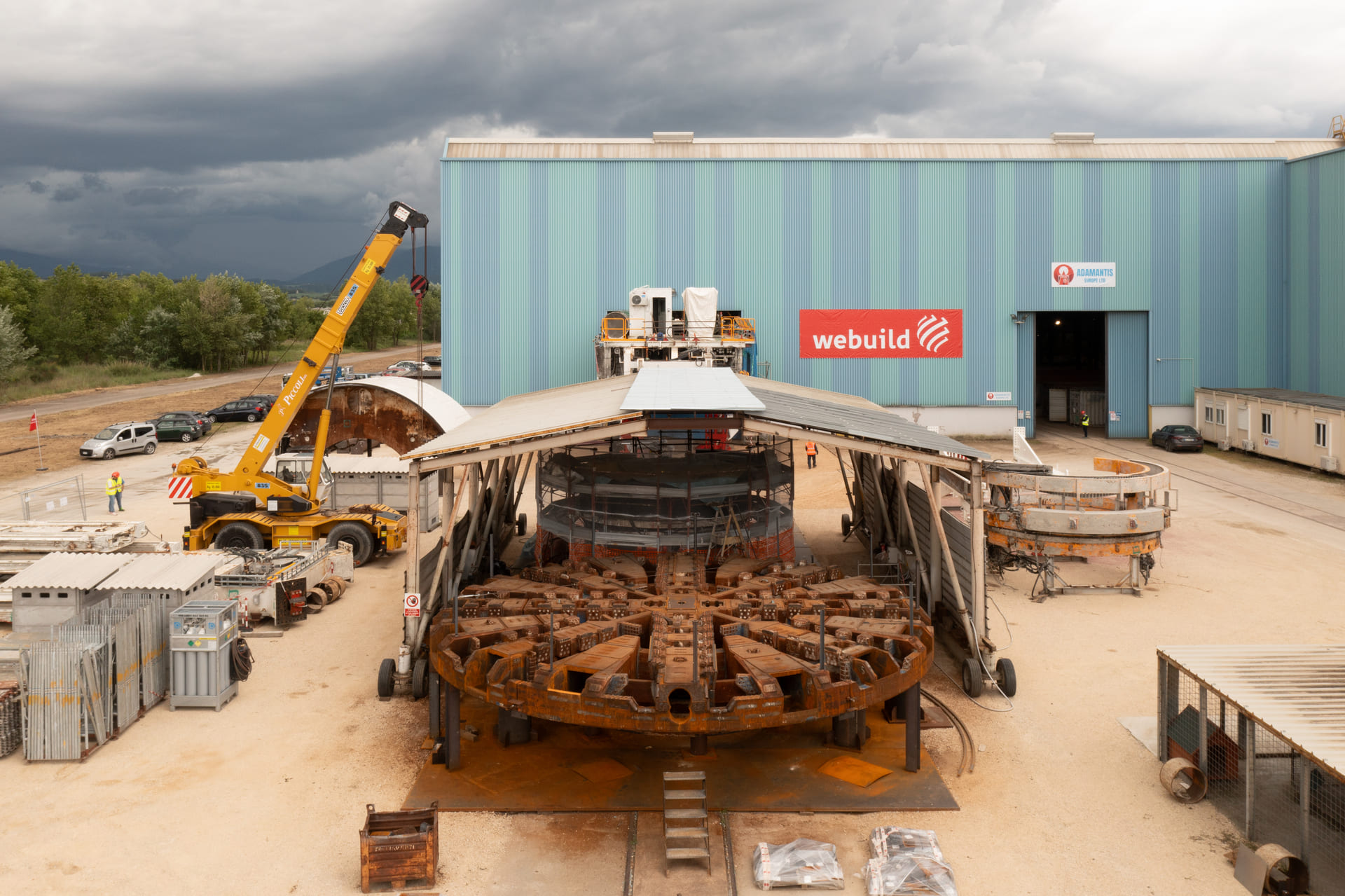
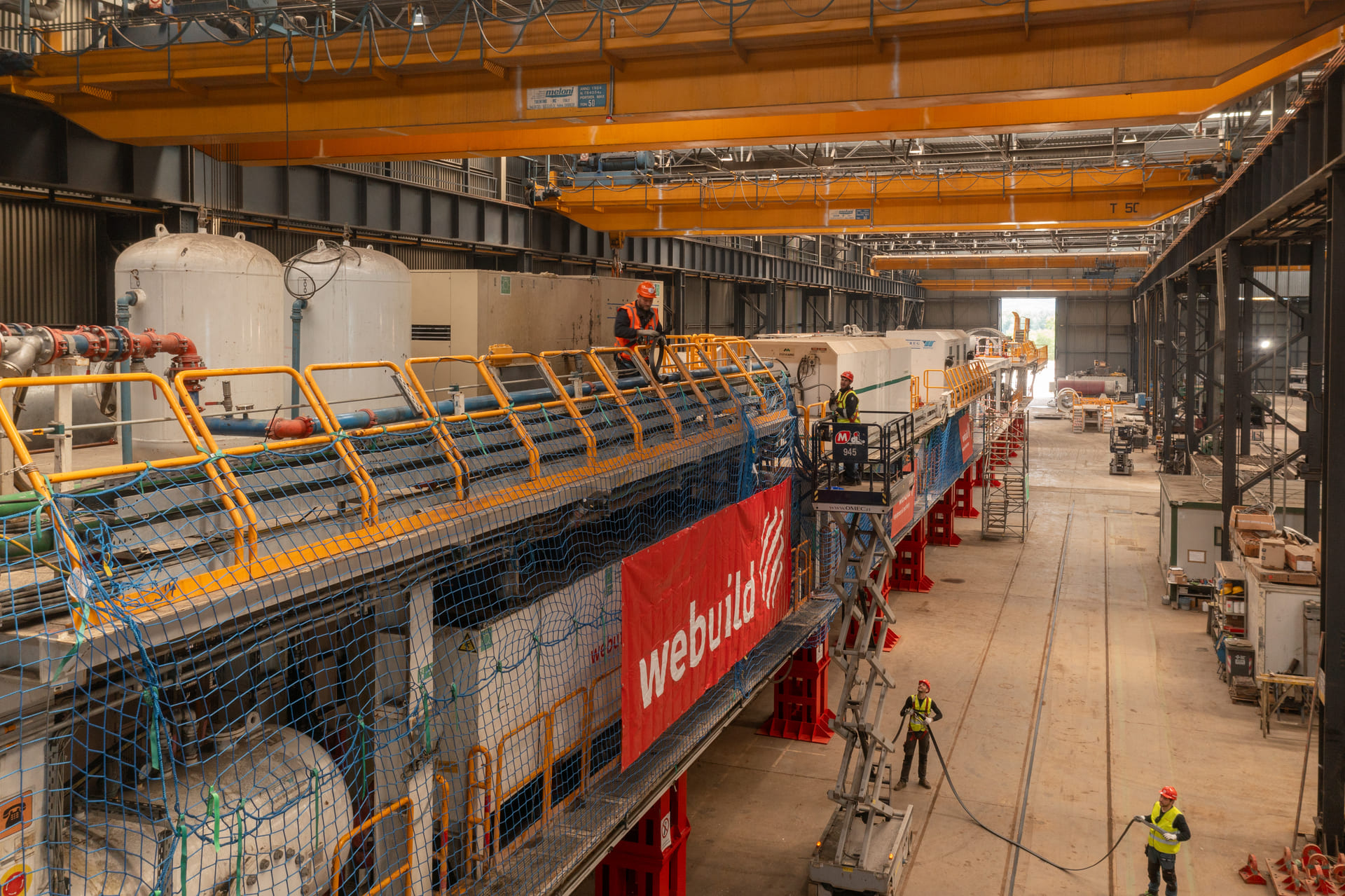
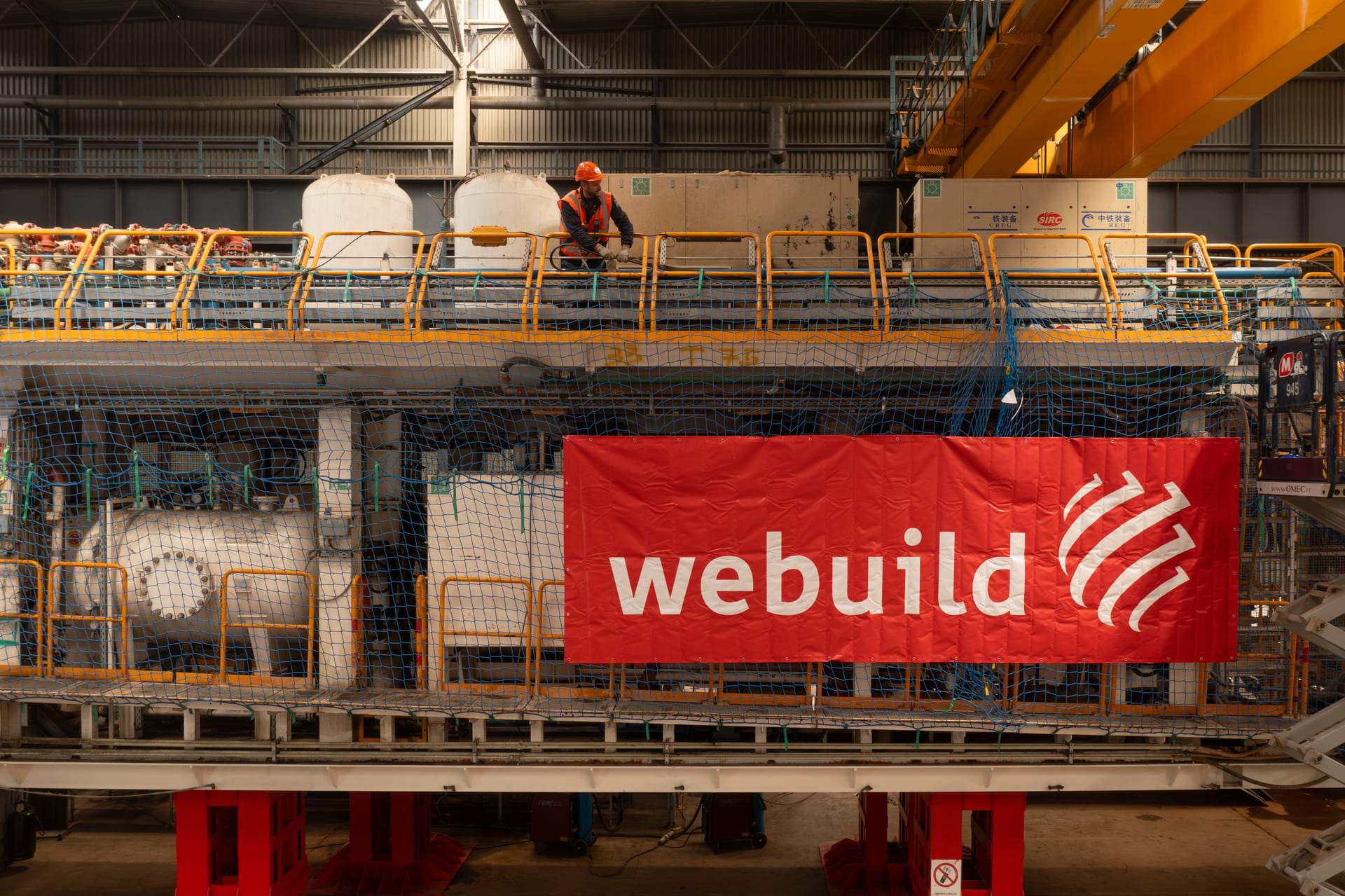
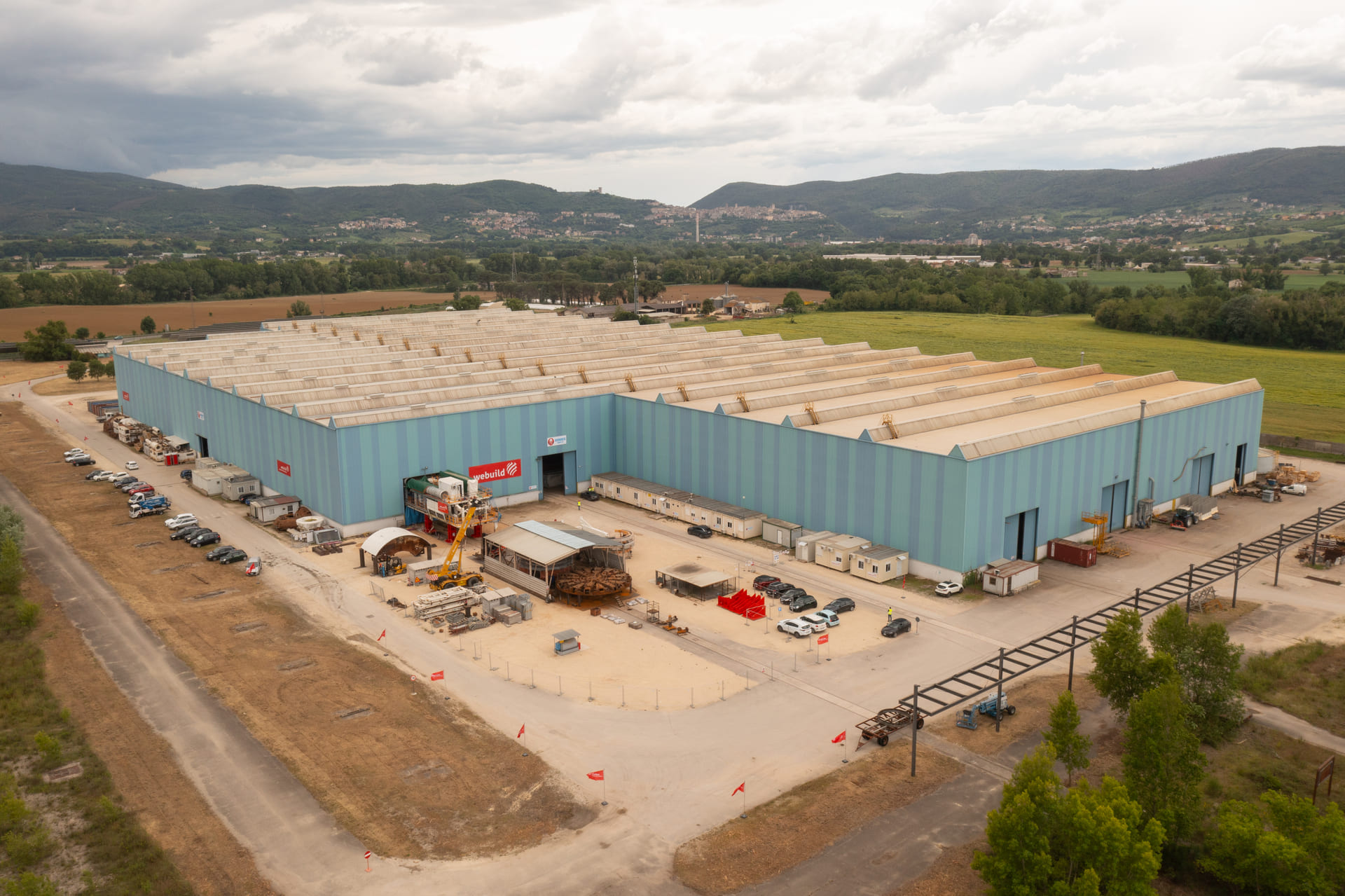
Before arriving in Paris, the TBM passed through Terni. It is here that Webuild refurbishes Tunnel Boring Machines and other large excavation equipment. An industrial principle that is simple: a TBM that completes an excavation can still have many more kilometers of tunneling ahead of it.
However, geological characteristics, tunnel dimensions, and operating conditions vary from project to project. To be transferred from one construction site to another, a machine must therefore be disassembled, inspected, overhauled, and, when necessary, structurally modified and technologically upgraded. Interventions can range from a simple overhaul to a substantial machine transformation, taking anywhere from five to nine months depending on complexity.
This is precisely what happened to the TBM that arrived in Gennevilliers. In Terni, the machine was fully refurbished and integrated with advanced monitoring and maintenance technologies. The operation extended its service life, optimized its performance, and above all saved approximately twelve months compared to the lead time required to build a new TBM.
The result is a model that embeds circular economy principles into one of the most technologically advanced sectors of heavy construction. Refurbishment means being able to use high-tech machinery for longer, reducing raw material consumption, and simultaneously lowering investments and operating costs.
Around this activity, Webuild created WEM (Webuild Equipment & Machinery), the Group company dedicated to equipment management, maintenance, and refurbishment.
Tunnel Boring Machines: True Mobile Factories Underground
A TBM is much more than a gigantic cutterhead; it is a true mobile factory advancing underground.
The cutterhead crushes the ground while, immediately behind it, the machine manages the excavated material and progressively installs the precast segments that form the permanent lining of the tunnel. Once the TBM has passed, an essential section of the tunnel is already fully built.
The dimensions illustrate the complexity of these machines. The largest can reach nearly 180 meters in length and diameters close to 19 meters. In the Webuild fleet, one of the most impressive is the 15.5-meter-diameter TBM designated for the Melbourne road project in Australia.
Yet behind the automation, human expertise remains decisive. Operating a mechanical cutterhead requires a crew that can reach around 80 workers: about sixty specialized miners and roughly twenty highly qualified technicians and staff members.
These teams accompany machines engineered to work continuously, operating 24 hours a day, seven days a week, and capable—under favorable conditions—of advancing up to 30 meters per day.
Webuild: Over 1,500 Kilometers of Mechanized Underground Excavation
The project for the refurbishment of excavation equipment also stems from the scale achieved by Webuild’s global tunneling operations.
Over the past fifty years, the Group has operated with more than 200 Tunnel Boring Machines and completed roughly 1,500 kilometers of tunnels. Today, the fleet designated for Webuild megaprojects counts over 60 TBMs, more than half of which are deployed in Italy.
Mechanical moles have been utilized to construct:
– metro systems from the New York subway to Melbourne—by way of Paris, Copenhagen, Rome, and Milan;
– high-speed rail lines in Italy and across Europe;
– major hydraulic tunnels such as Lake Mead in Las Vegas and the Riachuelo in Buenos Aires;
– hydroelectric plants and hydro projects like Kárahnjúkar in Iceland and Snowy 2.0 in Australia.
However, a significant portion of this industrial capacity is currently concentrated in Italy. In Sicily, for instance, Webuild is engaged in seven railway projects covering approximately 200 kilometers of new line—175 kilometers of which are in tunnels.
Technological deployment goes hand in hand with training. In Belpasso, near Catania, Webuild utilizes simulators dedicated to training the technicians assigned to operate the massive TBMs. In the same area, the Group has also established a highly automated manufacturing plant to produce the precast concrete segments for the lining of the Catania–Messina railway axis tunnels, capable of producing a segment every seven minutes.
It is a supply chain that brings together engineering, machinery, expertise, training, and industrial capability, complemented by another crucial element: the capacity to bring those same machines back to the factory, refurbish them, and prepare them for a new challenge. Just like the TBM that arrived in Gennevilliers: one machine, two construction sites, a new operational life.