

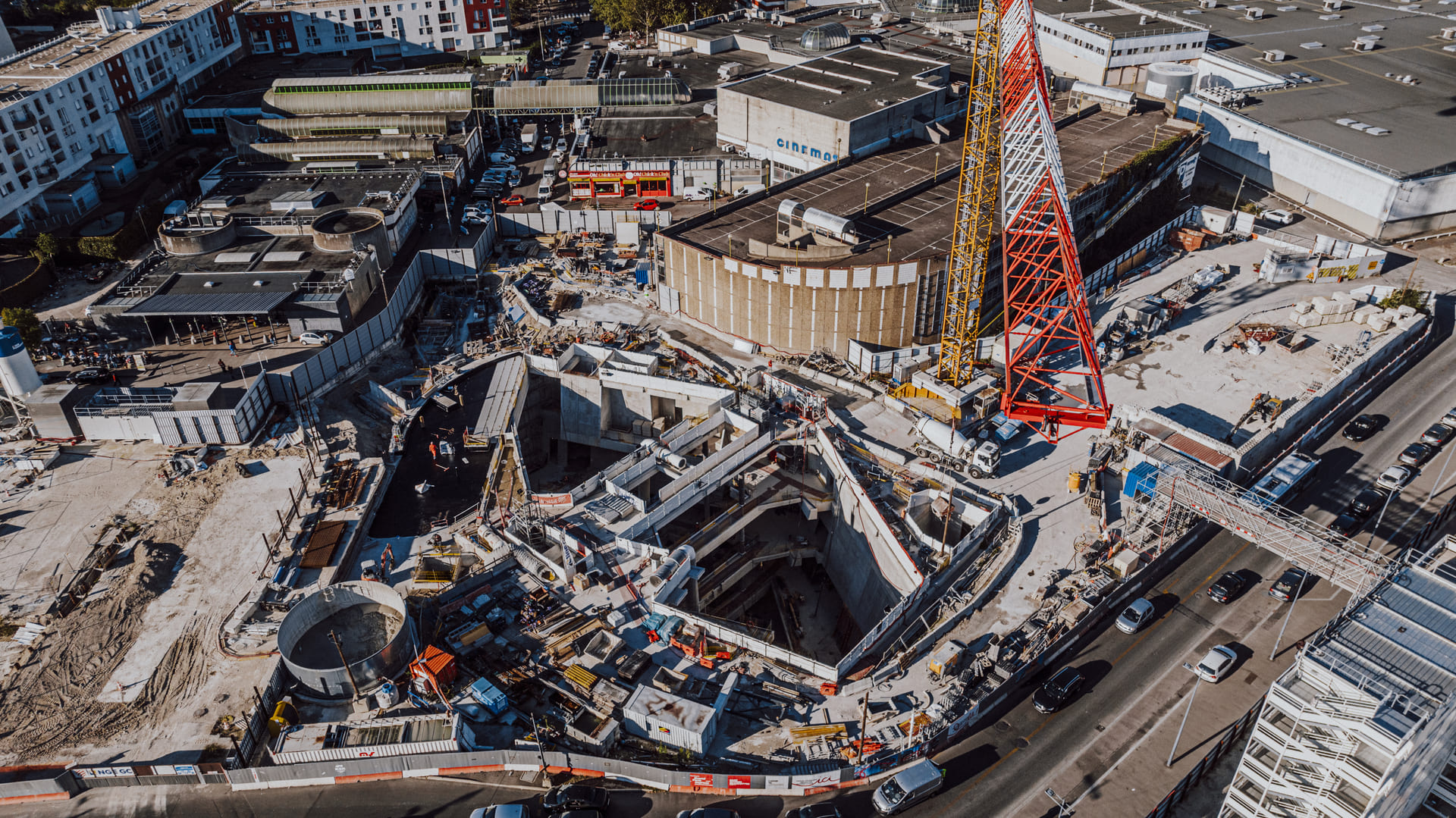
 Grand Paris Express construction site, Paris
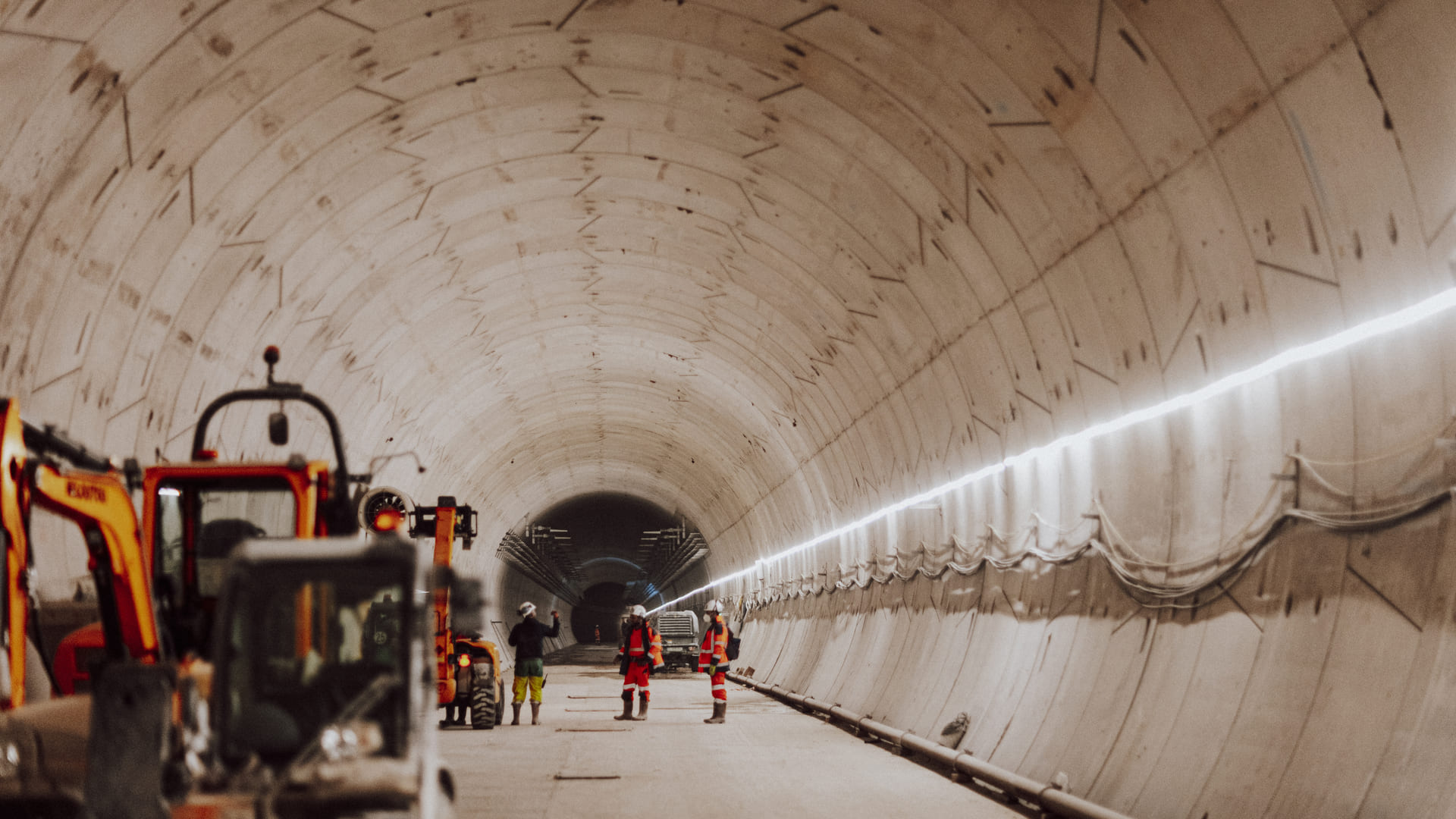 Grand Paris Express construction site, Paris
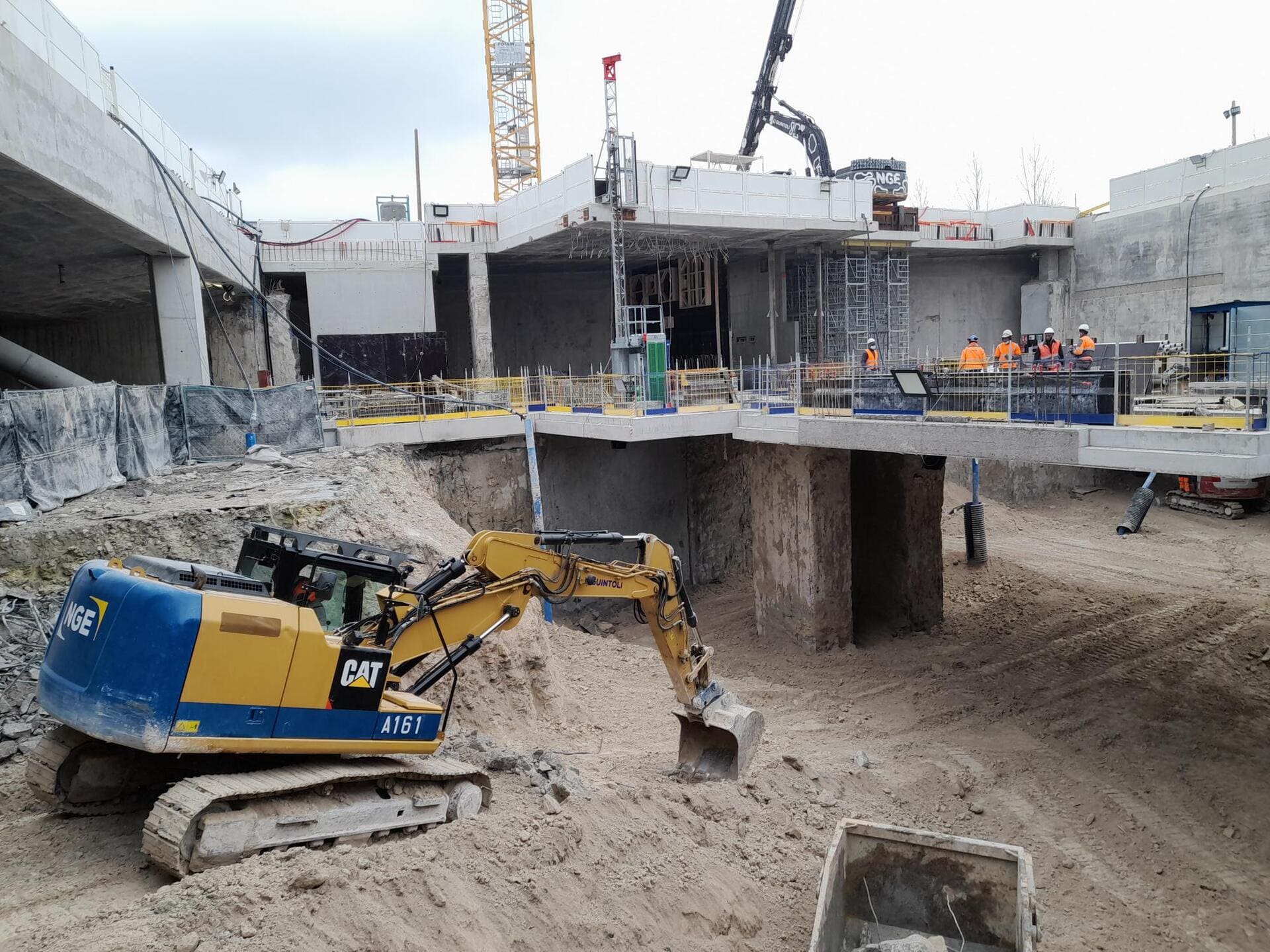 Grand Paris Express construction site, Paris
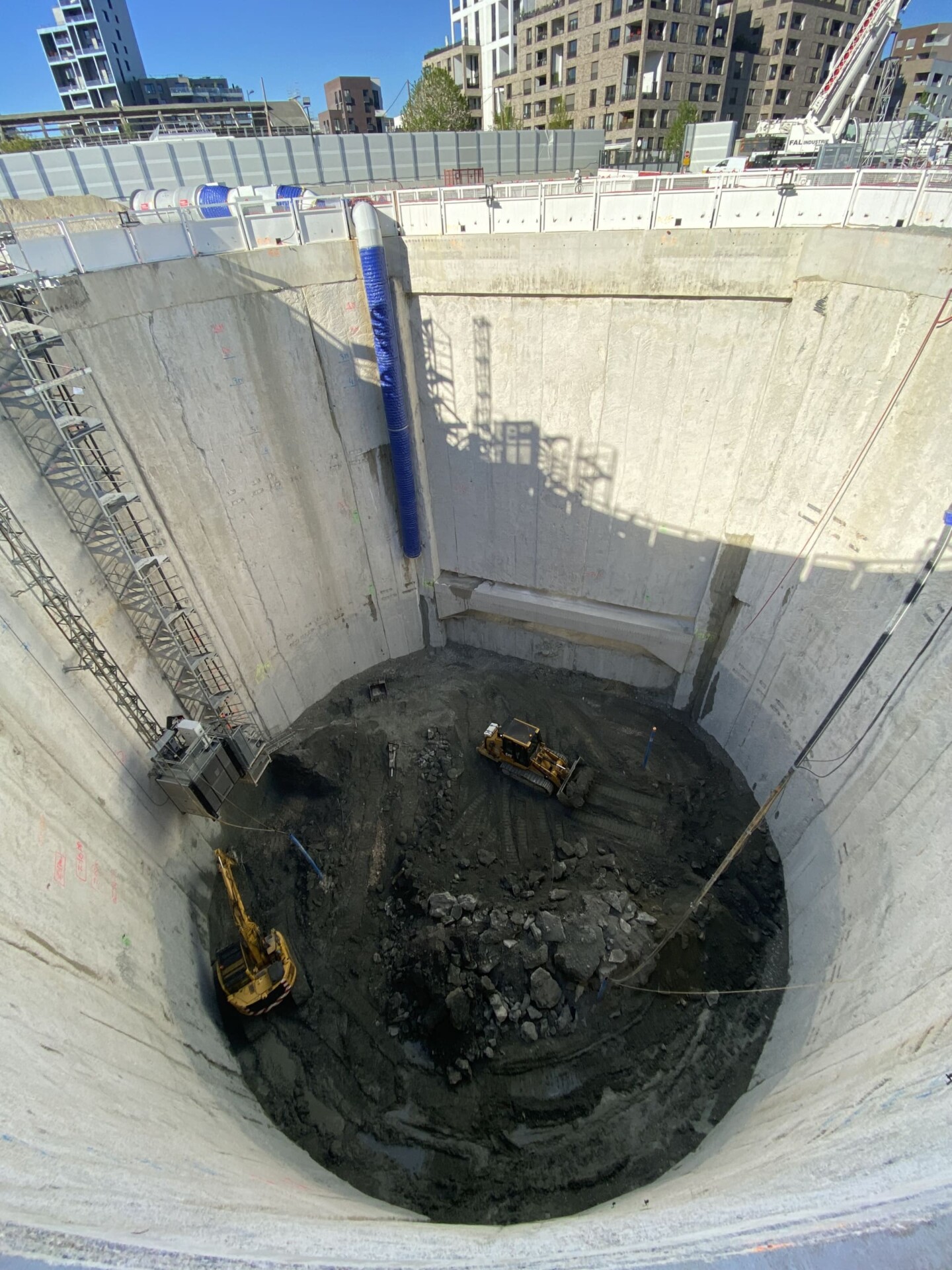 Grand Paris Express construction site, Paris
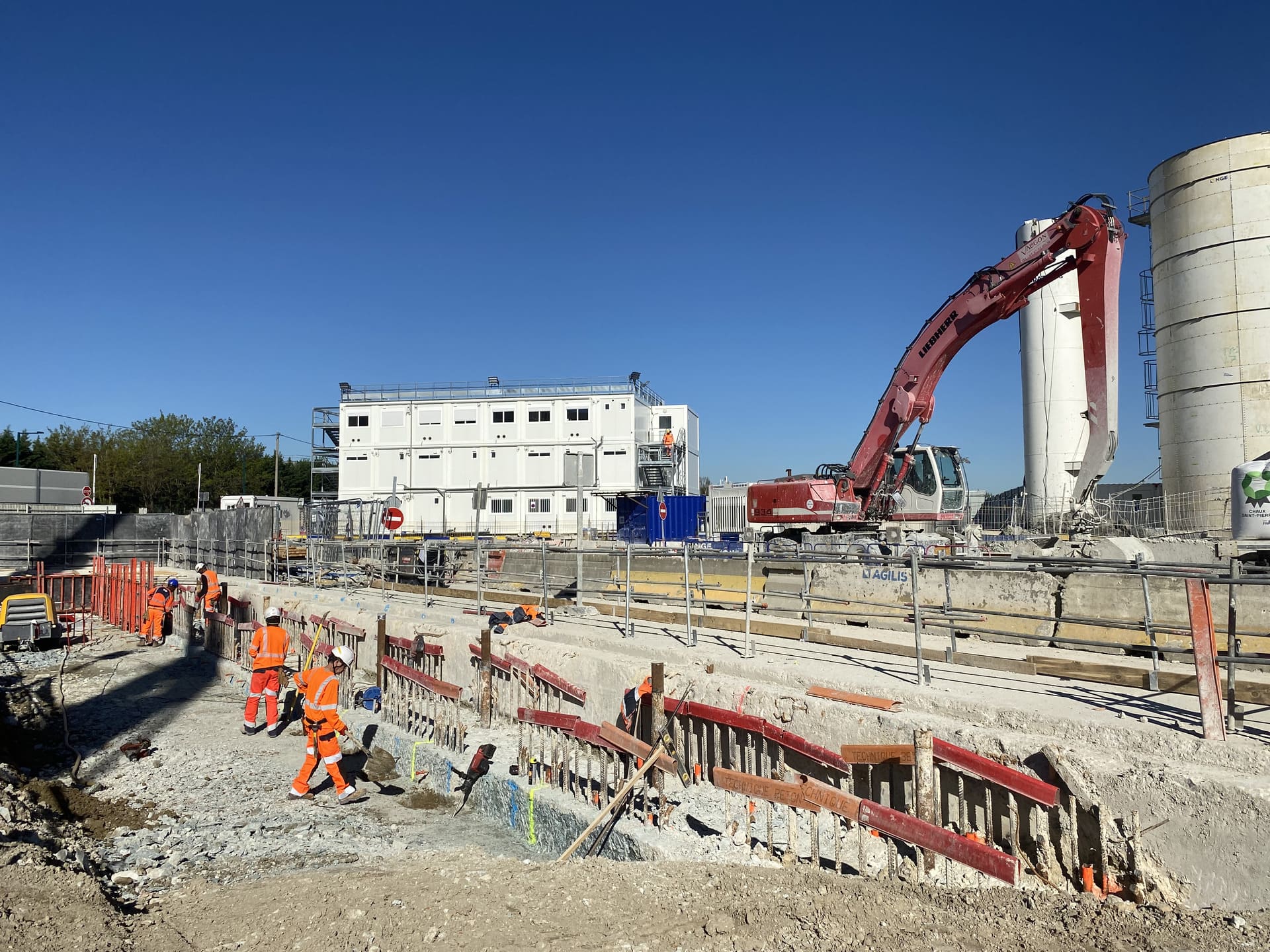 Grand Paris Express construction site, Paris
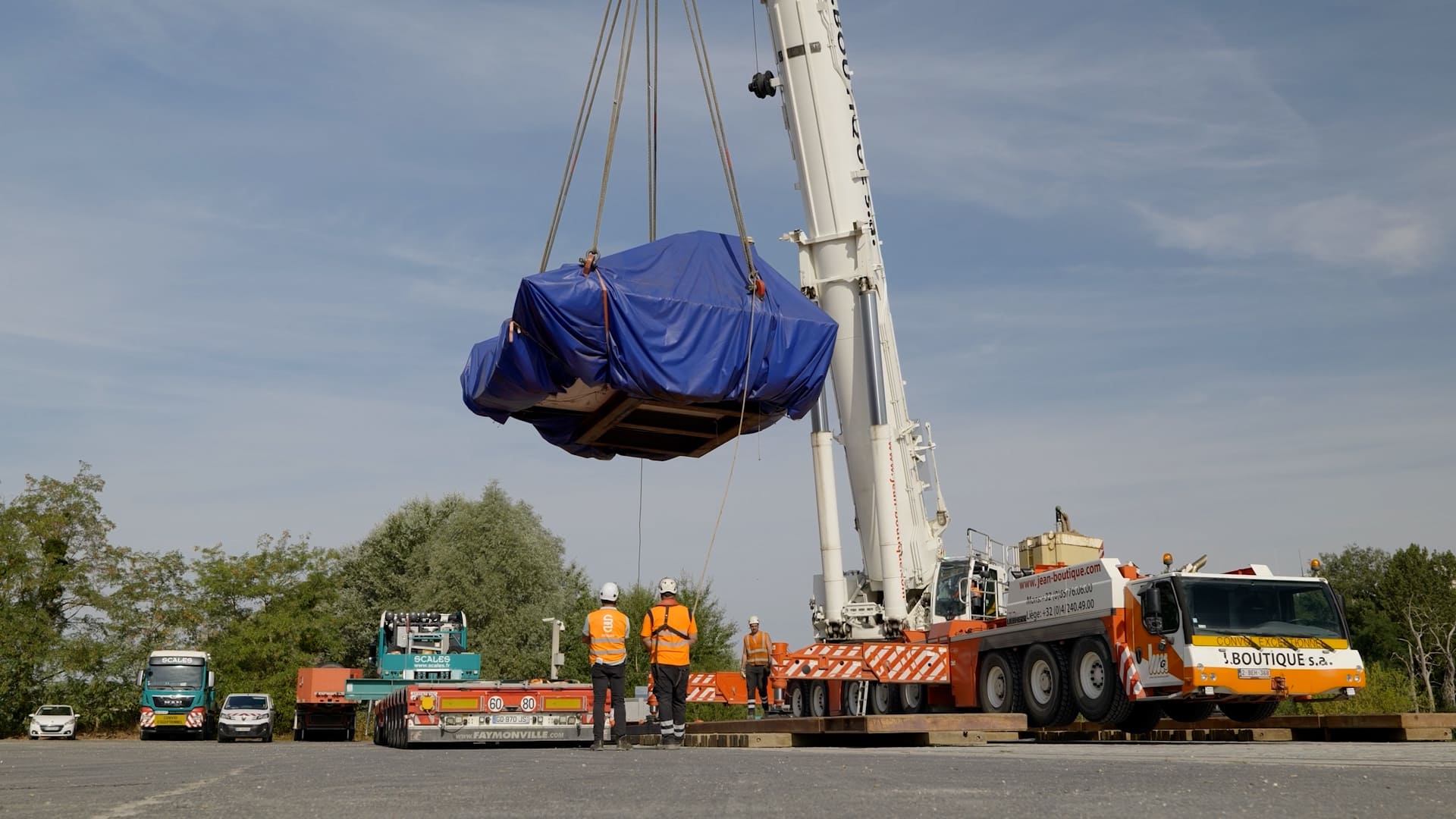
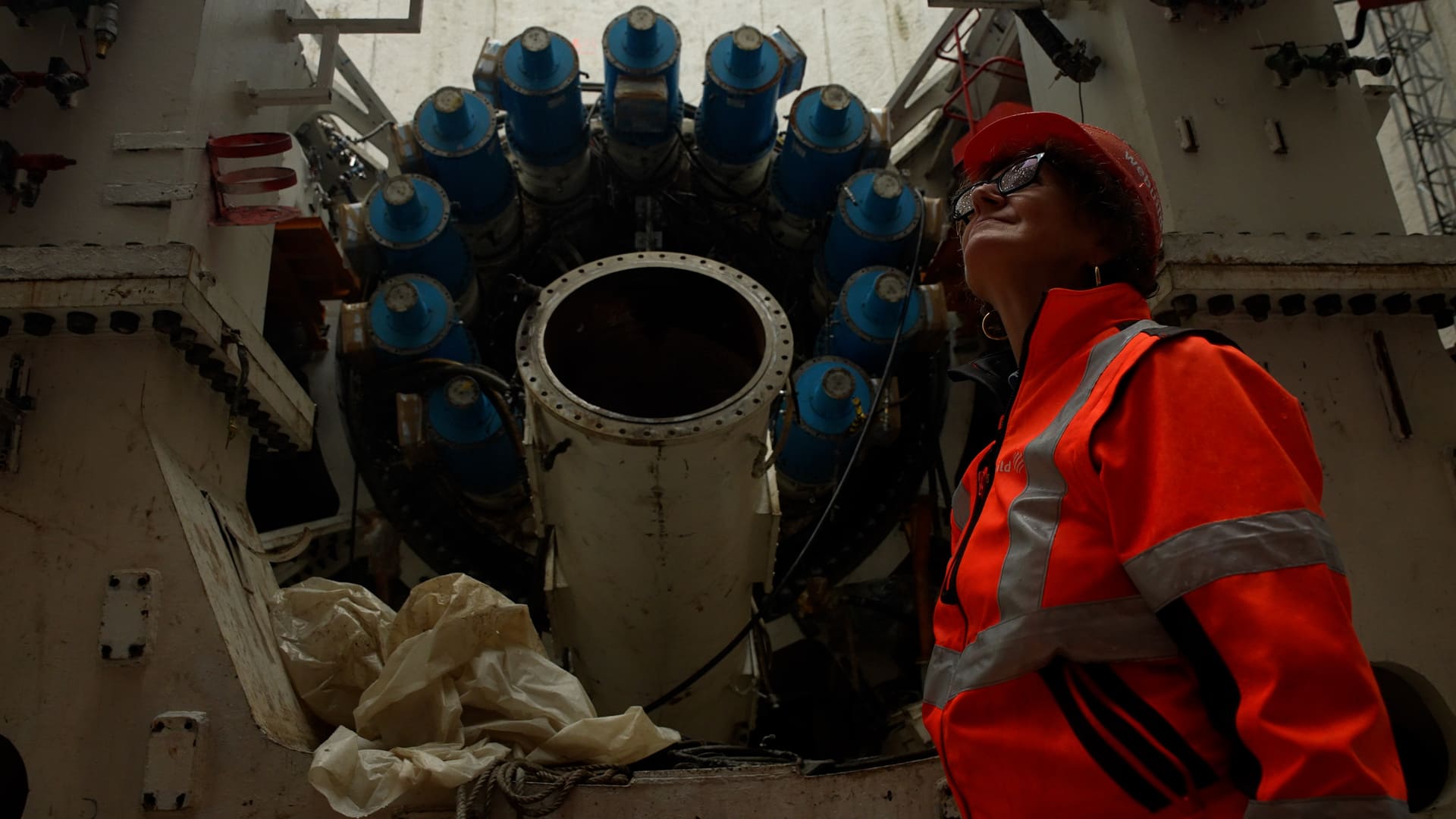 Assembly of the Roberta TBM
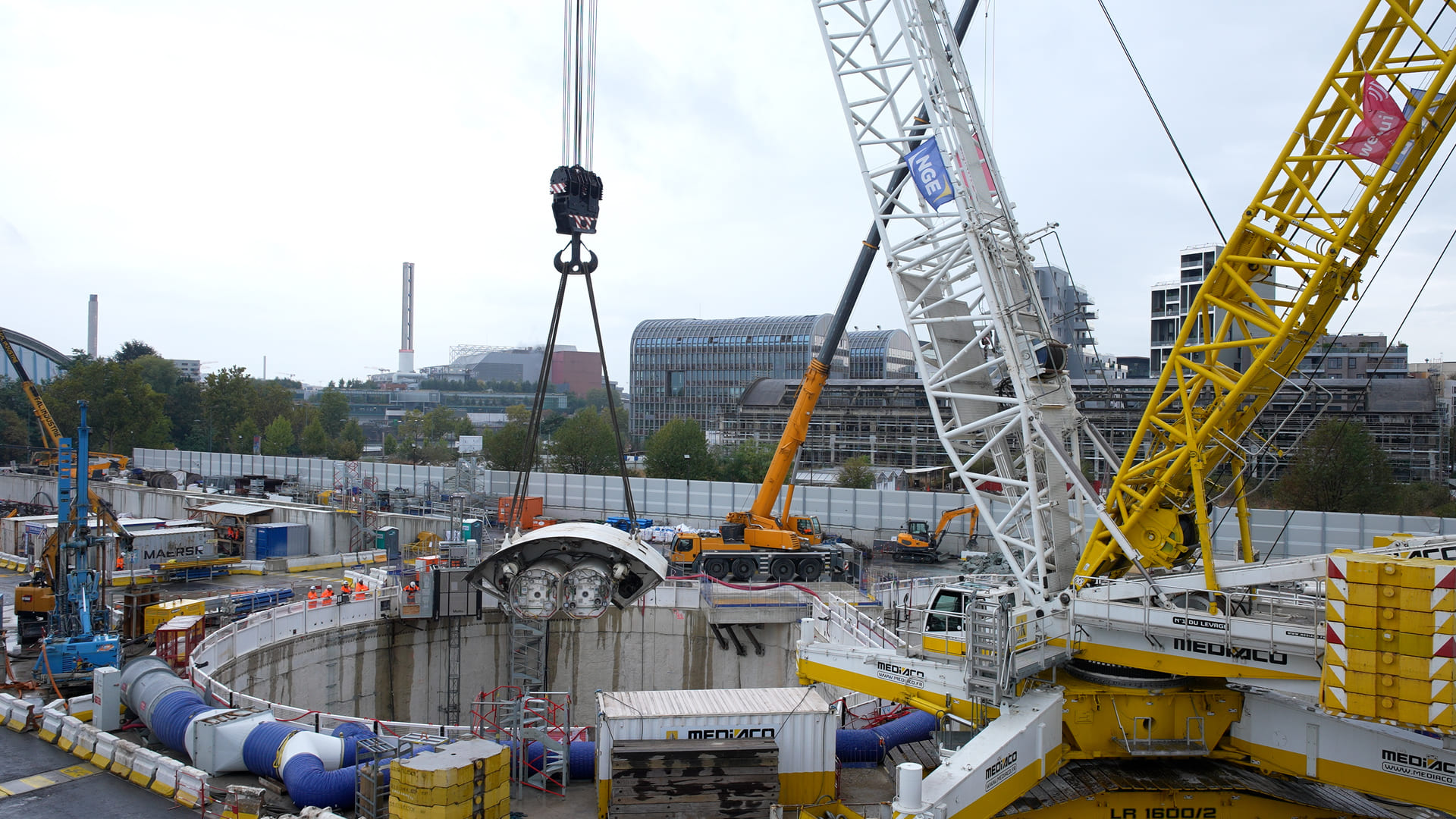 Positioning of the TBM inside the construction site
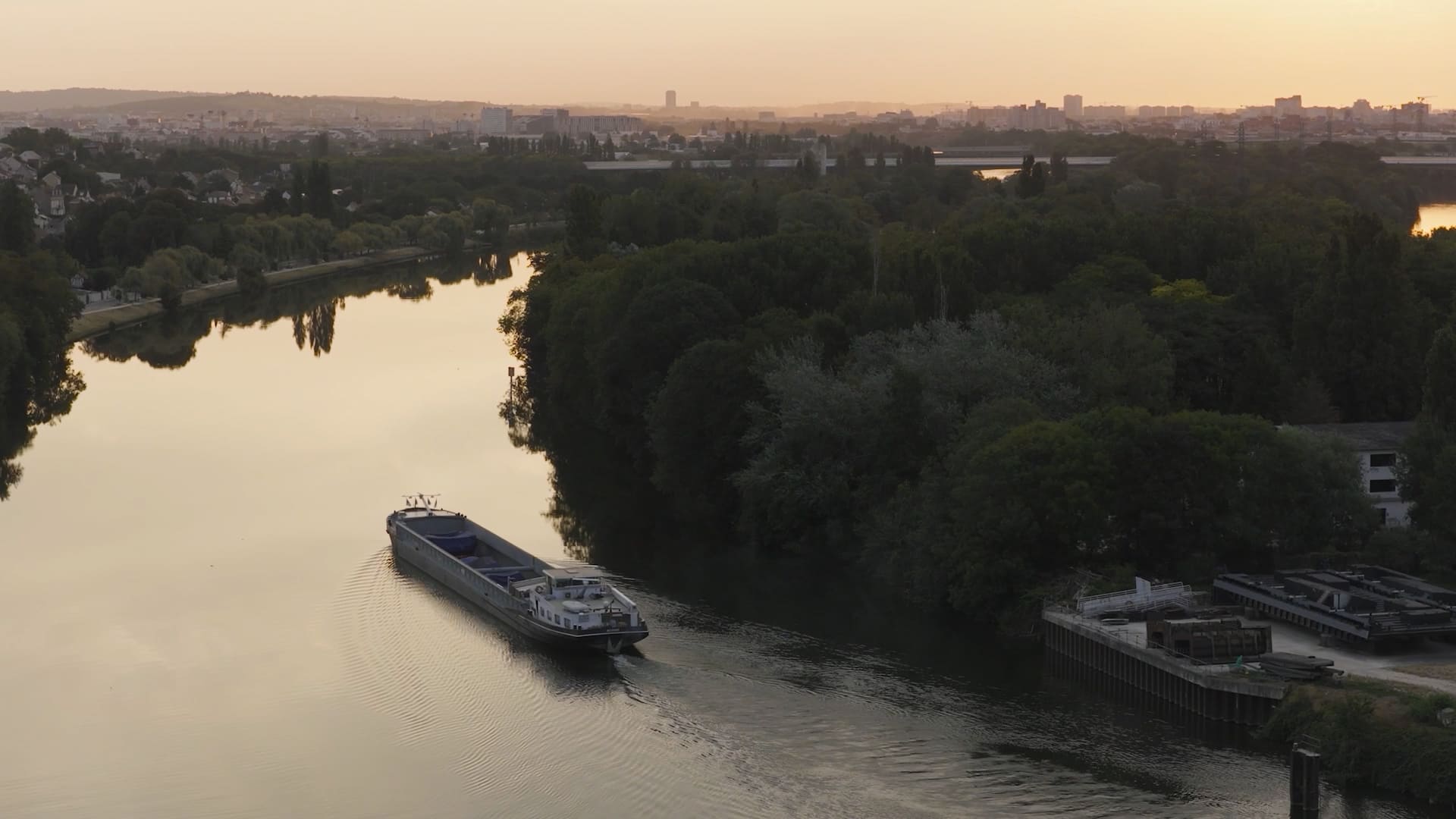 Transport of the TBM along the Seine
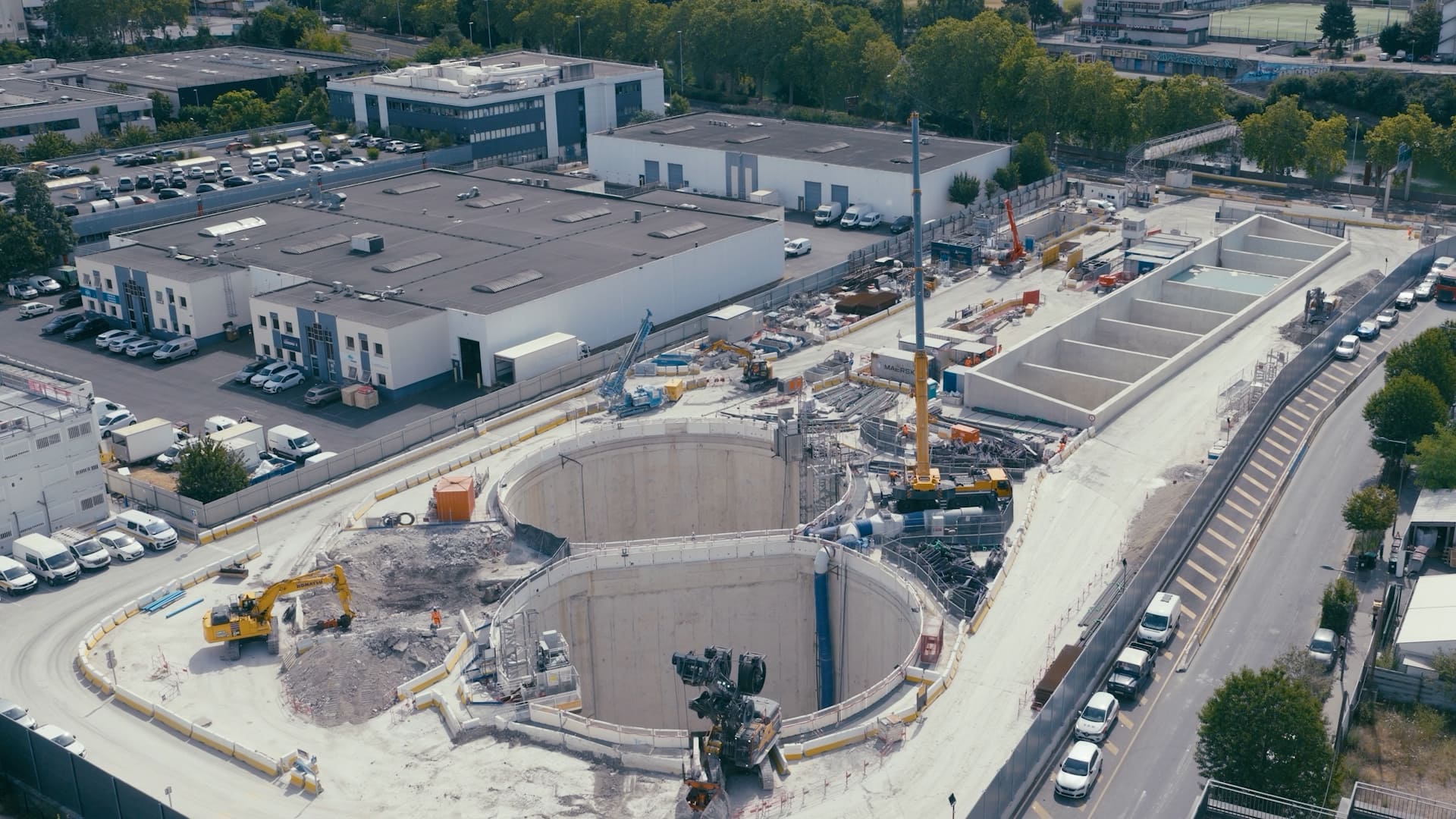 Grand Paris Express construction site, Paris
 Positioning of the TBM inside the construction site
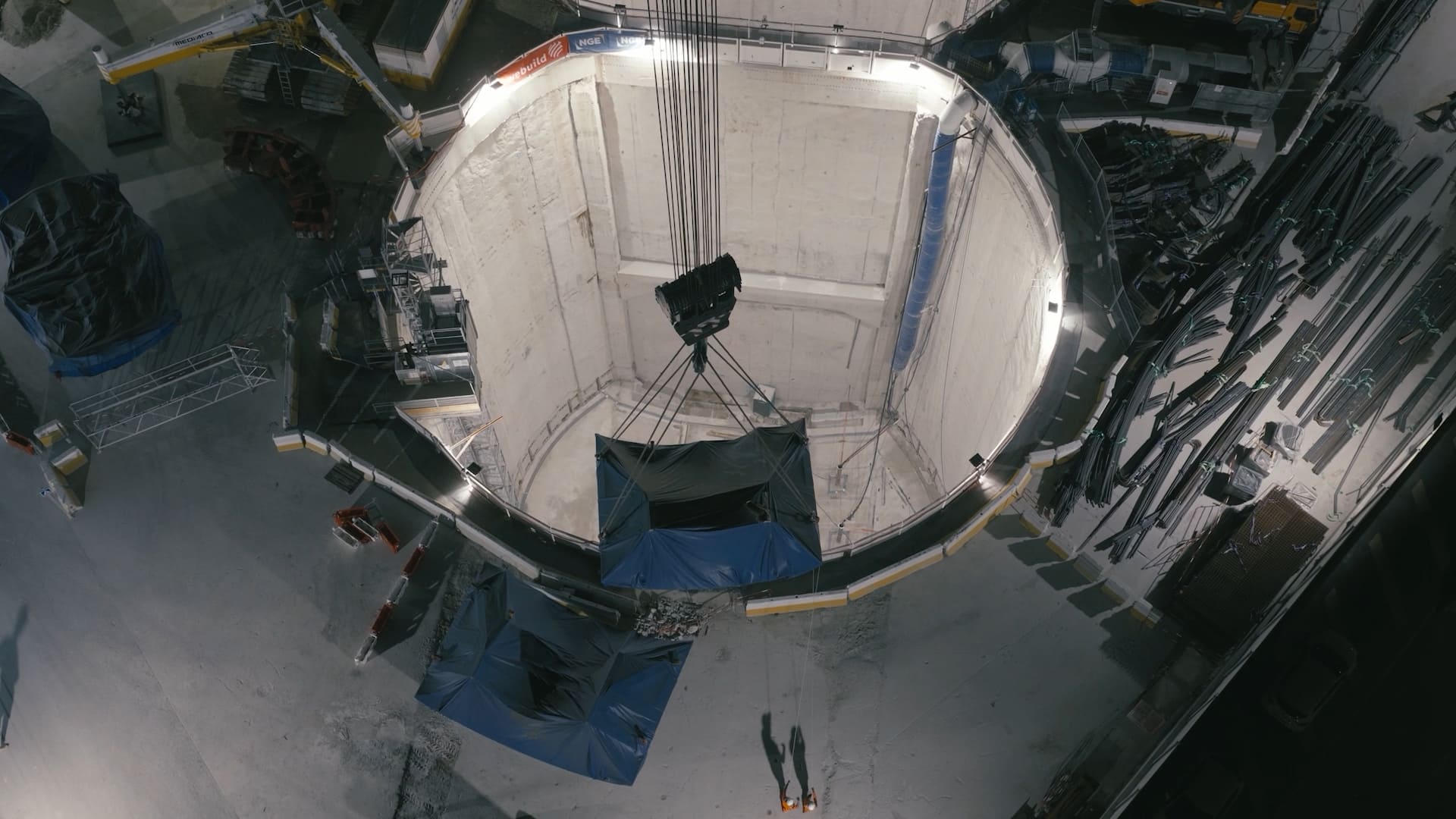 Positioning of the TBM inside the construction site
- The Tunnel Boring Machine designated to excavate part of Line 15 West of the Grand Paris Express bears the name of Roberta Arrigoni, a Webuild architect working on the Parisian project.
- Refurbished by Webuild at its Italian facilities in Terni after previously working on Line 16, the TBM is ready for a second life beneath Paris.
- The machine will excavate approximately 7 kilometers of tunnel, contributing to the construction of Lot 2 of Line 15 West.
- Line 15, with approximately 75 kilometers of track and 36 stations, will form a mayor ring road around Paris, creating new connections between the territories of the metropolitan area without having to cross the center.
- Featuring approximately 200 kilometers of new lines and 68 stations, the Grand Paris Express is one of the largest urban mobility projects in Europe.
Read more

Beneath the surface of Paris, a new journey is about to begin, and this time the protagonist bears an Italian name: Roberta. Indeed, Roberta is the name chosen for the Tunnel Boring Machine (TBM) that will excavate a portion of the tunnels for Line 15 West of the Grand Paris Express—the 200-kilometer metro network set to profoundly transform the French metropolis and its surrounding regions.
Lending her name to the mechanical mole (selected following a vote in which all the women working for the companies involved in the project participated) is Roberta Arrigoni, a Webuild architect who has been coordinating architectural and engineering studies for the design and construction of one of the line’s lots since 2020.
When informed that the gigantic machine would bear her name, her initial reaction was disbelief. “I was completely shocked, because I would have never imagined such a thing,” she recounts. “For me, it is truly a great honor.”
Yet behind the choice lies an ancient tradition that has accompanied tunnel builders for generations. And it is here that the story of Roberta, the Grand Paris Express’s new TBM, begins.
Why Tunnel Boring Machines Bear Female Names
Before descending underground, massive Tunnel Boring Machines are christened. It is a tradition that spans the history of tunnelling and has its roots in devotion to Saint Barbara, the patron saint of miners, tunnel workers, and all who labor underground.
From this originates the custom of symbolically entrusting every new TBM to a godmother and giving it a female name—a practice that also accompanies the Grand Paris Express, where the machines tasked with constructing the new metro network are christened before embarking on their journey beneath the city.
This time, however, the choice carries a unique distinction. The name does not belong to a prominent local figure, but to one of the people working every day on the construction of the project.
“In the spring,” Arrigoni relates, “an email was circulated within the project team inviting us to participate in a vote to select the name for the future TBM. The four names receiving the most votes were then submitted to the Société des Grands Projets, who held the final decision.”
The choice fell on Roberta—the architect who, prior to the Grand Paris project, worked across the entire construction cycle of Cityringen, the circular metro line built by the Webuild Group in Copenhagen.
Roberta: From Terni to Paris, a TBM Embarking on a Second Life
Much like its godmother, the TBM Roberta has a story to tell. Before being assigned to Line 15 West, the machine worked on another section of the Grand Paris Express, Line 16. Having completed that mission, it was disassembled and transported to Italy, where Webuild carried out a refurbishment at its Terni facilities to prepare it for the new challenge.
From Umbria, a new journey back toward France commenced. The machine’s massive components were shipped via a complex multimodal transport chain spanning over 2,200 kilometers until reaching the Gennevilliers construction site.
A journey first by sea and then along the Seine into the heart of Paris led it to the start of a new voyage. Its route will be divided into two phases.
From the Les Cabœufs shaft in Gennevilliers (where one of the four stations planned for the lot is under construction), it will first advance toward Saint-Denis – Pleyel and then, once the first stretch is completed, return to the starting point to undertake its second and longer drive toward Courbevoie at the southern end of the section. In total, it will be used for the excavation of approximately seven kilometers of tunnel beneath one of Europe’s most densely built-up urban areas.
Line 15: The Excavation of a Mayor Ring Line Around Paris
To understand where Roberta is heading, one needs to widen the view. Line 15 is one of the fundamental axes of the Grand Paris Express and is destined to become the longest metro line in France: approximately 75 kilometers of track and 36 stations, constructed around Paris as a mayor ring road.
Its purpose is as simple as it is radical: to enable travel between the territories surrounding the capital without being forced to pass through its center each time.
This is one of the foundational ideas behind the entire Grand Paris Express: not merely adding kilometers to the existing Paris metro network, but transforming the mobility geography of one of Europe’s largest metropolitan areas.
Webuild, in a joint venture with NGE, is executing Lot 2 of Line 15 West, which encompasses roughly seven kilometers of tunnels, four underground stations, and six functional structures.
The stations represent a core component of the project. Far from being simple transit access points, they are designed as new urban spaces integrated into densely populated neighborhoods, where architecture, engineering, and mobility must harmonize with the existing city.
Webuild at the heart of the Grand Paris Express: Line 14 and Line 16
Line 15 is the third major project involving Webuild in the construction of the Grand Paris Express. The Group has already participated in the construction of Line 14 South, the metro extension toward Orly Airport, and Line 16, where 11 kilometers of tunnels, four stations, and associated works were constructed in the northeastern part of the metropolis.
Now, work continues on Line 15 West, a new piece of a project whose overall scale illustrates the magnitude of the ongoing transformation: approximately 200 kilometers of new lines and 68 new stations, constructed almost entirely underground.
A metro network designed to connect the territories surrounding the capital directly, accelerate travel times, and redefine the relationship between Paris and its suburbs.