

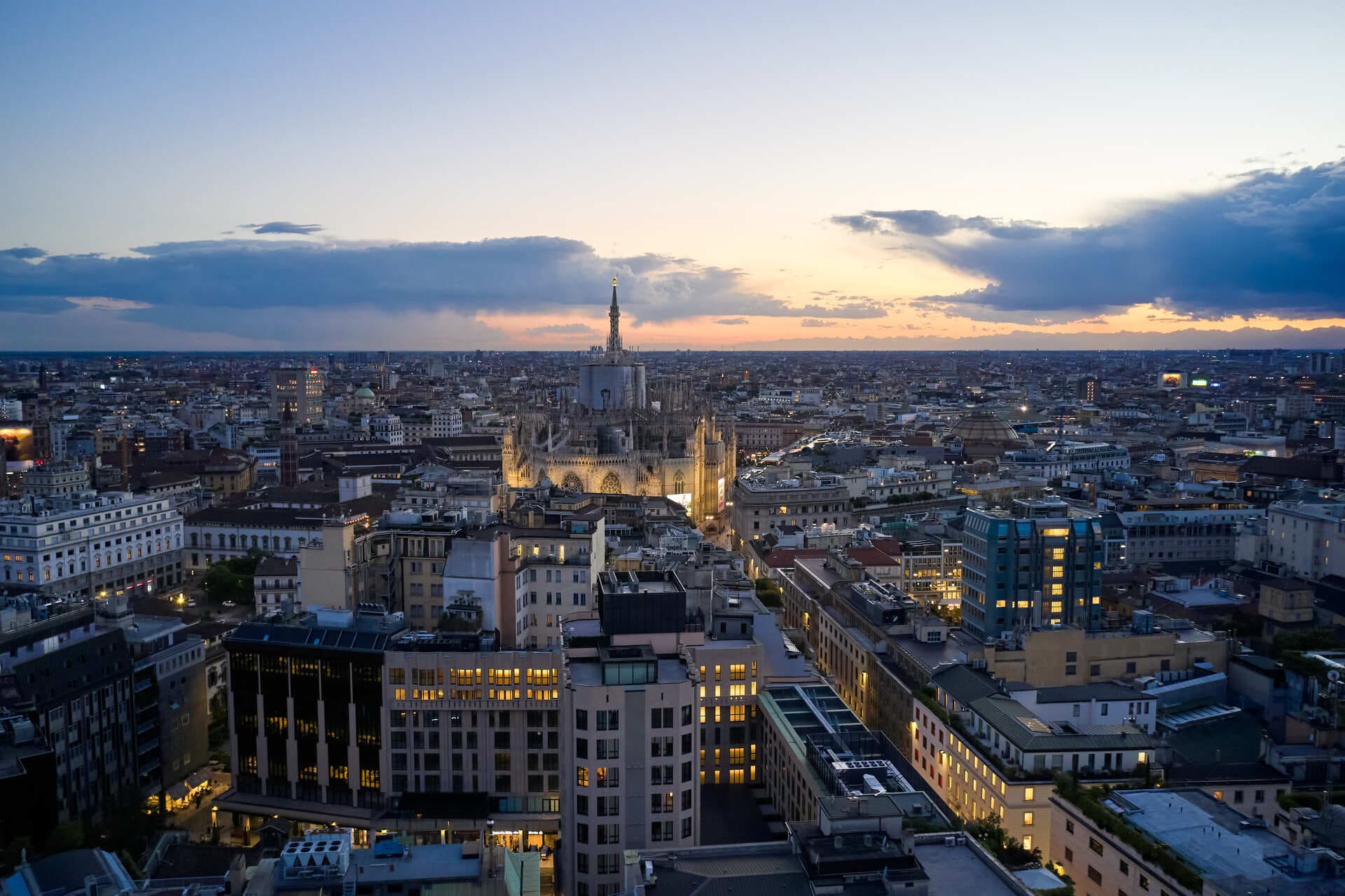
 Panoramic view of Milan
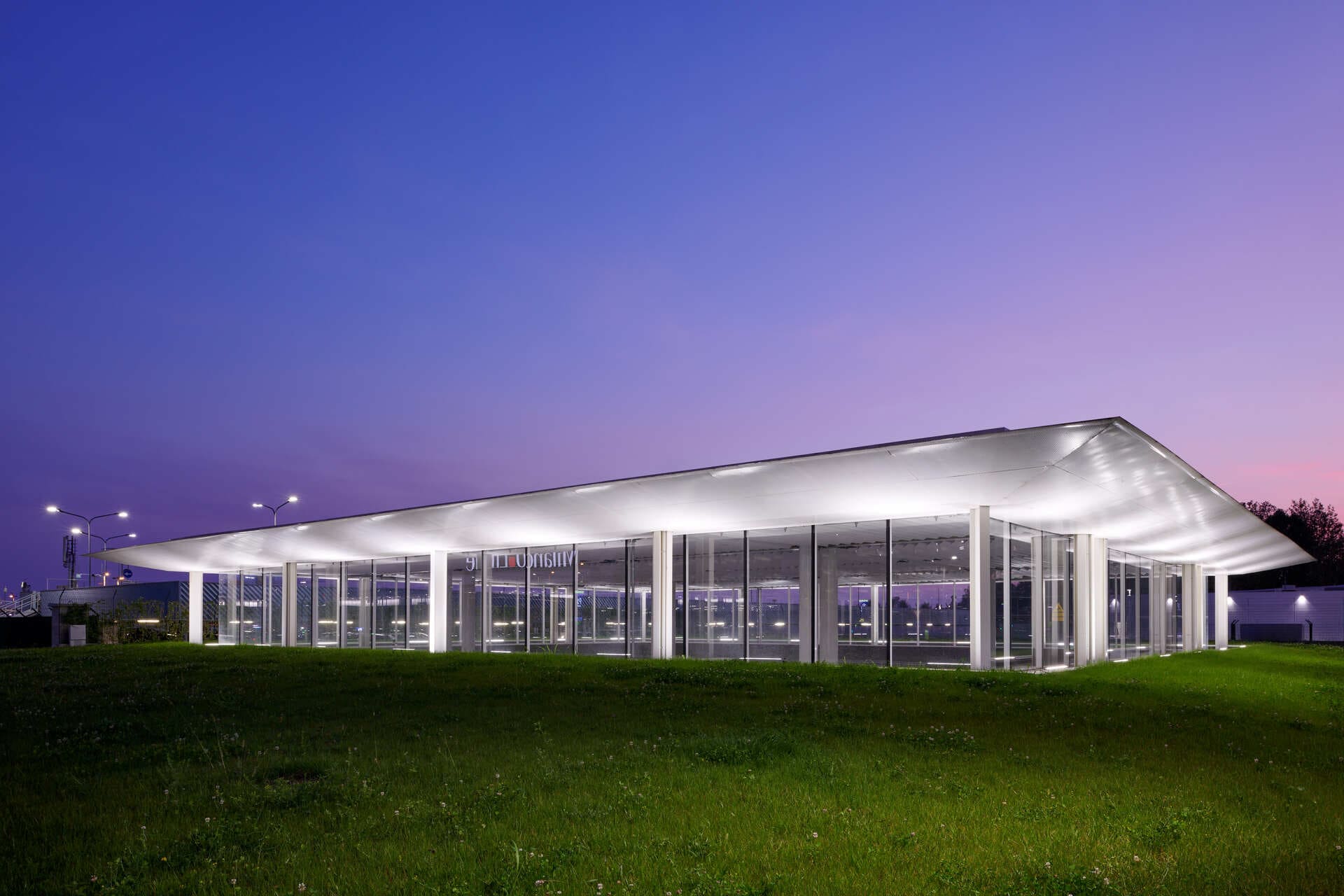 Linate Aeroporto Station, M4 Line
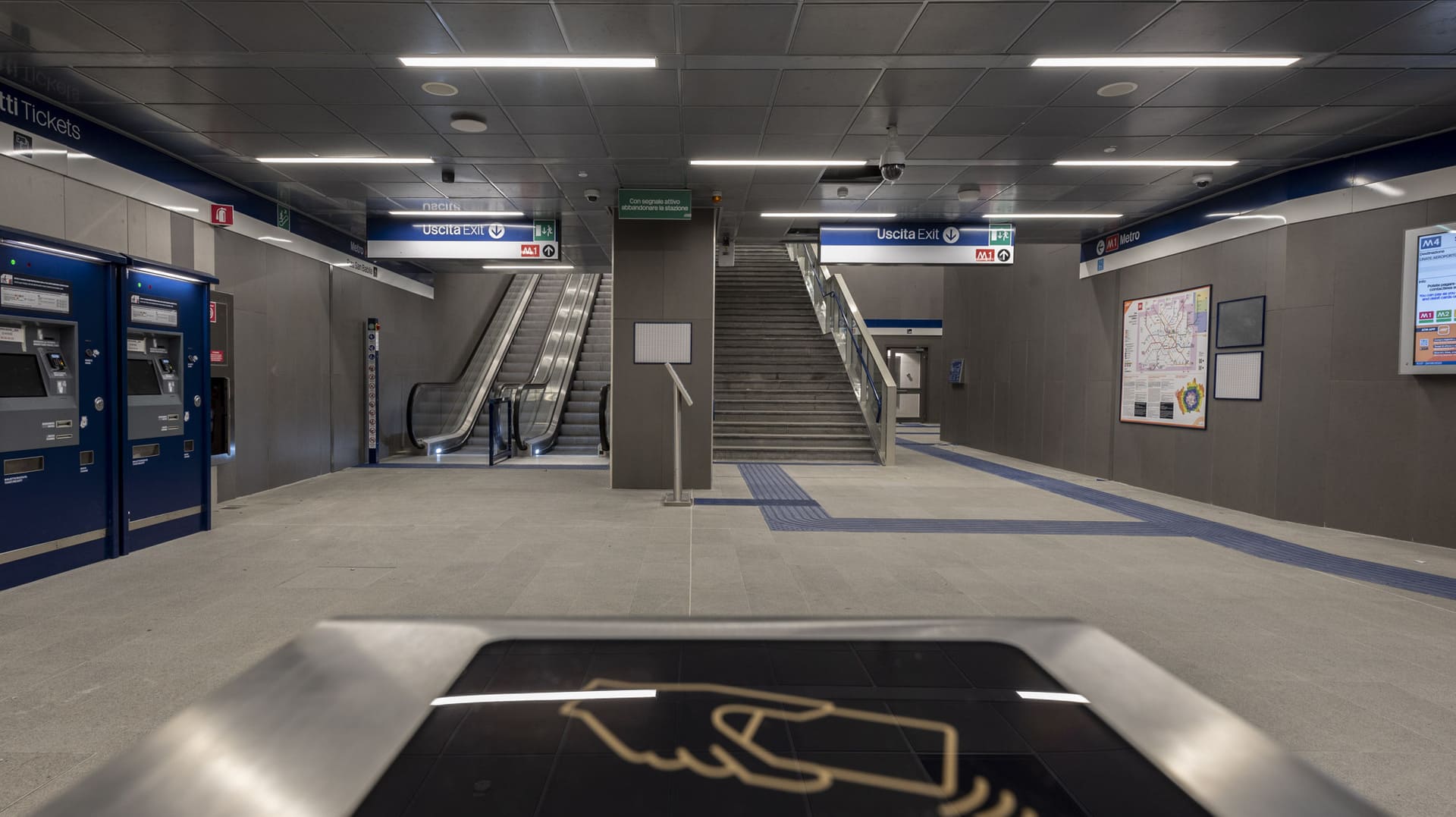 Interior of the Blue Line (M4), Milan
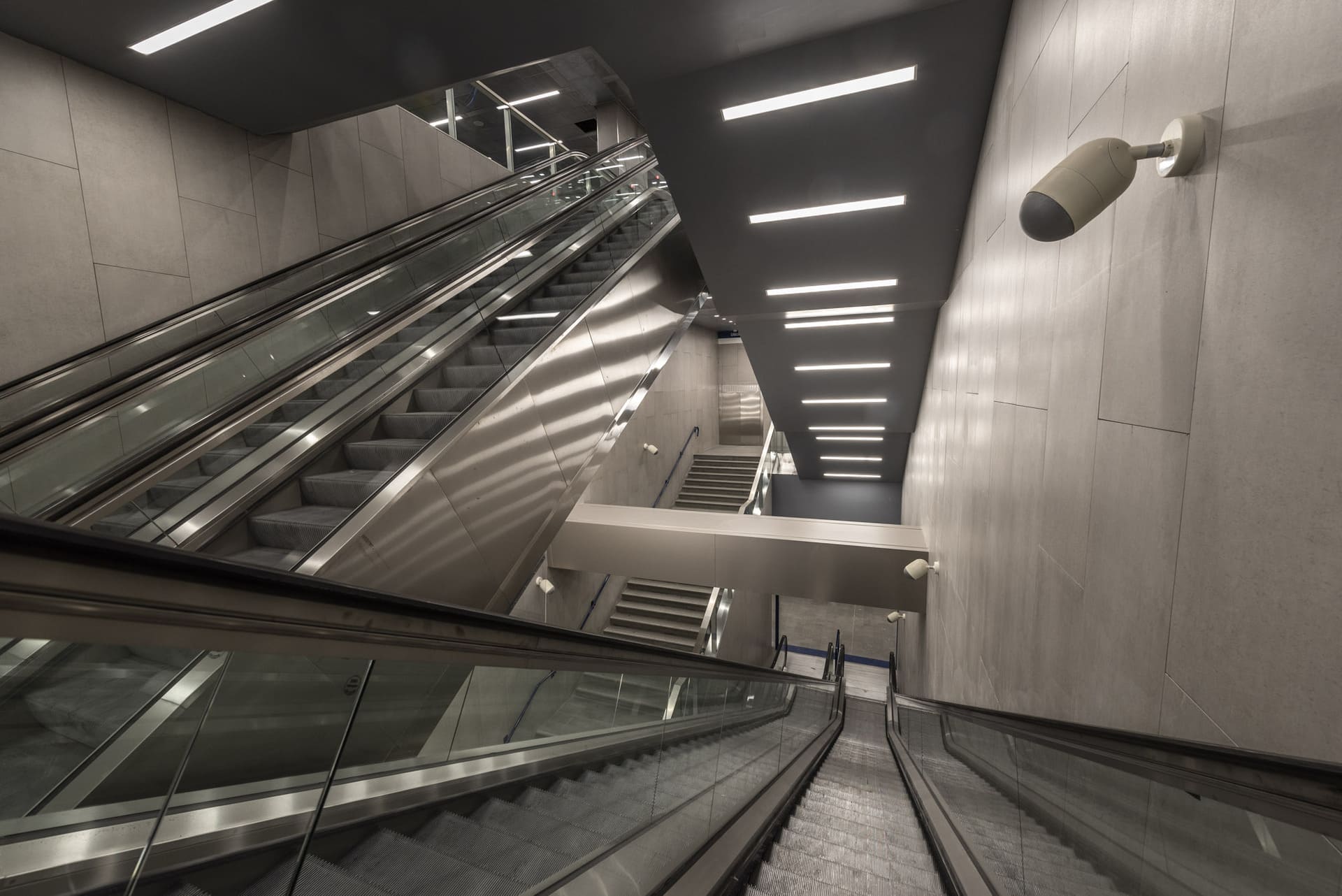 Interior of the Blue Line (M4), Milan
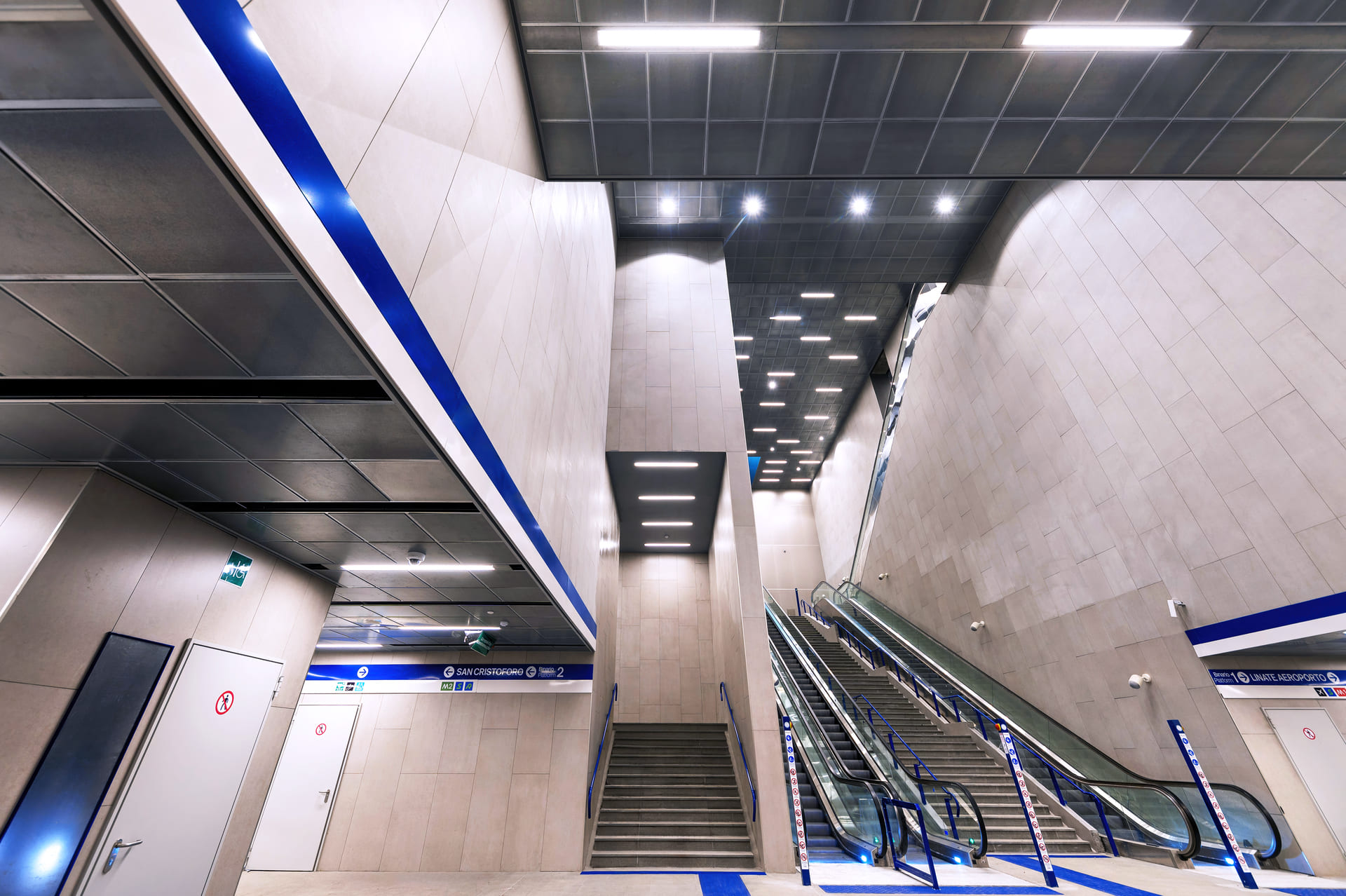 Interior of the Blue Line (M4), Milan
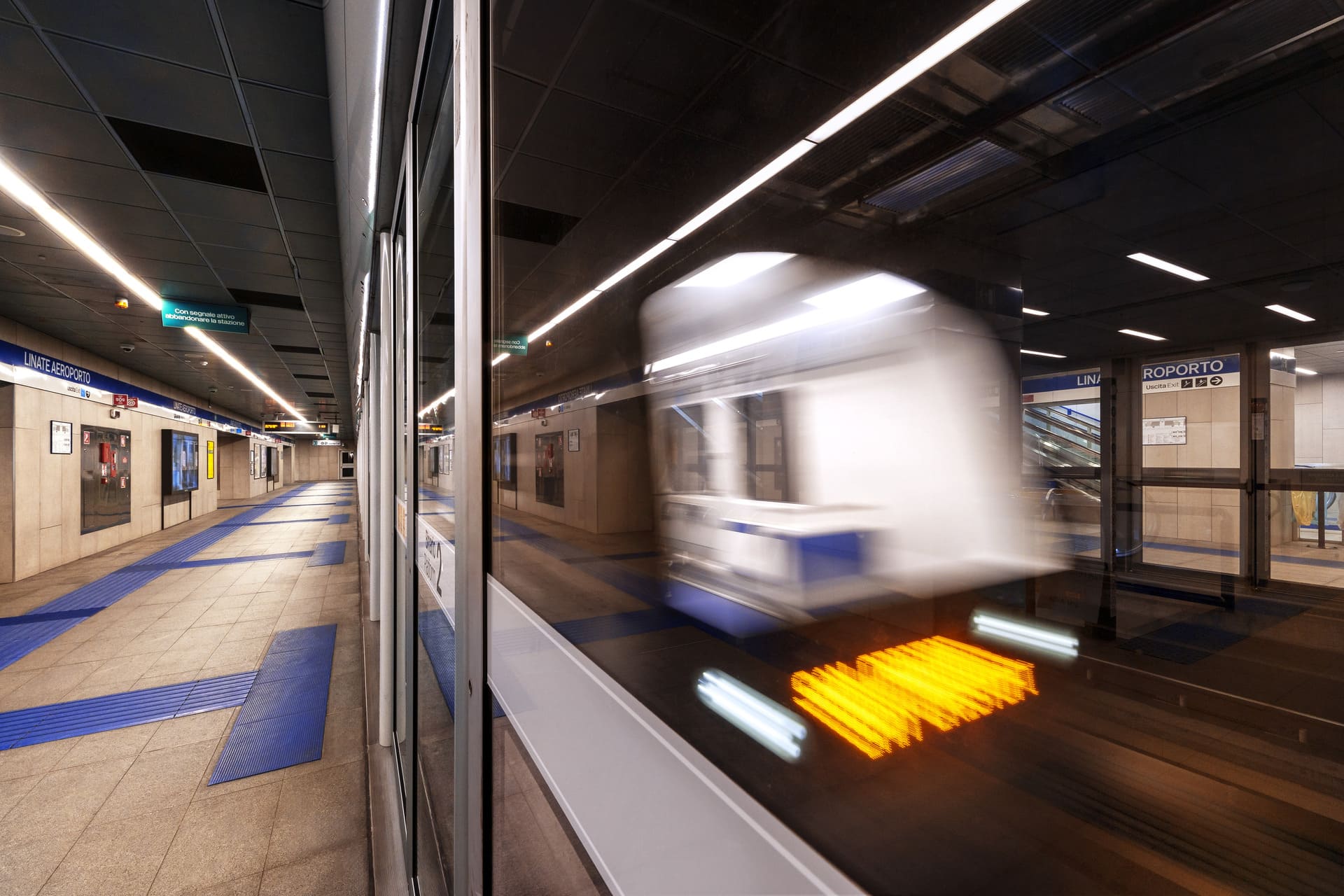 Interior of the Blue Line (M4), Milan
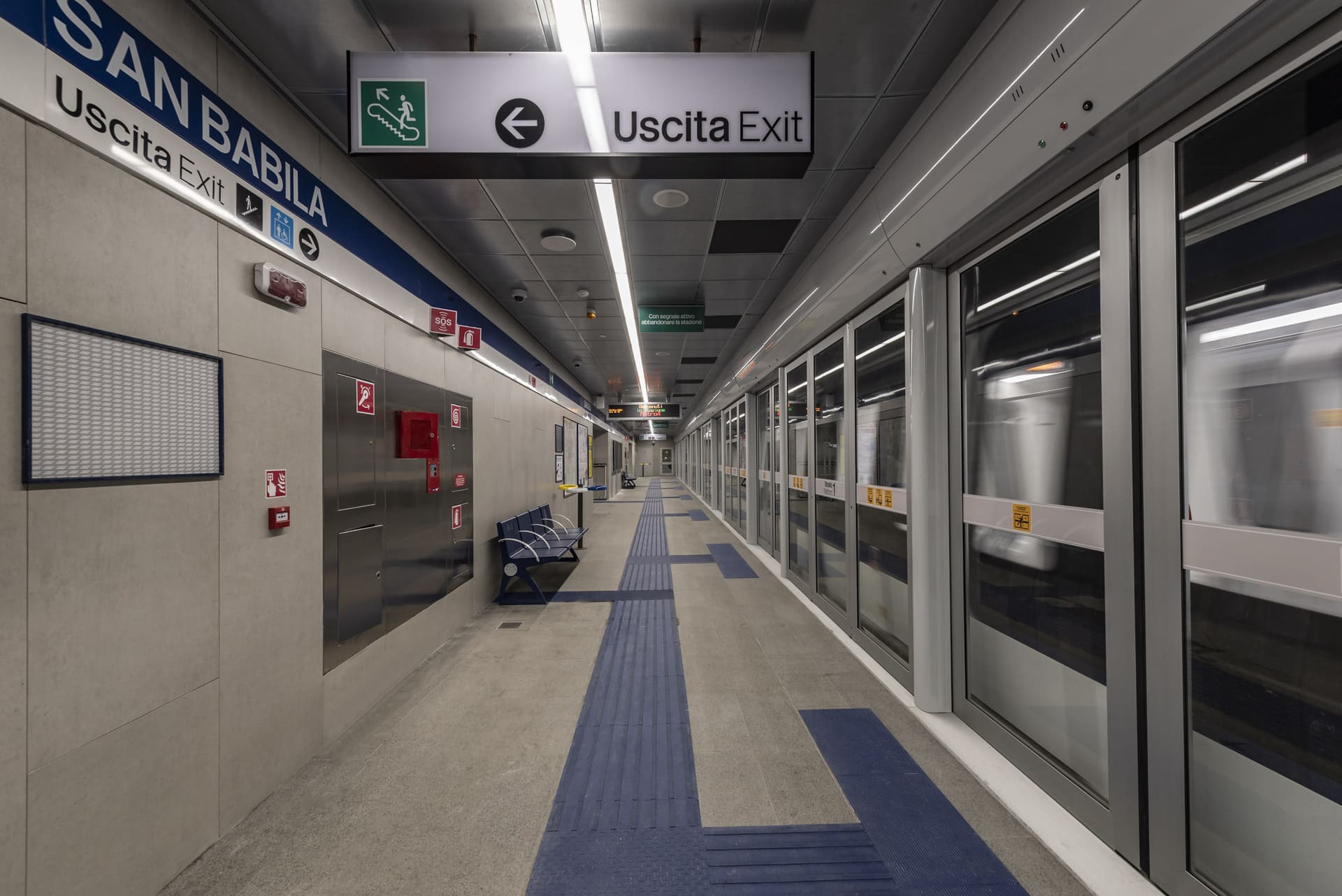 Interior of the Blue Line (M4), Milan
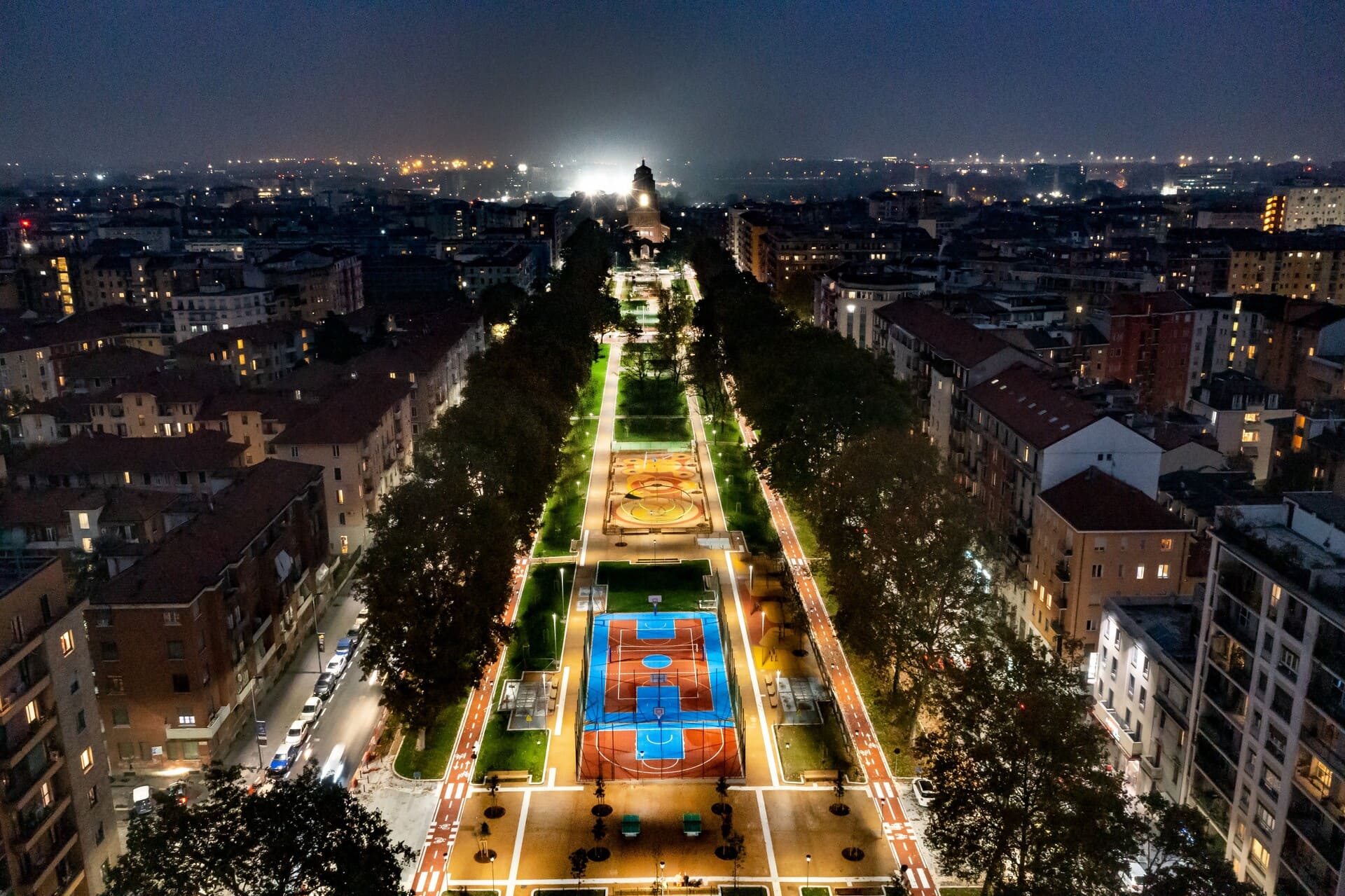 Urban redevelopment works following site completion
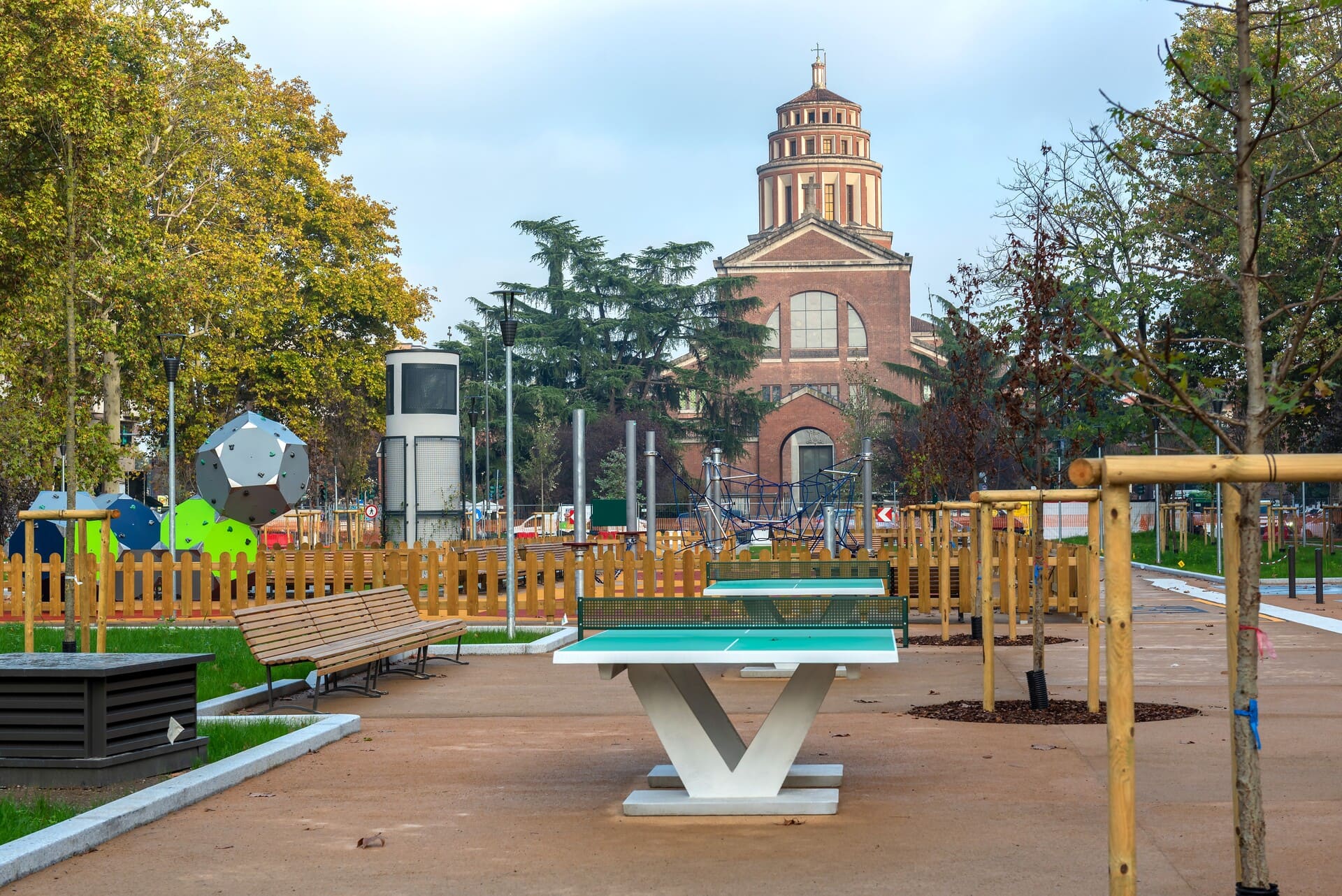 Urban redevelopment works following site completion
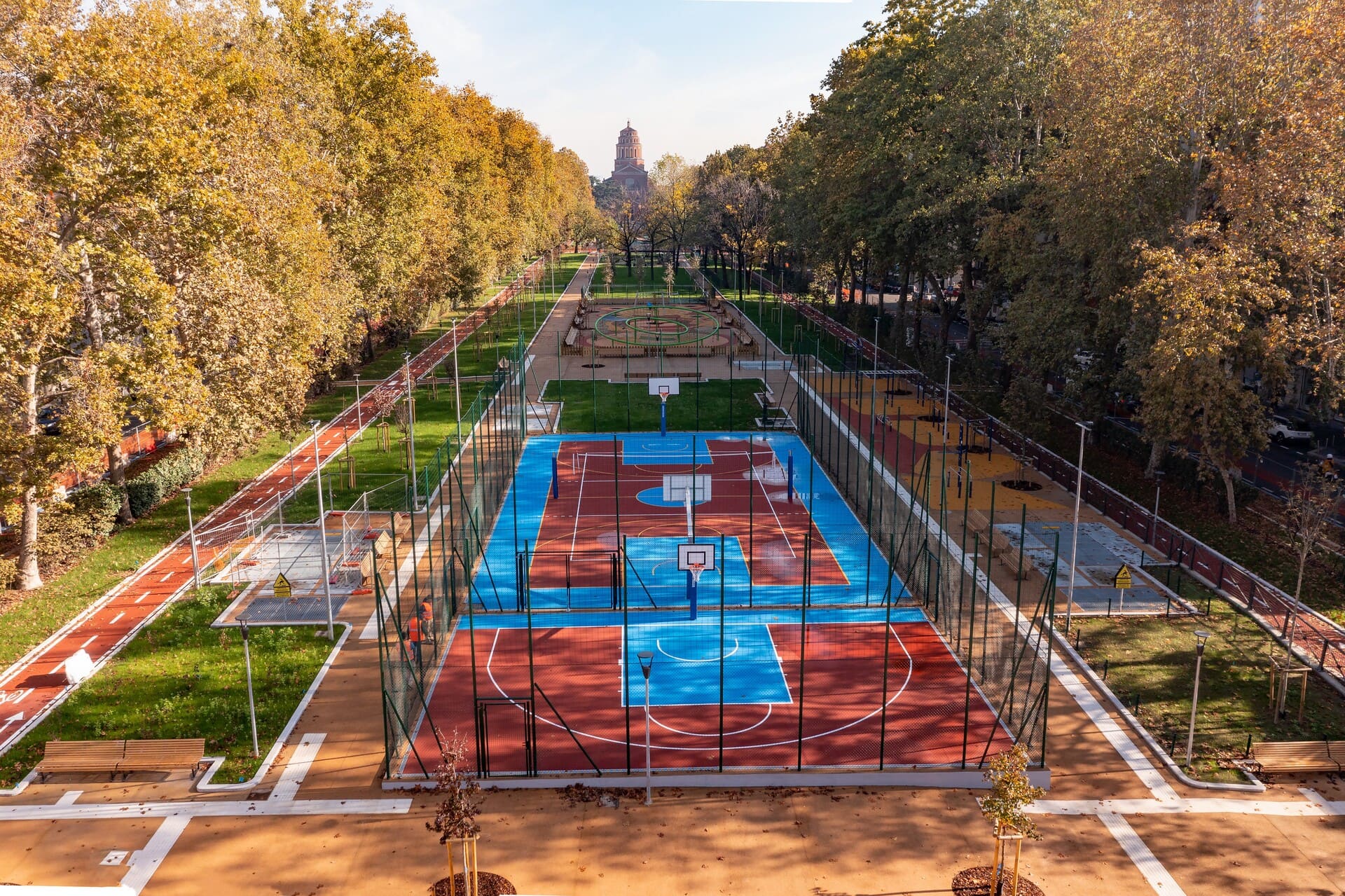 Urban redevelopment works following site completion
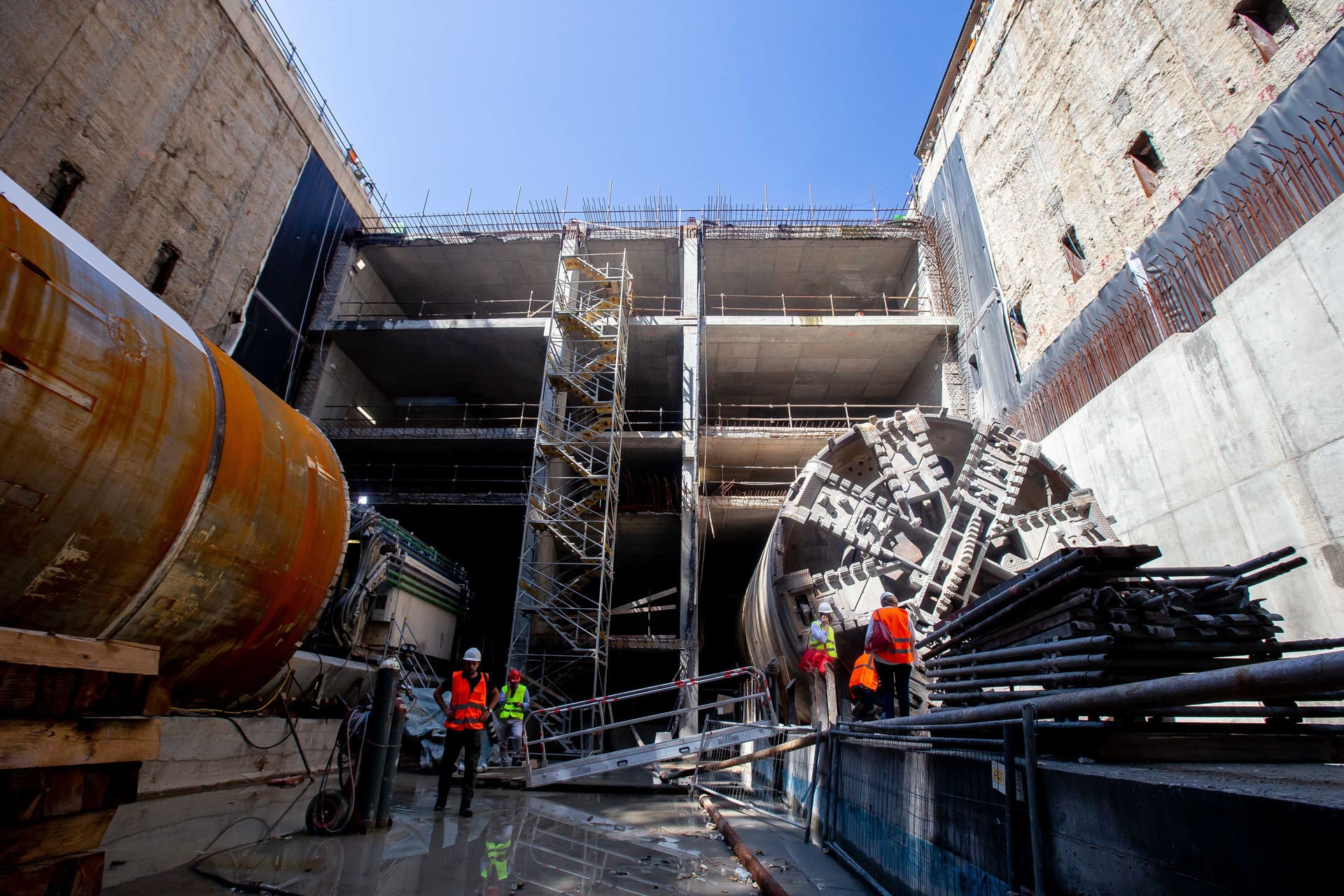 Construction stages of the M4 Line, Milan
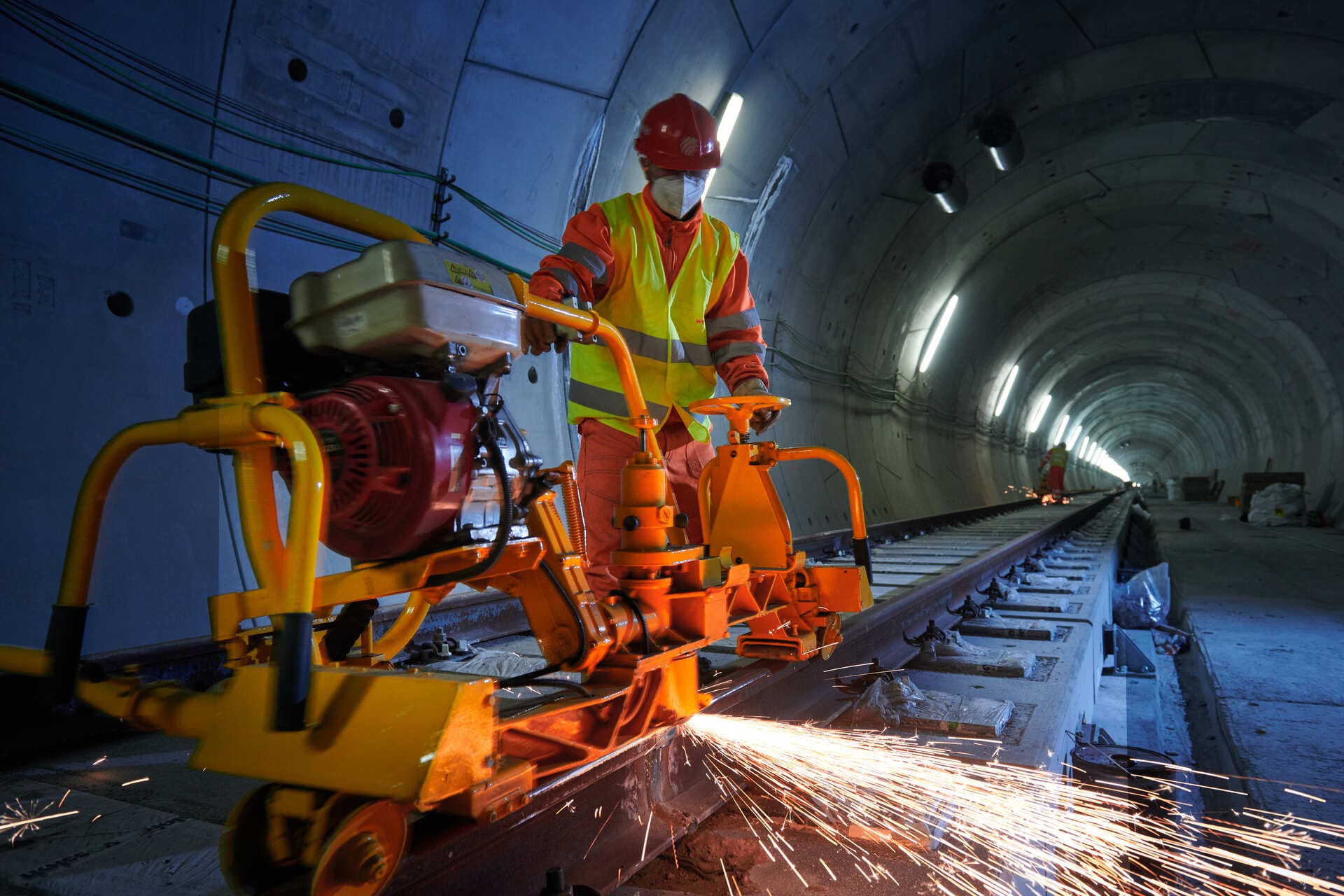 Construction stages of the M4 Line, Milan
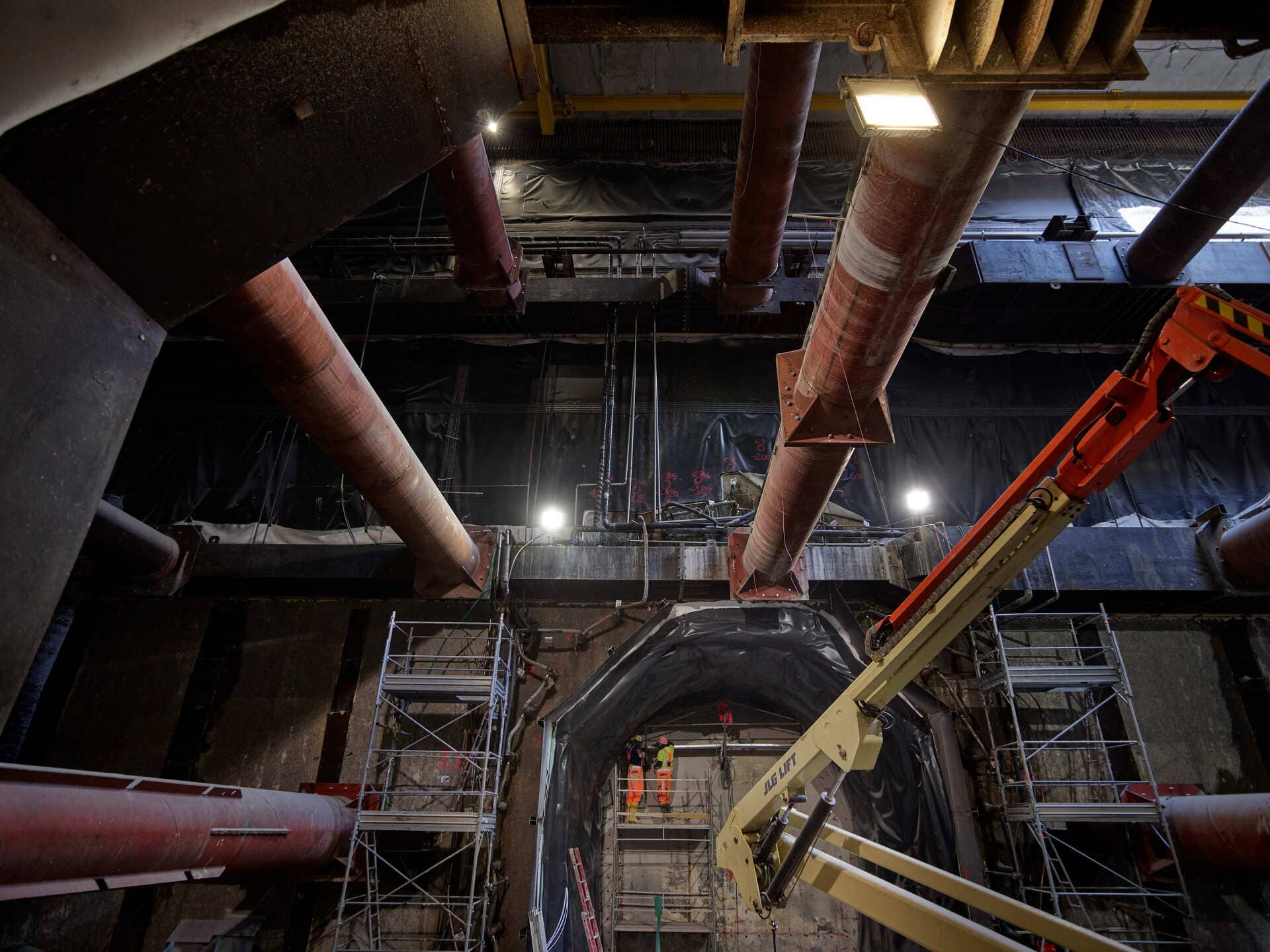 Construction stages of the M4 Line, Milan
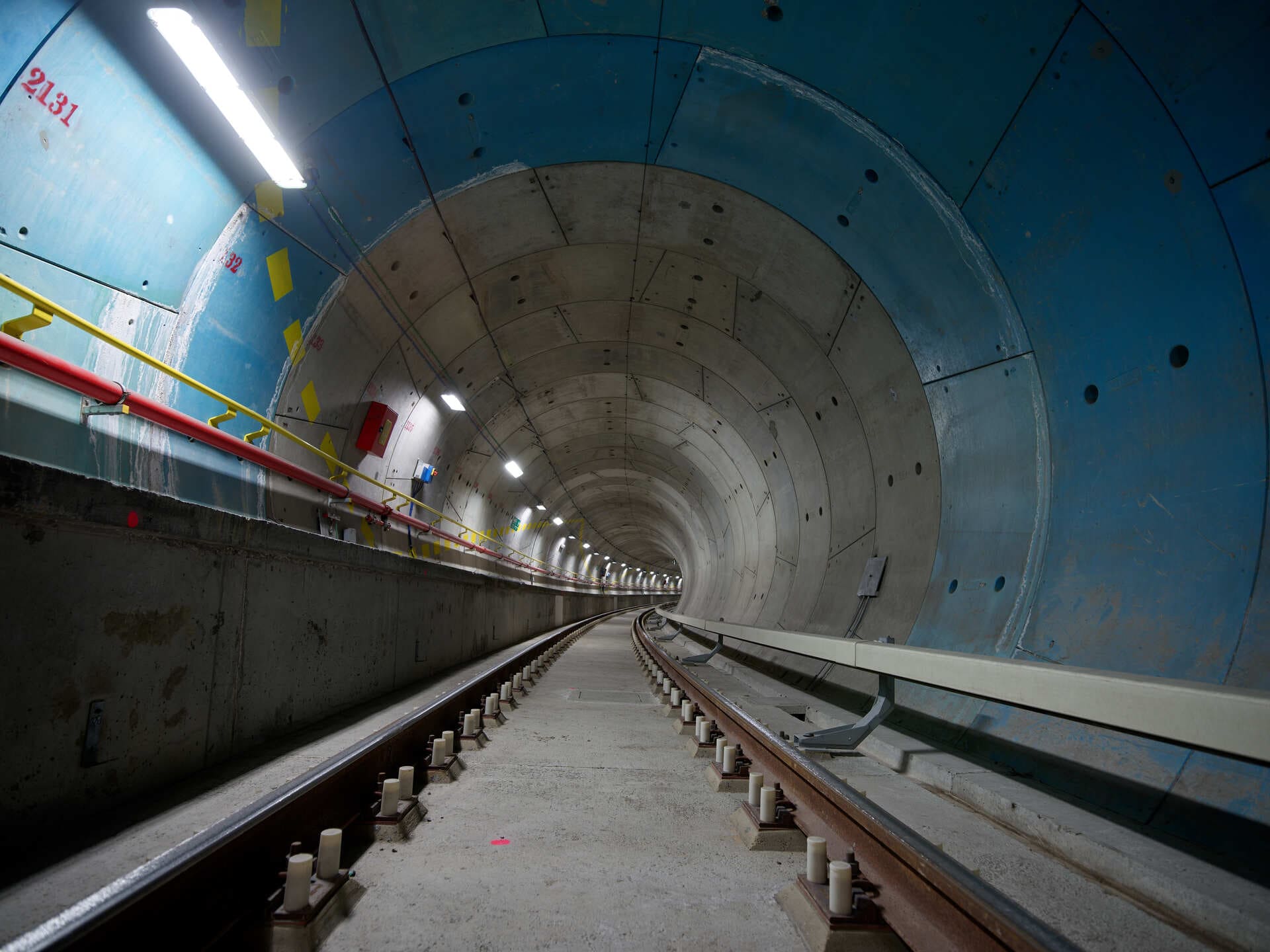 Construction stages of the M4 Line, Milan
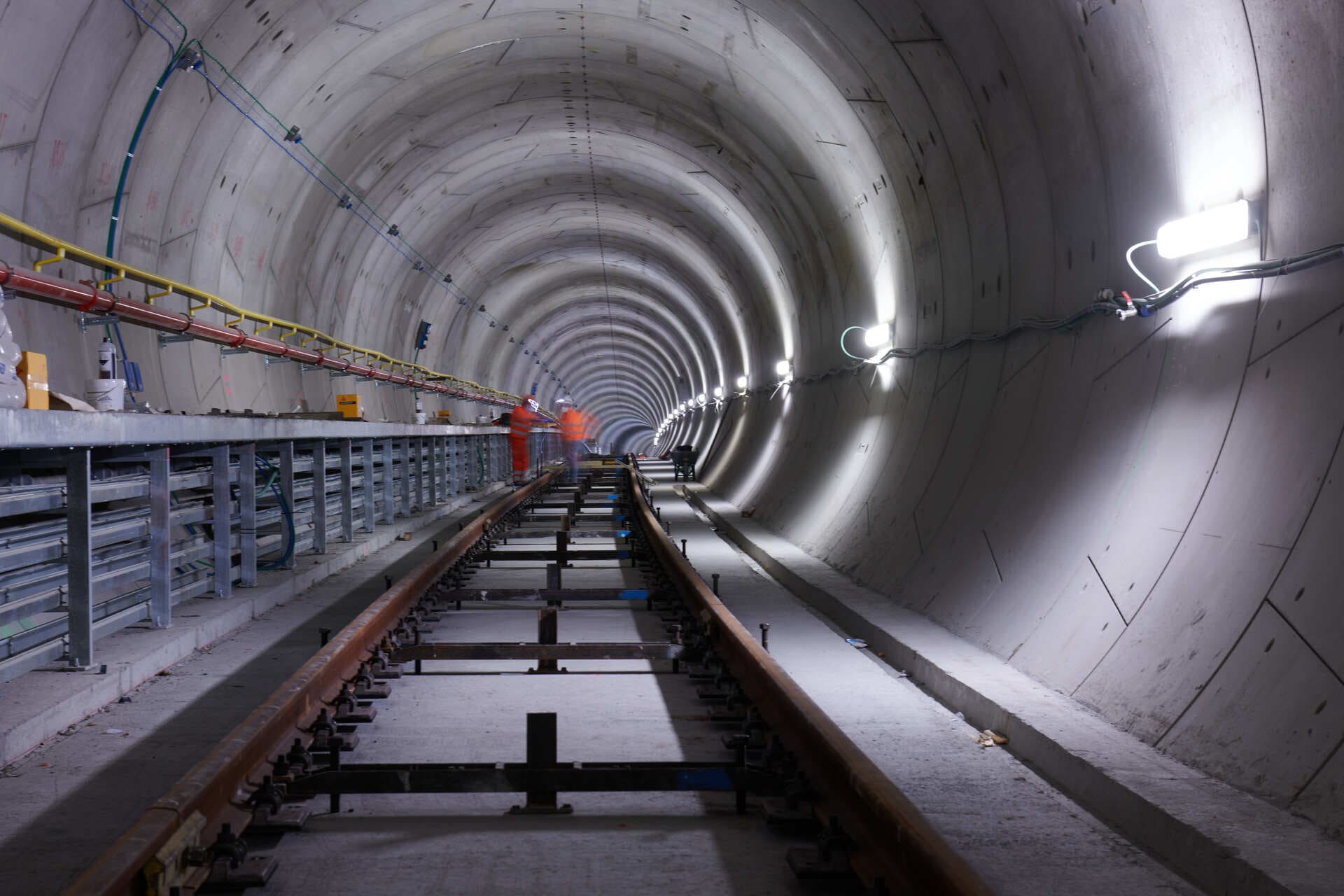 Construction stages of the M4 Line, Milan
- In its first full year of operation, the M4 line carried nearly 10 percent of passengers choosing to use Milan’s metro network to commute between home and work
- Milan is moving up in the ranks of Italian cities with the best quality of life for residents, climbing four places to eighth in an annual survey
- The latest edition of the annual report on mobility reveals how the city’s air quality has dramatically improved
- The M4 metro line has the potential to contribute to the reduction of up to 75,000 tonnes of CO2 every year
- Also known as the Blue Line, the M4, built by Webuild, runs 15 kilometres between the Linate city airport to the east and the San Cristoforo train station to the west


Can a metro line help change the way people go about their business in a city, all the while contributing to a reduction in street traffic and air pollution?
The answer can be found in Milan, one of the most dynamic cities in Europe, where one such line quickly made an impact in its first full year of operation: the M4. Also known as the Blue Line, this strategic piece of infrastructure built by Webuild distinguishes itself from most others by connecting the Linate city airport with the historic centre of Italy’s finance and fashion capital.
The difference this metro line has made is duly noted in “Rapporto della Mobilità 2025”, the fourth edition of the annual report on mobility in the city, which chronicles the successes in making Milan a green city, a more pleasant place to live.
The M4 metro line is the biggest in a series of relatively recent investments that Milan has made to clean up the air breathed by its 1.3 million residents. Others include improved services in other forms of public transport, the creation of more pedestrian areas, the extension of cycle lanes, and the addition of parks and playgrounds.
As a result, according to the report, Milan has witnessed a dramatic reduction in emissions that are harmful to people’s health in the past 10 years. The single biggest cause of these emissions is vehicular traffic or, more precisely, the internal combustion engine that powers cars and trucks.
The level of nitrogen oxides, or NOx, recorded in the air in Area C – created by the government to limit traffic by imposing a congestion charge – fell 81 percent from 173.86 kilograms per day in 2016 to 32.58 in 2025. Area C is also where many of M4’s stations are situated.
The level of PM10 – airborne particles called particulate matter – fell even further in that area during the same period, down nearly 90 percent from 1.13 kilograms per day to 0.12.
This marked air quality improvement has not gone unnoticed. Last year, for example, Milan climbed four places to reach eighth among Italian cities in a quality-of-life ranking published annually by Il Sole 24 Ore, a business newspaper.
Linate Airport, 12 Minutes from Downtown: The M4 Metro Line’s Key Advantage
In 2025, the M4 carried 34.5 million – or nearly 10 percent – of the 352 million passengers served by the entire Milan metro network, according to the report.
This result is partly due to its most distinguishing feature: a 12-minute ride between the Linate airport and the historic centre. On average, nearly half of the travellers passing through the airport used the Blue Line to depart or arrive, preferring to forgo the use of above-ground transport like taxis or private vehicles, according to the report.
The M4 also shares interchange stations with the two other Milan metro lines and the suburban rail lines, making it easier for people who live and work farther from the city centre to get to where they need to go without the car.
Capable of transporting 24,000 people per hour in either direction, the line is bound to contribute to the reduction of CO2 emissions of up to 75,000 tonnes per year when it arrives at its full potential, convincing commuters to choose public over private transport.
Milan Metro: Sustainable Mobility Makes a Difference
The M4 is the fifth metro line to run under the city. It carries people along a 15-kilometre axis between the Linate airport east of the city centre and the San Cristoforo railway station in the southwest. It consists of two single-track tunnels, one in each direction, and 21 stations.
The Milan Model Among Europe's Major Metropolises
Its addition has seen Milan become the city with the sixth largest metro network in Europe, increasing the combined length of its lines to more than 110 kilometres, up from 96.8 in 2016. By comparison, Rome, with twice the number of residents, has a more limited network: four lines with 73 stations, covering a little more than 60 kilometres.
The report also reveals how the metro network and other forms of public transport like trams and buses were the means most used to get around, responsible for 49 percent of trips in 2025.
“Public transport has become a distinctive feature of the Milanese model,” concluded the report, confirming the importance of this particular type of infrastructure in helping cities meet the demands of their growing populations.