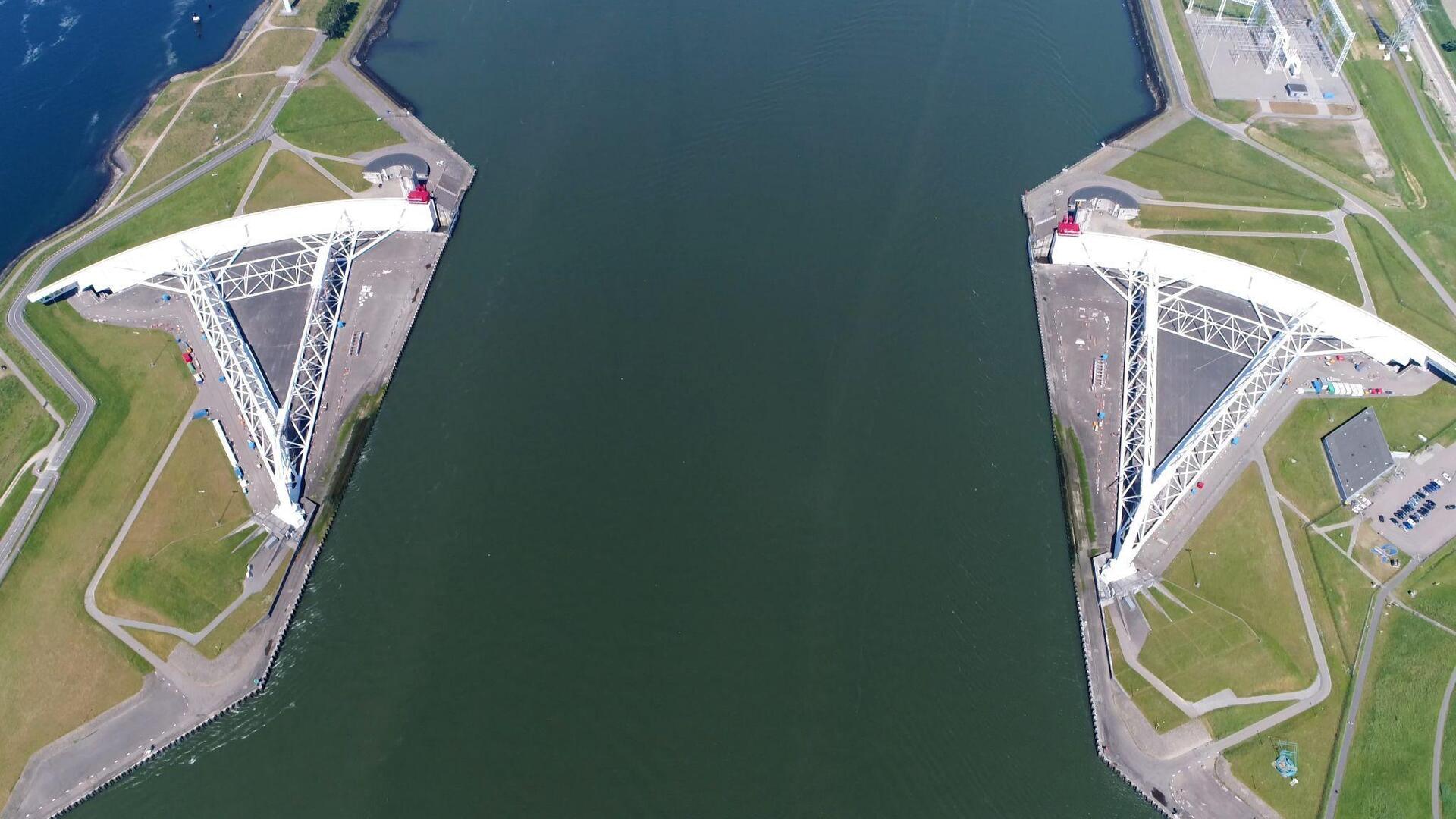


There are times when water seems to play by its own rules: rising when we least expect it, overcoming seemingly insurmountable obstacles, flowing where gravity says it shouldn’t, or threatening to submerge entire regions.
Yet even when its power seems impossible to control, engineering can come up with remarkable solutions. Canals that allow ships to overcome enormous changes in elevation, underground tunnels that collect millions of litres of water, aqueducts suspended high above the ground, and movable barriers capable of holding back the sea: extraordinary structures that turn the challenges posed by water into new opportunities, opening up new routes while protecting cities and entire territories.
1 – Panama Canal
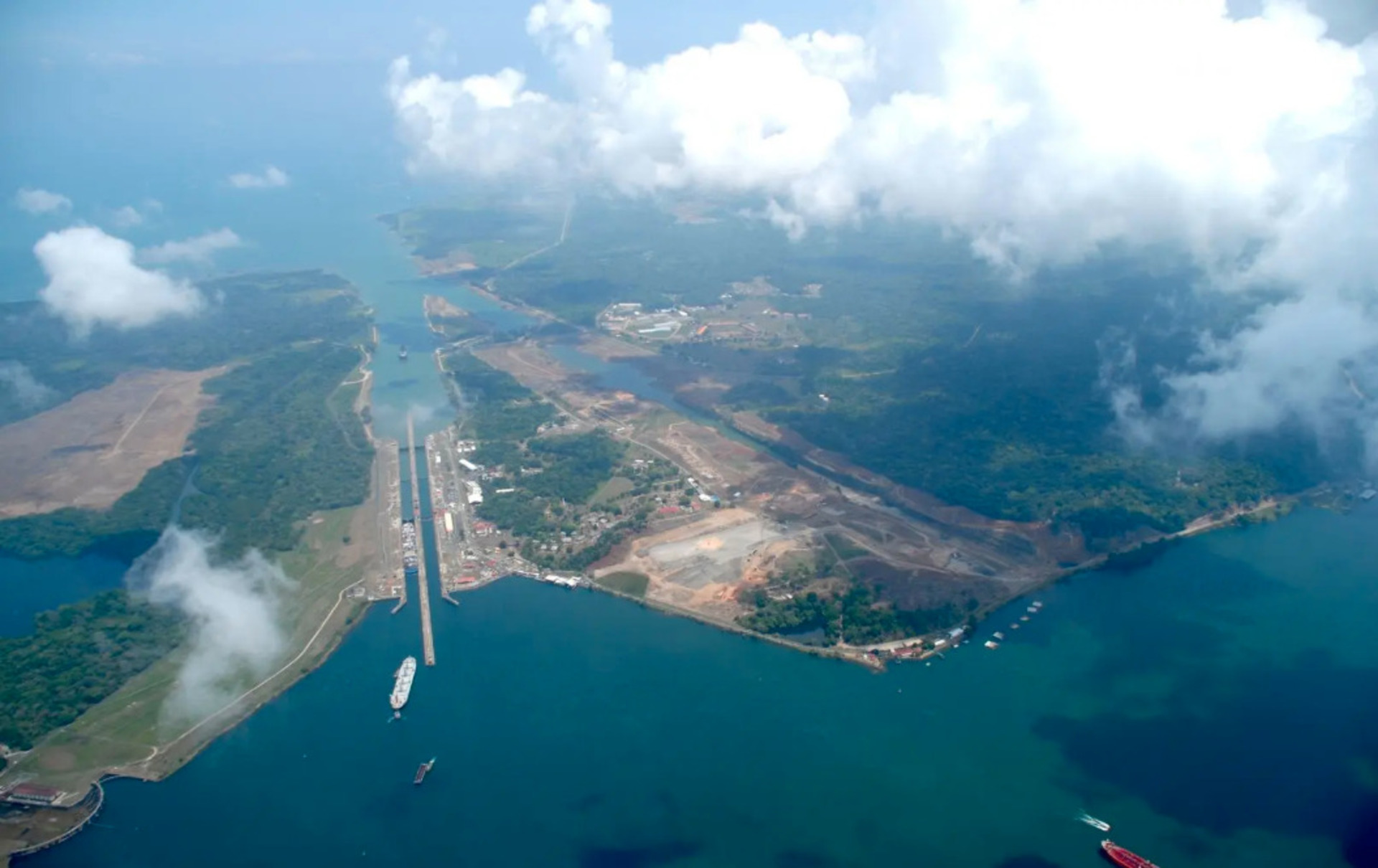
Crossing a continent from one ocean to another without having to sail around South America: that is what the Panama Canal made possible, connecting the Atlantic Ocean and the Pacific Ocean.
But the way it works involves a remarkable mechanism. To overcome an elevation difference of around 27 metres, ships are lifted up to Gatun Lake and then lowered back to sea level through a system of locks that harnesses the power of water itself.
In 2016, the expansion carried out by the international consortium Grupo Unidos por el Canal, led by Salini Impregilo, now Webuild, added a third set of locks, allowing vessels up to 366 metres long to pass through.
The challenge of the Panama Canal, however, was not simply to accommodate ever-larger ships, but to do so while limiting water consumption. Thanks to special water-saving basins that capture and reuse water, the new system reduces the amount needed for each transit by around 60%.
2 – Anacostia River Tunnel, Washington D.C.
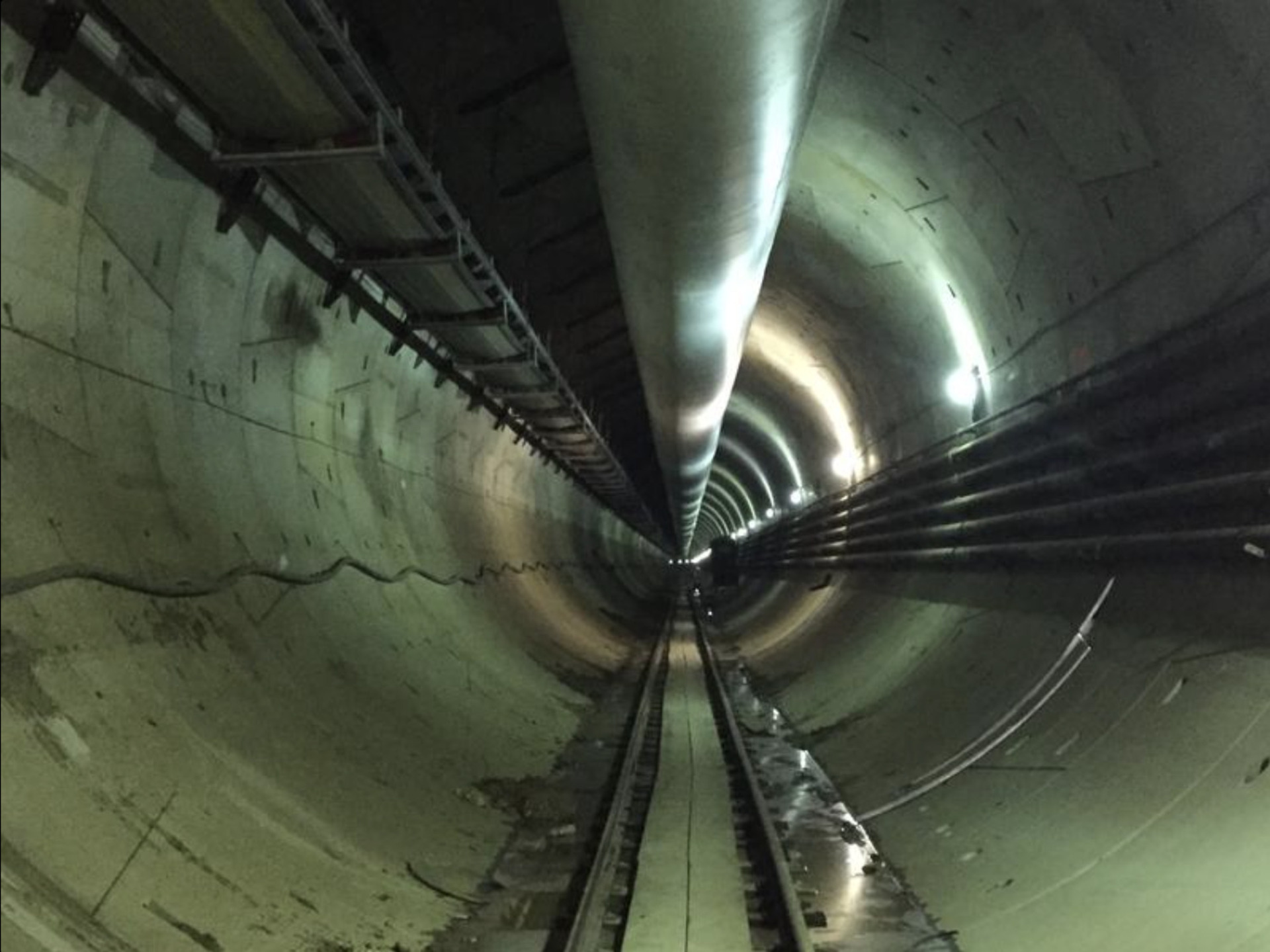
In Washington, protecting a river and tackling water pollution also means building beneath its bed. That was the challenge behind the Anacostia River Tunnel, a 3.8-kilometre hydraulic tunnel running largely beneath the river itself, at an average depth of around 30 metres.
Built between 2013 and 2018 by a joint venture led by Salini Impregilo, now Webuild, the tunnel collects excess stormwater and wastewater through six intake shafts, preventing it from flowing directly into the river during periods of heavy rainfall.
The system has helped reduce polluted discharges by 98%, turning an invisible piece of infrastructure into a vital asset for both the environment and the city.
3 – Morning Glory Spillway, California
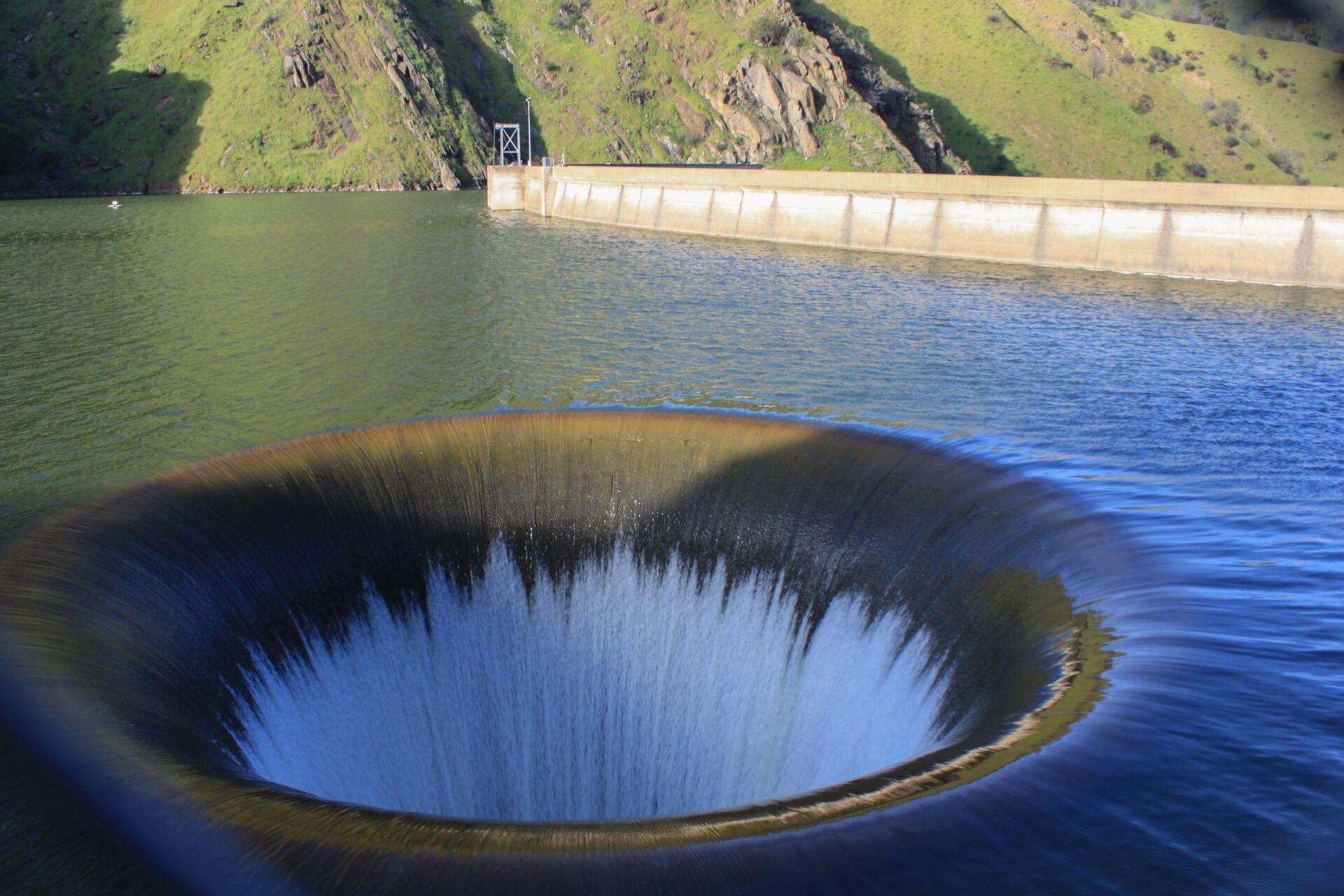
In California, at Lake Berryessa, water can become an almost surreal spectacle. When the reservoir rises above a certain level, water is drawn into a giant concrete funnel known as the Glory Hole.
This is the Morning Glory Spillway, a distinctive drainage structure built between 1953 and 1957 alongside Monticello Dam to manage excess water and prevent the lake from overflowing. Measuring around 22 metres across at the top, the structure gradually narrows, channelling water beneath the dam in a drop of approximately 60 metres.
It is an ingenious solution made necessary by the narrow shape of the valley, where there was no room to build a conventional spillway channel.
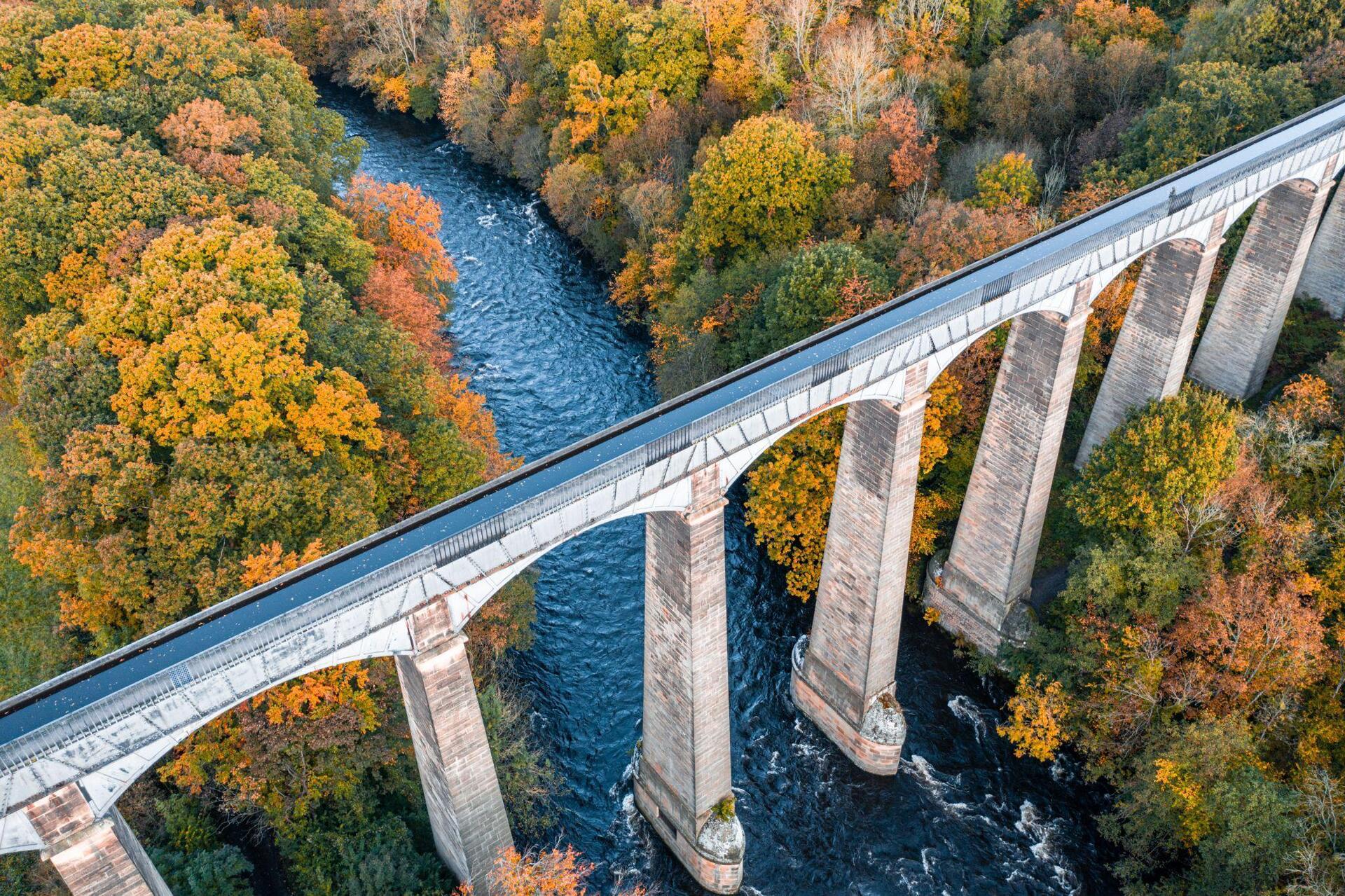
4 – Pontcysyllte Aqueduct, Wales
In Wales, crossing a valley can also mean navigating almost 40 metres above the ground. That is what happens on the Pontcysyllte Aqueduct, a 307-metre navigable aqueduct designed by engineer Thomas Telford and completed in 1805.
The structure consists of a cast-iron trough supported by 18 masonry piers, allowing boats to cross the River Dee without having to descend into and climb back out of the valley.
Part of an 18-kilometre canal system built without locks, it is now recognised by UNESCO as one of the masterpieces of civil engineering from the Industrial Revolution. Here, water doesn’t flow beneath a bridge, it flows right across the top of it.
5 – Maeslantkering, Netherlands
In the Netherlands, where vast areas of land lie below sea level, protecting against storm surges is a constant challenge.
Near Rotterdam, Holland, the Maeslantkering tackles this threat with a spectacular solution: two enormous movable gates, each 210 metres wide. They normally remain open to allow ships to pass, but close automatically when sea levels exceed certain thresholds.
Built between 1991 and 1997, the Maeslantkering is designed to withstand storm surges of up to five metres above mean sea level. When activated, the two gates fill with water and sink until they rest on the riverbed, forming a formidable flood barrier against the sea.