

Infrastructure is no longer merely functional work designed to meet technical needs: it is increasingly becoming a space capable of expressing a vision. It is at this meeting point between engineering and contemporary architecture that starchitects come into play, called upon to reinterpret bridges, stations, airports, and mobility hubs as artistic, recognizable places open to the city.
This is not just about aesthetics, but about a shift in perspective: infrastructure ceases to be a neutral element and becomes an active part of the urban narrative. Through innovative forms, materials, and design solutions, these buildings help redefine the relationship between public space and mobility, transforming the way people experience and move through places.
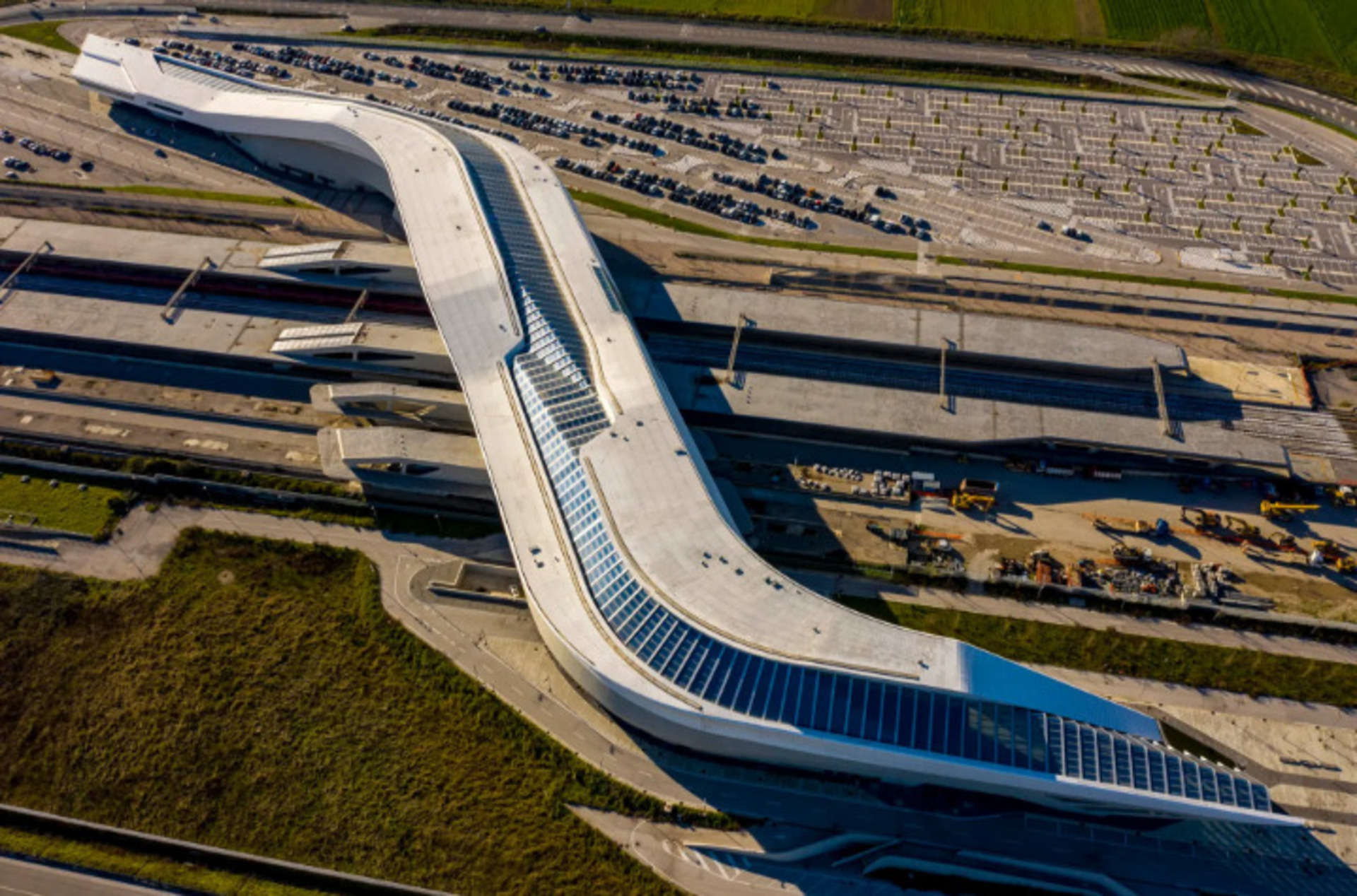
1 – Zaha Hadid and Naples-Afragola High Speed Railway Station
The Napoli Afragola station, designed by Zaha Hadid, is one of the most emblematic examples of how contemporary architecture can transform infrastructure into a recognizable urban landmark.
More than a simple high-speed railway hub, the infrastructure project develops as a bridge suspended above the Rome–Naples rail line, reconnecting a territory divided by the tracks and reshaping its links.
Fluid lines, continuous volumes, and innovative materials create a public space that does not merely serve train movement, but interprets it, making mobility part of the architectural experience. Built with the contribution of the Webuild Group, the high-speed railway station stands as an example of infrastructure where function and vision coincide.
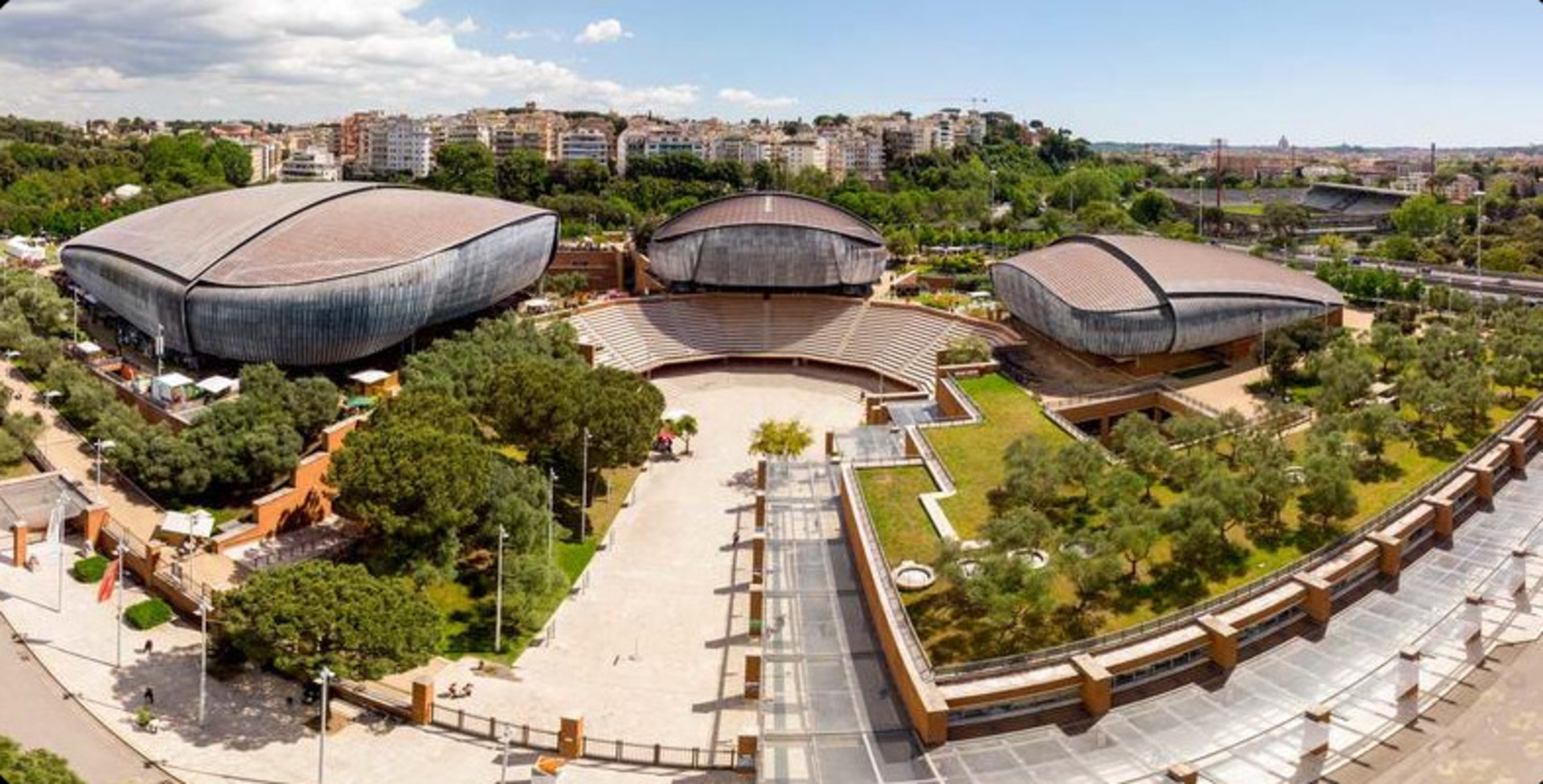
2 – Renzo Piano and Auditorium Parco della Musica
Rome’s Auditorium Parco della Musica, designed by Renzo Piano, is one of the most significant examples of how cultural infrastructure can become an integral part of the urban landscape.
The project consists of three independent concert halls conceived as autonomous volumes set within greenery, along with a large open-air cavea that reinterprets the idea of the classical theater in a contemporary key.
The complex does not merely host musical events, but creates an open and continuous public space where contemporary architecture, culture, and city life engage in dialogue, contributing to the urban regeneration of the area and to a new urban centrality.
Auditorium Parco della Musica was also realized with the contribution of the Webuild Group, demonstrating the role of major infrastructure companies in delivering complex works that combine function and vision.
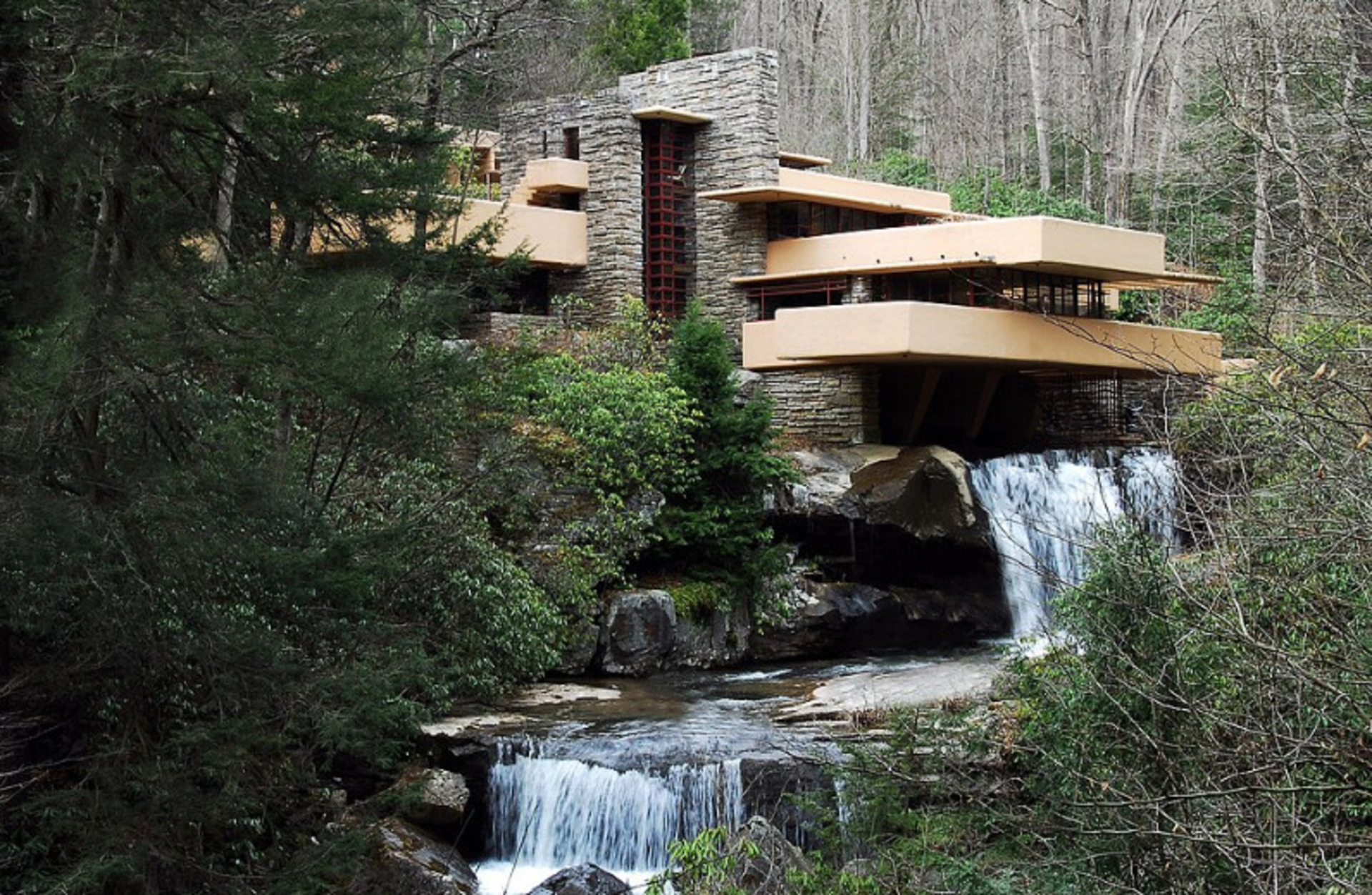
3 – Frank Lloyd Wright and Fallingwater
Among the works that redefined the relationship between architecture and landscape, Frank Lloyd Wright’s Fallingwater holds a central place.
The house is built directly above a waterfall in rural Pennsylvania, achieving a balance in which constructed structure and natural environment are inseparably intertwined. Its concrete terraces seem suspended in midair, while the horizontal surfaces follow the rhythm of the rock and water below.
In this continuous dialogue between natural elements and architectural design, Fallingwater does not merely fit into its context, but incorporates it, transforming the waterfall from backdrop into a living component of the residential experience.
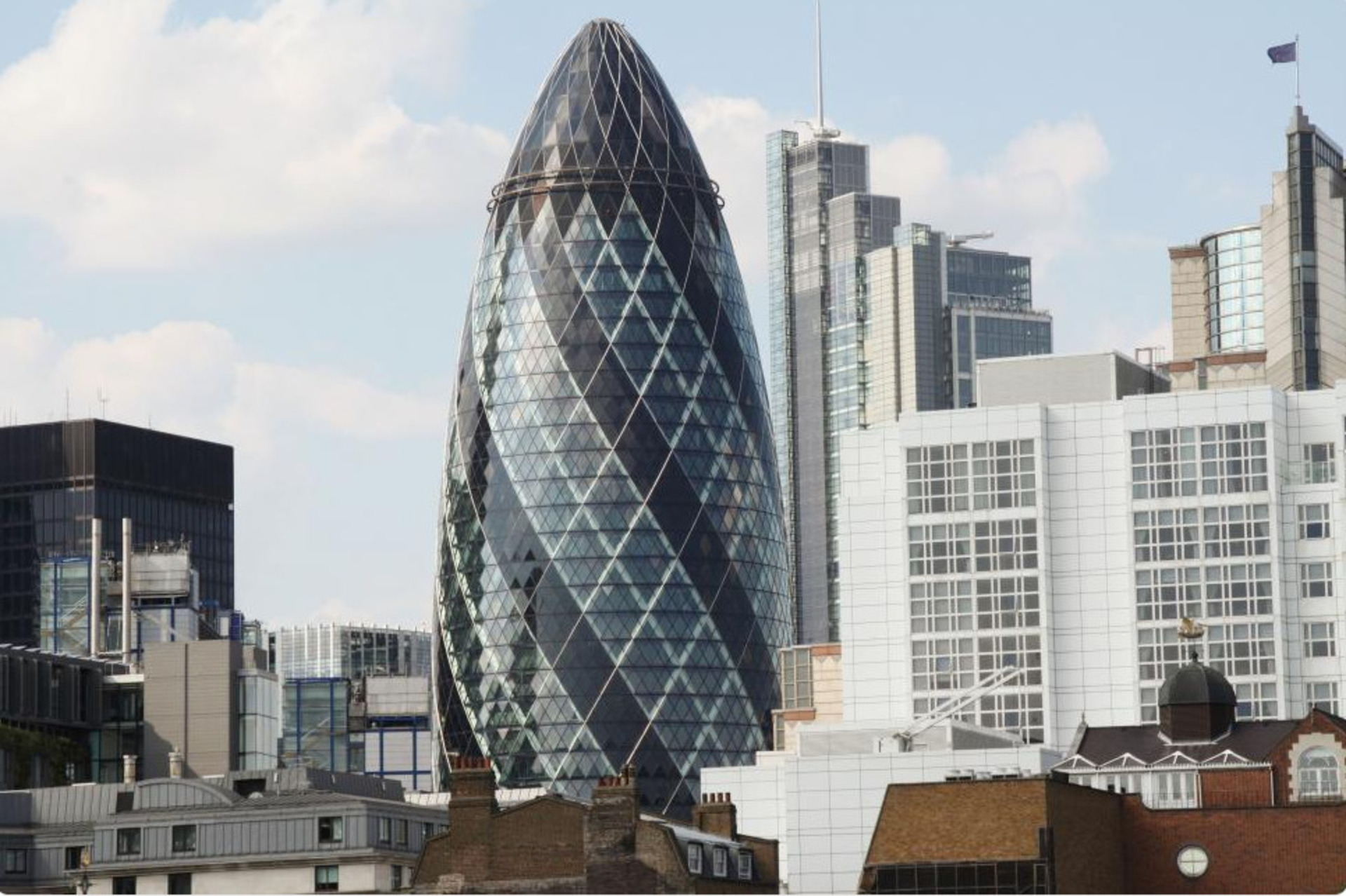
4 – Norman Foster and 30 St Mary Axe (The Gherkin)
In the heart of the City of London, the skyscraper at 30 St Mary Axe, known as “The Gherkin,” designed by Norman Foster, represents one of the most recognizable interpretations of contemporary architecture applied to the world of work and services.
Its aerodynamic form, instantly distinctive on London’s skyline, is not only the result of aesthetic research but also of functional logic related to sustainability and the natural ventilation of interior spaces.
More than a simple office building, “The Gherkin” stands as an urban landmark capable of synthesizing technological innovation and architectural identity, becoming an integral part of the city’s very image.
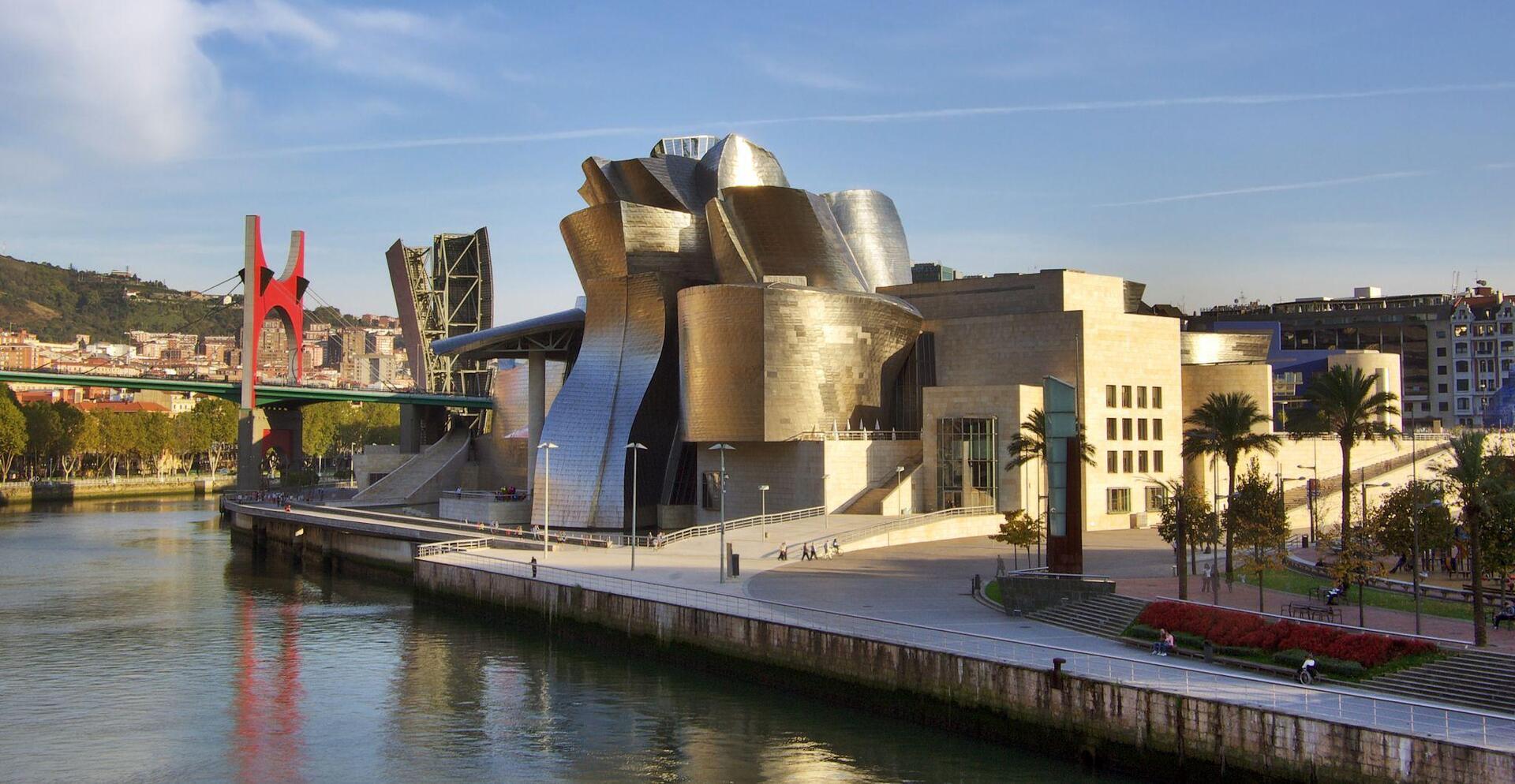
5 – Frank Gehry and Guggenheim Museum Bilbao
With the Guggenheim Museum Bilbao, designed by Frank Gehry, architecture fully enters the realm of the urban icon.
Clad in titanium and characterized by fluid, fragmented forms, the building stretches along the banks of the Nervión River, transforming an industrial area into a new cultural hub.
More than a museum, it became an instrument of urban regeneration capable of redefining the city’s identity, generating what later became known as the “Bilbao Effect”: the idea that a single architectural project can trigger large-scale economic, social, and symbolic transformation.
In this balance between art, contemporary architecture, and territorial impact, the Guggenheim Museum Bilbao represents one of the most complete expressions of the role of starchitects in reshaping the contemporary urban landscape.