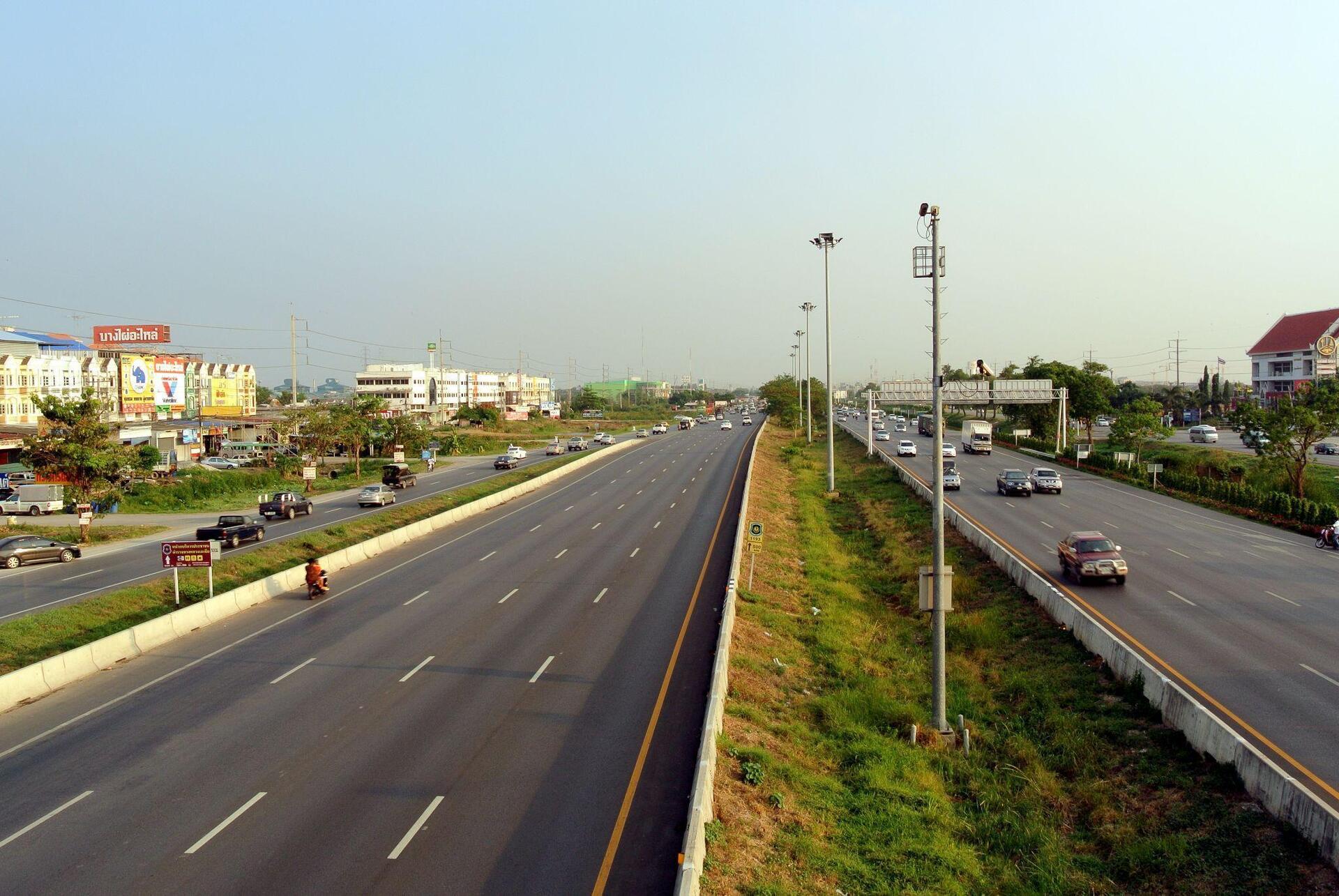


Infrastructure is more than just a way to get from one place to another: it is what makes the connection between cities, countries, and continents possible. Bridges, highways, airports, railways, and major transport corridors form the invisible network that sustains global mobility, facilitating the flows of people and goods on an ever-increasing scale.
In a world defined by shrinking distances but increasingly complex relationships, this transport infrastructure become essential elements for ensuring continuity, accessibility, and integration between economies and territories.
1 – Brenner Base Tunnel
The Brenner Base Tunnel is one of Europe’s most ambitious infrastructure projects.
Deep beneath the Alps, a railway link is being constructed to redraw one of the continent’s primary mobility corridors, making travel between Northern and Southern Europe faster and more sustainable.
At 64 km in length, the Brenner Base Tunnel represents a strategic infrastructure for freight transport and passenger transport, helping to shift traffic flows from road to railways.
Built with the contribution of Webuild, the project is part of the broader upgrade of the European TEN-T Scandinavian-Mediterranean corridor.

2 – Panama Canal
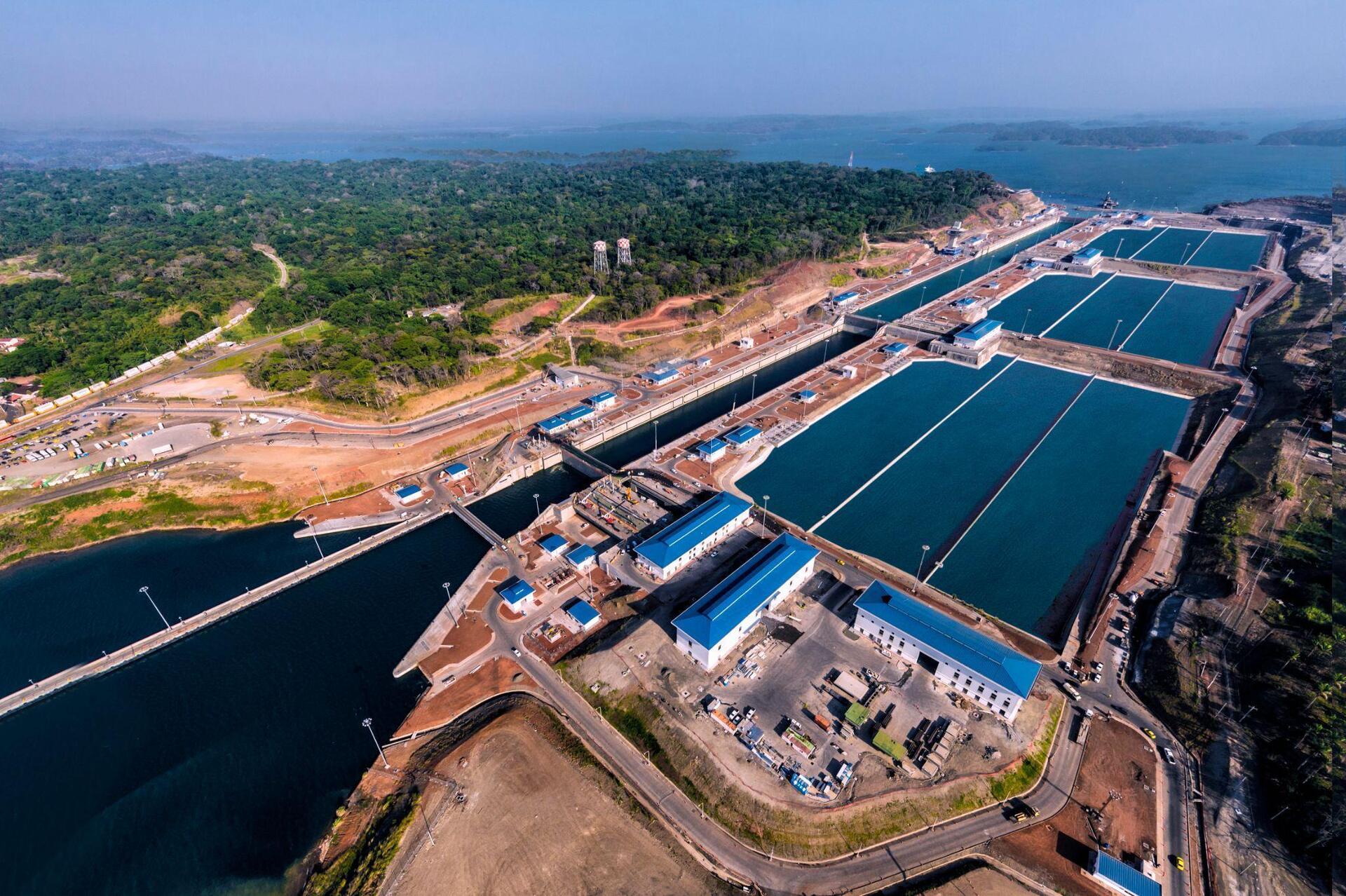
The expansion of the Panama Canal, featuring the construction of a third set of locks, is one of the most complex projects ever undertaken to manage international trade flows.
The intervention allowed for the passage of next-generation ships, significantly larger than those of the past, decisively boosting the capacity of one of the world’s most strategic maritime transport hubs. Through an advanced engineering system of locks, basins, and regulation infrastructure, the canal was adapted to meet new demands for logistics and international competitiveness.
Built with the contribution of Webuild, the Panama Canal locks’ project demonstrates how engineering can intervene in existing infrastructure to redefine global economic balances and streamline the connection between oceans and markets.
3 – Dubai Ras Al Khor Interchange
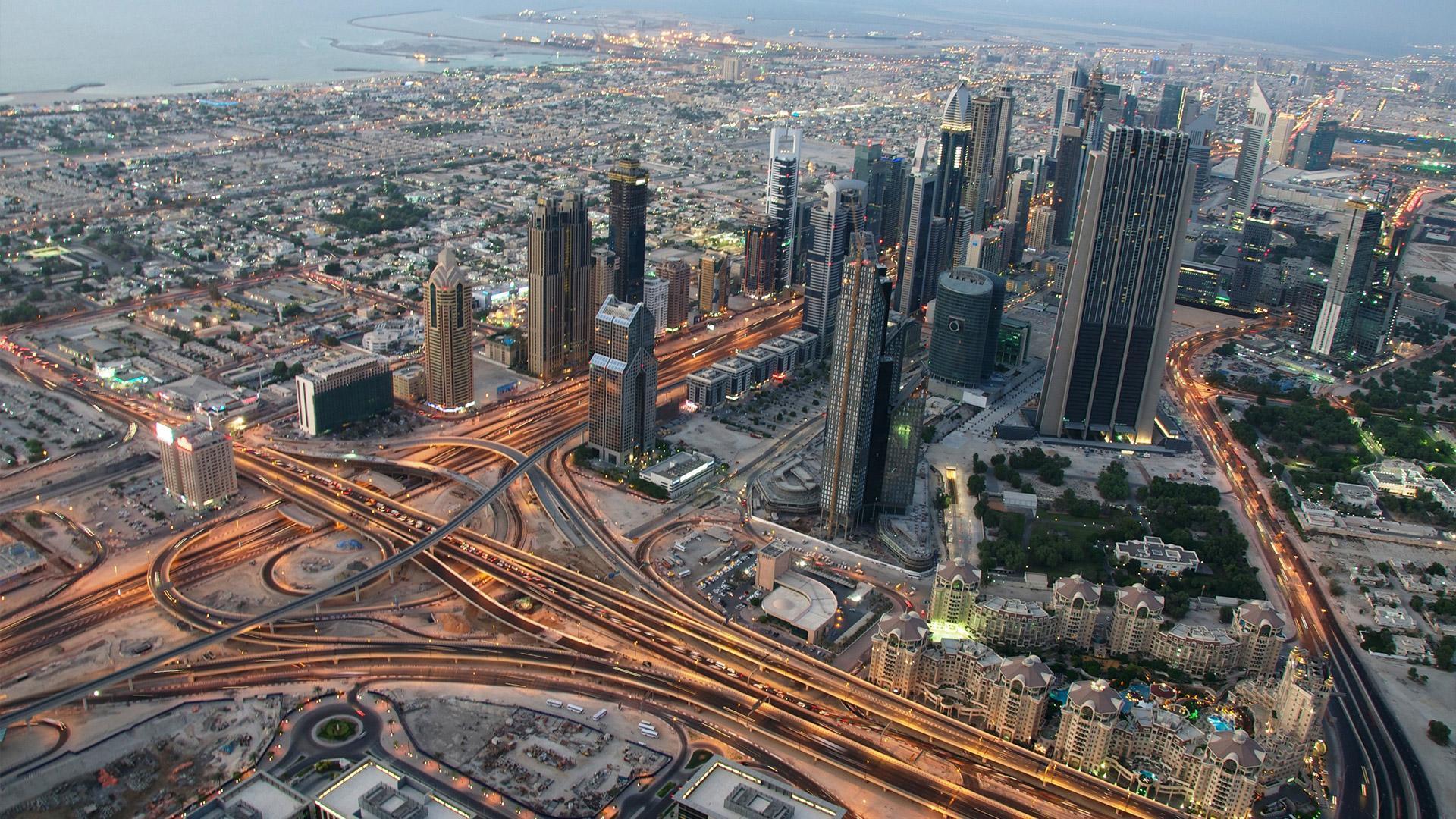
The Dubai Ras Al Khor interchange is a masterpiece of urban engineering: a complex transport system designed to optimise traffic flow at one of the metropolis’s most critical junctures.
Built using advanced technologies and massive materials, it consists of twenty bridges and three underpasses that effectively link Sheikh Zayed Road and Doha Street.
Thanks to innovative construction methodologies aimed at reducing the impact on city traffic, the infrastructure serves as a vital hub for the emirate’s mobility, reflecting a vision of dynamic and interconnected urban development.
4 – Pan-American Highway (Panamericana)
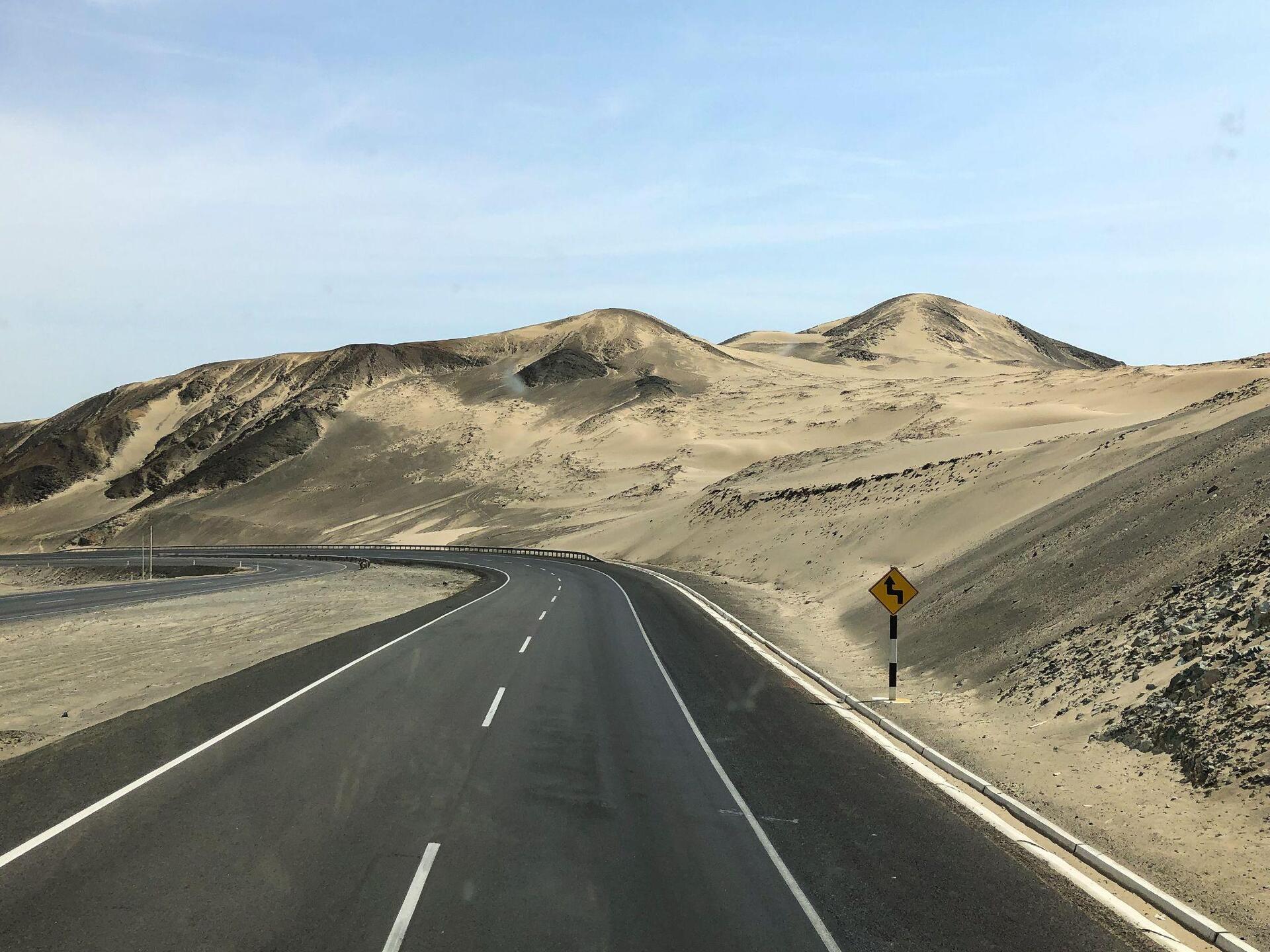
The Pan-American Highway (also known as Panamericana) is one of the most extensive road systems ever built—a transportation infrastructure that traverses the American continent from north to south, linking extremely diverse countries, ecosystems, and geographical conditions.
More than just a single American highway road, it represents a continuous mobility corridor that has enabled land transport across intercontinental distances, supporting trade and connections between otherwise isolated regions.
Developed progressively over time, this transport network stretches for tens of thousands of kilometres through deserts, mountains, and forests, serving as an emblematic example of how infrastructure can overcome geography and redefine the scale of travel itself.
5 – Asian Highway Network
The Asian Highway Network is one of the largest international road link systems ever conceived, an infrastructure network connecting numerous countries across the Asian continent through a continuous land transport system.
Developed thanks to multilateral cooperation, the network spans tens of thousands of kilometres and integrates existing transport infrastructure with new arteries, aiming to facilitate road transportation, strengthen trade, and improve connections between vastly different economies.
Crossing urban areas, rural zones, and geographically complex territories, the system stands as an example of how infrastructure planning can transcend national borders and contribute to the building of continental-scale mobility.