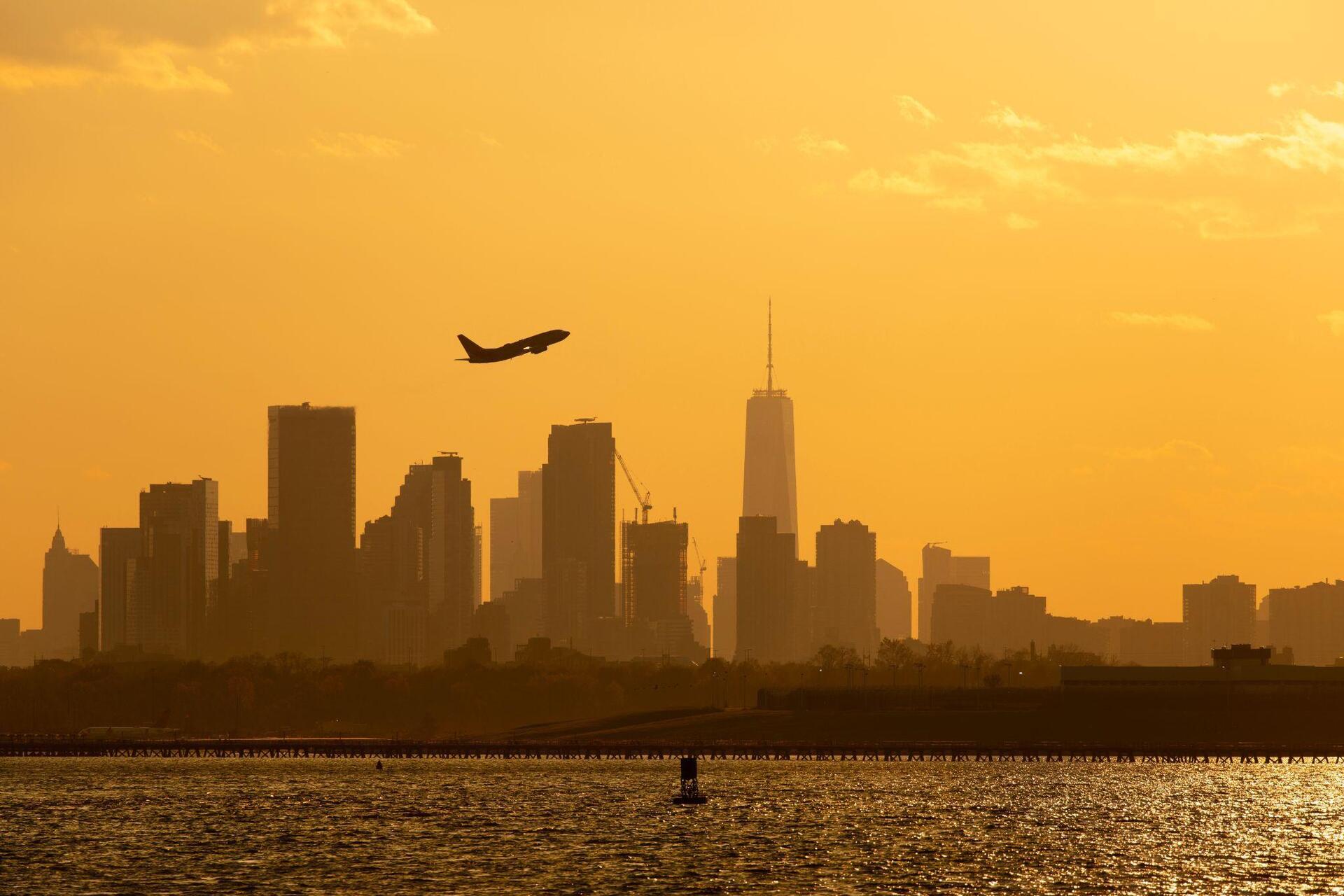


New York’s critical infrastructure does more than move people and goods: it has become a true protagonist on the big screen.
Iconic bridges, legendary stations, monumental airport terminals and vast tunnels are not merely functional structures, but settings rich in cinematic meaning, capable of evoking emotion, tension and unforgettable stories.
From the most spectacular action scenes to quintessential urban sequences, these feats of engineering turn the city into a universal film set, reflecting the rhythm, energy and character of a metropolis that never ceases to amaze.
1 – The New York Subway in Money Train
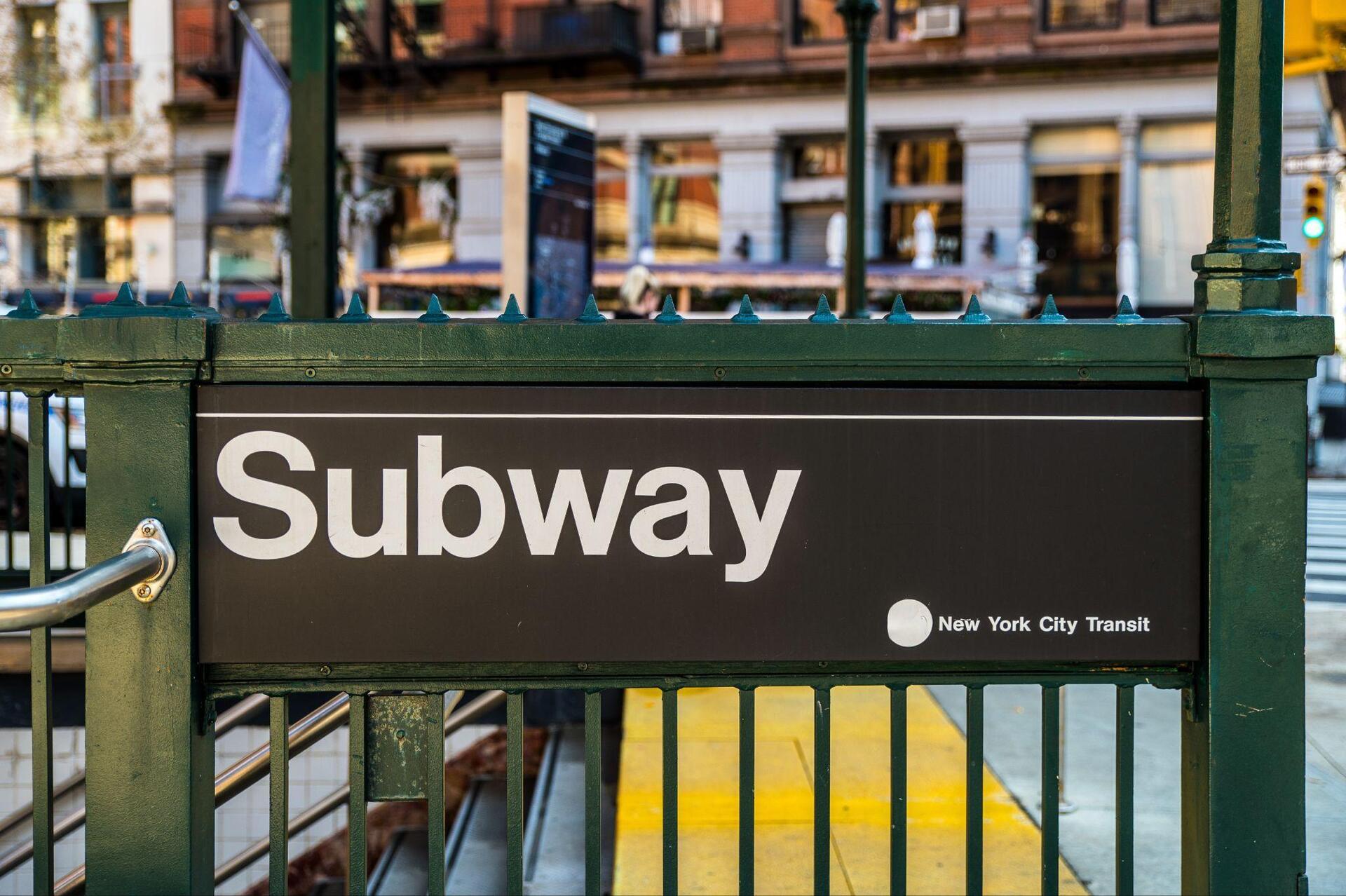
New York’s subway is not only the beating heart of one of the world’s most iconic cities: it has also starred in unforgettable cinematic scenes.
In the 1995 film Money Train, for example, the labyrinthine tunnels and subway trains provide the backdrop for a high-stakes adventure through the city’s underground corridors, turning a real-world public transportation infrastructure into a dynamic and instantly recognizable film set.
In reality, the New York subway has always been characterized by its dynamism, undergoing complex renewal projects over the years, such as those carried out by companies now part of the Webuild Group for the renovation of sections of the F line in the heart of Manhattan, works that have preserved efficiency and reliability in a network used 24 hours a day.
2 – Public Transportation Infrastructure in The Warriors
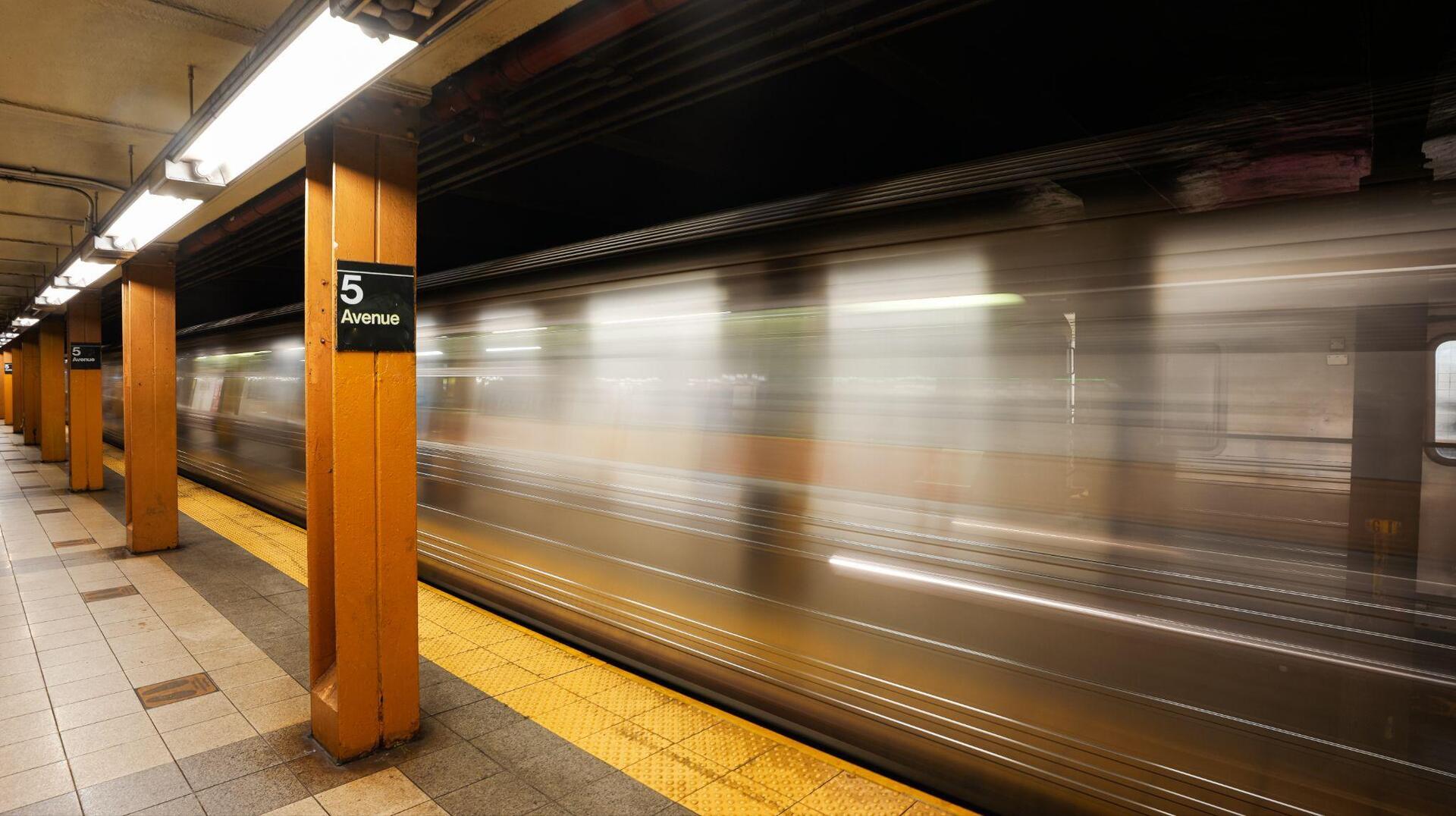
Another iconic example of the New York subway starring on the big screen is The Warriors, the 1979 cult film directed by Walter Hill. The movie follows a gang’s night-time escape through New York’s subway stations and tunnels, turning trains, tracks and platforms into a stage for urban tension and adventure.
3 – JFK Airport in The Terminal
Airports in New York have also had their moment of cinematic fame. In The Terminal (2004), directed by Steven Spielberg and starring Tom Hanks, JFK Airport takes center stage in the story.
The film follows Viktor Navorski, a traveler stranded in the airport terminal due to bureaucratic complications, turning corridors, gates and waiting areas into settings rich with humanity, humor and drama.
4 – Public Infrastructure in Catch Me If You Can
Catch Me If You Can (2002) uses real locations in New York and its surroundings to give depth to the true story of Frank Abagnale Jr., the young con artist pursued by the FBI.
The film, set partly in the city and its institutions – from banks and courthouses to New York airports that mark constant movement – turns urban infrastructure into an integral part of the narrative, reflecting the dynamism and complexity of the American metropolis.
5 – John F. Kennedy International Airport in Up in the Air
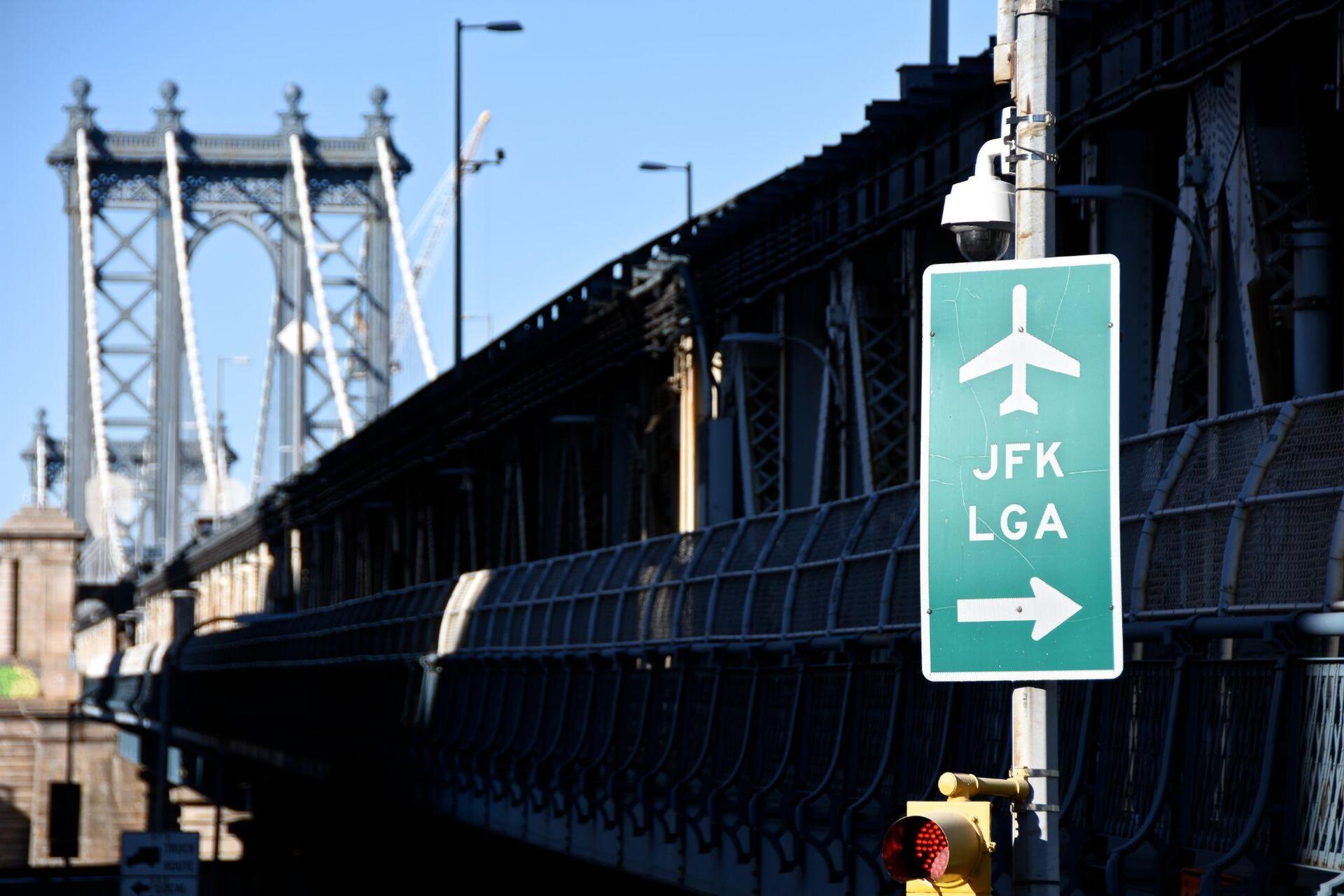
Up in the Air (2009) also depicts the suspended life of frequent travelers, turning airport terminals and airplanes into narrative spaces full of meaning. Some scenes are set in transit at New York’s JFK Airport, making corridors, gates and waiting areas visible.
The airport infrastructure thus becomes a symbol of movement, separation and connection, showing how even transit spaces can tell complex stories and help define the city’s cinematic image.