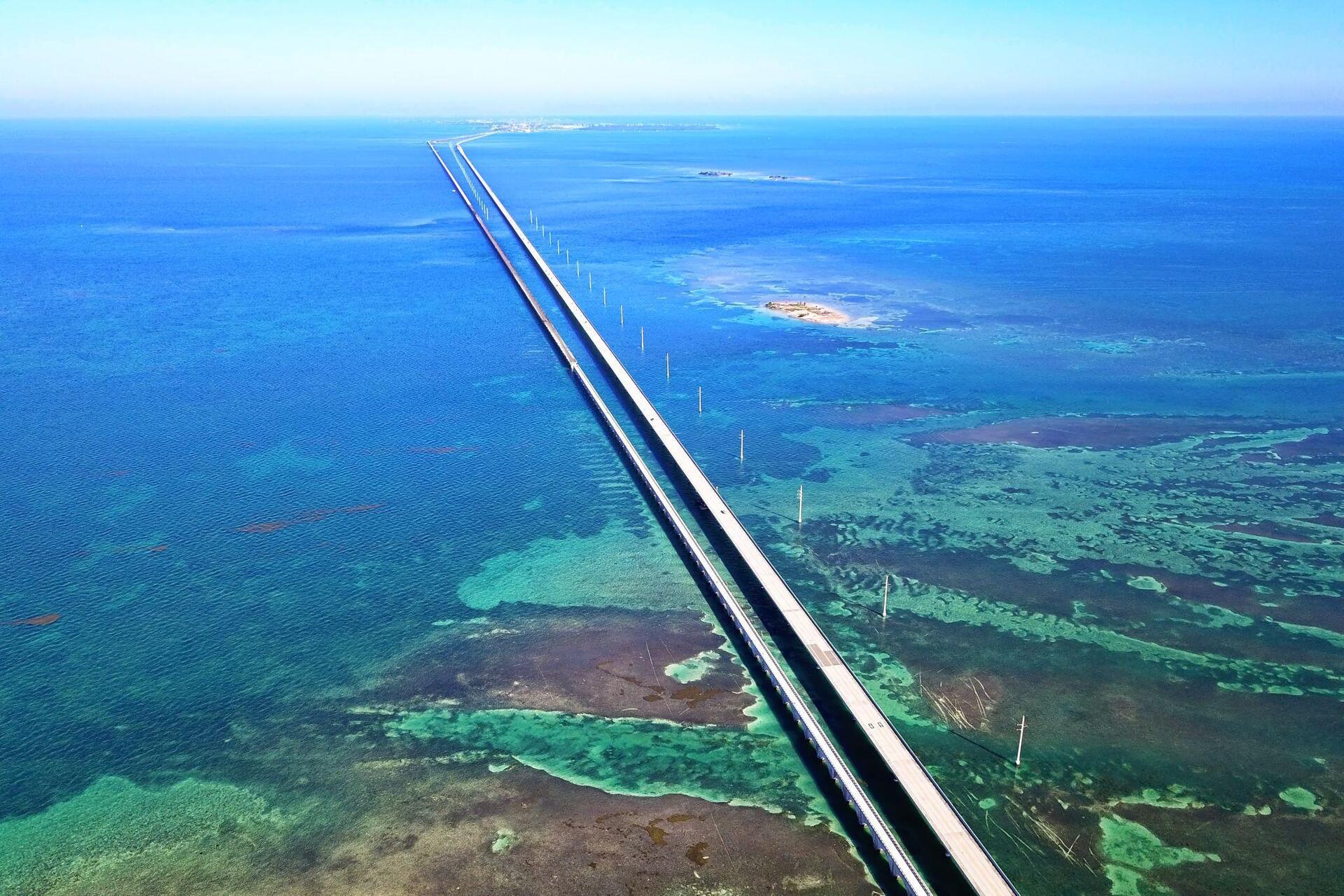


There are roads designed to shorten distances, and others that turn the journey itself into an unforgettable experience. When a route follows the contours of the coast, every bend opens up a view of the sea, every bridge spans headlands and bays, and every kilometre becomes a privileged vantage point over the landscape.
Behind these spectacular routes, however, lies a major engineering challenge: building in environments often exposed to erosion, landslides, strong winds and waves, while striking a delicate balance between infrastructure and the natural surroundings.
From vast viaducts overlooking the ocean to coastal roads that climb along sheer rock faces, these remarkable works demonstrate how engineering can make some of the world’s most spectacular landscapes accessible, transforming the connection between two places into an integral part of the journey itself.
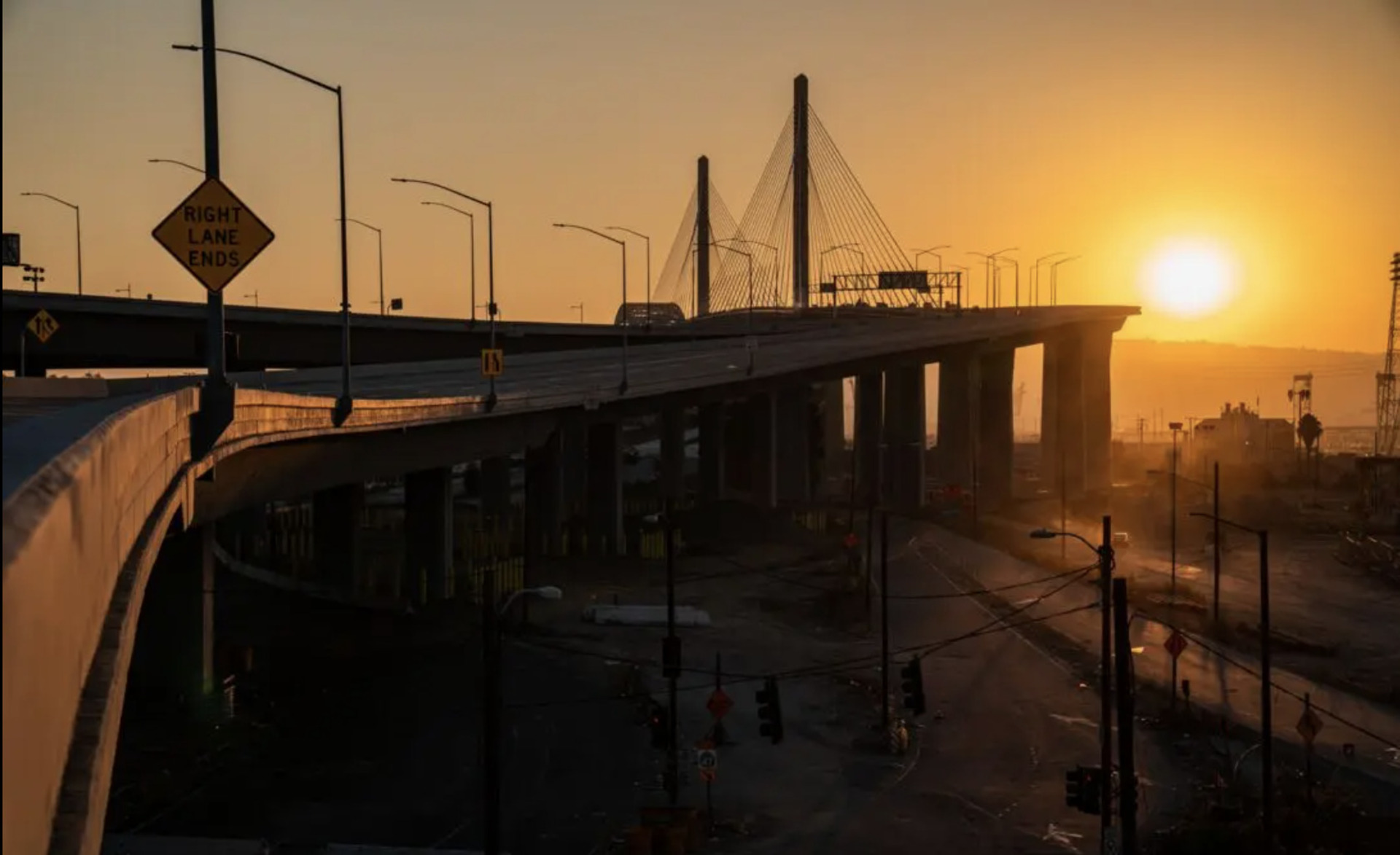
1 – Long Beach International Gateway, California, United States
On the California coast, where the Port of Long Beach is one of the United States’ major commercial hubs, a bridge connects the city to the heart of global trade.
The Long Beach International Gateway, built by the Webuild Group, replaced the historic Gerald Desmond Bridge with a new infrastructure designed to support the port’s growth and improve connections between land and sea.
Its sleek structure, with two towering pylons rising above the coastal landscape, has become a new symbol of Long Beach: not merely a link for vehicles and freight, but a gateway to one of the Pacific’s most dynamic economic regions.
2 – Salerno-Reggio Calabria Motorway, Southern Italy
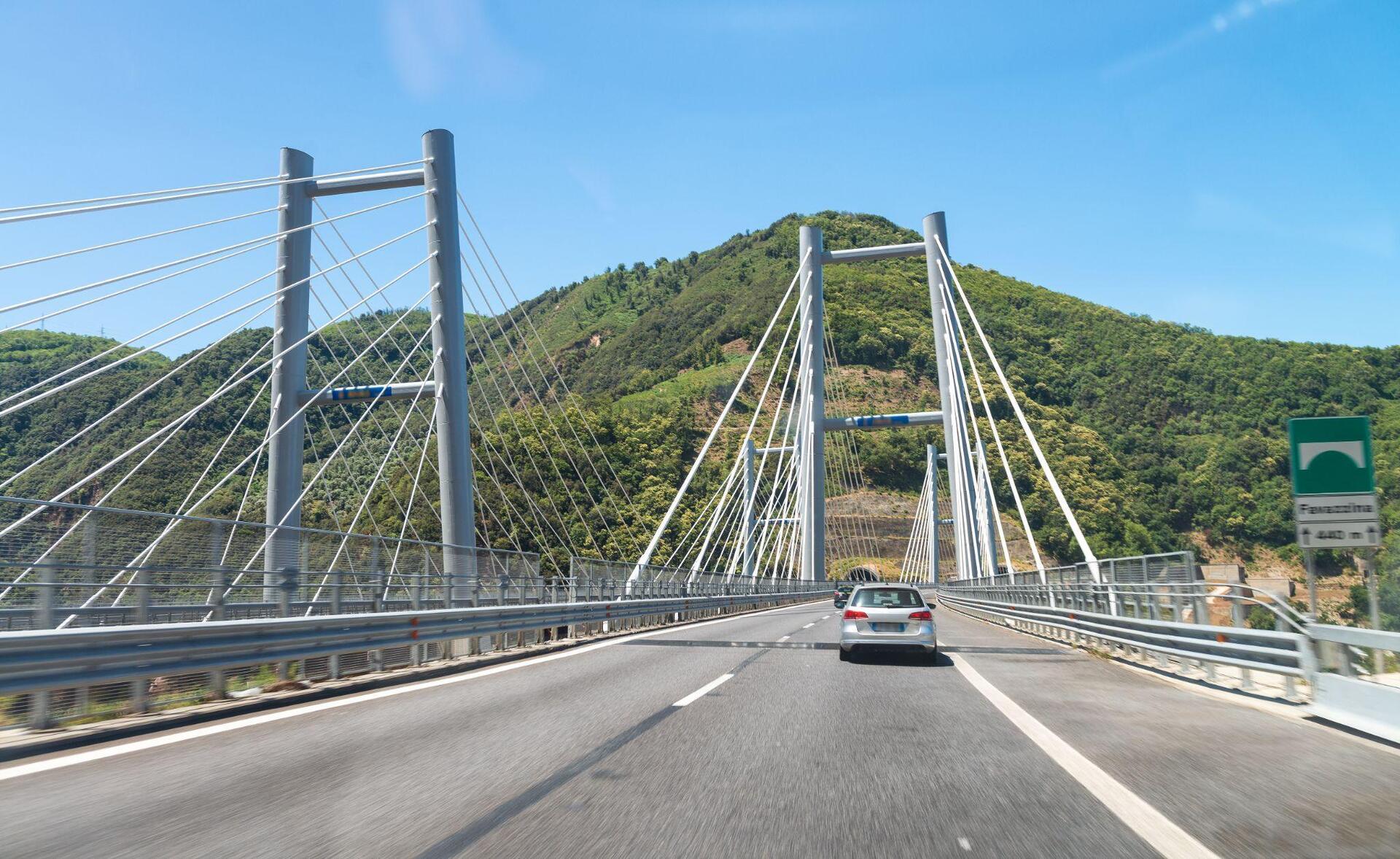
Between the Apennine Mountains and the Tyrrhenian Sea runs one of Italy’s most iconic pieces of infrastructure. The Salerno–Reggio Calabria motorway, now known as the Mediterranean Motorway, represented one of the country’s greatest engineering challenges for decades: a road stretching more than 400 kilometres through a complex landscape of valleys, mountain ranges and coastal areas.
Construction began in the 1960s, with the Webuild Group contributing to its development. The Salerno–Reggio Calabria motorway connected areas that had previously been difficult to reach, transforming the journey through southern Italy into a route through some of the most spectacular landscapes on the peninsula.
3 – Capo Boi-Terra Mala, SS 125, Sardinia, Italy
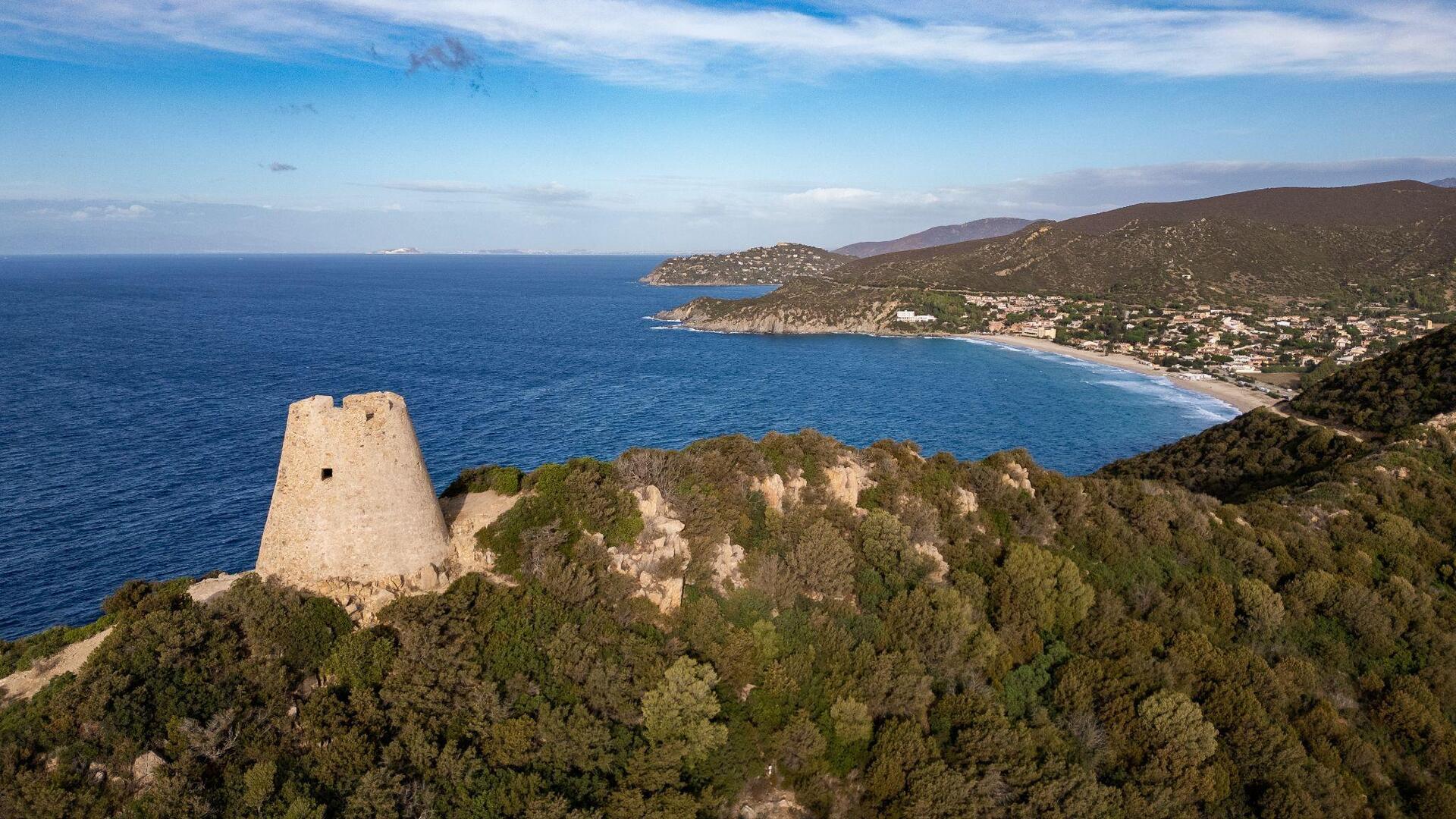
Between the sea and the hills along Sardinia’s southeastern coast, the new SS 125 state road reflects the delicate balance between mobility and the landscape.
The Capo Boi–Terra Mala section, developed with the contribution of the Webuild Group, crosses one of the island’s most striking areas, characterized by headlands, Mediterranean vegetation and spectacular views over the sea.
The project was designed to improve connections along the coast, making travel safer and smoother while preserving the landscape and its visual character. Tunnels, viaducts and new road sections follow the natural contours of the terrain, showing how infrastructure can become an integral part of the landscape it passes through.
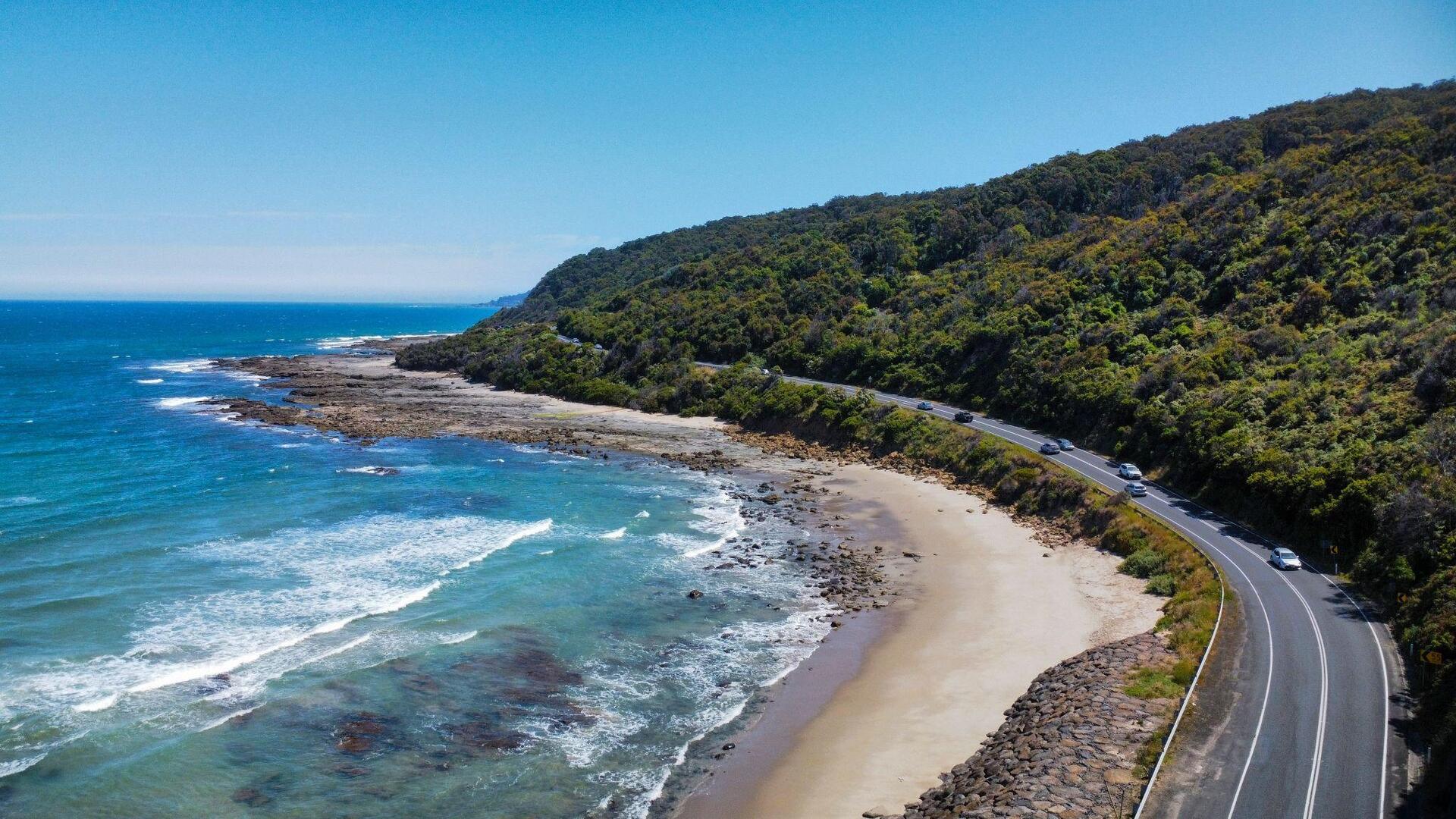
4 – Great Ocean Road, Victoria, Australia
Along Australia’s southern coast, the Great Ocean Road is one of the world’s most famous scenic roads, where engineering meets a landscape shaped by the ocean.
Built between 1919 and 1932, the road stretches for more than 240 kilometres along the natural contours of Victoria’s coastline, winding past dramatic cliffs, wild beaches and dense forests.
Originally built to connect isolated communities in the region and as a memorial to the servicemen who returned from the First World War, it has since become a journey through the Australian landscape.
From sweeping views of the Southern Ocean to the iconic rock formations of the Twelve Apostles, every bend of this coastal road reveals a story of the relationship between the land and the infrastructure that runs through it.
5 – Overseas Highway, Florida, United States
Between ocean and sky, the Overseas Highway is one of the most spectacular roads in the United States. Stretching for around 180 kilometres, it connects Miami to Key West, passing through the Florida Keys: a chain of islands and bridges spanning the sea, where the boundary between the road and the landscape seems almost to disappear.
Built along the route of the historic Overseas Railroad, which was destroyed by a hurricane in 1935, the Overseas Highway transformed what was once an isolated territory into one of Florida’s most iconic destinations.
The Seven Mile Bridge, one of its most recognizable landmarks, spans nearly seven miles between Knight’s Key and Little Duck Key, offering one of the most breathtaking views along the entire route.