


 Western Station, Orange Line, Riyadh
 Western Station, Orange Line, Riyadh
 Western Station, Orange Line, Riyadh
 Western Station, Orange Line, Riyadh
 Western Station, Orange Line, Riyadh
 Western Station, Orange Line, Riyadh
 Western Station, Orange Line, Riyadh
 Western Station, Orange Line, Riyadh
 Western Station, Orange Line, Riyadh
 Western Station, Orange Line, Riyadh
 Western Station, Orange Line, Riyadh
 Western Station, Orange Line, Riyadh
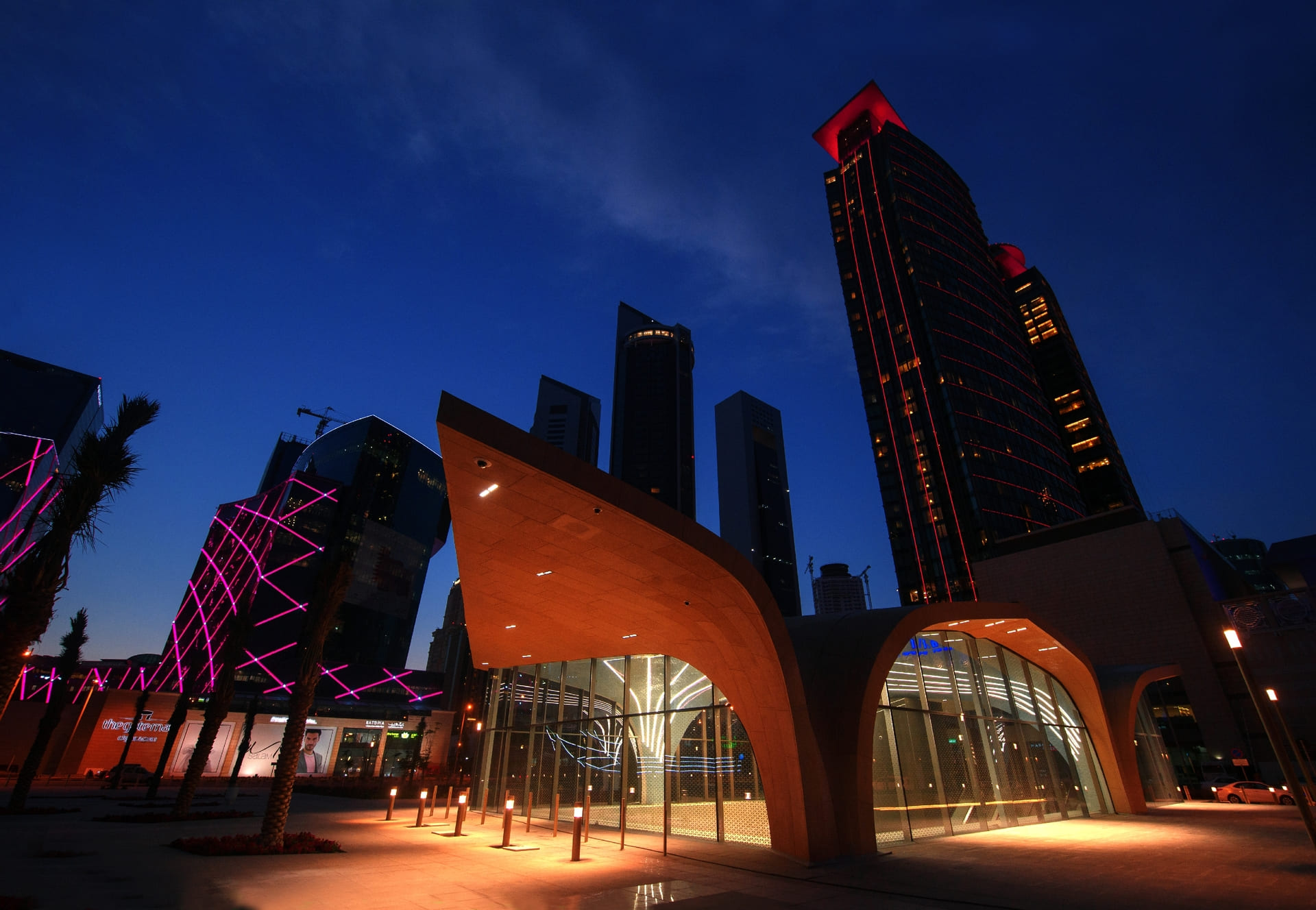 Western Station, Orange Line, Riyadh
- The opening of Western Station completes the Riyadh Metro’s Orange Line, delivered by the Webuild Group.
- Spanning 112,000 square meters, the new intermodal station integrates metro and bus lines, parking, and public amenities.
- The project was developed to meet LEED Gold standards, reflecting a sharp focus on environmental sustainability.
- Webuild has been operating in Saudi Arabia since 1966, delivering over 90 large-scale projects across the country.
- Riyadh and Dubai are leading the sustainable mobility transformation across the Arabian Peninsula.

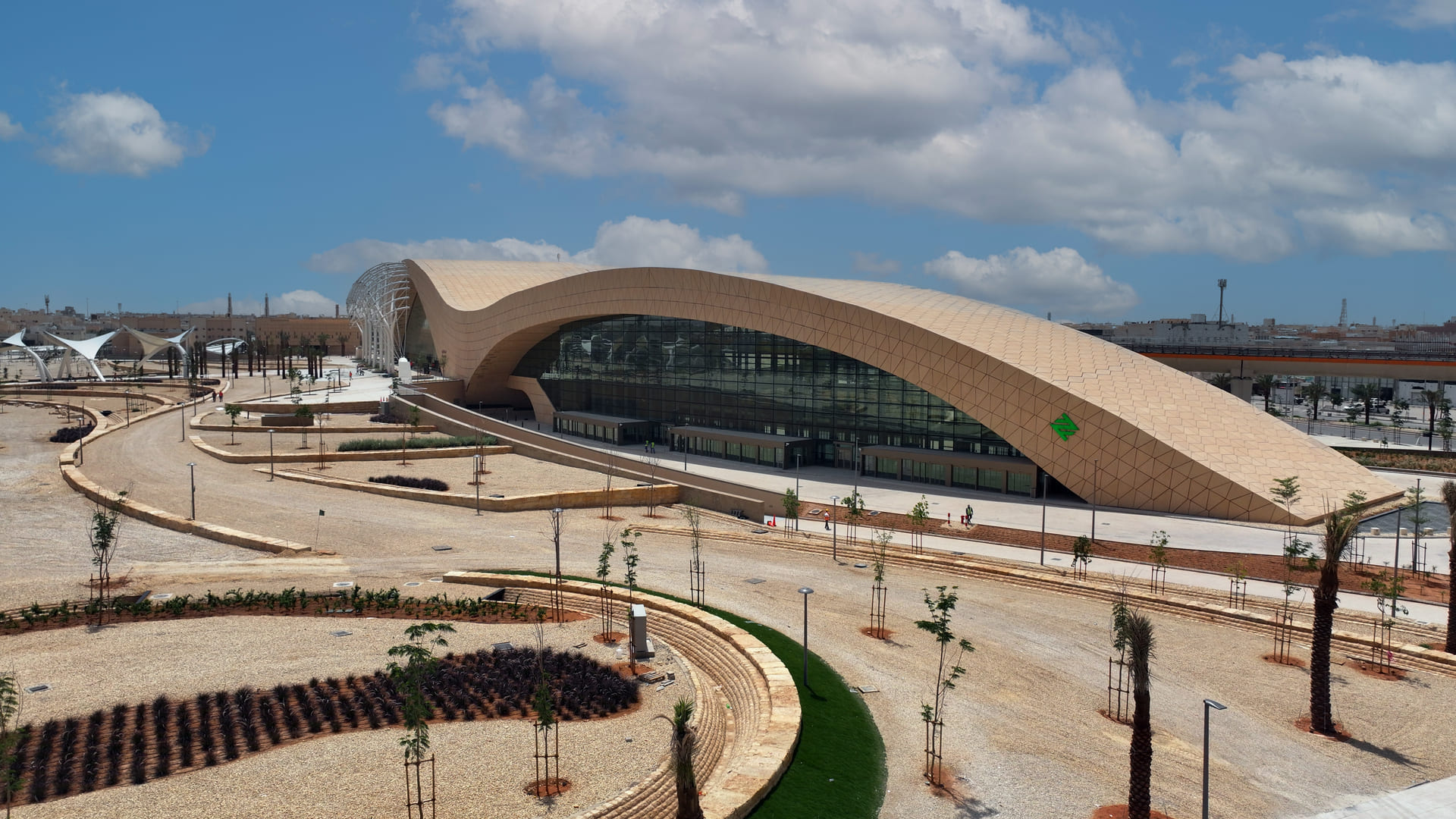
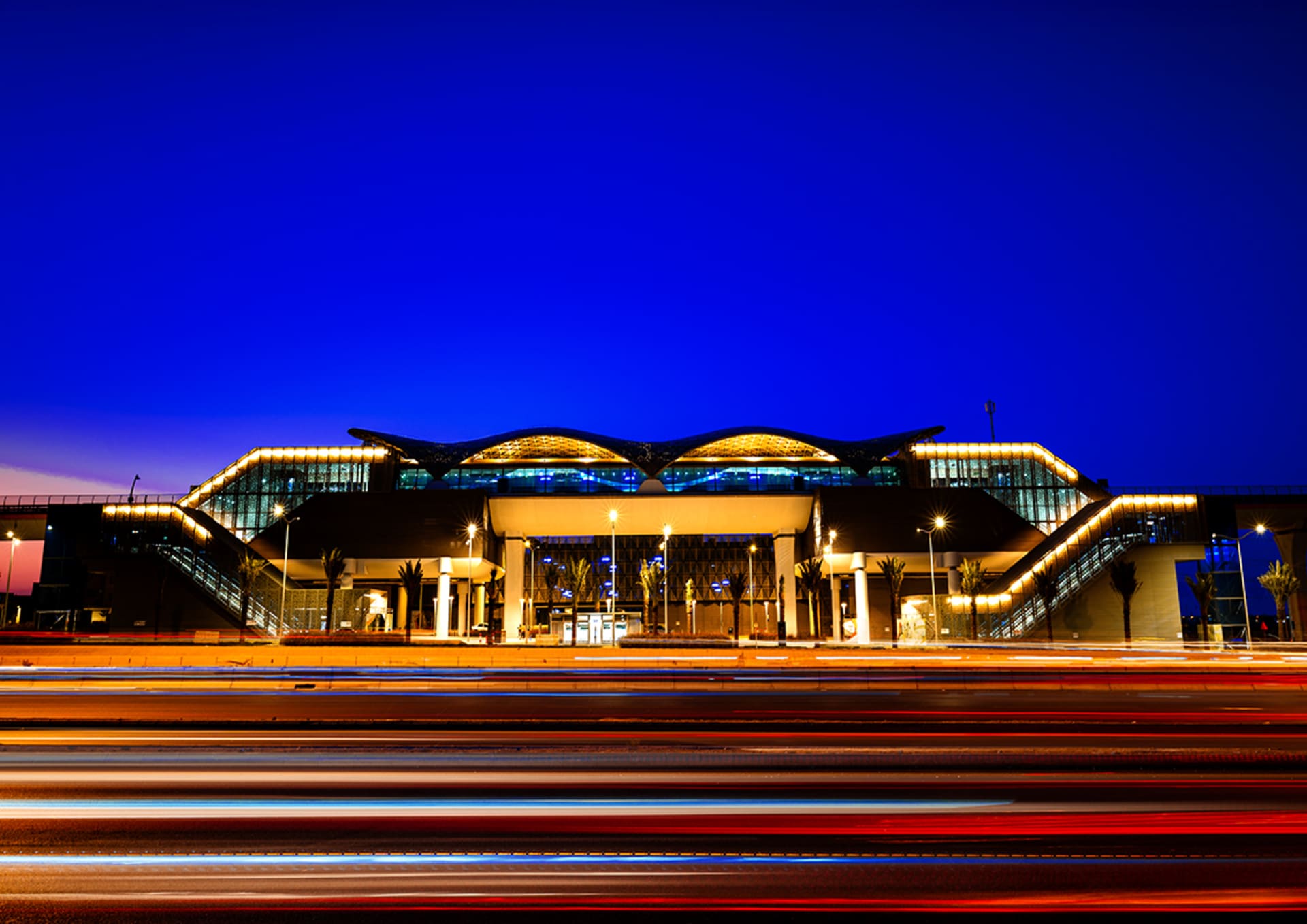
In the western heart of Riyadh, along Al Madinah Al Munawarah Road, the new Western Station marks the operational completion of the Saudi Arabia metro’s Orange Line, one of the most ambitious public transport projects in the world.
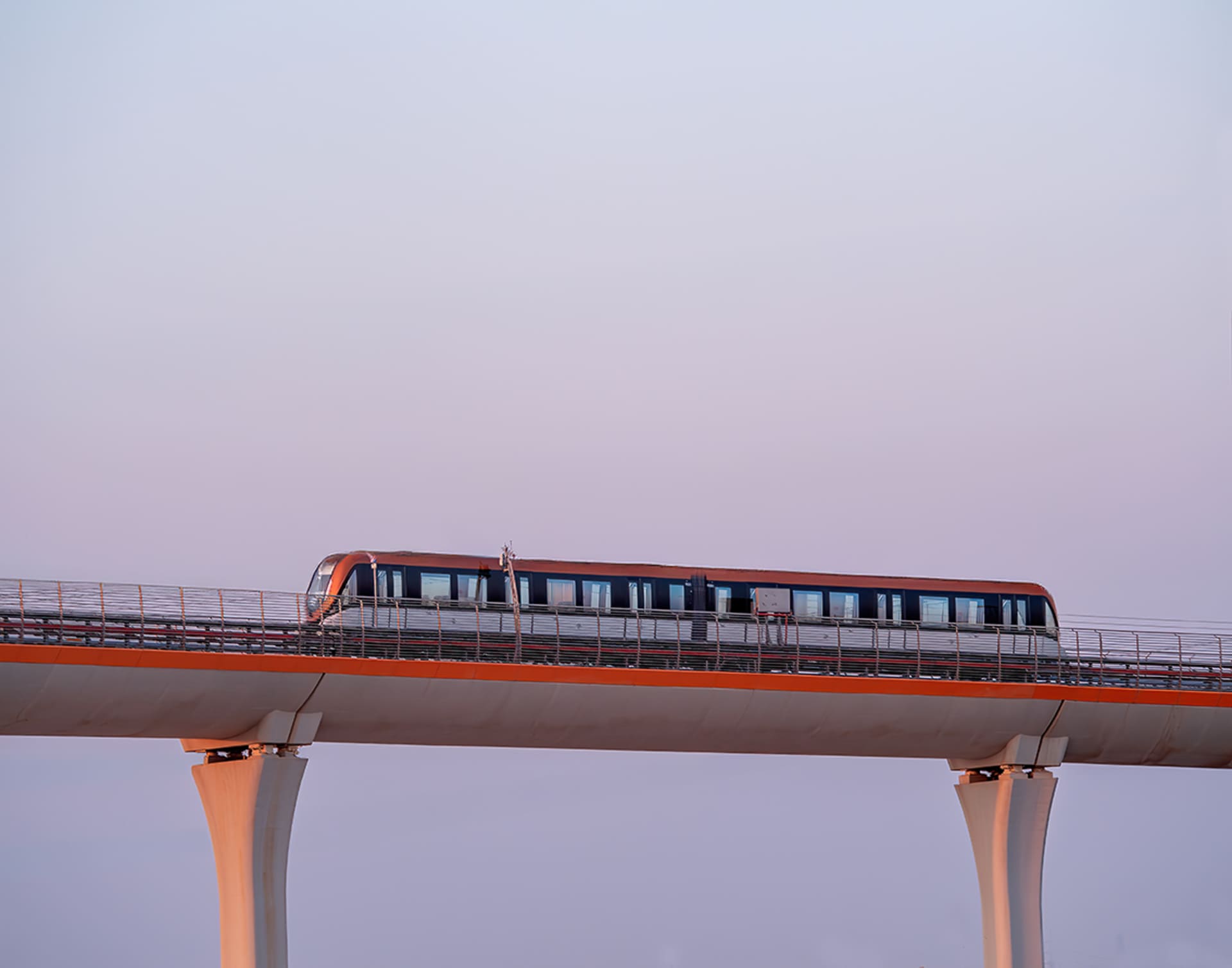
Opened to the public by the Royal Commission for Riyadh City on December 1, 2024, the new Riyadh metro station completes the program of 22 stations delivered by the Webuild Group along the line and strengthens the capital’s driverless metro system, which spans a total of 176 kilometers.
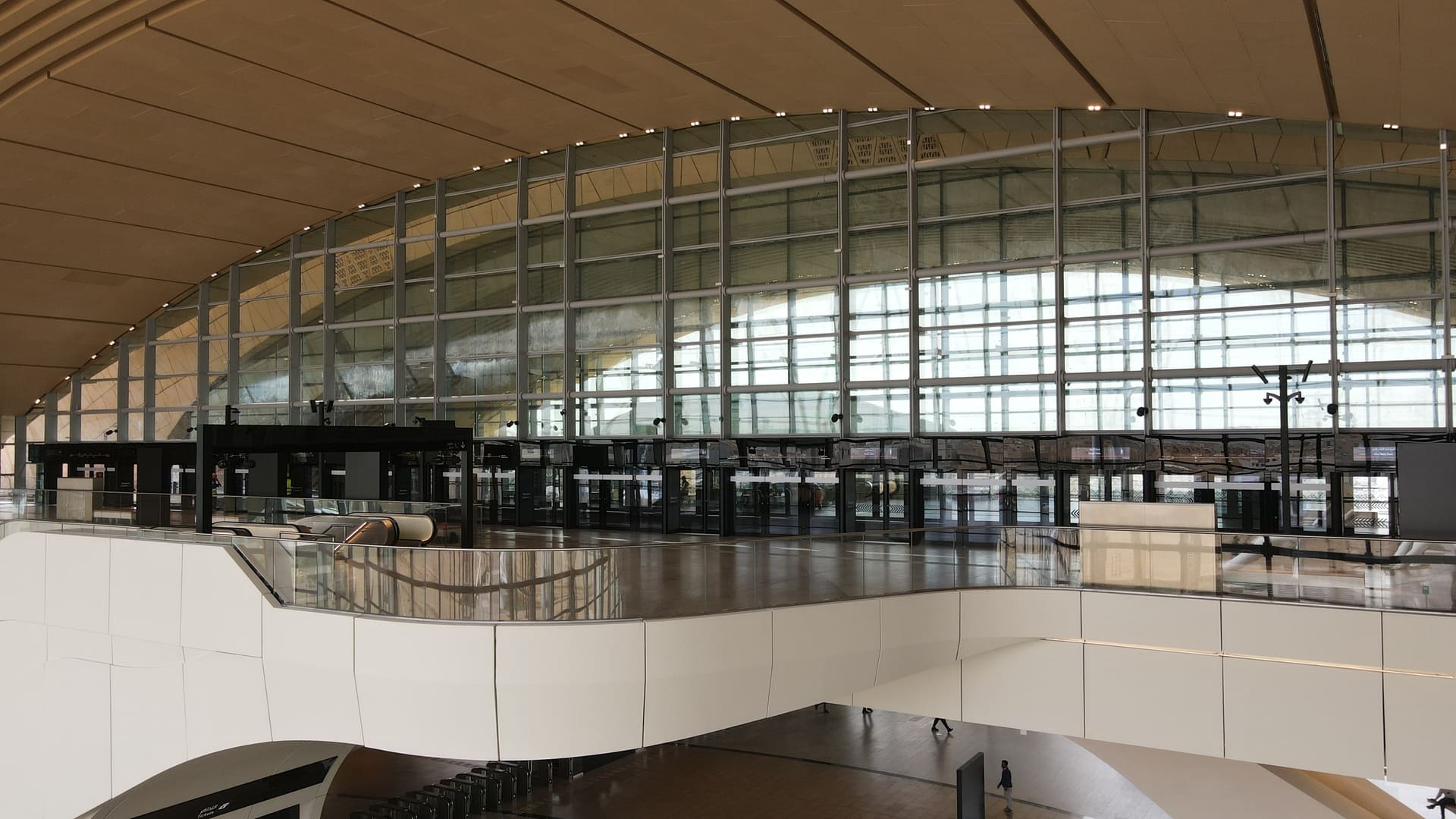
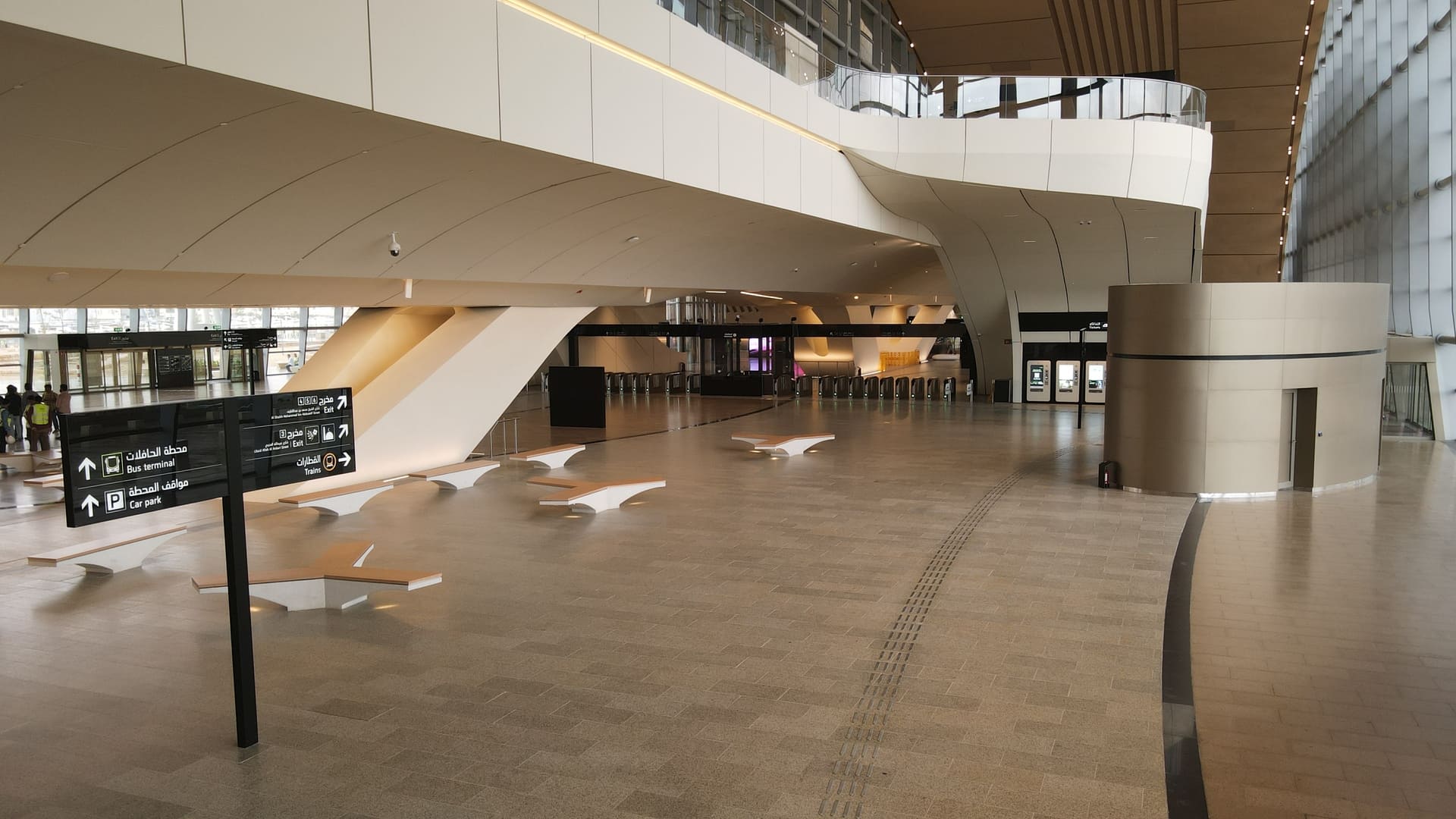
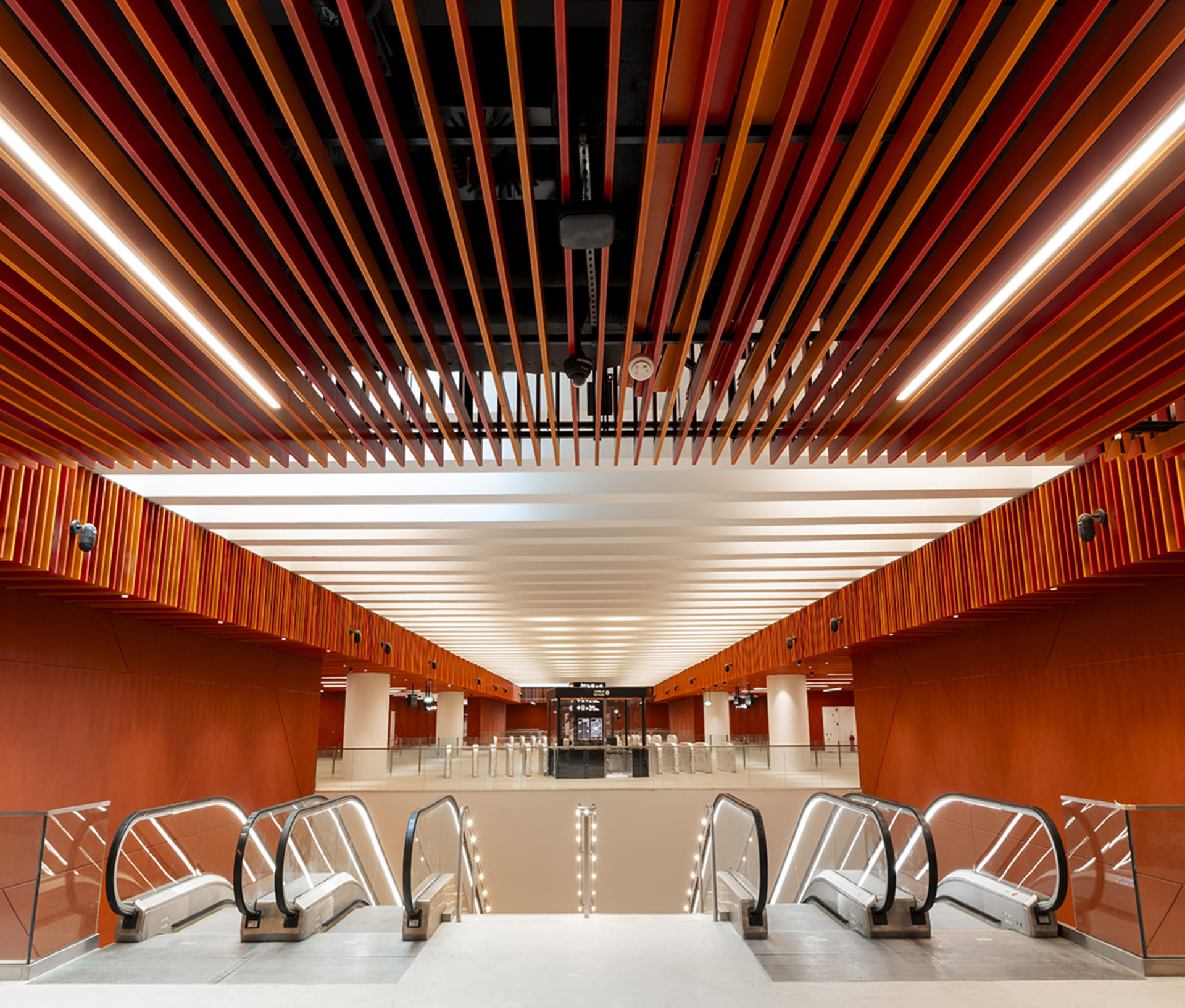
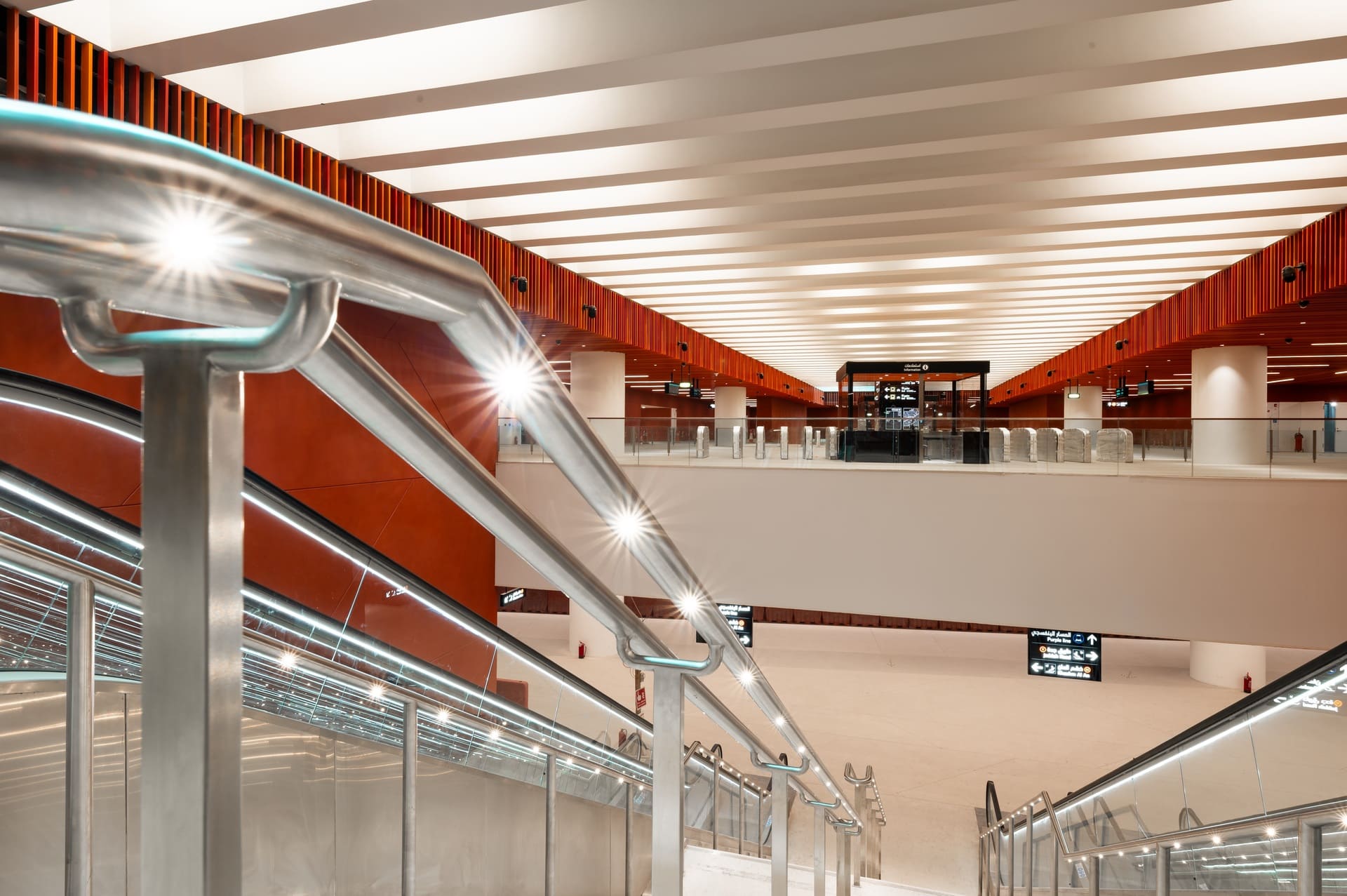
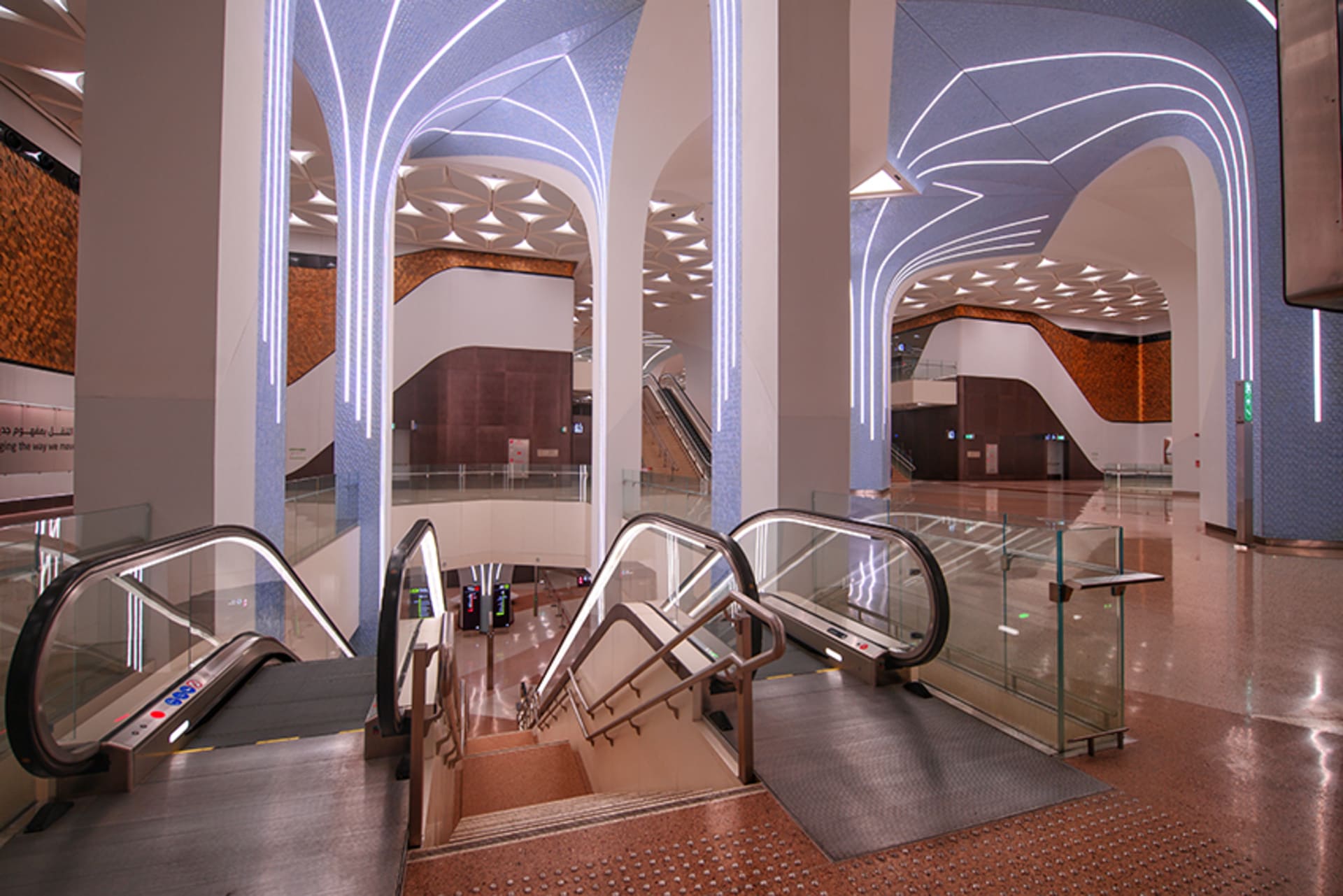
Western Station is not merely a rail junction, but a major intermodal urban infrastructure designed to integrate diverse forms of mass transit and transform the relationship between citizens and public space. Within its 112,000 square meters, it houses an elevated metro station, a bus terminal, an underground parking lot with over 600 spaces, commercial areas, a mosque, and a vast public plaza envisioned as a gathering place for the community.
Riyadh Metro: Western Station as a Model of Sustainable Construction
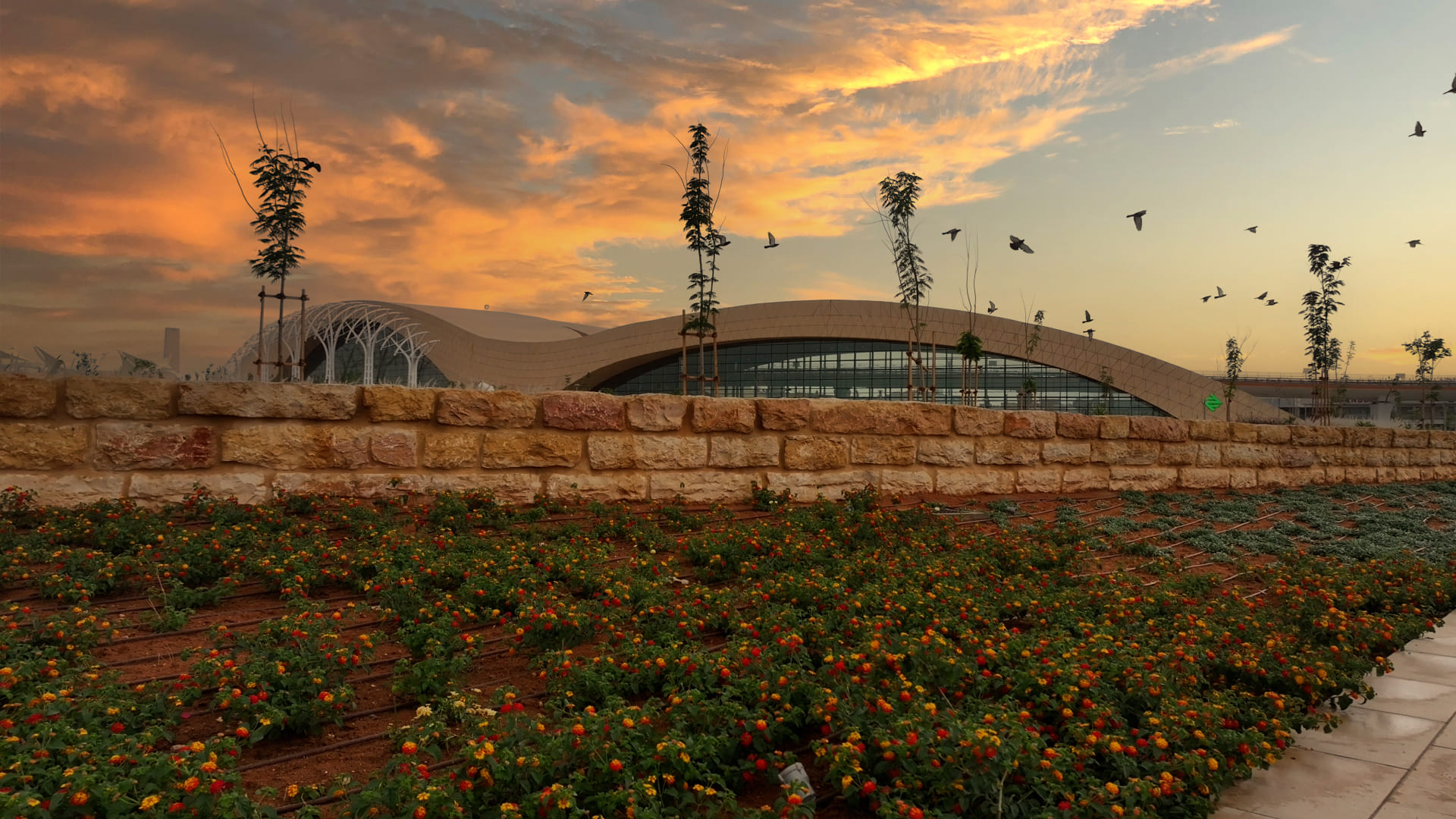
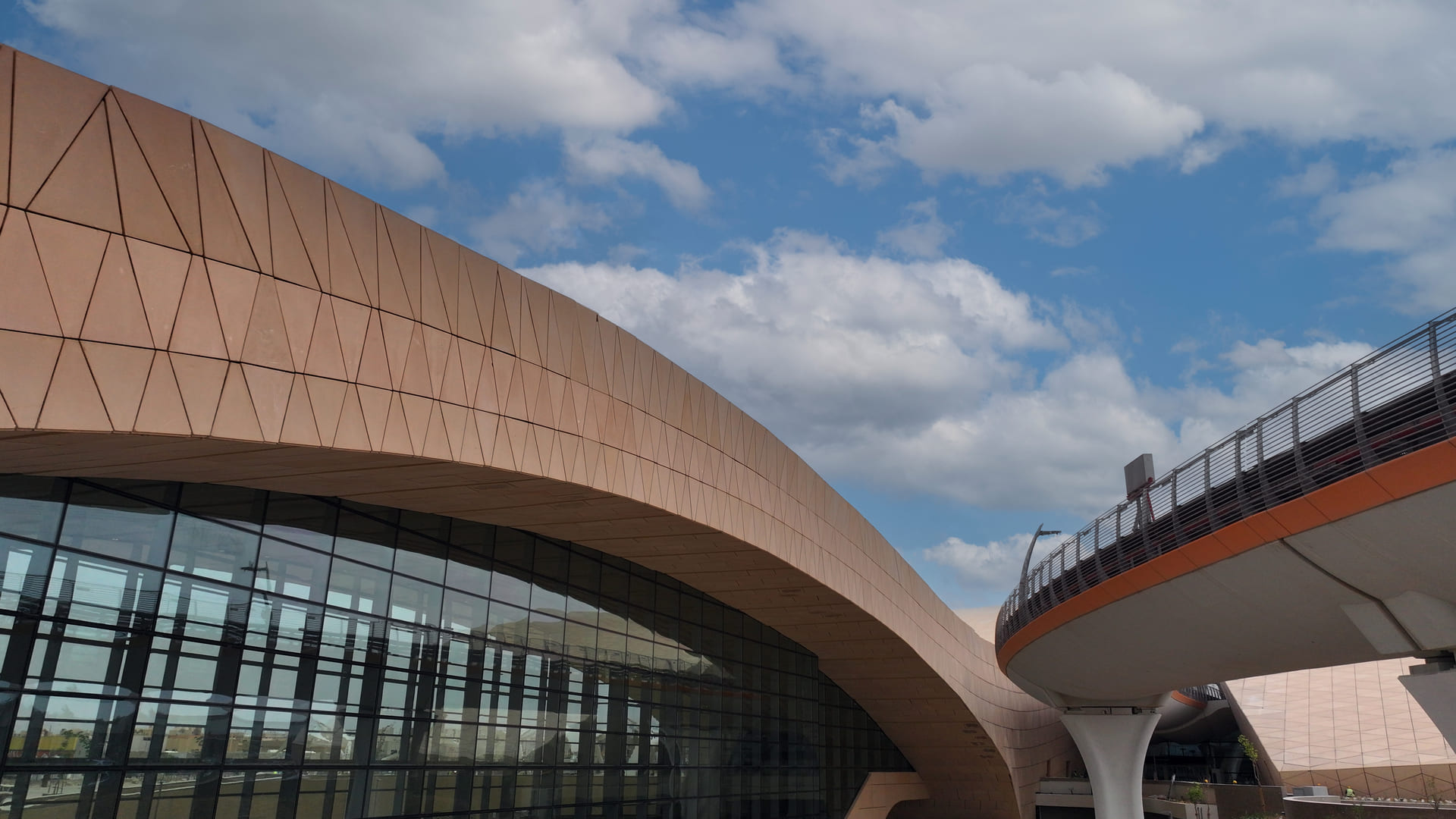
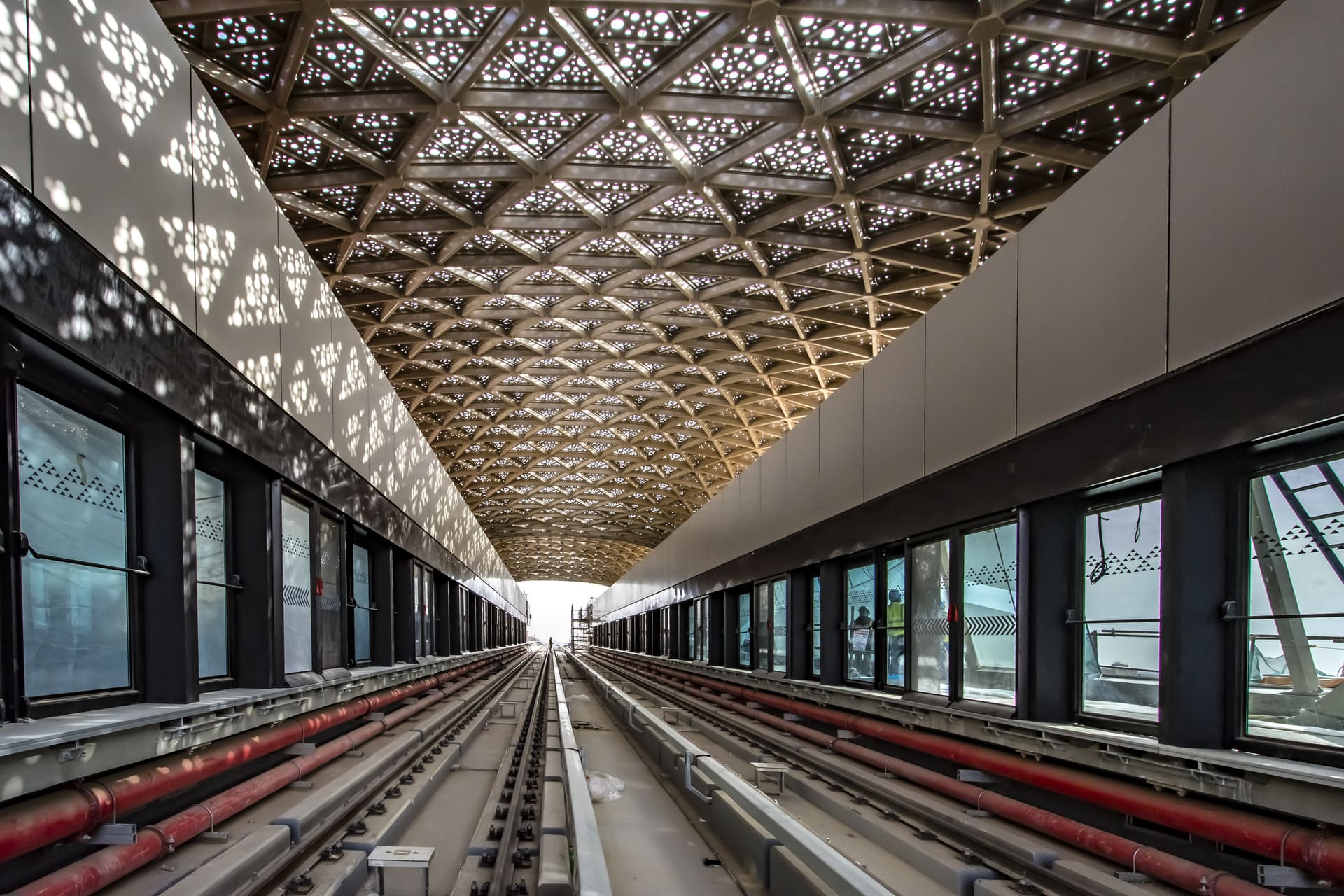
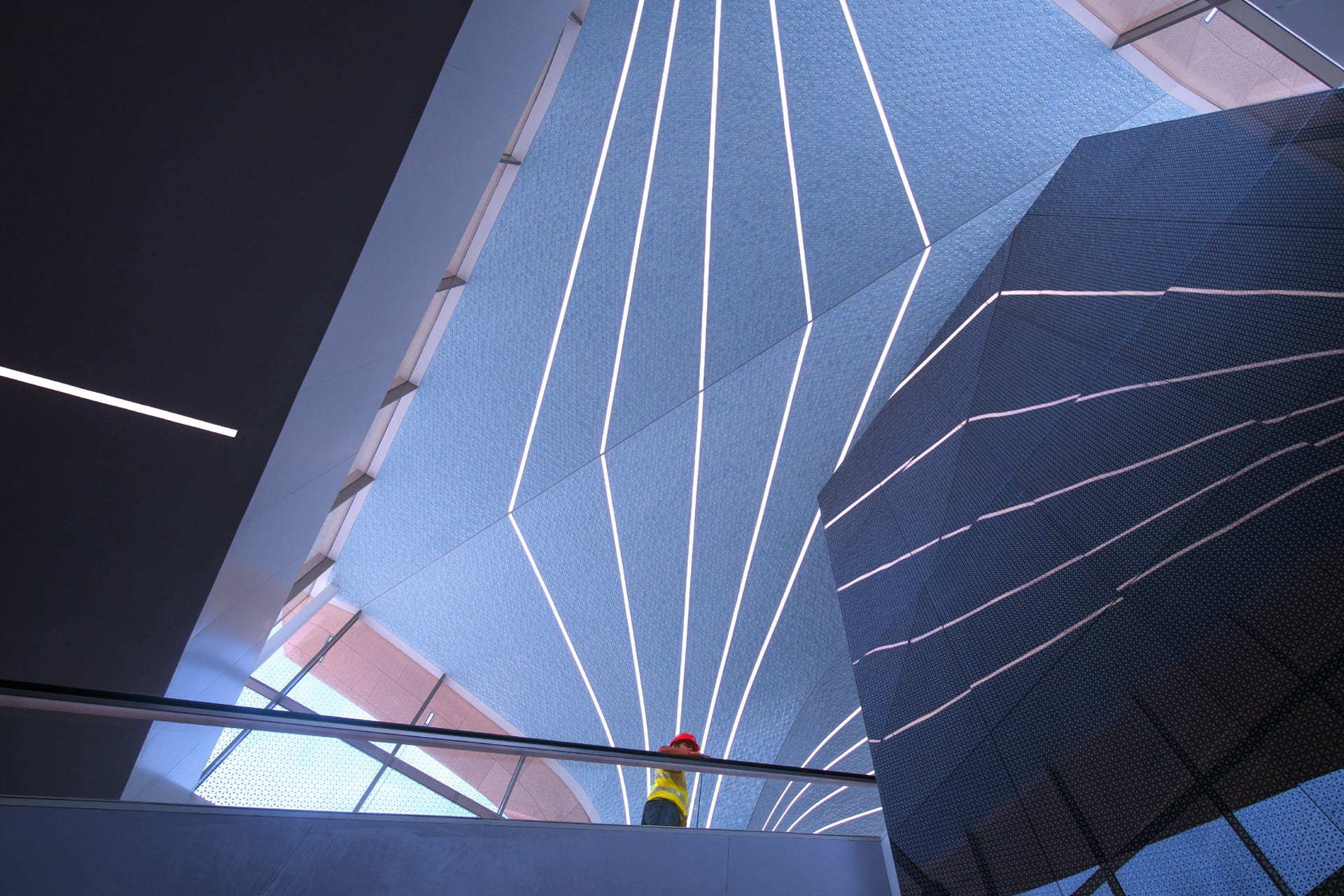
The new Riyadh metro station interprets the Saudi landscape through a monumental architectural language deeply rooted in the territory. The roofs and volumes evoke the movement of desert dunes, while two grand arches, with spans up to 115 meters long and up to 24 meters high, support the main structure, allowing natural light to filter into the internal spaces while creating shaded areas for pedestrian pathways.
The entire project was developed with a sharp focus on environmental sustainability; indeed, Western Station has received the LEED Gold certification, one of the most advanced international certifications for green building.
High-efficiency energy systems, reduced water consumption, and the use of self-produced renewable energy made it possible to limit the environmental footprint starting right from the construction phases.
Webuild and the Transformation of Riyadh into a Smart City
The Orange Line represents one of the landmark projects showcasing Webuild’s commitment to Saudi Arabia, where the Group has been operating since 1966 and has already delivered over 90 projects, including urban mobility infrastructure, civil buildings, hospitals, and industrial plants.
In Riyadh, the Group has played a decisive role in transforming the city into a contemporary metropolis. Beyond the Orange Line, Webuild has built iconic works such as the Kingdom Centre, one of the defining symbols of the Saudi skyline, and is currently engaged in the development of Diriyah Gate, the massive urban project destined to reshape the capital’s historic district.
More recently, the Group was awarded the contract for the extension of the Riyadh Metro’s Red Line, confirming its strategic role in the Kingdom’s urban growth.
The Riyadh Metro was conceived as a solution to one of the primary challenges facing major Gulf cities: reducing reliance on private automobiles. For decades, the Saudi capital grew around urban models centered on road traffic, characterized by vast distances, extreme temperatures, and mobility heavily reliant on car ownership.
The new automated metro system aims to reverse this trend, offering an integrated system designed to cut congestion, lower emissions, and reduce travel times.
The Sustainable Mobility Revolution in the Arabian Peninsula
Riyadh’s strong drive toward modernization is part of a much broader transformation unfolding across the entire Arabian Peninsula. In recent years, Gulf cities have launched massive infrastructure programs designed to diversify their economies, elevate urban quality, and address sustainability.
Dubai was the first city in the region to invest heavily in automated public transport: the Dubai metro system is now one of the most extensive driverless networks in the world. Now, the emirate is targeting a new phase of expansion: the Roads and Transport Authority has announced plans for new lines and further extensions of the metro system, aiming to support urban growth and further reduce private traffic.
Abu Dhabi and Doha are also investing in urban and regional rail systems, while the Kingdom that is home to Mecca accelerates the delivery of major integrated mobility corridors envisioned in its Vision 2030 strategy.
This is not merely about building new rail lines, but completely redefining the urban model of Gulf cities: less reliance on private automobiles, increased public transport, enhanced intermodal connections, and new public spaces designed around sustainable mobility.
Smart Cities and Public Transport: The Driving Force Behind the New Economy of the Arabian Peninsula
Behind this transformation lies a geopolitical and economic challenge. Major Gulf cities aim to become increasingly competitive global hubs to attract investment, international tourism, events, and new high-tech industries. To achieve this, public transport infrastructure has become a strategic tool.
The new Riyadh Metro thus represents far more than a rail project; it stands as the symbol of a region seeking to reshape its urban future through sustainable infrastructure, technology, and integrated mega-projects. And the start of operations of Western Station perfectly chronicles this transition: from a city built around highways to the dawn of a new vision for urban mobility in the heart of the desert.