


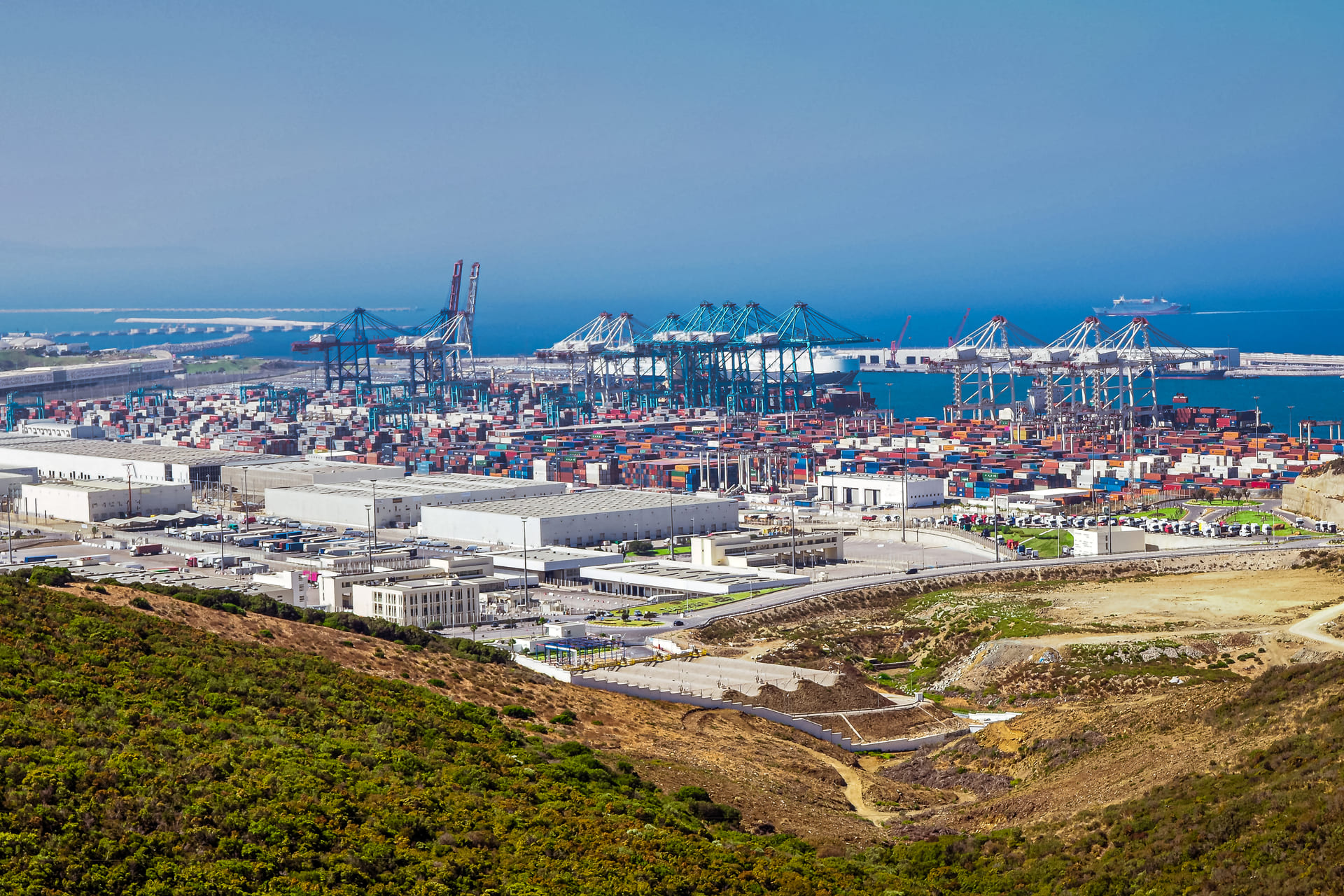
 Tanger Med, Morocco
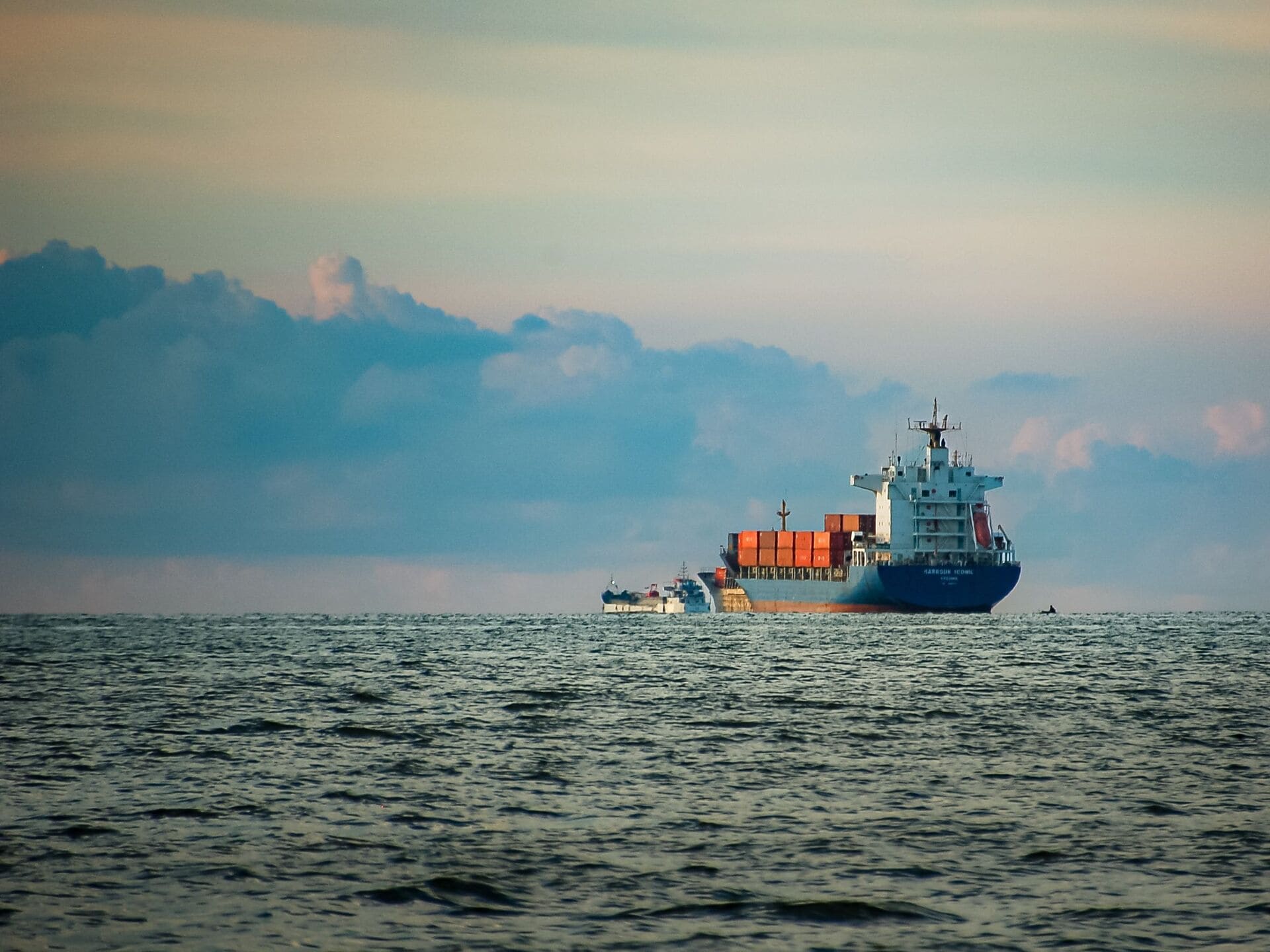 Cargo ship sailing
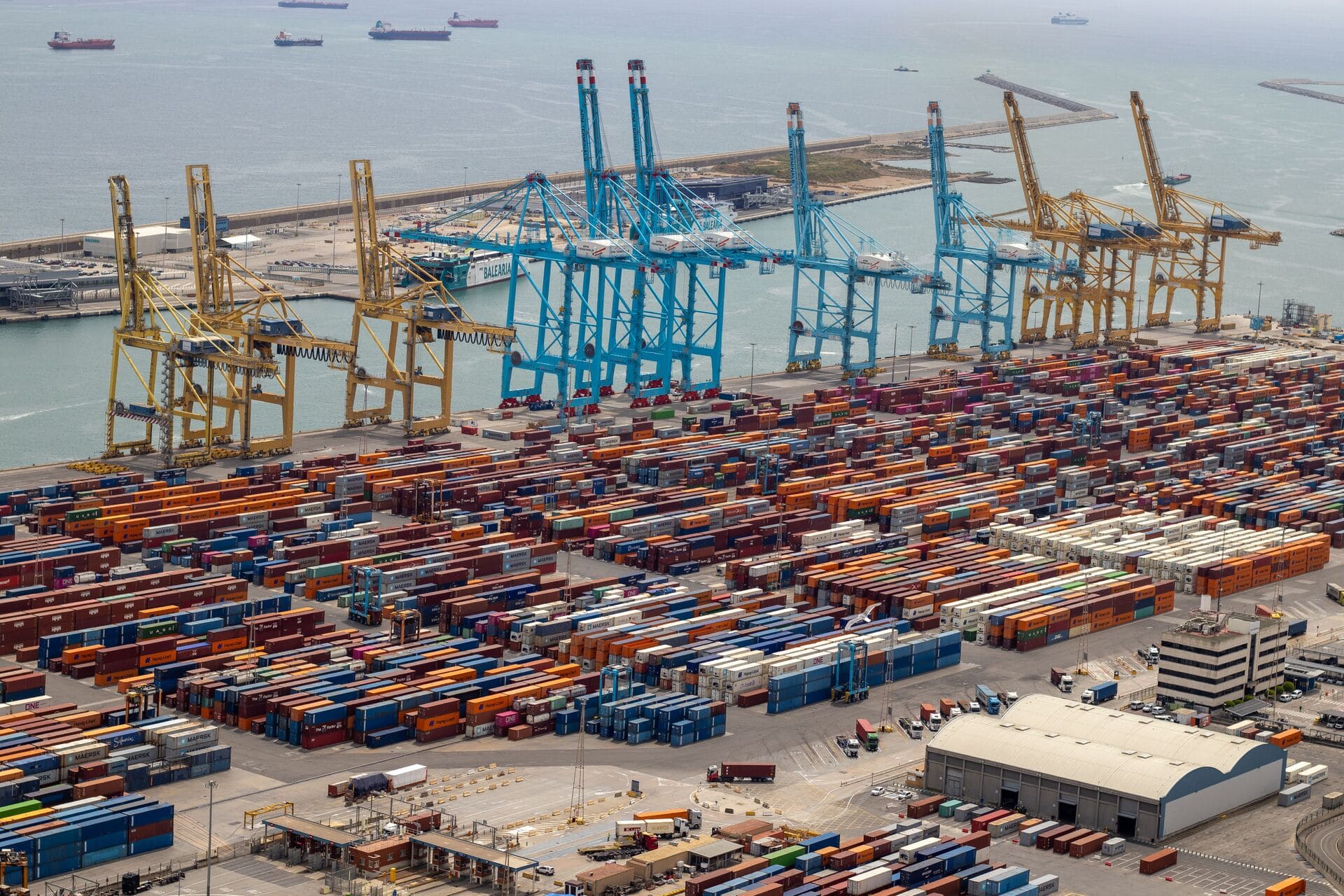 Container port terminal
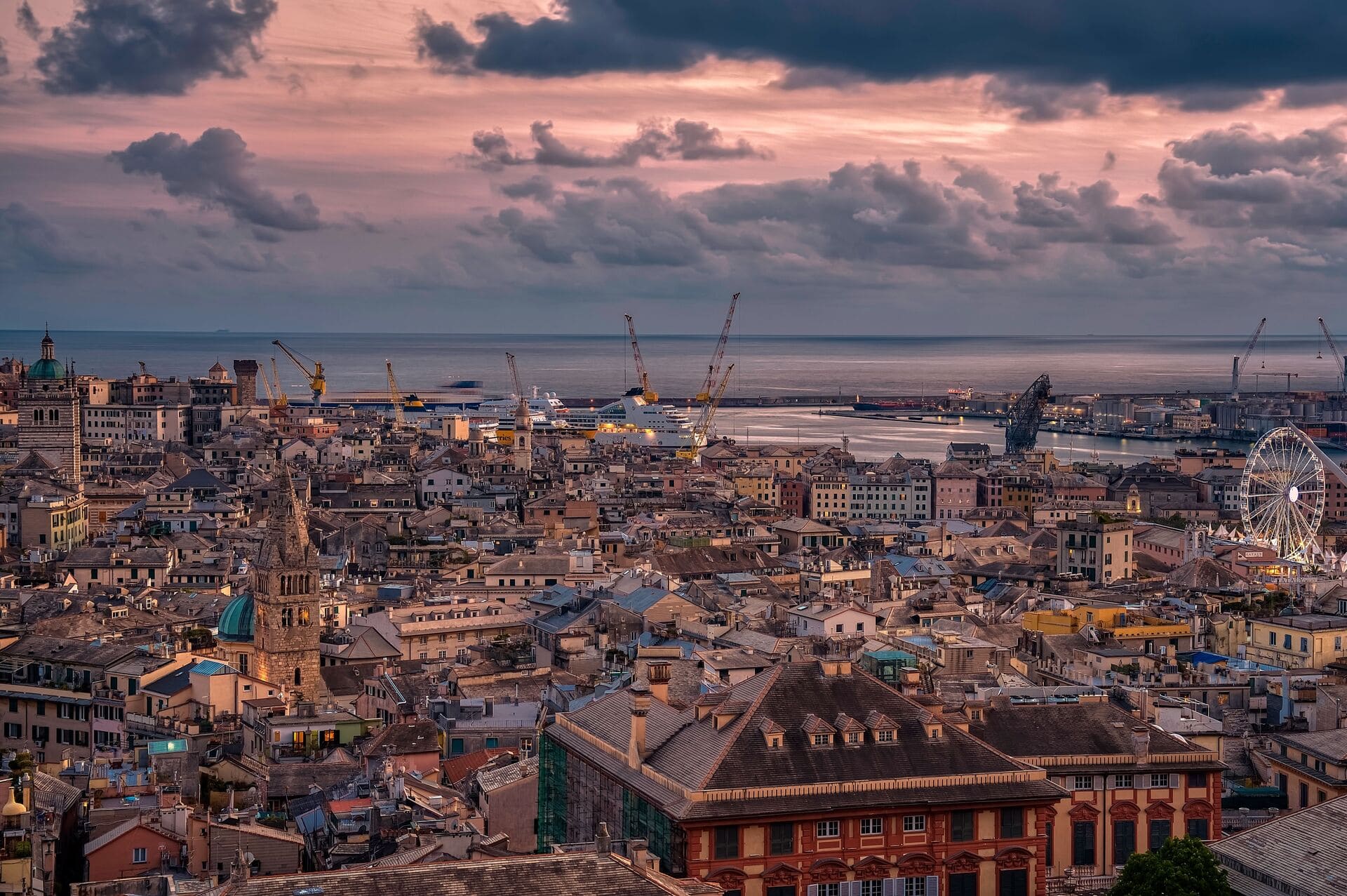 City of Genoa
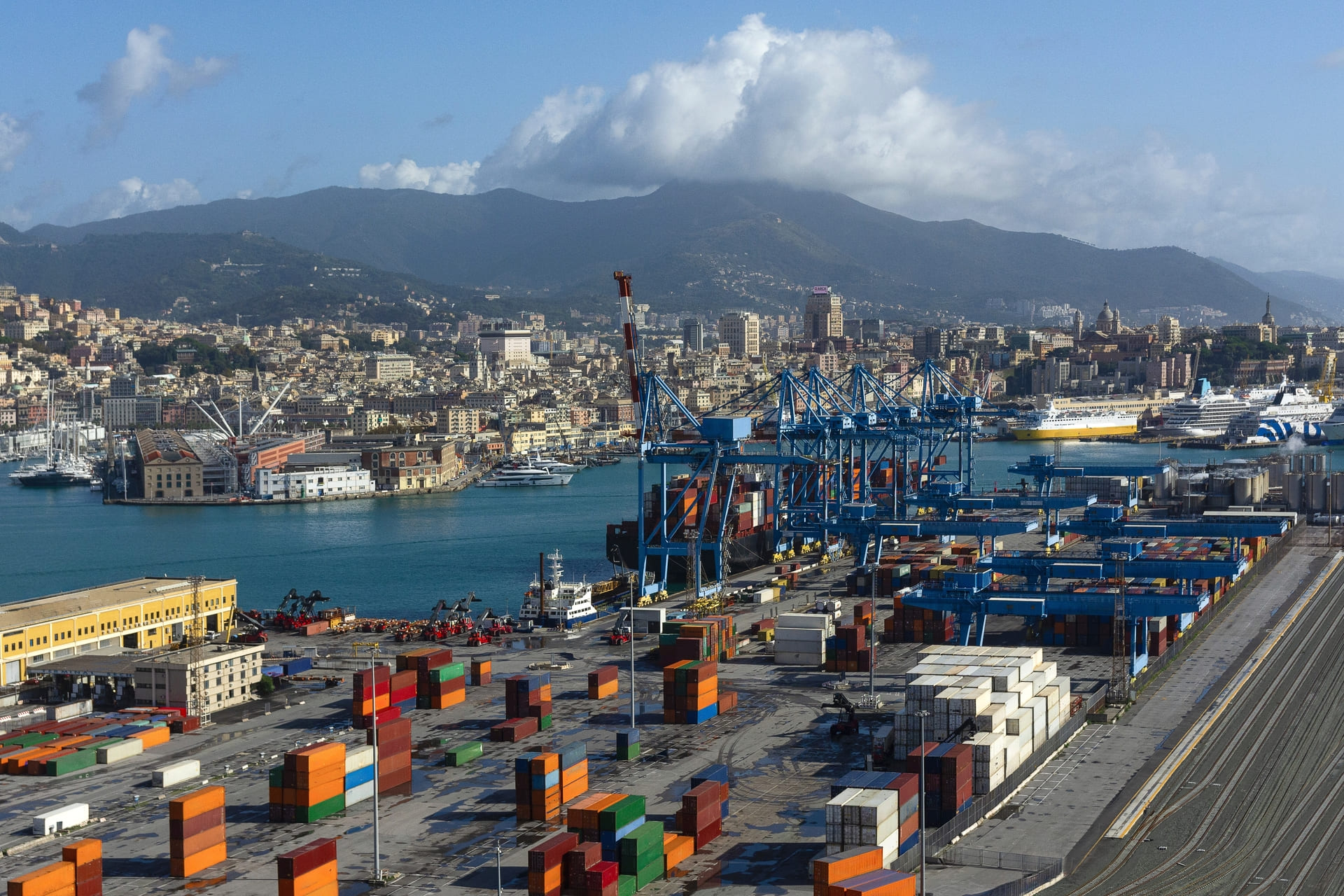 Port of Genoa
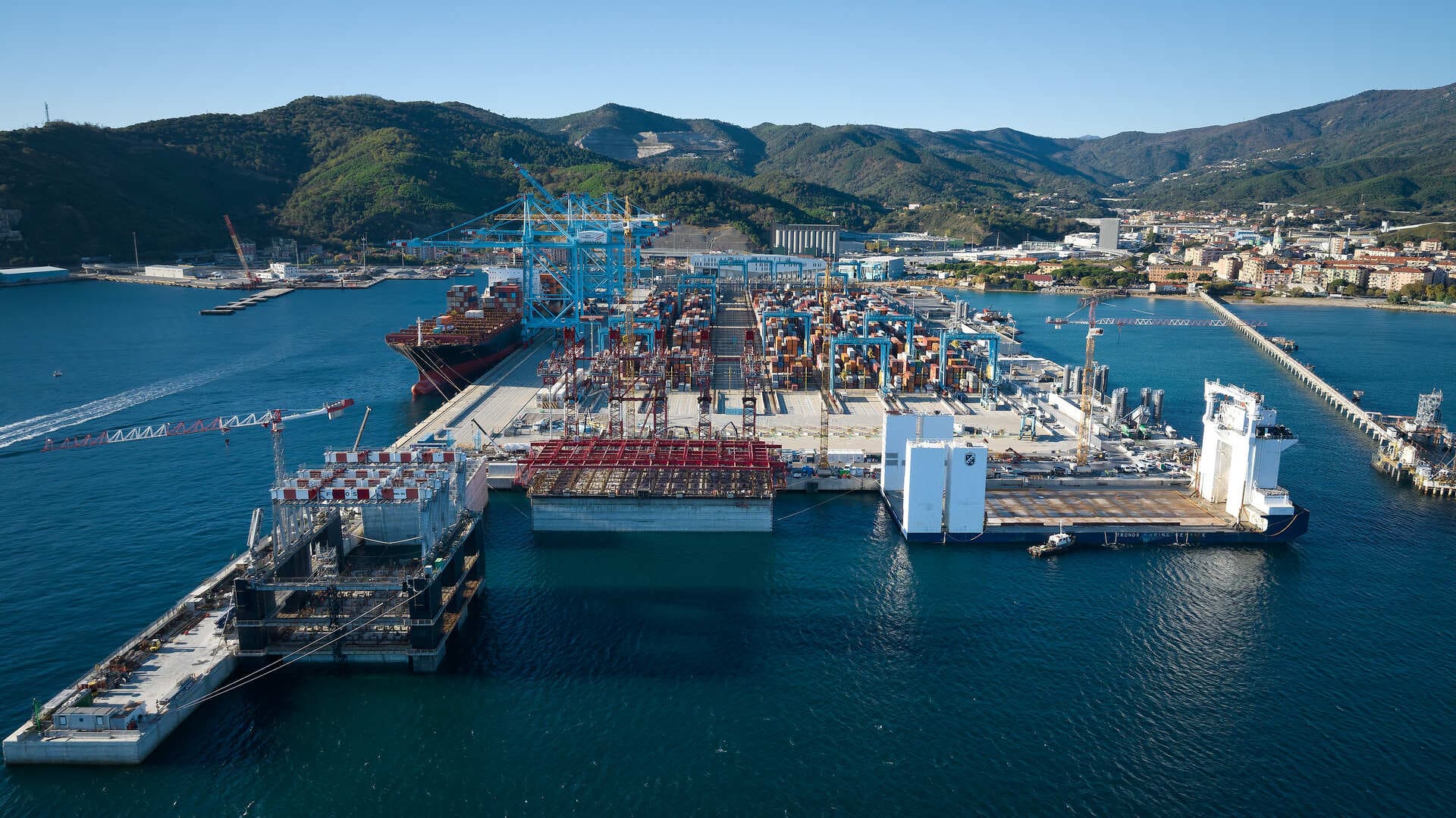 New Genoa Breakwater construction site
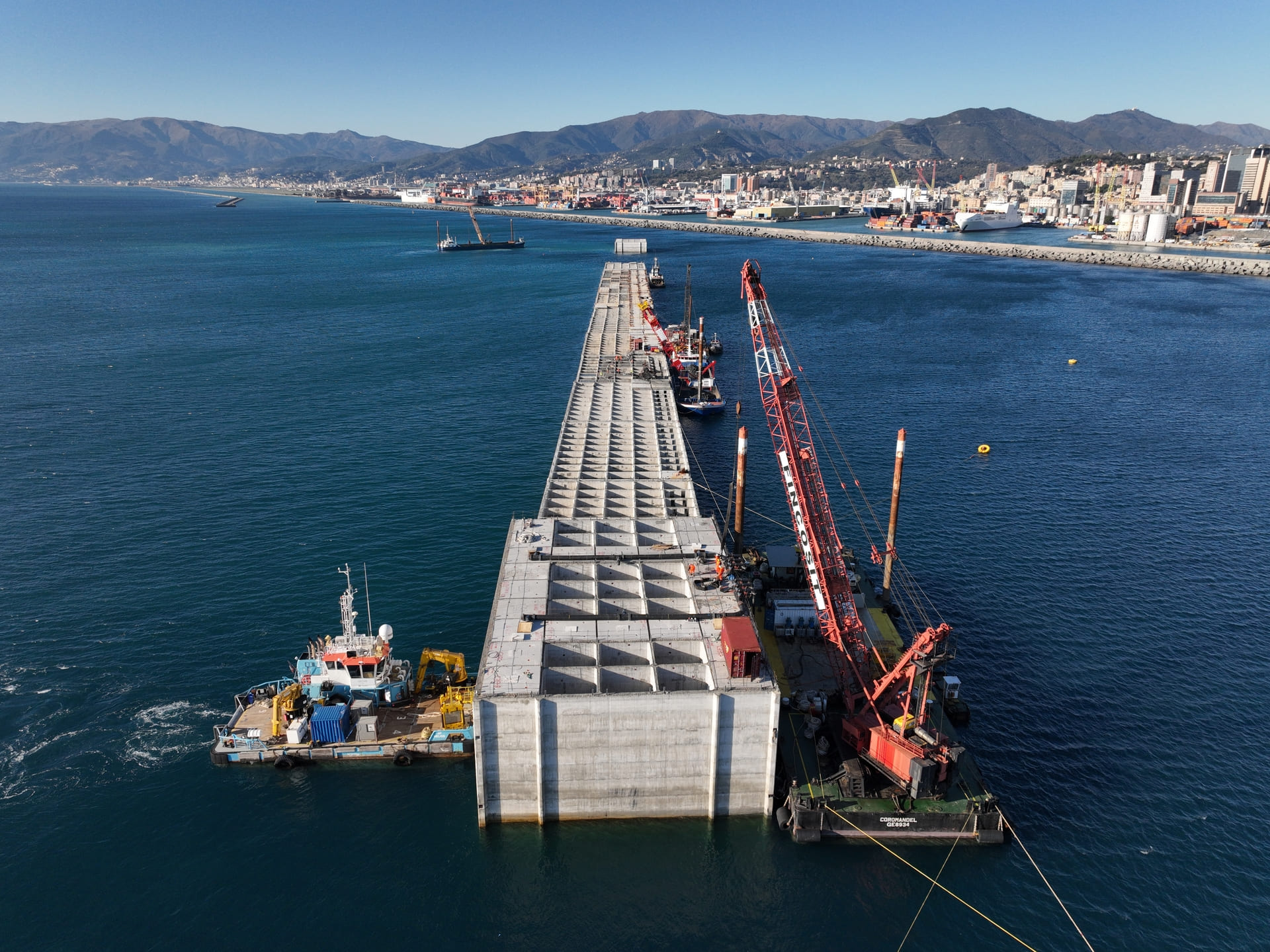 New Genoa Breakwater construction site
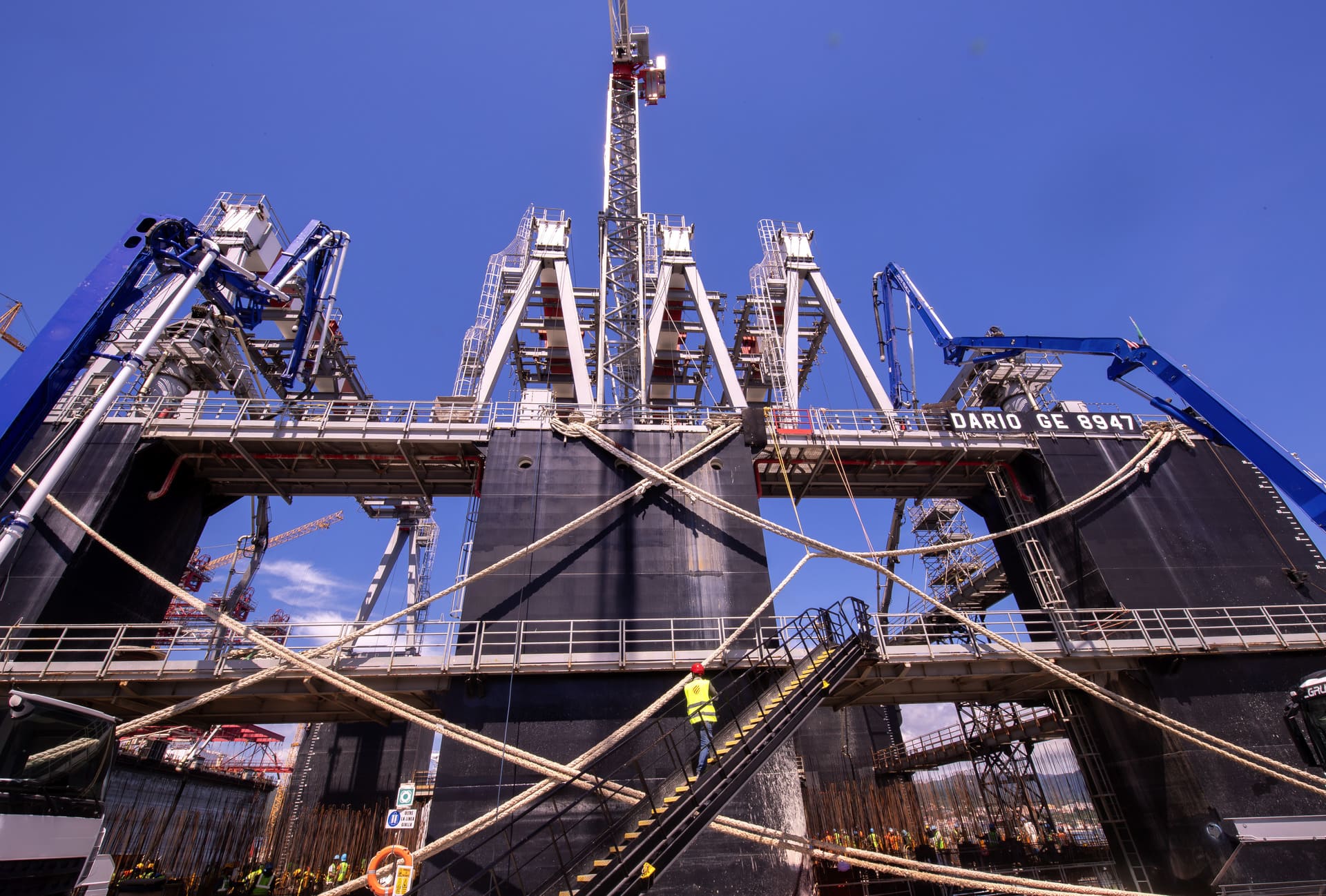 New Genoa Breakwater construction site
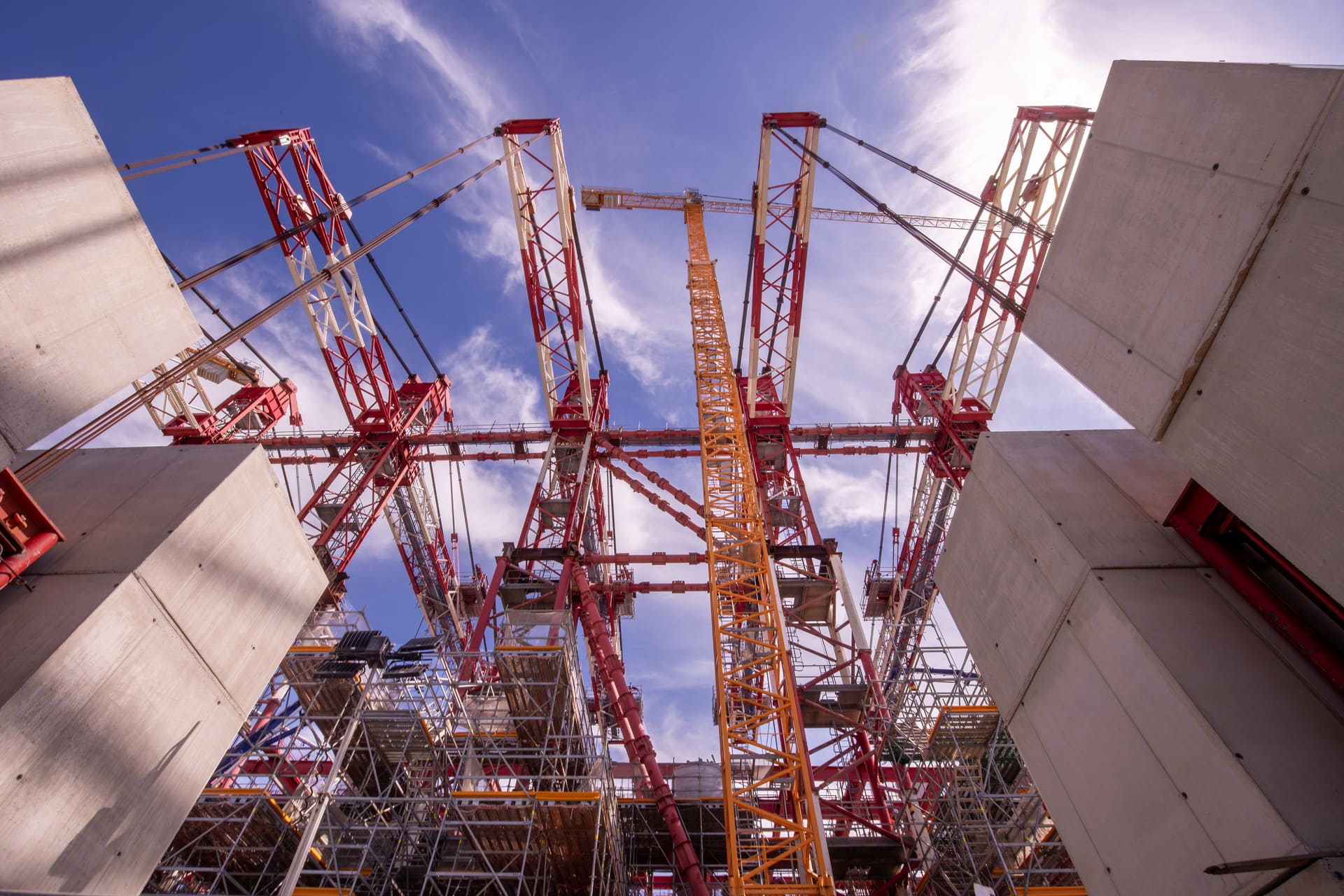 New Genoa Breakwater construction site
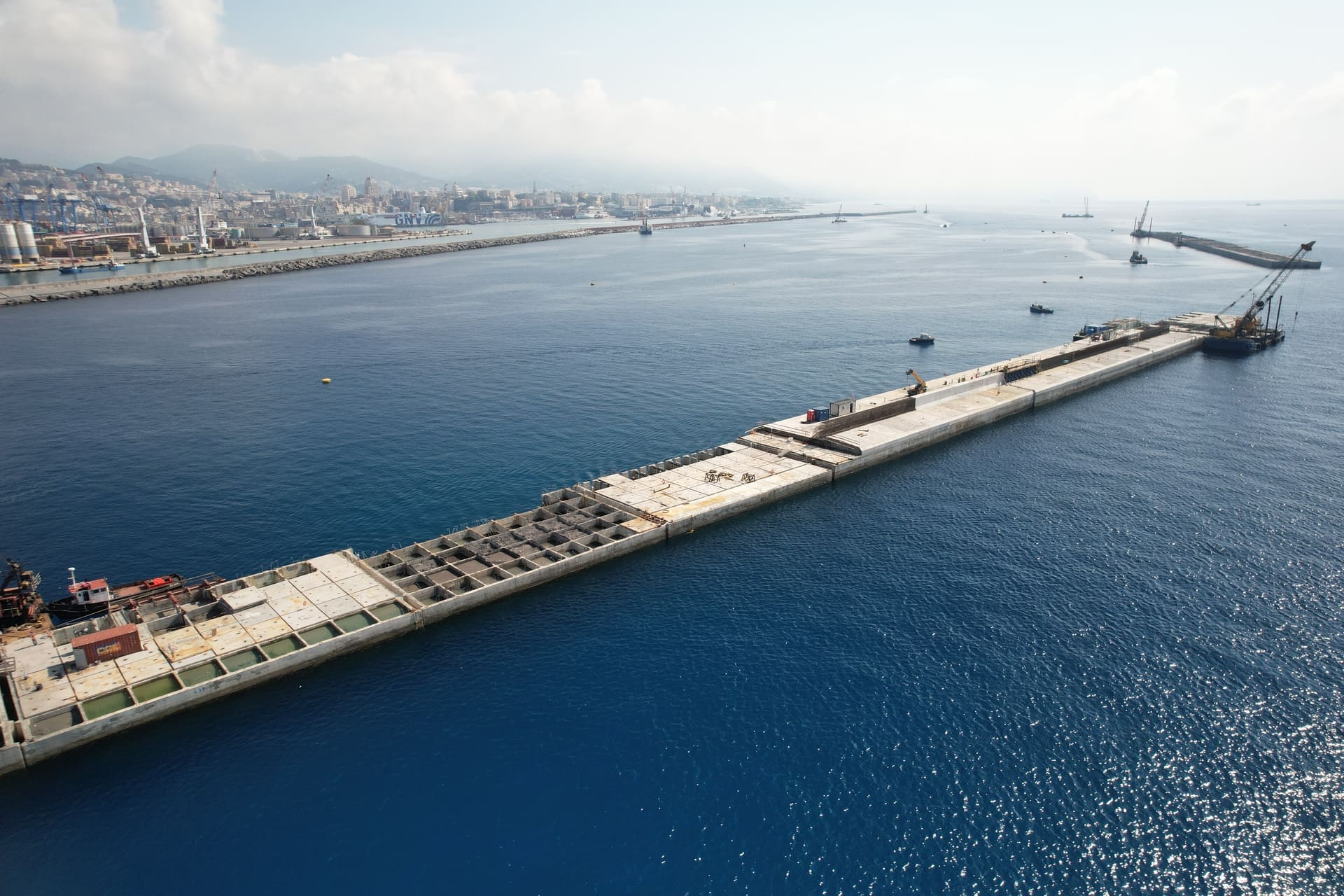 New Genoa Breakwater construction site
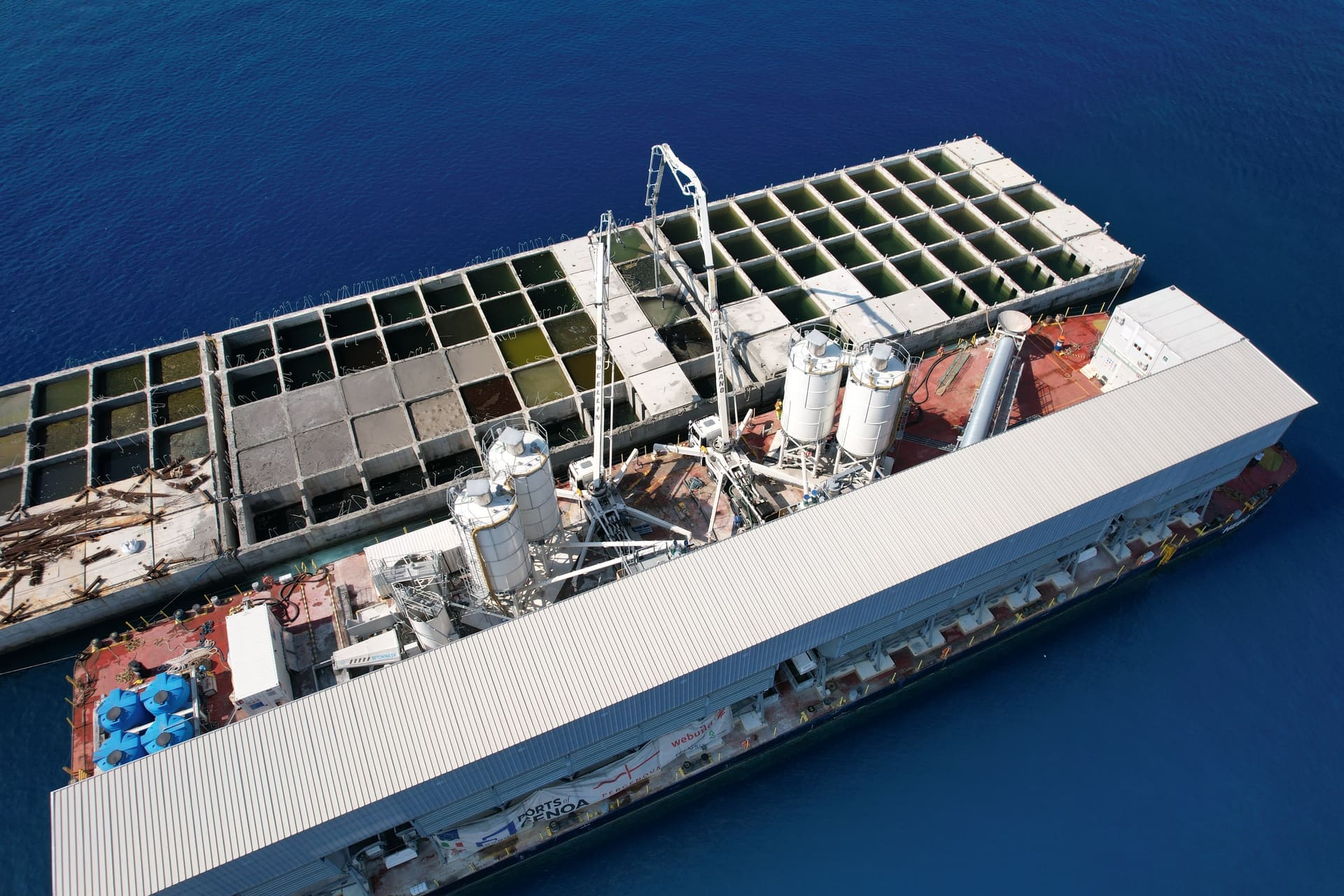 New Genoa Breakwater construction site
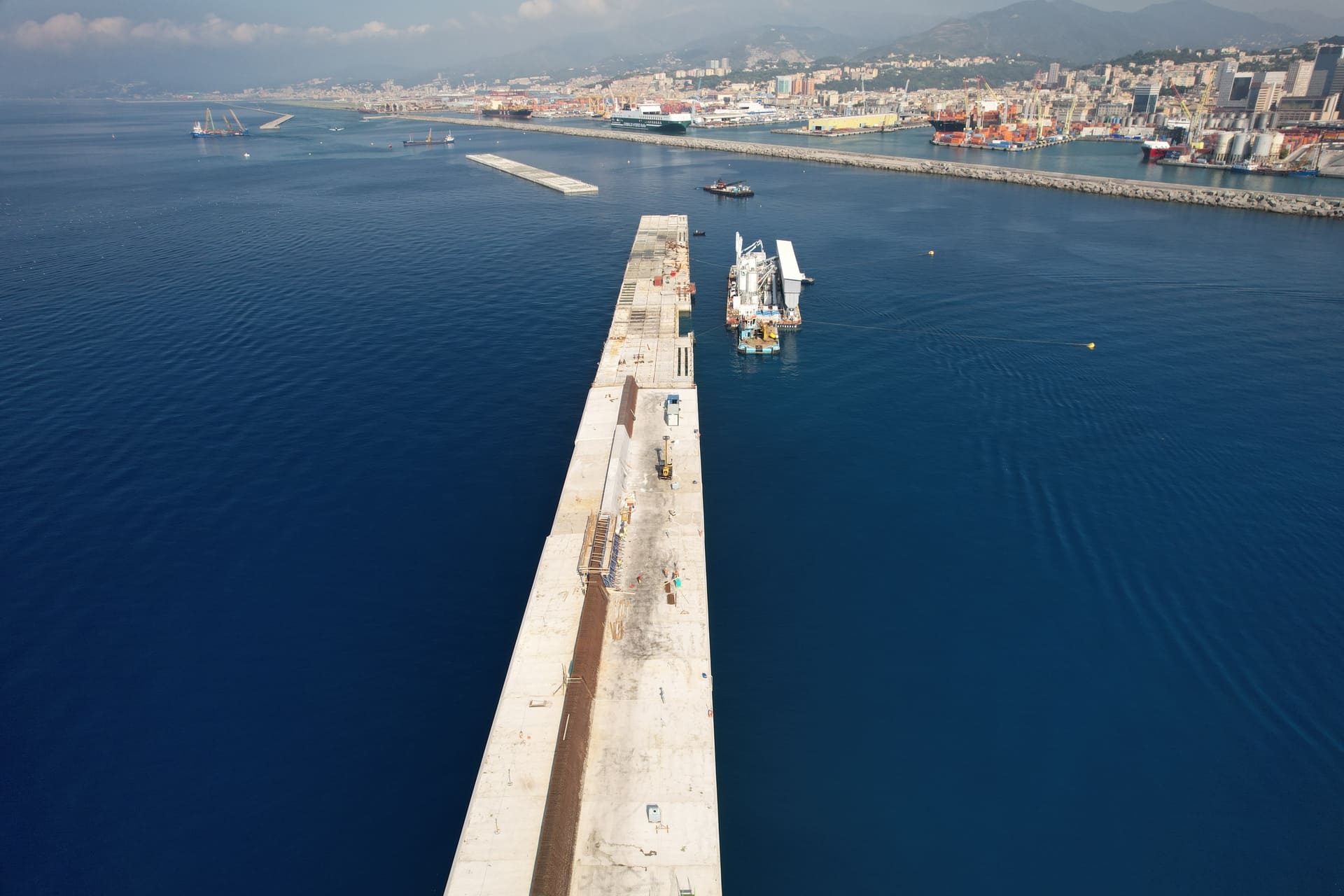 New Genoa Breakwater construction site
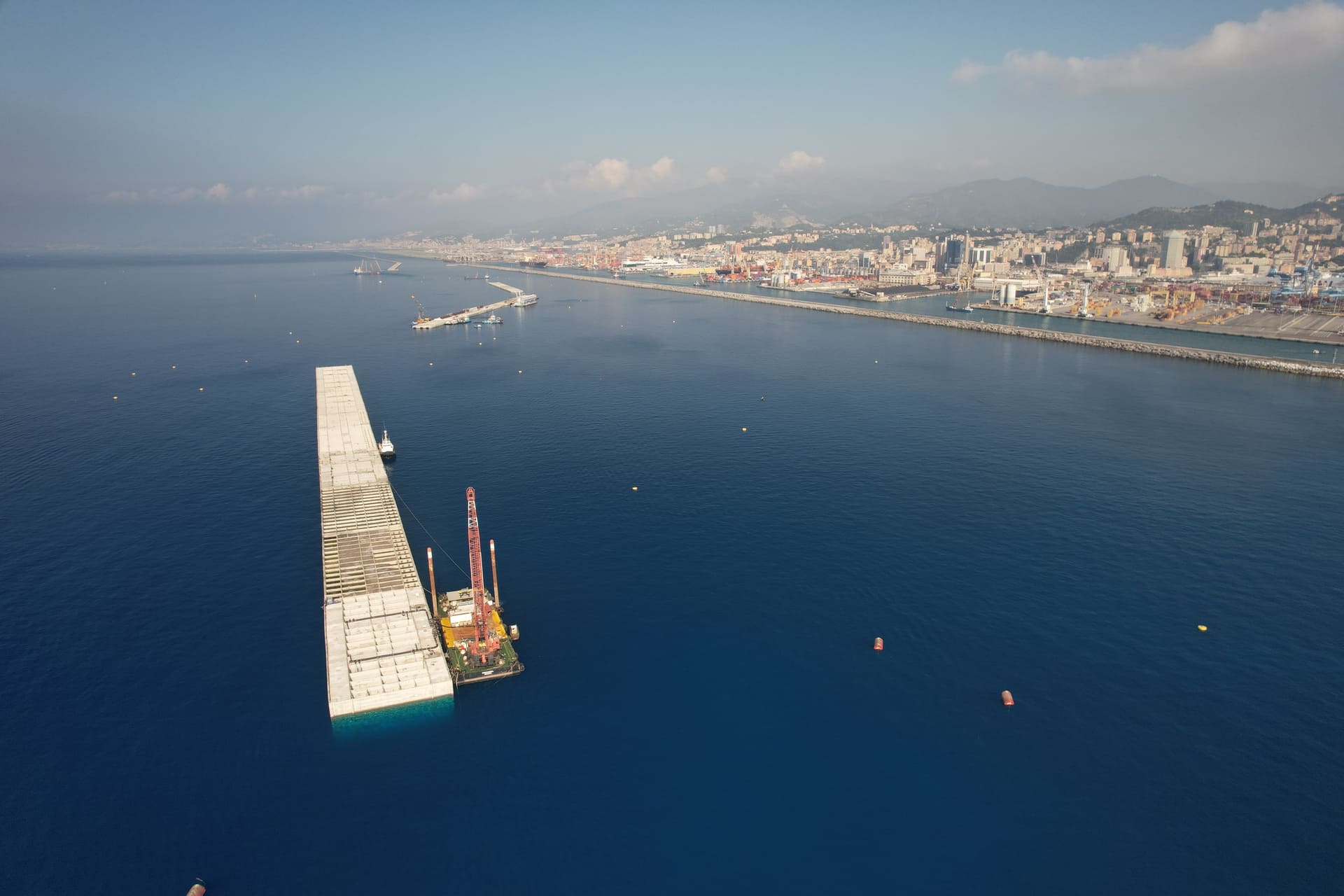 New Genoa Breakwater construction site
- Competition among major Mediterranean ports is redrawing global trade routes and the balance of European logistics
- Tanger Med, Valencia, Algeciras, and Piraeus are among the key players in an investment race to accommodate the largest container ships and increase cargo-handling capacity
- In 2024, Mediterranean ports handled an aggregate of over 82 million TEUs, confirming the basin's strategic role in international trade
- The growing size of container ships, measuring up to 400 meters in length and capable of carrying over 20,000 TEUs, necessitates the development of new port infrastructure and increasingly deep seabeds
- In the Port of Genoa, the Webuild Group is delivering the New Breakwater, designed to allow access for next-generation vessels and strengthen the competitiveness of the Ligurian port
read more

Autumn is a difficult season for those working in open seas. Days grow shorter, winds pick up, and sea storms can halt construction site operations for days on end. In the Port of Genoa, where the New Breakwater is being built, the onset of severe weather makes every single window of favorable conditions even more precious.
It is within this race against time that, on October 13, the PerGenova Breakwater Consortium led by Webuild reached a new milestone: 1,670 meters of breakwater constructed, thanks to the placement of two colossal reinforced concrete caissons in just eight days. Two complex operations, carried out off the Ligurian coast, where the seabed reaches depths of 50 meters and every structure must be transported, positioned, and submerged with millimeter-level precision.
The challenge, however, is not only against the sea. Behind those 1,670 meters of barrier, an industrial project is taking shape that is set to alter the future of the Port of Genoa, opening it to the latest generation of ultra-large container ships up to 400 meters long.
Today, Genoa stands as one of the frontiers of a transformation sweeping across the entire Mediterranean. From Tanger Med to Algeciras, and from Valencia to Piraeus, major commercial Mediterranean ports are engaged in a multi-billion-euro competition to accommodate ever-larger vessels and capture new shares of global trade.
An infrastructure race that is redrawing the balance of European logistics and turning the Mediterranean Sea into one of the main battlegrounds among the major shipping routes connecting Asia, Africa, and Europe.
Driving this transformation is a revolution that unfolds far from the eyes of consumers, yet affects virtually every item in daily life. Automobiles, home appliances, electronic components, food products, and raw materials cross oceans aboard the largest container ships, capable of carrying over 20,000 TEUs—the unit of measurement equivalent to a twenty-foot container.
These giants, roughly 400 meters in length, require maritime hubs to provide adequate infrastructure, ever-faster handling systems, and efficient connections to railway and motorway networks.
From the Port of Rotterdam and Antwerp to the Mediterranean: The Revolution in Continental Logistics
The scale of this transformation emerges clearly from the numbers. According to analyses by the SRM research center released with Assoporti, in 2024 Mediterranean ports handled a total of over 82 million TEUs, compared to approximately 61 million handled by Northern European hubs.
While these represent two distinct geographic aggregates, they reflect the scale of a maritime basin that has become decisive in global trade. Furthermore, growth prospects remain substantial: estimates point to a 14% increase in worldwide containerized traffic by 2029.
For decades, the center of gravity of continental logistics was primarily identified with the major North Sea ports, starting with the Port of Rotterdam and the Port of Antwerp, which supplied the industrial economies of Germany, France, and the Benelux through an extensive network of railways, motorways, and inland waterways. Today, Mediterranean hubs are seeking to capture an increasing share of those flows by leveraging their geographic position and investing in infrastructure capable of cutting transport times and costs.
The stakes, however, go beyond merely the volume of containers handled. The real objective is to transform ports from simple landing points for vessels into large, integrated logistics platforms capable of attracting industrial investments, distributing freight, and forging new connections across continents.
Tanger Med, Valencia, Algeciras, Piraeus: The Mediterranean Ports Driving the Transformation
The most evident symbol of this new era is located on the African shore of the Strait of Gibraltar. Here, just a few kilometers from the European coast, Morocco has built Tanger Med, one of the world’s most prominent port complexes, which in just a few years has become the leading container hub in the Mediterranean.
Its development illustrates how swiftly the balance of international trade can shift. In 2022, Tanger Med handled around 7.6 million TEUs; by 2025, it surpassed 11 million, consolidating its regional leadership and securing a place among the largest ports in the world. This growth has been driven by its strategic position along the routes connecting the Atlantic and the Mediterranean, as well as by an industrial and logistics ecosystem developed around the port itself.
Above all, Tanger Med serves as a major transshipment hub—the system whereby containers are transferred from ocean-going mega-vessels to smaller feeder ships bound for other ports across the Mediterranean Sea, Africa, and Europe. Under this model, the port becomes a pivotal node in an international network, a nexus where cargo shifts vessels before reaching its final destination.
On the opposite side of the Strait of Gibraltar, Algeciras represents the Spanish response to Moroccan expansion. In 2025, the Andalusian port handled approximately 4.74 million TEUs, reaffirming its standing among the Mediterranean’s leading hubs. Further north, Valencia reached nearly 5.7 million TEUs, reinforcing its role as a key gateway to the Iberian market and European distribution chains.
Spain has thus established a multifaceted port system in which Algeciras captures primarily transshipment flows, while Valencia and Barcelona play a critical role in bridging maritime traffic with inland manufacturing markets. It is a competition where terminal productivity, operational automation, and the capacity to swiftly shift containers from quaysides to rail networks are increasingly decisive.
At the eastern edge of the Mediterranean Sea, Piraeus offers another clear example of this ongoing transformation. The Greek port, which expanded substantially thanks to investments by China’s COSCO group, has become a vital link in trade corridors between Asia and Southeastern Europe.
Alongside the Port of Piraeus, Turkish ports are growing, while the Egyptian ports of Port Said and Damietta leverage their proximity to the Suez Canal, one of the most strategic infrastructure assets in global commerce.
The result is a Mediterranean where competition is no longer confined to ports within the same country, but encompasses entire national logistics systems, each striving to attract shipping routes, capital investments, and industrial activities.
Genoa, Gioia Tauro and the New Frontier of Italian Ports
In this intense international competition, Italy occupies a unique position. Reaching out into the center of the Mediterranean, home to one of Europe’s leading manufacturing economies, it relies on a port system distributed along its coastlines, where hubs specialized in transshipment operate alongside ports that provide direct access to the country’s manufacturing clusters.
Gioia Tauro, with approximately 4.5 million TEUs handled in 2025, is one of the main transshipment centers in the Mediterranean. The Port of Genoa, on the other hand, has a different purpose: it is primarily a gateway port, where goods are unloaded to reach Italian and European consumer markets or loaded after being manufactured in the industrial heartlands of the hinterland.
This distinction is critical to understanding the strategic value of Genoa’s New Breakwater, one of the largest maritime infrastructure projects currently under construction in Europe, delivered by the PerGenova Breakwater Consortium led by Webuild on behalf of the Western Ligurian Sea Port Authority.
The project was conceived to overcome one of the main structural limitations of the Ligurian port: the difficulty of accommodating and maneuvering the latest generation of container ships safely, whose dimensions have grown enormously compared to those for which the historical port basin was originally designed.
The new infrastructure will redraw the port’s access areas, enabling the entry of large vessels measuring up to 400 meters in length and roughly 60 meters in beam. It is an exceptionally complex maritime engineering endeavor that entails constructing a breakwater on seabeds down to depths of about 50 meters, involving the preparation of a submerged base and the placement of colossal prefabricated reinforced concrete caissons, some of which reach dimensions comparable to a ten-story building.
Yet the significance of this project extends far beyond the physical transformation of the Port of Genoa. The New Breakwater represents an industrial answer to the growing scale of vessels and international competition among maritime hubs. For Genoa, it means solidifying its positioning along Mediterranean shipping routes by offering shipping lines access conditions commensurate with the demands of global trade.
From Megaports to Rail: Intermodal Freight Transport across Europe
The true revolution of megaports, however, is best understood by following a container’s journey after it is unloaded.
Freight originating in Asia can traverse the Suez Canal, enter the Mediterranean, and dock at a Southern European port. From that moment onward, an equally vital second phase of the journey begins: the transfer toward the continent’s industrial centers, freight villages, and consumer markets.
It is precisely on this multimodal integration that a major part of Genoa’s infrastructure strategy is built. Running in parallel with the New Breakwater is the Progetto Unico Terzo Valico dei Giovi–Nodo di Genova, also being delivered by Webuild. This initiative delivers a new high-capacity railway line connecting Genoa and Milan, spanning 53 kilometers of alignment with approximately 90 kilometers of tunnels in total.
The Terzo Valico is set to bolster the link between the Port of Genoa and the Rhine–Alpine Corridor of the Trans-European Transport Network (TEN-T)—one of Europe’s most strategic logistics axes, connecting the Mediterranean to the continent’s manufacturing regions and the major hubs of the North Sea.
Both projects stem from the same industrial vision. The breakwater enables the largest container ships to enter the harbor; the railway upgrade aims to transfer freight into the hinterland far more efficiently. It is a model geared toward the future of intermodality, where ports, rail lines, and logistics hubs operate as interconnected components of a single system—assigning major infrastructure a decisive role not only in freight mobility, but also in the long-term industrial competitiveness of regional economies.