


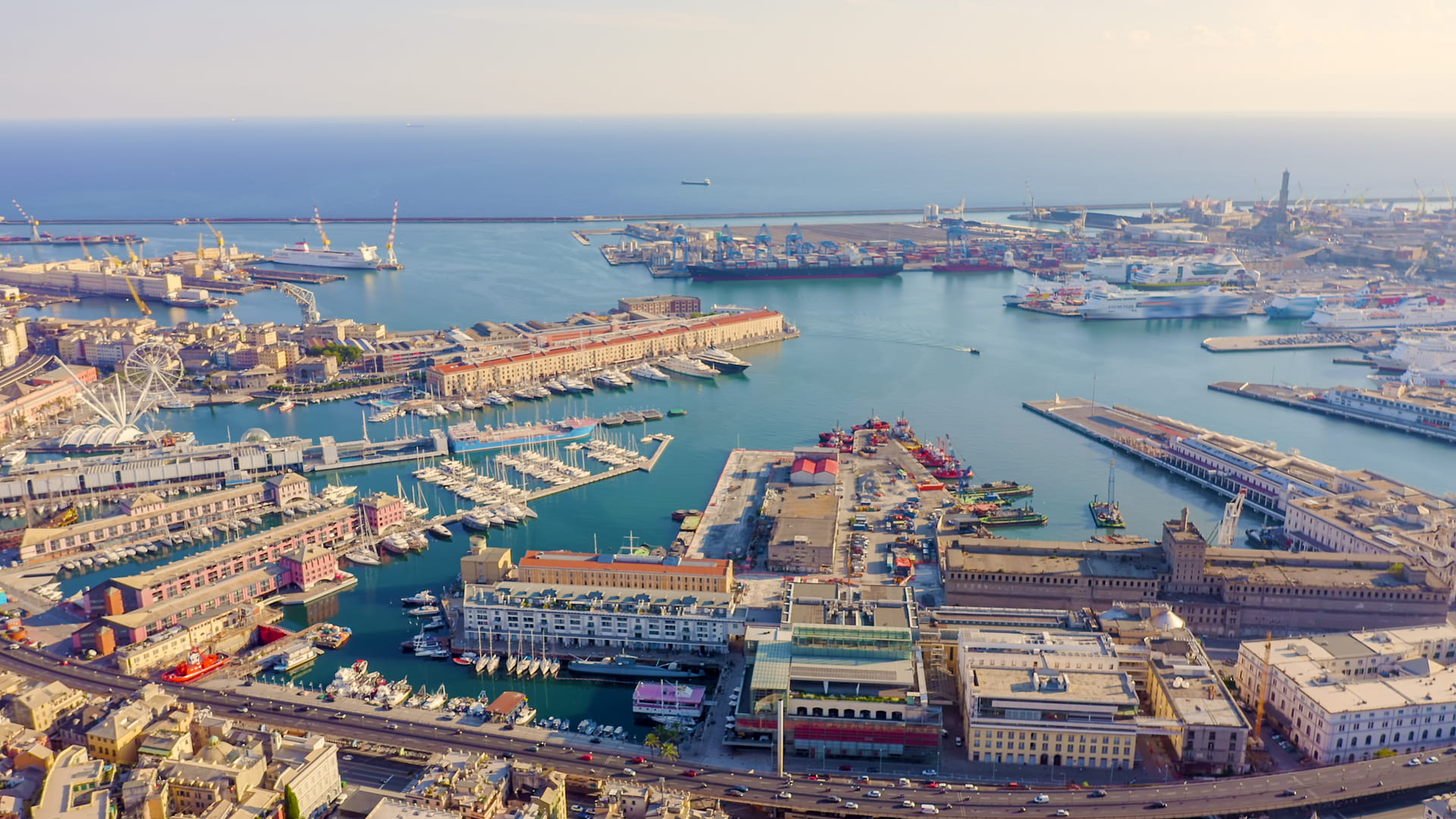
 Genoa city view
 Genoa Breakwater construction site
 Genoa Breakwater construction site
 Genoa Breakwater construction site
 Genoa Breakwater construction site
 Genoa Breakwater construction site
 Genoa Breakwater construction site
 Genoa Breakwater construction site
 Genoa Breakwater construction site
- The new Genoa Breakwater is built through a sequence of operations in the open sea, where every phase is shaped by wind, waves and extreme environmental conditions
- The large concrete caissons, as tall as buildings, are the core of the infrastructure and require materials engineered to withstand the sea’s aggressiveness over time
- At Vado Ligure, Heidelberg Materials Italy manages a highly controlled concrete production process, where each mix is adapted to site requirements and climatic conditions
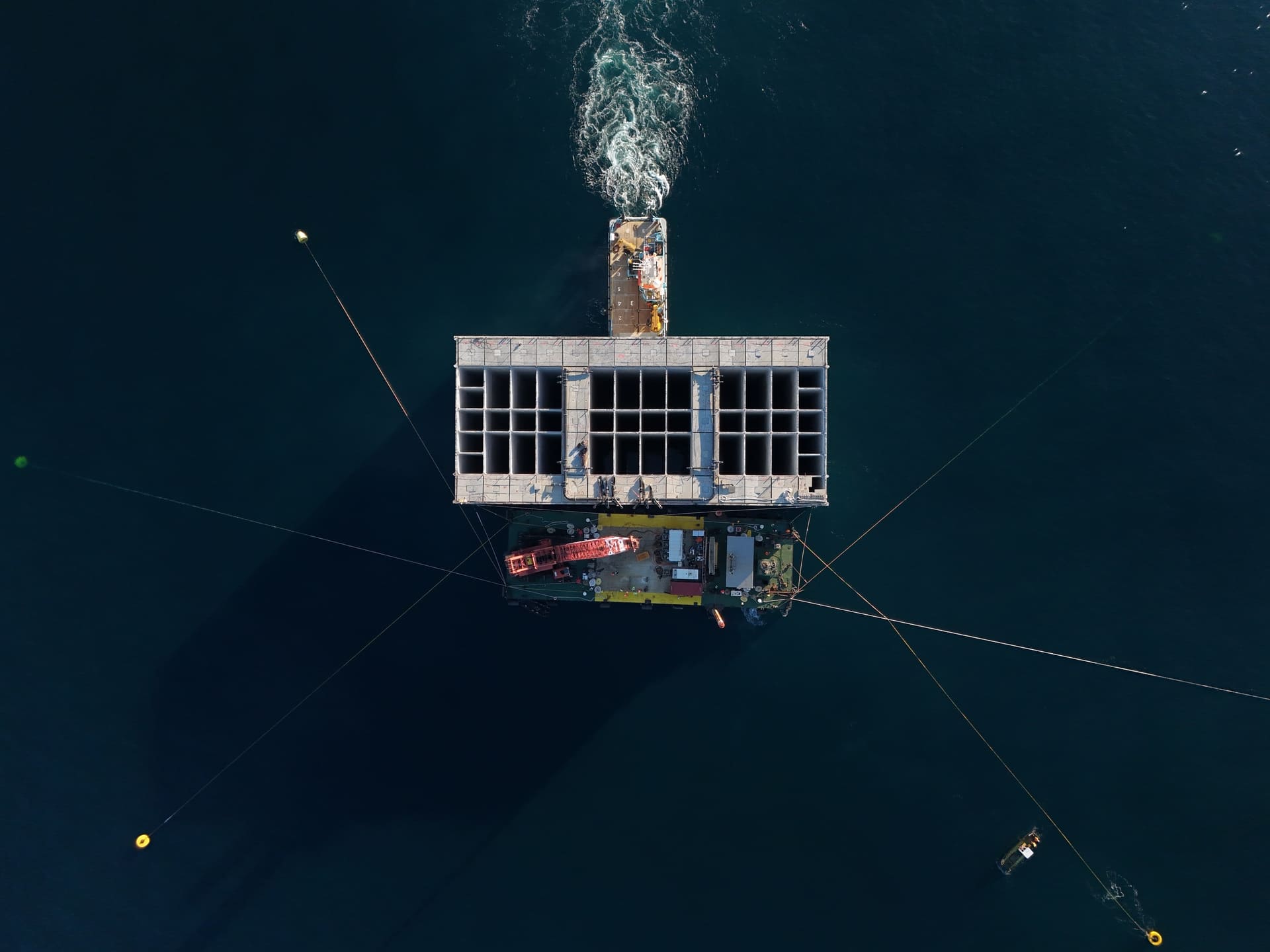
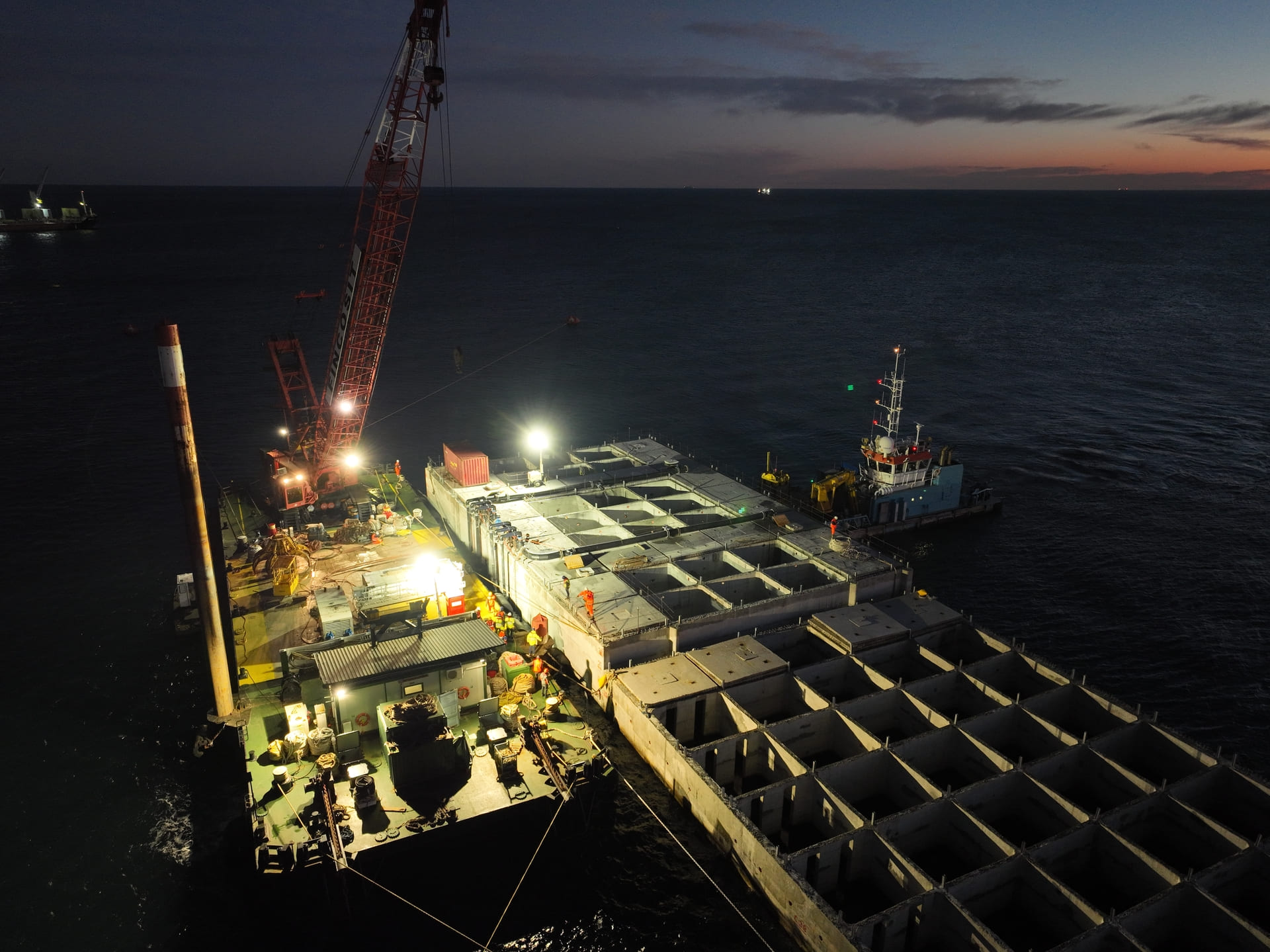
- In the port of Genoa, a floating barge makes it possible to produce and pump concrete directly at sea, turning the construction site into an offshore factory
- Behind the breakwater, an integrated supply chain working without interruption brings together industry and coastal engineering under the leadership of the PerGenova Breakwater consortium, led by Webuild

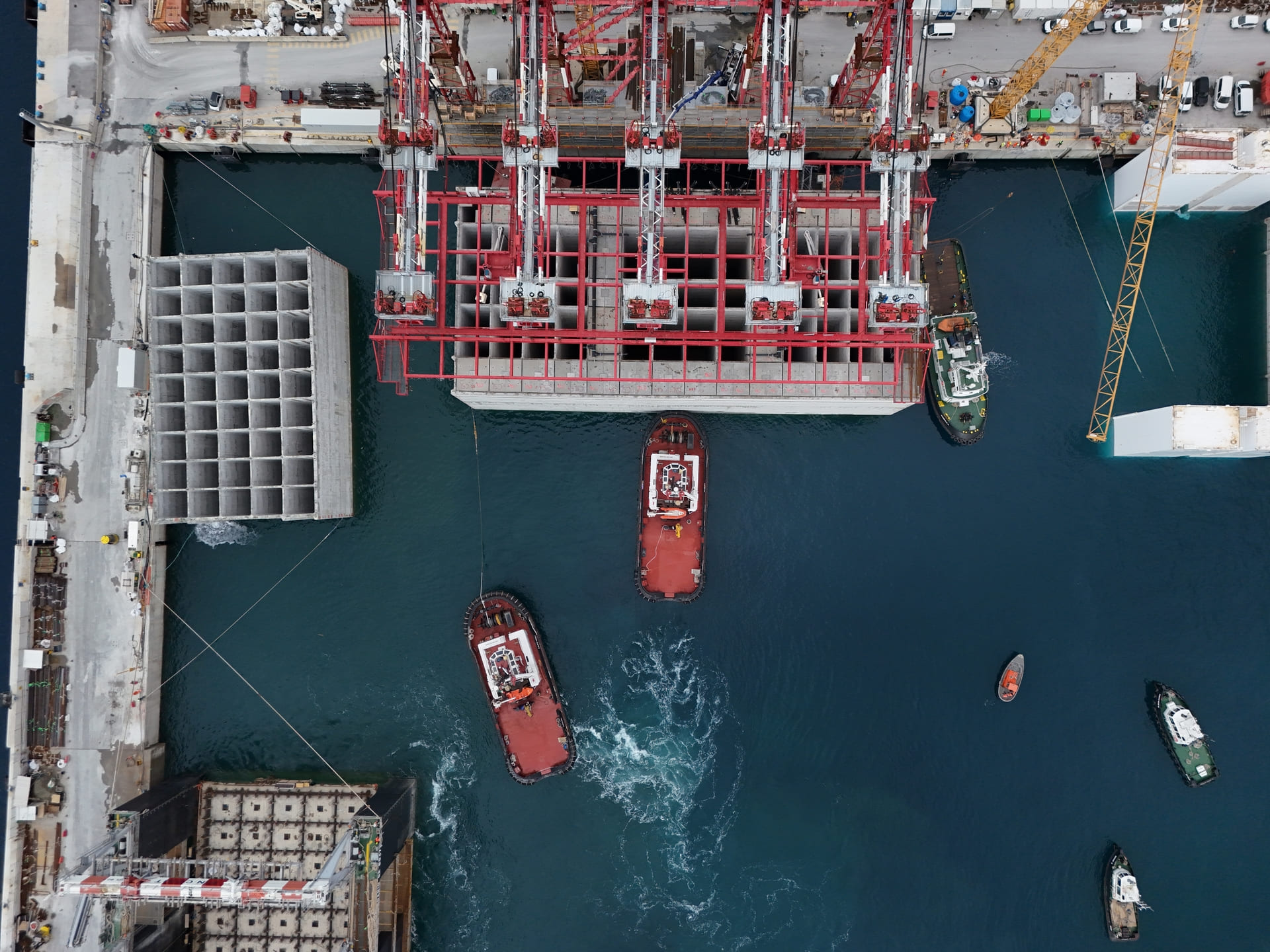
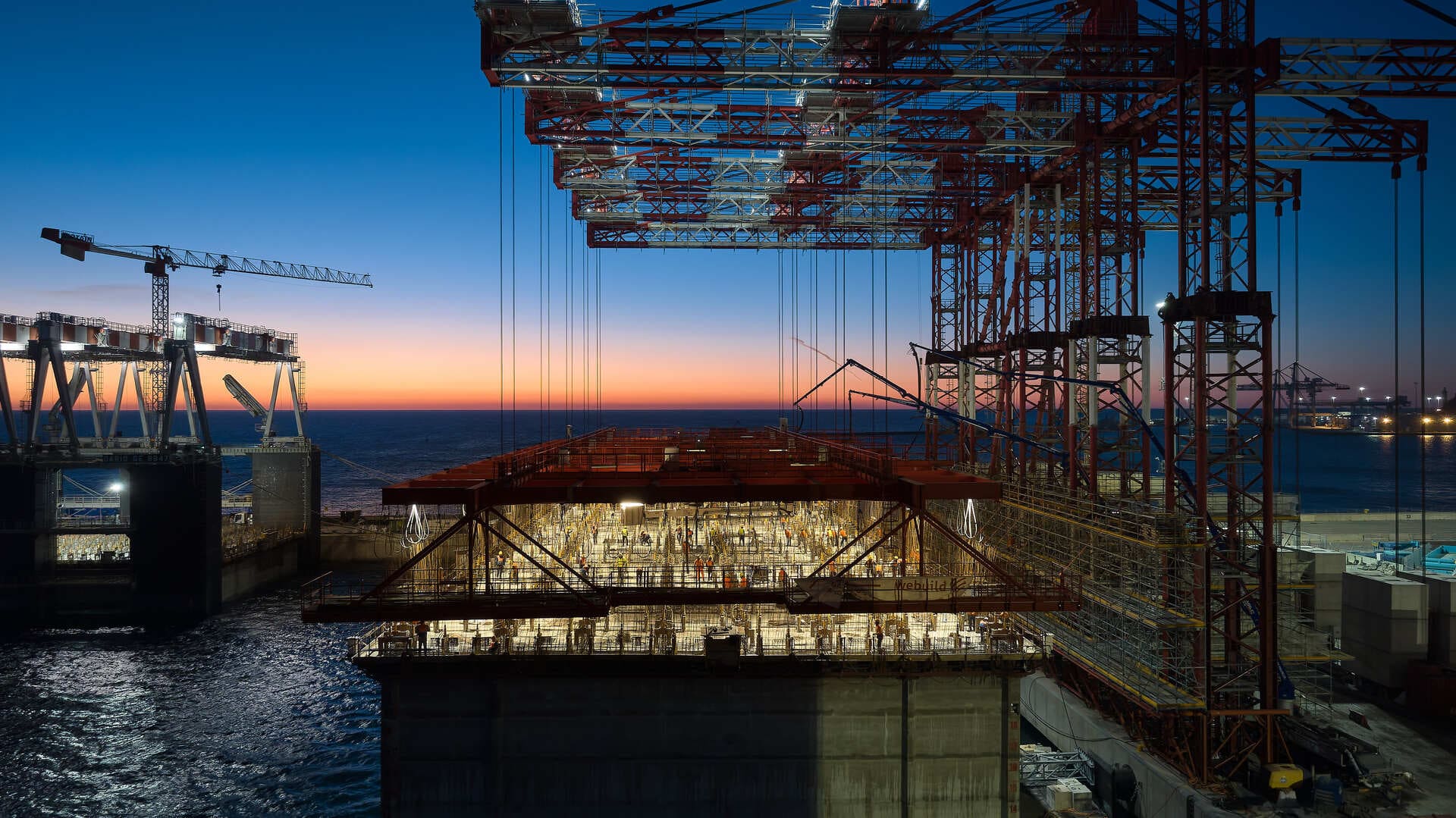
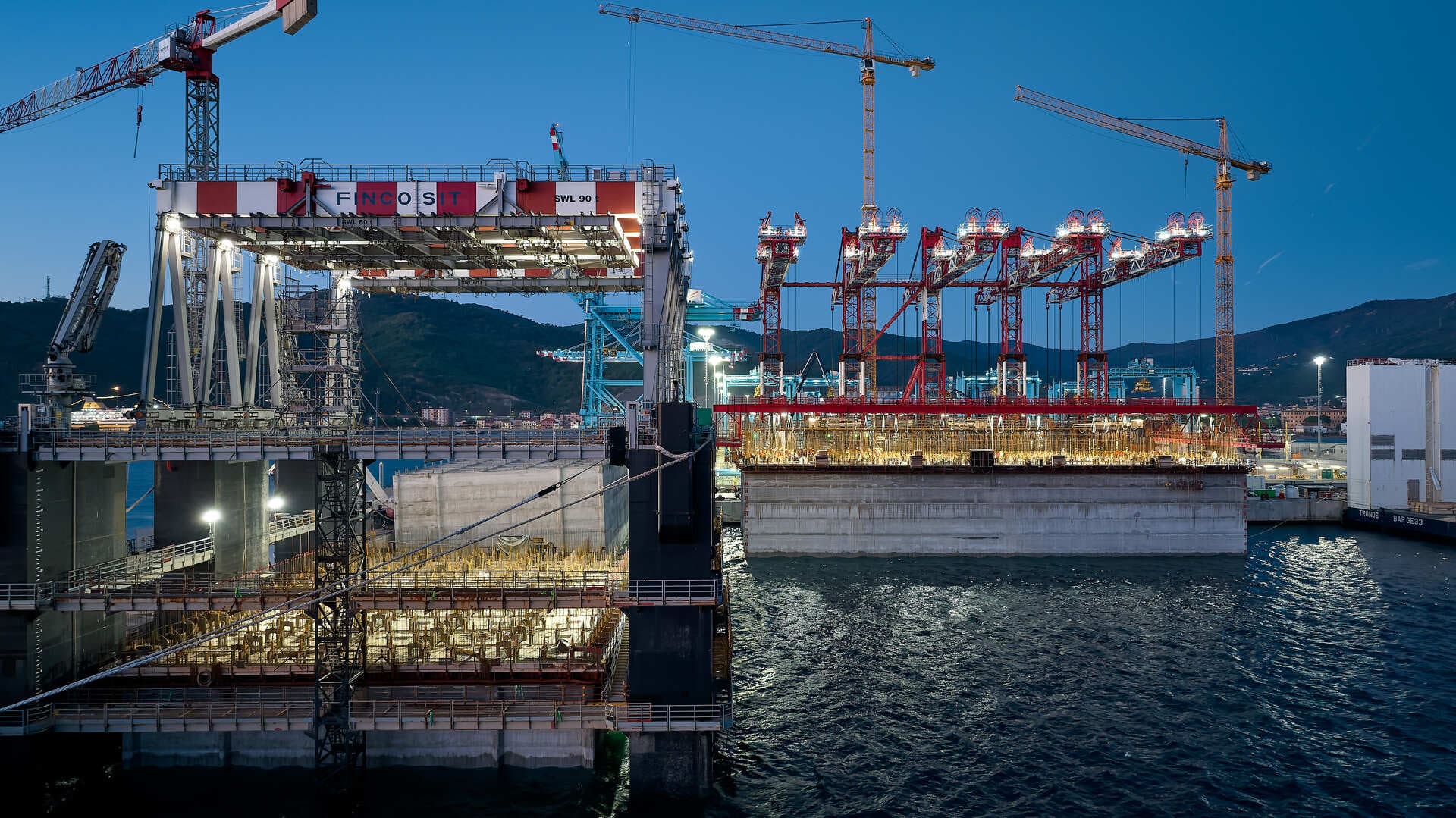
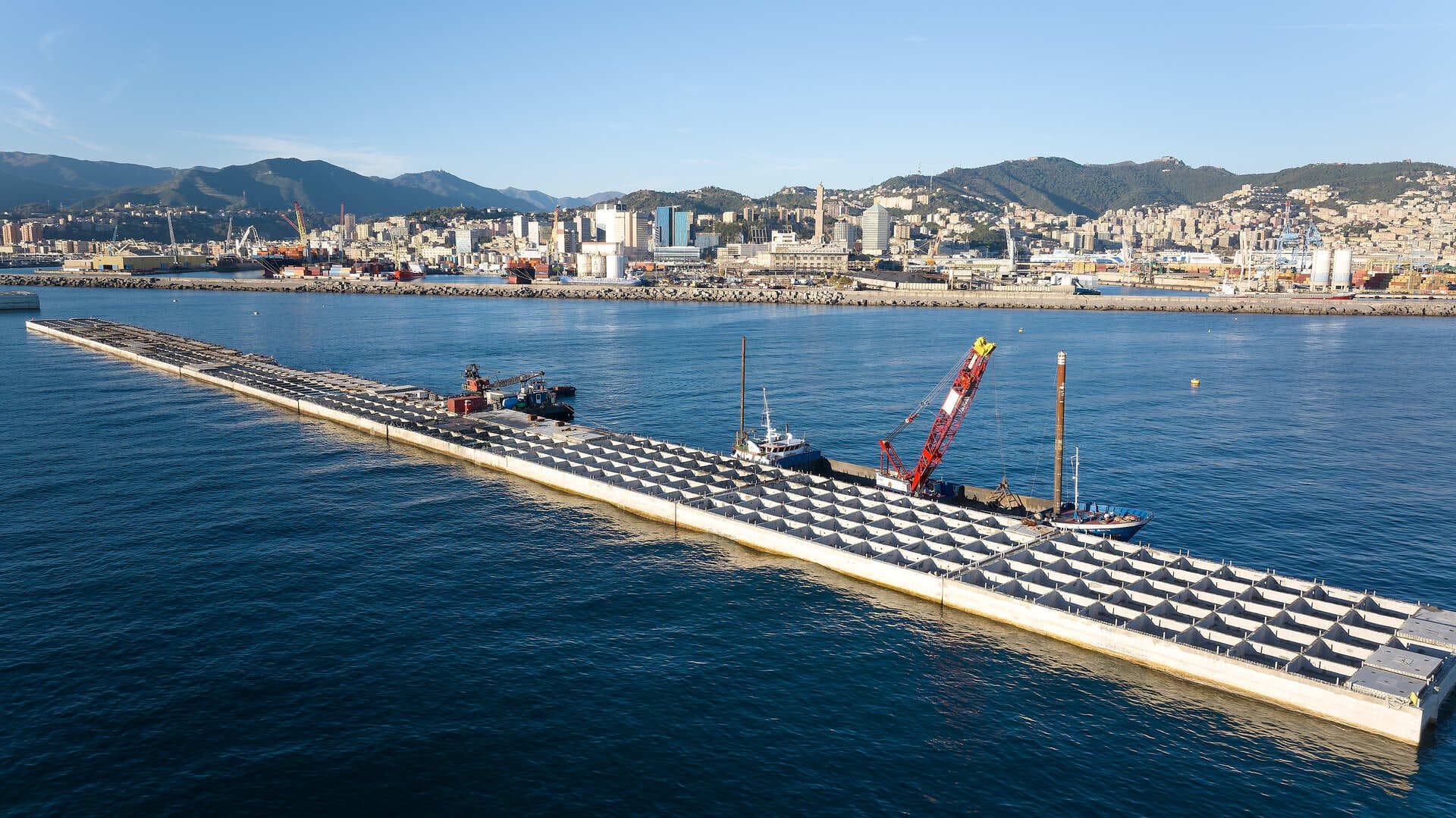
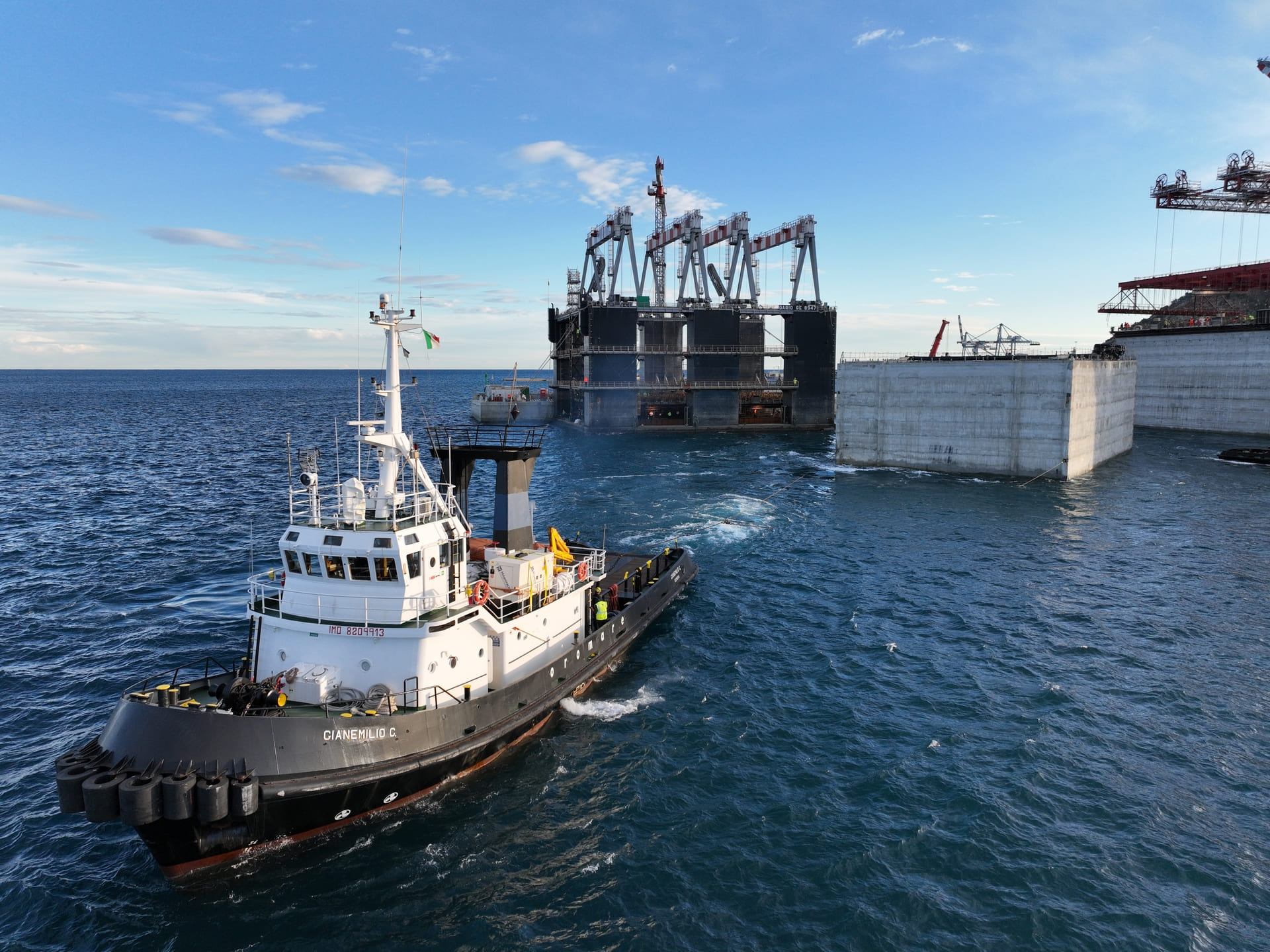
The new Genoa Breakwater is taking shape from true giants known as caissons. These are prefabricated structures over thirty metres high and up to 67 metres long. These are, in effect, floating buildings that are constructed, transported, sunk and finally positioned on the seabed to form a sea barrier that will extend for more than 6 kilometres.
To build these caissons, a fundamental raw material is required: concrete. But not just any concrete.
The mix developed and used in the Genoa port is specially formulated, designed in the laboratory and produced using the most advanced technologies to withstand extreme conditions in a marine environment that acts simultaneously on both physical and chemical levels. The force of wave motion combines with the action of chlorides and sulphates, imposing exceptionally high standards of durability and long-term performance.
That is why Heidelberg Materials Italy, a leading concrete producer, is also involved in the construction of this vast infrastructure, carried out by the PerGenova Breakwater consortium led by Webuild, bringing its most advanced technologies and expertise to bear.
Vado Ligure Construction Site: Inside the Caisson Factory
The first phase of this production chain takes place on land, at the Vado Ligure (SV) construction site, where the caissons are built. Here, Heidelberg Materials Italy has established a production system entirely dedicated to the breakwater, where every stage of the process is governed by continuous quality checks and constant coordination between production, technology and site management.
Concrete is tested at every stage, from the quality of raw materials through to the consistency of the final product. Environmental conditions directly influence operational choices, and for this reason the mix is adjusted according to temperature, aggregate moisture and the specific requirements of the construction site.
It is here that the core of the caissons is created – the material that will enable them to withstand the sea.
Once completed, the caissons are inspected, approved and transported by sea to Genoa. Imagine a concrete caisson 33 meters high and 67 meters long, floating as it is transported across the sea! This is where the most delicate phase begins: positioning. Each element is lowered and sunk with precision onto the seabed, gradually forming the structure of the breakwater.
It is an operation requiring perfect coordination between design, logistics and weather and sea conditions, in a context where every variation can affect the final outcome. At this stage, the full complexity of the infrastructure becomes clear, demanding constant work within dynamic balances, as well as the ability to adapt to and manage variables that change hour by hour.
Port of Genoa: Concrete Pumping and Production in the Mediterranean
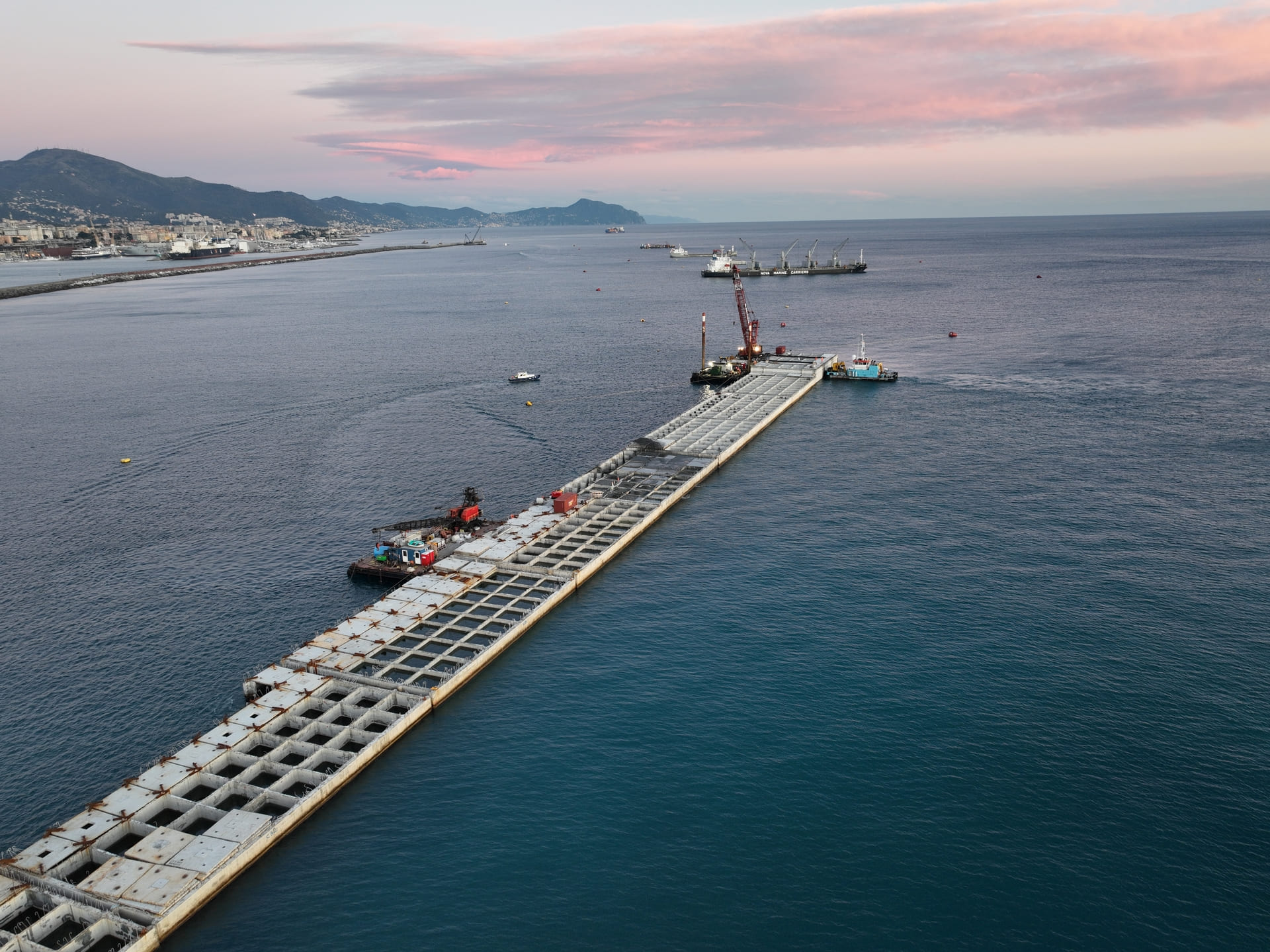
While work at Vado Ligure continues uninterrupted, in the Genoa port the concrete production process takes a further step forward. A one-of-a-kind, unique innovative solution has been implemented for this project, installing a dual concrete production plant on a floating barge. By day, it produces out at open sea, and by evening, it is ‘parked’ in the Port of Genoa, where the raw materials needed for concrete production are reloaded.
This is a genuine offshore construction factory, located about 800 meters from the coast, capable of producing and pumping material directly in the open sea to create the caisson coverings – the lids. In this setting, the nature of the work changes radically. Stable surfaces no longer exist; instead, operations take place in a constantly moving marine environment, where even the simplest tasks must contend with the motion of the waves and the wind.
During concrete pumping, the consistency of the material is monitored in real time, while the barge oscillates under the force of the sea. It is a delicate balance between technology and marine environment, requiring precision, experience, a commitment to safety and adaptability.
Genoa Breakwater Construction: A System That Never Stops
Marine concrete production never pauses. The plants operate continuously, seven days a week – a pace necessary to meet the volumes required by the construction site.
Behind this continuity lies a complex organisation, built on an integrated supply chain that runs from raw materials through to the final pour. The facilities between Vado Ligure and Genoa are dedicated exclusively to the infrastructure, while dozens of people work every day to ensure quality, safety and precision.
It is a system that brings together industrial production capacity, product expertise and coastal engineering expertise, created to deliver the new Genoa Breakwater—a complex infrastructure that will profoundly transform the port logistics, the city of Genoa and the wider region.
The new breakwater will feature an internal turning basin of 800 metres and a new access channel to the port measuring 300 metres in width. This will allow even the largest vessels to call at the city, transforming the port of Genoa into a fully-fledged international hub for shipping.