


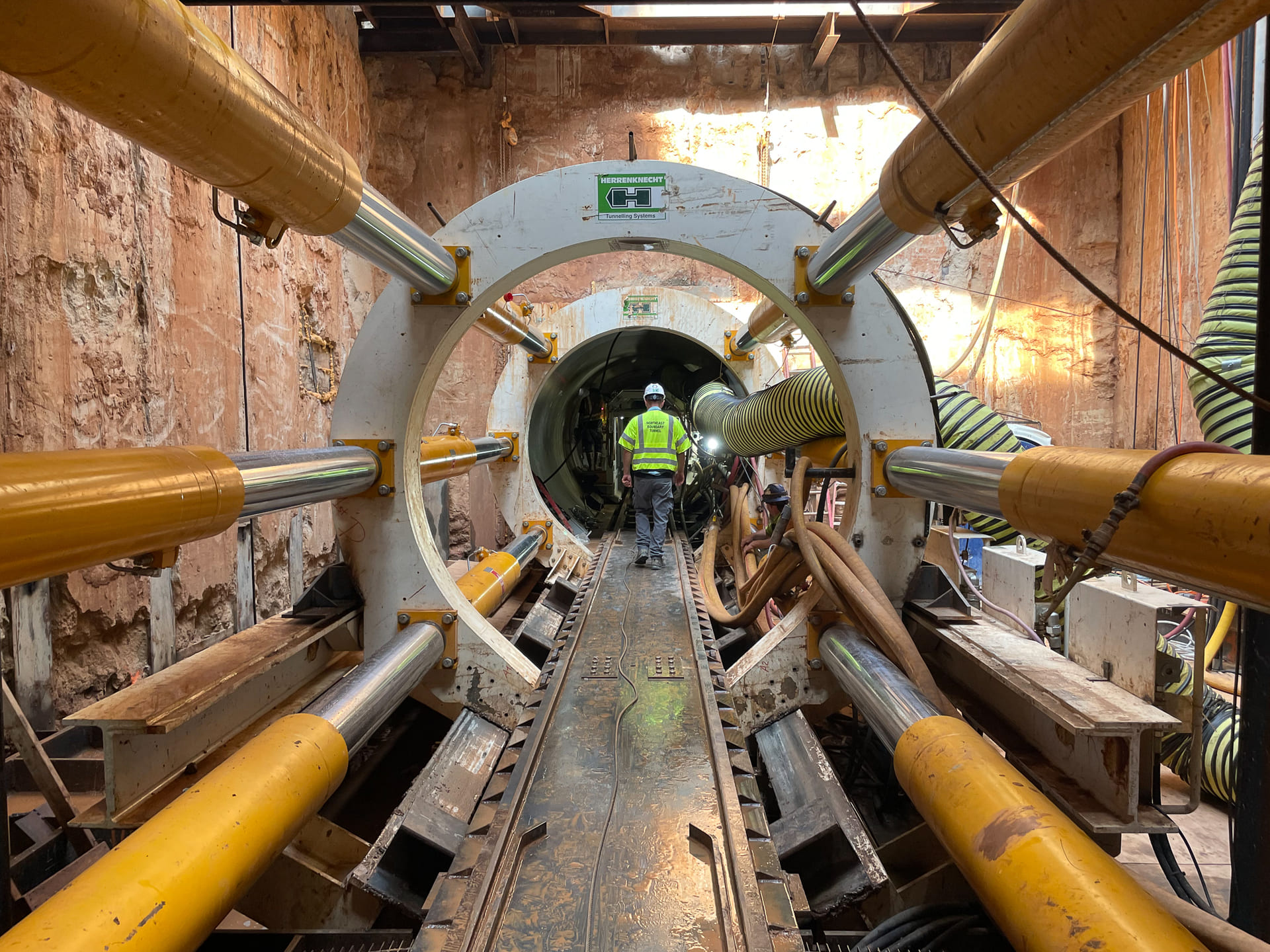
 Northeast Boundary Tunnel (NEBT), Washington DC
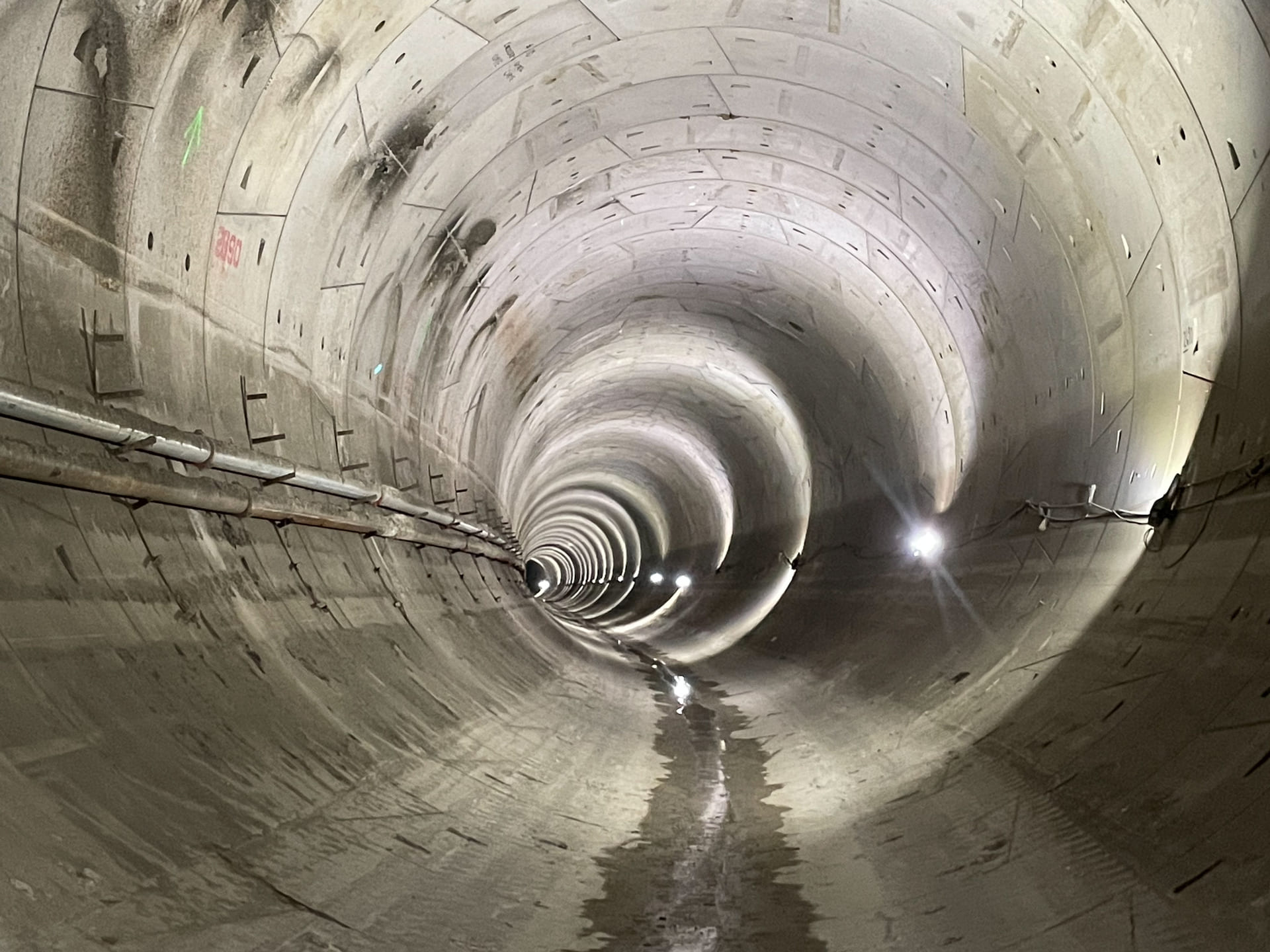 Northeast Boundary Tunnel (NEBT), Washington DC
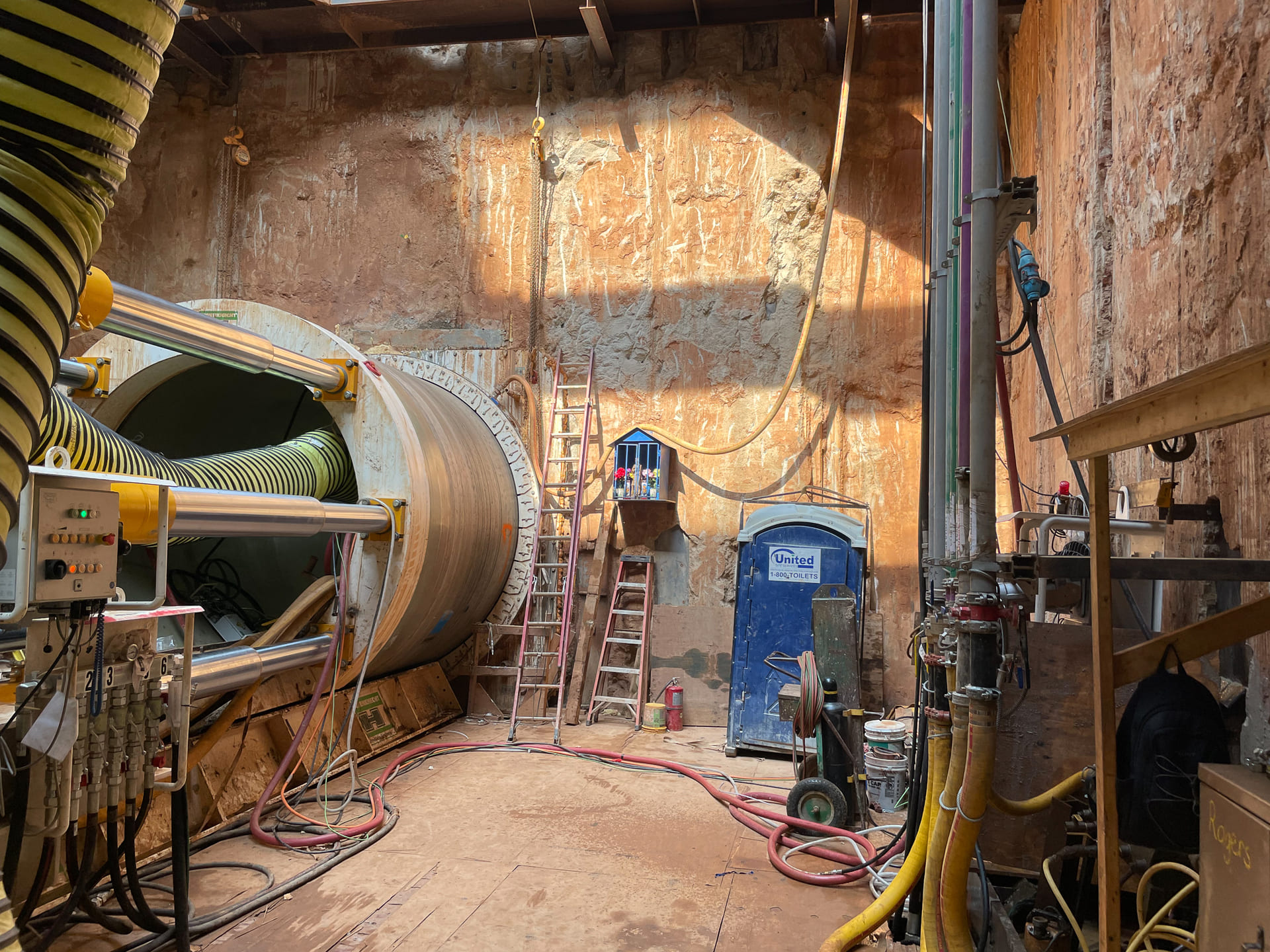 Northeast Boundary Tunnel (NEBT), Washington DC
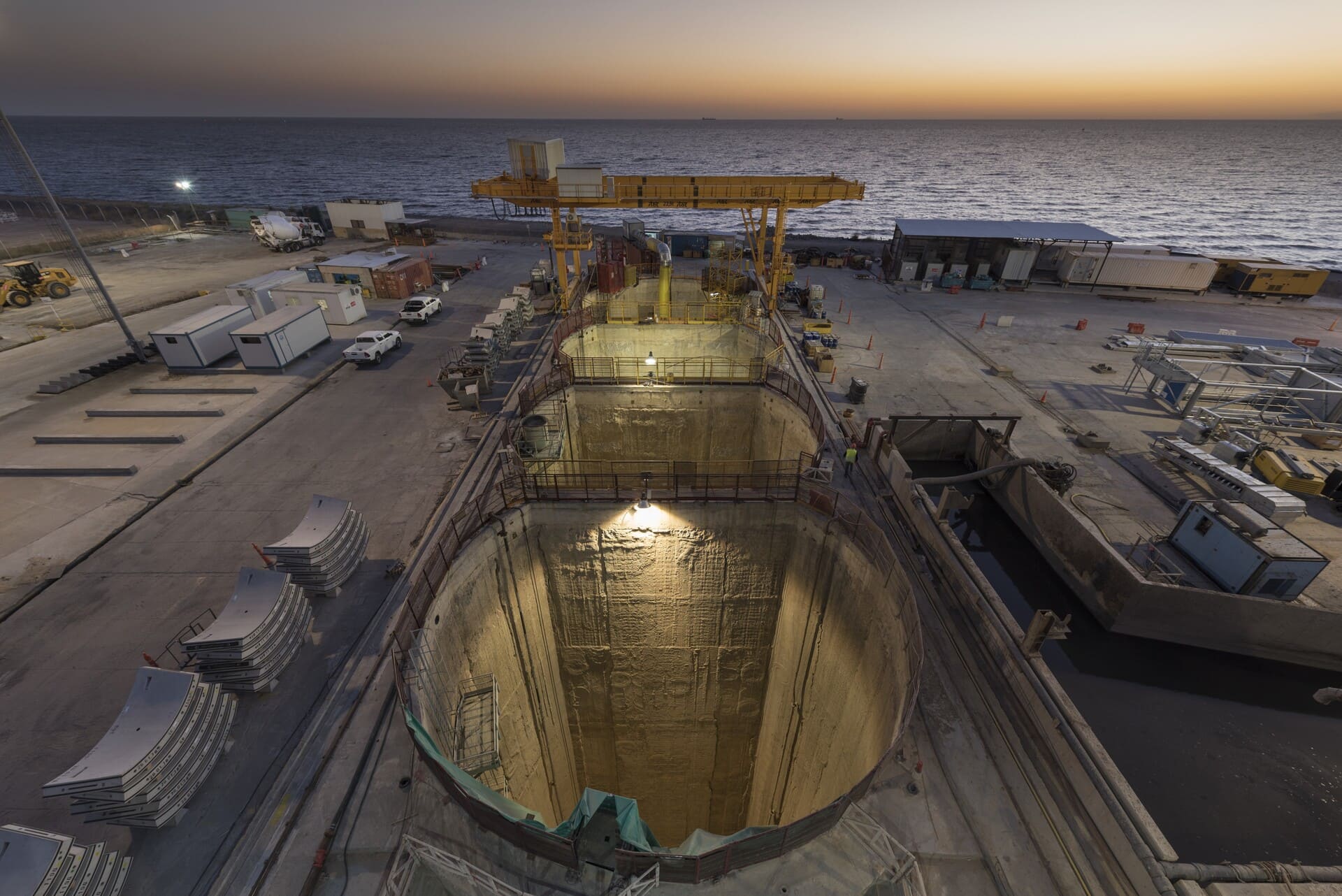 Riachuelo System, Argentina
 Riachuelo System, Argentina
 Riachuelo System, Argentina
 Riachuelo System, Argentina
 Anacostia River Tunnel, Washington DC
 Anacostia River Tunnel, Washington DC
 Anacostia River Tunnel, Washington DC
 Anacostia River Tunnel, Washington DC
 Anacostia River Tunnel, Washington DC
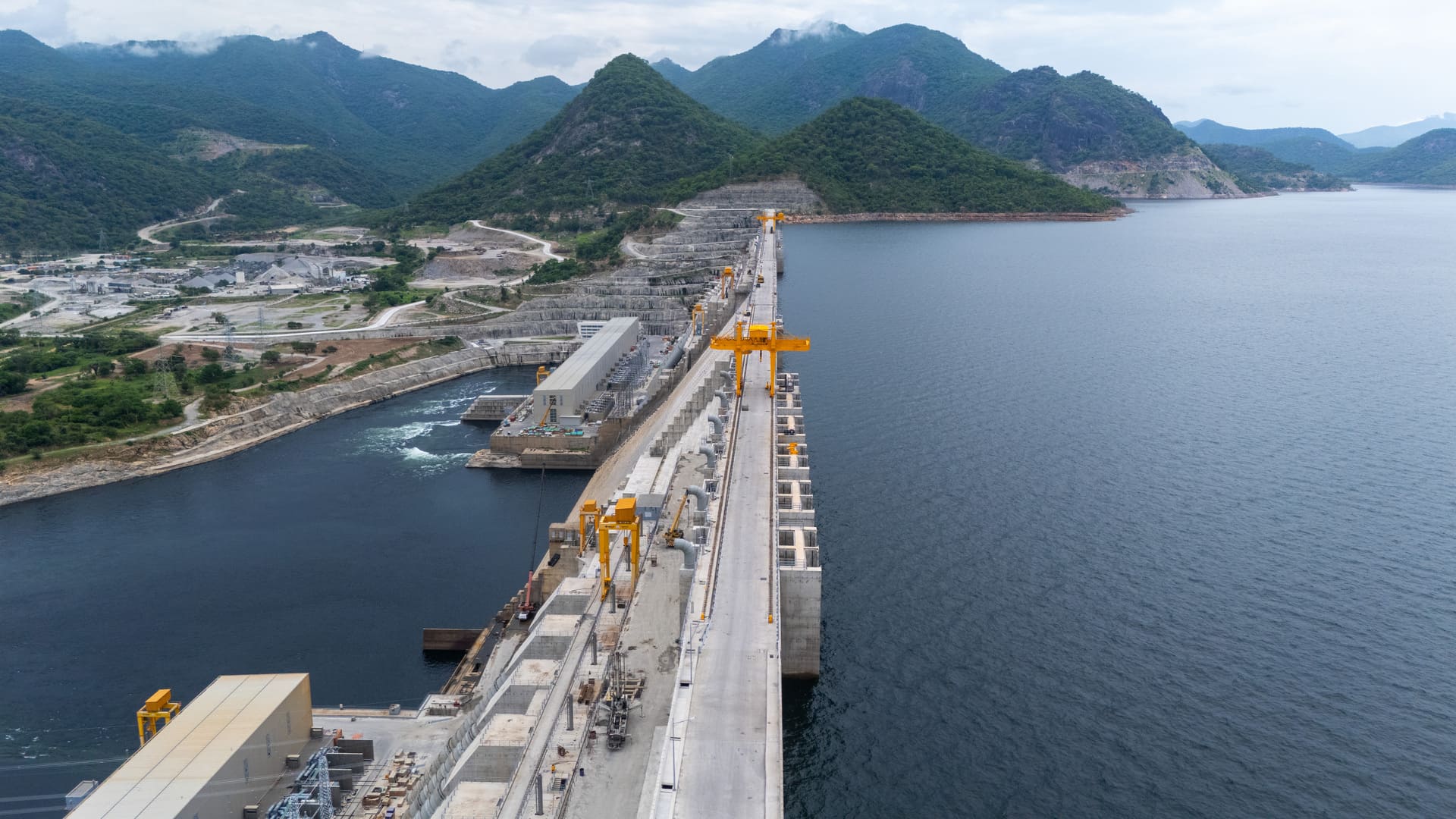 GERD hydroelectric project, Ethiopia
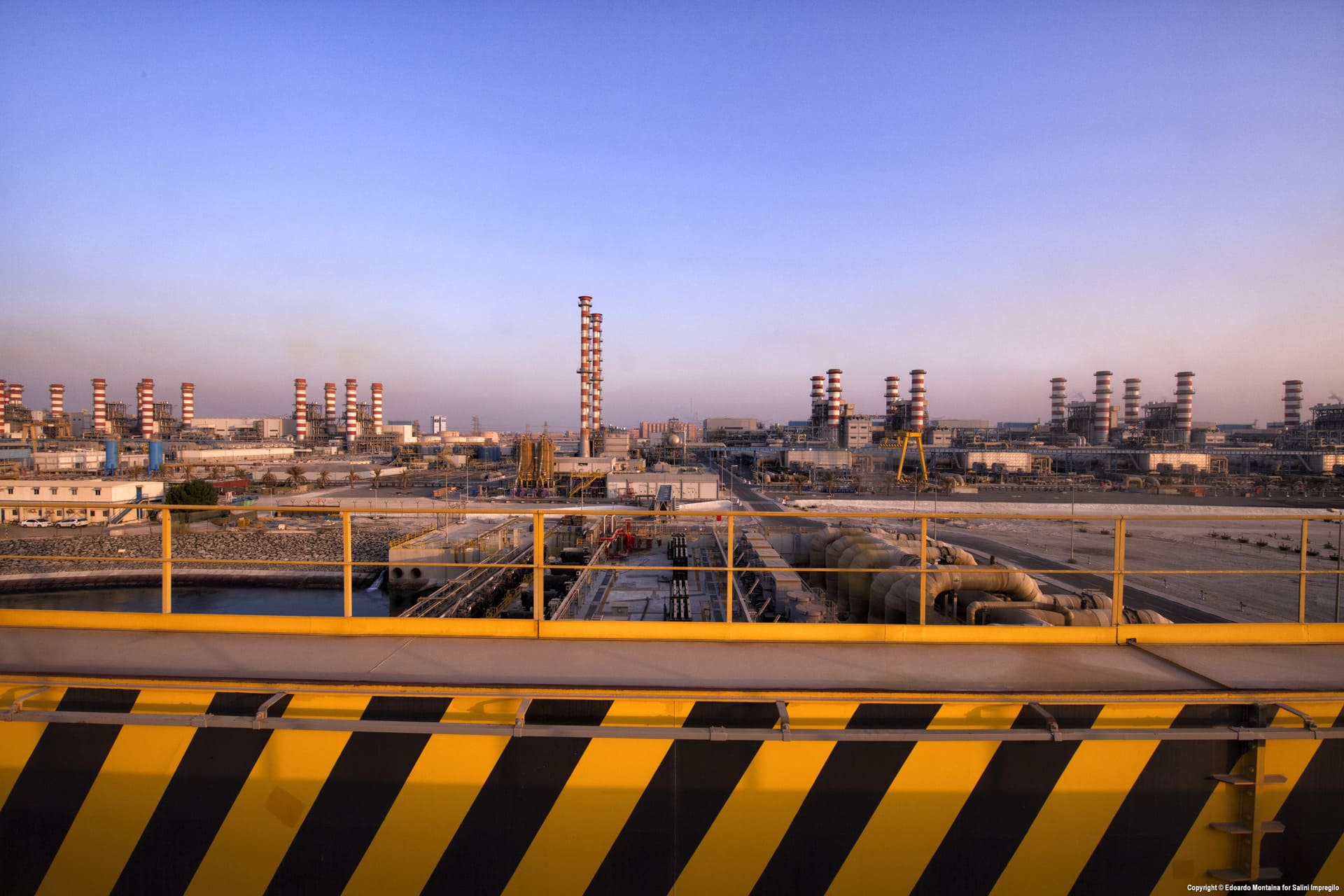 Jebel Ali M desalination plant, United Arab Emirates
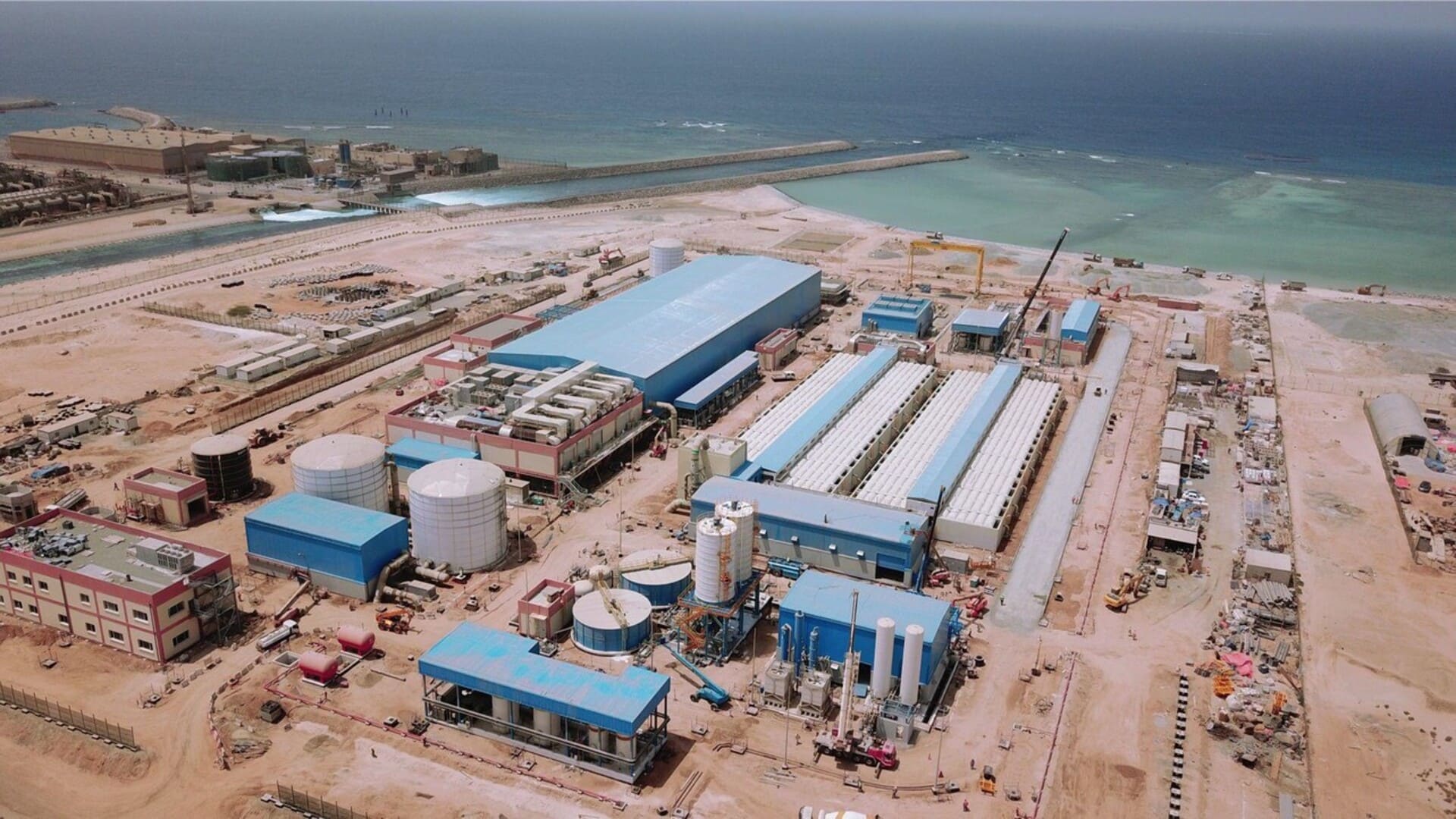 Shoaiba III Desalination Plant, Saudi Arabia
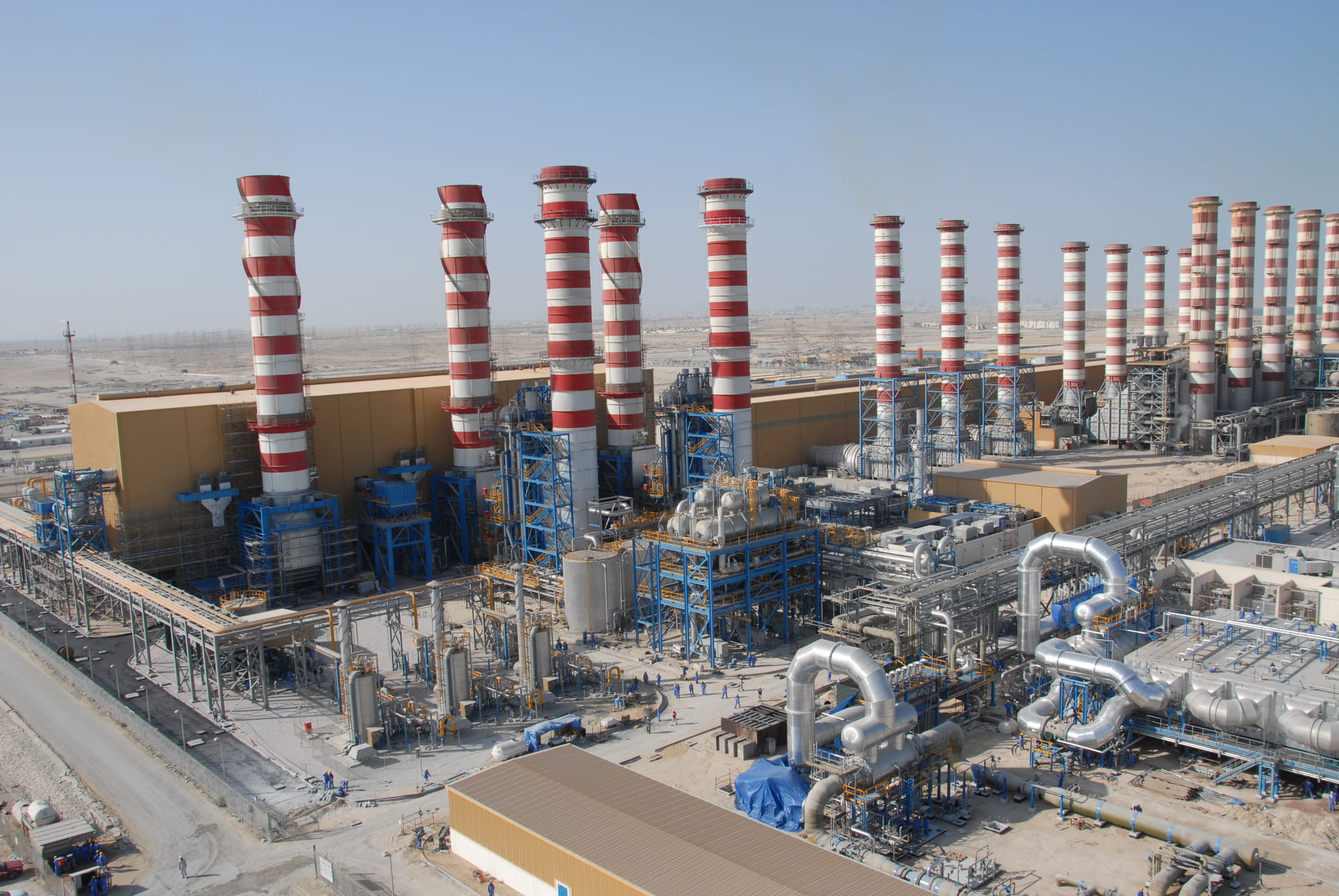 Ras Abu Fontas desalination plant, Qatar
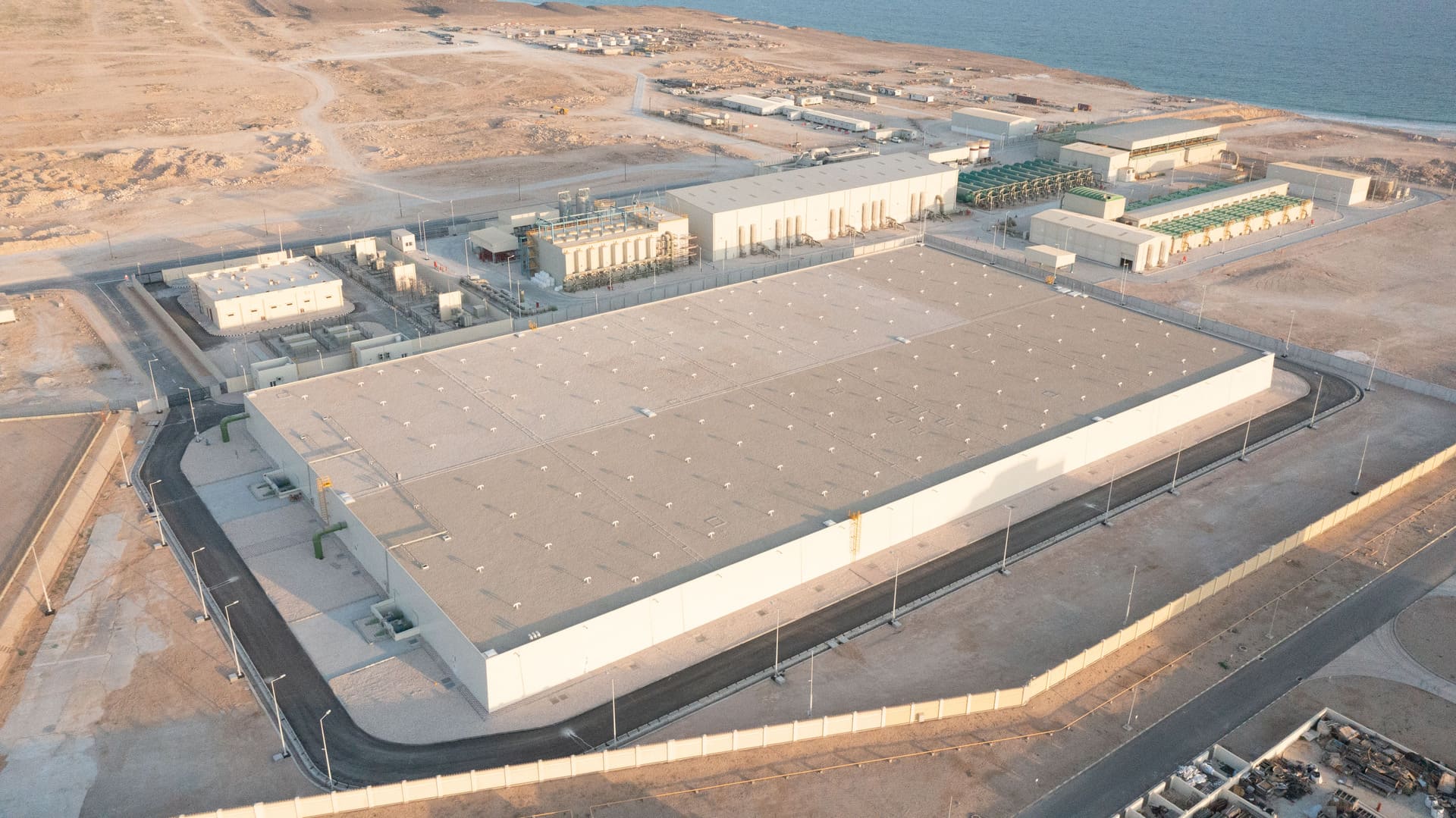 Salalah Independent Water Project, Oman
- From September 29 to October 2, Rome hosts the Euro-Mediterranean Water Forum 2026, with Webuild among the premium partners of the international event dedicated to water security.
- Over 2.1 billion people worldwide lack access to safely managed drinking water: water infrastructure is a global priority.
- From the Riachuelo System in Buenos Aires to the Clean Rivers Project in Washington D.C., Webuild builds major works for river restoration and ecosystem protection.
- Through Fisia Italimpianti, Webuild is a leader in desalination, with plants capable of producing a total of approximately 4.5 million cubic meters of treated water per day.
- From major dams to aqueducts, and from wastewater treatment to desalination, Webuild holds first place globally in the water infrastructure sector according to the 2026 ENR ranking.


Rome as the international capital of water. From September 29 to October 2, the La Nuvola convention center in the EUR district hosts the Euro-Mediterranean Water Forum 2026, one of the primary events dedicated to water security, climate resilience, and cooperation among Mediterranean countries.
Four days of proceedings bringing together representatives of Italian and European institutions, international ministers and delegations, multilateral organizations, the scientific community, and major industrial operators, called upon to address one of the decisive challenges of the coming decades: ensuring sufficient, safe, and accessible water for a growing global population within a context marked by climate change.
The Forum—promoted by the Italian One Water Committee and co-organized with the Institut Méditerranéen de l’Eau in Marseille, in collaboration with the Union for the Mediterranean—features the Webuild Group among its premium partners and brings to Rome a dialogue involving Italian and international political authorities, representatives of the European Commission, and organizations such as the United Nations, FAO, and UNESCO.
From desalination to wastewater reuse, from the protection of major river basins to the construction of dams, aqueducts, and distribution networks, the program addresses the complete water cycle. At the core of the proceedings are also the investments required to construct new infrastructure, modernize existing facilities, and strengthen cooperation among countries sharing water resources increasingly exposed to the effects of climate change.
It is precisely the Mediterranean that represents one of the territories where this challenge carries a distinct significance—a region forced to contend simultaneously with increasingly intense drought periods, extreme rainfall, demographic pressure, and a growing demand for water from cities, agriculture, and industry.
A combination that makes water security not merely an environmental issue, but a critical economic and infrastructure priority.
The Global Water Crisis: Over Two Billion People Without Water Security
The numbers convey the scale of the challenge. According to the 2025 report by the World Health Organization and UNICEF, in 2024 approximately 2.1 billion people—one in four—lacked access to safely managed drinking water. The situation regarding sanitation services is even more severe: 3.4 billion people lacked access according to international standards.
The crisis also affects regions historically abundant in water resources, where the alternation between prolonged droughts and particularly intense rainfall puts severe pressure on distribution networks, sewerage systems, and wastewater treatment plants.
According to data presented by the organizers of the Forum, over 180 million people in the Mediterranean are already living under conditions of water scarcity. The region accounts for roughly 7% of the global population, yet possesses only 3% of the planet’s renewable freshwater resources.
In this scenario, constructing new infrastructure and enhancing the efficiency of existing facilities becomes an essential condition for supporting economic growth, protecting ecosystems, and ensuring the continuity of productive activities.
From Buenos Aires' Riachuelo System to Washington's Anacostia River Tunnel: Infrastructure That Brings Rivers Back to Life
The transformation of major urban water systems is one of the areas where engineering can yield large-scale environmental and social benefits. This is demonstrated by two projects completed by the Webuild Group in the Americas, both developed to tackle one of the most serious consequences of urbanization: watercourse pollution caused by sewage discharges.
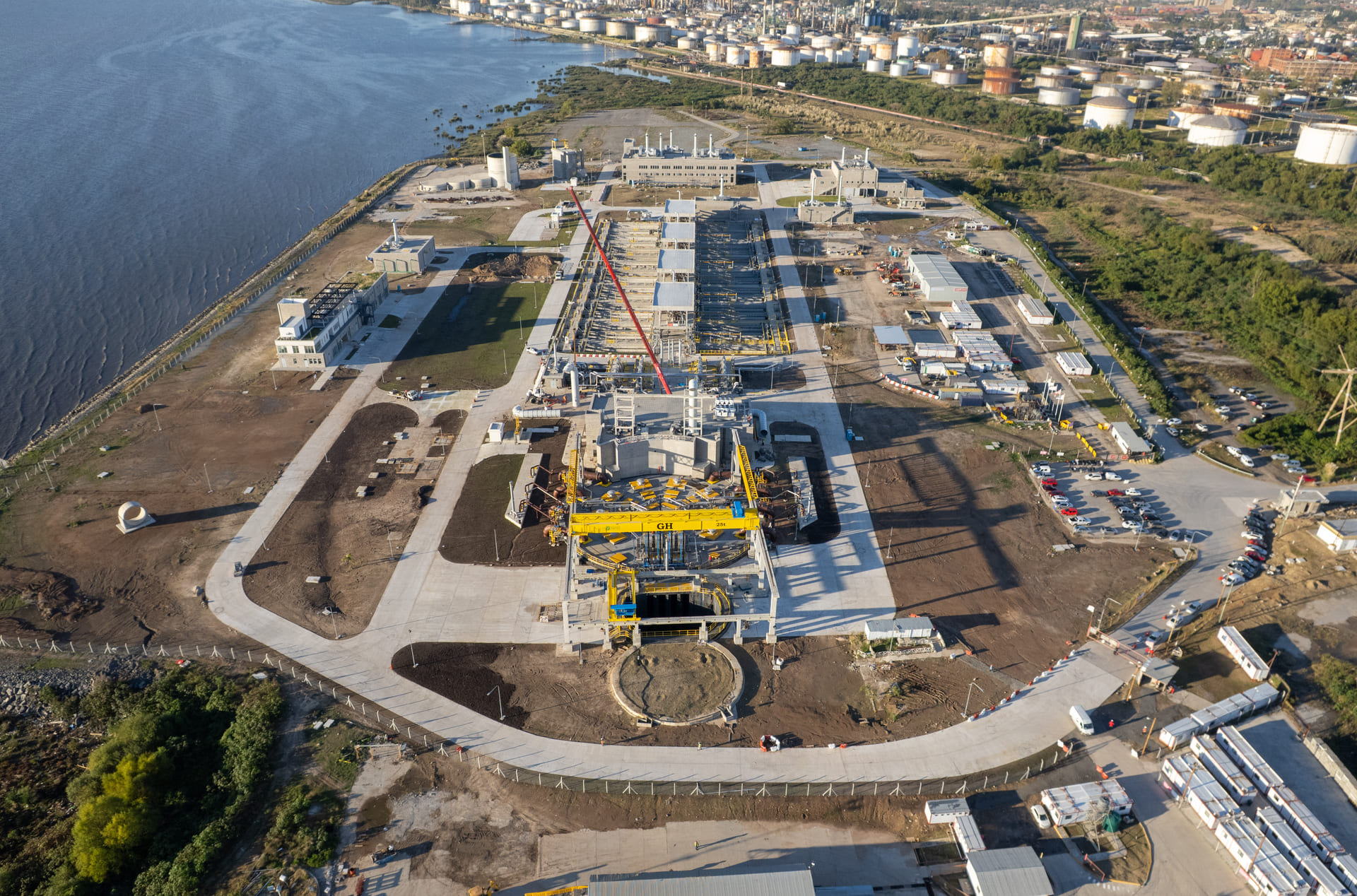
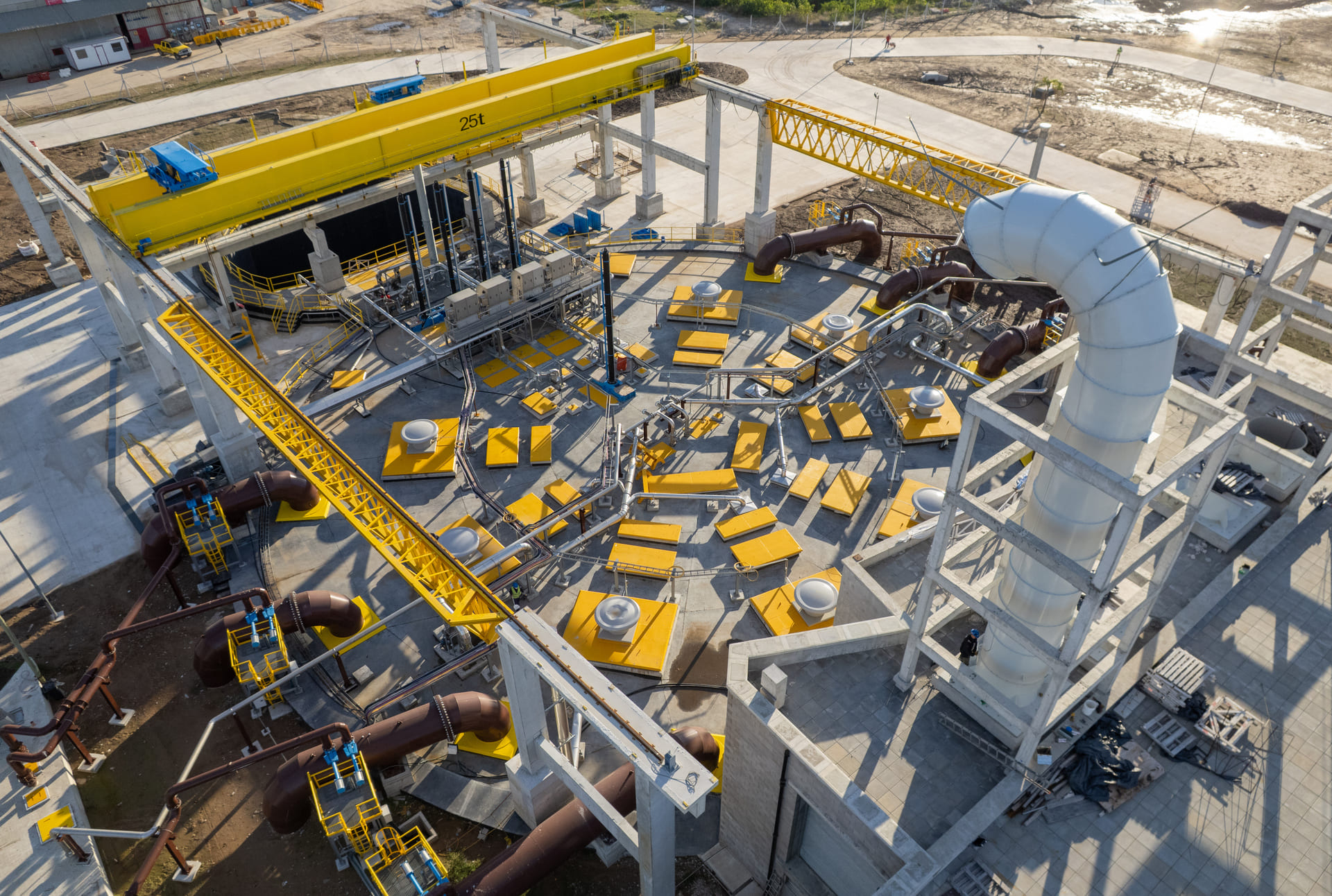
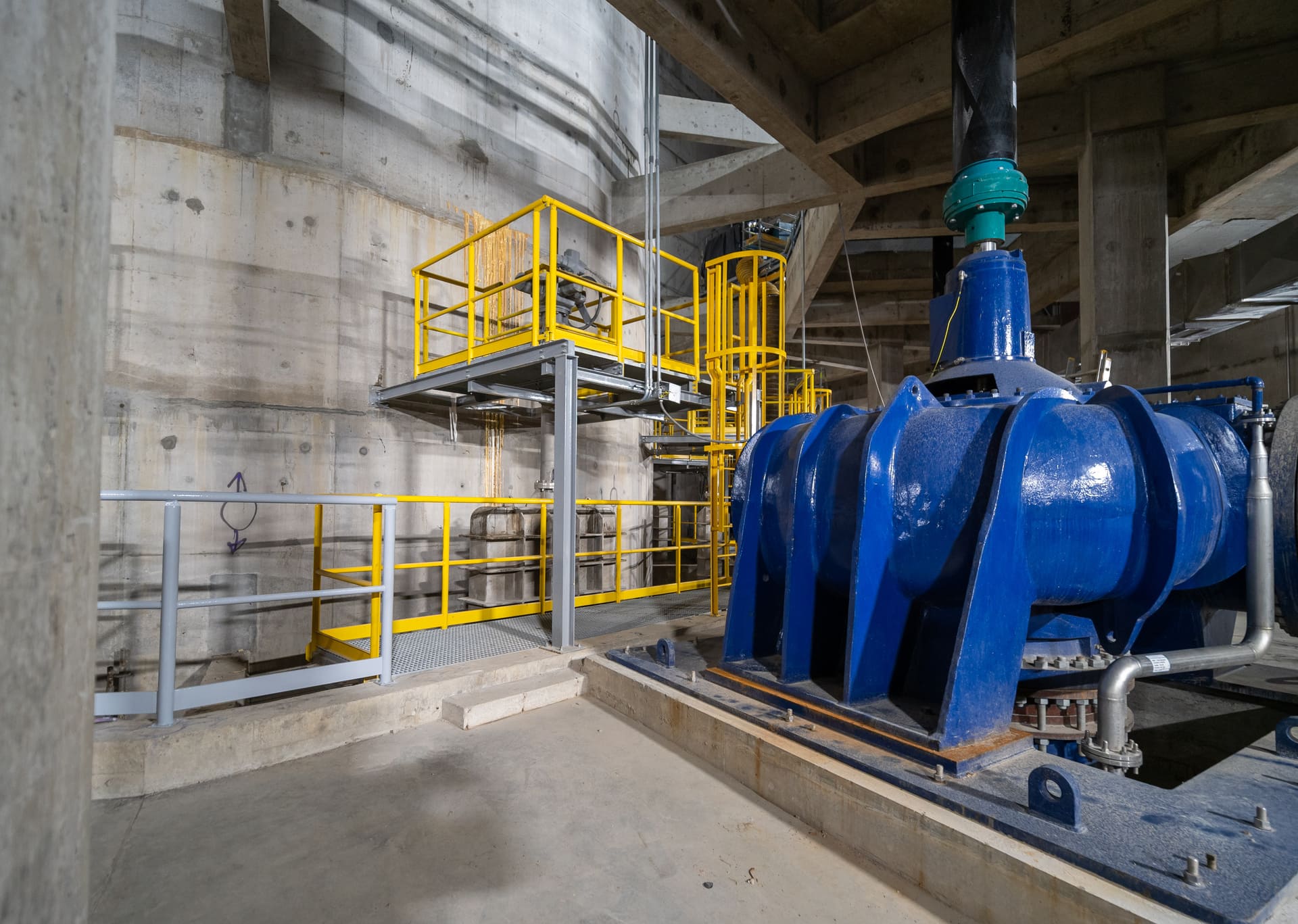
In Buenos Aires, the Riachuelo System represents the largest wastewater treatment project ever undertaken in Latin America. Brought into operation in June 2025, the system impacts over 4.3 million people across 14 municipalities and contributes to the restoration of a river basin compromised by more than a century of industrial and urban discharges.
Webuild constructed two of the three main lots of the infrastructure project through an integrated system that includes a wastewater pretreatment plant—built in partnership with its subsidiary Fisia Italimpianti—and a discharge tunnel approximately 12 kilometers long beneath the Río de la Plata. The tunnel is engineered to convey and disperse up to 2.3 million cubic meters per day of treated water, contributing to the reduction of pollution in the basin.
Thousands of kilometers away, in the capital of the United States, Webuild contributed to the Clean Rivers Project, the program promoted by DC Water to reduce polluting discharges into the city’s rivers.
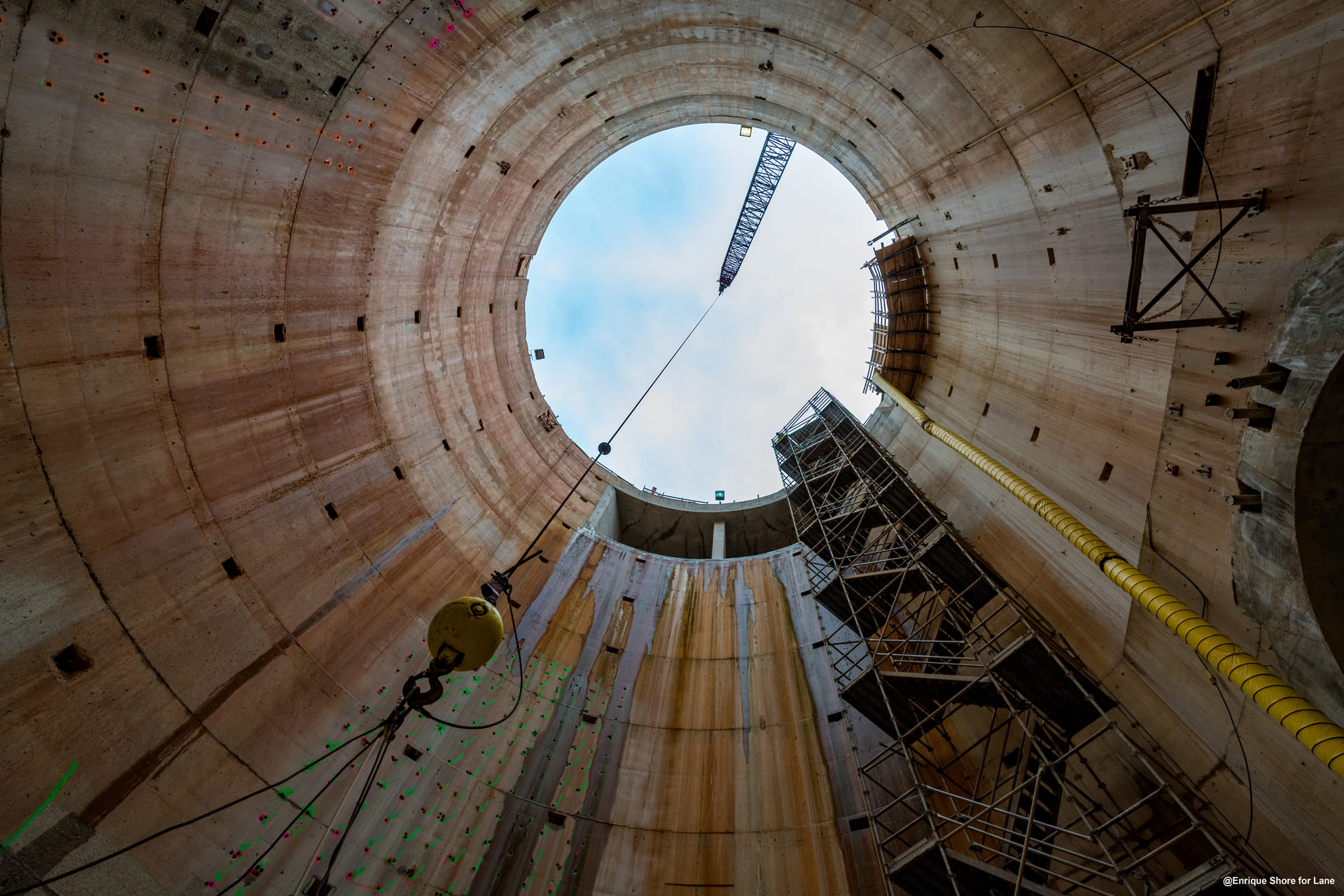
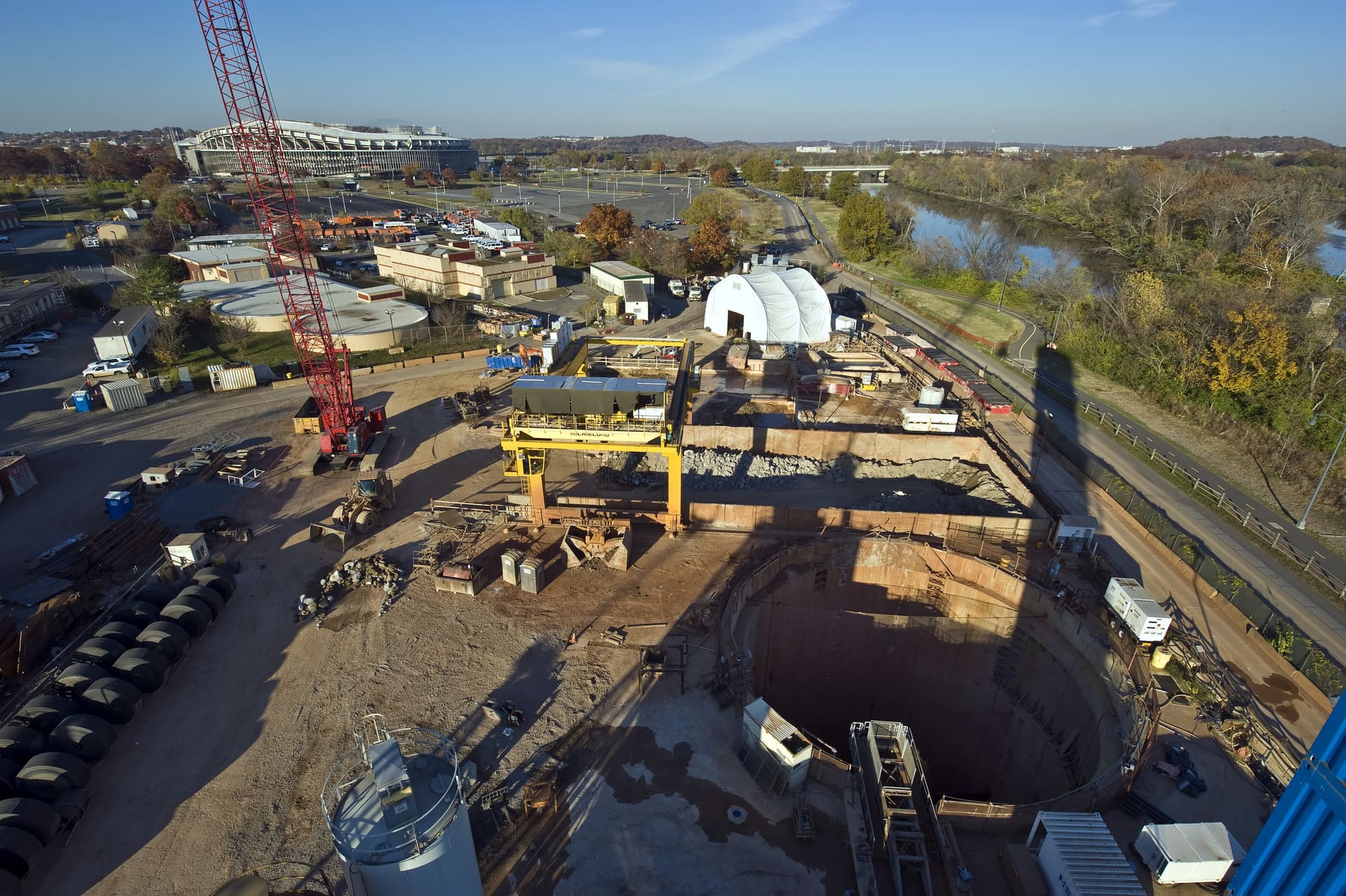
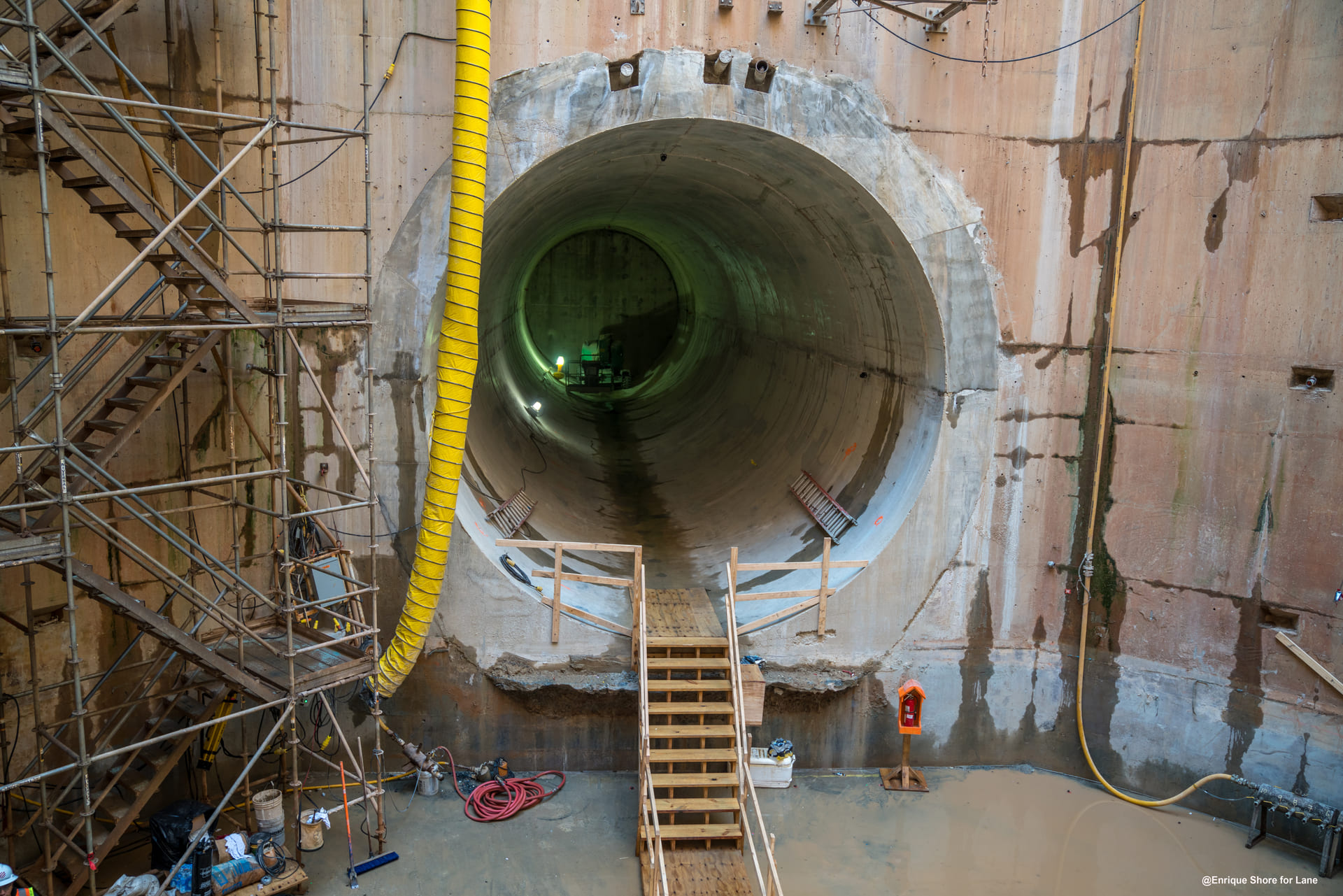
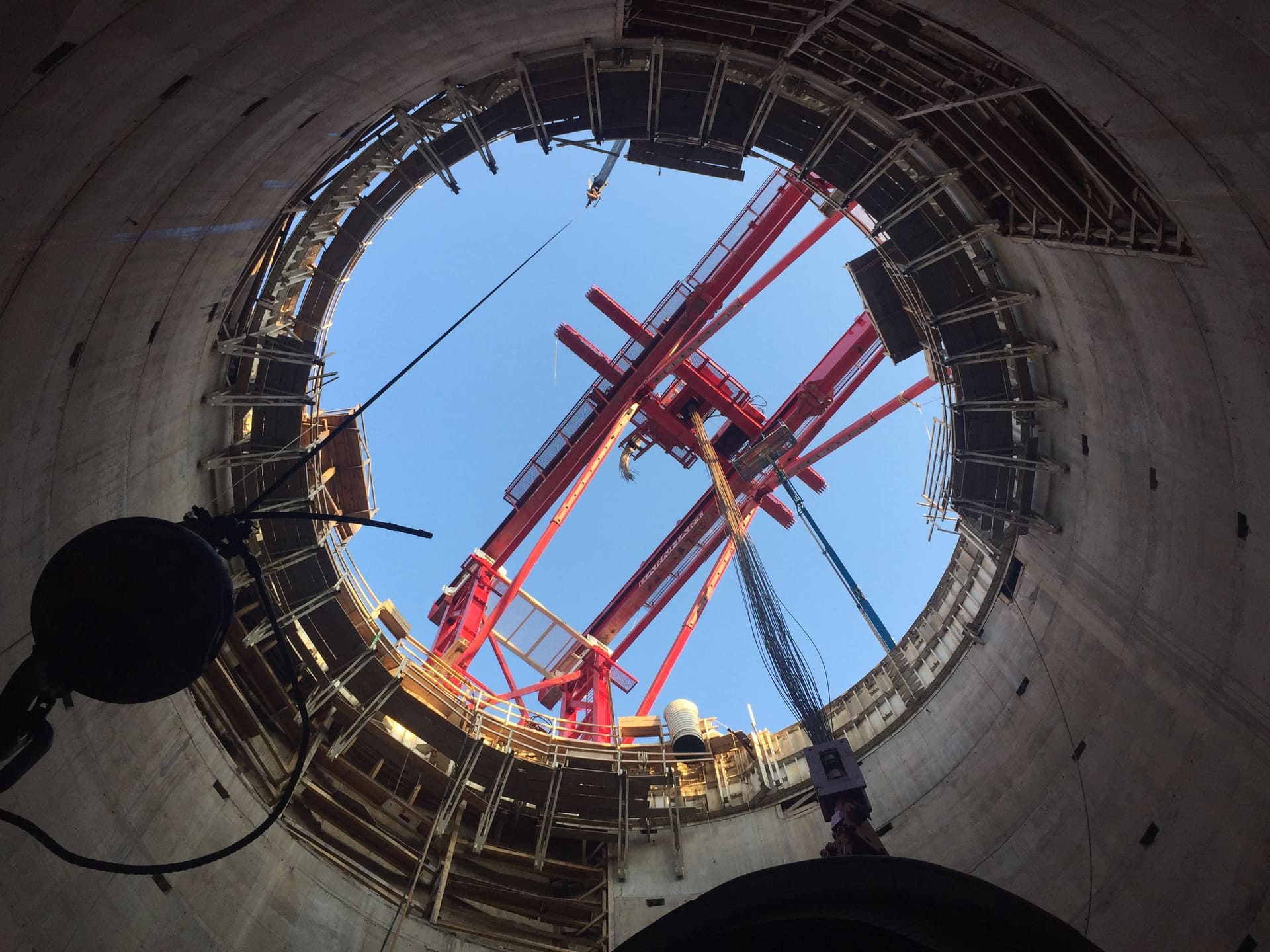
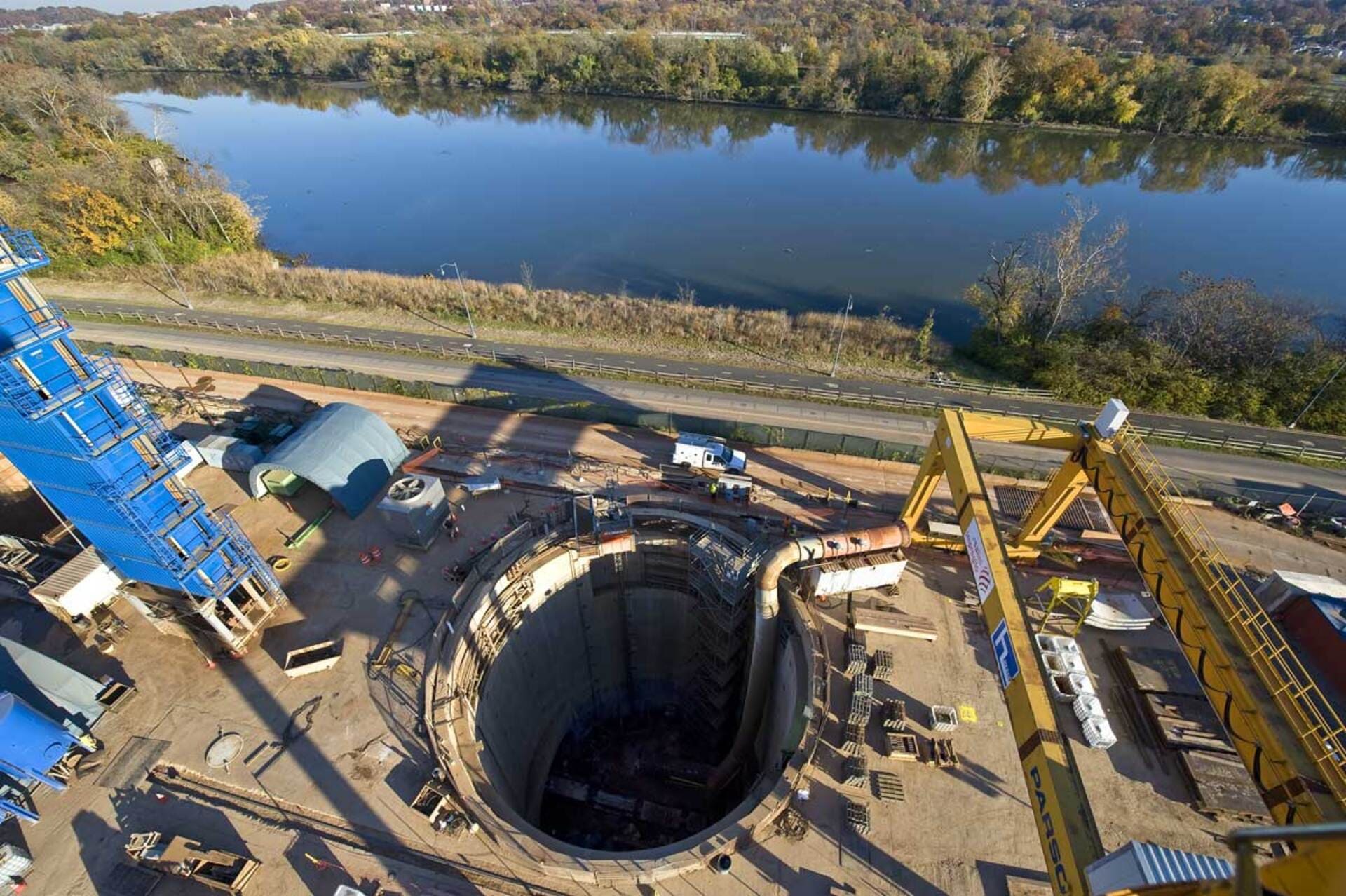
One of the most significant interventions is the Anacostia River Tunnel, a hydraulic tunnel 3.8 kilometers long with a diameter of approximately 7 meters, excavated at an average depth of 30 meters. The infrastructure intercepts wastewater and stormwater during the heaviest rainfall events, preventing the overloaded urban sewer network from discharging directly into the Anacostia River.
The project is part of a broader system of tunnels and water treatment facilities aimed at drastically reducing polluting spills and protecting the city’s waterways.
Desalination: A New Frontier in the Fight Against Drought
While river restoration is essential for recovering existing resources, desalination represents one of the key technologies enabling the creation of new freshwater supplies in regions most exposed to water scarcity.
For decades, the Middle East has served as an international laboratory in this sector. Through Fisia Italimpianti, Webuild has contributed to the construction of major plants in Saudi Arabia, the United Arab Emirates, and other countries in the region. Altogether, the facilities built by the company are capable of producing approximately 4.5 million cubic meters of treated water per day, helping supply around 20 million people.
Among the most representative projects is Jebel Ali M in Dubai, completed in 2012, with a production capacity exceeding 636,000 cubic meters of potable water per day. In Saudi Arabia, the Shoaiba desalination plant, constructed using reverse osmosis technology, is capable of treating 250,000 cubic meters of water per day, serving over one million residents in the cities of Jeddah, Mecca, and Taif.
These infrastructure projects illustrate how desalination can help diversify supply sources and reduce reliance on conventional water resources—a technology that also demands investments in energy efficiency and environmental impact management, yet plays an increasingly critical role in climate adaptation strategies.
From Major Dams to Water Resilience: The Role of Infrastructure
The contribution of major works to water security is not limited to water treatment and desalination, but also encompasses the construction of dams, reservoirs, and distribution systems capable of storing resources, regulating flows, and meeting the needs of communities and productive sectors.
It is a sector in which Webuild secures first place globally in the 2026 Engineering News-Record ranking dedicated to international water contractors—a position the Group has maintained for over a decade.
This track record includes projects such as the Grand Ethiopian Renaissance Dam in Ethiopia, the largest hydroelectric complex in Africa, along with developments that integrate power generation, resource management, and regional development.
The imperative to develop integrated water systems is also a central theme at the Rome Forum, which places particular focus on the nexus between water, energy, agriculture, and ecosystems—closely interconnected domains where the availability of water resources directly shapes growth prospects and the capacity of regions to cope with climate change impacts.
The challenge originating in Rome is therefore to translate international dialogue into concrete investments and projects. From major metropolises to the most arid regions of the planet, ensuring access to water resources means constructing the infrastructure that will enable the economic and social development of future generations.