


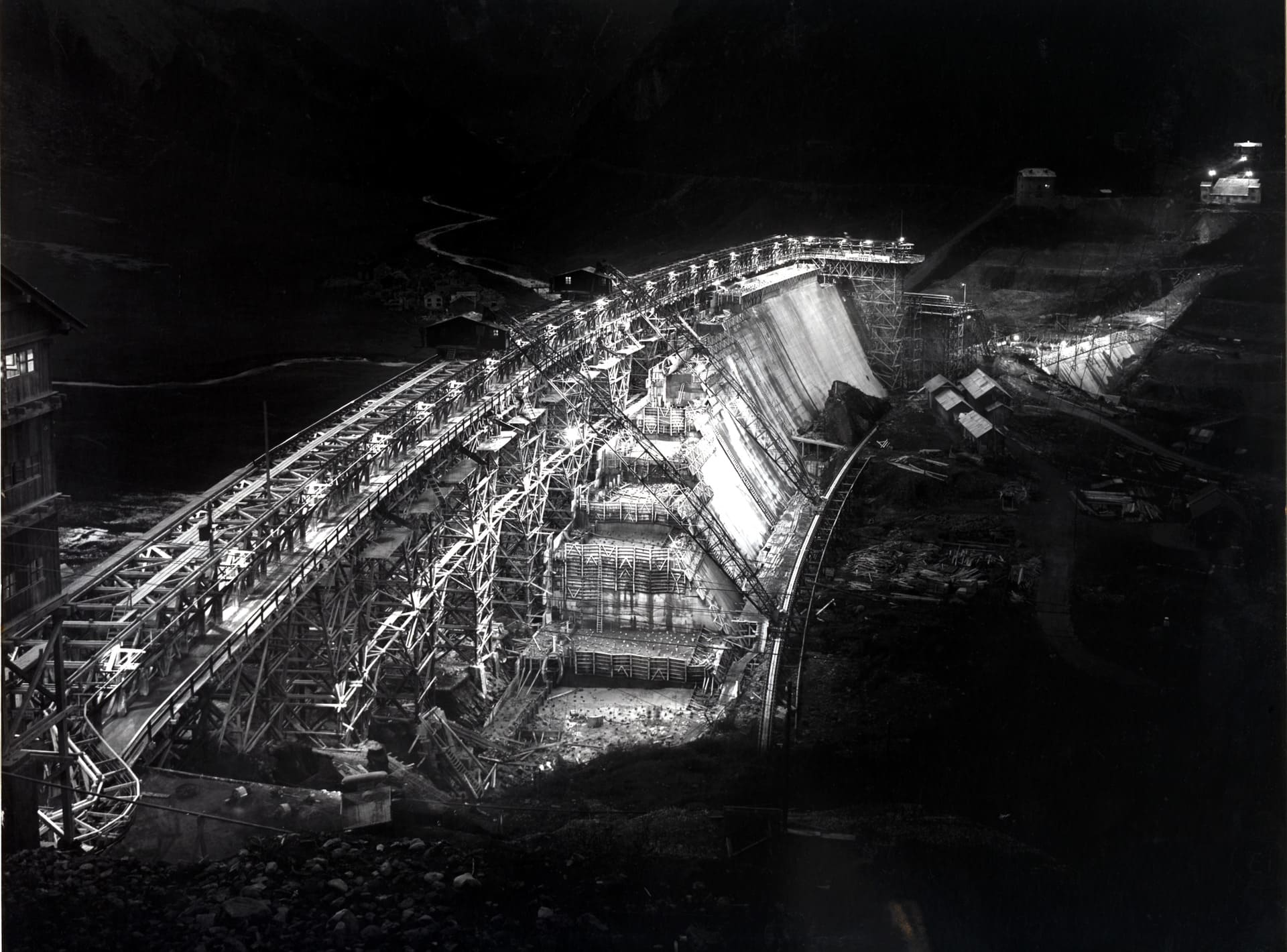
 Morasco Dam, Italy, 1940
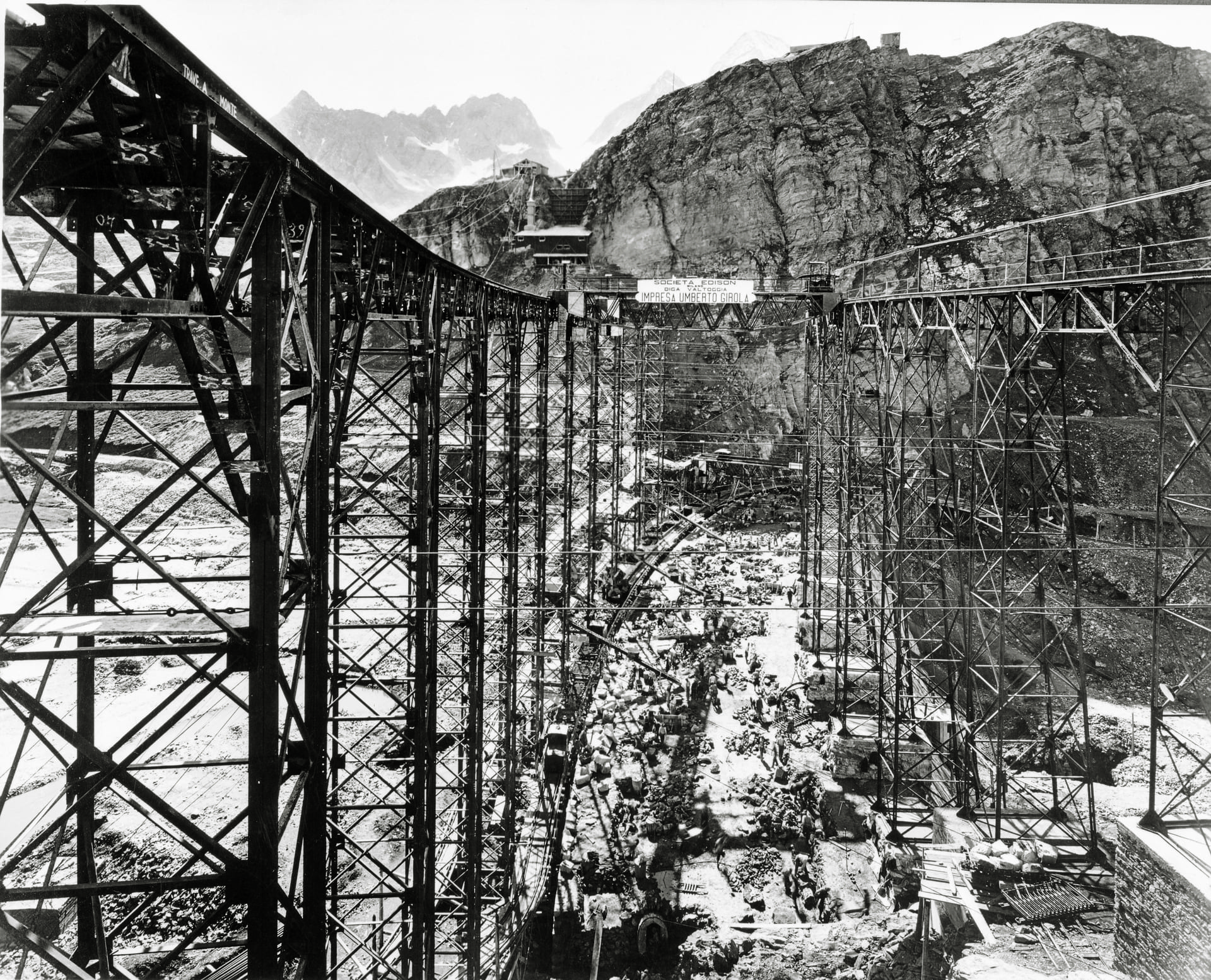 Toggia Dam, Italy, 1932
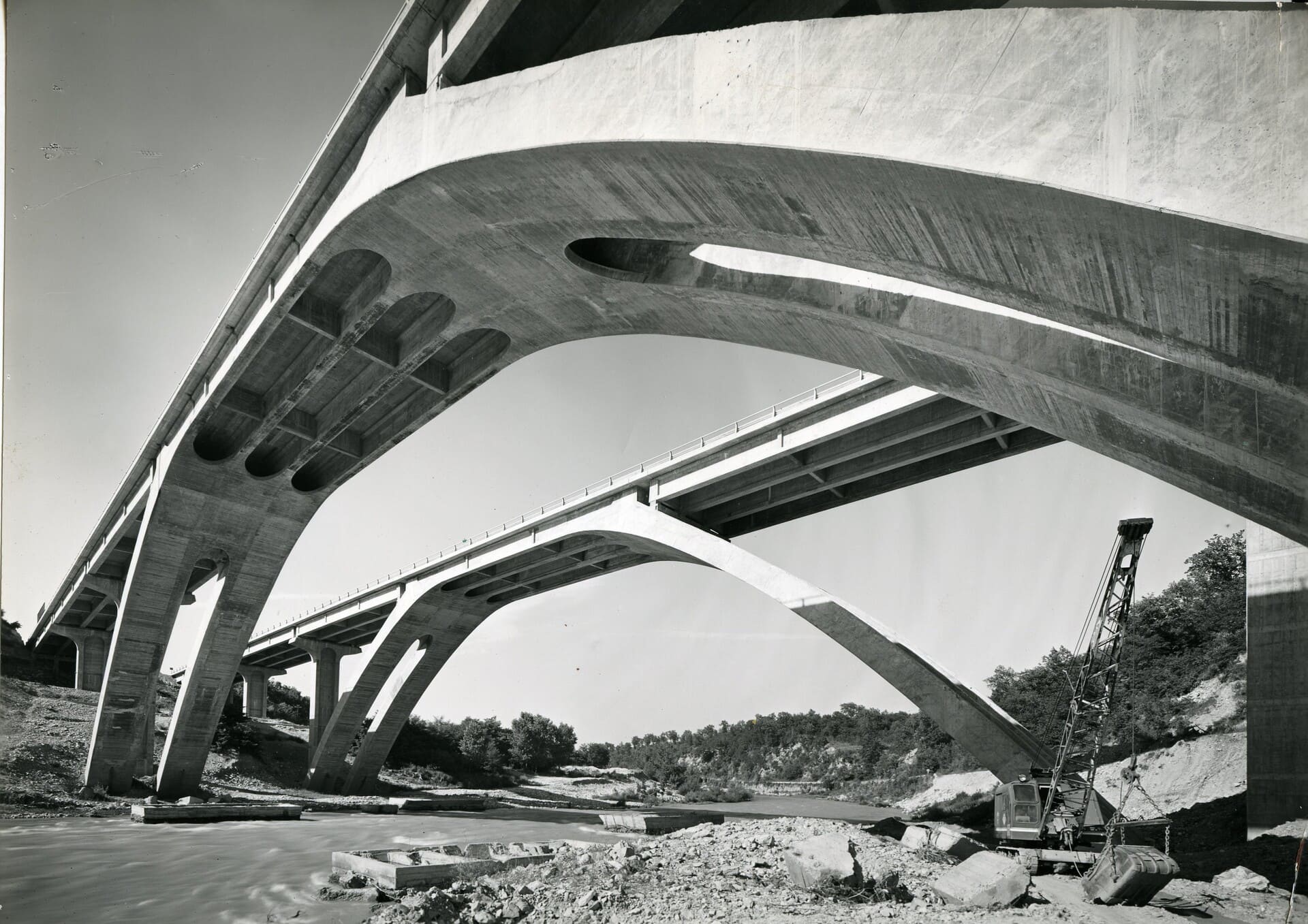 Autostrada del Sole, Incisa Valdarno section, Italy, 1964
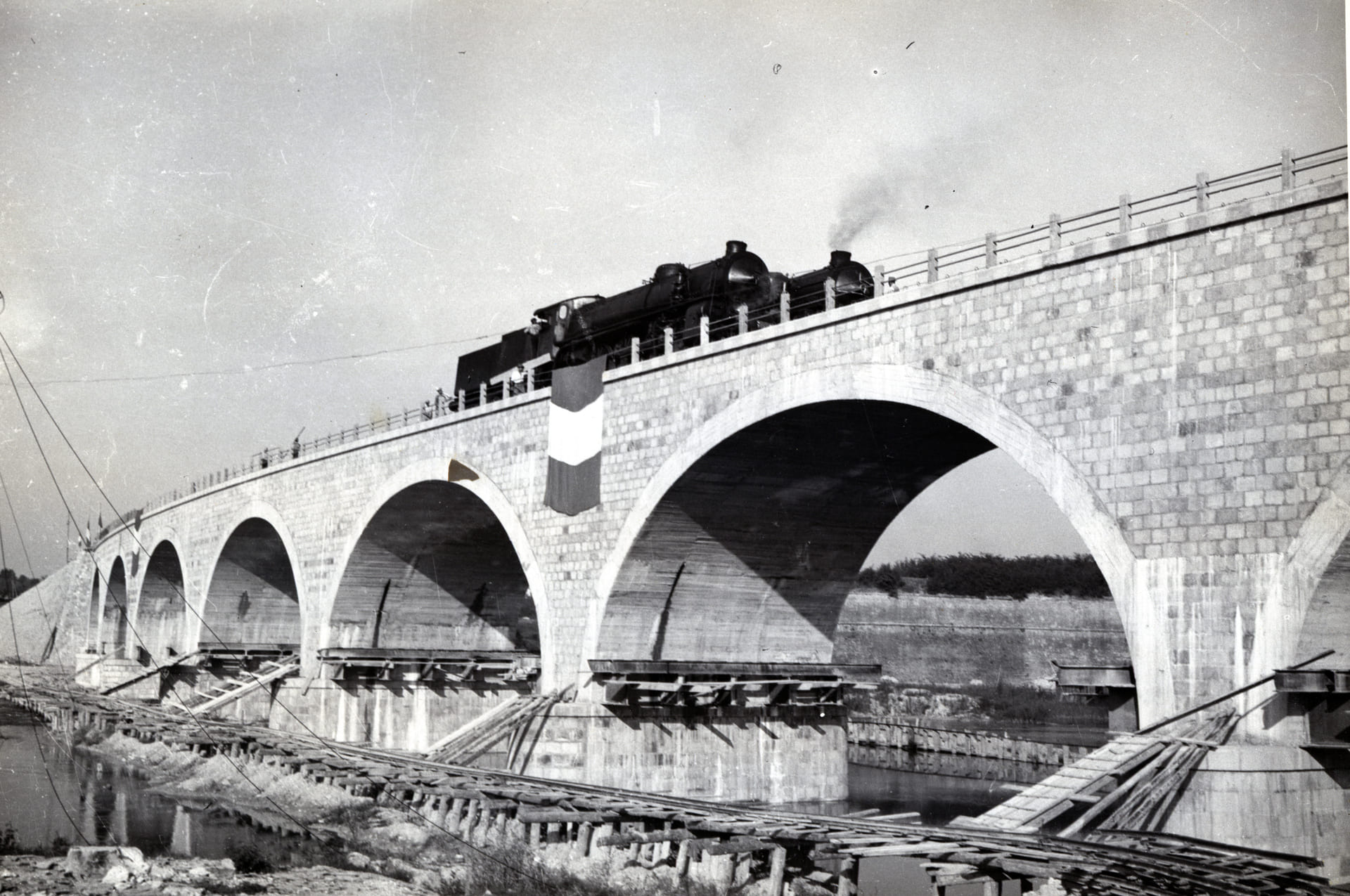 Railway bridge over the Mincio river, 1947
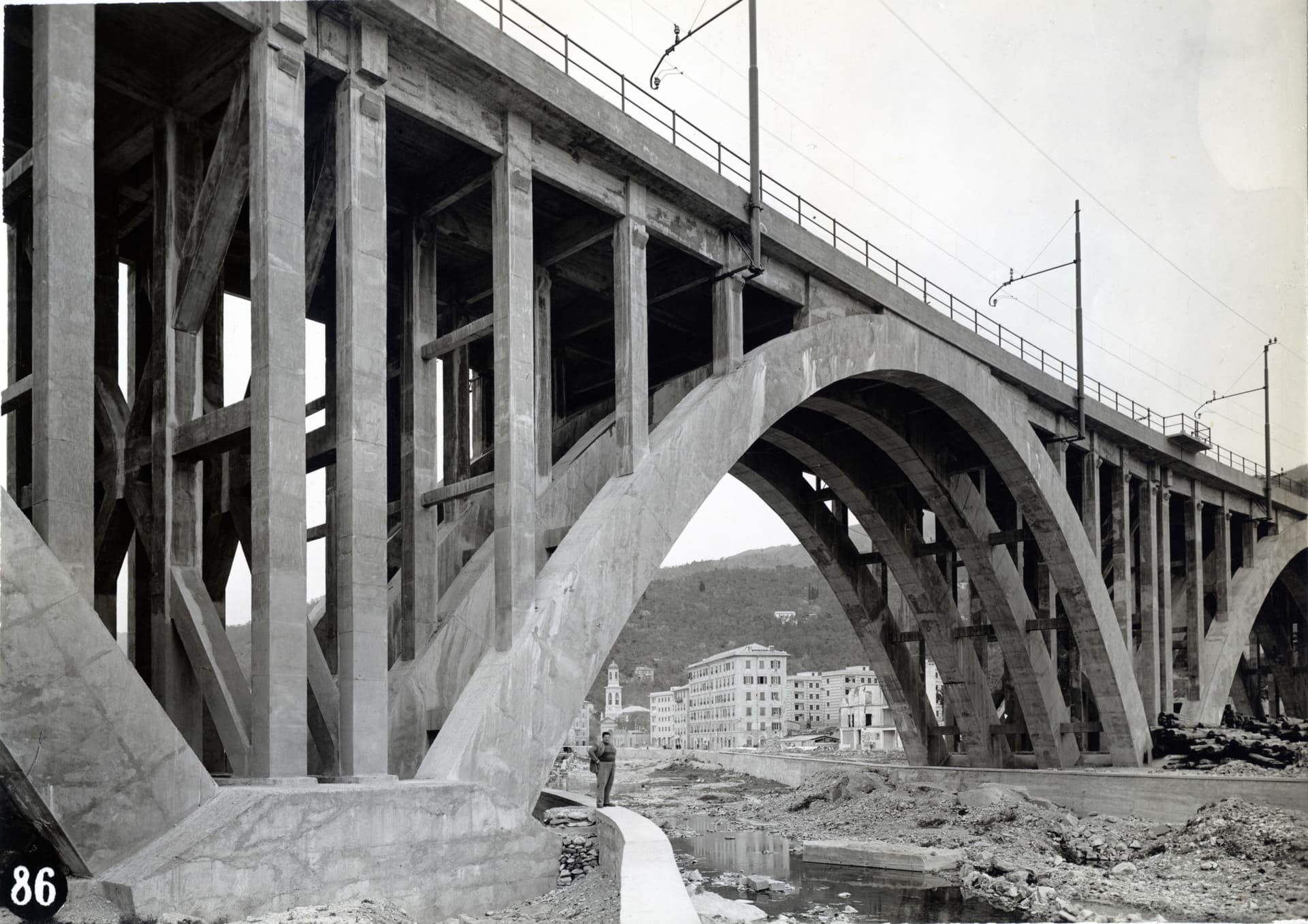 Recco Bridge, Italy, 1948
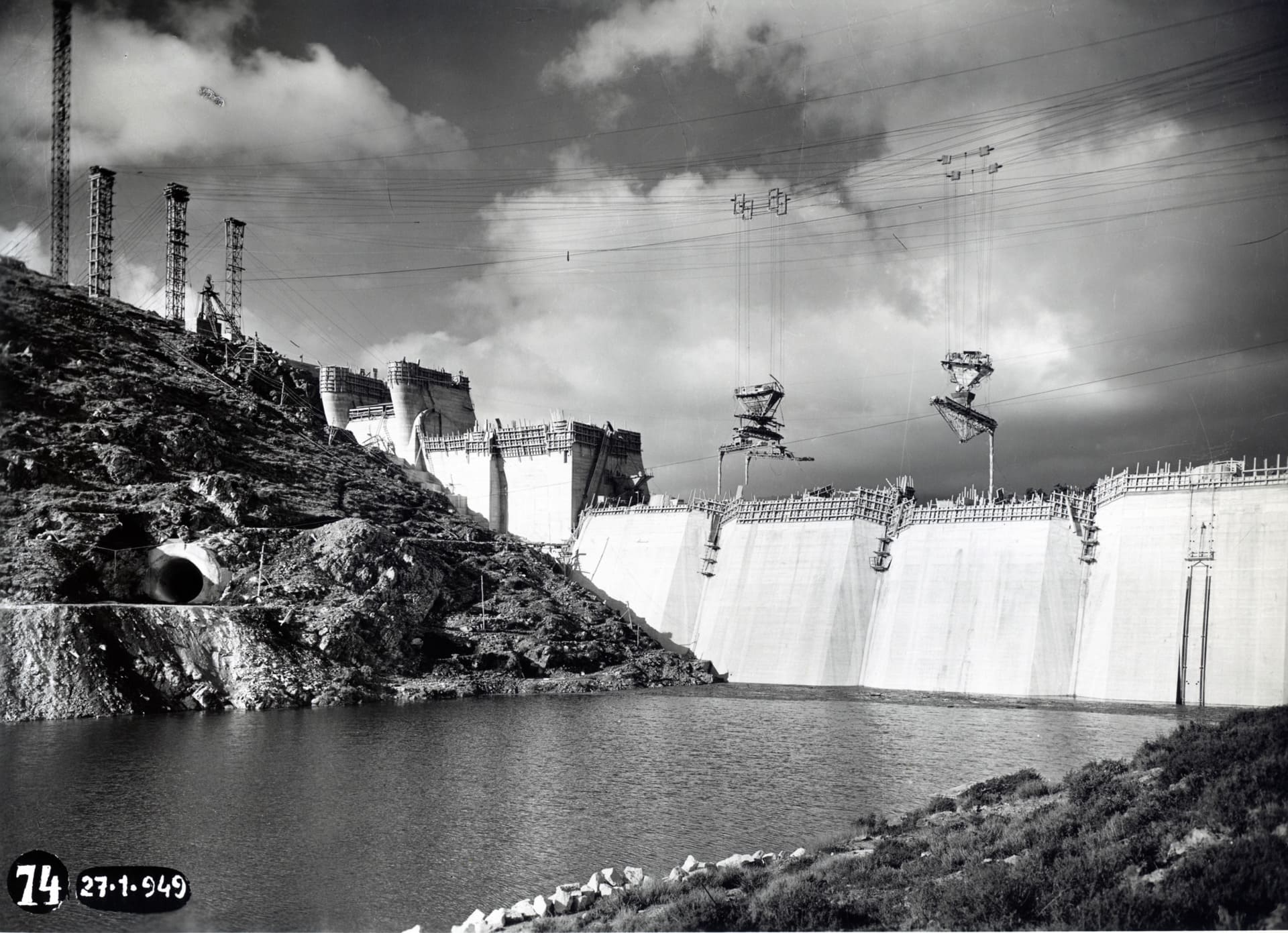 Flumendosa Bau Muggeris Dam, Italy, 1949
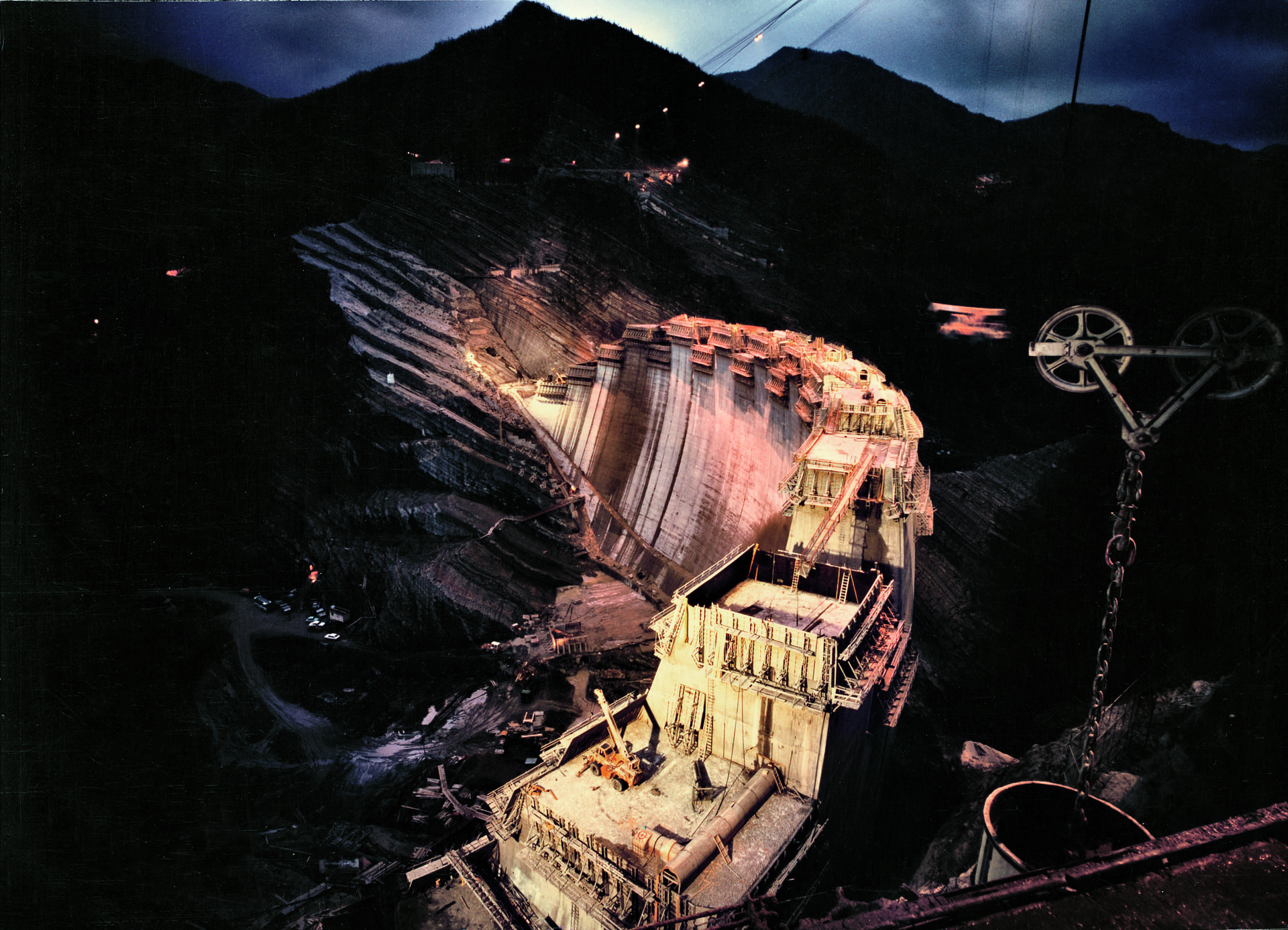 Ridracoli Dam, Italy, 1982
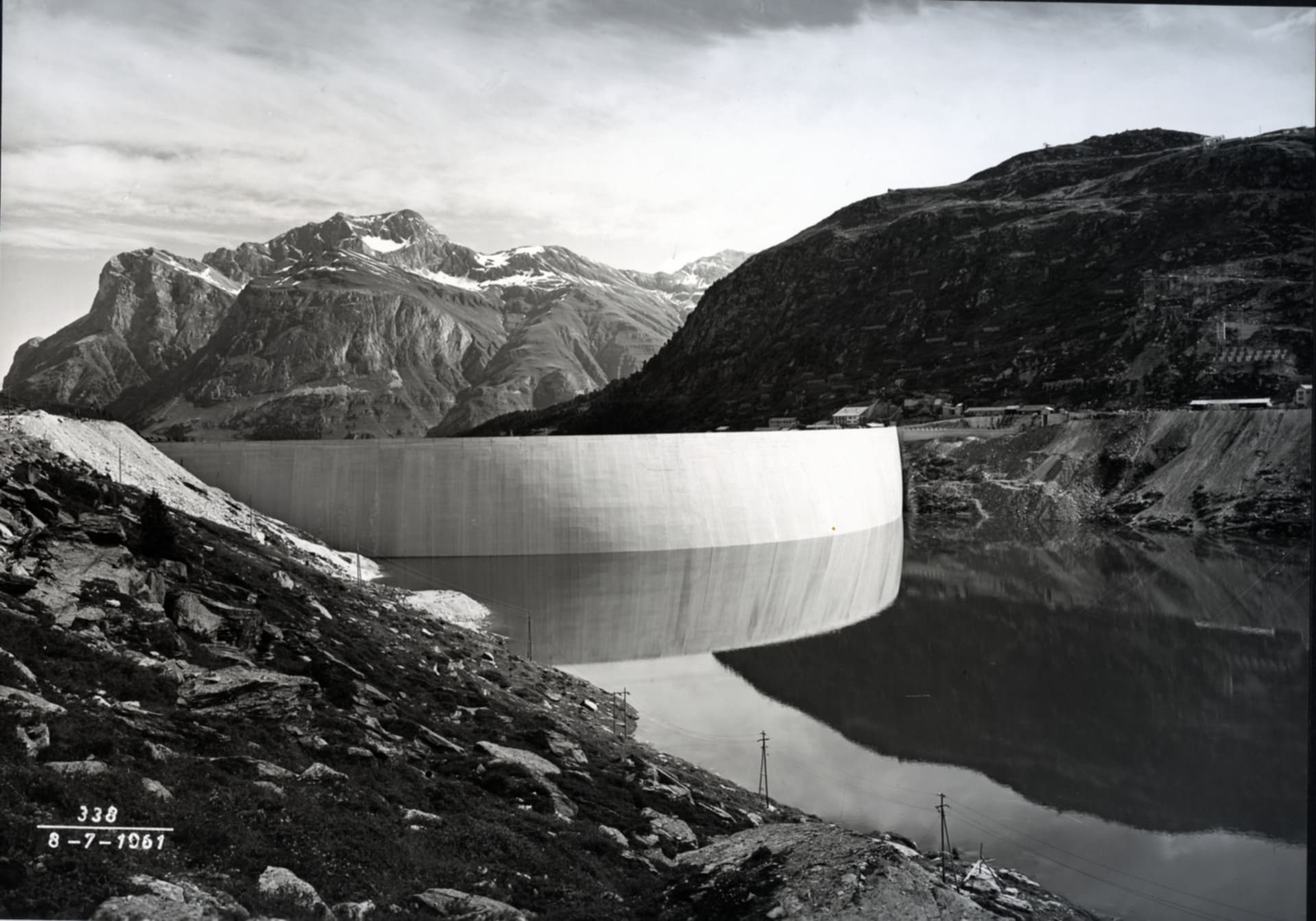 Val di Lei Dam, Italy / Switzerland, 1960
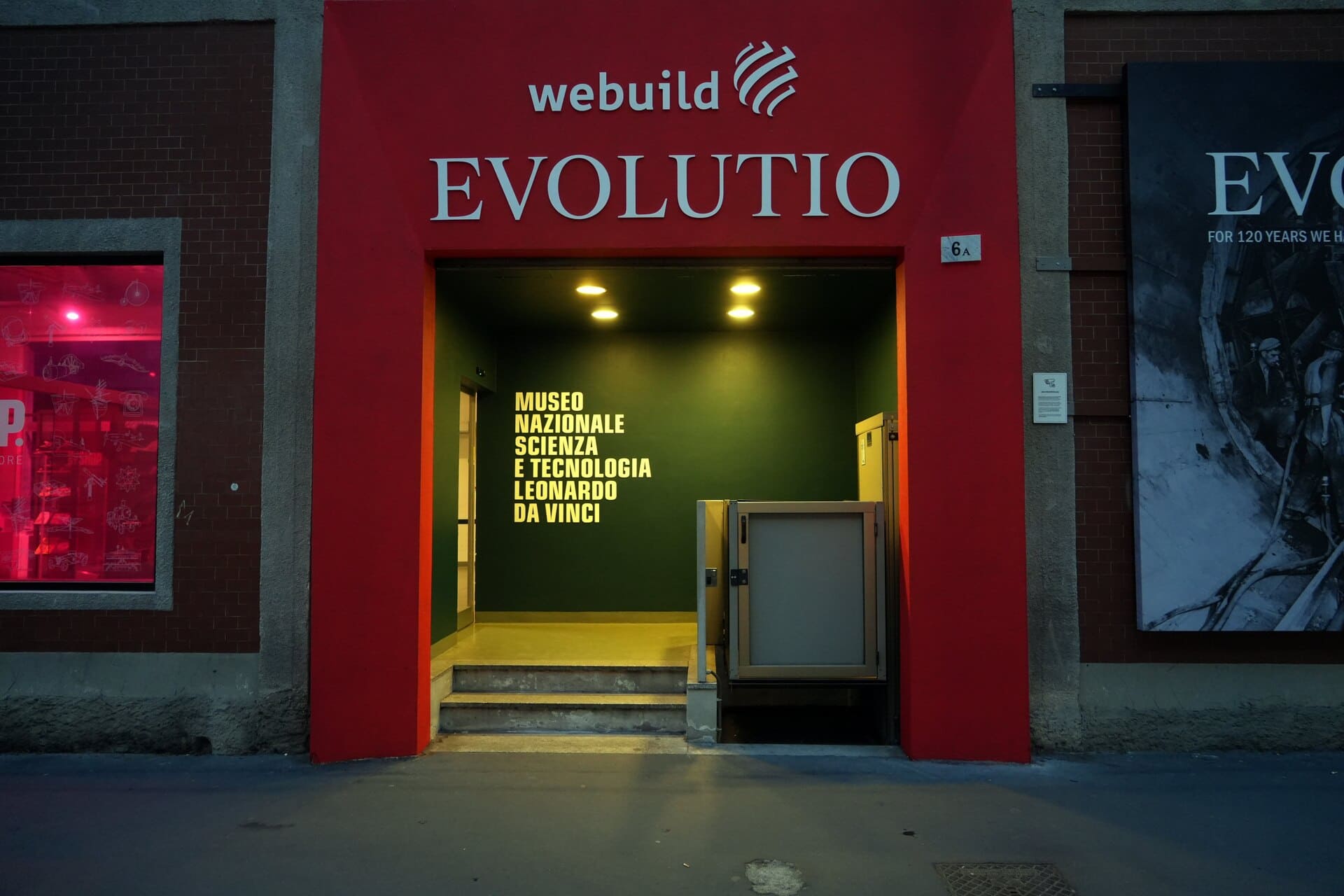 Evolutio exhibition at the Museum of Science and Technology in Milan
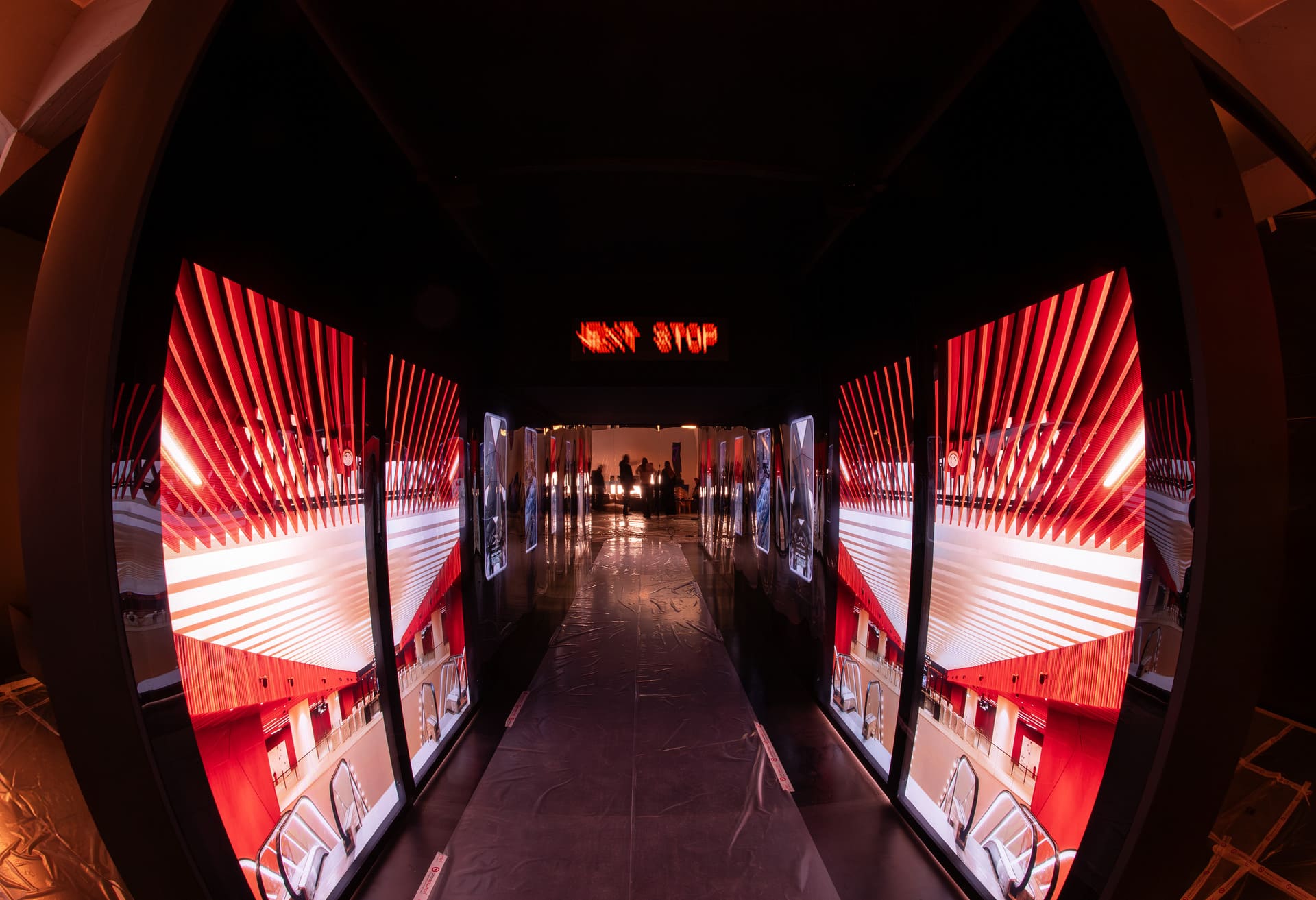 Evolutio exhibition at the Museum of Science and Technology in Milan
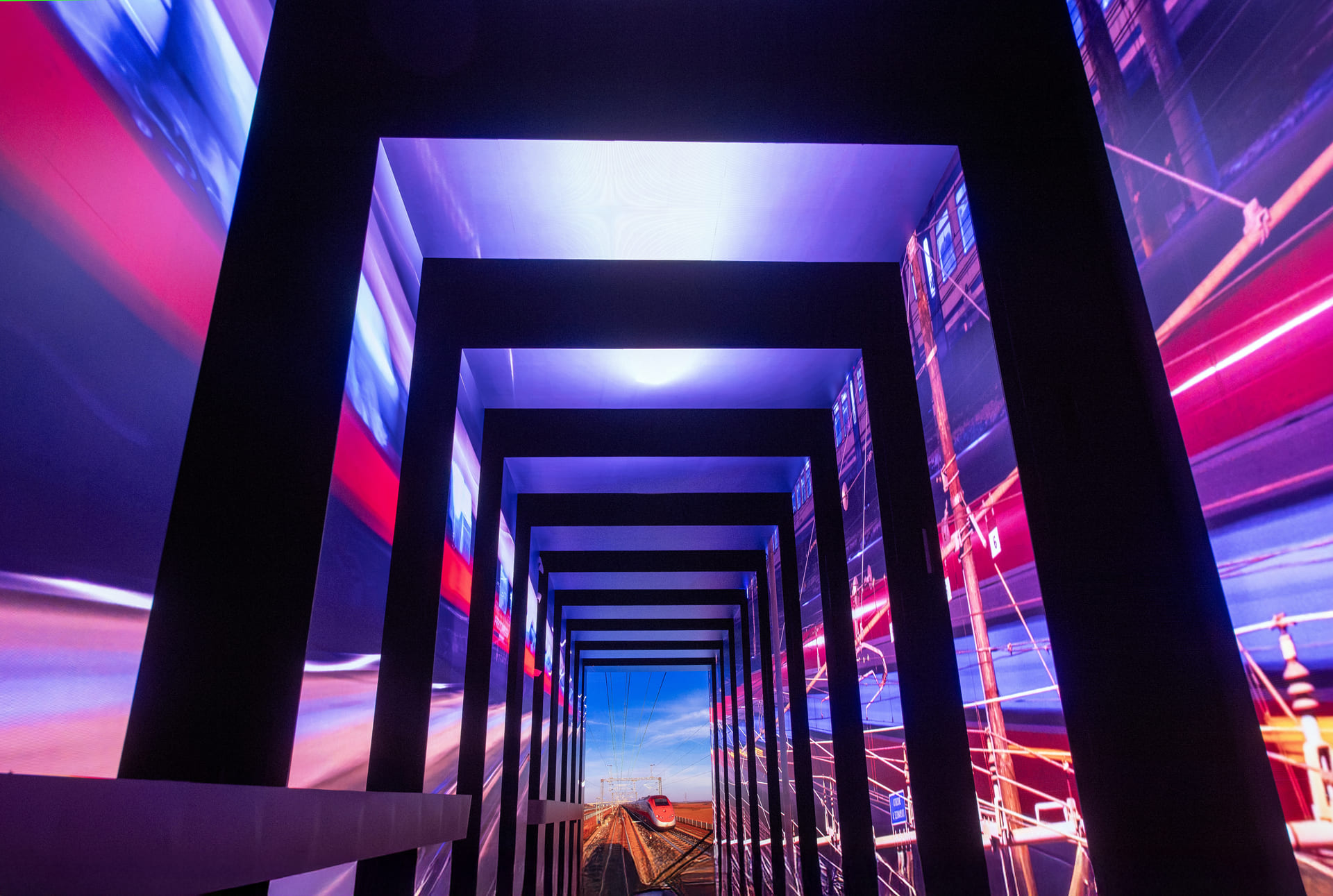 Evolutio exhibition at the Museum of Science and Technology in Milan
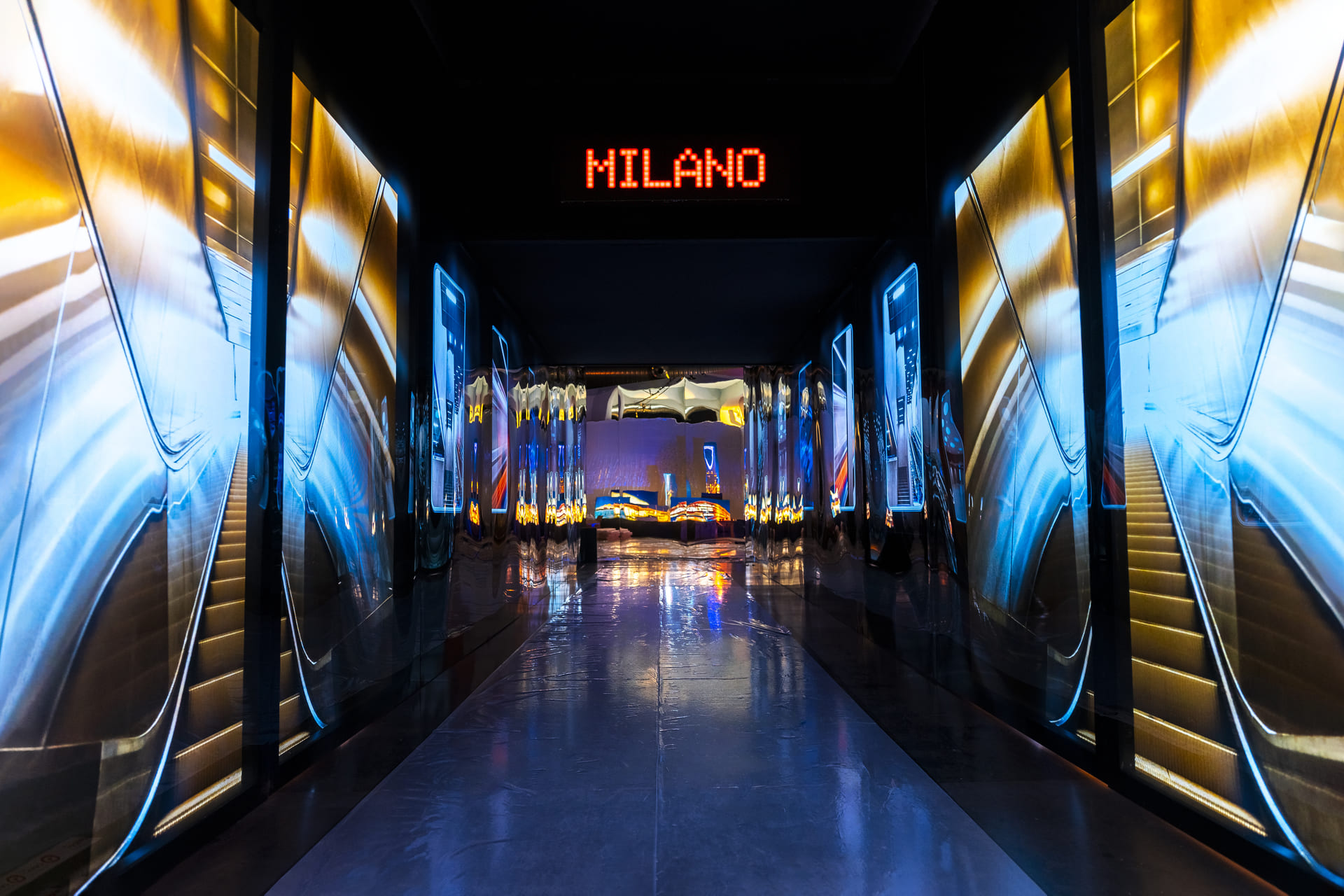 Evolutio exhibition at the Museum of Science and Technology in Milan
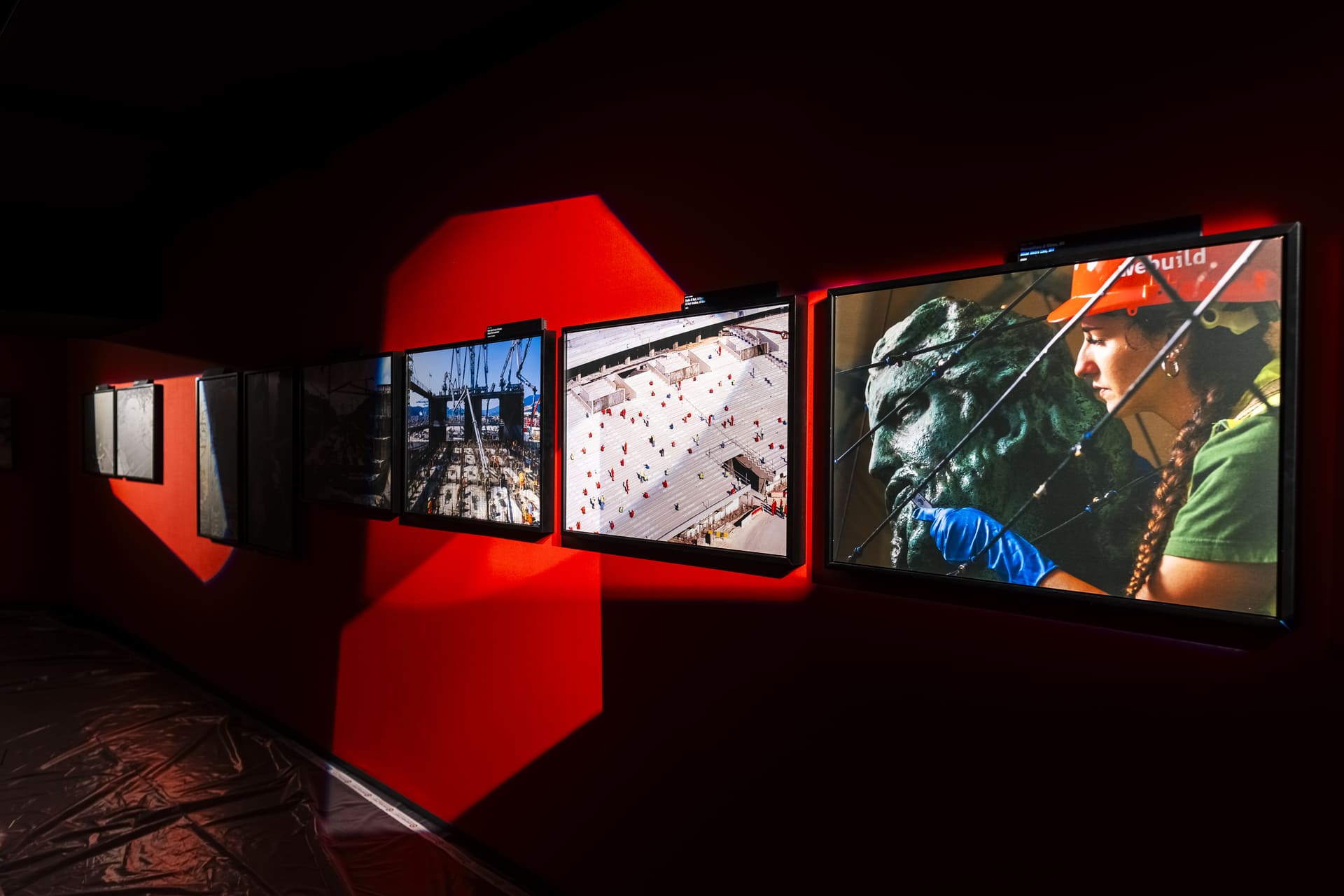 Evolutio exhibition at the Museum of Science and Technology in Milan
- From post-1861 agricultural Italy to an industrial power: a long journey in which infrastructure development played a fundamental role
- At the beginning of the twentieth century, hydroelectricity enabled Italy to latch on to the second industrial revolution and electrify its productive system
- From 1945 Italy definitively embarked on the path of industrial development: infrastructure, market openness and exports drove growth
- Post-war Italy was the Italy of motorways, hydroelectric power plants, major hydraulic works, underground railways and energy networks
- The Evolutio exhibition in Milan recounts how infrastructure construction and energy shaped the modern country and continue to guide future challenges
read more

There comes a moment in the history of a country when development ceases to be an aspiration and becomes a recognisable, measurable, irreversible process. For Italy, that moment does not coincide with a symbolic date, but with a long passage through the twentieth century, marked by critical infrastructure construction, hydroelectric energy, industrialization and labour.
This is the thread running through the contribution by Giovanni Farese, economic historian, published in the volume Evolutio. Building the future for the last 120 years. The book, published by Rizzoli and promoted by the Webuild Group, recounts how major works helped to accelerate economic, social and cultural progress.
It forms part of the broader Evolutio project by the Webuild Group, which also includes Evolutio – For 120 years we have been building infrastructure for the future, the exhibition held from 11 February to 7 April in Milan at the Leonardo da Vinci National Museum of Science and Technology. In addition to this, there is the interactive museum www.evolutio.museum, one of the world’s first virtual museums dedicated to the infrastructure sector, where visitors can access the vast historical archive of the Webuild Group.
The contribution by Professor Giovanni Farese explains how an agricultural, peripheral and fragmented country succeeded, in little more than a century, in transforming itself into an industrial power capable of competing on the international stage.
A path far from linear, marked by sudden spurts and prolonged delays, by persistent territorial disparities and extraordinary powers of adaptation. Above all, however, it is a path in which public infrastructure plays a decisive role, becoming the backbone of economic and social development.
The Giolittian Era and the Hydroelectric Power that Changed the Country
In Giovanni Farese’s account, unified Italy begins from a distant starting point. The Unification of 1861 created the minimum institutional conditions – currency, trade policies, public debt – but did not automatically generate development. For decades the country remained marked by deep imbalances, particularly between North and South, and by a predominantly agricultural productive structure.
The first real turning point came at the beginning of the twentieth century, during the Giolittian era. It was in these years that Italy latched on to the second industrial revolution, thanks to a combination of public policies, a reform-minded governing class and a favourable international context.
As Farese writes, “the seasons of growth and development arrived later in Italy’s history”, yet it was precisely in that time frame that a transformation took place that would leave a profound mark on the country. At the centre of this transformation was hydroelectric power, the so-called “white coal”, which made it possible to electrify industrial plants and reduce dependence on foreign supplies.
Hydropower was not merely a technology but an infrastructure that reshaped the territory, activated investment, encouraged the emergence of industrial hubs and transformed labour. It is no coincidence, observes Farese, that “the Italian economy thus latched on, also thanks to hydroelectricity (‘white coal’), to the second industrial revolution and grew as never before”. In fact, as early as 1911 Italy ranked among the leading countries in the world for installed electrical capacity, a clear sign that structural change was under way.
Industry Development, Cities, Labour: A Profound Transformation
The data from the period tell the story of a country on the move. As the first industrial census of 1911 shows, writes Farese, Italy “displayed the signs of a country that was changing and would continue to change throughout the 1920s and, above all, the 1930s”.
Industrial employment rose, the production of capital goods increased, the great northern cities – Milan, Turin, Genoa – expanded, alongside urban and industrial centres in central and southern Italy. Alongside the factories sprang up networks, services and urban infrastructure that radically altered daily life.
This process, however, did not erase contradictions. The territorial divide persisted, emigration became for millions of Italians the only way out, and illiteracy remained widespread. Industrial Italy coexisted for a long time with an agricultural and impoverished Italy. And even during Fascism, despite the strong drive for public works and state intervention in the economy, structural knots remained unresolved.
From the Post-War Period to the Economic Boom Miracle
The decisive acceleration came only after 1945. “It is only with the end of the Second World War, in 1945, that Italy definitively embarked on the path of development,” writes Farese, underlining how post-war growth was the result of an interplay between international factors and domestic political choices.
The post-war period opened a new phase in which internal and external forces converged: the restoration of democracy, the Marshall Plan, the opening of markets, European cooperation, the availability of labour and a strong public planning capacity.
This was the Italy of motorways, dams, major hydraulic public works, underground railways and energy networks. A country that built, and by building, grew. The “economic miracle” between the late 1950s and early 1960s surprised many observers, yet as Farese reminds us, it did not arise from nothing: it drew on a reservoir of skills, entrepreneurship and social energies that had long remained compressed.
It was the country that built the Autostrada del Sole, one of the works celebrated in the exhibition Evolutio; the Italy of great dams and hydroelectric power plants; the Italy where the rail network began to expand and the dream of high-speed rail took shape.
An industrial power capable of delivering major infrastructure projects abroad and asserting its know-how in complex contexts. In this setting, infrastructure was no longer merely an instrument of domestic development, but became a language through which the country presented itself to the world.
Evolutio: Infrastructure Development Turned into Narrative
It is precisely this intertwining of infrastructure, industrialization and national identity that the exhibition Evolutio, an immersive experience inaugurated on 11 February in Milan at the Leonardo da Vinci National Museum of Science and Technology, places at the heart of its narrative.
Evolutio does not present major infrastructural projects as isolated episodes, but as part of a long, collective process that transformed Italy from a marginal country into a protagonist of global industrial development.
Hydroelectric power plants, railways, energy networks and urban infrastructure become the tangible traces of an economic and social history that continues to speak to the present. Looking back at that past, Farese suggests, does not mean indulging in nostalgia; it means understanding how infrastructural choices have shaped the capacity for growth, territorial cohesion and quality of life.