


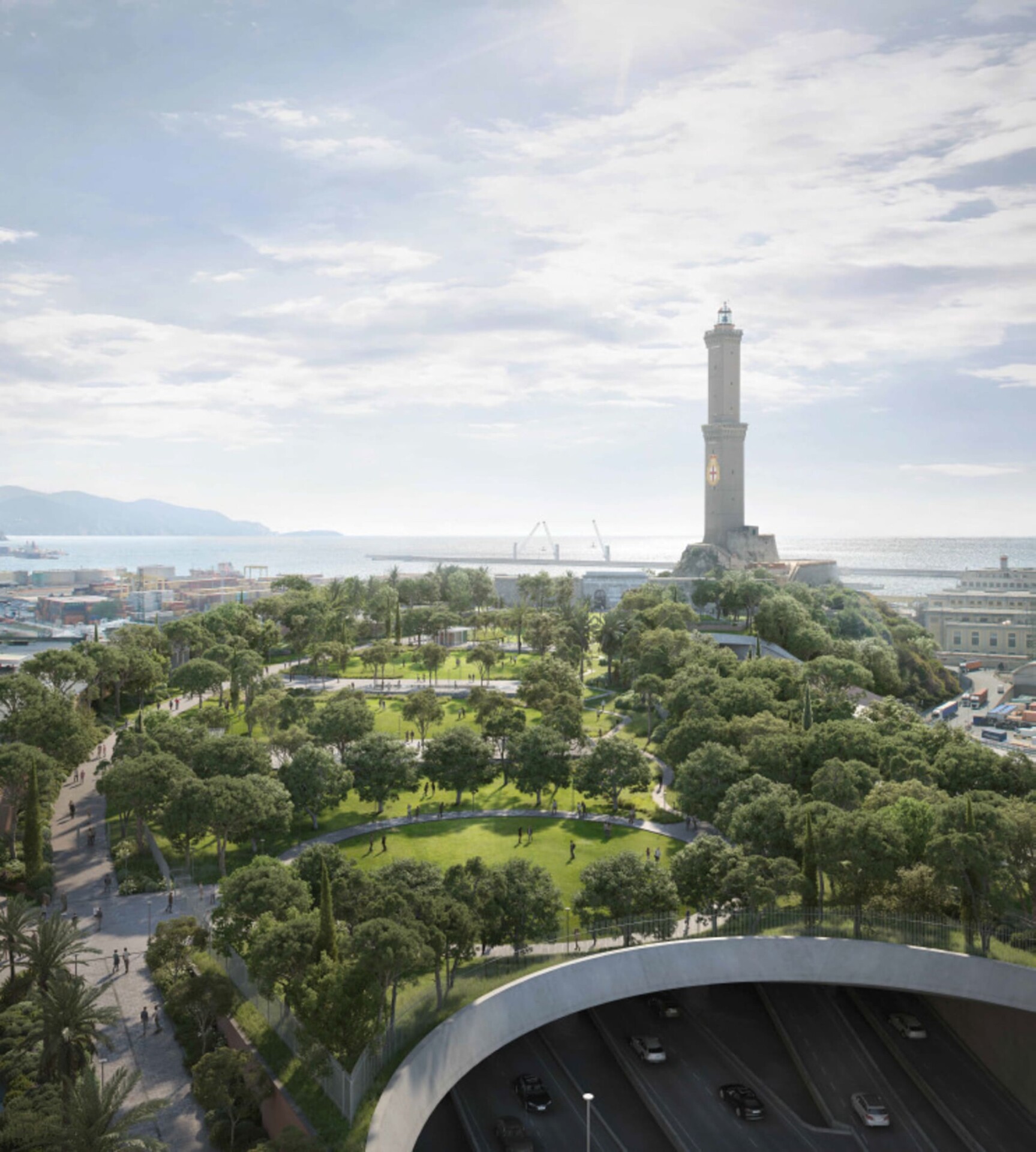
 Rendering of the Subport Tunnel project, Genoa
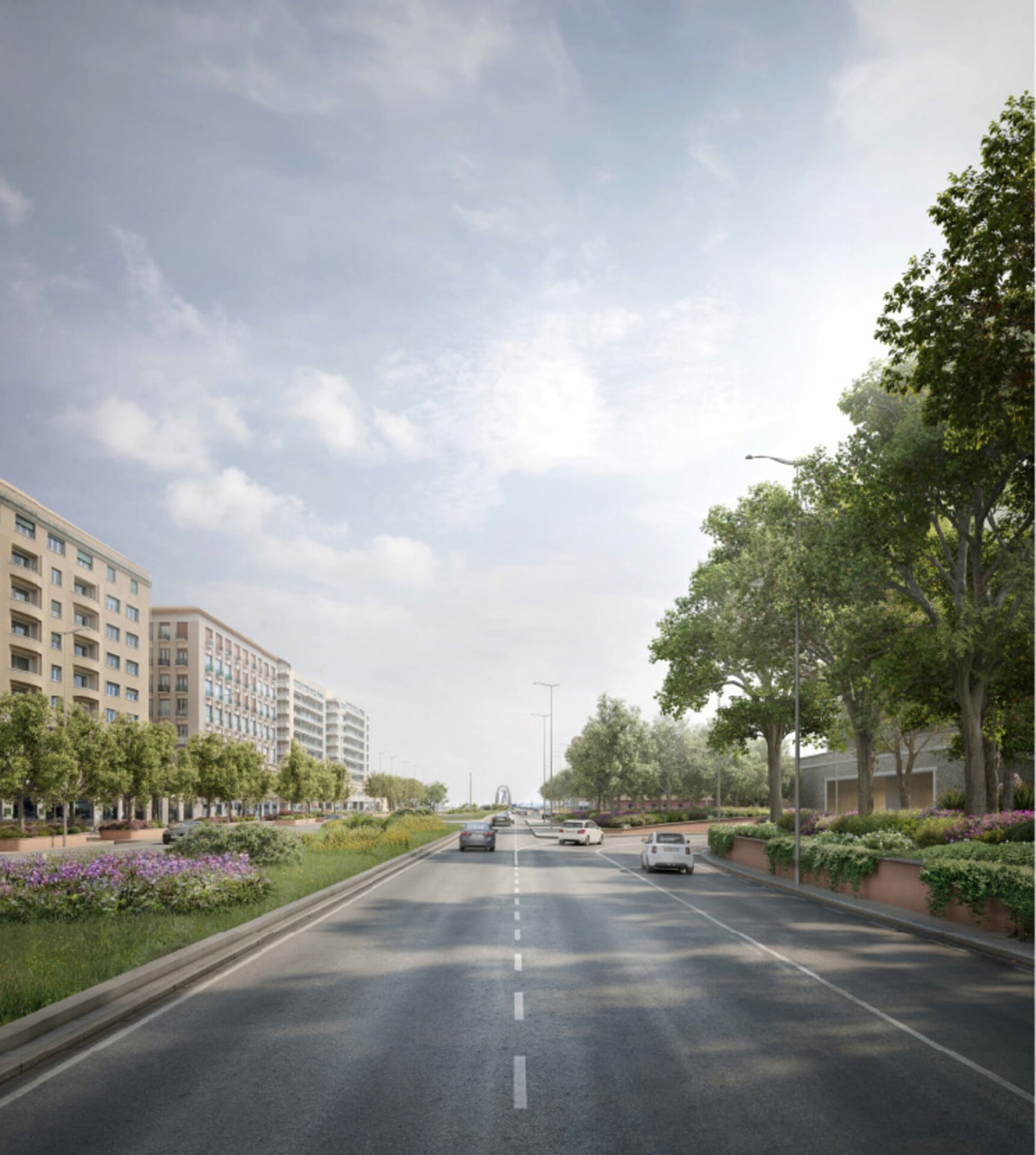 Rendering of the Subport Tunnel project, Genoa
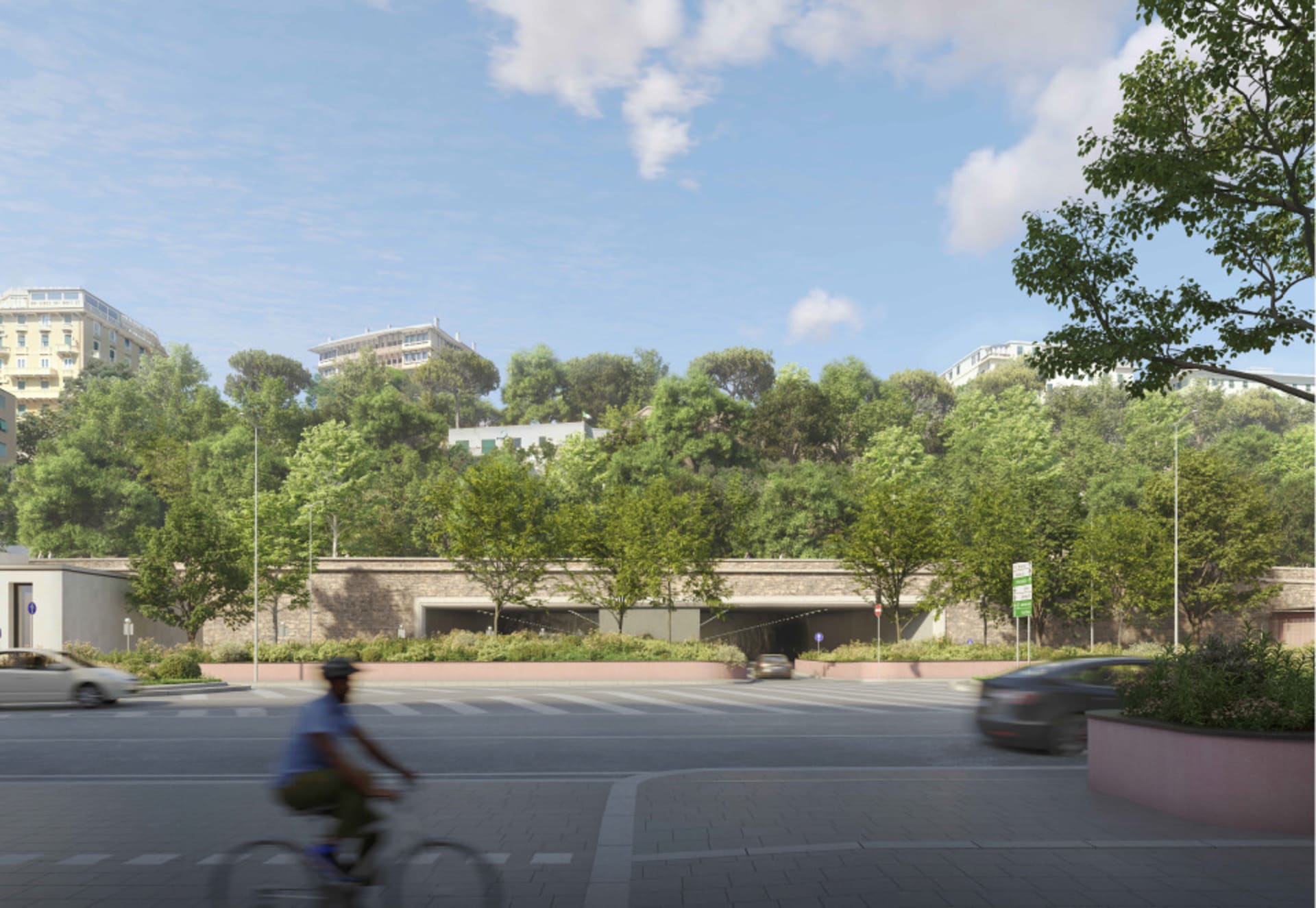 Rendering of the Subport Tunnel project, Genoa
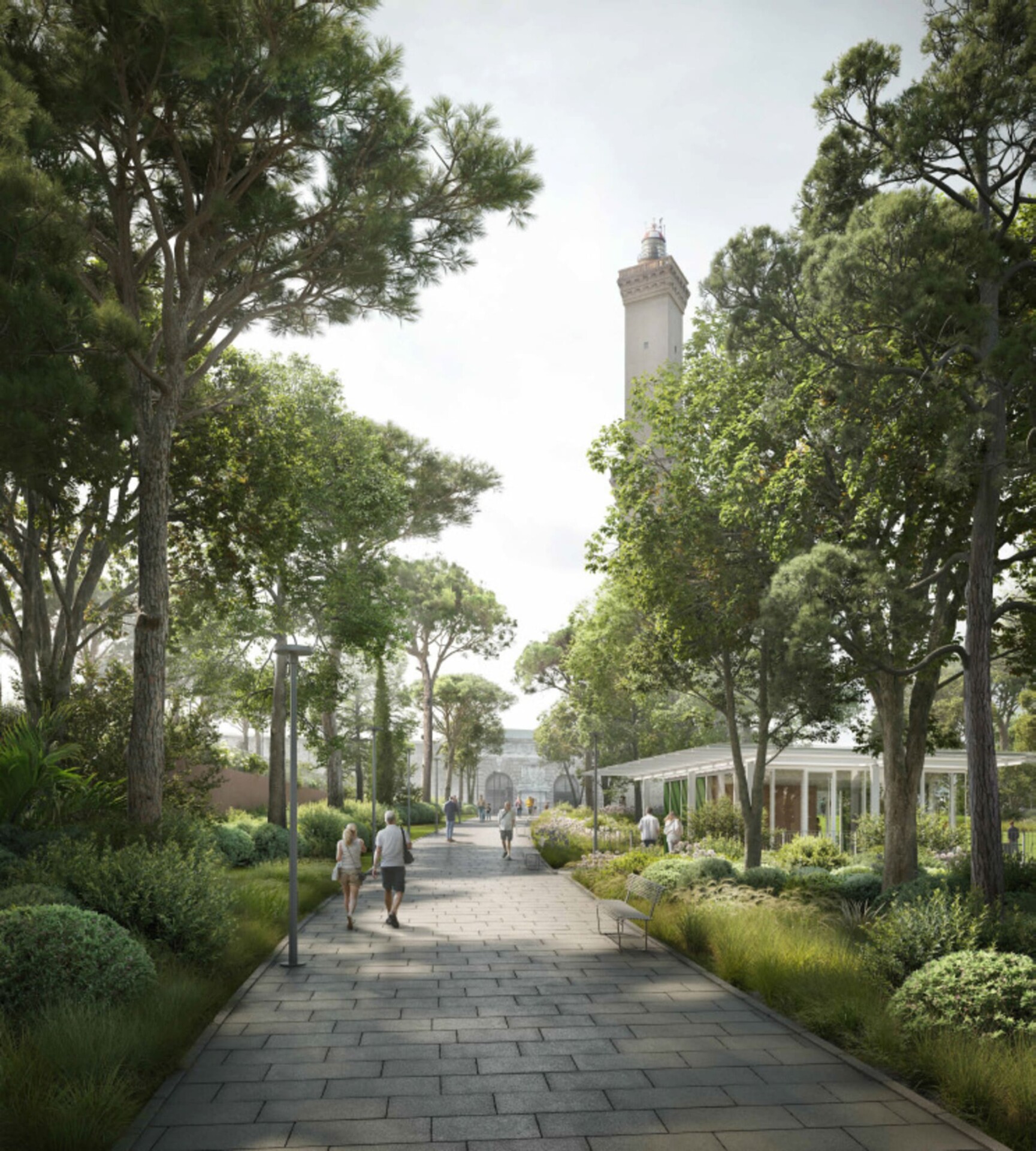 Rendering of the Subport Tunnel project, Genoa
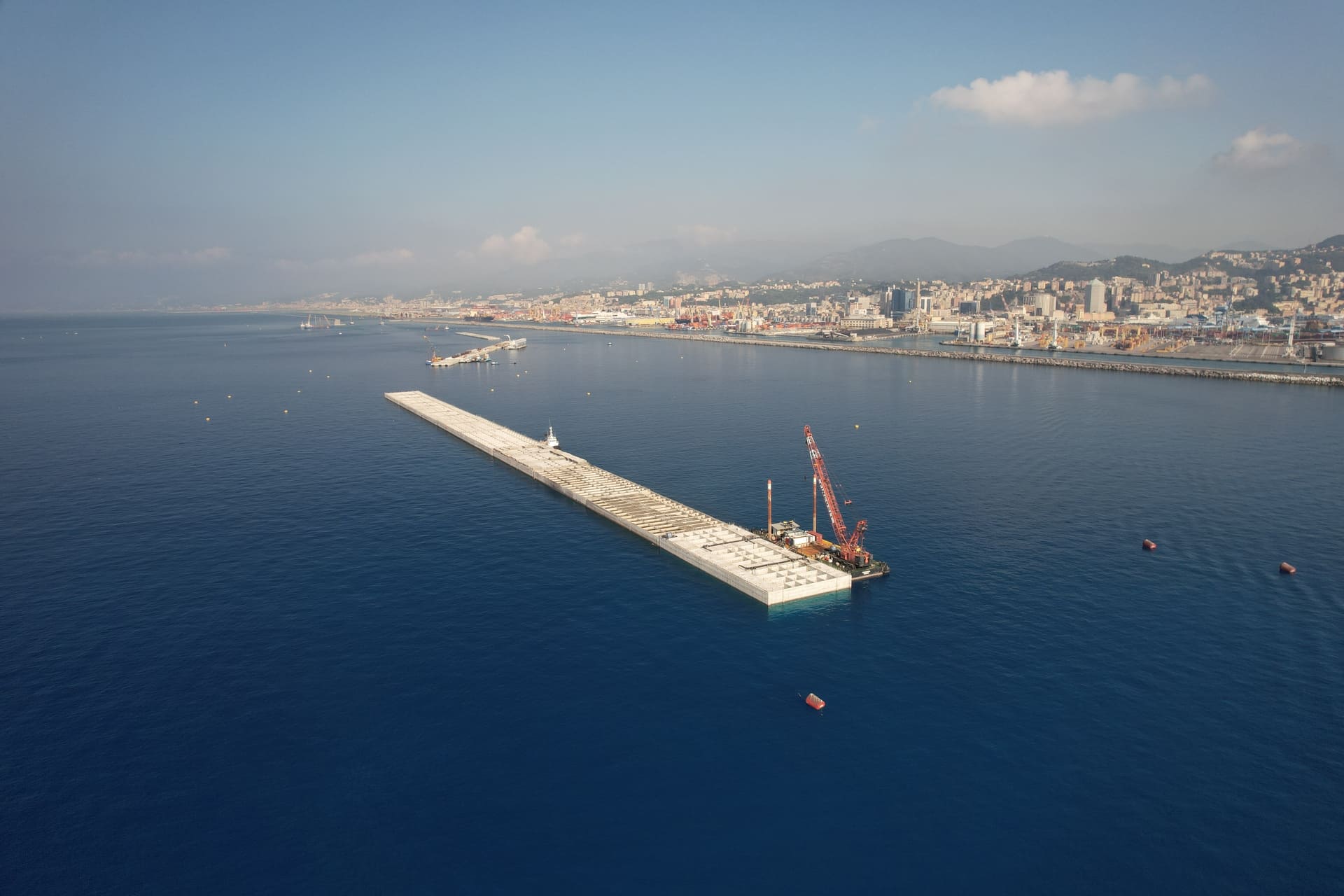 New Genoa Breakwater construction site
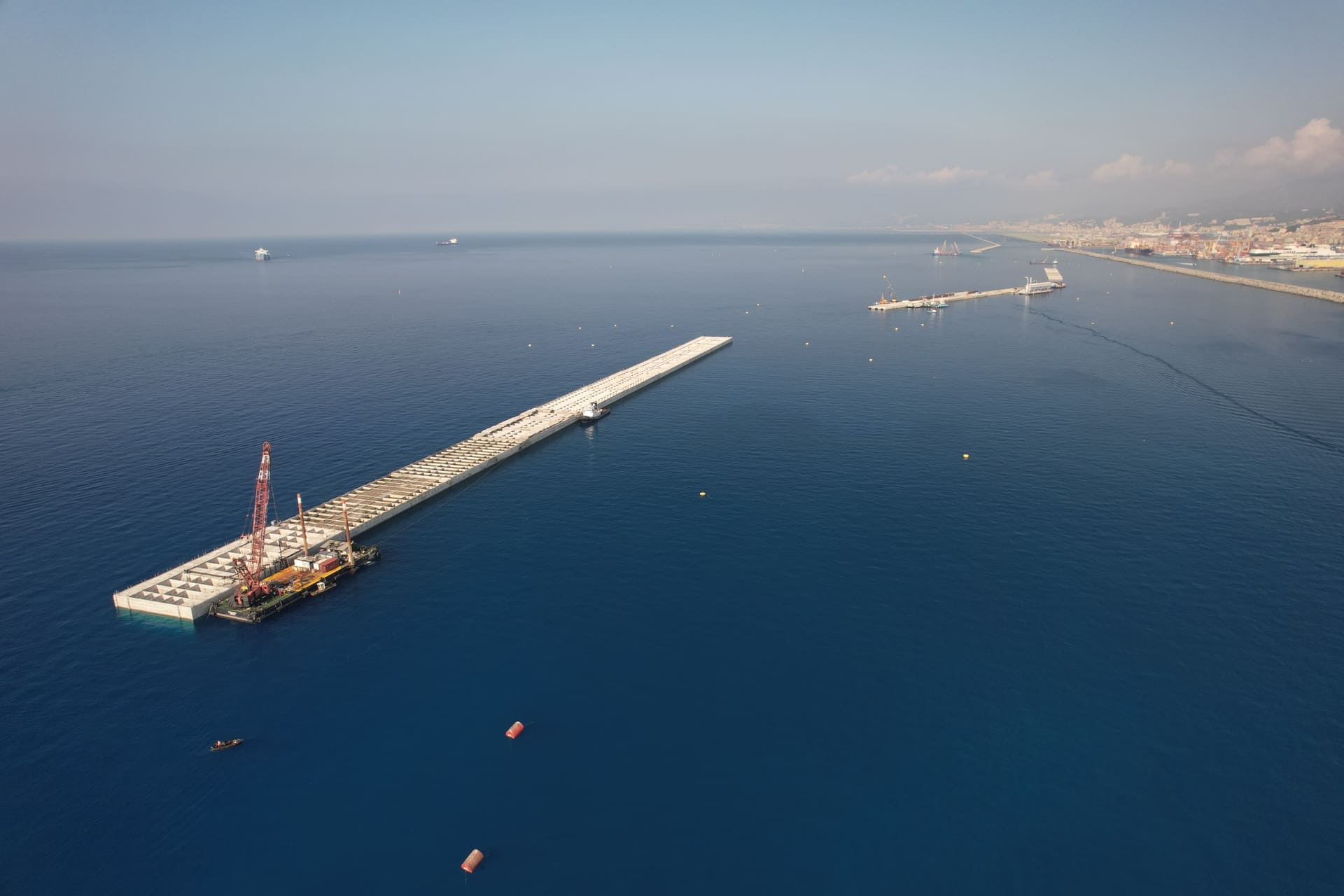 New Genoa Breakwater construction site
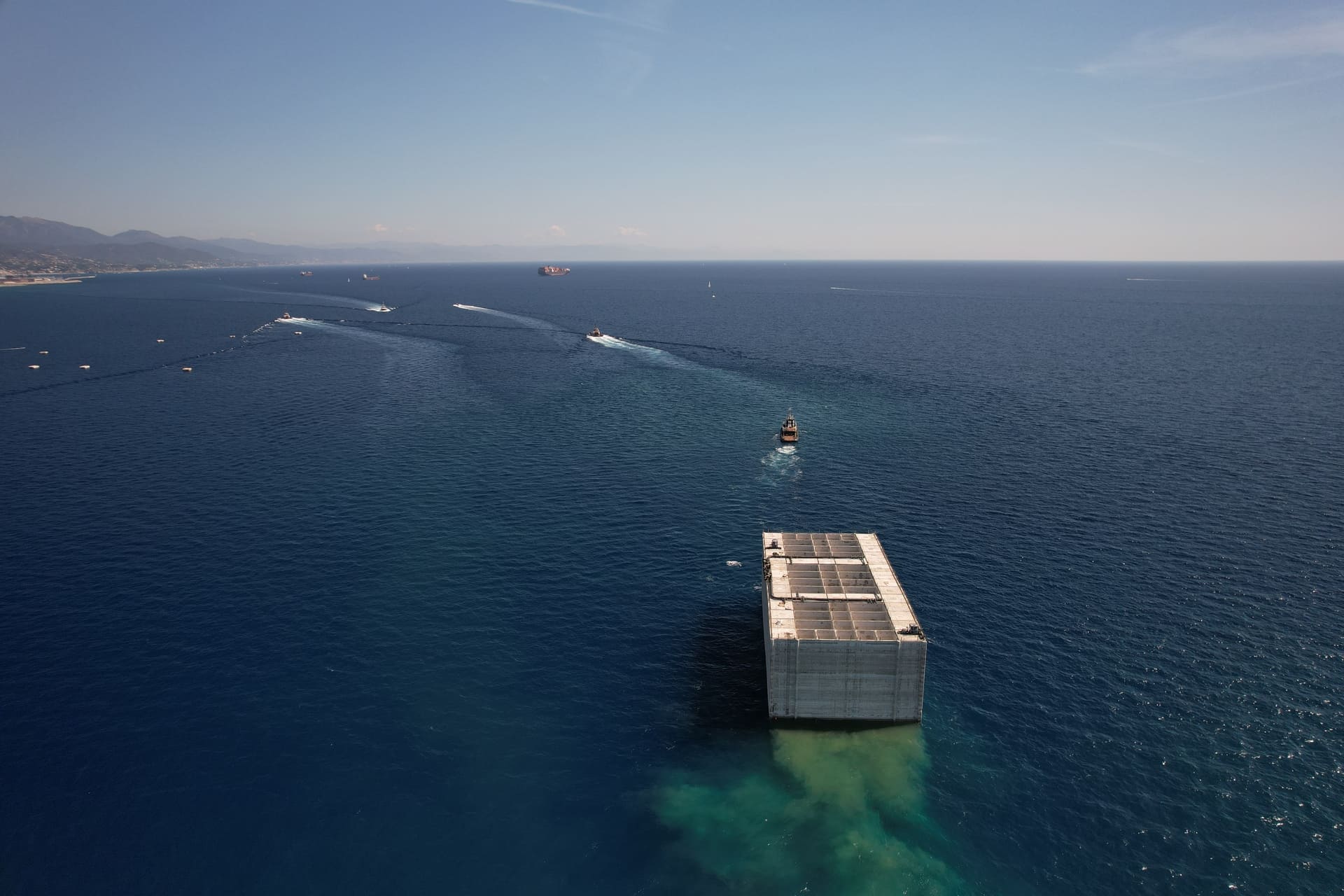 New Genoa Breakwater construction site
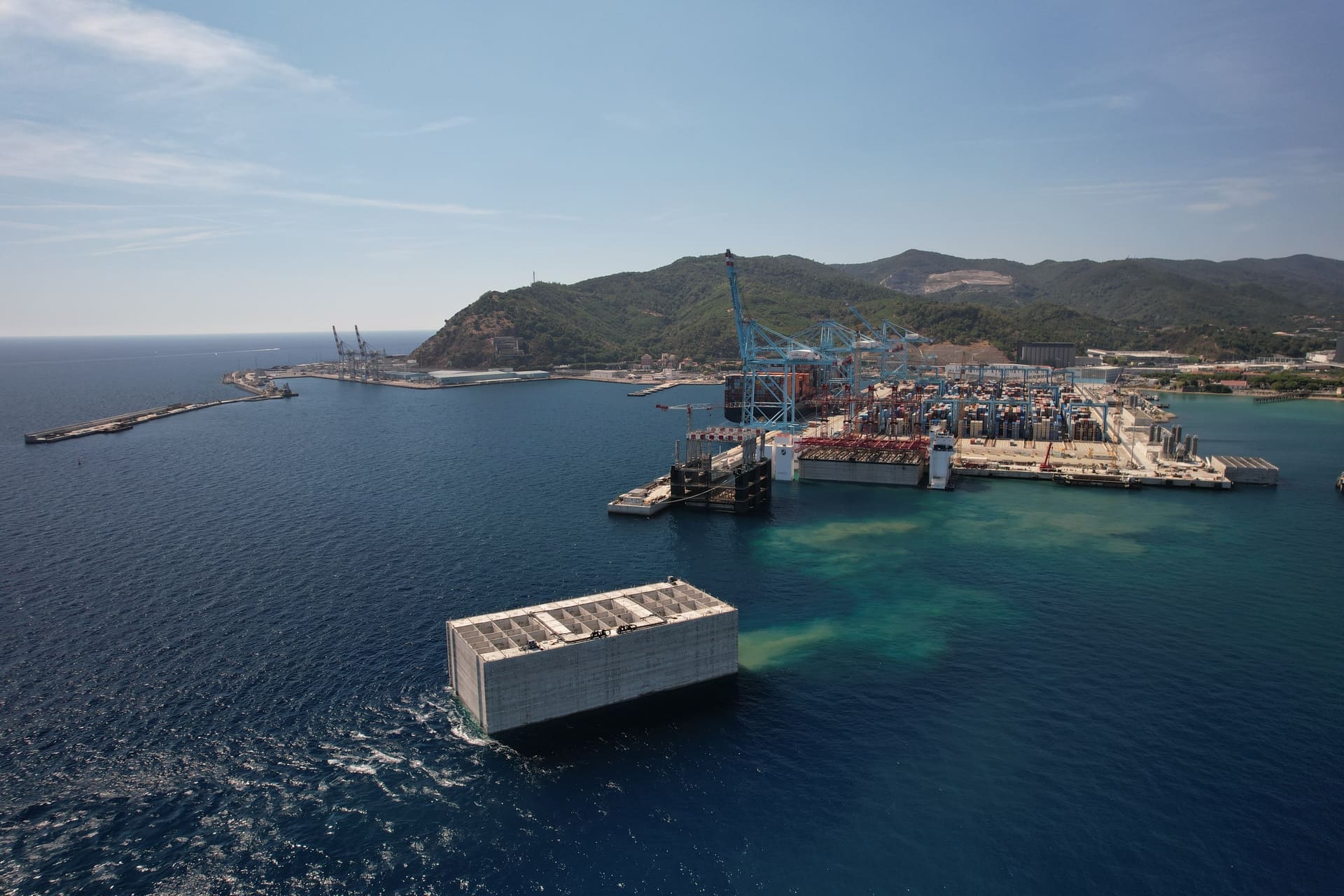 New Genoa Breakwater construction site
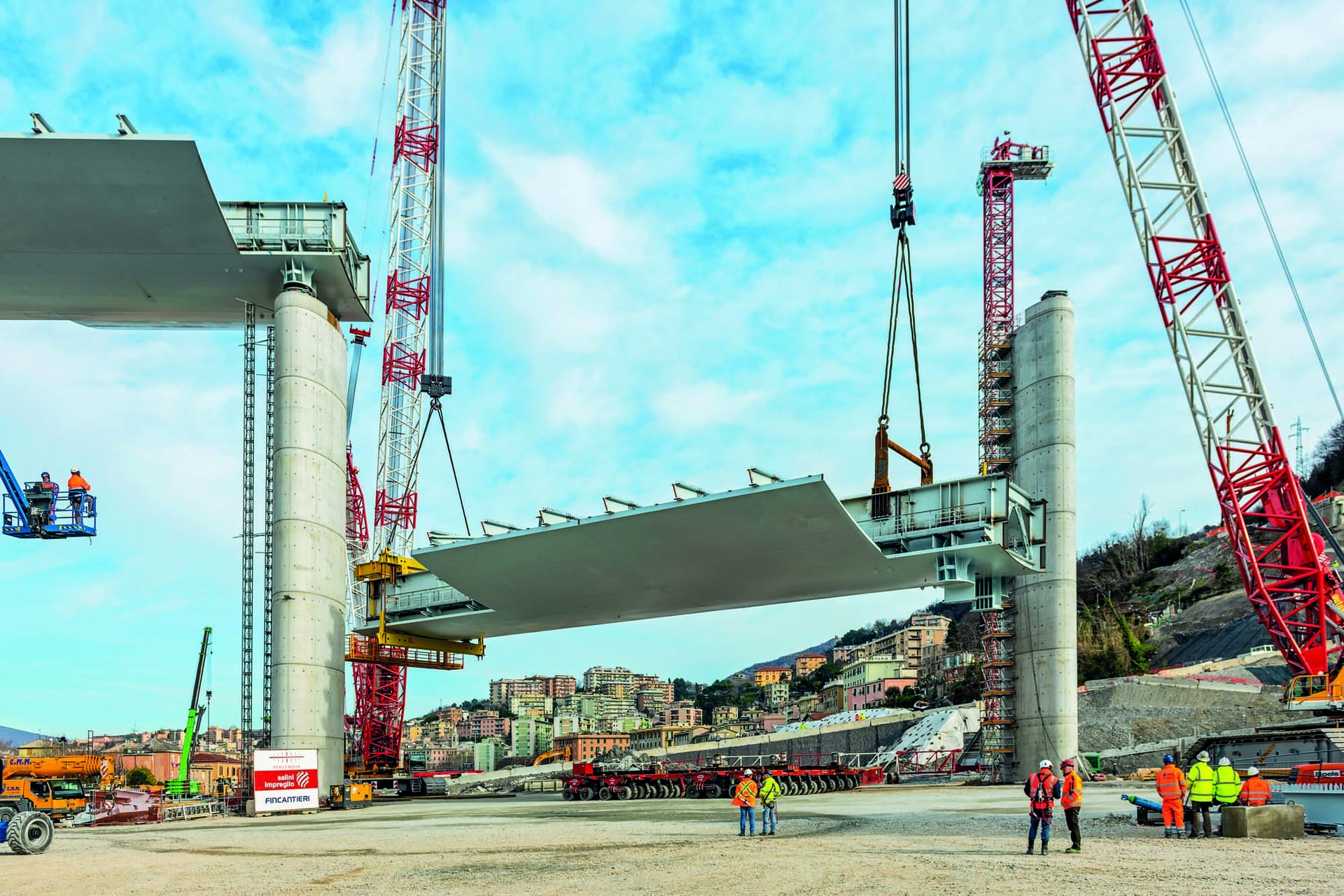 San Giorgio Bridge construction site, Genoa
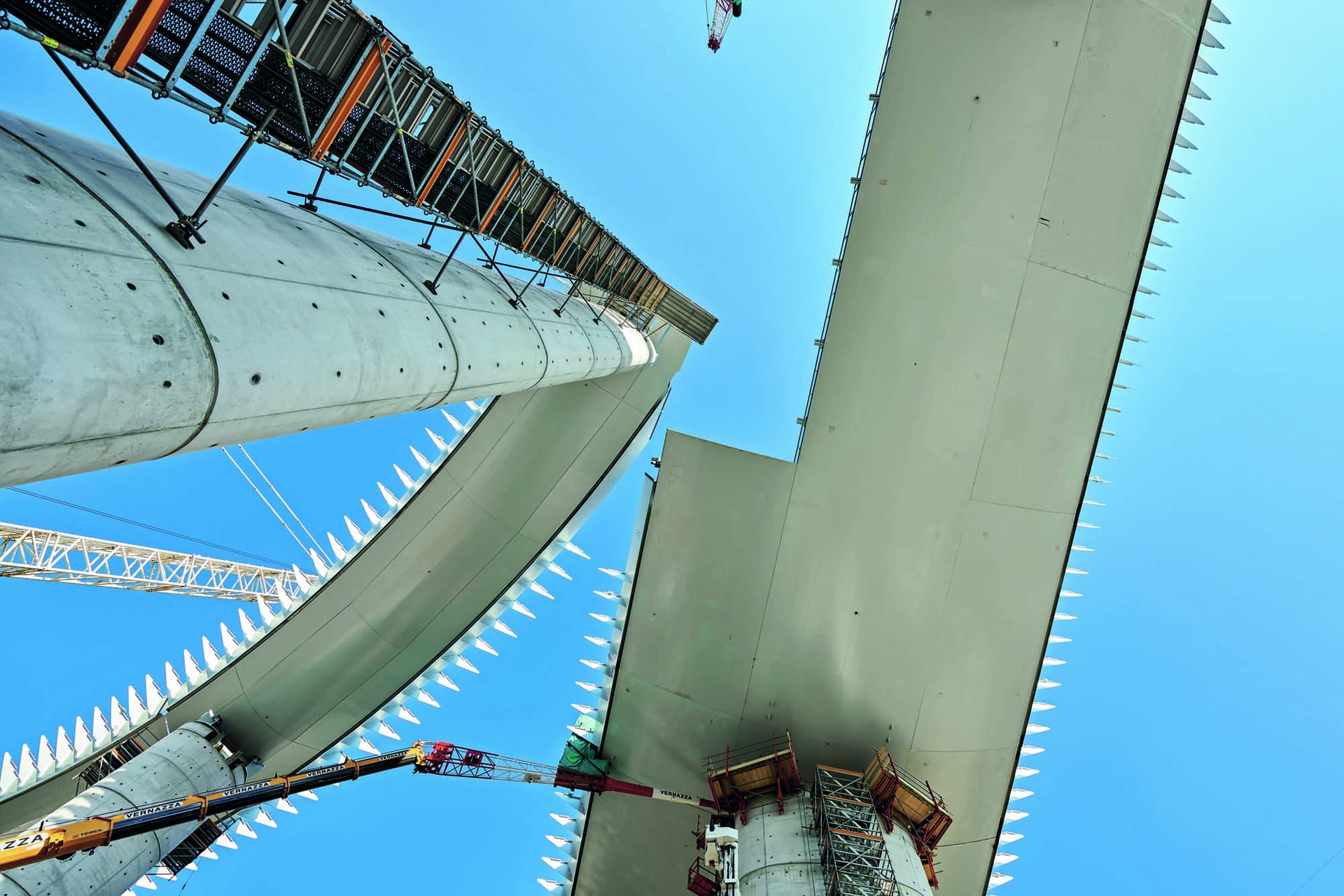 San Giorgio Bridge construction site, Genoa
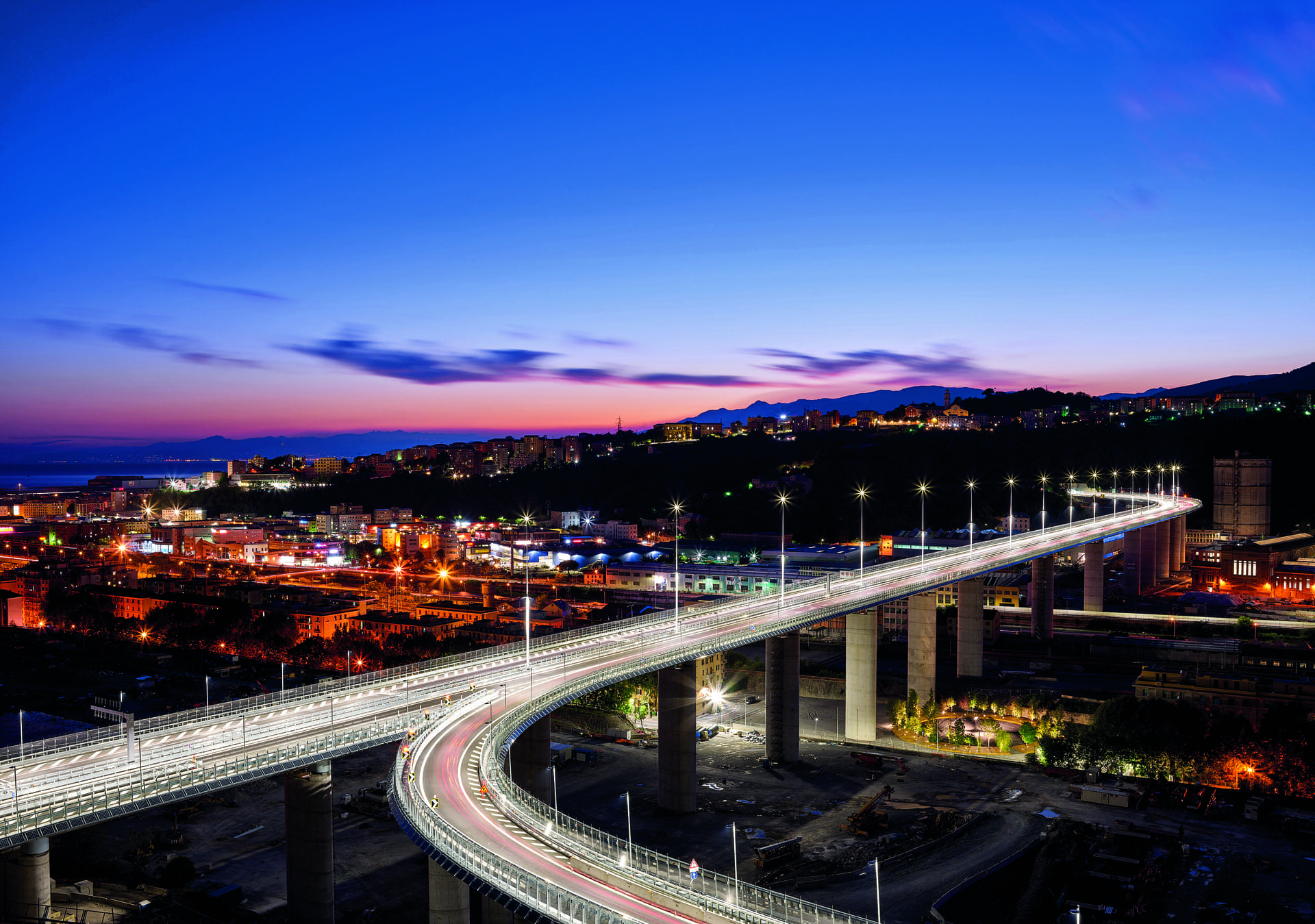 San Giorgio Bridge, Genoa
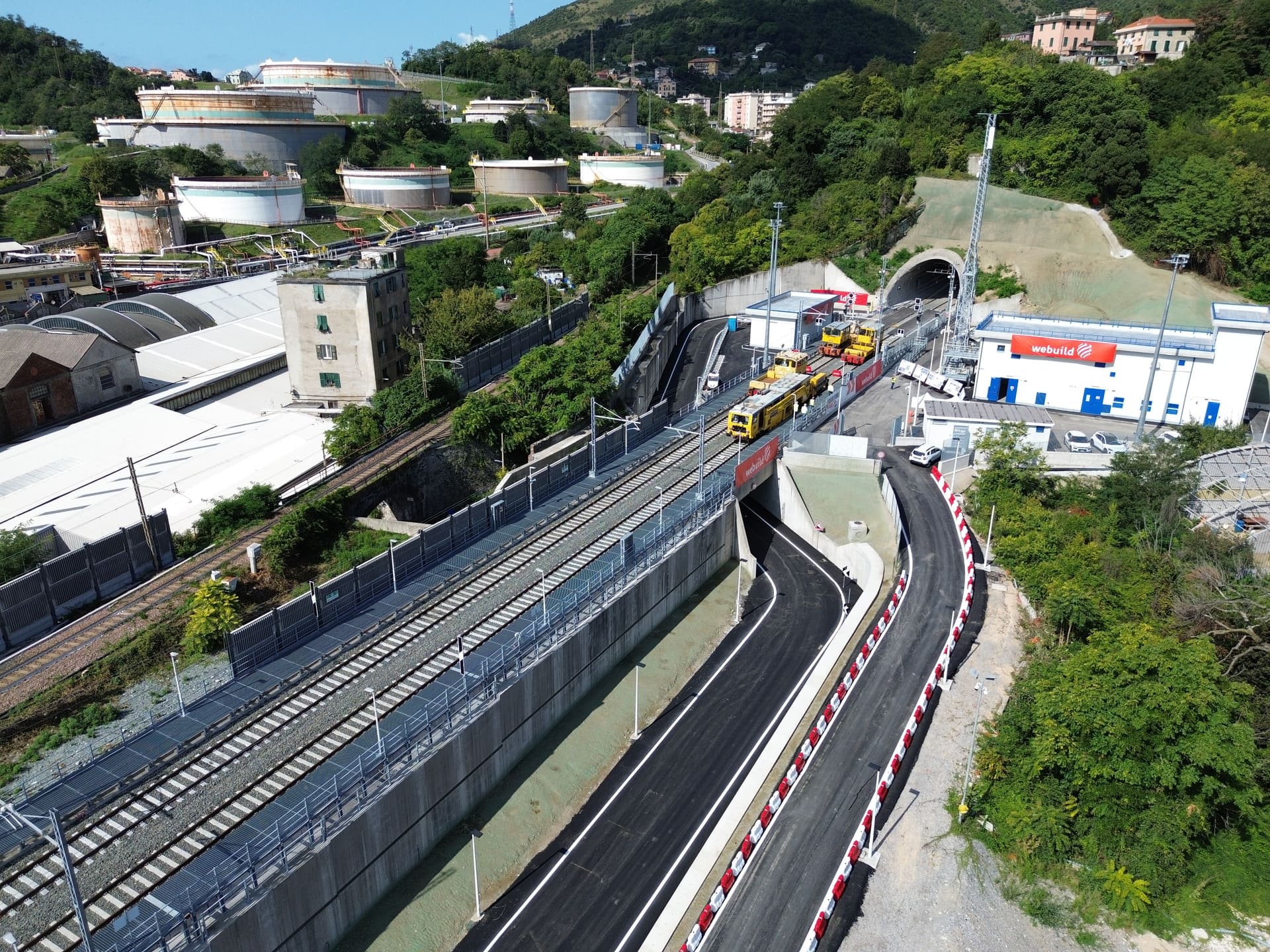 Terzo Valico dei Giovi construction site, Genoa
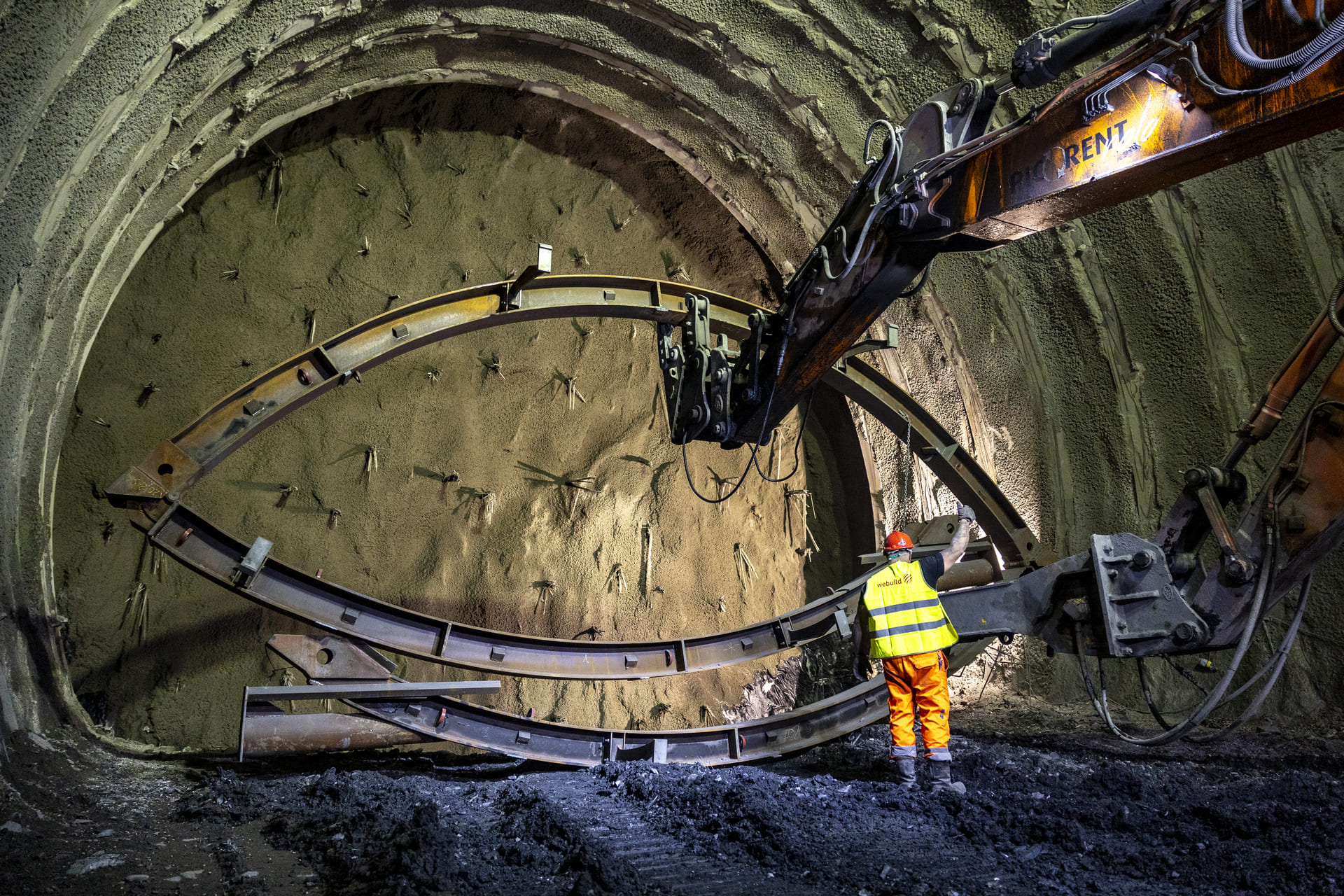 Terzo Valico dei Giovi construction site, Genoa
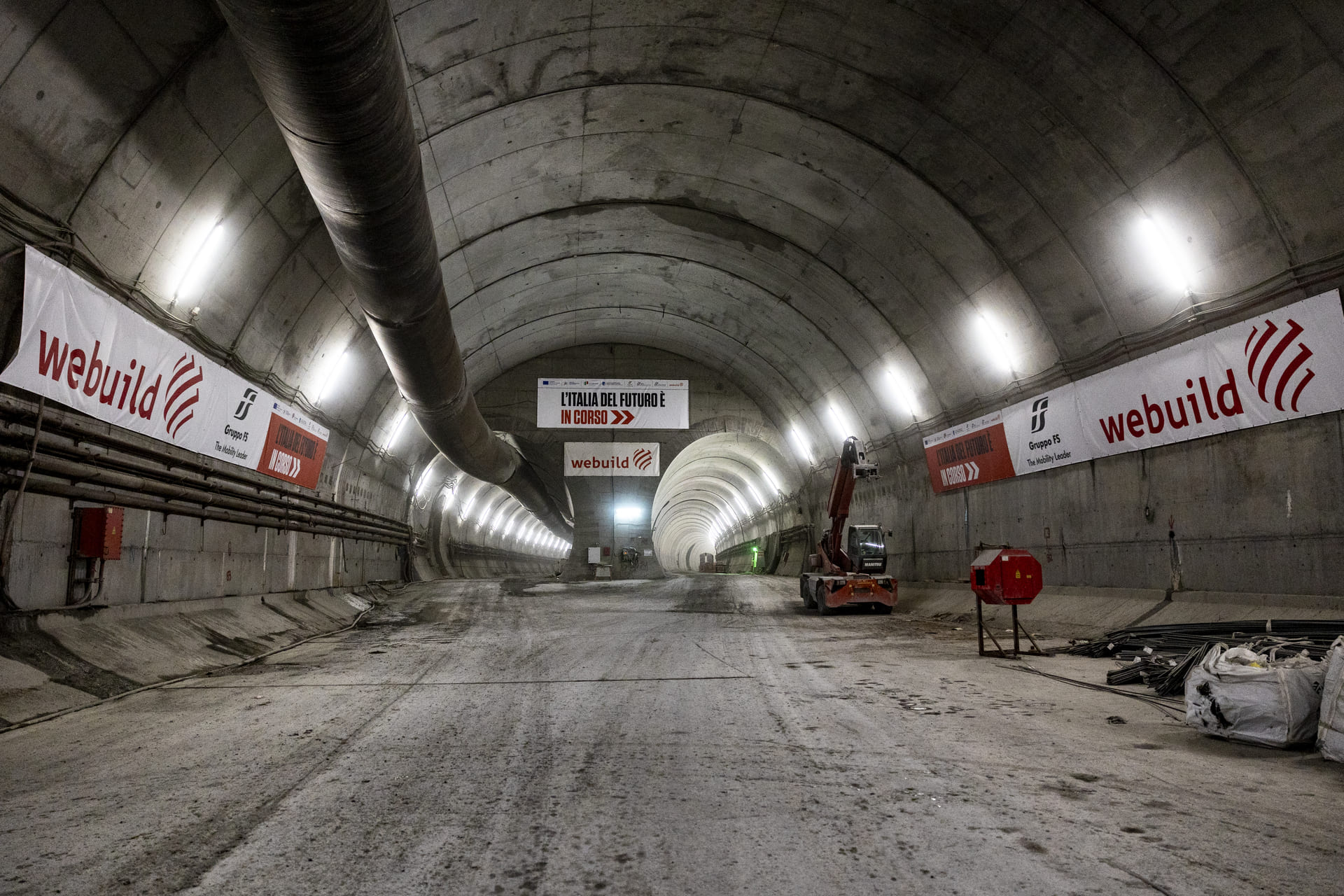 Terzo Valico dei Giovi construction site, Genoa
- The project, designed and funded by Autostrade per l'Italia, will extend for 4.2 kilometers, 3.4 of which will be underground, connecting San Benigno with Viale Brigate Partigiane
- A Tunnel Boring Machine (TBM) with a diameter of approximately 16 meters, among the largest ever used in Italy, will excavate the two tunnel tubes
- The project aims to separate urban traffic from port and logistics flows, easing the city's road network
- On the surface, 4.7 hectares of green spaces and parks and 3.2 hectares of pedestrian areas will be created, with developments extending from the Lanterna to the Foce
- The Subport Tunnel forms part of Webuild's broader commitment in Liguria, where the Group plays a leading role in major strategic works such as the Terzo Valico dei Giovi-Genoa Hub and the New Breakwater
read more

A tunnel running beneath the sea and cutting through the city. An underground passage designed to free Genoa’s surface from cars, ease traffic congestion, and return new spaces to the public and the port.
This is the Genoa Subport Tunnel, Italy’s first underwater tunnel, designed and funded by Autostrade per l’Italia: a new east-west corridor that will connect San Benigno with Viale Brigate Partigiane, passing under the port basin and the Carignano hill.
Commissioned by Autostrade per l’Italia to the Webuild Group, this major infrastructure project is set to transform how Genoa moves—separating urban traffic from port and logistics flows while opening up new spaces on the surface for parks, pedestrian routes, and bike paths.
The underground tunnel directly addresses one of the longstanding challenges shaping the city’s growth for decades: how to travel across Genoa from east to west within a narrow strip wedged between the sea and the mountains, where daily commuting coexists with the traffic generated by one of the Mediterranean’s main ports.
For over sixty years, one of the answers was the Elevated Expressway (Sopraelevata), built in the 1960s and embedded into the urban landscape. But Genoa has changed since then. The Old Port of Genoa (Porto Antico) has evolved, the city center and the western neighborhoods have been transformed, major development projects have reshaped the eastern areas, and, above all, the demands of mobility and logistics have shifted—now requiring an ambitious and innovative solution.
From San Benigno to La Foce, Passing Beneath the Old Port of Genoa
The underwater tunnel will span a total length of 4.2 kilometers, 3.4 of which will be underground, and will consist of two separate tubes—one for each direction of travel. Considering both tubes, a total of approximately 7 kilometers of tunnel will be excavated.
Starting from San Benigno, the route will travel underground through the port basin and the Carignano hill to reach Viale Brigate Partigiane, creating a new mobility axis that will redistribute traffic flows and ease congestion along some of the city’s main corridors.
However, the real breakthrough is not simply providing an extra road. The infrastructure project aims to reorganize how traffic moves through Genoa, creating a clearer separation between urban commuting and the heavy flows generated by the port and logistics sectors.
This distinction is especially vital in a city where the daily needs of residents and commuters overlap with those of a major port hub. The new connection thus seeks to speed up travel, reduce congestion, and improve access to industrial and port areas, bringing added benefits in road safety and lowering the environmental impacts associated with traffic.
Building the New Genoa Underwater Tunnel: The 16-meter-diameter TBM, a Machine Working Beneath the City
To build Italy’s first subsea tunnel, an exceptionally large mechanical mole will be deployed. The excavation of the two tubes will be carried out by a Tunnel Boring Machine (TBM) with a diameter of approximately 16 meters, making it one of the largest ever used in Italy.
The TBM will have to operate in a particularly complex context, advancing underneath an urban and port area in the presence of groundwater. The geology will also shift along the route: excavation will encounter alluvial deposits, clays, and limestone formations, requiring the machine to adapt to differing geotechnical conditions.
The core of the project is Lot B, divided into three phases. The first encompasses preparatory works, including the construction of the portal shafts, job site infrastructure, and the electrical substation required to power the TBM. The second phase involves the mechanized excavation of the two underground tunnels, totaling around 7 kilometers. The third phase covers completion works: tunnel linings, road surfacing, technological systems, as well as environmental and urban landscaping.
The tunnels will feature precast concrete linings and protection systems engineered to ensure structural durability, waterproofing, and fire resistance.
Specific attention will also be given to job site management and the handling of excavated materials, focusing on soil reuse and targeted measures to reduce environmental impacts during construction. Overall, around 700 people will be employed in the building of the project.
An Urban Regeneration Project: Cars Below, Parks Above
However, the most visible transformation for those living in Genoa will not necessarily be the one taking place underground.
The Subport Tunnel was also conceived as an urban regeneration project, aiming to leverage the new mobility layout to reclaim surface area and turn it into public spaces, green zones, and paths dedicated to active travel.
Overall, the underwater tunnel project includes 3.2 hectares of pedestrian areas and 4.7 hectares of green space and parks, featuring the creation of three new public parks, the redevelopment of the areas surrounding the tunnel portals, and the development of a network of pedestrian and cycle paths.
In this way, the infrastructure running beneath the city also serves as a tool to reshape what happens above, reconnecting neighborhoods and spaces that are currently divided, while strengthening the relationship between Genoa and its waterfront.
From the Lanterna to the Beach, Citizens Rediscover Genoa
One of the symbolic locations of this transformation will be the Lanterna Park (Parco della Lanterna). The project aims to reconnect the lighthouse, Genoa’s iconic symbol, with the Sampierdarena neighborhood.
The new park will serve as the arrival point for the pedestrian and cycle path coming from the Old Genoa Port (Porto Antico) while simultaneously marking the start of its westward extension through the redevelopment project of Lungomare Canepa. The Lanterna Park is also designed as a multifunctional public space, featuring areas dedicated to events, individual sports, children, and leisure activities.
At the opposite end of the route, the transformation will instead impact the Foce area. The reorganization of the lanes along Viale Brigate Partigiane will allow for the northward expansion of Foce Park (Parco della Foce), which is set to become the city’s largest urban park, featuring a green system stretching from the center all the way to the urban beach at Piazzale Kennedy.
New mature trees will line pedestrian paths and cycle routes, creating landscape continuity between areas that are currently separated. The new vegetation will be introduced in harmony with the existing ecosystem, bridging the historical rows of plane trees at Foce with the tree heritage of the Francesco Coco Gardens.
The project will also recover a piece of Genoa’s history. Indeed, planned interventions include the enhancement of the historic walls along Corso Aurelio Saffi, which remained hidden for years behind structures built in later periods.
From the Terzo Valico to the New Genoa Bridge: Infrastructure Redesigns Liguria
The Subport Tunnel is entering a period of transformation that involves Genoa and, more broadly, Liguria, where major infrastructure projects are reshaping urban mobility, rail connections, and the port system.
Within this process, Webuild is engaged in several strategic projects for the region, such as the Terzo Valico dei Giovi-Genoa Hub—which aims to strengthen high-speed rail links between the port, Northern Italy, and major European corridors—and the New Breakwater (Nuova Diga Foranea), which reshapes maritime access to the Port of Genoa. Meanwhile, the Genoa San Giorgio Bridge, the Genoa bridge inaugurated in 2020, restored a vital transport link for both the city and the country.
The Subport Tunnel operates on yet another dimension: the relationship between Genoa, its traffic, and its waterfront. Running beneath both the Genoa port and the city, its impact on the surface will take the form of reduced traffic, new routes, and new green spaces.