


 New Panama Canal
 New Panama Canal
 New Panama Canal
 New Panama Canal
 Seattle's Ship Canal Water Quality Project
 Seattle's Ship Canal Water Quality Project
 Seattle's Ship Canal Water Quality Project
 Seattle's Ship Canal Water Quality Project
 Seattle's Ship Canal Water Quality Project
 Lake Mead Third Intake, Colorado
 Lake Mead Third Intake, Colorado
 Lake Mead Third Intake, Colorado
 Lake Mead Third Intake, Colorado
 Lake Mead Third Intake, Colorado
 GERD Hydroelectric Project, Ethiopia
 GERD Hydroelectric Project, Ethiopia
 Anacostia Clean Rivers, Washington DC
 Anacostia Clean Rivers, Washington DC
 Anacostia Clean Rivers, Washington DC
 Anacostia Clean Rivers, Washington DC
 Anacostia Clean Rivers, Washington DC
 Anacostia Clean Rivers, Washington DC
- Bridges, energy networks and maritime traffic corridors ensure operational continuity both in situations of conflict and under extreme climatic conditions
- Strategic water infrastructure guarantees potable water supply and protection for millions of citizens
- Infrastructure development is an essential tool for reducing risk and ensuring economic and social stability
- The Ship Canal Water Quality Project in Seattle intercepts contaminated water and strengthens urban environmental resilience
- The Third Intake at Lake Mead, built by Webuild, guarantees water for millions of people even when lake levels are critical
read more


National security, as it is universally understood, refers to the measures, policies and institutions a state adopts to ensure its own survival and to protect its territory, citizens and institutions from external and internal threats. From there, it is but a short step to thoughts of military arsenals or intelligence operations defending national borders. But that is no longer the case, or at least far less so than in the past.
Today, a country’s resilience and economic stability depend above all on the quality of its critical infrastructure. This translates into an ever more central capacity to keep potable water supply, energy and transport networks operational even under climatic, economic or geopolitical strain.
Consider, for example, the war in Ukraine, where the functionality of bridges and logistical corridors has enabled evacuations, humanitarian flows and territorial continuity, while the protection and restoration of energy facilities have been essential to keeping healthcare services, communications and water systems running.
In other contexts, dams, drainage systems and road networks have saved lives during extreme events. Infrastructure projects thus emerge for what they have become over recent decades: architectures of security.
From Road Infrastructure Development to Water Supply Systems
Looking back to the post-war period, the construction of vast motorway networks fostered economic and social integration in the United States through the grid of highways authorised in 1956 by President Eisenhower.
The same is true for Italy, with the construction in 1964 of the Autostrada del Sole (A1), which remains the longest Italian highway: it is about 760 km long and has approximately 100 viaducts and bridges and 35 tunnels.
These are mobility infrastructures — true backbones of entire communities — which benefited from the extensive design and construction contribution of Webuild and its American subsidiary Lane Construction.
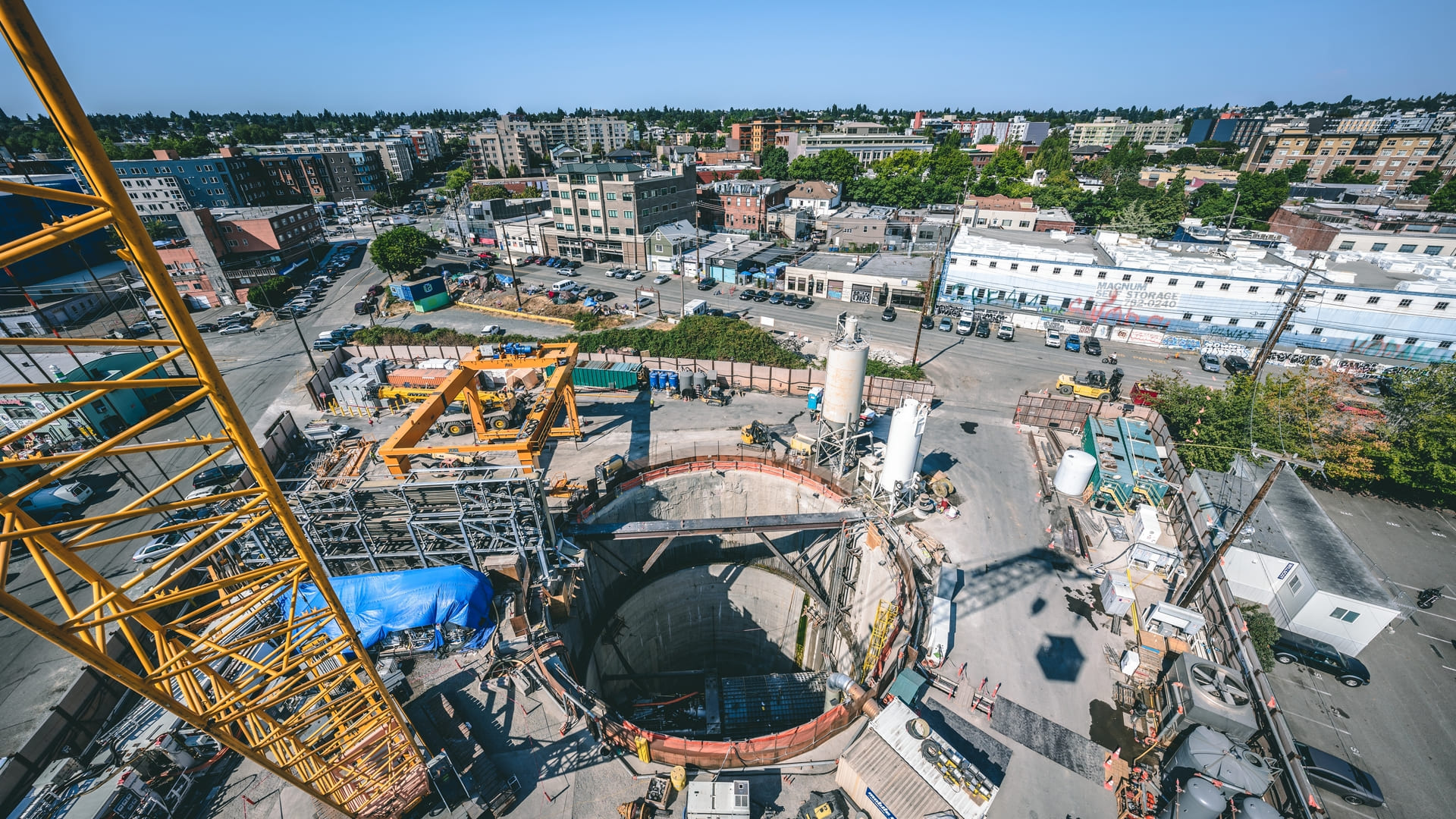
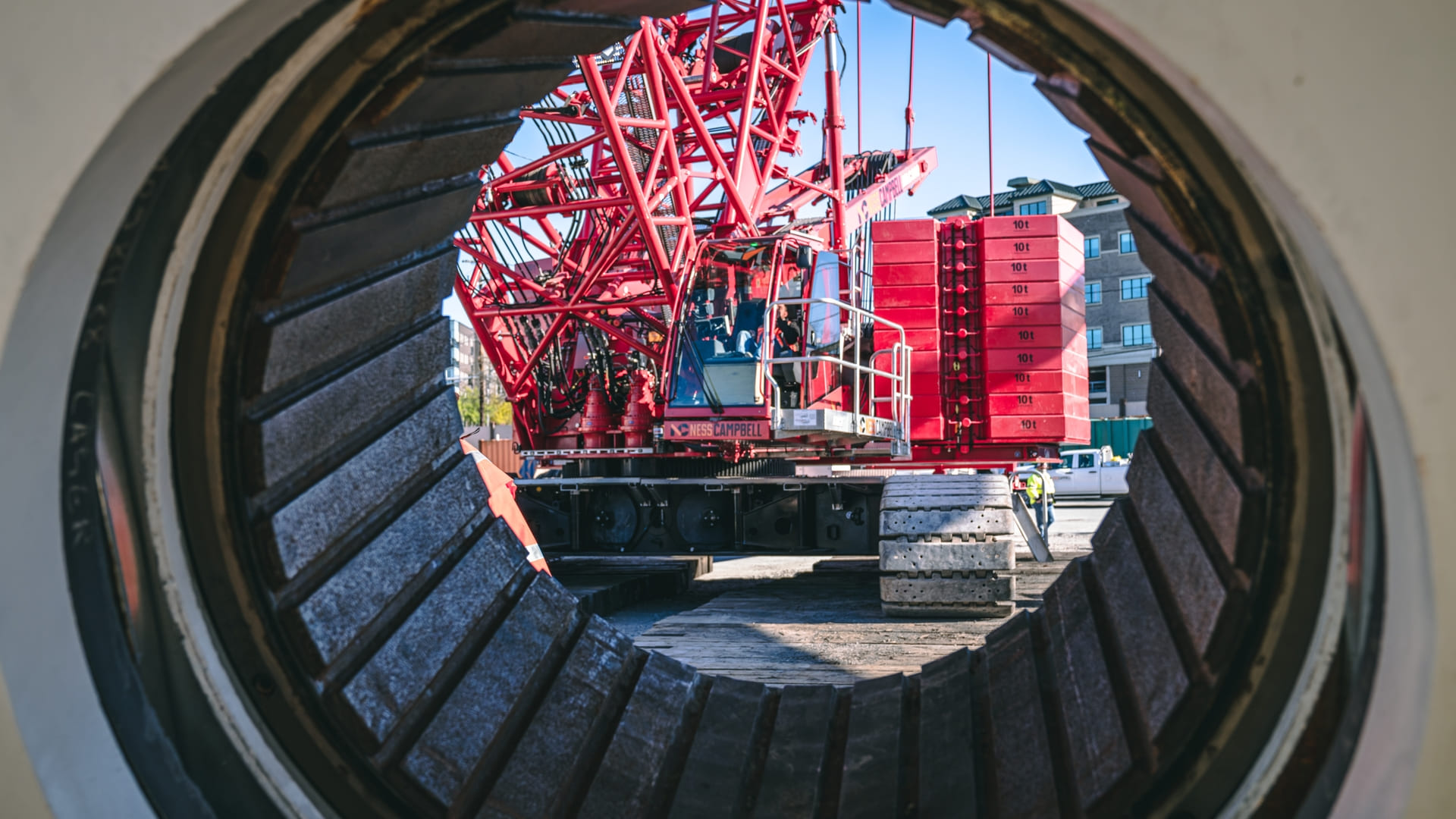
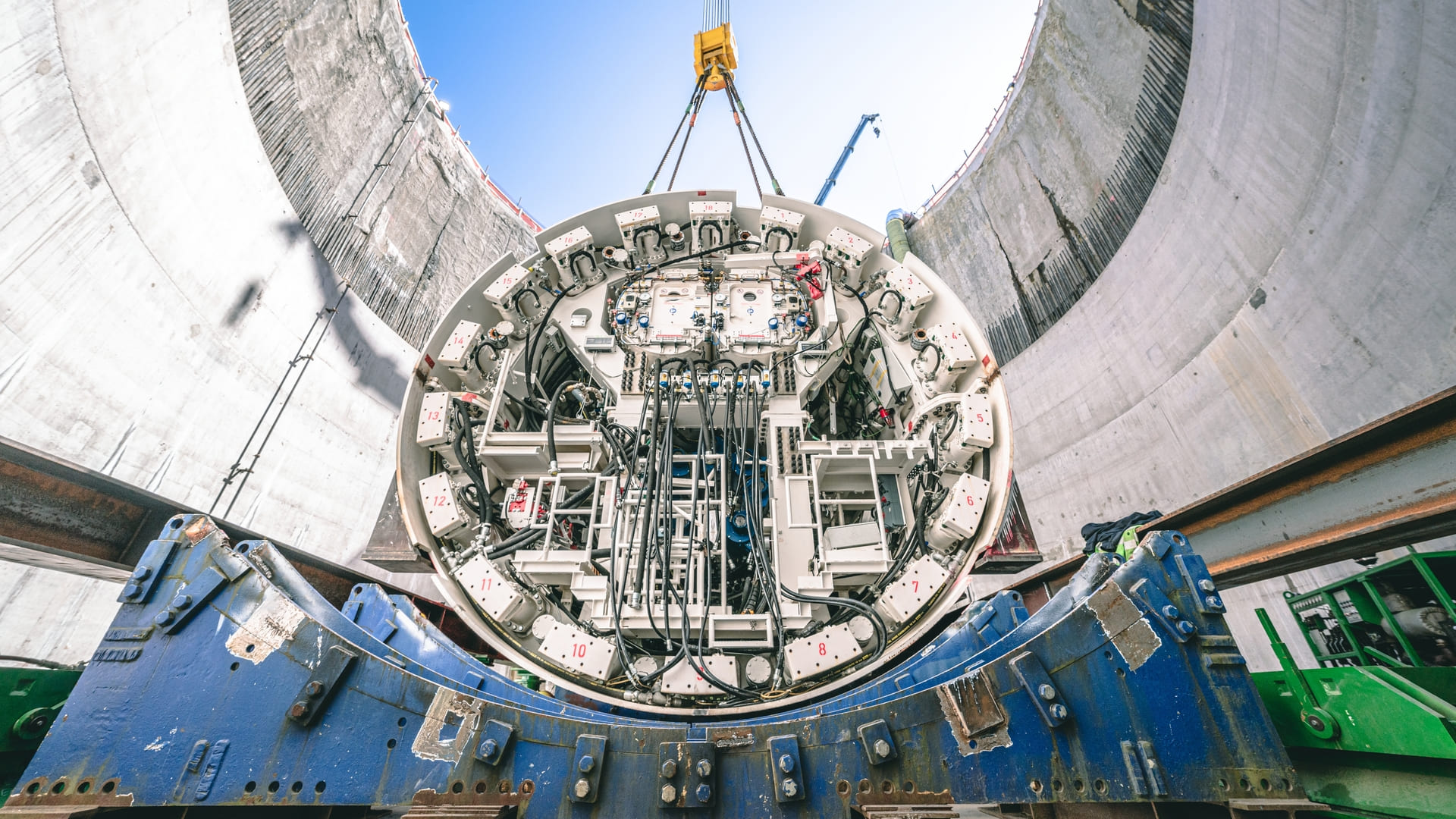
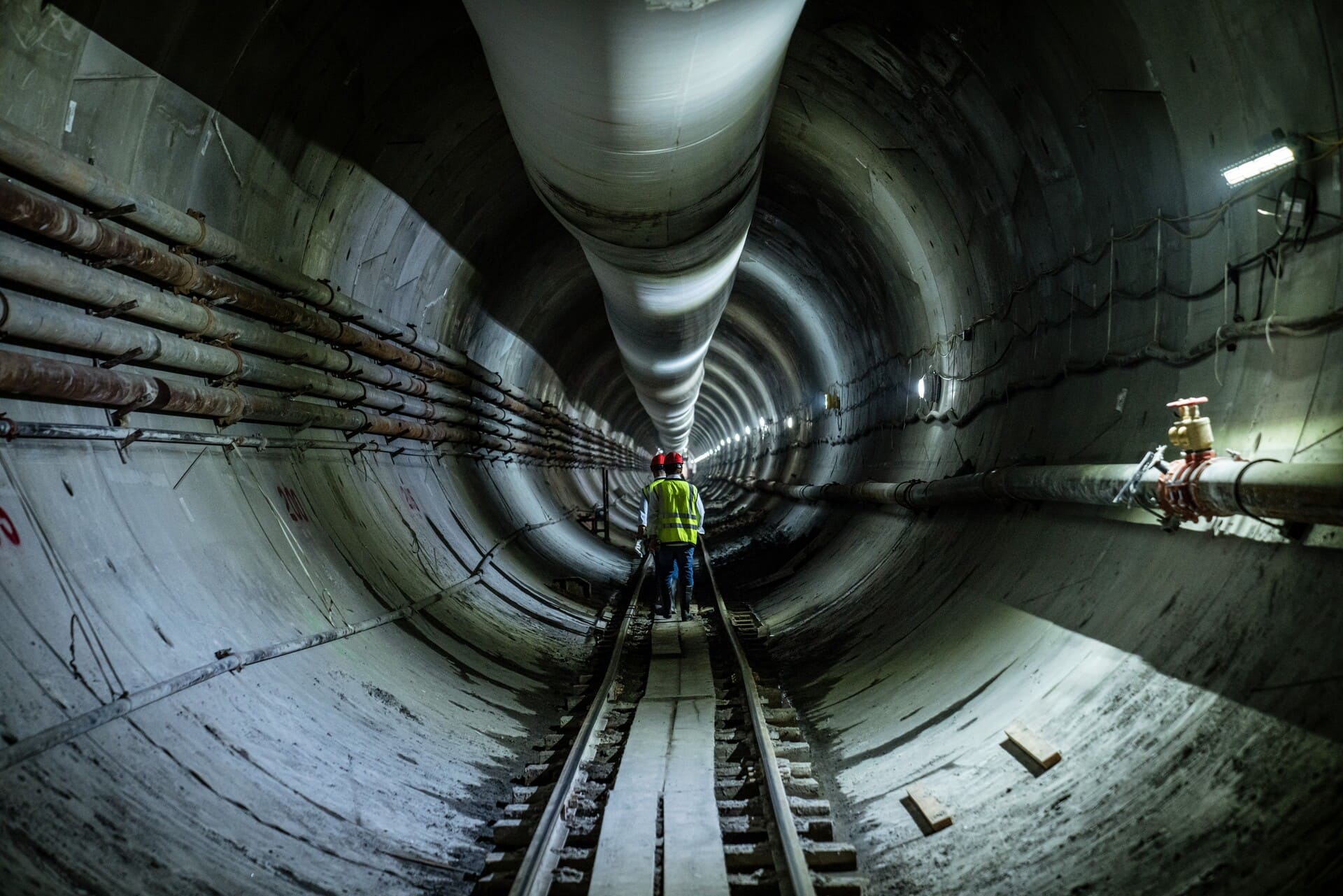
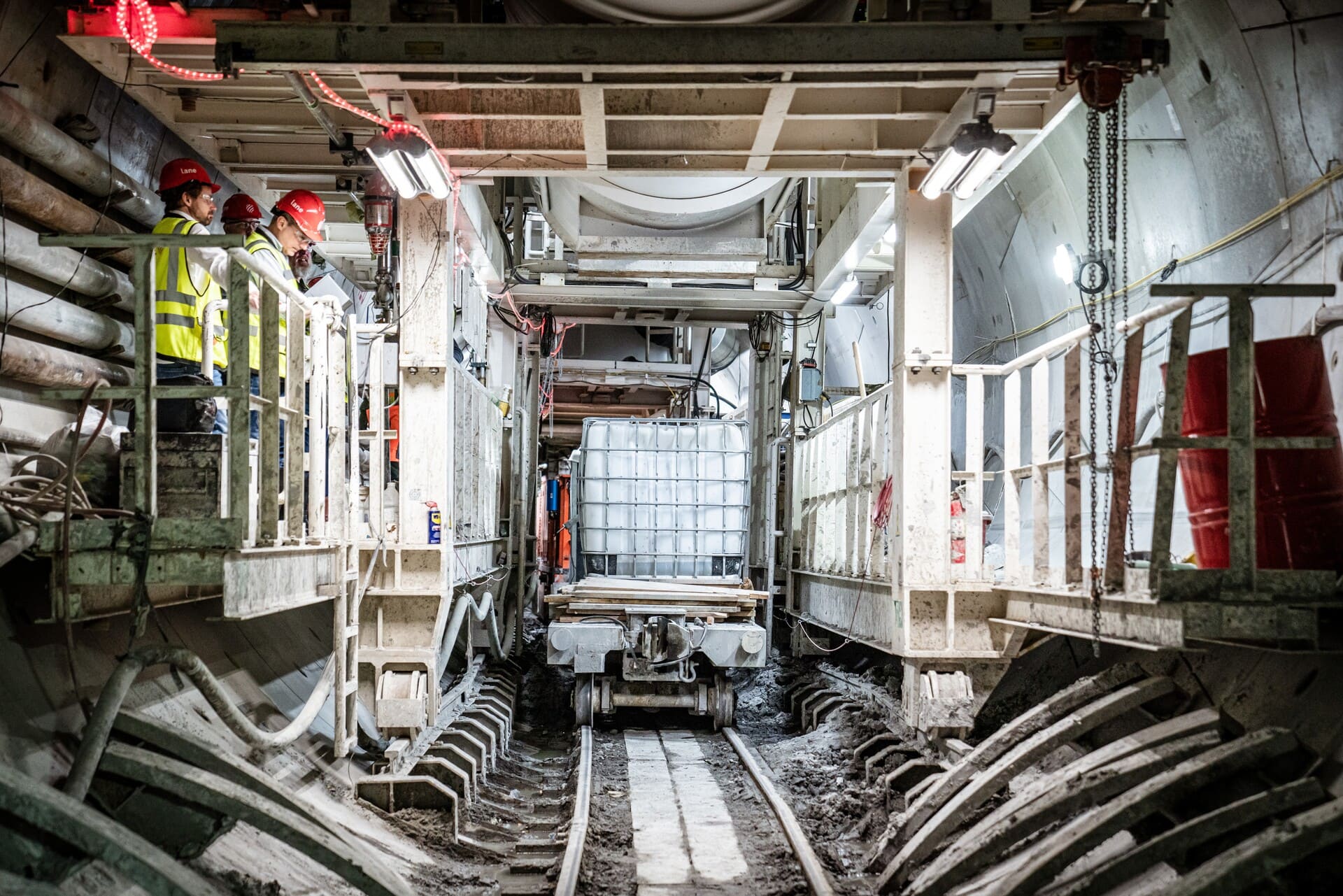
The capacity to sustain civil development, defence and logistics is also expressed in less visible but equally decisive infrastructure. In Seattle, Lane is constructing the Ship Canal Water Quality Project, a 4.2 km storage tunnel with an internal diameter of approximately 5.5 metres, designed to intercept combined stormwater during heavy rainfall.
The structure will prevent an average of around 75 million gallons of contaminated water per year from reaching the city’s waterways, improving environmental quality and urban resilience.
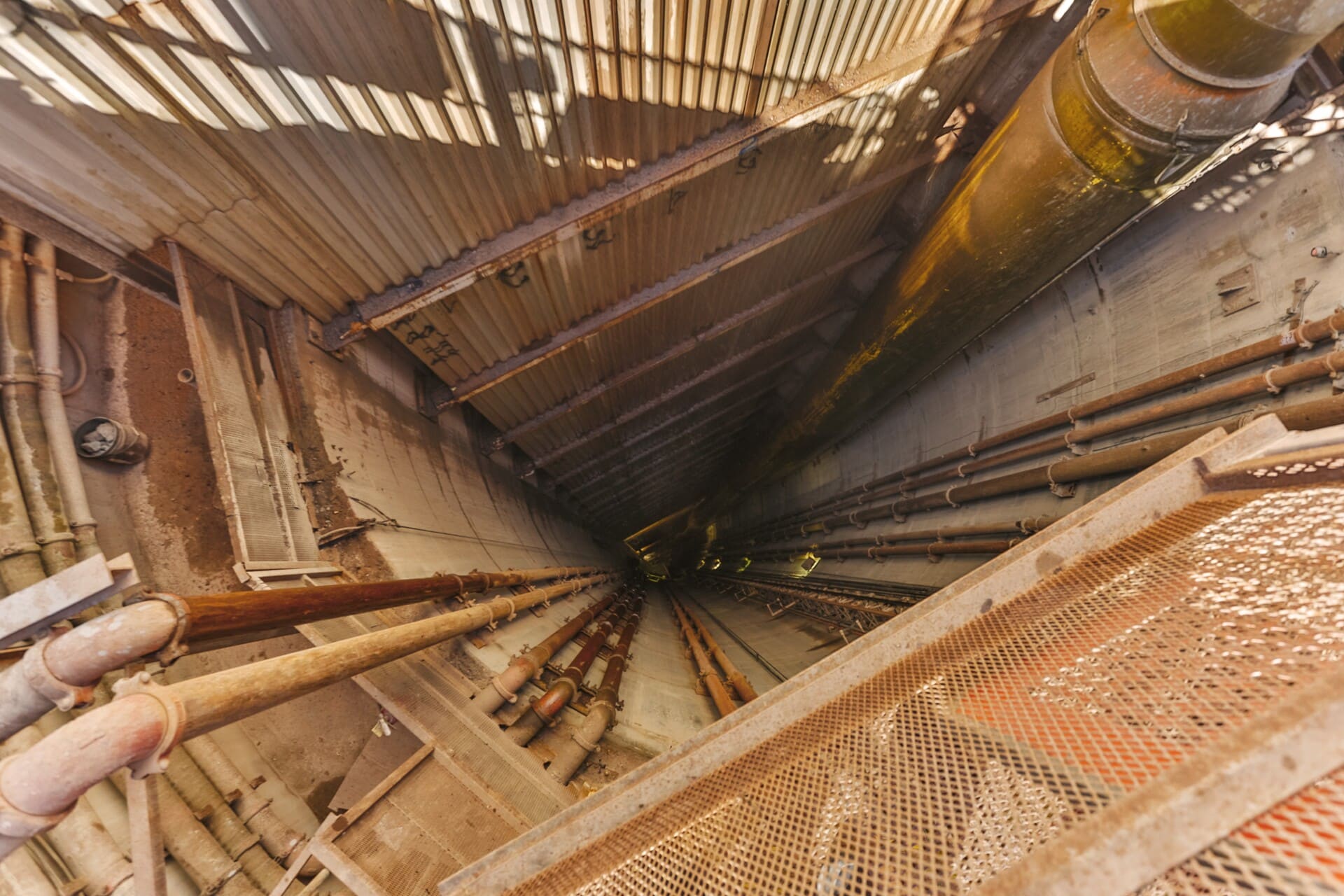
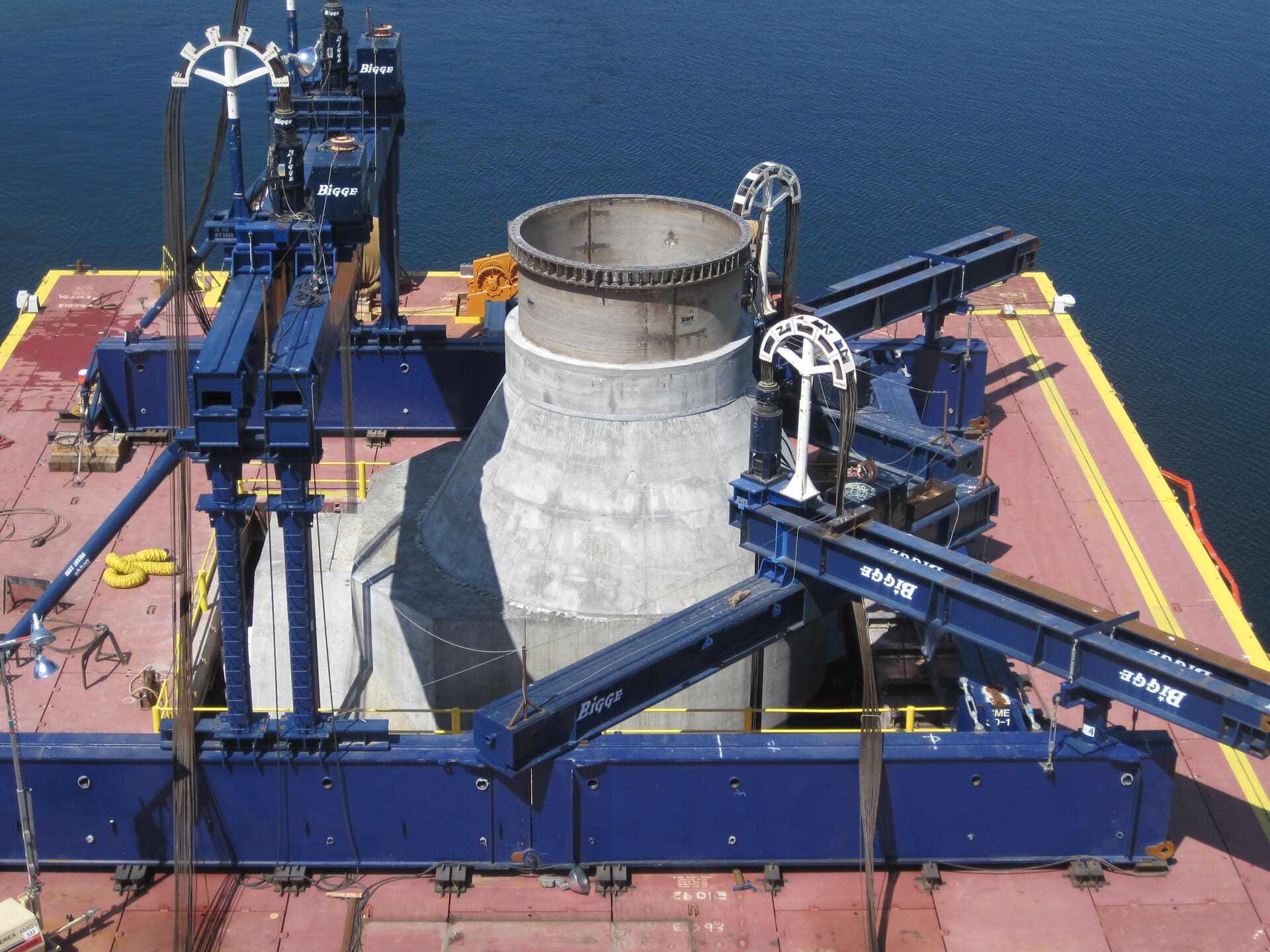
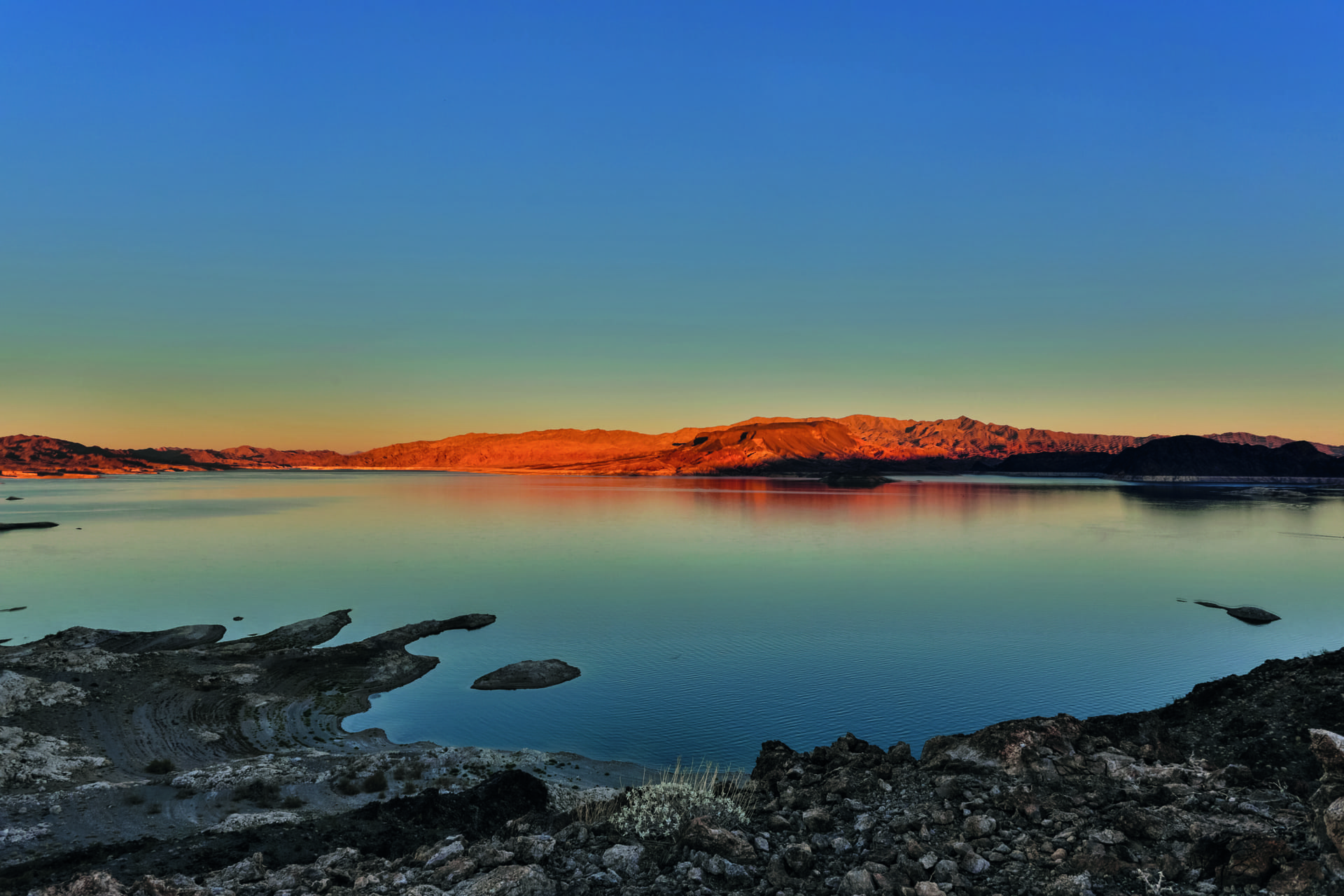
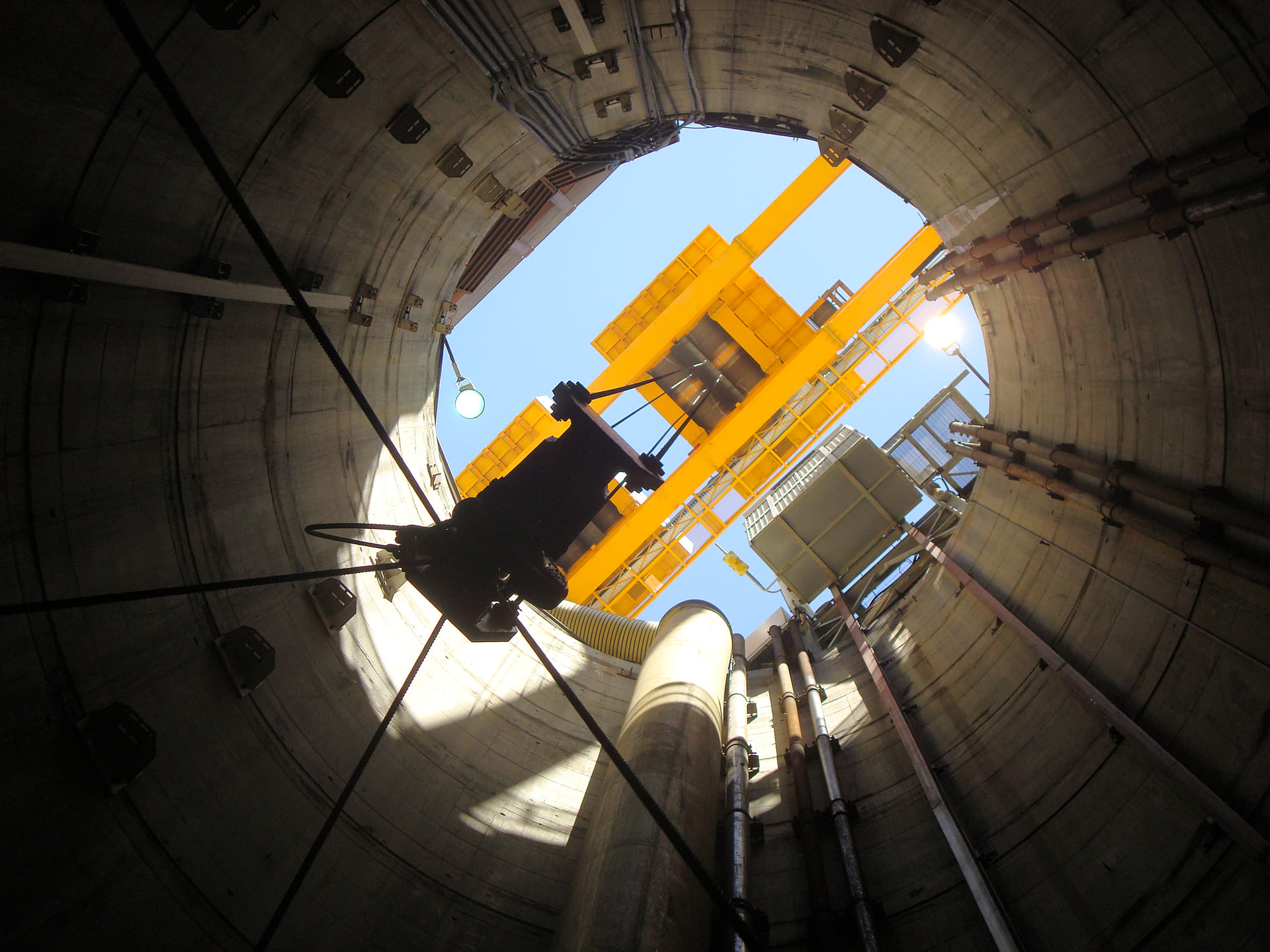
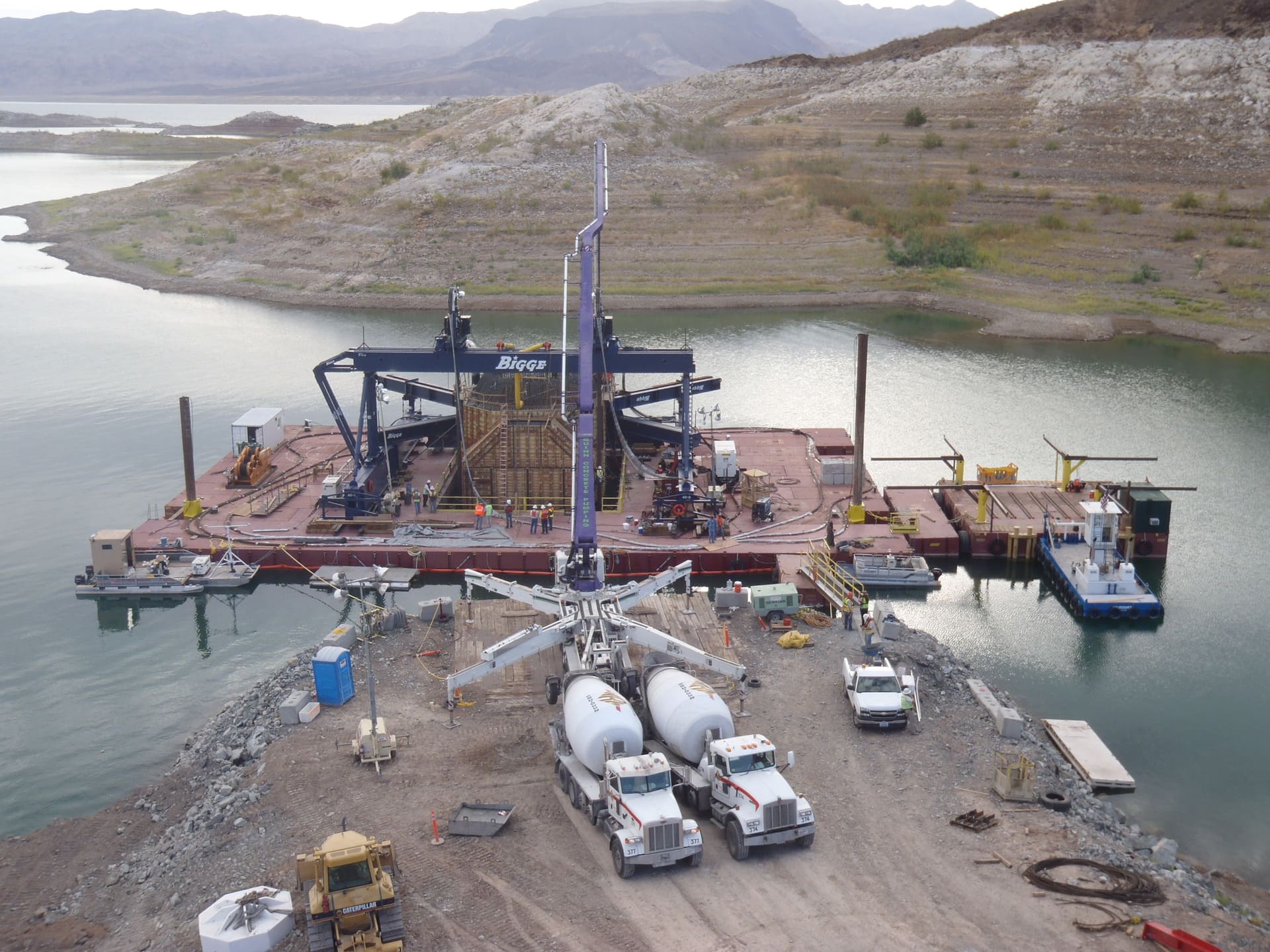
Also in the United States, in the Colorado basin, Webuild constructed the Third Intake at Lake Mead, a vital infrastructure for Nevada’s water security. This infrastructure project includes a tunnel approximately 15,000 feet long (over 4.5 km) excavated beneath the lake and an access shaft more than 600 feet deep, engineered to withstand pressures of up to 17 bar.
The works allow water extraction to continue even when the lake reaches critical levels, preventing water supply interruptions for millions of users.
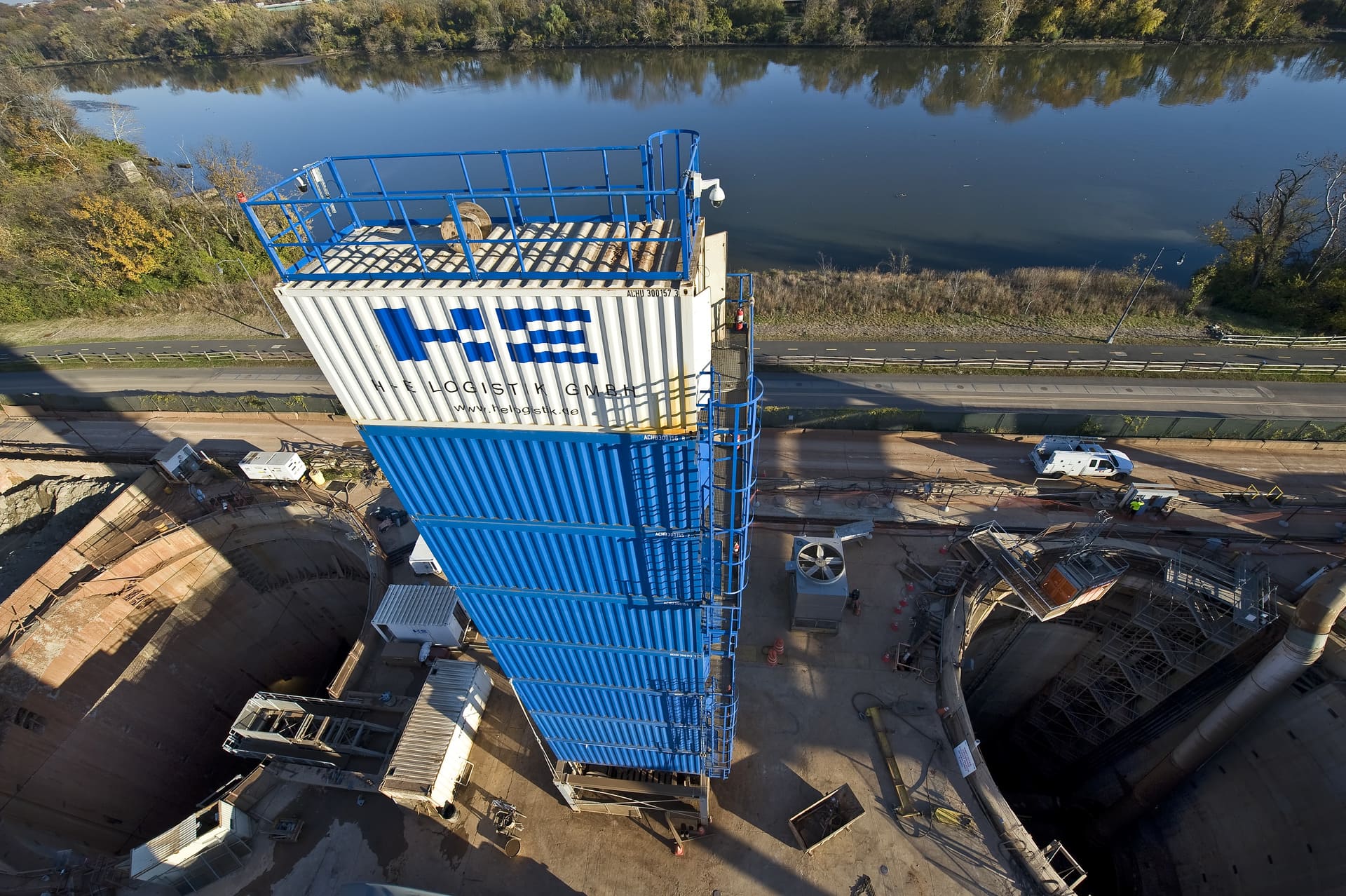
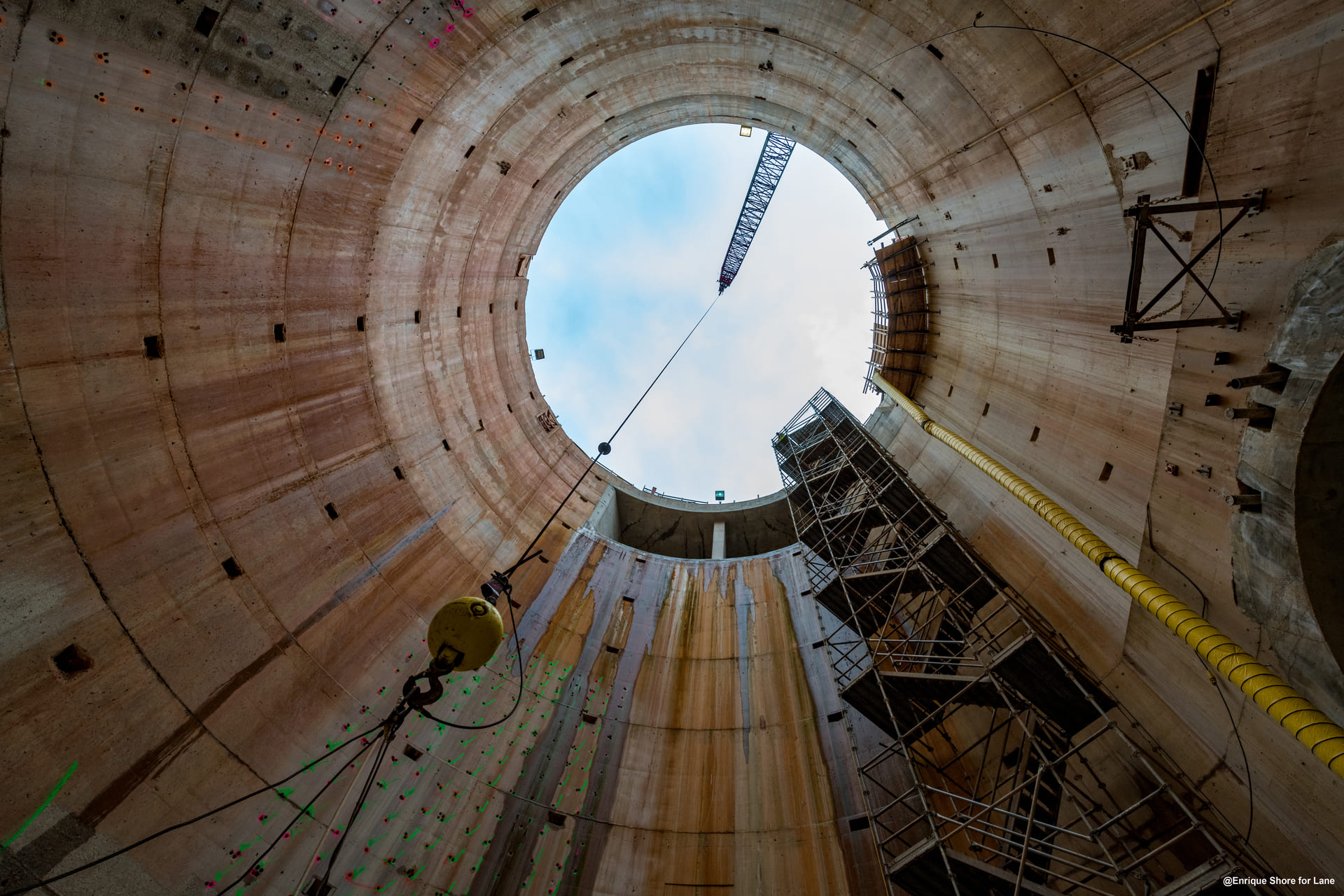
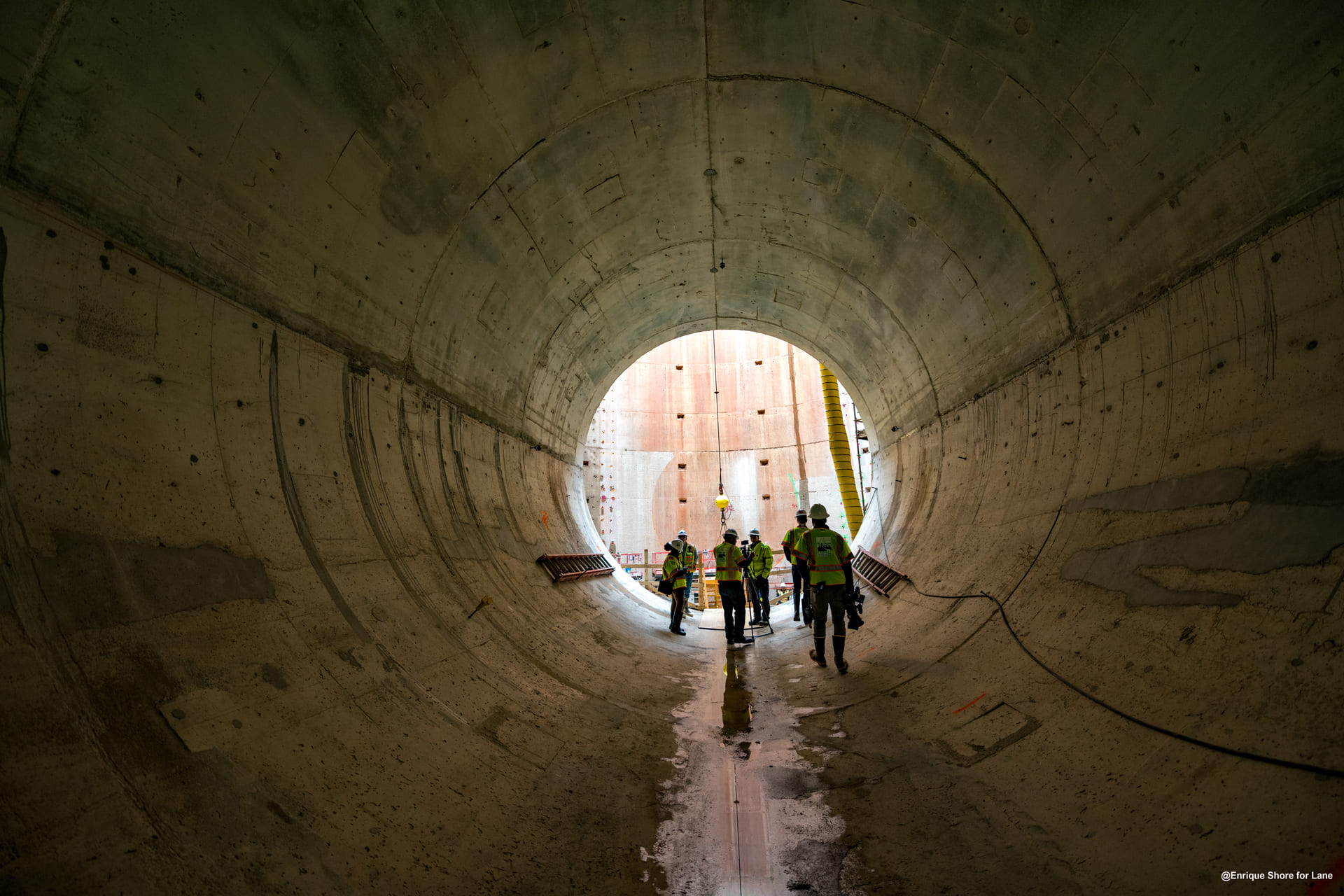
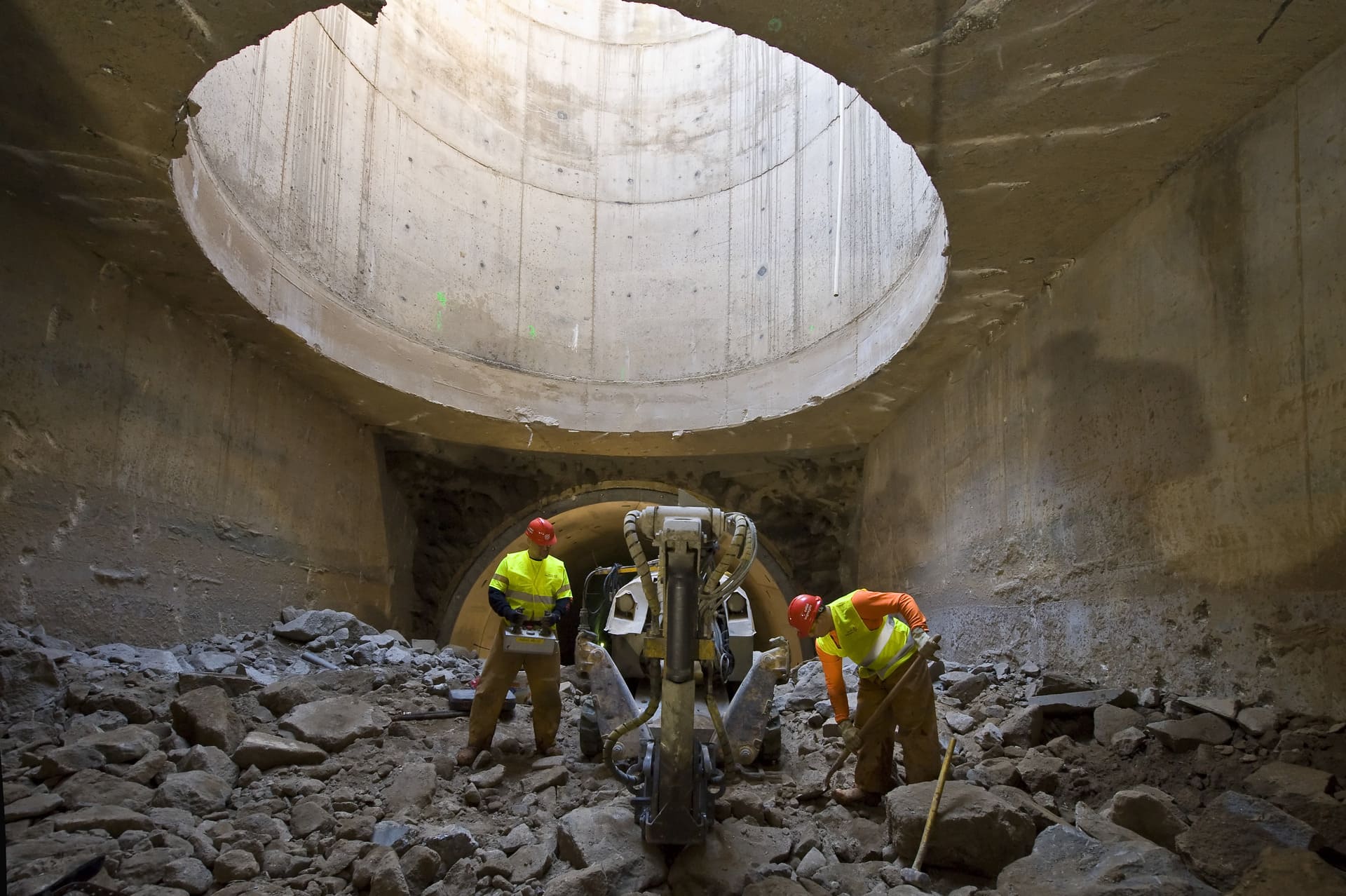
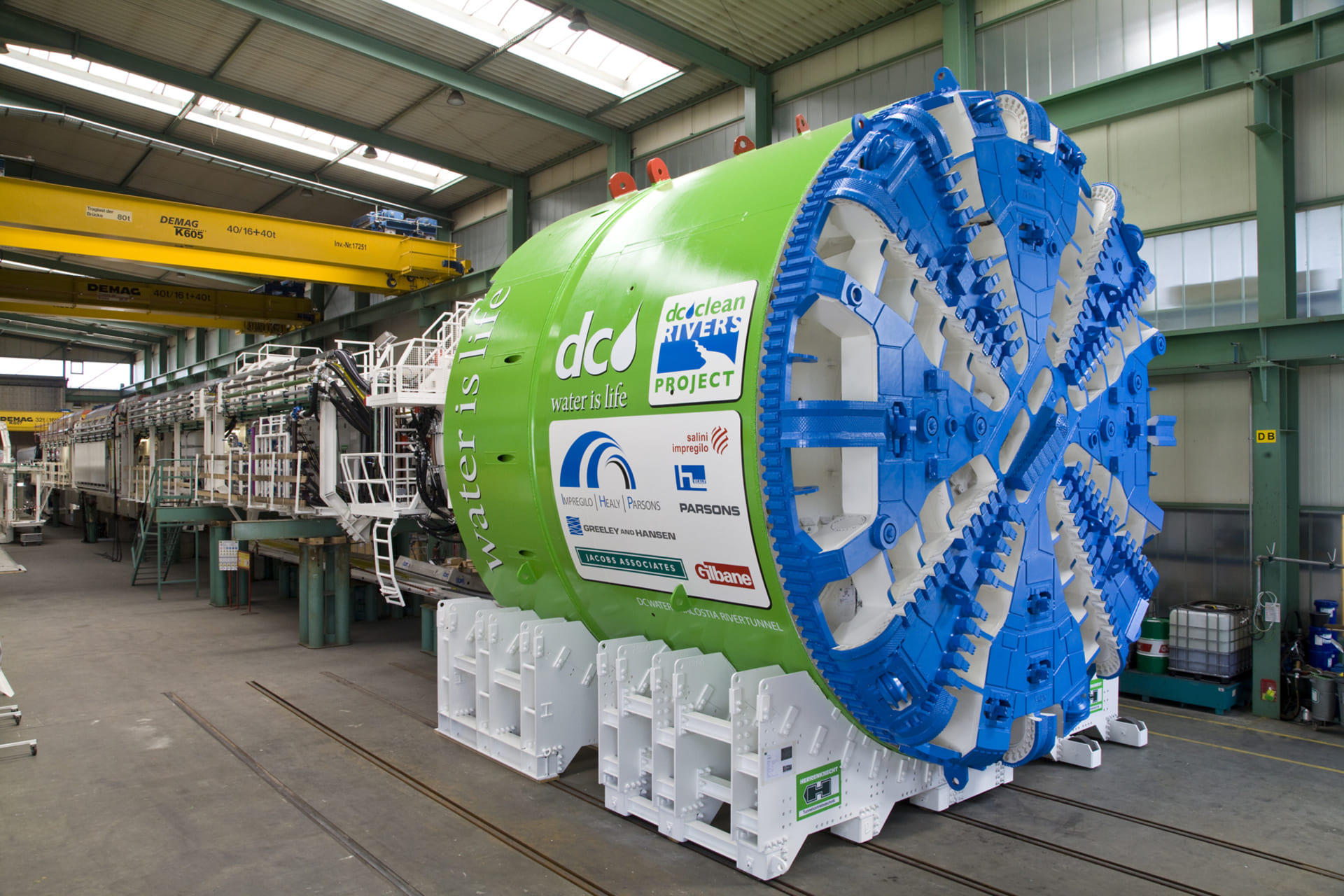
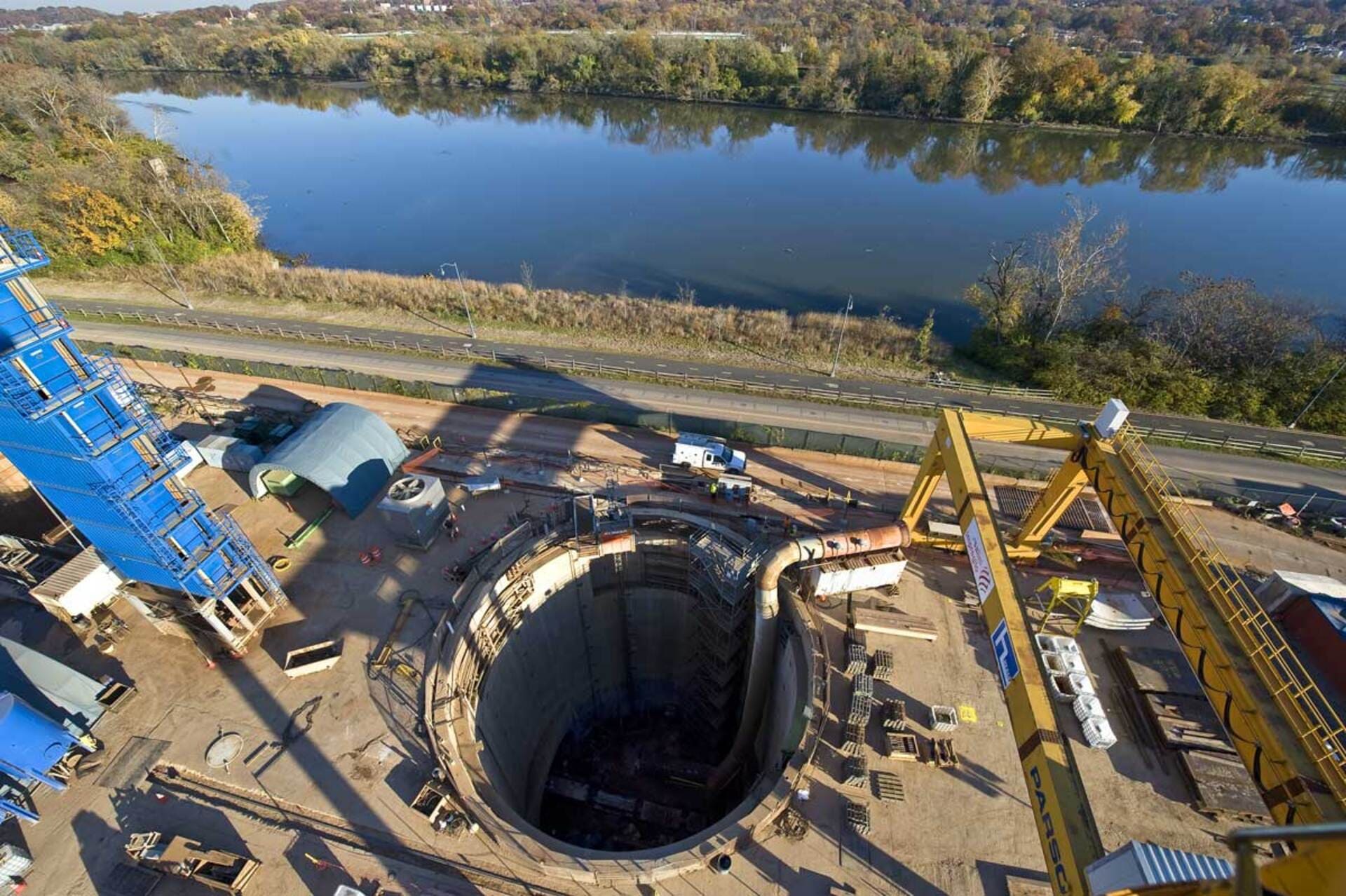
On the eastern seaboard of the United States, Webuild and Lane participated in the construction of the Northeast Boundary Tunnel, part of the Clean Rivers programme in Washington, DC — an underground infrastructure designed to intercept combined stormwater during extreme events, reduce untreated discharges into urban rivers and mitigate flood risk, thereby strengthening the environmental and public health security of the federal capital.
Bridges, Dams, and Corridors for Maritime Traffic: From the Grand Ethiopian Renaissance Dam to the Panama Canal Transit
These infrastructure construction projects reveal a precise and highly contemporary design logic: anticipating vulnerability. Not reacting to a crisis, but building systems capable of absorbing it.
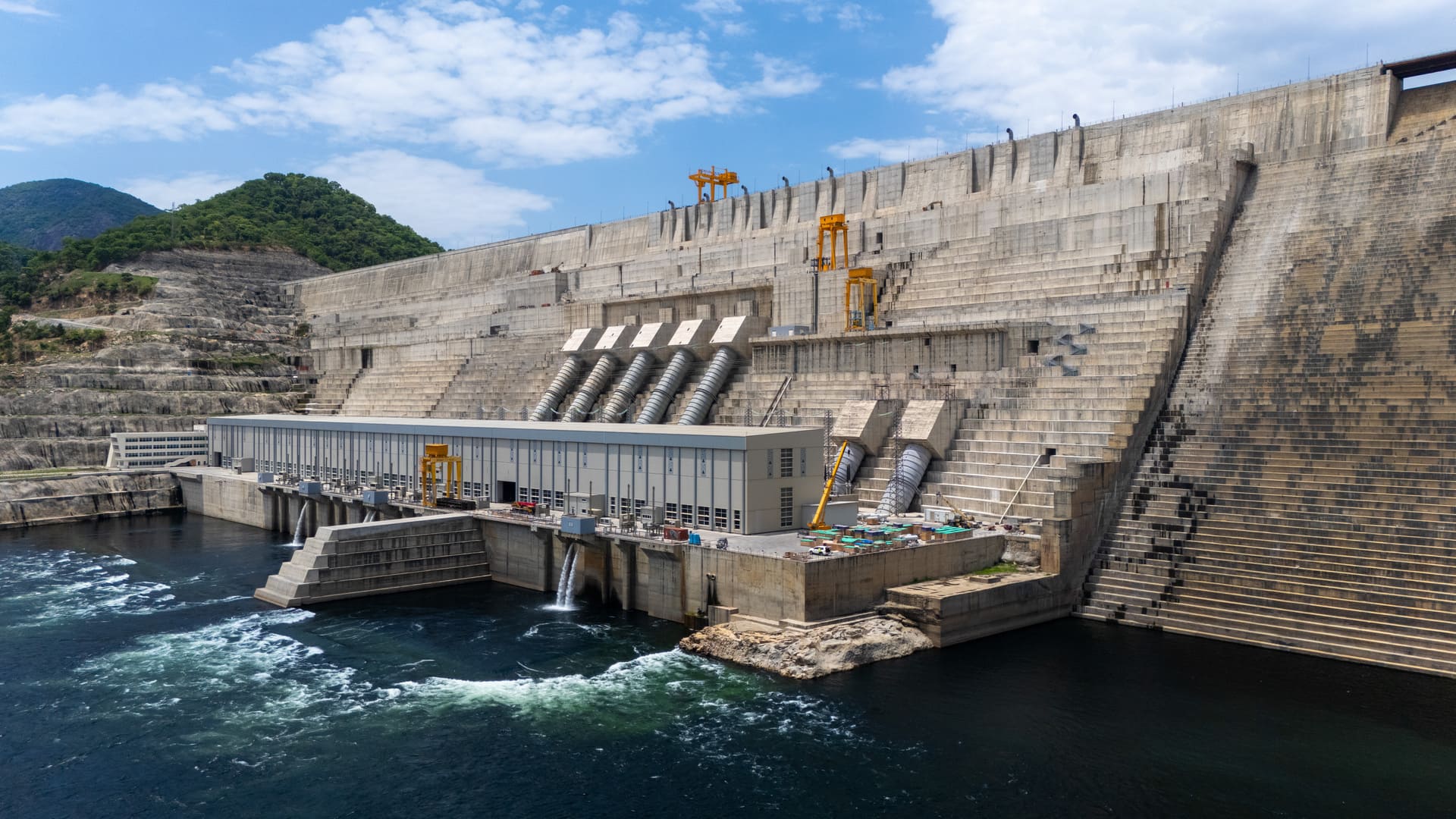
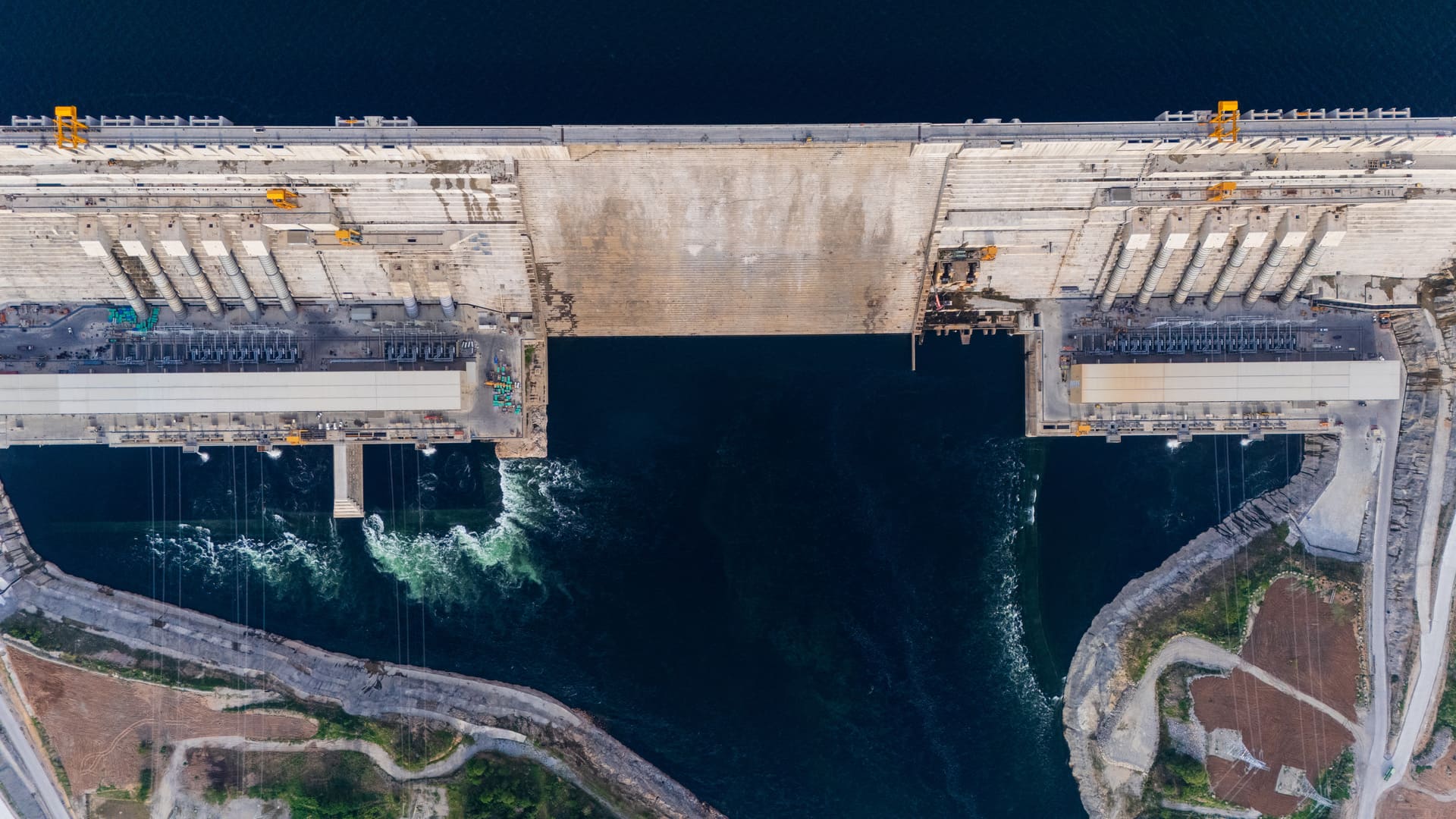
On a global scale, the link between infrastructure development and security has been further amplified by the introduction of ever more advanced technologies. This is the case with major dams that have become pillars of the energy and industrial systems of entire nations, such as the Grand Ethiopian Renaissance Dam (GERD), a vast complex built by Webuild which, harnessing the waters of the Blue Nile, achieves an installed capacity of 5,150 MW — equivalent to three medium-sized nuclear power stations.
The GERD dam is both the largest hydroelectric project ever undertaken in Africa and a global-scale infrastructure consolidating Ethiopia’s energy autonomy and its capacity to position itself as a regional energy hub.
The stability of a region also rests on the fundamental anchors of bridges and maritime corridors. In Turkey, the three bridges over the Bosphorus — two of which were built by the Webuild Group — form a genuine structural framework linking Europe and Asia, sustaining daily flows of mobility and trade between continents.
Even more evident is the case of the great navigation canals, from Suez to Panama Canal, which are crucial elements for maritime transport and the transit of military vessels. Here too, the security of entire geographical areas depends on the robustness of infrastructure.
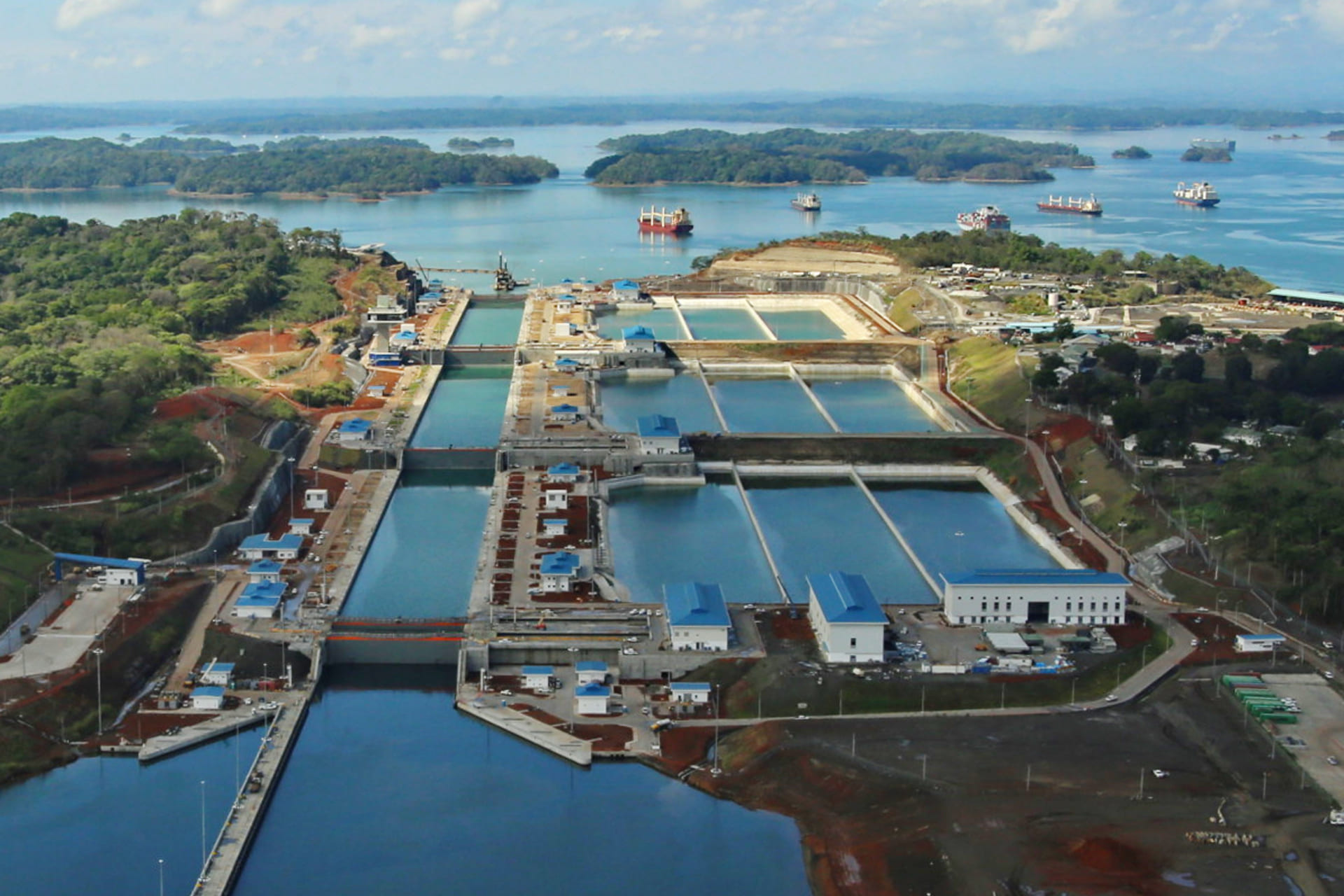
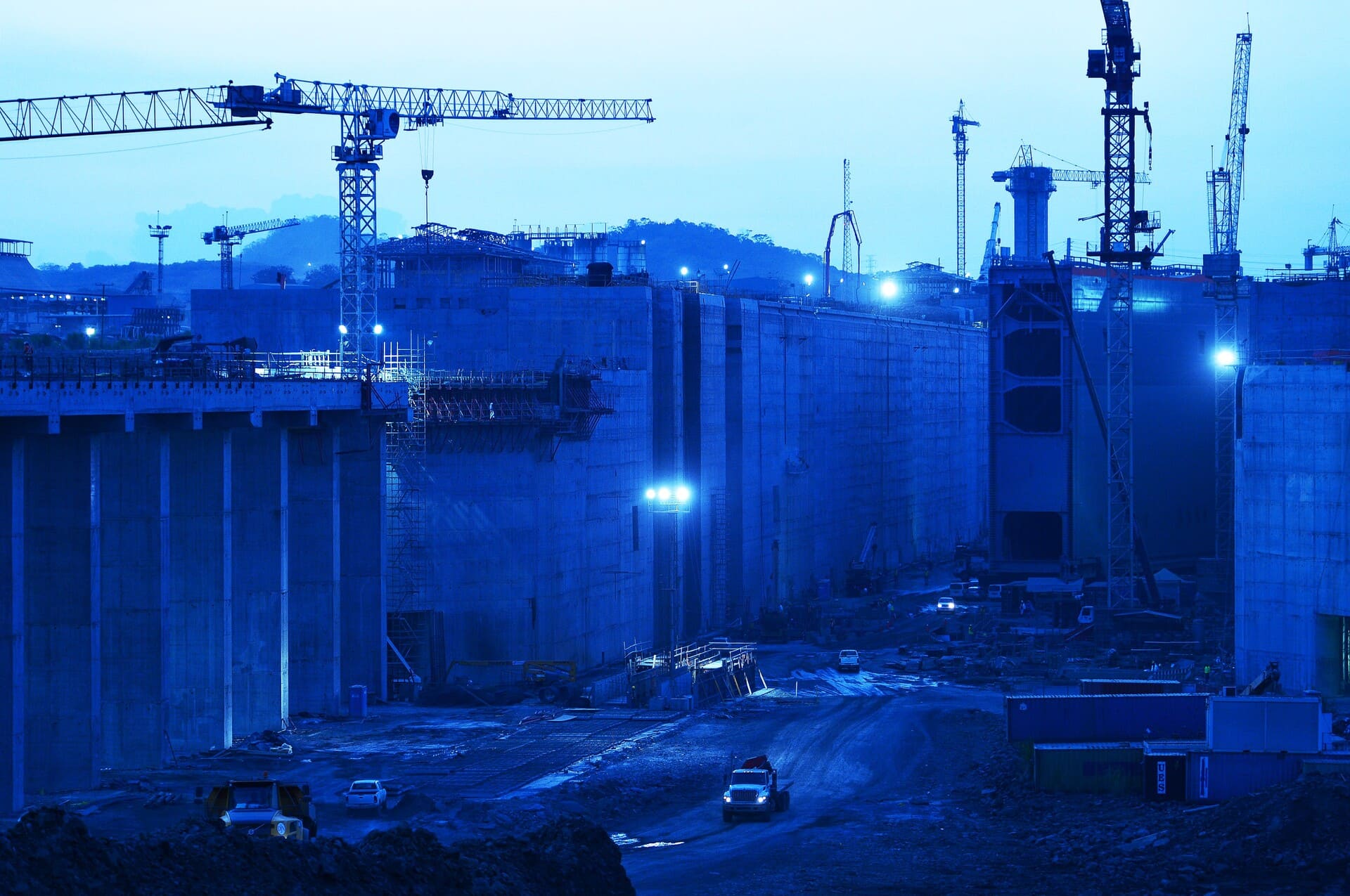
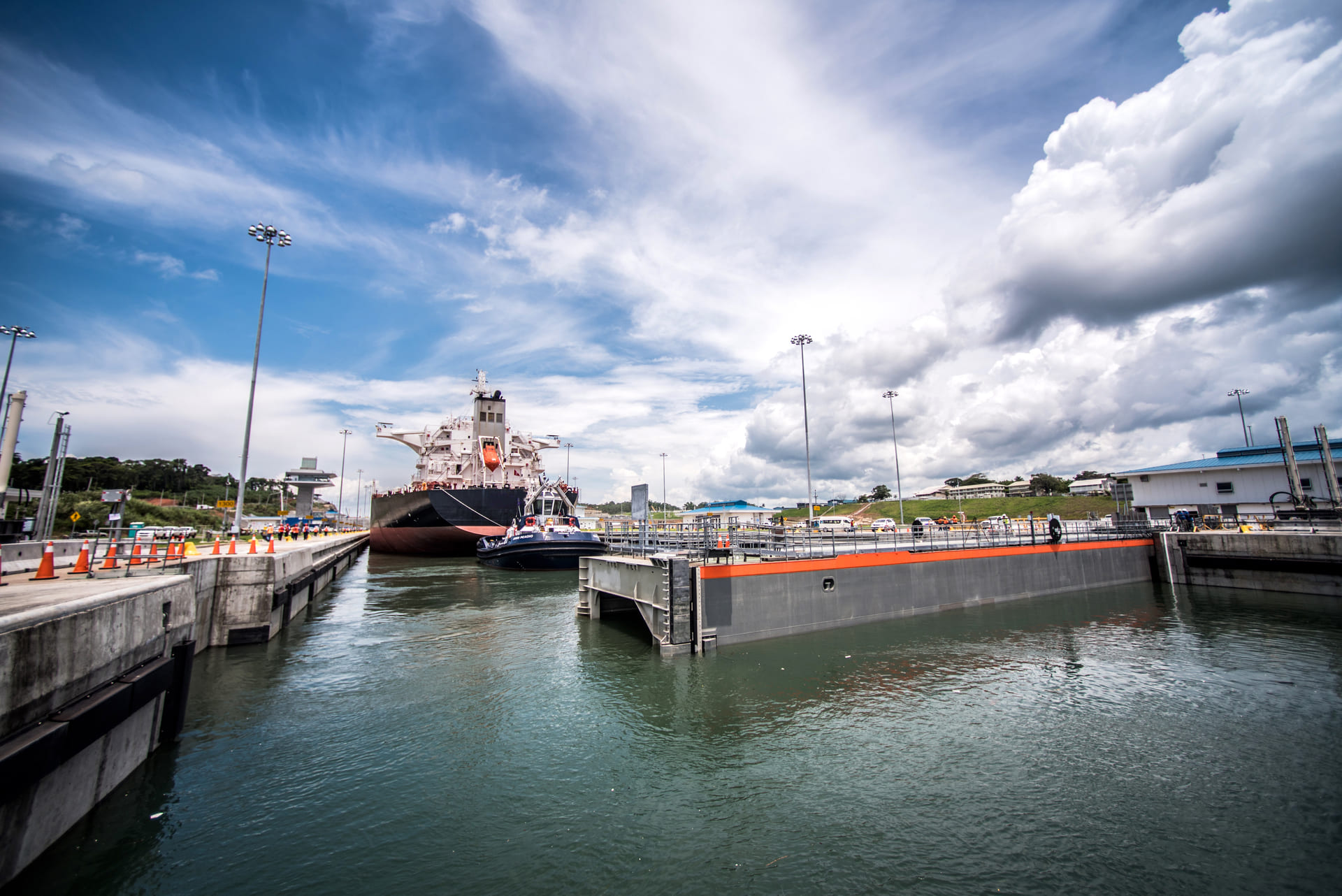
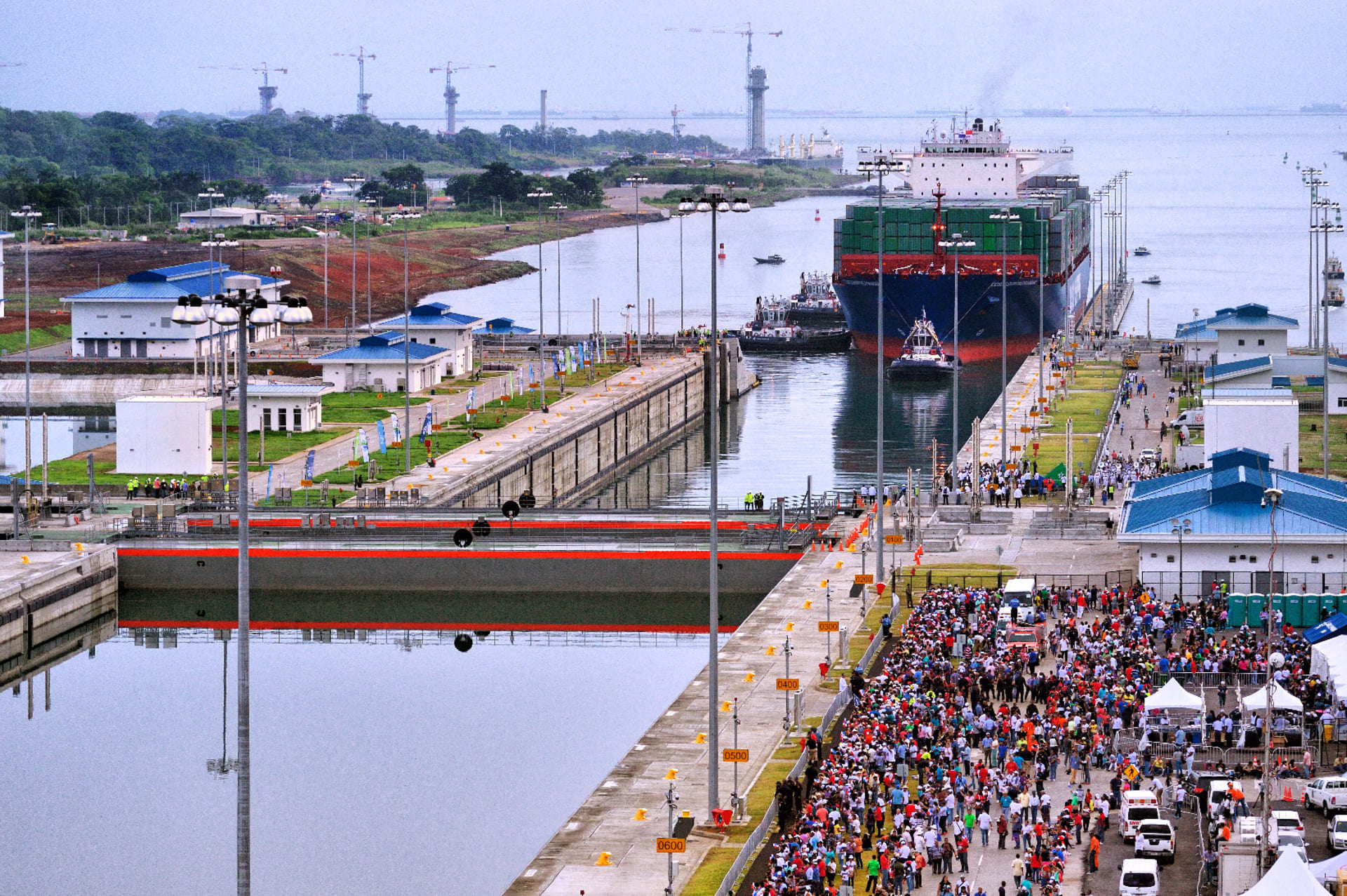
The Panama Canal, expanded in June 2016 by Webuild, has consolidated its role as a hub of global maritime logistics. In 2025, 13,404 vessels transited between the Atlantic and Pacific Oceans, moving approximately 489 million tonnes of goods and generating revenues of 5.7 billion dollars.
The two canals — one a junction between Africa, Europe and Asia, the other the universal gateway connecting the entire American continent with the rest of the world — are increasingly confirmed as strategic safeguards for the continuity of global maritime trade and distribution chains.
Such continuity is reinforced by the development of high-speed and high-capacity rail networks, essential for connections with major road and waterborne arteries. In Italy, one of Europe’s most rail-oriented countries, Webuild has put its signature to all the most significant railway mobility projects.
With more than 13,648 km of lines built worldwide, Webuild now stands as one of the leading global players — from Europe to the Americas, from the Arab world to Australia — in railway design and construction. From early infrastructure developments to the most recent High-Speed and High-Capacity networks, ongoing projects will reduce average journey times by 41%, serving approximately 34 million people with safe, efficient and low-emission transport systems, contributing to an estimated reduction of 6.6 million tonnes of CO₂ per year.
What unites these experiences — from the motorways of the twentieth century to contemporary water tunnels — is a cultural continuity even before a technical one. Infrastructure investment and development is the instrument through which societies govern risk, space and time. It reduces uncertainty, keeps complex systems operational and sustains confidence in the future.
This is the vision that also emerges from the cultural project Evolutio. Running until April 7th at the Leonardo da Vinci National Museum of Science and Technology in Milan, the exhibition showcases more than a century of infrastructural works understood not as a mere sequence of constructions, but as the process through which communities and territories have built stability and security.