


 Construction site of the new SS106 Jonica
 Construction site of the new SS106 Jonica
 Construction site of the new SS106 Jonica
 Construction site of the new SS106 Jonica
 Construction site of the new SS106 Jonica
 Construction site of the new SS106 Jonica
 Construction site of the new SS106 Jonica
 Construction site of the new SS106 Jonica
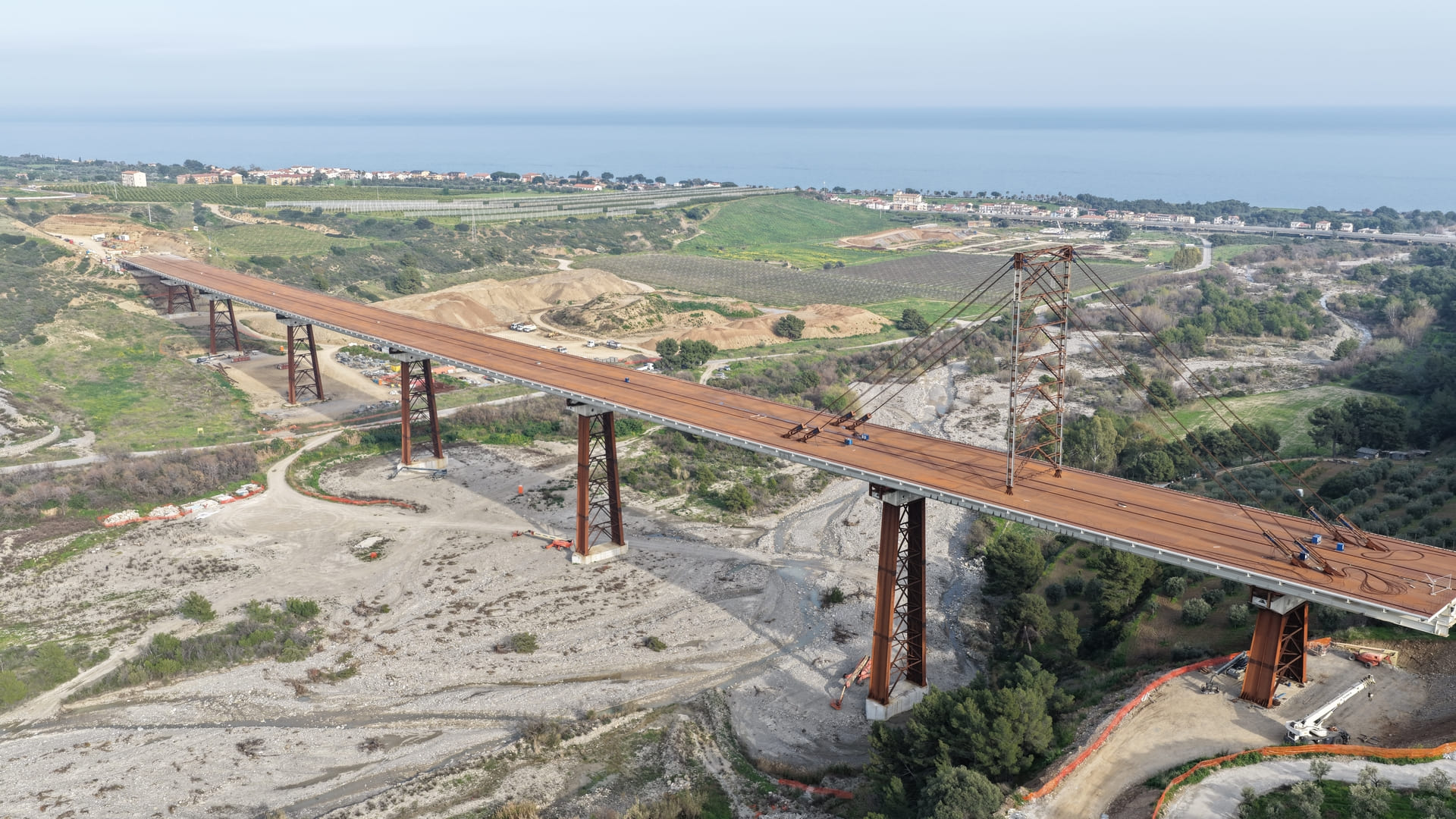 Construction site of the new SS106 Jonica
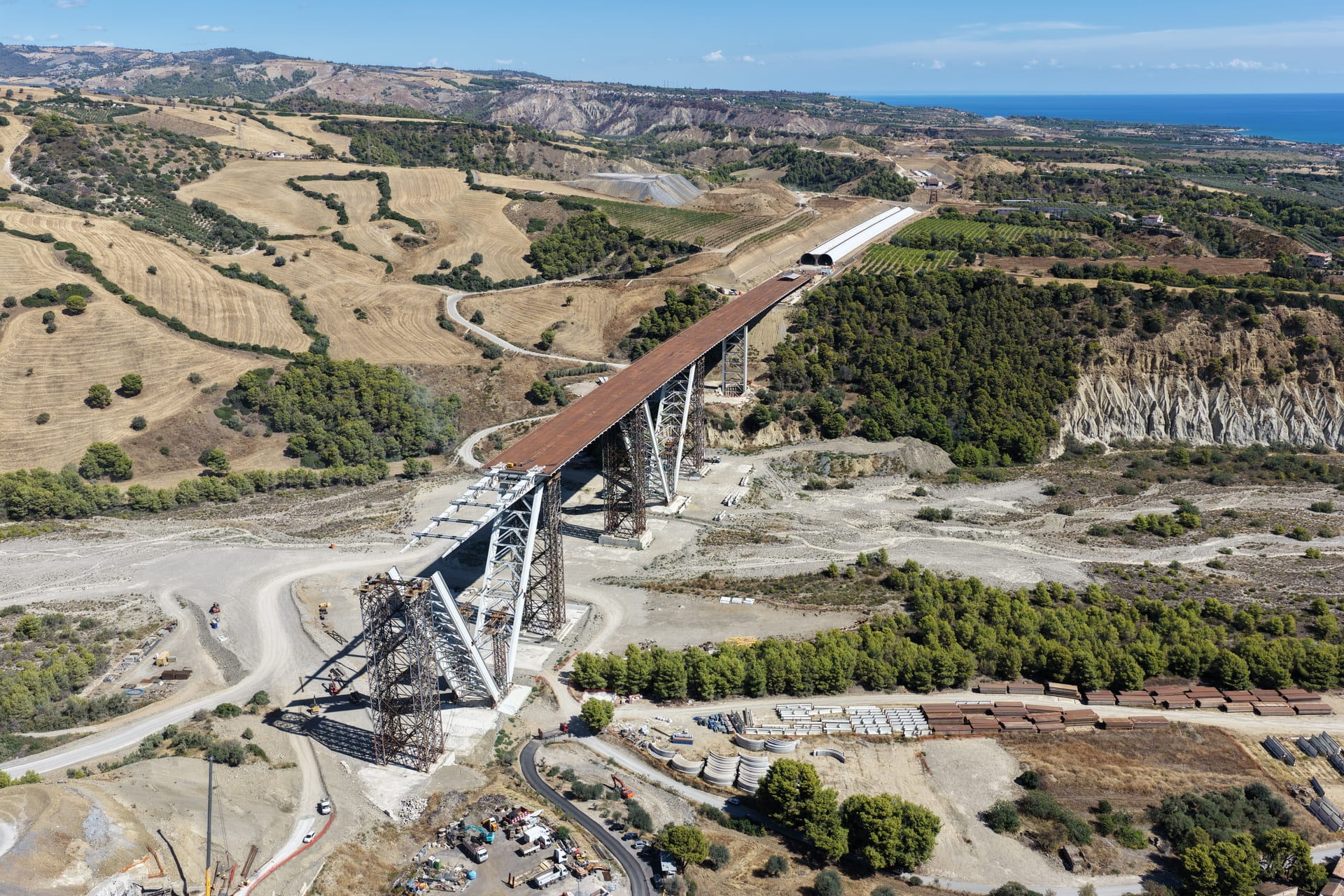 Construction site of the new SS106 Jonica
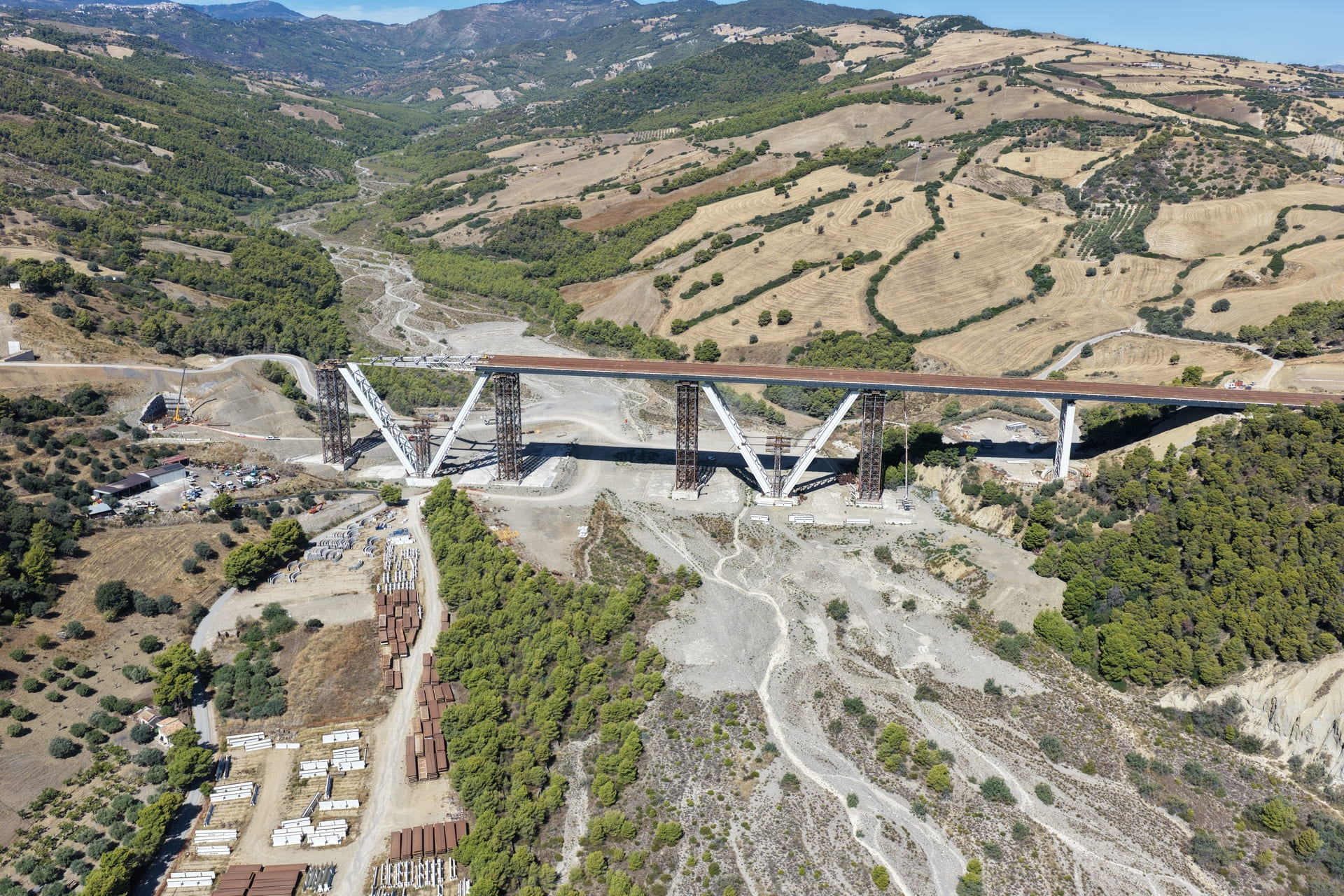 Construction site of the new SS106 Jonica
- The Webuild Group has almost completed construction of the Third Megalot of the SS106 Jonica between Sibari and Roseto Capo Spulico, a 38-kilometre section and one of the most important parts of the new road infrastructure.
- Once completed, the journey time for the section will be around 20 minutes compared with the current 36 minutes.
- Around 1,200 people are currently employed on the construction sites, including direct personnel and workers from companies in the supply chain.
- Around 900 companies are involved in the construction of the project, around 45% of them based in Calabria.
- Webuild has also been awarded the construction of a new approximately 17-kilometre lot of the SS106 Jonica.

For more than two thousand years, that stretch of coastline overlooking the Ionian Sea has been one of the most important corridors of the Mediterranean. It was along this route that the trade routes of Magna Graecia passed, linking cities such as Sibari, Crotone and Taranto: wealthy and cosmopolitan centres where merchants and sailors arrived after crossing the sea. Today, that same corridor is once again at the heart of a new infrastructure project set to transform mobility in Southern Italy: the new SS106 Jonica state road.
The Jonica is one of the longest and most strategic arteries in the country. It runs for dozens of kilometres along the Ionian coast, linking Calabria, Basilicata and Puglia, and creating a transverse corridor that connects the Tyrrhenian, Ionian and Adriatic seas. For decades this road was synonymous with infrastructure difficulties and slow connections. For this very reason, its transformation into a modern high-speed arterial road represents one of the major challenges for relaunching mobility in the Mezzogiorno.
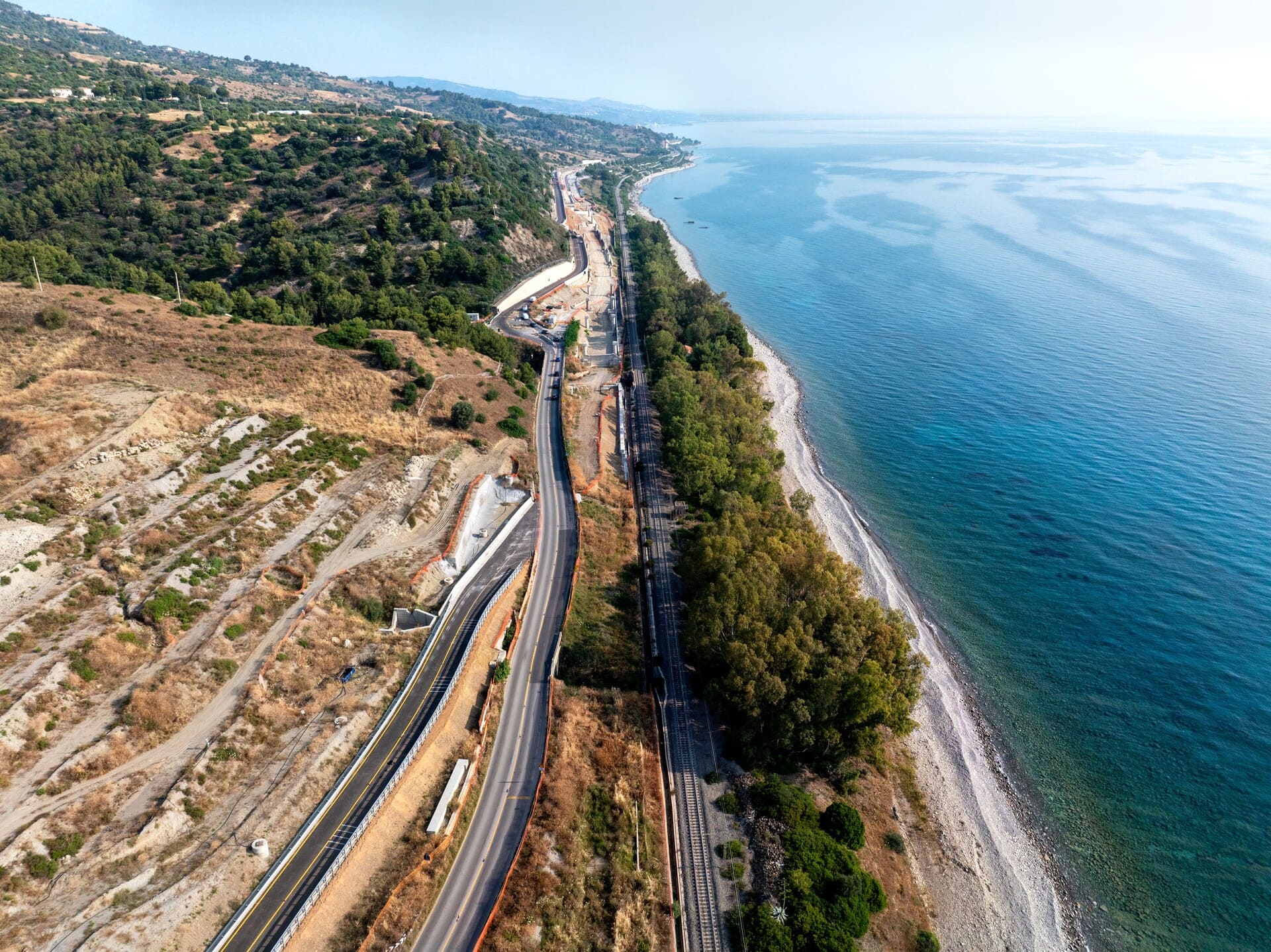
Viewed from above, the Ionian coast of Calabria reveals how the new road infrastructure appears to follow an ancient route. It is the same corridor that for centuries connected ports, cities and communities overlooking the Mediterranean.
In the days of Magna Graecia, Sibari was one of the richest cities of the ancient world, while small settlements along the coast lived from trade and navigation. Today that same line is once again becoming a strategic corridor, no longer for maritime routes, but for the contemporary traffic flows.
Driving this transformation is the Webuild Group, engaged in the construction of major sections of the new road as part of a wider project aimed at creating a safer, faster and more sustainable infrastructure, capable of improving connections between territories that for too long have remained on the margins of Europe’s major transport corridors.
SS106 Jonica: A New Road Infrastructure Linking Three Seas
At the heart of the project – commissioned by ANAS (FS Italiane Group) – is the Third Megalot of the SS106 Jonica, a stretch of around 38 kilometres between Sibari and Roseto Capo Spulico, that represents the primary intervention planned along the Calabrian section of the SS106. Here the new high-capacity state road will allow the journey to be completed in around 20 minutes compared with the current 36, reducing travel times and improving safety.
The transportation infrastructure runs through a territory of remarkable landscape value, with the sea always close by and the Calabrian Apennines rising behind it. In many places the distance from the coastline is just a few hundred metres. Elsewhere it widens to several kilometres, following a line that traces the profile of the Ionian coast.
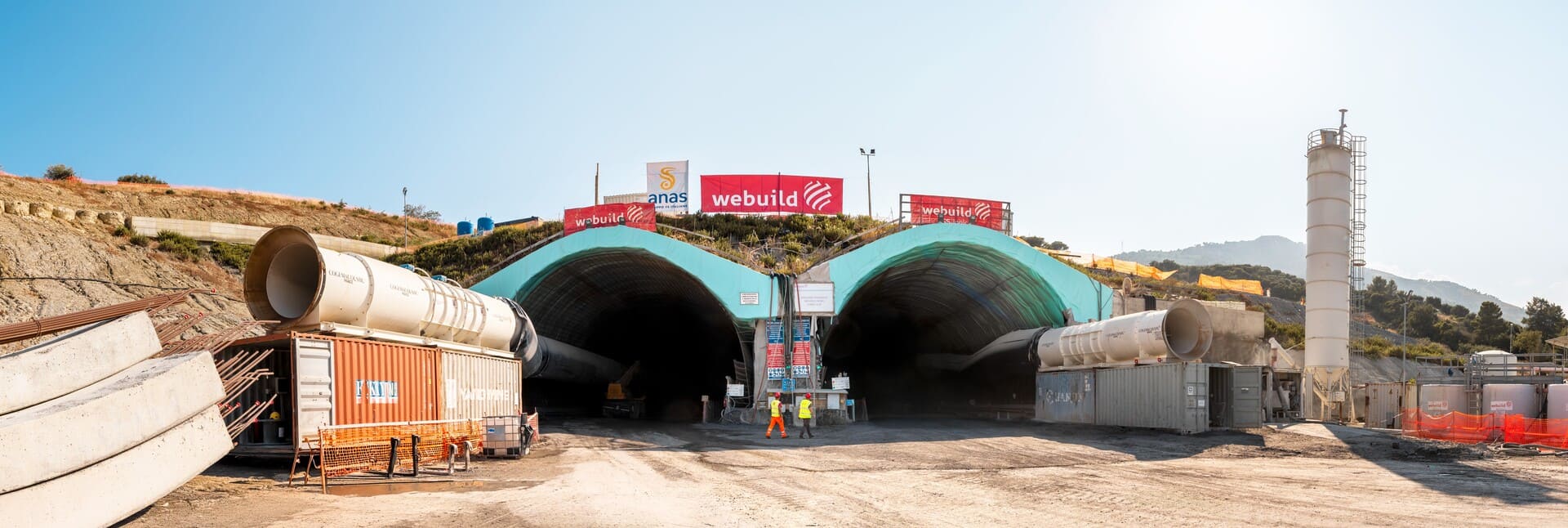
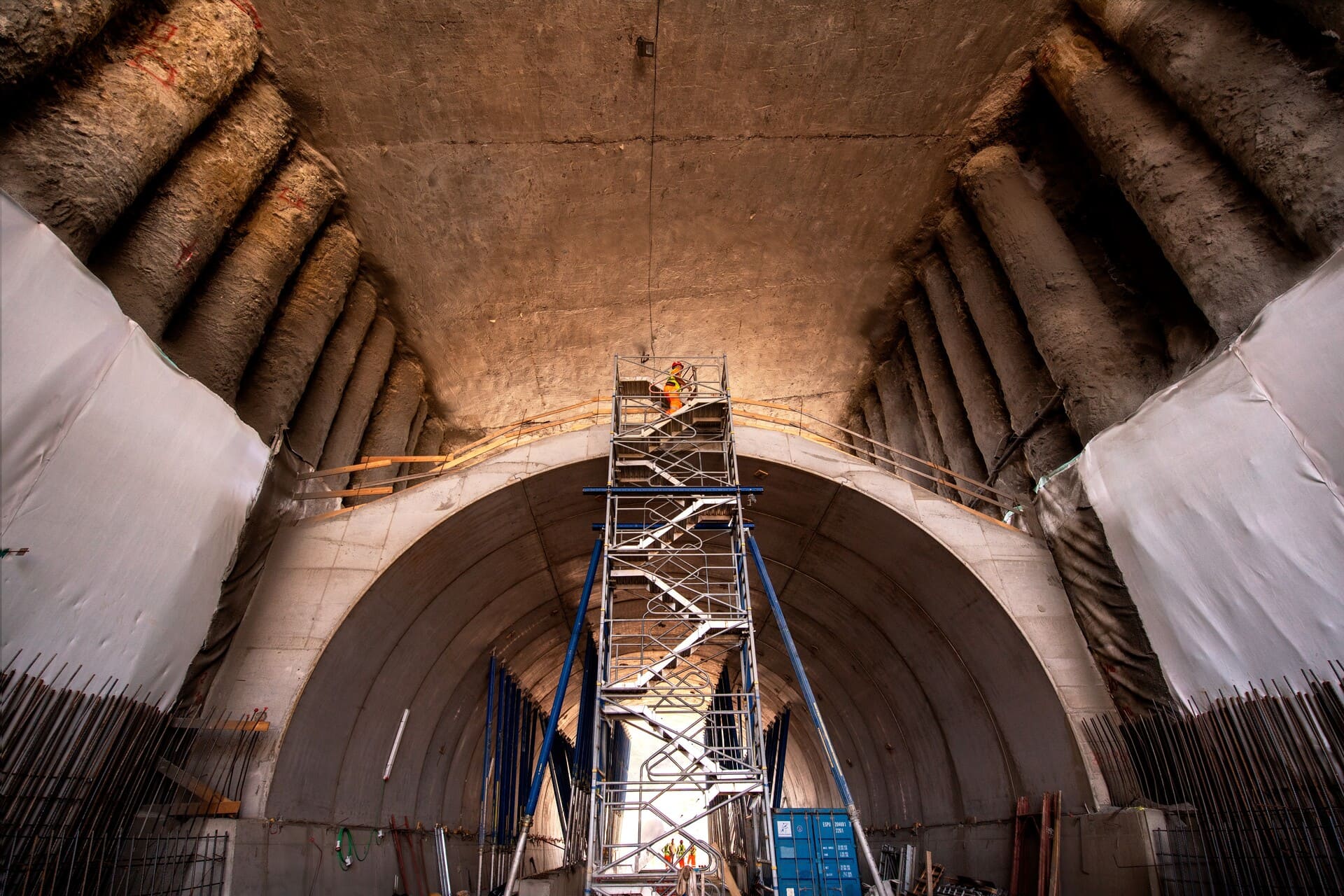
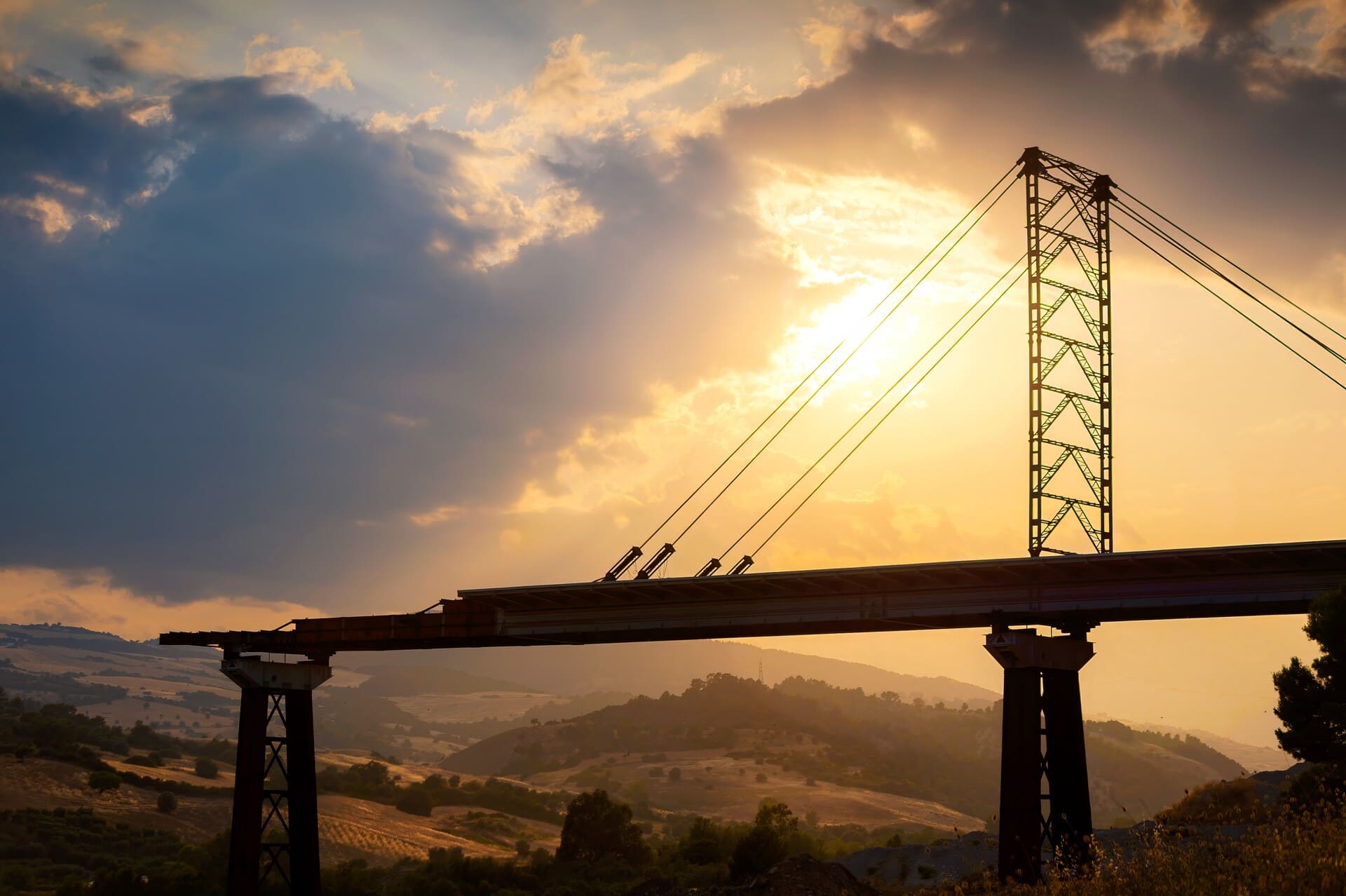
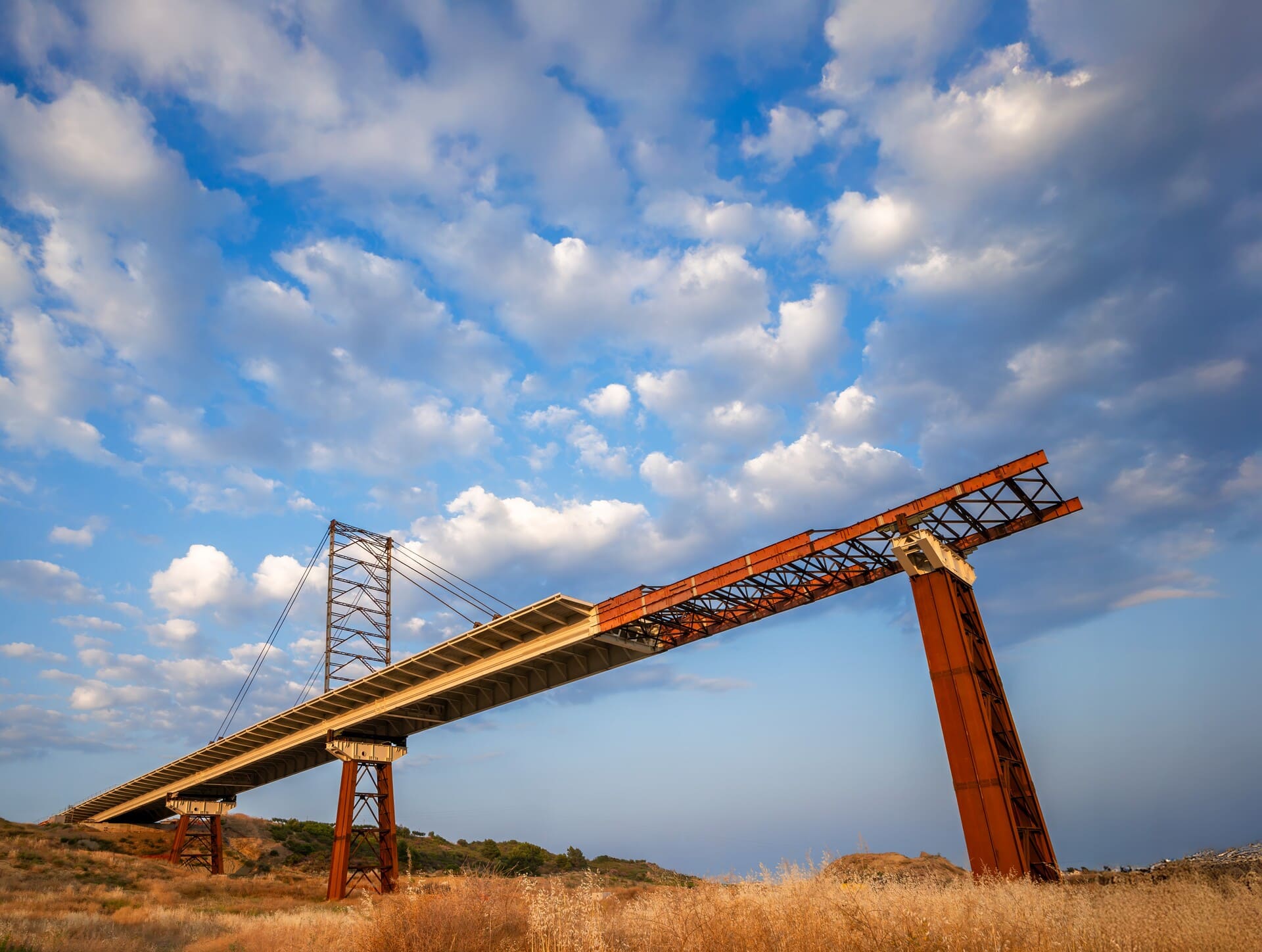
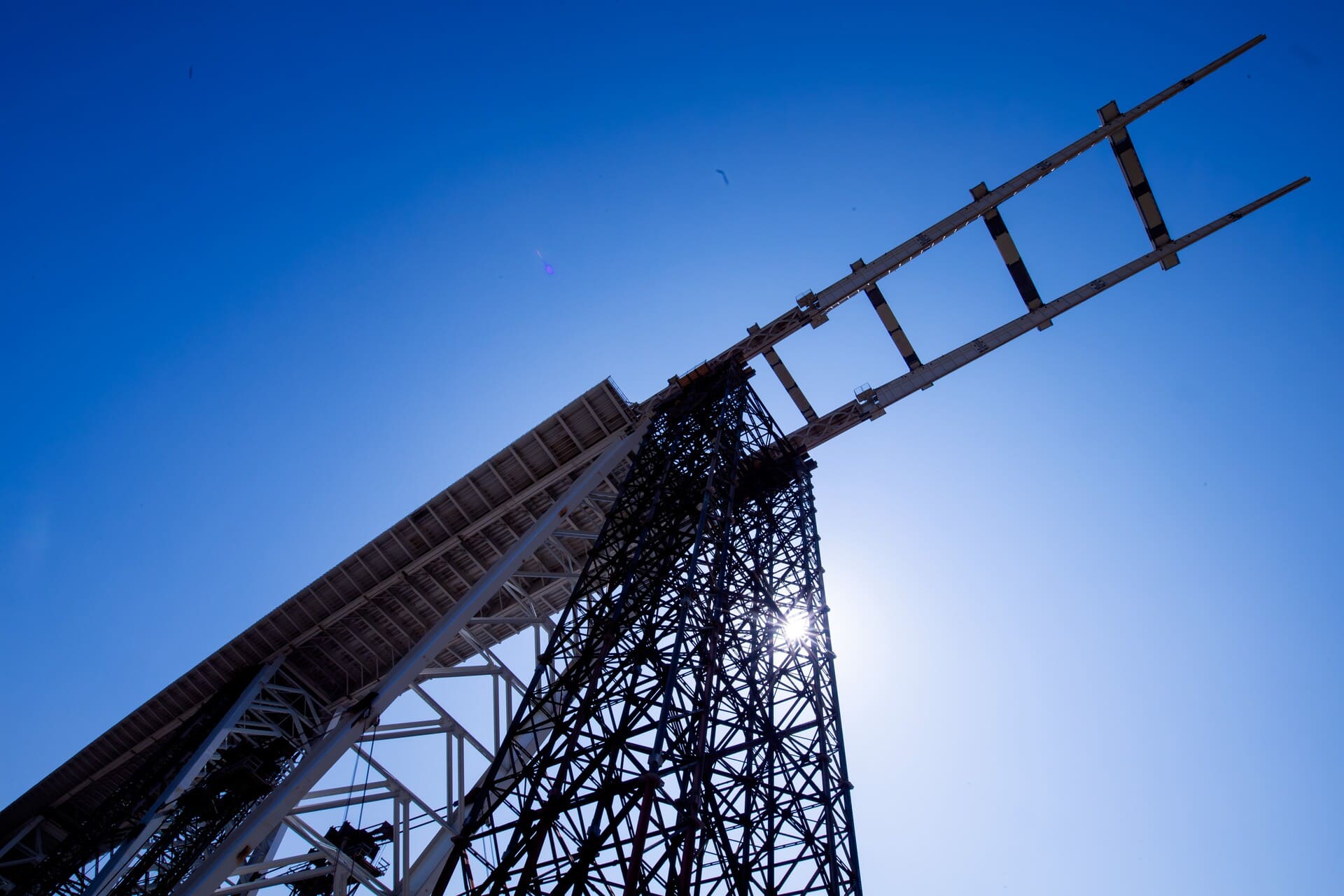
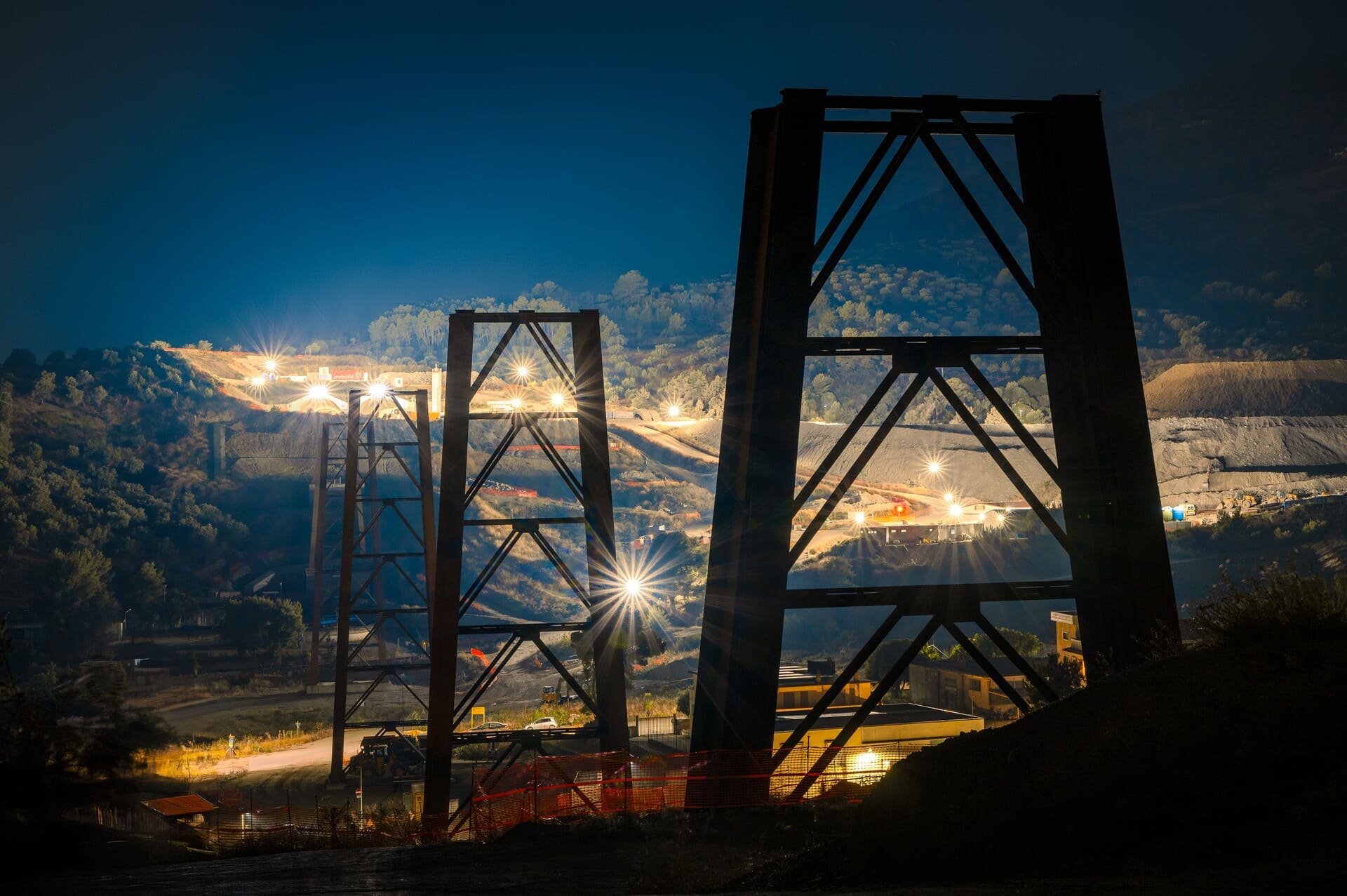
The construction of this section requires a complex system of civil engineering works: tunnels, viaducts and new connecting infrastructure designed to integrate with the surrounding landscape and improve traffic safety.
It is therefore not simply a new road, but an infrastructure project that contributes to completing a transport system capable of linking Italy’s coasts and creating a mobility axis between the Tyrrhenian, Ionian and Adriatic seas.
Sustainable Construction: Construction Sites and Ongoing Works
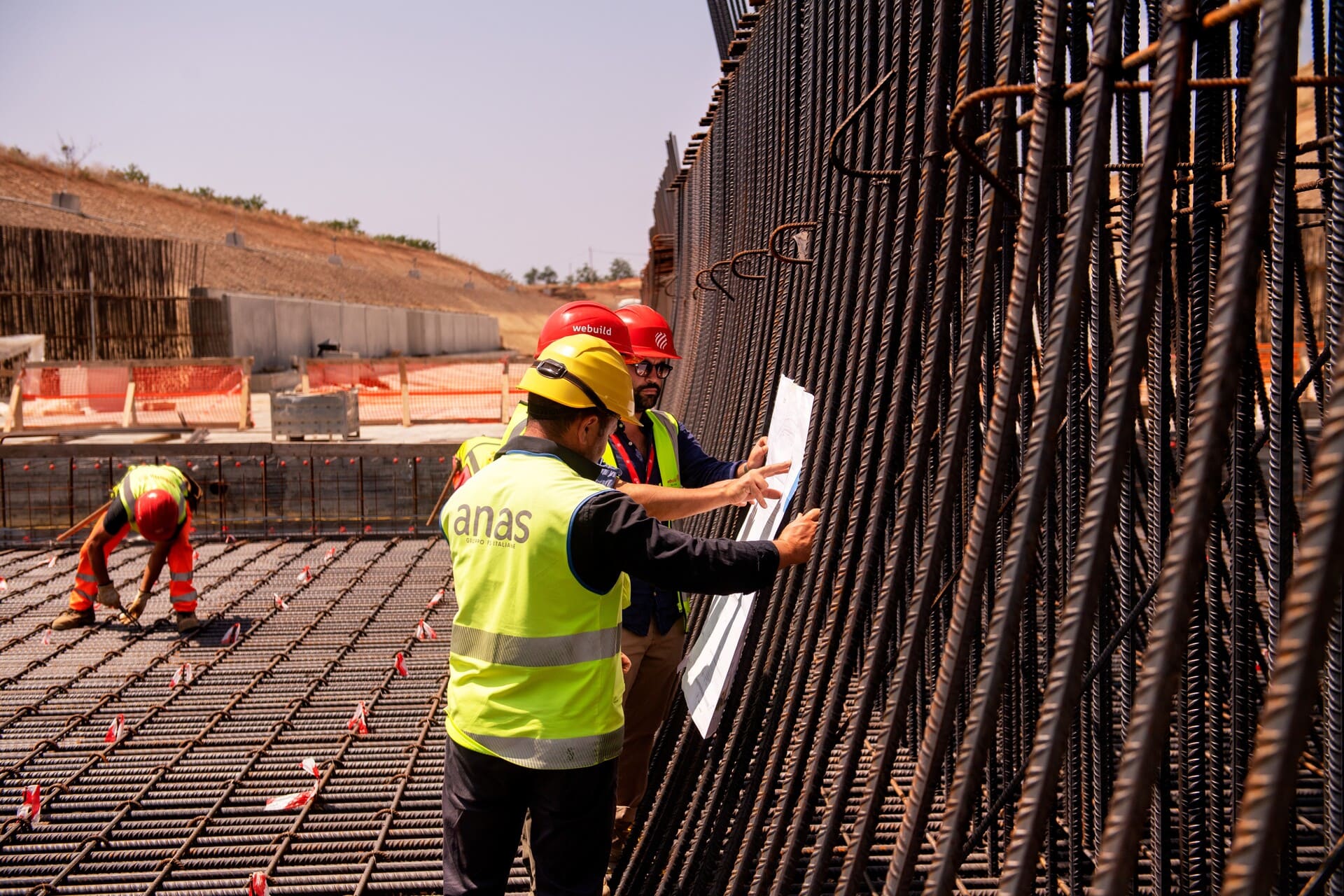
Works along Megalot 3 have already reached an advanced stage. The infrastructure project has exceeded around 80% overall progress, with approximately 1,200 people currently employed on the construction sites, including direct personnel and workers from companies in the supply chain.
Since the start of construction, around 900 companies have been involved, around 45% of them based in Calabria — a figure that demonstrates the project’s strong economic impact on the local territory. Complex operations are underway on site, including the construction of viaducts, tunnels and ancillary works necessary for the new transportation infrastructure.
The project has been developed with particular attention to sustainability and a significant share of the excavated materials is being reused for the construction works, reducing environmental impact and the consumption of new resources.
New Infrastructure Investment: Another Lot Awarded in 2026
The overall infrastructure project has been further strengthened by a new contract award. In January 2026 Webuild was awarded the €531 million contract for Lot 1 of the SS106 Jonica, in the section between the Coserie viaduct and the Corigliano Ovest junction.
The new intervention involves the construction of around 17 kilometres of new state road, including highly complex engineering public works such as 15 viaducts, three overpasses and a twin-bore artificial tunnel approximately 1.4 kilometres long.
During the construction phase the project could involve up to around 500 people, including direct staff and workers from companies in the supply chain, also building on the expertise developed on the Megalot 3 construction sites.
Overall, between Megalot 3 and the new Lot 1, Webuild will build approximately 55 kilometres of the new SS106 Jonica, contributing to the modernisation of one of the most important transportation infrastructures in South Italy.
Infrastructure Projects for the Transport Network Development in Southern Italy
The new Jonica is not only a mobility project, but also a driver of economic development for the region. Large infrastructure projects have the capacity to activate extensive production chains and generate local employment.
The Webuild Group is currently engaged in 20 infrastructure projects in Southern Italy with a total value of around €16 billion, employing 10,200 people both directly and indirectly and involving thousands of suppliers.
Civil engineering feats such as the new SS106 Jonica demonstrate how infrastructure can become a lever for growth in territories that for years have suffered from a lack of a modern transport network.