

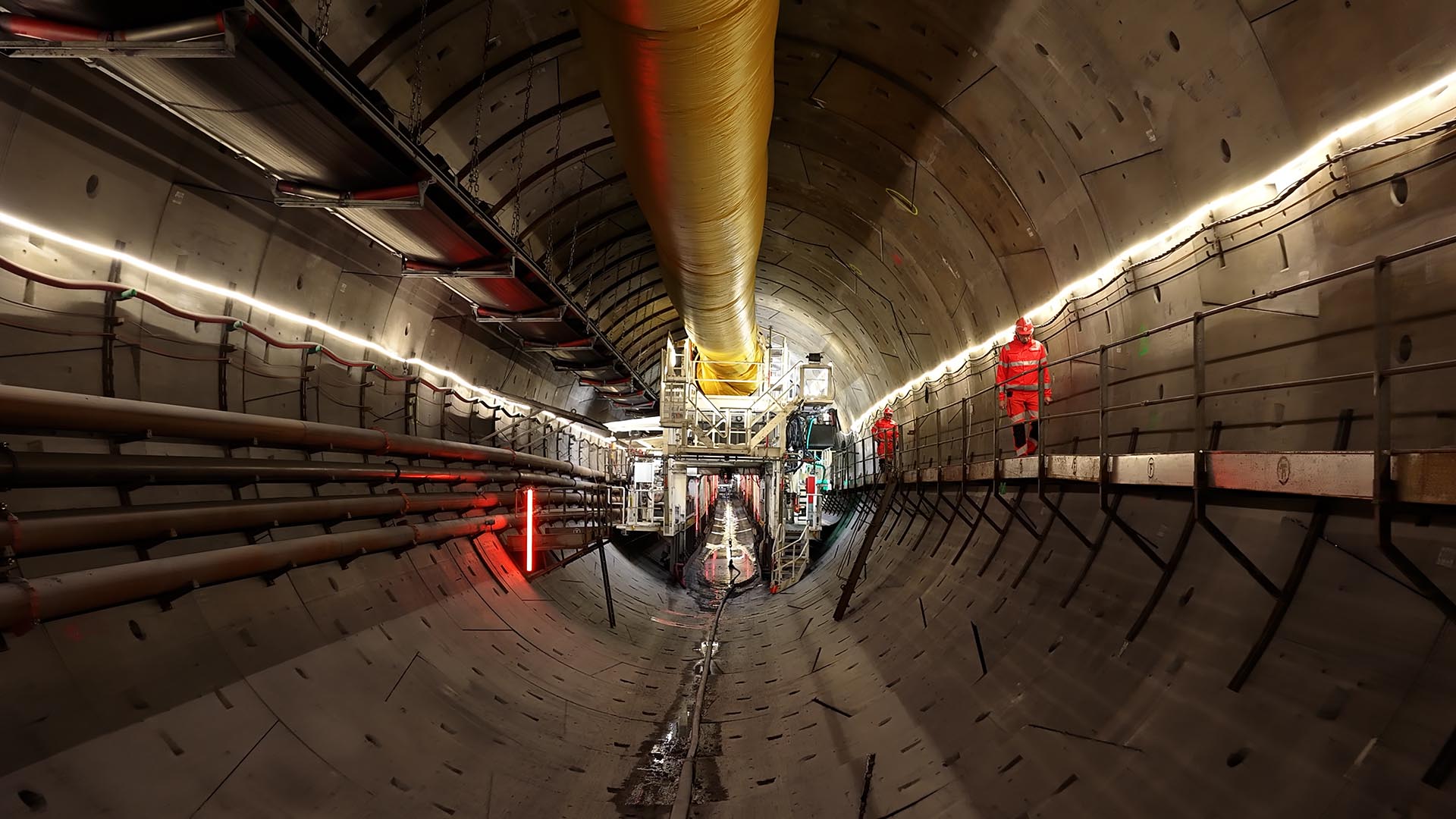
 Turin-Lyon railway line construction site, Avrieux
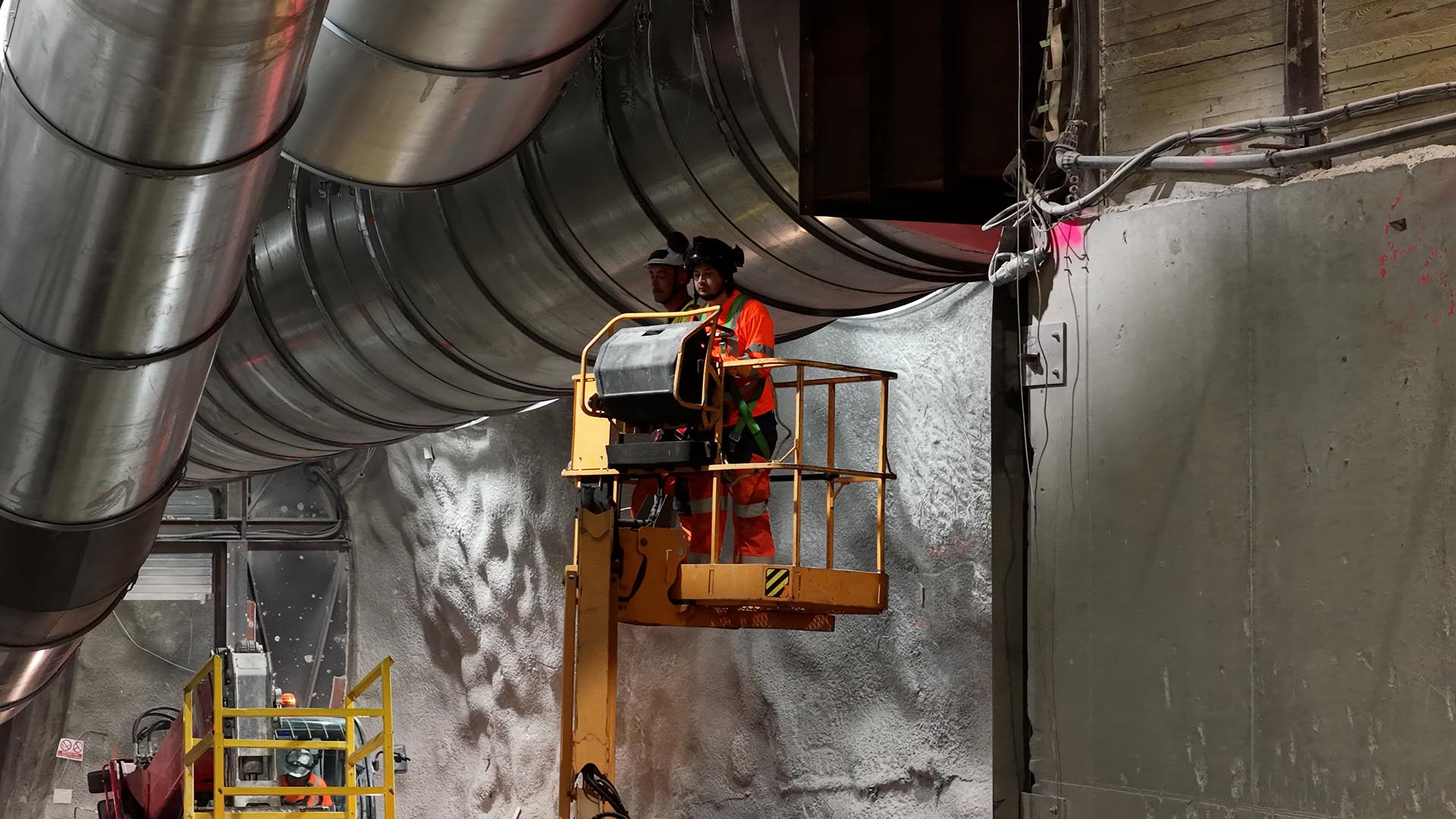 Turin-Lyon railway line construction site, Avrieux
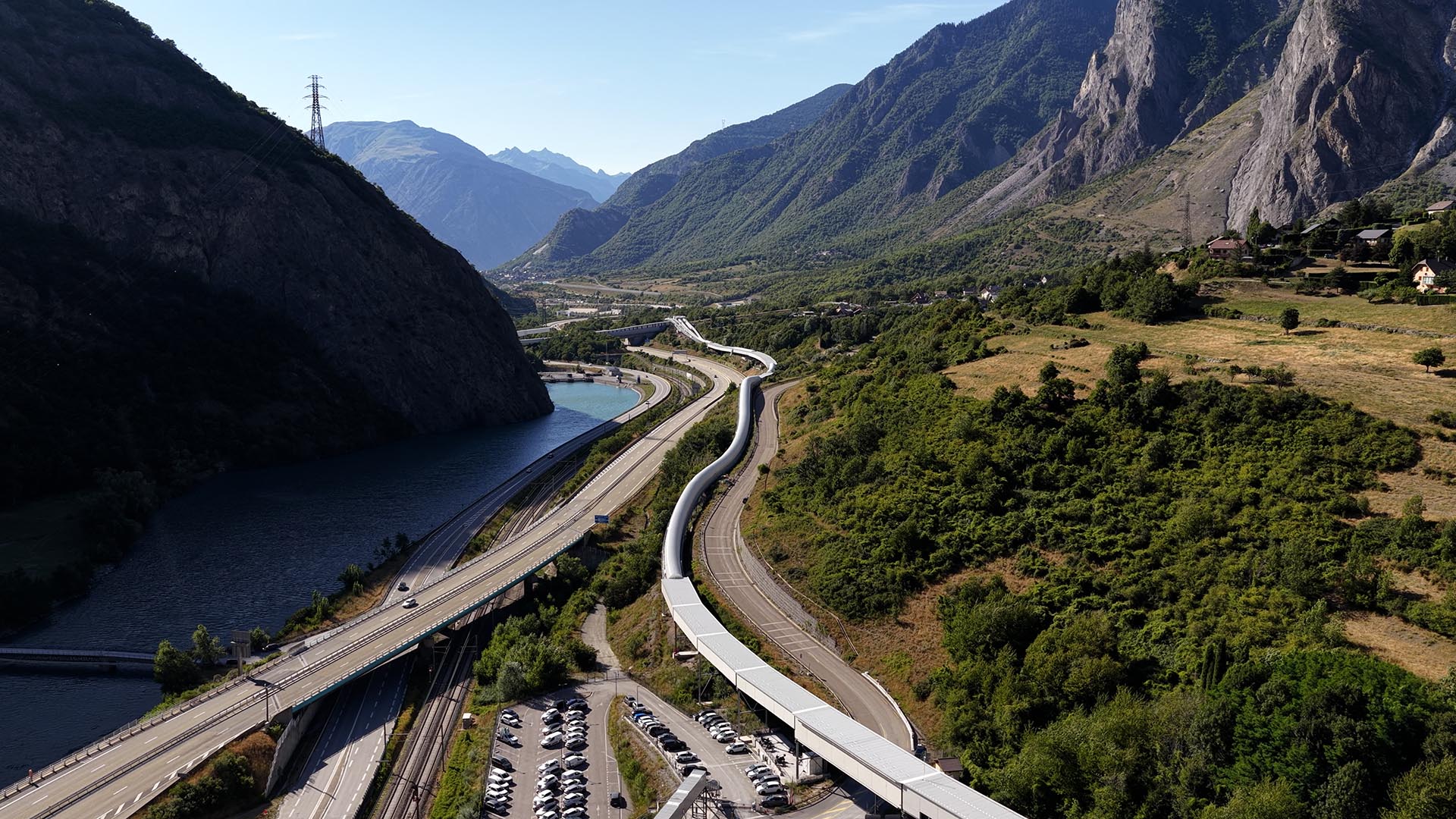 Turin-Lyon railway line construction site, Avrieux
 Turin-Lyon railway line construction site, Avrieux
 Turin-Lyon railway line construction site, Avrieux
 Turin-Lyon railway line construction site, Avrieux
 Turin-Lyon railway line construction site, Avrieux
 Turin-Lyon railway line construction site, Avrieux
 Turin-Lyon railway line construction site, Avrieux
 Precast segment factory at the Turin-Lyon line construction site
 Precast segment factory at the Turin-Lyon line construction site
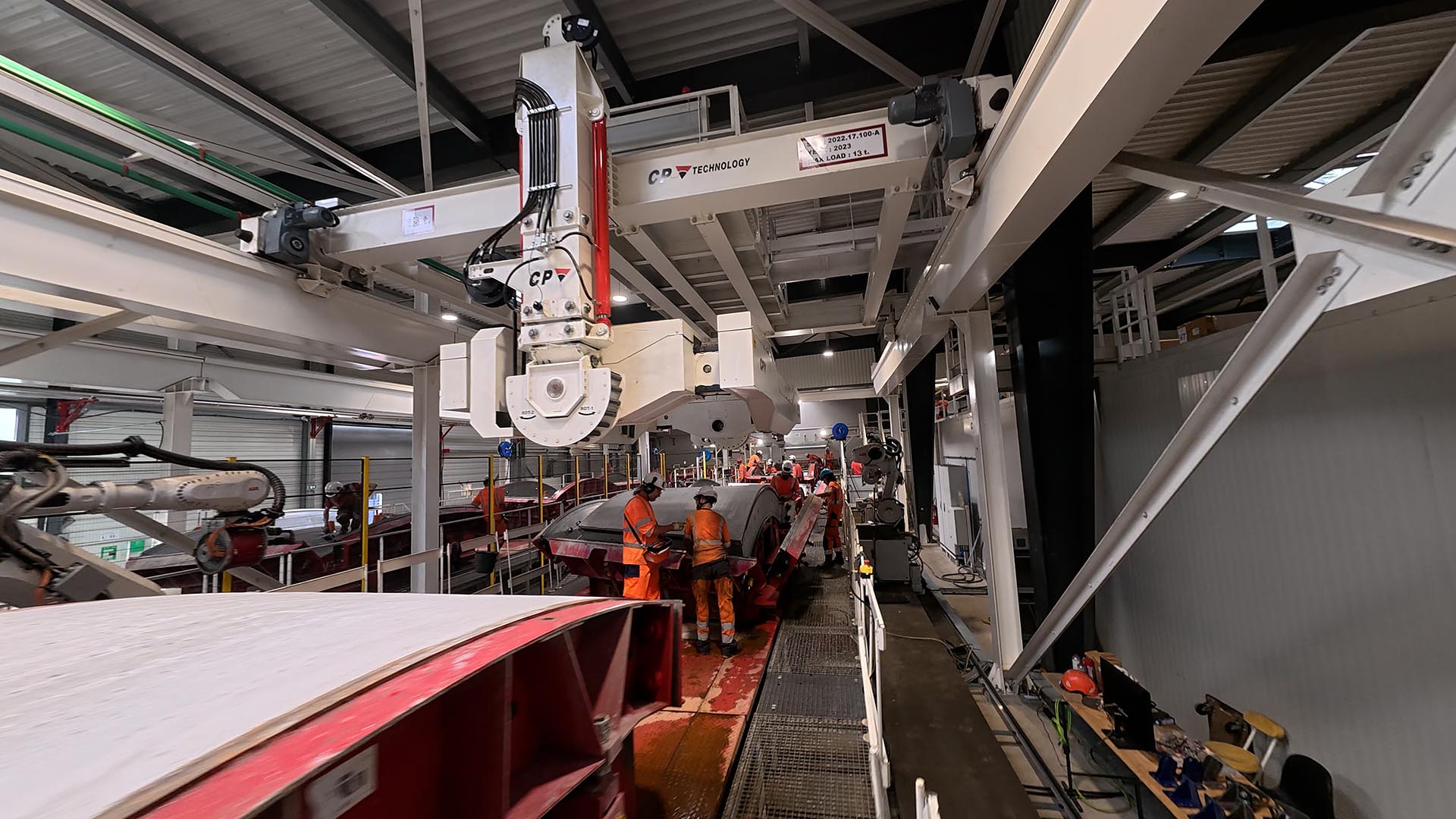 Precast segment factory at the Turin-Lyon line construction site
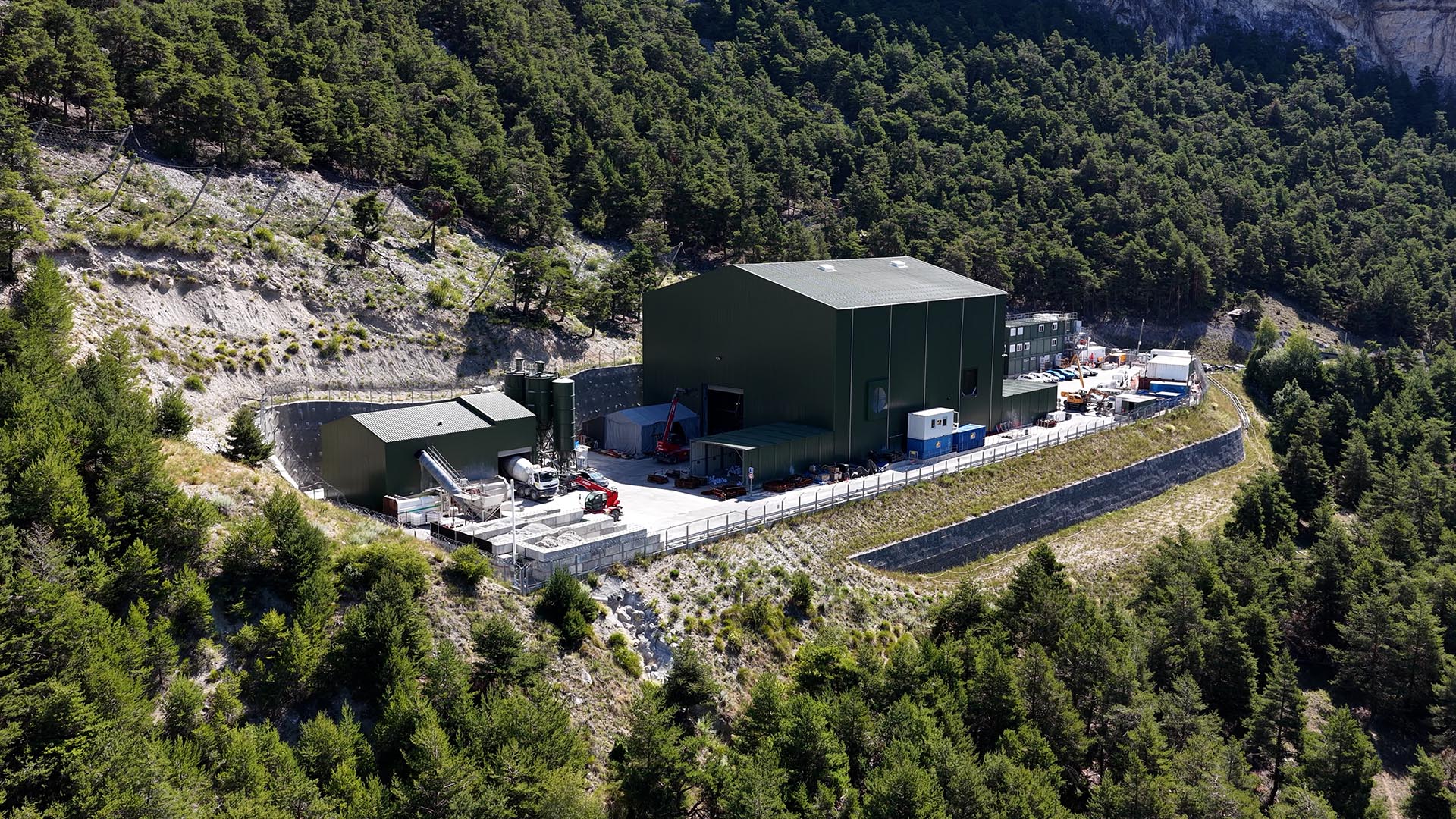 Ventilation pipe factory
- At 57.5 kilometers, the Mont Cenis Base Tunnel will become one of the longest railway tunnels in the world and the heart of the new Turin-Lyon line.
- In the construction sites of the cross-border section, Webuild is engaged in building 36 kilometers of tunnels, alternating between TBM excavation and the traditional Drill & Blast method.
- At a depth of over 500 meters, four ventilation shafts will connect the surface to the Modane safety site, ensuring air exchange during construction works and when the railway line is in operation.
- Today, over 1,650 people are working across Webuild’s Turin-Lyon construction sites.
- Once completed, the new line will make it possible to remove approximately one million trucks per year from Alpine roads, helping to reduce CO₂ emissions by over one million tons.


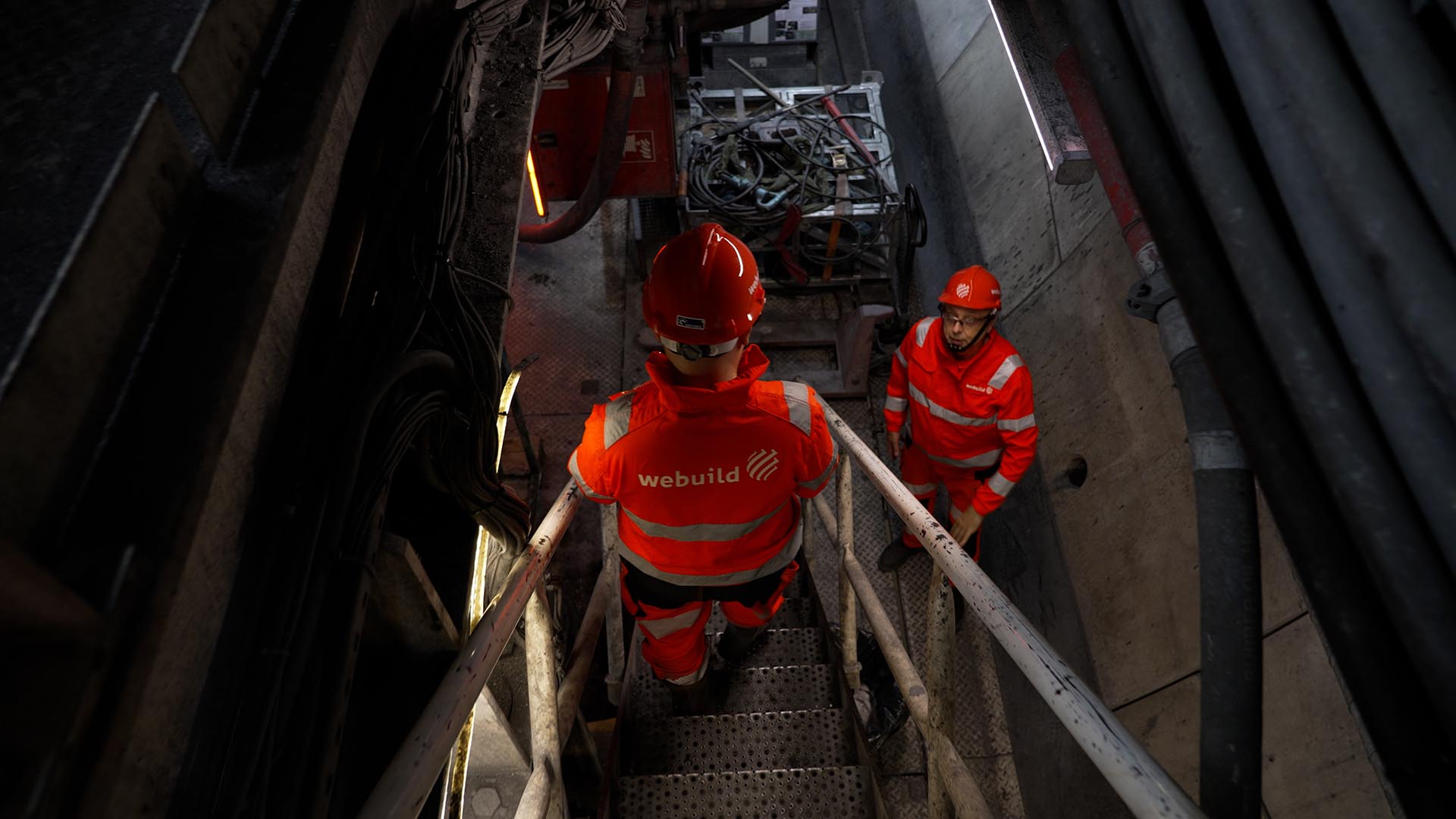
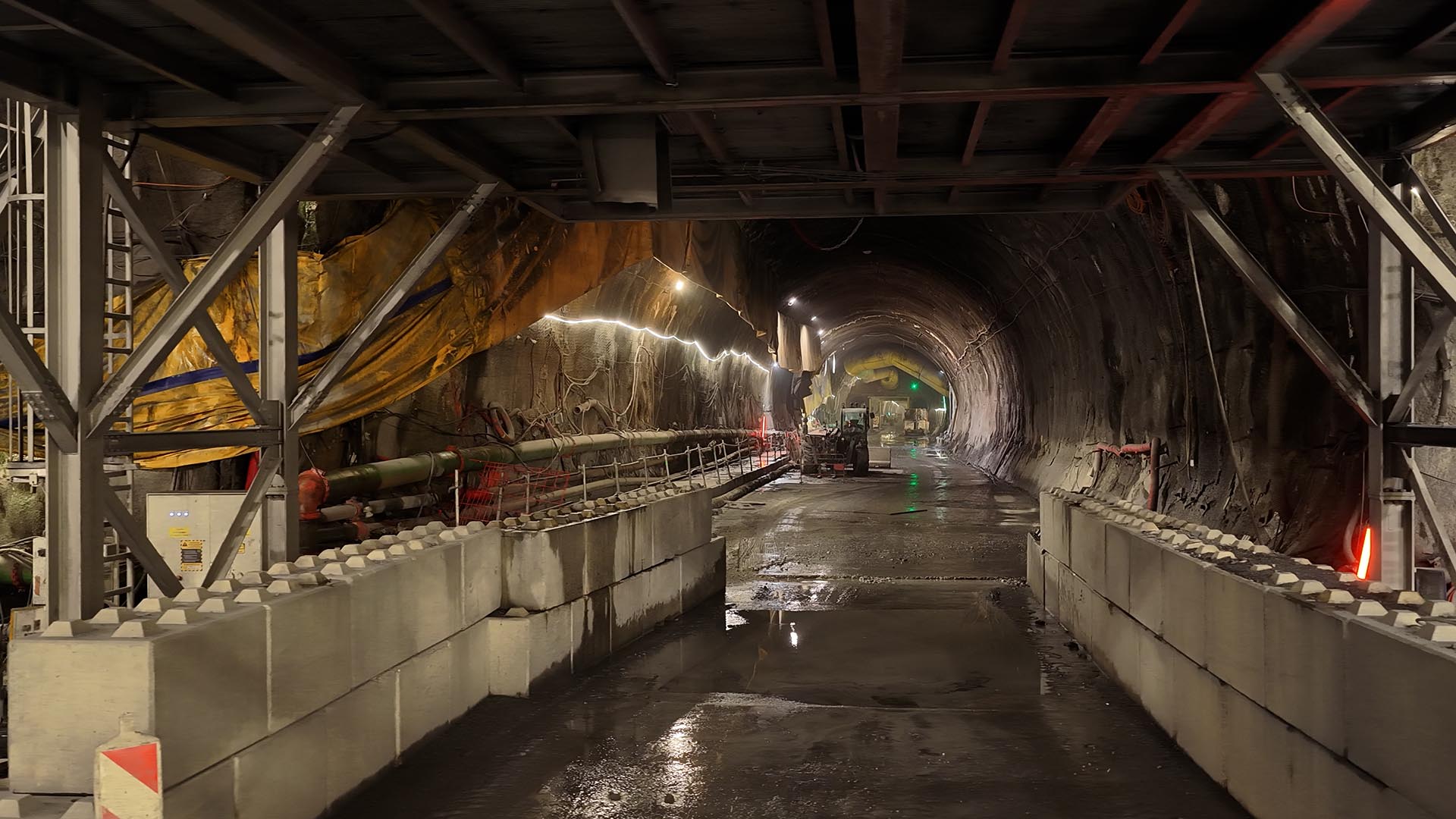
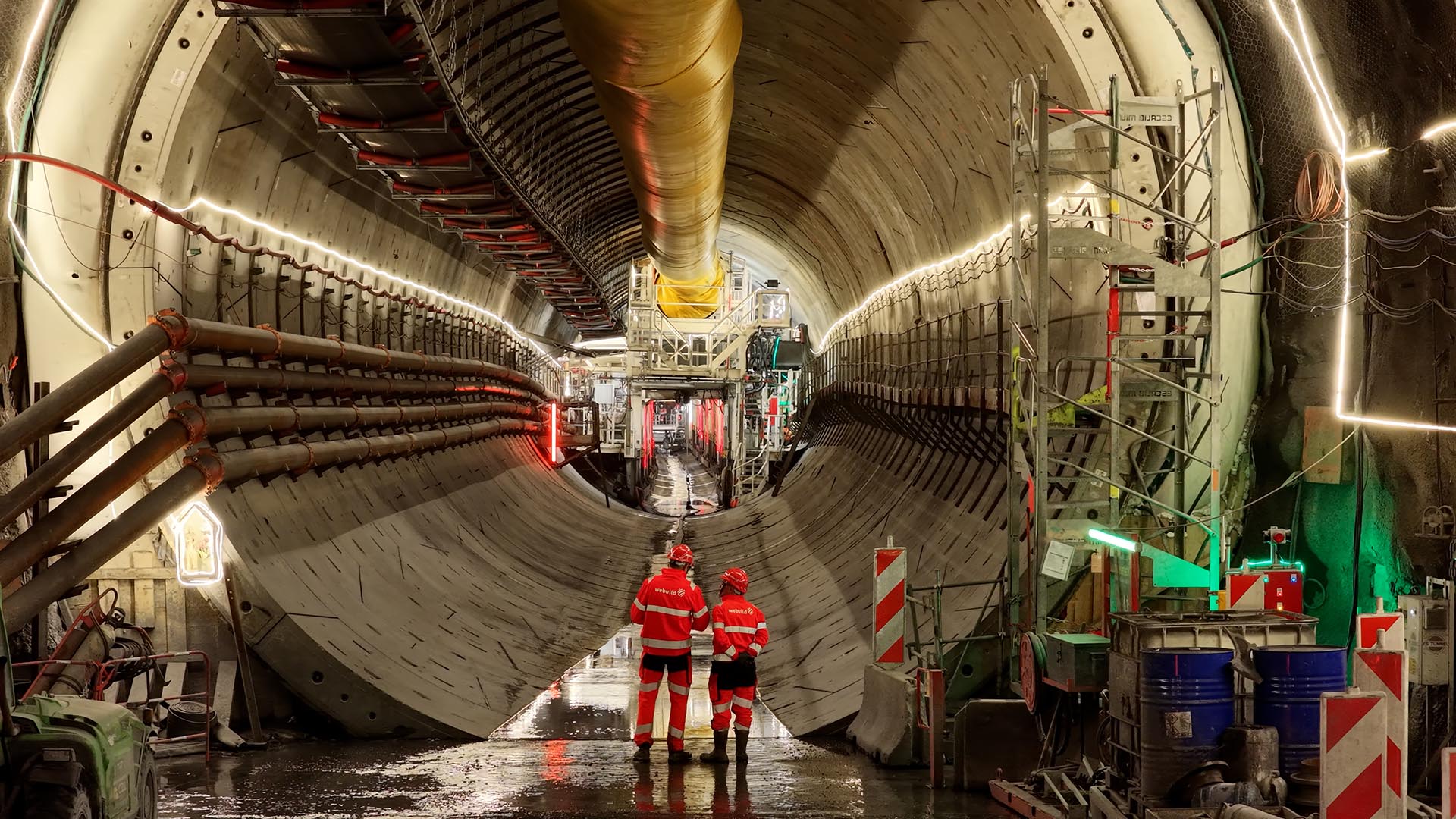
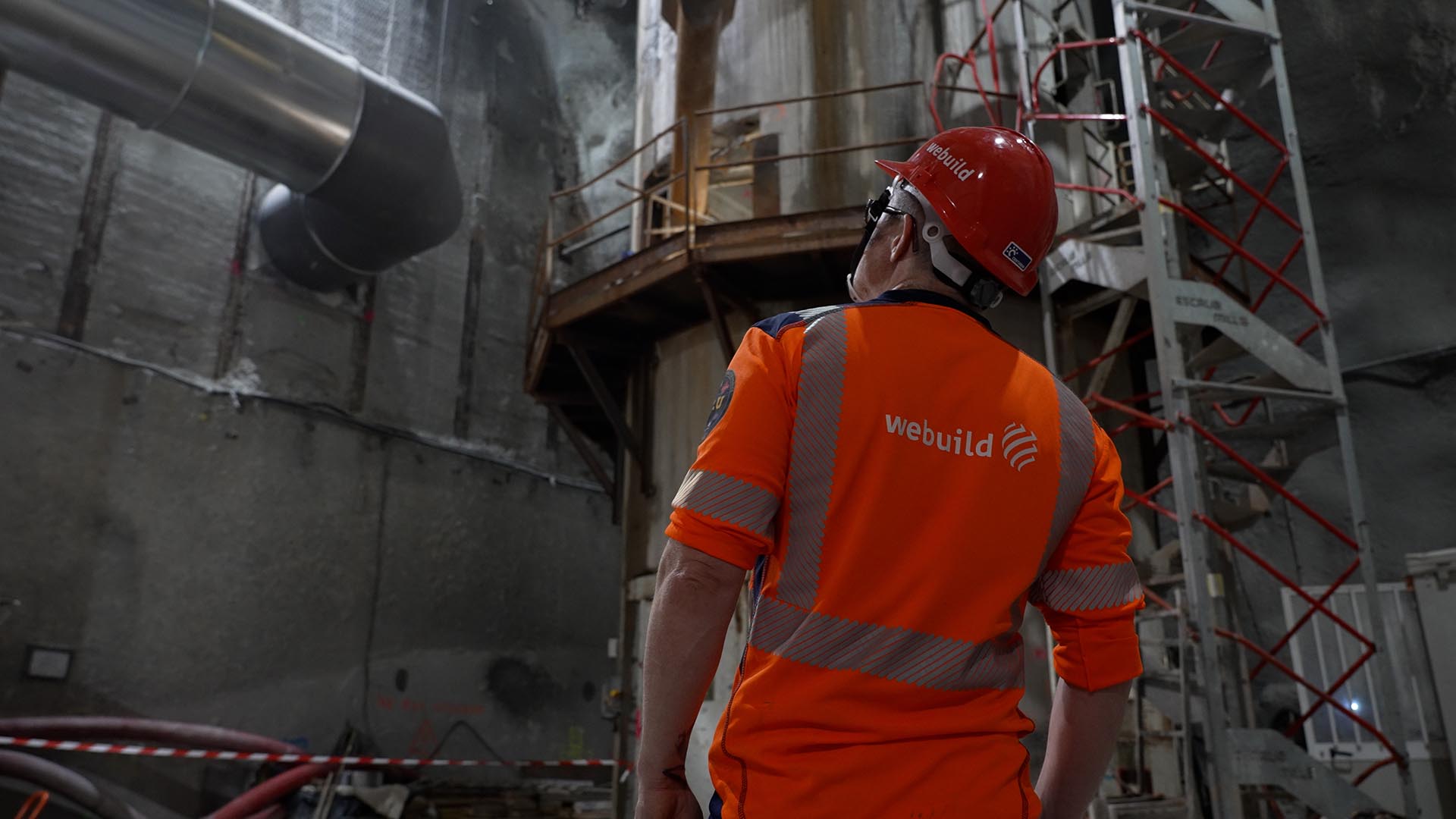
To reach the bottom of the Avrieux shafts, one must travel nearly four kilometers inside the mountain. Little by little, natural light disappears, replaced by the continuous noise of equipment and construction vehicles. At the end of the journey, you find yourself over 500 meters below the surface, in the heart of the French Alps. Overhead sits the base of the four shafts—concrete tubes with a diameter of 5 meters transformed into major air collectors, essential for oxygenating the tunnels inhabited today by workers and tomorrow by the passengers of speeding trains.
It is precisely here that one of the most extraordinary construction sites in Europe is taking shape, where the Lyon-Turin high-speed/high-capacity railway line is being built in its most complex section: the Mont Cenis Base Tunnel.
This project spans 65 kilometers, 57.5 kilometers of which consist of tunnels excavated beneath the Western Alps, crossing the border between Italy and France to connect Saint-Jean-de-Maurienne in Savoie (France) with Susa in the Susa Valley (Italy).
The cross-border section of the Turin-Lyon line thus represents one of the strategic interventions of the Mediterranean Corridor within the TEN-T network, designed to connect the Iberian Peninsula with Central and Eastern Europe. It is a project that will allow a significant portion of freight traffic to shift from road to rail, removing approximately one million trucks per year from Alpine roads, with an estimated reduction of over one million tons of CO2.
To build this project, TELT, the binational public promoter responsible for constructing and subsequently managing the infrastructure, has operationalized twelve construction sites across Italy and France. The Webuild Group is engaged in three of these: Operational Site (CO) 6 and CO7, where 36 kilometers of double-tube tunnel are being excavated between Saint-Martin-la-Porte and Modane, and Site 5A, which involves the construction of 4 ventilation shafts for the base tunnel in Avrieux.
Currently, over 1,650 people are working on Webuild’s construction sites, tackling one of the most demanding engineering challenges on the continent.
Mont Cenis Base Tunnel: Inside a Mountain That Changes Shape
Excavating beneath the Alps means working in a continuously changing environment. The geology is extremely variable and requires constant investigations, daily monitoring, and the ability to choose, meter by meter, the most suitable excavation technique.
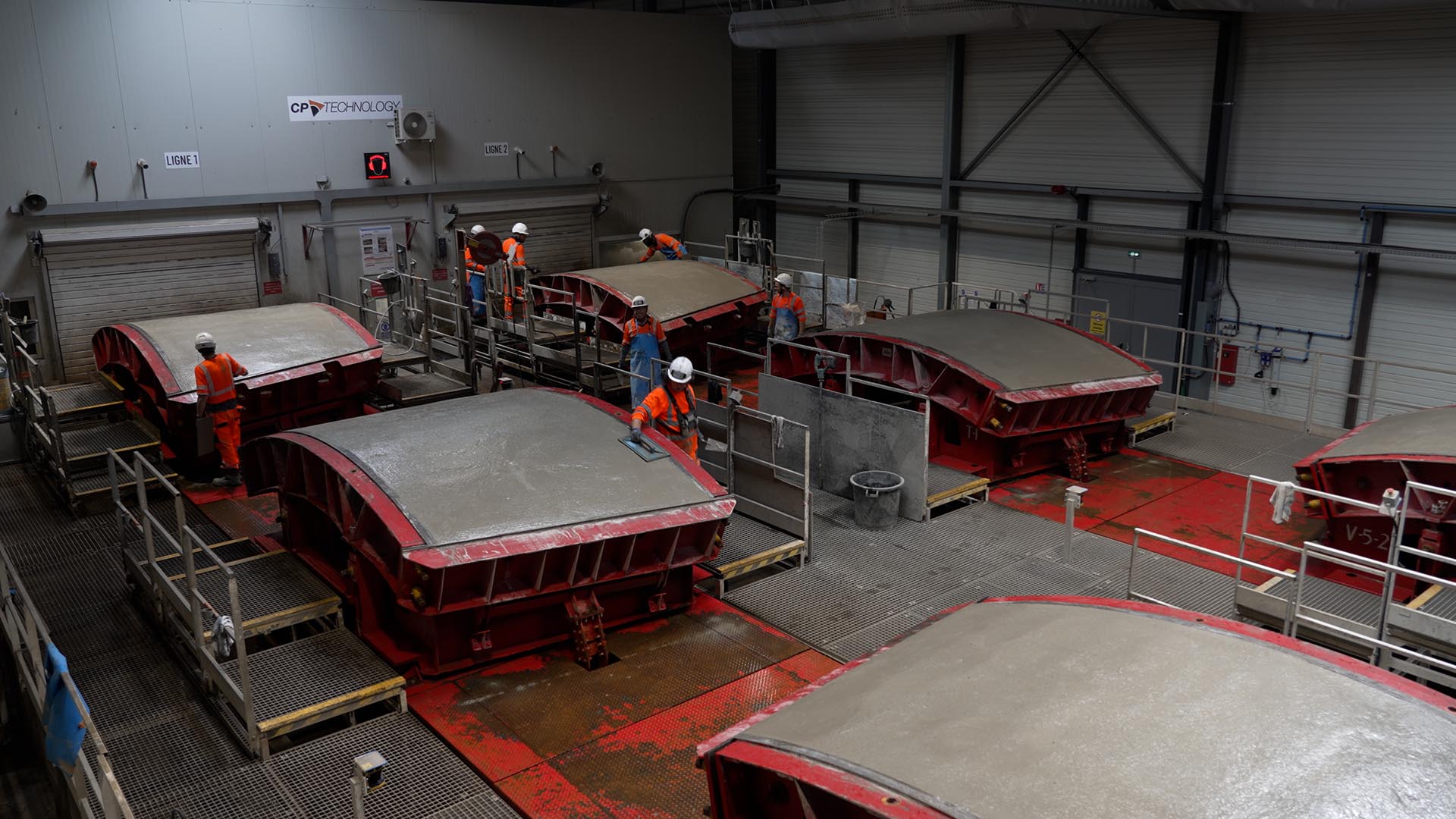
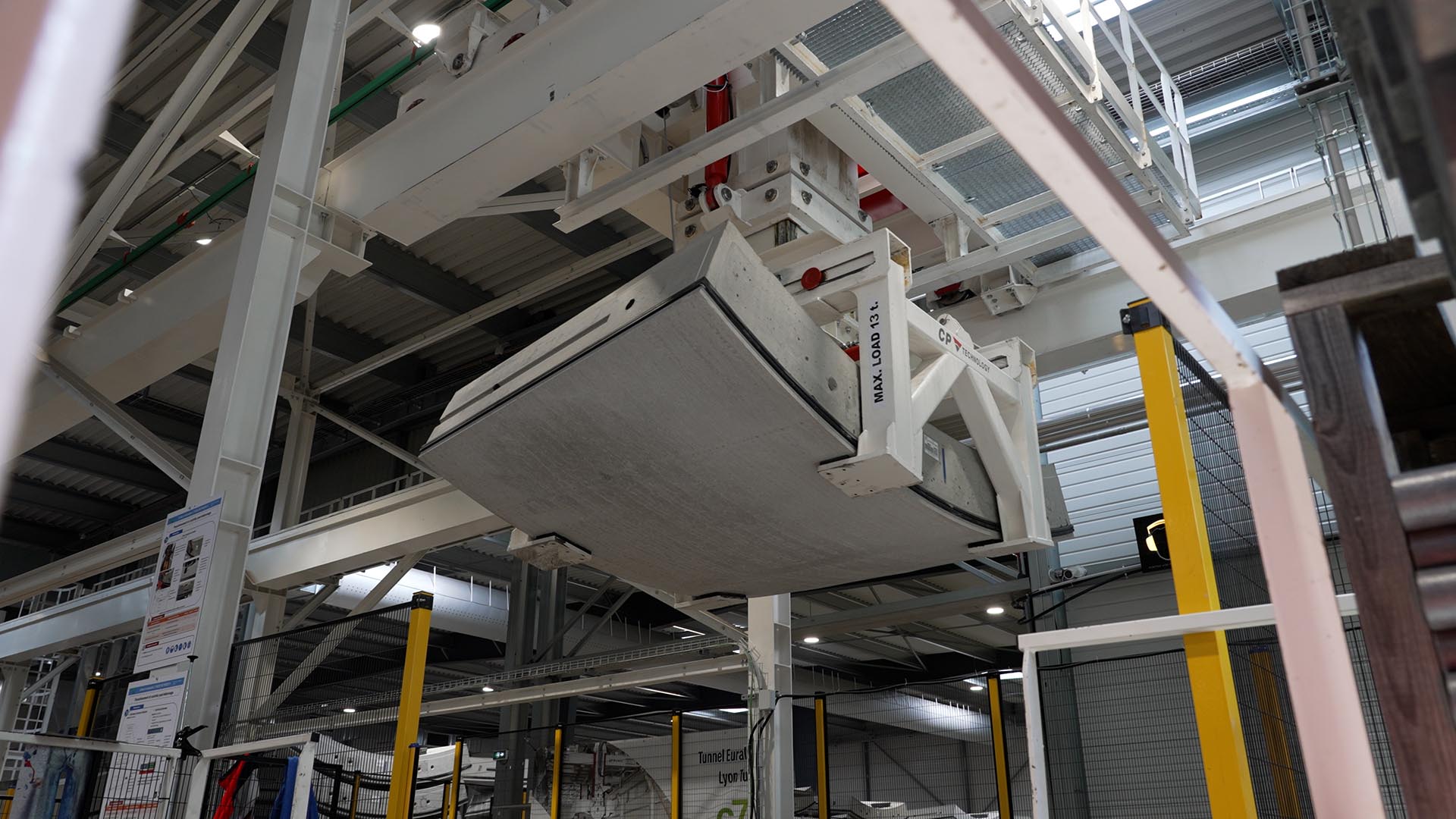
Indeed, in the CO6 construction sites in La Praz and CO7 in Saint-Martin-la-Porte, two different approaches coexist. On one hand, the large Tunnel Boring Machines (TBMs), 180 meters long and weighing 2,300 tons, used for mechanized excavation with over 52,000 segments to be produced in the consortium’s plant, which is equipped with two semi-automated production lines. On the other hand, the traditional Drill & Blast method, which is indispensable in sections where the complexity of the rock requires greater flexibility.
Excavation, however, is only part of the work. For a high-speed railway tunnel of this size to operate safely, invisible structures are required—structures destined never to be seen by passengers, but which are fundamental to the entire infrastructure.
Safe Excavation of a High-Speed Railway Tunnel: A “Sarcophagus” in the Western Alps
At Modane, at the central point of the future line, the safety site is being built—a system of large caverns and underground tunnels that in the future will allow for the line’s maintenance, emergency management, and the sheltering of trains during technical activities.
To supply this system, four enormous ventilation shafts (the Avrieux shafts) are being constructed, each with a diameter of five meters and a depth of half a kilometer.
The shafts serve to ensure air exchange during the construction of the tunnels, while tomorrow they will continue to perform the same function with the high-speed rail line in operation, contributing to the ventilation and safety systems of the entire alpine tunnel.
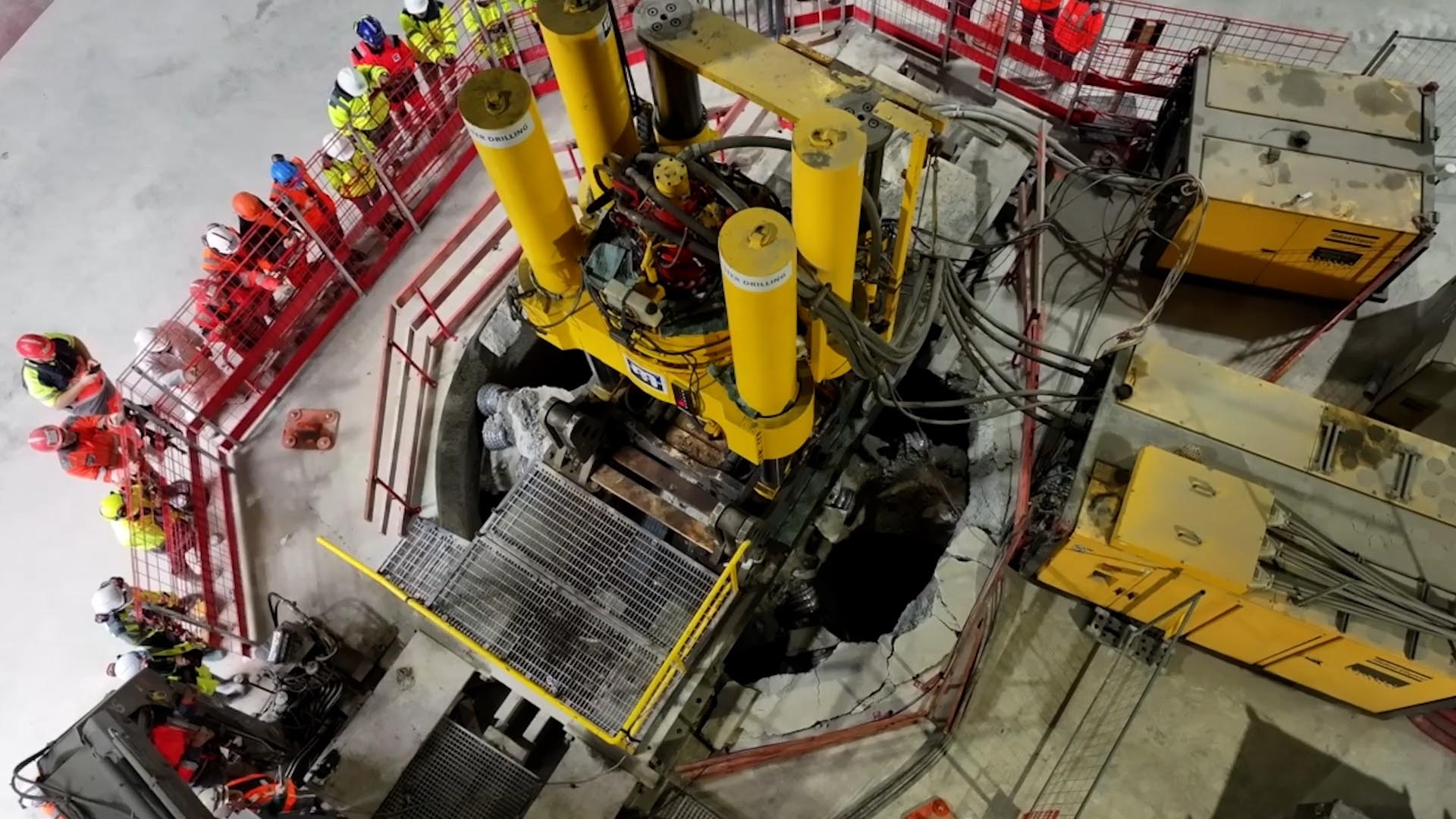
To build them, the Raise Boring technique was used—a technology that allows for the excavation of large vertical shafts starting from a pilot hole and progressively widening the section using a cutter head that ascends from the bottom up. This solution limits the presence of operators in the highest-risk areas and makes it possible to work at extreme depths.
However, it is precisely here that the project had to face its most difficult challenge.
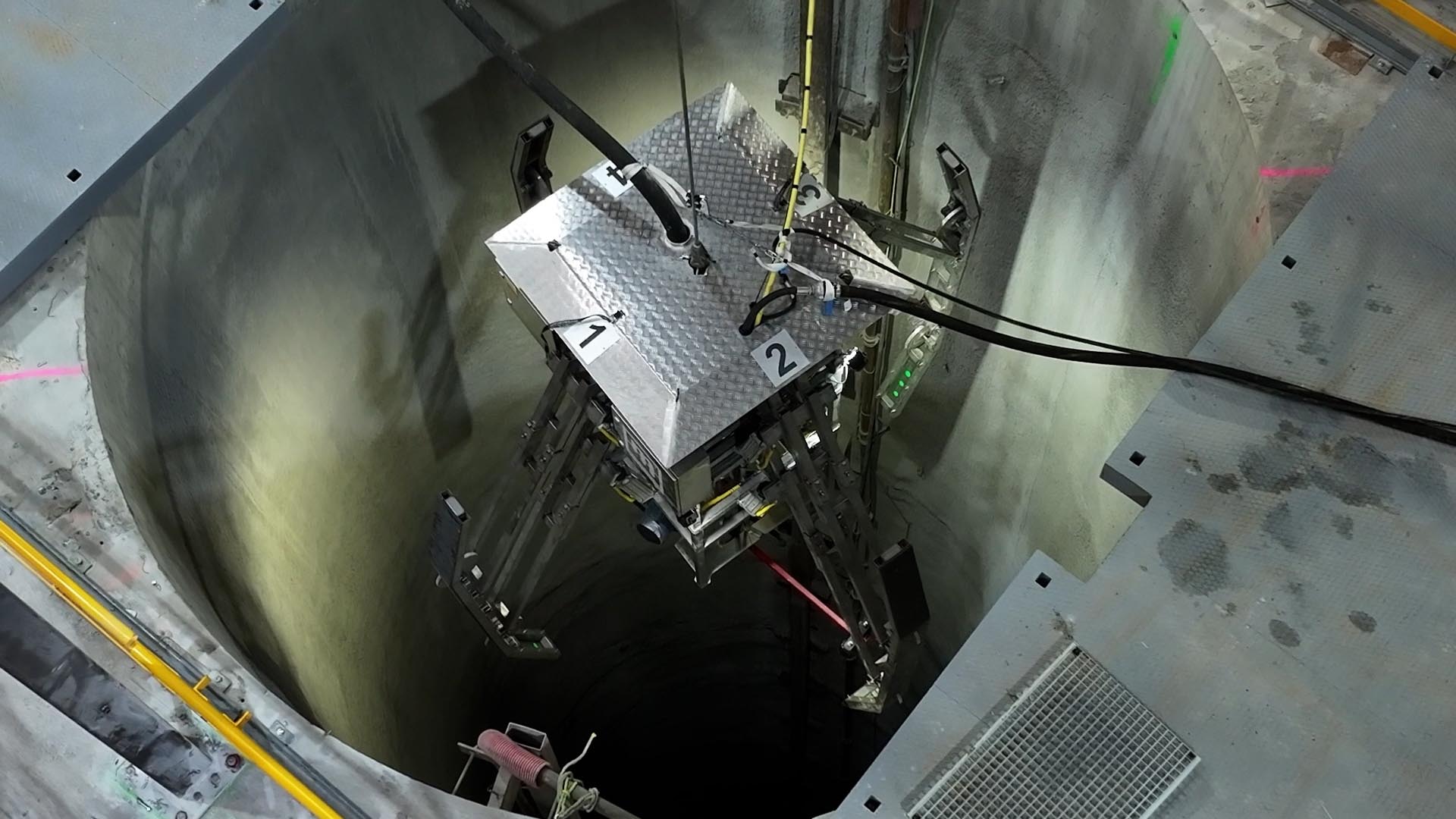
During the excavation of some of the ventilation shafts, at a depth of approximately 350 meters, major natural cavities formed in the rock—an unpredictable geological condition that forced technicians and designers to completely rethink the methods of intervention.
In the first phase, a remotely controlled concrete-spraying robot was deployed to safely fill these cavities and stabilize the ground before any human intervention.
Subsequently, the innovation of the “sarcophagus” was introduced, representing one of the most original engineering solutions of the entire project. Consequently, a large cylindrical steel structure was designed and manufactured, consisting of metal ribs assembled progressively and anchored to the stable portions of the shaft.
This structure creates a permanent formwork that allows for the temporary reconstruction of the shaft’s original geometry in the zones where the rock had collapsed, thereby guaranteeing a work environment that is always safe for the operators.
Lyon-Turin High-Speed Rail Line: Innovation at the Service of a Great TEN-T Project
When the first train crosses the Alps through the Turin-Lyon tunnel, none of the passengers will see the Avrieux shafts. They will not see the large caverns excavated half a kilometer deep, nor the technical tunnels, ventilation systems, or the innovations that made their construction possible.
Yet, it is precisely this invisible infrastructure that will guarantee the safety and efficiency of one of Europe’s primary railway connections.
The Lyon-Turin is not only a new railway line between Italy and France, but also one of the most strategic projects of the Trans-European Transport Network (TEN-T)—the European Union’s major plan to create a more efficient and sustainable railway system among the continent’s main economic hubs.
Indeed, the new high-speed rail line is part of the Mediterranean Corridor, the axis that crosses Europe from west to east, connecting the Iberian Peninsula with the Ukrainian border through Spain, France, Italy, Slovenia, Croatia, and Hungary.
It is an essential infrastructure to ensure the continuity of the rail freight corridor across the Alps and to promote the shift of freight and passenger traffic toward sustainable mobility, with a lower environmental impact.