


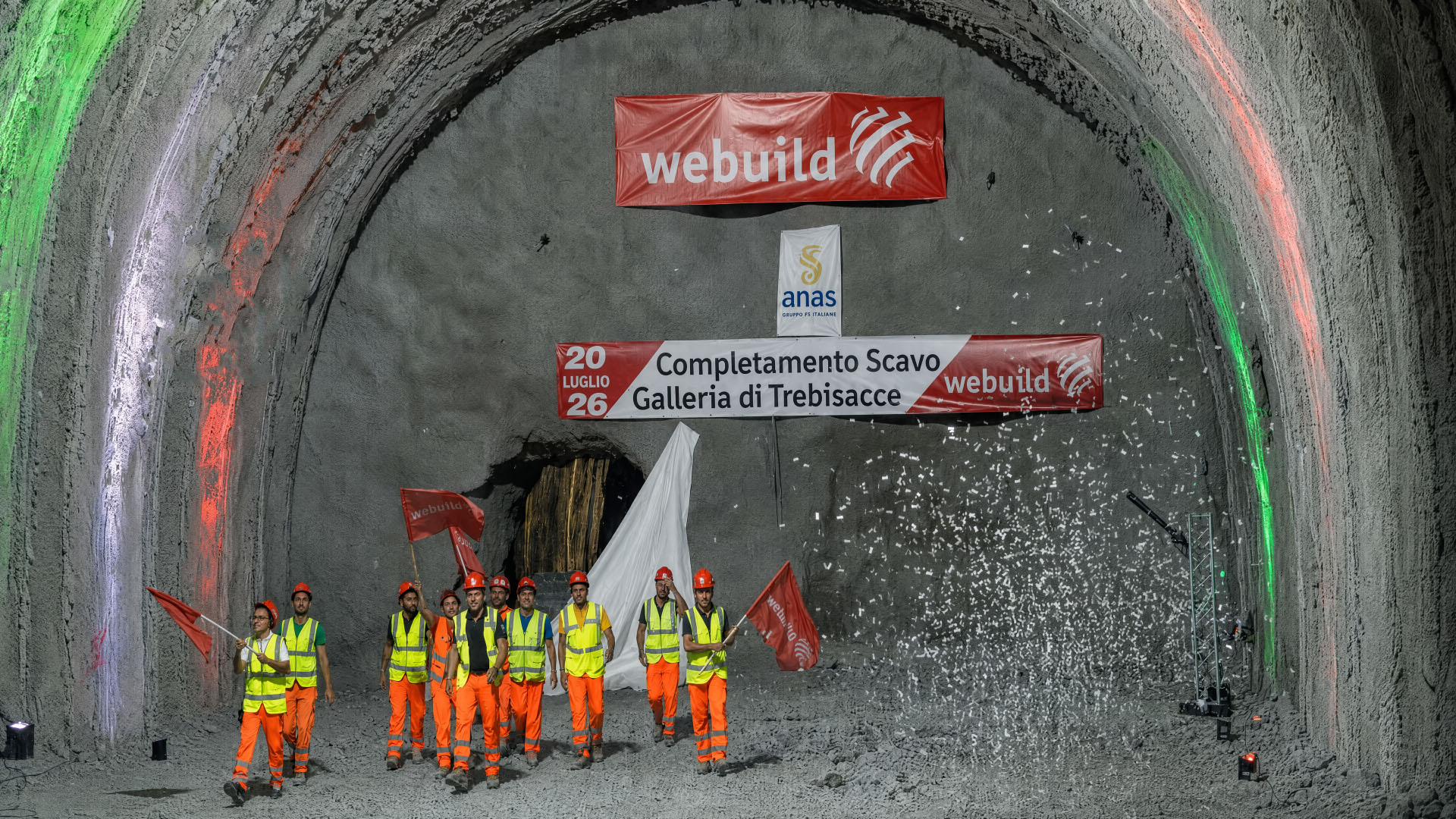
 Completion of the Trebisacce Tunnel excavation, SS106 Jonica
 SS106 Jonica construction site
 SS106 Jonica construction site
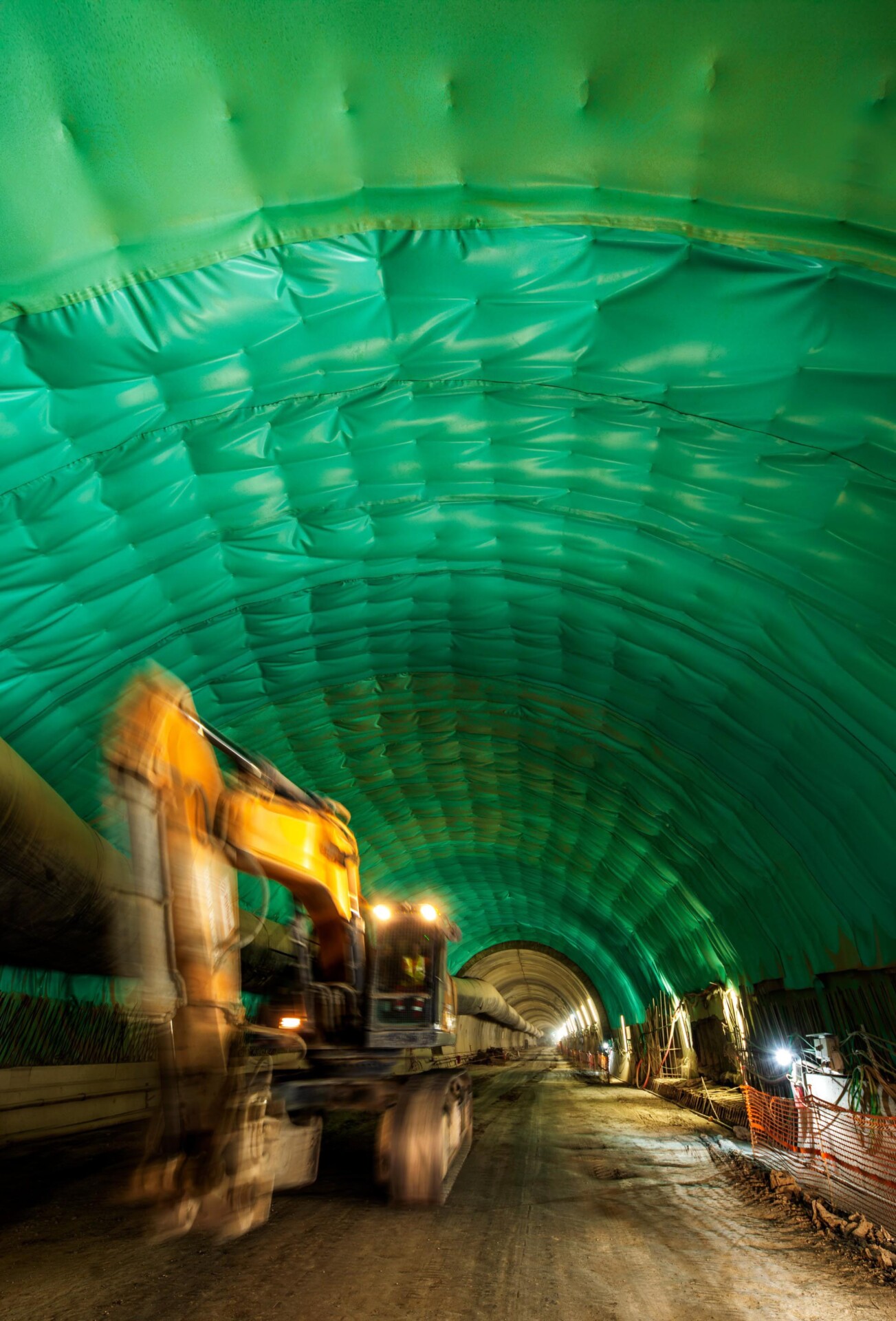 SS106 Jonica construction site
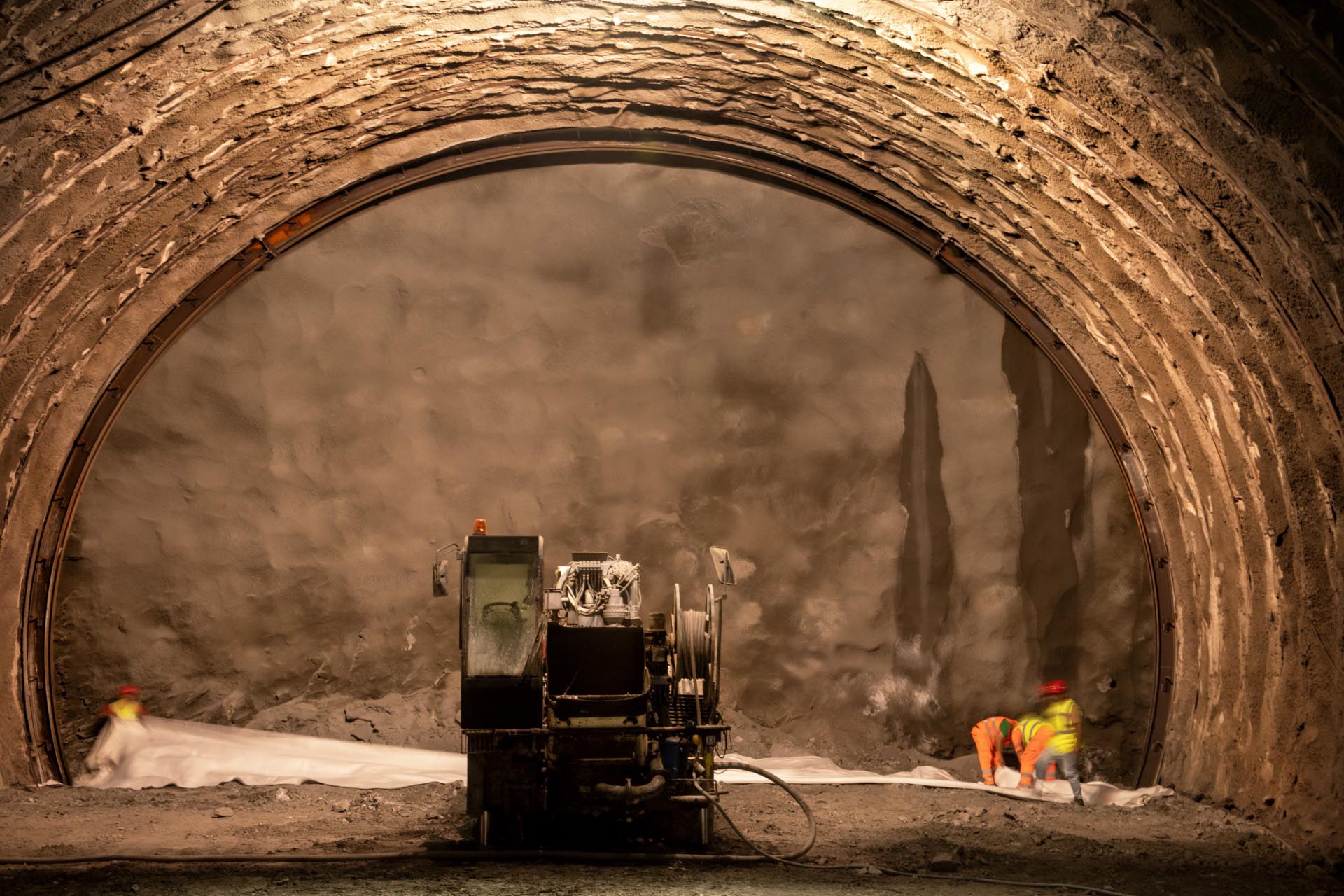 SS106 Jonica construction site
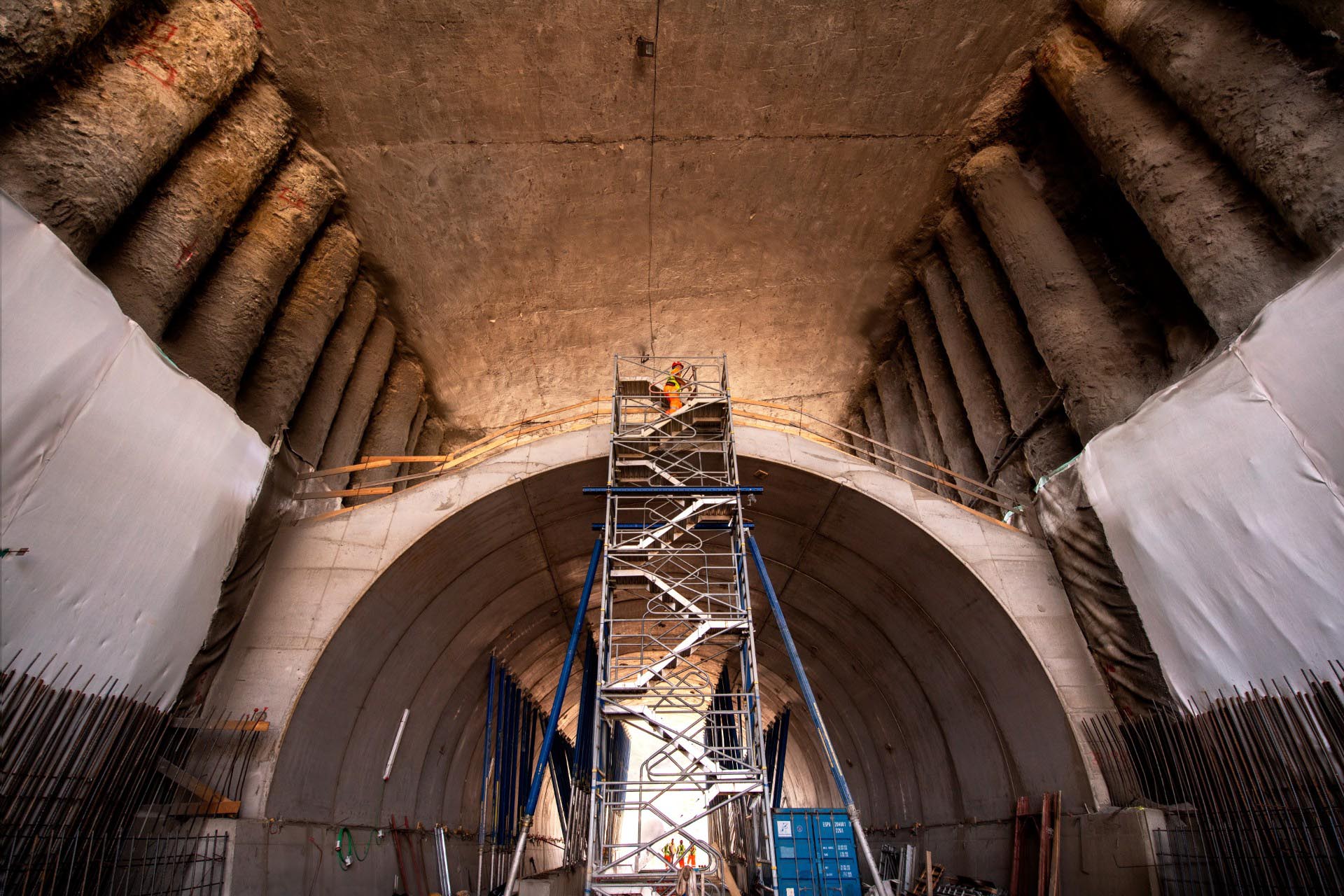 SS106 Jonica construction site
 SS106 Jonica construction site
 Completion of the Trebisacce Tunnel excavation, SS106 Jonica
 Completion of the Trebisacce Tunnel excavation, SS106 Jonica
 Completion of the Trebisacce Tunnel excavation, SS106 Jonica
 Completion of the Trebisacce Tunnel excavation, SS106 Jonica
- The new Jonica State Road will reduce travel times between Sibari and Roseto Capo Spulico from 36 to approximately 20 minutes, improving the connection between the A2 and the A14 highways.
- The Third Megalot stretches for 38 kilometers and includes 13 tunnels, totaling approximately 10 kilometers, and 16 viaducts extending for another 7 kilometers.
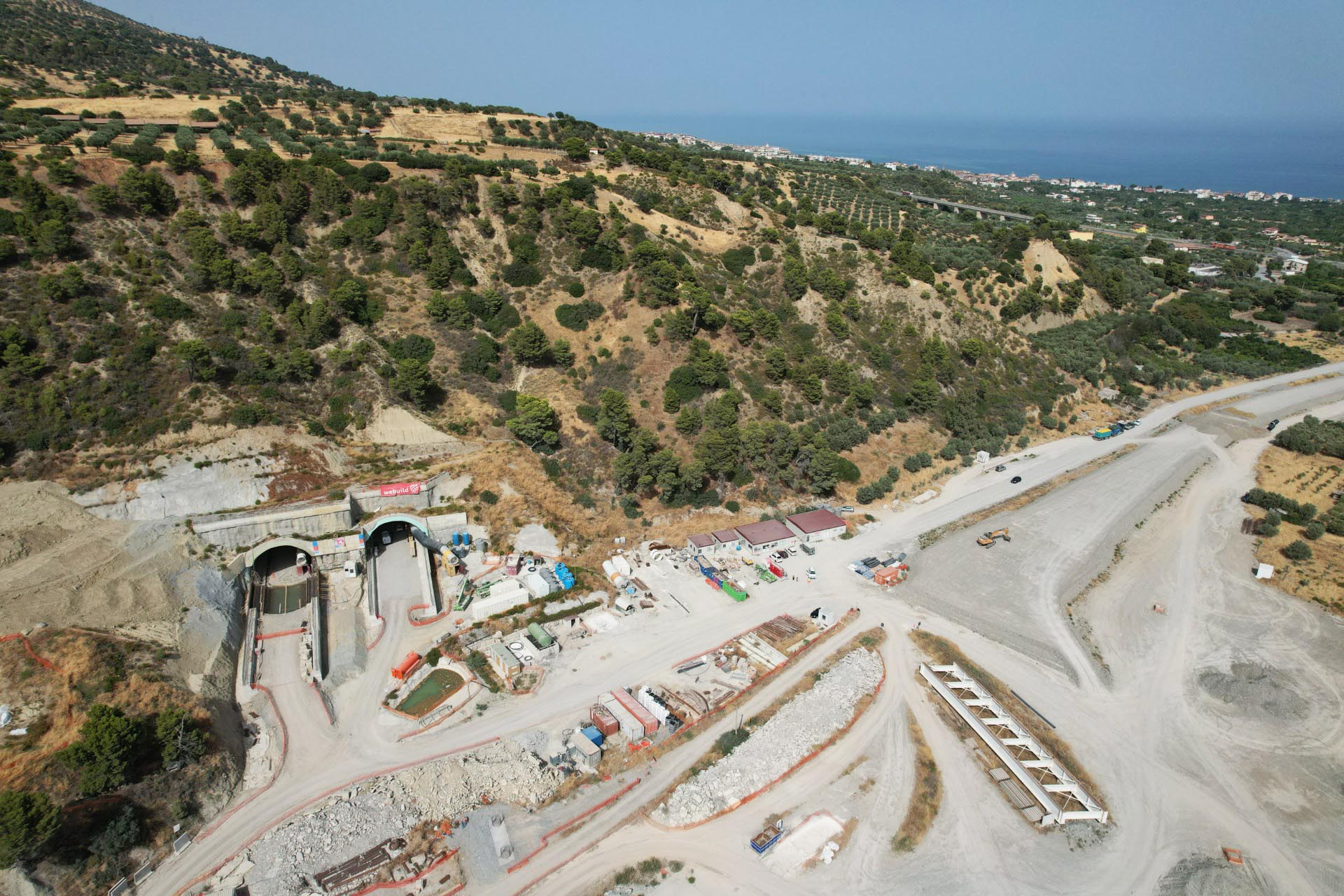
- The Trebisacce Tunnel, with its 3.3 kilometers and two independent tubes, is the longest tunnel of the entire Third Megalot and one of the project's most complex works.
- For the construction of the Third Megalot, approximately 1,200 jobs have been created and since the start of the project, over 880 supply chain companies have been involved.
- With the new Lot 1, Webuild will construct a total of approximately 55 kilometers of the new SS106 Jonica, contributing to the modernization of one of the primary road corridors in Southern Italy.

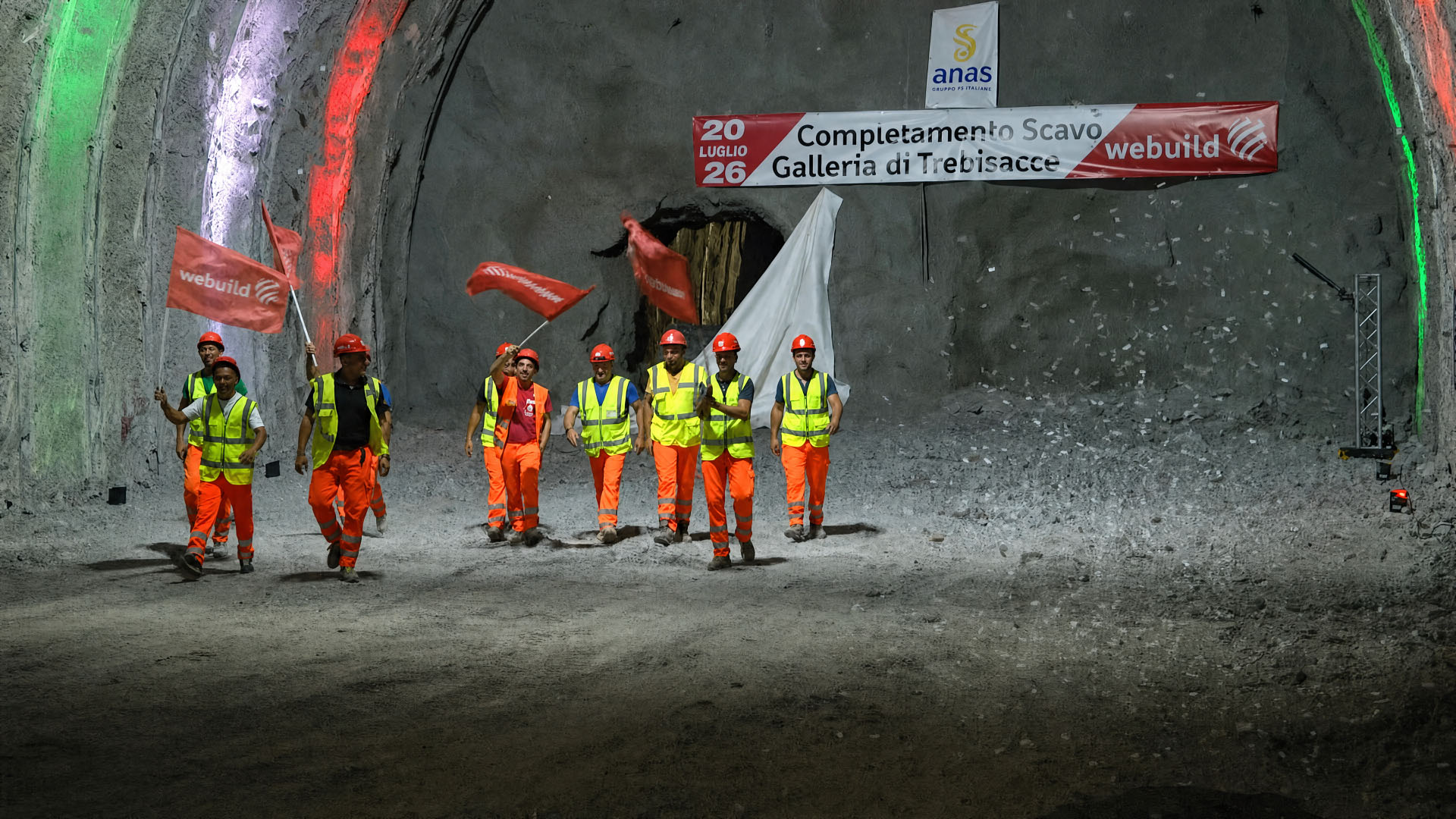
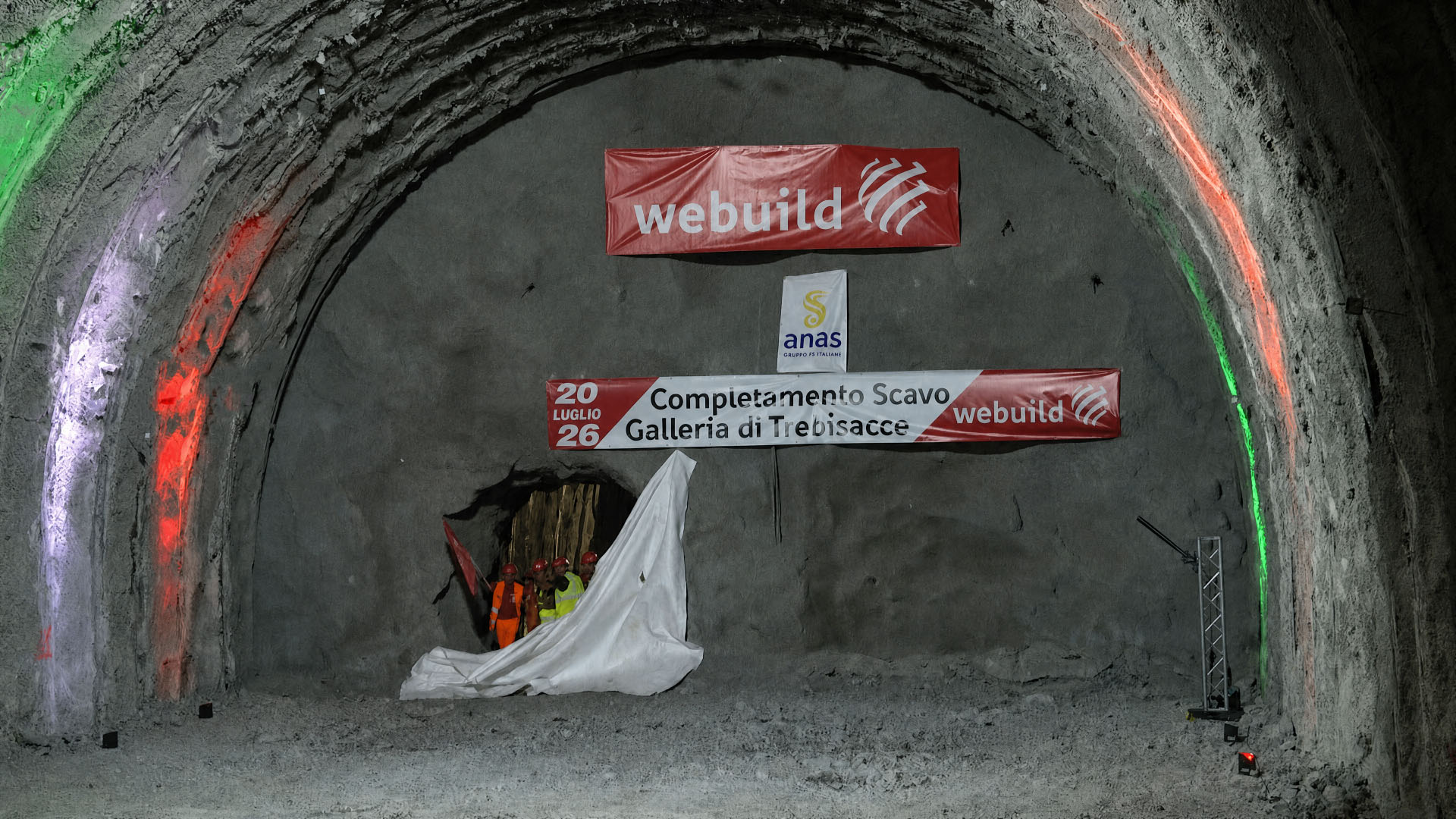
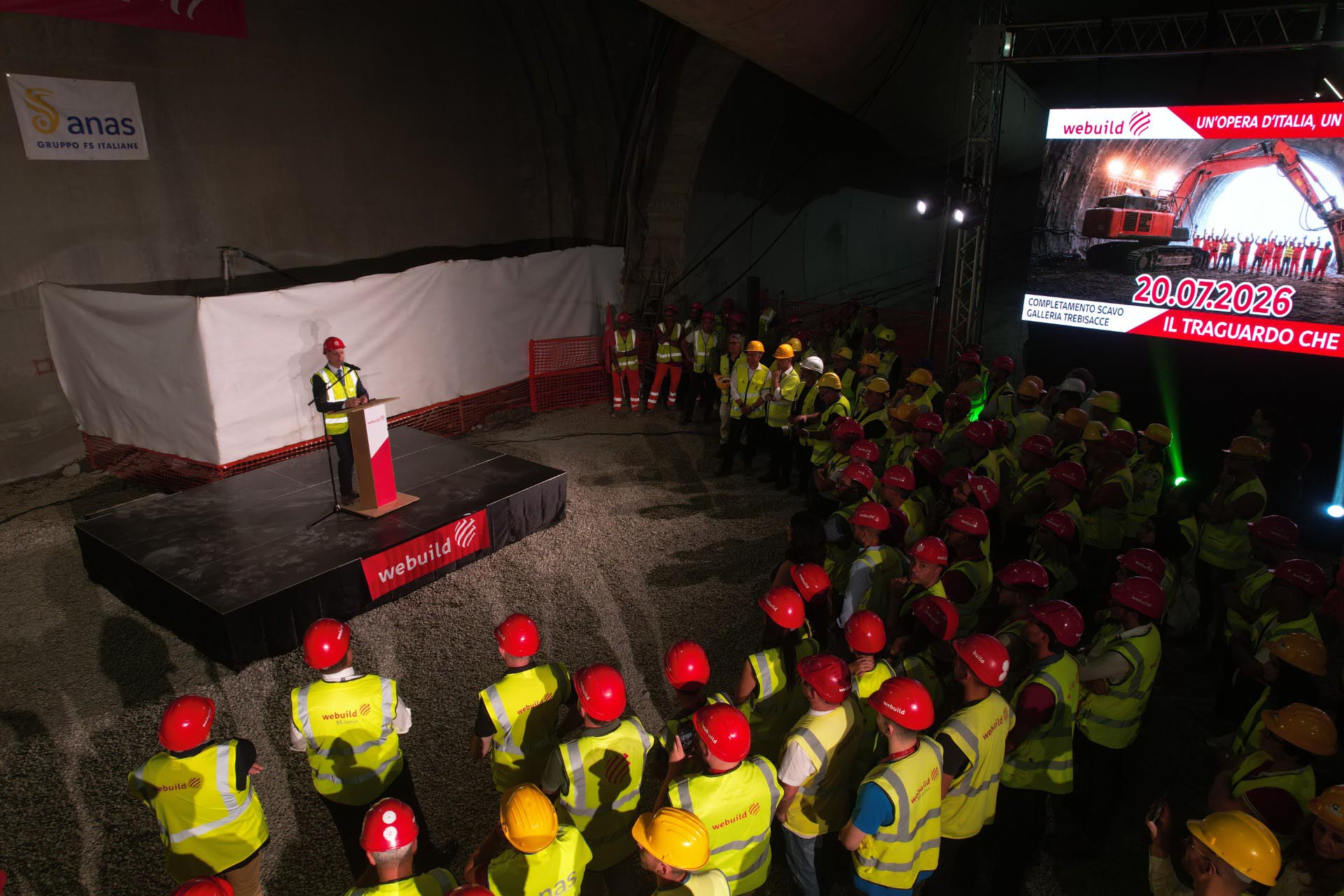
The new Jonica State Road takes another significant step. On July 20, the excavation of the Trebisacce Tunnel was completed, which at 3.3 kilometers is the longest tunnel in the Third Megalot of the SS106 in Calabria. The simultaneous breakthrough of the third and forth rock faces represents not only the completion of one of the most complex works along the entire route, but also a new step forward in the transformation of one of Southern Italy’s most important arteries.
For those working underground, the breakthrough of a tunnel face is one of the most significant moments in underground construction. It is the point where two excavation faces, having advanced for months from opposite directions, meet with millimeter precision, validating the quality of the engineering and paving the way for the final works.
In the case of the 3.3-kilometer-long Trebisacce Tunnel, it also means entering the final construction phase of the longest tunnel across the entire Third Megalot of the SS106 Jonica. Indeed, the completion of the excavation is expected by the end of the summer with the breakthrough of the fourth and final tunnel face.
But the value of this milestone goes far beyond the individual construction site. The Trebisacce Tunnel is, in fact, one of the iconic infrastructure projects of the most important modernization intervention planned along the Calabrian section of the Jonica State Road—a route destined to change the way people travel along the Ionian sea coast and to strengthen the connections between Calabria, Basilicata, and Puglia.
Jonica State Road: From Magna Graecia to the Mediterranean Mobility Corridor
For over two thousand years, the Ionian coast has been one of the primary connection routes of the Mediterranean. The cities of Magna Graecia, from Sybaris to Taranto, prospered thanks to the trade that crossed the Ionian sea, while settlements developed along the coast, contributing to the economic and cultural history of Southern Italy.
Today, that same route is once again strategic, no longer for maritime lanes but for land mobility. Indeed, the SS106 represents one of the most important road axes in Southern Italy, crossing three regions and connecting territories rich in economic, tourism, and production potential that for decades have suffered from slow connections and an infrastructural network no longer adequate for modern traffic flows.
The objective of this transport infrastructure project is to transform this historic artery into a modern expressway—safer, more efficient, and capable of supporting the economic development of the entire Ionian slope.
The Third Megalot: The Heart of the New Jonica State Road
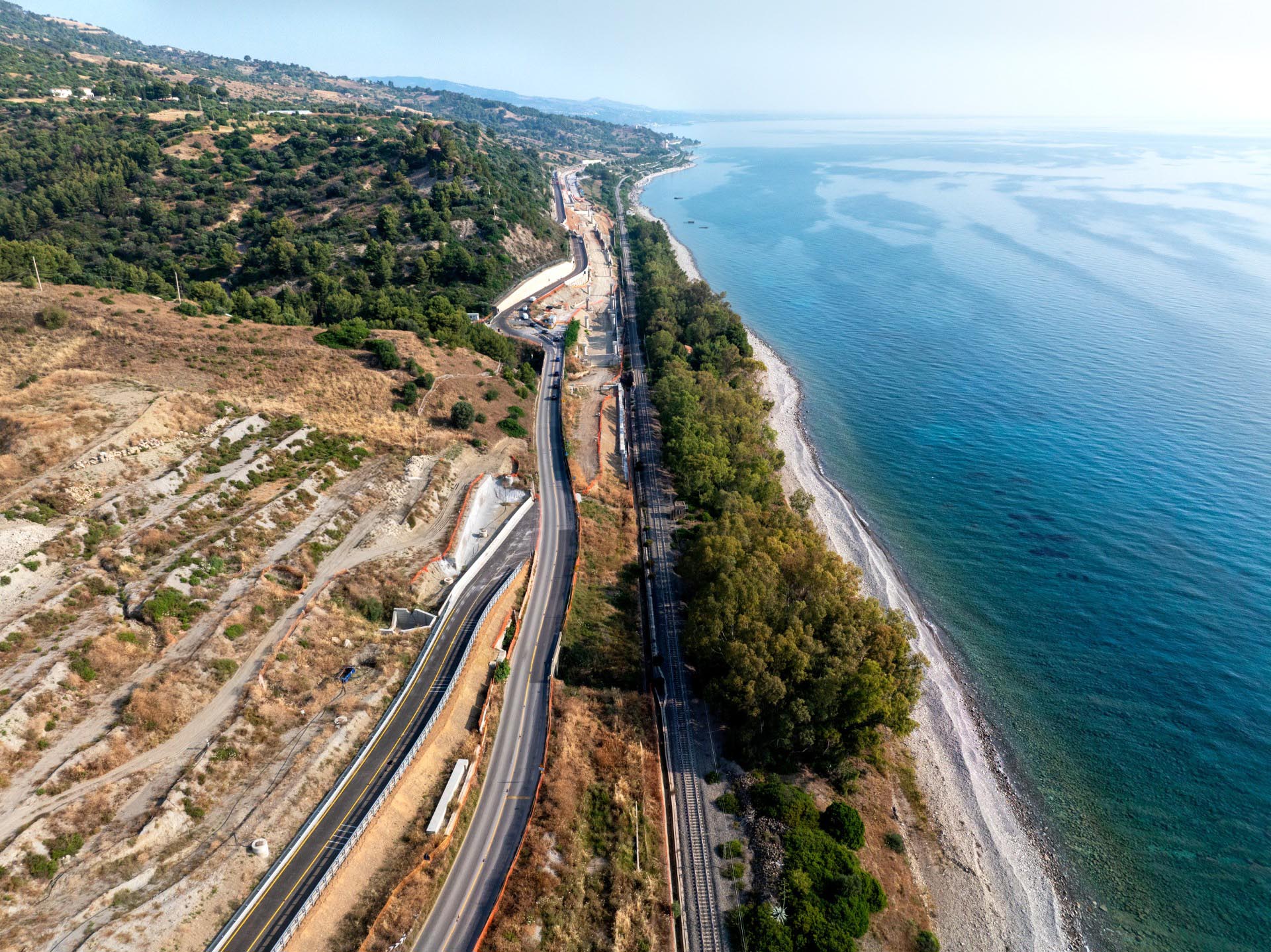
The main project currently underway is the Third Megalot, built by Webuild on behalf of ANAS. The new route stretches for approximately 38 kilometers between Sibari and Roseto Capo Spulico, in the province of Cosenza, passing through the municipalities of Cassano allo Ionio, Francavilla Marittima, Cerchiara di Calabria, Villapiana, Trebisacce, Albidona, Amendolara, and Roseto Capo Spulico.
Once completed, the new transport infrastructure will enable a faster connection between the Ionian coasts of Calabria, Basilicata, and Apulia, improving the accessibility of coastal centers and creating a more efficient link between two of Italy’s primary highways, the A2 “Autostrada del Mediterraneo” and the A14 “Adriatica.”
The result will be a significant reduction in travel times and greater traffic flow along one of the most important corridors in Southern Italy.
According to the project plan, the time required to travel the section between Sibari and Roseto Capo Spulico will decrease from approximately 36 to 20 minutes, bringing benefits not only for daily commutes but also for freight transport and the development of economic activities across the entire area.
A Masterpiece of High Engineering Between Grand Viaducts and Tunnel Construction
The complexity of the new SS106 emerges above all when observing the individual structures that compose it.
The Third Megalot includes 13 tunnels, both natural and artificial, spanning approximately 10 kilometers in total, and 16 viaducts extending for about 7 kilometers. Added to these are four new interchanges—Sibari, Cerchiara-Francavilla, Trebisacce, and Roseto—designed to integrate the new road axis with the existing network and improve accessibility to both the coast and the hinterland.
Among the most representative works are the Trebisacce Tunnel itself—built using traditional excavation methods and composed of two independent tubes, one for each direction of traffic—and the Avena Viaduct, 660 meters long, a bridge recognizable by its two large V-shaped central piers, which make it one of the most architecturally distinctive elements of the entire road construction project.
In recent weeks, the launching of the Straface Viaduct was also completed, while work continues on the Annunziata Viaduct, a bridge characterized by an original deck arranged on two superimposed levels.
An Investment That Generates Value for Calabria and Southern Italy
The impact of the new Jonica State Road is not measured solely in the kilometers of road constructed. The transport infrastructure project is also producing significant effects on the local economic fabric.
For the construction of the Third Megalot, approximately 1,200 jobs were created, both direct and indirect, involving a supply chain of around 900 companies since the start of work, 45% of which are from Calabria.
On the environmental front as well, the project aims to reduce the impact of the works by reusing a significant portion of the excavated materials, thereby limiting the consumption of new resources and fostering a more sustainable approach to infrastructure construction.
The modernization program of the Jonica will not stop at the Third Megalot. Webuild will also construct Lot 1 of the SS106, between the Coserie viaduct and the Corigliano Ovest interchange, adding approximately 17 kilometers of new road with 15 viaducts, 3 overpasses, and a 1.4-kilometer-long double-tube artificial tunnel. In total, the Group will build about 55 kilometers of the new Jonica State Road.
The breakthrough of the third tunnel face of the Trebisacce Tunnel therefore represents much more than a mere tunnel construction milestone. It is the concrete sign of an infrastructure taking shape, which, once completed, will help reconnect territories historically penalized by a lack of modern links, creating a more efficient mobility axis between the Tyrrhenian sea, Ionian sea , and Adriatic sea and offering new development opportunities for the entire Southern Italy.