


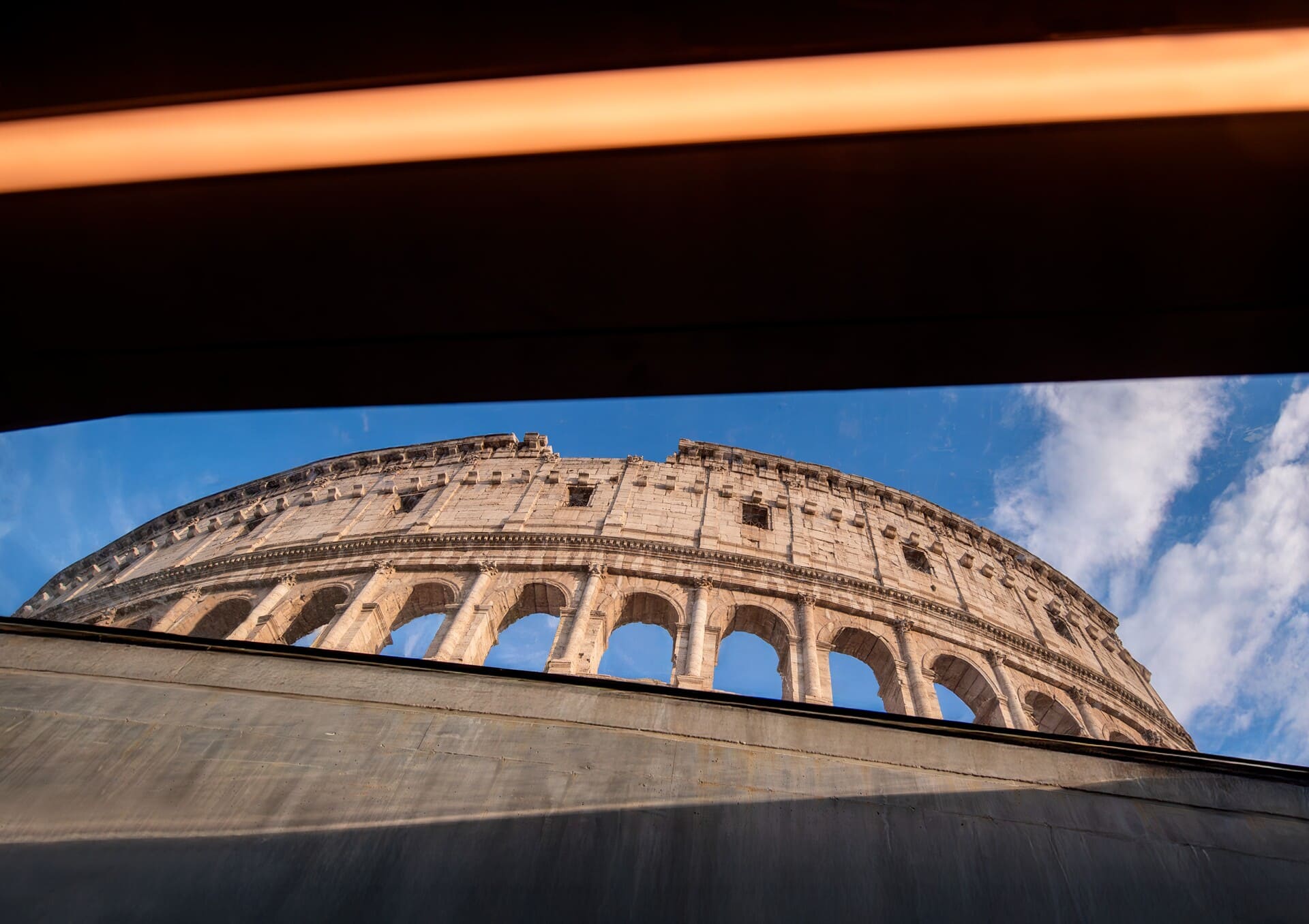
 Colosseo-Fori Imperiali, the new Metro C station in Rome
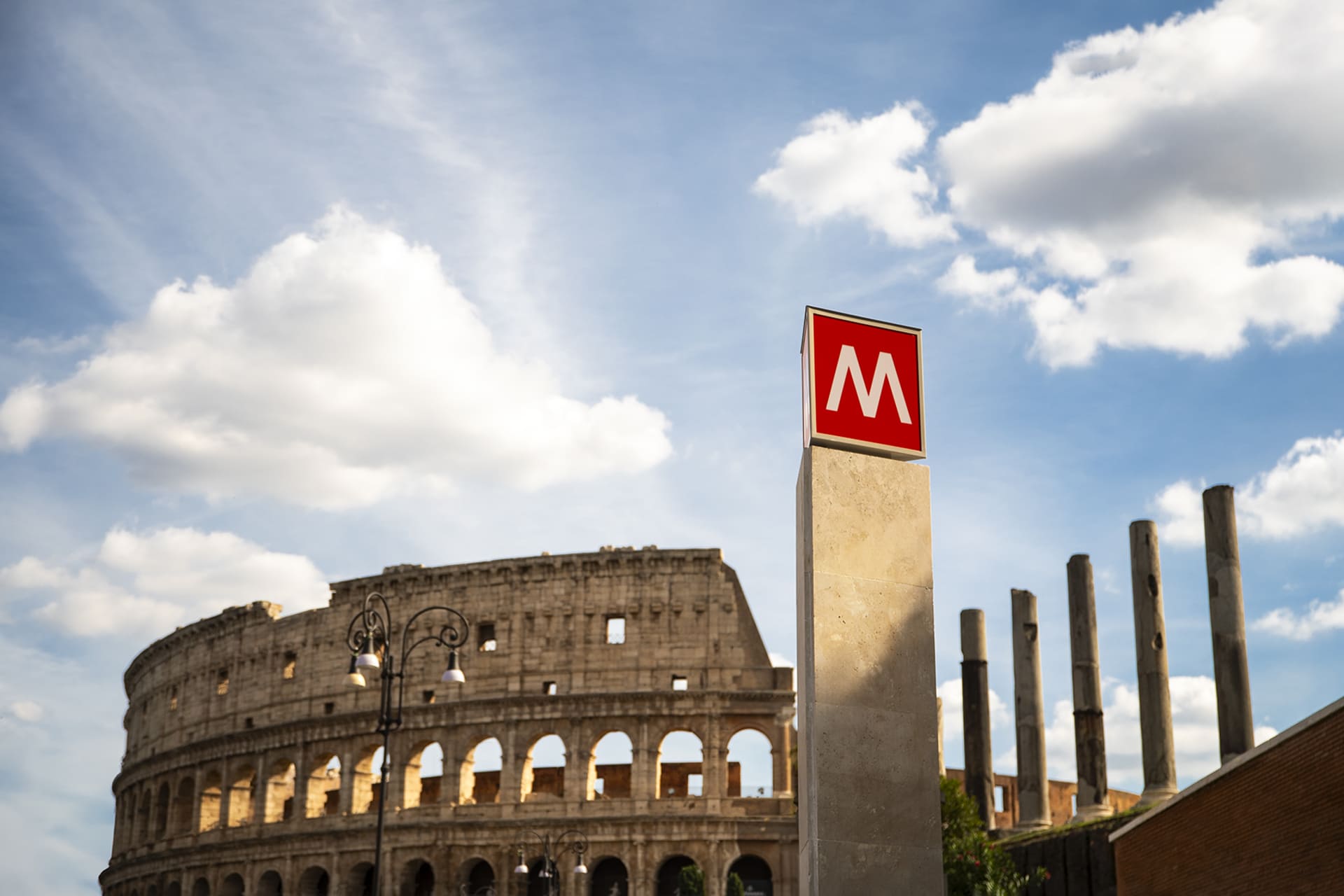 Colosseo-Fori Imperiali, the new Metro C station in Rome
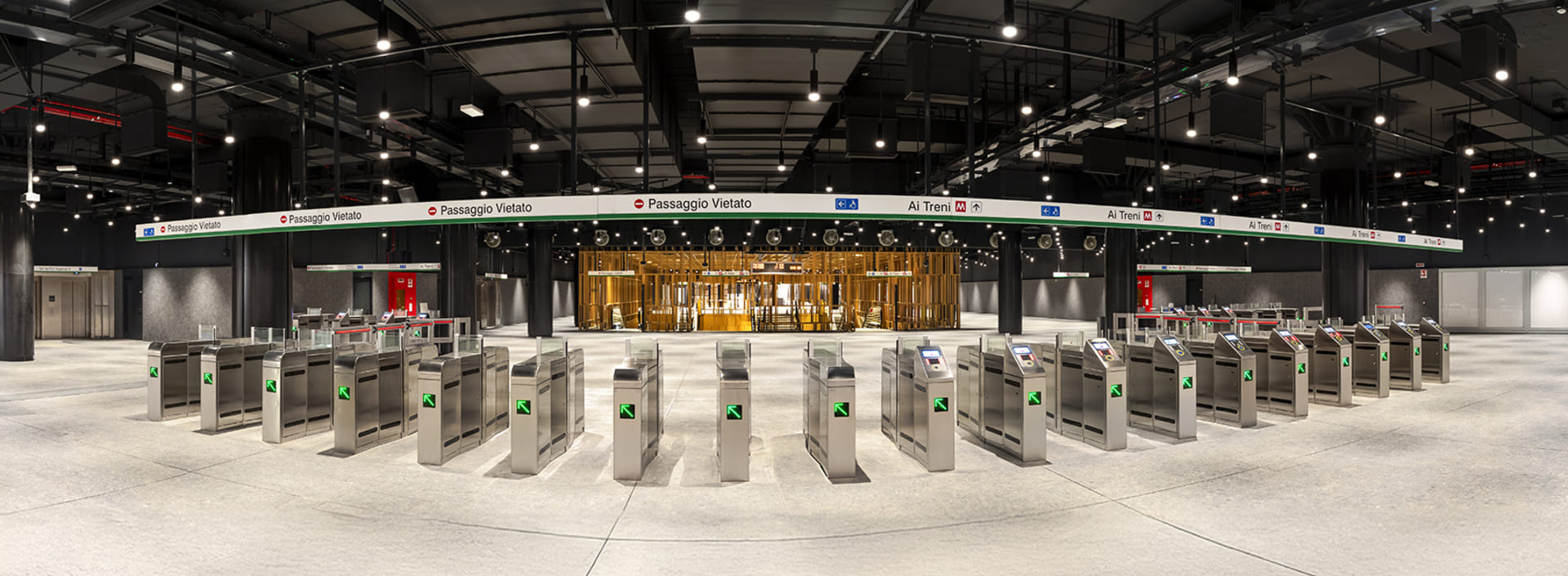 Colosseo-Fori Imperiali, the new Metro C station in Rome
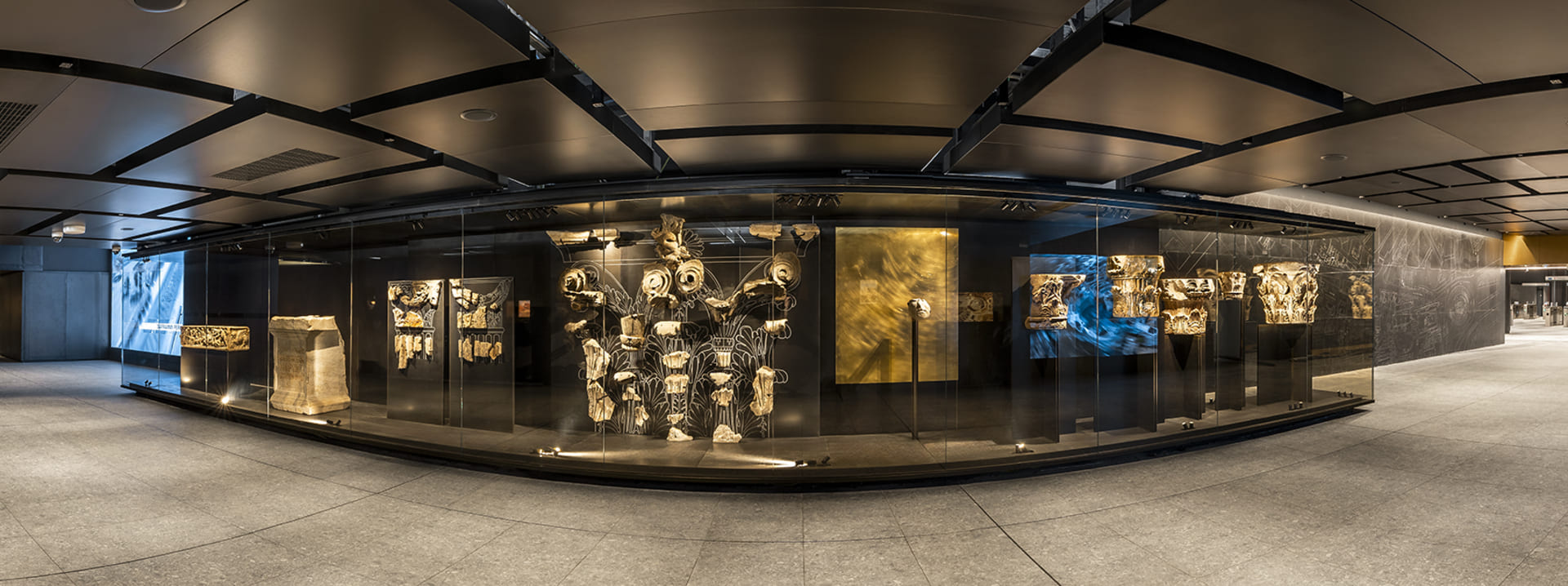 Artifacts recovered during the excavations for the construction of the station
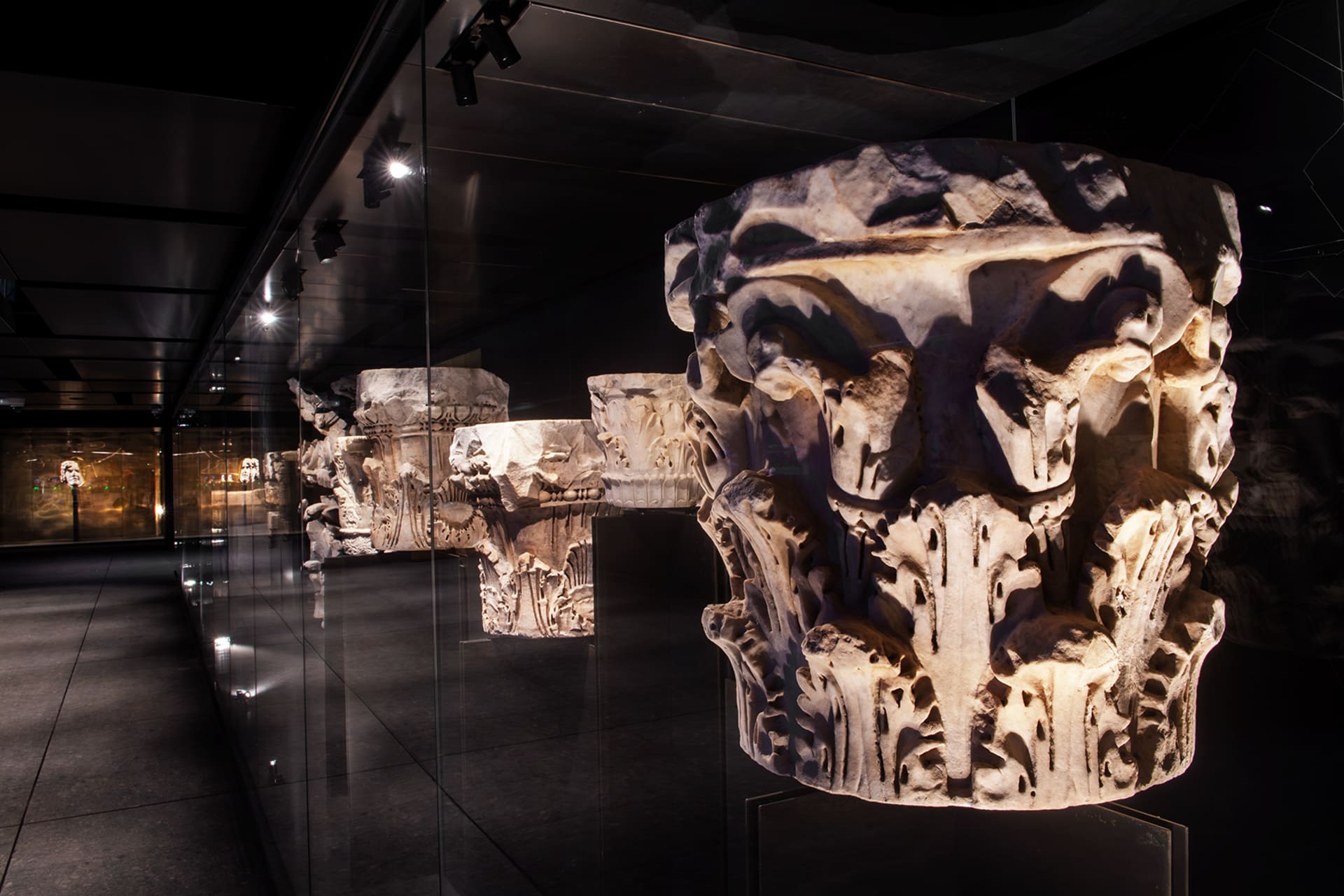 Artifacts recovered during the excavations for the construction of the station
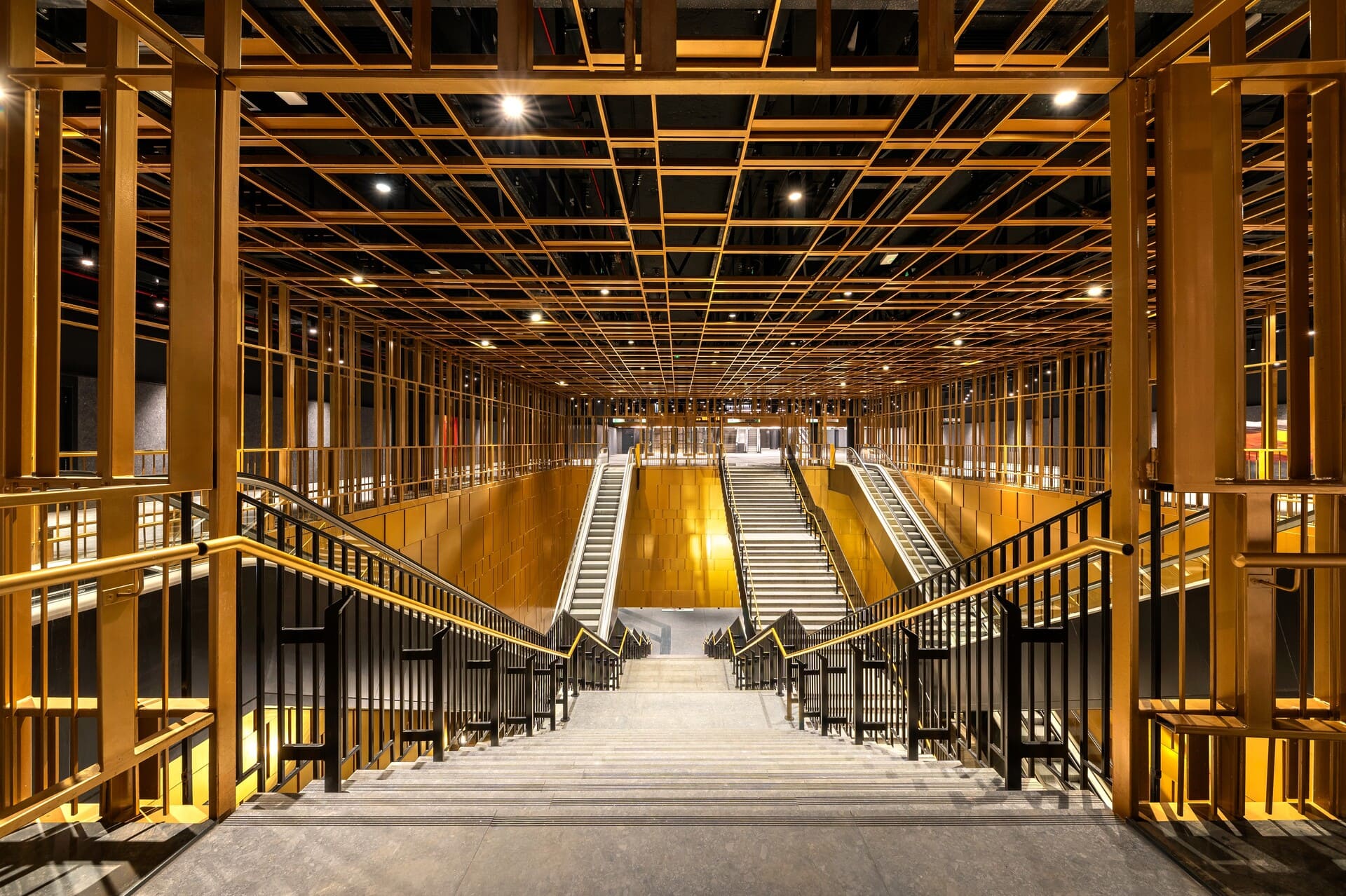 Colosseo-Fori Imperiali, the new Metro C station in Rome
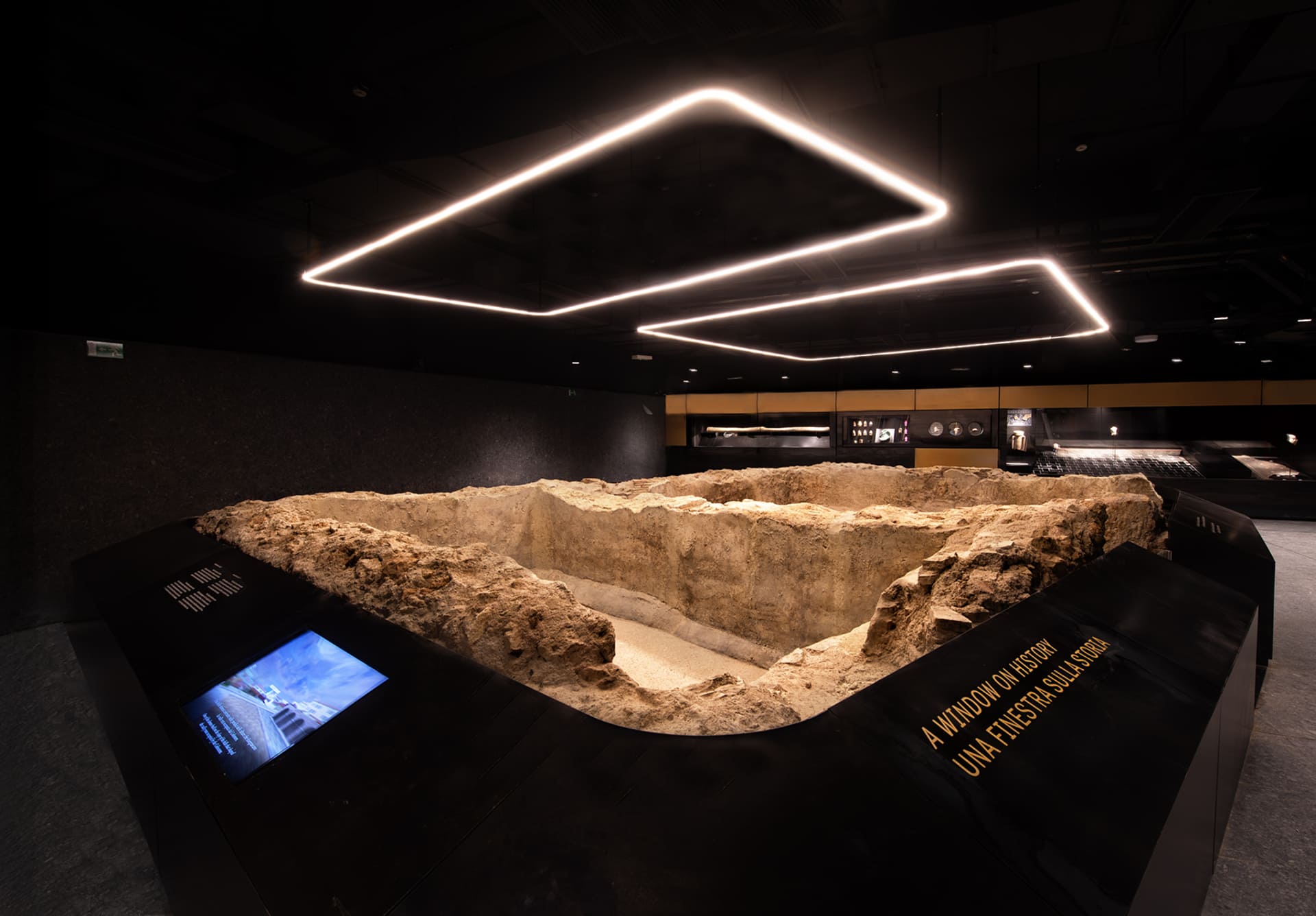 Artifacts recovered during the excavations for the construction of the station
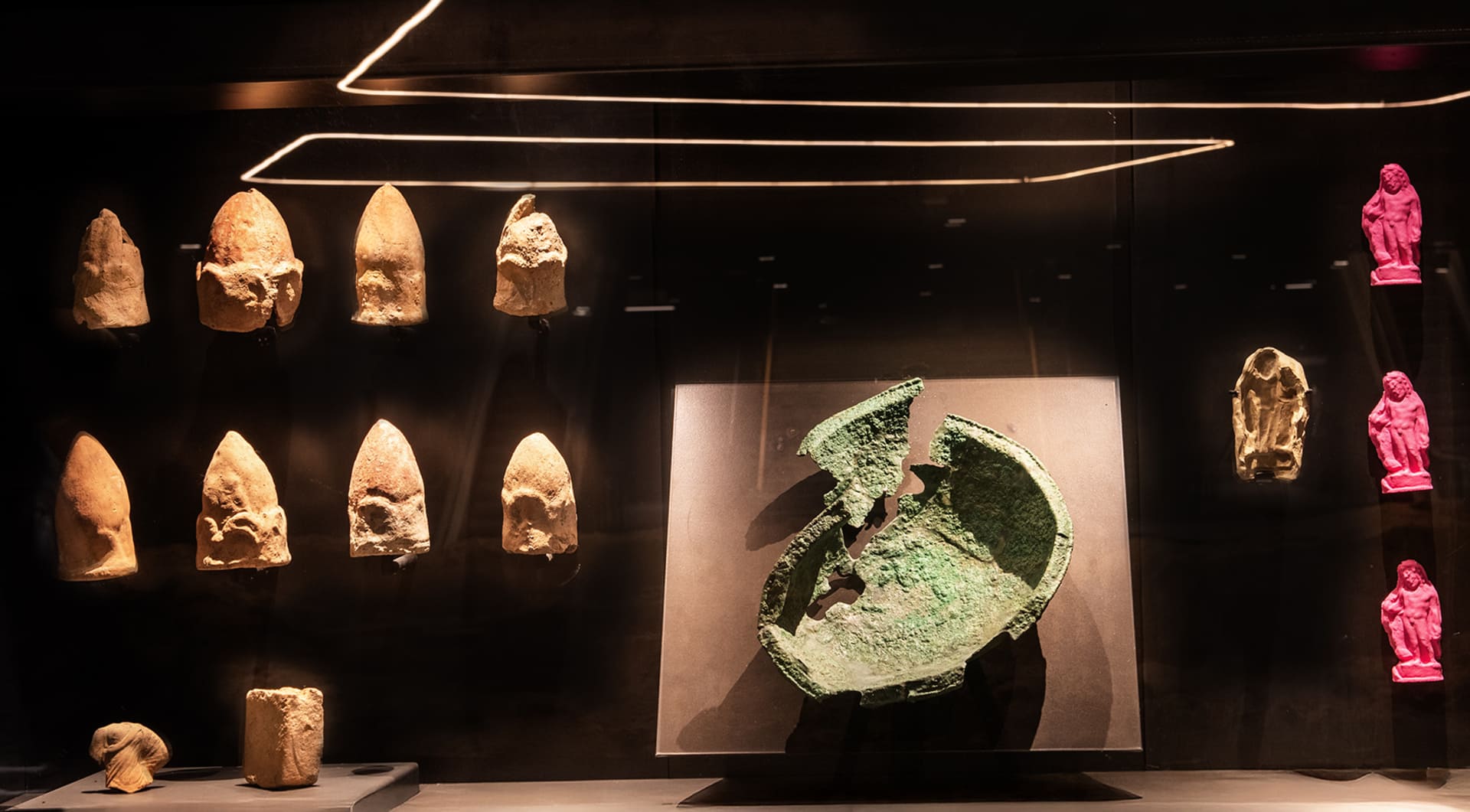 Artifacts recovered during the excavations for the construction of the station
 Artifacts recovered during the excavations for the construction of the station
 Platform of the new Colosseo-Fori Imperiali station
 Artifacts recovered during the excavations for the construction of the station
 Artifacts recovered during the excavations for the construction of the station
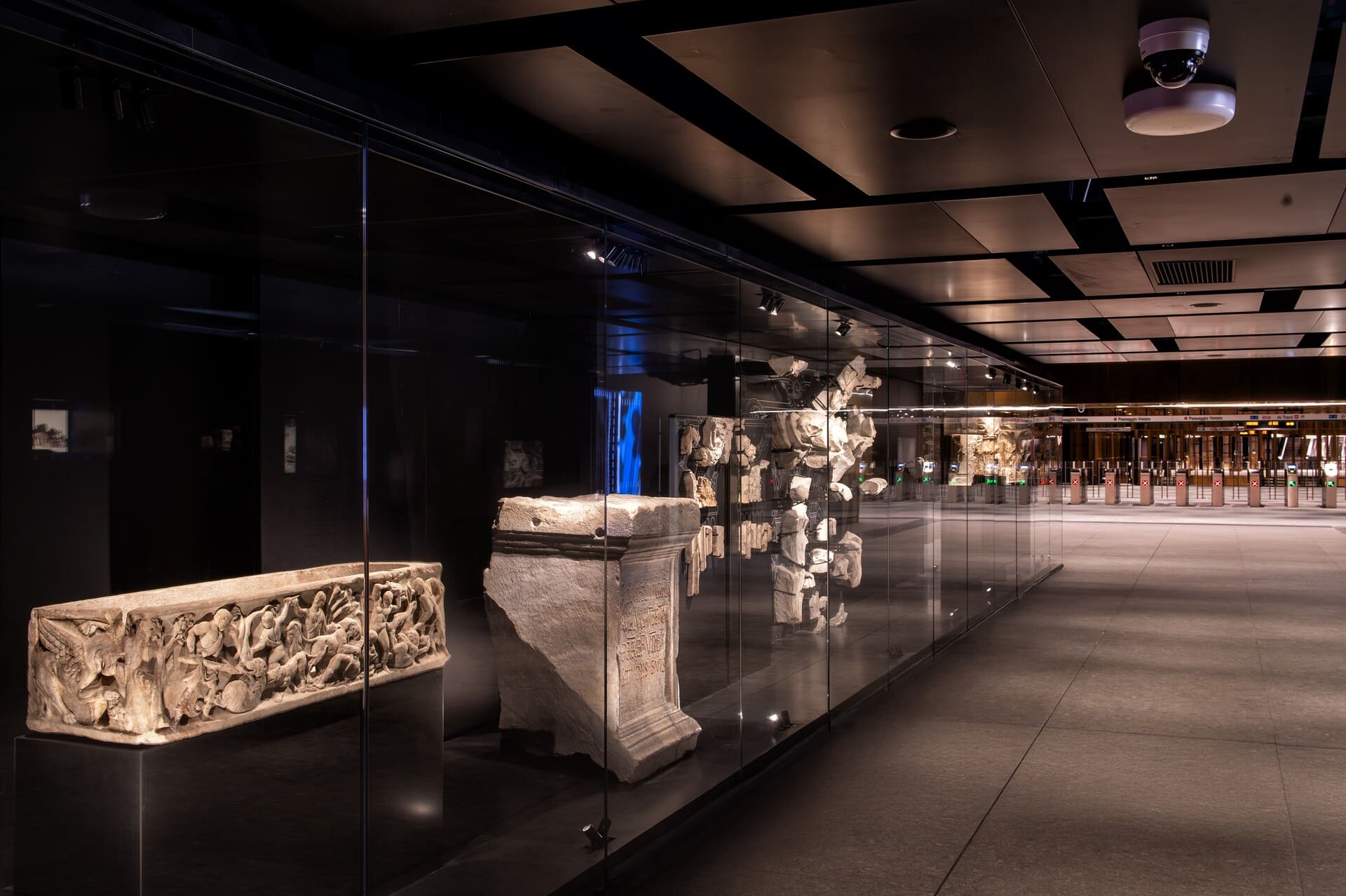 Artifacts recovered during the excavations for the construction of the station
- Sensors, micropiles and diaphragm walls protected every monument, making it possible to excavate beneath two thousand years of Roman history
- Every dig was monitored and every archaeological artifact documented, restored studied and enhanced – turning the construction site into a scientific laboratory
- The new station is divided into five exhibition areas featuring dioramas, multimedial installations and ancient discoveries that tell the story of Roman Empire’s greatness
- Colosseo-Fori Imperiali connects Line C with Line B via an underground corridor built without interrupting rail services
- Line C now continues towards Piazza Venezia, where work is under way on another extraordinary station-museum
read more

Building an underground line beneath the Colosseum once seemed an impossible feat. Yet the new Colosseo-Fori Imperiali station on Line C – an extraordinary project that marries cutting-edge engineering with archaeology in one of the most complex and captivating construction sites on earth – is now ready to be experienced by thousands of people.
Colosseo-Fori Imperiali, located directly beneath Via dei Fori Imperiali between the remains of the Temple of Venus and Roma and the Basilica of Maxentius, was unveiled to the press during a special visit attended by Webuild chief executive Pietro Salini and Vianini Lavori chief executive Vincenzo Onorato.
Joining them were Infrastructure and Transport Minister Matteo Salvini, Culture Minister Alessandro Giuli, Rome Mayor Roberto Gualtieri, and numerous other dignitaries who came to admire the engineering marvel that the Metro C consortium company (led by Webuild and Vianini Lavori) carried out under the surveillance and scientific direction of the involved Institutes of the Ministry of Culture – the Colosseum Archaeological Park and the Special Superintendency for Archaeology, Fine Arts and Landscape of Rome – and commissioned by Roma Metropolitane.
The station, 240 meters long and 32 meters deep, stems from a project that has become an international model of how to build sustainable infrastructure in the heart of archaeological sites. “Every single action here was carried out on tiptoe – explains Elisa Cella, archaeologist at the Colosseum Archaeological Park – fully aware that we were working directly above the foundations of Roman civilisation.”
Colosseo-Fori Imperiali: The Most Delicate Construction Site in the World
The Colosseo-Fori Imperiali station has been built with absolute respect for what is arguably the most fragile archaeological site on the planet.
Before any excavation began, engineers stabilised the ground with 900 micropiles and 1.2-metre-thick reinforced-concrete diaphragm walls reaching depths of up to 48 metres. All operations employed the top-down construction method, building the slabs from the top downwards to guarantee stability and safety.
Hundreds of sensors were installed on the walls of the Flavian Amphitheater, the columns of the Temple of Venus and Roma, and the Basilica of Maxentius to detect micro-movements and vibrations in real time – a comprehensive network of accelerometers, piezometers, extensometers and inclinometers that monitored the site 24 hours a day throughout the years of excavation.
“We monitored the Colosseum centimetre by centimetre,” says Marco Cervone, construction manager for the Metro C Consortium, “and we never recorded the slightest anomaly. Protecting the heritage was our absolute priority.”
Sustainable Infrastructure: Engineering and Archaeology Working Side by Side
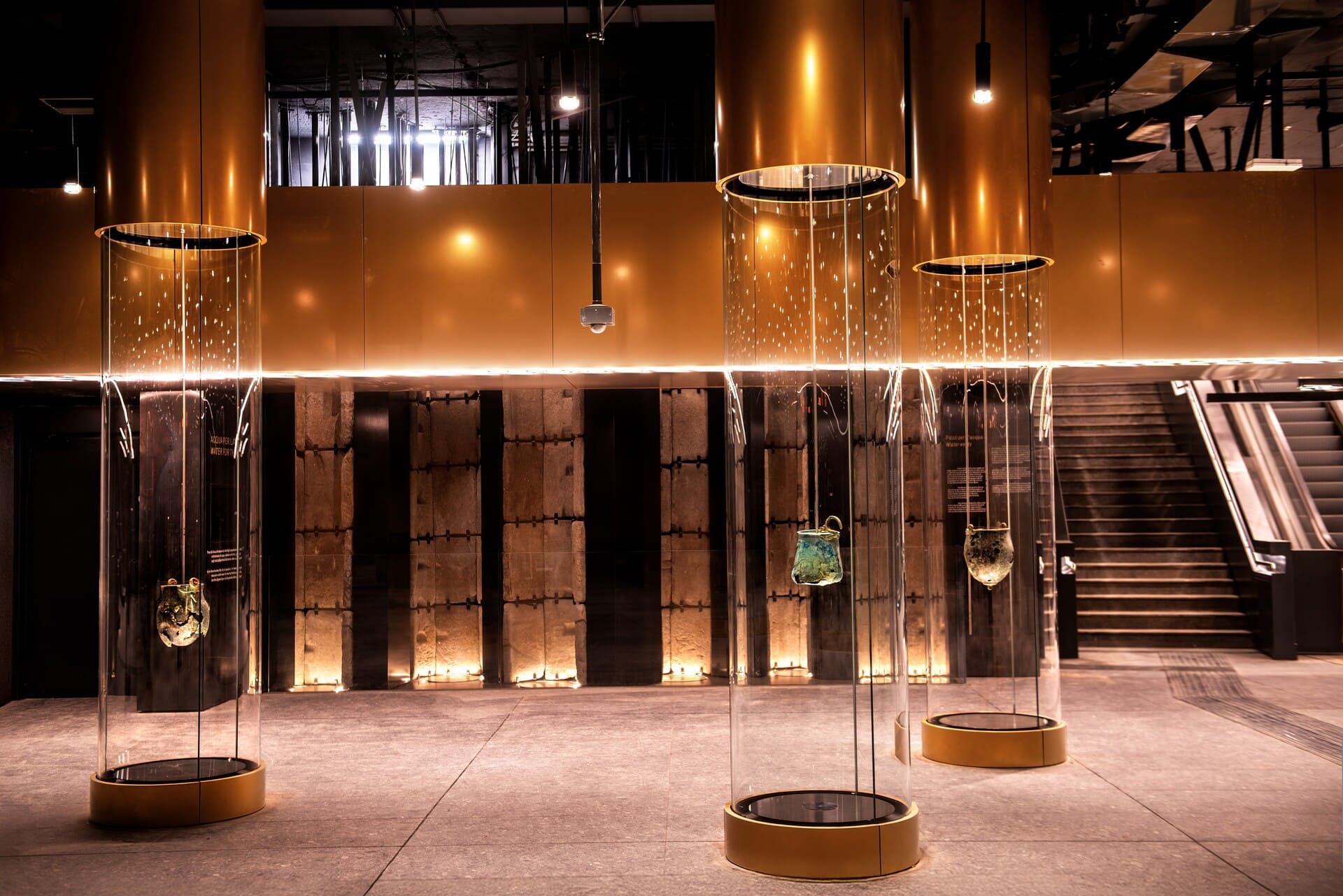
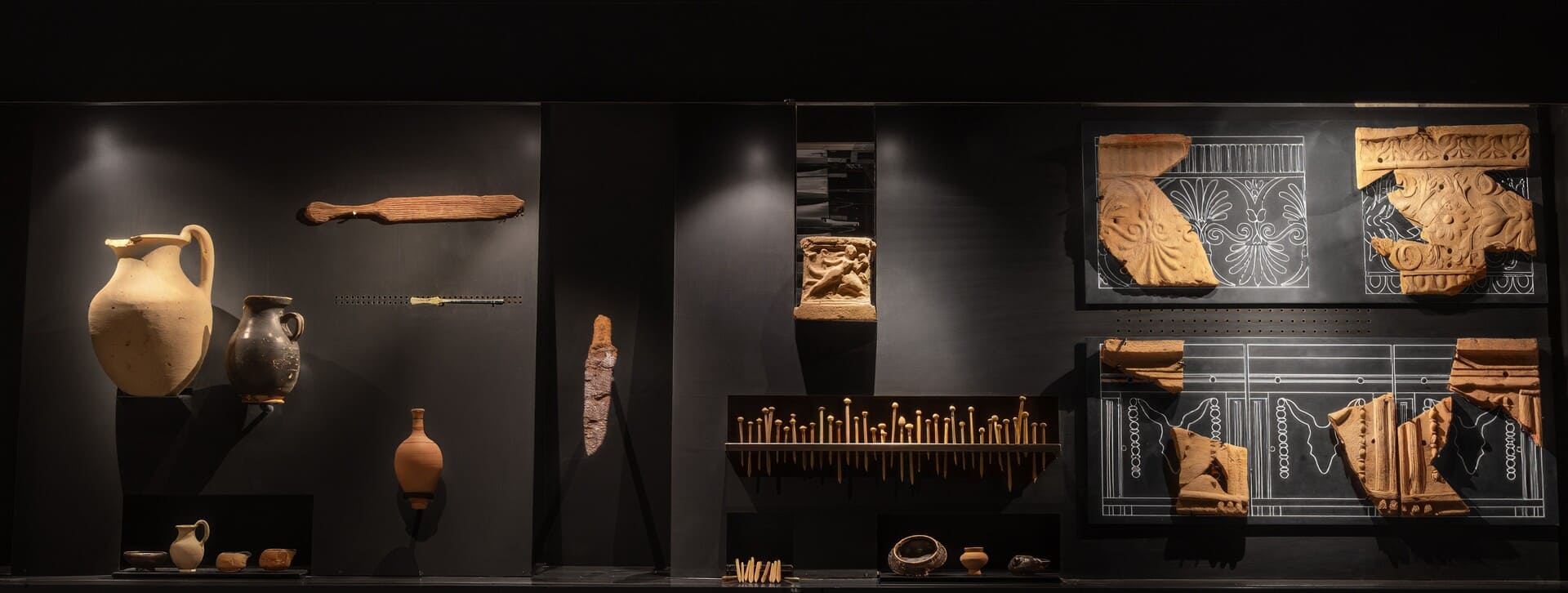
During the works, extraordinary archaeological artifacts came to light: a Republican-era domus destroyed in Nero’s fire of AD 64, the foundations of Domus Aurea, hydraulic structures and a monumental fountain.
Every ancient discovery was documented, catalogued, restored and enhanced under the scientific supervision of the Colosseum Archaeological Park, now directed by Simone Quilici, and until last October by Alfonsina Russo – currently the Head of the Department for the Enhancement of Cultural Heritage at the MiC – with archaeologists, restorers, architects and engineers working shoulder-to-shoulder as a single team.
“It was like building underneath a museum,” Cervone recalls. “Every archaeological excavation was a journey back in time, and every artefact discovered became part of the station itself.”
To minimise environmental impact, spoil was removed from the historic centre via enclosed conveyor belts and low-emission lorries – an innovative approach that turned the site into a laboratory for sustainable infrastructure.
At the Heart of Ancient Rome: A Museum Beneath the Ground
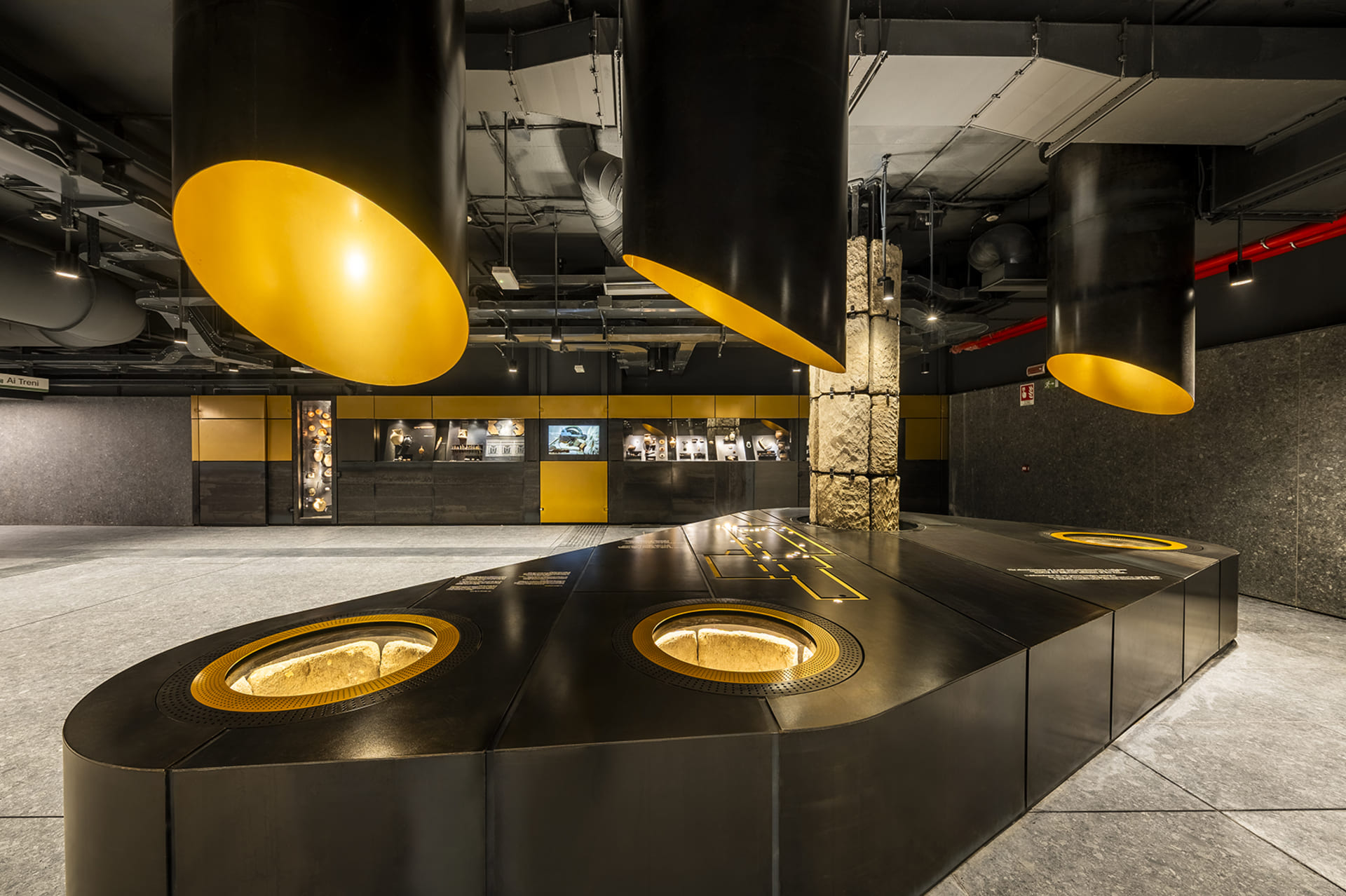
Colosseo-Fori Imperiali is far more than a vital transport hub: it is a genuine underground museum.
Five exhibition areas set up with the care and scientific direction of the Colosseum Archaeological Park guide passengers on an immersive journey through ancient Rome. Analogue dioramas, multimedia installations, and luminous effects recreate the capital’s great monuments, symbols of the political and monumental heart of Rome in ancient times – from the Forum of Augustus to the Colosseum, from Trajan’s Column to the Temple of Venus and Roma, to the Basilica of Constantine –like miniature paper theatres.
Among the most precious archaeological artifacts on display is the base of a statue with the inscription recalling the actions of Senator Passifilo, a senator who enjoyed a reserved seat on the podium of the Colosseum, stands out. It was recovered from Hadrian’s Auditoria.
“Colosseo-Fori Imperiali is not just a station,” explains Elisa Cella. “It’s a free museum that people walk through every day, a new way of giving knowledge back to the public.”
The layout, curated by Alfonsina Russo and Elisa Cella, has been designed as a sensory experience: light, sound and materials interact with the movement of passengers, turning the wait for a train into a living history lesson.
A Strategic Hub for the City, between Roman Civilization and Sustainable Transportation
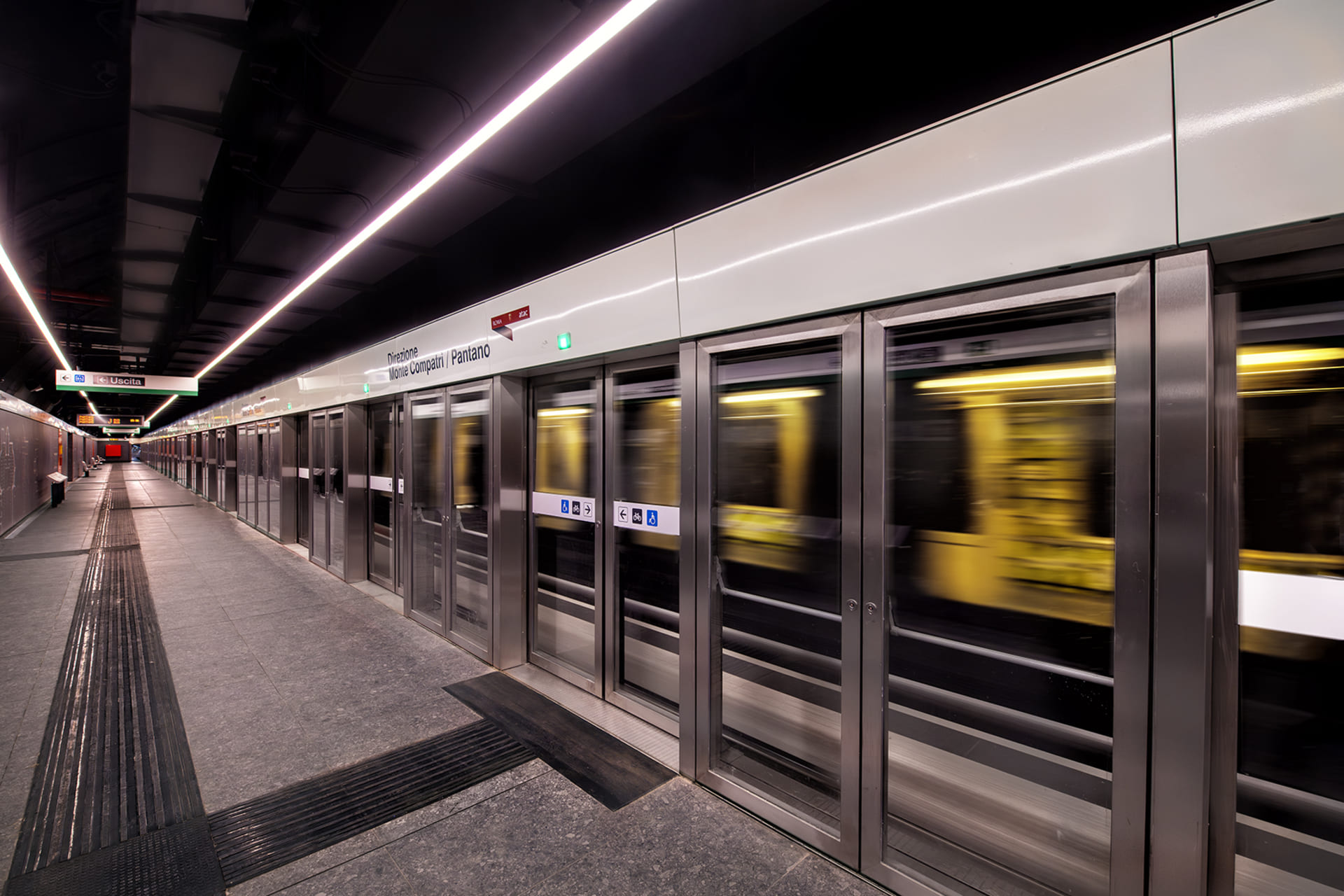
From a functional standpoint, Colosseo-Fori Imperiali also serves as the interchange between Line B and Line C. The link between the two lines is provided by an underground corridor built above the existing Line B tracks without ever interrupting service: a genuine technical triumph that ensures both safety and operational continuity.
Dark stone flooring, bronze inserts and display cases alternate along the routes, striking a balance between aesthetics and practicality, in an exhibition design project, conceived by the Colosseum Archaeological Park, where every element has been designed to guide travellers through a contemporary setting that remains deeply respectful of its historic context.
Rome's Urban Infrastructure: Line C and the Future of the Eternal City
With Colosseo-Fori Imperiali and Porta Metronia stations, Rome’s Line C now has 24 stations with 22 kilometres in operation – the backbone of sustainable mobility in the Italian Capital.
Beyond the two new stations, the line will continue towards Piazza Venezia, where work is already under way on an even more spectacular station-museum that will fuse archaeology and innovation, before eventually reaching Farnesina.
Once completed, Line C will carry 800,000 passengers a day and cut CO₂ emissions by over 310,000 tonnes a year, helping to reshape how people move around the Eternal City. “Rome’s underground,” concludes engineer Cervone, “is far more than mere urban infrastructure: it is a bridge between the ancient city and the one yet to come.”