

Major critical infrastructure projects are created to meet concrete needs, yet they often come to represent far more. Over time, they become national landmarks, structures that embody a country’s vision, strength and ambition.
Bridges that withstand extreme conditions, dams that harness the power of water, railway networks that cross challenging terrain: each project is the result of expertise, planning and the ability to adapt.
When designed to endure and respond to crises, these infrastructures do more than support the economy, they reinforce collective identity, becoming tangible symbols of resilience and progress.
1 – Anacostia River Tunnel
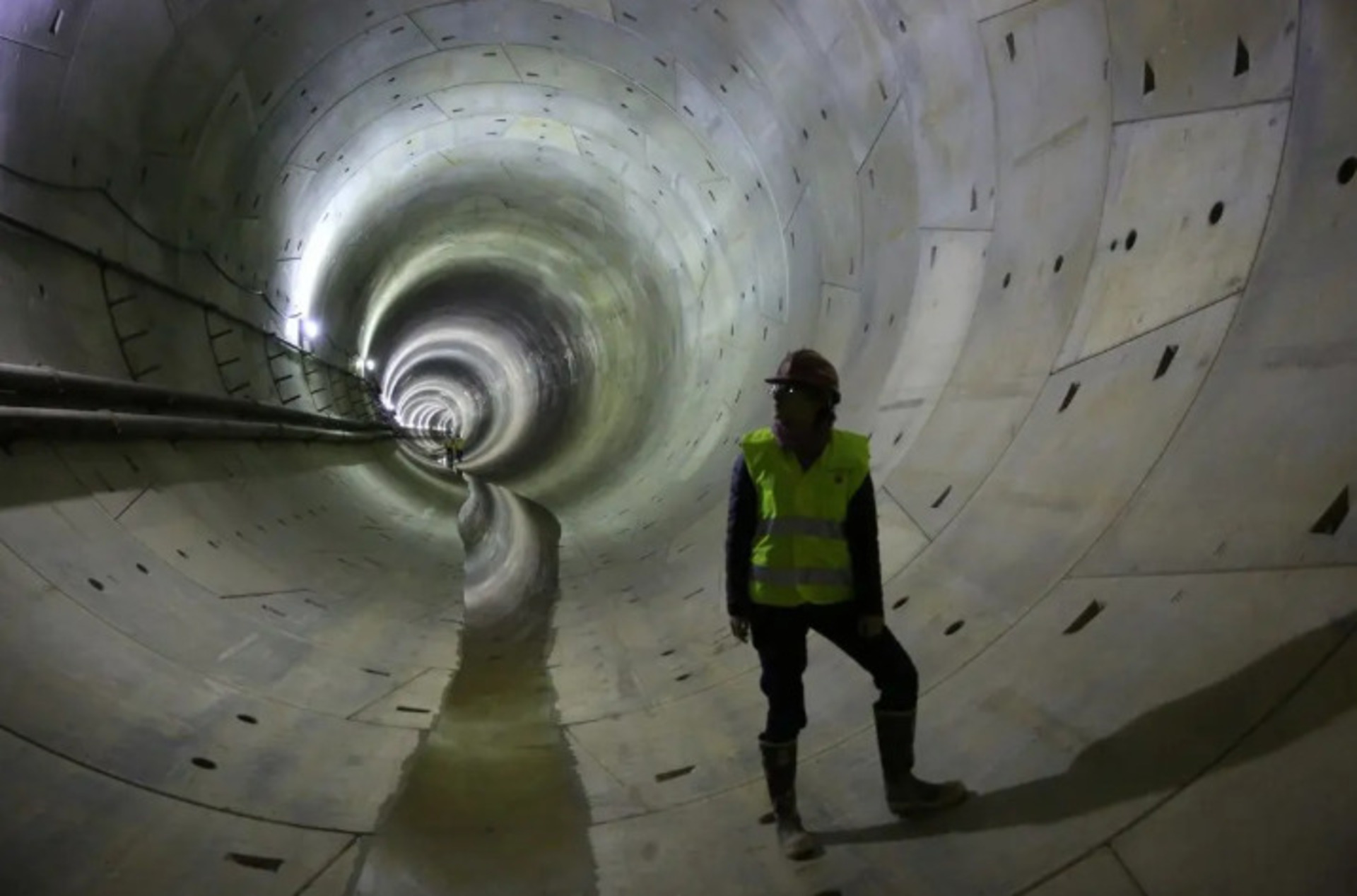
A clear example of infrastructure construction that combines resilience with social impact is the Anacostia River Tunnel in Washington, D.C., built by Webuild as part of DC Water’s “Clean Rivers” project.
Stretching about 3.8 km and excavated up to 30 meters underground, the tunnel captures stormwater and wastewater during heavy rainfall, protecting the Anacostia and Potomac rivers from pollution while reducing the risk of flooding in the city.
Equipped with six vertical shafts and advanced hydraulic control systems, this critical infrastructure demonstrates how engineering and planning can transform both urban safety and environmental protection, reaffirming Webuild’s role in delivering strategic and sustainable infrastructure.
2 – Third Bosphorus Bridge
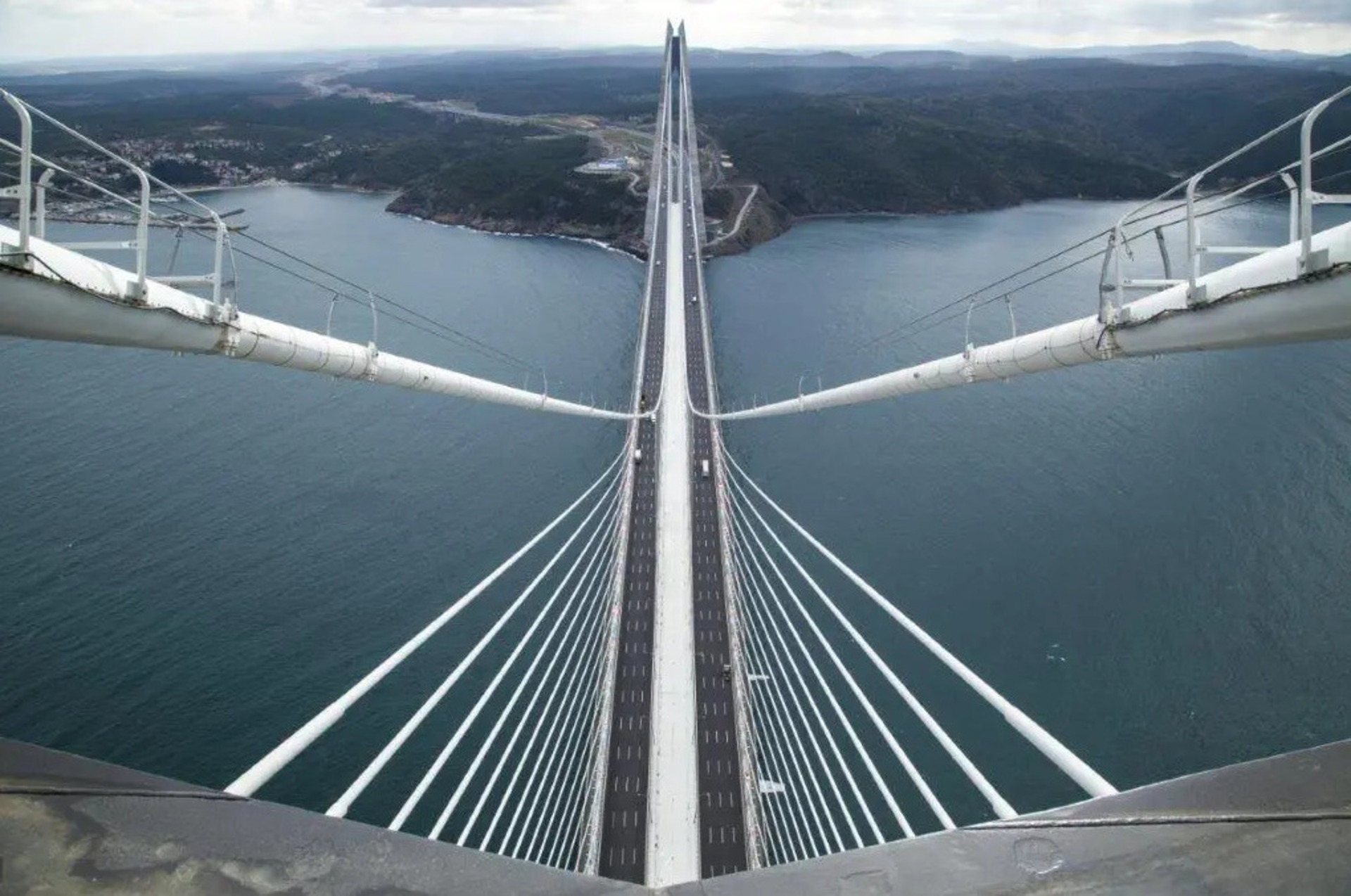
Another infrastructure development project that reflects the meeting of engineering ambition and symbolic value is the Third Bosphorus Bridge in Istanbul, built with the contribution of Webuild alongside the consortium’s international partners.
This remarkable suspended road bridge connects the European and Asian sides of Turkey, serving not only as a crucial link for urban and intercontinental mobility, but also as a symbol of connection between cultures and territories.
With a central span of 1,408 meters and towers rising high above the strait, the Istanbul bridge is among the most slender of its kind in the world. Its construction required advanced technical solutions to manage wind, currents and dynamic loads, transforming a natural crossing point into a major axis of development and integration.
Beyond its role as a transport link, the Third Bosphorus Bridge today represents the ingenuity and vision behind infrastructure projects capable of connecting continents and communities.
3 – Øresund Bridge
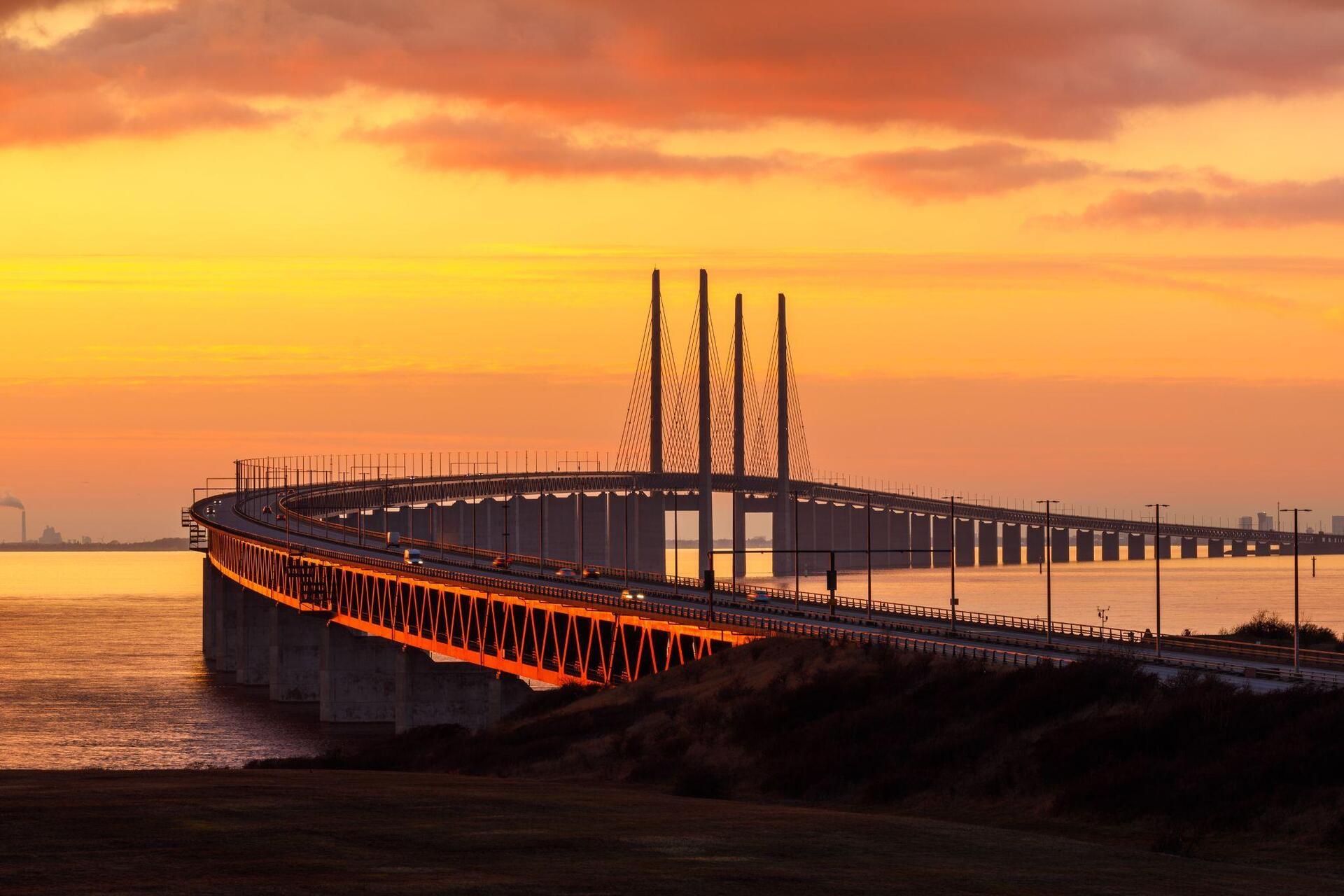
Another example of critical infrastructure that has reshaped economies and strengthened connections between countries is the Øresund Bridge, the iconic structure linking Denmark and Sweden. Inaugurated in 2000, this engineering masterpiece combines a road and rail bridge with an undersea tunnel section, creating a direct connection from Copenhagen to Malmö.
With a total length of nearly 16 km, the Malmö bridge has revolutionized the movement of people and goods across Northern Europe, significantly reducing travel times and logistical costs between the two countries.
Today the Øresund Bridge is not only a strategic mobility corridor, but also a symbol of regional cooperation and integration, demonstrating how resilient infrastructure can bring economies, cultures and communities closer together.
4 – Three Gorges Dam
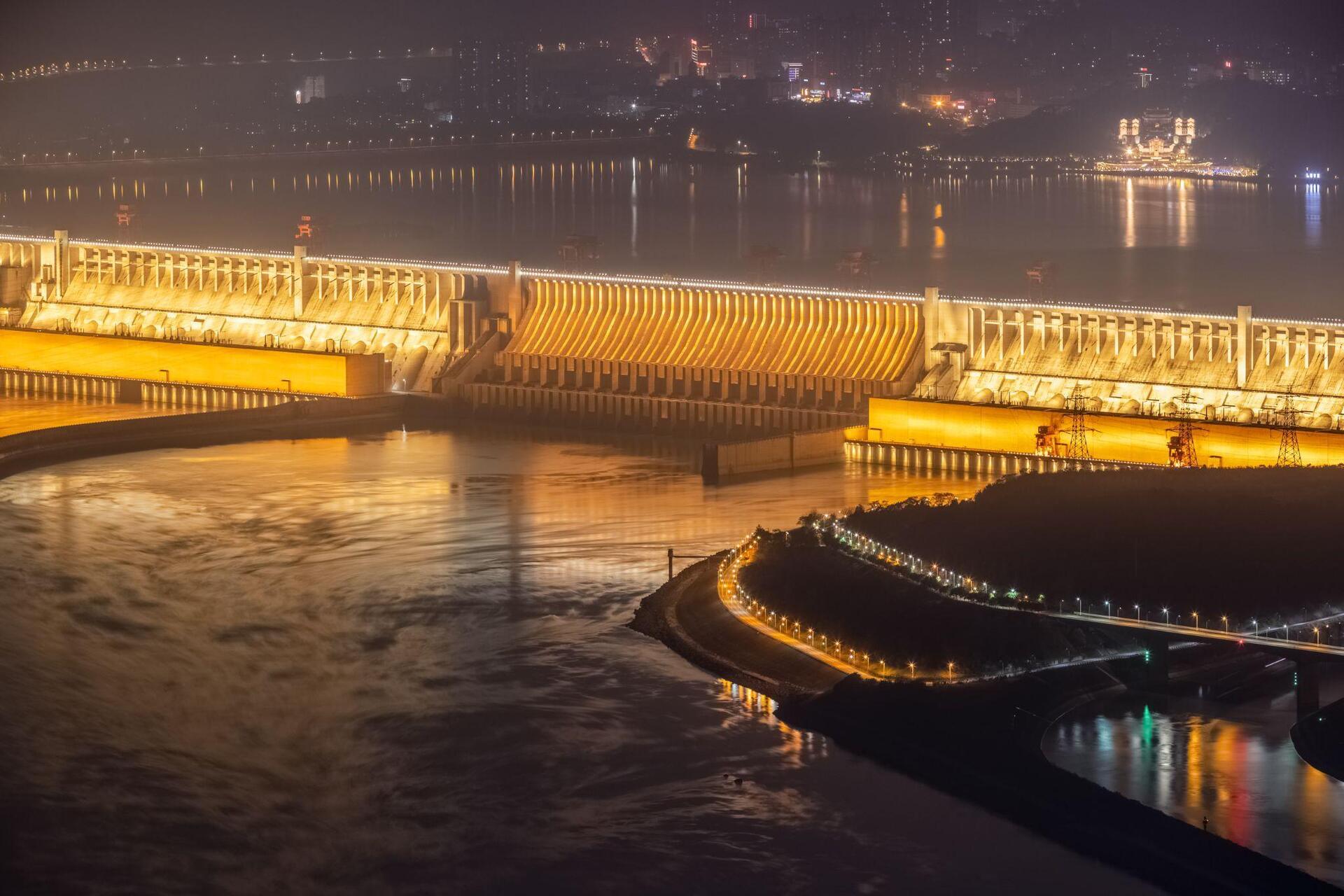
A remarkable example of how infrastructure development can transform entire economic and environmental systems is the Three Gorges Dam on the Yangtze River in China.
Measuring 1.3 kilometres across and more than 180 meters high, this monumental structure is the biggest dam in the world, designed to control flooding, generate clean energy and improve navigation along the river.
Inaugurated in the early 2000s, the Yangtze dam in China profoundly reshaped the geography of the region. It reduces flood risks for millions of people, provides renewable energy to vast industrial and urban areas, and has opened new river transport routes thanks to its system of ship lifts.
5 – Panama Canal
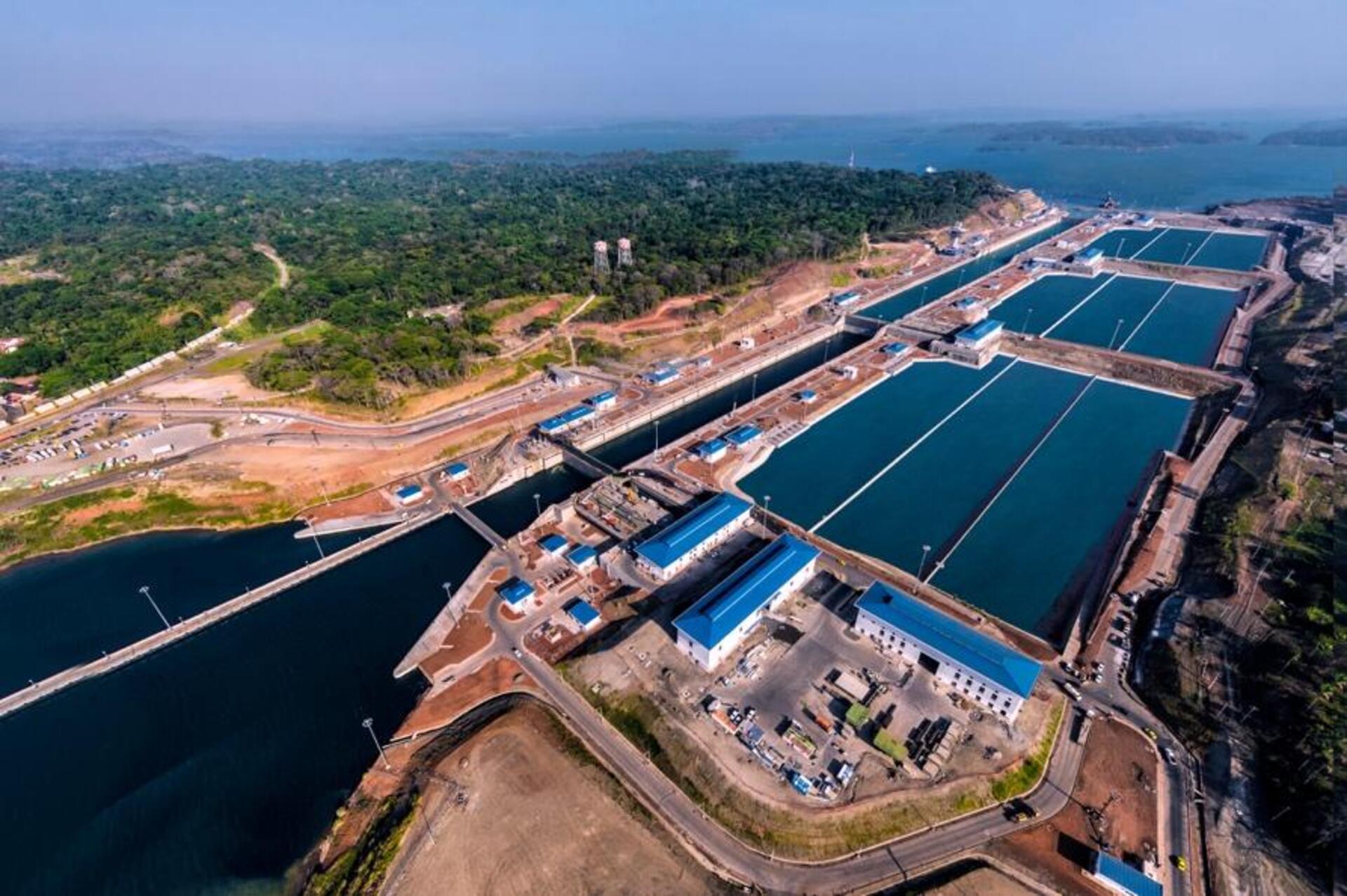
The expansion of the Panama Canal has transformed the country’s economy, boosting its GDP per capita and confirming the infrastructure as the nation’s main driver of growth.
Completed in just seven years by Webuild, the project required the excavation of 74 million cubic meters of earth. The undertaking involved 10,000 people from more than 30 countries, leaving a legacy of unique expertise in the region.
The new Panama Canal locks allow the transit of Neo-Panamax vessels carrying up to 17,000 containers. The canal now connects 170 countries and has already reduced global CO₂ emissions by 13 million tonnes.
Finally, thanks to the innovative Water Saving Basins system, the new canal recovers and reuses 60% of the freshwater required for each Panama Canal transit, preventing the loss of millions of litres of fresh water into the oceans.