


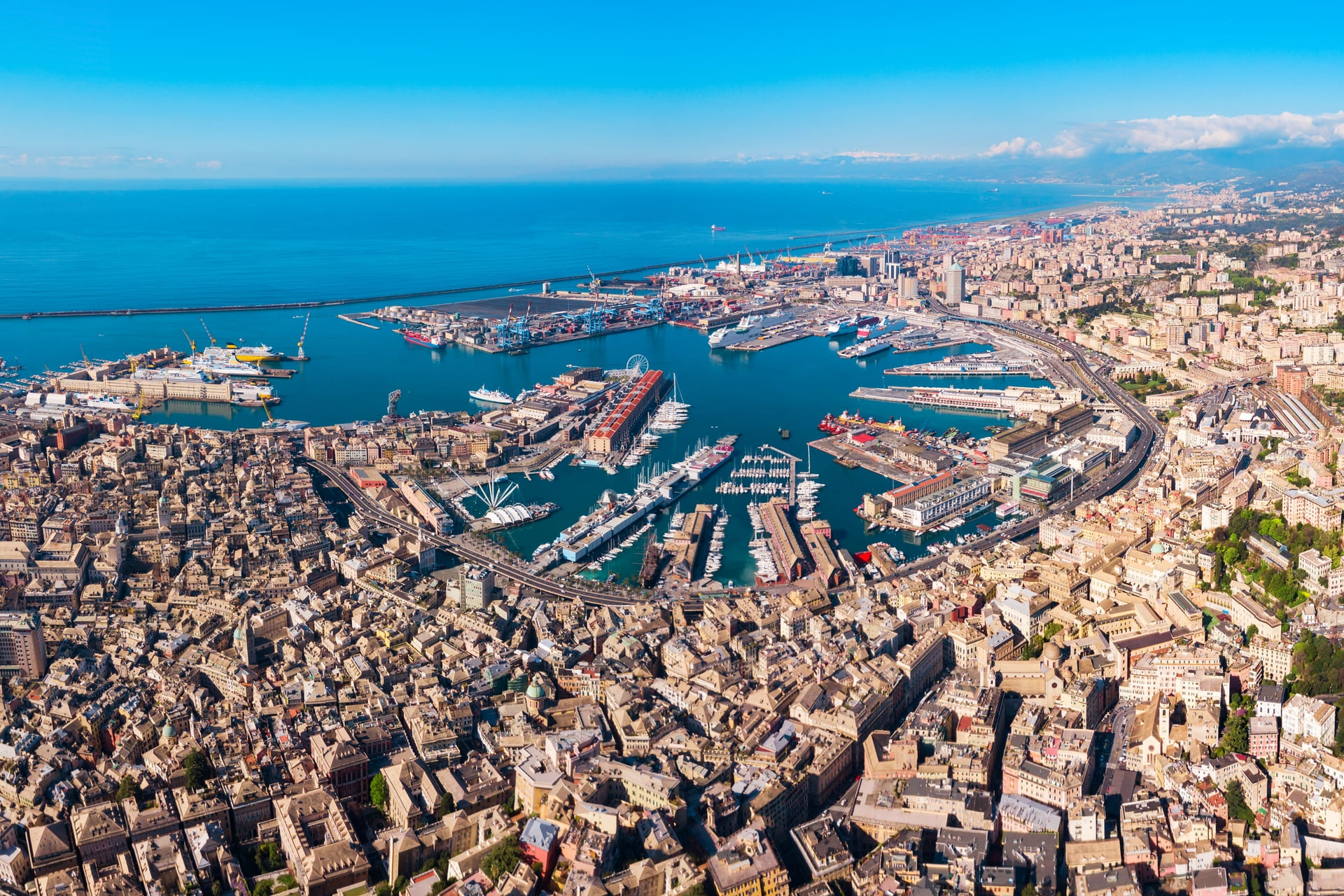
 Genoa City
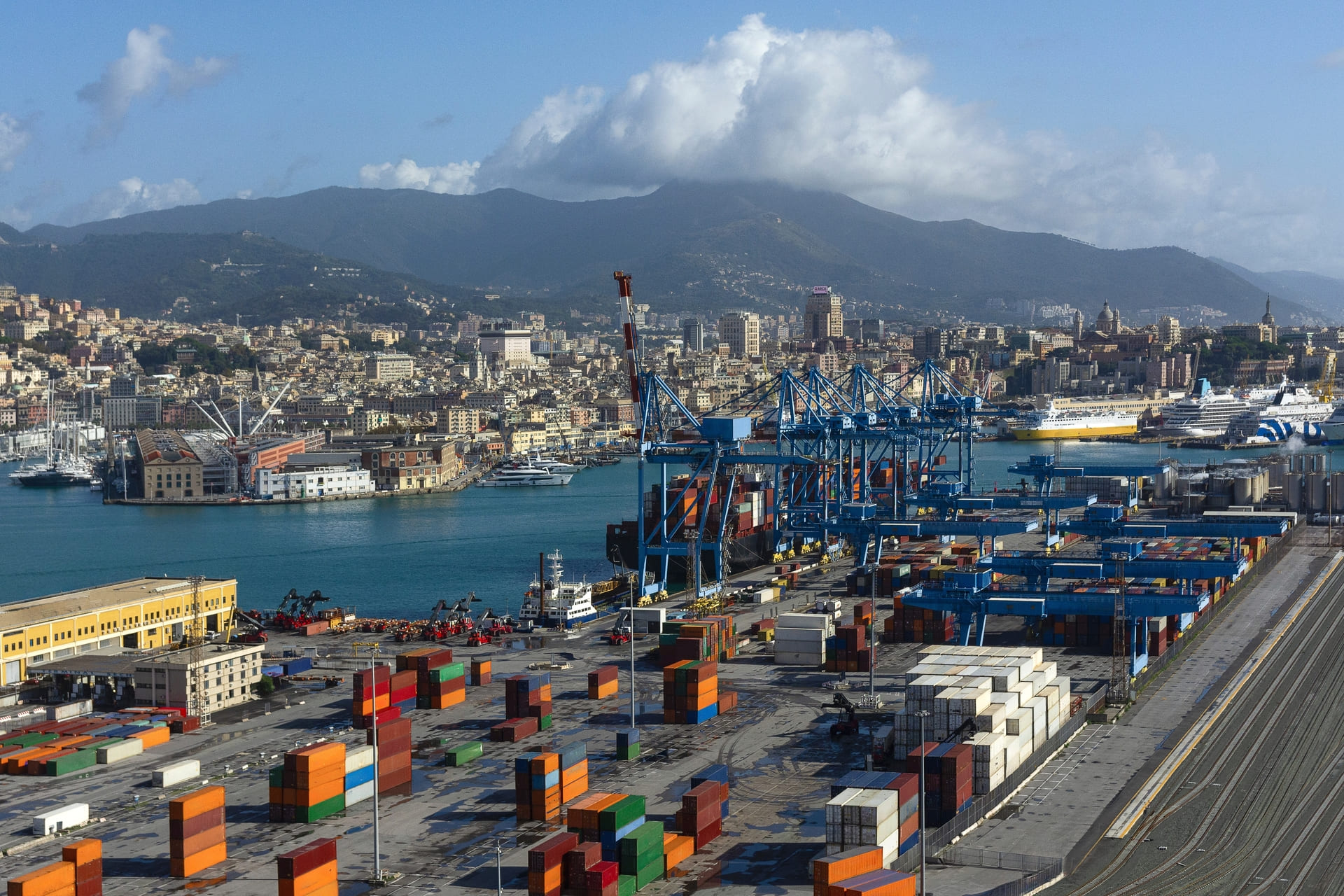 Port of Genoa
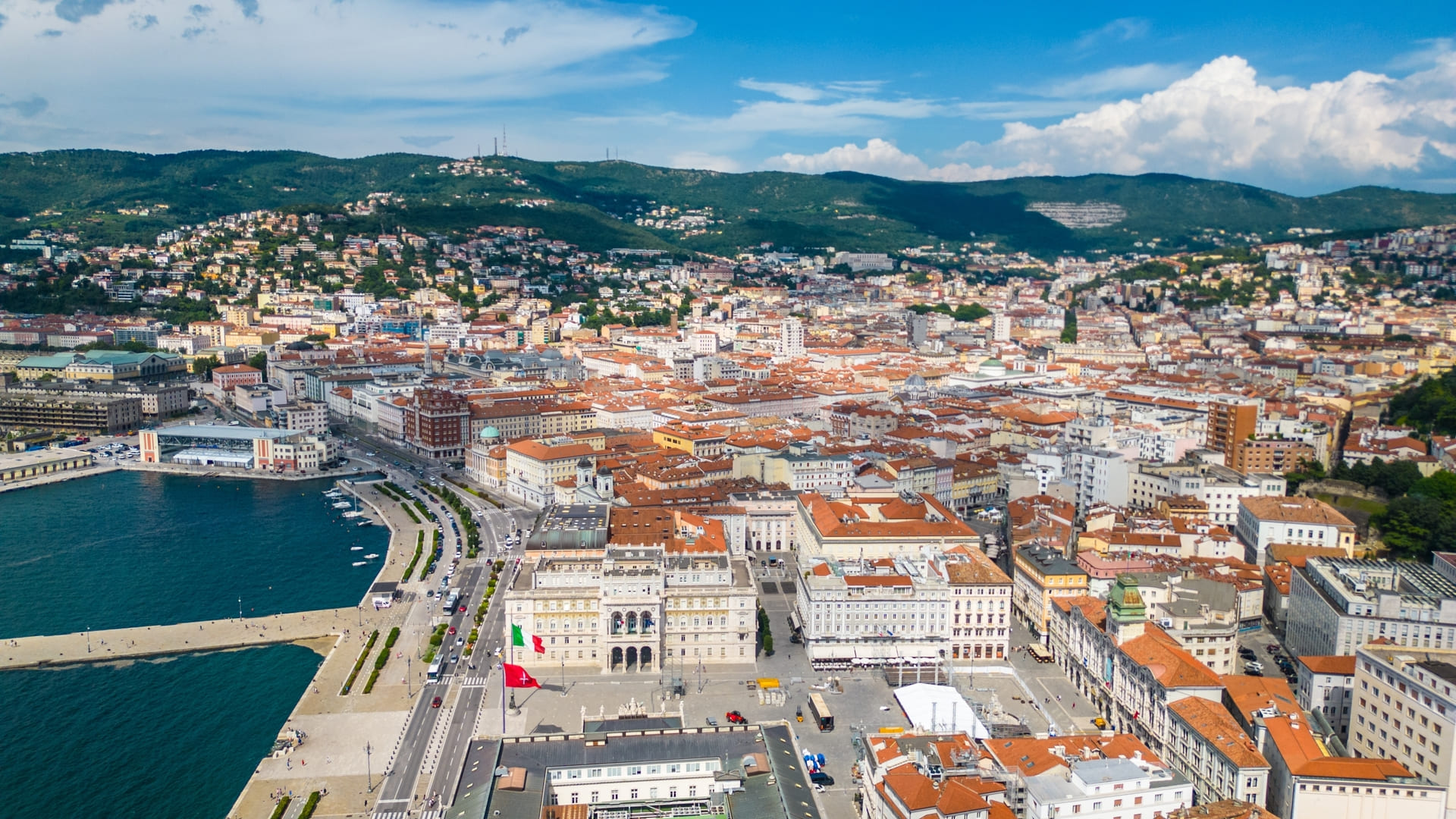 Trieste
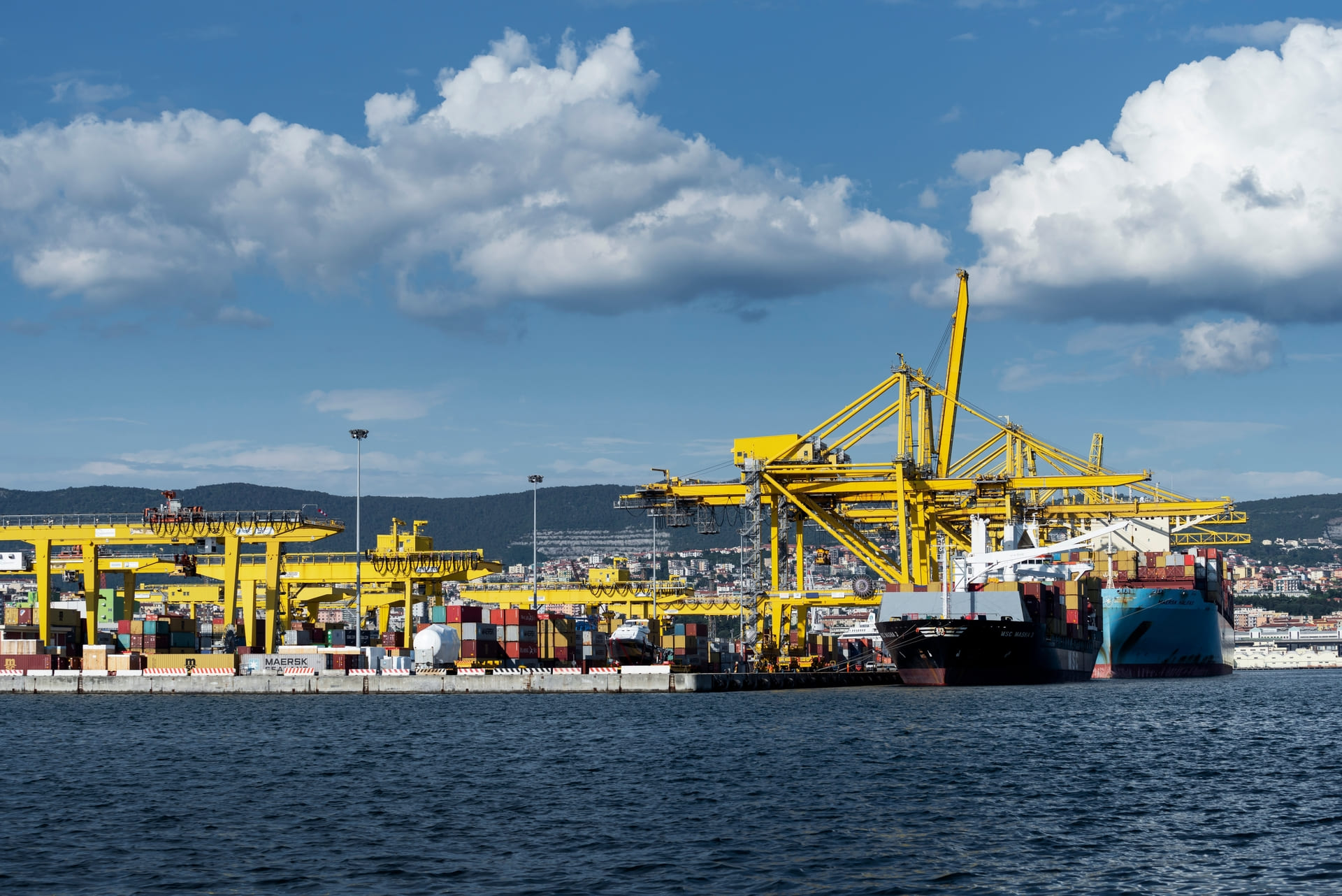 Port of Trieste
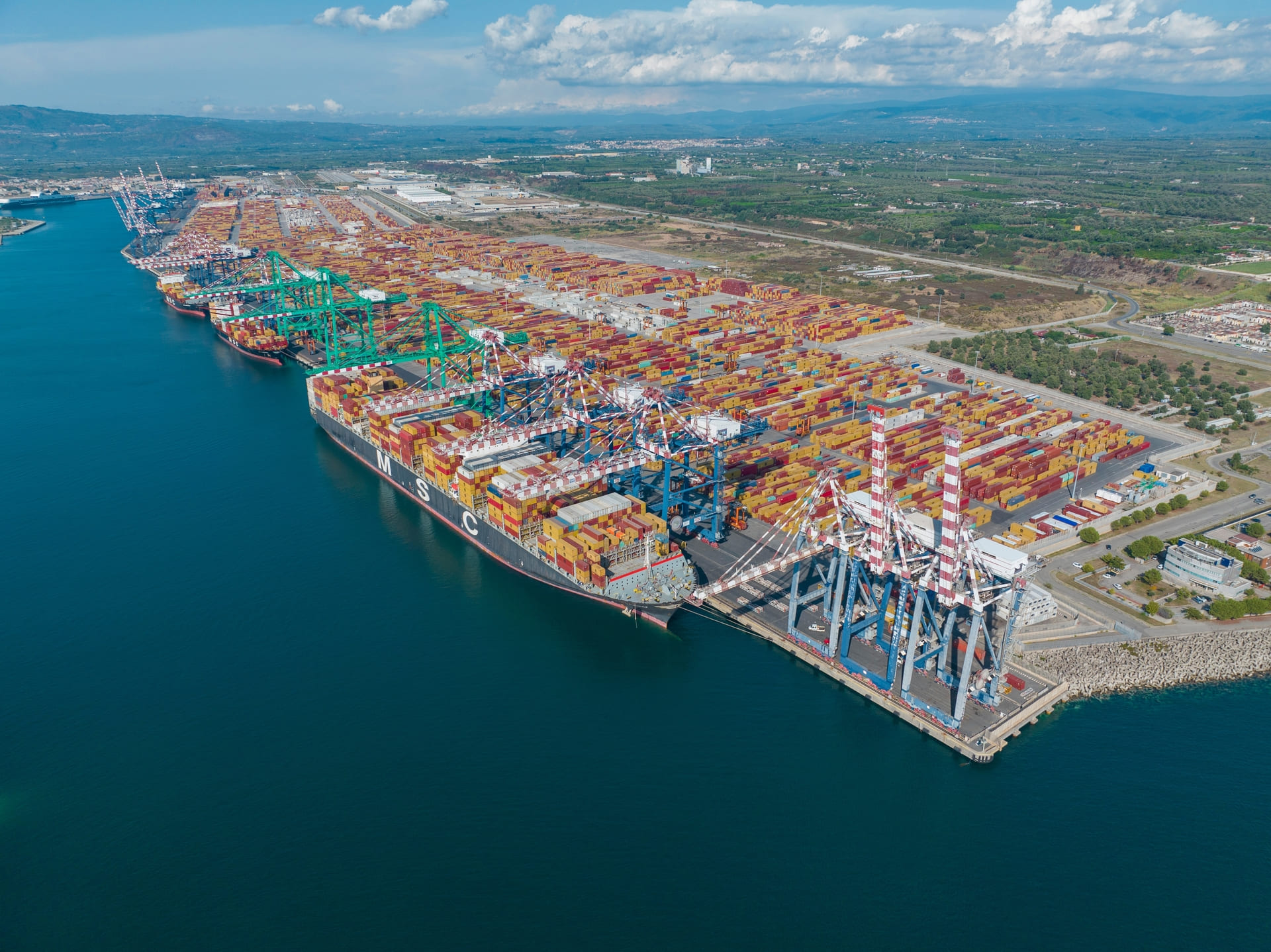 Port of Gioia Tauro
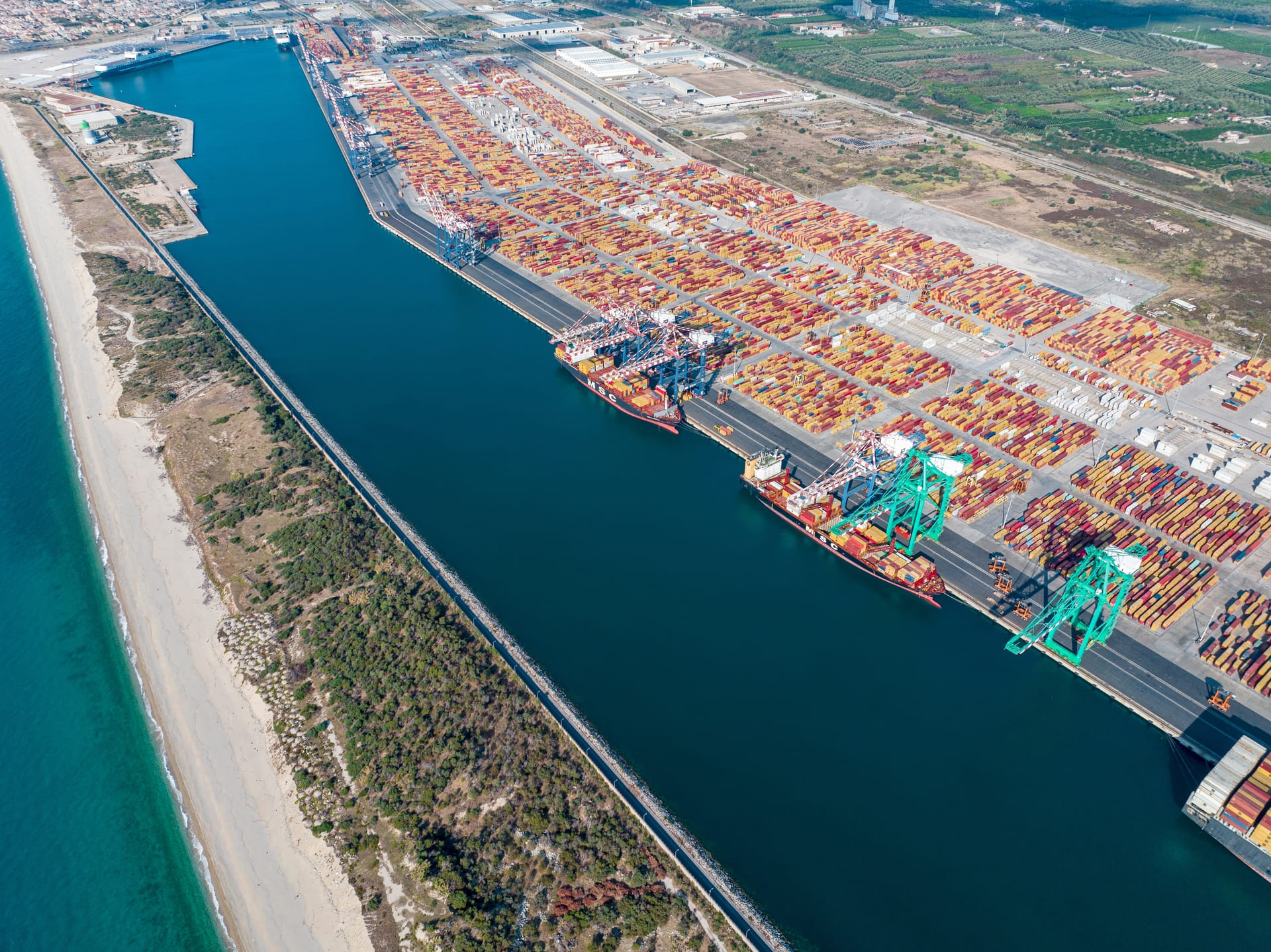 Aerial view of the Port of Gioia Tauro
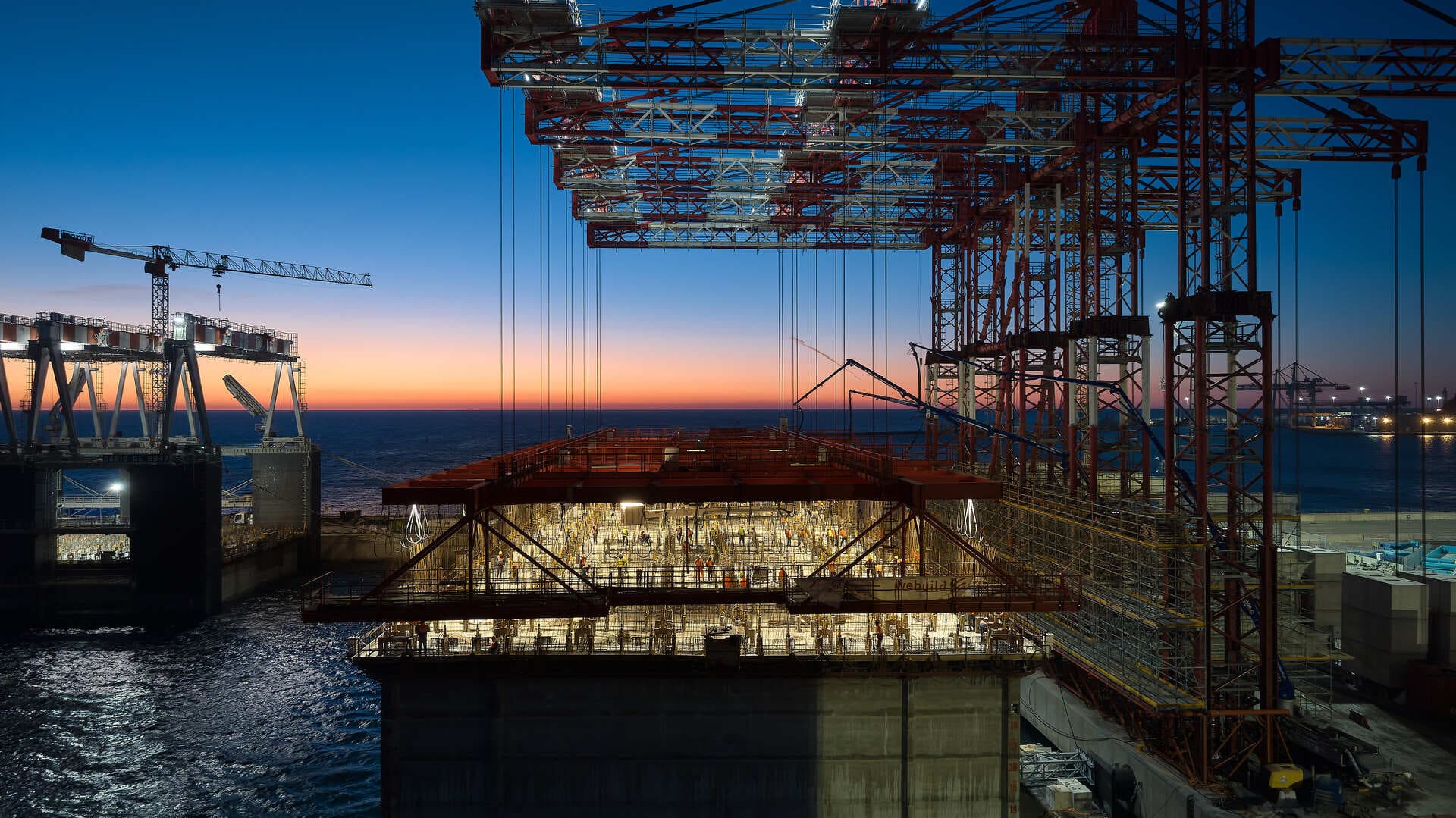 The New Breakwater of Genoa
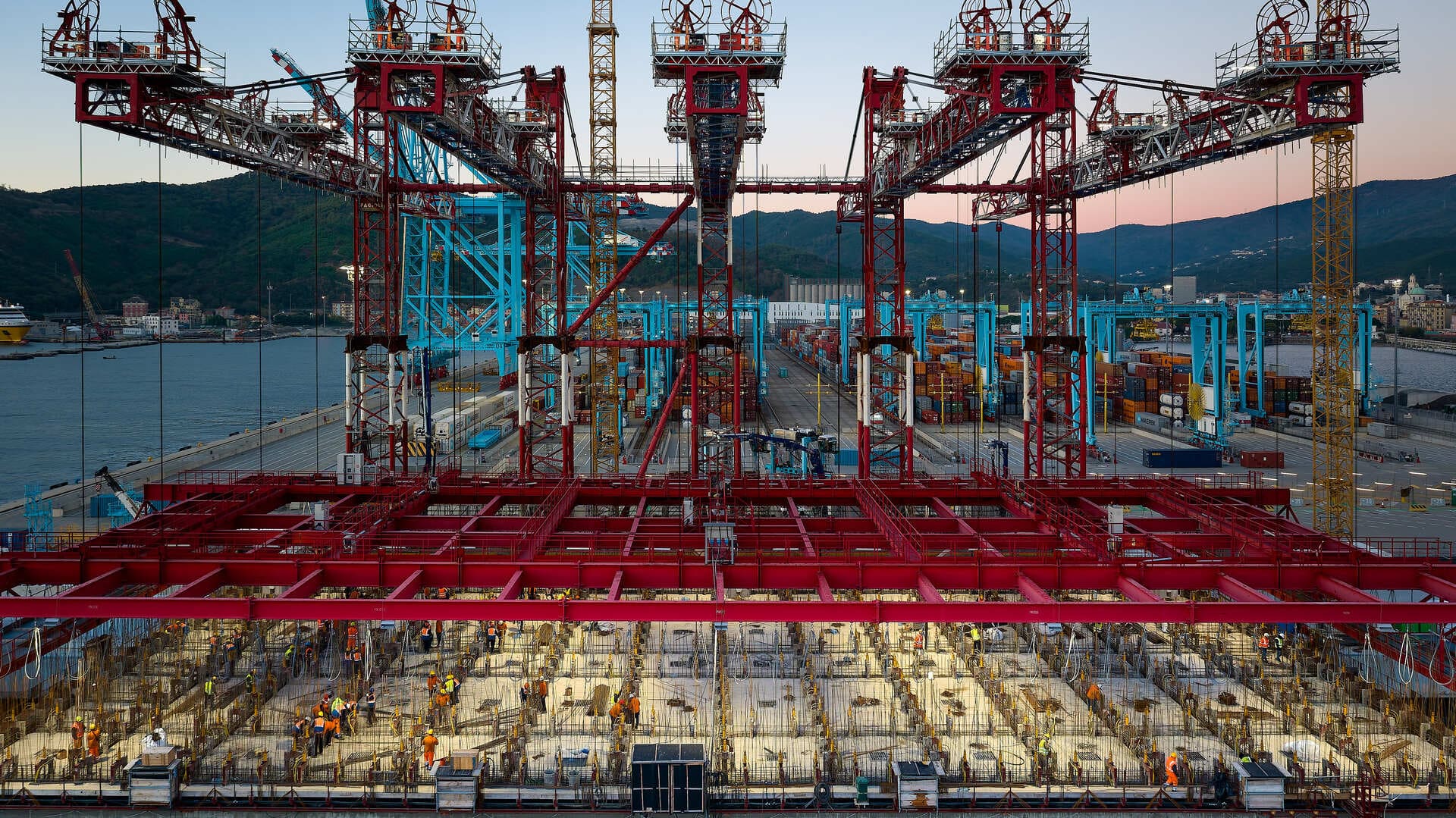 The New Breakwater of Genoa
 The New Breakwater of Genoa
 The New Breakwater of Genoa
 The New Breakwater of Genoa
 The New Breakwater of Genoa
 The New Breakwater of Genoa
 The New Breakwater of Genoa
 Cargo ship terminal
 Cargo ship terminal
- The Mediterranean is once again a strategic space, and Italy has the opportunity to turn its geographical position into a stable economic advantage
- With 480.7 million tonnes of goods, 11.9 million TEUs and over 73 million passengers, Italian ports represent one of the country’s most significant infrastructure assets
- Vessel gigantism, alliances between shipping companies and more selective routes impose higher standards. Ports now compete on the quality of the entire logistics ecosystem
- Ports are evolving into integrated platforms: advanced logistics, energy, digitalisation and high value-added services are redefining their economic role
- With the new breakwater built by the Webuild Group, the Port of Genoa is preparing to accommodate large vessels and strengthen its role as a gateway to Europe
read more


At a time of heightened concern over certain maritime routes and strategic hubs, the centrality of ports is not only a matter of infrastructure planning but also a question of economic security. The invisible geography that today underpins global economies has, in fact, boundaries drawn by shipping routes and outposts that coincide with major infrastructures capable of handling goods.
Within this geography, ports are no longer simple landing points but platforms of economic power. For Italy, this transformation carries particular significance. Positioned at the centre of the Mediterranean—a natural crossroads between Europe, Africa and Asia—the peninsula boasts one of the most articulated port networks on the continent. Today, however, the challenge is no longer purely geographical: it is systemic.
In 2024, Italian ports handled approximately 480.7 million tonnes of goods, more than 11.9 million TEUs and over 73 million passengers. These figures confirm Italy’s role among the leading European and Mediterranean port systems.
Behind these numbers lies a structural factor: over €300 billion of Italian imports and exports travel by sea. Ports are therefore the country’s true economic gateway—the point at which global trade, industry and energy intersect.
This finding emerged from Aspenia’s special report entitled “Smart Infrastructure. A Strategic Vision for Italy’s Development”, which devotes a chapter to Italian ports and their role not only in supply chains, but in Europe’s geoeconomic balance.
New Competition in Maritime Routes: Fewer Stops, Greater Efficiency
Over the past twenty years, maritime transport has undergone a radical transformation. Ships have become larger, alliances between shipping companies have strengthened, and shipping routes have been streamlined. The result is a more selective logistics system, with fewer ports of call but greater efficiency.
This means ports now compete on entirely new terms. High-performing quays are no longer sufficient. What is required is a logistics ecosystem capable of ensuring speed, reliability and strong hinterland connections. In other words, the real contest is fought on intermodality, understood as a lever for competitive advantage.
According to the Aspenia report, logistics costs account for between 8% and 12% of the final value of goods in advanced economies, with a significant share depending on land transport. This is where rail comes into play. Estimates show that integrating road and rail can reduce logistics costs by 10–20%, while improving delivery time predictability.
This is not only an economic issue, but also an environmental one: rail transport produces significantly lower CO₂ emissions than road haulage, with benefits that become crucial in the era of the energy transition. In this context, a port infrastructure connected to the rail network is no longer a coastal terminal, but a continental hub.
Trieste, Genoa, Gioia Tauro: Three Models for Italian Ports
Some Italian ports already demonstrate what it means to turn geography into economic power.
Trieste has built its competitiveness by focusing on rail: in 2024, around 54% of containers were moved by train—one of the highest shares in Europe. Genoa and La Spezia, by contrast, represent the natural gateway to Northern Italy’s production system, with a strategic role linked to connections towards Alpine crossings and Central Europe.
Finally, Gioia Tauro, with approximately 4.5 million TEUs handled, is one of the Mediterranean’s main transhipment hubs—a global platform that can evolve towards greater integration with its surrounding territory.
Three different models, but one common direction: transforming ports into advanced nodes within global value and supply chains.
From Logistics Port to “Port 6.0”
Ports are thus becoming complex ecosystems, defined as “Port 6.0”—integrated platforms where advanced logistics, digitalisation, energy and industry converge. No longer just freight transport, but also energy production and distribution, cold ironing, new fuels such as hydrogen and methanol, and high value-added services.
Looking ahead, there is already talk of “Port 7.0”, with the integration of subsea infrastructure for data and energy, digital cables and seabed monitoring systems. This marks the transition from infrastructure to geopolitical platform, where the Mediterranean is no longer merely a shipping route but a competitive space.
For Italy, the challenge is therefore clear: not simply to increase volumes, but to retain value along logistics chains—starting with the Port of Genoa.
Genoa and the New Breakwater: Rewriting the Rules of the Port
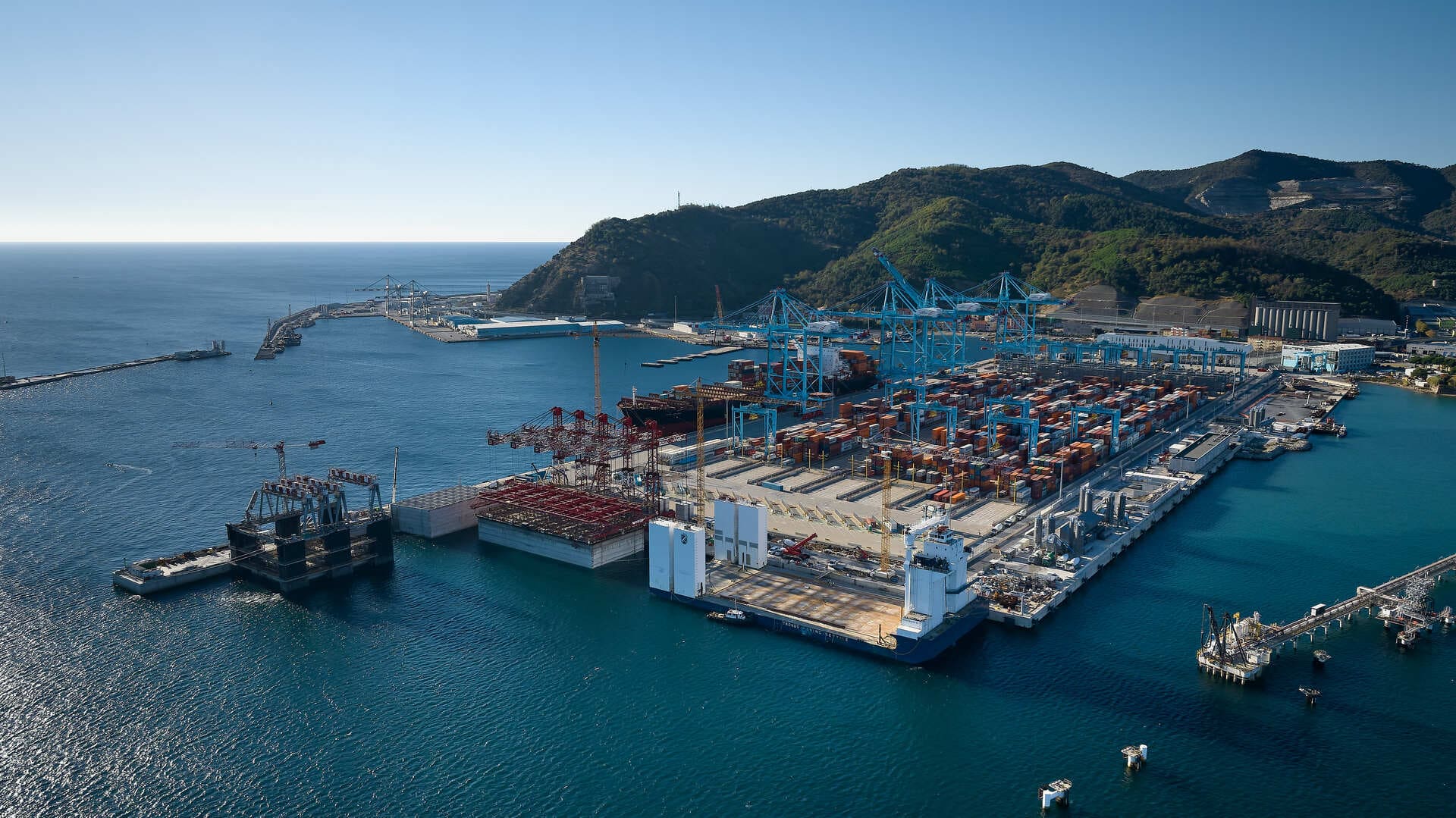
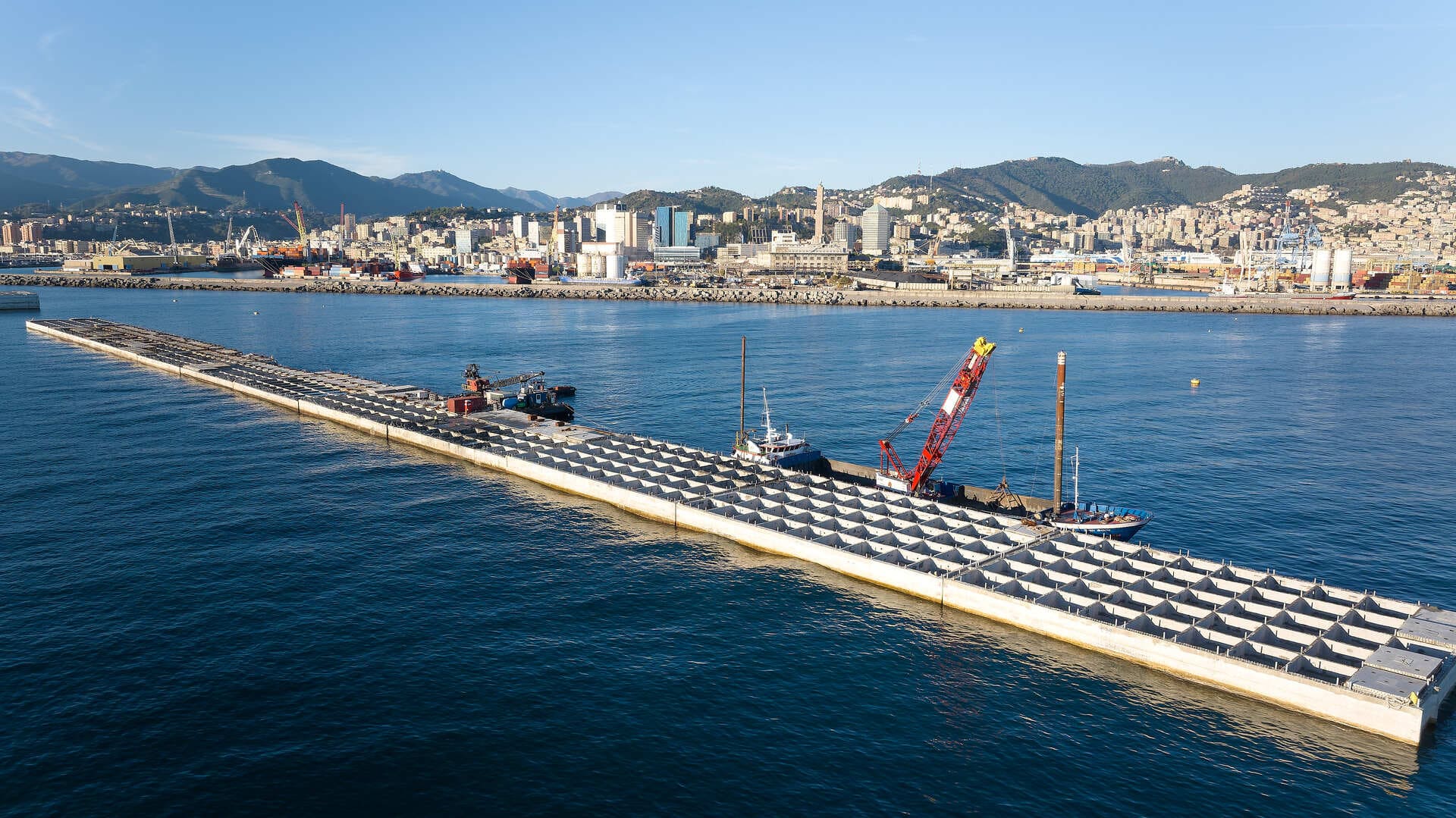
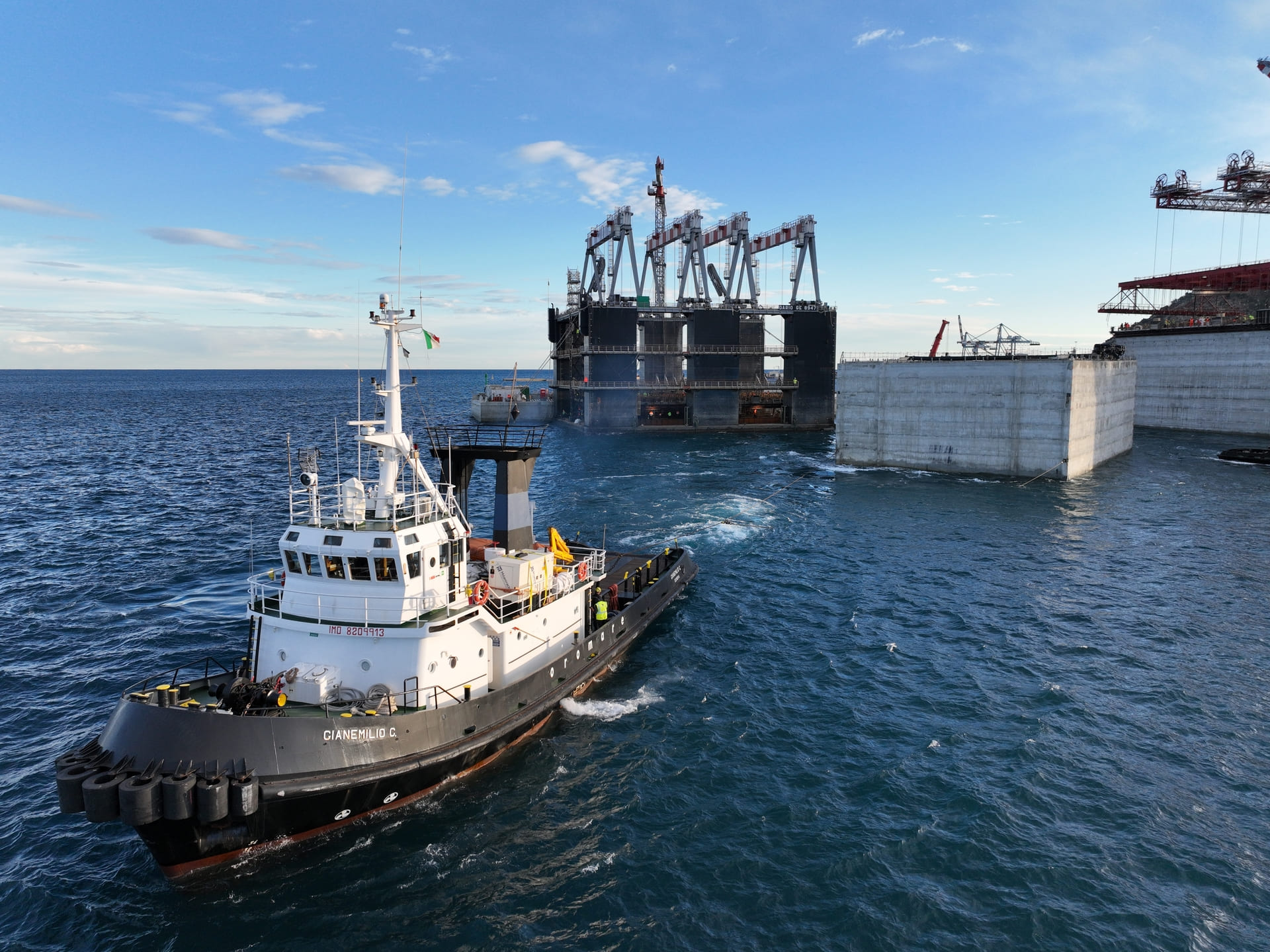
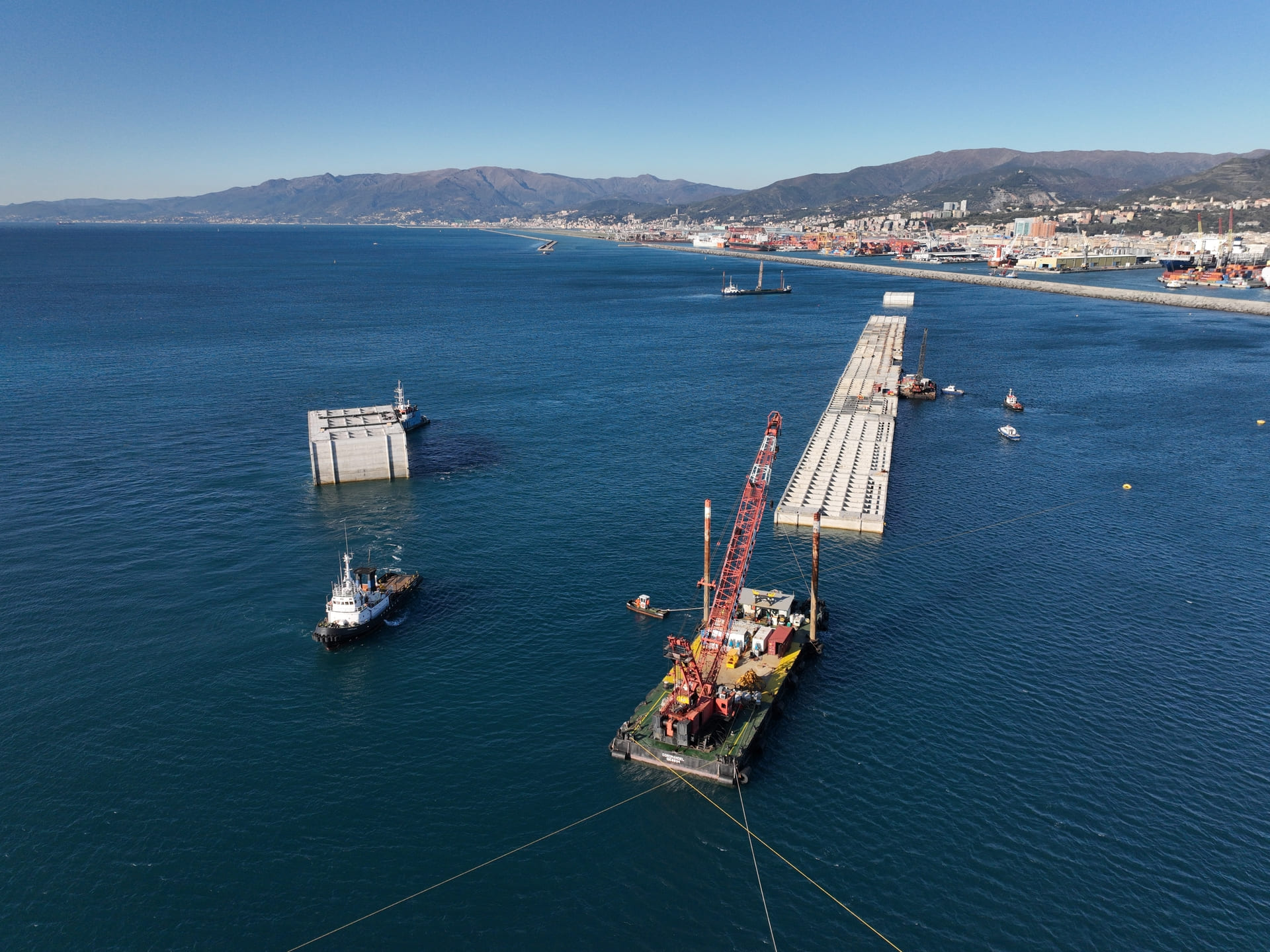
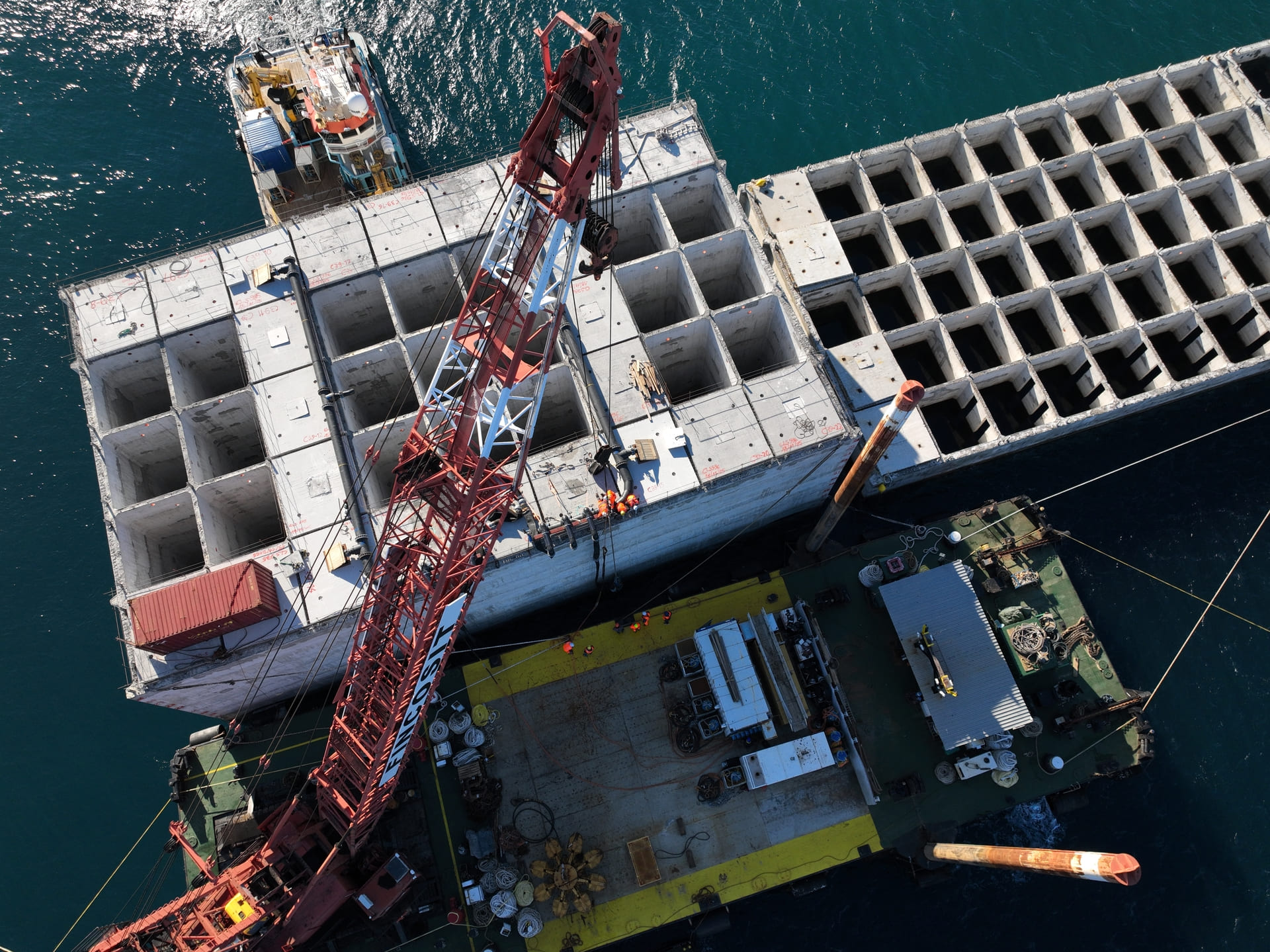
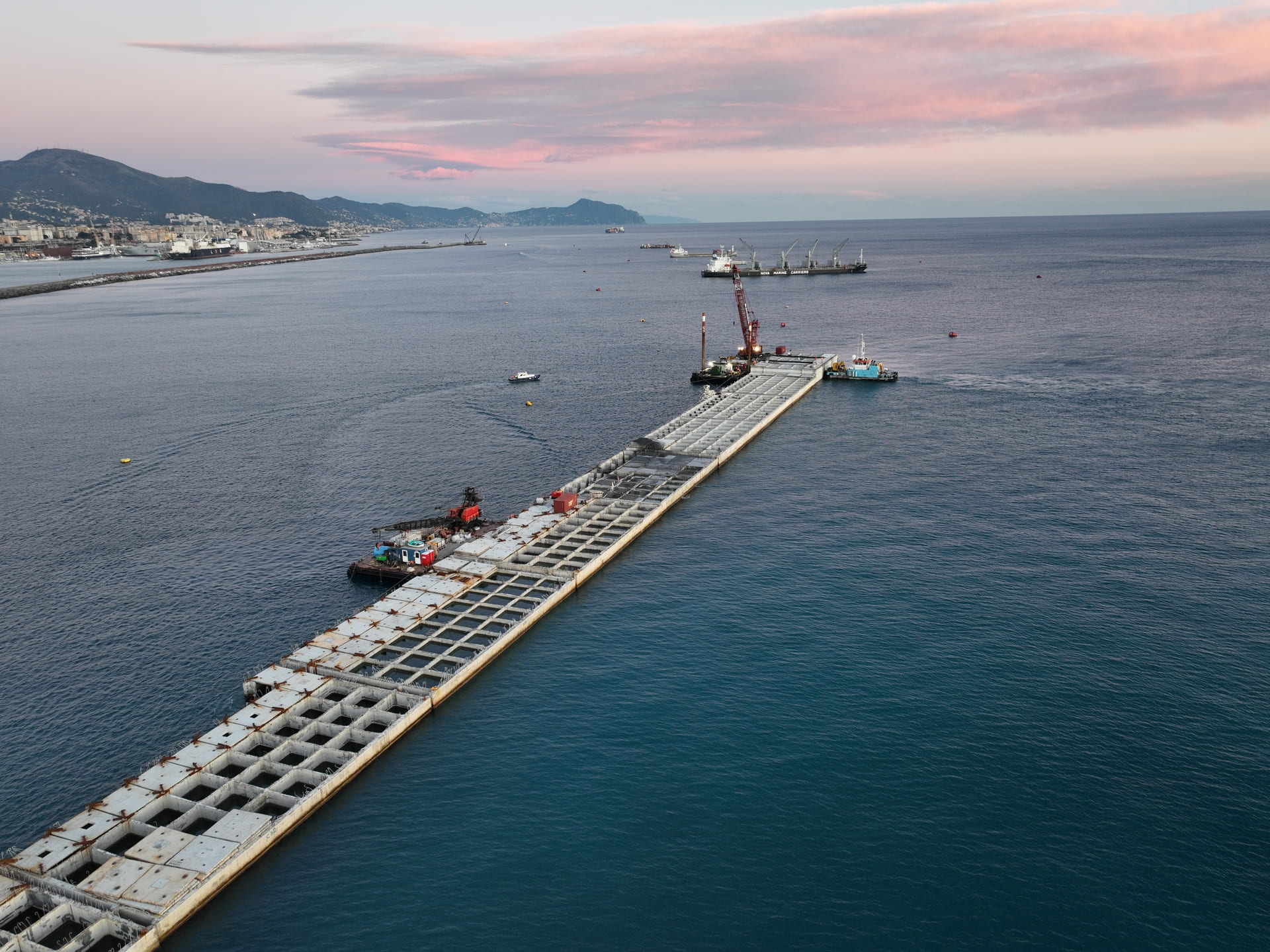
This is where one of Europe’s most ambitious projects comes into play: the new Breakwater in Genoa, built by PerGenova Breakwater Consortium led by the Webuild Group.
The infrastructure project stems from a precise need: to adapt the port infrastructure to the evolution of global shipping. Large container ships require deeper waters, wider spaces and safer manoeuvring conditions. The new breakwater will shift the port’s protective barrier further offshore, allowing access to next-generation vessels and increasing the port’s operational capacity.
The Port of Genoa will thus be able to strengthen its role as a gateway to Northern Italy and Central Europe, capturing international trade routes that currently gravitate towards other Mediterranean or Northern European hubs.
Above all, however, the breakwater forms part of a broader vision: that of a port system integrated with major land infrastructures, starting with the Terzo Valico dei Giovi—the high-speed rail line that will connect Genoa to Milan and, from there, to the rest of Europe.