

The Chokepoints Crisis and the Return to Railways
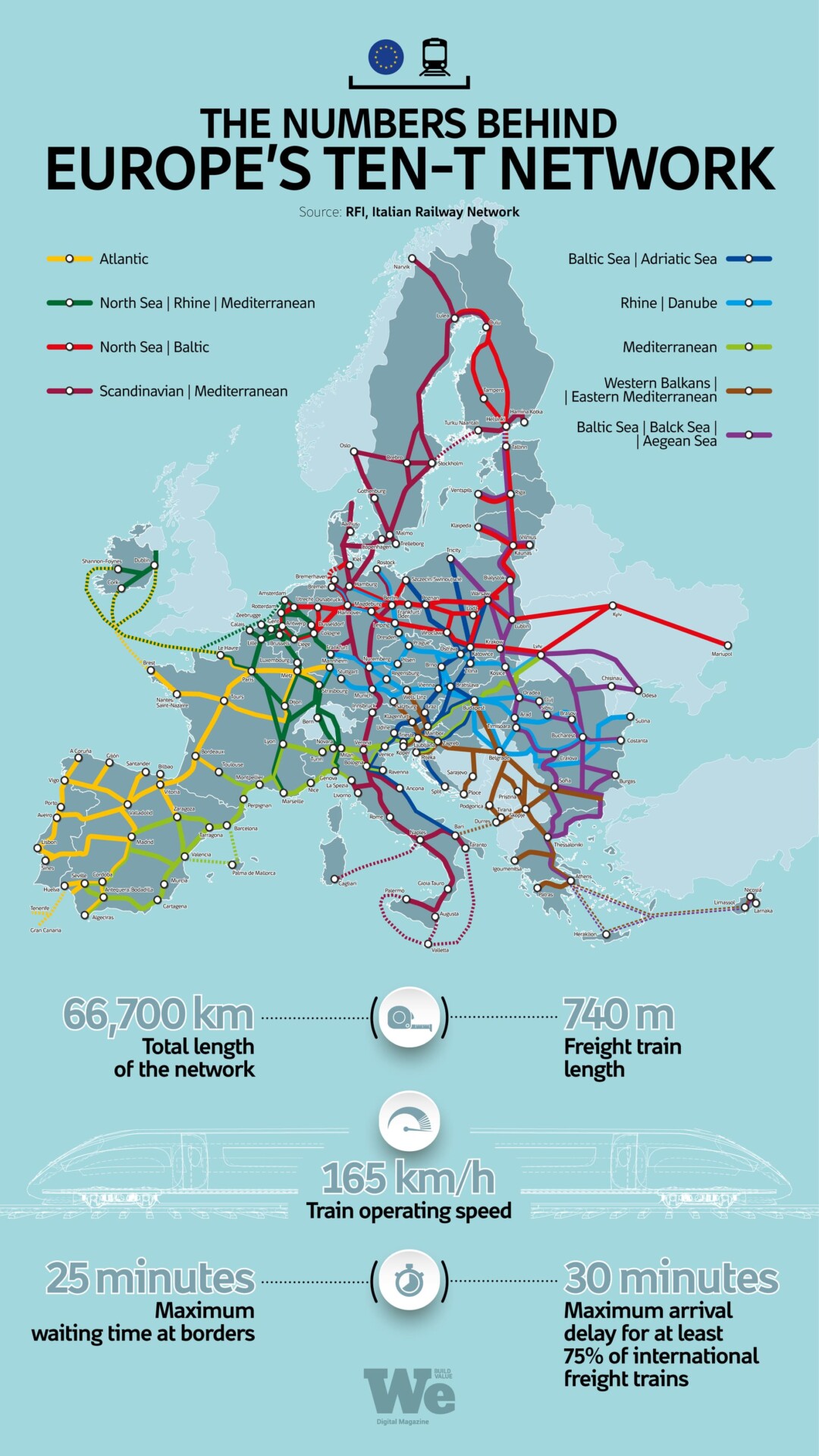
The geopolitical crisis in the Strait of Hormuz, Houthi attacks in the Red Sea, and operational difficulties in the Suez Canal are driving global trade toward major terrestrial rail corridors. Freight is once again moving along Eurasian axes and Europe’s large TEN-T corridors: the Brenner Base Tunnel, the Terzo Valico, and the Turin-Lyon line.
This marks a new geography of globalization, where resilience, security, and supply chain continuity matter just as much as transport speed and cost. In this scenario, the projects delivered by the Webuild Group are becoming strategic infrastructure for Europe.


For over thirty years, globalization moved at the slow, steady pace of maritime shipping routes. The sea was the vast, invisible highway of world trade: even today, approximately 80% of global trade volume travels by ship, traversing strategic chokepoints like the Strait of Hormuz, the Suez Canal, and Bab el-Mandeb.
Recently, however, the geography of international trade has begun to fracture.
Houthi attacks from Yemen in the Red Sea, operational difficulties along the Suez Canal, geopolitical tensions in the Persian Gulf and the crisis in the Strait of Hormuz related to the conflict in Iran have exposed the sheer vulnerability of a system built around a few mandatory choke passages.
Consequently, global trade has suddenly discovered just how fragile its logistical architecture can be. Shipping companies have rerouted vessels, raised insurance premiums, and extended transit times. Certain Asia-Europe links have reverted to circumnavigating Africa via the Cape of Good Hope, increasing travel times by up to two weeks.
It is precisely within this context that rail transport has once again become central.
According to the OECD’s International Transport Forum, global freight demand is set to more than double by 2050.
A New Silk Road: The Rail Rush Between China and Europe
In recent years, rail freight traffic between Asia and Europe has grown rapidly, transforming from a logistical niche into a strategic infrastructure of globalization.
According to data from the China State Railway Group, in 2025 the China Railway Express system exceeded 20,000 trains annually, moving approximately 2.05 million TEUs and freight with a total value of 67.7 billion dollars.
This growth was particularly impressive in the wake of the pandemic and during the maritime crises of recent years. Amid peak tensions on ocean routes, Eurasian land corridors proved to be up to three times faster than maritime shipping on China-Europe routes.
This is the reason why high-value-added goods (electronics, automotive, industrial components, technological products) are progressively returning to rail, driven by a competitive edge that is not merely financial, but primarily related to logistics. While a ship can transport massive volumes of freight at lower costs, rail offers faster transit times, greater predictability, and lower exposure to geopolitical risks.
And in a global economy built on integrated supply chains and “just-in-time” manufacturing, continuity has become just as crucial as the cost of transport.
Eurasian land corridors have proven to be up to three times faster than maritime shipping on China-Europe routes.
Global Railway Statistics
On a global scale, rail’s modal share remains lower than that of maritime and road transport, but its strategic weight is growing rapidly. According to the OECD’s International Transport Forum, global freight demand is set to more than double by 2050.
In Europe, rail freight currently accounts for about 17% of total inland traffic, yet along certain Alpine corridors, the rail share already exceeds 70% to 90%.
The figures from Swiss alpine passes clearly illustrate this transformation. Along the Gotthard Tunnel – the central axis of the Rhine-Alpine system – nearly 25 million tons of freight transited in 2021, with over 17.9 million tons transported by rail, representing a rail modal share of over 71%. Along the Simplon pass, the rail share even surpasses 90%.
The Rhine-Alpine corridor, which connects Genoa to Northern European ports, also stands as one of the continent’s primary logistical axes today. According to studies by the European Commission, total flows along this axis exceed 300 million tons of freight – numbers that explain why Europe is accelerating its strategic rail investments.
In Europe, rail freight currently accounts for about 17% of total inland traffic, yet along certain Alpine corridors, the rail share already exceeds 70% to 90%.
Brenner Pass and Brenner Tunnel: Europe’s New Gateway
The Brenner Pass is currently one of Europe’s primary logistical bottlenecks. Every year, millions of tons of freight cross this Alpine pass along the Scandinavian-Mediterranean axis – one of the fundamental corridors of Europe’s TEN-T network – but the historical rail line is nearing saturation.
This is why the Brenner Base Tunnel, currently being constructed by an international consortium led by the Webuild Group, represents far more than a major rail project. Spanning a total of 64 kilometers, it will be the longest underground rail tunnel in the world. By connecting Fortezza in Italy with Innsbruck in Austria, the Brenner Tunnel will drastically reduce Alps gradients and boost rail freight capacity. On the new alignment, passenger trains will be able to travel at speeds of up to 250 km/h, slashing travel times by 69% (from 80 down to 25 minutes).
According to the European Commission, the new axis could help shift up to 50 million tons of freight per year from road to rail. This marks a massive shift in Europe’s logistical geography because the Brenner Pass does not merely connect Italy and Austria; it links the Mediterranean to industrial Northern Europe, integrating continent-wide ports, inland terminals, and rail networks.
The new Brenner Base Tunnel could help shift up to 50 million tons of freight per year from road to rail.
Terzo Valico dei Giovi: Genoa at the Center of Europe
If the Brenner Tunnel represents the Alpine gateway to Northern Europe, the Terzo Valico dei Giovi stands as the strategic link between the Mediterranean and the industrial heart of Europe.
The project, delivered by the Cociv consortium led by Webuild and commissioned by RFI (FS Italiane Group), is an integral part of the Rhine-Alpine corridor – Europe’s busiest freight axis, a logistics system that connects the port of Genoa to Rotterdam in the Netherlands, traversing Switzerland, Germany, and the Benelux region.
The objective is clear: to enable freight arriving at Italian ports to reach European markets more rapidly. In other words: fewer trucks, more rail, reduced logistical transit times, and a greater capacity to absorb global shocks, offering a 35% reduction compared to maritime shipping times.
The Terzo Valico dei Giovi strengthens the Rhine-Alpine corridor, transforming Genoa into a European logistical hub.
The Turin-Lyon Line and the New Freight Geography
The Turin-Lyon line is also part of this global logistics transformation.
The approximately 57.5-kilometer Mont Cenis tunnel represents one of the key elements of the Mediterranean corridor within Europe’s TEN-T network. It is destined to connect the Iberian Peninsula, France, Northern Italy, and Eastern Europe, ensuring a greater road-to-rail modal shift and boosting freight capacity. Furthermore, it will allow the passage of trains weighing up to 1,500 tons—compared to the current 600–700 tons – with environmental benefits estimated at one million tons of CO2 avoided each year.
The underlying principle is the same one guiding the Brenner Tunnel and the Terzo Valico: eliminating steep Alps gradients — which characterise the current Fréjus Tunnel — to make rail transport more competitive, efficient and faster compared to road transport.
The impact of developing land corridors on the European economy is also reaffirmed by the Aspen Institute. In a special issue of Aspenia titled “Smart Infrastructures: A Strategic Vision for Italy’s Development,” the institute underscores the highly strategic role of mega-projects like the Turin-Lyon line, the Brenner Base Tunnel, and the Terzo Valico dei Giovi.
“The combination of interventions funded by national and EU capital,” the magazine’s special issue notes, “demonstrates how a favorable geographical position paired with modern infrastructure can transform Italy into an effective logistical and manufacturing hub for flows to and from the Indo-Pacific, tangibly supporting the growth of commercial trade volumes.”
Because in this new era of global supply chains, the issue is not merely speed, but resilience. And it is precisely for this reason that major land corridors have once again become strategic: infrastructure capable of guaranteeing continuity for commercial flows, even when the sea grinds to a halt.
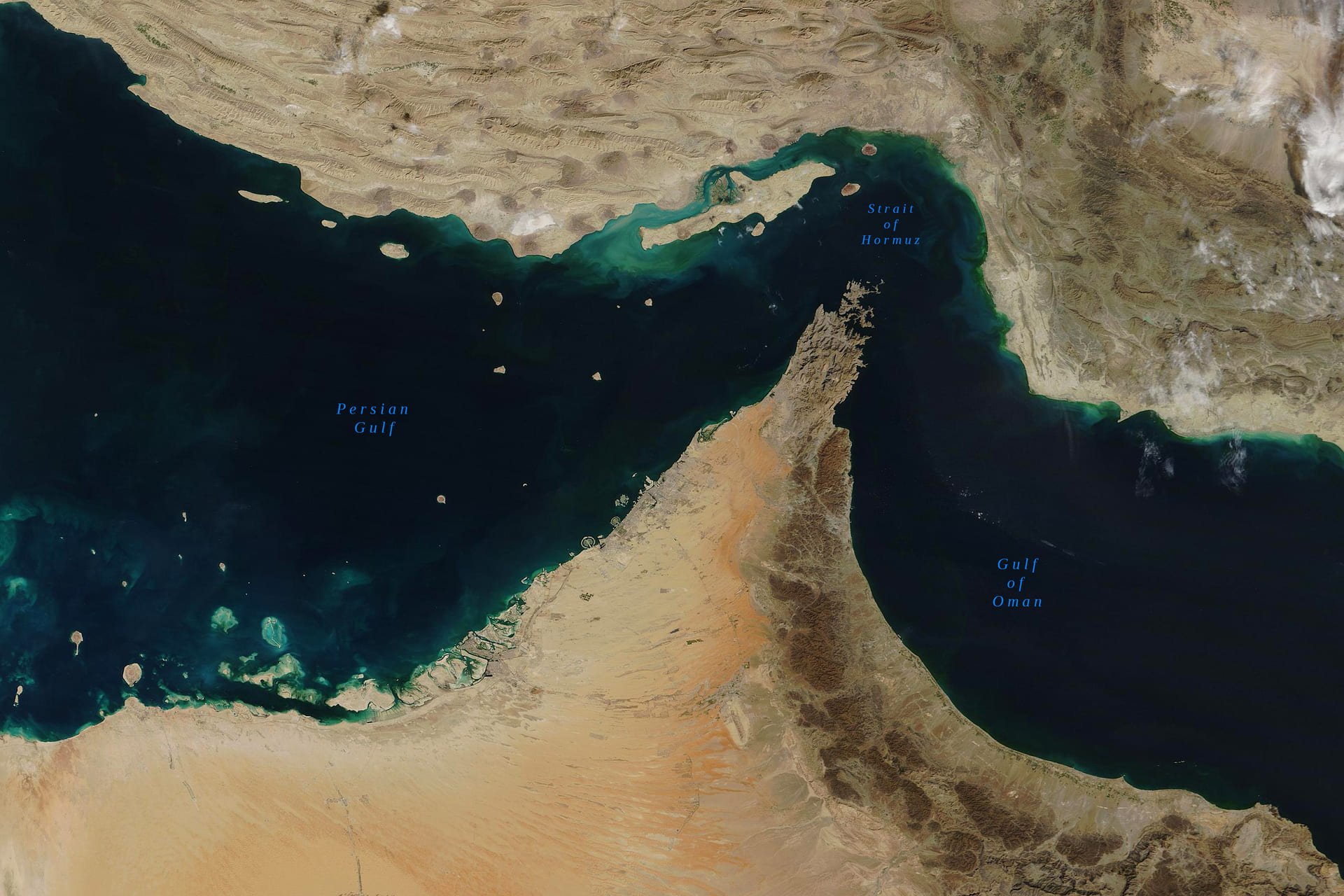 Strait of Hormuz
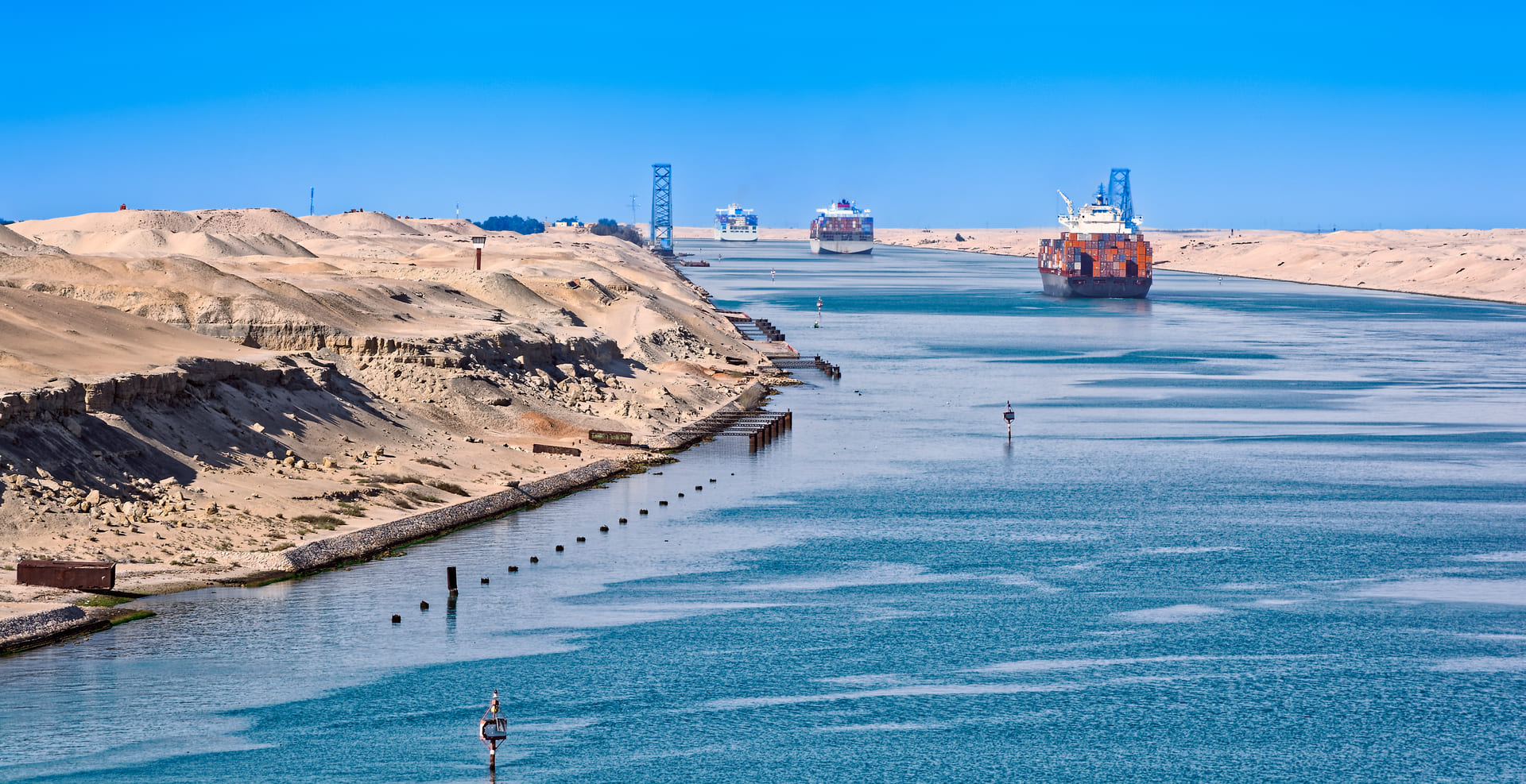 Suez Canal
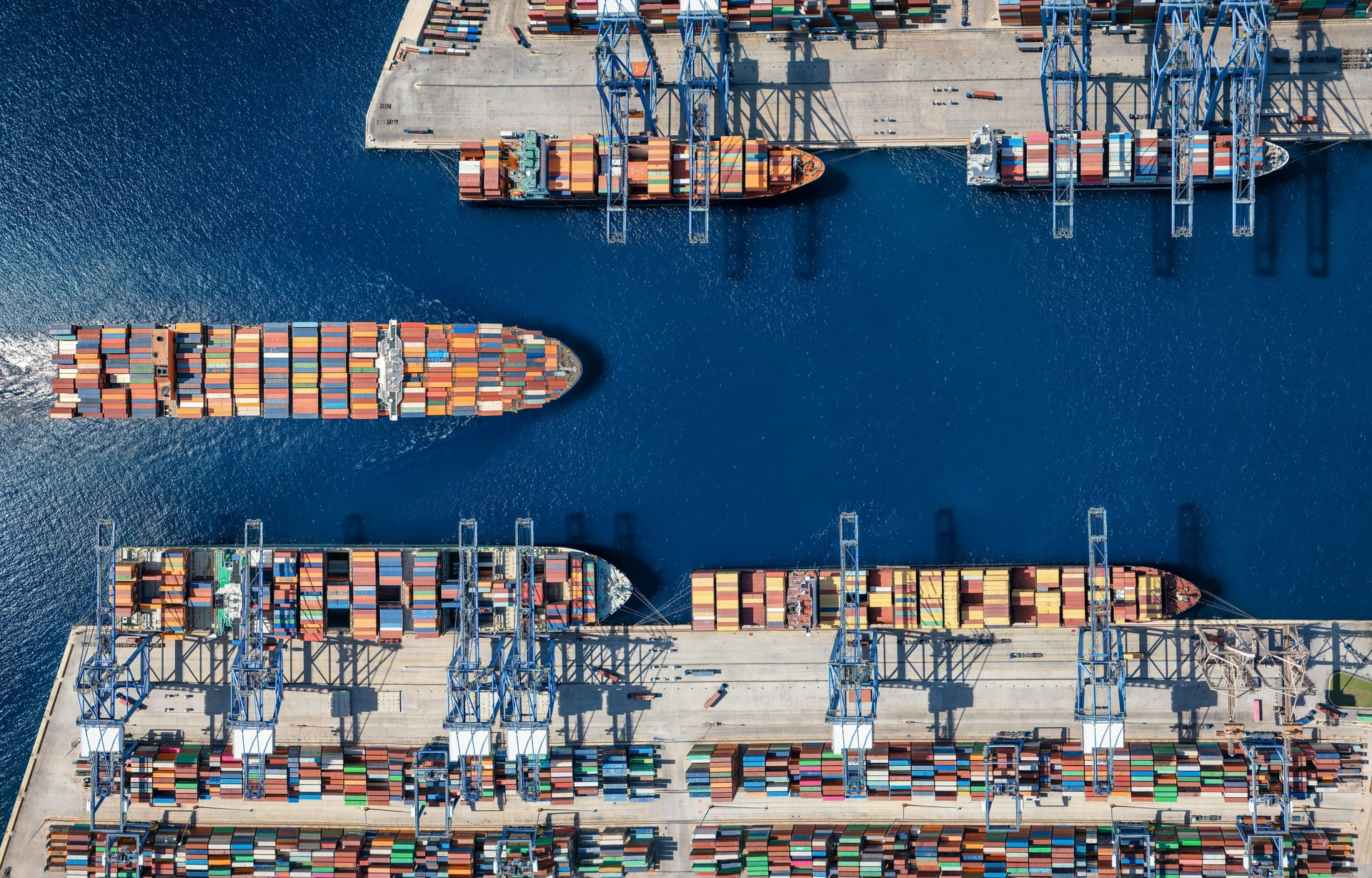 Cargo Terminal
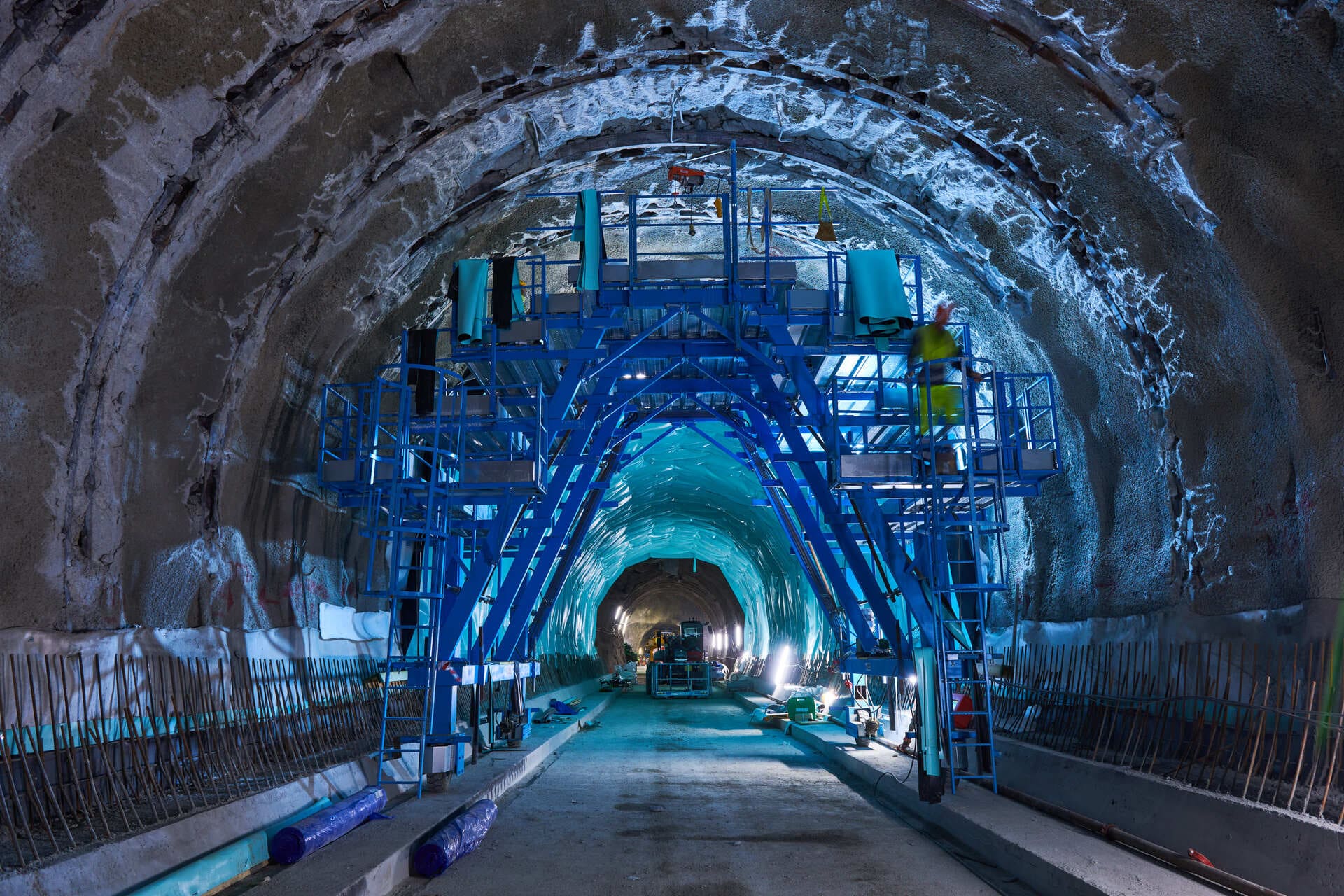 Brenner Base Tunnel construction site, Italy-Austria
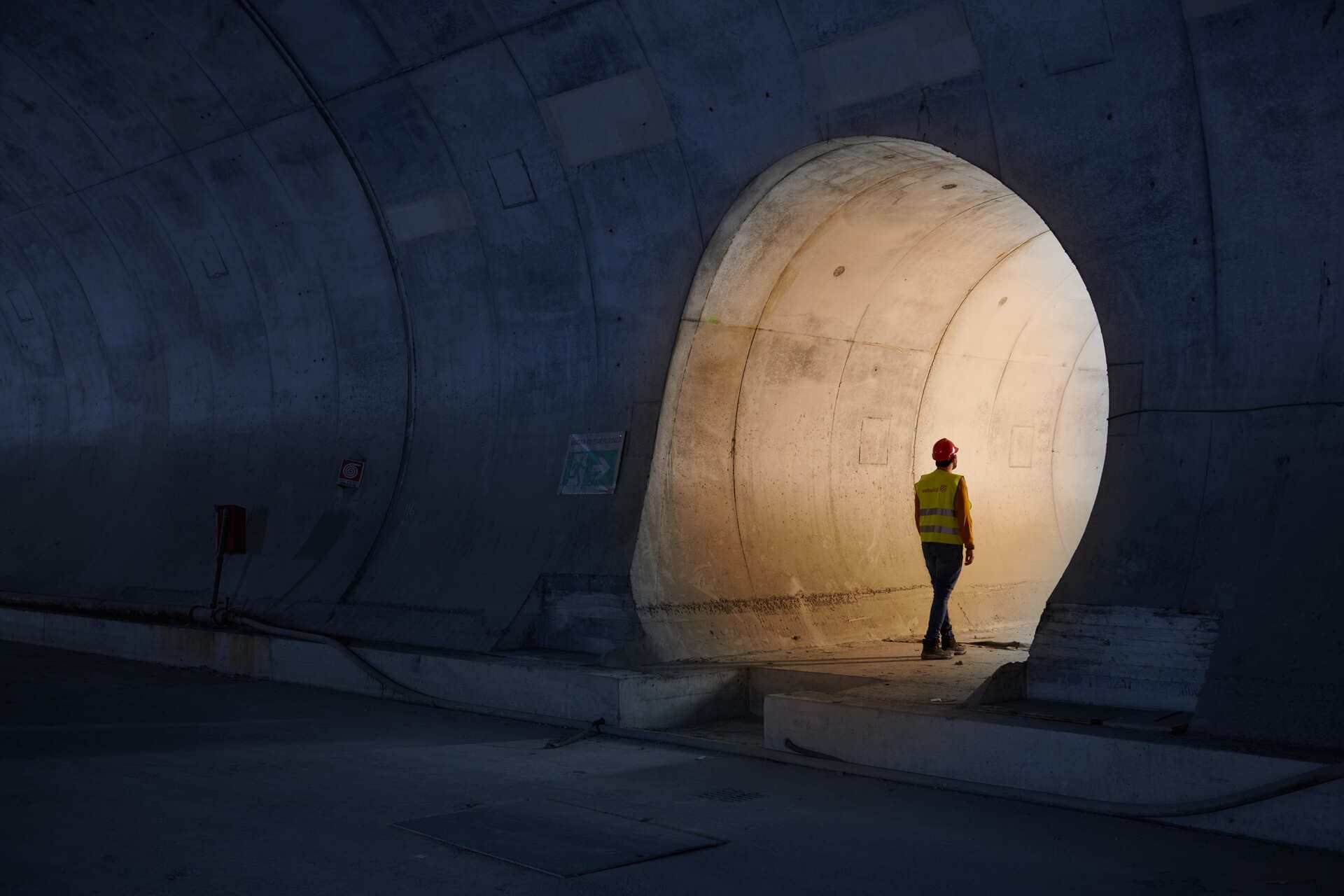 Brenner Base Tunnel construction site, Italy-Austria
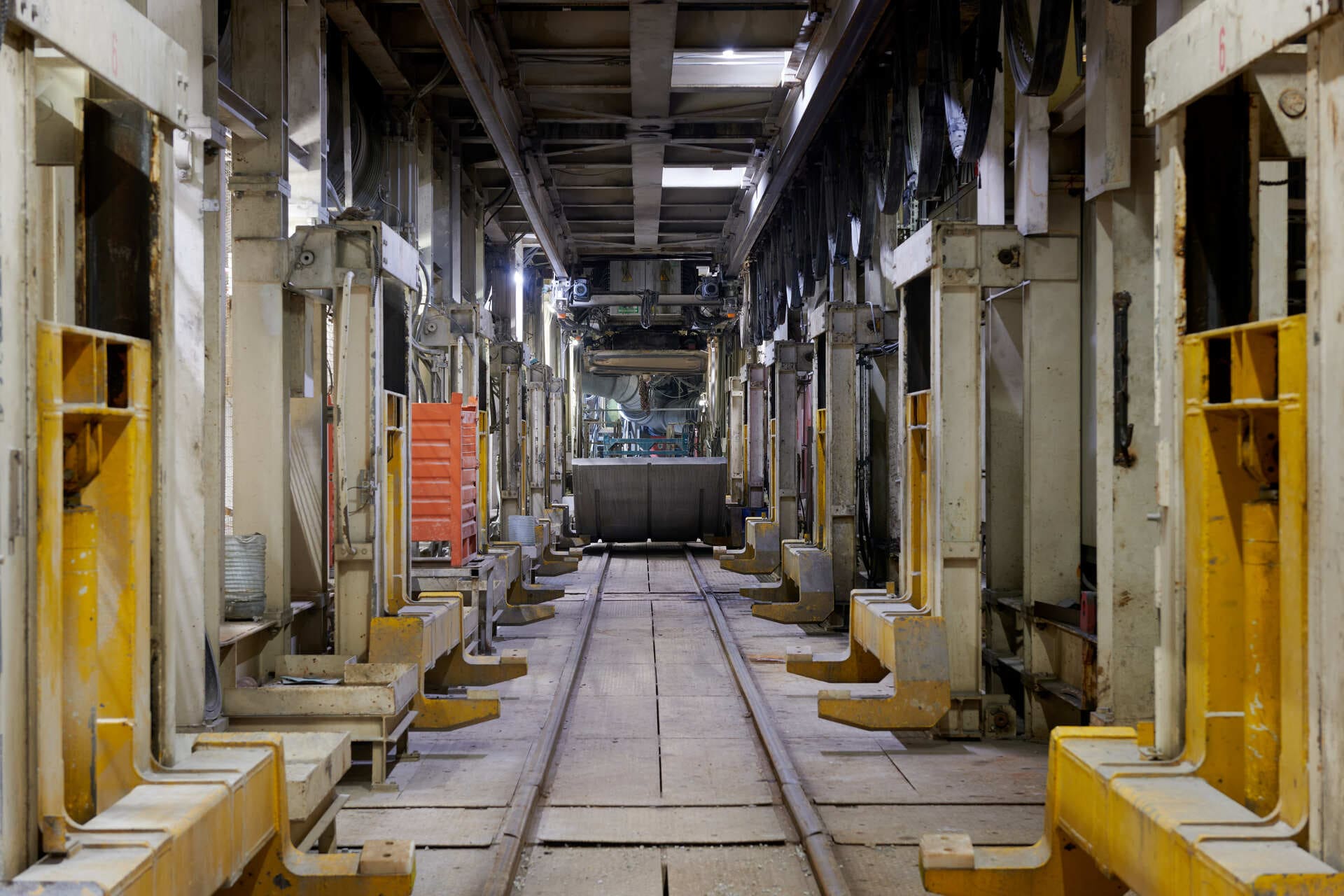 Brenner Base Tunnel construction site, Italy-Austria
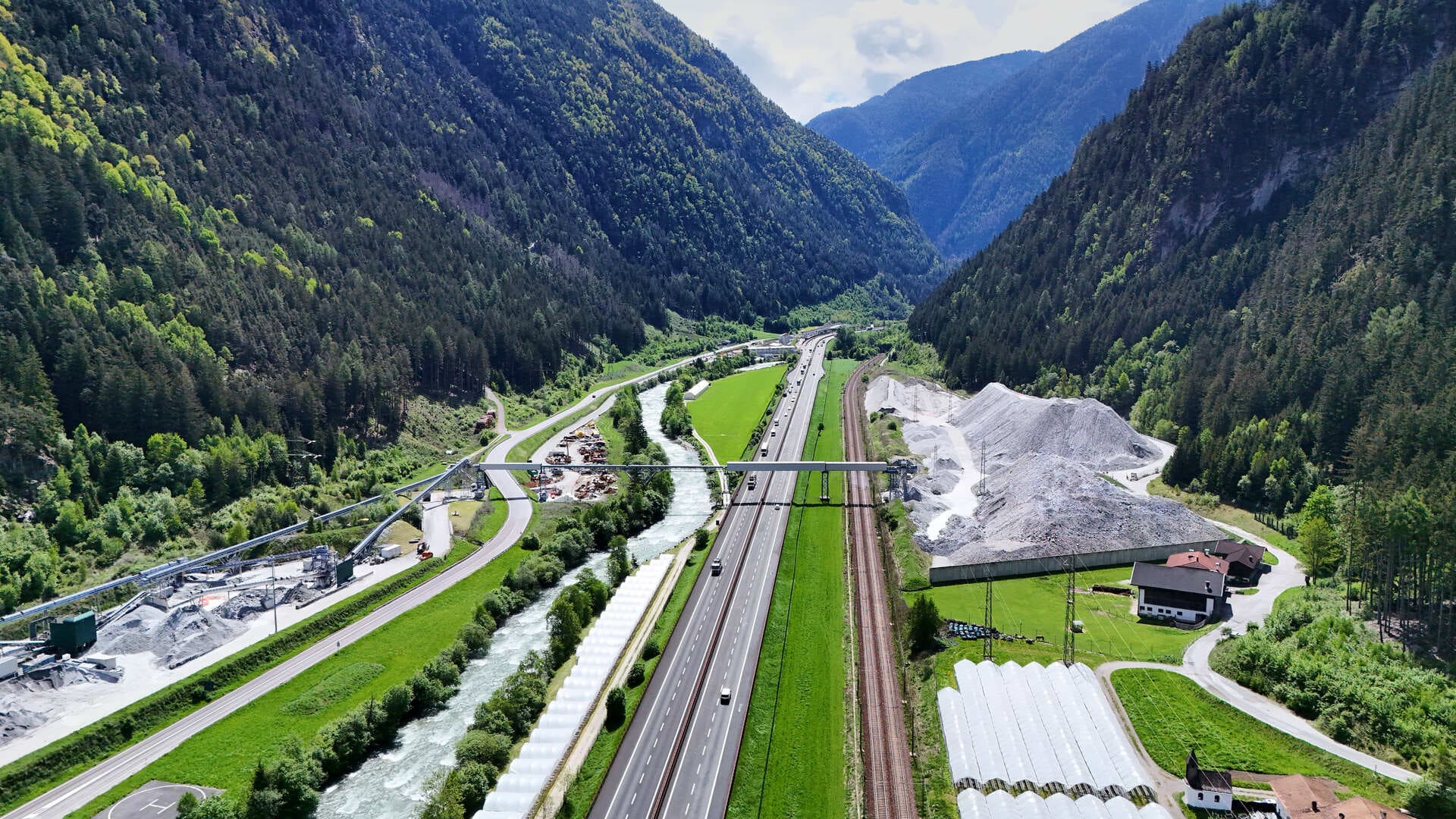 Brenner Base Tunnel construction site, Italy-Austria
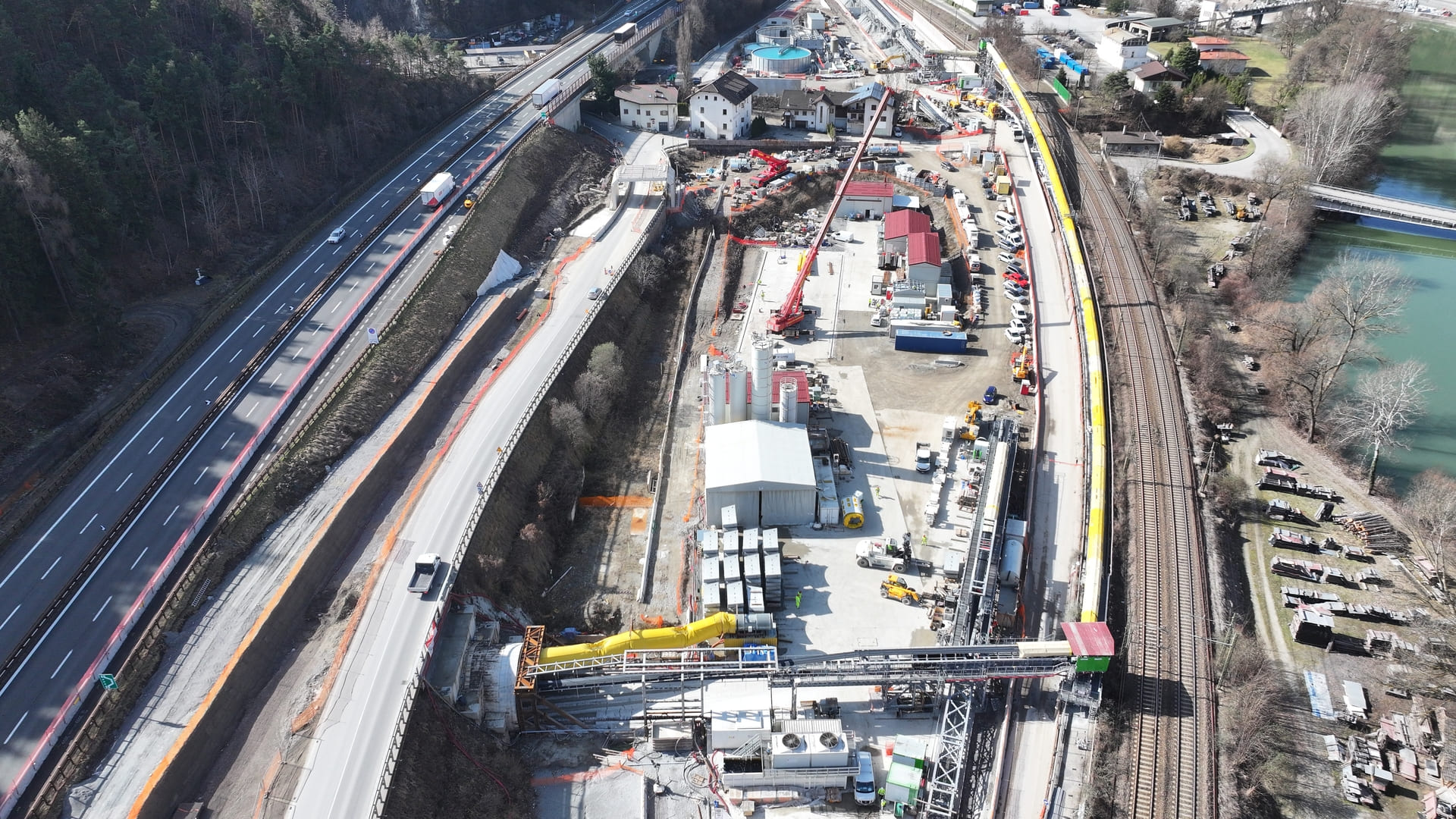 Brenner Base Tunnel construction site, Italy-Austria
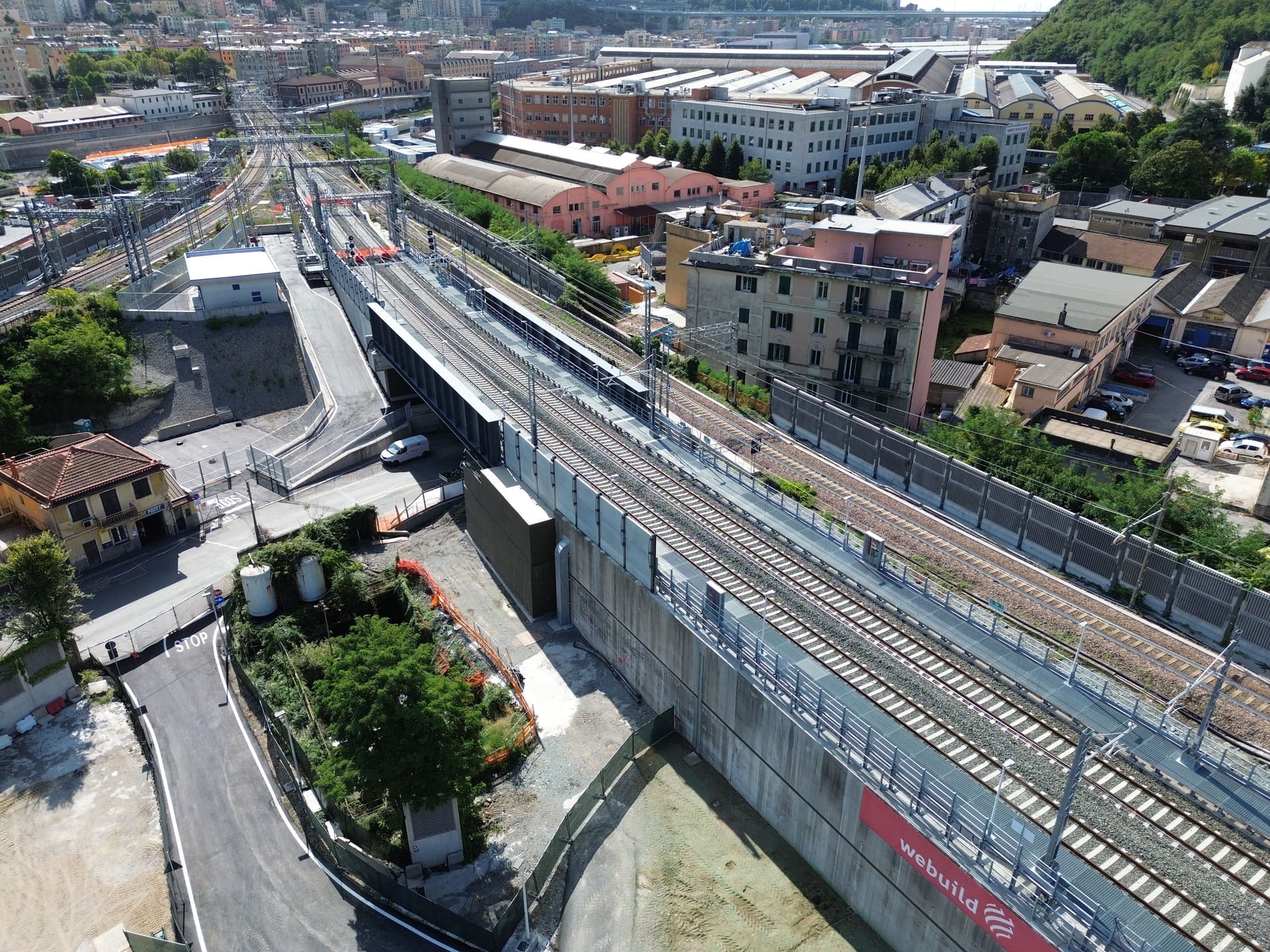 Terzo Valico dei Giovi construction site, Liguria
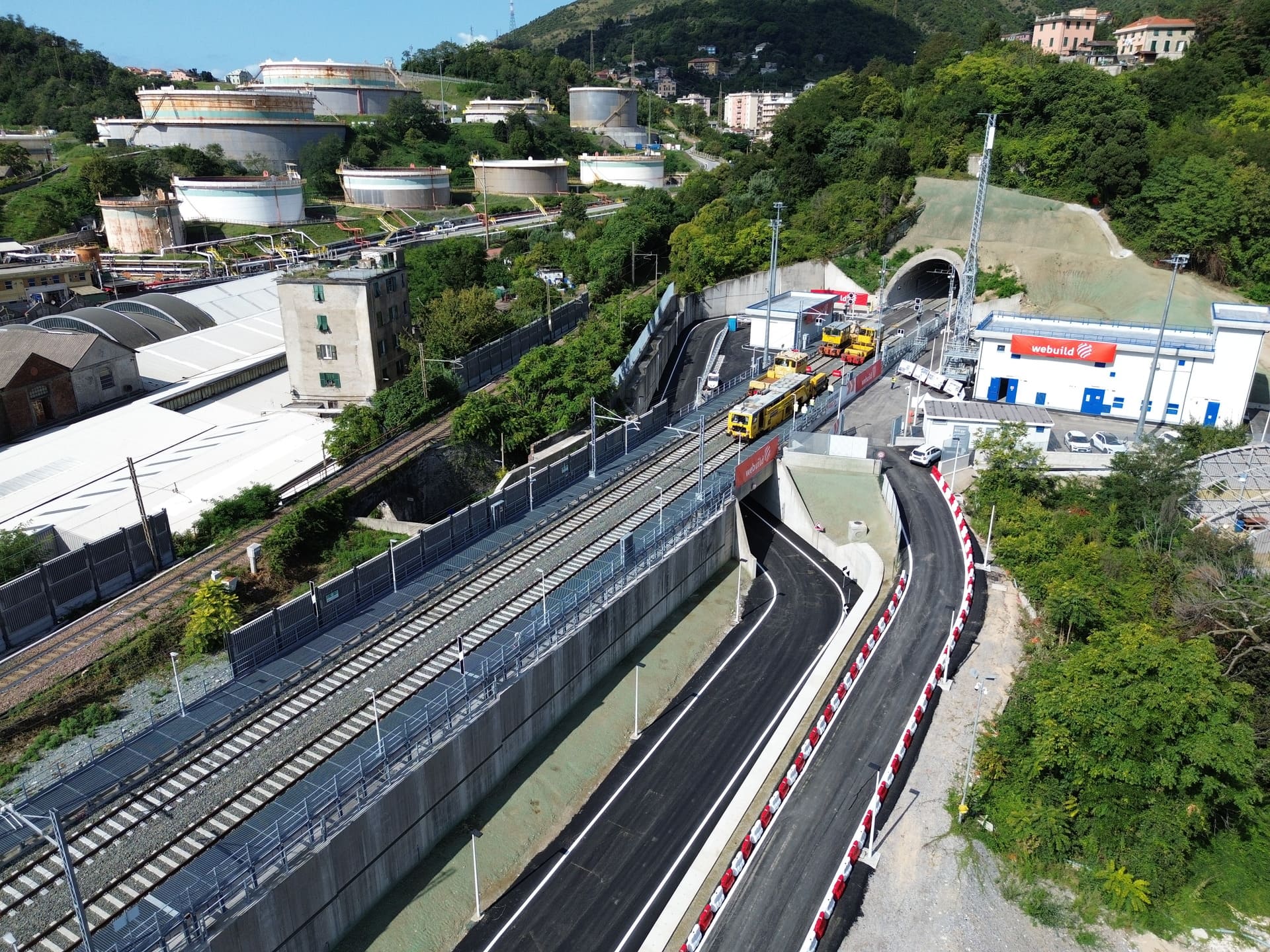 Terzo Valico dei Giovi construction site, Liguria
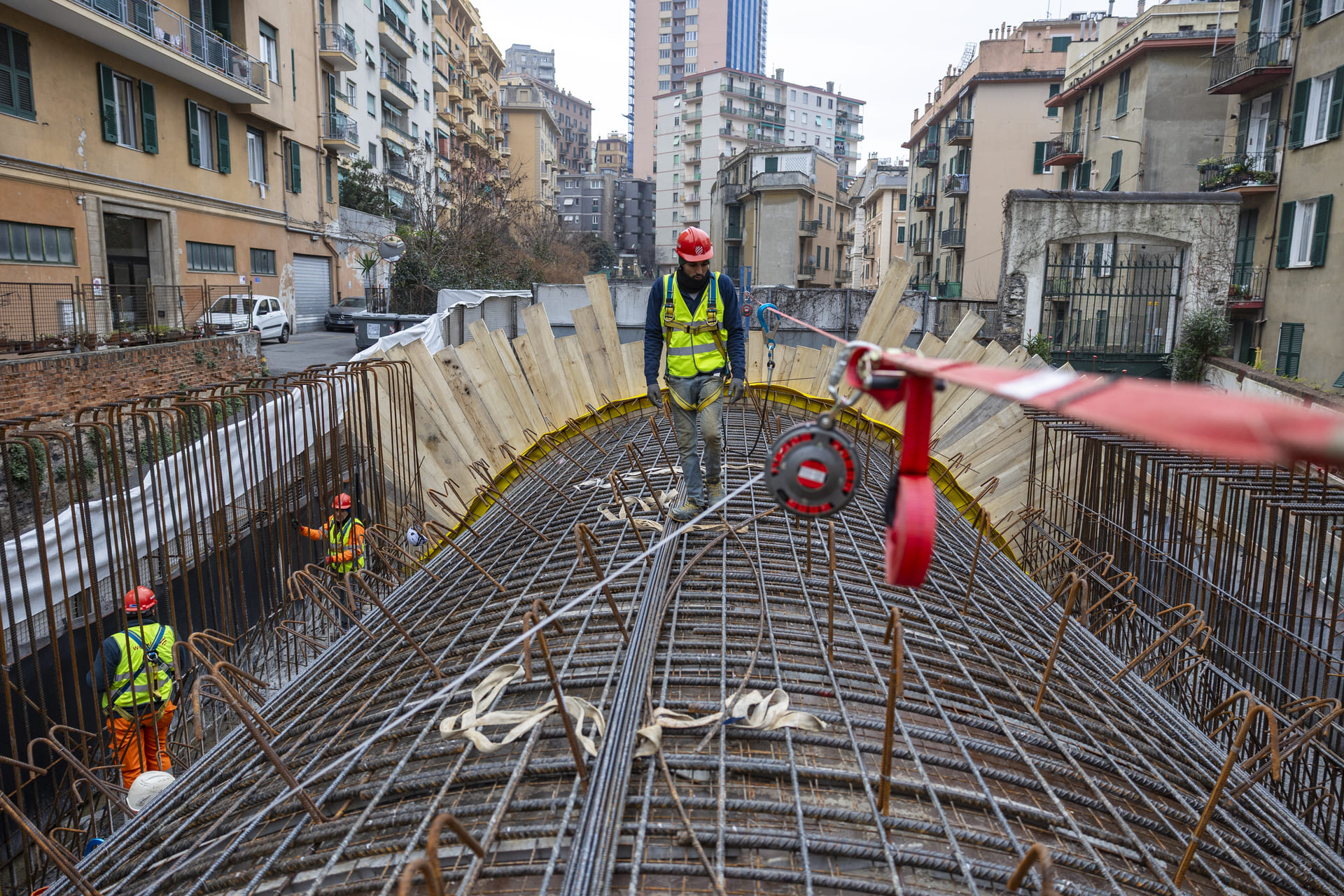 Terzo Valico dei Giovi construction site, Liguria
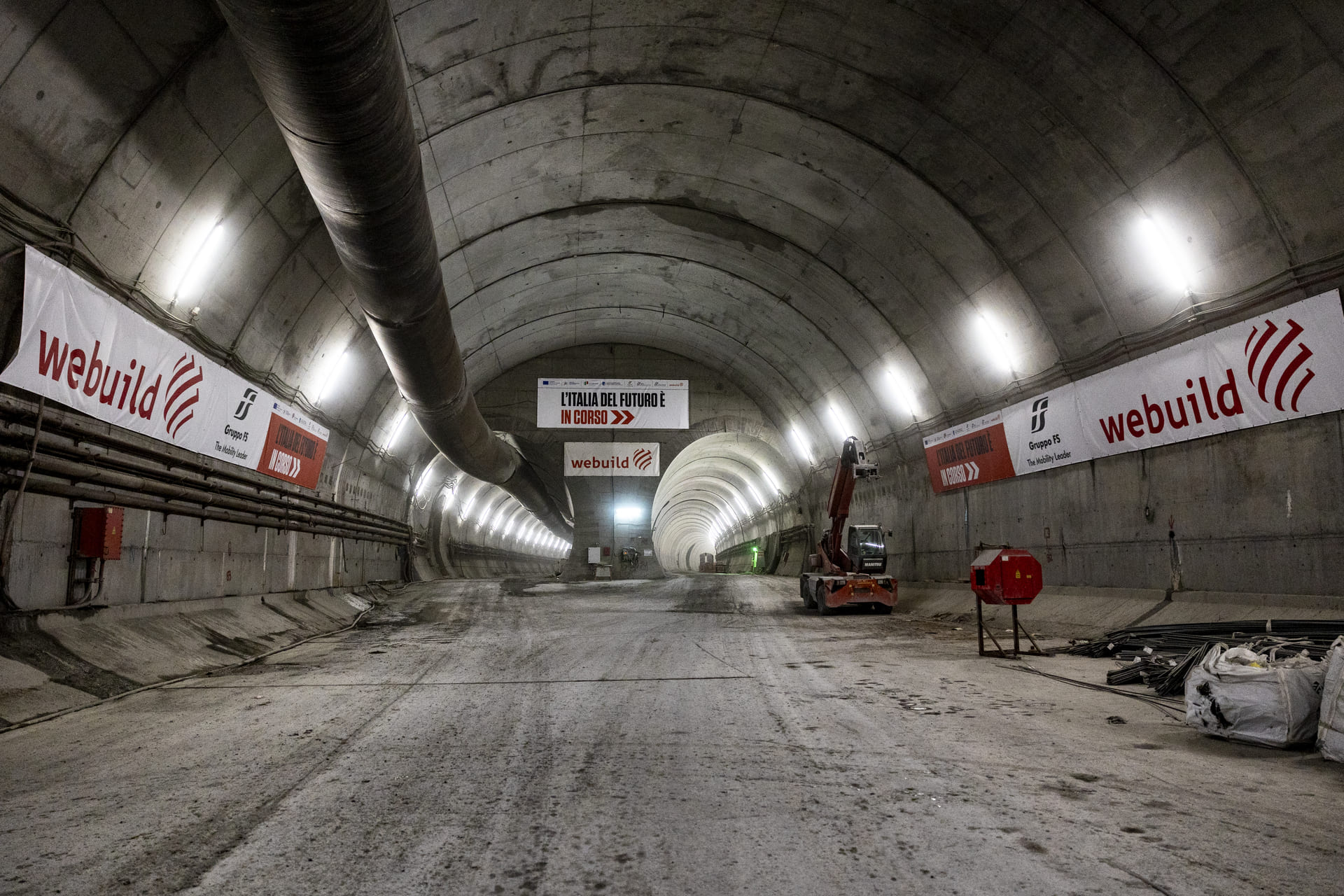 Terzo Valico dei Giovi construction site, Liguria
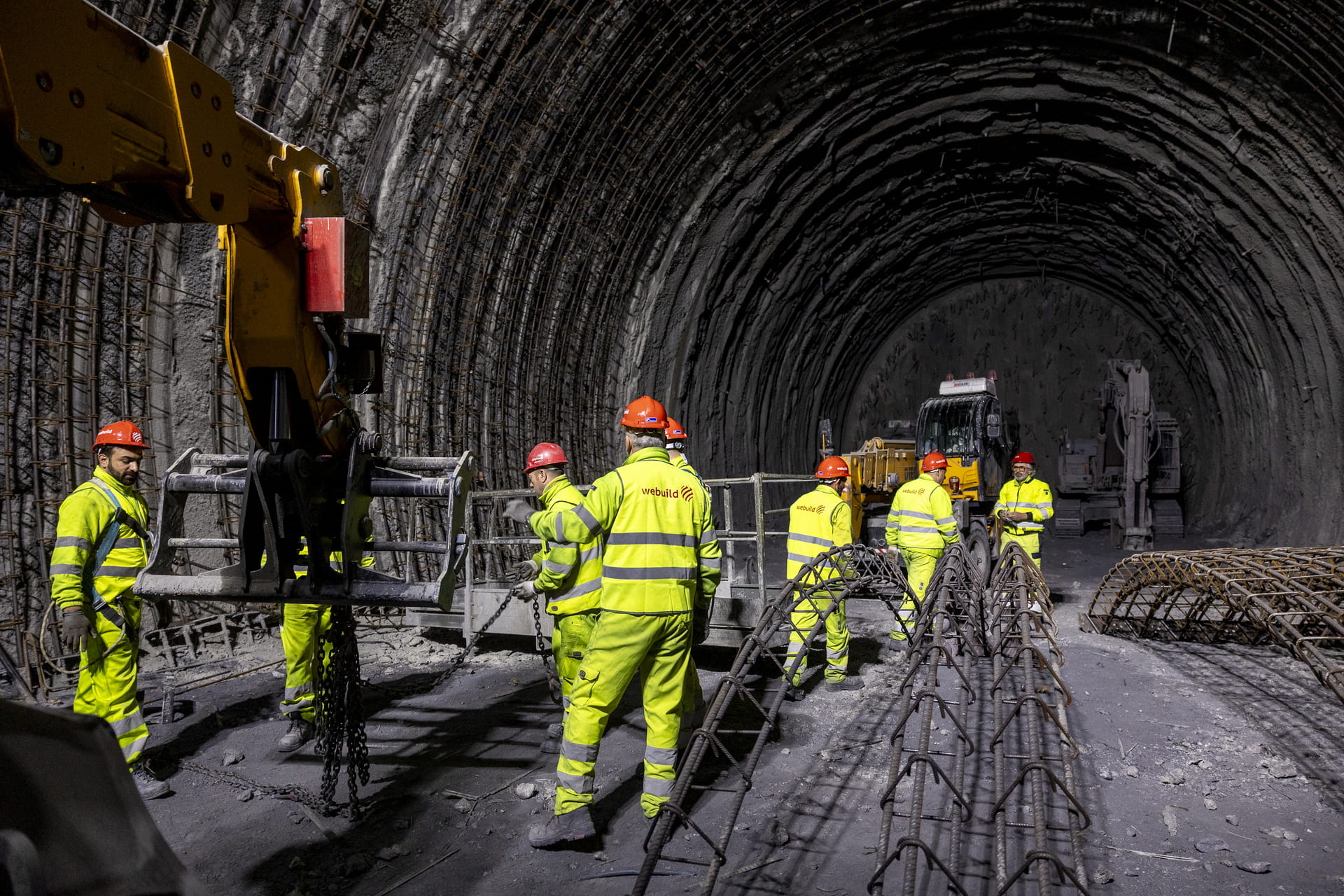 Terzo Valico dei Giovi construction site, Liguria
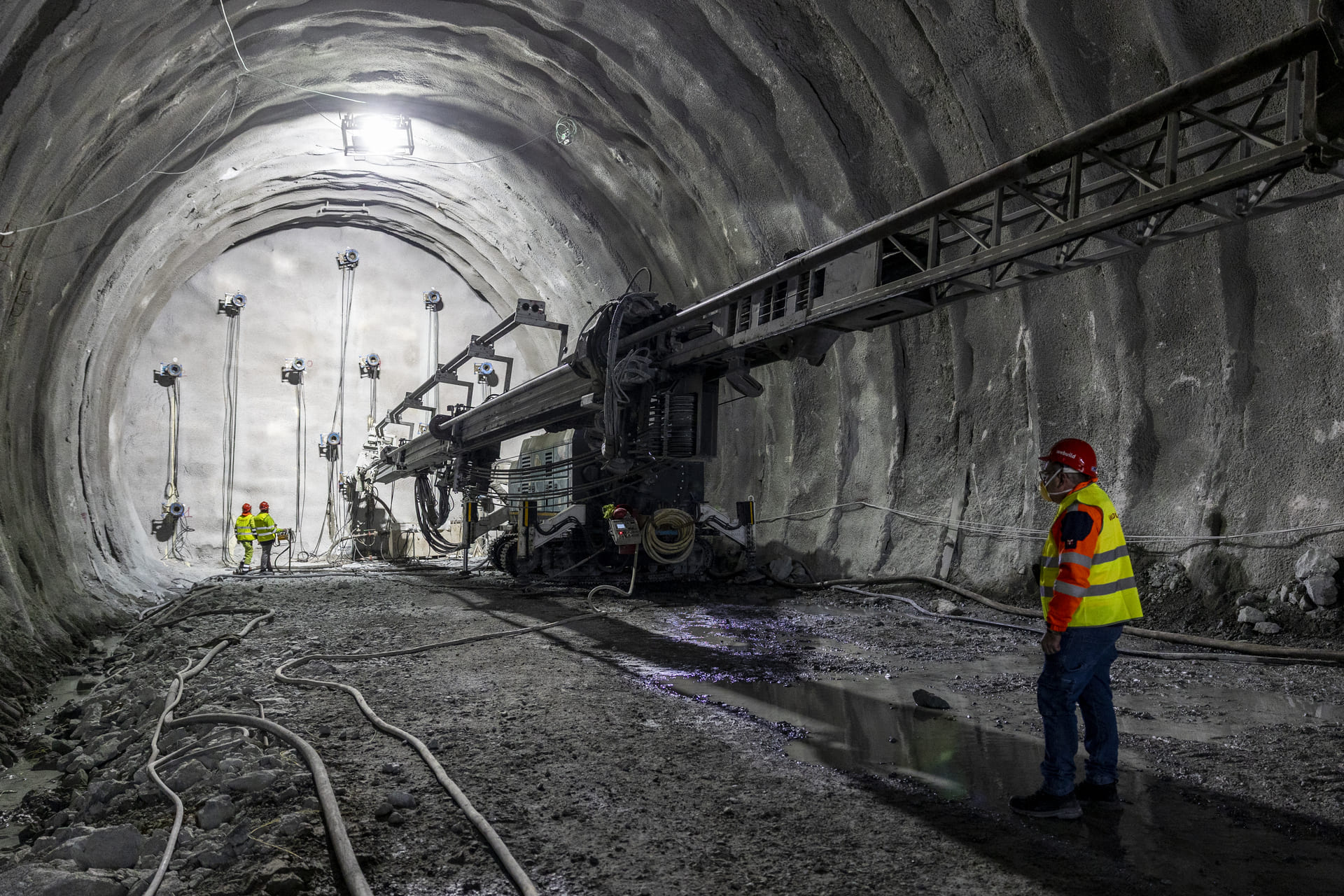 Terzo Valico dei Giovi construction site, Liguria
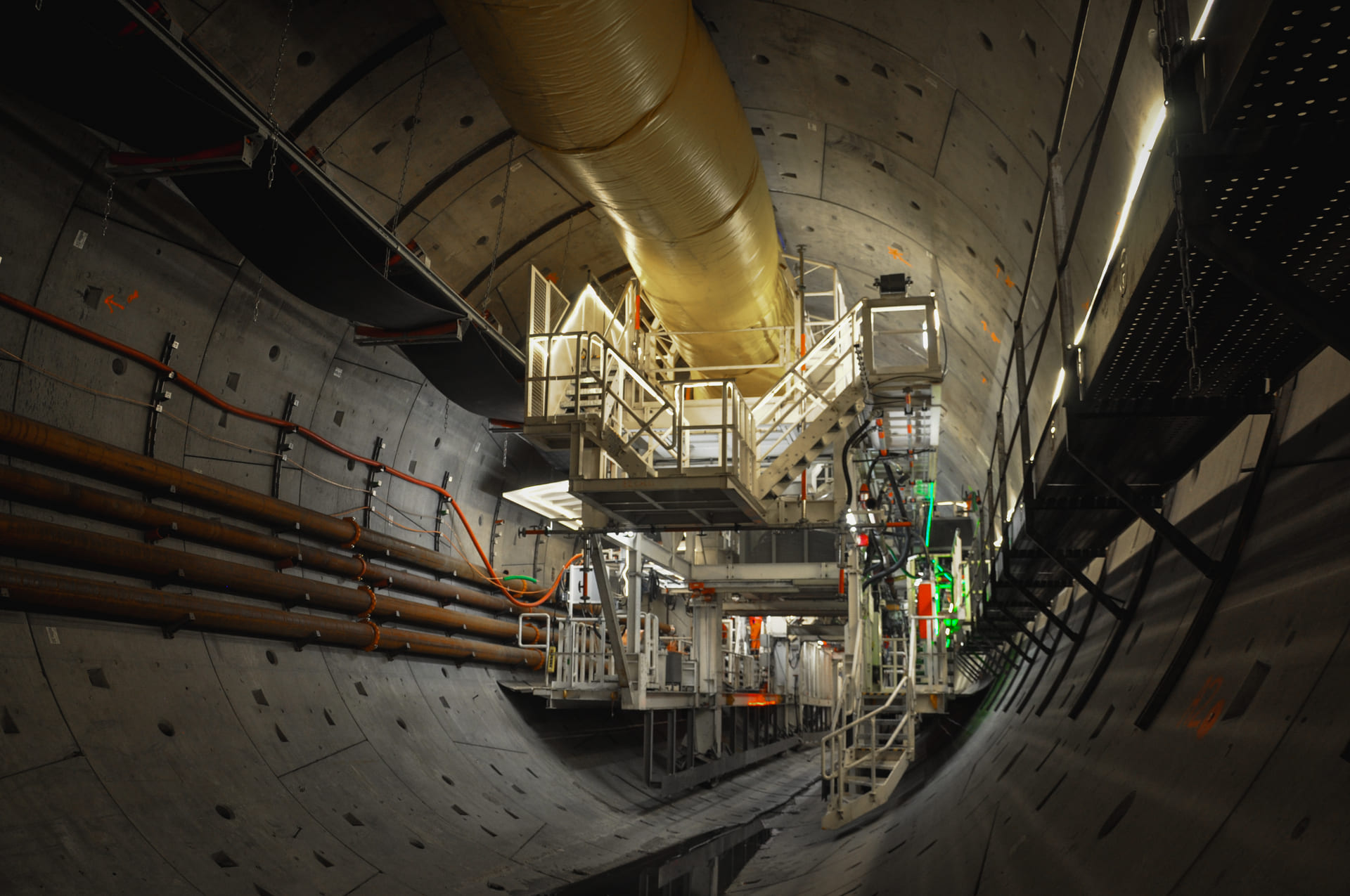 Construction site of the Turin-Lyon line tunnel
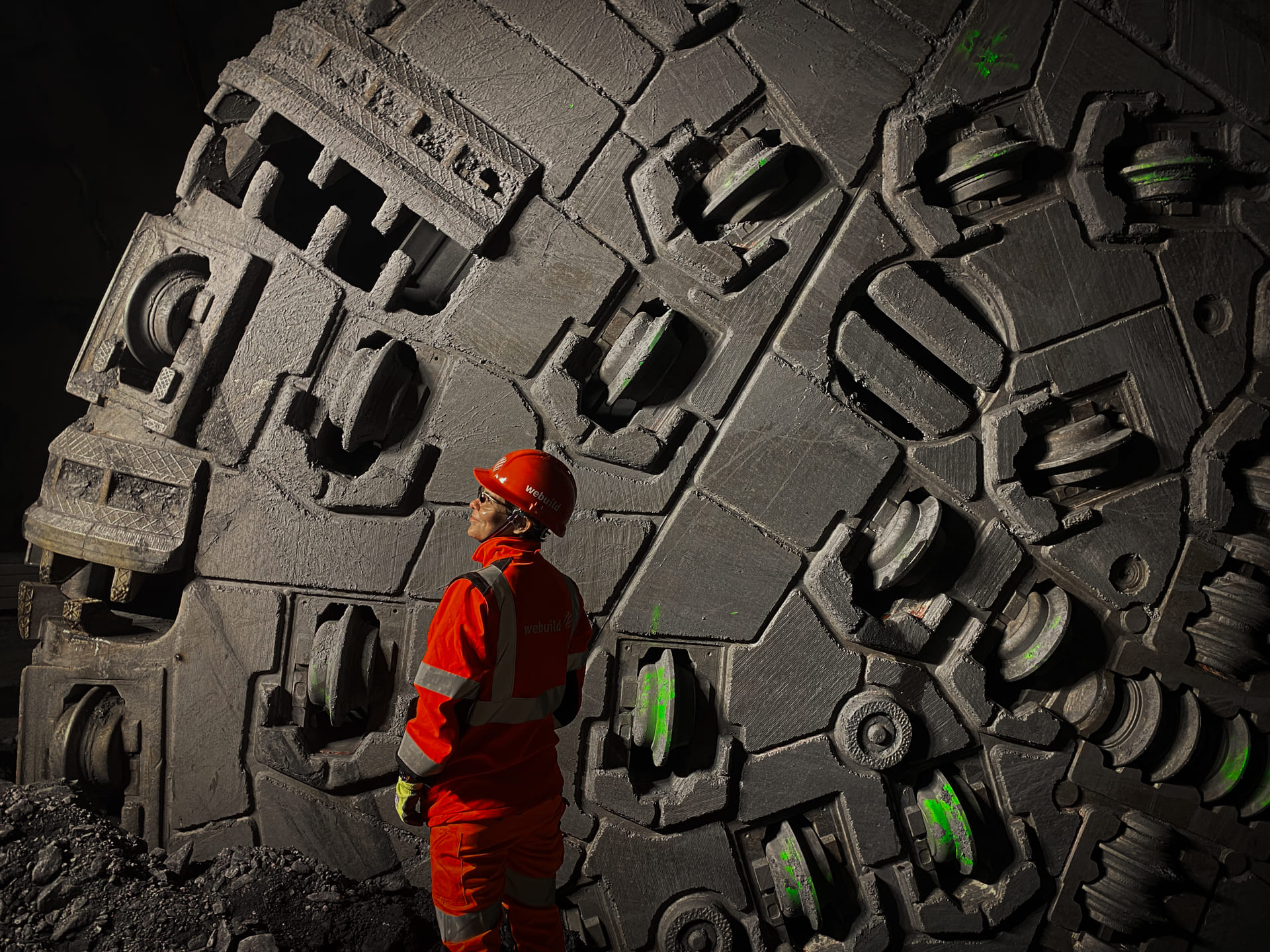 Construction site of the Turin-Lyon line tunnel
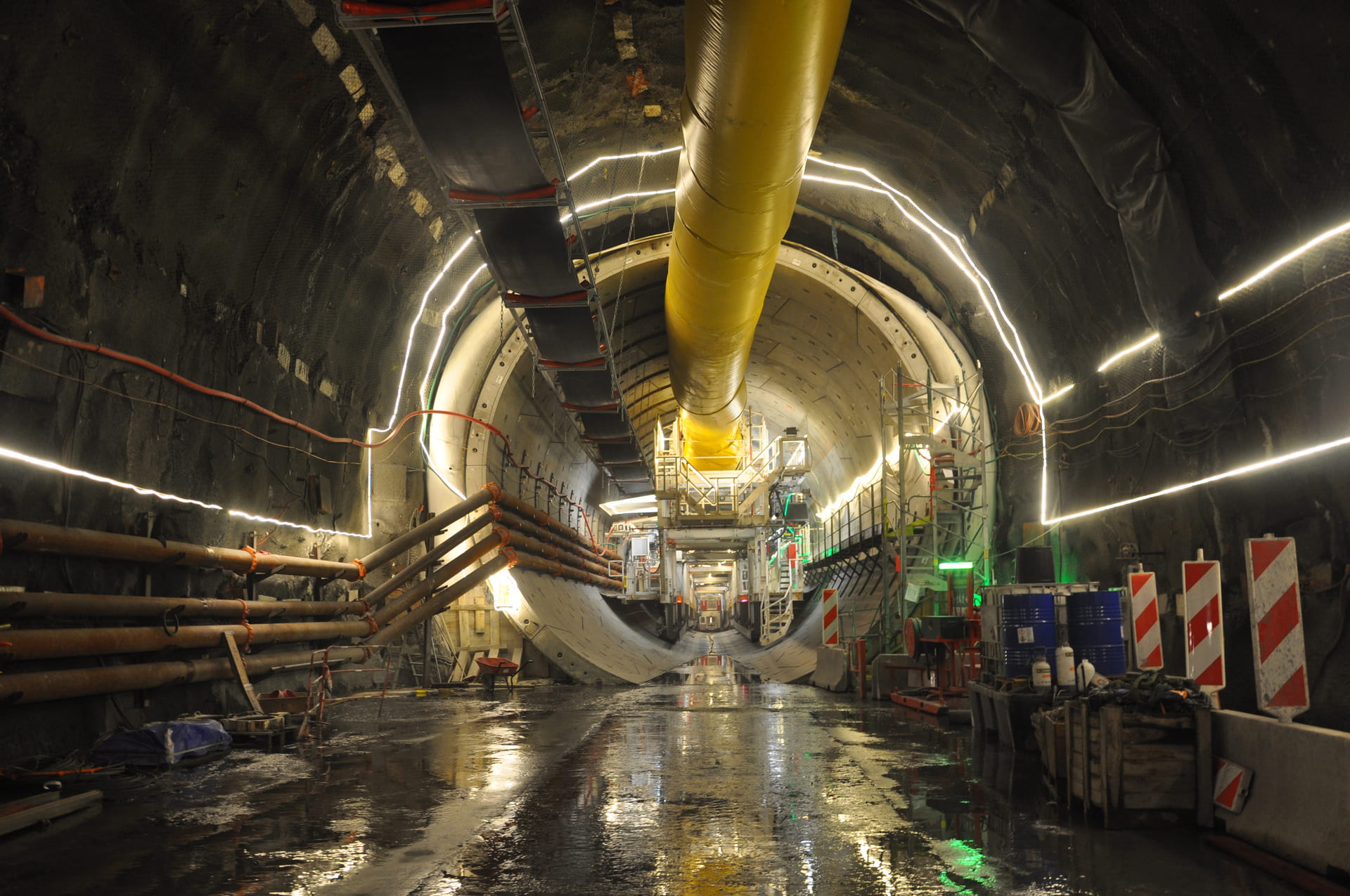 Construction site of the Turin-Lyon line tunnel
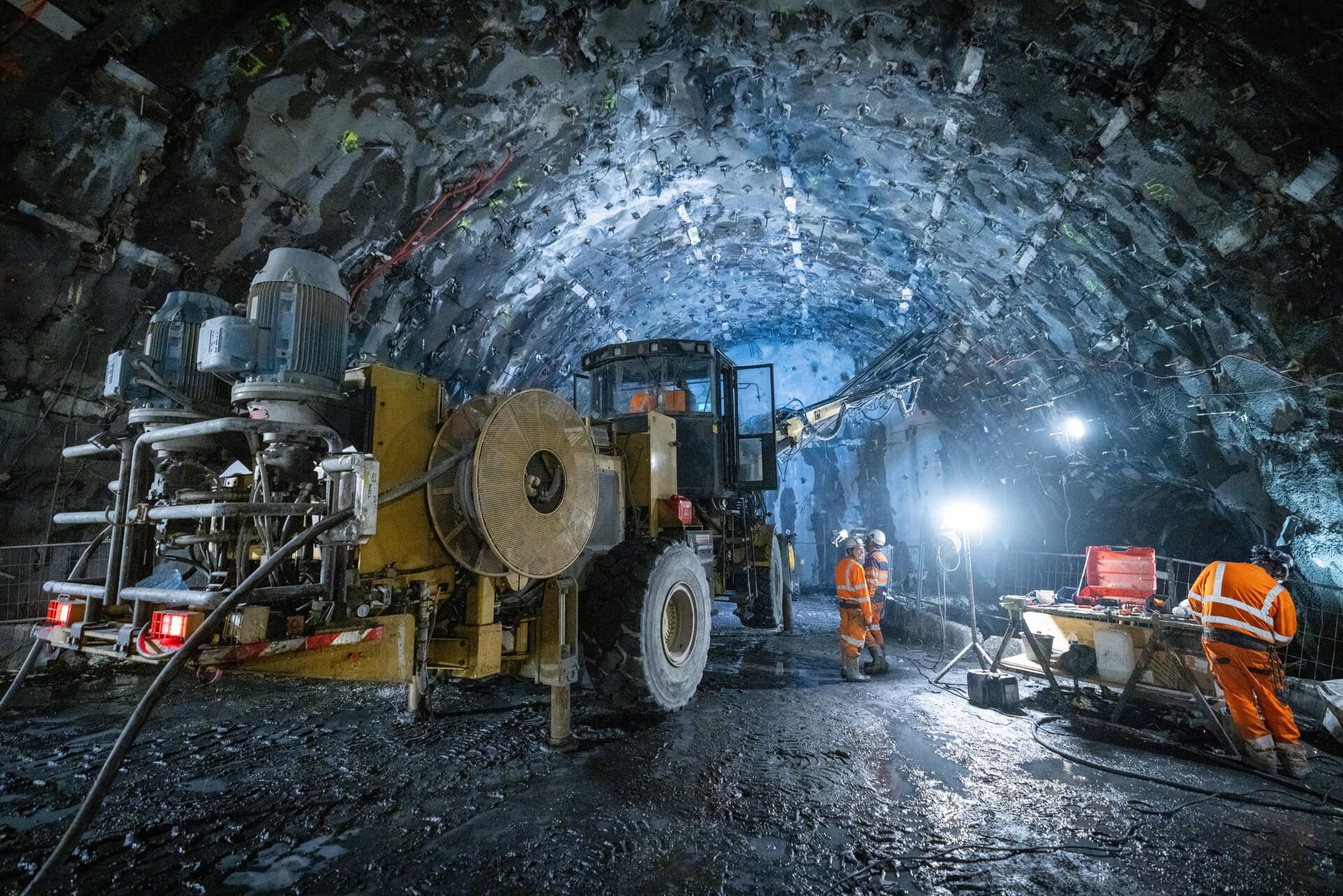 Construction site of the Turin-Lyon line tunnel
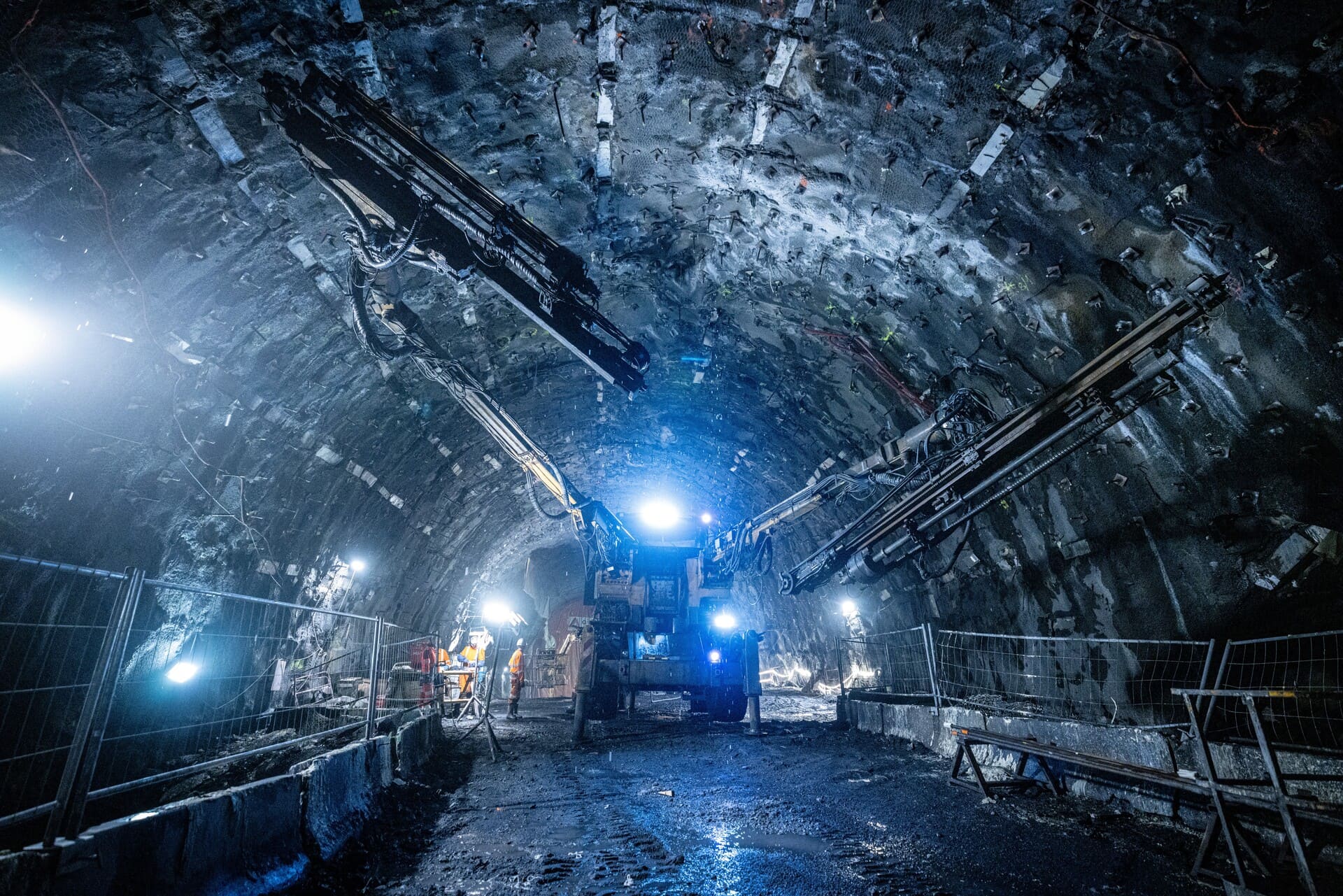 Construction site of the Turin-Lyon line tunnel
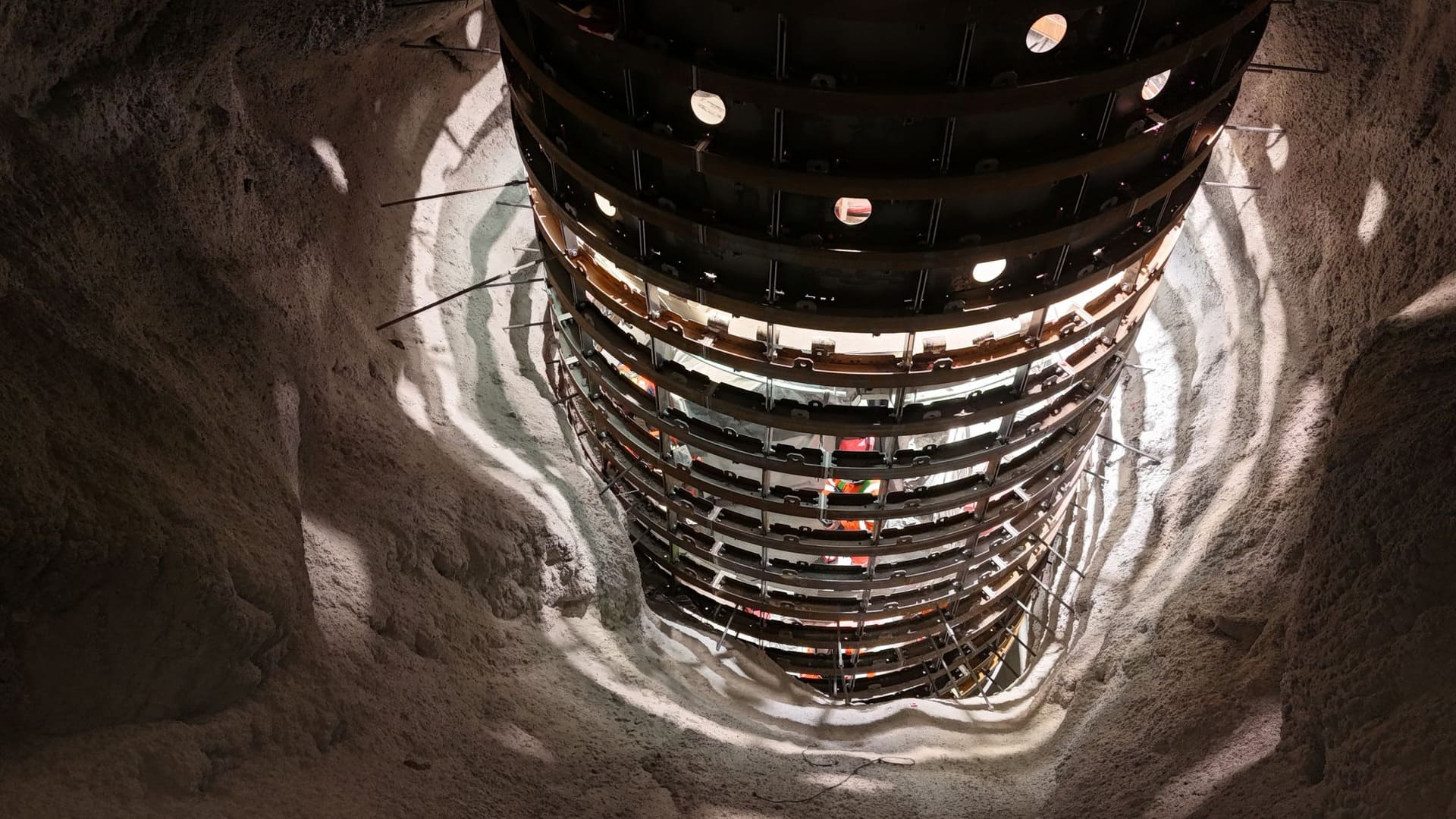 Construction site of the Turin-Lyon line tunnel