


 Genova Breakwater construction site
 Genova Breakwater construction site
 Genova Breakwater construction site
 Genova Breakwater construction site
 Genova Breakwater construction site
 Genova Breakwater construction site
 Genova Breakwater construction site
 Genova Breakwater construction site
 Genova Breakwater construction site
 Genova Breakwater construction site
 Genova Breakwater construction site
 Genova Breakwater construction site
 Genova Breakwater construction site
 Genova Breakwater construction site
 Genova Breakwater construction site
 Genova Breakwater construction site
 Genova Breakwater construction site
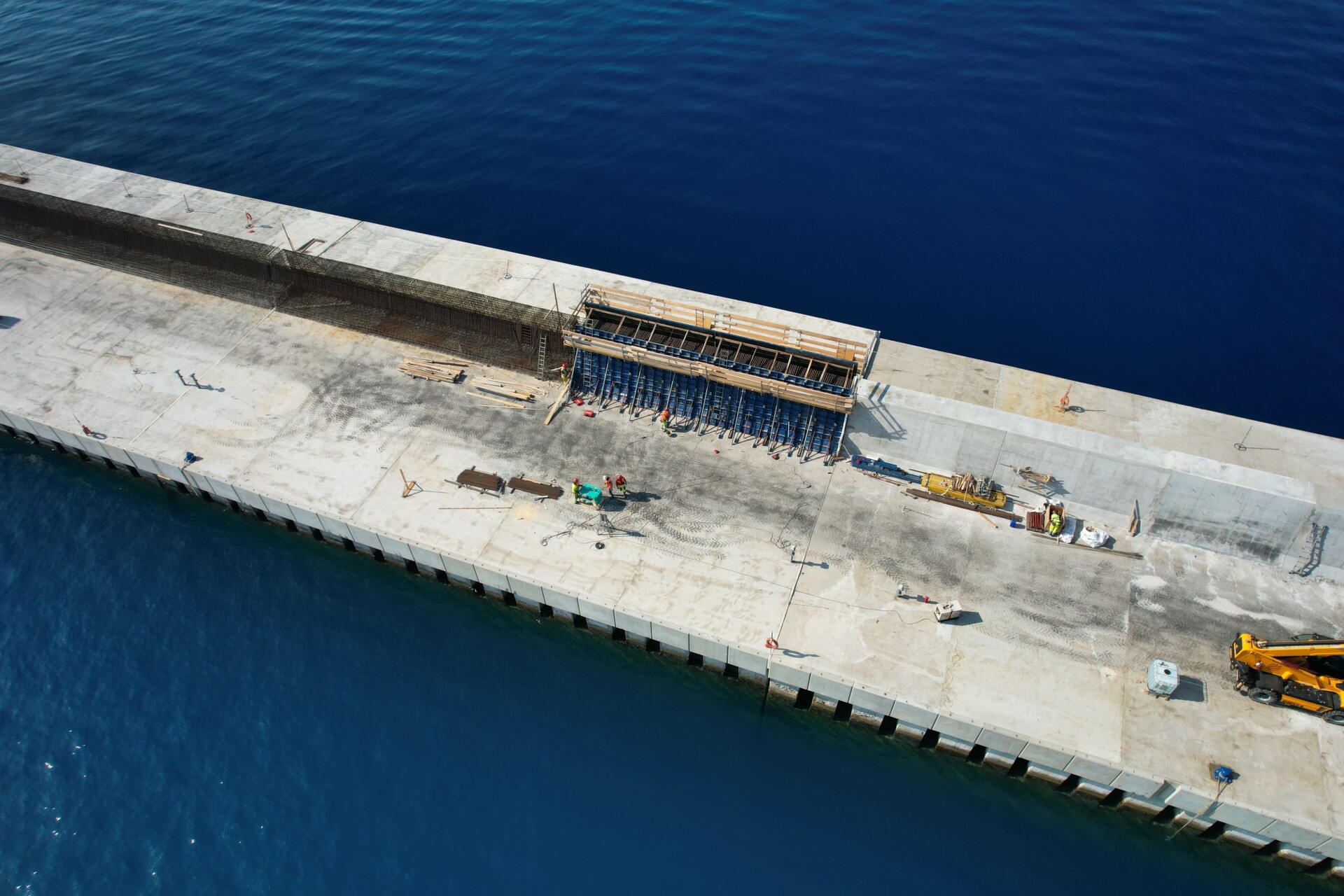
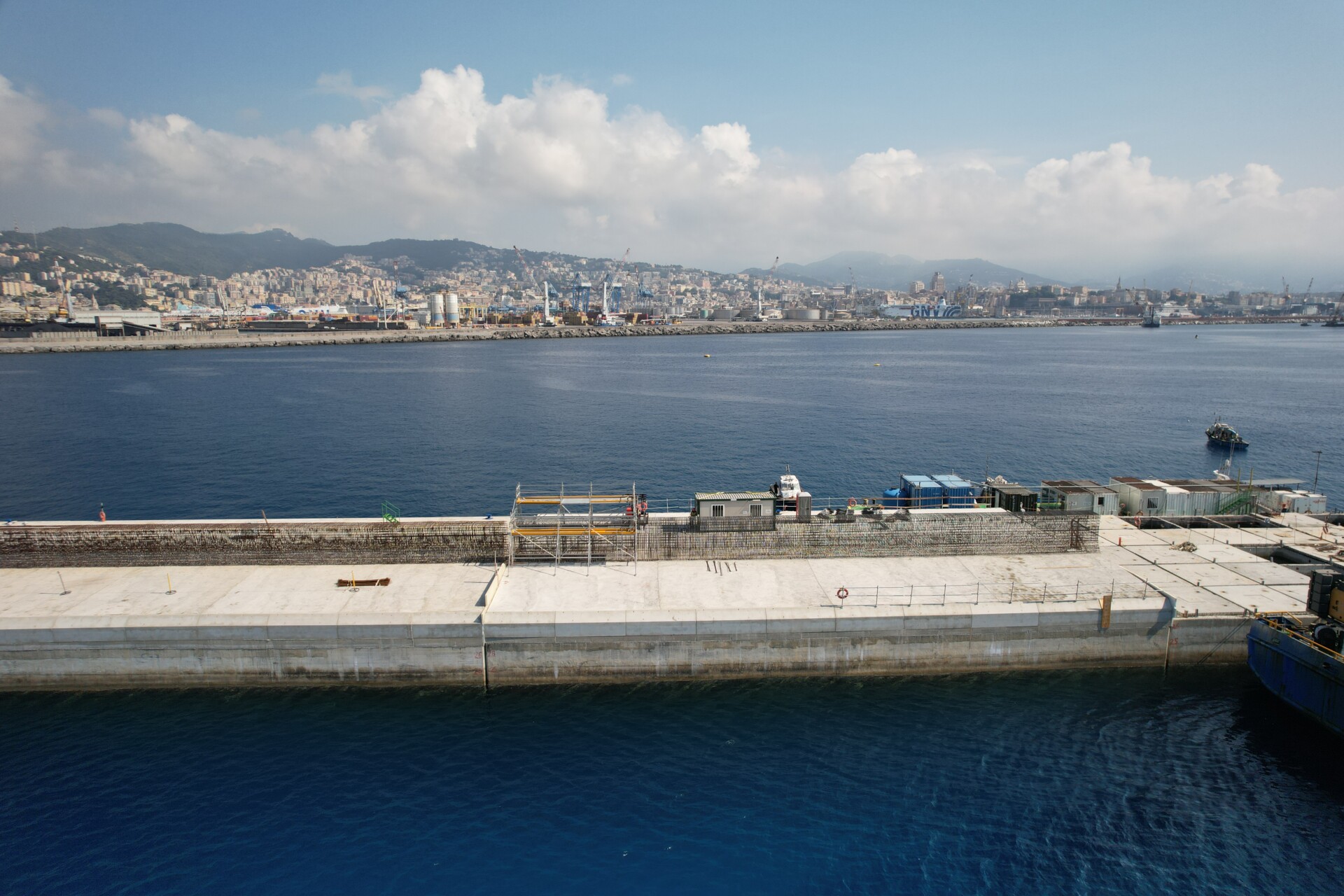
- With the construction of the wave-breaker wall, the New Breakwater will emerge to a total height of approximately 7 meters above sea level.
- The wave wall will protect the access channel and harbor basins, helping to ensure greater safety and operational continuity even under adverse metocean conditions.
- The New Breakwater will enable the Port of Genoa to accommodate new-generation container ships, strengthening the port's competitiveness in the Mediterranean.
- The breakwater is being constructed at seabed depths reaching up to 50 meters—an engineering challenge that makes it one of the most significant maritime infrastructure projects currently underway in Europe.
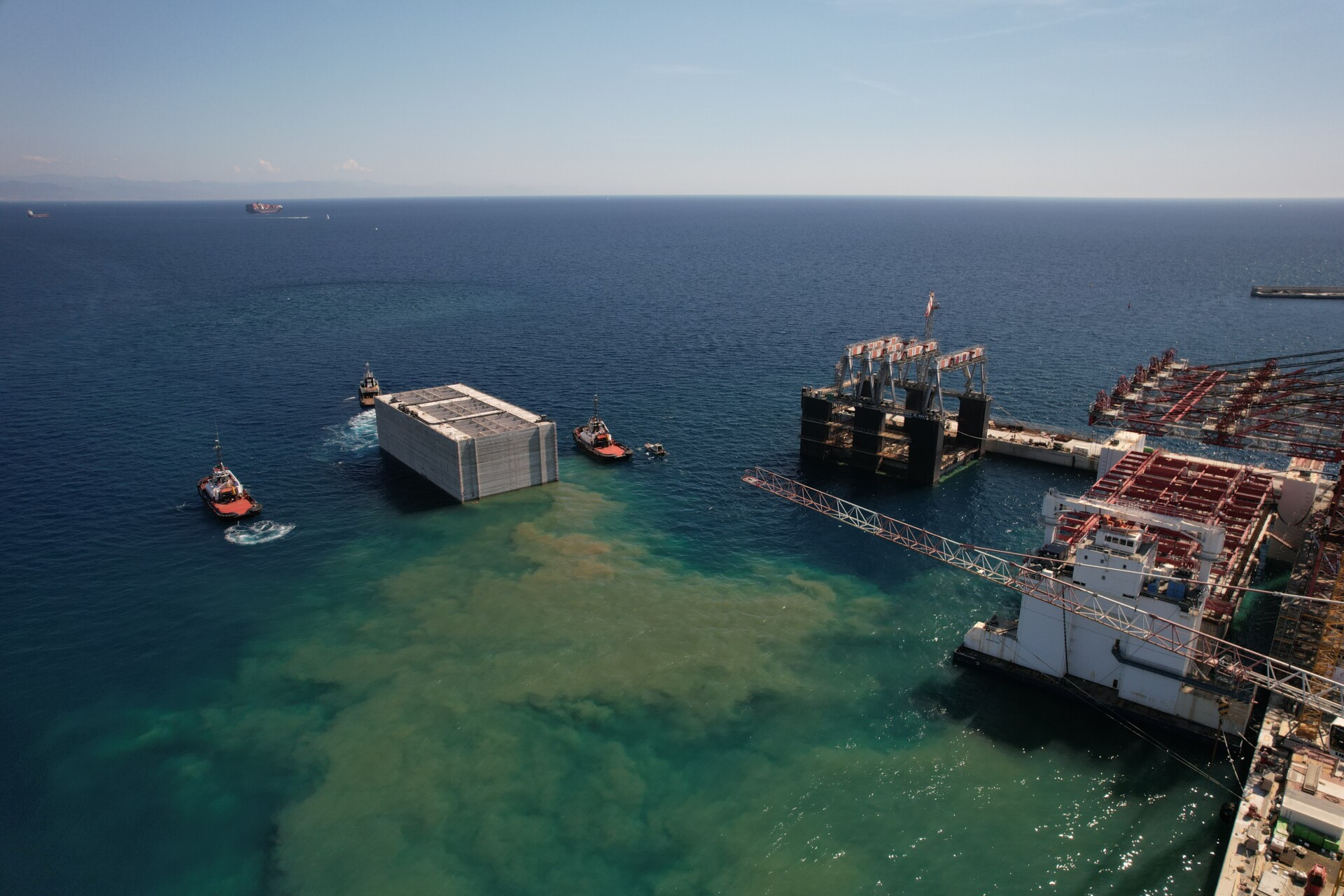
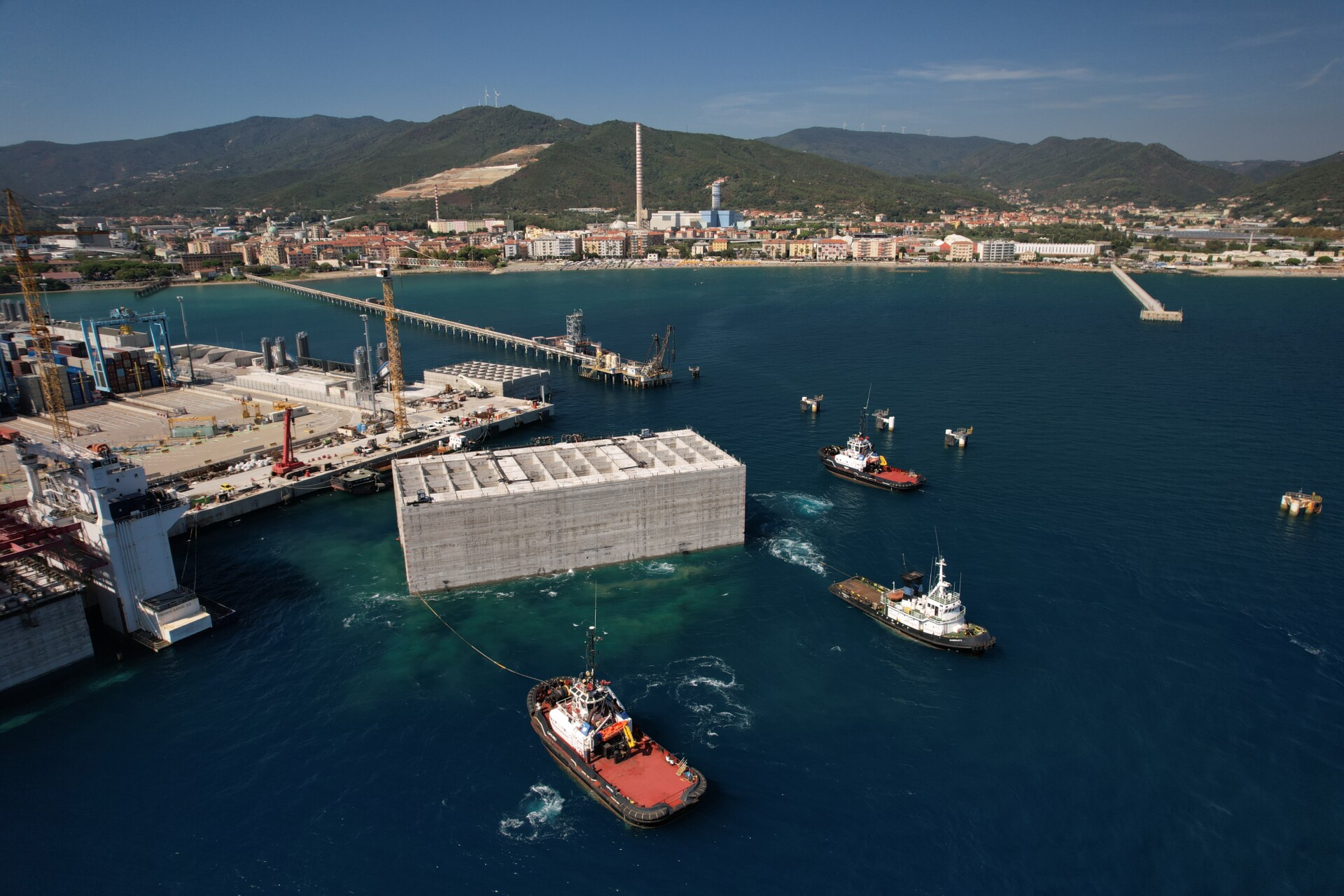
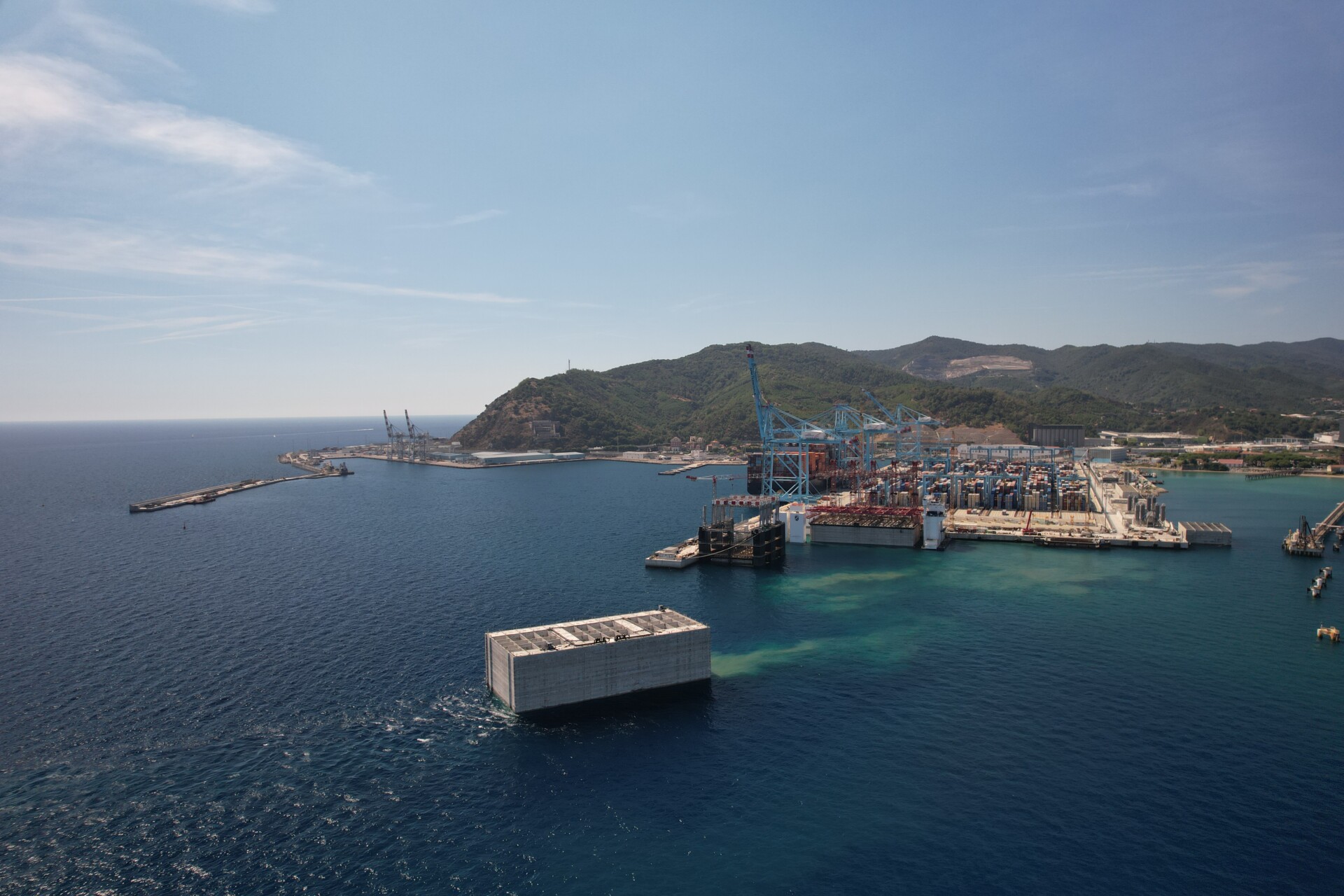
- The start of construction on the wave-breaker wall coincides with the placement of the 32nd caisson of the New Breakwater.
read more

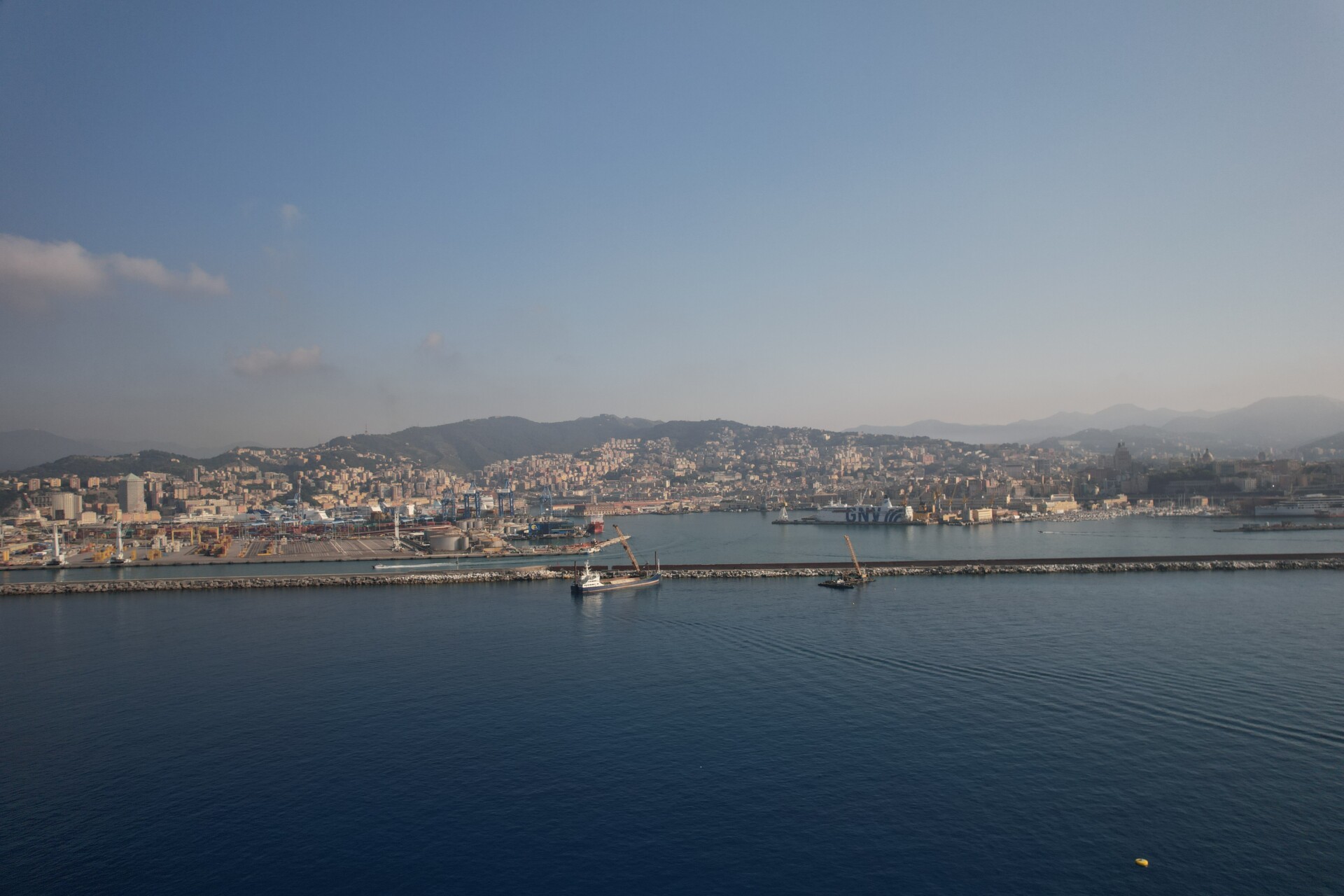
A mega-containership heads toward the entrance of the Port of Genoa. Protecting its navigation along the new access channel will be a barrier rising from the sea. The new structure of the major maritime project under construction off the coast of the Ligurian capital has just begun.
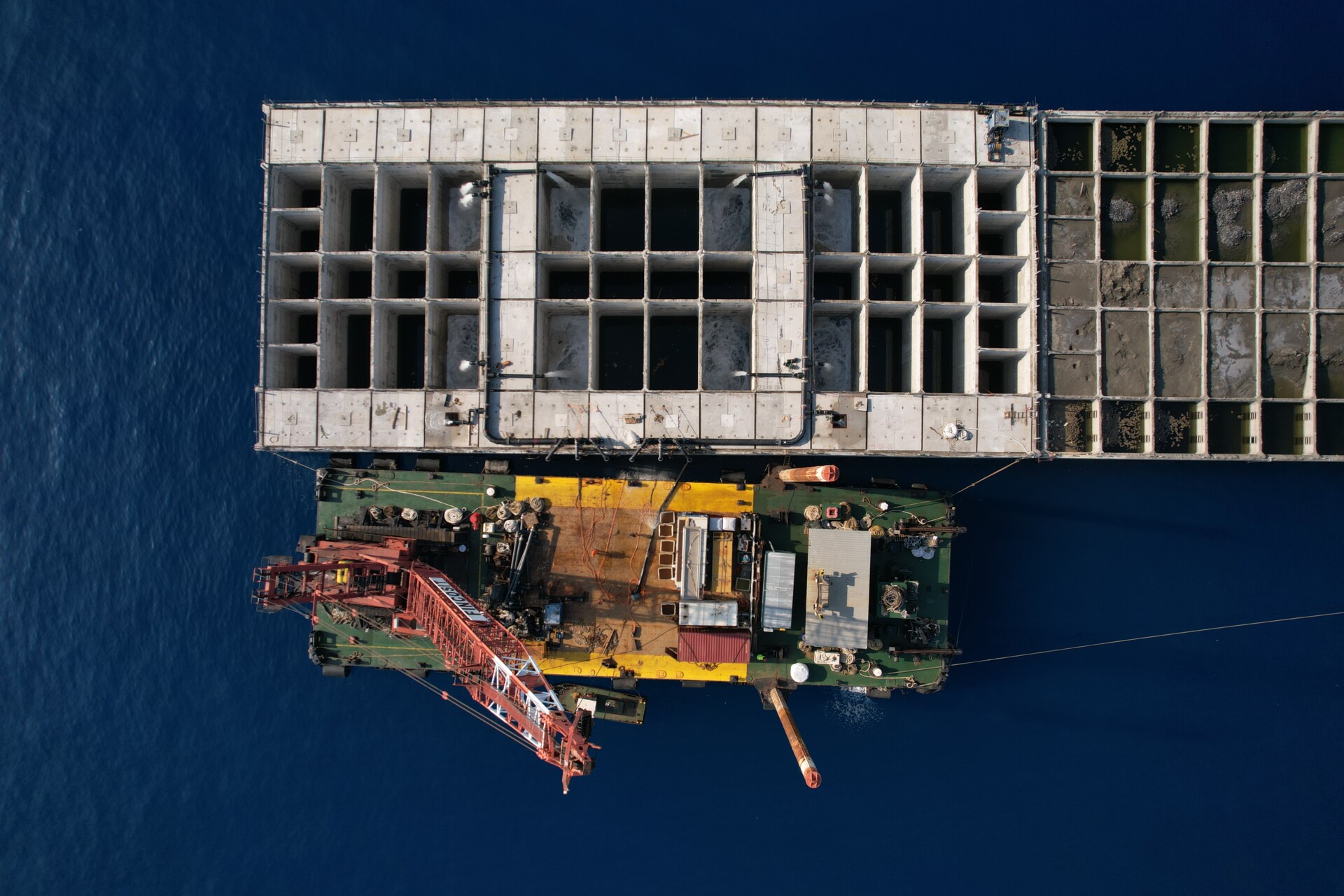
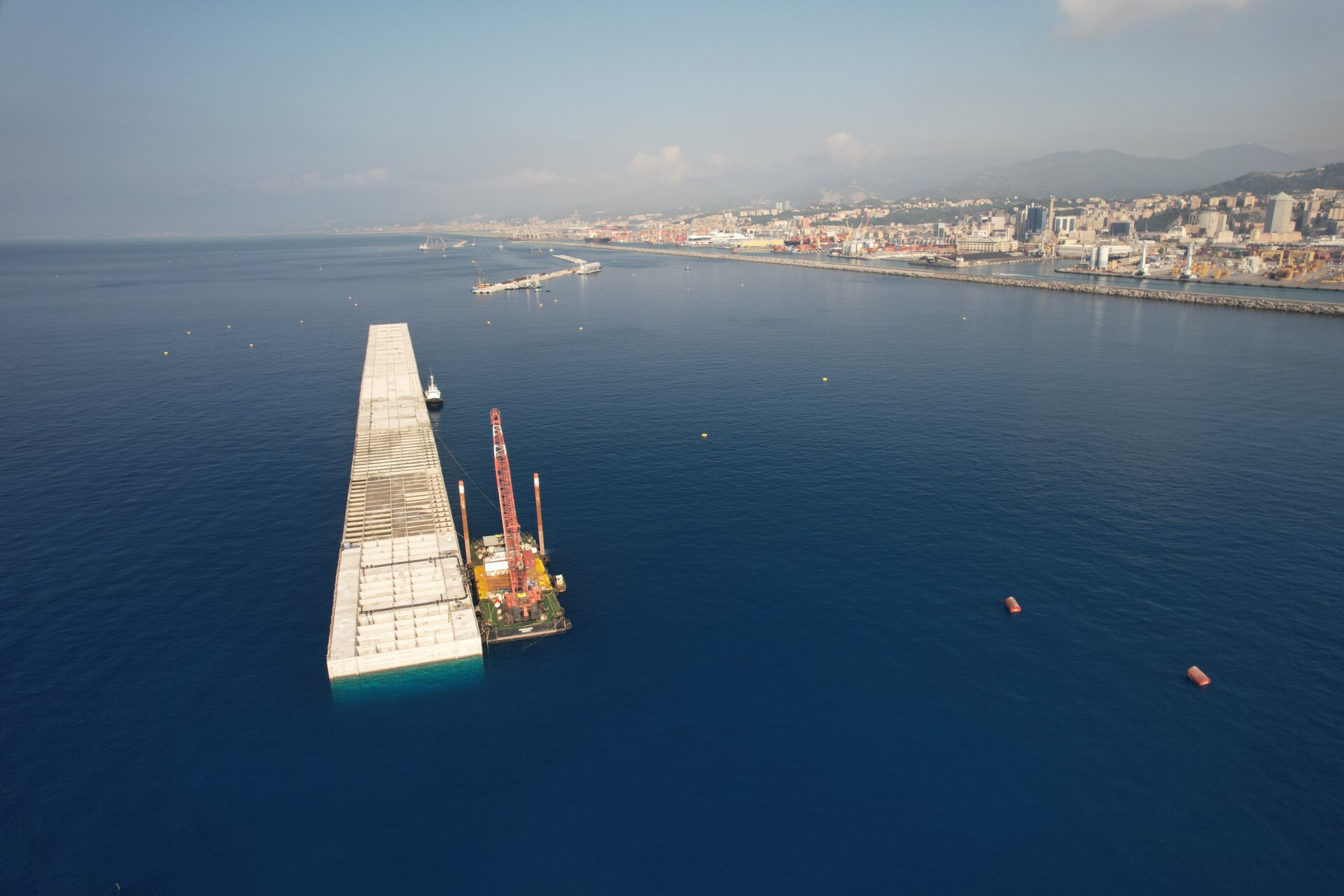
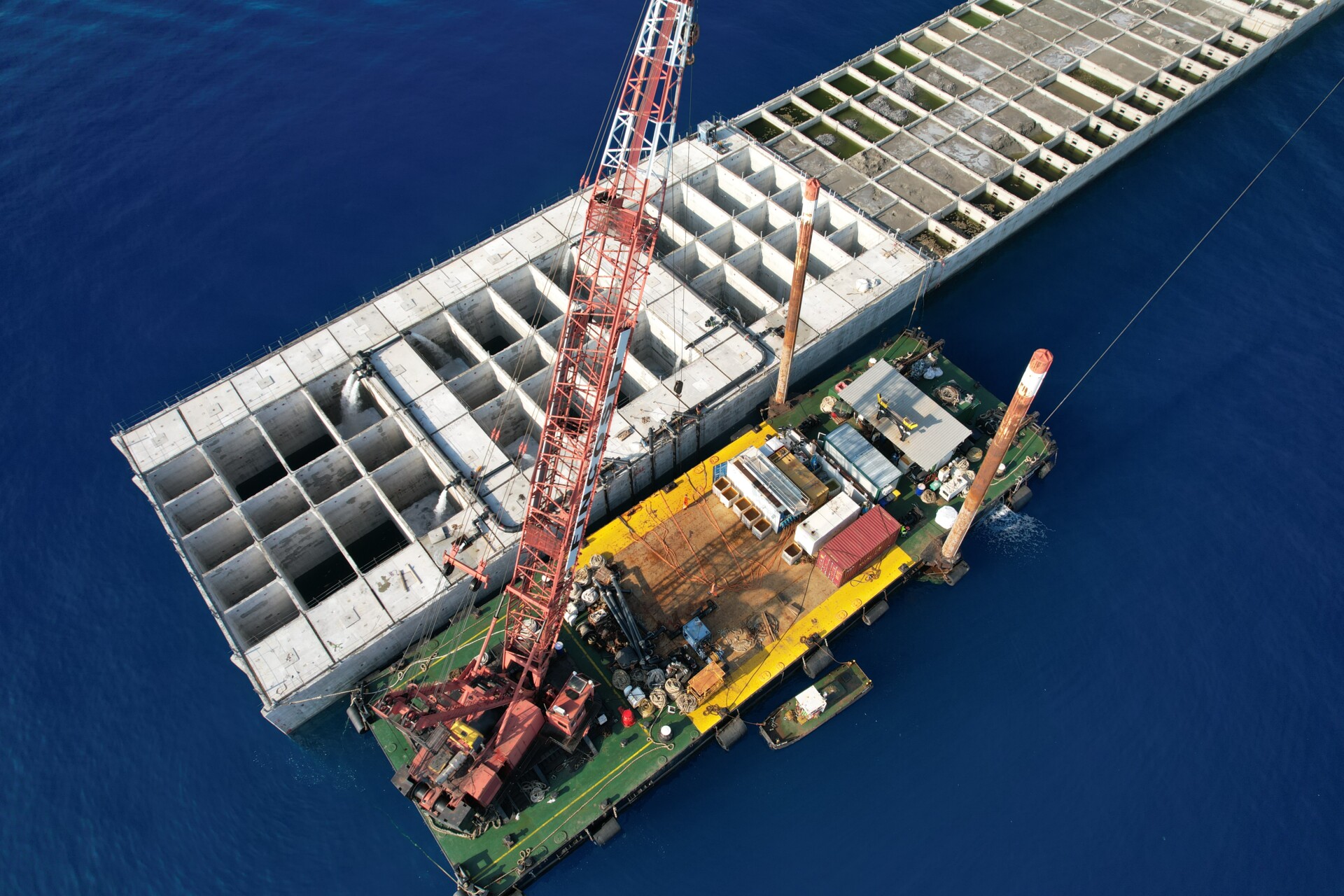
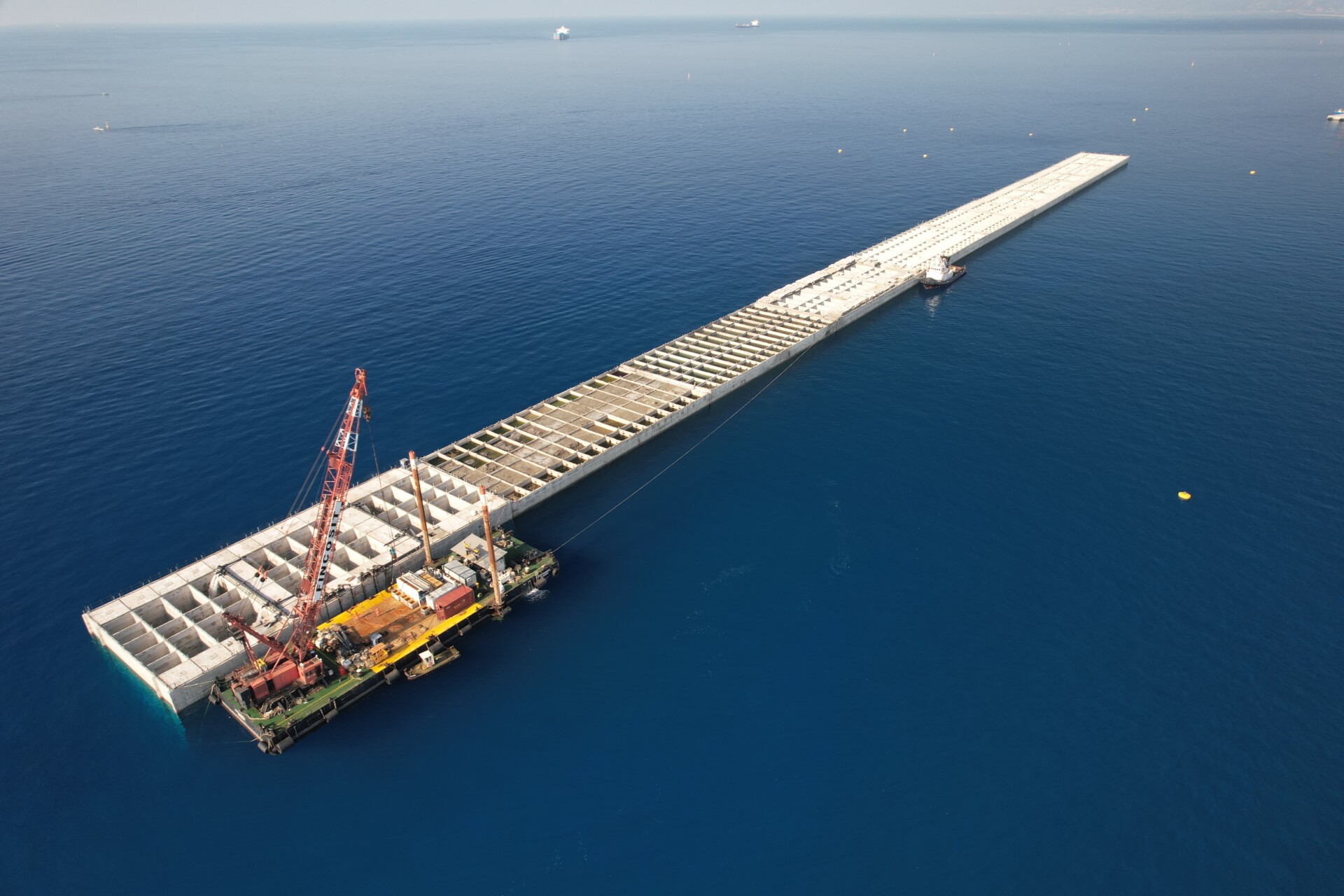
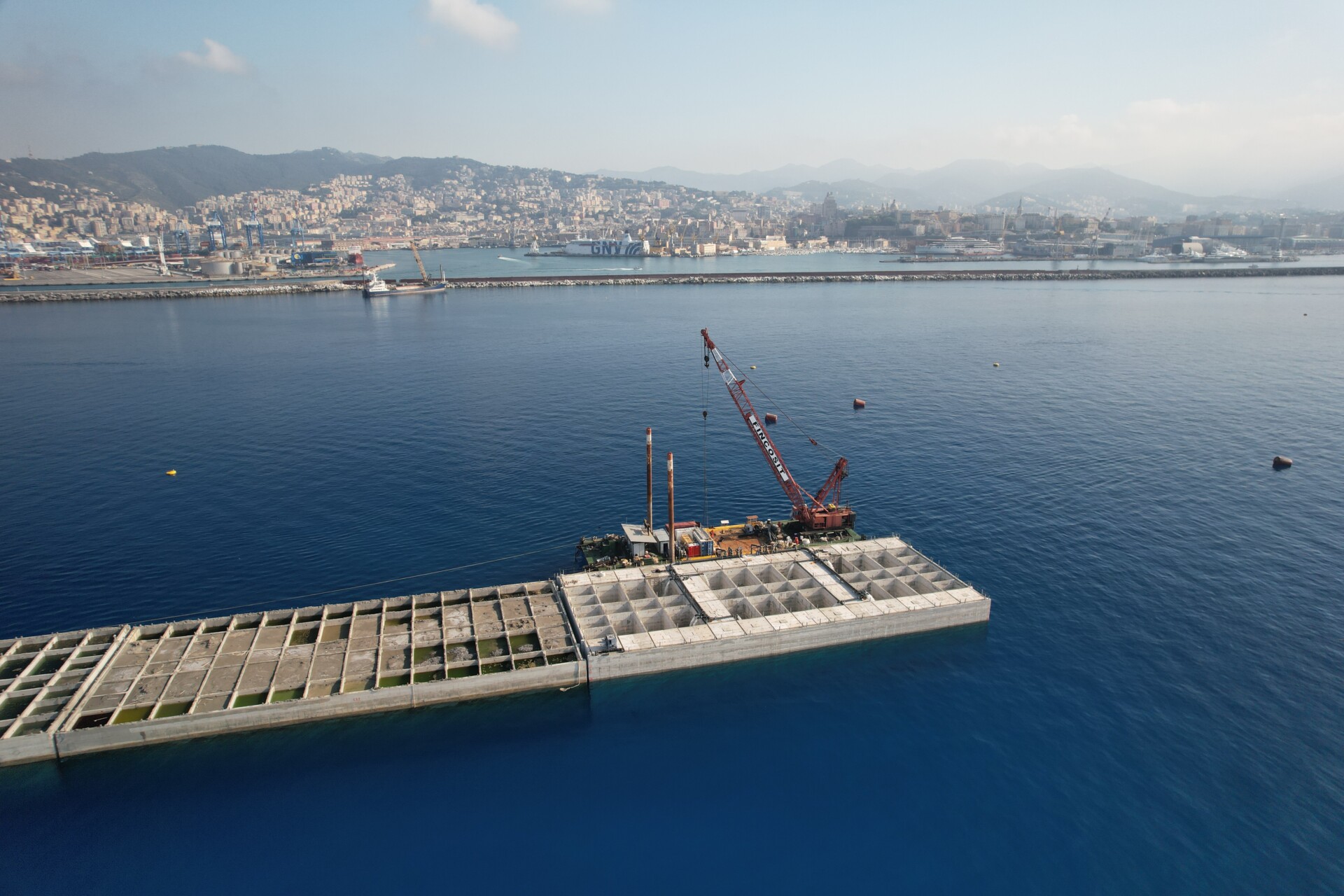
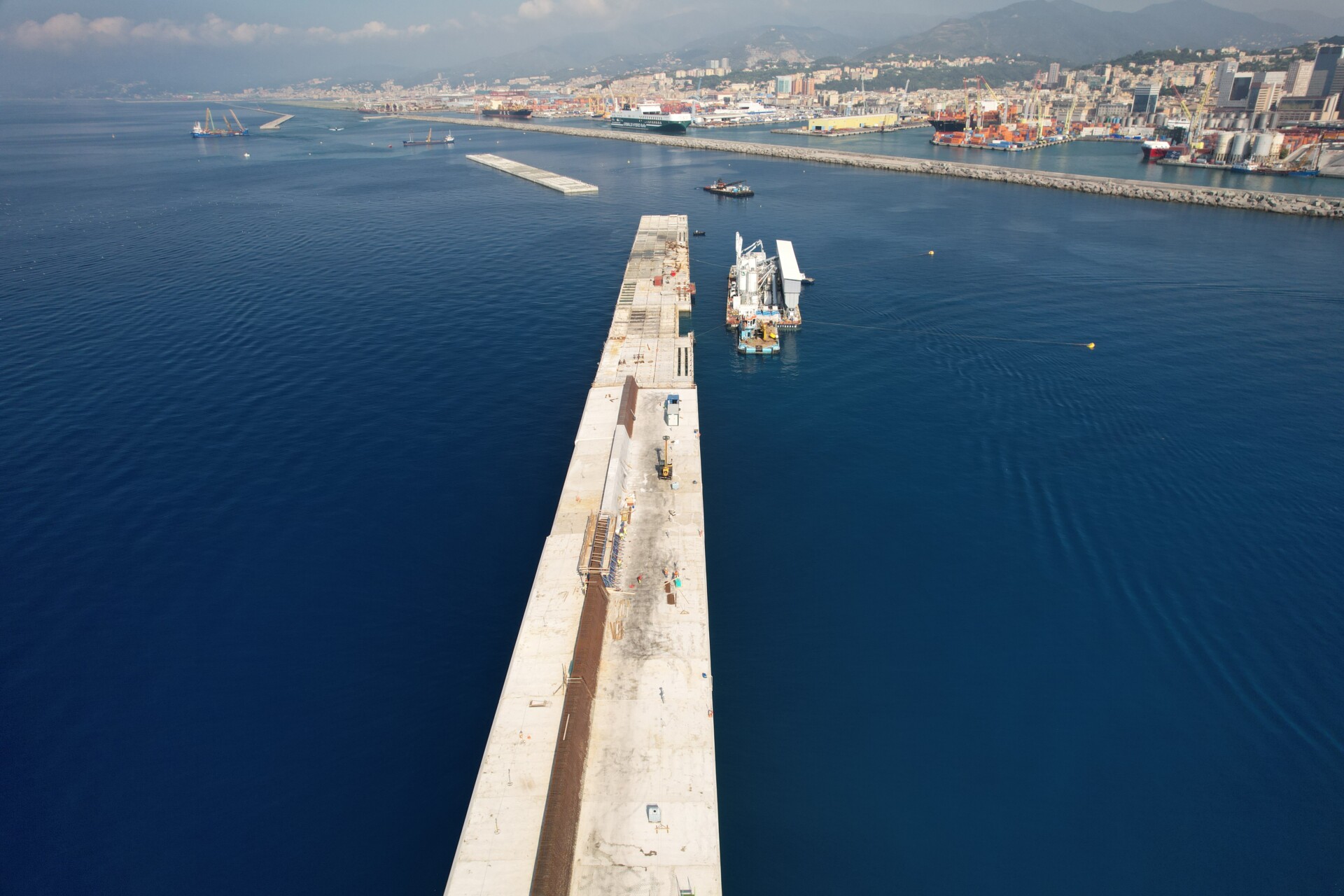
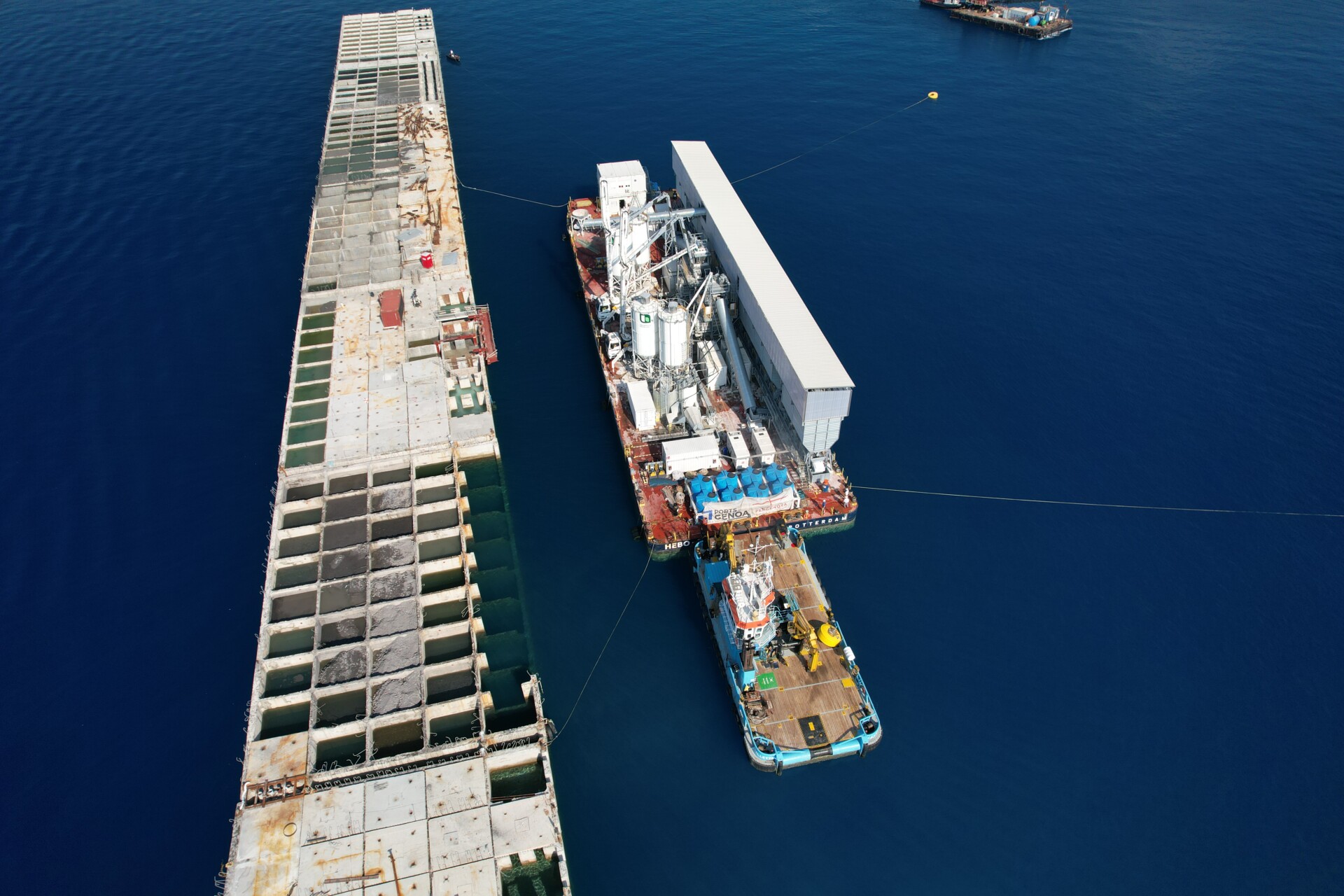
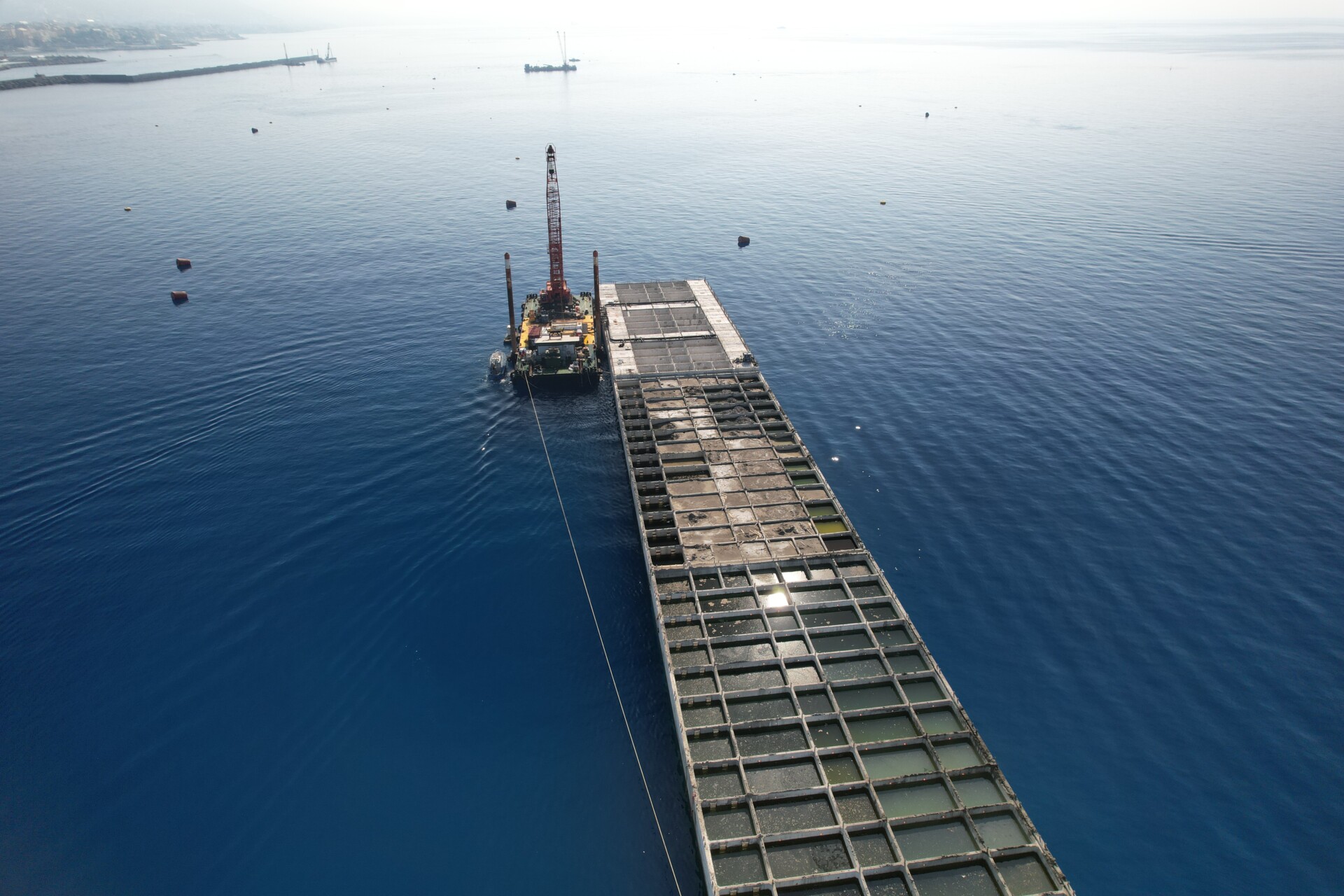
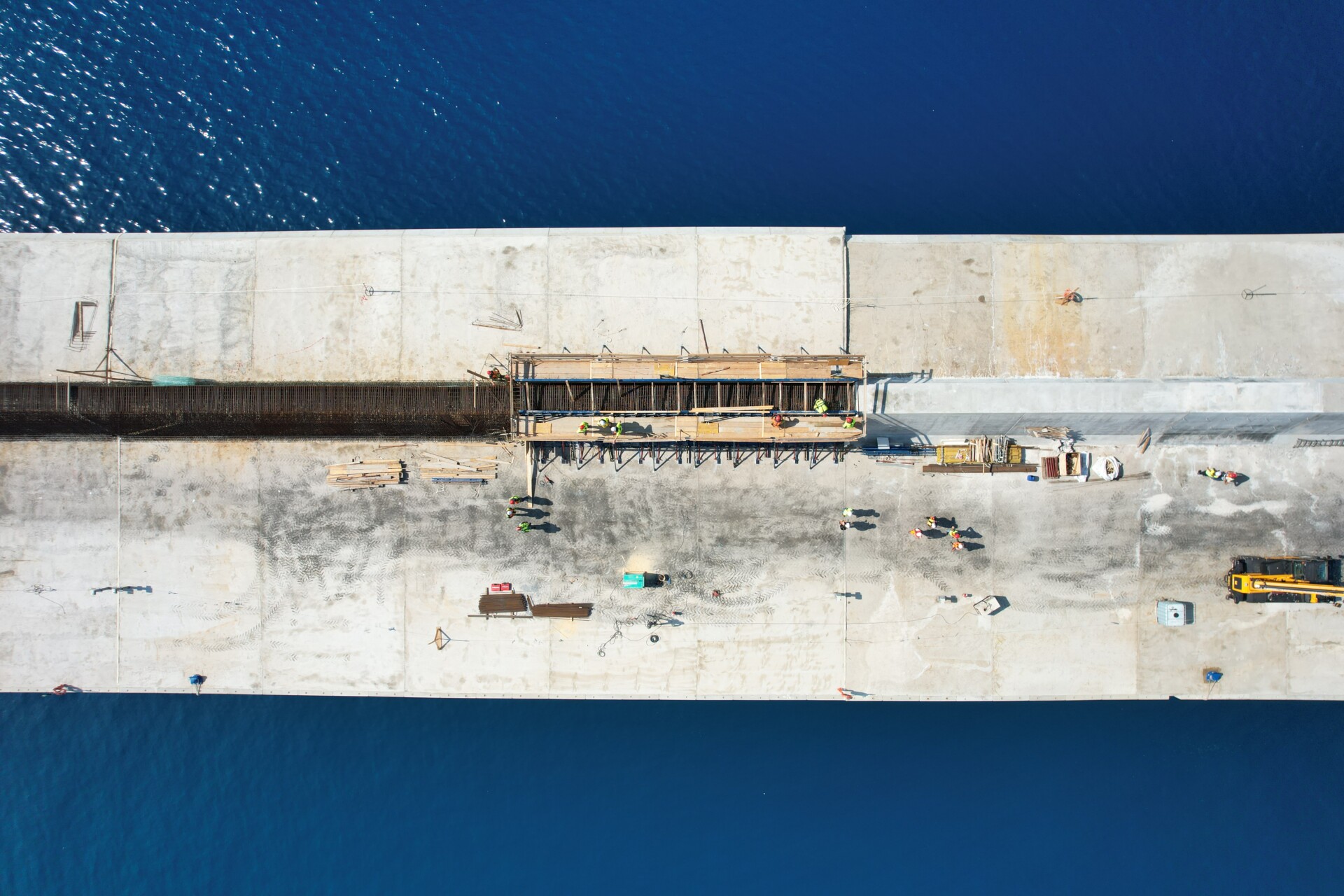
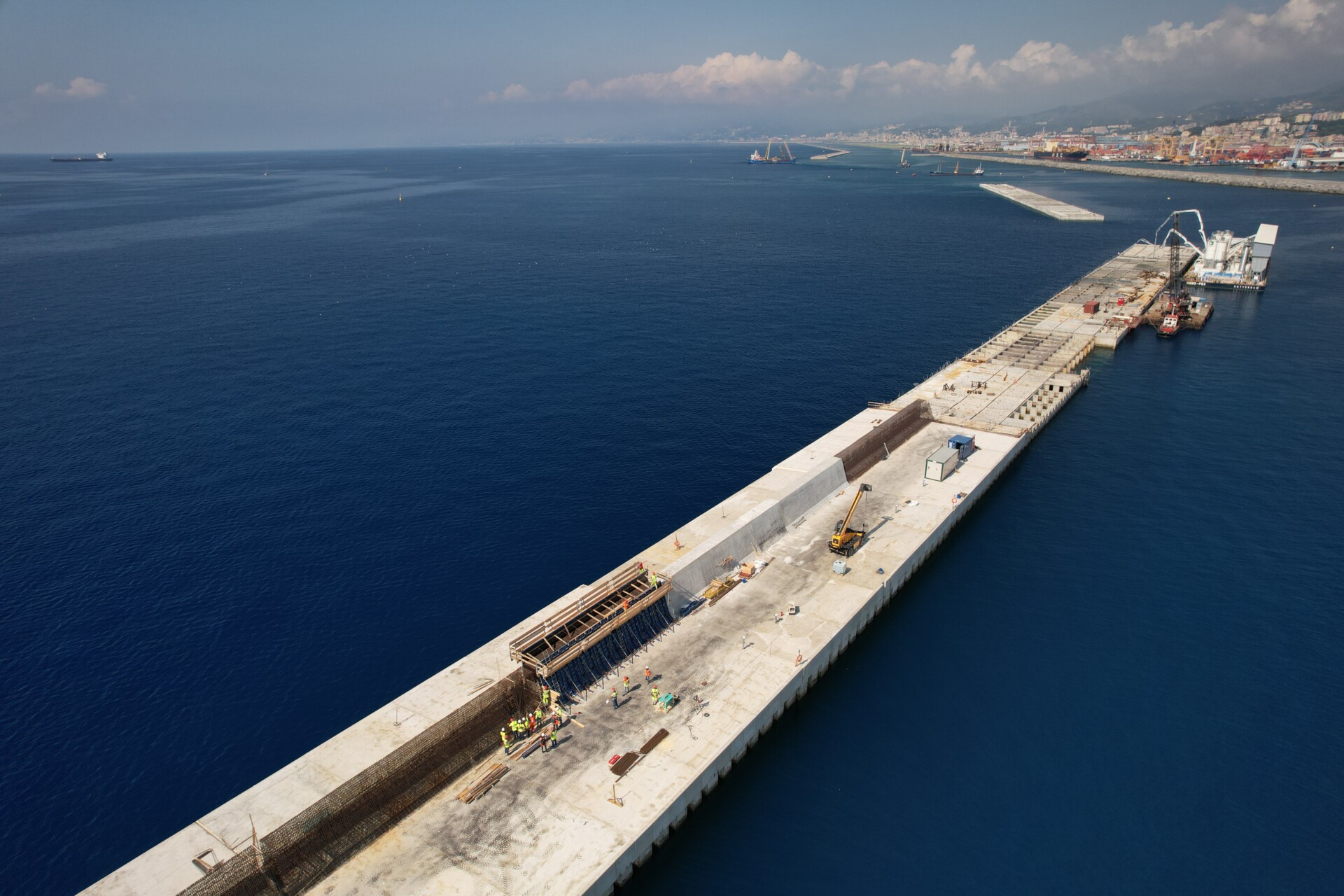
The wave wall will run along the entire alignment of the project, built above the concrete superstructure slab that is being progressively assembled following the path of the caissons already set on the seabed. Once completed, this superstructure will help bring the New Breakwater to approximately 7 meters above sea level, making increasingly visible an infrastructure that, until now, has grown mainly beneath the surface.
Its function will be essential to the daily life of the Port of Genoa. The wave wall is specifically designed to reduce the effects of wave motion and protect both the access channel and the harbour basins, creating safer conditions for navigation and helping maintain continuous port operations even when metocean conditions become more challenging.
Wave Wall: A Barrier to Protect Navigation
The size of mega container ships has expanded rapidly in recent decades, and with it, the requirements of the ports tasked with accommodating them. Maneuvering room, seabed depth, accessibility, and protection from wave action have become decisive factors in the competition among major international container ports.
The New Genoa Breakwater is designed specifically to meet this transformation. Once completed, this maritime infrastructure project will enable the Port of Genoa to welcome new-generation container ships, strengthening the facility’s ability to compete with the Mediterranean’s leading hubs.
The wave wall is one of the key elements that will create a better-protected harbour environment, allowing massive ships to enter, maneuver, and operate under safer conditions.
Protecting the port also means enhancing its reliability. For a port terminal integrated into global maritime trade routes, the ability to ensure operational continuity holds strategic value. Every vessel arriving in Genoa forms part of a logistics chain that extends from sea to land, reaching the terminals, the rail network, and ultimately Italian and European markets. It is on this scale that the impact of the New Breakwater must be understood.
Genoa Eyes the Mediterranean's Major Trade Routes
The new infrastructure reshapes maritime access to the Port of Genoa with the goal of adapting it to the evolution of global shipping. Indeed, new-generation container ships require infrastructure capable of accommodating naval gigantism while ensuring suitable conditions for entry and maneuvering within port facilities.
For Genoa, this means reinforcing its role as a maritime gateway to Northern Italy and Europe. The Ligurian port’s geographical location has always been one of its greatest strengths: the Mediterranean out front and Europe’s major industrial markets just behind. The infrastructure challenge lies in making the link between these two worlds increasingly efficient.
This is why the breakwater’s impact extends far beyond the perimeter of the port. The new maritime infrastructure is complementary to the Terzo Valico dei Giovi–Genoa Junction Single Project (also being built by Webuild), the high-speed rail line that will connect Genoa to Milan. On one side, the breakwater opens the port to mega-ships; on the other, the rail upgrade aims to make rail freight transport far more efficient.
Sea and rail thus become two integrated components of the same logistics corridor: a pathway that begins along international Mediterranean shipping lanes, passes through Genoa, and continues onward to European markets.
New Genoa Breakwater: A Breakwater Built at a Depth of 50 Meters
To make this transformation possible, the job site of the New Breakwater is growing simultaneously above and below sea level.
Constructed by the PerGenova Breakwater Consortium, led by Webuild on behalf of the Western Ligurian Sea Port Authority, the new breakwater is installed on seabed depths reaching up to 50 meters—a feature that makes this project one of the most significant marine engineering works currently under construction in Europe.
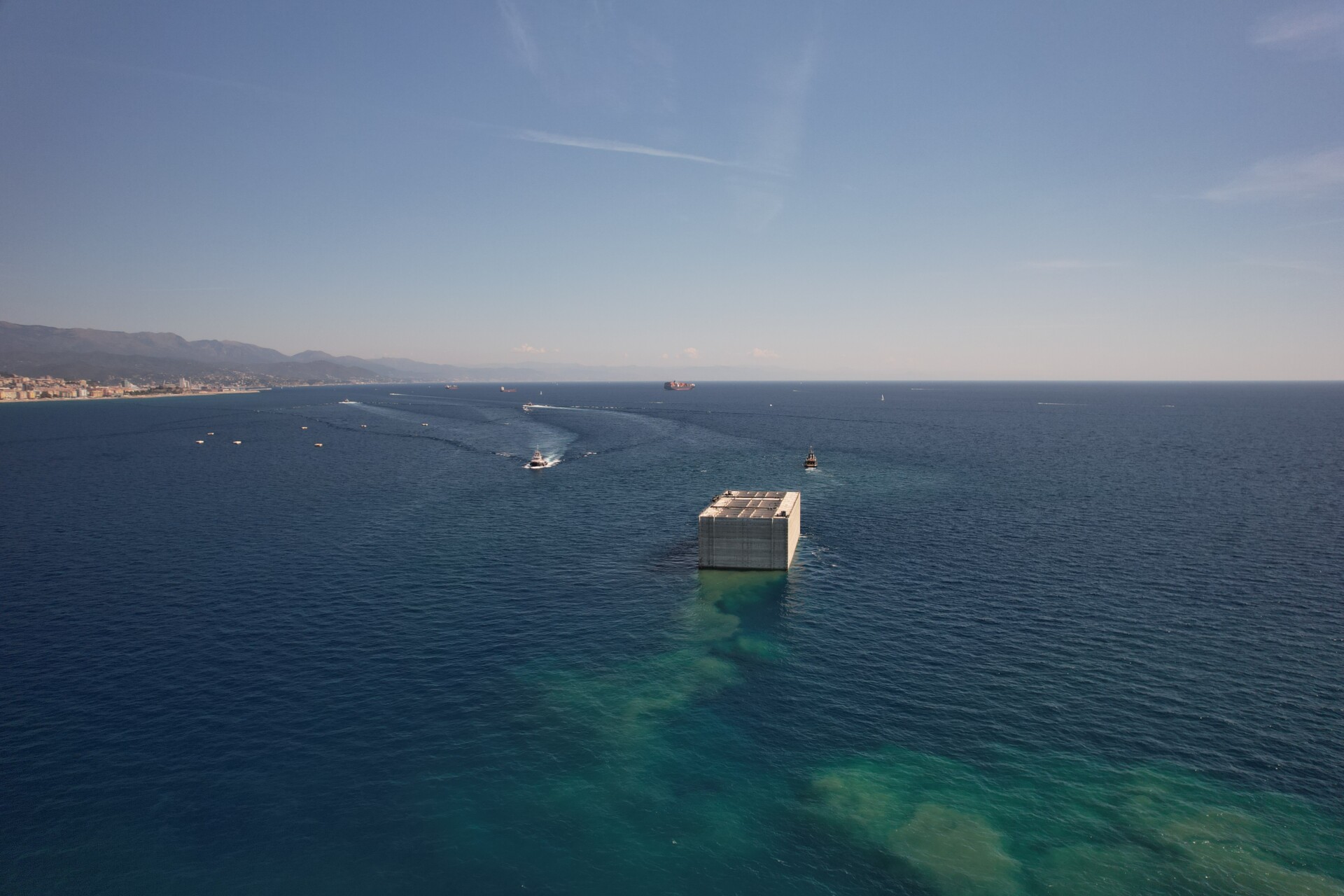
The construction site is advancing on multiple fronts. Submerged operations are complemented by the assembly of the infrastructure’s above-water section, while the placement of the massive caissons, which progressively trace the breakwater’s path across the sea, continues. Indeed, the start of work on the wave-breaker wall coincides with another milestone in the project’s progress: the placement of the thirty-second caisson.
It is precisely these caissons that mark the alignment along which the new infrastructure grows. The superstructure takes shape on top of them, crowned by the wave-breaker wall.