


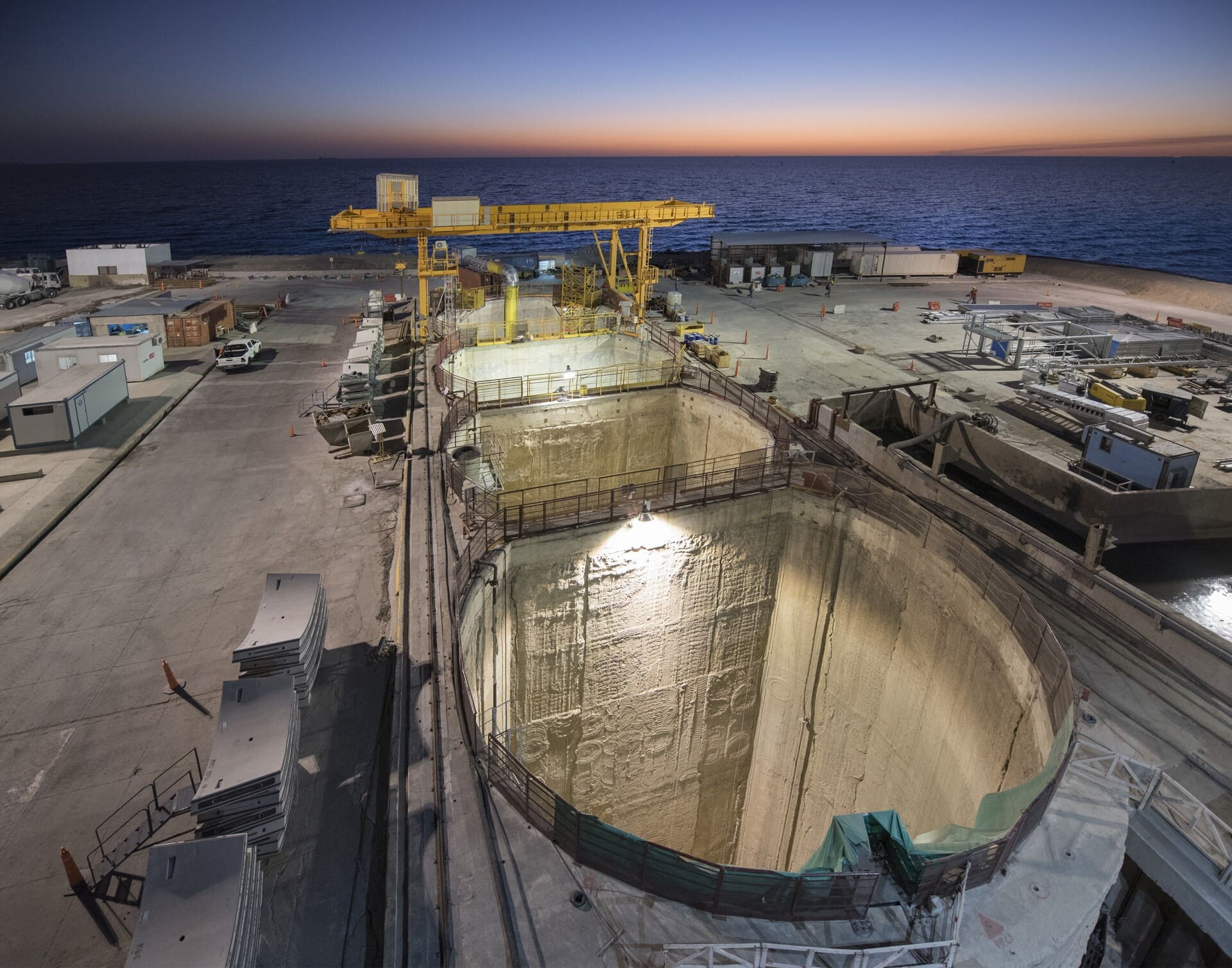
 Riachuelo System construction site, Buenos Aires
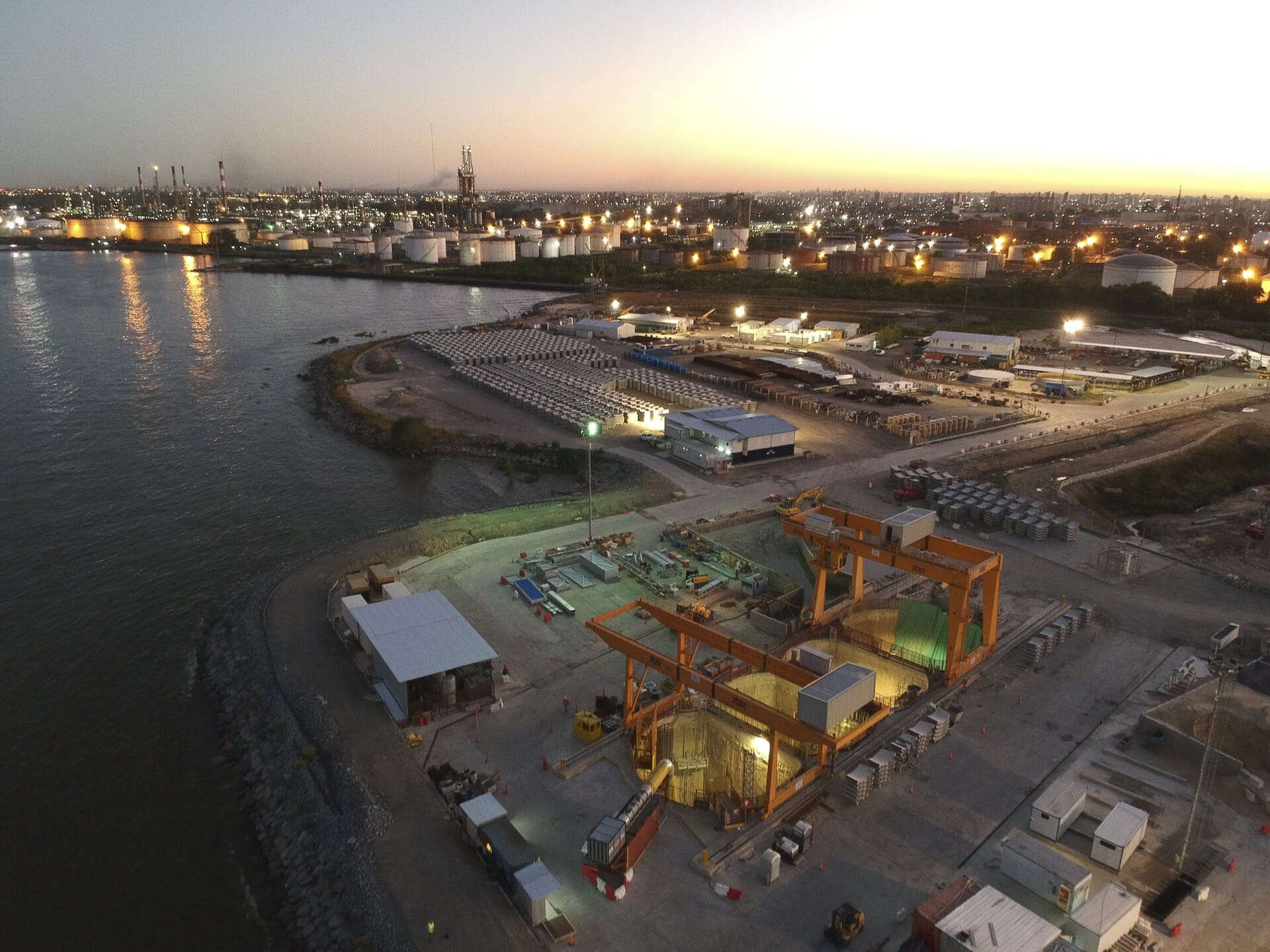 Riachuelo System construction site, Buenos Aires
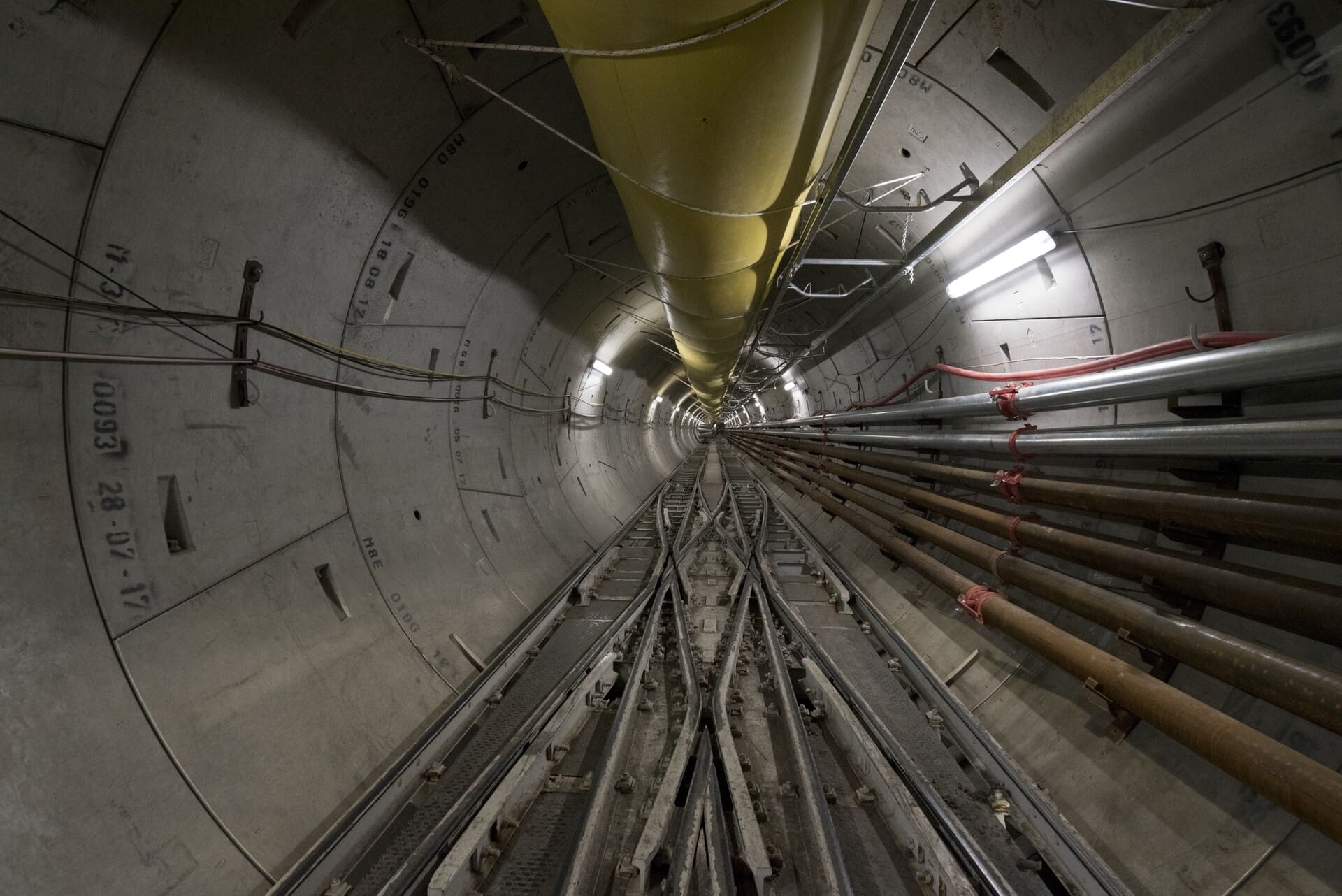 Riachuelo System construction site, Buenos Aires
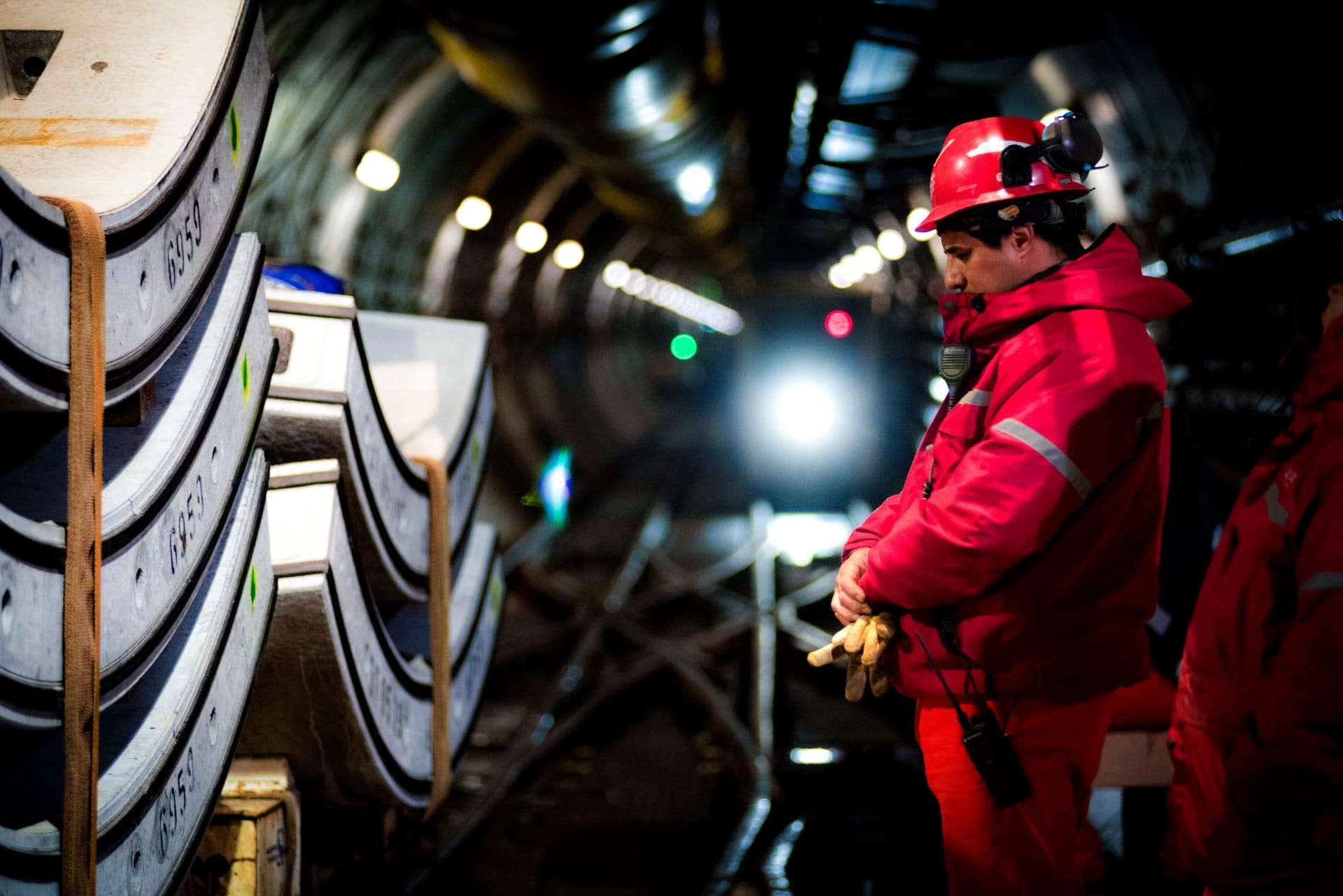 Riachuelo System construction site, Buenos Aires
 Riachuelo System construction site, Buenos Aires
 Riachuelo System construction site, Buenos Aires
 Matanza-Riachuelo river, Buenos Aires
 Panoramic view of Buenos Aires, Argentina
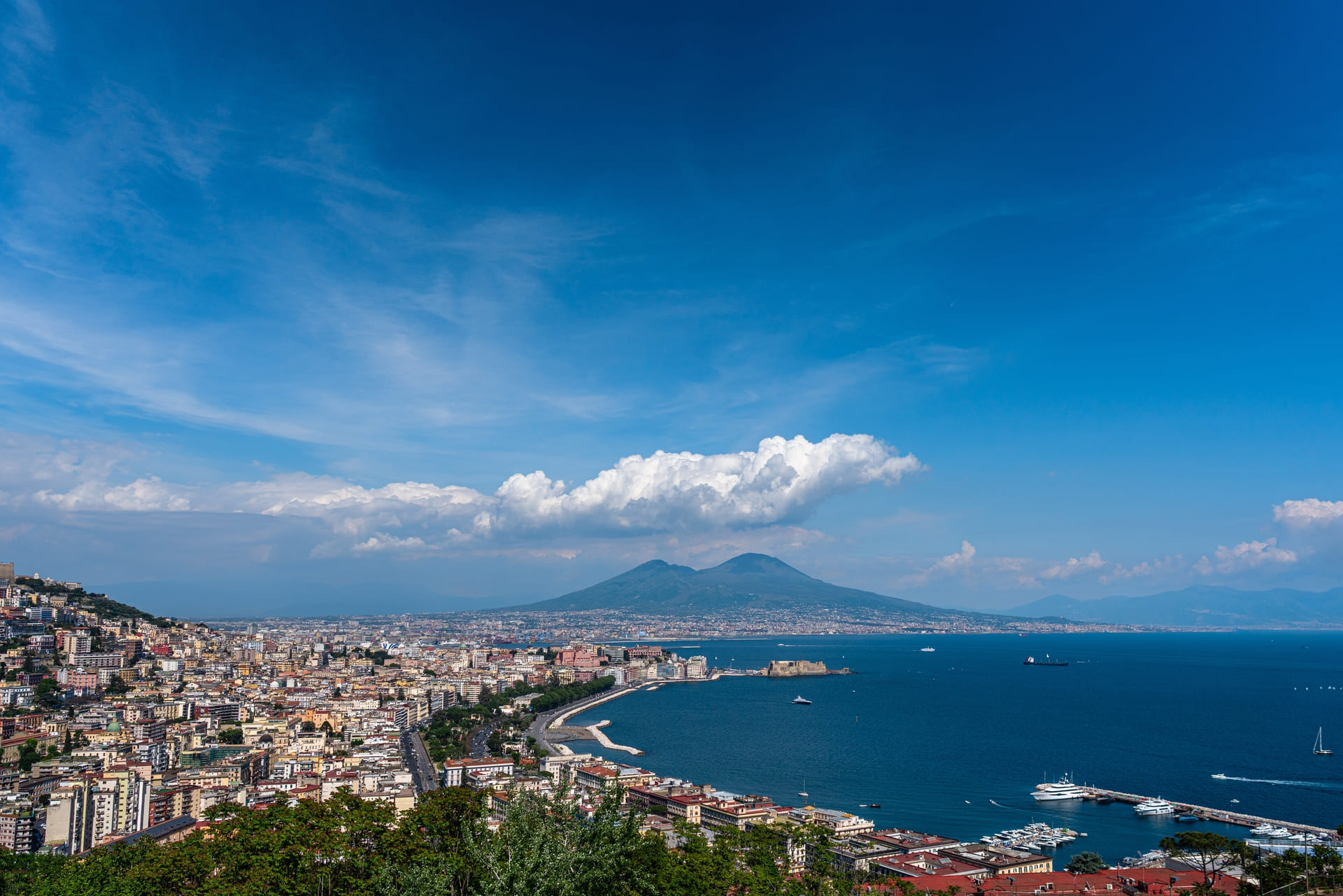 Gulf of Naples
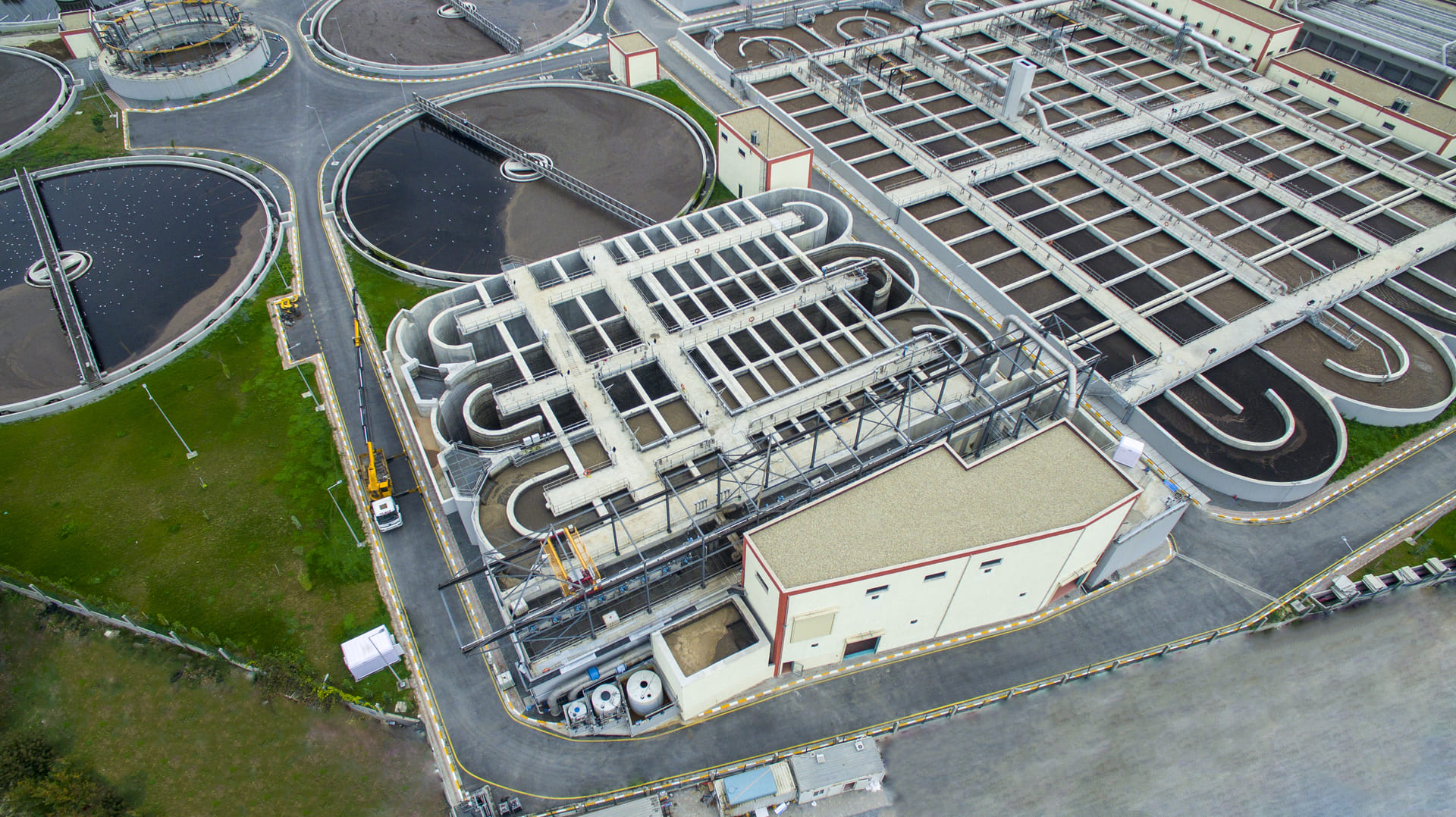 Ataköy Wastewater Treatment Plant, Istanbul
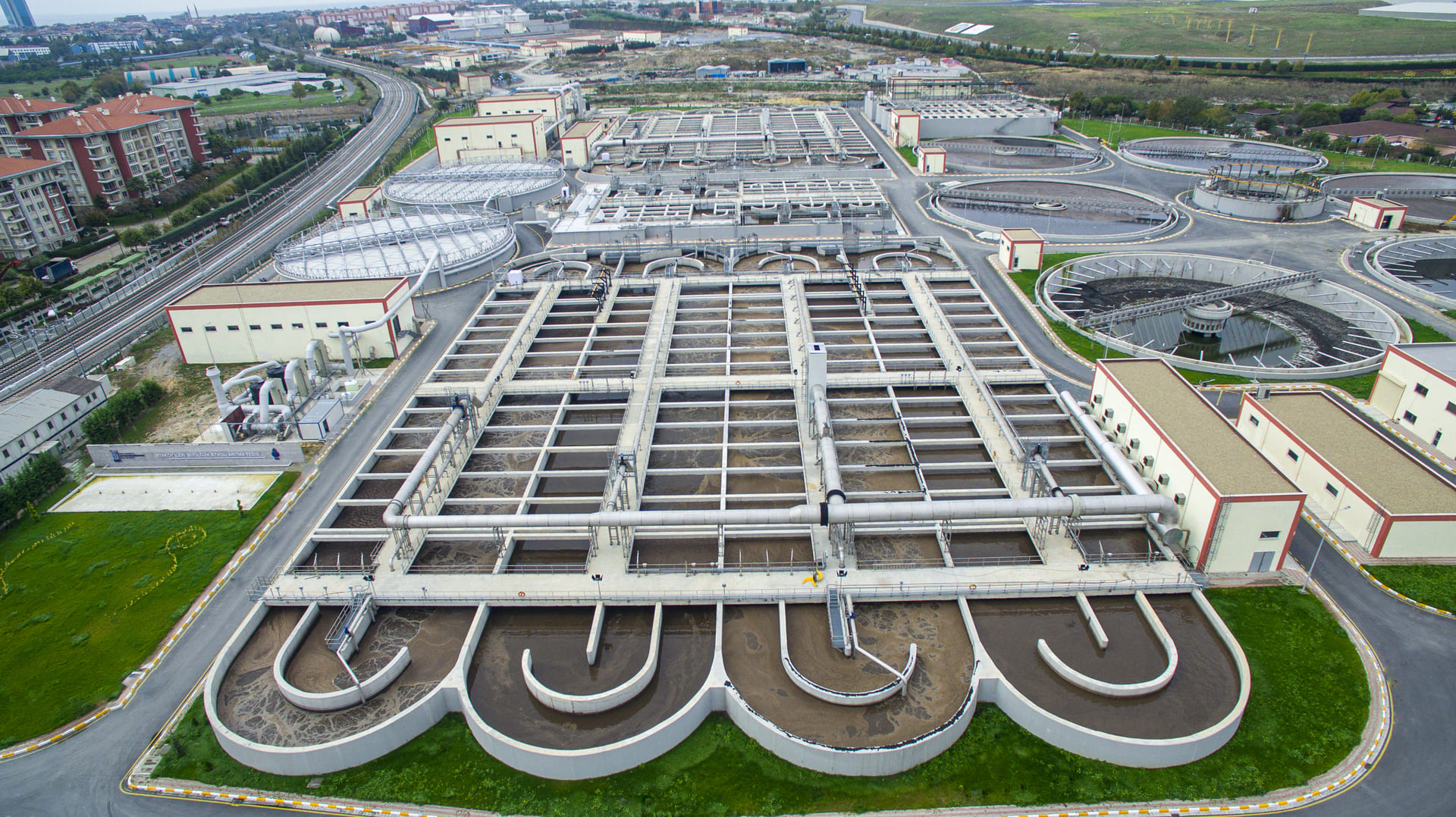 Ataköy Wastewater Treatment Plant, Istanbul
- The new Naples East Wastewater Treatment System will serve 860,000 residents across 14 municipalities in the metropolitan area.
- In 2022, 42% of domestic wastewater worldwide was still not safely treated.
- Today, 4.3 million people benefit from the Riachuelo System in the metropolitan area of Buenos Aires.
- The plant is capable of treating 2.3 million m³ of wastewater per day.
- Over 9 million people worldwide are served by water treatment plants built by Fisia Italimpianti.

In Naples, the water challenge also passes through San Giovanni a Teduccio, in the eastern part of the city, where in the late 1990s one of the major facilities designed to collect and treat the metropolitan area’s wastewater was constructed.
Today, that facility is preparing for a complete transformation. The functional upgrade project for the Naples East Wastewater Treatment Plant, valued at a total of 111 million euros, was awarded to the consortium comprising Fisia Italimpianti, a subsidiary of the Webuild Group, and Spain’s Acciona.
The objective is to transform and enhance a strategic infrastructure for a densely populated territory, introducing advanced biological processes and ensuring the treatment of wastewater generated by approximately 860,000 residents across fourteen municipalities.
Yet the project extends beyond the boundaries of the plant itself. Indeed, the treated water is set to have a direct impact on the water quality of the Gulf of Naples and on the future of a segment of the city’s eastern coastline. Improving the purification system will contribute to the environmental restoration of coastal stretches currently impacted, supporting urban regeneration programs and creating the conditions to restore swimming access to areas that are currently less accessible.
It is precisely here that a sewage treatment plant ceases to be merely a technical infrastructure and becomes a lever for urban transformation.
From Naples to the Rest of the World: The Great Challenge of Wastewater Treatment
The project in Naples is part of a global challenge affecting major cities worldwide. Every day, millions of cubic meters of water enter homes, offices, commercial establishments, and industrial plants, only to exit transformed into wastewater. Collecting, transporting, treating, and returning this water to the environment safely is one of the essential services enabling contemporary metropolises to function.
Yet the infrastructure gap remains vast. According to UN-Water, in 2022, 42% of the world’s domestic wastewater was not safely treated before being discharged into the environment—representing an estimated annual volume of approximately 113 billion cubic meters of domestic wastewater released into nature without adequate treatment.
The issue becomes all the more urgent when considering urban growth and the increasing pressure on water resources. The World Bank estimates that urban centers and industrial activities collectively generate nearly one billion cubic meters of wastewater every single day.
For this reason, water treatment has become one of the fundamental invisible infrastructures of the modern city: a system that protects rivers, seas, and aquifers, mitigates health and environmental risks, and, through new technologies, increasingly enables water to be recovered and repurposed for new uses.
Water Treatment: From Waste to Resource
For decades, wastewater was viewed essentially as waste to be disposed of. Today, the objective is different: treating it to transform it once again into a resource.
The World Bank speaks of a shift from traditional purification plants to true water recovery facilities—infrastructure capable not only of removing contaminants and pathogens, but also of recovering water, energy, and nutrients.
The reuse of treated water can alleviate pressure on natural sources and offer new resources for agriculture, industry, urban irrigation, and other compatible uses. A perspective set to become increasingly critical in major metropolitan areas, where high consumption and large volumes of wastewater requiring treatment coincide.
In this transformation, technology plays a decisive role: advanced biological processes, filtration systems, membranes, major pumping stations, and underground infrastructure make it possible to manage volumes that just a few decades ago would have been difficult to imagine.
Riachuelo: The Major Infrastructure Project Cleaning Up Buenos Aires
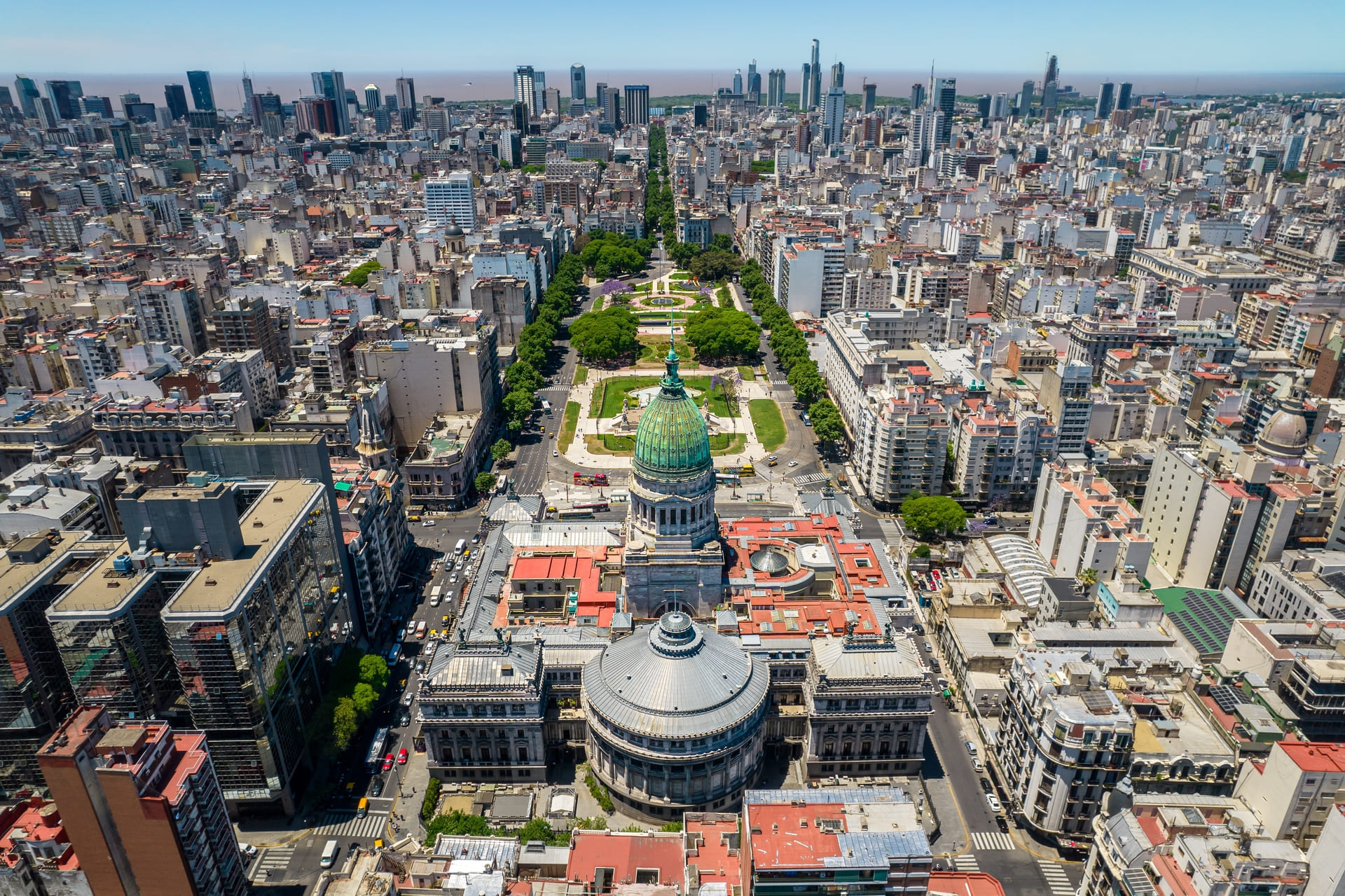
Nearly 11,000 kilometers from Naples, Buenos Aires reflects the exact same challenge on an even larger scale.
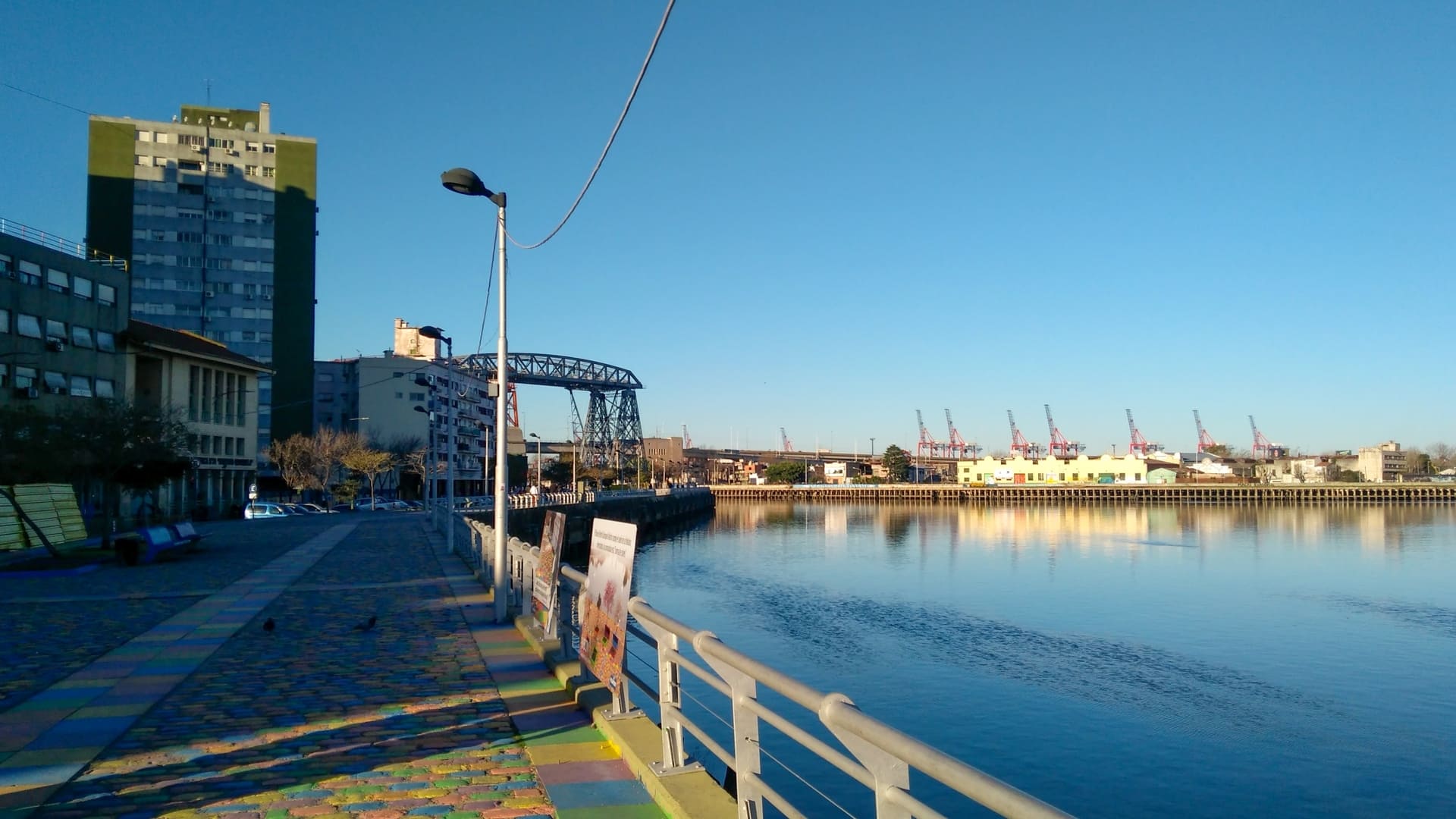
The Matanza-Riachuelo flows through one of the most densely populated urban and industrial regions in Argentina and, for over a century, it has been one of the worst cases of water pollution in Latin America. Industrial activities, urban growth, and discharges progressively degraded the basin’s ecosystem, making its environmental restoration one of the country’s paramount challenges.
Out of this necessity emerged the Riachuelo System—the largest wastewater treatment project ever undertaken in Latin America, supported by the World Bank and designed to radically transform wastewater management across the metropolitan area of Buenos Aires.
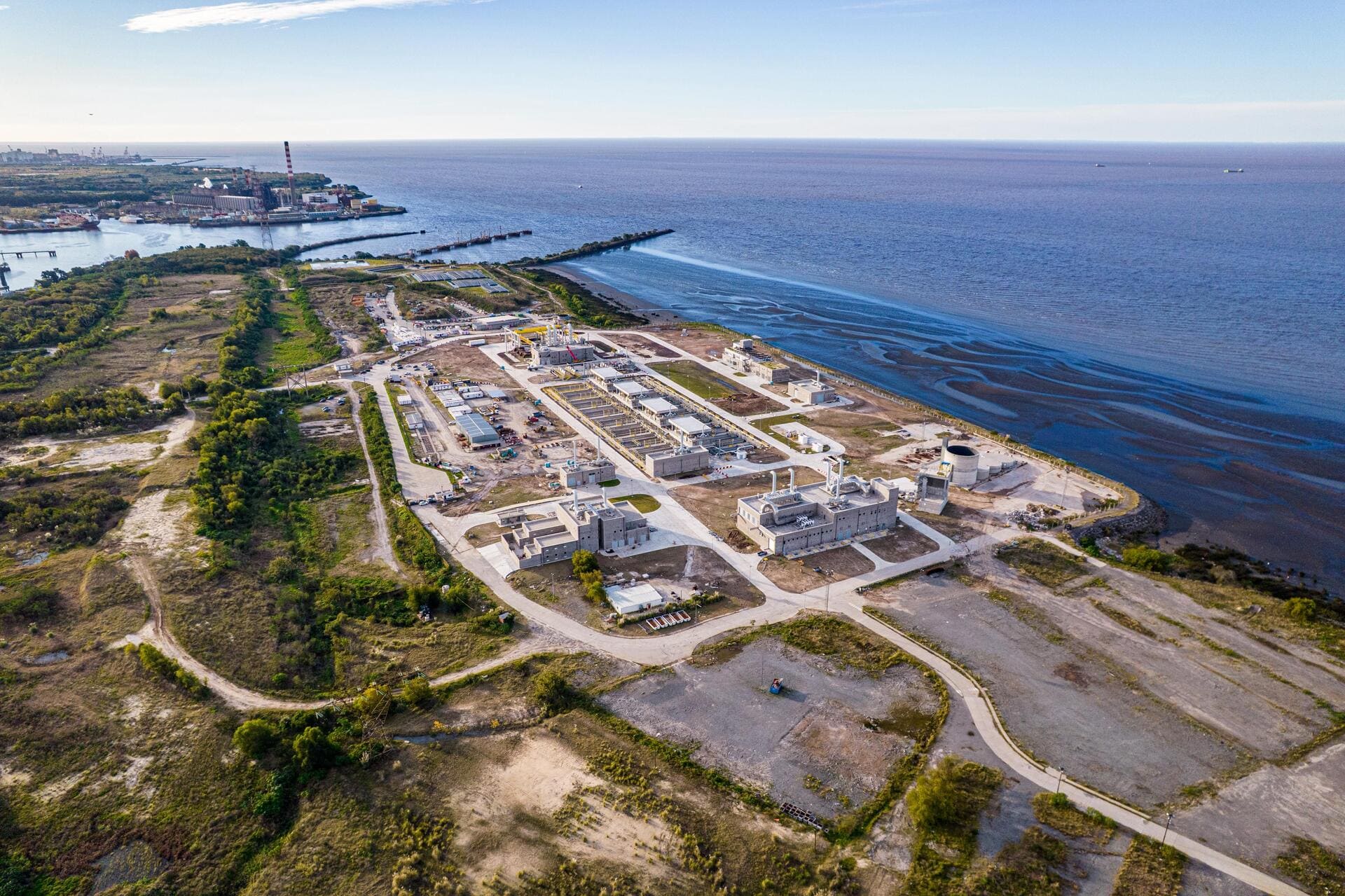
The system, which came into operation in 2025, is structured into three major lots, two of which were executed by the Webuild Group. Lot 2, built by Fisia Italimpianti and its partners, forms the core of the treatment system and includes an inlet pumping station with a capacity of 36 cubic meters per second, a pretreatment plant rated at 27 cubic meters per second, and an outlet pumping station.
In total, the Riachuelo System can treat up to 2.3 million cubic meters of wastewater per day, improving sanitary conditions for more than 4.3 million residents across fourteen municipalities and enabling the expansion of the sewerage network to an additional 1.5 million inhabitants.
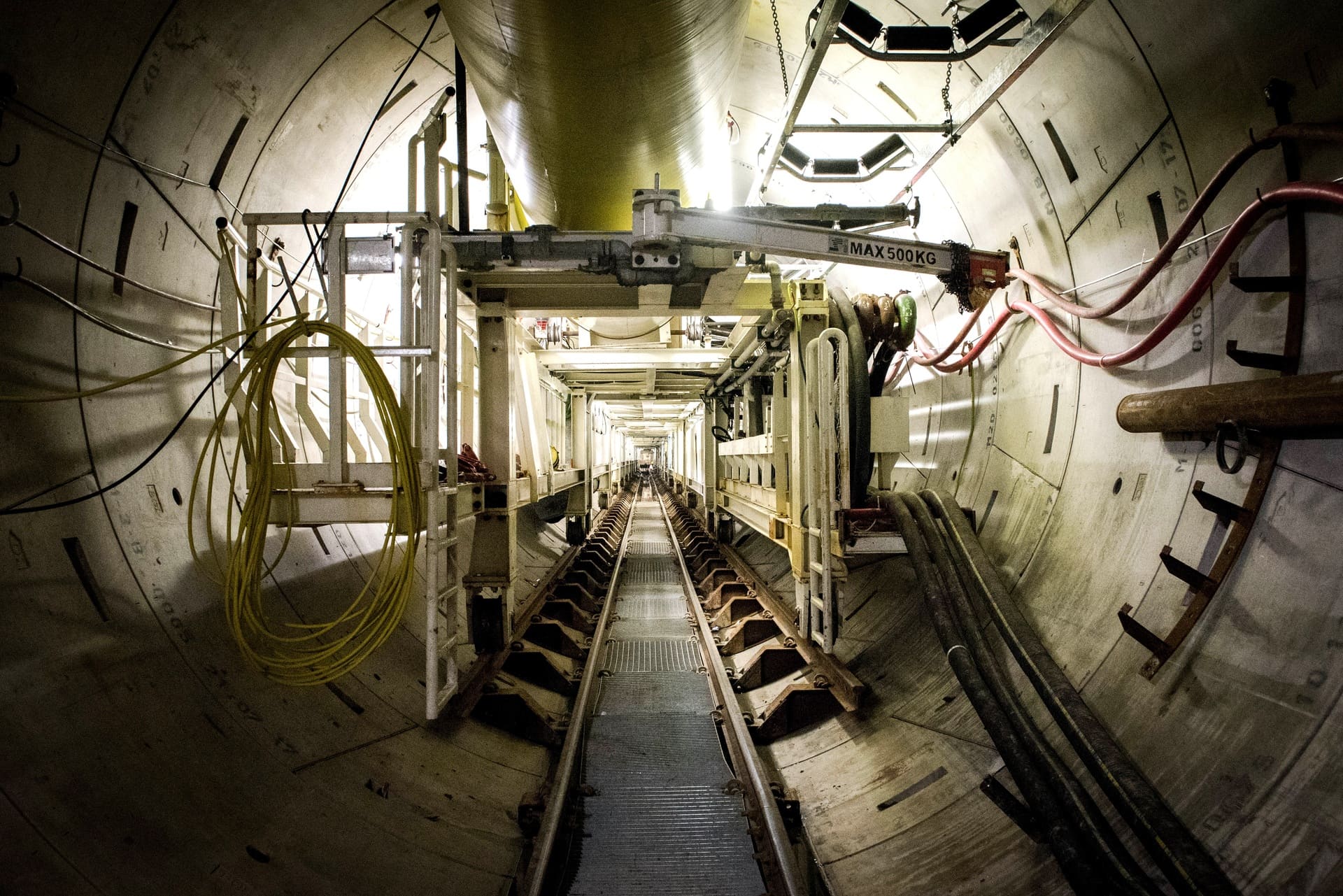
The engineering complexity of the Riachuelo System becomes particularly evident when observing what happens after treatment. Lot 3, also constructed by Webuild, encompasses a 12-kilometer sub-fluvial tunnel excavated up to 40 meters beneath the bed of the Río de la Plata. Featuring an internal diameter of 4.3 meters, the tunnel transports the treated water out to the discharge point.
Here, one of the treatment plant’s most innovative engineering solutions comes into play: 34 vertical steel pipes, known as risers, link the tunnel to the riverbed, enabling a controlled and uniform dispersion of the treated water—a technological solution that won the International Tunnelling Association (ITA) Award in 2021.
Turkey: From the Water Treatment Plant, Water Returns to Istanbul
Another model for wastewater treatment comes from Istanbul, one of the largest urban areas in the Mediterranean. Here, Fisia Italimpianti worked on the Ataköy Wastewater Treatment Plant, located in the European part of the metropolis.
The project involved the modernization of the existing plant and the construction of new biological treatment sections, incorporating Membrane Bio-Reactor (MBR) technology. Thanks to the membranes, the wastewater undergoes an advanced process that enables water recovery and reuse.
A portion of the treated water can thus return to the city and be utilized, for example, for the irrigation of green spaces and street cleaning. It is a transition that is seemingly simple yet substantial: water enters the city, is used, collected, purified, and becomes available once again for a new purpose.
From Sewage Treatment Plants to Desalination: Water Infrastructure for the Cities of the Future
From Naples to Buenos Aires, by way of Istanbul, the challenge remains the same: building cities capable of growing without transferring the environmental cost of their expansion onto rivers and seas.
It is within this domain that the expertise of Webuild and Fisia Italimpianti comes into play, as leaders in the design and construction of complex water treatment plants and desalination facilities.
The water treatment plants constructed by Fisia currently serve over 9 million people worldwide, while Webuild’s overall expertise in the water sector spans the entire resource cycle—from major dams to aqueducts, and from wastewater treatment plants to hydraulic defense infrastructure.
Against this backdrop, Naples East currently represents the homecoming to Italy of this international heritage of technical expertise. Because wastewater treatment in a major city means far more than building a purification plant. It means protecting the sea and rivers, reclaiming land, restoring access to stretches of coastline, alleviating pressure on natural resources, and returning clean water to the environment.