


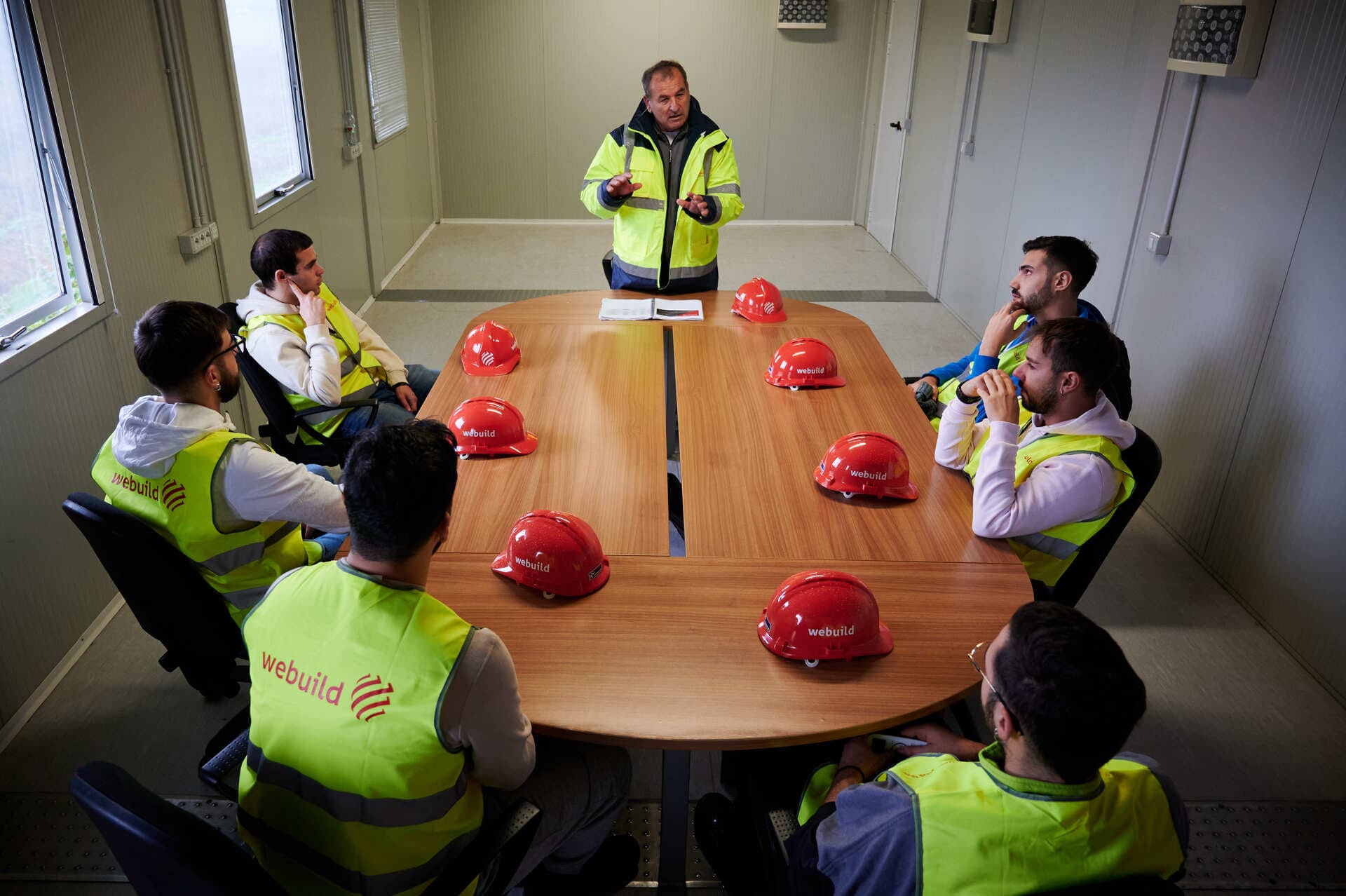
 Worker training sessions, "Cantiere Lavoro Italia" project
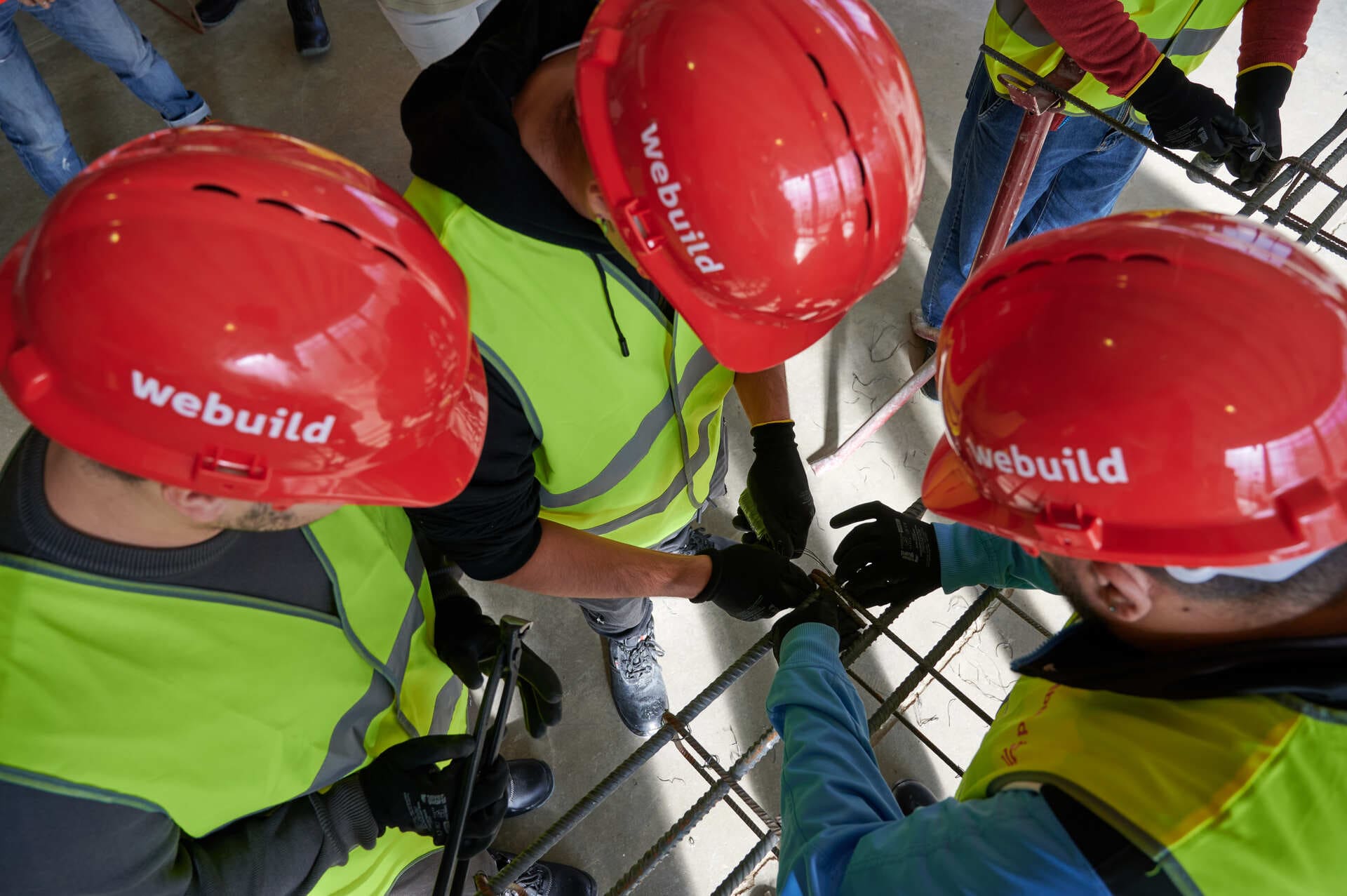 Worker training sessions, "Cantiere Lavoro Italia" project
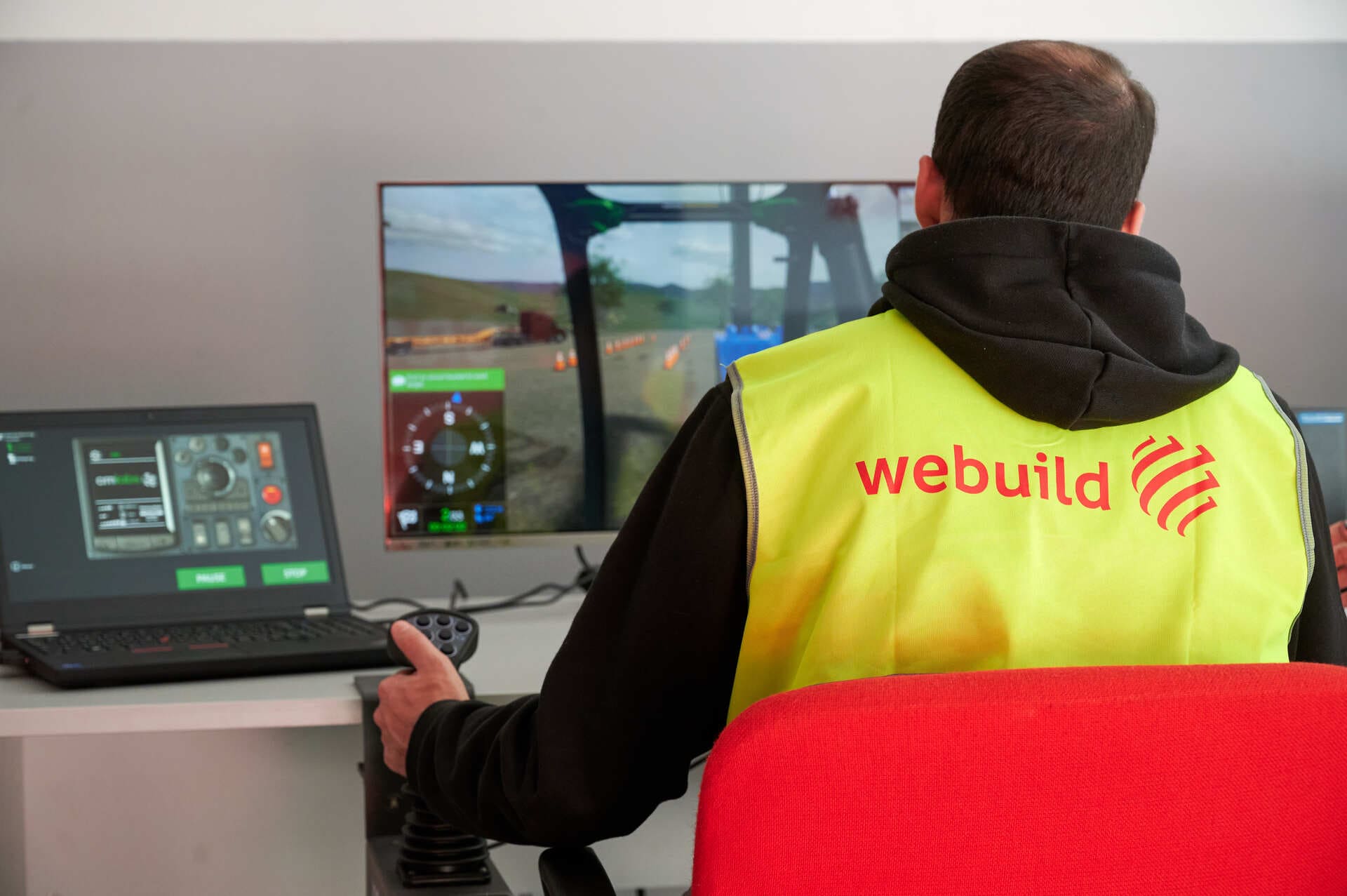 Worker training sessions, "Cantiere Lavoro Italia" project
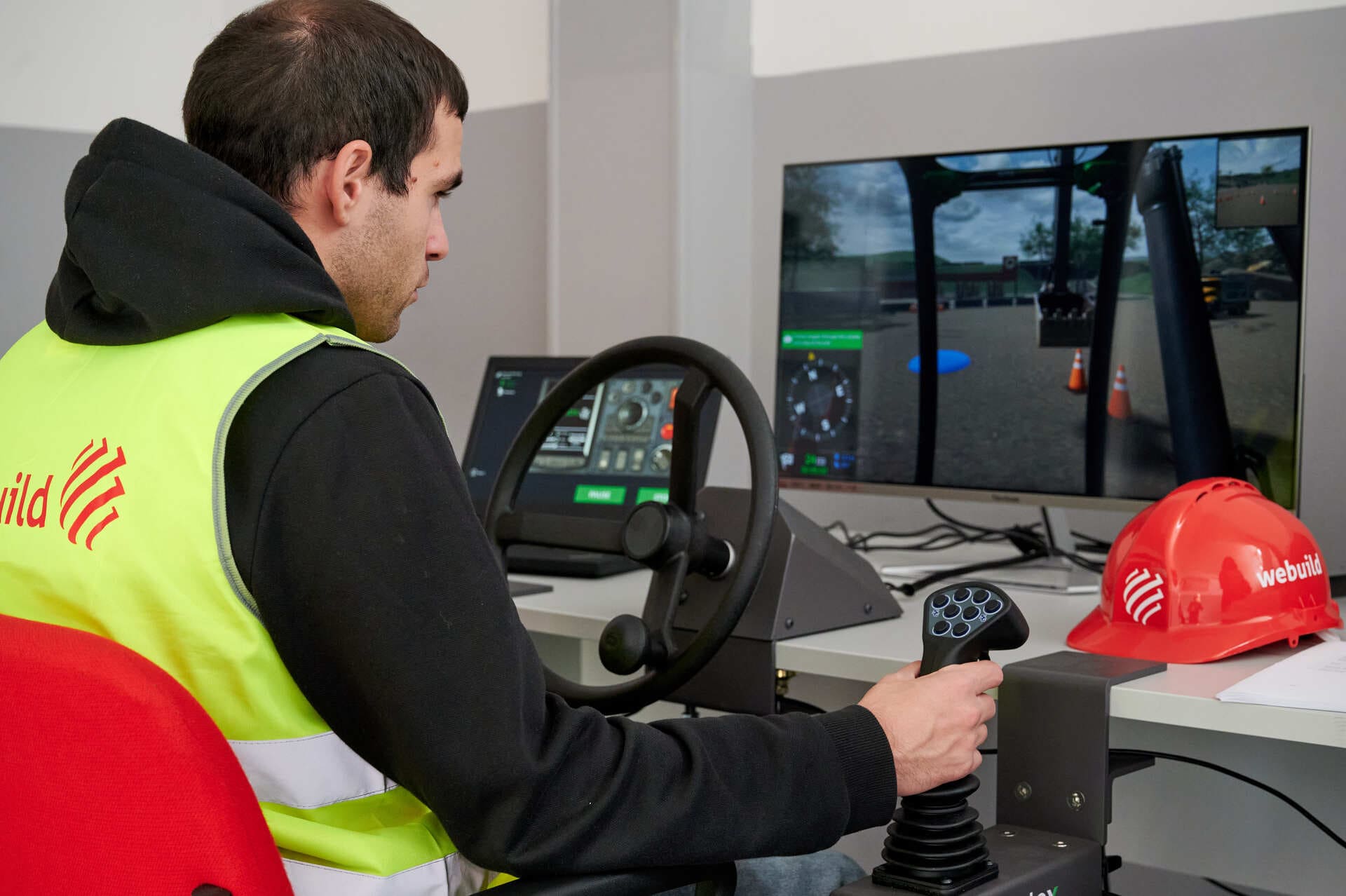 Worker training sessions, "Cantiere Lavoro Italia" project
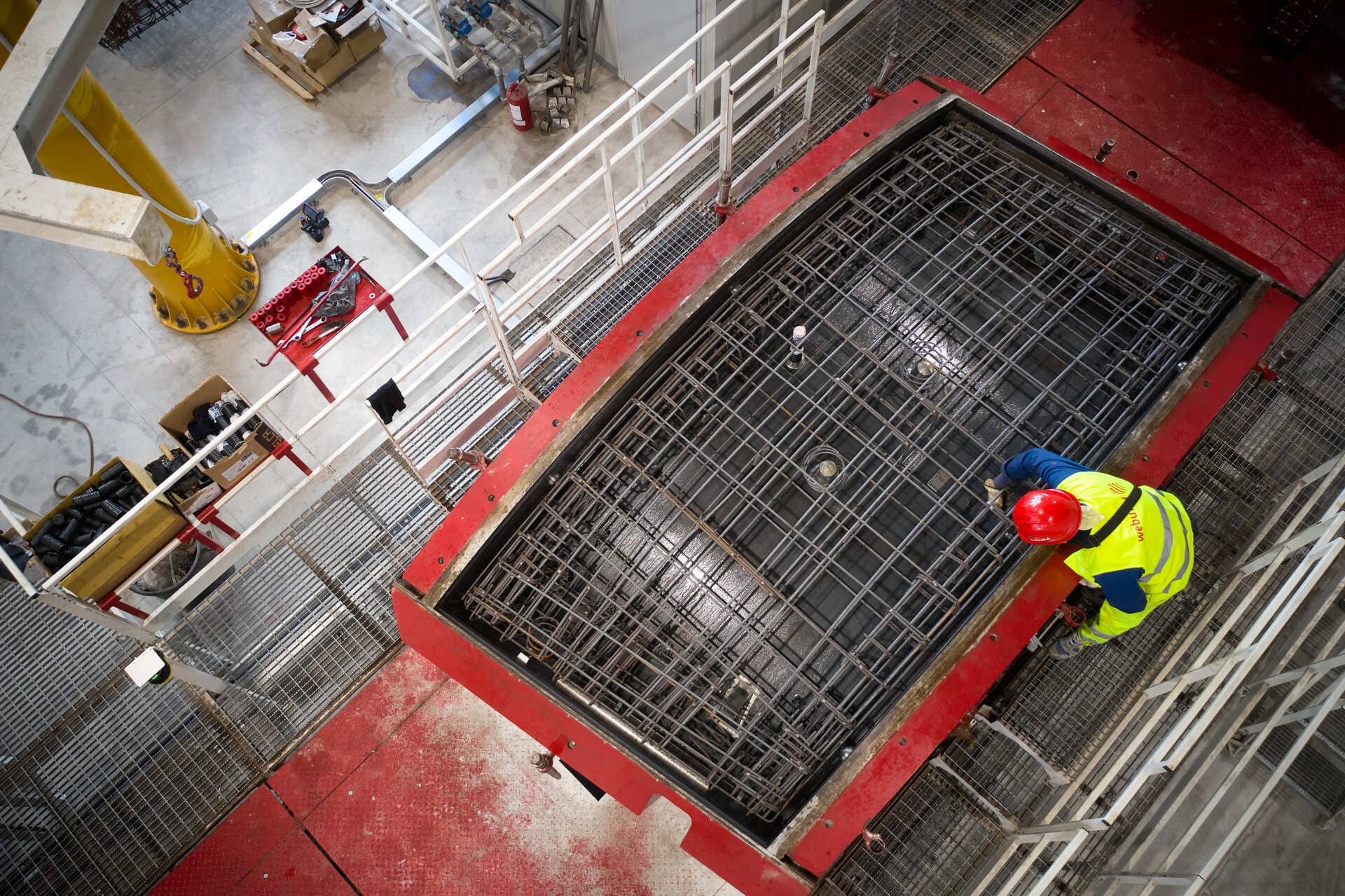 Technicians at work at the Belpasso precast segment plant
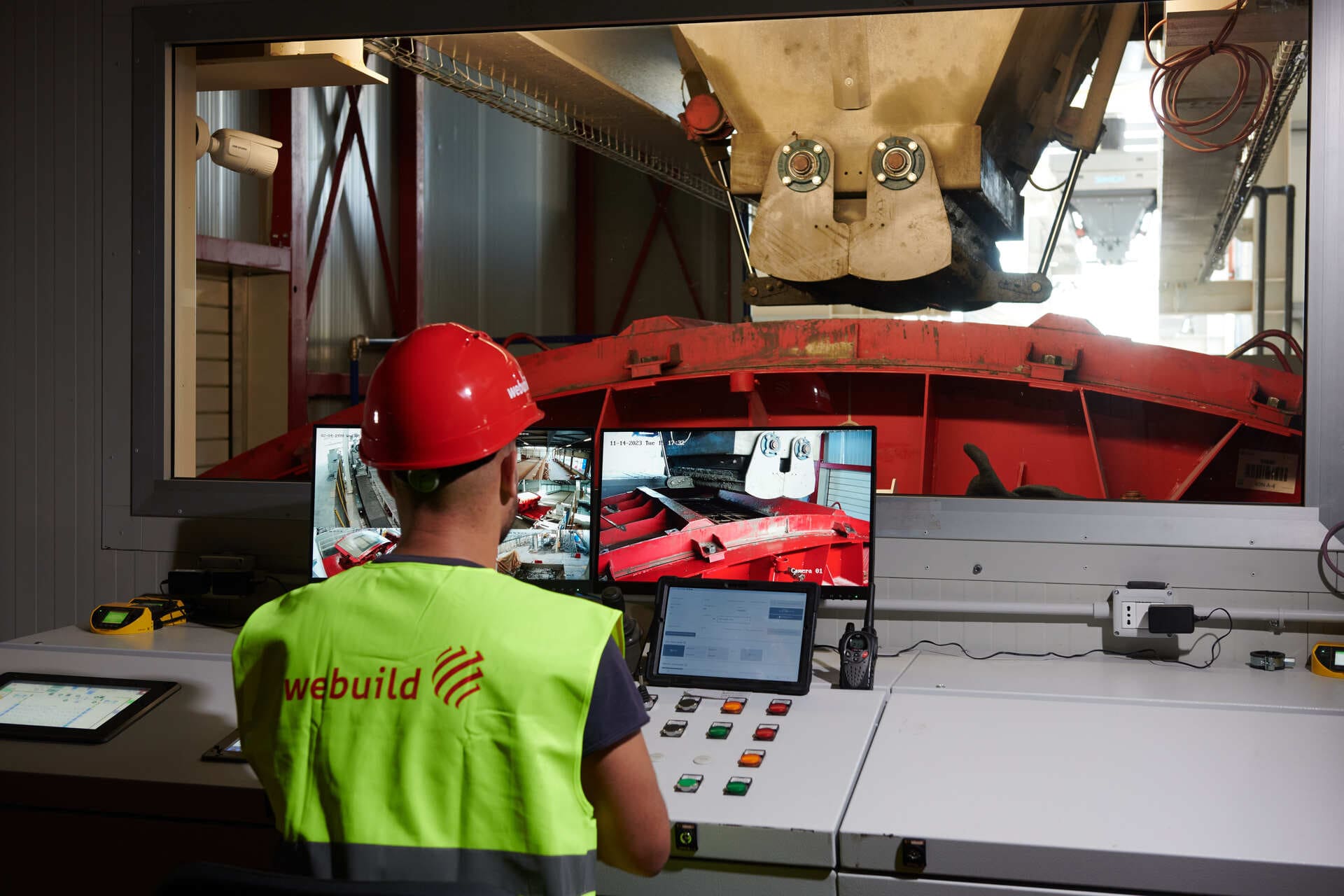 Technicians at work at the Belpasso precast segment plant
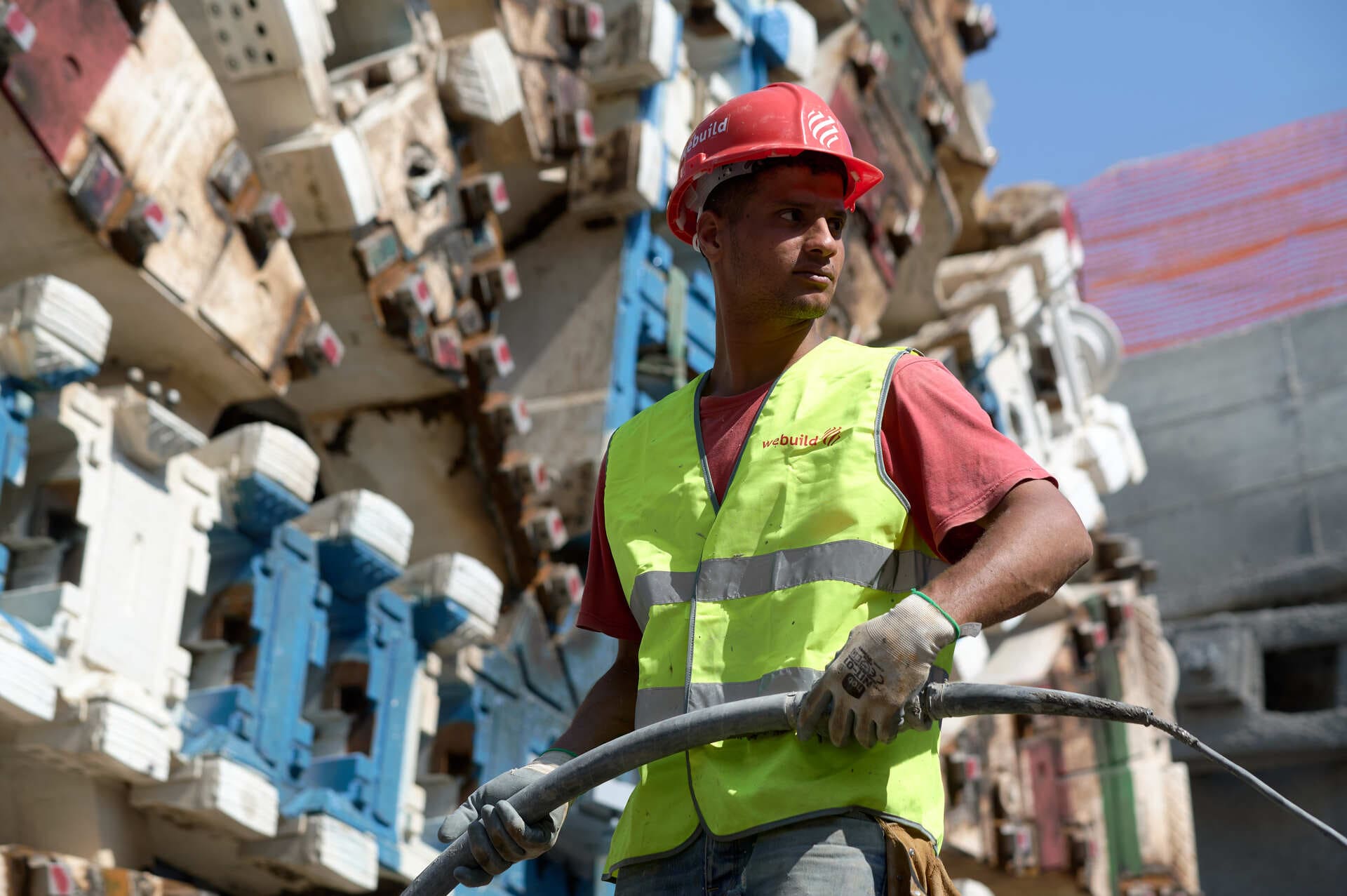 Workers on the construction site of the Naples-Bari HS/HC railway
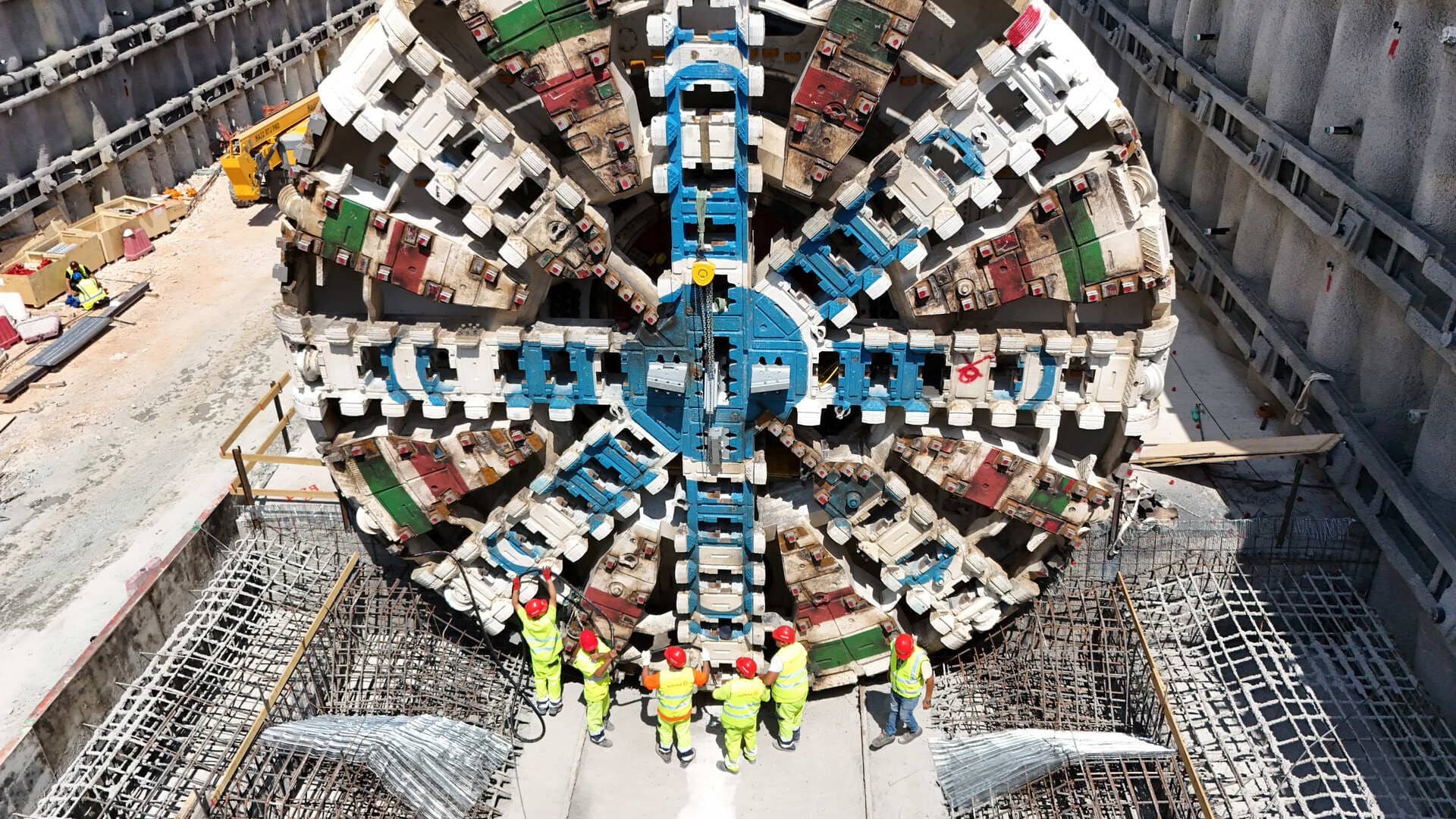 Workers on the construction site of the Naples-Bari HS/HC railway
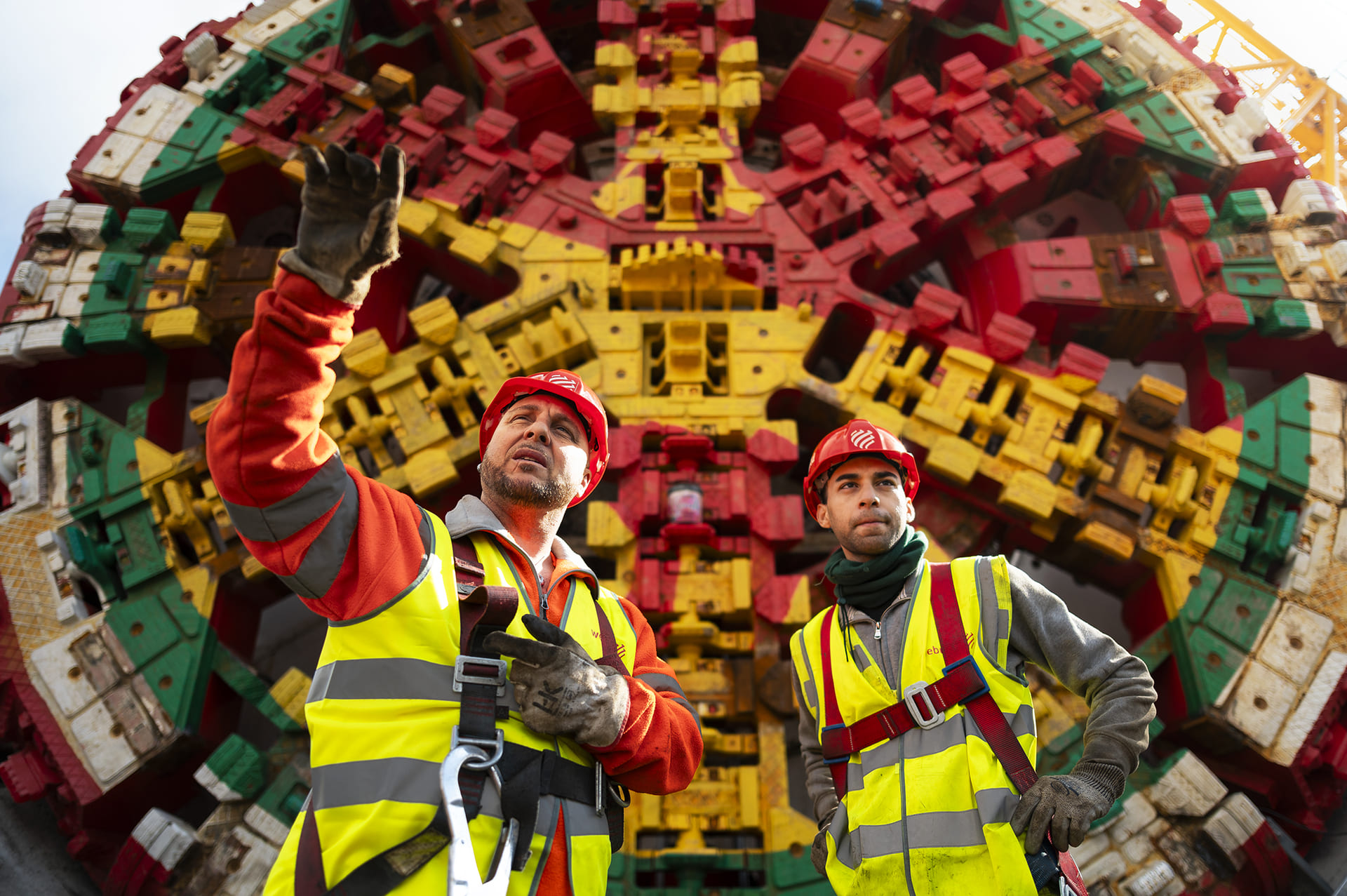 Workers on the construction
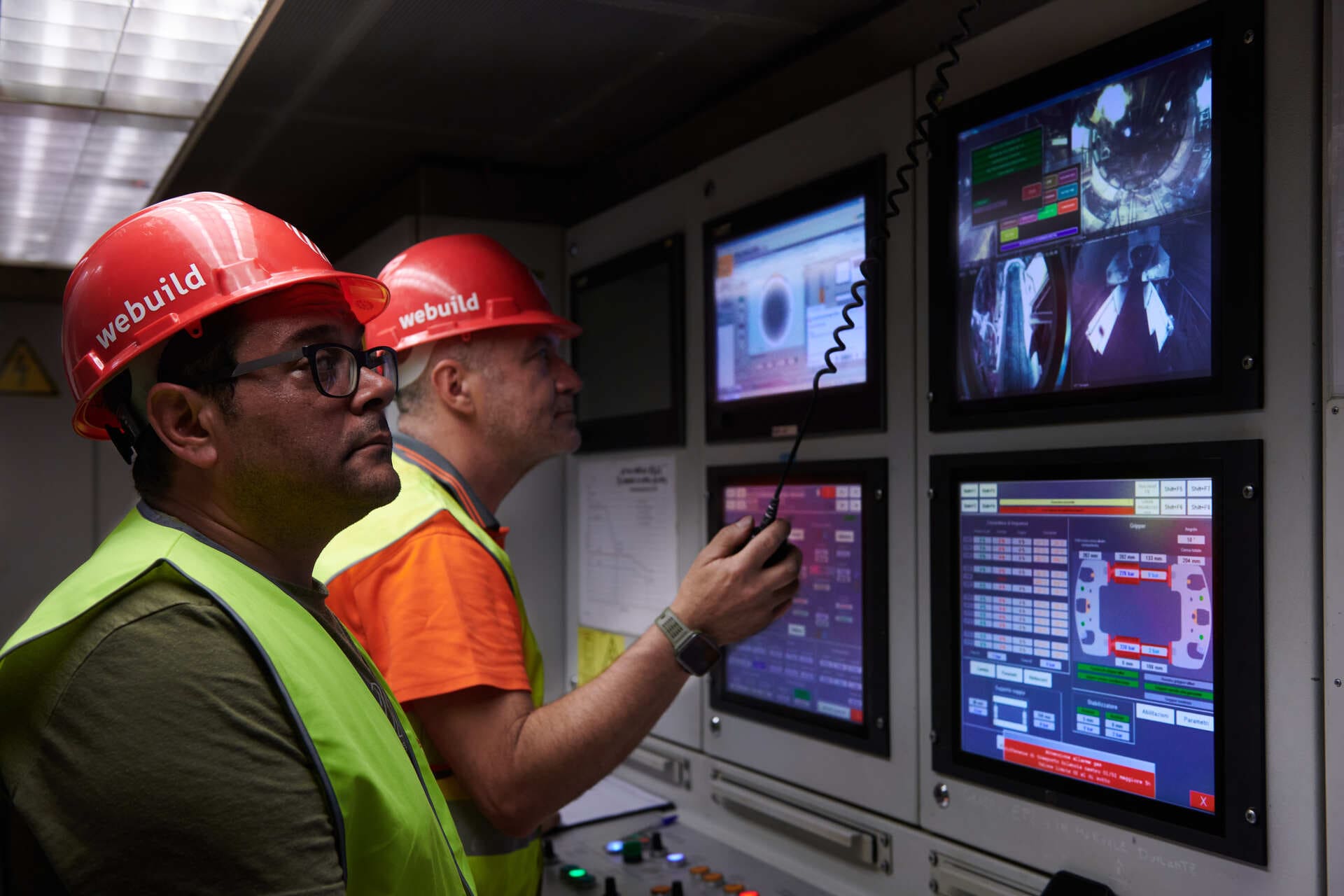 Workers at the Brenner Base Tunnel construction site
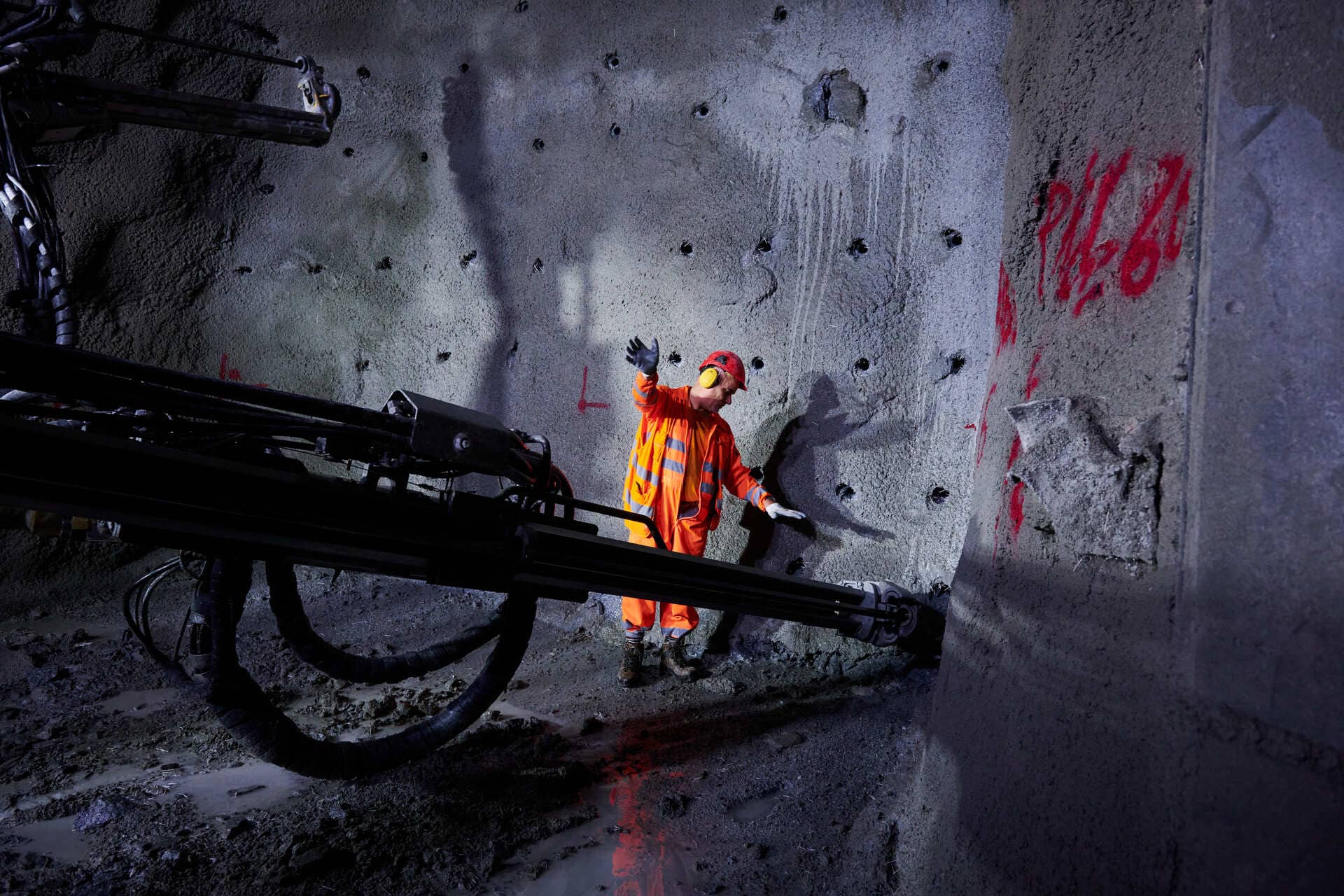 Workers at the Brenner Base Tunnel construction site
- Webuild launches the Graduate Program in partnership with POLIMI Graduate School of Management: new graduates in engineering or economics hired on permanent contracts to train the professionals of major infrastructure works
- The program features two years of work and training, including a second-level university master's degree in partnership with POLIMI Graduate School of Management, 360 lecture hours, and 375 hours of project work
- Through Cantiere Lavoro Italia, Webuild invests in training skilled workers, electricians and technicians, transforming major construction sites into hubs for learning and career development
- From the Naples–Bari high-speed line to international projects, the Group's initiatives provide young talent with career placement opportunities and skill development

New graduates in engineering or economics, a permanent contract, and a second-level university master’s degree organized by the Webuild Academy with POLIMI Graduate School of Management to attend while working. The young talents joining Webuild’s new Graduate Program will have the opportunity to embark on a structured path of accelerated growth, training, and hands-on experience, designed to lead to roles of increasing responsibility.
The goal is to provide participants with the tools, on-the-job training, and experiences required to fast-track their professional growth, developing a new generation of professionals capable of managing complex projects on an international scale by bridging technical, managerial, and strategic expertise.
They will have company mentors by their side while concurrently pursuing an advanced education track to earn a second-level university master’s degree, developed in collaboration with POLIMI Graduate School of Management.
The program includes an initial two-year track that combines work, academic training, and hands-on field experience. Participants will be hired from the outset on permanent contracts and will be able to earn tuition-free a Master’s in Construction & Project Management, developed by Webuild Academy in collaboration with POLIMI Graduate School of Management.
The curriculum features 360 hours of training and 375 hours of project work, during which these young professionals will tackle real-world challenges and develop solutions directly applicable to the Group’s projects.
At the end of the first two years, based on the results achieved and the potential demonstrated, the program will continue with an additional two-year phase dedicated to accelerating professional growth through skill development pathways and progressive responsibilities.
The Graduate Program represents another milestone in a long-standing strategy pursued by Webuild Group: investing directly in the education and training of the people who will be called upon to build the infrastructure of tomorrow.
It is a strategy that starts in universities, runs through technical institutes, and reaches major construction sites, where the transfer of skills becomes an integral part of daily work.
From Novi Ligure to Southern Italy, Construction Sites Turn into Schools with Cantiere Lavoro Italia
In 2023, Webuild launched Cantiere Lavoro Italia, an attraction, training, and recruitment program dedicated both to candidates without prior experience entering from the job market and to internal skilled workers. Through this initiative, Webuild developed a network of training centers spanning various regions and major infrastructure projects.
Training centers (bootcamps) designed to develop the skilled profiles required on job sites were established in Novi Ligure (Piedmont), Belpasso (Sicily), and Apice–Bovino (Campania). These facilities feature classrooms, hands-on workshops, and virtual simulators for operating tunnel boring machines (TBMs) as well as heavy machinery like cranes and excavators.
In Calabria, regional schools (Scuole del Territorio) hosted courses for TBM operators, electricians, excavator operators, and other trades specializing in excavation activities. Supported by upskilling and reskilling pathways for internal staff—with a particular focus on mechanized excavation techniques—operational areas have increasingly transformed into on-site learning hubs to deliver on-the-job training and assess the effectiveness of the training programs.
These are professions that reflect the technological transformation of major infrastructure works. Building a railway tunnel, for instance, requires more than just understanding how a machine operates: personnel must know how to interpret ground conditions, comply with complex safety protocols, coordinate with other crews, and manage increasingly sophisticated control systems.
The Cantiere Lavoro Italia program was created with an ambitious training target: 1,000 workers trained between 2024 and 2026, over 70% of which are located in Southern Italy.
It is an investment that runs in parallel with the delivery of some of the country’s landmark infrastructure projects, from works along the Sicilian Palermo–Catania–Messina network to the new rail and road connections currently transforming the Italian transport network.
Likewise, on the Salerno–Reggio Calabria High-Speed line, where Webuild is engaged in delivering complex civil engineering works, the demand for expertise spans highly diverse roles: from bridge and viaduct engineering to contract management, and from site activity scheduling to tunnel excavation technologies.
From Southern Italy to the World: Building the Future, Starting with Young People
The training of new generations has involved not only skilled workers but also young university graduates. In particular, Webuild has focused specifically on talents from Southern Italy through the “100 Young Engineers of Southern Italy” project.
The program aimed to boost employment for young graduates from southern universities through professional opportunities in Italy and abroad, placing special emphasis on job sites across the South and the contribution these talents can make to the development of their regions of origin.
This focus on younger generations is also reflected in the long-standing partnerships developed with schools, universities, and research centers to guide young people throughout their educational journey and into the workplace.
The Build Up program, which engages around 1,000 technical institute students each year and has reached its fourth edition, aims to introduce students to careers in construction through an innovative training and career-guidance track.
Through UniWeLab, established in collaboration with the University of Genoa, the Group created a research lab and a 150-hour advanced training course in “Project Management of Major Sustainable Infrastructure.”
This commitment has also extended to Australian universities, where Webuild has promoted initiatives supporting young women pursuing engineering degrees in partnership with the University of Technology Sydney and the Melbourne School of Engineering.
New Expertise in Major Civil Engineering Projects
What is evolving is not merely the approach to training, but the construction jobs themselves.
Digital technologies, automated systems, Building Information Modeling (BIM), and real-time monitoring tools are profoundly transforming how infrastructure is designed and delivered.
Construction management today demands expertise spanning from civil engineering to finance, from environmental sustainability to scheduling, and from contract management to the leadership of international teams. It is precisely on this cross-disciplinary integration that the new Graduate Program focuses.
The Master’s in Construction & Project Management in collaboration with POLIMI Graduate School of Management will allow participants to understand the full life cycle of a major infrastructure project, examining both technical disciplines and managerial areas in depth. Lectures will be delivered by faculty members from Politecnico di Milano alongside Webuild industry experts, pairing academic instruction with direct, field-proven site experience.
The program will also include practical exercises, simulations, and project work focused on optimizing business processes, giving participants the opportunity to contribute to the development of new solutions from the very beginning.
Career development and progression will subsequently continue through the Group’s established talent development programs conceived to guide employees into positions of greater responsibility.