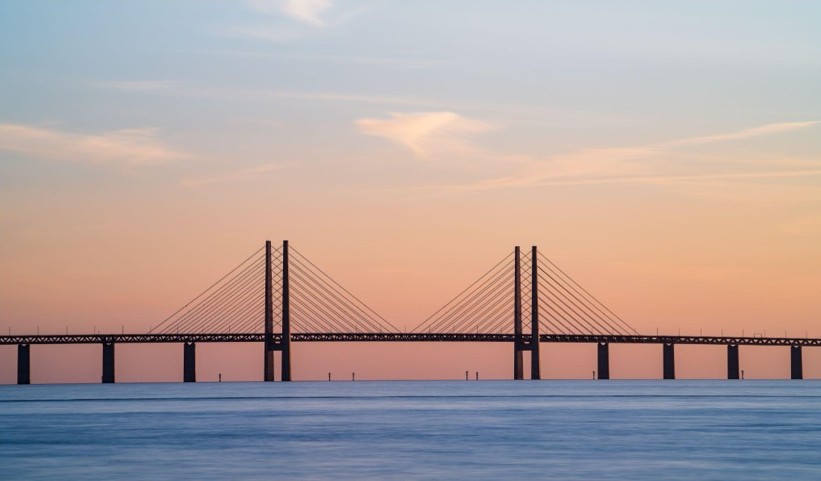


Europe is not built on maps alone. It is built through the connections that enable people and goods to cross mountains, seas and borders. The Trans-European Transport Network (TEN-T) is rooted in precisely this idea: creating a railway and road system capable of connecting the continent, reducing distances and strengthening links between its different regions.
Some of the European Union’s most ambitious infrastructure projects are helping to turn this vision into reality: tunnels carved through the heart of the Alps, railways spanning entire islands, and connections that cross the sea.
1 – Brenner Base Tunnel
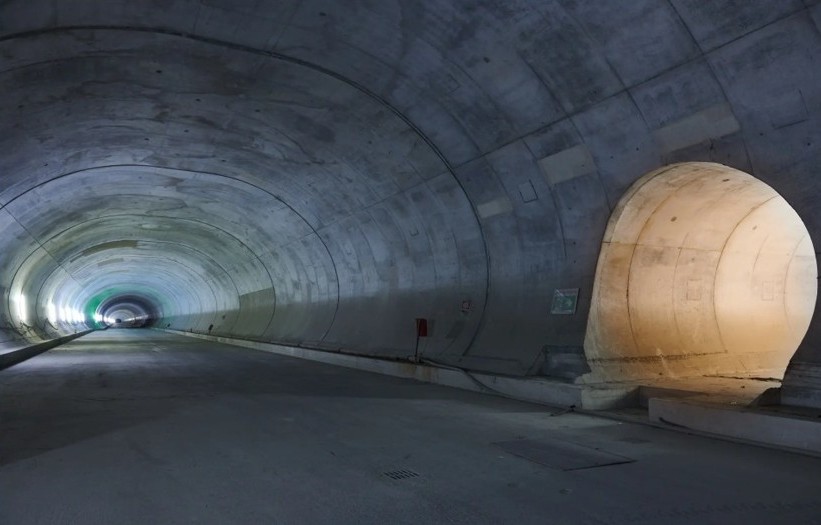
At the heart of the Alps, the Brenner Base Tunnel is transforming one of Europe’s greatest natural barriers into a new rail gateway between Northern and Southern Europe.
With a total length of 64 kilometres, it will be one of the longest railway tunnels in the world and it will allow trains to cross the Brenner Pass along gentler gradients while increasing the capacity and efficiency of rail transport.
Part of the TEN-T’s Scandinavian-Mediterranean Corridor, the Brenner Base Tunnel will also help shift some freight transport from road to railway, fostering sustainable mobility across Europe. Webuild is involved in the construction of major sections of the project, helping to deliver an infrastructure set to reshape connections across the Alps.
2 – Palermo–Catania–Messina Railway Line
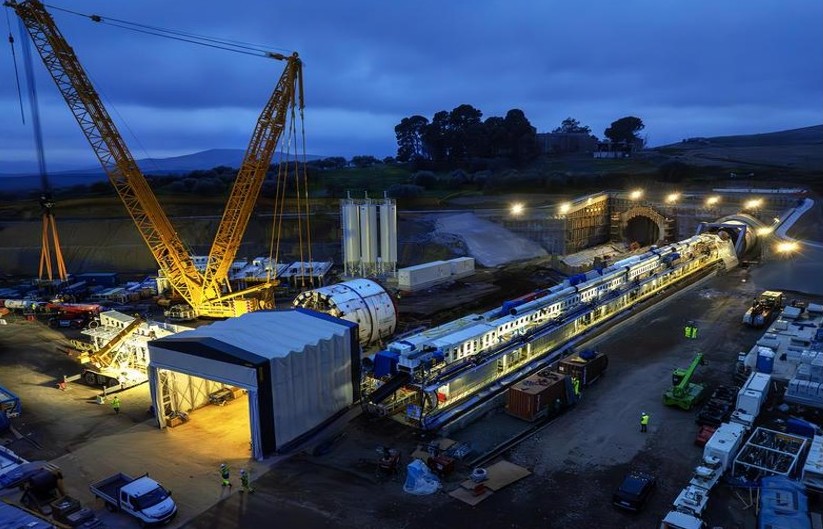
Sicily is reshaping its railway geography with a new line spanning approximately 200 kilometres, designed to bring Palermo, Catania and Messina closer together.
The Palermo-Catania-Messina project aims to reduce train journey times by around 60 minutes between Palermo and Catania and by 30 minutes between Catania and Messina, transforming rail connections across the island.
Tunnels, viaducts and new railway structures cross a complex landscape, where tunnel boring machines (TBMs) enable excavation underground while simultaneously constructing the tunnel lining. It is an engineering challenge that also places a strong focus on sustainability, with precast segments manufactured directly in Sicily.
Built with the contribution of Webuild, the new Palermo-Catania-Messina railway line is set to make Sicily more connected and further integrate the island into Italy’s national and European rail network.
3 – Turin–Lyon High-Speed Rail Line
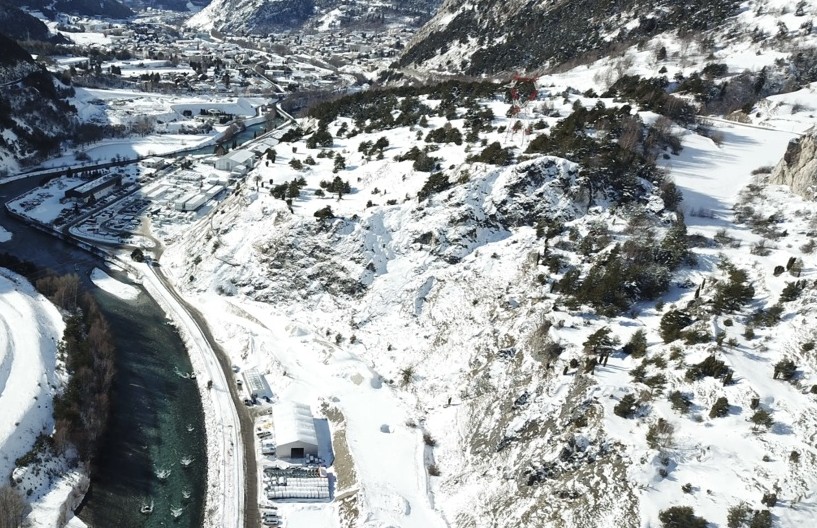
Deep beneath the Alps, a new connection between Italy and France is taking shape.
The Turin-Lyon Base Tunnel will run through the heart of the mountains, creating a direct and efficient rail link between Susa and Saint-Jean-de-Maurienne while strengthening passenger and freight transport by rail. As part of the TEN-T Mediterranean Corridor, the infrastructure will also help reduce road traffic across the Alps.
Webuild is directly involved in the project through Lot 2, in a 50% joint venture, with the construction of a significant section of the tunnels on the French side. The Group is also involved in Lot 5A, which includes preparatory works and ventilation shafts designed to support the future base tunnel.
4 – Fehmarnbelt Fixed Link
Between Denmark and Germany, Europe is building a new passage beneath the sea.
The Fehmarnbelt Fixed Link will be an approximately 19-kilometre immersed tunnel, featuring a double-track electrified railway and a four-lane motorway, designed to strengthen connections between Scandinavia and continental Europe.
Part of the Trans-European Transport Network, the Fehmarnbelt Fixed Link will create a direct link between Rødby in Denmark and Puttgarden in Germany, overcoming one of the last major gaps in the transport connections between Northern and Central Europe.
More than just an infrastructure project, the Fehmarnbelt will therefore represent another key piece in the development of an increasingly integrated European network.

5 – Øresund Bridge
The Øresund Bridge has reshaped the connection between Sweden and Denmark, turning a natural barrier into a strategic gateway to the European Union.
Opened in 2000, the connection links Malmö and Copenhagen across nearly 16 kilometres of bridge, artificial island and tunnel, integrating road and railway into a single piece of infrastructure.
Part of the TEN-T network, the Øresund Link has helped overcome Scandinavia’s geographical isolation, creating a direct connection between the Nordic transport networks and continental Europe. It is a project that demonstrates how infrastructure can become more than just a passage: it can serve as a powerful driver of integration between territories, people and economies.