


 Memorial Stadium, Clemson University, South Carolina
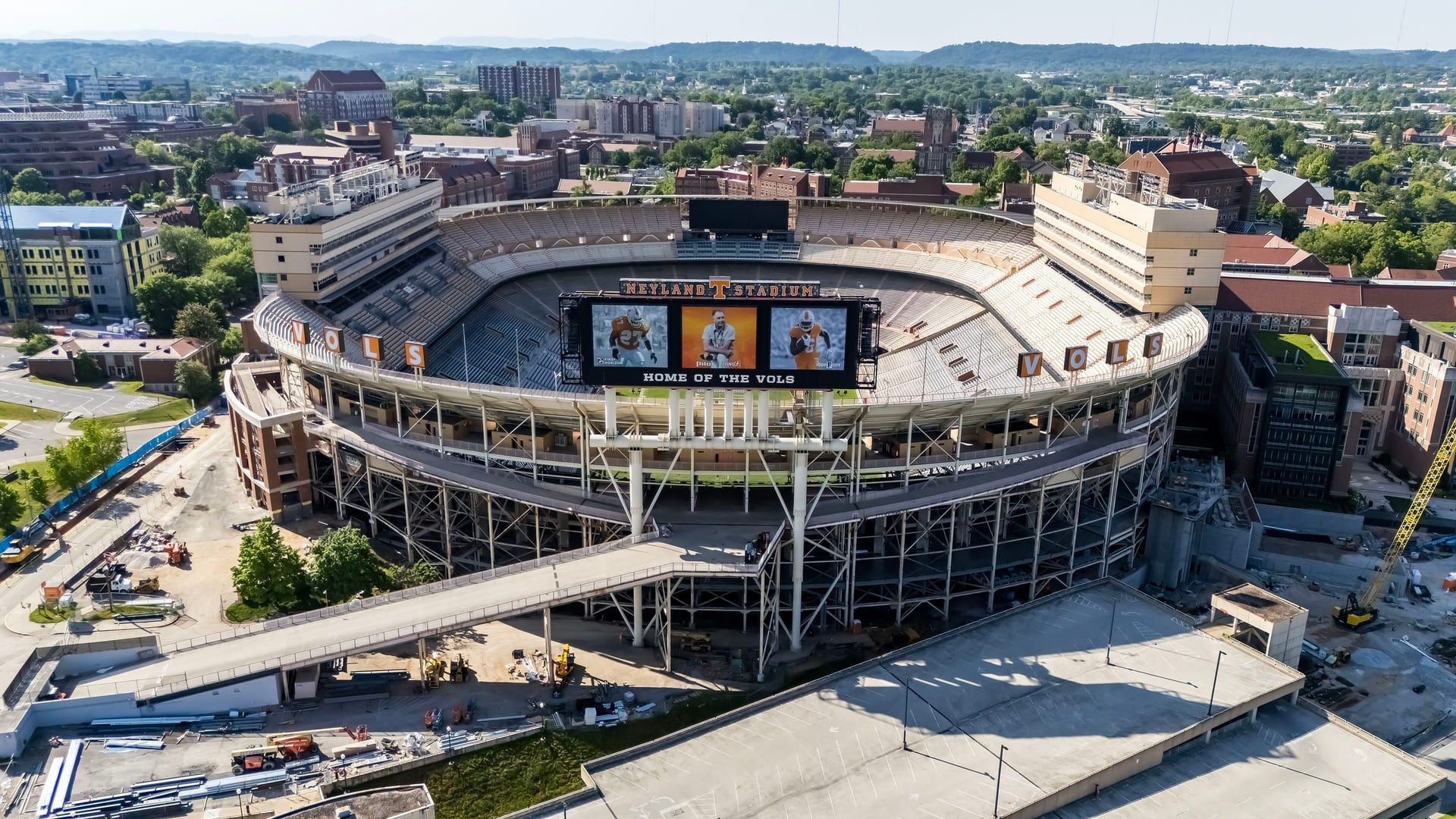 Neyland Stadium, University of Tennessee
 University of Southern California
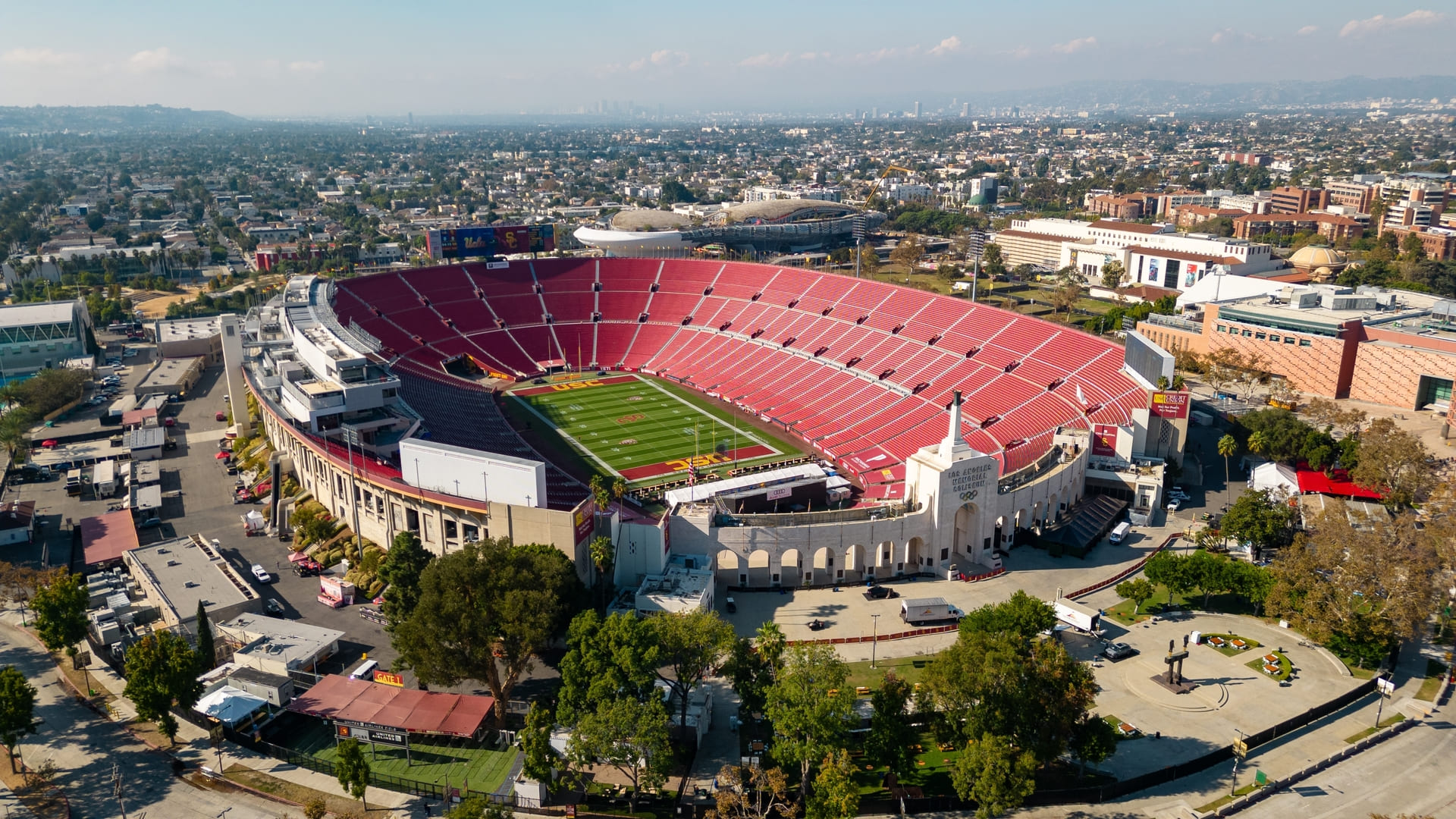 LA Memorial Coliseum, University of Southern California
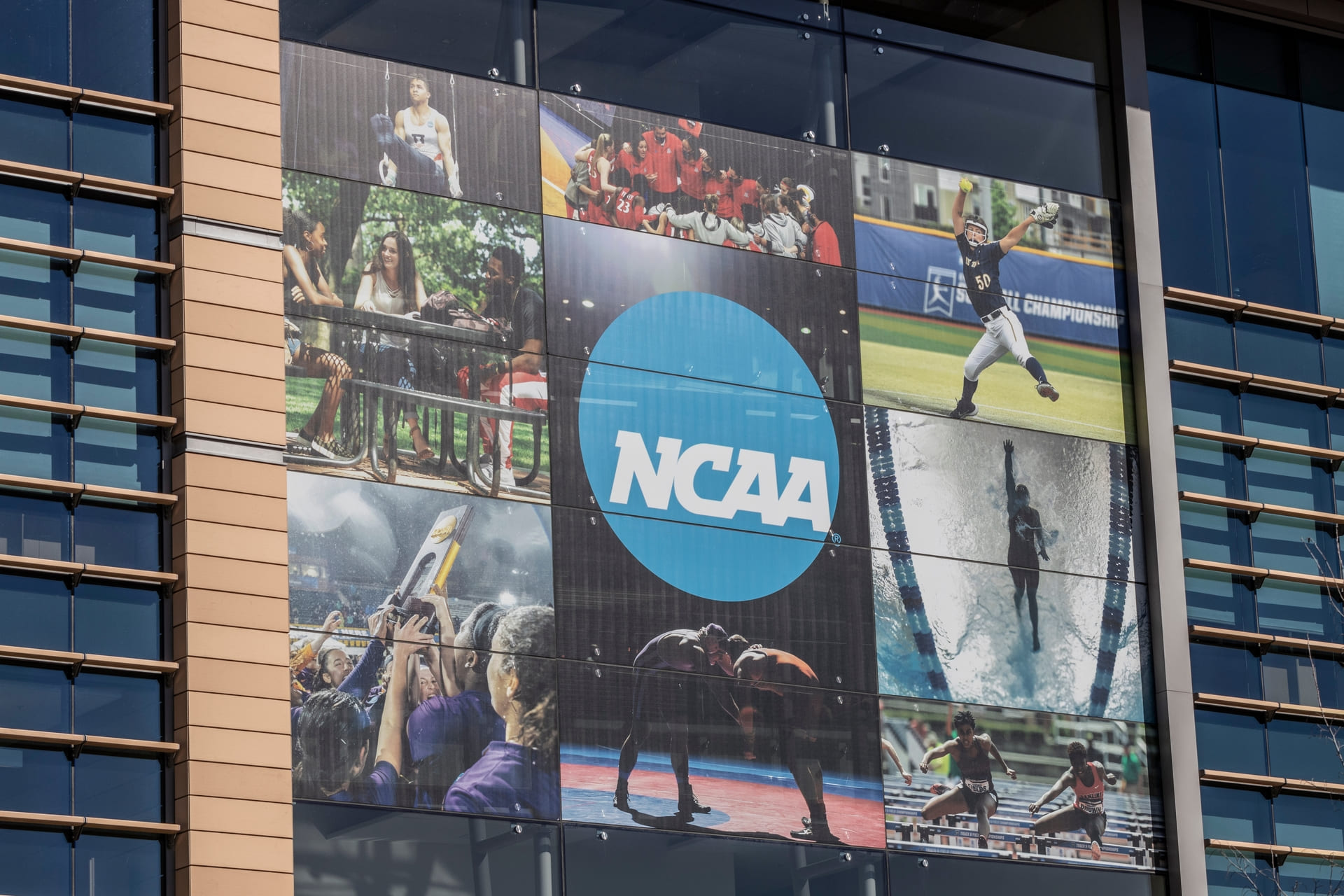 NCAA National Headquarters, Indianapolis
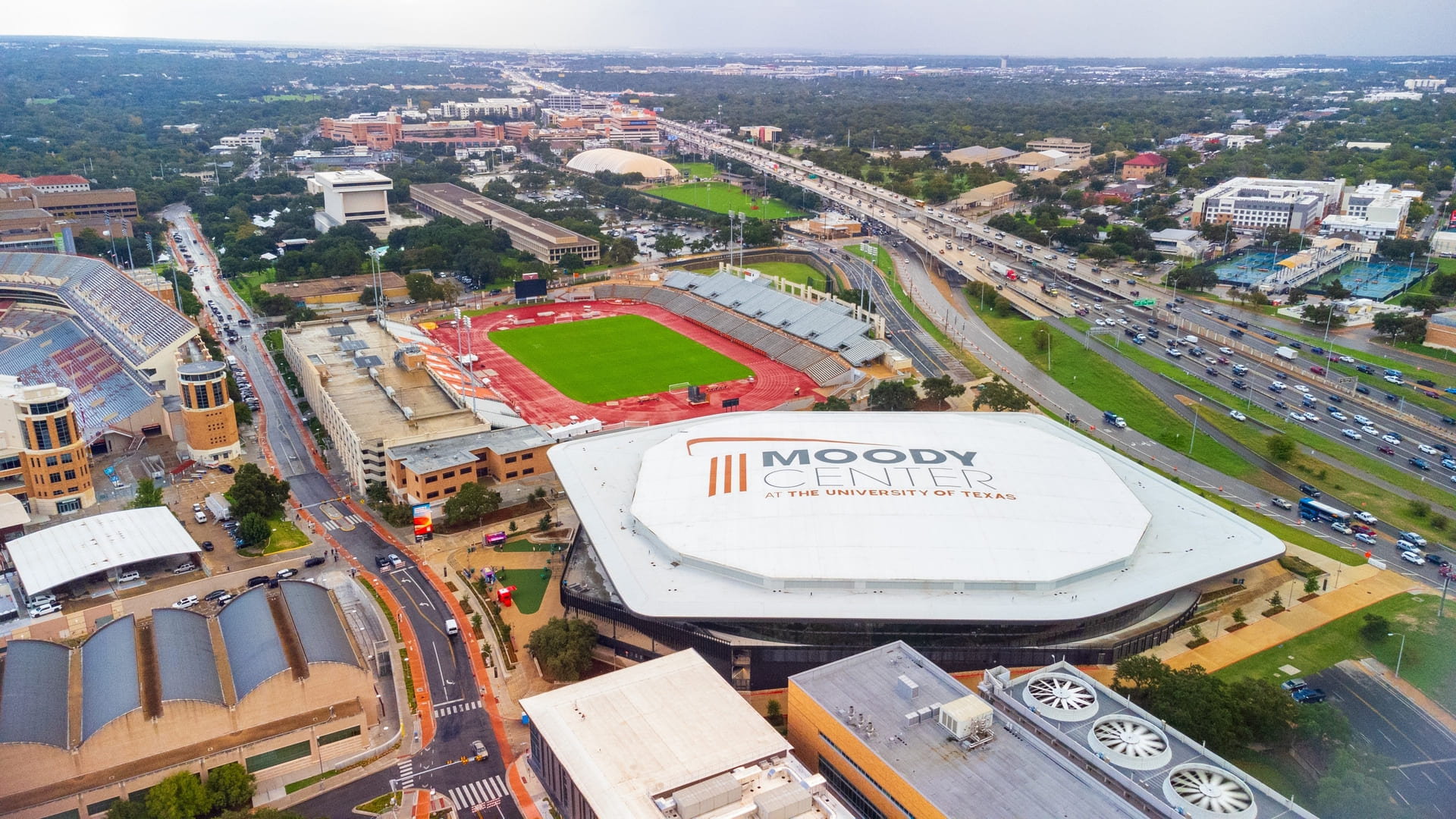 Moody Center, Univerisity of Texas
 University of South Florida
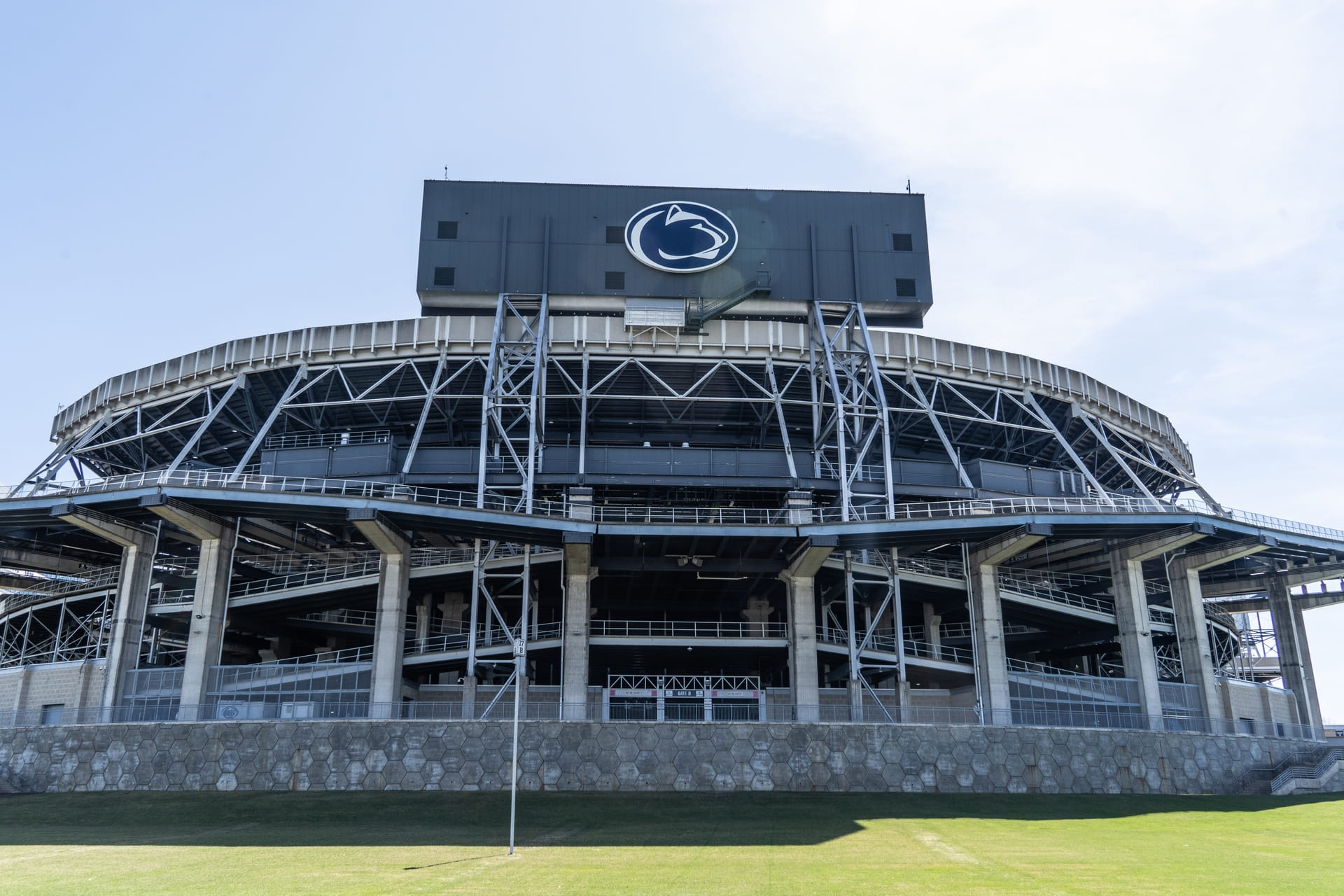 Beaver Stadium, Penn State University
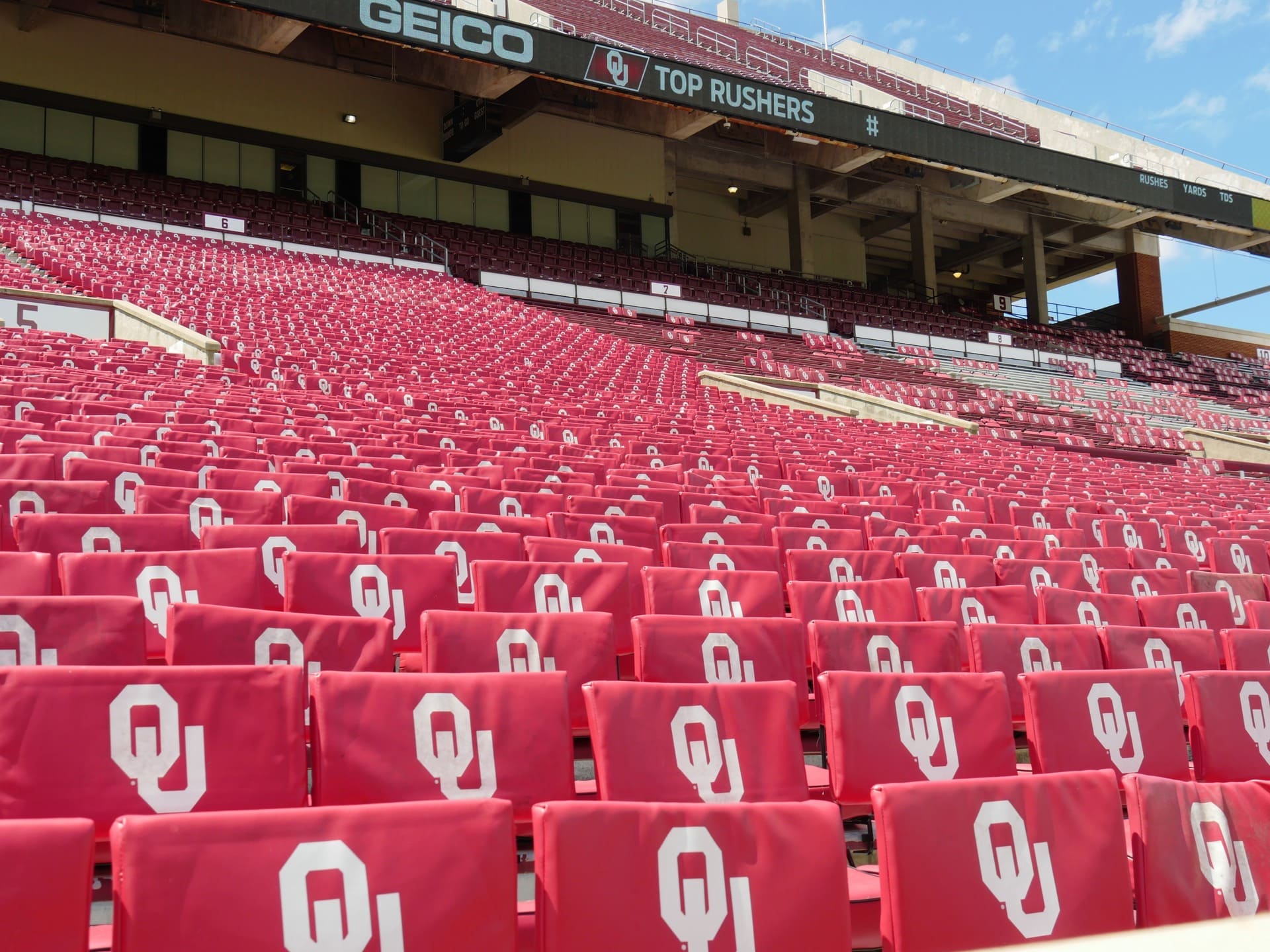 Gaylord Family-Oklahoma Memorial Stadium, University of Oklahoma
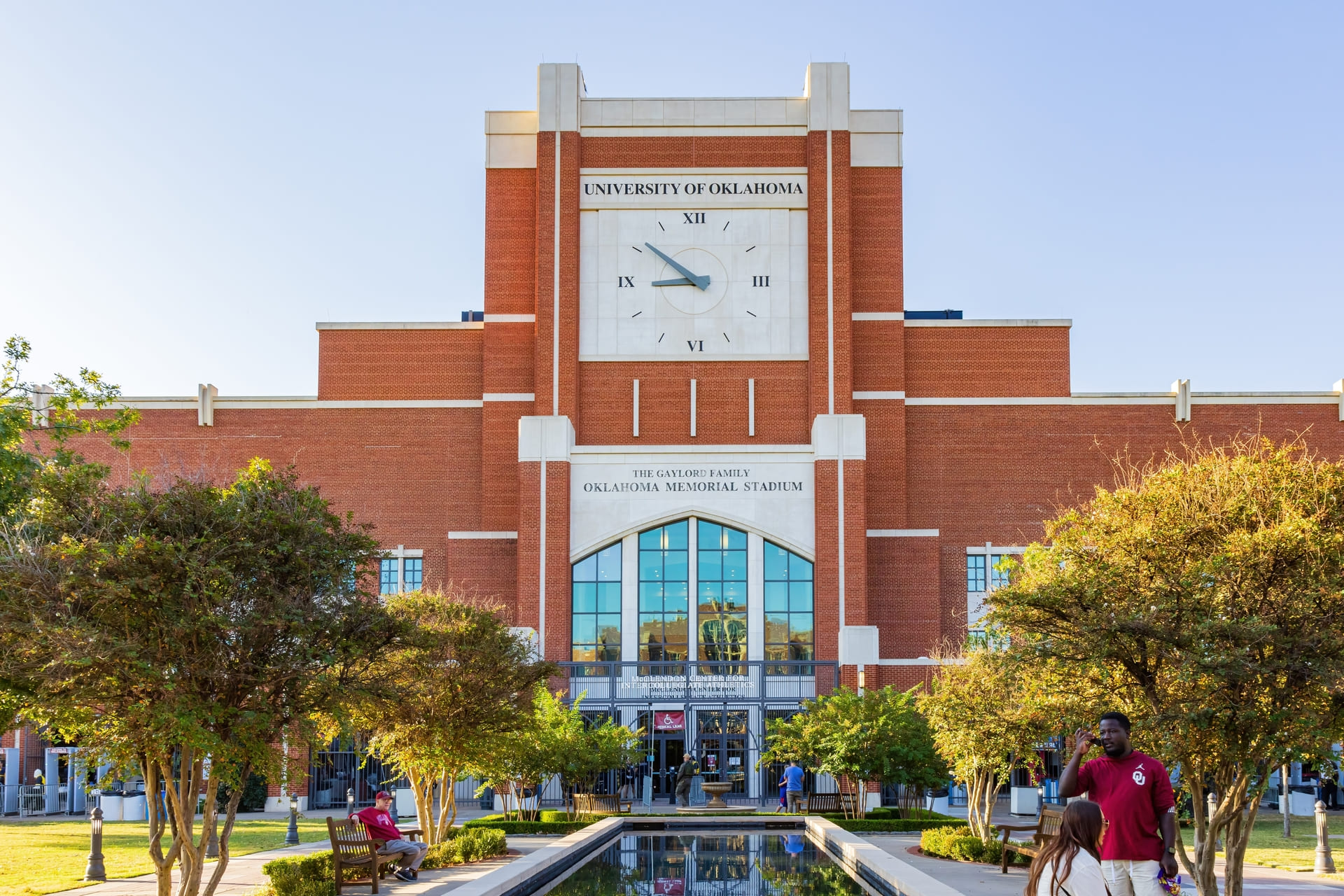 Gaylord Family-Oklahoma Memorial Stadium, University of Oklahoma
 Jack Trice Stadium, Iowa State University
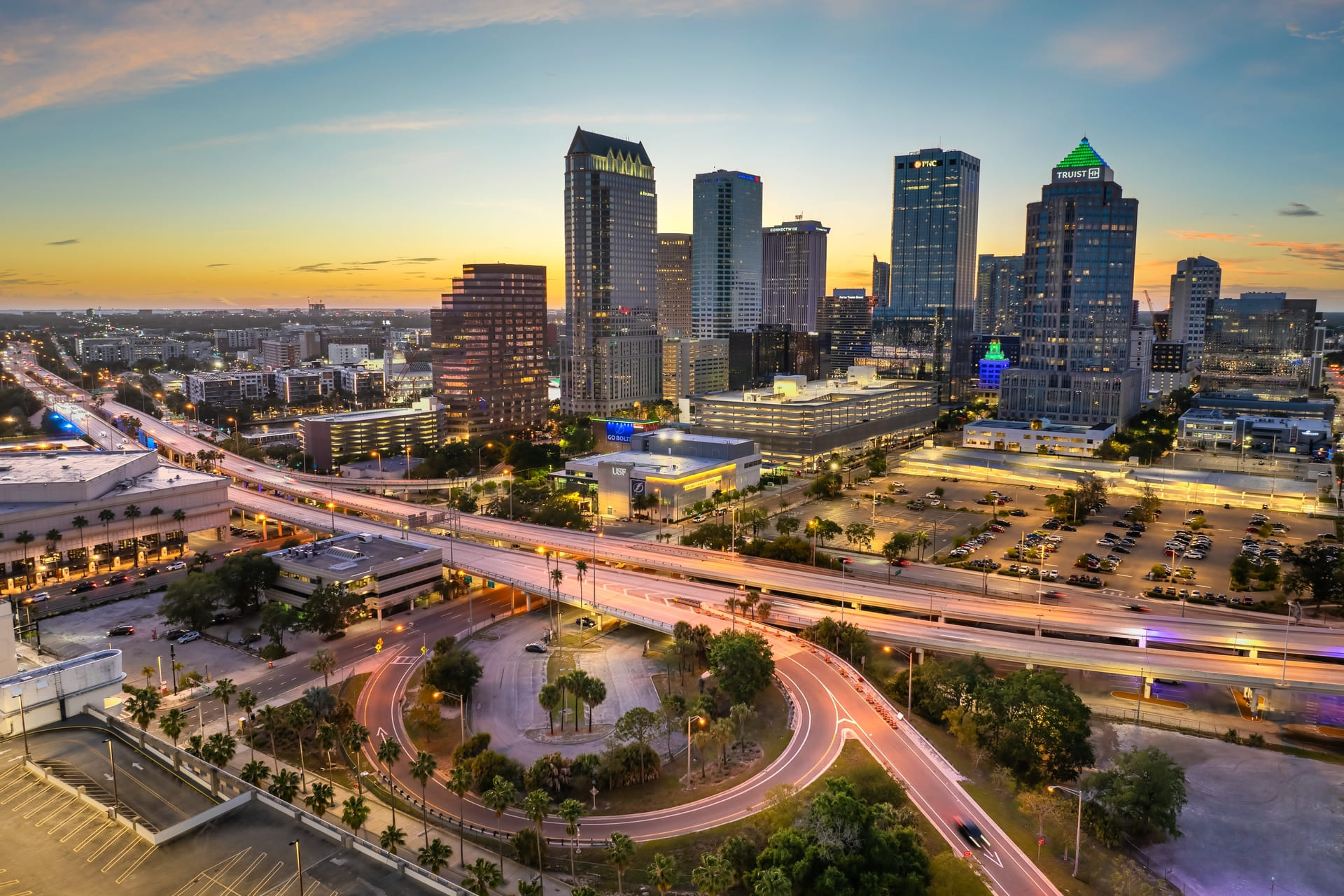 Tampa, Florida
 I-275I-4 Downtown Tampa Interchange
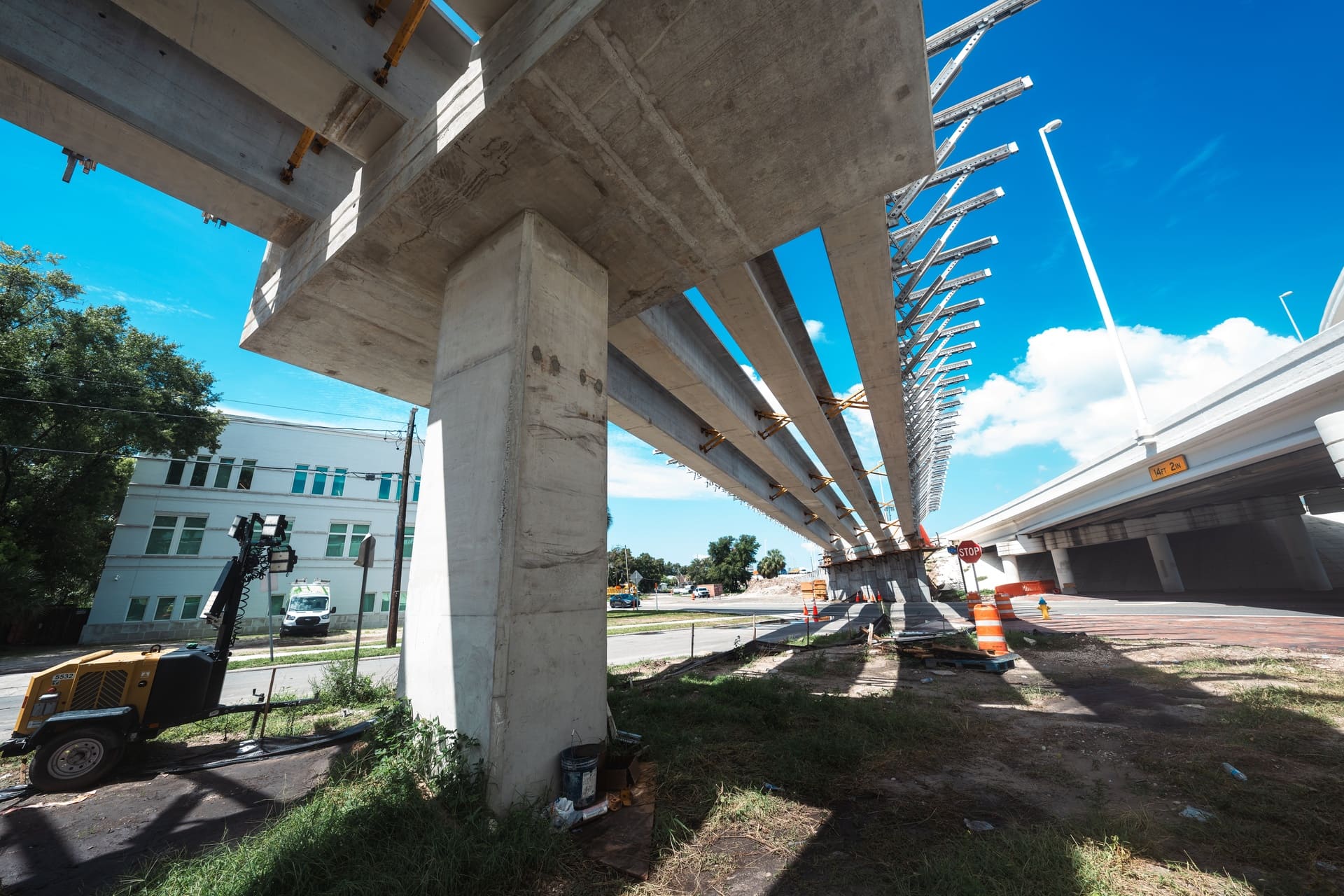 I-275I-4 Downtown Tampa Interchange
- In the US, what increasingly shapes reputation – and often enrolment – for colleges are sports complexes.
- Football stadiums, arenas and sports halls that move hundreds of millions of dollars and have become the main showcase of many campuses.
- NCAA football alone generates annual revenues of more than 4 billion dollars.
- In Los Angeles, the Football & Athletics Performance District is under development – more than 150 million dollars for elite sport facilities and advanced training centers.
- These innovative university spaces are connected to the urban fabric thanks to road infrastructure and strategic arteries built by companies such as Lane Construction (Webuild Group)

In the United States, university competition is not measured solely by academic rankings. Increasingly, what shapes reputation – and often enrollment numbers – are sports facilities: football stadiums, arenas and sports halls that move hundreds of millions of dollars and have become the primary showcase of many campuses.
A recent study highlights that the NCAA (National Collegiate Athletic Association) is undergoing a historic transformation. Sports complexes now sit at the centre of university development strategies, and investment in new arenas, training centers and sports stadiums is growing at an unprecedented pace.
According to the association’s own database, NCAA football alone generates more than 4 billion dollars a year. Football stadiums are therefore becoming strategic infrastructure, supported by TV rights, naming rights, donations and sponsorships – underscoring the tight relationship between sporting performance, attractiveness and college finance.
Power Four: The NCAA Football Conferences that Dominate Thanks to Infrastructure Investments
The most sought-after, and naturally those able to offer the highest level of athletic activity and attract new students, are known as the Power Four – a term coined by US sports media to describe the four richest and most influential NCAA football conferences: ACC, SEC, Big Ten and Big 12, which have long dominated revenues, attendance and TV contracts in college football.
These conferences, which until last year (before the dissolution of the Pac-12) were known as the Power Five conferences, are organised according to American geographical areas and over time have been extended to include all college competitive sports, from tennis to basketball, from baseball to rowing.
These campuses are able to field the strongest and most competitive teams, thanks to scholarships which, for top athletes, can be full-ride – covering tuition fees in full as well as all university expenses (board, lodging, clothing and travel). For a single student, tuition alone can easily exceed 75,000 dollars a year.
The level of the team – and therefore its results – drives up the number of incoming (non-athlete) fee-paying students.
All New Sports Complexes Planned for American Colleges
This business model demands constant, continuous improvement of athletic infrastructure. According to various industry and sports sources, here is a brief overview of new sport facilities now under construction or in planning on US campuses.
Clemson University (South Carolina). More than 70 million dollars to upgrade Memorial Stadium, with new hospitality suites, student areas and next-generation LED technology.
University of Tennessee. Neyland Stadium is undergoing a multi-year renovation estimated at more than 300 million dollars, designed to improve safety, circulation and the overall fan experience.
USC (University of Southern California). In Los Angeles, work is under way on the Football & Athletics Performance District, worth more than 150 million dollars for new elite facilities and advanced training centres.
University of Texas. The Moody Center on the Austin campus has become the new flagship arena for college basketball, an architectural model that blends professional-grade acoustics with contemporary design.
USF (University of South Florida). The construction of a new on-campus stadium has been approved, for around 375 million dollars – a strategic infrastructure project that will bring football directly into the heart of the university.
Penn State University. Beaver Stadium, one of the temples of NCAA football, will undergo a 700-million-dollar masterplan of structural and technological upgrades.
University of Oklahoma. The Gaylord Family–Oklahoma Memorial Stadium will be completely renovated after 2027, with a project worth around 450 million dollars and new premium services.
Iowa State University. The “CyTown” project foresees investment of between 175 and 225 million dollars to create a range of infrastructure linking the stadium and arena through new retail and sports spaces by 2027.
Lane Construction Supports Universities with Transportation Infrastructure Development
To avoid turning these works into “cathedrals in the desert”, the construction of road infrastructure alongside new sport stadiums and arenas is also in full swing. These roads are essential to ensure mobility for massive flows of people, both for daily university activity and for access during sporting events.
Part of the success of American campuses is driven by companies such as Lane Construction (Webuild Group), which, by operating on major road corridors and strategic arteries in various states, offers the possibility of connecting new sports and university spaces.
In fact, the American subsidiary of the Webuild Group is working on roads and highways in Florida, and particularly in Tampa, home to USF.