

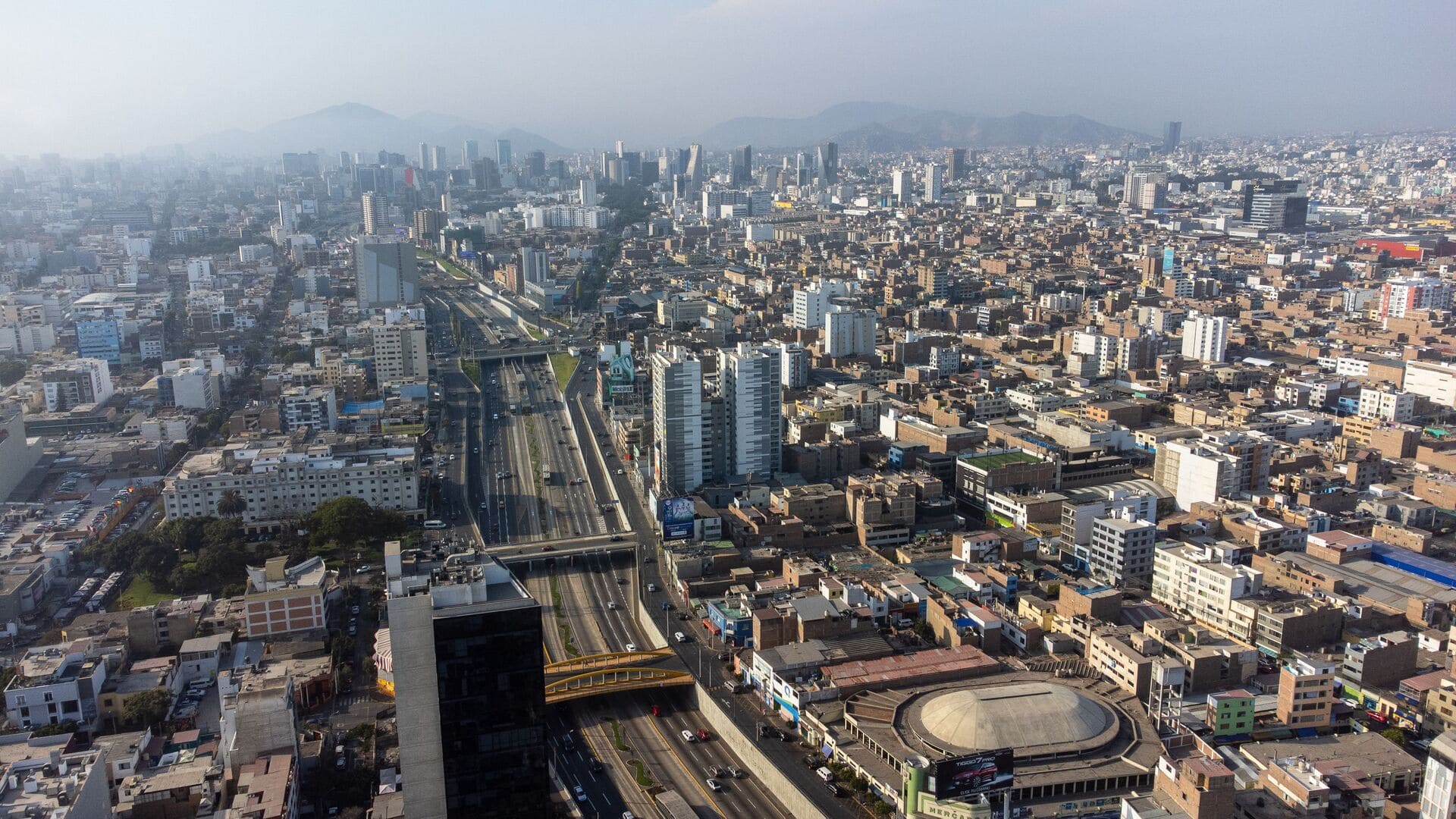
 Panoramic view of Lima, Peru
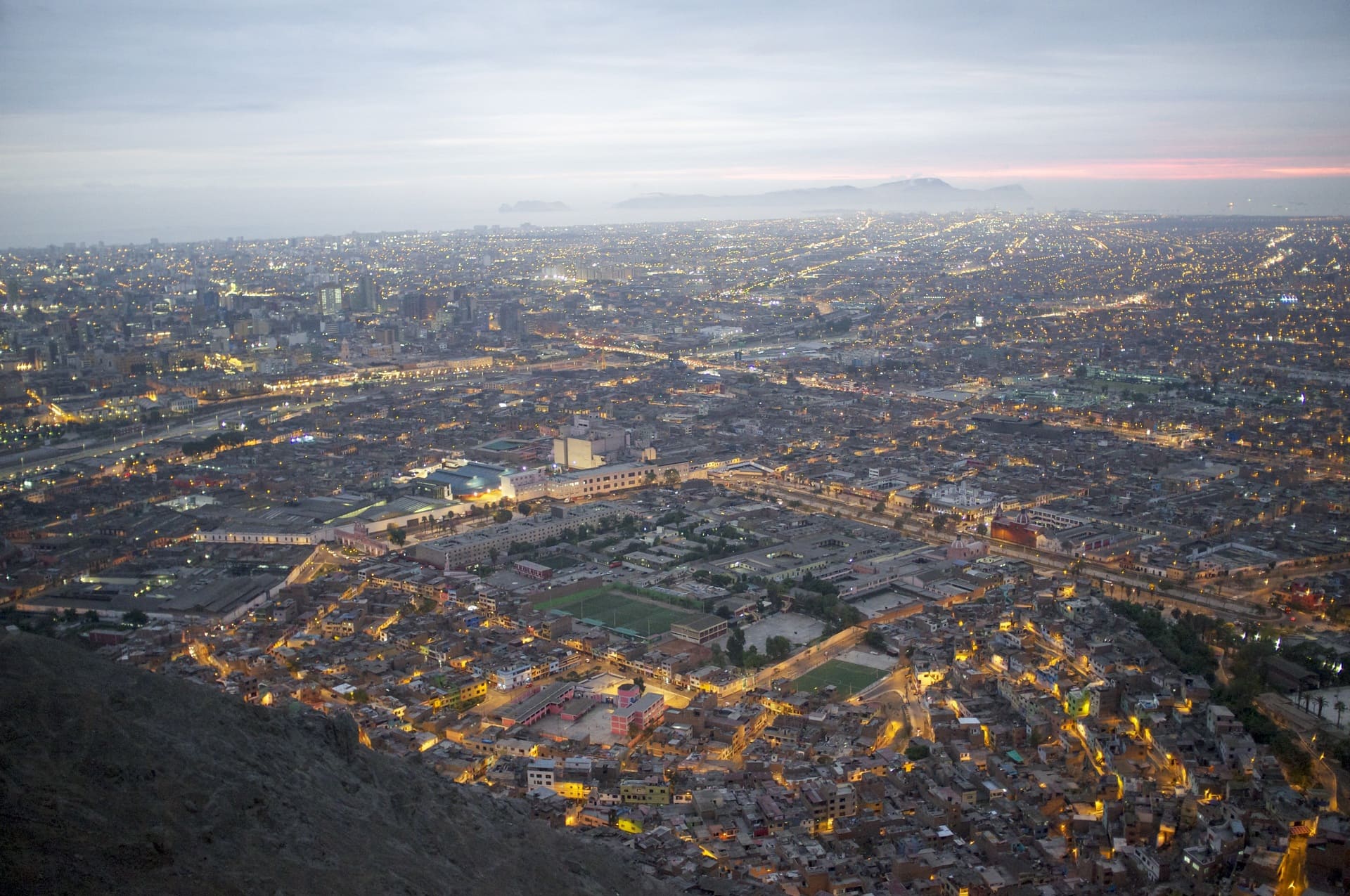 Panoramic view of Lima, Peru
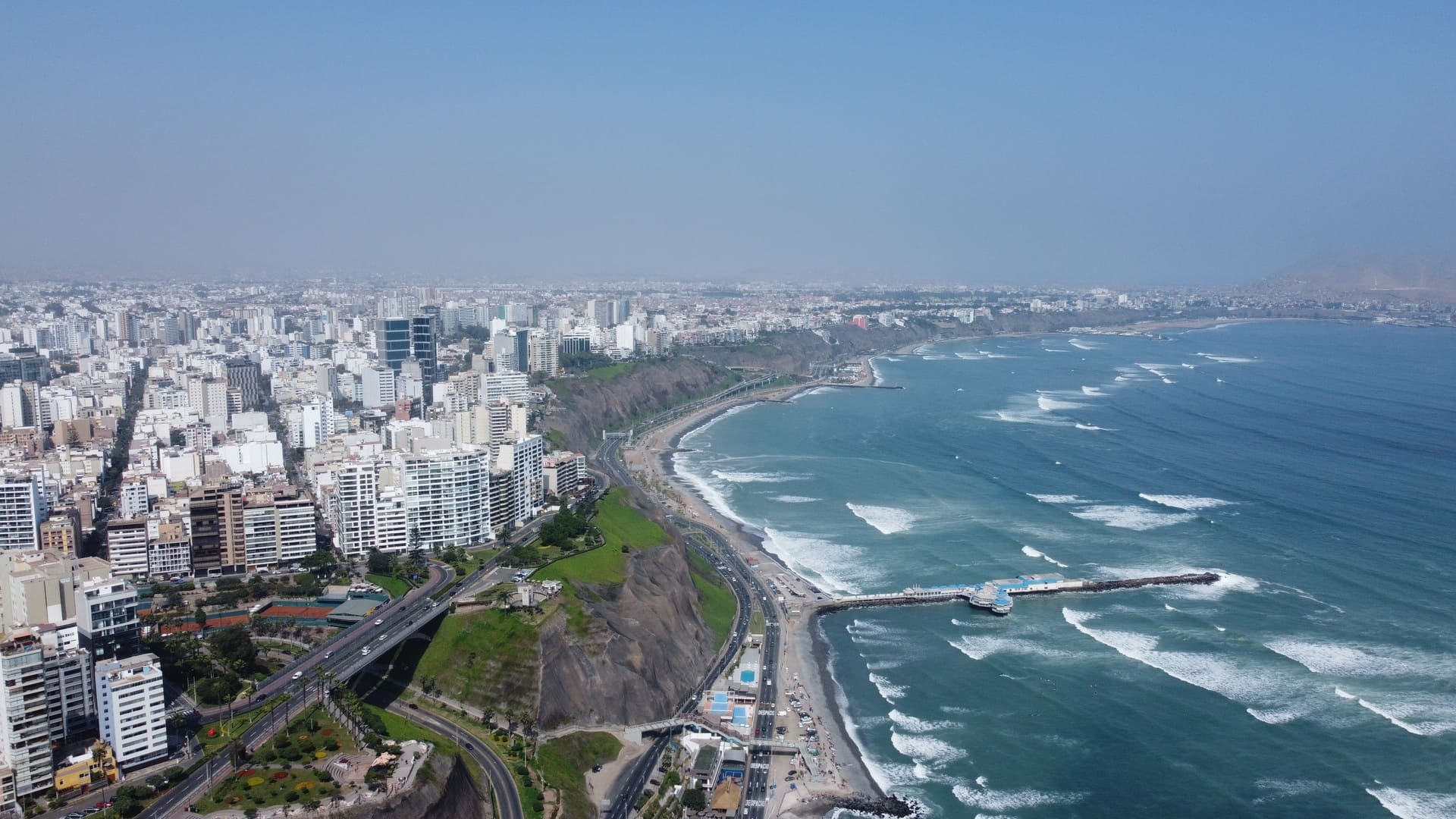 The coastline of the city of Lima, Peru
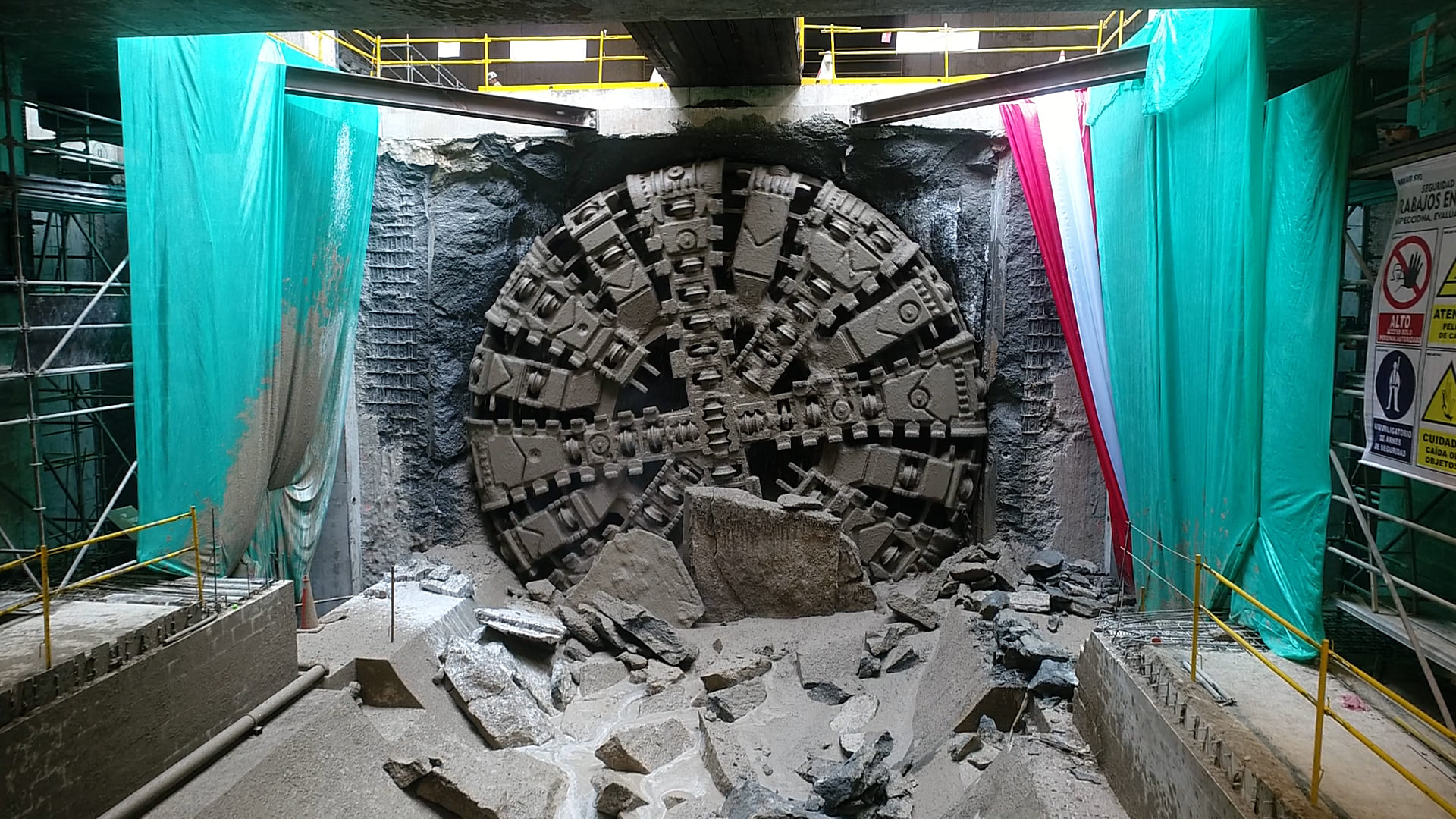 Lima Metro Line construction site, Peru
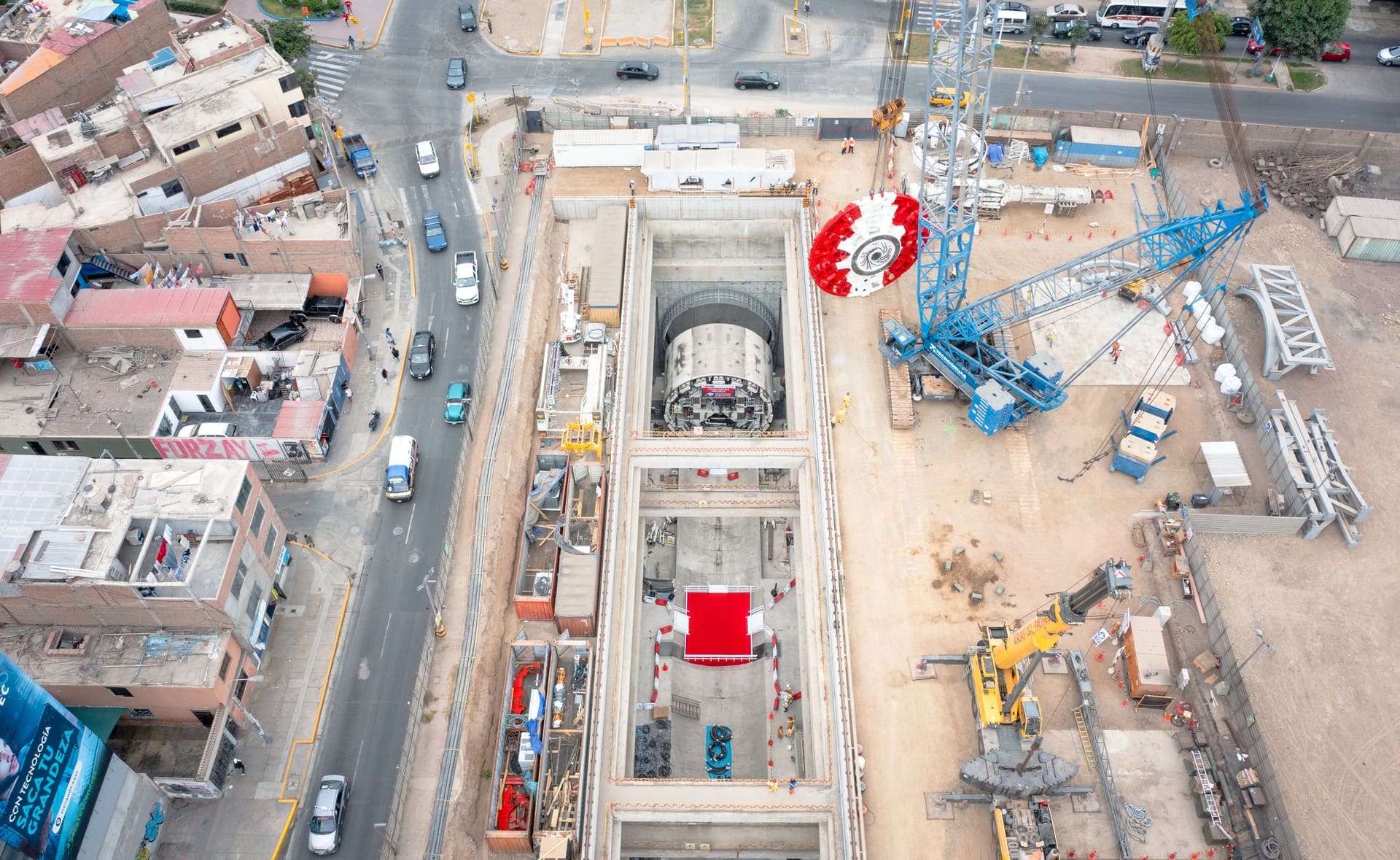 Lima Metro Line construction site, Peru
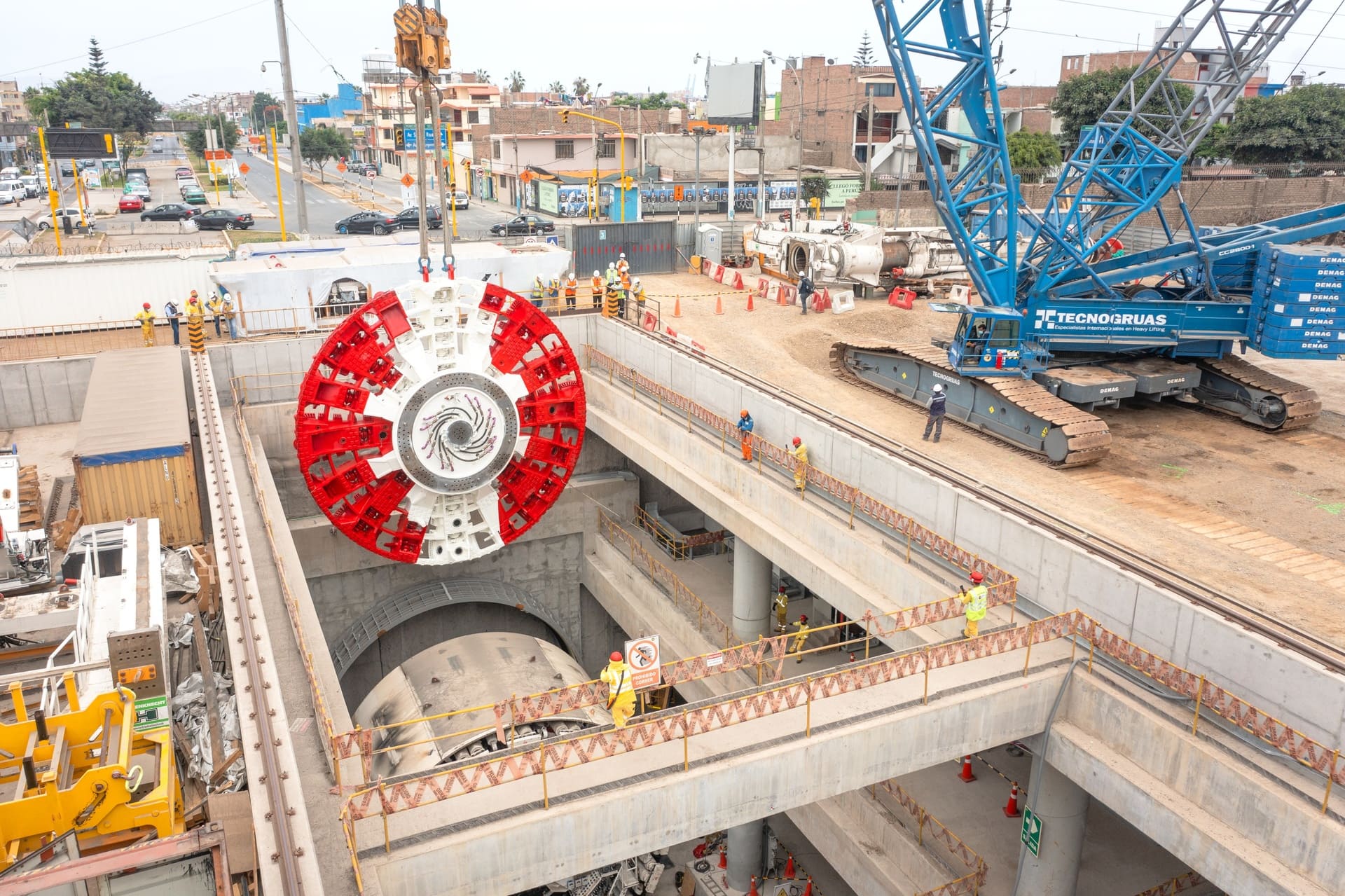 Lima Metro Line construction site, Peru
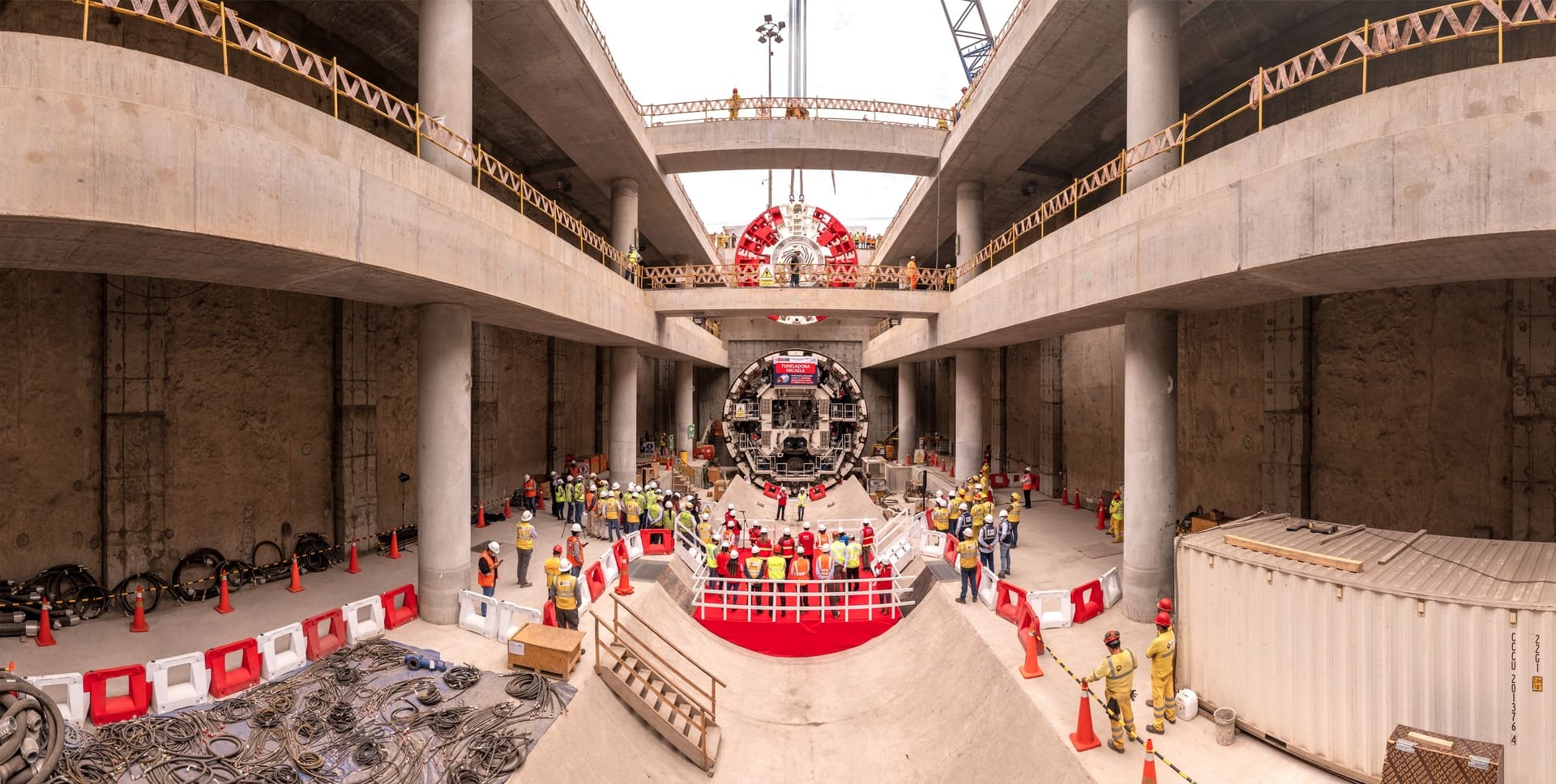 Lima Metro Line construction site, Peru
 Lima Metro Line construction site, Peru
 Lima Metro Line construction site, Peru
 Lima Metro Line construction site, Peru
- In Lima, Peru, motorists lose 195 hours in traffic every year during rush hour.
- Over 10 million people live in the metropolitan area of Lima and Callao, making it one of the largest urban concentrations in Latin America.
- The Webuild Group is constructing Metro Line 2 and Line 4.
- A total of 35 stations are planned along the two underground lines, set to transform urban mobility across the Peruvian capital.
- Line 2 will allow passengers to cross the city in 45 minutes instead of the 2 hours and 45 minutes required by car.

In Lima, time holds a different value. It is measured in hours spent in cars, in long queues of buses, and in kilometers traveled at a crawl along the major arteries connecting the city center to the outlying districts. A city nestled between the Pacific Ocean and the desert, which has grown into one of South America’s largest metropolises, where millions of people commute daily between homes, offices, schools, and workplaces.
According to the TomTom Traffic Index, in 2025 Lima motorists lost an average of 195 hours in rush-hour traffic. That amounts to more than eight full days a year spent in gridlock—time taken away from work, family, and personal life. During peak evening traffic congestion, traveling just ten kilometers can take over fifty minutes, while average speeds drop below twelve kilometers per hour.
It is also to change this reality that one of Latin America’s most significant urban mobility infrastructure projects is taking shape beneath the streets of the capital of Peru.
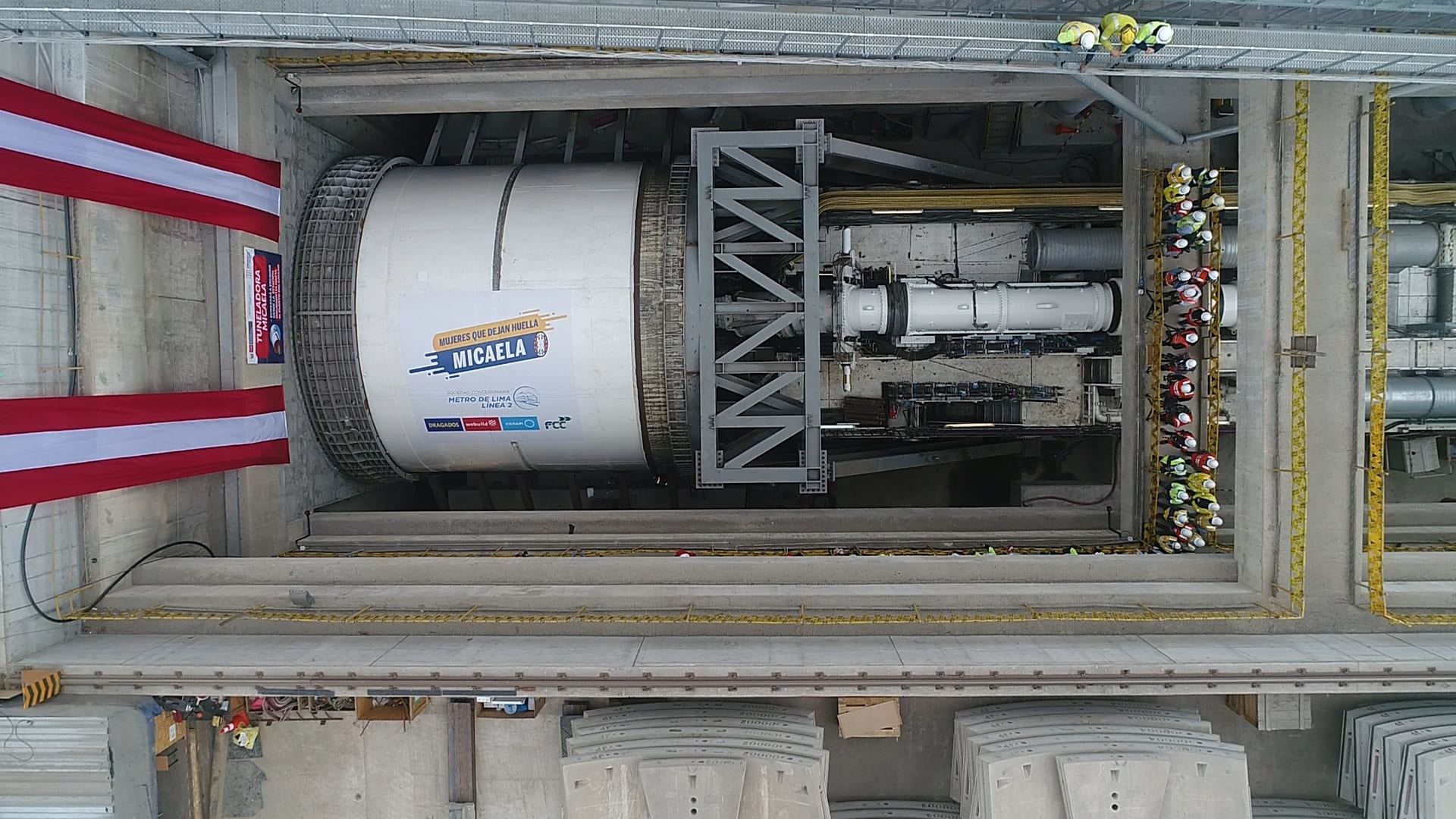
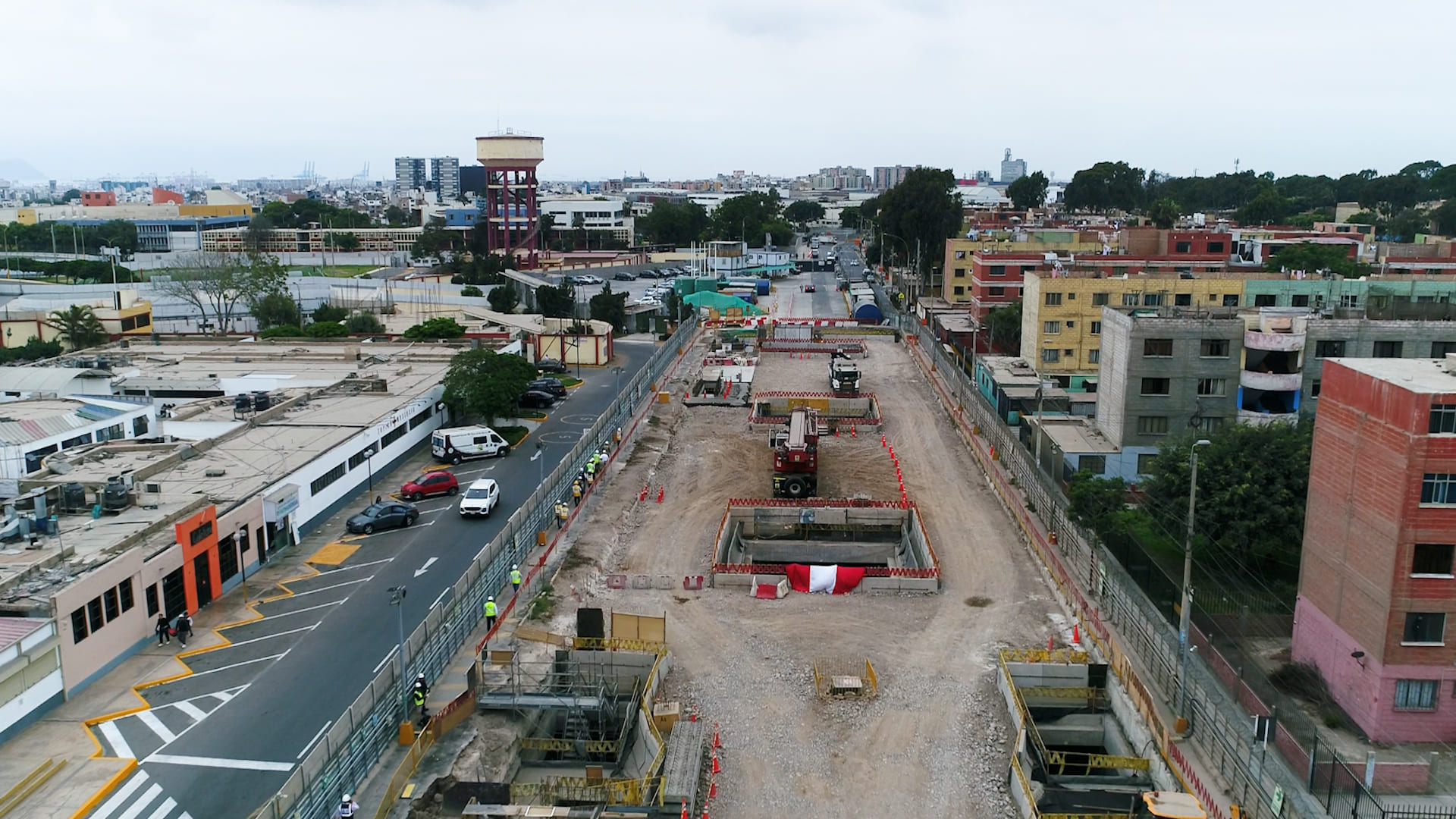
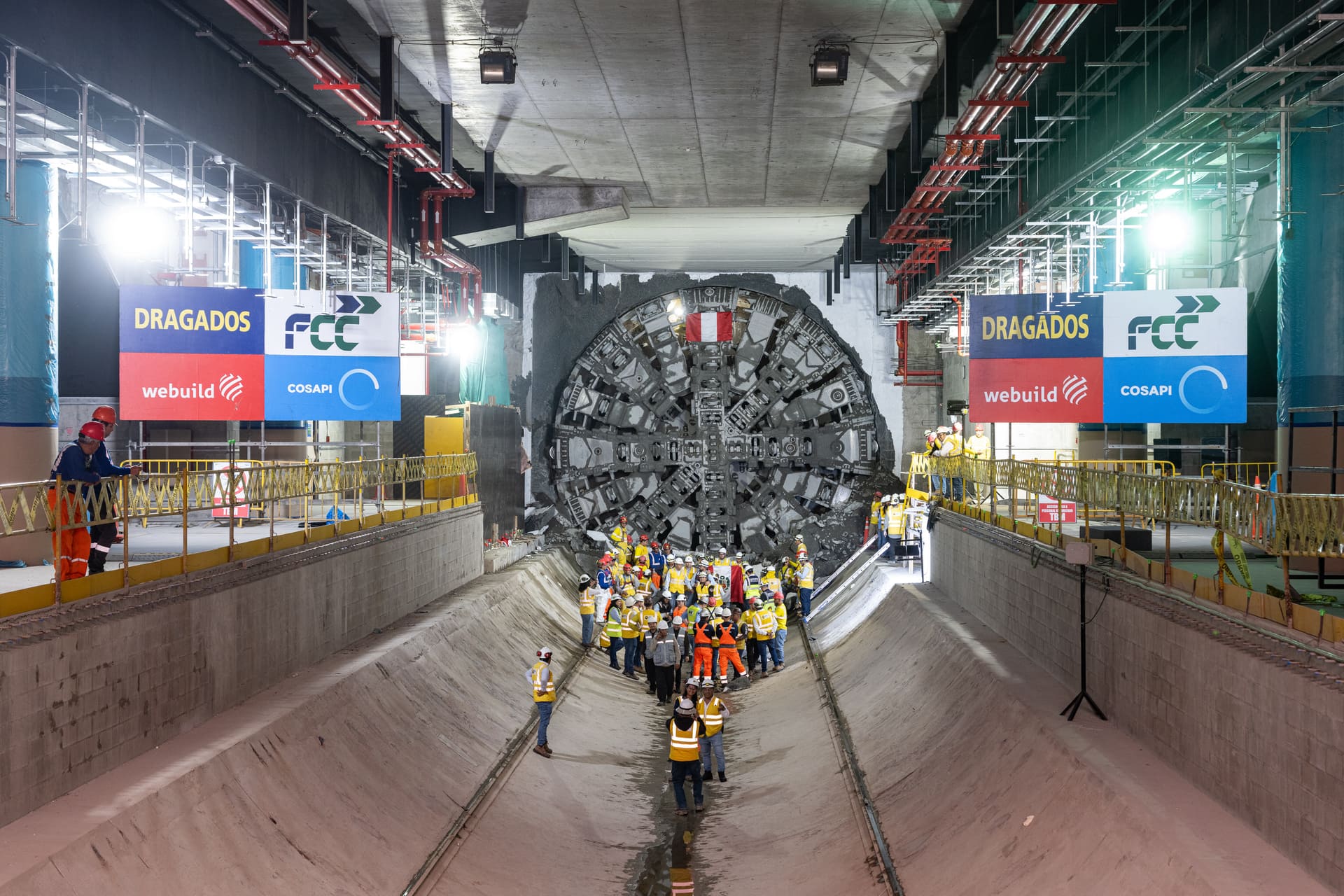
On October 23, 2026, TBM Micaela, the giant tunnel boring machine engaged in constructing Metro Line 4, reached the Carmen de la Legua subway station, breaking through the final diaphragm wall scheduled along the section. This breakthrough marks the substantial completion of excavation works and brings the project, delivered by Webuild in consortium with European and local partners, into a new phase.
Carmen de la Legua will become a strategic interchange hub between Line 2 and Line 4, two corridors set to reshape the geography of urban mobility across Lima. With the arrival at the eighth and final station of the Line 4 section, TBMs Micaela and Delia have excavated over twenty kilometers of tunnels in total.
Lima, Peru: A Metropolis That Grew Between the Pacific Ocean and the Desert
To understand the significance of this underground infrastructure, one must look at Lima from above. The city stretches along the Pacific coast, wedged between the ocean and the foothills of the Andes, across a predominantly desert terrain that underwent an extraordinary urban transformation over the course of the twentieth century.
Founded by the Spanish in 1535 under the name Ciudad de los Reyes, Lima gradually became Peru’s leading political, economic, and financial center. Demographic growth, fueled in part by internal migration from the Andean regions, transformed the former colonial capital into a sprawling metropolis extending over dozens of kilometers, where historic quarters, financial districts, industrial zones, and vast working-class suburbs coexist within a complex urban fabric.
According to the results of the 2025 national census, published by the Peruvian National Institute of Statistics, the province of Metropolitan Lima has a population of approximately 9.6 million, in addition to the neighboring province of Callao, which exceeds one million residents. This demographic concentration accounts for a fundamental share of the country’s population and economy.
Yet the city’s growth has not always been matched by an equally rapid expansion of its public transport system. For decades, urban mobility relied primarily on buses, minibuses, taxis, and private vehicles, which progressively saturated the main road arteries.
The first metro line, built above ground along an elevated alignment, marked an important step forward, but proved insufficient to meet the demands of a metropolis of this scale. The result is a city where distances are measured not only in kilometers, but above all in hours—and where traffic congestion has become an obstacle to economic development and access to opportunity.
According to estimates by the Central Reserve Bank of Peru (Banco Central de Reserva del Perú), cited by the Automotive Association of Peru (Asociación Automotriz del Perú), the economic cost of congestion in the Lima area reaches 2.4% of national gross domestic product, accounting for the value of lost time and increased fuel consumption. This figure illustrates the scale of a problem that goes far beyond the daily inconvenience faced by motorists.
Thirty-Five Kilometers to Reduce Traffic and Make Urban Mobility Sustainable
This is the backdrop for the project delivered by Webuild, which is engaged in the construction and concession management of Line 2 and a section of Line 4 of the Lima Metro.
The infrastructure spans a total of 35 kilometers of underground lines—divided between the 27 kilometers of Line 2 and the 8-kilometer section of Line 4—featuring 35 stations, 36 ventilation and emergency shafts, and two rail depots.
Line 2 will cross the city from east to west, linking the district of Ate with Callao, Peru’s main commercial port and home to Jorge Chávez Airport, Lima’s airport. This represents a vital corridor not only for urban mobility, but also for the country’s manufacturing and logistics system.
The new subway will allow passengers to travel this route in approximately 45 minutes, compared to the 2 hours and 45 minutes it can take today in peak traffic conditions. Two hours saved on a single trip—a transformation set to profoundly reshape the daily routines of those crossing the city to reach work or university.
According to projections, the complete metro system will be capable of carrying up to one million passengers per day, helping reduce surface traffic and CO₂ emissions. Design estimates indicate the potential to avoid over 544,000 tons of CO₂ each year.
The impact, however, will not be limited to air pollution. The subway will help make neighborhoods currently separated by long travel times far more accessible, bringing residential areas closer to employment hubs, hospitals, schools, and essential services.
The Engineering Challenge of the Lima Metro
The construction of the metro represents one of the most complex infrastructure challenges ever undertaken in the capital of Peru.
Excavating beneath a densely populated metropolis means cutting through subsoil characterized by varying geological conditions, while operating in an urban environment where the stability of existing buildings, roads, and utility networks must be preserved.
To meet this challenge, large TBMs—Tunnel Boring Machines capable of excavating tunnels and simultaneously installing structural linings—were deployed.
Among them are Delia and Micaela, the two mechanical moles spearheading the works, equipped with cutterheads measuring over ten meters in diameter. In January 2022, Delia marked one of the project’s earliest symbolic milestones by completing the first tunnel section of Line 2 between two stations. In October 2023, Micaela reached another milestone, completing four kilometers of excavation up to Station E16.
On July 13, 2026, a further achievement followed: the completion of all 27 kilometers of tunnels on Line 2, with the breakthrough of the final diaphragm wall at Station 4. This milestone allowed subsequent activities to focus on track laying, the installation of technological systems, and station completion.
A few months later, with Micaela’s breakthrough at Carmen de la Legua, the Line 4 section also reached a decisive milestone.
From South America to Rome's Metro Line C: The Future of Major Cities Runs on Underground Public Transit
For Lima, the construction of the metro represents more than just an investment in public transit. It is a project designed to reshape the relationship between the city and its residents, bringing places that currently feel distant closer together and offering a structural response to congestion that has accompanied urban growth for decades.
The ability to cross the capital on a modern, underground rail system independent of surface traffic could impact business competitiveness, the organization of services, and the quality of life for millions of people.
The new infrastructure also fits into a broader transformation across major international metropolises, which are increasingly turning to high-capacity public transit systems capable of supporting population growth without proportionally increasing the number of vehicles on the road.
It is a challenge that Webuild is also tackling in other cities worldwide, from the Grand Paris Express in France to the new Sydney Metro, Melbourne’s Suburban Rail Loop, and Rome’s Metro Line C—a wealth of expertise built through more than 890 kilometers of subway lines delivered globally.