


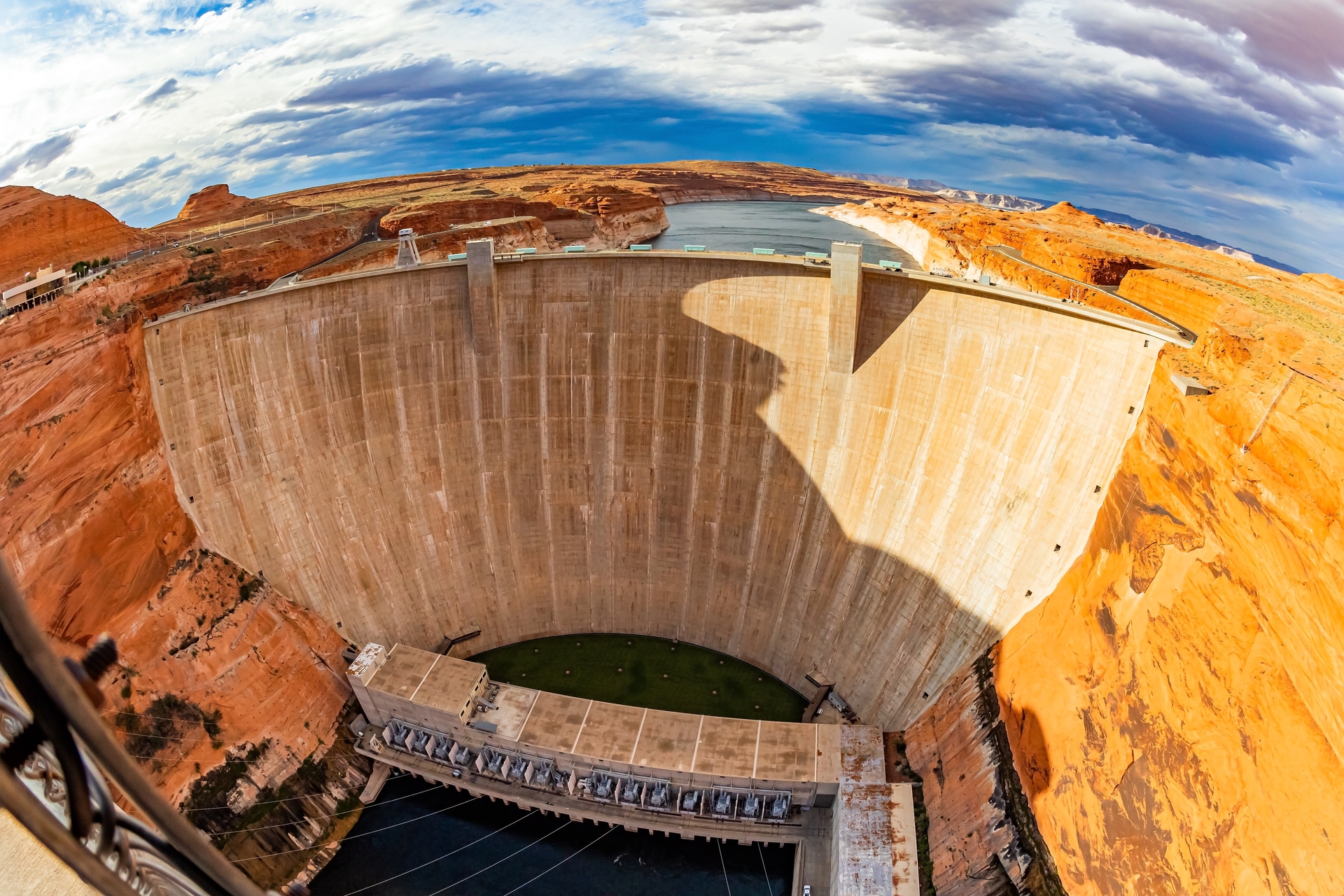
 Glen Canyon Dam, Arizona
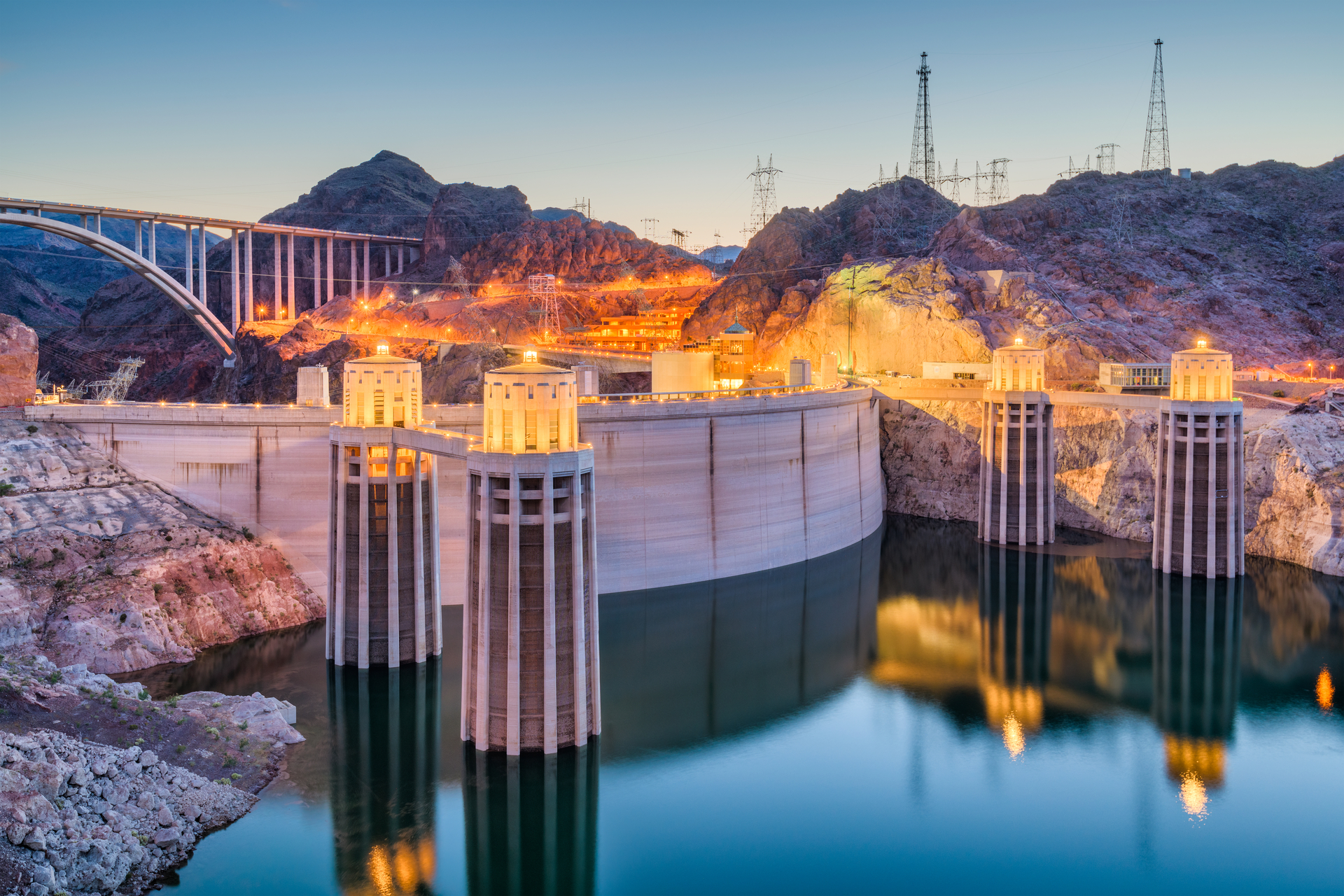
 Hoover Dam, Colorado River
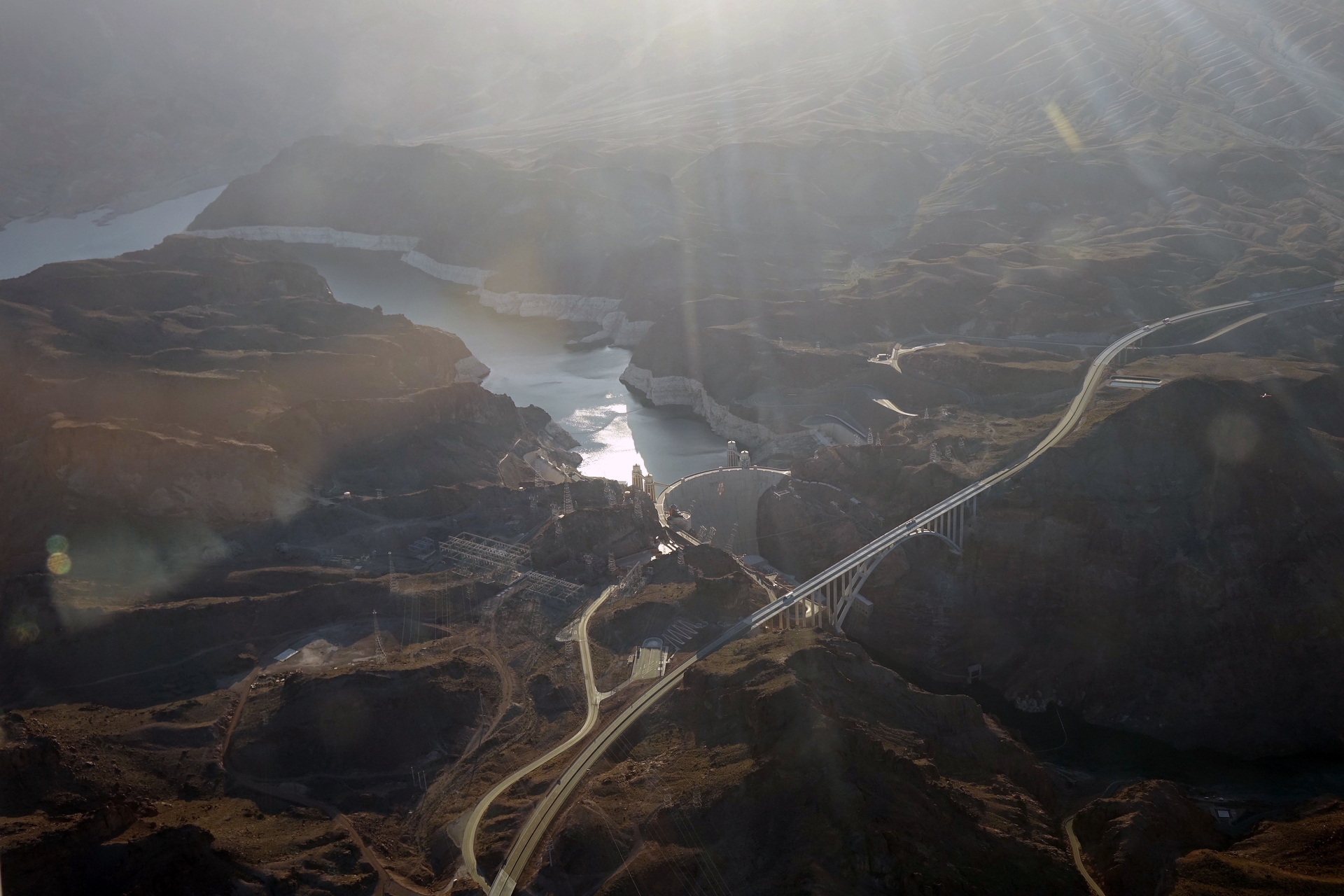
 Hoover Dam aerial view
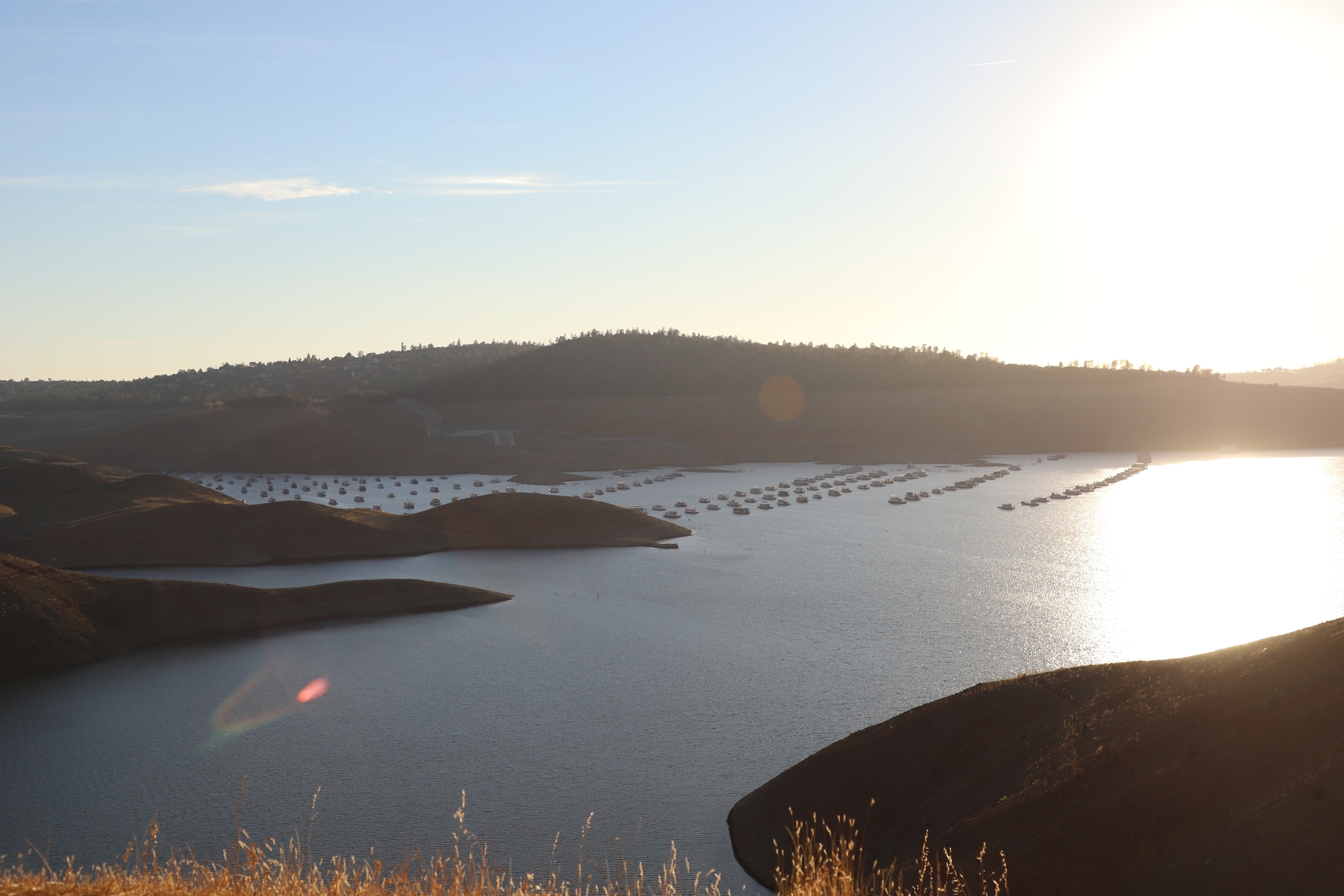 Sunset At Oroville Dam, California
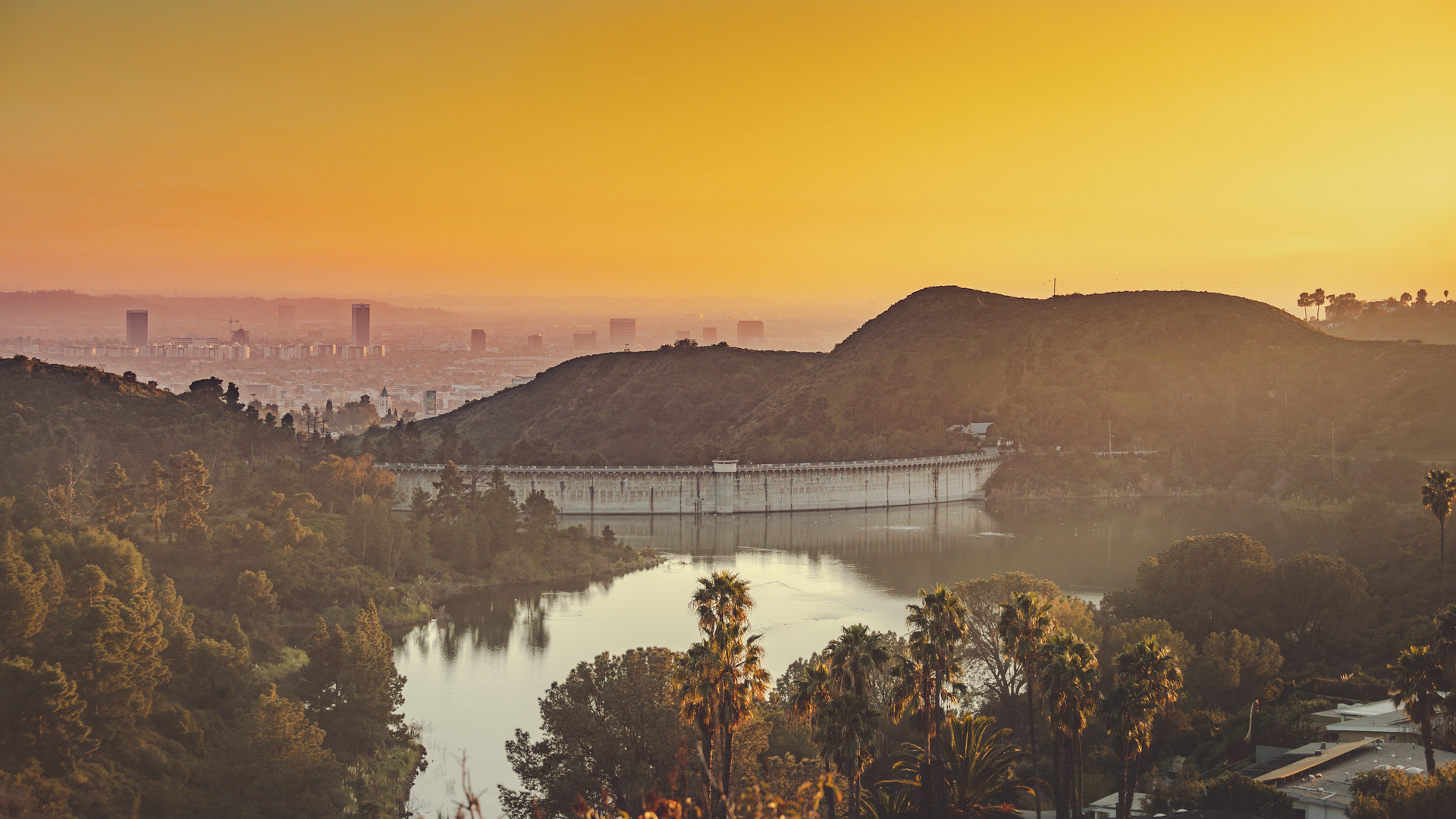 Mulholland Dam, Los Angeles
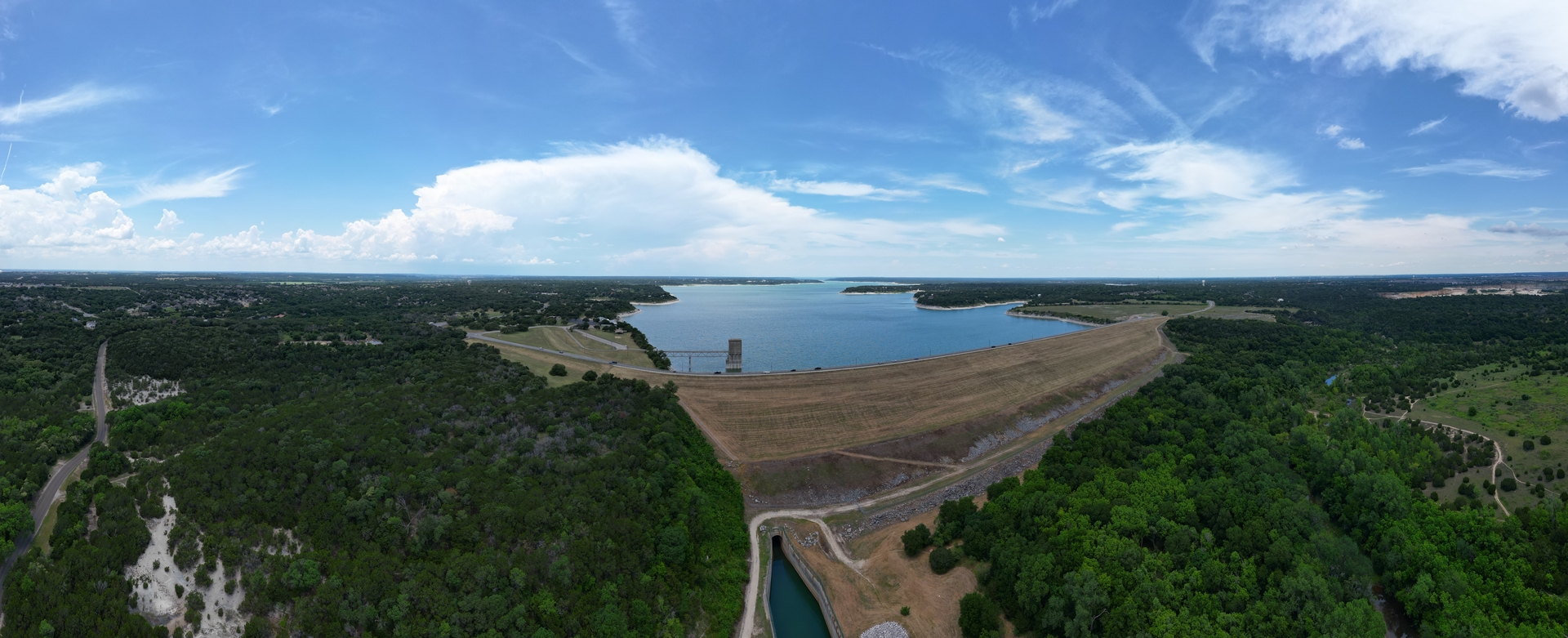 Belton lake, Texas
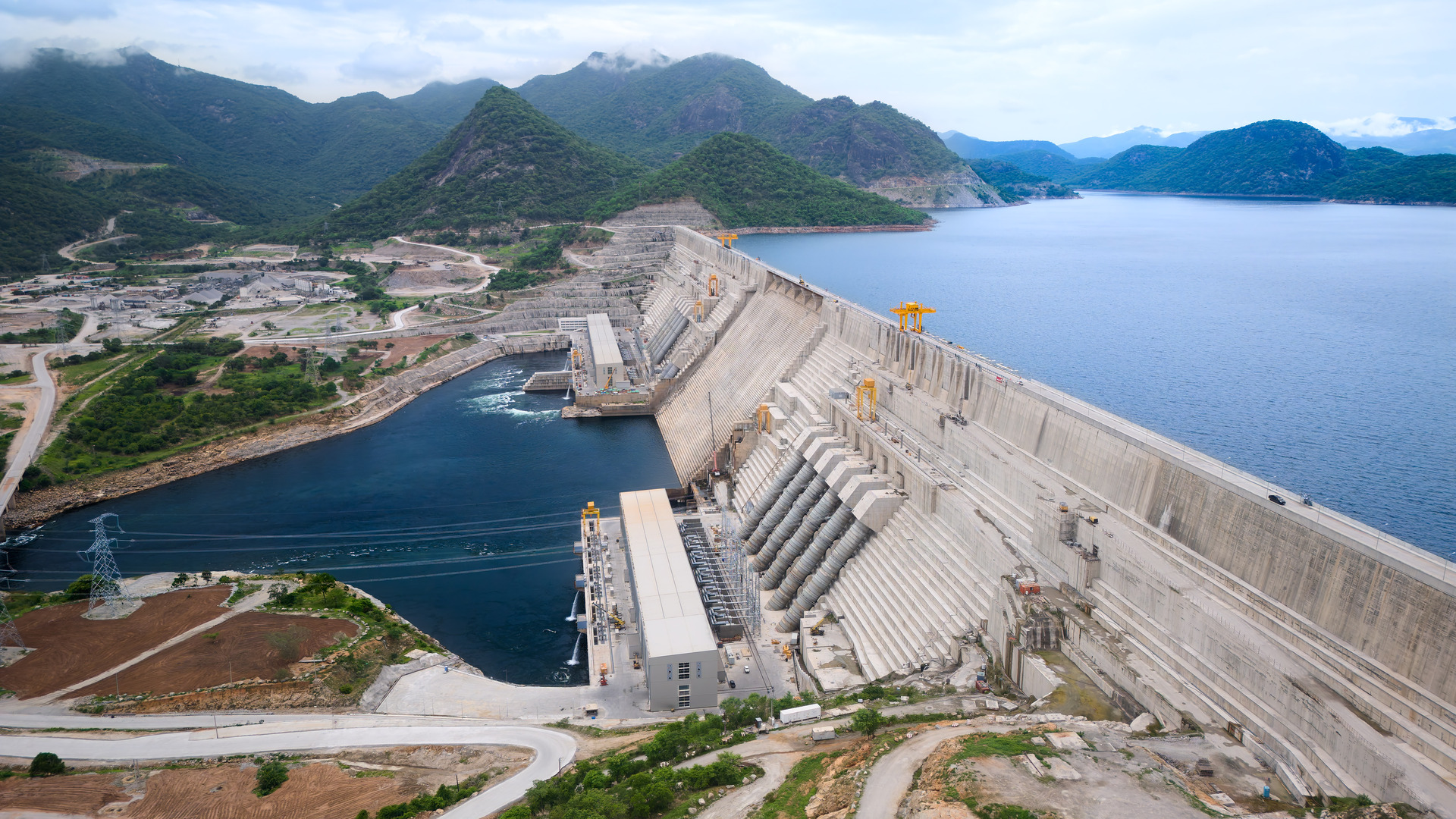 GERD Hydroelettric plant, Ethiopia
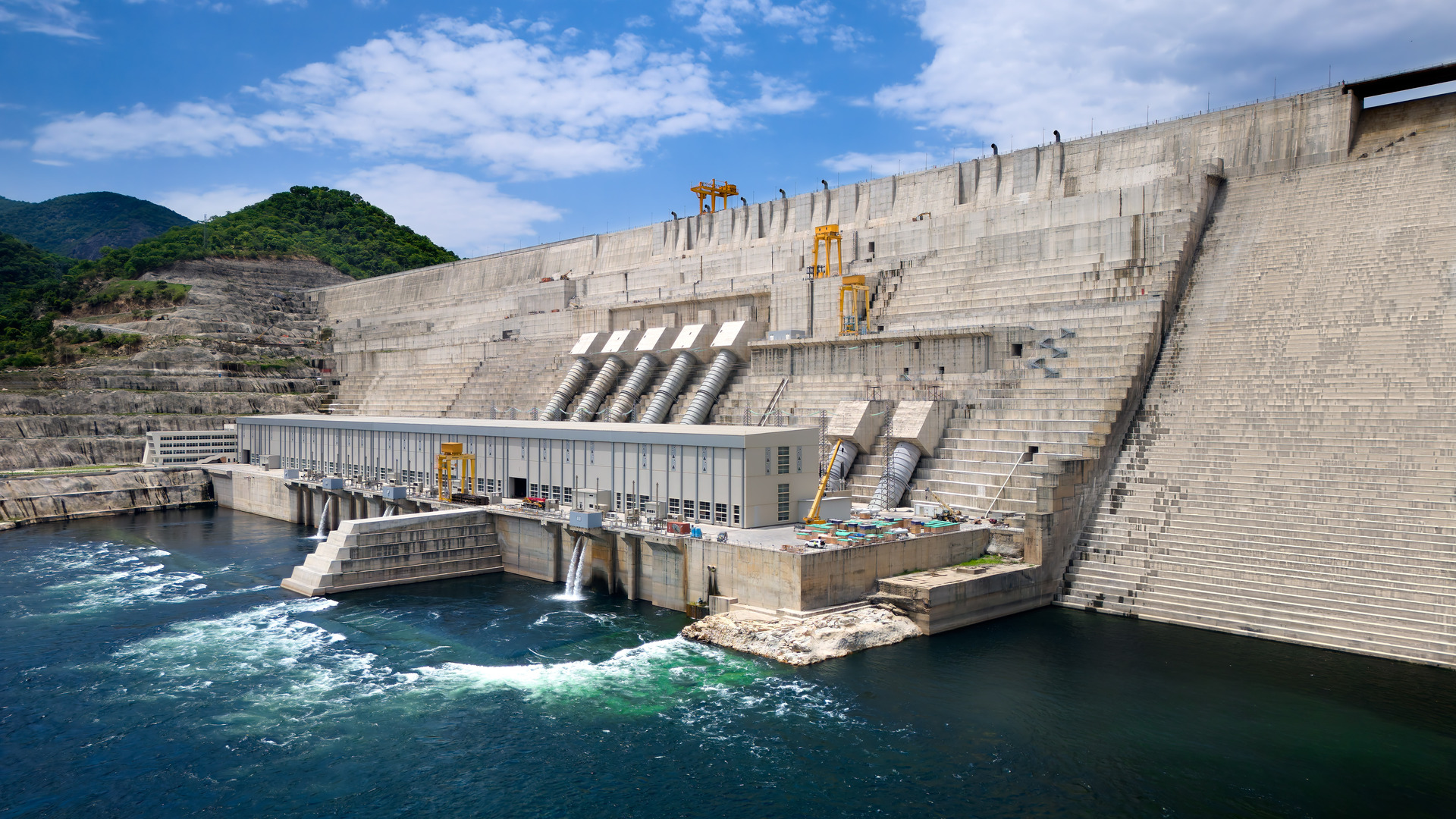 GERD Hydroelettric plant, Ethiopia
- With more than 92,000 dams, the United States hosts one of the most extensive water infrastructure networks in the world
- Most US dams are over 50 years old: critical infrastructure designed for a climate and a society that no longer exist
- Extreme events and downstream urban areas growth are increasing management costs and criticalities, turning a technical issue into a national priority
- Radar and InSAR monitoring now make it possible to detect millimetre-scale deformations, offering new tools for prevention and early warning
- With 319 dams and more than 58 GW of installed capacity, Webuild is one of the global leaders in the hydropower sector


With more than 92,000 dams, the United States has the second-largest dam network in the world, surpassed only by China, which has around 94,000. It is a vast infrastructure asset, often invisible to the general public, yet essential to the country’s day-to-day functioning: energy generation, water supply, protection against flooding caused by climate change and the safety of downstream urban centers.
These figures carry an equally great responsibility. According to the 2025 Report Card of the American Society of Civil Engineers (ASCE), almost 17,000 US dams are currently classified as high-hazard, meaning water works whose potential failure could result in loss of life and significant damage to downstream property and critical infrastructure. This is a statistic that shifts dams from a technical issue to a national priority
Urbanisation and Climate Change: The New Challenges for US Dams
The challenge is not only about the number of water dams, but also their age and the context in which they operate. The average age of US dams exceeds 60 years, and it is estimated that seven out of ten have already passed, or are about to pass, the 50-year threshold.
Many of these water infrastructures were designed in an era when climatic conditions were more stable, downstream populations were significantly smaller, and safety and monitoring objectives differed from those of today.
The increase in extreme weather events due to the climate crisis, the growth of urban areas downstream and the inherent limitations of outdated designs has been amplifying risks and management costs.
According to ASCE, the cost of maintaining, upgrading and repairing American water dams has risen significantly since the start of the 21st century. This point is also underlined by the Association of State Dam Safety Officials (ASDSO), which estimates that state- or privately owned water inftructures would require more than 165 billion dollars in rehabilitation investment.
Interferometers: A Precise Assessment of the State of American Water Infrastructure from Satellites
At the same time, more advanced tools for control and safety have been introduced, such as radar and satellite monitoring, making it possible to detect millimetre-scale movements in numerous US dams.
A study presented at the annual meeting of the American Geophysical Union and reported on 2 January by the Washington Post showed how technologies such as InSAR (Interferometric Synthetic Aperture Radar) can detect subtle but persistent deformations, providing a valuable early-warning system.
The research, which analyses 41 large hydroelectric dams in 13 states, cites, among others, the Livingston Dam in Texas, a structure more than four kilometres long classified as high-hazard, where satellite data indicate vertical movements of a few millimetres per year. Added to this is the Roanoke Rapids Dam in North Carolina, where differential settlement phenomena have been observed.
The researchers stress that such measurements do not imply an imminent danger, but represent useful signals to guide in-depth inspections and targeted interventions.
This is also because new standards are now emerging worldwide. The focus is no longer solely, or primarily, on the design and construction of a dam and, once built, its maintenance. Attention has shifted to the overall and long-term reliability of the infrastructure, starting with the individual materials used, monitoring technologies, the protection of the public interest, the anticipation and management of emergencies, and extending to the enhancement of benefits for the communities concerned.
Safe Hydroelectric Plants for a Sustainable Future
Within the hydropower sector and its development over the past hundred years, the Webuild Group has written new chapters and defined innovative models, with a total of 319 dams and hydroelectric plants built, for an overall installed capacity of 58,809 MW.
Among them are some of the largest hydroelectric power plants in the world, such as the Grand Ethiopian Renaissance Dam (GERD), inaugurated in Ethiopia on 19 September 2025.
Designed and built by Webuild, GERD is a project of extraordinary scale and unprecedented engineering complexity. Its energy capacity (the dam alone is able to double the country’s production) ensures a considerable economic and social impact for Ethiopia, which, in addition to meeting its own energy needs, is now able to export hydroelectric energy to Sudan, Djibouti, Kenya and Tanzania.
The construction of GERD reflects the outcome of a long-term vision embraced by a country that has chosen to invest in the energy transition, as is happening in many other countries around the world, starting with Australia.
Supporting both the construction and maintenance of large hydropower plants provides a response to fluctuations in energy supply through a sustainable technology that harnesses the power of nature to generate prosperity.