


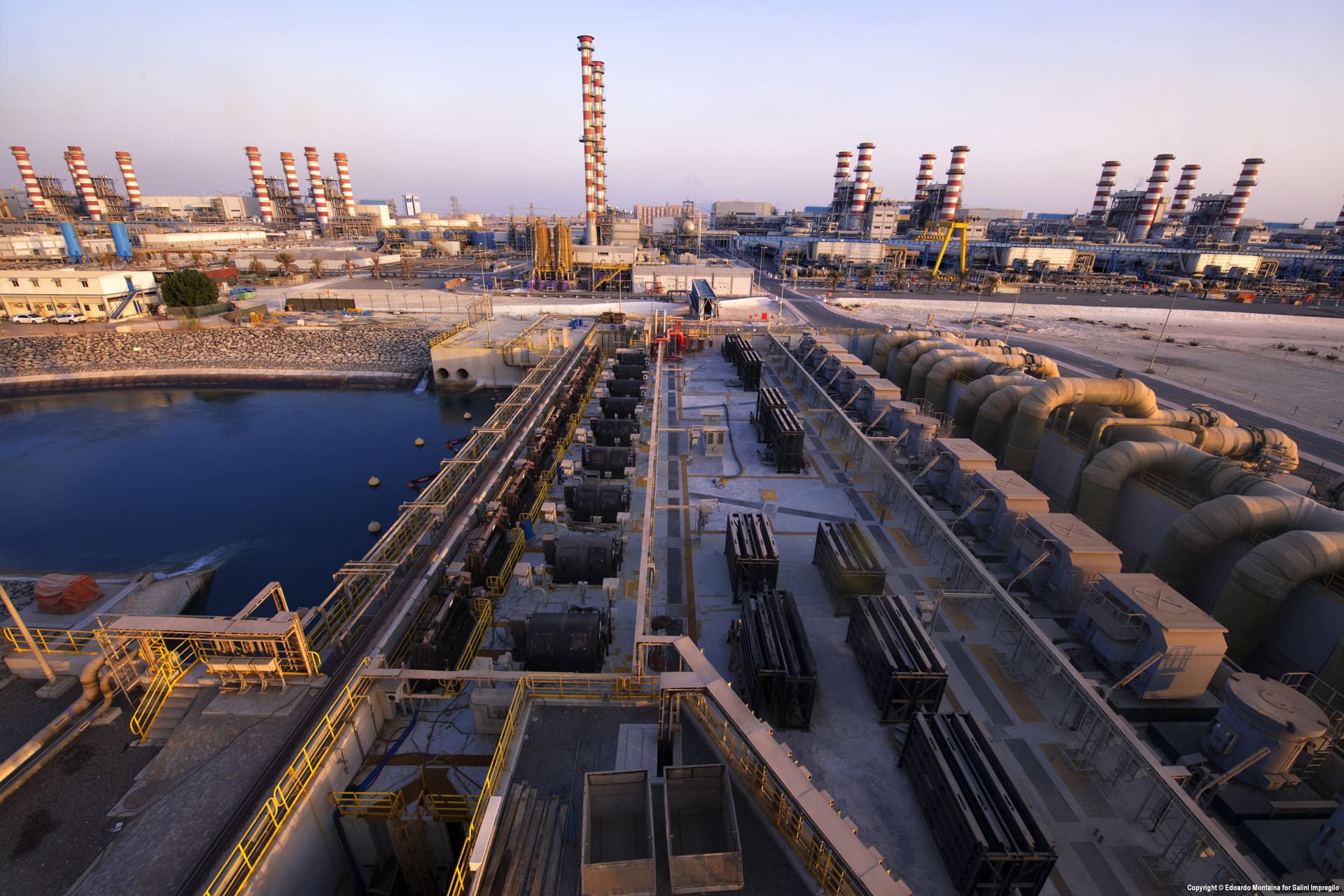
 Jebel Ali M desalination plant, United Arab Emirates
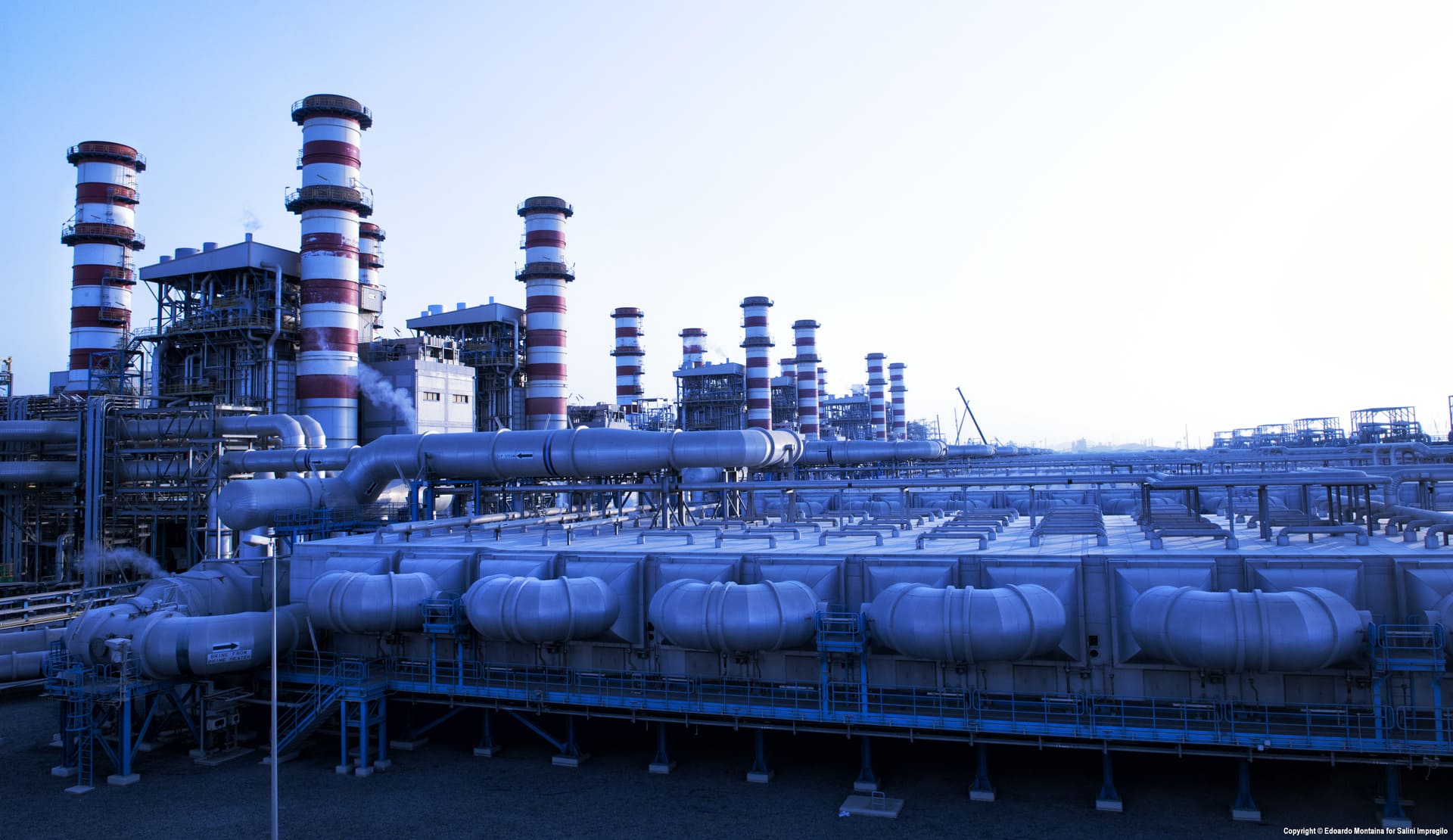 Jebel Ali M desalination plant, United Arab Emirates
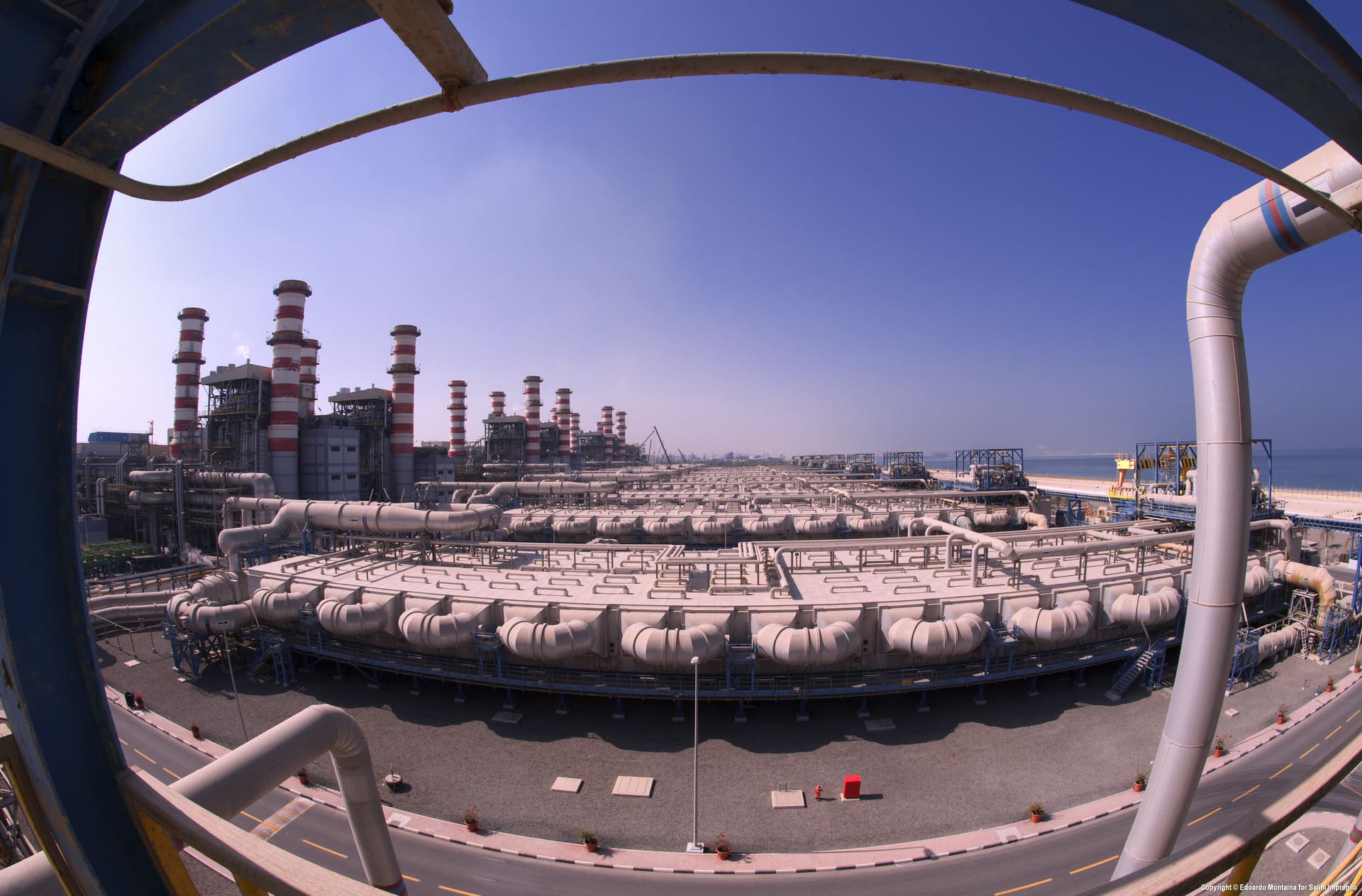 Jebel Ali M desalination plant, United Arab Emirates
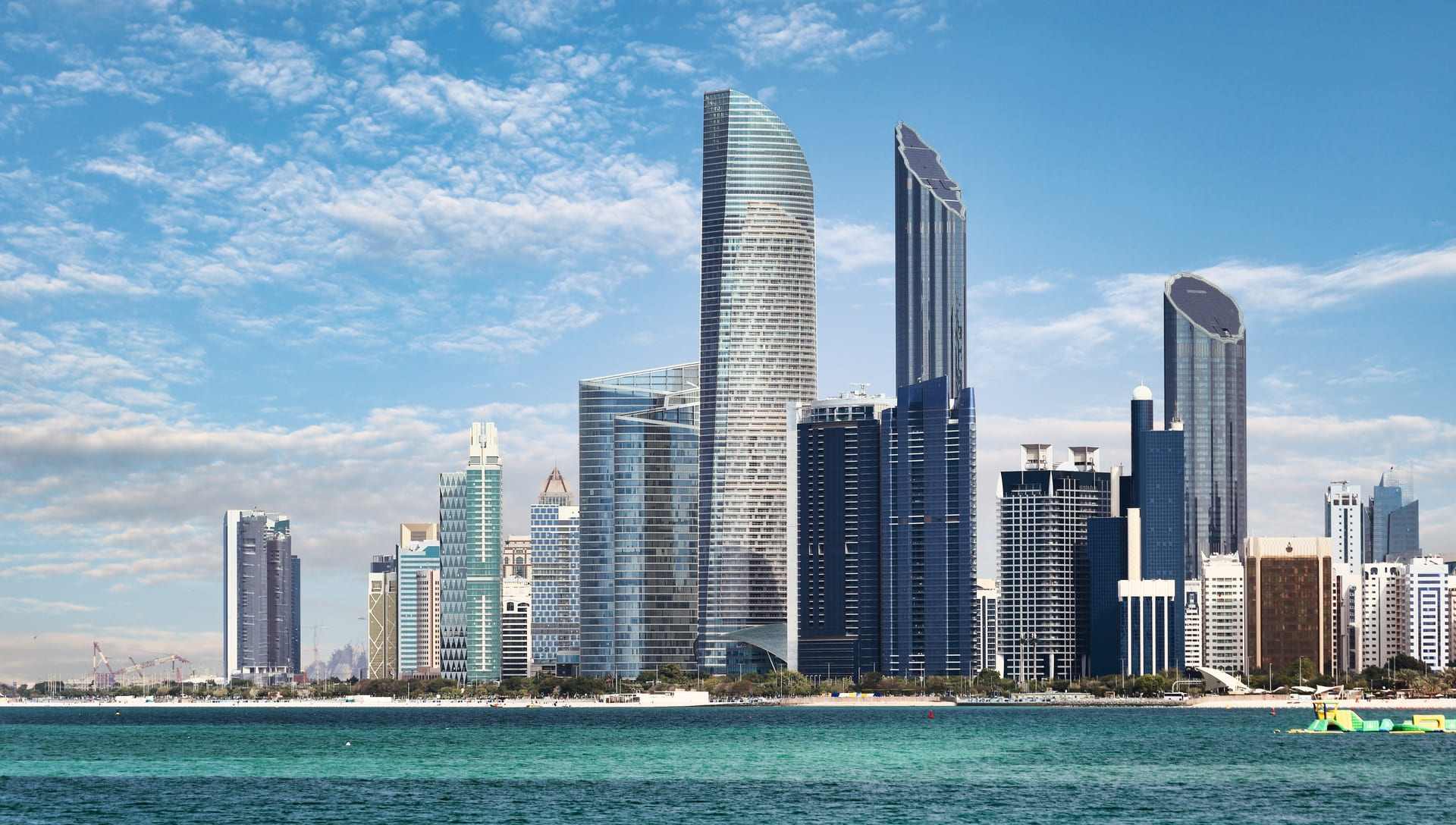 Abu Dhabi skyline, UAE
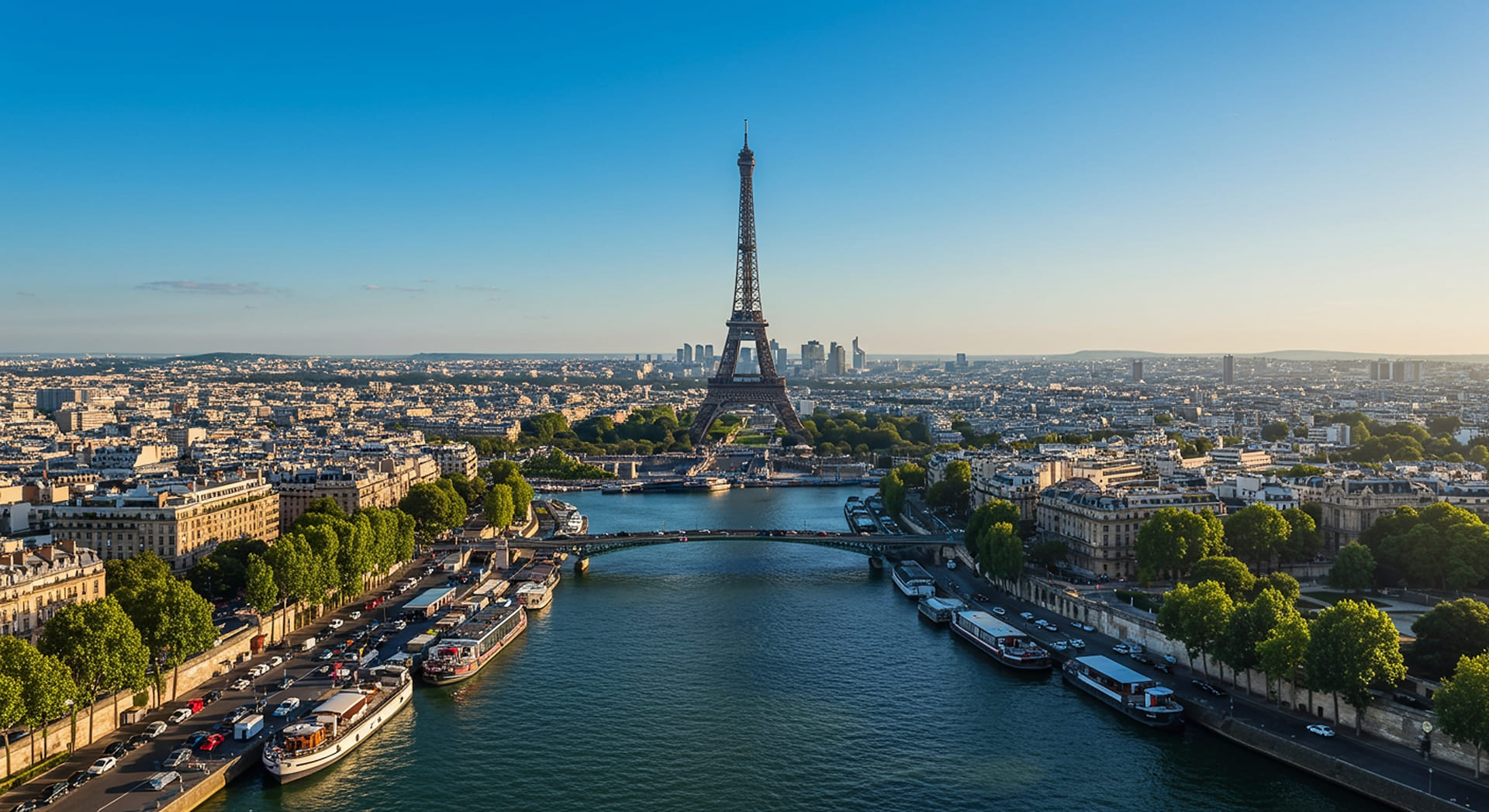 Paris, France
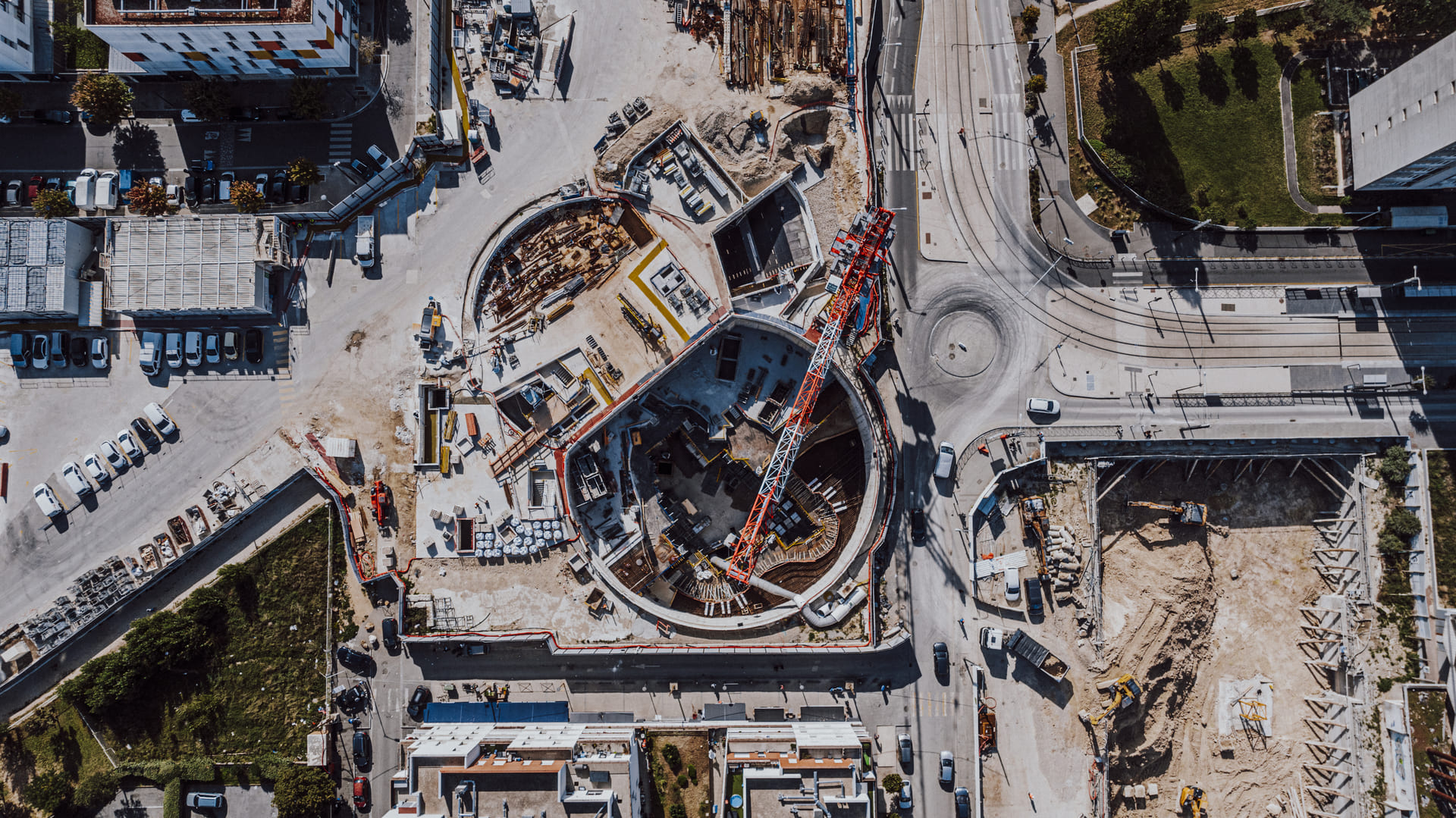 Grand Paris Express construction site, Paris
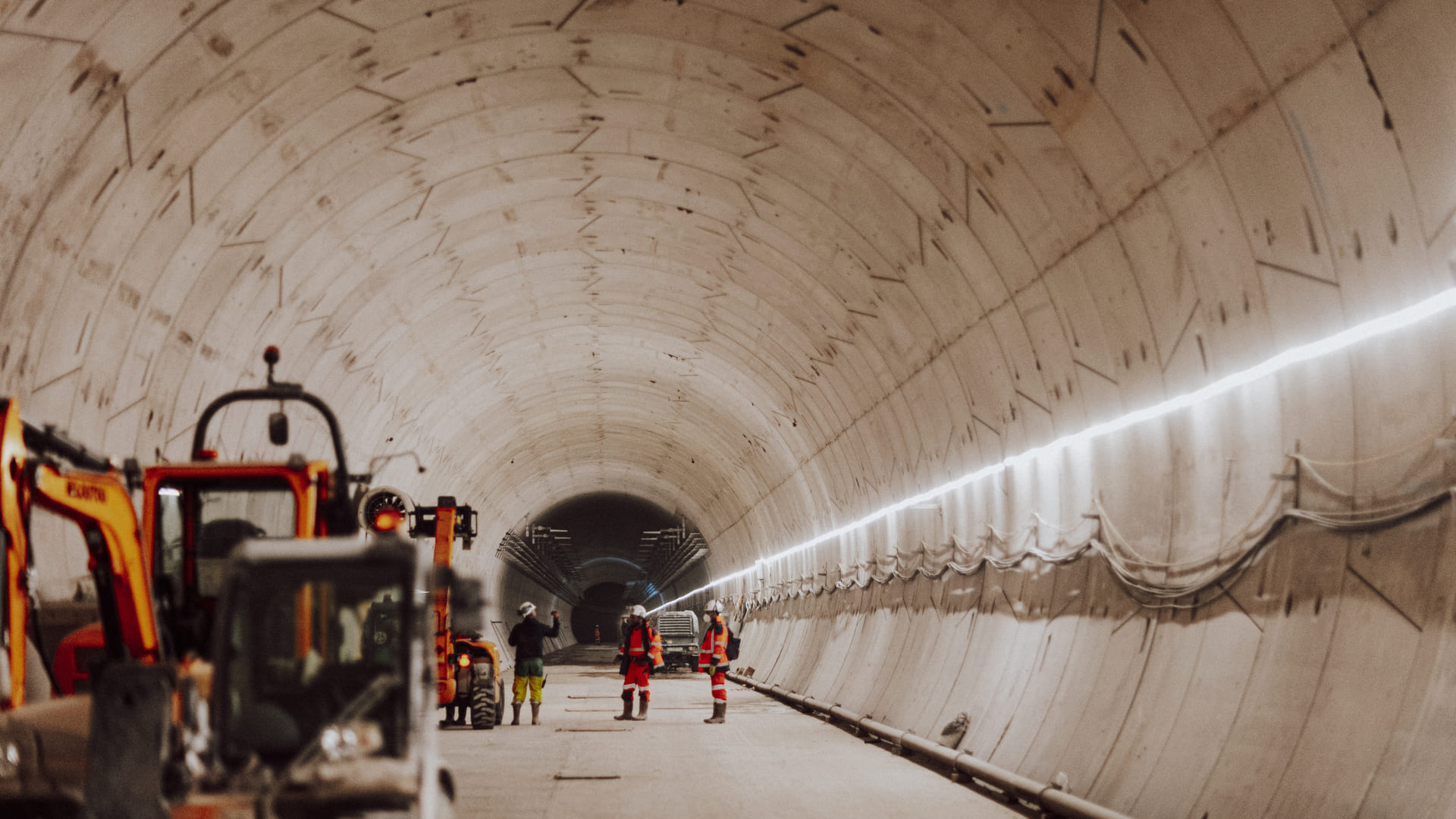 Grand Paris Express construction site, Paris
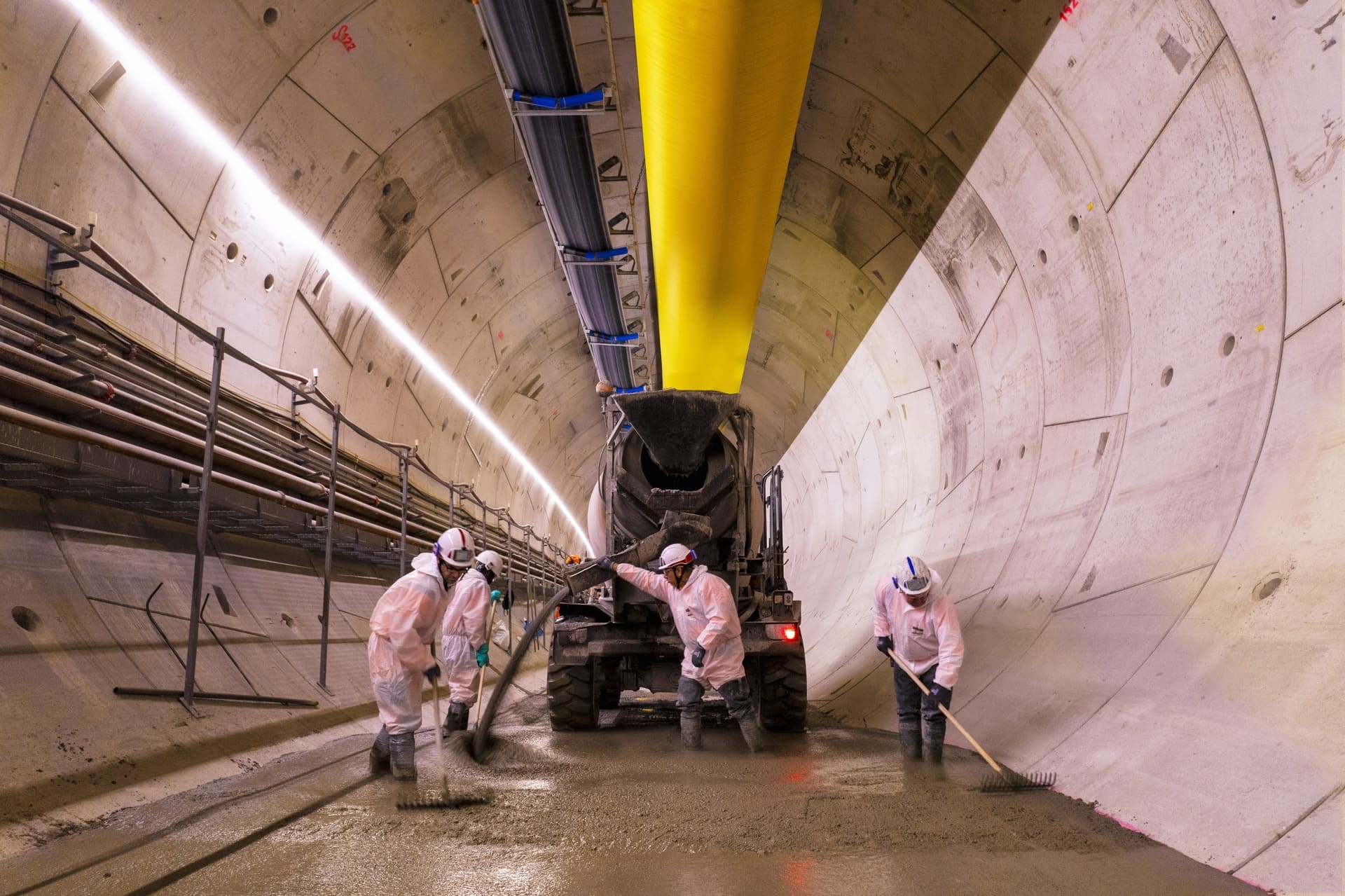 Grand Paris Express construction site, Paris
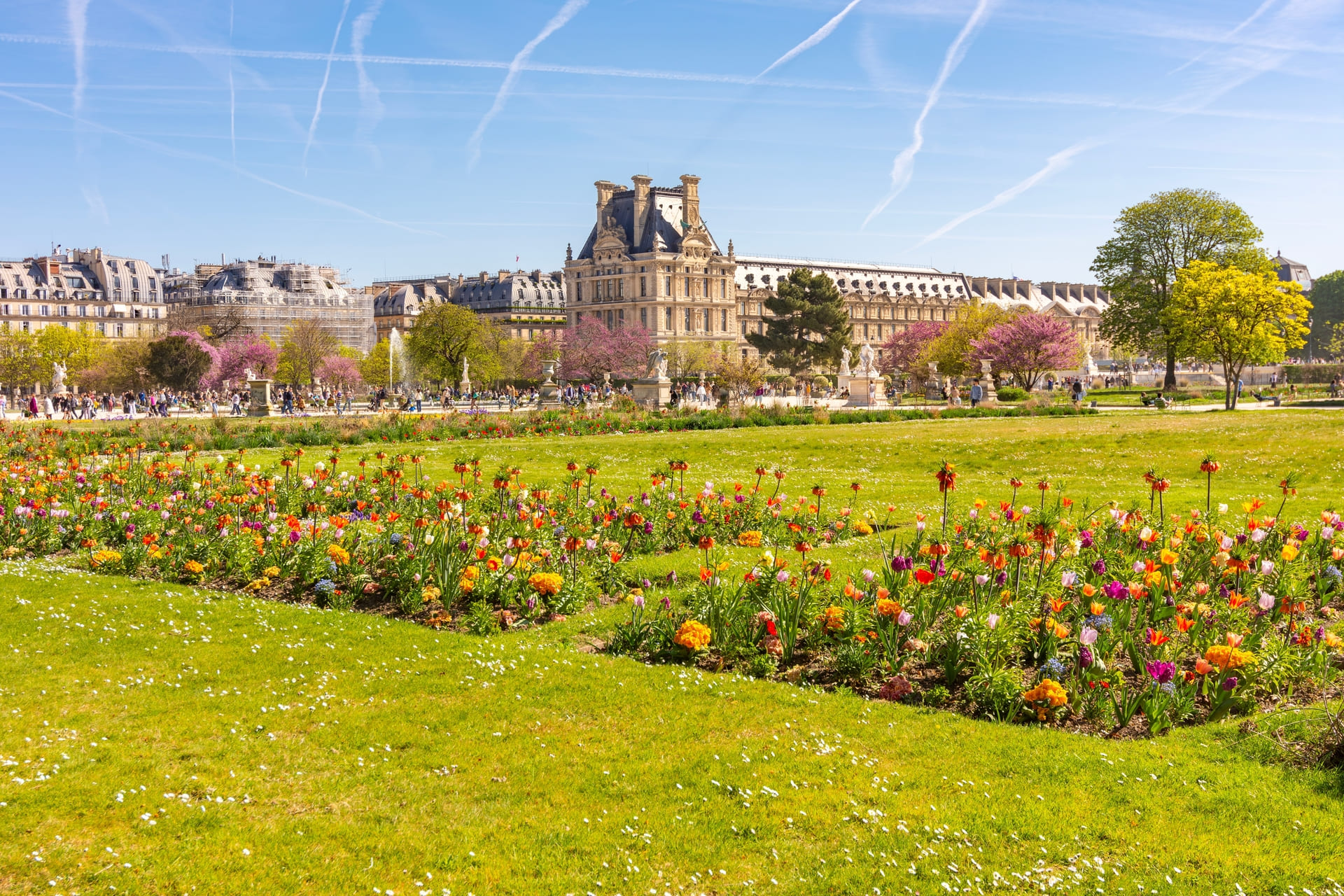 Tuileries Garden, Paris
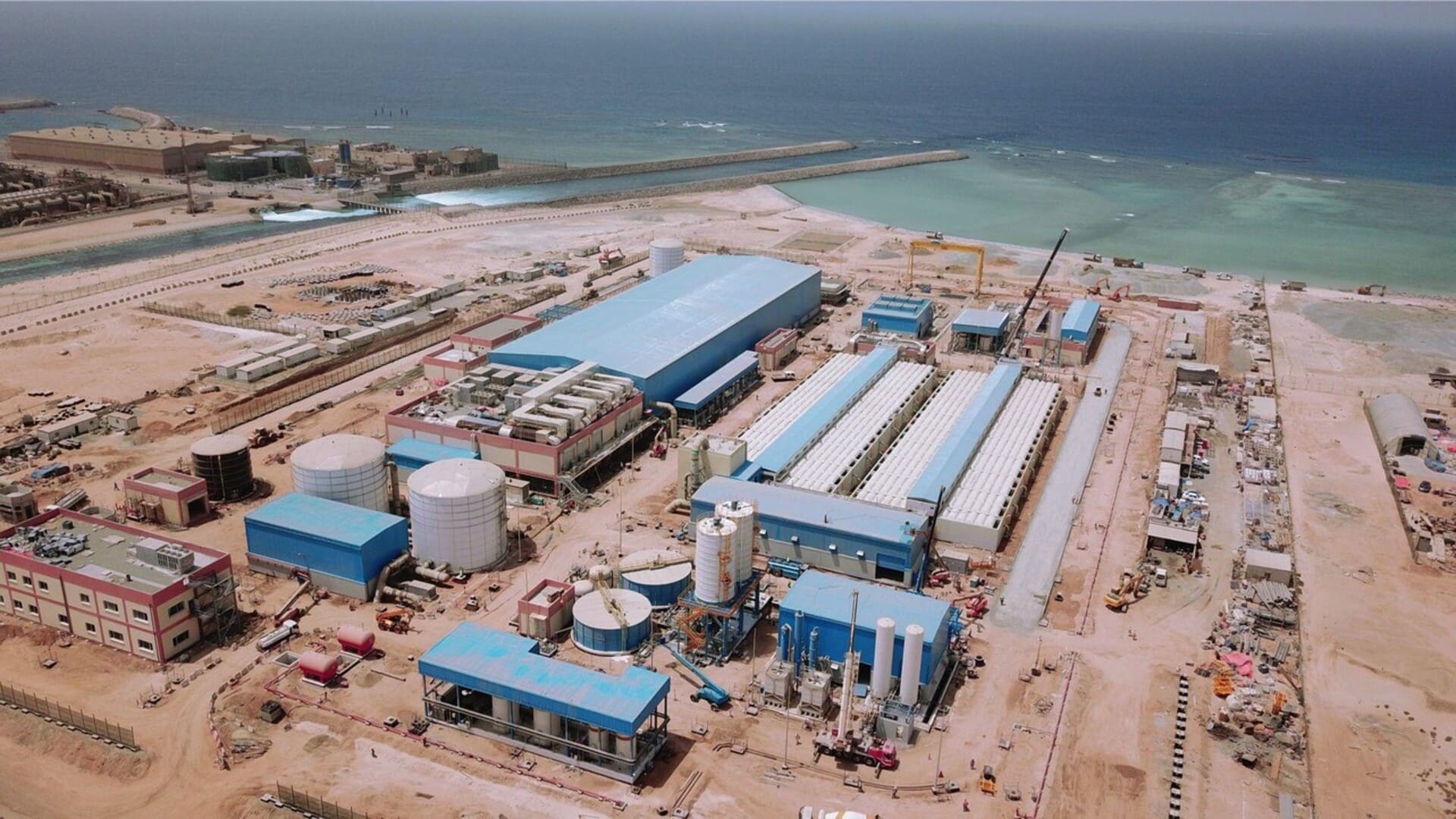 Shoaiba III desalination plant, Saudi Arabia
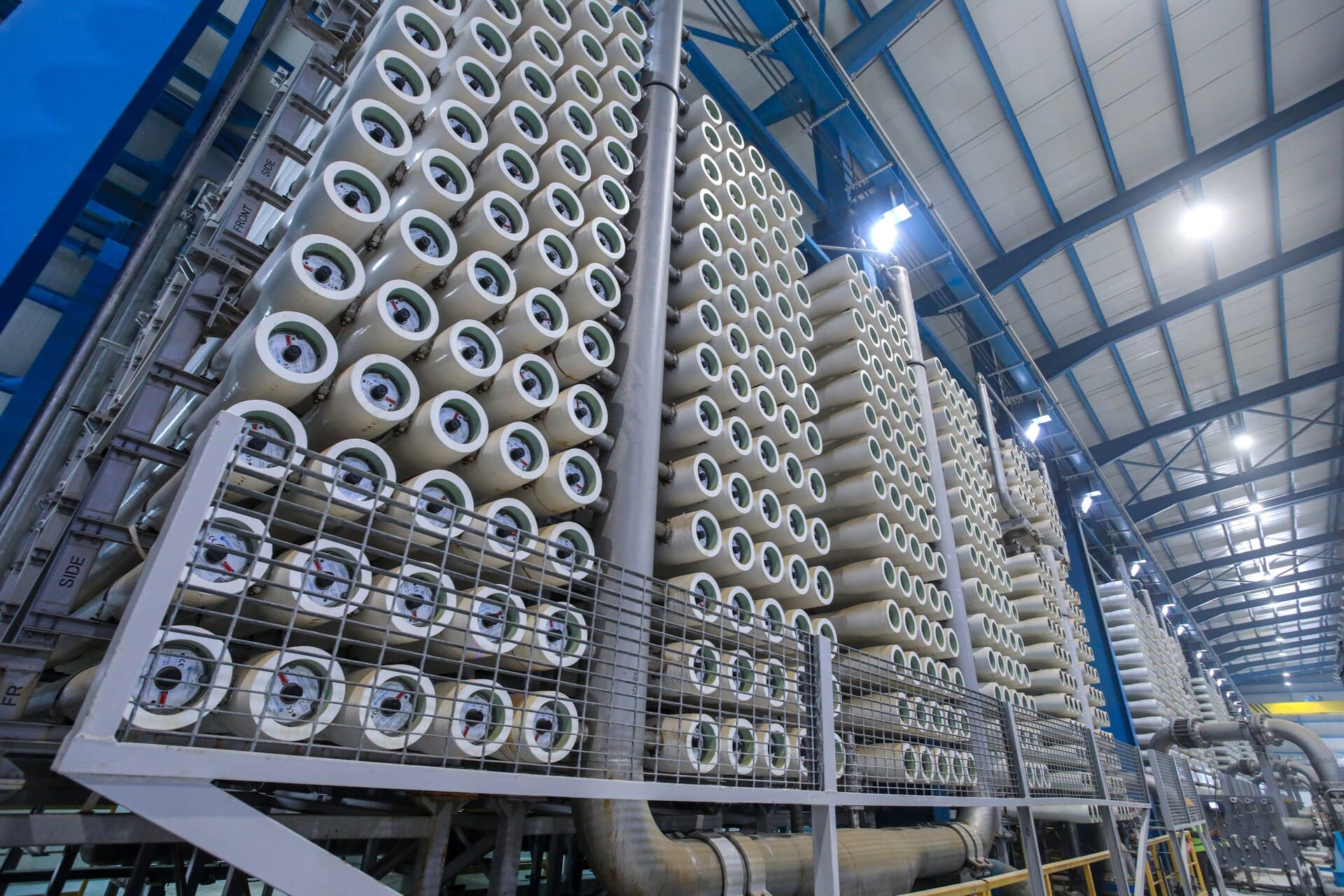 Shoaiba III desalination plant, Saudi Arabia
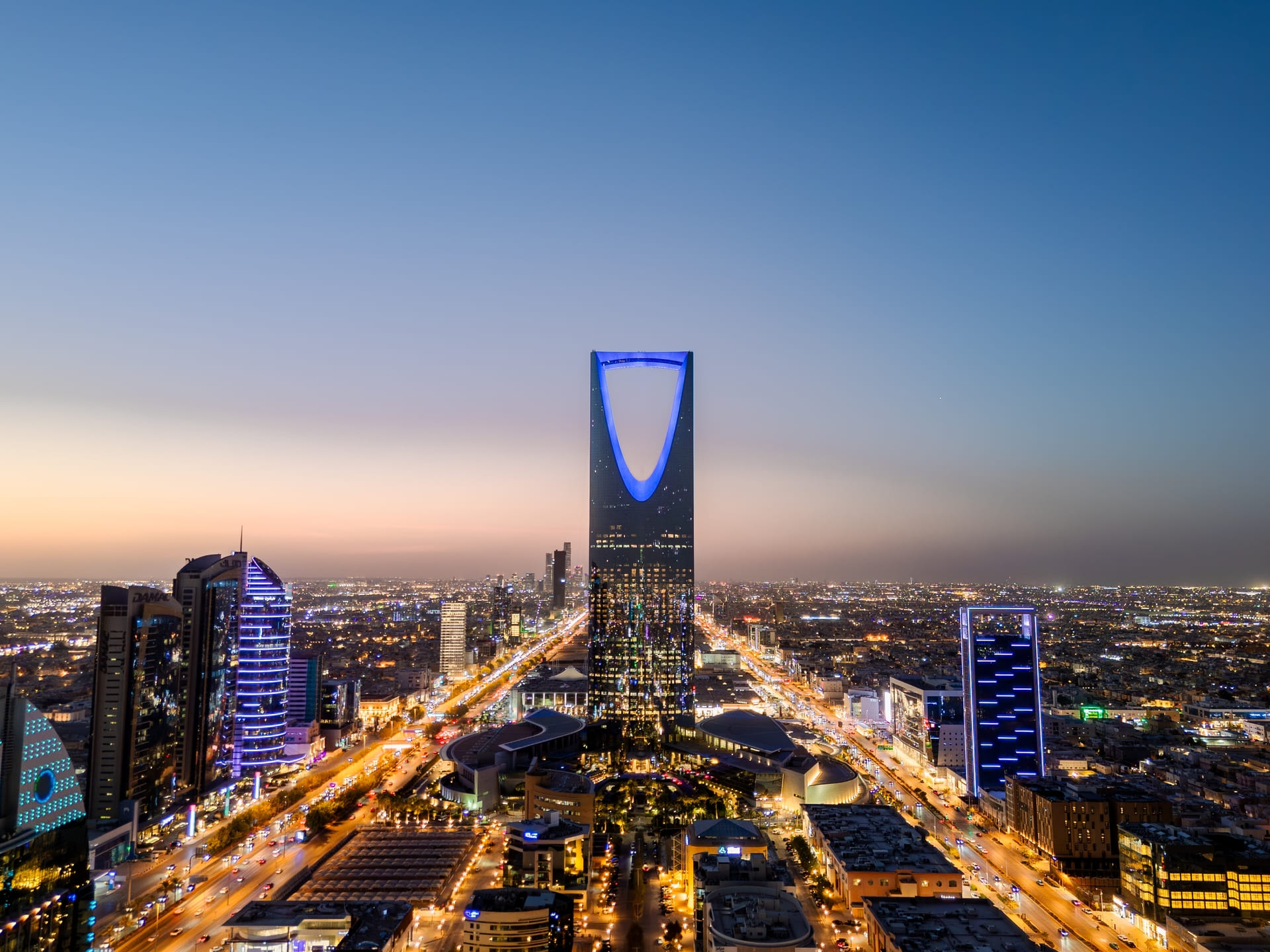 Riyadh skyline, Saudi Arabia
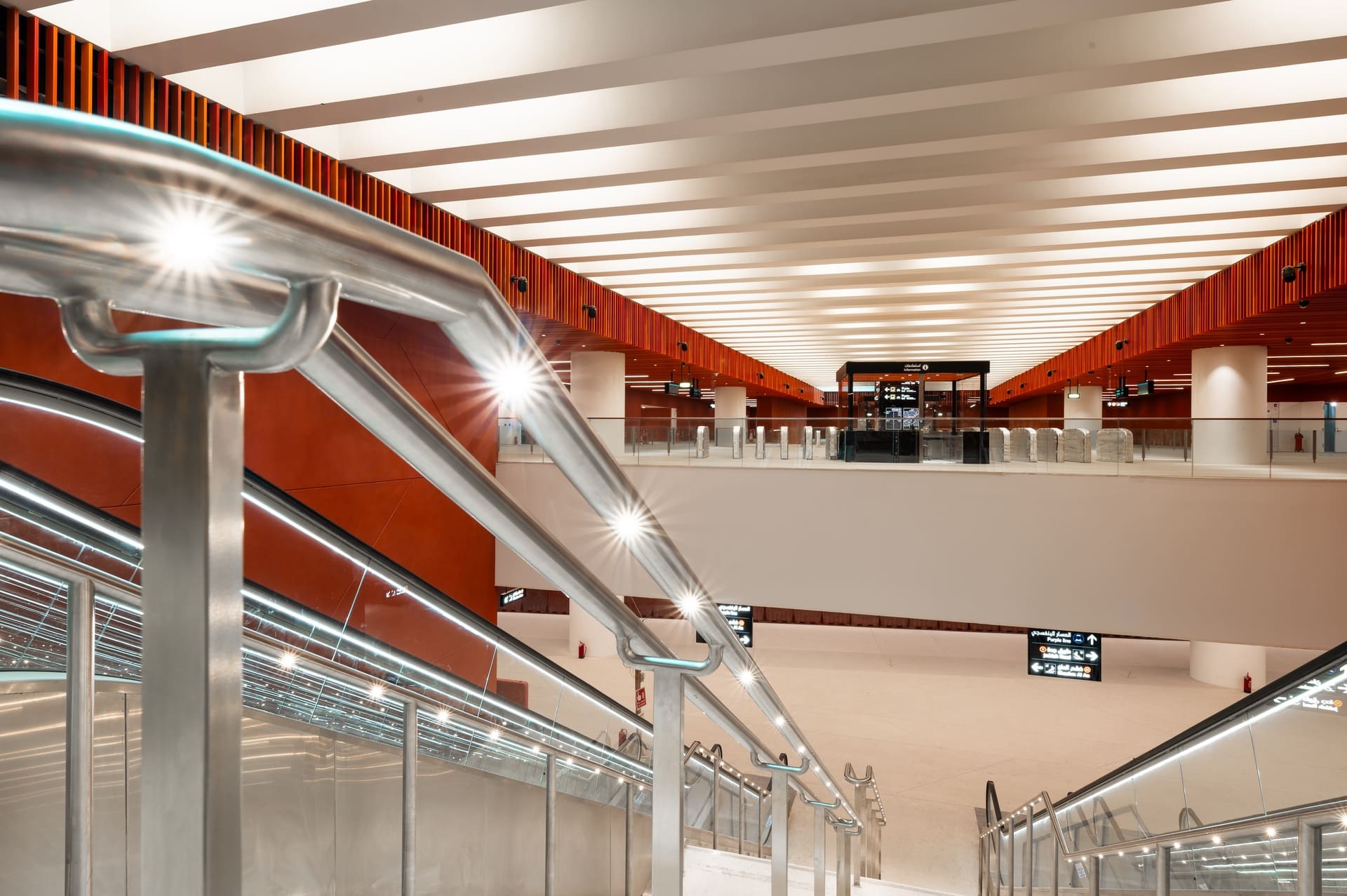 Western Station, Line 3, Riyadh
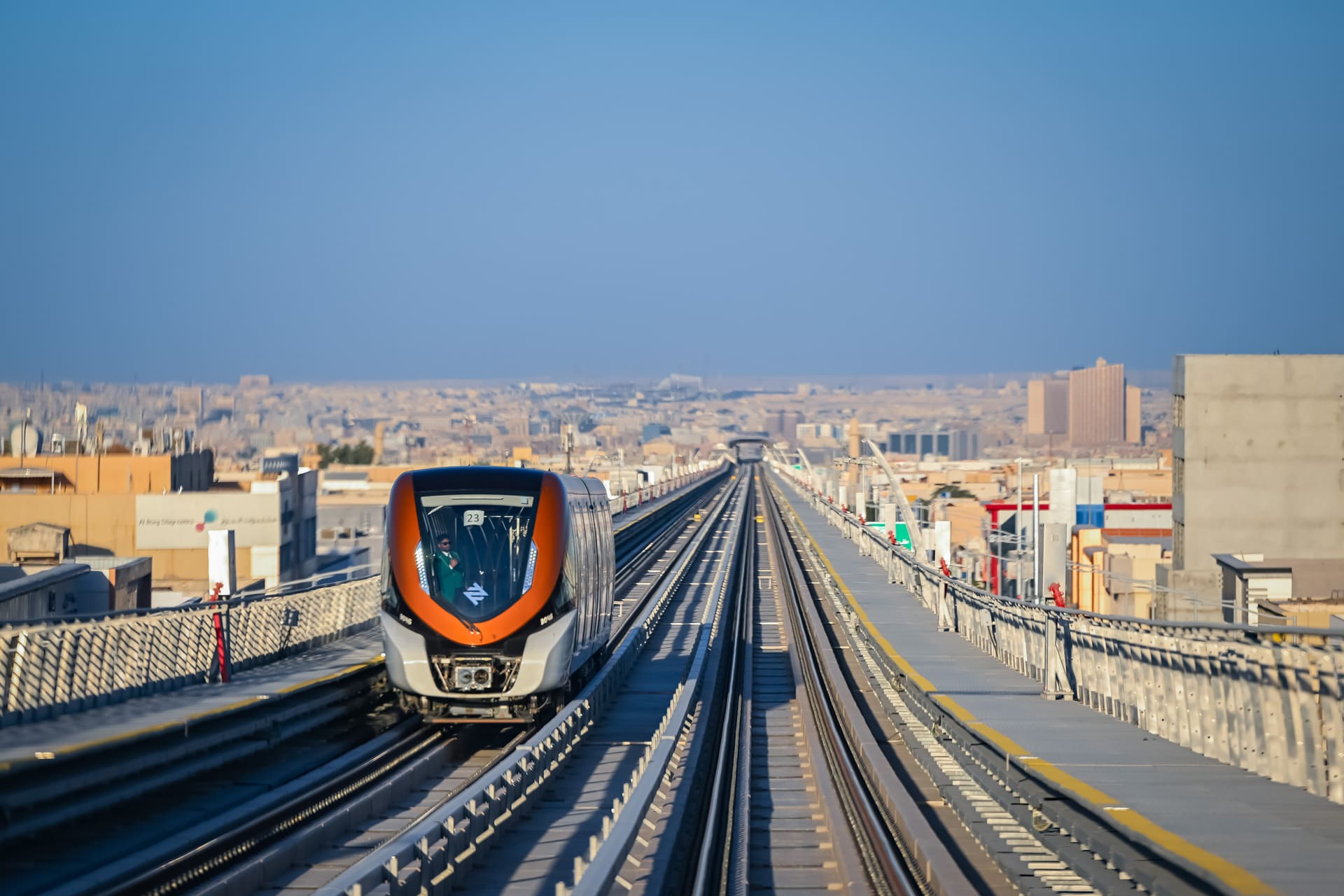 Western Station, Line 3, Riyadh
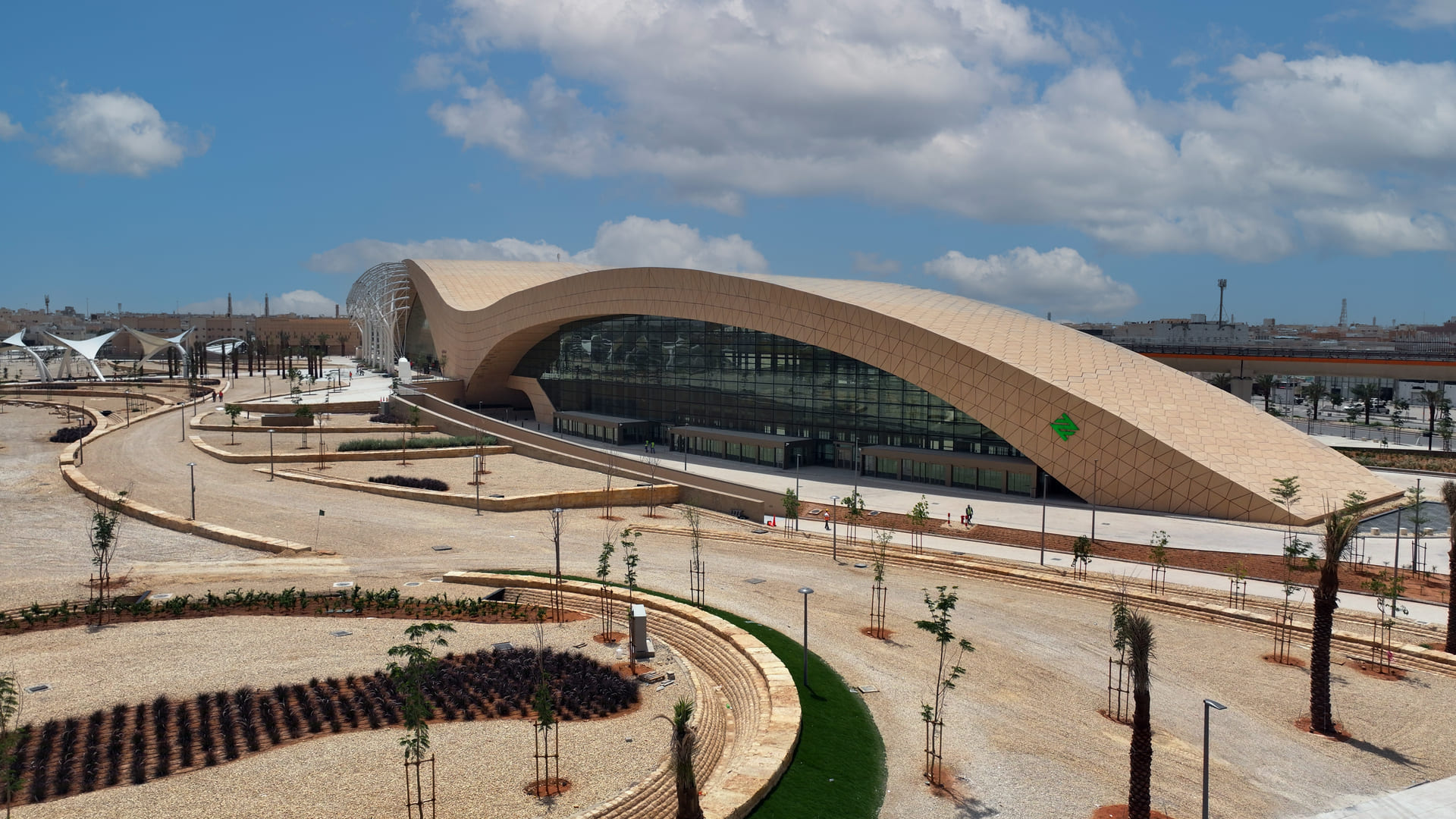 Western Station, Line 3, Riyadh
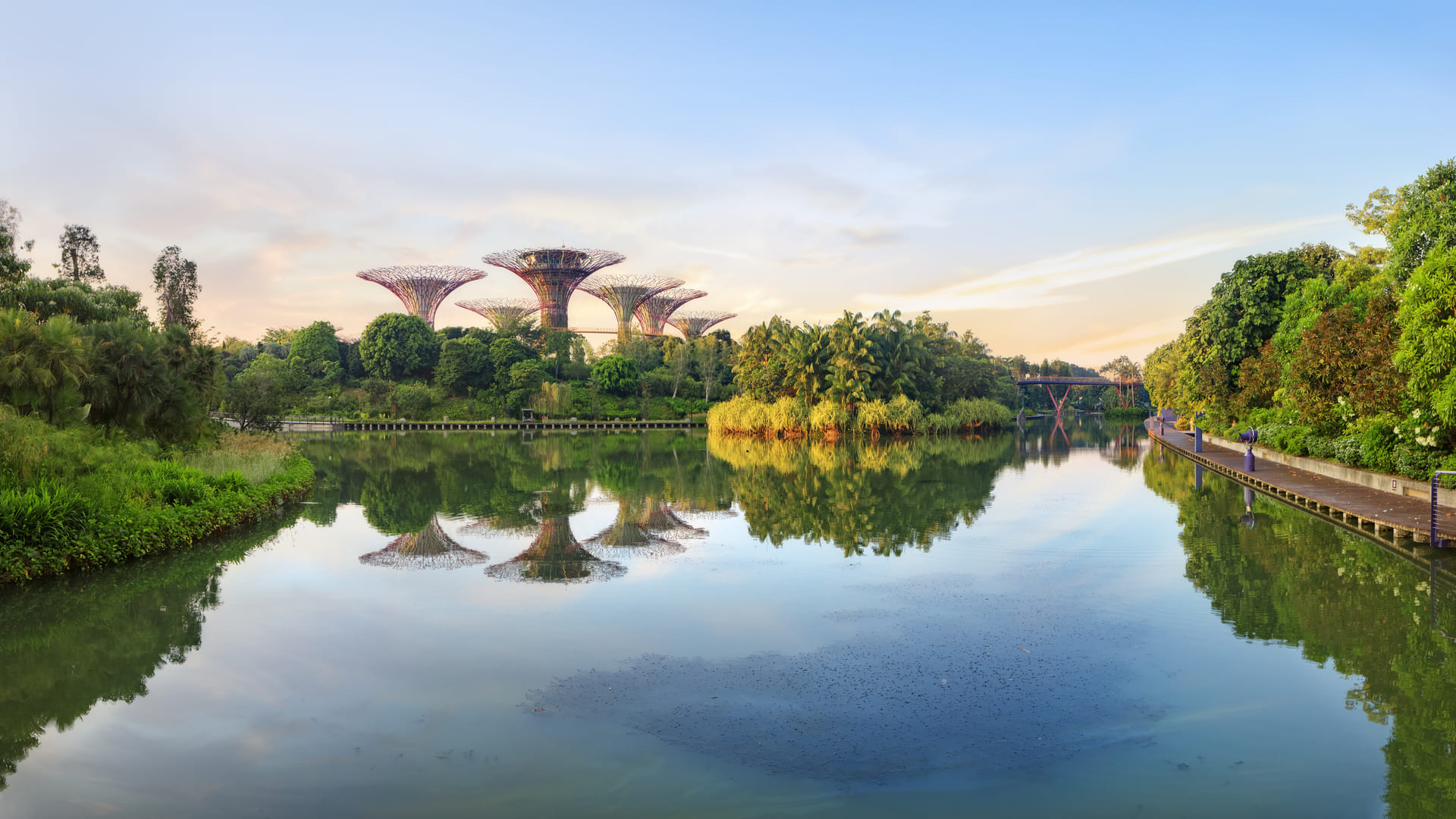 Gardens by the Bay, Singapore
- Cities are becoming the main front line of the climate crisis: heatwaves, urban heat islands, and energy stress are changing the way metropolises are designed.
- According to the United Nations, by 2050 nearly 70% of the world's population will live in urban areas, increasing the pressure on energy grids, water, and mobility.
- Large-scale underground infrastructures – such as metro systems, urban tunnels, and intermodal hubs –are emerging as fundamental tools for climate mitigation and emission reduction.
- From Paris to Riyadh, cities are investing in new public transport systems, urban forestry, the cooling of public spaces, and resilient water networks.
- Through projects like the Grand Paris Express and the Riyadh metro, Webuild contributes to the development of urban infrastructures designed to make cities more sustainable, resilient, and livable.
read more


European cities were not designed to coexist with consecutive weeks above 40 degrees, yet this is the scenario that is emerging with ever-greater frequency.
In the summer of 2025, a major heatwave swept across twelve European cities, causing thousands of deaths linked to extreme temperatures. According to a study cited by Reuters, approximately 2,300 deaths were associated with the climate event, with over 1,500 made more likely by the rise in temperatures caused by climate change.
The problem does not only concern daytime peaks. It is above all tropical nights – when concrete continues to release the heat accumulated during the day – that put public health, power grids, and quality of life under intense pressure. This is the so-called phenomenon of ‘urban heat islands,’ which can drive city temperatures even many degrees above those of the surrounding rural areas. Some European studies have recorded thermal anomalies of up to 3 to 8 degrees in the most densely urbanized areas.
This is why, in many cities, extreme heat is becoming an infrastructural issue even before an environmental one, because the urban climate increasingly depends on how mobility systems, energy grids, public spaces, and even the materials used to build streets and neighborhoods are designed.
From Grand Paris Express to Riyadh Metro: Underground Cities To Combat Climate Change
One of the most important responses to extreme heat comes from beneath the ground. Major metro networks are becoming climate infrastructures in addition to mobility ones. Indeed, reducing automobile traffic means lowering emissions, overheated asphalt, and urban congestion. For this reason, many metropolises are accelerating investments in rail and underground transit.
In Paris, the Grand Paris Express represents one of the largest European infrastructure projects: 200 kilometers of new automated lines and 68 stations designed to connect the suburbs and the urban center, reducing dependence on the automobile. The infrastructure project was also conceived as an ecological transition intervention, featuring low-emission neighborhoods around the new stations and strong integration with existing public transport.
In this scenario, a central role is played by Webuild, which is engaged in the construction of three strategic lines of the Grand Paris Express through one of Europe’s largest urban tunneling operations.
The same logic is guiding the development of the Riyadh metro, a city that frequently exceeds 45 degrees during the summer months. In a metropolis built for decades around the automobile, the new rail network aims to reduce traffic, emissions, and urban energy consumption. Here too, Webuild contributes through the construction of the Orange Line, one of the main axes of the new Saudi mobility.
The return to the “underground city” is therefore a global trend manifested through different interventions: urban tunnels, intermodal hubs, deep rail networks, and integrated systems that free up surface space, reduce traffic, and improve the climate resilience of metropolitan areas.
Climate Mitigation: From Cool Roofs to Green Corridors for Urban Cooling
Cities are beginning to treat heat the way they treat floods or earthquakes: as a systemic risk to be mitigated through dedicated infrastructure.
In Singapore, the answer lies in a combination of urban forests, water management, and climate planning. The city-state has transformed greenery into a true public infrastructure: green roofs, linear parks, shaded corridors, and rainwater harvesting systems are all part of a strategy designed to lower urban temperatures and reduce energy consumption.
In Paris, the municipality is multiplying “oasis urbaines” (urban oases) – public spaces cooled with tree planting, permeable surfaces, and fountains to tackle increasingly frequent heatwaves. In parallel, the city is working on urban forests and the transformation of many asphalt surfaces.
In the United States, cities like New York and Phoenix are experimenting with “cool roofs” and reflective pavements to limit heat absorption. According to some research, the heat island effect can increase the perceived temperature by more than 4 degrees in several urban neighborhoods.
Yet, the real difference is made by integrated strategies. Experts are increasingly emphasizing that planting trees is not enough. There is a need to rethink entire urban systems, from public transport to energy consumption, from water and building material management to the organization of public space.
From Desalination to Rainwater Harvesting: Infrastructure to Tackle Water Scarcity
In cities facing extreme heat, water is becoming one of the primary infrastructures for resilience.
In Singapore, wastewater reuse and widespread rainwater harvesting have become central elements of urban security. In the Persian Gulf, desalination and advanced water networks have become indispensable for sustaining the growth of major metropolises.
It is here that the climate issue meets that of large-scale waterworks. Water scarcity and supply security no longer concern only the availability of water, but also the capacity to cool cities, power energy grids, and sustain millions of inhabitants during increasingly extreme summers.
Indeed, desalination plants in the Arabian Peninsula have played a decisive role in halting the advance of the desert and creating “urban oases” such as Riyadh, Dubai, and Abu Dhabi.
In the United Arab Emirates, over 90% of drinking water currently comes from desalination. This has enabled the creation of large urban irrigation systems that feed parks, tree plantings, boulevards, and green belts designed precisely to reduce the heat island effect and curb desert erosion around inhabited centers.
In Dubai, the city’s growth within the desert was made possible by a continuous network of coastal plants that transform the water of the Persian Gulf into an urban resource.
Saudi Arabia has also built its urban development upon this artificial balance. Riyadh, despite being located in the heart of the peninsula and far from the sea, depends on gigantic transport networks for desalinated water coming from the country’s eastern coast. Without these systems, the Saudi capital’s water consumption – fueled by millions of inhabitants, infrastructure, green areas, and new districts –would rapidly deplete the desert’s fossil aquifers.
Many of these plants were built by Fisia Italimpianti, a subsidiary of the Webuild Group, which represents one of the active international players in the desalination and strategic water infrastructure sector.
Climate Resilience: Building Sustainable Cities
According to several European studies, climate mitigation strategies can significantly reduce the health impacts of heatwaves. In Italy, certain prevention measures have contributed to decreasing heat-related mortality by approximately 30%.
For this reason, climate is increasingly becoming a core part of major global infrastructure strategies. The cities of the future will have to be designed to withstand higher temperatures, consume less energy, manage water better, and offer mobility systems that are less dependent on automobiles.
In the twentieth century, metropolises grew around the internal combustion engine and the expansion of asphalt. In the twenty-first century, however, they could develop around new underground networks, green corridors, rail systems, and integrated climate infrastructures.
The challenge is not only environmental; it is urban, social, and economic. And it will increasingly depend on the ability to build sustainable cities that, even in the midst of the most extreme summers, remain livable places.