


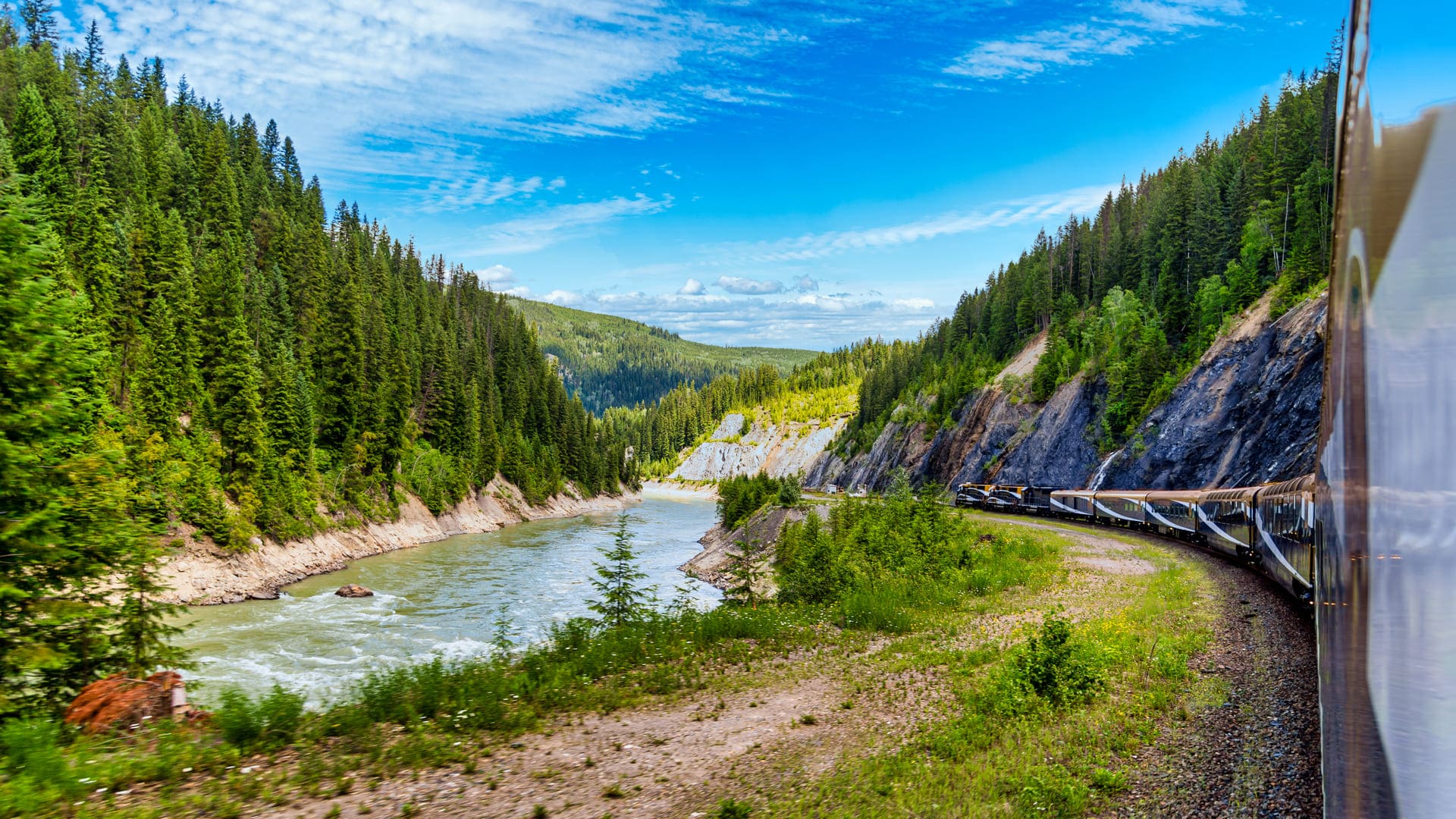
 Rocky Mountaineer train, Canada
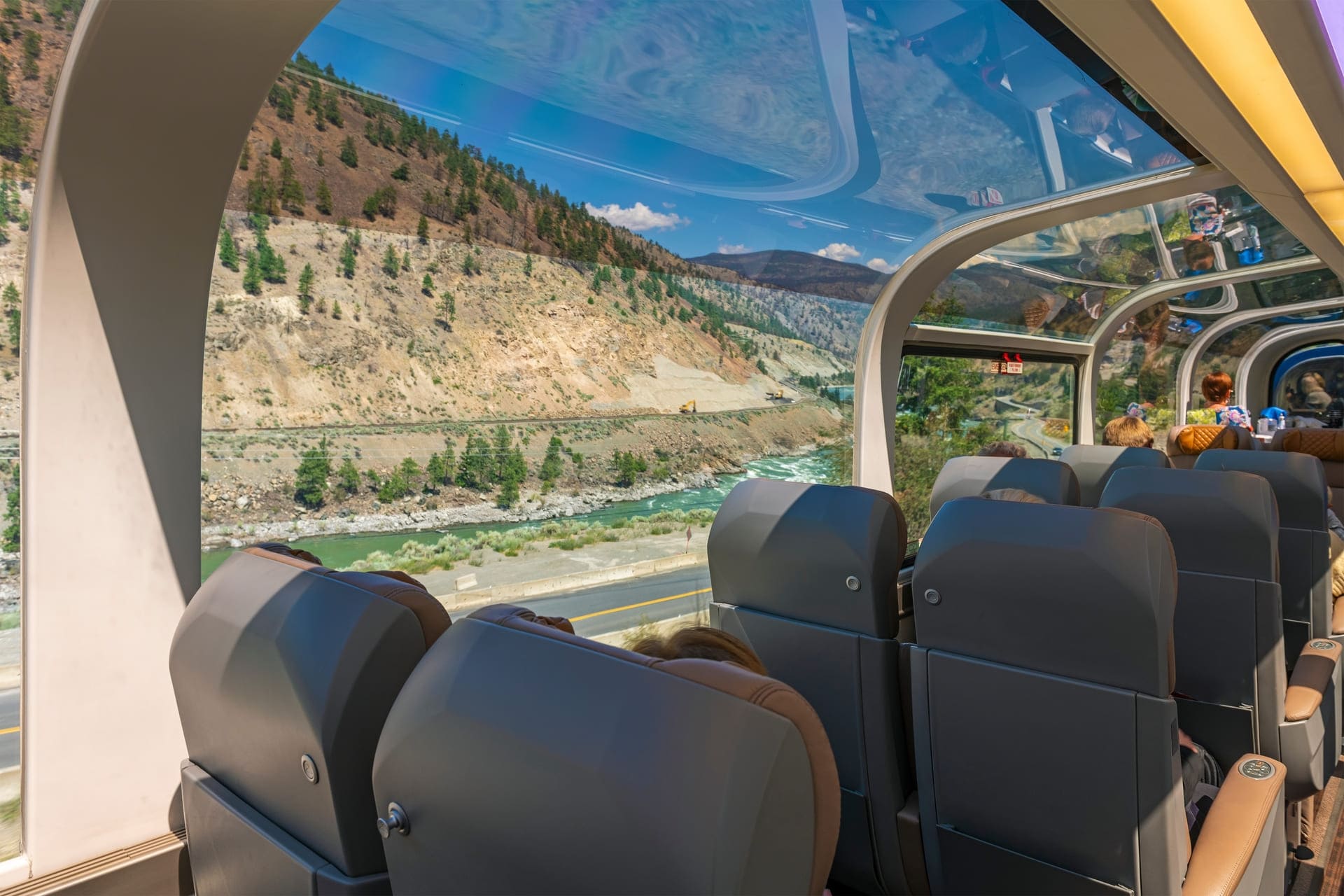 Rocky Mountaineer train, Canada
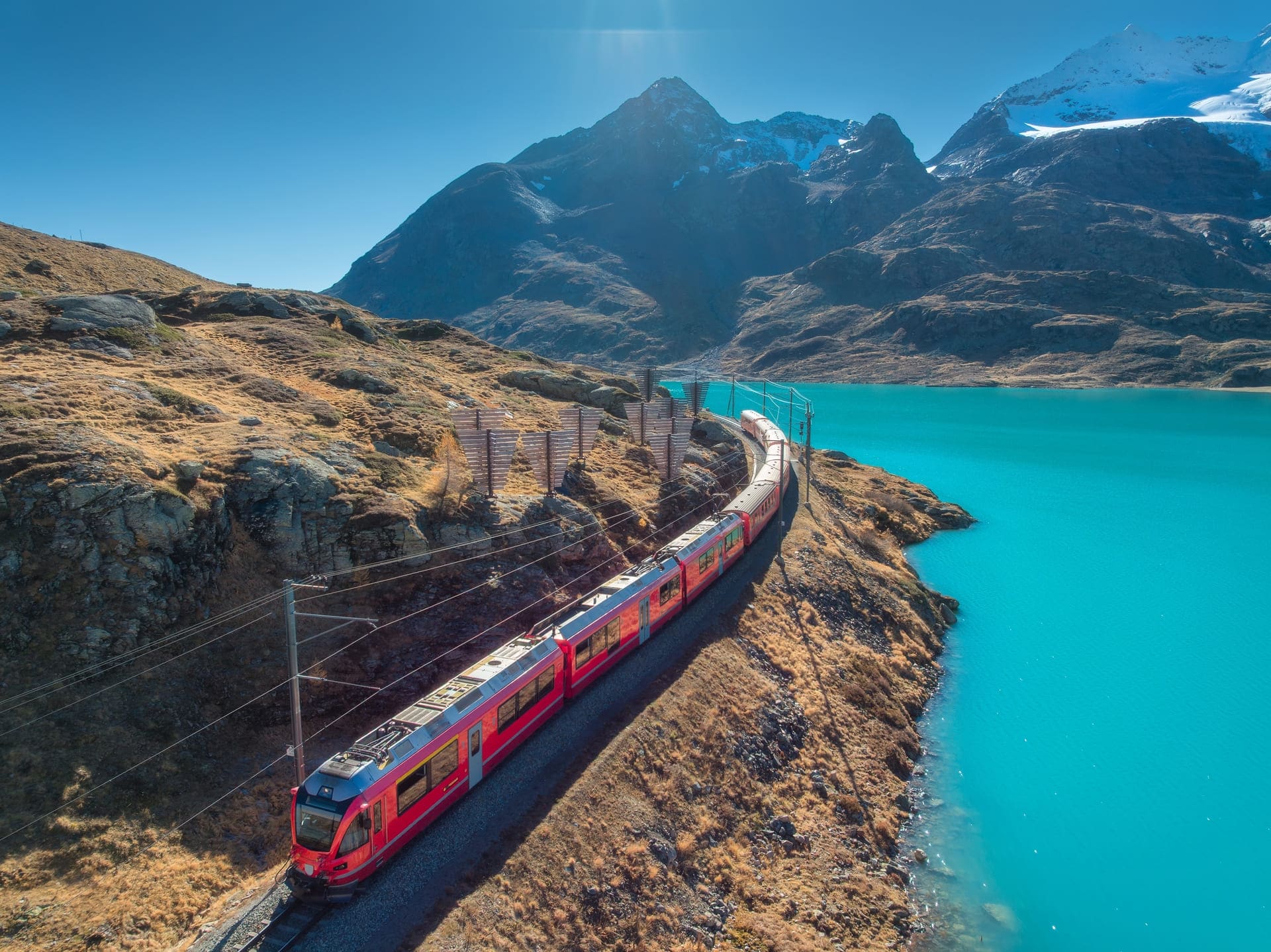 Bernina Express Train
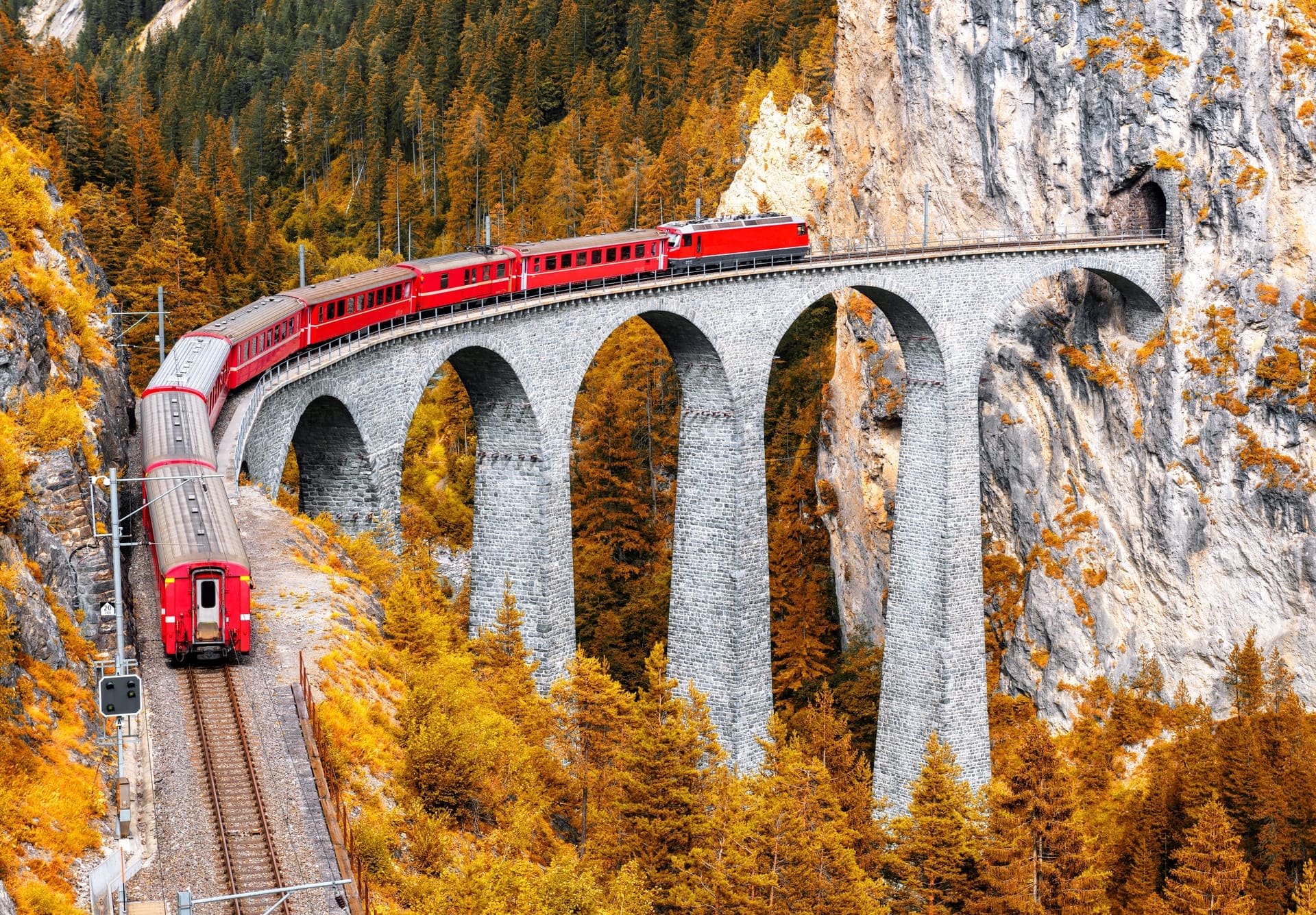 Bernina Express Train
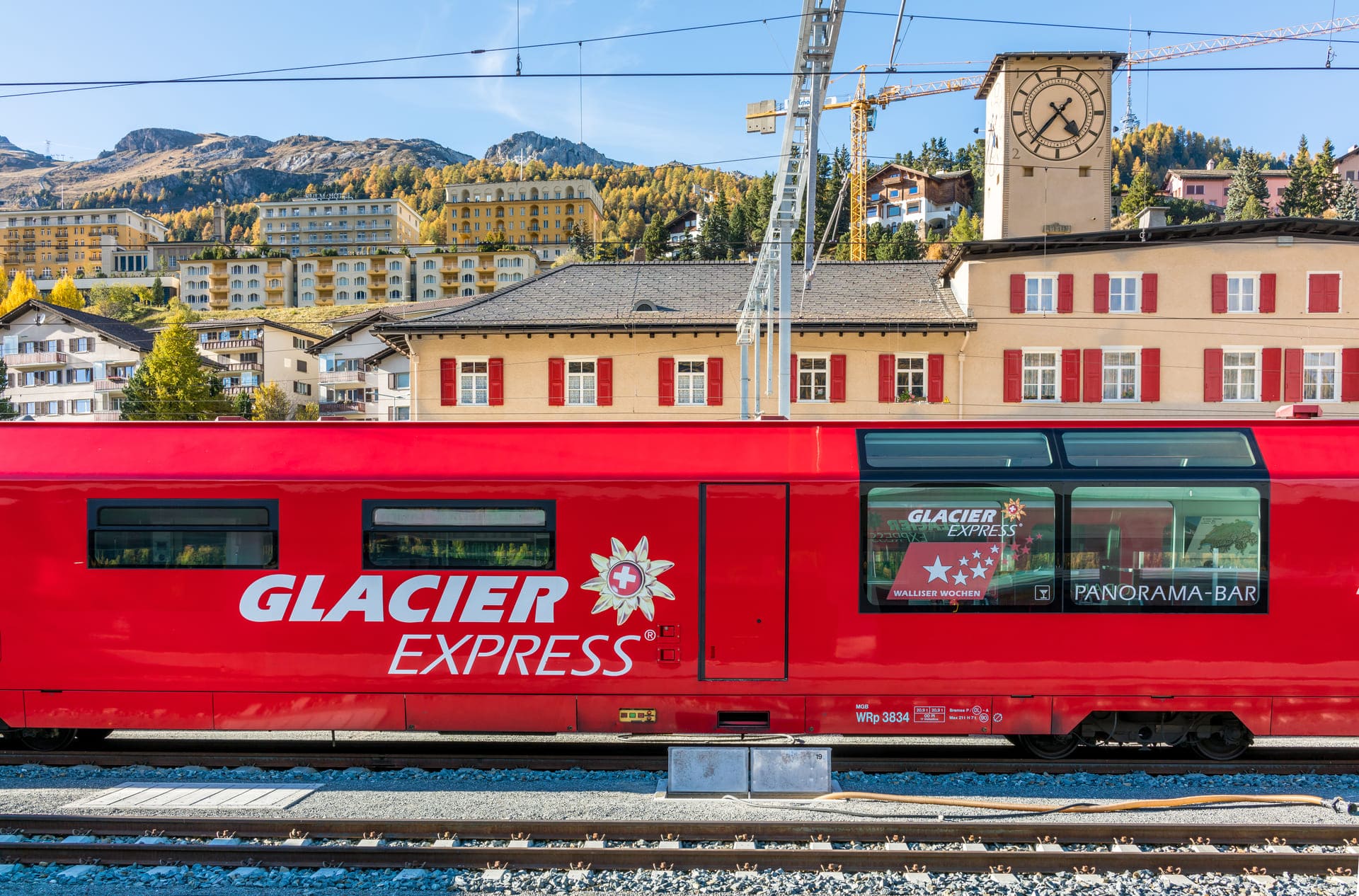 Glacier Express in St.Moritz
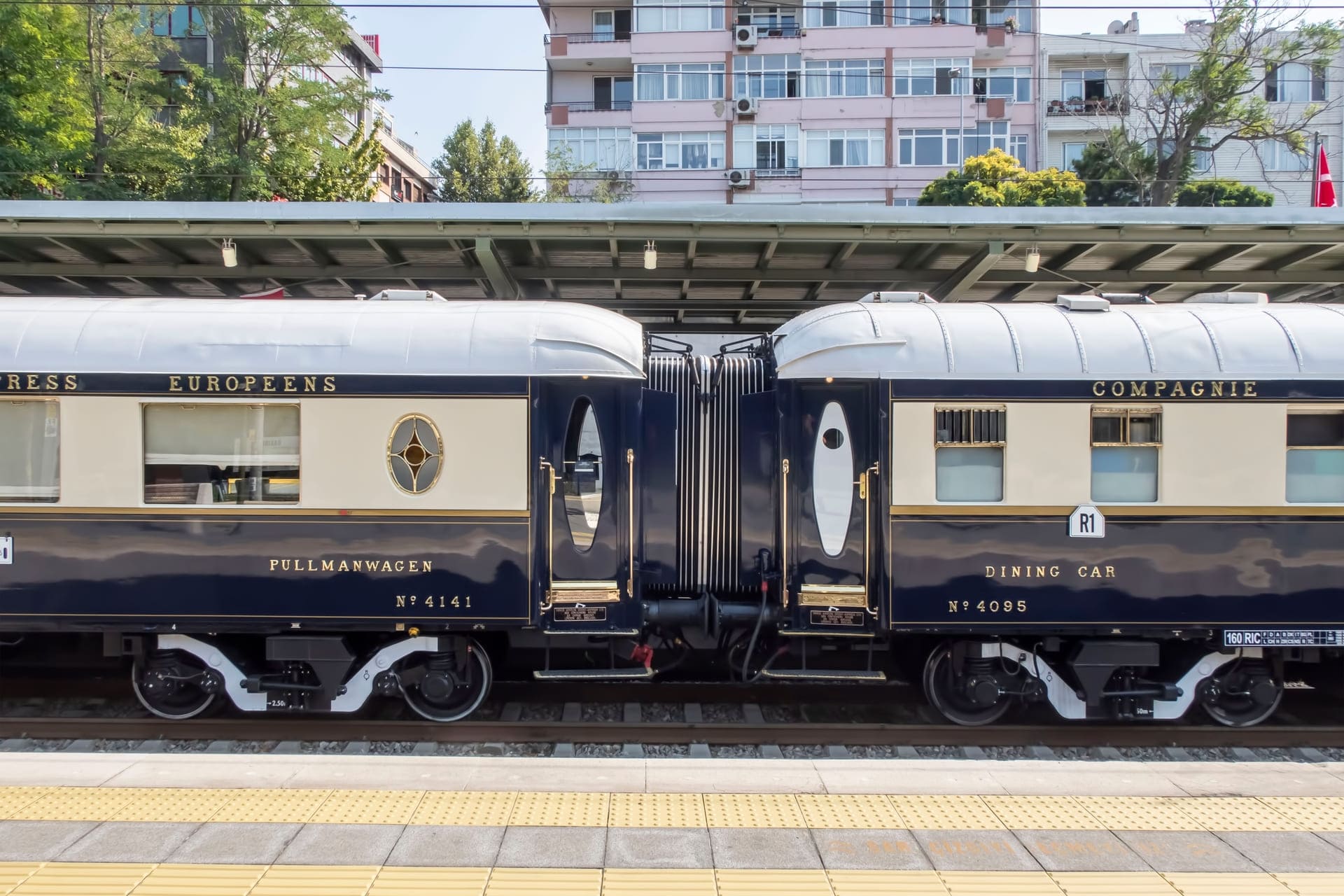 Orient Express Train
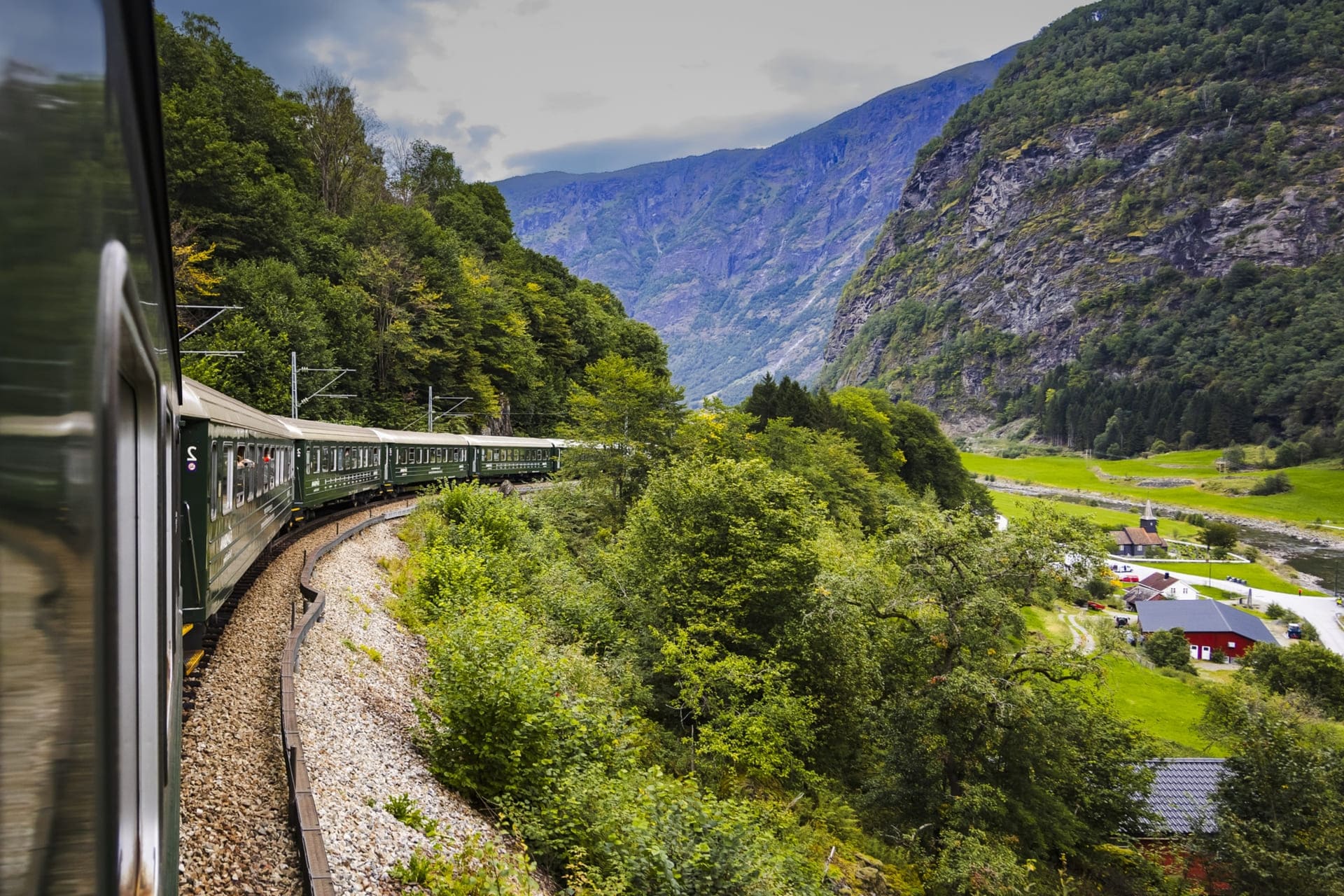 Flåm Railway, Norway
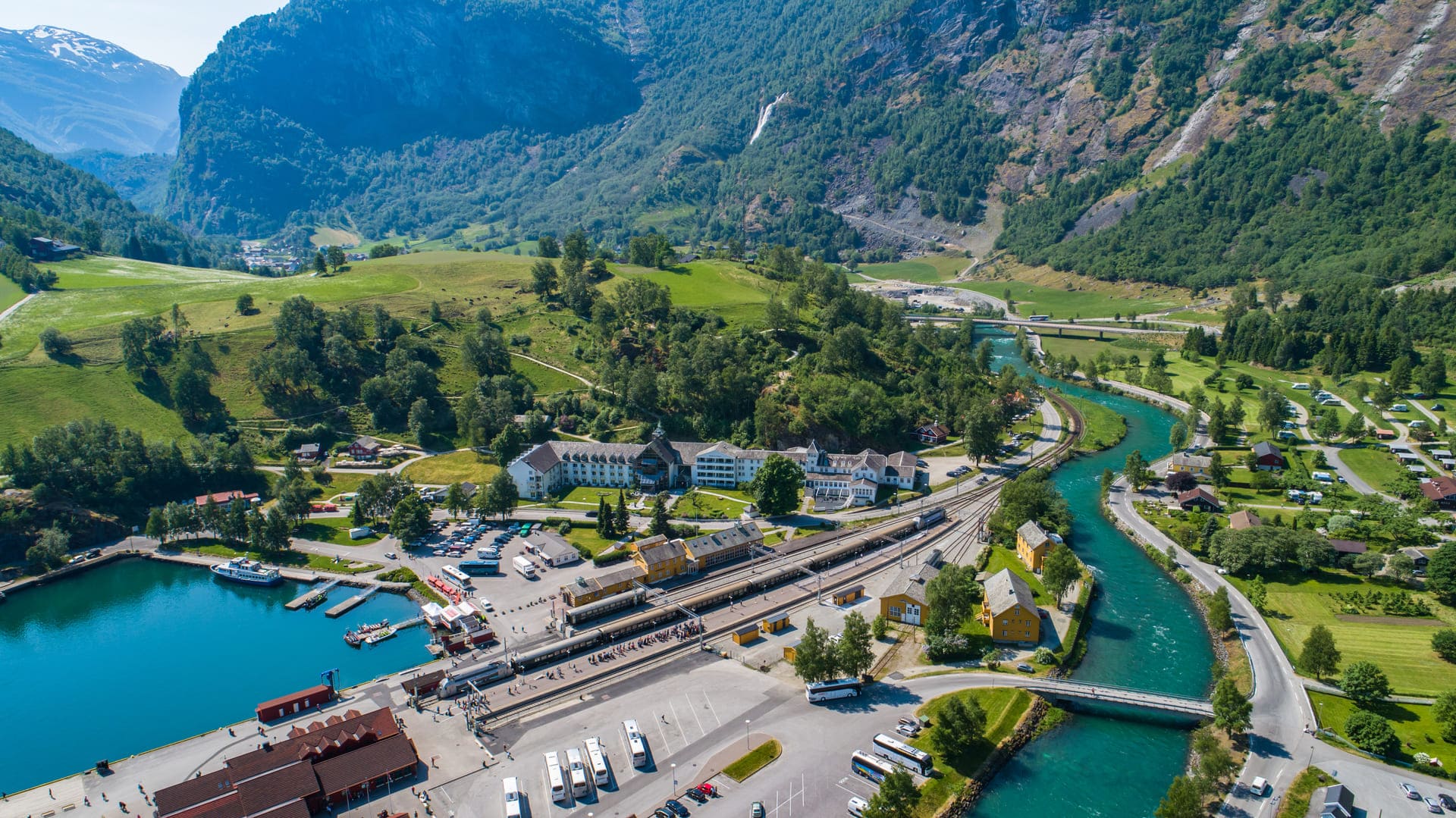 Flåm Railway, Norway
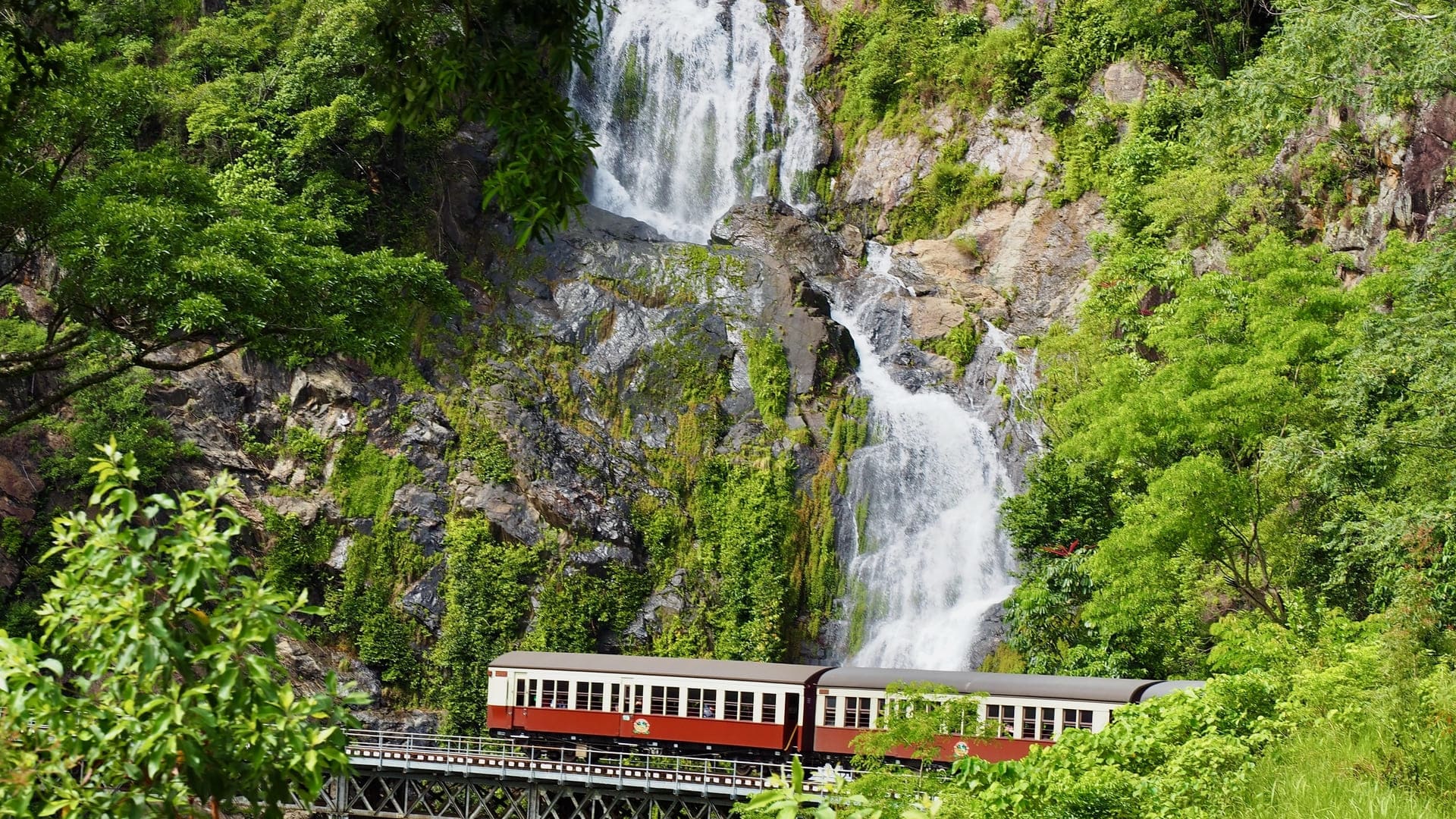 Kuranda Scenic Railway, Australia
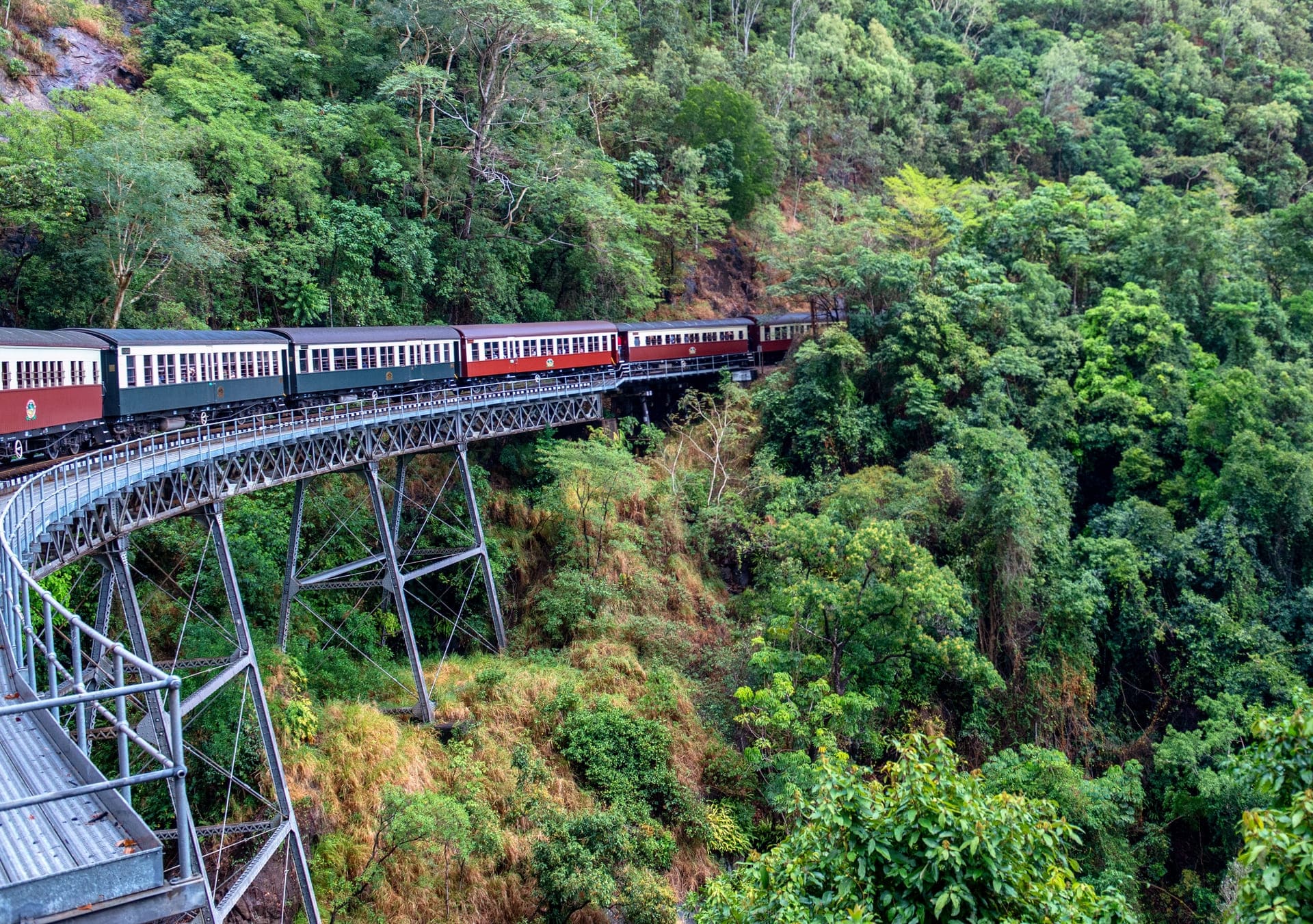 Kuranda Scenic Railway, Australia
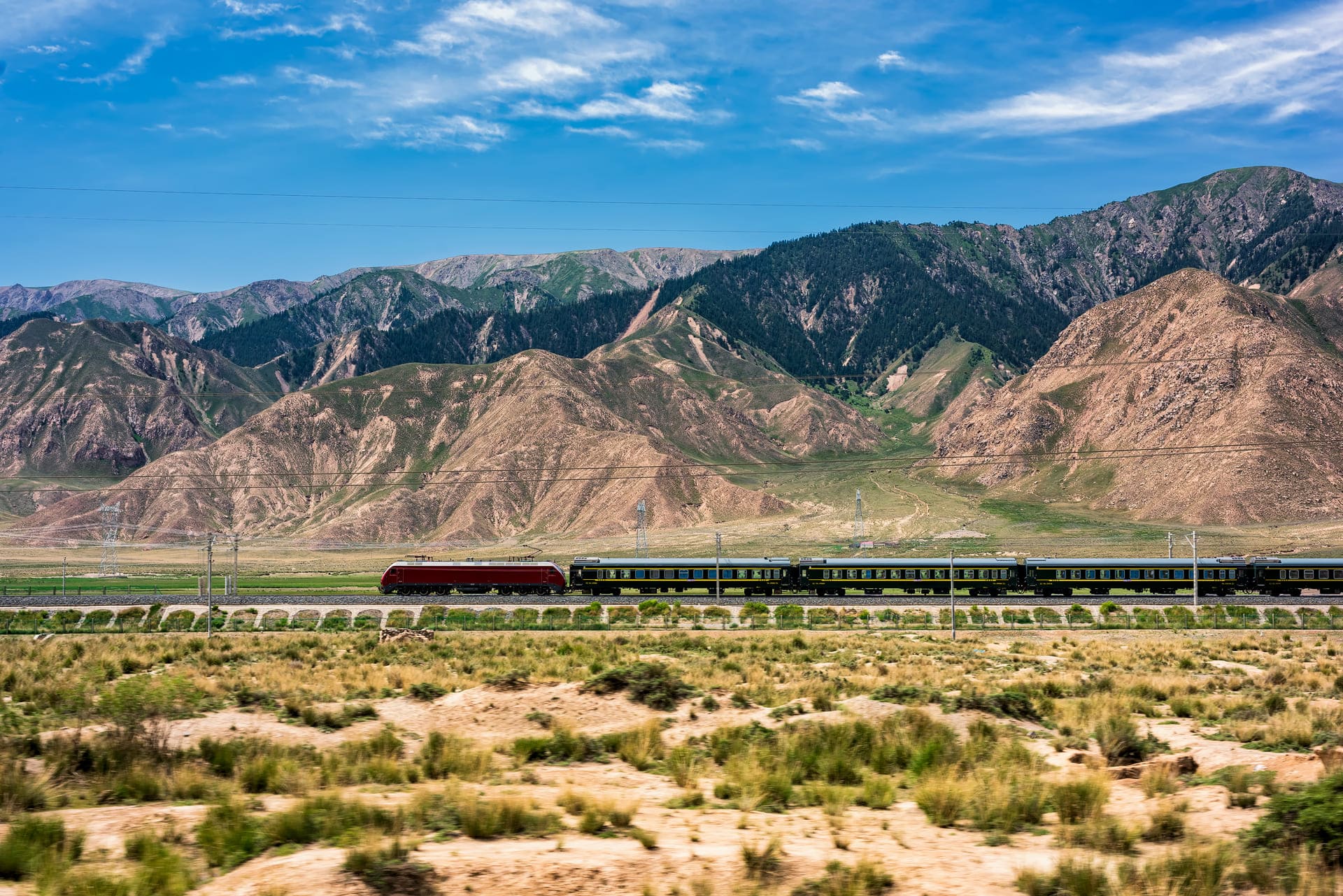 Qinghai-Tibet Railway
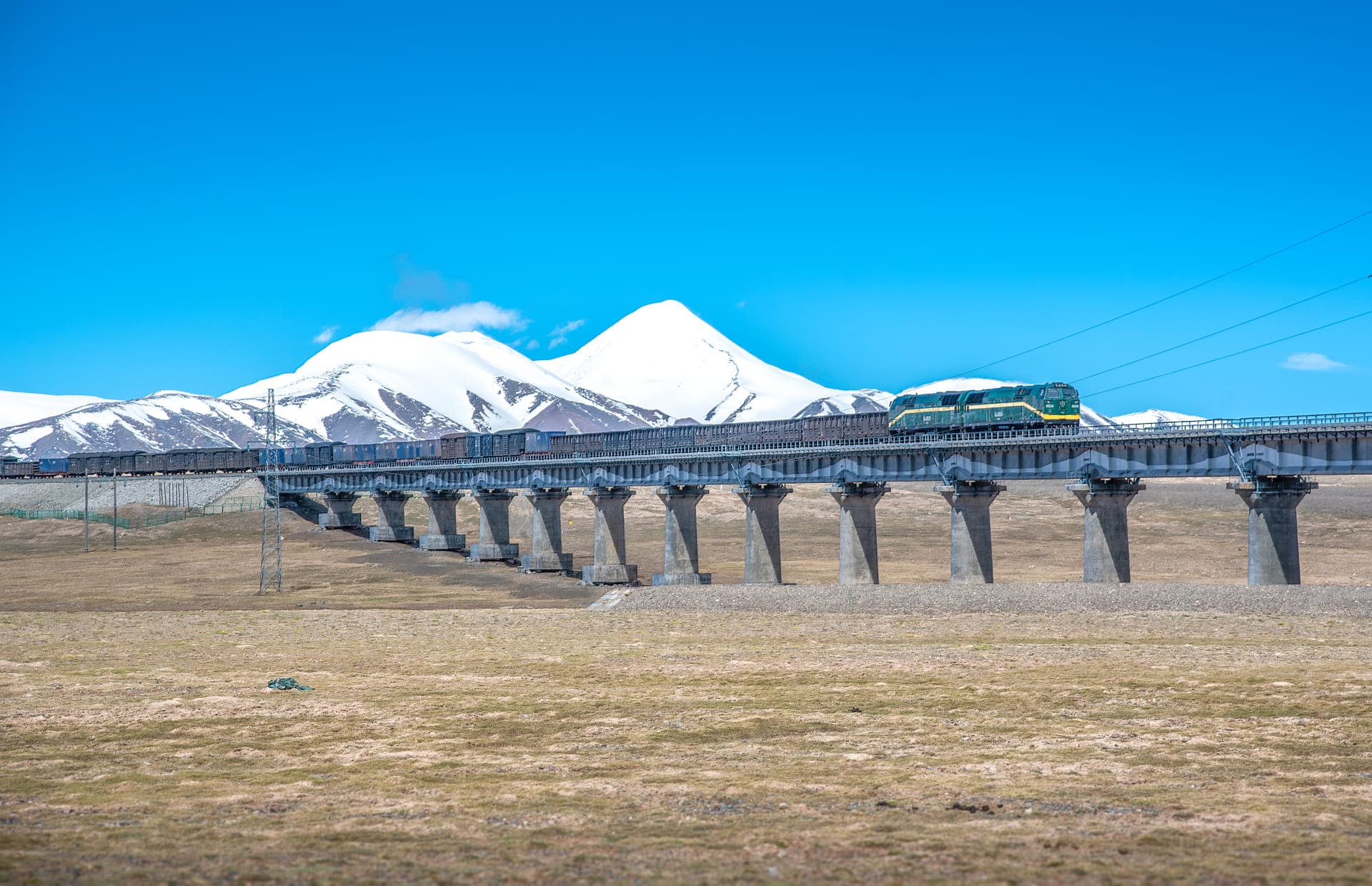 Qinghai-Tibet Railway
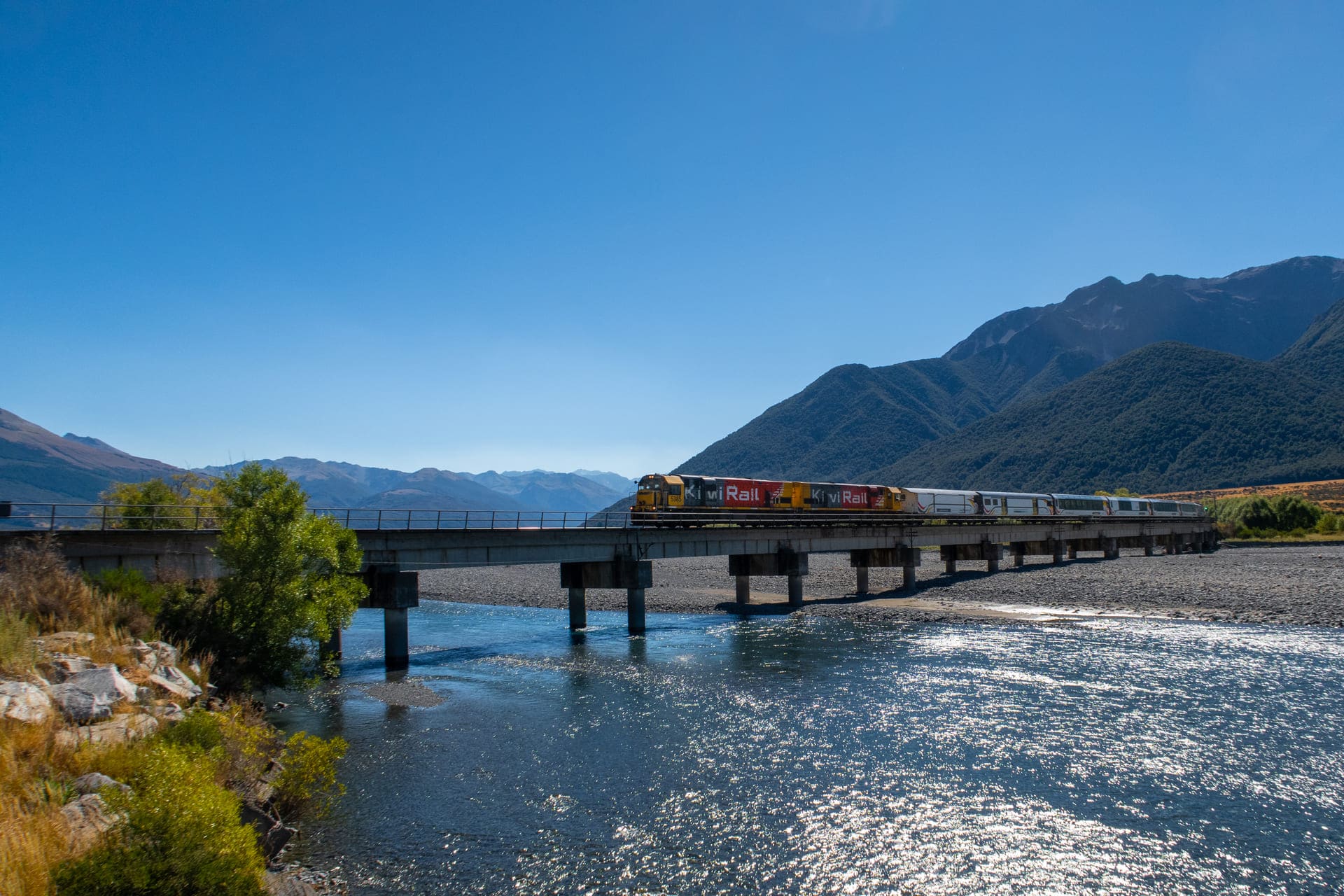 TranzAlpine train, New Zealand
- The Bernina Express crosses 196 bridges and 55 tunnels, reaching an altitude of 2,253 meters along one of the most spectacular alpine railways in the world.
- The Glacier Express covers 291 kilometers in about eight hours, crossing 291 bridges and traveling through 91 tunnels in the heart of the Swiss Alps.
- In just 20 kilometers, the Flåm Railway tackles an elevation gain of 867 meters, passing through 20 tunnels along one of Norway's most scenic rail routes.
- The Qinghai–Tibet Railway stretches for 1,956 kilometers and reaches 5,072 meters at the Tanggula Pass, the highest point on any railway in the world.
- With over 13,686 kilometers of railways built worldwide, Webuild is currently involved in major rail infrastructure projects that are transforming Italian and European mobility.

From the Orient Express to the high-speed rail that connects Italy’s cities of art—Rome, Florence, Venice—and charts the ideal journey for millions of tourists; from the Bernina Express to Australian railways recognized as UNESCO World Heritage, the train is a mode of transport that goes beyond mobility, embodying the timeless spirit of travel itself.
During the holidays, while airports and highways record the heaviest traffic of the year, many travelers choose itineraries where the destination matters almost as much as the journey. Some railway lines cross mountains, glaciers, canyons, and forests; others have gone down in history for the elegance of their carriages and the quality of the on-board experience.
No train has contributed more to creating this iconic image than the Orient Express. The maiden voyage departed from Paris on October 4, 1883, bound for Constantinople, modern-day Istanbul. The connection crossed Europe in less than 76 hours, offering a level of comfort previously unknown over long distances: sleeping cars, dining services, refined interiors, and dedicated assistance for passengers.
The Orient Express soon became much more than just a rail service. Diplomats, aristocrats, artists, and business leaders transformed it into one of the symbolic places of European society between the 19th and 20th centuries. Literature and cinema completed the legend, especially after the 1934 publication of Agatha Christie’s novel Murder on the Orient Express.
The original line no longer exists as a continuous connection, but its name continues to represent a way of traveling where the time spent on board is an essential part of the experience.
From the Bernina Express to the Flåm Railway: Where Engineering Meets Mountains, Glaciers and Fjords
If the Orient Express created the myth of train travel, the Bernina Express shows how far engineering can go when it meets the mountain. The route crosses the Swiss Alps to reach Tirano, in Valtellina, passing from the glaciers of the Engadin to an almost Mediterranean landscape.
The railway features 196 bridges and goes through 55 tunnels, reaching an altitude of 2,253 meters at the Ospizio Bernina. It does not use a cogwheel system, but instead tackles steep inclines by means of railway hairpin turns, viaducts, and helical tunnels.
Among the Bernina Express’s most recognizable works are the 65-meter-high Landwasser Viaduct and the circular Brusio Viaduct, built to allow the line to gain elevation in a limited space. Since 2008, the Albula and Bernina railways have been listed as UNESCO World Heritage sites.
Also in Switzerland, the Glacier Express connects Zermatt to St. Moritz, crossing the heart of the Alps. The journey takes about eight hours to cover 291 kilometers, with an average speed of just 42 kilometers per hour.
Along the route, the Glacier Express crosses 291 bridges and goes through 91 tunnels, passing the foot of the Matterhorn and climbing to the 2,033-meter height of the Oberalp Pass. Slowness, in this case, is not a limitation, but the main feature of the service.
Further north, the Flåm Railway in Norway covers barely twenty kilometers, yet tackles one of the greatest changes in elevation among Europe’s naturally adhesion-worked railways. It departs from the village of Flåm, at fjord level, and reaches Myrdal station, at 867 meters above sea level. The railway passes through twenty tunnels and, for much of its route, has a gradient of 5.5%.
During the journey, the train skirts rock faces, watercourses and waterfalls, stopping near the Kjosfossen to allow passengers to alight and admire the falls.
From the fjords to the Canadian Rocky Mountains, the Rocky Mountaineer offers a different way of turning the train into a destination. Its itineraries link Vancouver with Banff and Jasper, crossing canyons, forests and mountain passes.
The train travels only during daylight hours, while at night passengers stay in hotels: a choice designed to prevent part of the scenery from disappearing into the darkness. The panoramic carriages have large transparent domes and, in the two-level configuration, an outdoor platform as well, from which to observe the route.
From Australia to New Zealand, Experiencing the Journey Aboard a Train and between cities of art
In 2026, the Kuranda Scenic Railway in Queensland, Australia, celebrated 135 years since its first passenger service. The line was opened on June 25, 1891, to connect Cairns with the village of Kuranda, crossing what is today the UNESCO-listed Wet Tropics rainforest.
The route spans 37 kilometers and ascends from sea level up to 327 meters, passing through fifteen hand-carved tunnels and dozens of bridges. The railway skirts the Barron River Gorge and passes alongside waterfalls and cliffs covered in tropical vegetation. Built with equipment far removed from what is available today, it still represents one of Northern Queensland’s main tourist attractions.
New Zealand has also transformed a transalpine connection into a travel experience. The TranzAlpine covers the 223 kilometers between Christchurch and Greymouth in just under five hours, crossing the South Island from the Pacific coast to the Tasman Sea coast. The train crosses the Canterbury Plains, follows the course of the Waimakariri River, and enters the Southern Alps through fifteen tunnels and four large viaducts.
The Staircase Viaduct reaches a height of 73 meters, while an open-air viewing carriage allows passengers to observe the landscape without the filter of windows.
From Tibet and China to Today’s Challenges: High-Speed Rail Beneath the Italian Alps
However, the most extreme journey is found on the Tibetan Plateau.
The Qinghai–Tibet Railway connects Xining to Lhasa along a 1,956-kilometer route. Fully opened to traffic in 2006, the railway line reaches 5,072 meters above sea level at the Tanggula Pass—the highest point on any railway in the world—while approximately 960 kilometers of the track run above 4,000 meters.
Its construction required specialized solutions to withstand permanently frozen ground, severe temperature swings, and oxygen scarcity. The train carriages themselves are equipped with pressurization systems and supplemental oxygen supply.
The railway is not just a scenic route, but the first rail connection linking Tibet with the rest of China’s railway network.
These lines were built in different eras and for different purposes. Some were created to connect isolated communities, others to promote trade or overcome natural barriers. Tourism often came later, once the route and the infrastructure required to build it became attractions in their own right.
That same challenge continues today in the construction of new railway lines, though goals now include high-speed rail, train capacity, and emission reductions alongside basic connectivity.
With over 13,686 kilometers of railways built worldwide, the Webuild Group is currently engaged in projects such as the Brenner Base Tunnel, the Terzo Valico dei Giovi, the Turin–Lyon high-speed rail line through the French Alps, the Naples–Bari and Verona–Padua high-speed/high-capacity lines, and the upgrade of the Palermo–Catania–Messina connection.
And it is the Webuild Group itself that has constructed over the years many of the Italian high-speed rail lines that today swiftly connect the country’s most important cities. Rome, Florence, Bologna, Venice—all reachable in very short times by millions of people who every year choose the train precisely to experience the unique opportunity of visiting one of these destinations. And so, from the Orient Express to alpine railways, from Norway’s fjords to the Tibet Plateau, the core principle remains unchanged: a train can take you to a destination, but in some cases, it is precisely what you can admire from the train that defines the journey itself.