


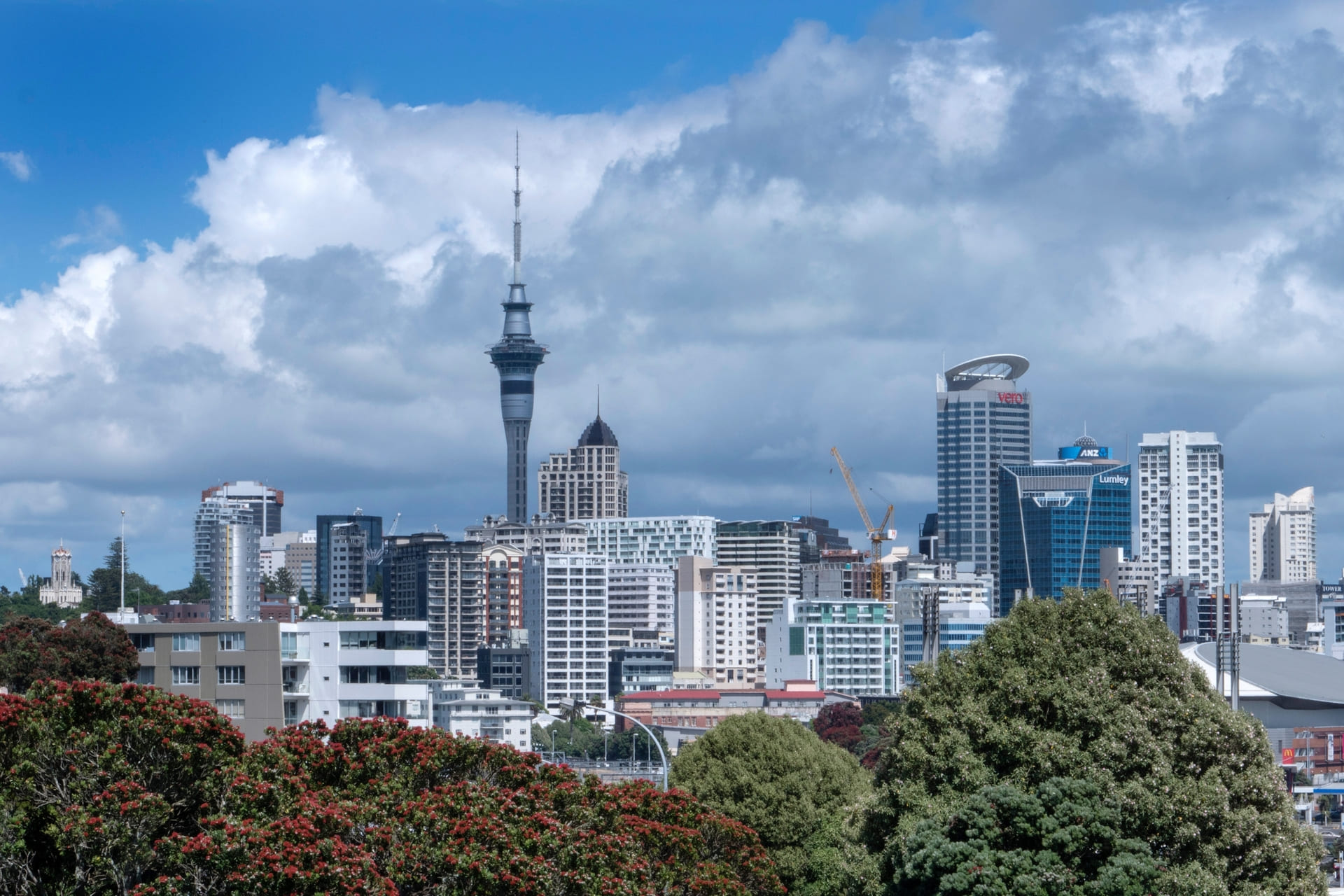
 Auckland, New Zealand
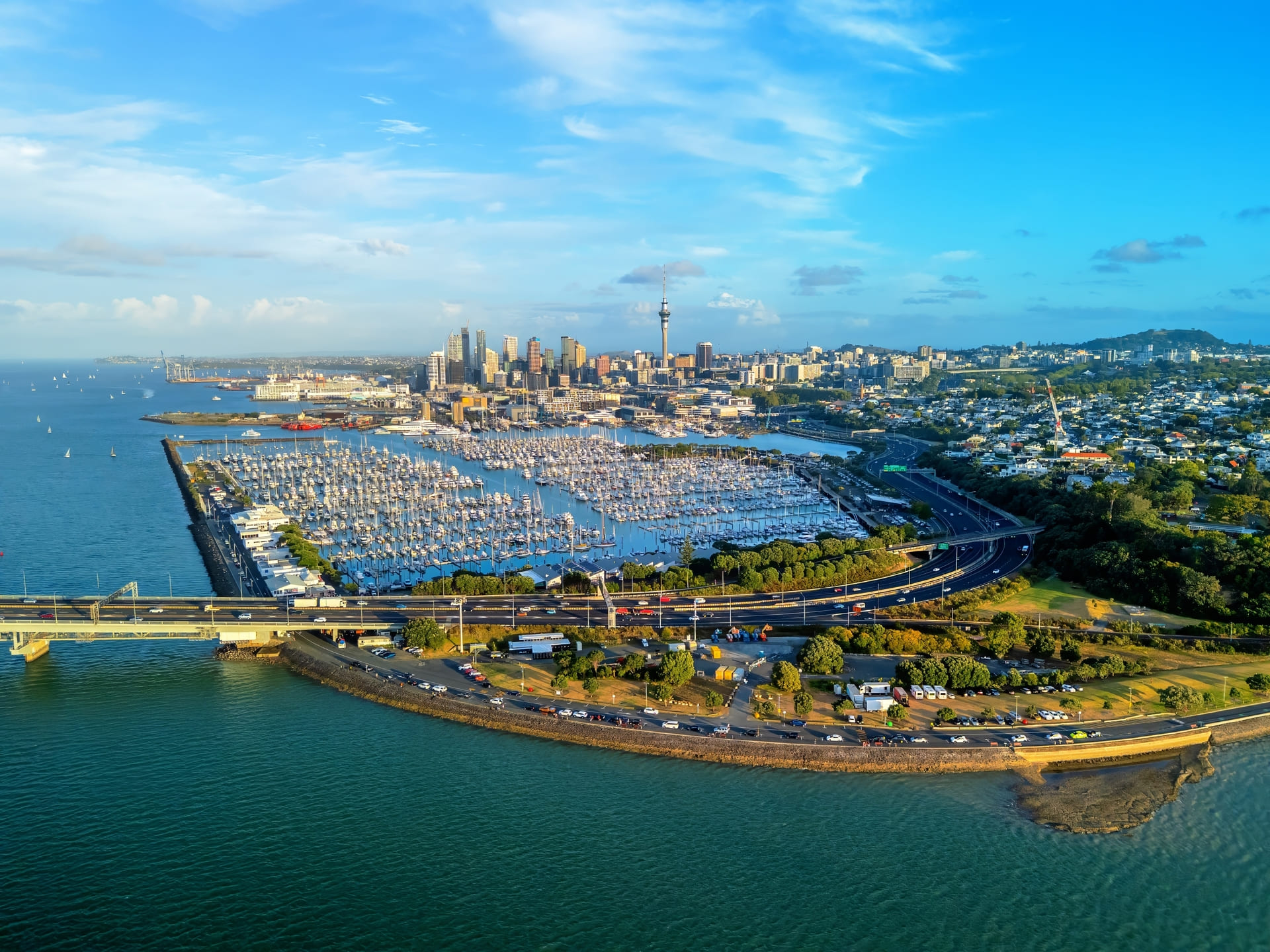 Auckland, New Zealand
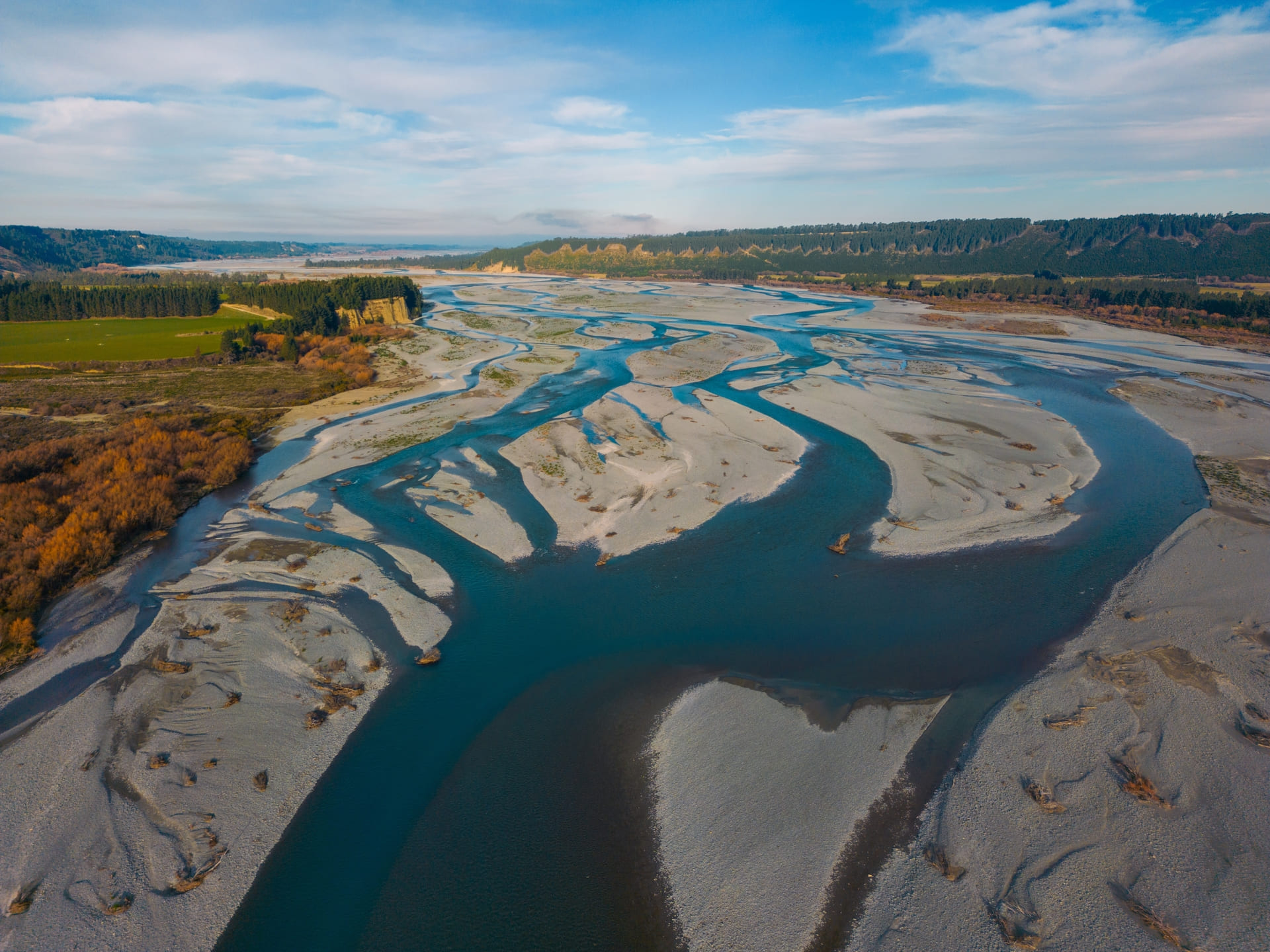 Aerial view of Rakaia River, New Zealand
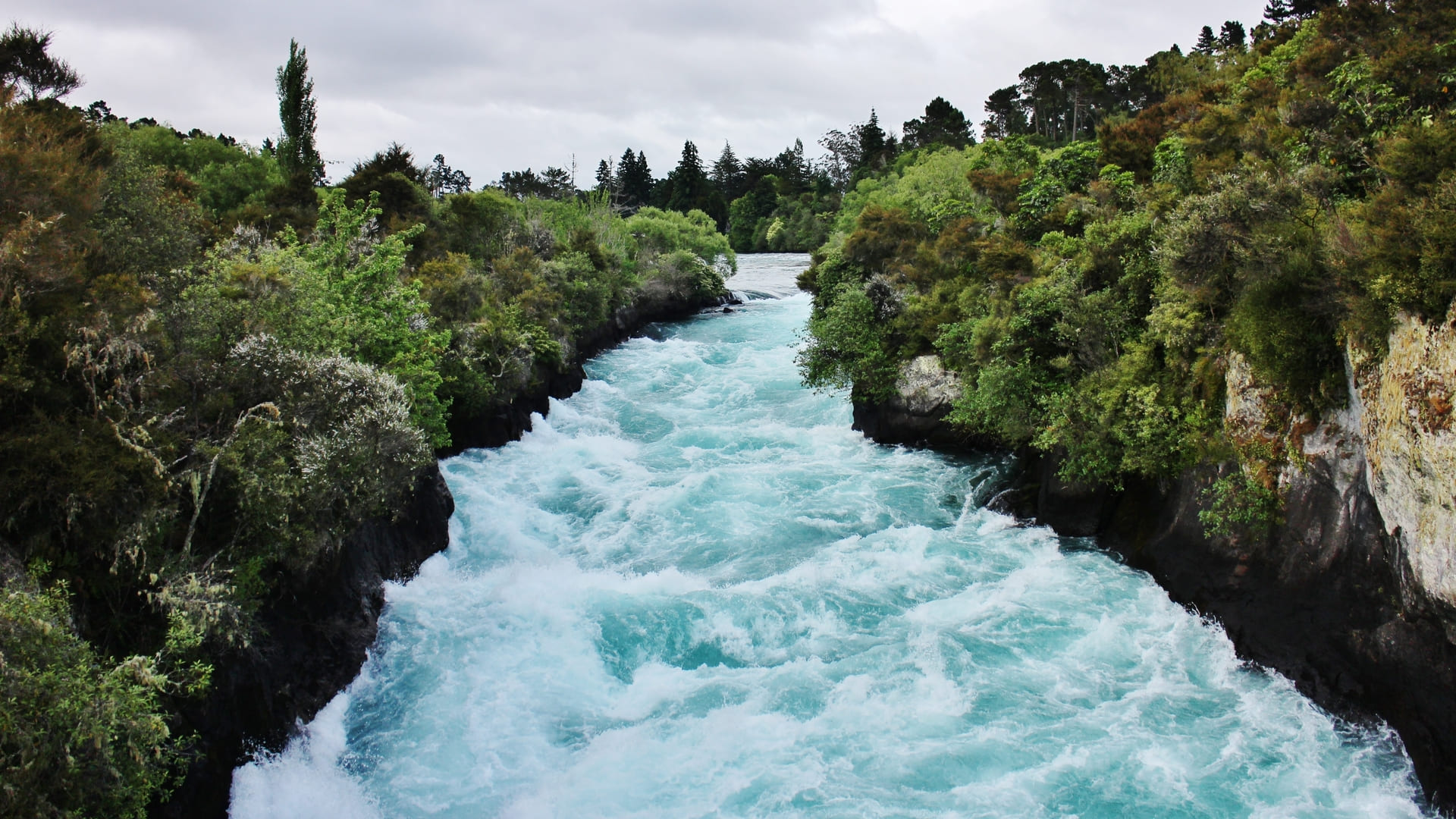 Huka Falls near Taupo, New Zealand
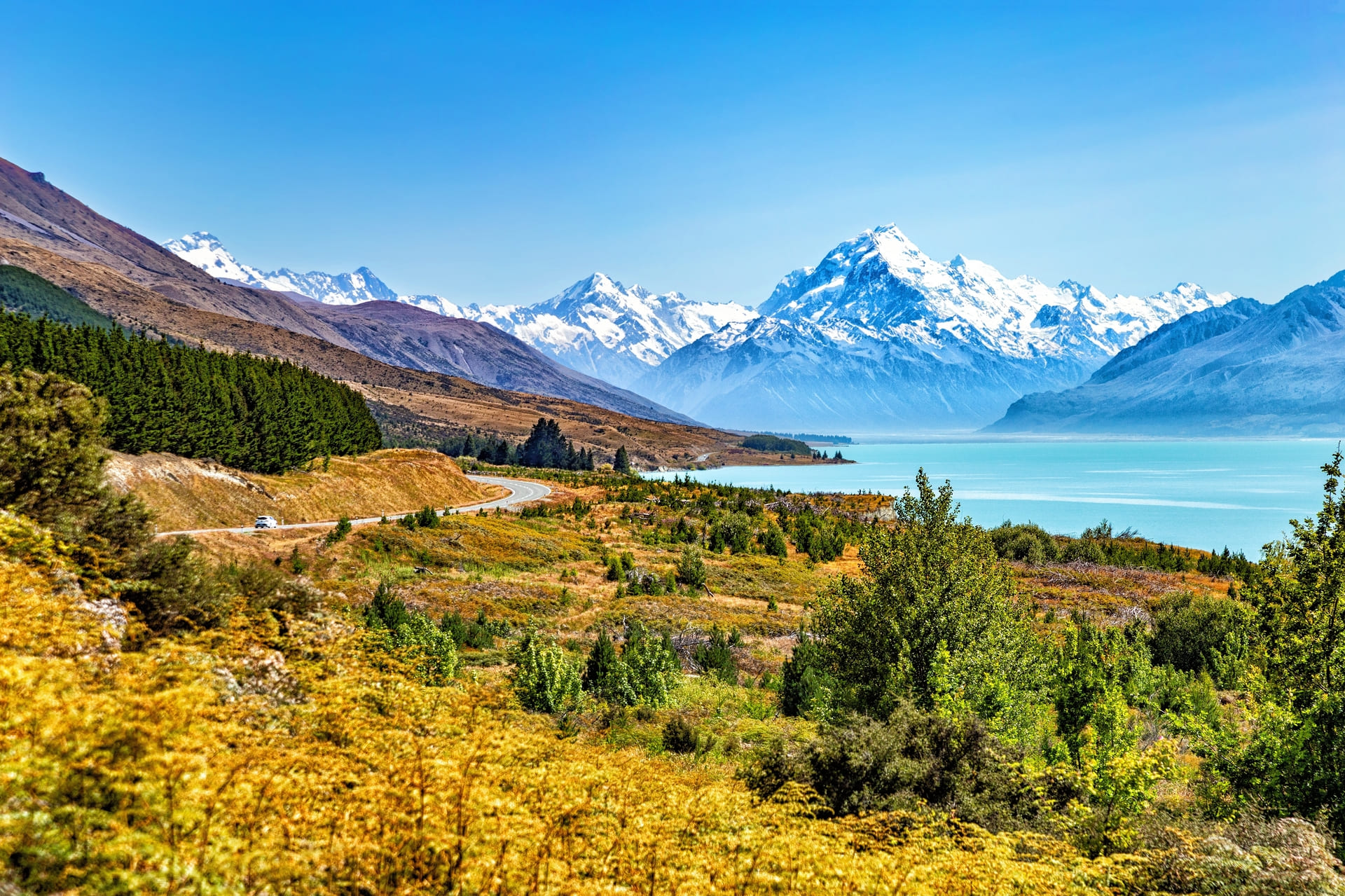 Mount Cook with Lake Pukaki, New Zealand
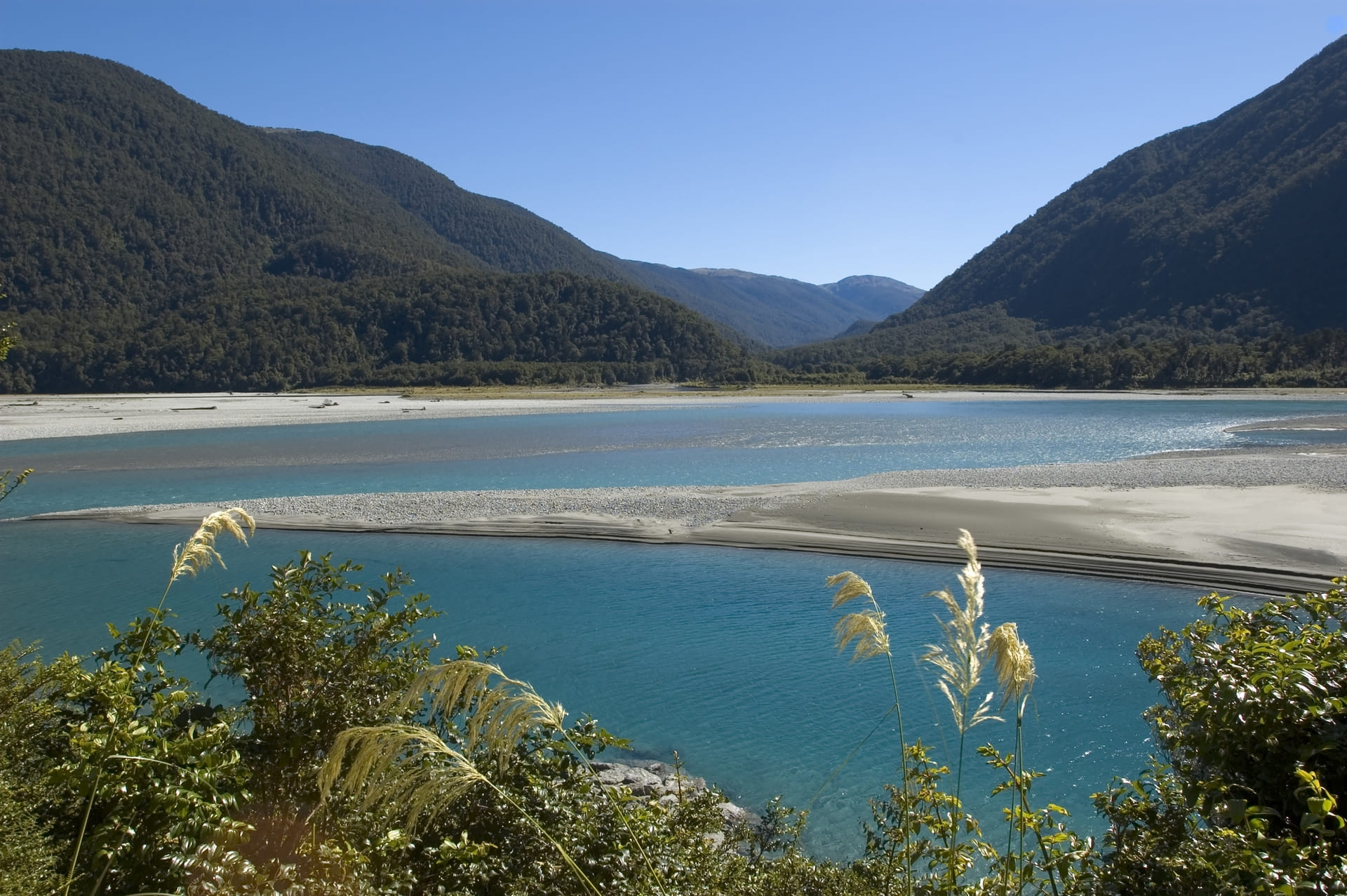 Haast River area, New Zealand
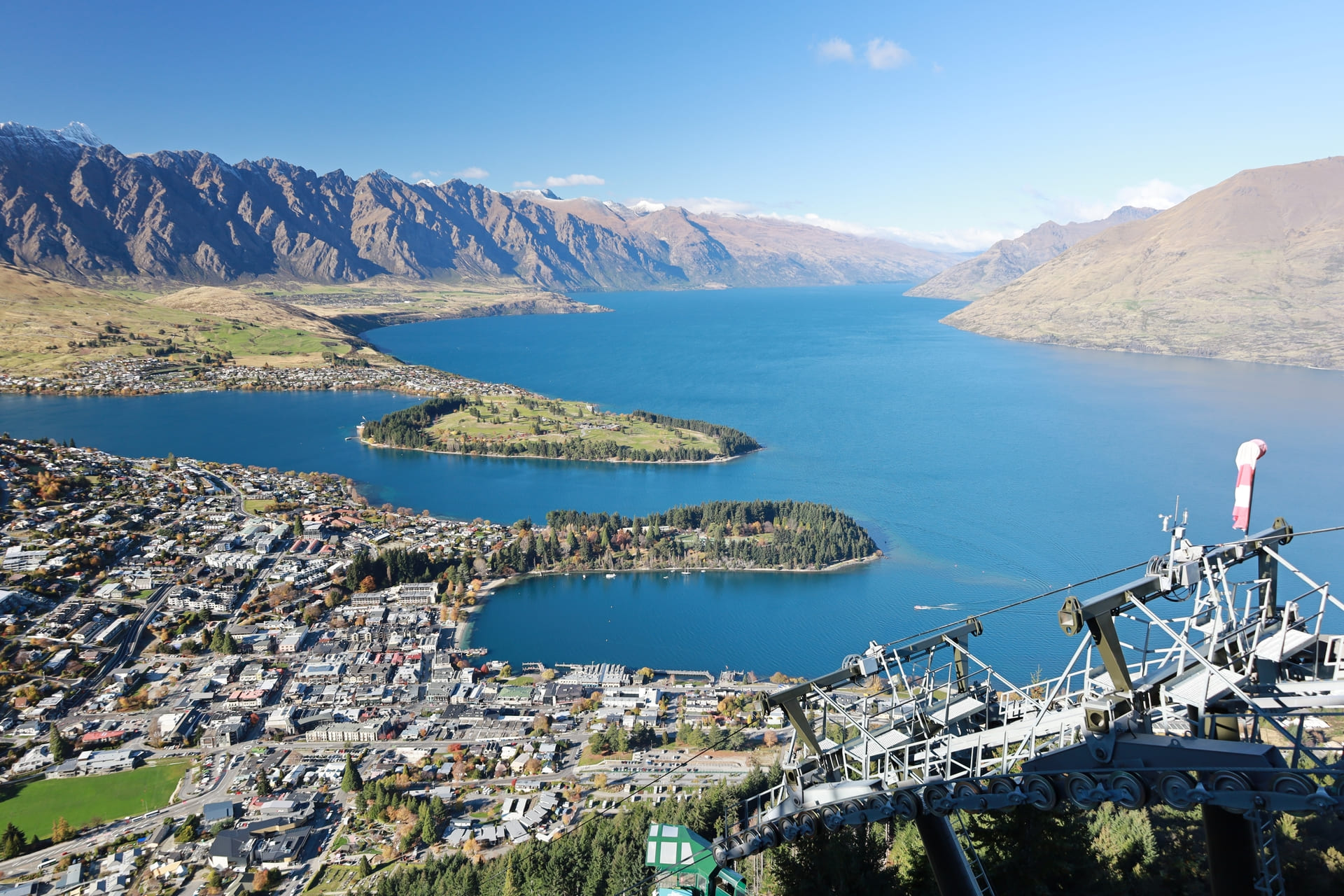 Queentown and Wakatipu lake, New Zealand
- On average, every New Zealand citizen consumes around 280 litres of water per day
- According to the Ministry for the Environment, half of the rivers show critical levels of nutrients or pollution, while in several areas there are signs of groundwater deterioration
- Last year, a ten-year infrastructure investment programme worth NZ$13.8 billion (US$8.2 billion) was launched
- Almost one third of the population lives in Auckland, which currently has around 1.82 million inhabitants and is expected to exceed 2 million within the next decade
- The contribution of global operators such as the Webuild Group is essential for the protection and proper management of water resources
read more

There is a country almost as large as Italy, but with a population ten times smaller. A country where water resources seem to be everywhere: glaciers, rivers, lakes, rainfall. Yet it is precisely here that a new awareness is emerging: natural abundance no longer guarantees long-term water security and sustainability.
This is the paradox of New Zealand, where water management is becoming one of the most urgent infrastructure challenges, particularly in the Auckland region.
With around 5.3 million inhabitants by the end of 2025, New Zealand has one of the lowest population densities among developed countries: just 20 inhabitants per square kilometre, compared with around 195 in Italy and 215 in Switzerland. An apparent advantage which, in reality, translates into a structural challenge: building and maintaining efficient infrastructure across such vast territories is more complex and costly.
Water Management: Auckland’s Challenge, Between Urbanisation and Pollution
The real issue behind New Zealand’s water challenge is not only geographical, but urban. Almost one third of the population lives in Auckland, which currently has around 1.82 million inhabitants and is expected to exceed 2 million within the next decade. The city represents the country’s economic and demographic heart, and its sustained growth is placing pressure on water networks and sewerage systems often designed for a very different city from the one that exists today.
At a national level, New Zealand has abundant water resources and a system that guarantees very high population coverage for both drinking water and sanitation services. Average domestic water consumption figures are relatively high (around 280 litres per person per day), a sign of water availability being perceived as ample.
The issue, however, is not the availability of the resource, but its quality and the capacity to manage it. The report Our Freshwater 2026, recently published by the Ministry for the Environment, highlights how more than half of the rivers show critical levels of nutrients or pollutants, while in several areas there are signs of groundwater deterioration.
According to the study, a combination of factors is weighing on water systems: urbanisation; intensive agriculture and livestock farming (between 2002 and 2022 irrigated land doubled, while cattle farming almost tripled); glacier mass loss (which has declined by 42% over the last twenty years) and, not least, ageing infrastructure.
The result is a system struggling to guarantee consistently high standards, particularly in the most densely populated areas.
New Zealand: The Role of Major Infrastructure Projects in Tackling the Water Crisis
New Zealand is therefore rich in water, but it must invest ever more heavily to make it safe, accessible and sustainable, as well as to overcome the imbalance between territory and cities, which is generating increasing infrastructure pressure. On the one hand, there are extensive and costly water networks to maintain in order to serve dispersed communities. On the other hand, urban water systems are under stress due to the need to manage demand peaks, extreme weather events and increasingly stringent environmental standards.
To address this new challenge, Watercare, the public authority responsible for water supply and wastewater services in Auckland, last year launched a ten-year infrastructure investment programme worth NZ$13.8 billion (US$8.2 billion), aimed at replacing critical assets and constructing strategic projects for wastewater management and the restore of urban waterways.
The New Zealand case highlights a transformation that is now global: water is no longer viewed solely as a natural resource, but as critical infrastructure requiring industrial planning, technological innovation and long-term investment. Ensuring water security today means designing integrated water systems capable of reducing losses, improving quality and adapting to increasingly complex urban contexts and scenarios made unstable by climate change.
In this transition, the contribution of global operators such as the Webuild Group is becoming increasingly central. Right in New Zealand, back in 1983, the Webuild Group completed the construction of the Tongariro Power Scheme, one of the nation’s largest hydroelectric systems. By harnessing the water of dozens of rivers and streams, the plant generates energy that accounts for approximately 4% of the country’s total electricity production, meeting the needs of 160,000 households.
From major infrastructure projects for power generation (such as Tongariro and Snowy 2.0 project currently being delivered by Webuild in Australia), to water supply and water management systems in the Middle East such as the Jebel Ali M desalination plant, through to dams, integrated infrastructure and water management projects in Europe, Asia and the Americas, including the recovery basins of the new Panama Canal, these infrastructure projects demonstrate how large-scale engineering can transform the water cycle into a resilient system.
It is in this capacity to build and manage complex infrastructure that the challenge of blue gold is now being played out: no longer merely a resource to protect, but a strategic asset for the sustainable development of cities.