


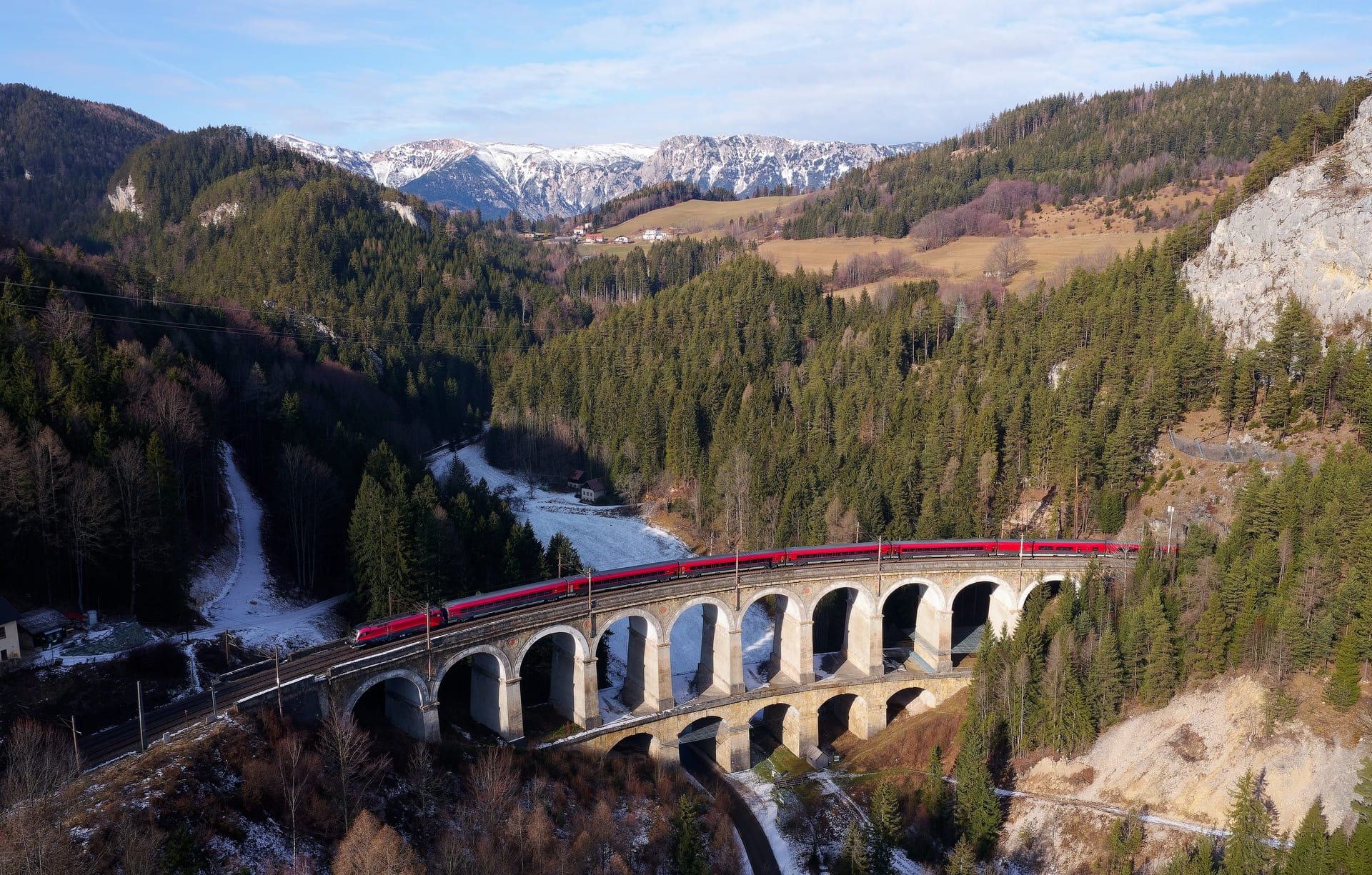
 Kalte Rinne Viaduct of Semmering Railway Line , Austria
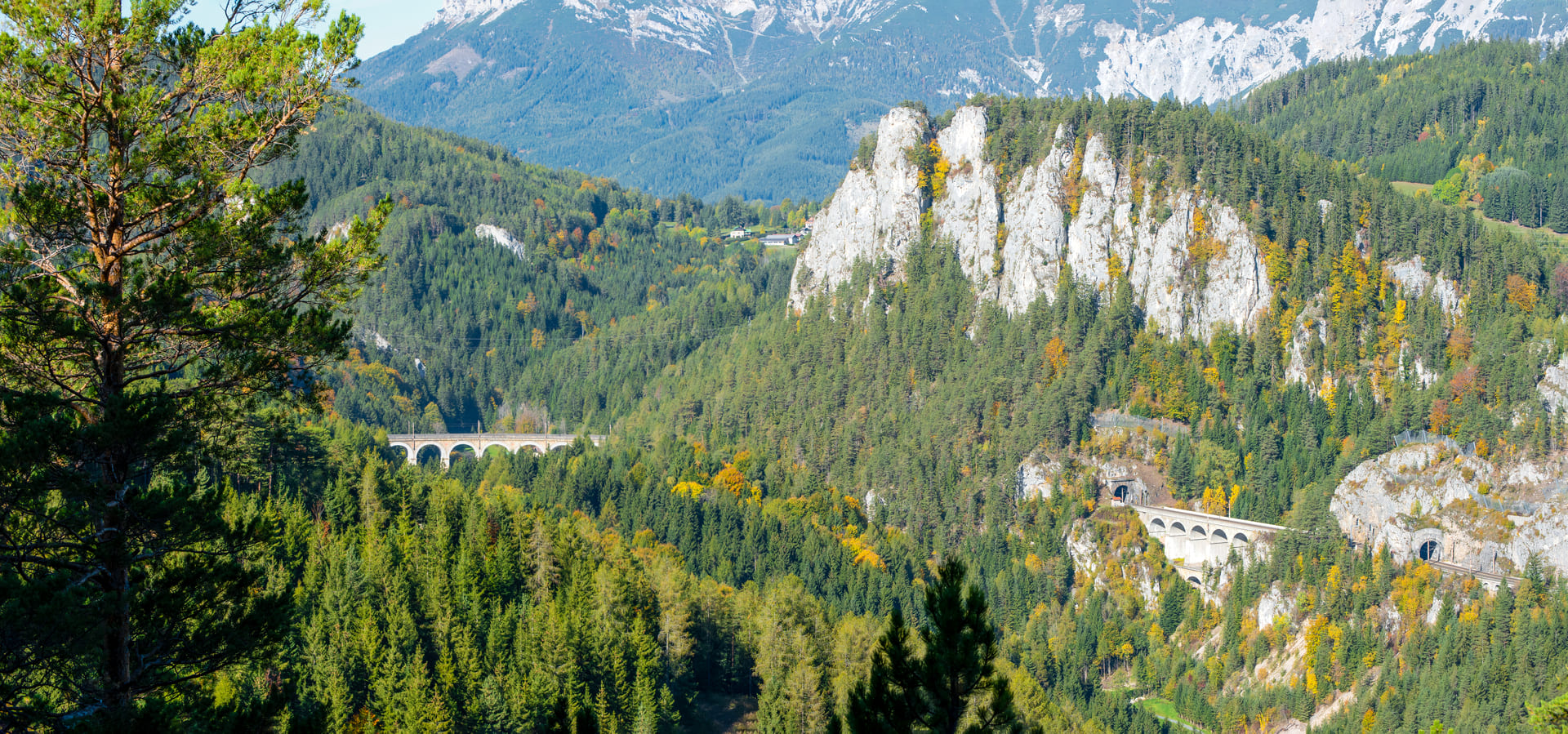 Semmering Railway Line, Austria
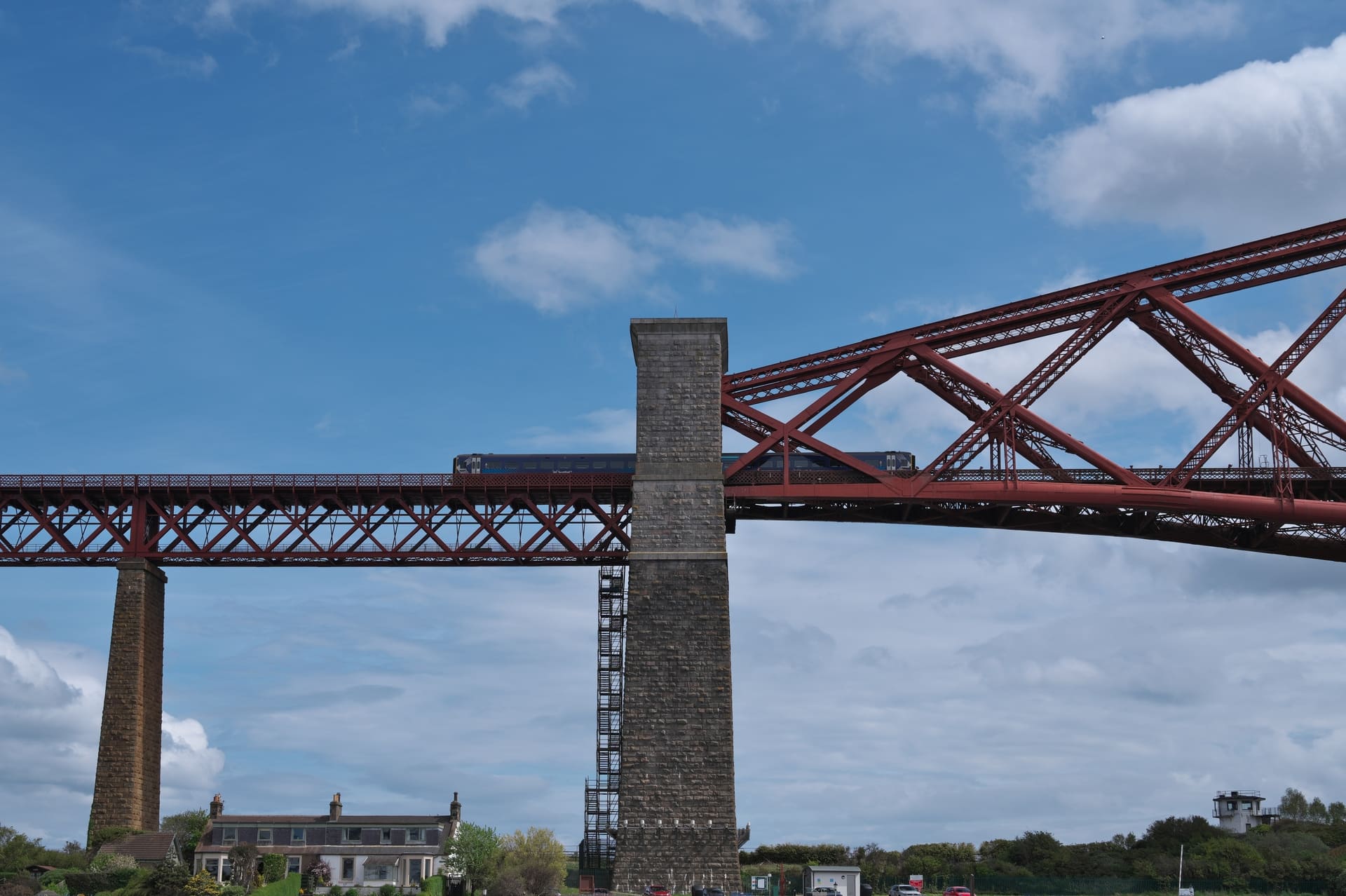 Forth Bridge, Scotland
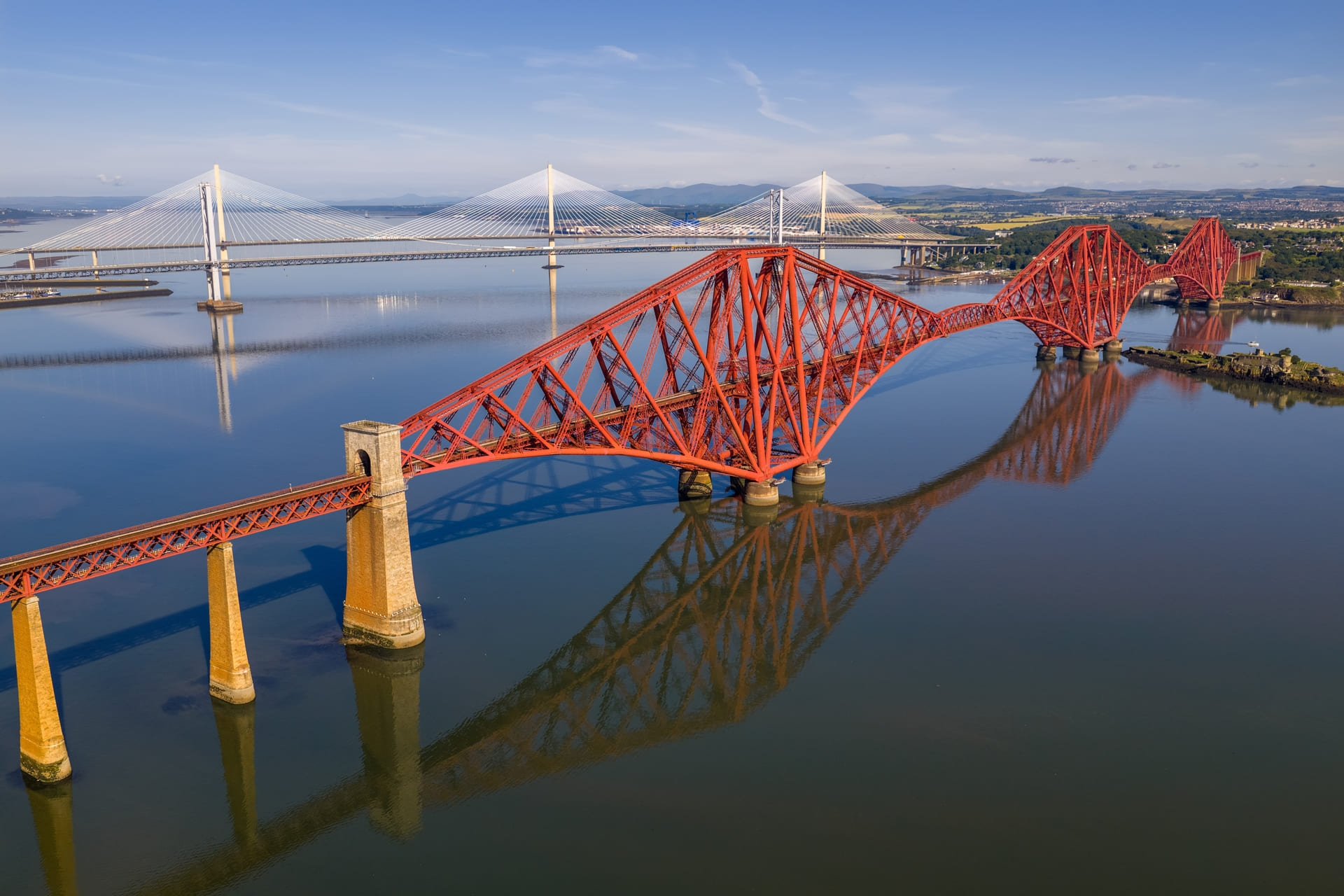 Forth Bridge, Scotland
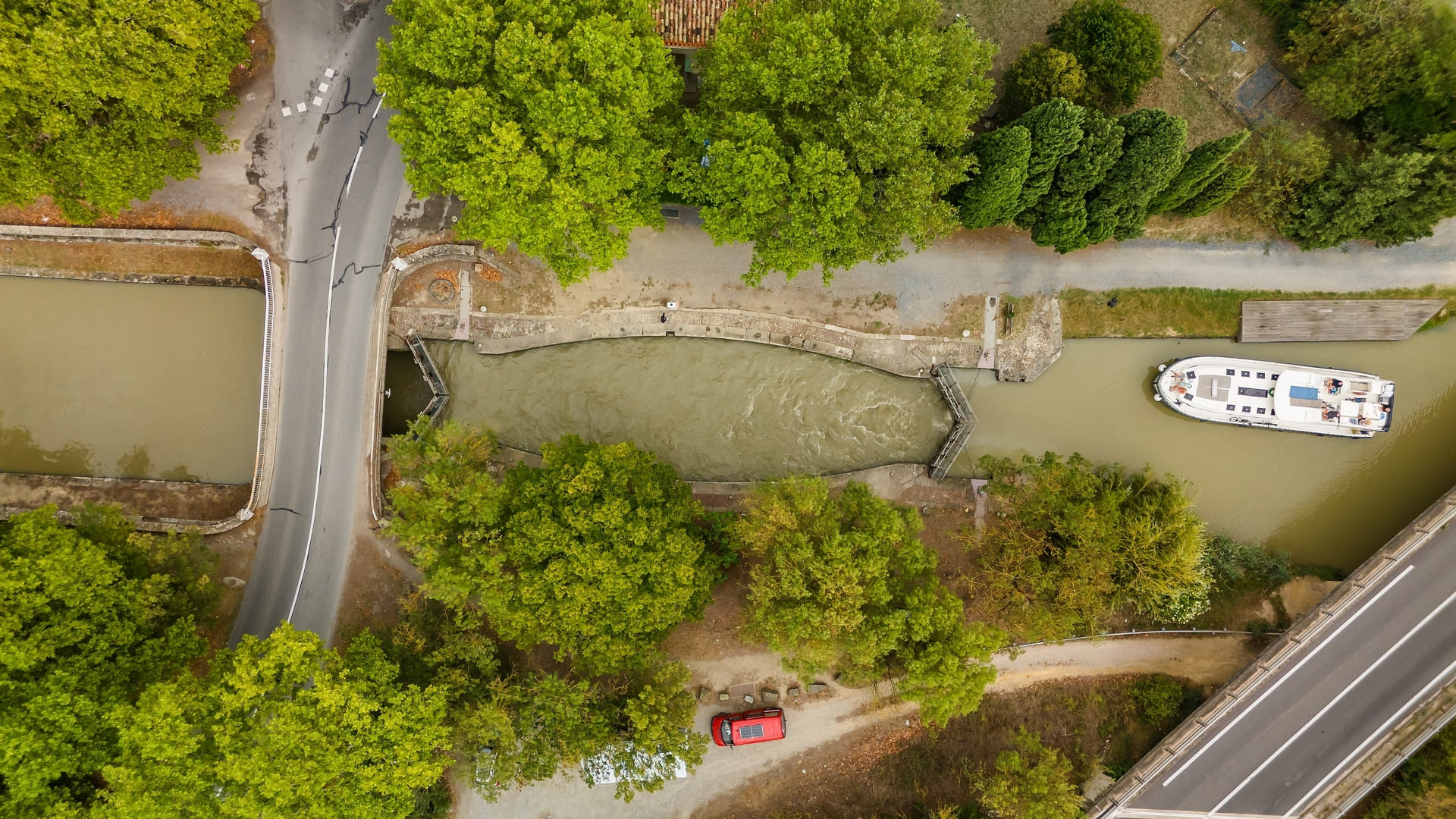 Canal du Midi in Carcassonne
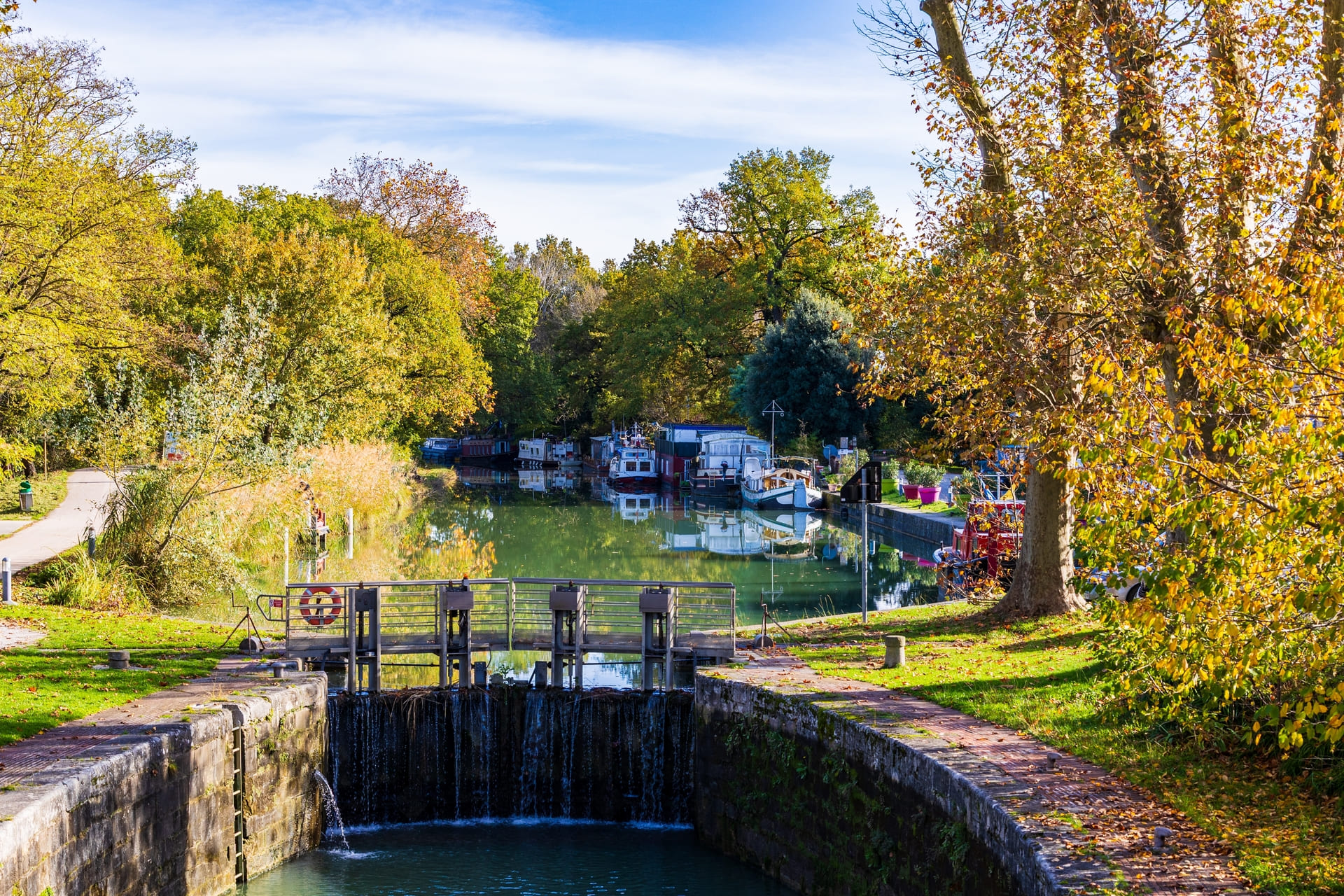 Gardouch lock on the Canal du Midi, France
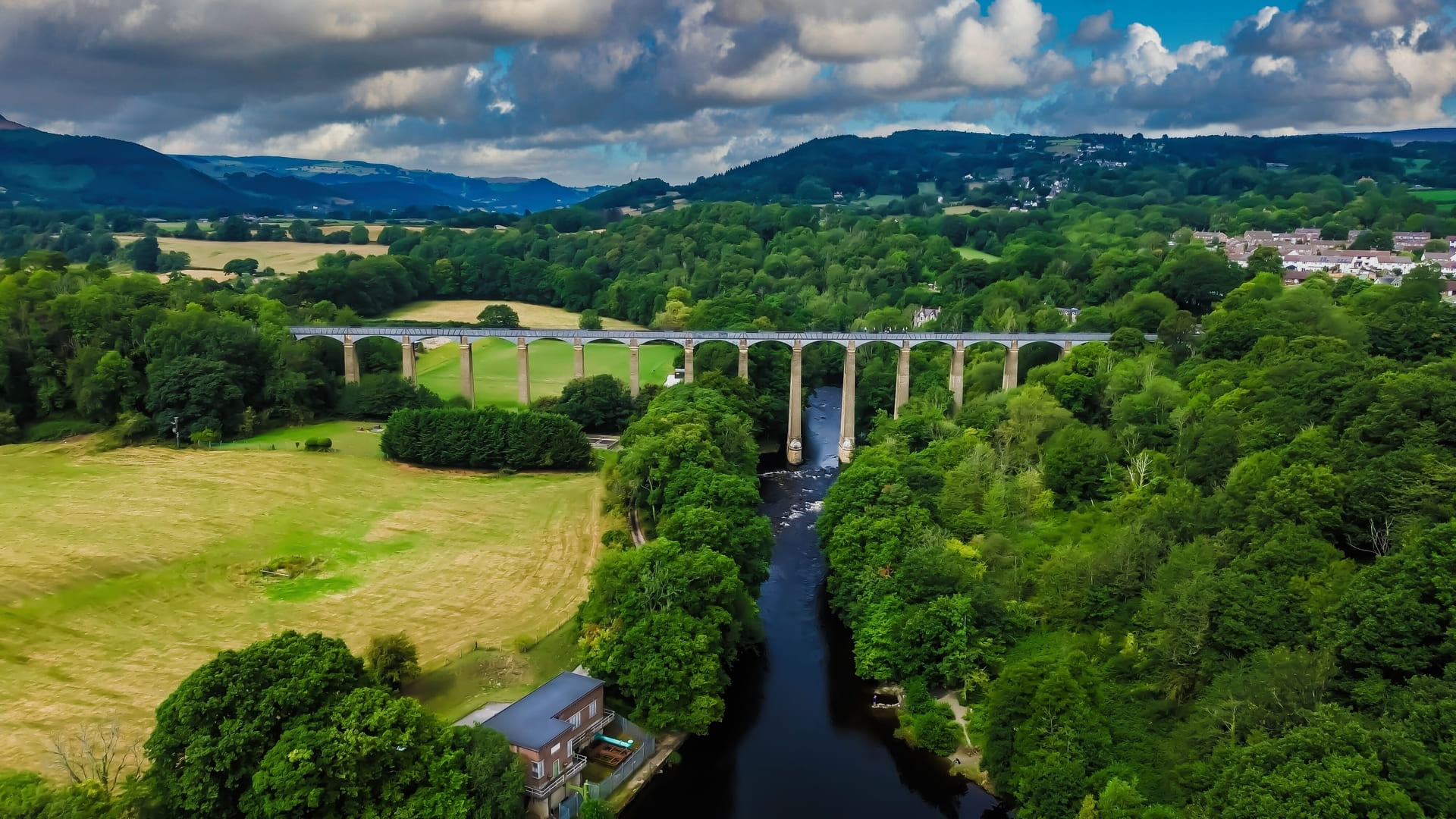 Pontcysyllte Aqueduct, Wales
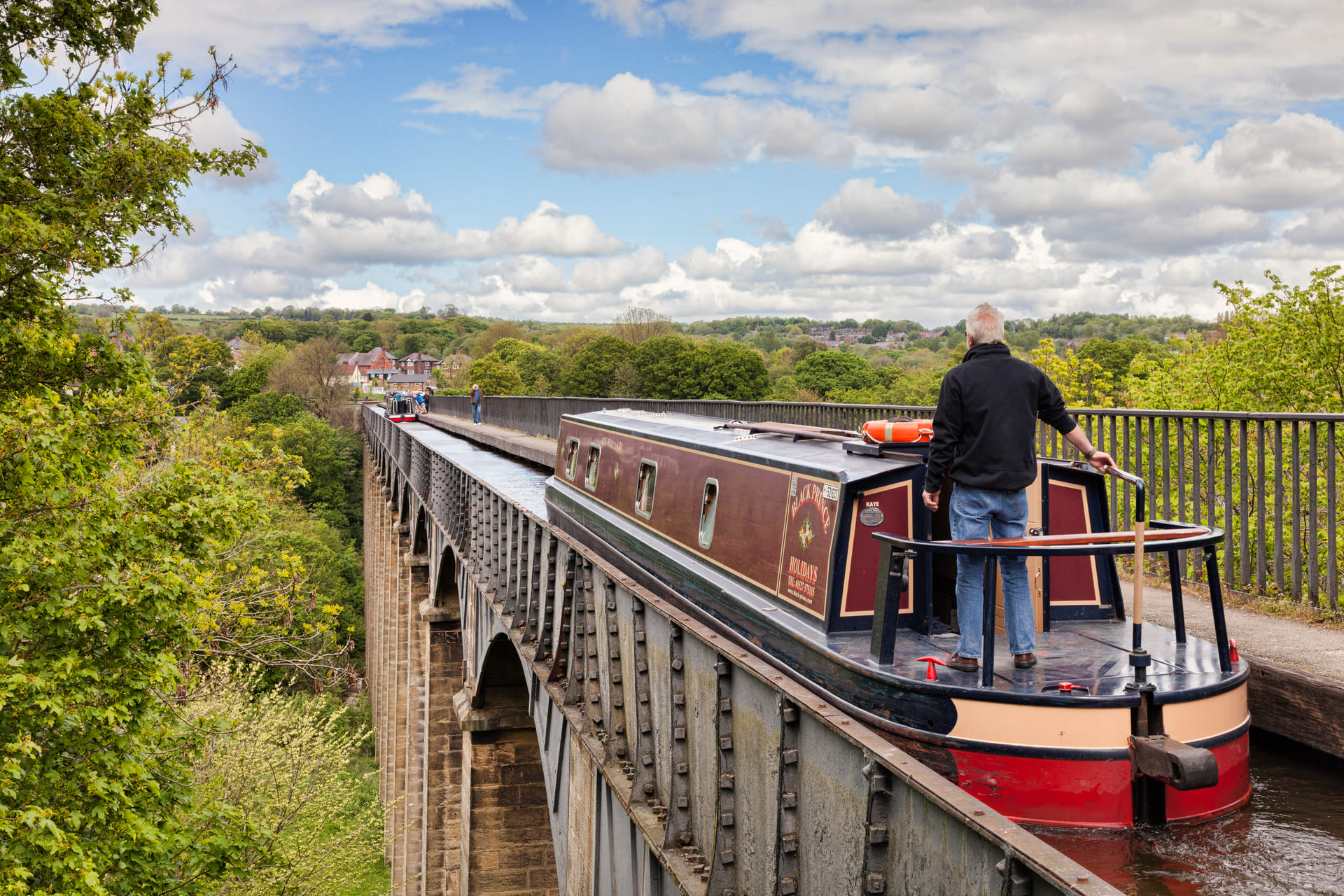 Pontcysyllte Aqueduct, Wales
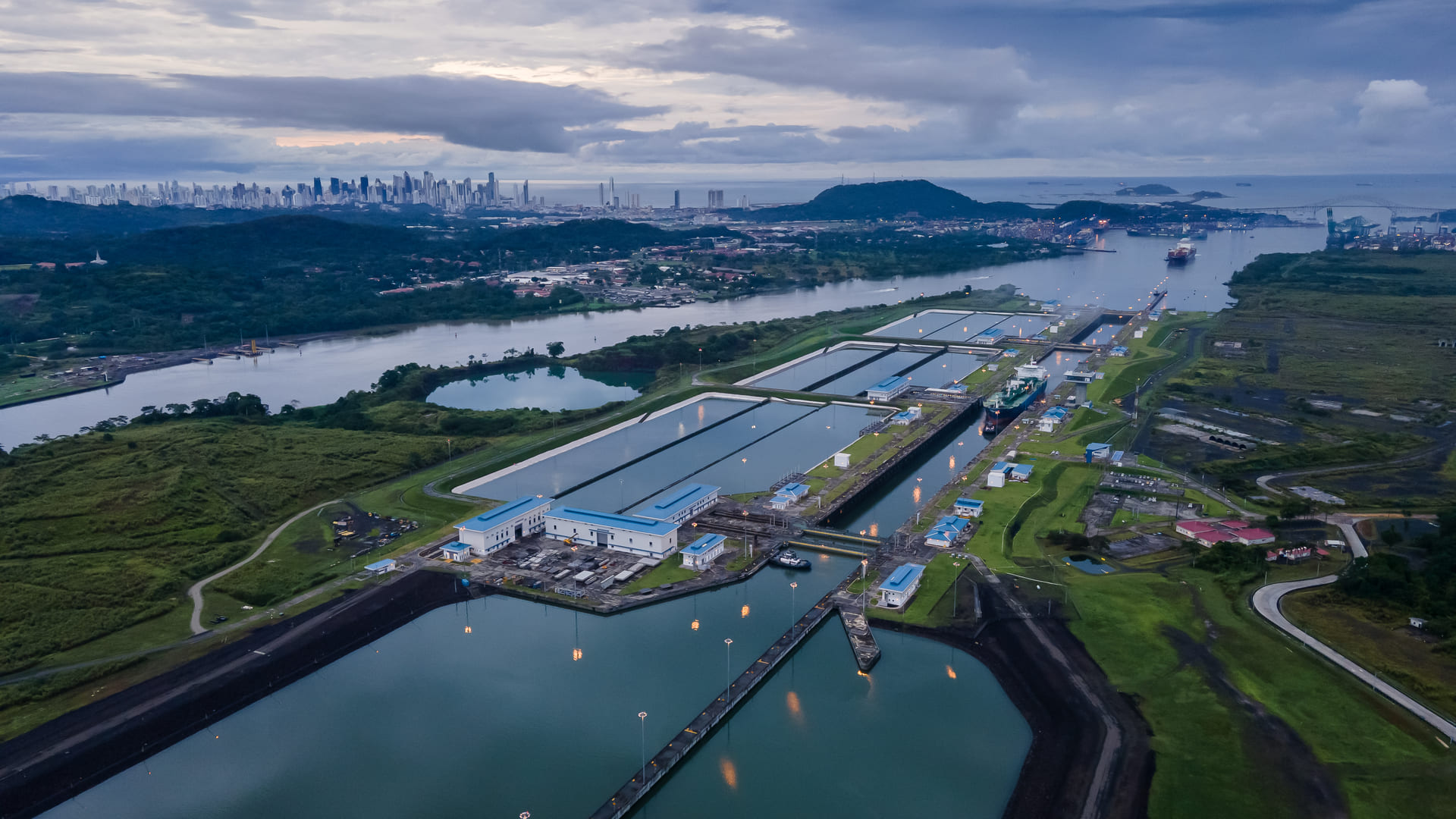 New Panama Canal
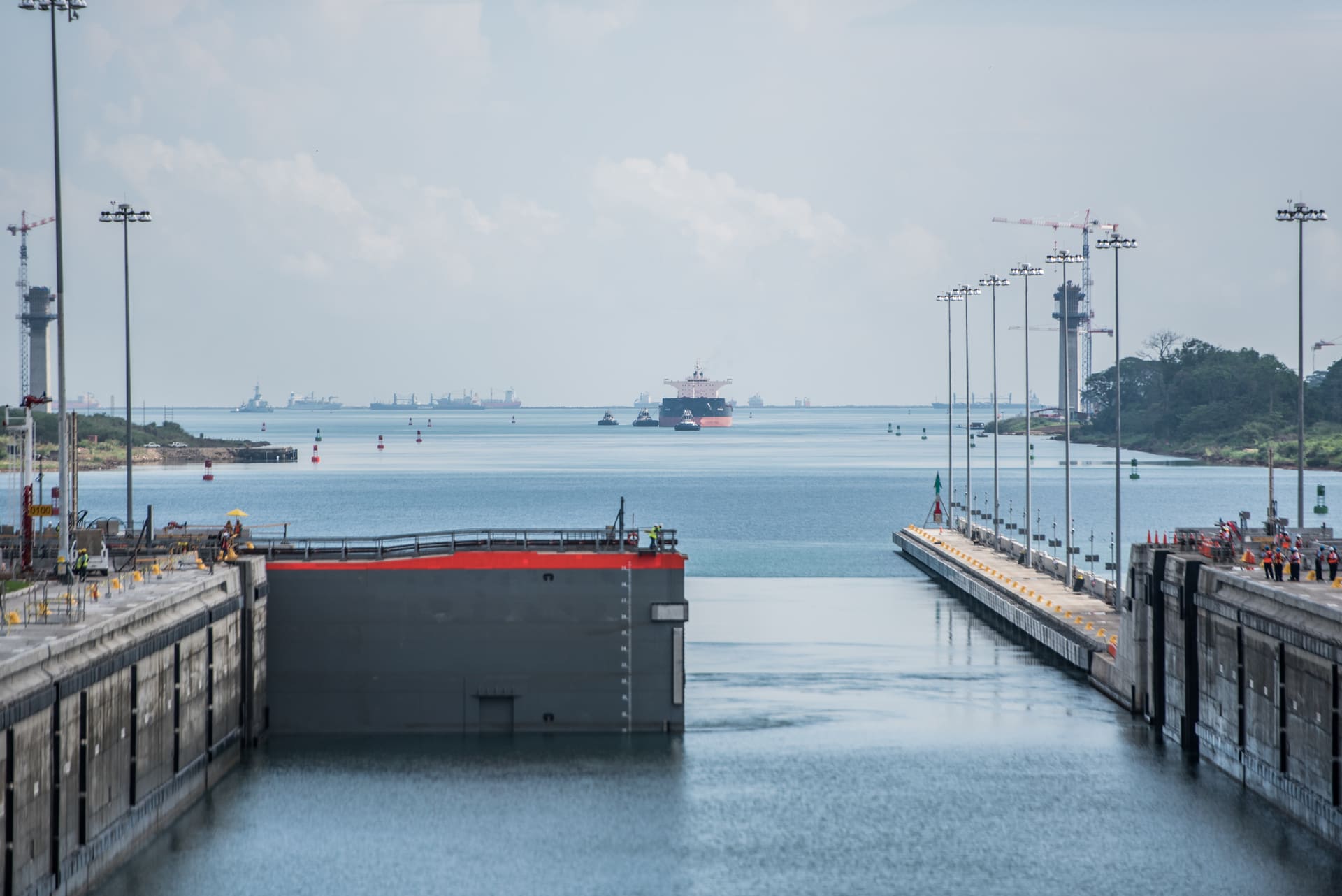 New Panama Canal
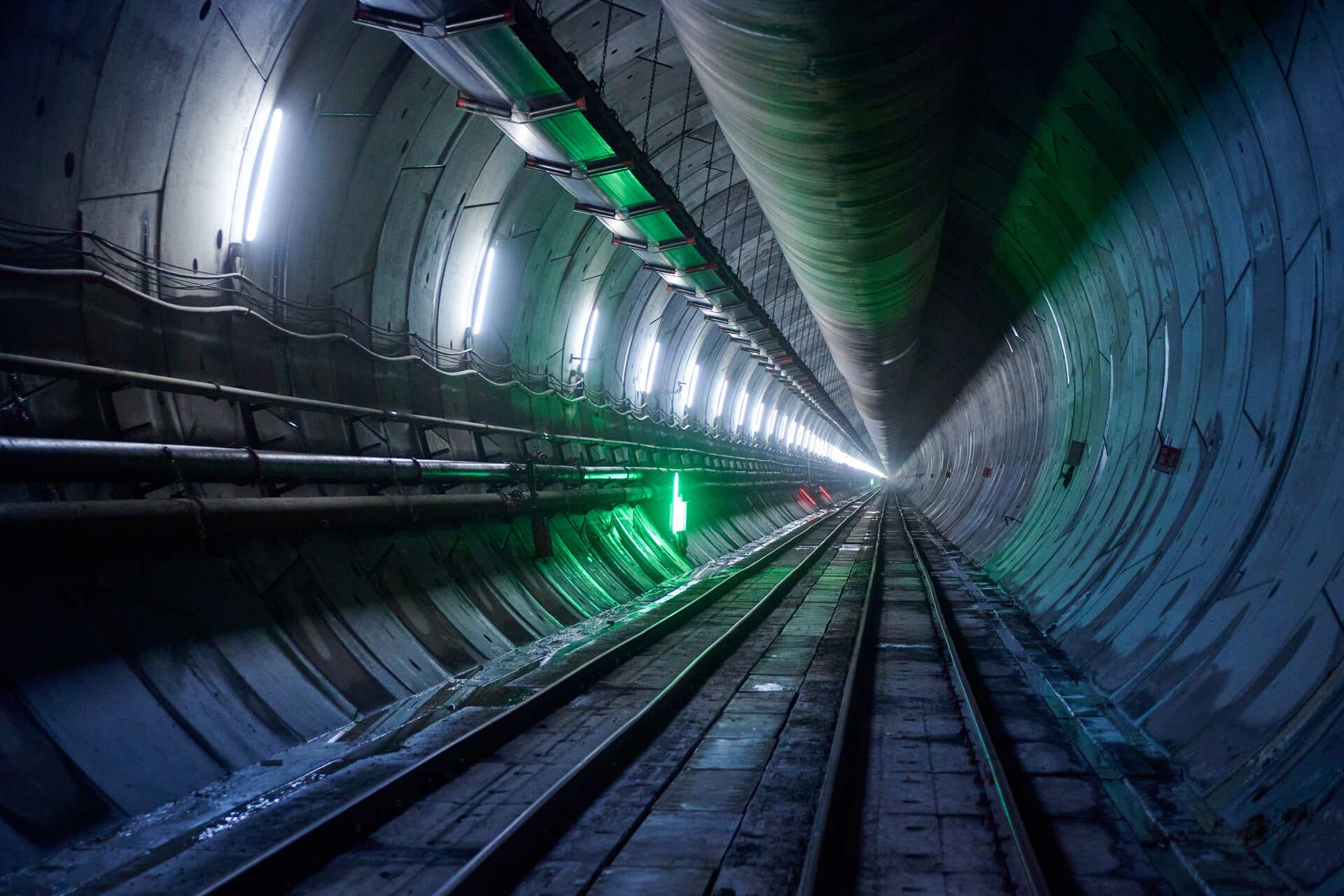 Brennero Base Tunnel constructio site
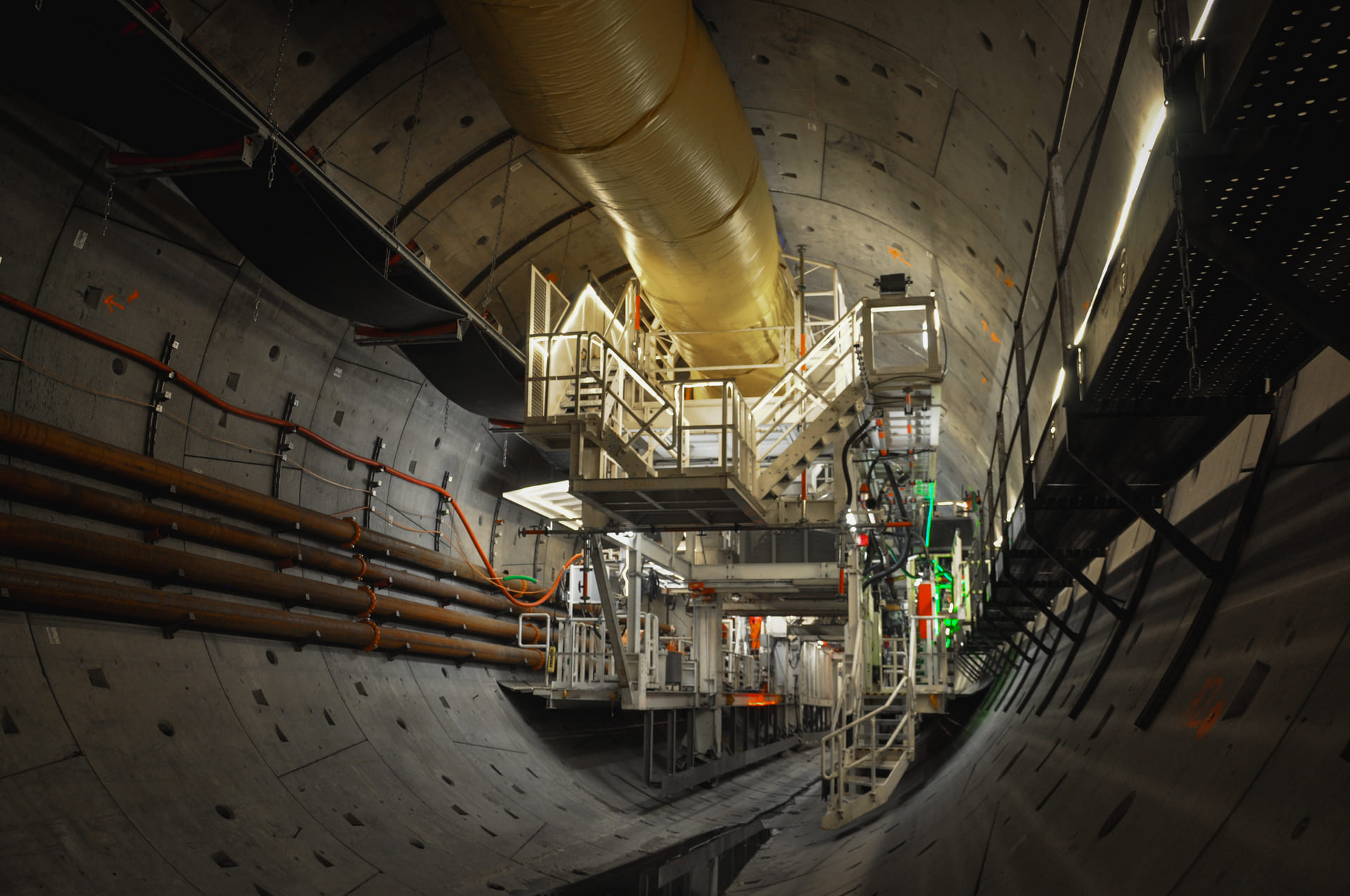 Turin-Lyon railway construction site
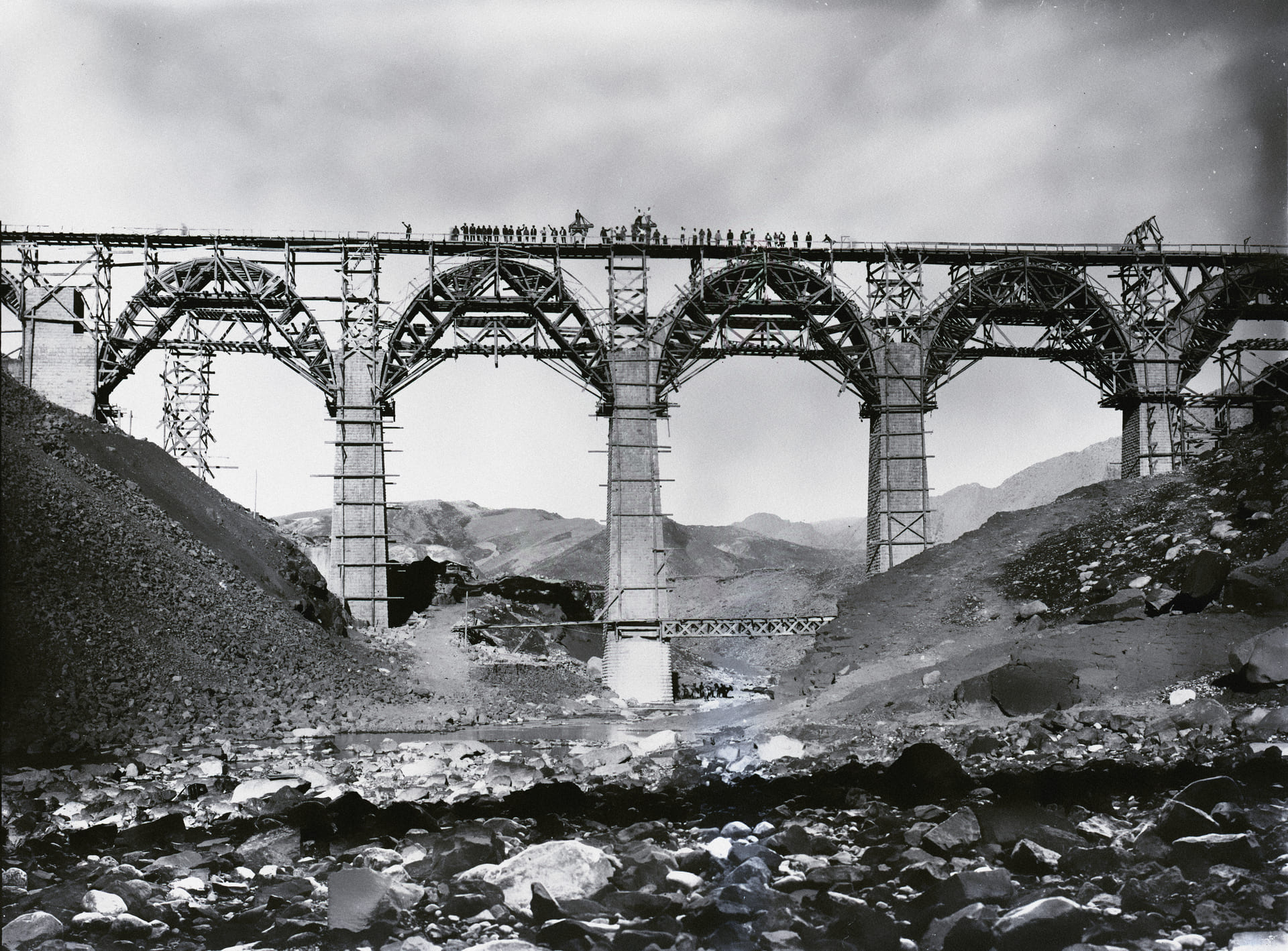 Transiranian Railway
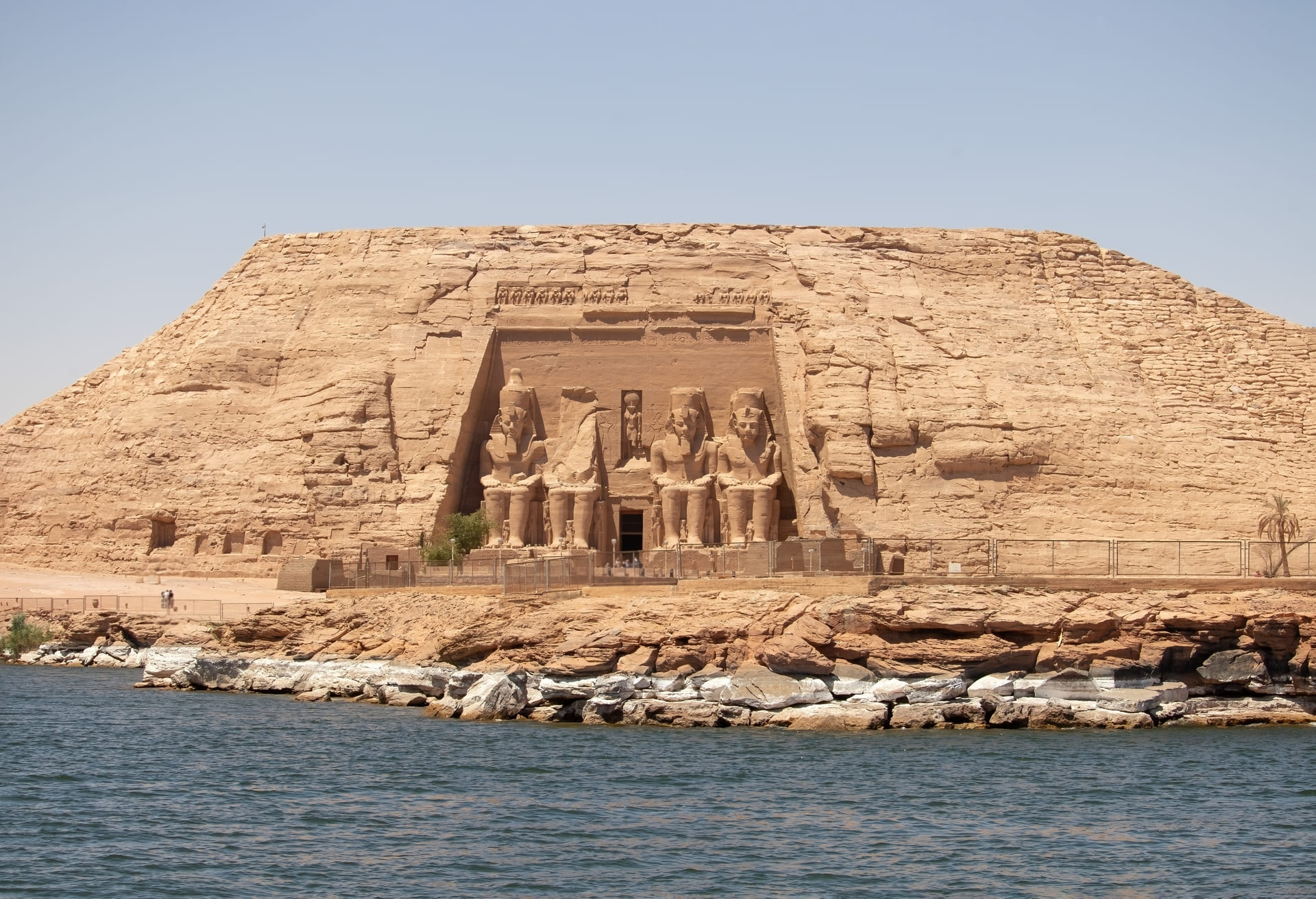 Abu Simbel temple, Egypt
- From the Alps to Scotland, several infrastructure projects originally created to meet mobility and economic development needs are today recognized by UNESCO as World Heritage Sites.
- The Semmering Railway was the first railway in the world to conquer the Alps and enter the World Heritage List, paving the way for great modern railway projects.
- The Trans-Iranian Railway, co-built by Impresit (now Webuild), has been a UNESCO World Heritage Site since 2021 and remains one of the great railway engineering masterpieces of the 20th century.
- To save Abu Simbel from the waters of the Aswan Dam, Webuild participated in the historic relocation of the temples, a UNESCO World Heritage Site since 1979.
- Major projects like the new Panama Canal or the Brenner Base Tunnel have inherited the legacy of these excellences from the past.

Bridges, railways, aqueducts, and canals were born to solve concrete problems, not to become monuments. Yet, some of the greatest engineering works in history are today recognized by UNESCO as World Heritage Sites, testifying to how an infrastructure can transform into a legacy destined to endure through the centuries.
No one built those bridges imagining that one day they would be visited like a cathedral. No one dug those canals thinking that, centuries later, they would become world heritage. Those works were born with a much simpler and more concrete purpose: to cross mountains, connect cities, transport goods, and bring water where there was none.
Yet, time has changed their meaning. Today, some of the most extraordinary infrastructures ever built are protected by UNESCO, not only because they represent masterpieces of engineering, but because they tell the story of the evolution of the relationship between humans, technology, and the territory.
Semmering Railway: When Trains Conquered the Alps, from Trieste to Vienna
When it was inaugurated in 1854, many considered it an impossible feat.
The Semmering Railway, just 41 kilometers long, had to overcome one of the most impassable stretches of the Eastern Alps, connecting Vienna with Trieste, which was then the port of the Austro-Hungarian Empire. To build it, sixteen major viaducts, fifteen tunnels, and over one hundred masonry bridges were required, following a route that reached altitudes previously considered incompatible with railway transport.
The engineer Carl Ritter von Ghega transformed that challenge into a project destined to change history.
The Semmering Railway proved that even mountains could be crossed by train and paved the way for the great Alpine railways built in the following century, as well as for the modern networks of the TEN-T high-speed trains, such as the Brenner Base Tunnel (currently under construction by an international consortium led by the Webuild Group) and also the Mont Cenis Base Tunnel, the other major project in which Webuild is participating that will contribute to bringing high-speed rail to the connection between Turin and Lyon.
In 1998, UNESCO recognized the Semmering Railway as a World Heritage Site, defining it as one of the most important achievements of nineteenth-century railway engineering. It was the very first recognition ever awarded to a railway line.
Trans-Iranian Railway: The Railroad That Connected Iran from the Caspian Sea to the Persian Gulf
There are railways that connect cities, and others that help build a nation. The Trans-Iranian Railway belongs to this second category. Completed in 1939 after years of work in extreme conditions, the line spans Iran from the Caspian Sea to the Persian Gulf—traversing mountain ranges, high plateaus, and deserts in a country that, at the time, still had very limited modern infrastructure.
The project represented one of the greatest engineering challenges of the 20th century. Crossing a territory characterized by some of the most difficult terrain in the Middle East meant conquering mountain passes over 2,000 meters above sea level and excavating 190 tunnels. Impresit—now part of the Webuild Group—played a decisive role in this undertaking, constructing 73 tunnels along the route.
The difficulties were not merely technical: in the northern construction sites along the Talar Valley, workers endured months of snow and freezing temperatures, while in the south, amid the mountains of Khūzestān, temperatures soared to 50 degrees Celsius, forcing operations to take place almost exclusively at night.
The Trans-Iranian Railway did more than just speed up the movement of people and freight: it fueled the modernization of Iran, strengthened connections between its regions, and spurred economic development across vast areas that had previously been isolated. In 2021, UNESCO inscribed it on the World Heritage List, recognizing it as an extraordinary synthesis of engineering, landscape, and construction expertise.
Abu Simbel in Egypt: When Infrastructure Saved a World Heritage Site
Sometimes engineering does not serve to build something new, but to save what has existed for thousands of years. This is the case with the temples of Abu Simbel—masterpieces commissioned by Ramesses II in the 13th century BC, which were destined to disappear beneath the waters of the future Lake Nasser following the construction of the Aswan Dam.
Faced with the risk of losing one of ancient Egypt’s most extraordinary monumental complexes, UNESCO launched one of the greatest cultural heritage preservation campaigns ever undertaken. The Webuild Group was tasked with executing the most delicate phase of the operation: dismantling the temples, relocating them, and faithfully reconstructing them in a new position, safe from the rising waters.
The undertaking was unprecedented. The monuments were cut into 1,030 blocks, transported, and reassembled 65 meters higher and 280 meters further inland from their original site. Even before that, a large temporary cofferdam had to be built to protect the site, and an artificial hill was engineered to meticulously recreate the temples’ natural setting.
Every detail was studied with extreme precision. The astronomical orientation was preserved thanks to complex calculations that still allow the Sun’s rays to illuminate the inner sanctuary during the equinoxes, exactly as they did over three thousand years ago. Behind that result lies a perfect balance of archaeology, engineering, and construction innovation.
In 1979, Abu Simbel was inscribed on the UNESCO World Heritage List. It remains perhaps the most emblematic example of how an engineering feat can become not merely infrastructure, but a tool capable of preserving human memory—passing down one of the greatest treasures of Egyptian civilization to future generations.
Forth Bridge in Scotland: The Bridge Over the North Sea
There are monuments that have never stopped doing their job. The Forth Bridge, in Scotland, is one of them.
When it was completed in 1890, it represented a technological revolution. Indeed, the gigantic steel railway bridge, nearly two and a half kilometers long, became the symbol of the British Second Industrial Revolution and demonstrated the potential of a material destined to change the way bridges were built around the world.
More than a century later, the exact same bridge continues to be crossed every day by trains. This is perhaps the most fascinating aspect of infrastructure projects recognized by UNESCO: they are not open-air museums, but works that are still alive, continuing to perform the function for which they were designed.
This is a lesson that also applies to major contemporary projects, designed not only to meet the needs of the present, but to accompany entire generations.
Pontcysyllte Aqueduct in Wales: When Water Flows Suspended in Mid-Air
Anyone who crosses the Pontcysyllte Aqueduct in northern Wales often gets the impression of sailing in the sky. Boats travel along a canal suspended nearly forty meters high above the valley of the River Dee.
Completed in 1805, the Pontcysyllte Aqueduct represented one of the most daring feats of the British Industrial Revolution and made it possible to develop freight transport along a network of canals that contributed to the economic growth of the United Kingdom.
Today, millions of visitors travel across it every year as a tourist experience, yet it continues to serve as a reminder of how water management has always been one of the fundamental elements of urban development.
The same principle inspires many of the major contemporary projects dedicated to water resources: dams, hydraulic tunnels, and water treatment systems that allow modern metropolises to grow sustainably.
This is the case, for example, with the Clean Rivers Project in Washington D.C., in which Webuild participated through its subsidiary Lane Construction—a complex system of underground tunnels designed to reduce discharges into the Potomac and Anacostia rivers and increase the environmental resilience of the American capital.
Canal du Midi: The Canal That Linked the Mediterranean to the Atlantic
Long before the Panama Canal and the Suez Canal, there already existed a project destined to revolutionize commercial trade. The Canal du Midi, built in the 17th century in the south of France, connected the Mediterranean with the Atlantic for the very first time through a network of over 240 kilometers of canals, bridges, tunnels, and locks.
For its era, it was one of the largest civil engineering works ever completed in Europe. UNESCO still considers it a masterpiece of hydraulic design today, serving as a testament to the level of innovation achieved by 17th-century engineers.
In this case as well, the infrastructure continues to live a second life. Commercial vessels have given way to slow tourism, but the canal continues to connect territories, foster economic development, and enhance the landscape it traverses.
Here too, it is a project that left its mark and is evoked in great modern infrastructure projects, starting precisely with the Panama Canal. In 2016, the historic isthmus was expanded by an international consortium led by Webuild and equipped with a new system of locks that allows for the transit of large Post-Panamax ships. An epic work that transformed global maritime trade and rewrote the history of construction.