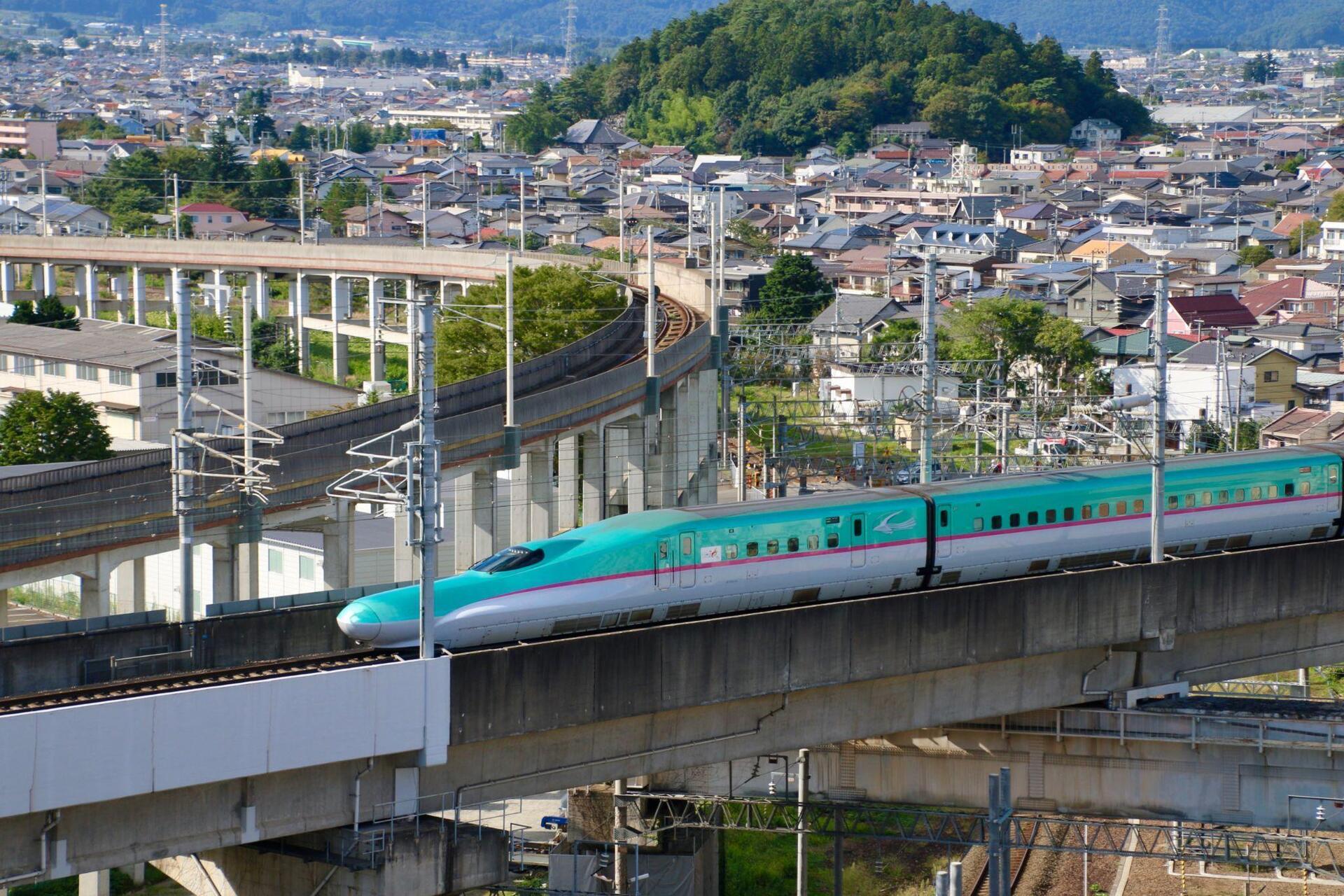


High-speed rail is reshaping the way we travel, bringing cities and territories that once seemed much farther apart closer together. Lines crossing mountains, plateaus and extreme landscapes connect major urban centers with remote communities: infrastructure projects that differ in geography and characteristics, yet share the ability to shorten distances and strengthen connections.
Building new railways means creating links that go beyond the journey itself. It means making travel easier, fostering exchanges and bringing people, economies and territories closer together. From Europe to Asia, these major projects tell a different story about distance: no longer a geographical limitation, but a challenge to be overcome through engineering and innovation.
1 – Ankara-Istanbul High-Speed Railway
Between Ankara and Istanbul, the railway line provides a new connection between two of Turkey’s major urban centers.
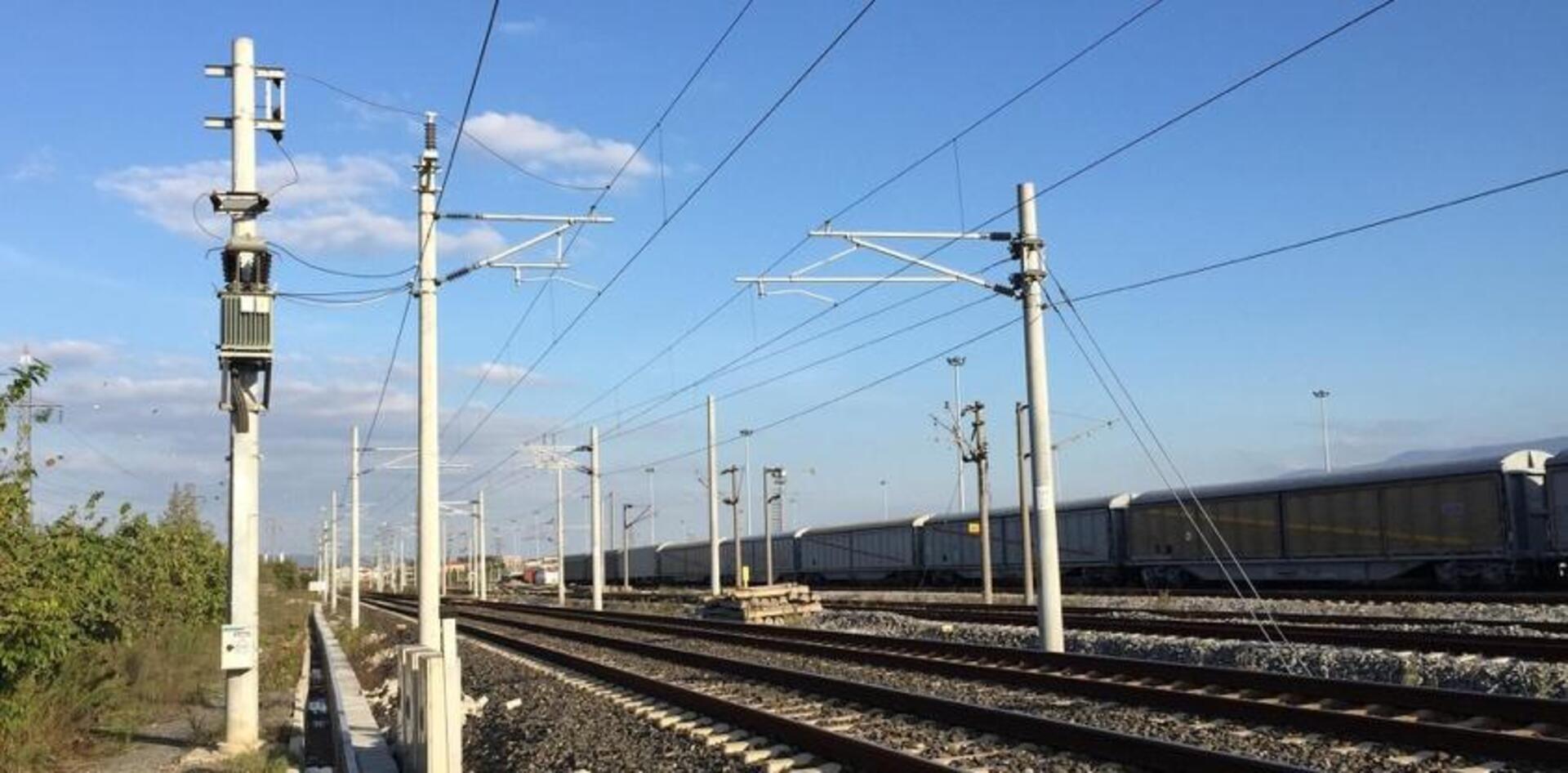
The Köseköy-Gebze section is part of the high-speed rail line connecting the two cities and involved the reconstruction and modernization of 56 kilometers of double-track railway, transforming it into a more modern and faster infrastructure. The project included not only the new track superstructure, but also electrification, signaling and telecommunications systems.
Built by Webuild, the infrastructure project helped bring a more efficient and modern transport system to Turkey’s railway network. The work was carried out along a strategic section of the Ankara–Istanbul line, upgrading the infrastructure to make connections between cities and territories farther apart faster.
2 – Lyon-Turin High-Speed Rail Line, France-Italy
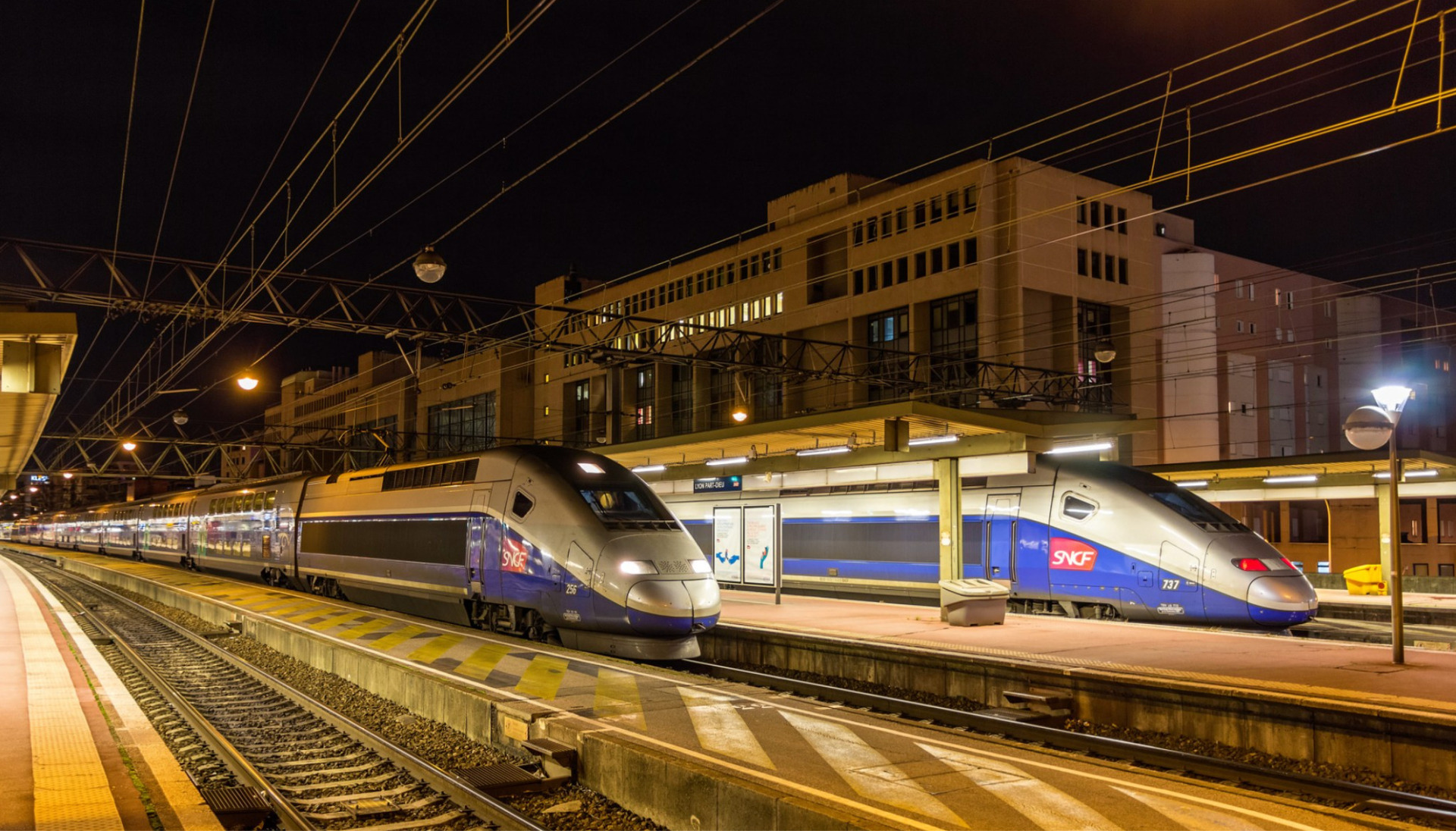
Between the French and Italian Alps, the Lyon-Turin railway is creating a new rail link between two countries and some of Europe’s major economic areas. At the heart of the project is the 57.5-kilometer Mont Cenis Base Tunnel, which will connect Susa with Saint-Jean-de-Maurienne.
Lot 5A, built by Webuild, is located at the heart of the future tunnel and includes preparatory works for the Modane safety site.
The works involve the construction of a logistics hub approximately 500 meters underground, as well as more than 3 kilometers of underground tunnels that will pave the way for the excavation of the next 18 kilometers beneath the Ambin Massif, towards Italy.
3 – Madrid–Galicia AVE, Spain
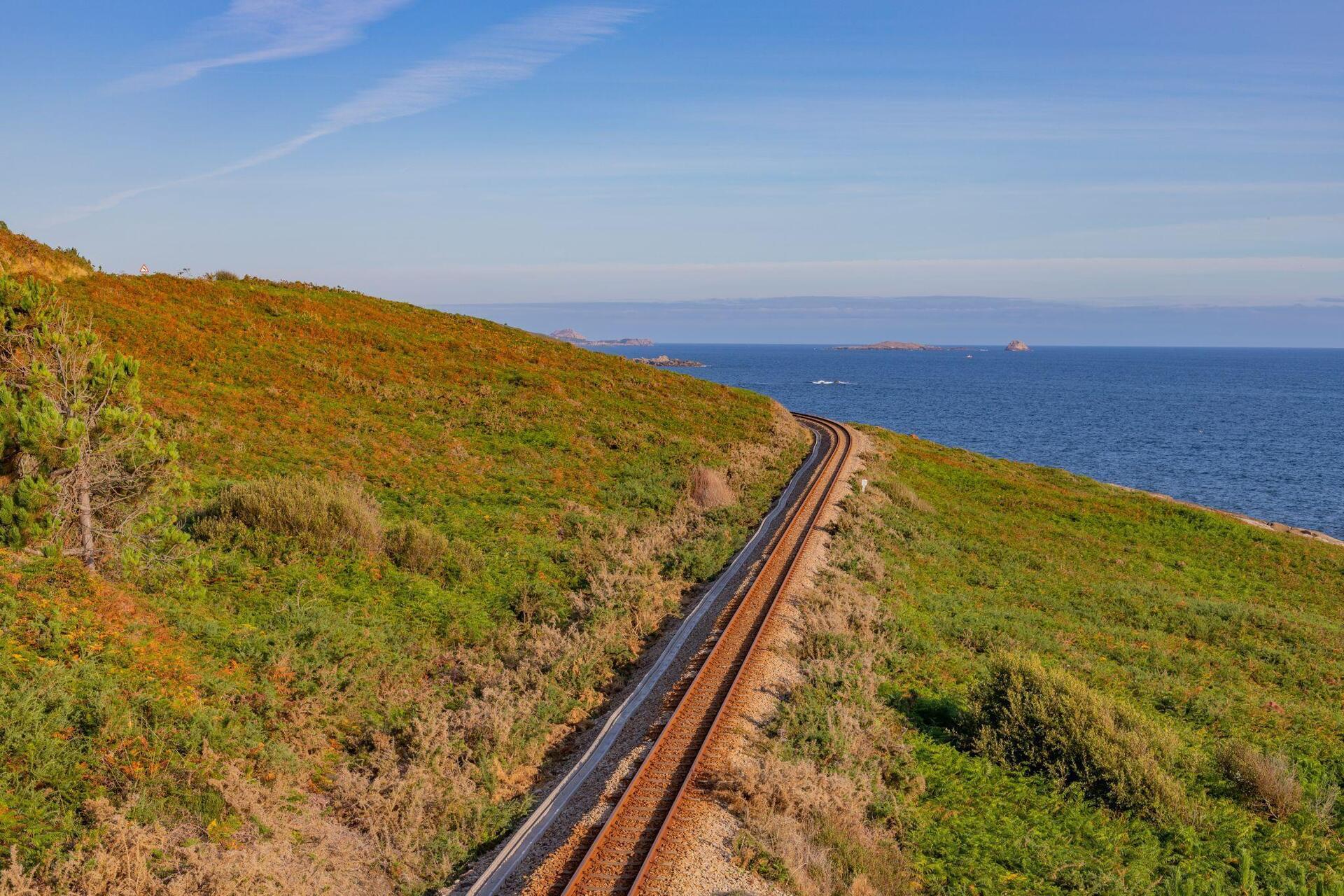
In Galicia, where the mountainous terrain has historically made connections with central Spain more difficult, the Madrid-Galicia high-speed rail line has transformed the way people reach the country’s northwestern region.
Stretching for approximately 435 kilometers, the railway line reaches Santiago de Compostela and now allows passengers to travel between Madrid and Santiago in around three hours. The infrastructure required the railway to cross challenging terrain, with 31 tunnels and 38 viaducts along the route.
The final connection with the Meseta was completed in 2021, bringing high-speed trains to a region that for decades had remained more distant from the rest of Spain’s railway network.
4 – Qinghai–Tibet Railway, Tibet
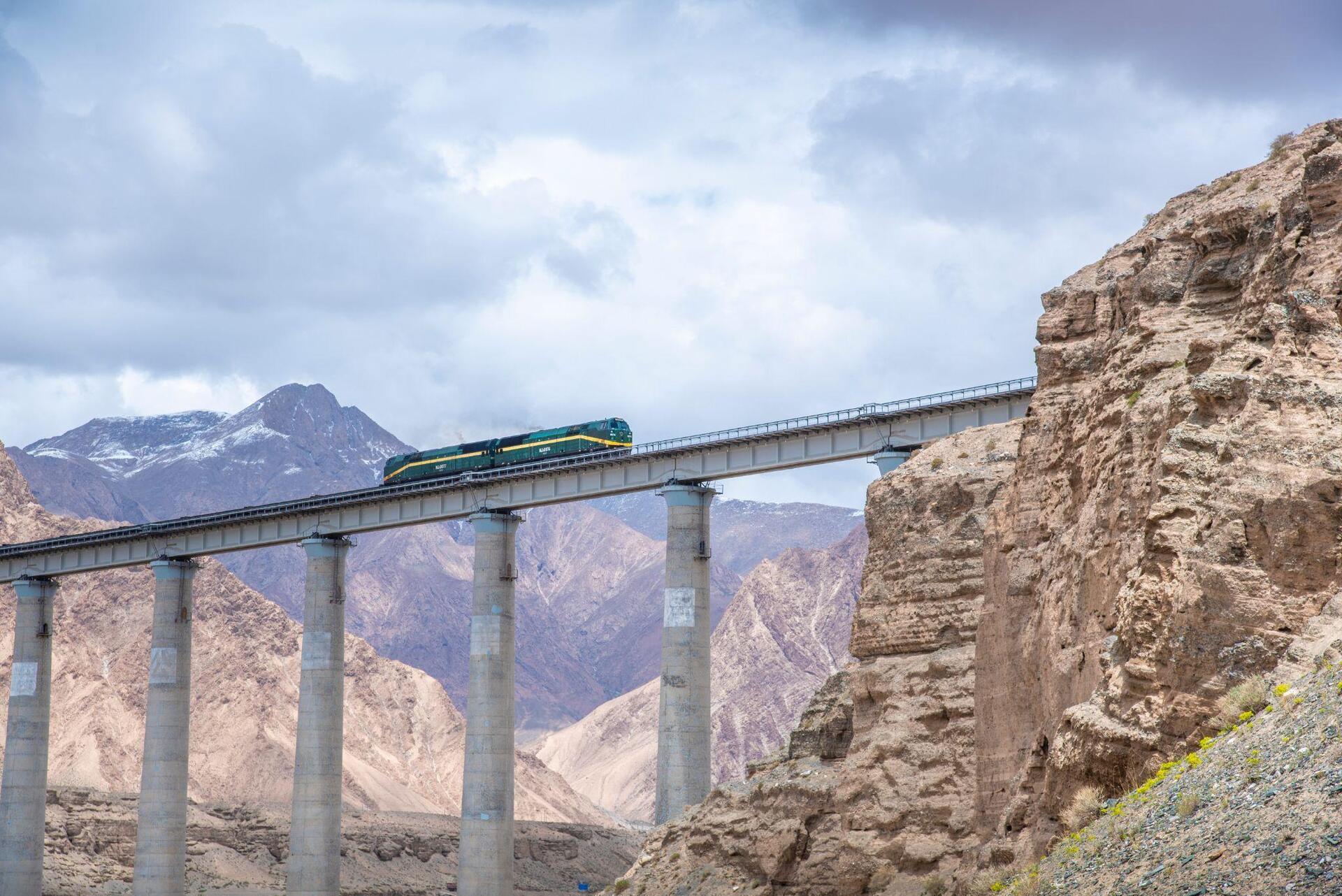
On the “roof of the world,” the Qinghai-Tibet Railway crosses the Tibetan Plateau, connecting Golmud and Lhasa.
It is the highest railway in the world: around 960 kilometers run at elevations above 4,000 meters, while the highest point reaches 5,072 meters. It is a journey through a remote and spectacular landscape, where the railway crosses mountains, plains and permanently frozen terrain.
Inaugurated in 2006, although the line is not technically a high-speed railway, it has nevertheless brought Lhasa into China’s railway network, crossing one of the world’s most challenging environments in which to build and maintain infrastructure.
At such altitudes, even traveling requires special measures: the carriages are equipped with systems that enrich the air with oxygen, while Tanggula station, at 5,068 meters, is the highest in the world.
5 – Hokkaido Shinkansen, Japan
In northern Japan, the Hokkaido Shinkansen is extending the high-speed rail network to Sapporo, crossing the island of Hokkaido via Otaru.
The new 212-kilometer section will connect Shin-Hakodate-Hokuto with the island’s capital and pass through some of its most remote landscapes: around 80% of the route will run through tunnels.
Construction has also had to contend with geological conditions that proved more challenging than initially expected, making it necessary to revise the line’s opening schedule. The project is reshaping rail connections across northern Japan, bringing Sapporo closer to the Shinkansen network and making areas that were previously more distant from the country’s main urban centers more accessible.